


Waterproof Electrical Wire Connectors for Reliable Connections
Release Time:
2026-10-10
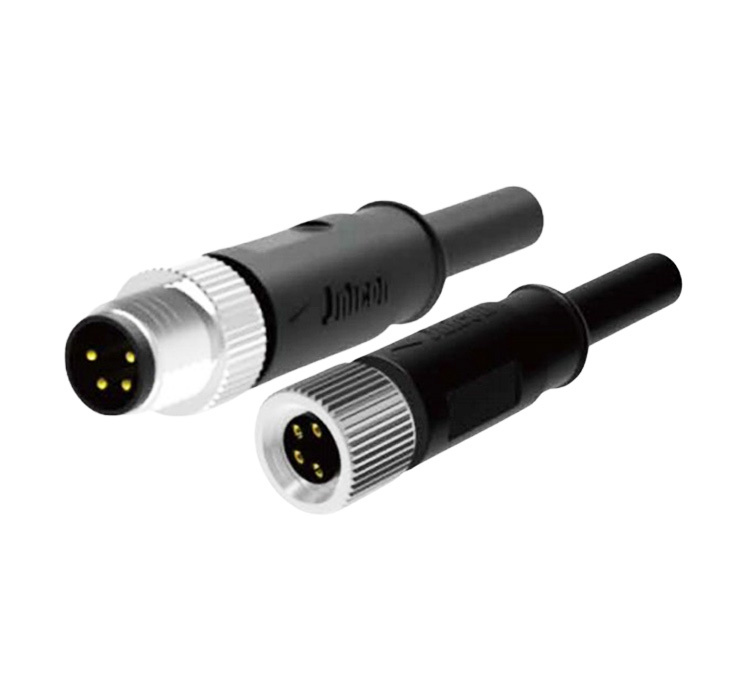
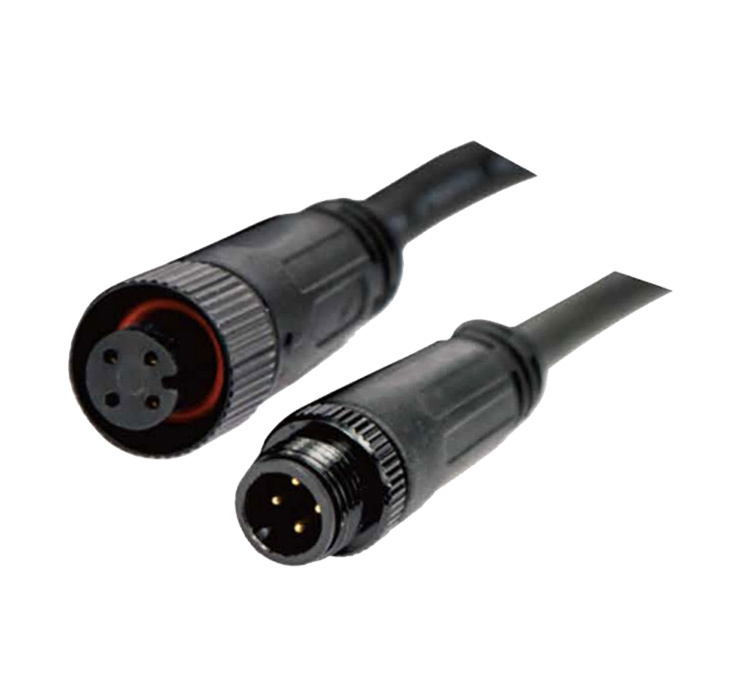
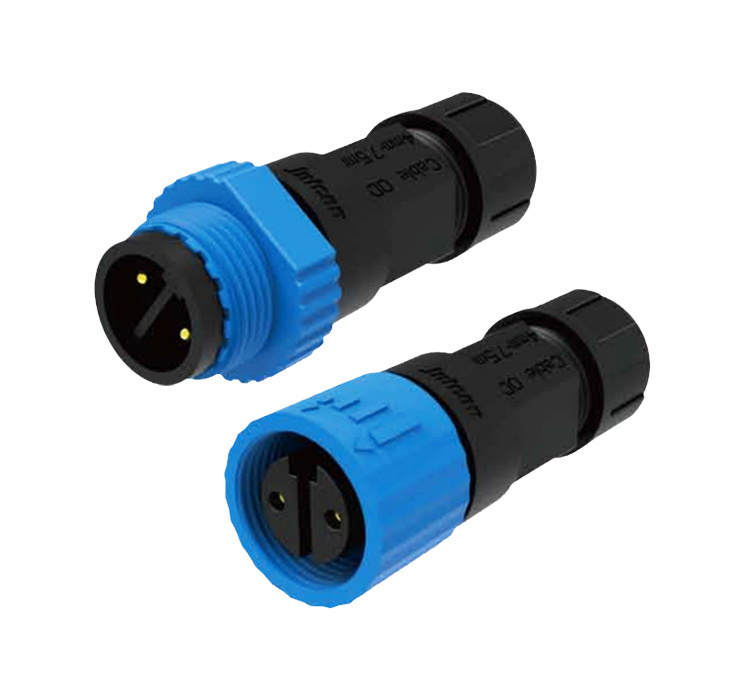
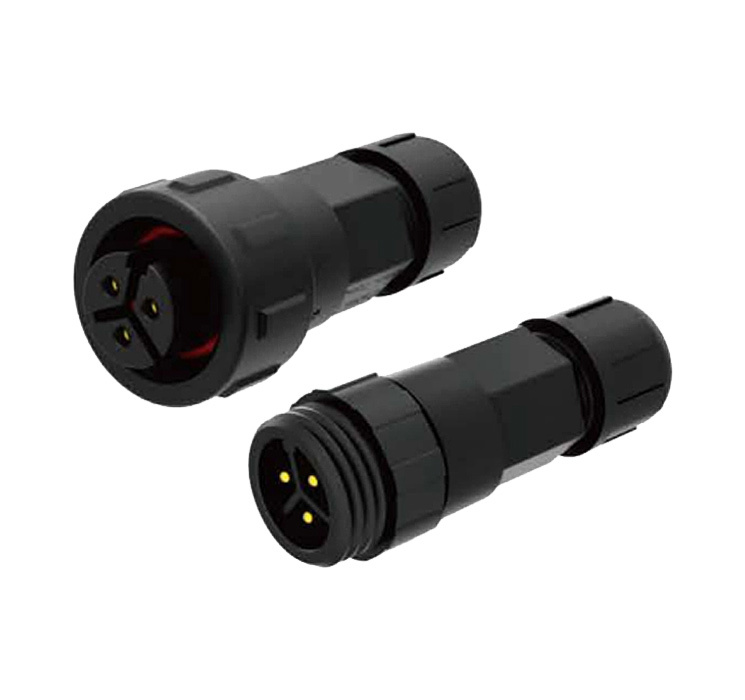
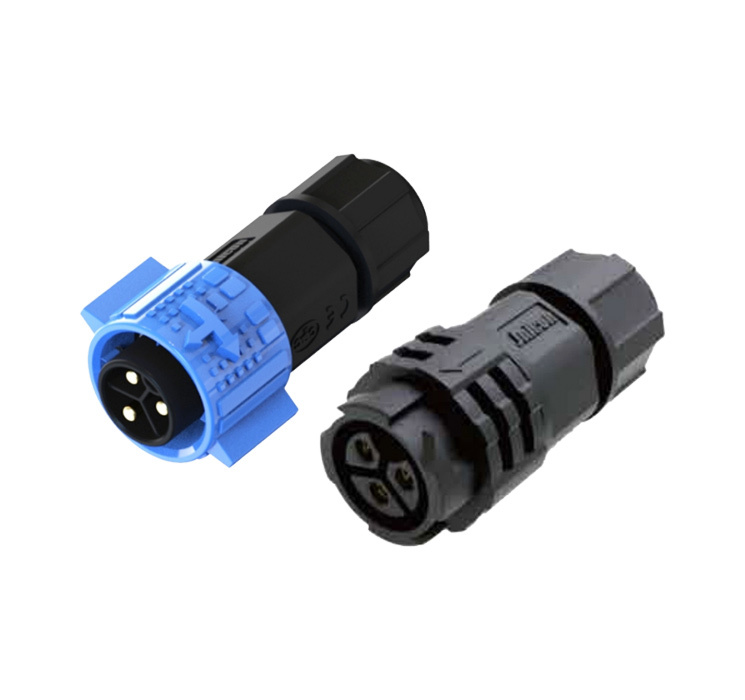
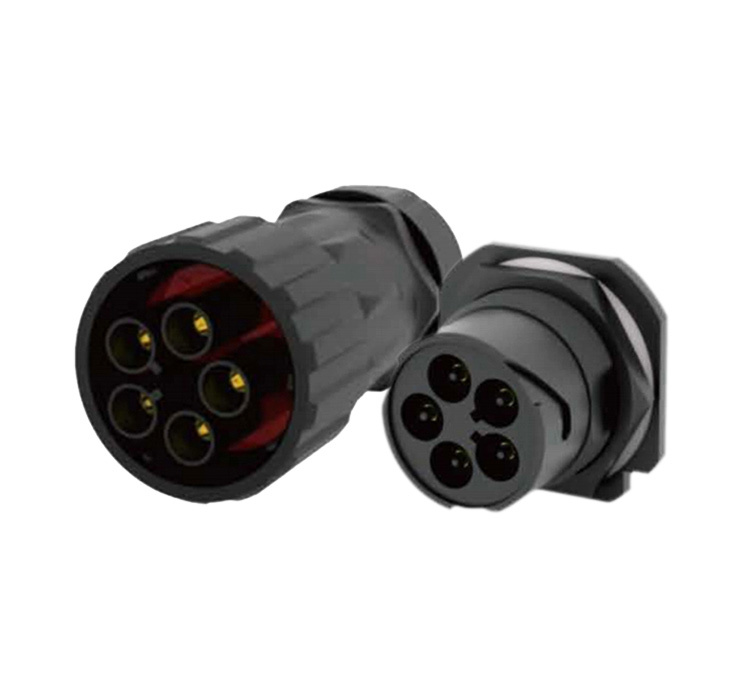
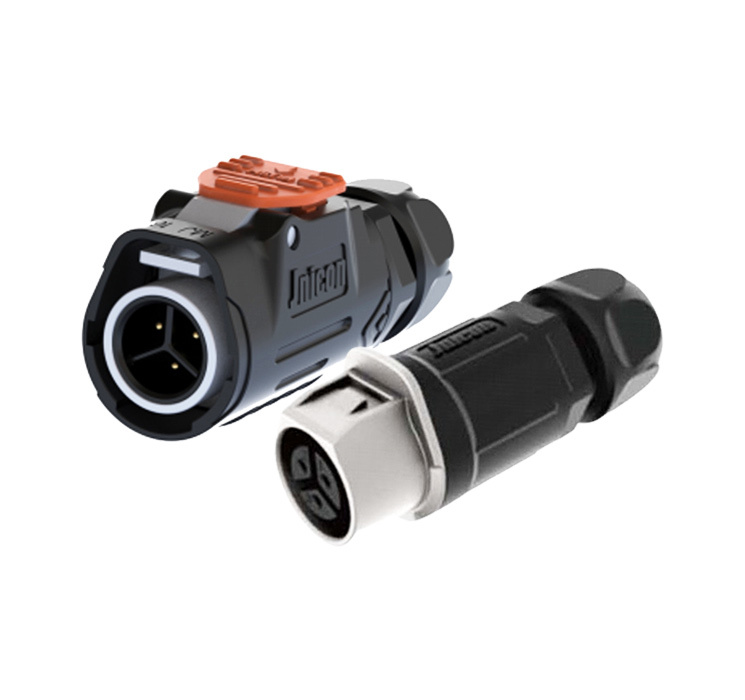
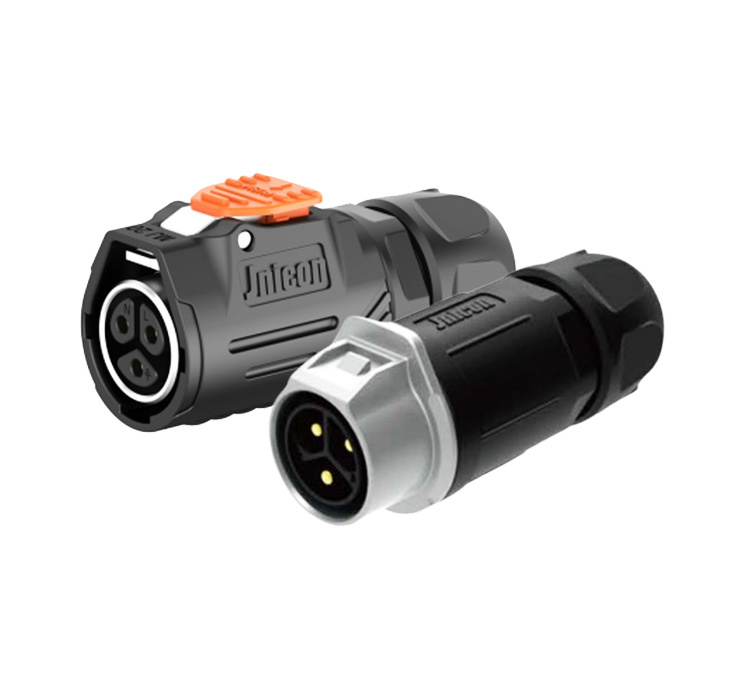
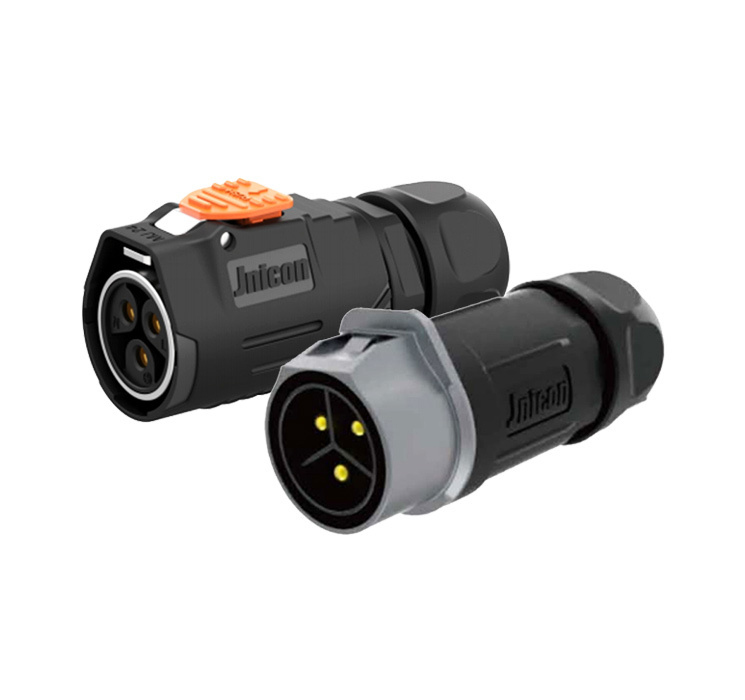
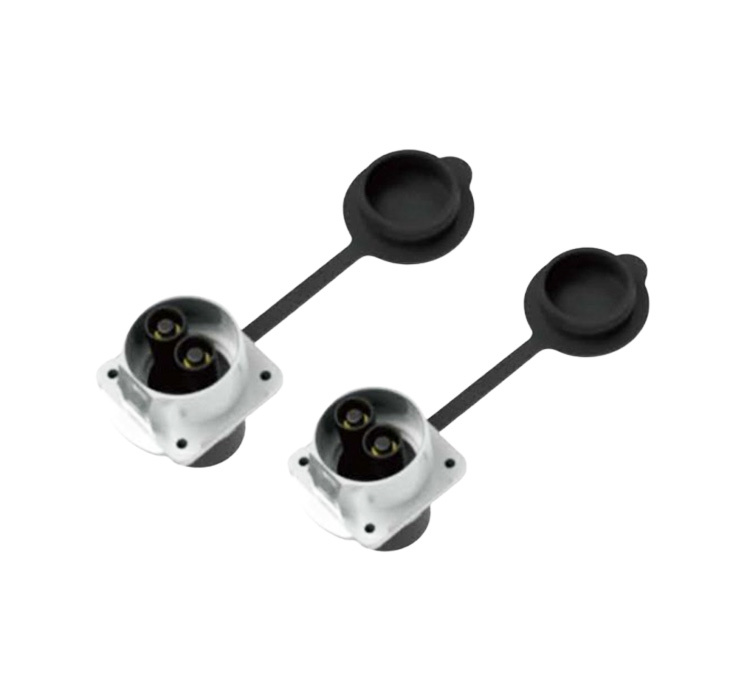
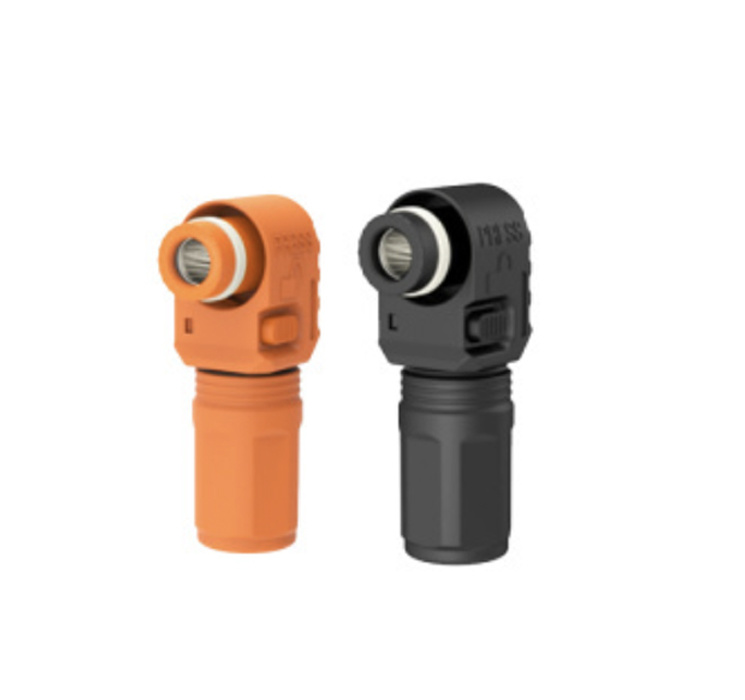
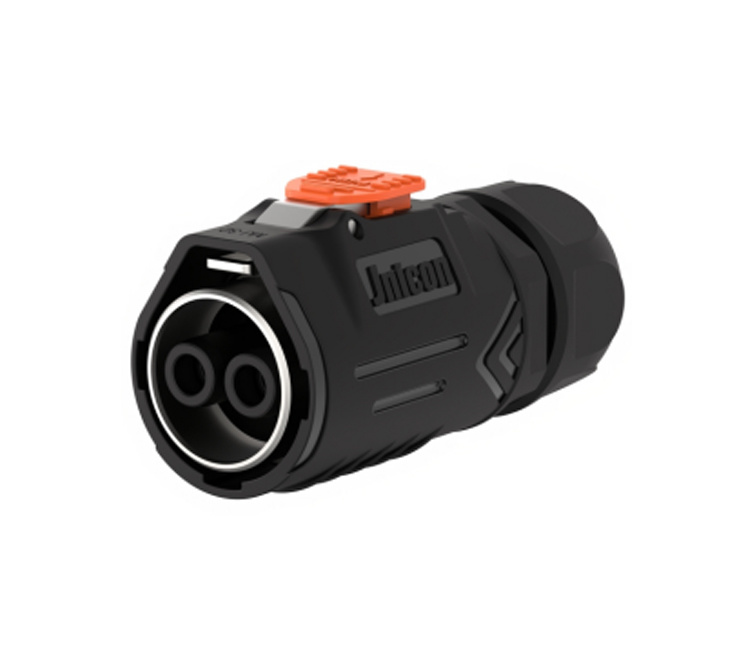
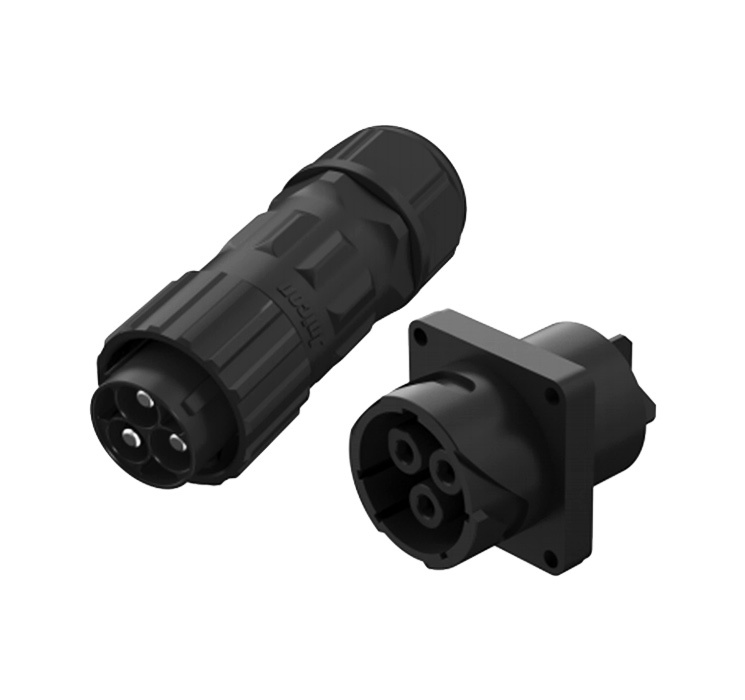
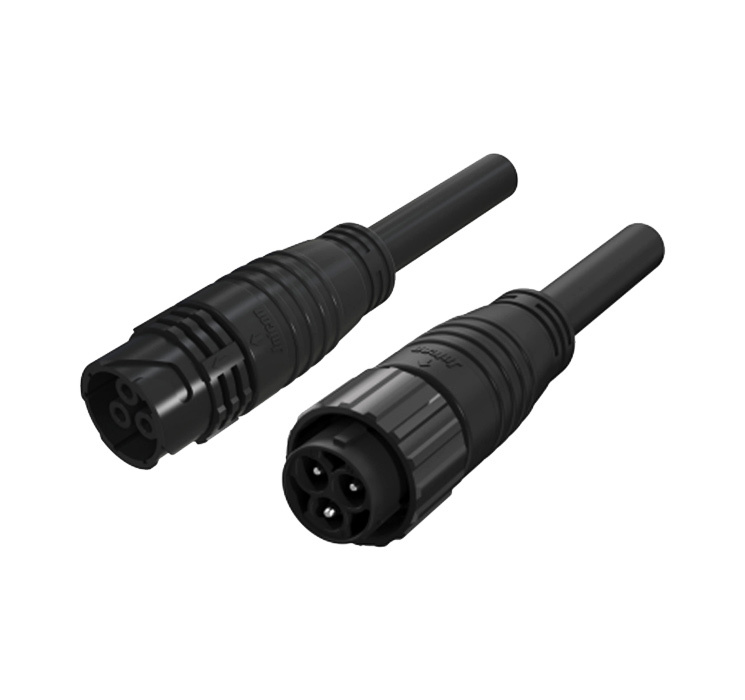
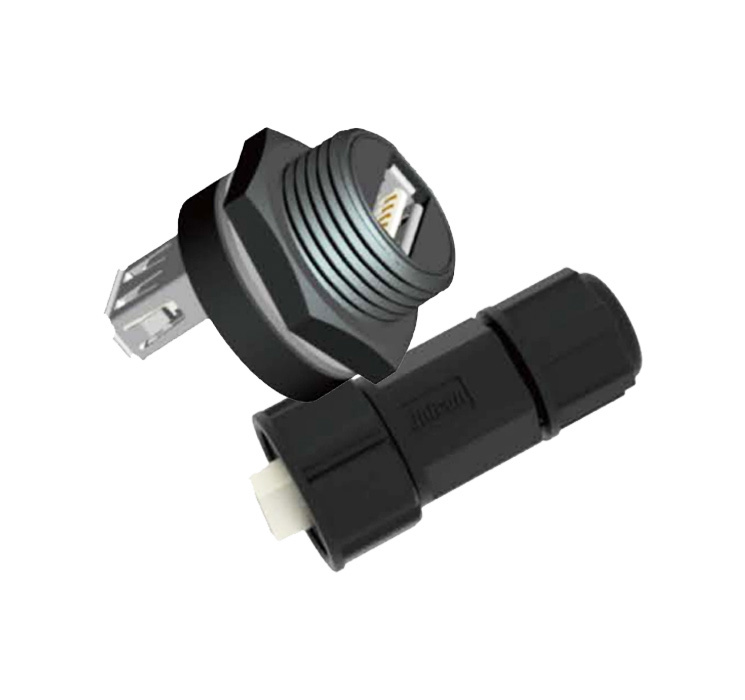
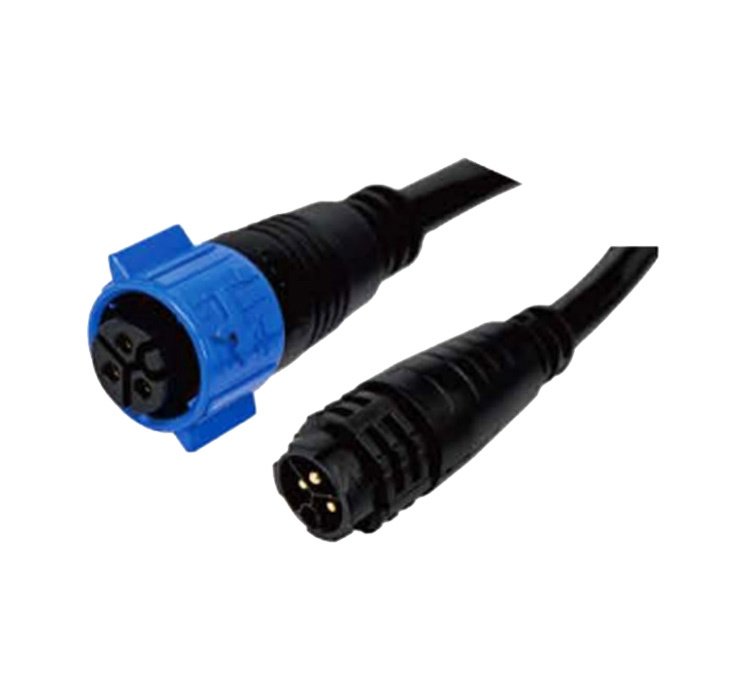
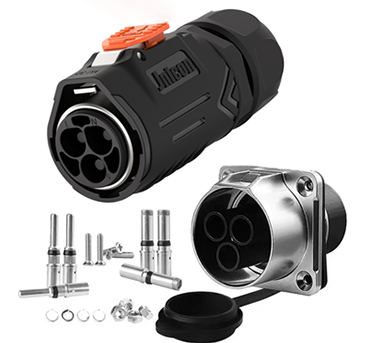
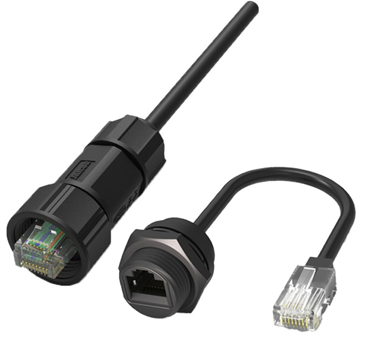
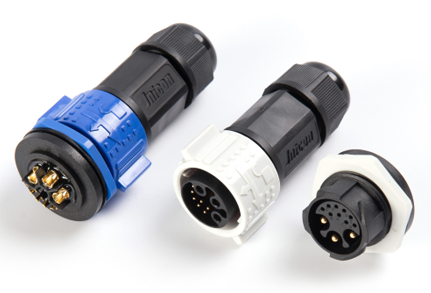
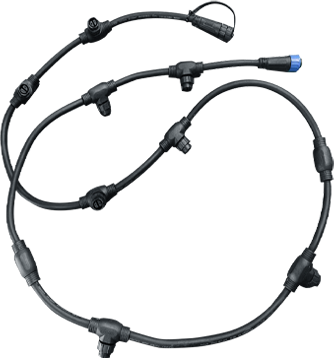
Electrical connections are often exposed to moisture, dust, vibration, and changing temperatures, especially in outdoor installations and demanding working environments. Choosing the right connectors helps protect wiring, maintain stable electrical contact, and reduce the risk of connection problems. Electrical wire connectors waterproof are designed to provide a sealed connection for compatible wires and cables, making them useful in applications where exposure to water or humidity is a concern.
From outdoor lighting and landscape systems to automotive wiring and industrial equipment, waterproof connectors support a wide range of electrical projects. Their performance depends on the connector design, sealing materials, installation method, and suitability for the operating environment. Selecting the right product starts with understanding these factors and matching them to the actual application.
How Waterproof Electrical Wire Connectors Work
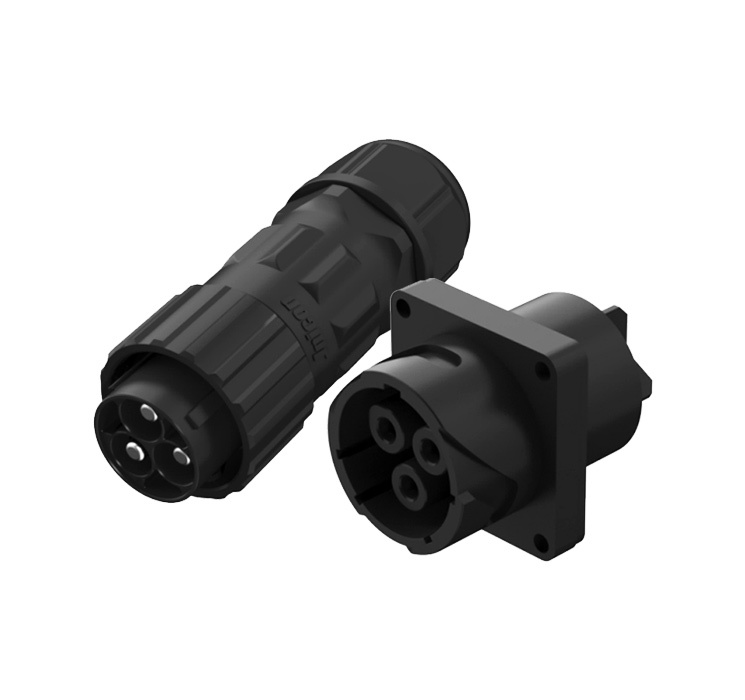
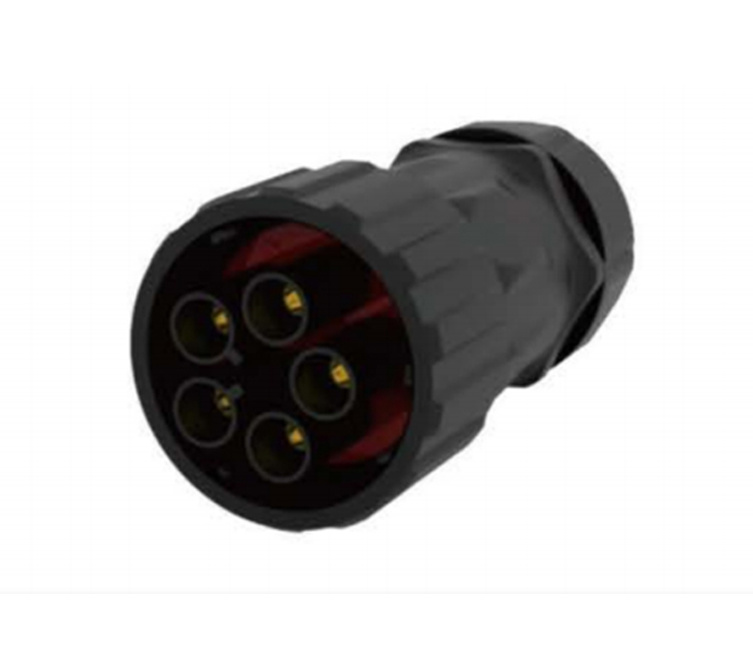
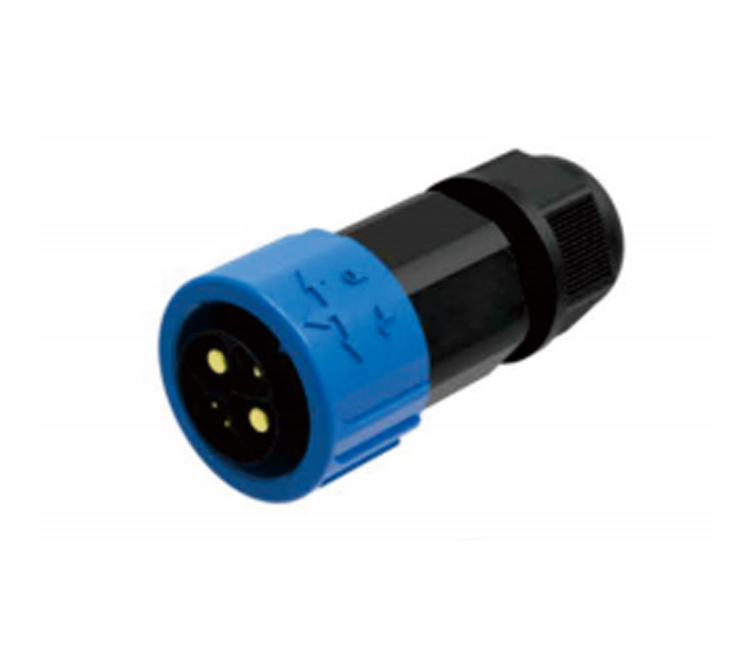
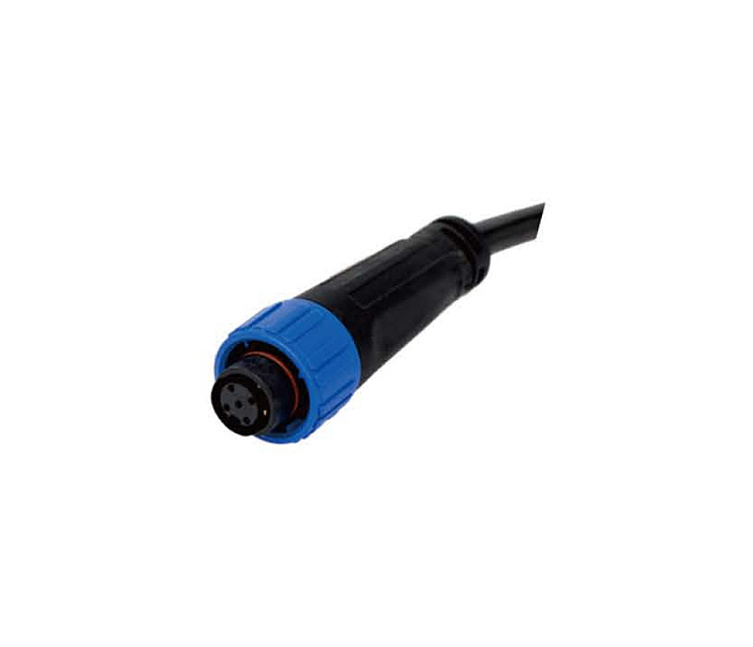
Waterproof wire connectors typically use protective housings, sealing rings, gaskets, or other sealing structures to limit water and dust from entering the connection area. Some designs incorporate threaded locking mechanisms, while others use snap-fit structures or compression seals. These features help maintain a secure connection when the connector is correctly assembled.
Different products offer different levels of environmental protection. An IP rating, when provided, indicates the degree of protection against solid particles and water under specified test conditions. Buyers should check the exact rating rather than assuming that every waterproof connector offers the same protection. A connector suitable for occasional splashes may not be appropriate for prolonged exposure to rain, water immersion, or high-pressure cleaning.
The sealing structure must also match the cable or wire dimensions. If the wire diameter falls outside the specified range, the seal may not close properly. Incorrect assembly, damaged gaskets, or loose locking components can also reduce protection. For this reason, installation instructions and product specifications are important parts of the selection process.
Common Applications Across Different Industries
Waterproof wire connectors are widely used in outdoor lighting systems, including garden lights, pathway lamps, landscape fixtures, and exterior building illumination. These installations may encounter rain, humidity, and temperature changes throughout the year. Suitable connectors help protect electrical joints and support consistent operation when used within their rated conditions.
In automotive and transportation applications, connectors may be exposed to road spray, vibration, dirt, and changing temperatures. They are used in compatible vehicle lighting, auxiliary electrical systems, sensors, and other wiring assemblies. The selected connector must match the vehicle system's voltage, current, wire size, and environmental requirements.
Industrial equipment is another important application area. Machinery installed in workshops, production facilities, or outdoor sites may require sealed electrical connections to limit moisture and dust exposure. Waterproof connectors can also be used in compatible pumps, control equipment, agricultural machinery, and monitoring systems. In marine and other demanding environments, corrosion resistance and the specified level of water protection deserve particular attention.
For residential and commercial projects, waterproof connectors can support garden equipment, outdoor signs, decorative lighting, and other suitable low-voltage or mains-voltage systems. However, not every connector is appropriate for every electrical circuit. The intended application, electrical ratings, local regulations, and installation conditions must all be considered before use.
Materials and Structural Features
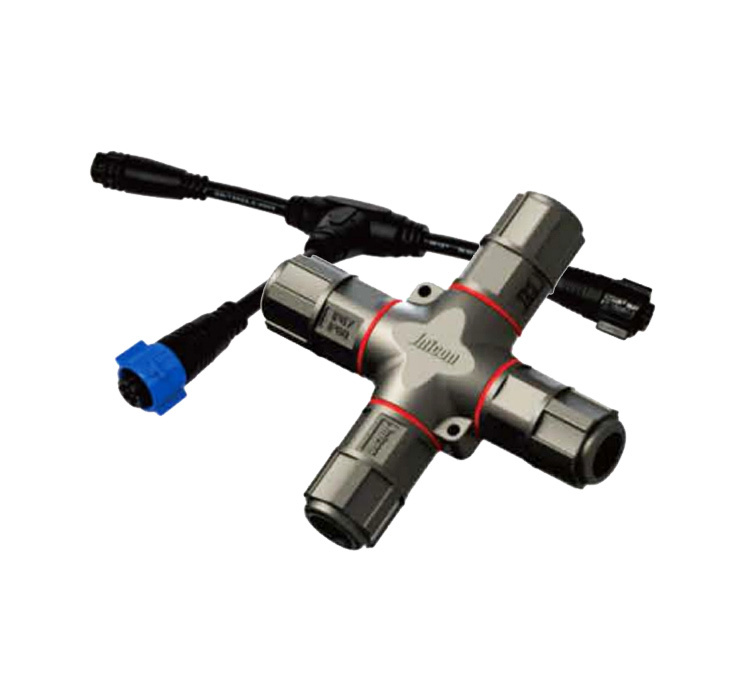
Material selection influences a connector's durability and suitability for different environments. Plastic housings may offer lightweight construction and resistance to certain forms of corrosion. Depending on the material grade, they can also provide useful insulation and resistance to environmental exposure. Metal components may be used where mechanical strength or specific electrical properties are required, but their corrosion resistance must be appropriate for the installation environment.
Sealing components are equally important. Rubber or silicone gaskets can help create a barrier against moisture when designed for the connector's intended temperature range and exposure conditions. The contact terminals must also provide suitable conductivity and maintain reliable contact with compatible wires. Poorly matched terminals or damaged contact surfaces may cause increased resistance and unwanted heat.
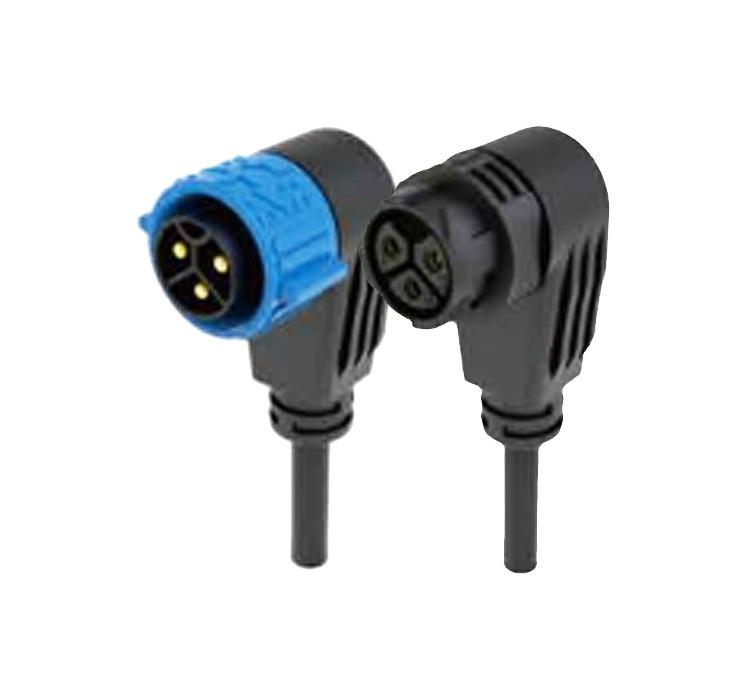
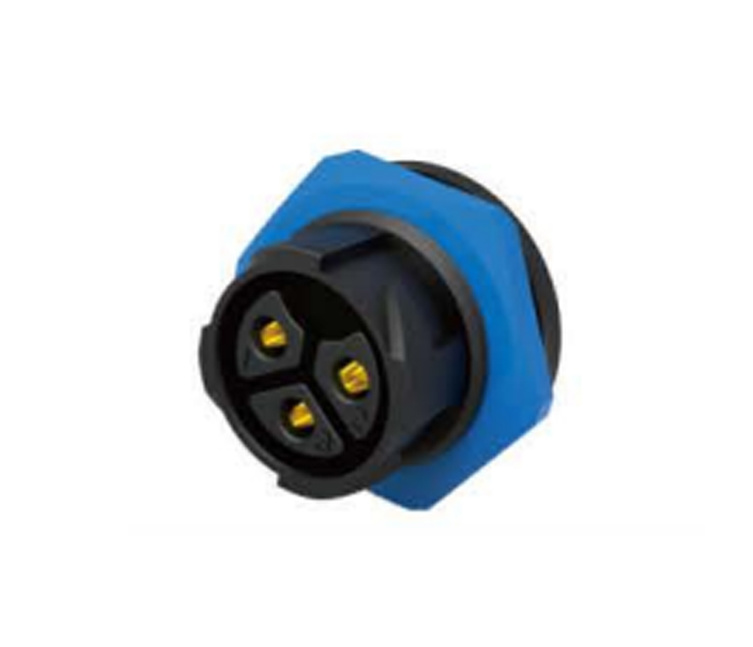
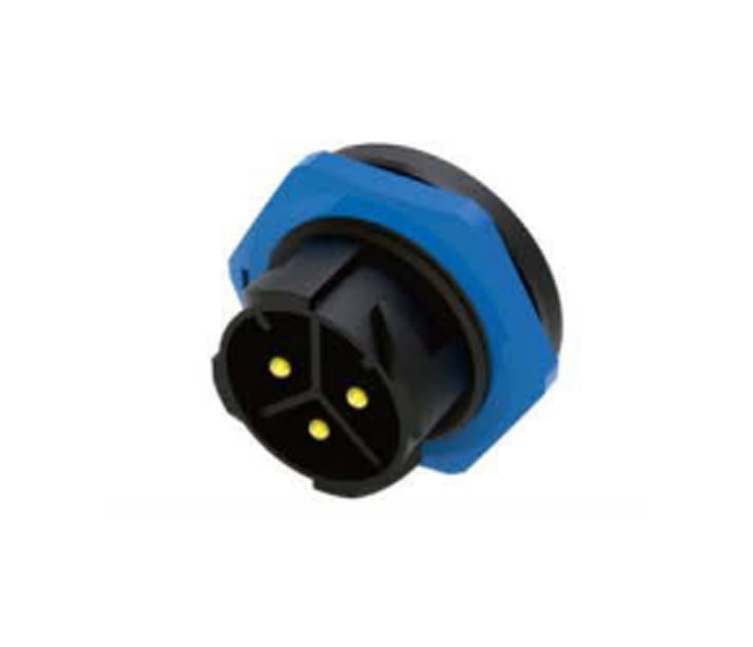
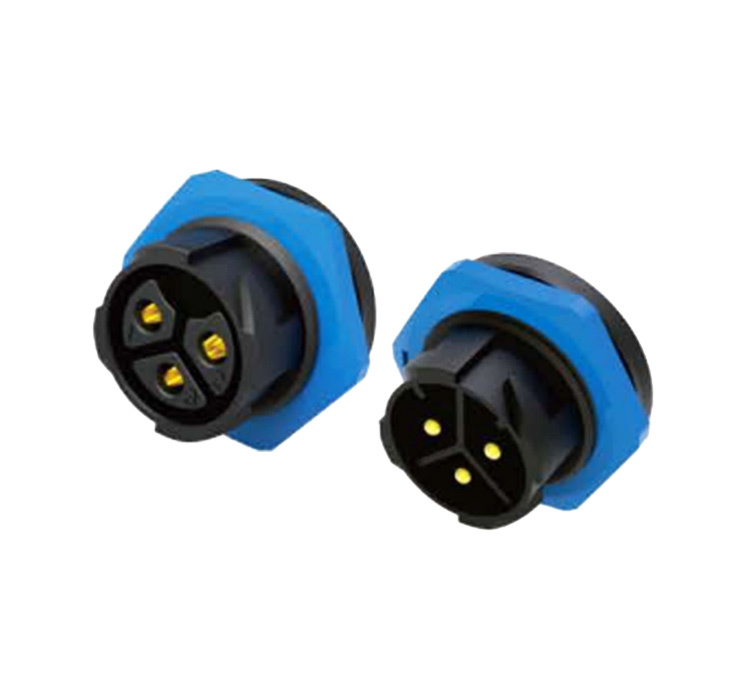
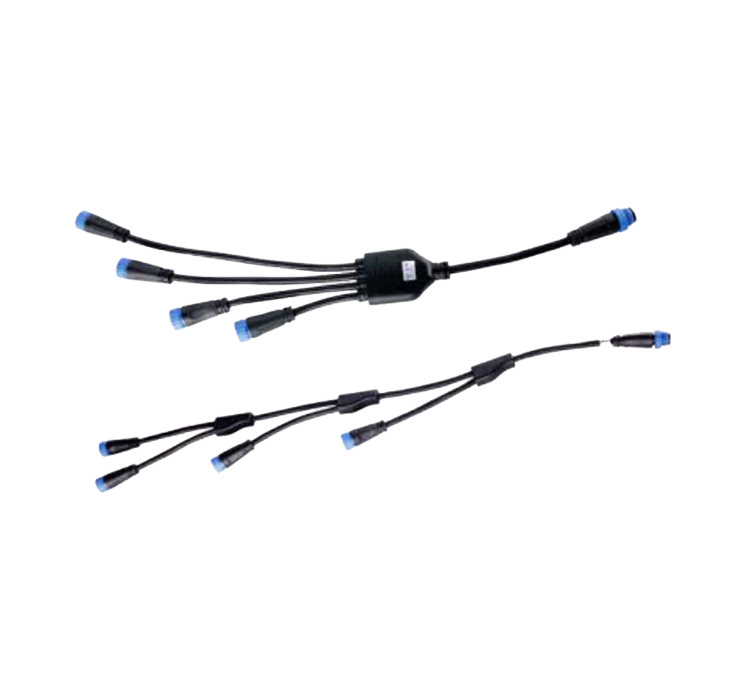
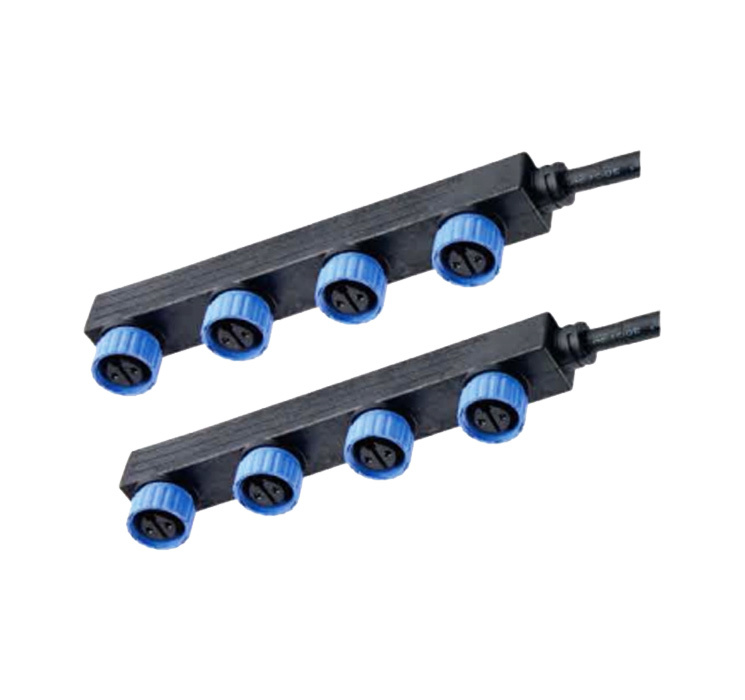
Connector design should support secure assembly without placing unnecessary strain on the wires. Locking mechanisms help prevent accidental separation, while strain-relief features can reduce pulling forces on the connection. Some products include multiple ports, removable terminals, or compact bodies for installations with limited space. The right design depends on the number of conductors, available installation space, and maintenance requirements.
How to Choose the Right Waterproof Connector
Before purchasing waterproof wire connectors, buyers should evaluate several technical factors. Voltage and current ratings are essential because the connector must safely handle the electrical load of the intended system. Wire gauge, conductor material, and the number of connection points should also match the product specifications.
The required waterproof rating depends on the installation environment. Outdoor lighting exposed to rain may need a different protection level from equipment installed in areas subject to temporary immersion. Temperature range, UV exposure, chemical contact, and vibration should also be considered when relevant.
Connection methods vary by product. Screw terminals, crimp connections, push-in designs, and plug-and-socket connectors each have specific installation requirements. Some products are intended for permanent wiring, while others allow disconnection for maintenance. Buyers should confirm whether the connector is compatible with the conductor type, insulation diameter, and intended installation method.
For commercial projects, consistent specifications and clear technical documentation can simplify product selection and installation. Checking samples, reviewing manufacWaterproof Electrical Wire Connectors for Reliable Connectionsturer instructions, and confirming compliance with applicable electrical standards can help reduce compatibility issues. Waterproof construction alone does not guarantee suitability for every application, so the complete product rating and installation requirements should always be reviewed.
Installation and Maintenance Considerations
Correct installation is essential to achieving the expected sealing performance. Wires should be prepared according to the manufacturer's instructions, and terminals must be secured using the specified method. Sealing rings and gaskets should be positioned correctly, while connector housings and locking components should be fully engaged. Damaged seals, incompatible cables, or incomplete assembly can allow moisture to enter the connection.
Before installation, power should be isolated and appropriate electrical safety procedures followed. Work on mains-voltage circuits should be carried out by qualified personnel in accordance with local regulations. Connectors should not be used beyond their rated voltage, current, temperature, or environmental limits.
Periodic inspection can help identify cracked housings, loose connections, corrosion, or deteriorated sealing components. Where equipment experiences frequent vibration or harsh weather, inspection intervals may need to reflect the operating conditions. Any damaged connector should be replaced with a compatible product rather than relying on an improvised repair.
A Practical Solution for Reliable Wiring
Waterproof electrical connectors provide an important connection solution for applications where moisture protection and dependable electrical contact are required. Their effectiveness depends on suitable materials, compatible wire dimensions, appropriate electrical ratings, and correct installation. By evaluating environmental conditions and technical specifications before purchasing, contractors, distributors, and equipment manufacturers can select connectors that meet their project requirements.
Whether used in outdoor lighting, automotive systems, industrial machinery, or other compatible installations, the right connector can help support reliable wiring and simplify long-term maintenance.
News
2026-10-18
How Industrial Power Connectors Transform Energy Distribution Systems
How Industrial Power Connectors Transform Energy Distribution Systems Table of Contents 1. Introduction to Industrial Power Connectors 2. The Importance of Power Connectors in Energy Distribution 3. Types of Industrial Power Connectors 3.1 Circular Connectors 3.2 Rectangular Connectors 3.3 Heavy-Duty Connectors 4. Applications
2026-10-15
Understanding Waterproof Wire Harness: Key Features and Benefits for Automotive Applications
In the automotive industry, the functionality and longevity of electrical components are crucial for vehicle performance. One of the key components that contribute to this is the waterproof wire harness. These harnesses are specifically designed to withstand harsh environmental conditions, ensuring that the electrical systems in vehicles remain operational regardless of the weather. A waterproof w
2026-10-12
5 Pin Waterproof Connectors: Enhancing Home Automation Systems
5 Pin Waterproof Connectors: Enhancing Home Automation Systems Table of Contents Introduction to 5 Pin Waterproof Connectors Importance of Waterproof Connectors in Home Automation Key Benefits of 5 Pin Waterproof Connectors Features of 5 Pin Waterproof Connectors Material Quality Design and Build Applications of 5 Pin Waterproof C

B8-9, Fubilun industrial park, Chaoyang rd,Yanchuan community, Songgang, Shenzhen, China


