
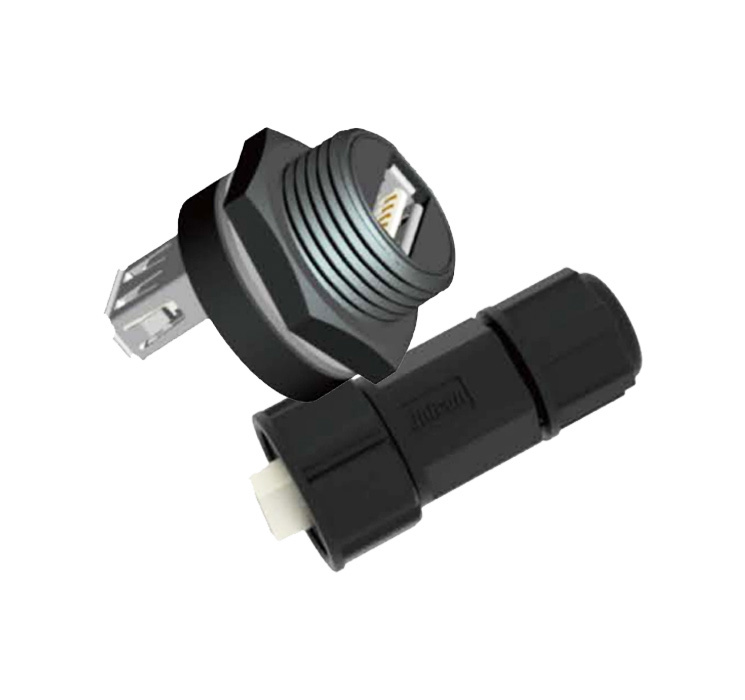
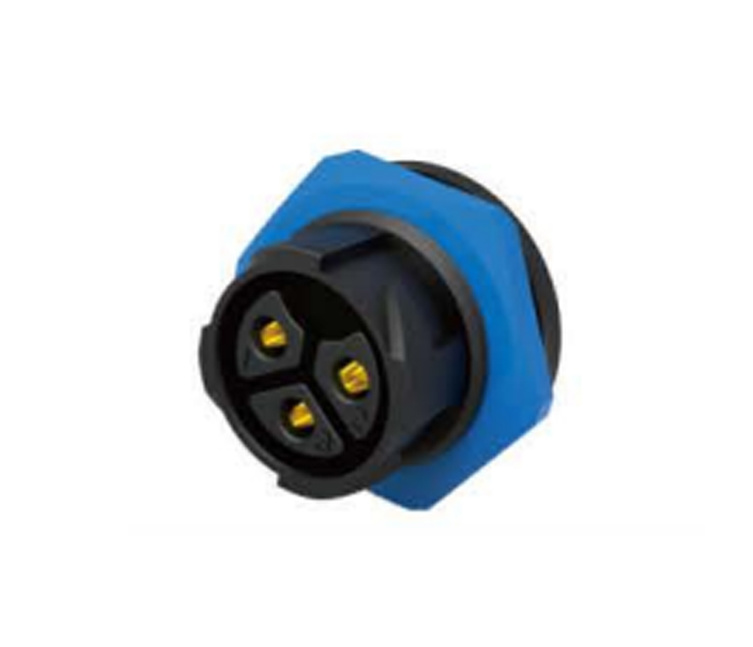
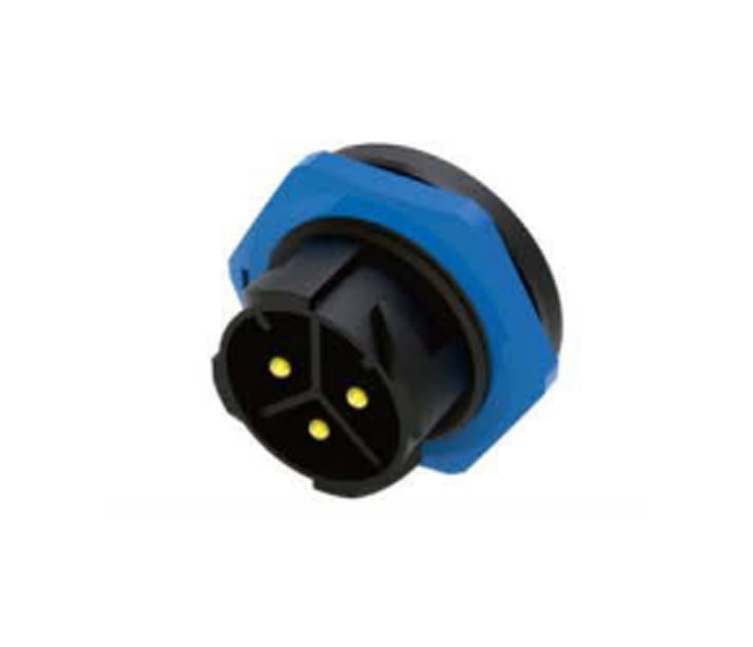
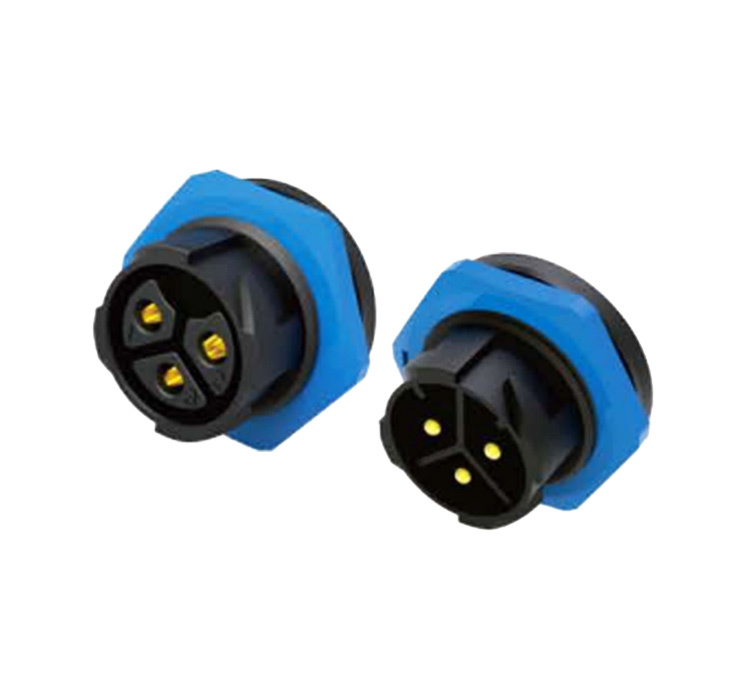


Waterproof Wire Connector Plugs for Reliable Connections
Release Time:
2026-10-10
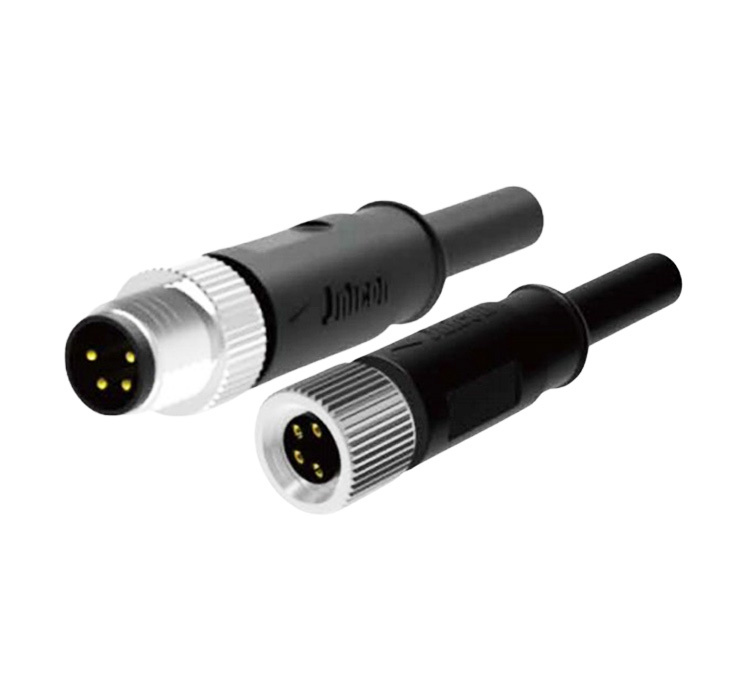
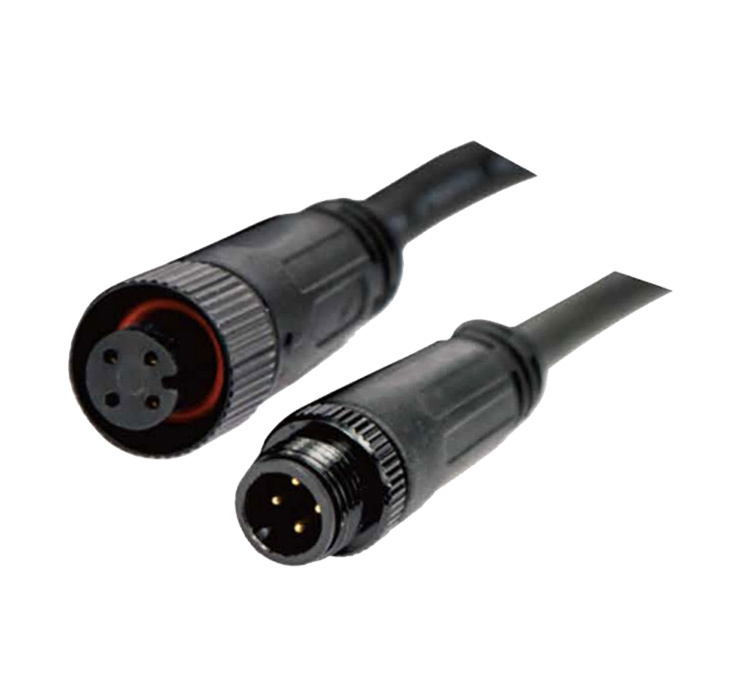
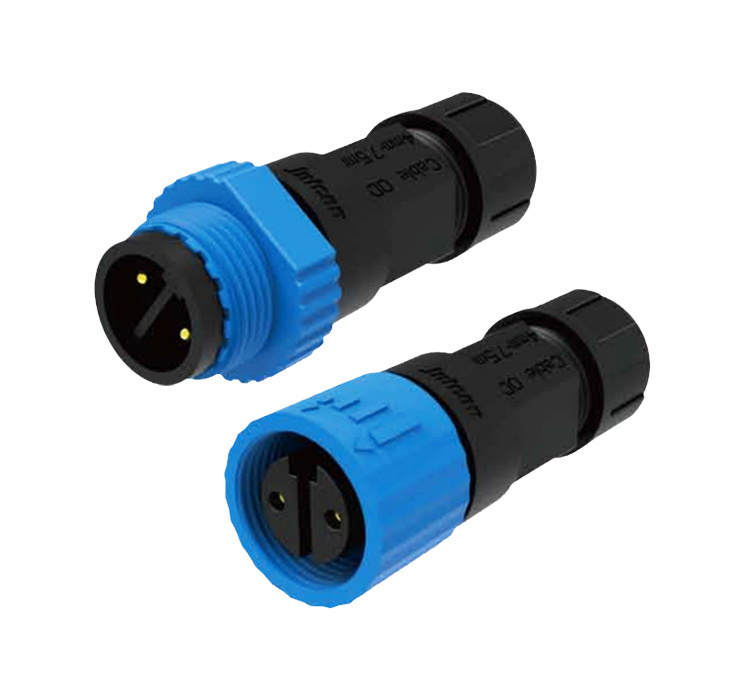
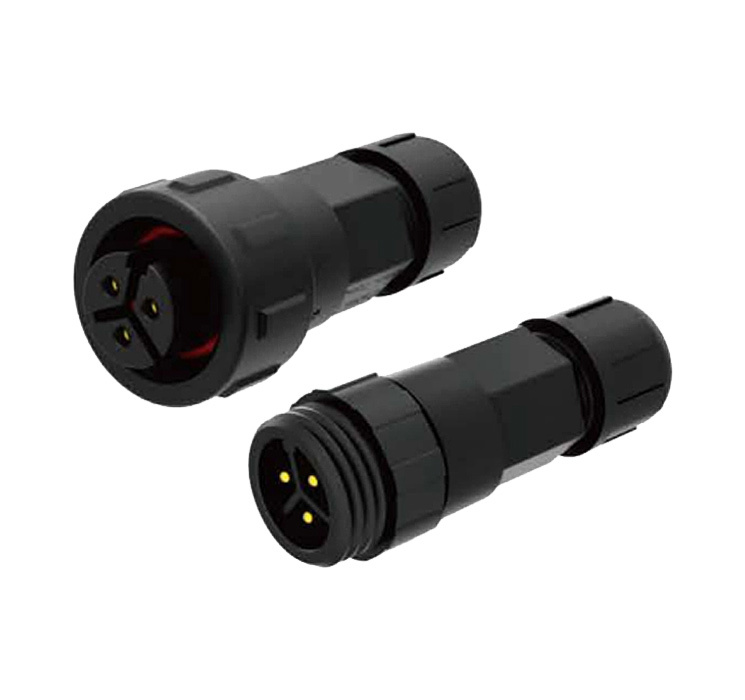
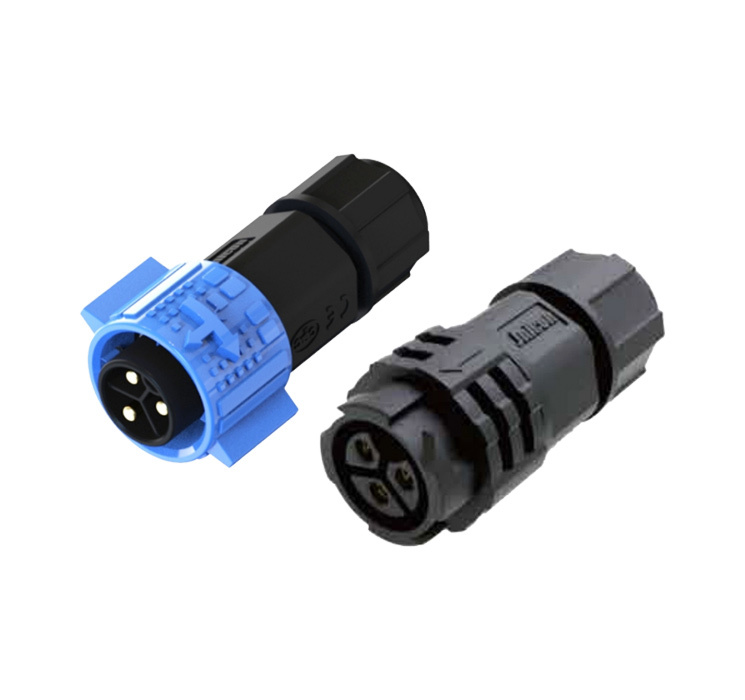
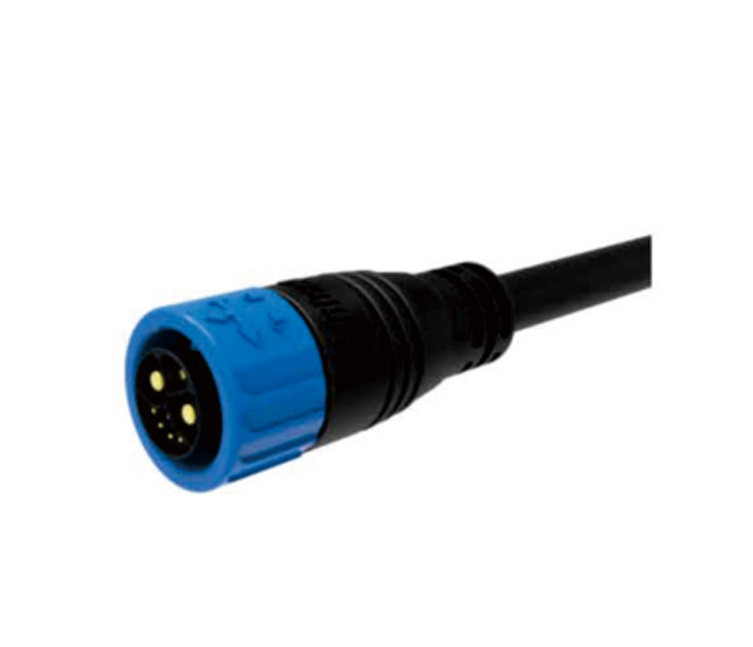
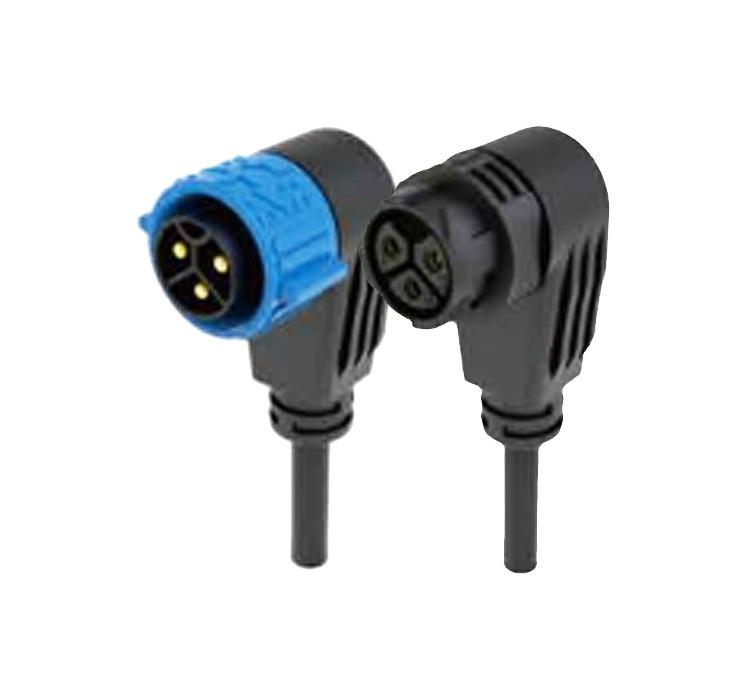
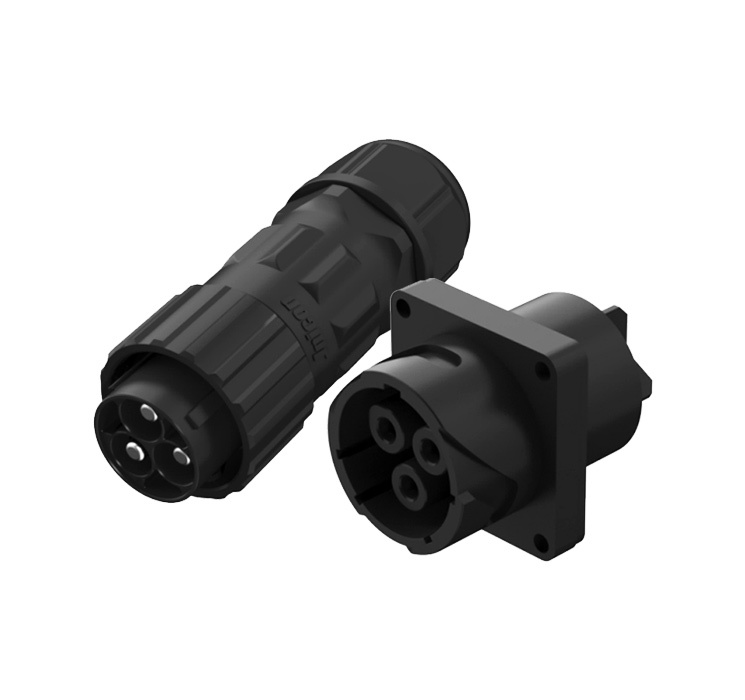
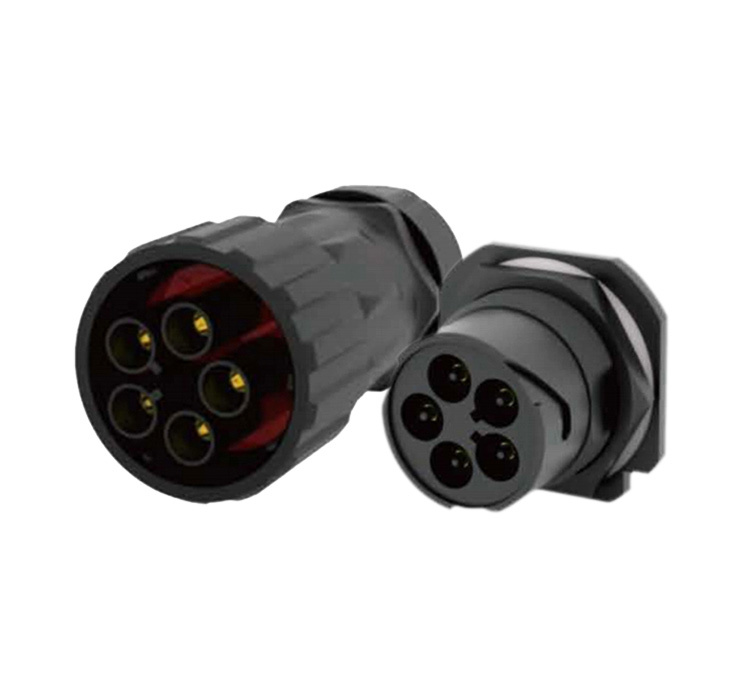
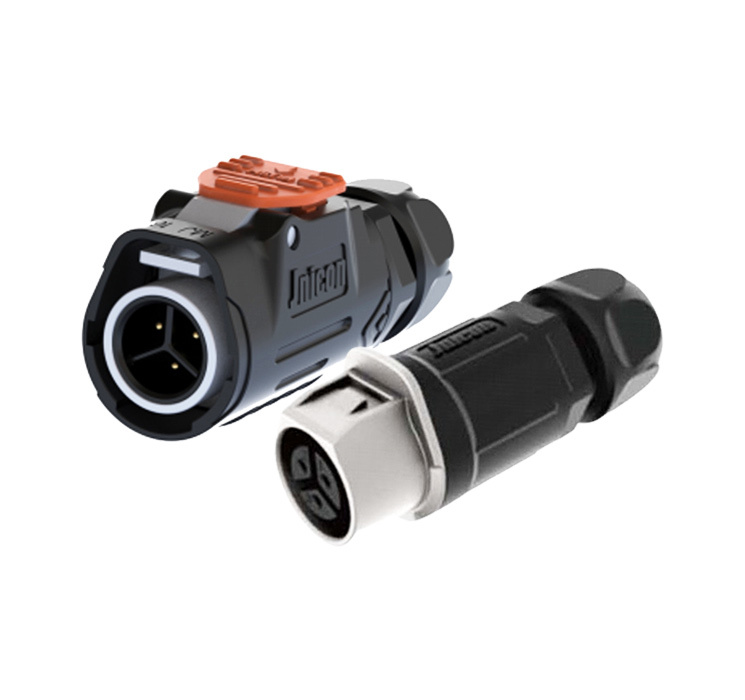
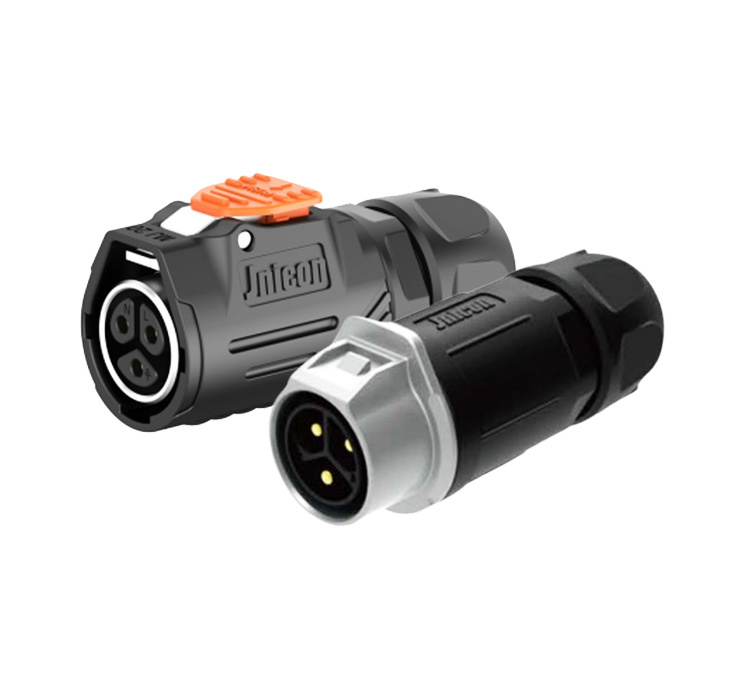
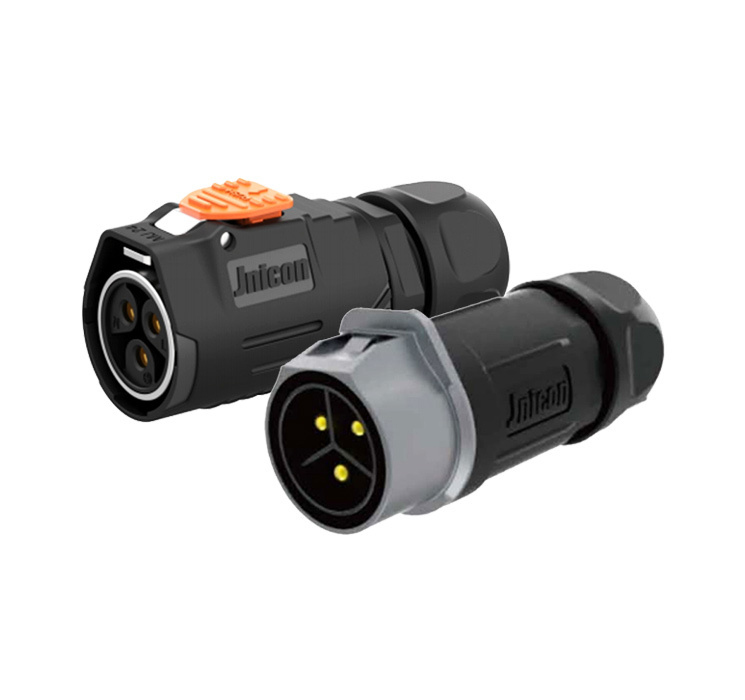
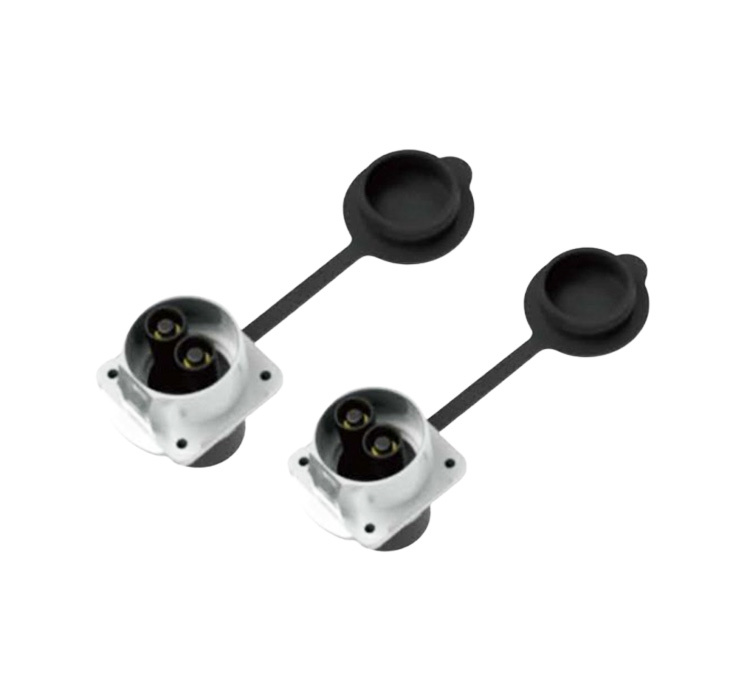
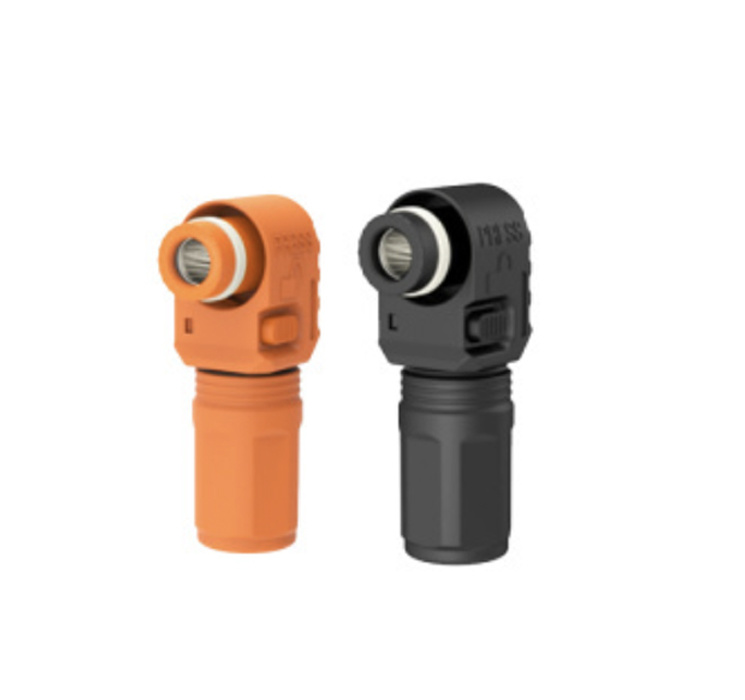
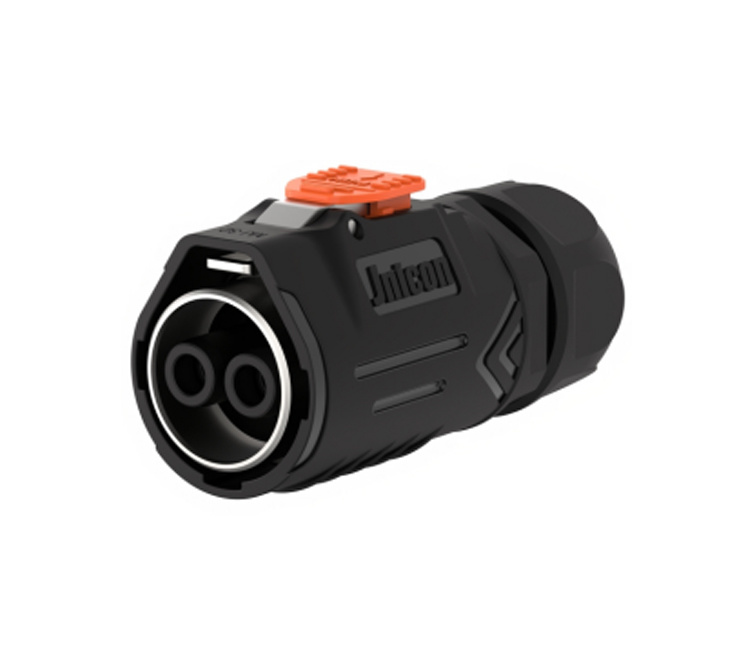
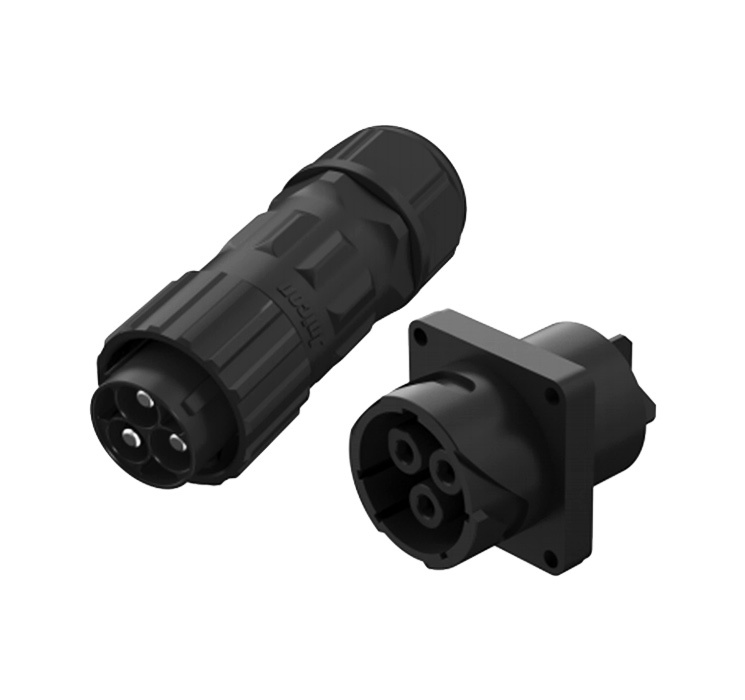
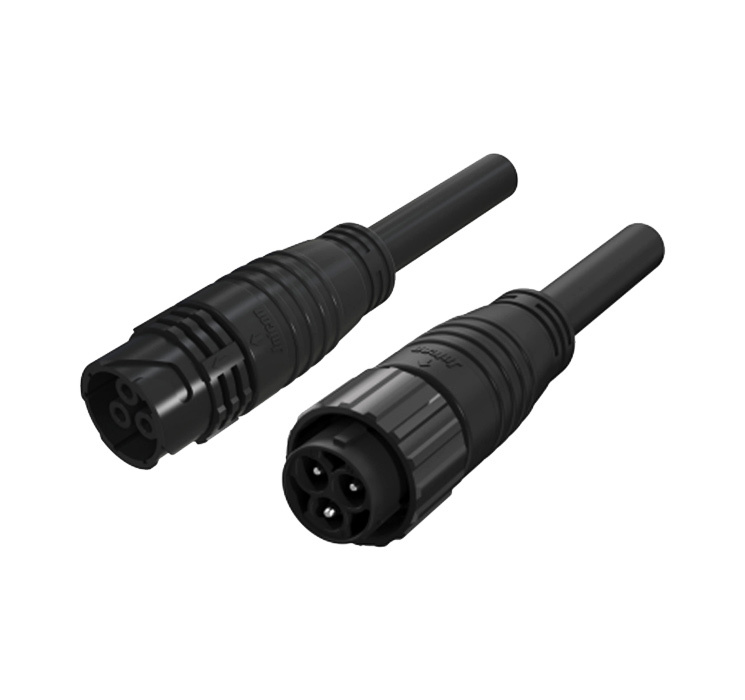
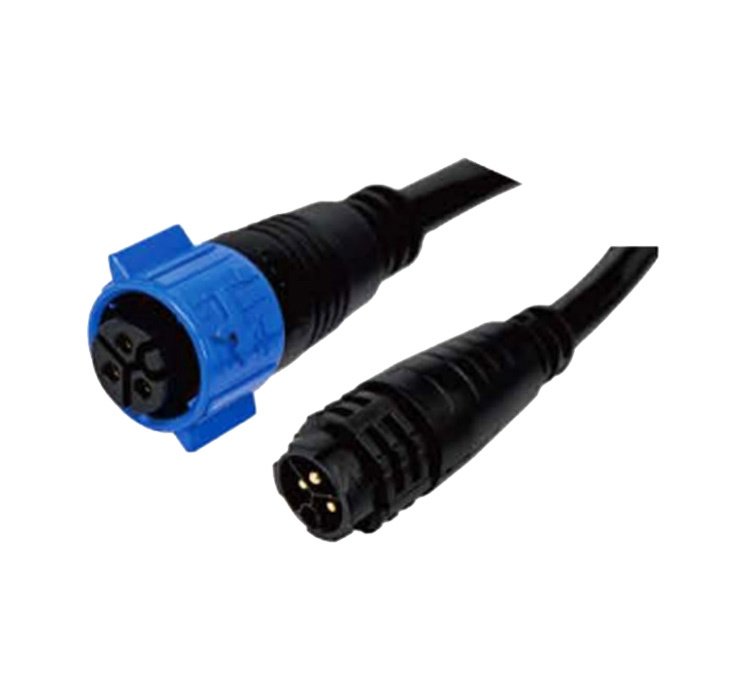
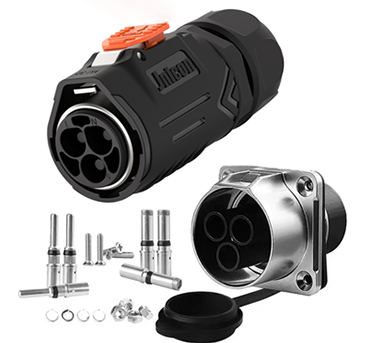
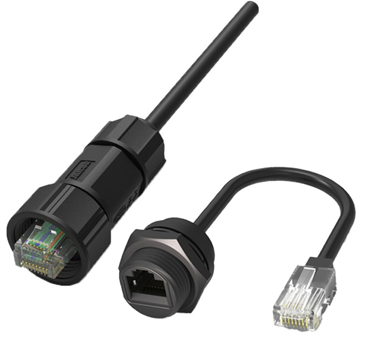
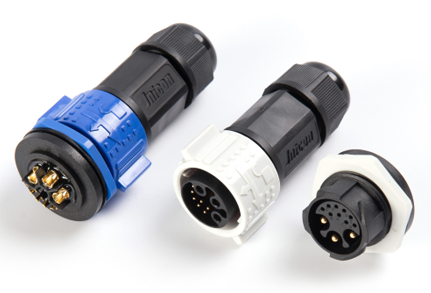
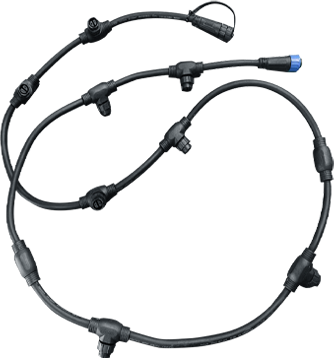
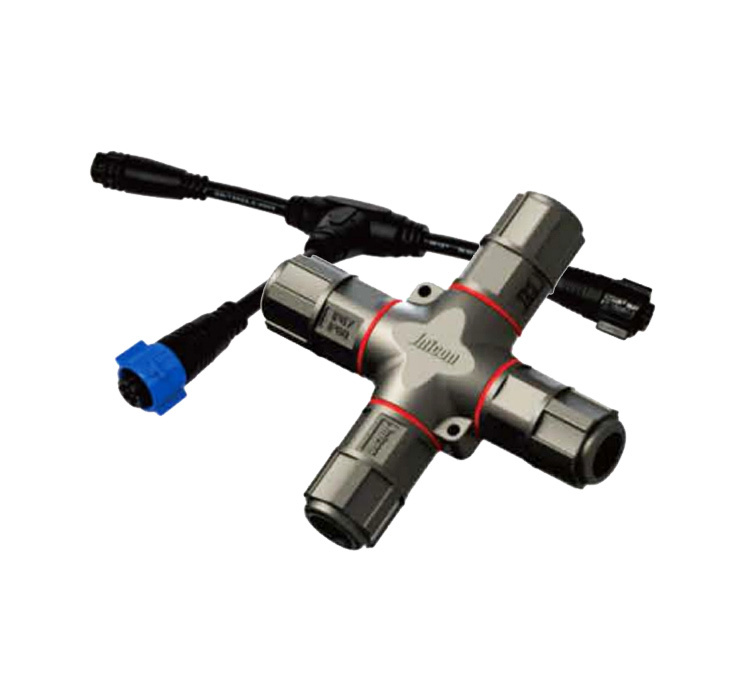
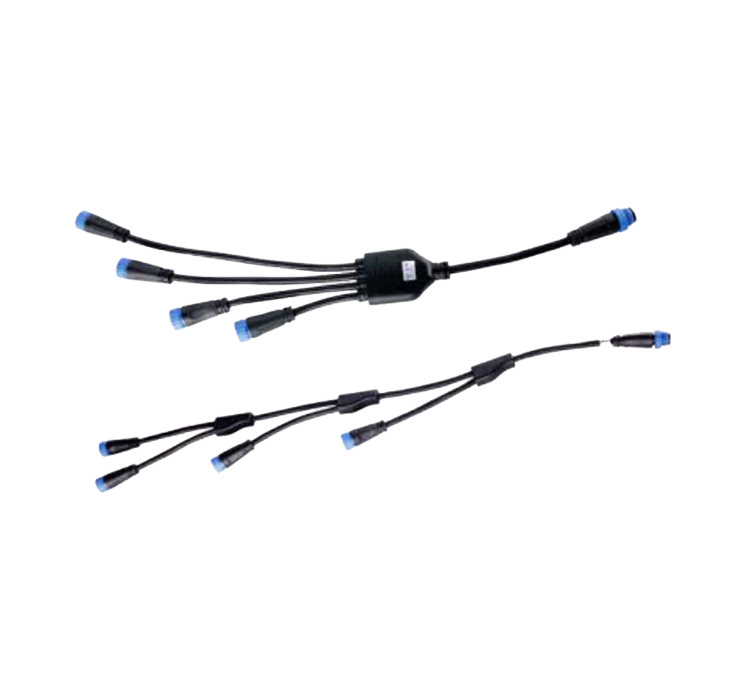
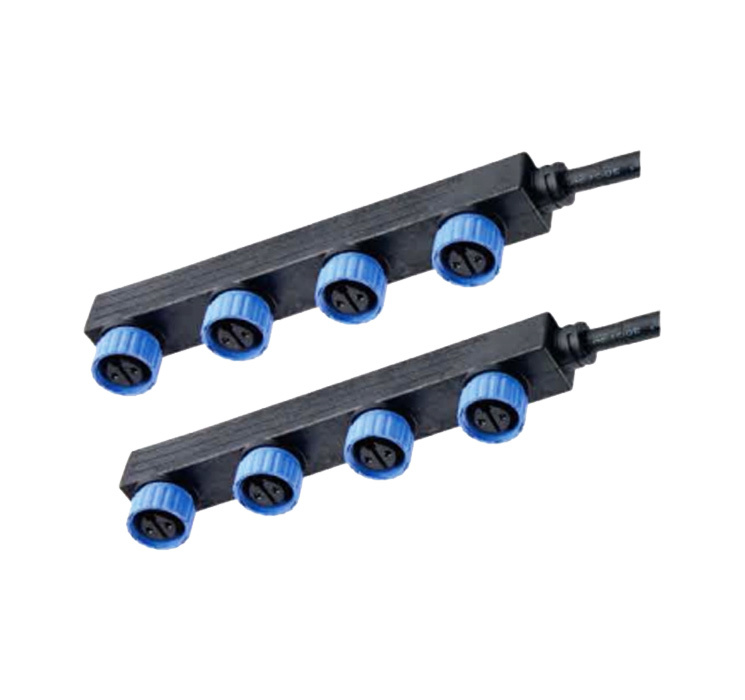
Waterproof wire connector plugs are designed to create dependable electrical connections in environments where moisture, dust, and changing weather conditions may affect wiring performance. They are widely used in outdoor lighting, automotive electrical systems, industrial equipment, garden installations, and other applications that require protected cable connections. By combining suitable electrical contacts with protective housings and sealing components, these connectors help reduce the risk of water entering the connection area when the products are correctly selected and installed.
Different projects have different electrical and environmental requirements. Choosing the right connector involves more than checking whether it is described as waterproof. Buyers should consider voltage and current ratings, cable dimensions, connection methods, sealing performance, and the conditions in which the connector will operate.
How Waterproof Wire Connector Plugs Work
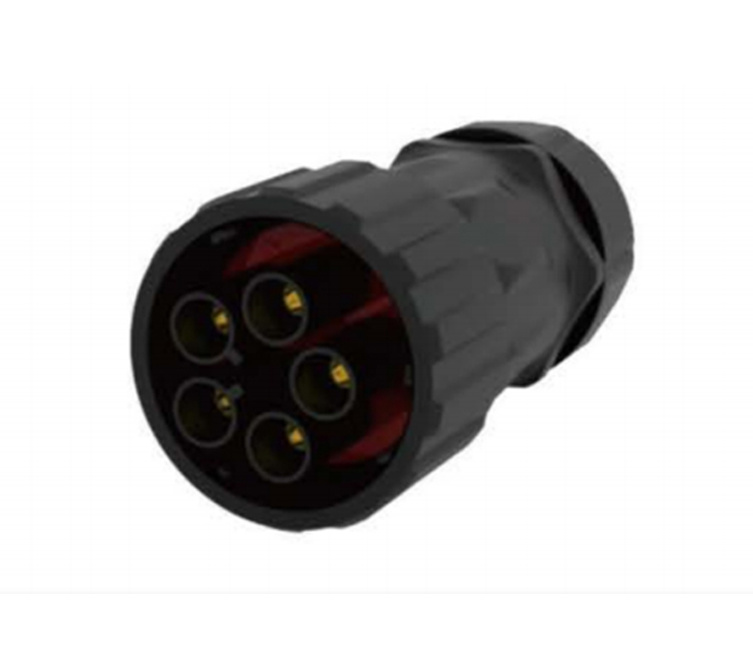
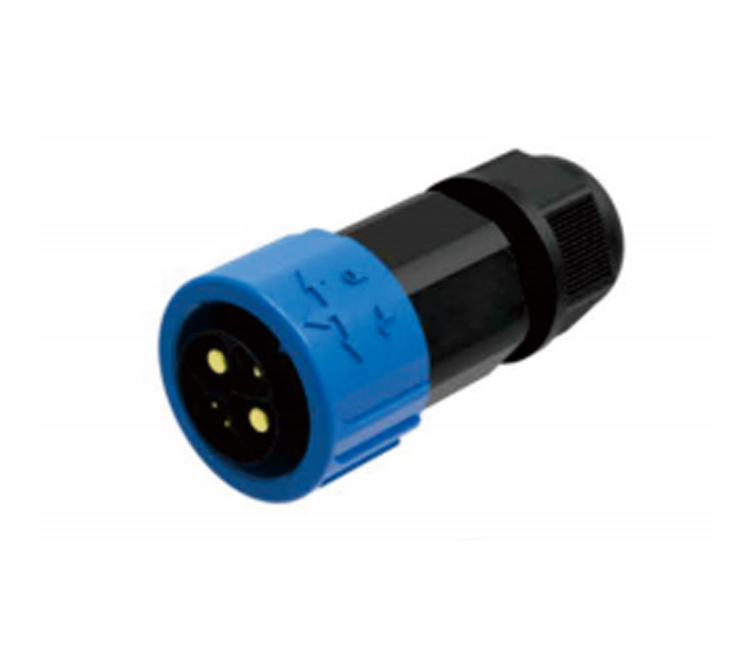
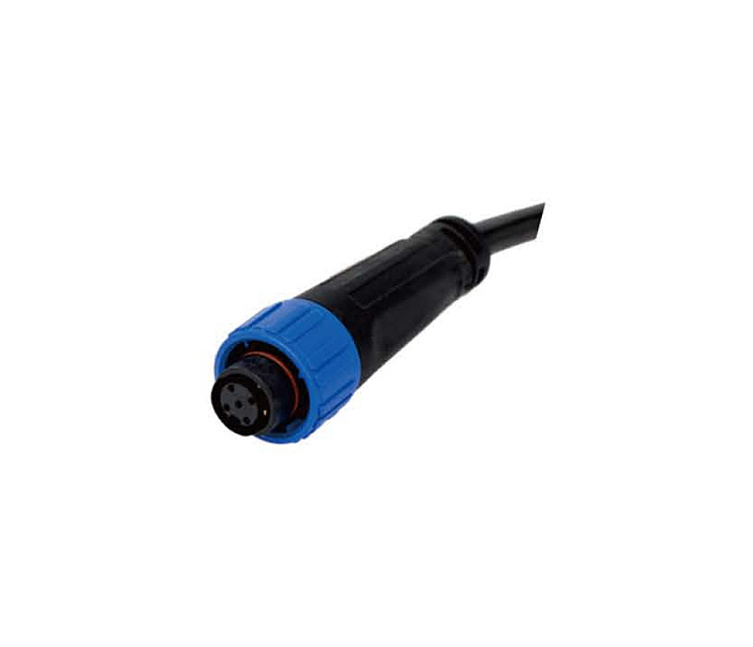
A waterproof connector plug generally consists of a housing, electrical contacts, locking components, and sealing structures. Depending on the design, these sealing features may include rubber gaskets, silicone rings, compression seals, or cable glands. When the connector is assembled correctly, the components help limit water and dust from reaching the electrical contact area.
Locking mechanisms also play an important role. Threaded couplings, clips, and other retention structures help keep connected parts in place and reduce the possibility of accidental disconnection. Some designs support quick connection and separation for equipment that requires regular maintenance, while others are intended for more permanent installations.
Water resistance varies between products. An IP rating, where specified, indicates the level of protection against solid particles and water under defined testing conditions. Buyers should confirm the actual rating and its suitability for the intended application. Protection against splashes does not necessarily mean that a connector is suitable for continuous immersion or high-pressure water exposure.
Common Applications Across Industries
Outdoor lighting is a major application for waterproof connector plugs. Garden lamps, pathway lights, landscape fixtures, decorative lighting, and exterior building lights may be exposed to rain, humidity, and temperature changes. Suitable connectors help protect wiring joints and support dependable operation when used within their specified limits.
Automotive systems also use waterproof connectors in compatible lighting assemblies, auxiliary equipment, sensors, and other electrical components. These installations may experience vibration, road spray, dirt, and heat. Selecting a connector with suitable mechanical strength, electrical ratings, and sealing characteristics can help maintain stable connections under these conditions.
Industrial equipment presents another range of applications. Pumps, monitoring devices, agricultural machinery, outdoor control systems, and production equipment may require connectors that help limit moisture and dust exposure. In marine environments or areas with corrosive substances, buyers should pay particular attention to corrosion resistance, material compatibility, and the required level of environmental protection.
Waterproof connector plugs may also be used in compatible household and commercial installations, including outdoor signs, garden equipment, and electrical accessories. However, a connector must always match the specific circuit and installation requirements. Products intended for low-voltage applications should not be assumed suitable for mains-voltage wiring.
Materials and Structural Design
The housing material affects durability, insulation properties, weight, and resistance to environmental exposure. Plastic housings are commonly used because they can provide lightweight construction and suitable insulation. Different material grades offer different levels of resistance to ultraviolet radiation, heat, chemicals, and impact. Metal components may be appropriate for certain applications, but their corrosion resistance must match the surrounding environment.
Electrical contacts are equally important. Conductive terminals must provide reliable contact with compatible conductors and maintain their performance during normal use. Poor contact, incorrect wire preparation, or unsuitable terminal materials may increase electrical resistance and cause unwanted heating. Buyers should check conductor type, wire gauge, and terminal compatibility before selecting a connector.
Sealing components help protect the connection from moisture. Rubber and silicone seals are commonly used, but their effectiveness depends on the connector design, cable diameter, assembly procedure, and operating temperature. A seal that does not fit the cable correctly may leave a path for water to enter. Damaged gaskets or incomplete locking can also reduce protection.
Cable strain relief is another useful feature. It helps reduce pulling forces on the wire and limits stress at the connection point. For equipment exposed to vibration or frequent movement, secure locking and suitable strain relief can contribute to longer service life.
How to Choose the Right Waterproof Connector Plug
Selecting a suitable connector starts with identifying the electrical requirements of the application. Voltage and current ratings must match the circuit, while the connector's wire range should accommodate the actual cable dimensions. Buyers should also confirm the number of poles, terminal arrangement, and connection type to ensure compatibility with existing equipment.
Environmental conditions are equally important. Outdoor installations may require protection against rain, dust, and ultraviolet exposure, while industrial or marine applications may need additional resistance to vibration, corrosion, or temperature changes. The required IP rating should be based on the actual operating environment rather than the product name alone.
Connection methods vary by design. Some plugs use threaded locking systems, while others rely on push-fit mechanisms or locking clips. Buyers should consider how frequently the connection needs to be opened, whether installation space is limited, and whether routine maintenance will be necessary. Reviewing technical drawings, product specifications, and samples can help prevent compatibility issues before bulk purchasing.
Installation and Maintenance
Correct installation is essential for achieving the intended waterproof performance. Cable ends should be prepared according to the manufacturer's instructions, and terminals must be secured using the specified method. Seals should be positioned properly, and all locking components must be fully engaged. The cable diameter must fall within the connector's supported range to ensure an effective seal.
Power should be disconnected before installation or maintenance, and applicable electrical safety procedures must be followed. Mains-voltage work should be performed by qualified personnel in accordance with local regulations. A waterproof connector should never be used beyond its rated electrical or environmental limits.
Regular inspections can help identify cracked housings, loose connections, damaged seals, and corrosion. Connectors exposed to frequent vibration, heavy rain, or harsh working conditions may require more frequent checks. Replacing damaged components with compatible products helps maintain reliable operation and reduces the likelihood of connection failures.
A Reliable Choice for Protected Electrical Connections
Waterproof wire connector plugs provide a practical solution for electrical systems that require protected, stable connections. Their performance depends on the correct combination of electrical ratings, housing materials, sealing design, cable compatibility, and installation quality. By evaluating these factors before purchasing, contractors, distributors, and equipment manufacturers can select suitable products for their applications.
Whether used in outdoor lighting, automotive wiring, industrial machinery, or compatible commercial installations, the right connector helps protect electrical joints and supports dependable system operation.
Previous
News
2026-10-18
How Industrial Power Connectors Transform Energy Distribution Systems
How Industrial Power Connectors Transform Energy Distribution Systems Table of Contents 1. Introduction to Industrial Power Connectors 2. The Importance of Power Connectors in Energy Distribution 3. Types of Industrial Power Connectors 3.1 Circular Connectors 3.2 Rectangular Connectors 3.3 Heavy-Duty Connectors 4. Applications
2026-10-15
Understanding Waterproof Wire Harness: Key Features and Benefits for Automotive Applications
In the automotive industry, the functionality and longevity of electrical components are crucial for vehicle performance. One of the key components that contribute to this is the waterproof wire harness. These harnesses are specifically designed to withstand harsh environmental conditions, ensuring that the electrical systems in vehicles remain operational regardless of the weather. A waterproof w
2026-10-12
5 Pin Waterproof Connectors: Enhancing Home Automation Systems
5 Pin Waterproof Connectors: Enhancing Home Automation Systems Table of Contents Introduction to 5 Pin Waterproof Connectors Importance of Waterproof Connectors in Home Automation Key Benefits of 5 Pin Waterproof Connectors Features of 5 Pin Waterproof Connectors Material Quality Design and Build Applications of 5 Pin Waterproof C

B8-9, Fubilun industrial park, Chaoyang rd,Yanchuan community, Songgang, Shenzhen, China


