


Understanding Waterproof Cables: Essential Insights for Electrical Professionals
Release Time:
2026-01-10
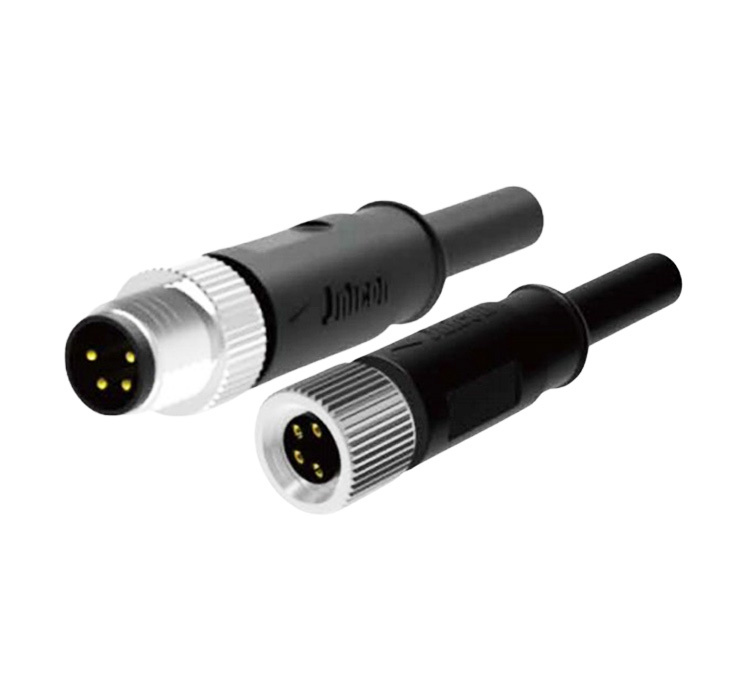
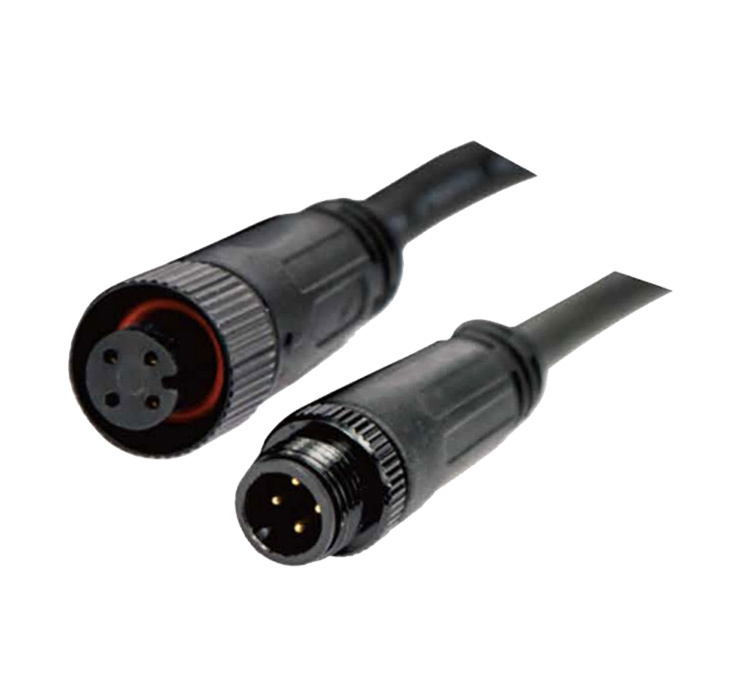
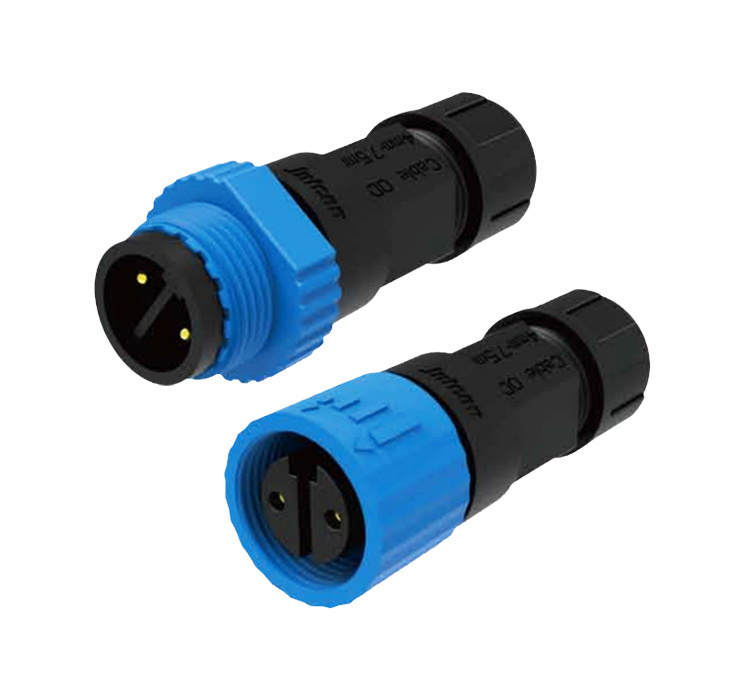
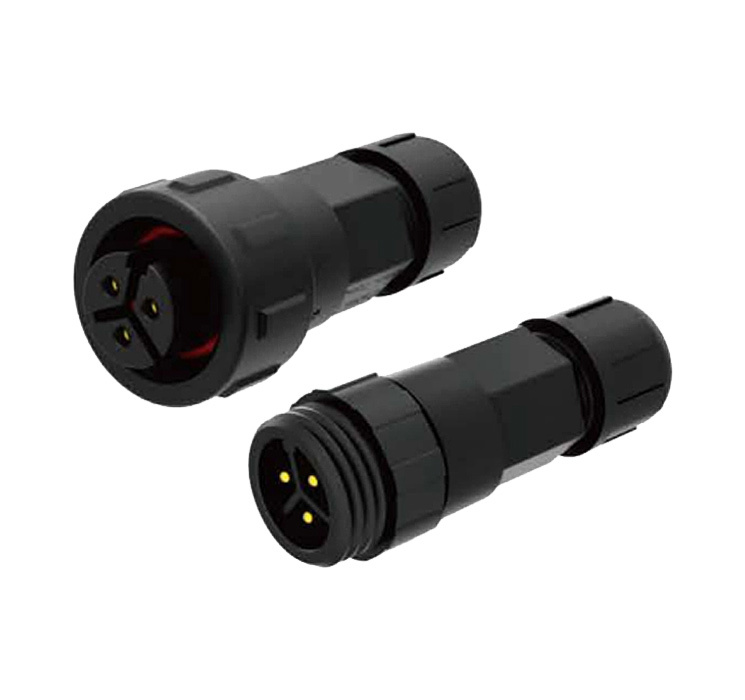
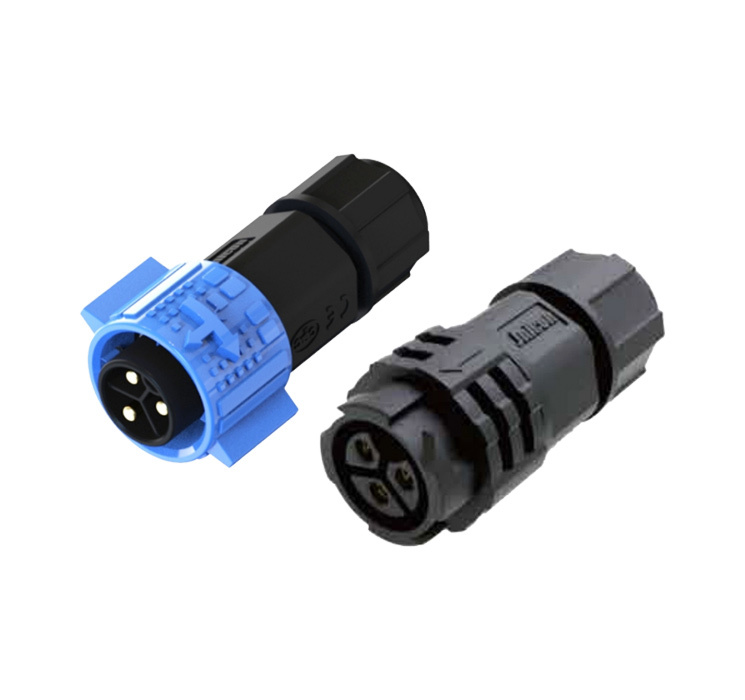
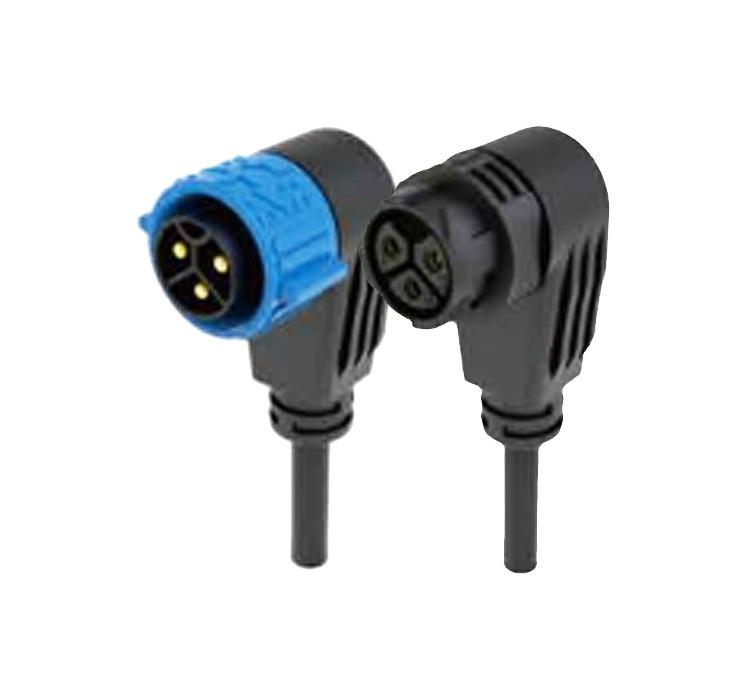
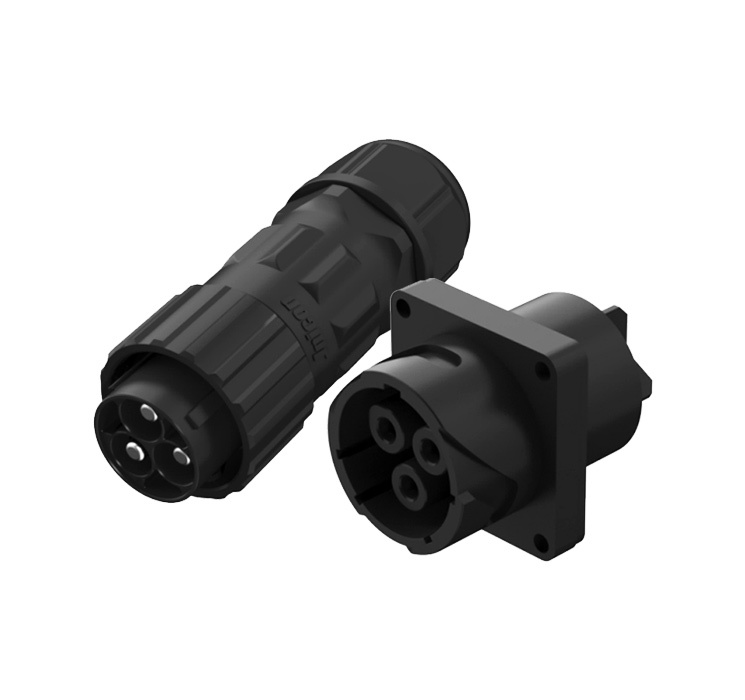
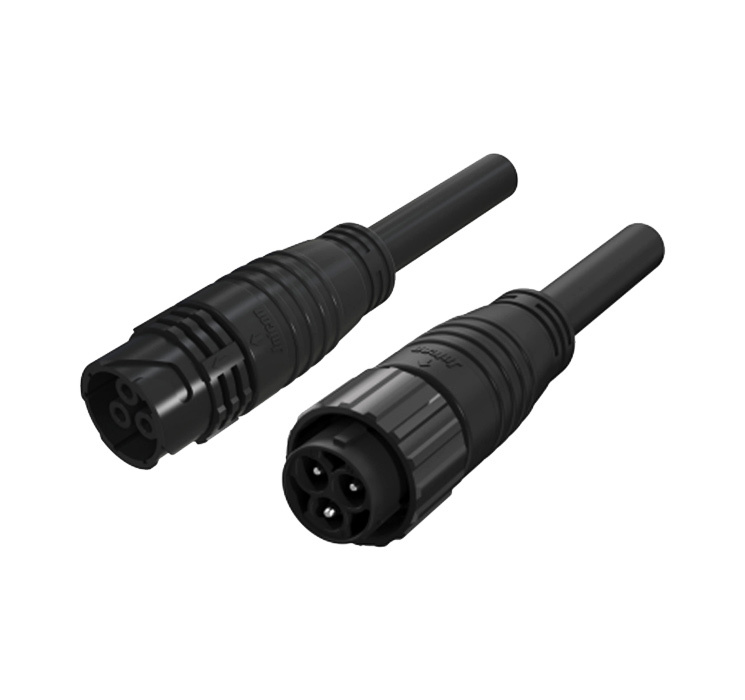
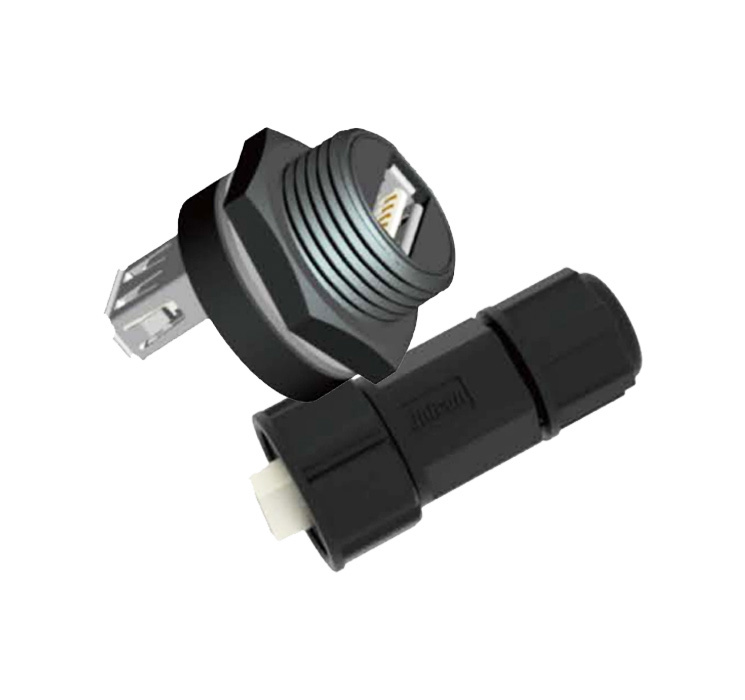
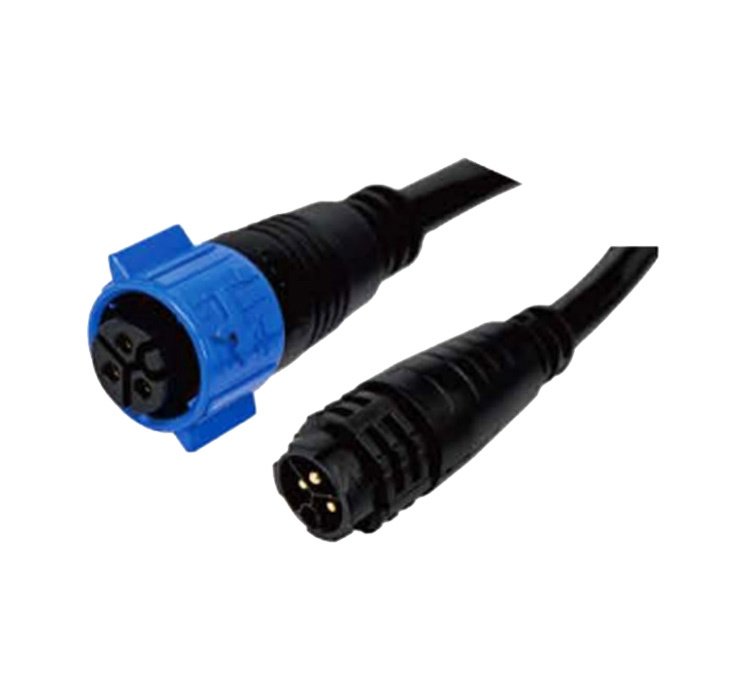
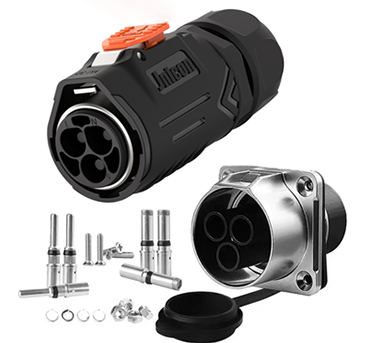
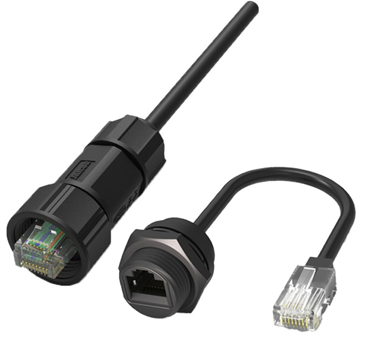
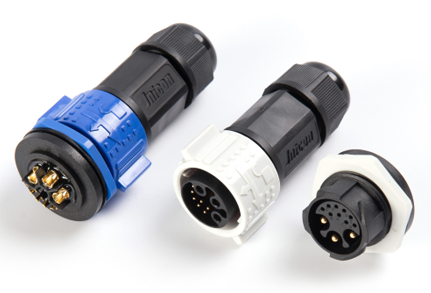
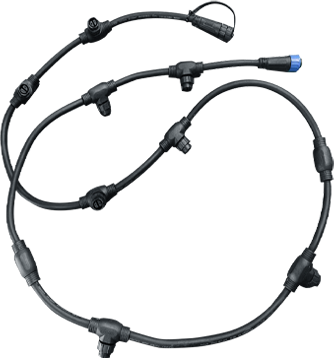
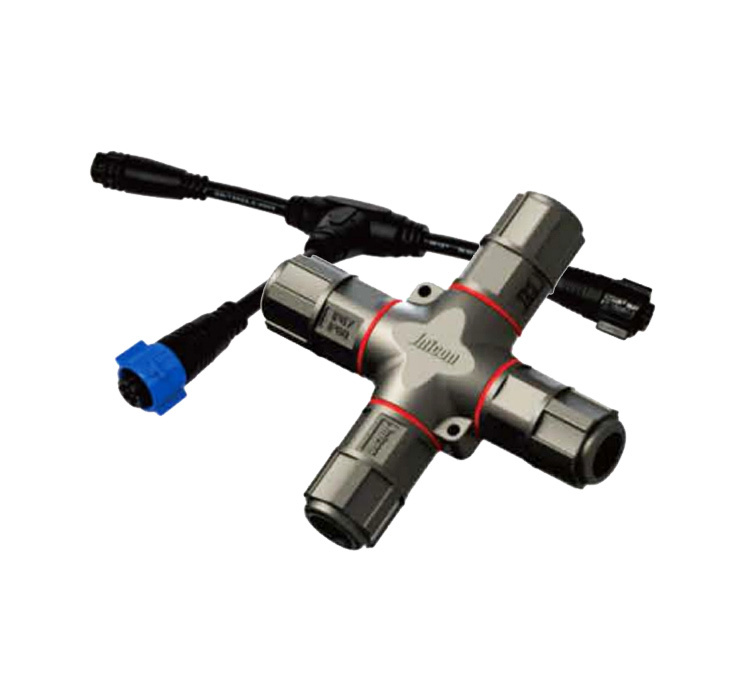
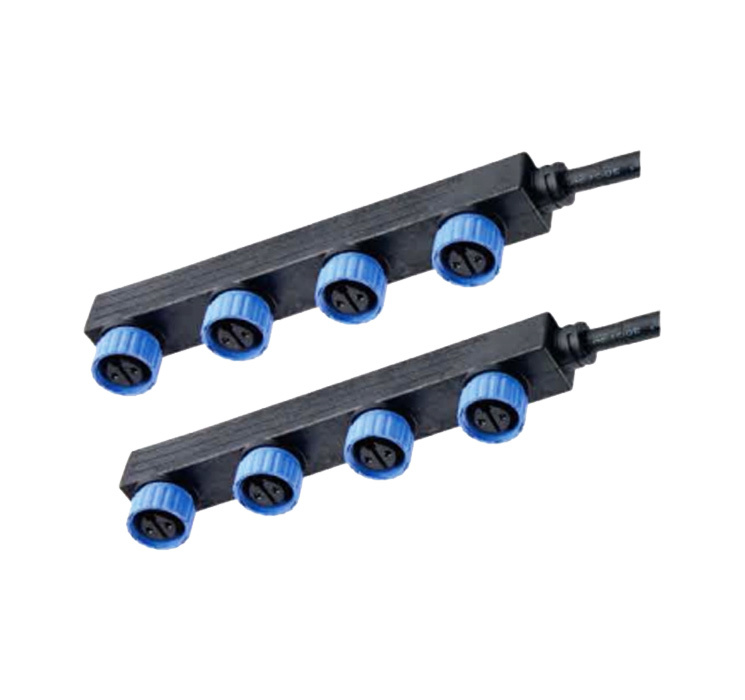
One of the primary features of waterproof cables is their construction. Typically, these cables are equipped with robust insulation materials that are resistant to water, chemicals, and other environmental factors. The outer sheath is often made from materials such as PVC, rubber, or thermoplastic elastomers, which provide not only waterproofing but also protection against abrasion and UV radiation. Additionally, waterproof cables may include sealing mechanisms at connection points, further enhancing their resistance to moisture ingress.
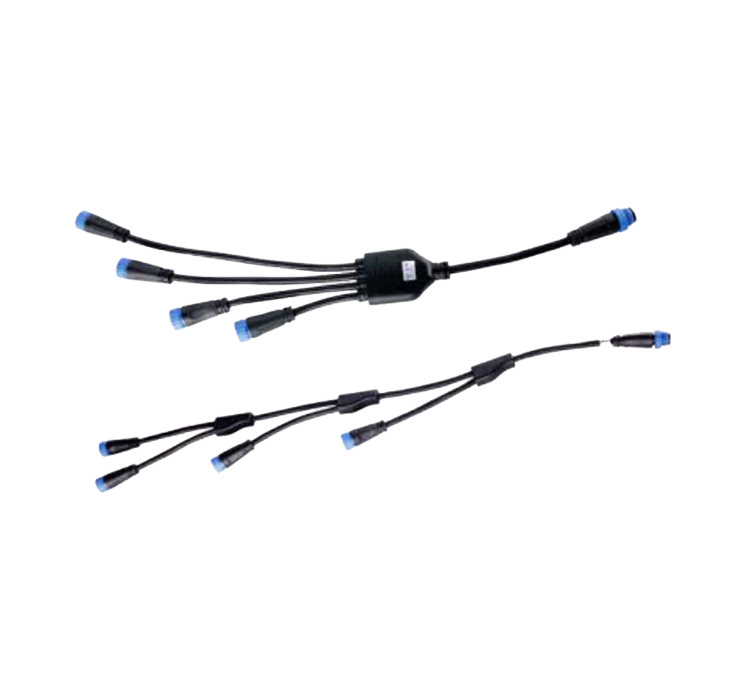
The applications of waterproof cables are diverse and span various industries. They are commonly used in outdoor lighting installations, irrigation systems, marine environments, and industrial applications where exposure to water is a concern. In particular, applications in agriculture and aquaculture can significantly benefit from the reliable performance of waterproof cables, ensuring that electrical systems remain functional even in wet conditions.
Choosing the right waterproof cable involves considering several factors, including the cable's IP (Ingress Protection) rating, which indicates the level of protection against water and dust. A higher IP rating signifies better protection, making it crucial for professionals to select cables that meet the specific demands of their projects. Additionally, factors such as temperature ratings and flexibility should be assessed based on the installation environment.
The importance of using waterproof cables cannot be overstated, especially in safeguarding against electrical mishaps. Using standard cables in wet environments can lead to catastrophic failures, posing risks to both equipment and personnel. Therefore, integrating waterproof cables into electrical systems is not just a best practice; it is a fundamental requirement for safety and reliability.
In summary, waterproof cables are indispensable for any professional operating in environments where moisture is a concern. By understanding their features, applications, and importance, electrical professionals can ensure that their systems remain safe, efficient, and operational, even in the most challenging conditions. Investing in quality waterproof cables is a proactive measure that can prevent future complications and enhance the longevity of electrical installations.
Previous
News
2026-10-12
5 Pin Waterproof Connectors: Enhancing Home Automation Systems
5 Pin Waterproof Connectors: Enhancing Home Automation Systems Table of Contents Introduction to 5 Pin Waterproof Connectors Importance of Waterproof Connectors in Home Automation Key Benefits of 5 Pin Waterproof Connectors Features of 5 Pin Waterproof Connectors Material Quality Design and Build Applications of 5 Pin Waterproof C
2026-10-10
Waterproof Wire Connector Plugs for Reliable Connections
Waterproof wire connector plugs ensure secure, moisture-resistant electrical connections for outdoor lighting, automotive systems, and industrial equipment.
2026-10-10
Waterproof Electrical Wire Connectors for Reliable Connections
Waterproof electrical wire connectors protect wiring from moisture and dust, ensuring reliable connections in indoor and outdoor applications.

B8-9, Fubilun industrial park, Chaoyang rd,Yanchuan community, Songgang, Shenzhen, China


