


Choosing the Right Waterproof Marine Electrical Connectors for Your Boat: A Comprehensive Guide
Release Time:
2026-01-11
Choosing the Right Waterproof Marine Electrical Connectors for Your Boat
When it comes to ensuring the safety and reliability of your boat, selecting the **right waterproof marine electrical connectors** is critical. These connectors play a pivotal role in maintaining electrical integrity in the challenging marine environment, where exposure to moisture, saltwater, and vibrations can jeopardize your vessel’s performance. This comprehensive guide aims to equip you with all the necessary knowledge to make informed decisions about marine electrical connectors, ensuring your boating experience is as smooth and enjoyable as possible.
Understanding the Importance of Waterproof Marine Electrical Connectors
**Waterproof marine electrical connectors** are designed to prevent moisture ingress and damage to electrical systems onboard. The importance of these connectors cannot be overstated, as they protect against corrosion and ensure long-lasting electrical connections. They are crucial for various applications, including lighting, navigation systems, and other critical electronic devices.
Why Choose Waterproof Connectors for Your Boat?
1. **Corrosion Resistance**: Marine environments are harsh; saltwater can quickly corrode standard electrical connectors. Waterproof connectors are generally made from materials like nylon or thermoplastic that resist corrosion.
2. **Reliability**: A reliable electrical system is vital for safety and performance. Waterproof connectors minimize the risk of short circuits, ensuring that your boat's electrical systems function optimally.
3. **Longevity**: With effective sealing against moisture and contaminants, waterproof connectors can significantly extend the lifespan of your electrical systems, reducing maintenance costs in the long run.
Types of Waterproof Marine Electrical Connectors
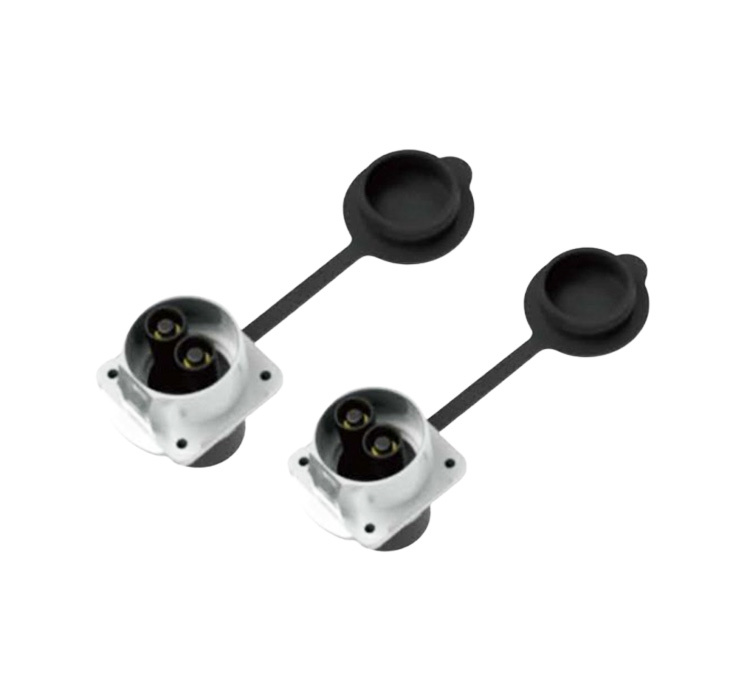
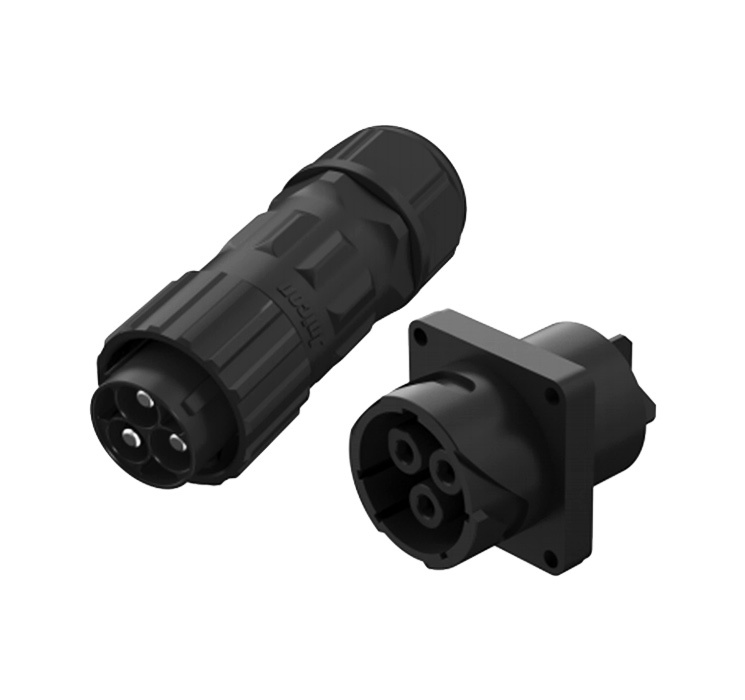
Choosing the right type of waterproof marine electrical connectors is the first step in achieving a robust electrical system on your boat. Here are some common types:
1. Circular Connectors
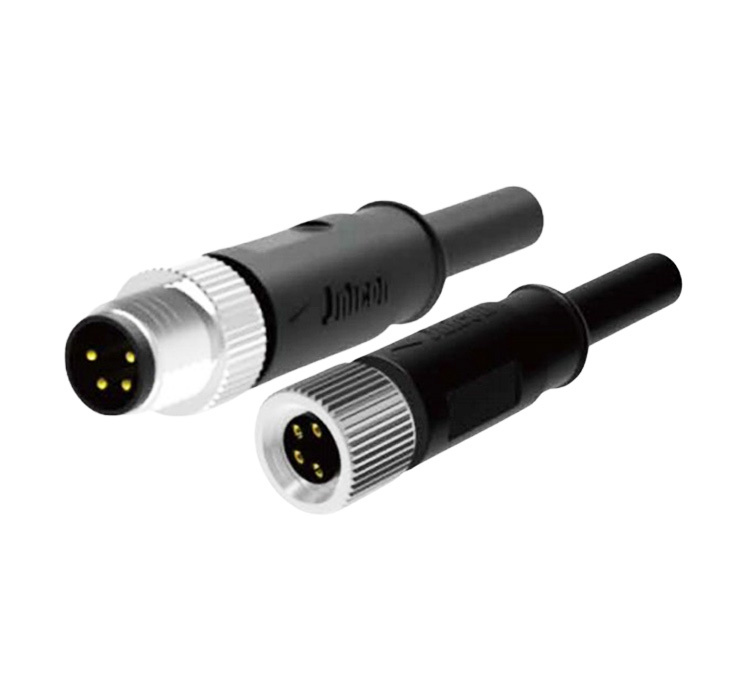
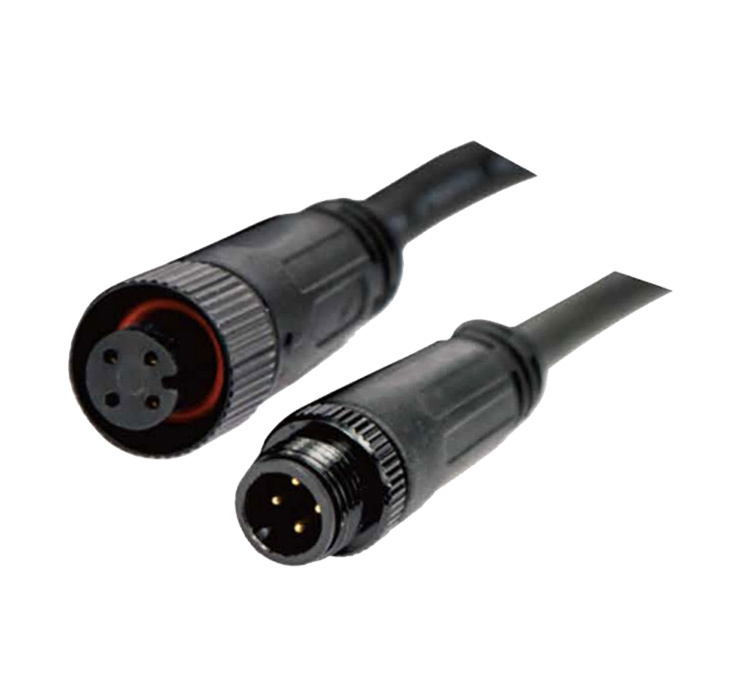
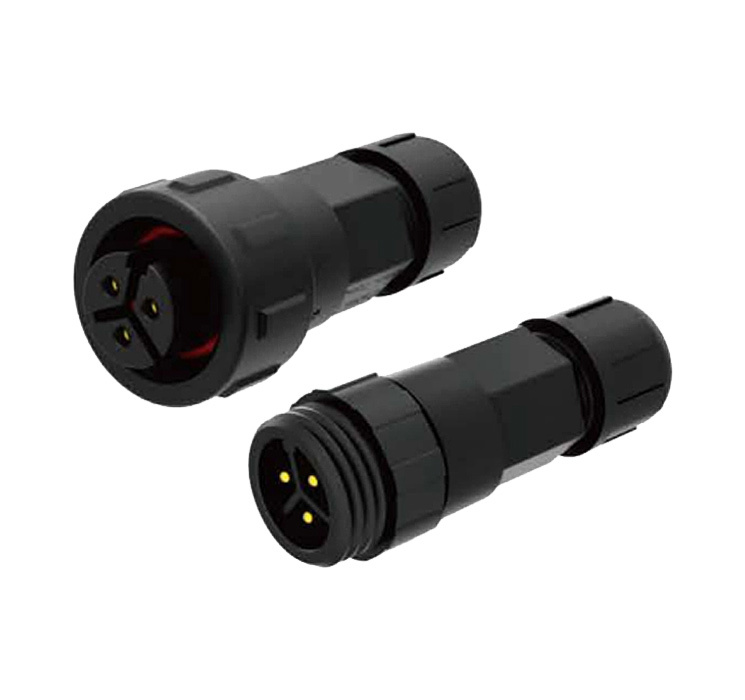
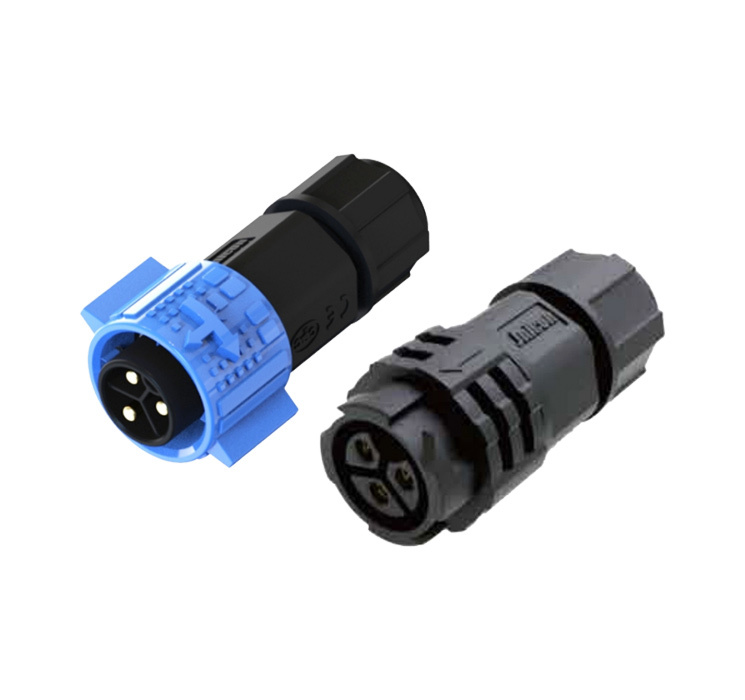
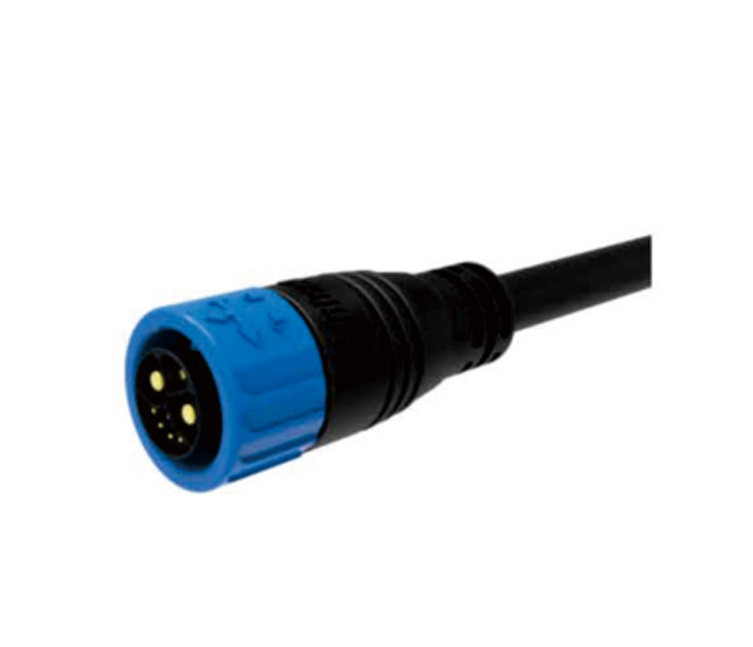
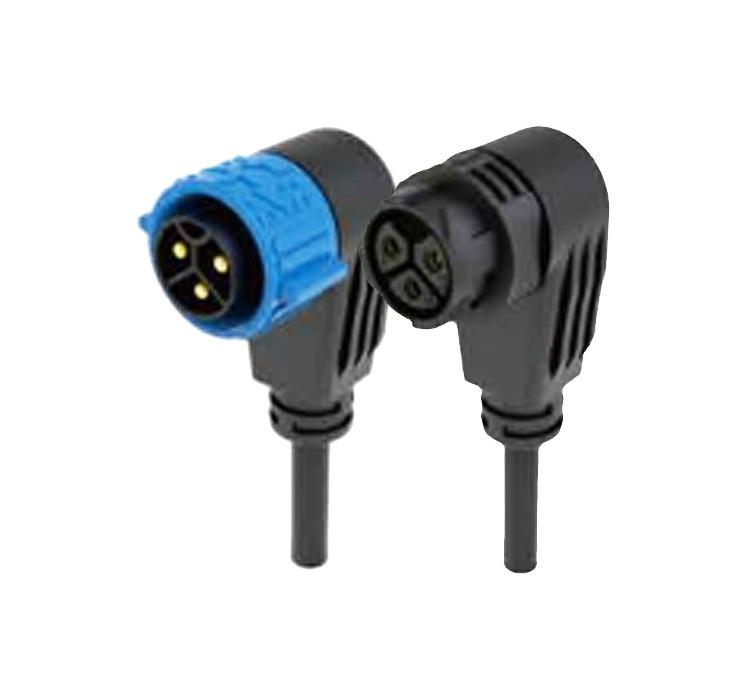
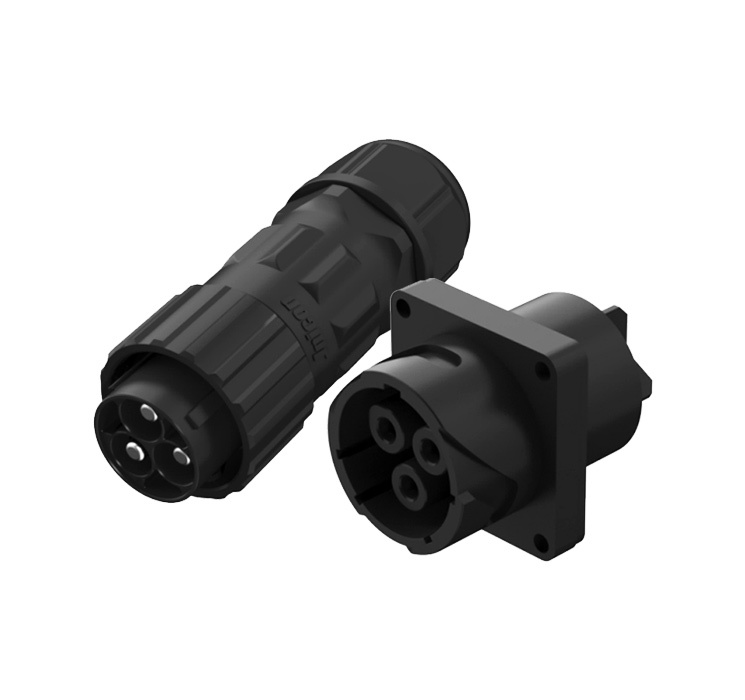
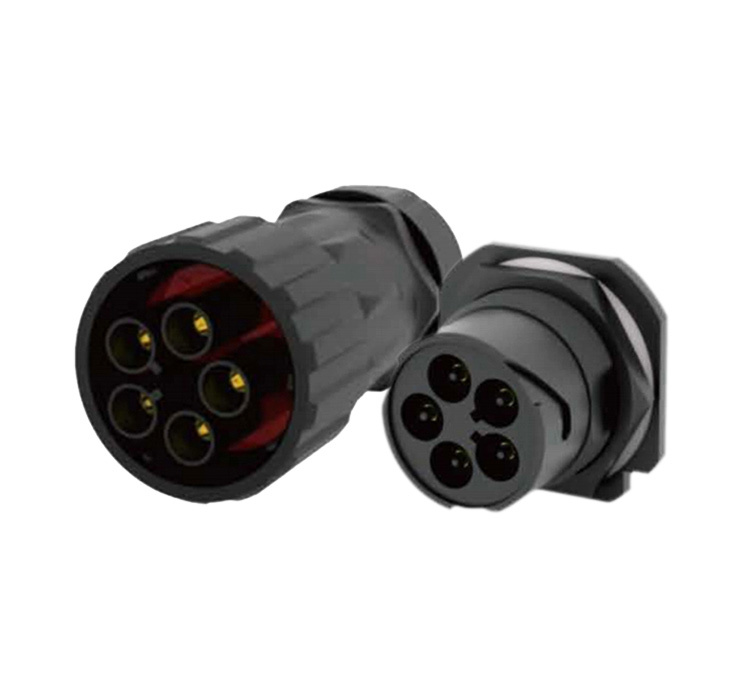
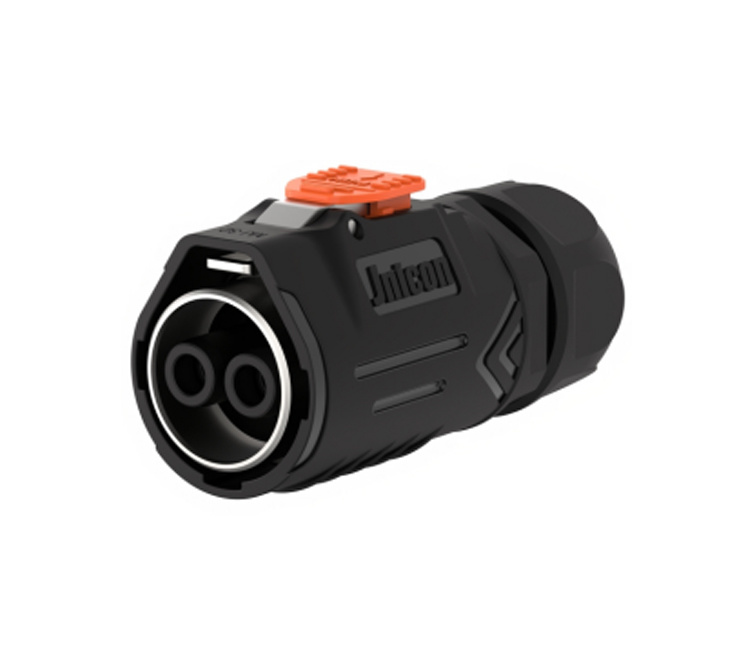
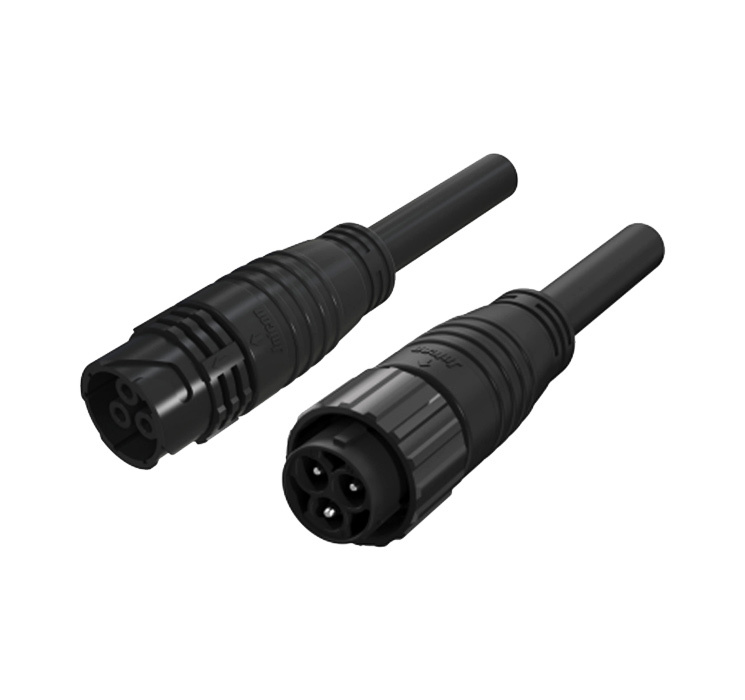
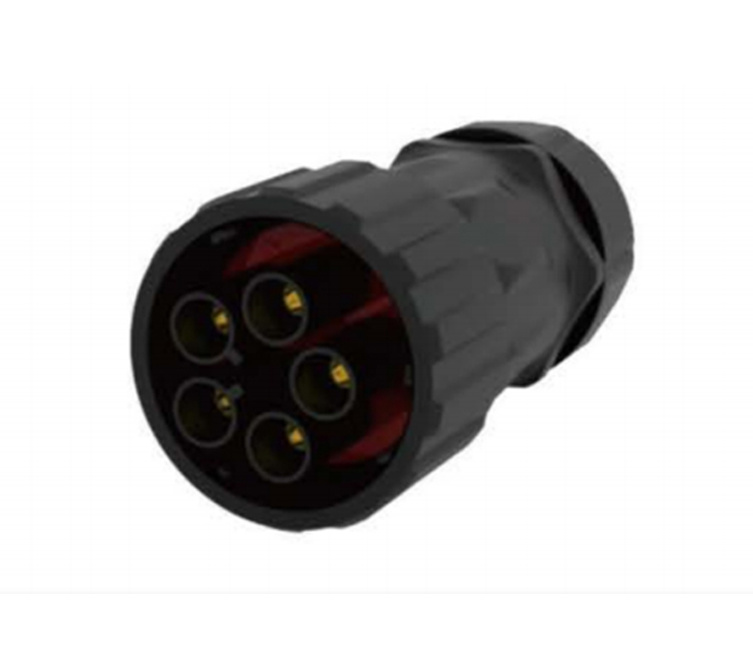
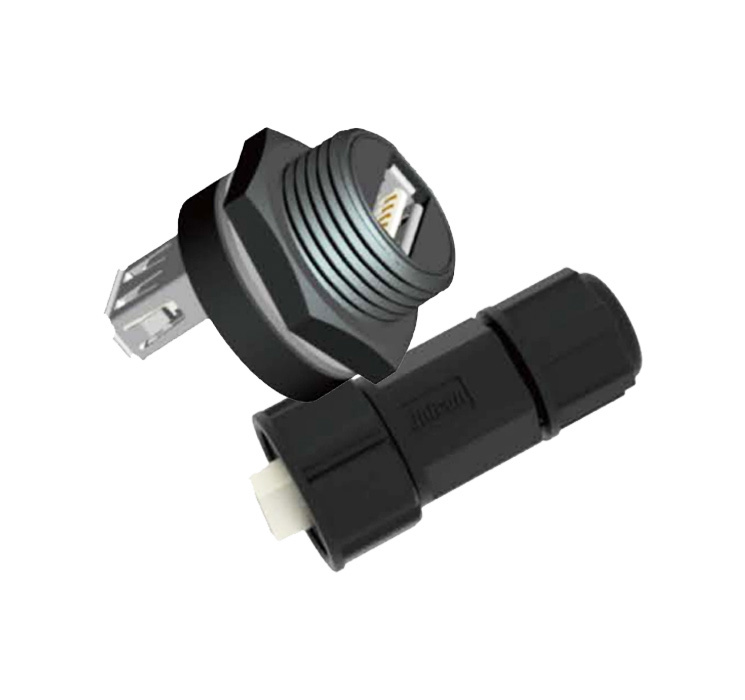
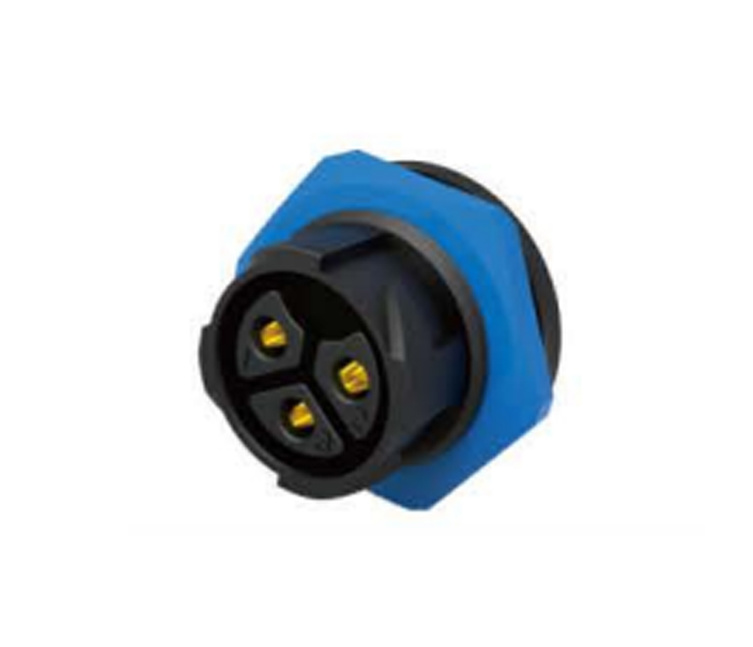
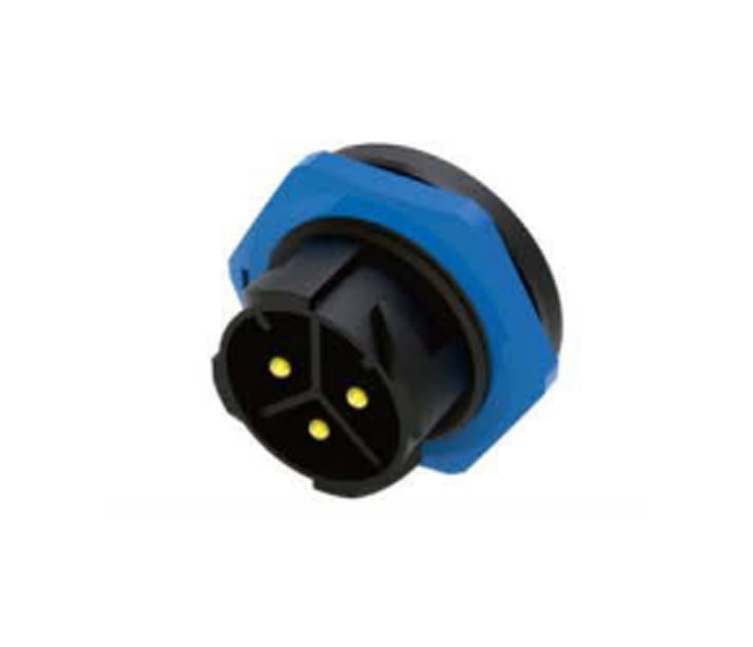
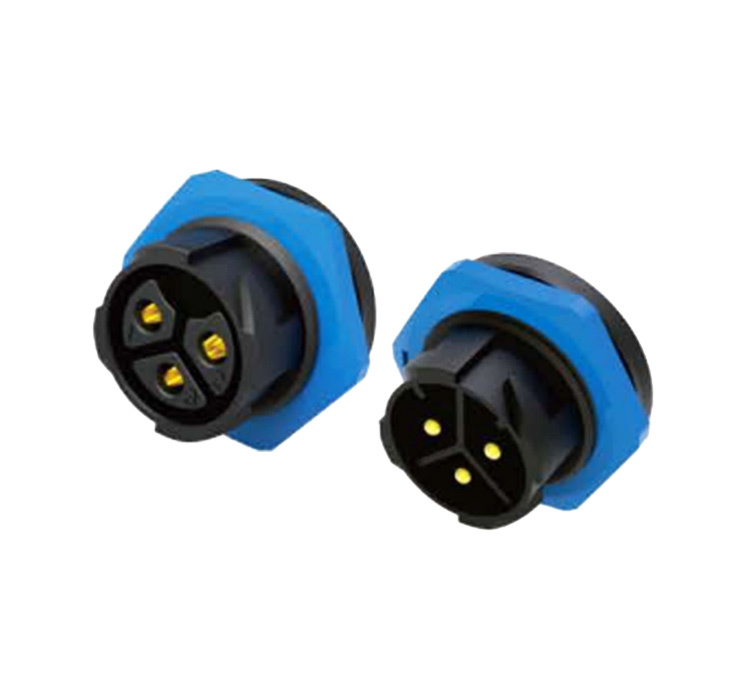
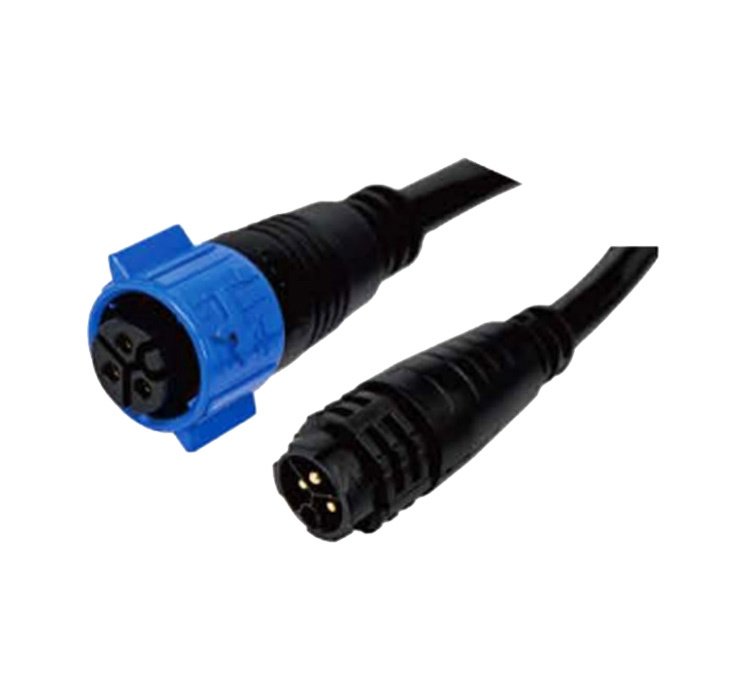
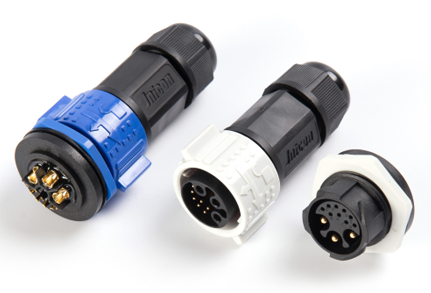
**Circular connectors** are popular in marine applications due to their versatile design and secure connection. They come in various pin configurations, allowing for multiple circuits within a single connector. The circular shape provides a sturdy and reliable locking mechanism that prevents accidental disconnection.
2. Rectangular Connectors
**Rectangular connectors** offer a wide variety of size and pin configurations. They are suitable for high-density applications, making them ideal for installations requiring multiple circuits in limited space.
3. Inline Connectors
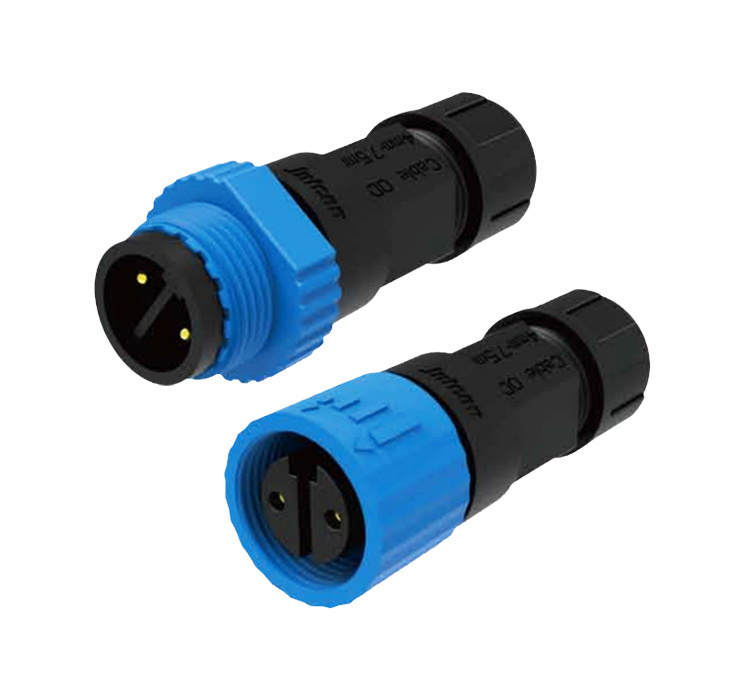
**Inline connectors** are designed for easy connection and disconnection of two wires. They are particularly useful for repairs or adjustments and are often used in situations where the wires need to be extended or changed frequently.
4. Power Connectors
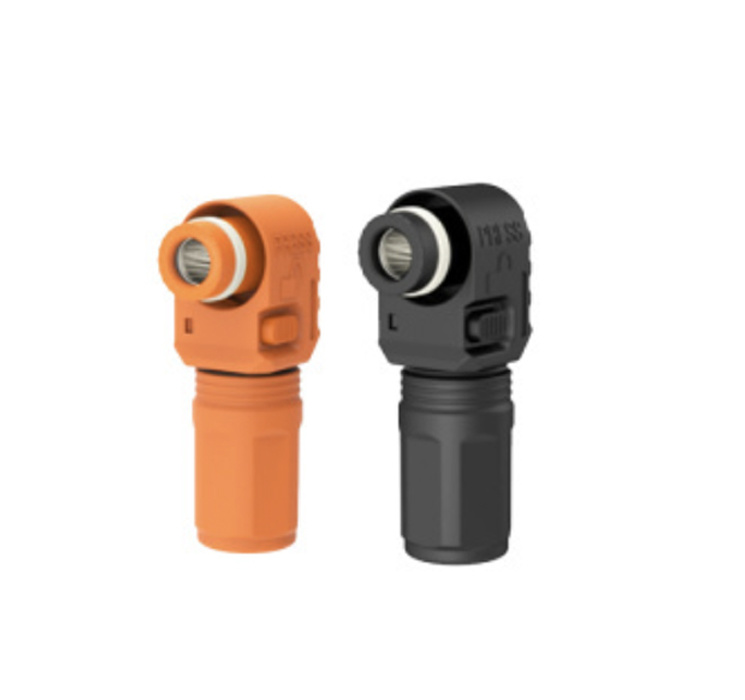
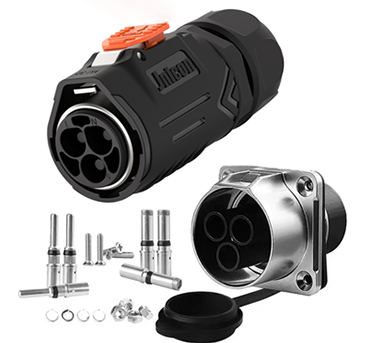
**Power connectors** are specialized for high-current applications, such as battery connections or powering large devices. These connectors ensure a safe and efficient transfer of power while minimizing the risk of overheating.
5. Data Connectors
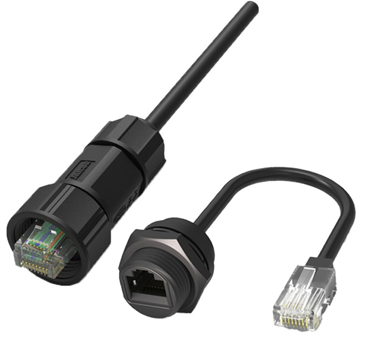
In the age of smart boating, **data connectors** are becoming increasingly important. These connectors allow for the reliable transfer of data between electronic devices onboard, such as GPS systems and onboard computers.
Factors to Consider When Choosing Waterproof Marine Electrical Connectors
Selecting the right connectors involves understanding several key factors:
1. IP Rating
The **Ingress Protection (IP) rating** indicates the degree of protection against moisture and dust. For marine applications, look for connectors with a minimum IP67 rating, which ensures they are dust-tight and can withstand immersion in water.
2. Material Composition
The material used in connectors significantly impacts their durability. Choose connectors made from high-quality thermoplastics or metals with anti-corrosive coatings. This ensures they can withstand the harsh marine environment.
3. Current and Voltage Ratings
Ensure that the connectors can handle the electrical load of your devices. Check the **current and voltage ratings** to match your boat's electrical requirements, preventing overheating and potential failure.
4. Temperature Range
Marine environments can experience extreme temperatures. Selecting connectors that can operate effectively within the necessary temperature range is crucial for maintaining performance.
5. Ease of Installation
Consider how easy the connectors are to install and service. Some connectors come with features such as self-locking mechanisms or color-coded terminals that simplify the installation process.
Installing Waterproof Marine Electrical Connectors
Proper installation is essential for ensuring the effectiveness of waterproof marine electrical connectors. Follow these steps for a successful installation:
1. Gather Your Tools and Materials
Before you begin, ensure you have all necessary tools, such as wire strippers, crimping tools, and heat shrink tubing. Also, gather the connectors and wires you'll be working with.
2. Prepare the Wires
Strip the wire ends carefully to prevent fraying. Keep the stripped length consistent with the connector specifications, ensuring a snug fit for optimal performance.
3. Crimp the Connectors
Using a crimping tool, attach the connectors to the wire ends. Ensure a tight connection to avoid potential failures; a secure crimp will prevent corrosion and ensure reliability.
4. Seal the Connections
To enhance the waterproof characteristics, use heat shrink tubing or silicone sealant around the connectors. This additional layer of protection will help seal out moisture and dust.
5. Test the Connections
Before finalizing the installation, test the connections to ensure they work correctly. Check for any issues, and make adjustments as needed.
Maintenance Tips for Waterproof Marine Electrical Connectors
To ensure the longevity and reliability of your connectors, regular maintenance is necessary:
1. Inspect Regularly
Make it a habit to inspect your connectors regularly for any signs of wear, corrosion, or damage. Early detection can prevent more significant issues from developing.
2. Clean the Connectors
Use a soft brush or cloth to clean dirt and debris from the connectors. Avoid using abrasive materials that could damage the sealing surfaces.
3. Ensure Proper Sealing
Check the sealing mechanisms of your connectors periodically. Replace any damaged seals to maintain the waterproof integrity of the connections.
FAQs About Waterproof Marine Electrical Connectors
1. What is the best material for marine electrical connectors?
The best materials for marine electrical connectors are high-quality thermoplastics and metals with anti-corrosive coatings, as they offer excellent durability and resistance to corrosion.
2. How do I know if a connector is waterproof?
Check the IP rating of the connector. A rating of IP67 or higher indicates that the connector is waterproof and can withstand immersion in water.
3. Can I use regular electrical connectors on my boat?
It is not advisable to use regular electrical connectors on your boat, as they are not designed to withstand moisture and corrosion common in marine environments.
4. How often should I replace my marine electrical connectors?
Regular inspections are crucial, but connectors should generally be replaced every few years or sooner if any signs of wear or corrosion are evident.
5. What is the importance of proper sealing in connectors?
Proper sealing prevents moisture and contaminants from entering the connectors, which is vital for maintaining the integrity and functionality of your electrical systems onboard.
Conclusion
Choosing the right **waterproof marine electrical connectors** for your boat is essential for ensuring safety, reliability, and longevity of your electrical systems. By understanding the different types of connectors, evaluating key factors such as IP ratings and material composition, and following proper installation and maintenance practices, you can protect your investment and enhance your boating experience. With the information provided in this guide, you are now equipped to make informed decisions that will keep your boat's electrical systems functioning at their best for years to come.
News
2026-10-12
5 Pin Waterproof Connectors: Enhancing Home Automation Systems
5 Pin Waterproof Connectors: Enhancing Home Automation Systems Table of Contents Introduction to 5 Pin Waterproof Connectors Importance of Waterproof Connectors in Home Automation Key Benefits of 5 Pin Waterproof Connectors Features of 5 Pin Waterproof Connectors Material Quality Design and Build Applications of 5 Pin Waterproof C
2026-10-10
Waterproof Wire Connector Plugs for Reliable Connections
Waterproof wire connector plugs ensure secure, moisture-resistant electrical connections for outdoor lighting, automotive systems, and industrial equipment.
2026-10-10
Waterproof Electrical Wire Connectors for Reliable Connections
Waterproof electrical wire connectors protect wiring from moisture and dust, ensuring reliable connections in indoor and outdoor applications.

B8-9, Fubilun industrial park, Chaoyang rd,Yanchuan community, Songgang, Shenzhen, China


