
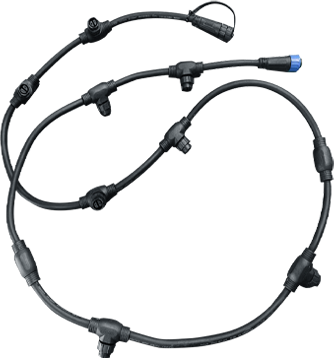
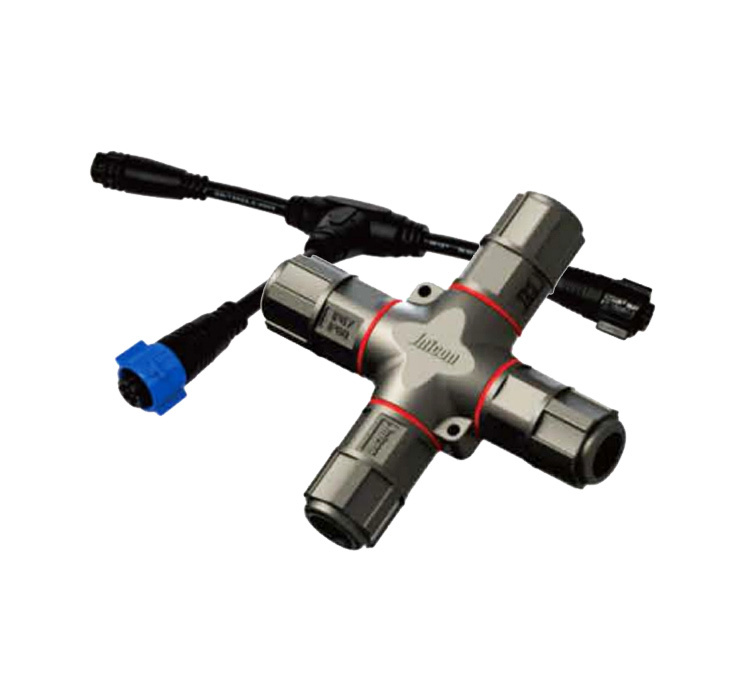
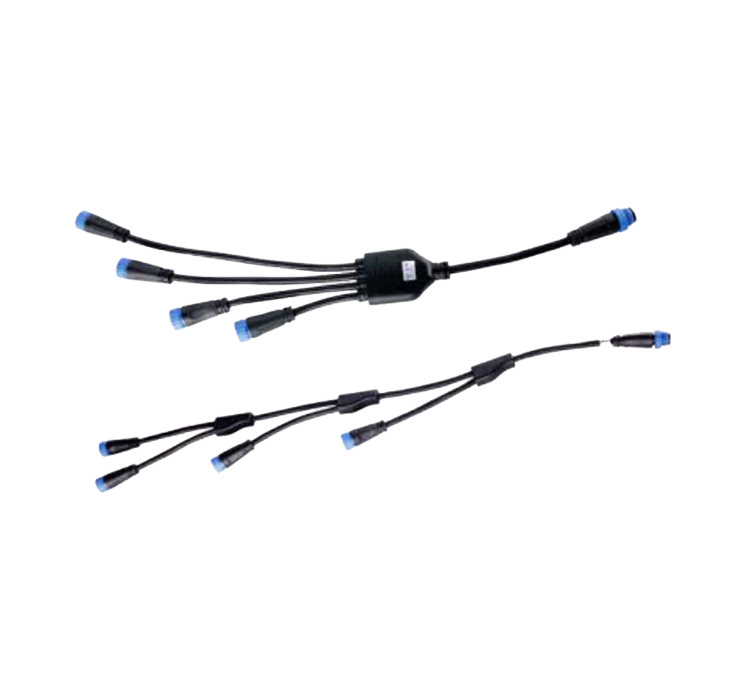
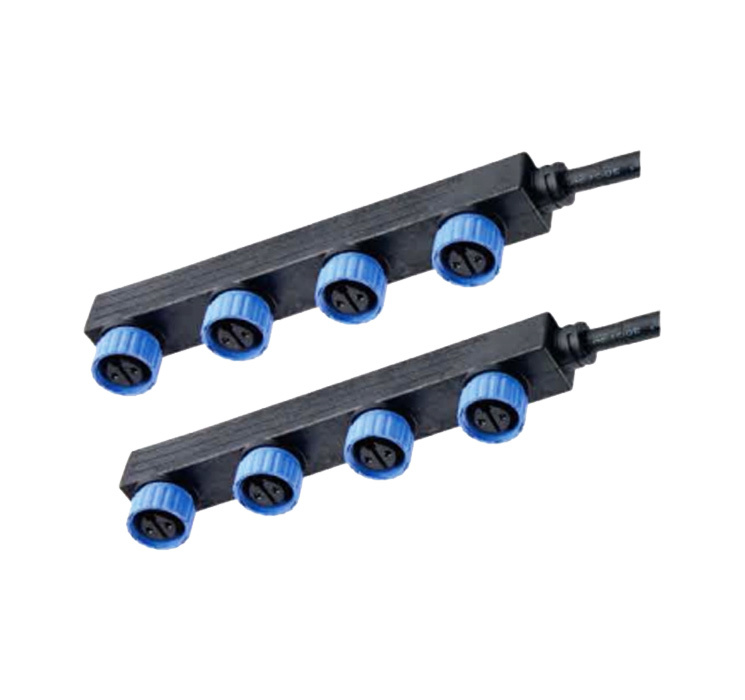


How to Choose the Right 5 Pin Waterproof Connector for Your Needs
Release Time:
2026-01-13
How to Choose the Right 5 Pin Waterproof Connector for Your Needs
Introduction to 5 Pin Waterproof Connectors
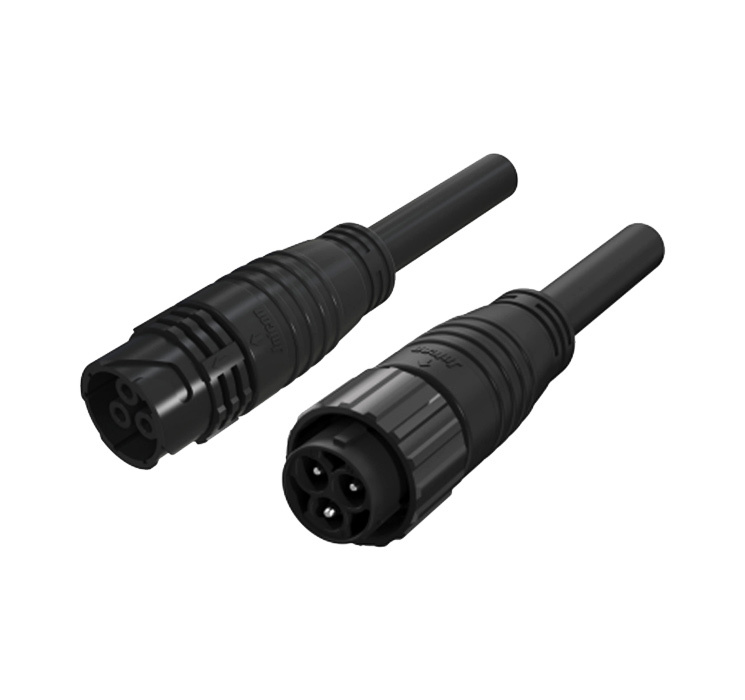
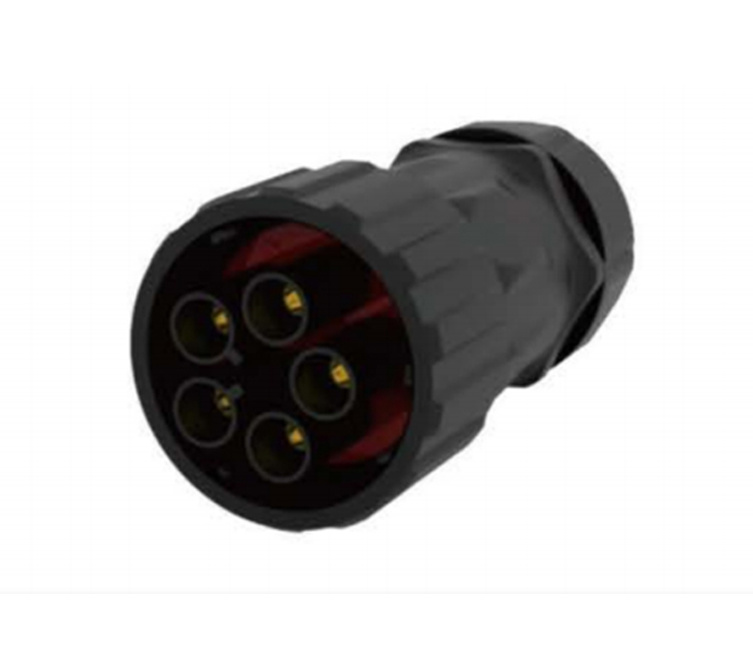
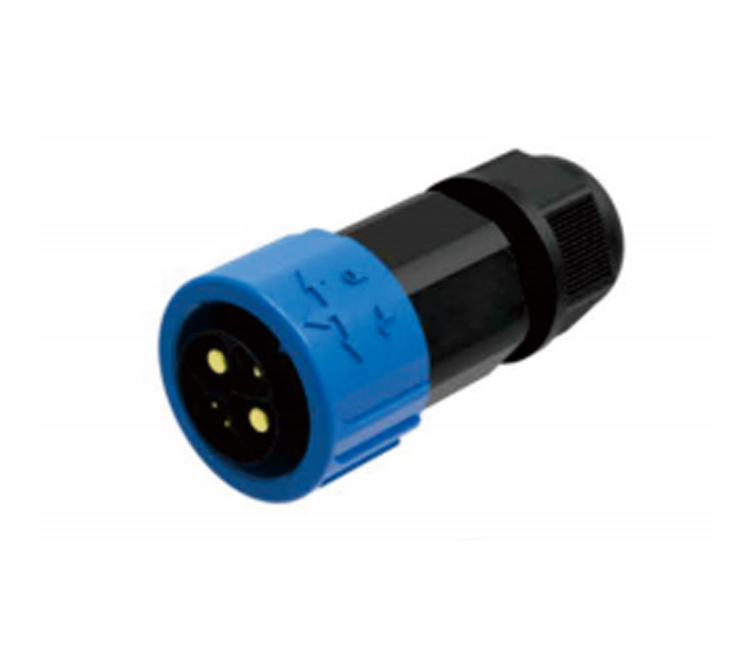
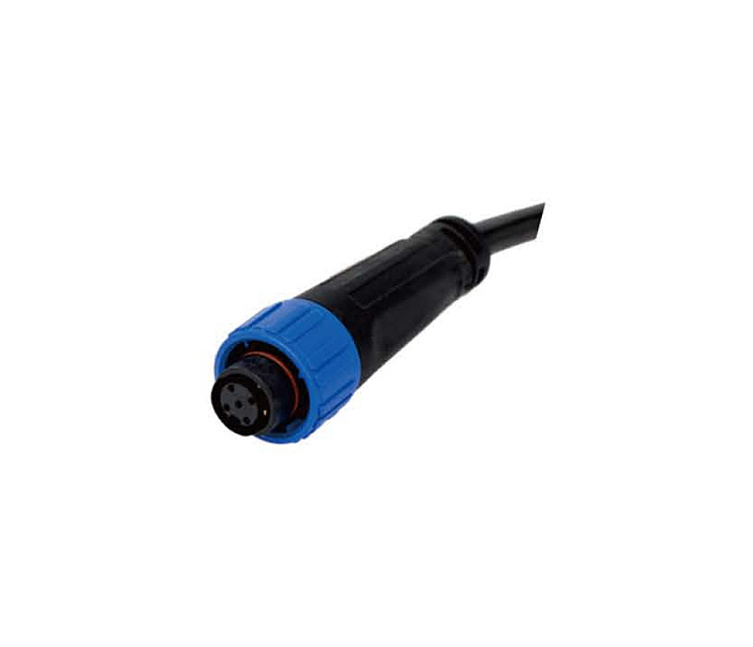
When it comes to ensuring reliable connections in harsh environments, **5 pin waterproof connectors** are an essential component in various applications. These connectors provide a secure link between electrical devices while protecting against moisture, dust, and other environmental factors. Understanding how to choose the right connector is crucial for maintaining device integrity and performance.
Understanding the Importance of Waterproof Connectors
In industries where equipment is exposed to water, dust, and extreme temperature variations, waterproof connectors play a critical role. They prevent electrical failures that can occur due to corrosion and short circuits. A well-chosen 5 pin waterproof connector can enhance the longevity and reliability of electrical systems, making it an essential consideration for engineers and technicians alike.
Key Benefits of Using 5 Pin Waterproof Connectors
1. **Enhanced Durability**: Waterproof connectors are designed to withstand harsh conditions, ensuring long-term performance.
2. **Protection Against Environmental Damage**: They prevent moisture and debris from entering the connection point, reducing the risk of corrosion.
3. **Versatility**: Suitable for a wide range of applications, including automotive, marine, and industrial equipment.
4. **Ease of Installation**: Many waterproof connectors are designed for straightforward installation, saving time and labor costs.
Factors to Consider When Choosing a 5 Pin Waterproof Connector
Selecting the appropriate 5 pin waterproof connector involves several critical factors. Below, we delve into the key considerations that will guide your decision.
1. Application Requirements
The first step in selecting a waterproof connector is to identify the specific application. Different applications have unique requirements based on factors such as:
- **Temperature Range**: Ensure the connector can operate effectively within the temperature extremes of your environment.
- **Voltage and Current Ratings**: Match the connector’s specifications to the electrical requirements of your devices.
- **Type of Environment**: Consider whether the connector will be used in marine, industrial, or outdoor settings.
2. IP Rating Explained
Waterproof connectors are typically rated using the **Ingress Protection (IP)** code, which indicates their resistance to dust and water. The first digit refers to dust resistance, while the second digit refers to water resistance. For instance, an IP67 rating means the connector is completely dust-tight and can withstand immersion in water up to 1 meter for 30 minutes. When choosing a connector, aim for a rating that meets or exceeds your environmental demands.
3. Material Selection
The materials used in the construction of the connector can significantly influence its performance. Common materials include:
- **Plastic**: Lightweight and cost-effective, but may not be suitable for high-stress applications.
- **Metal**: Offers superior durability and is more resistant to physical damage but can be heavier and more expensive.
- **Rubber Sealing**: Essential for ensuring waterproof capabilities; consider connectors with high-quality seals for optimal protection.
4. Connector Configuration and Design
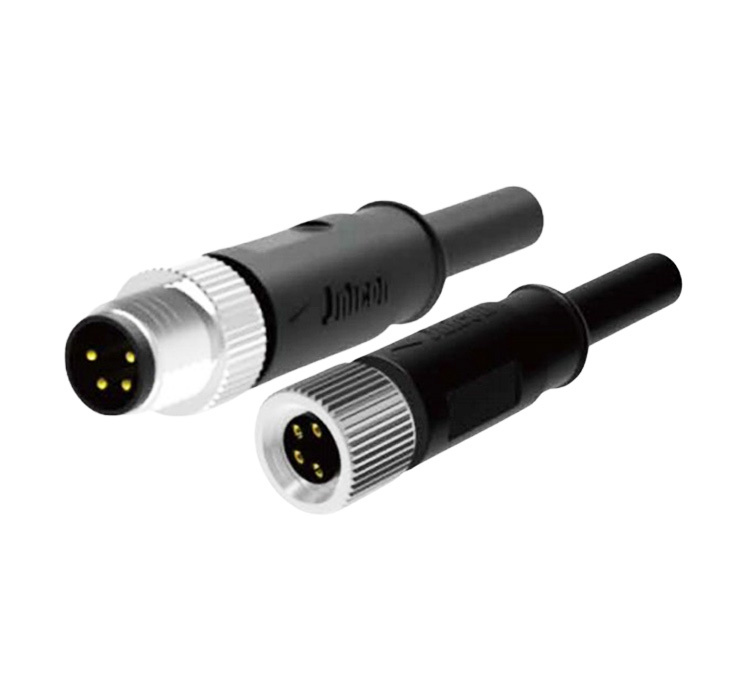
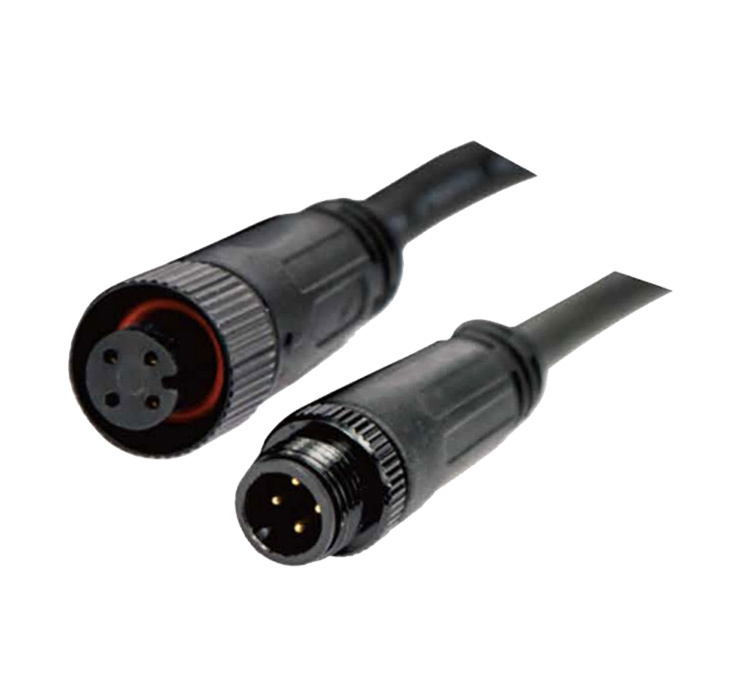
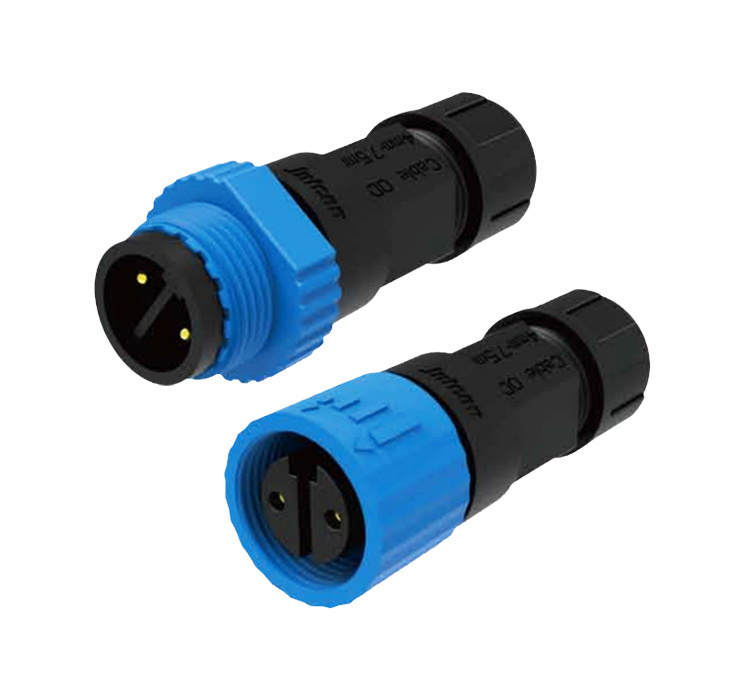
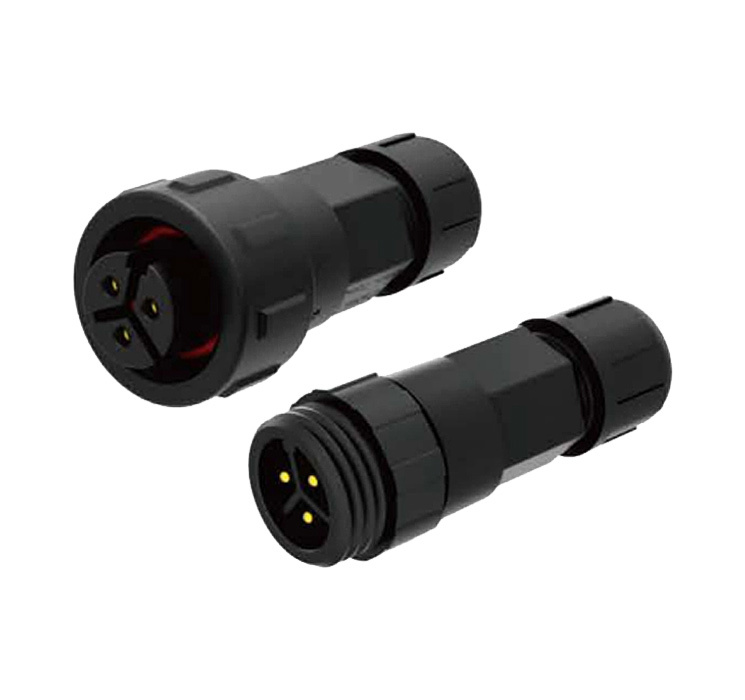
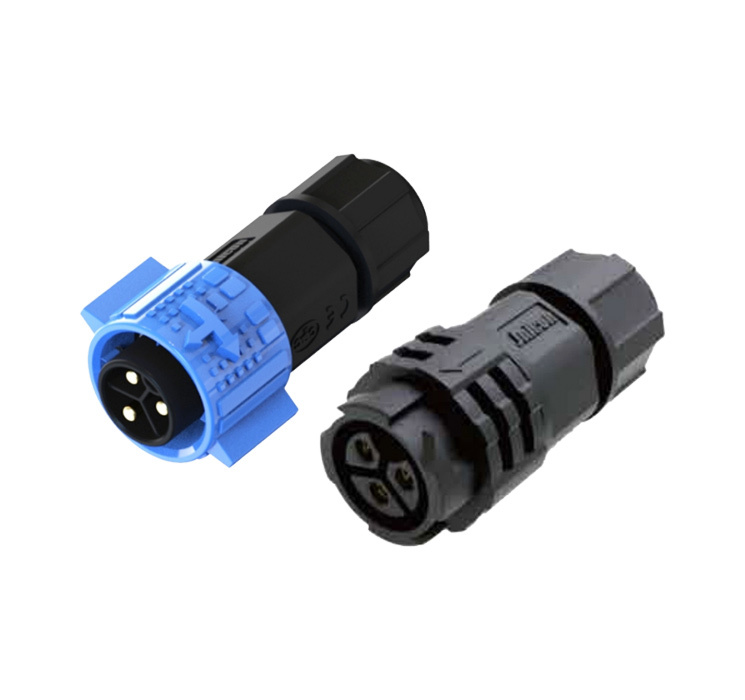
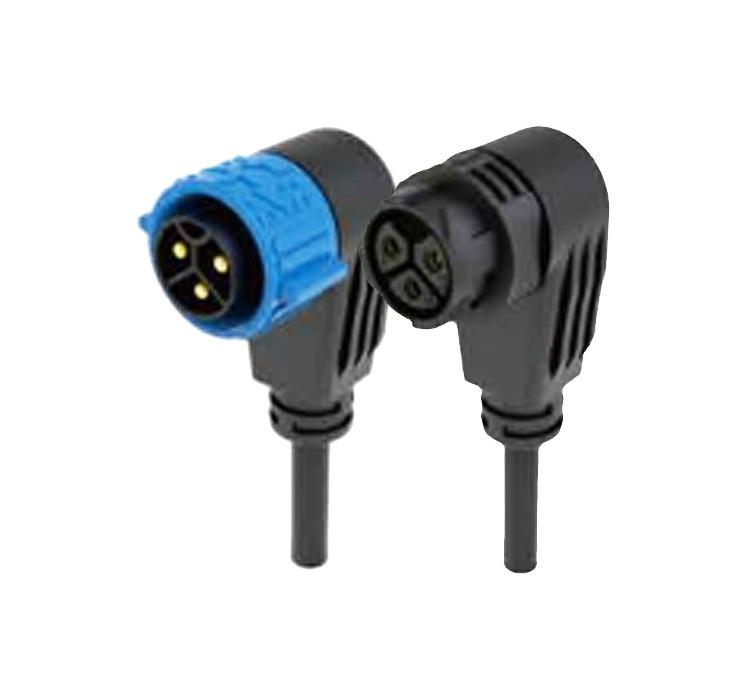
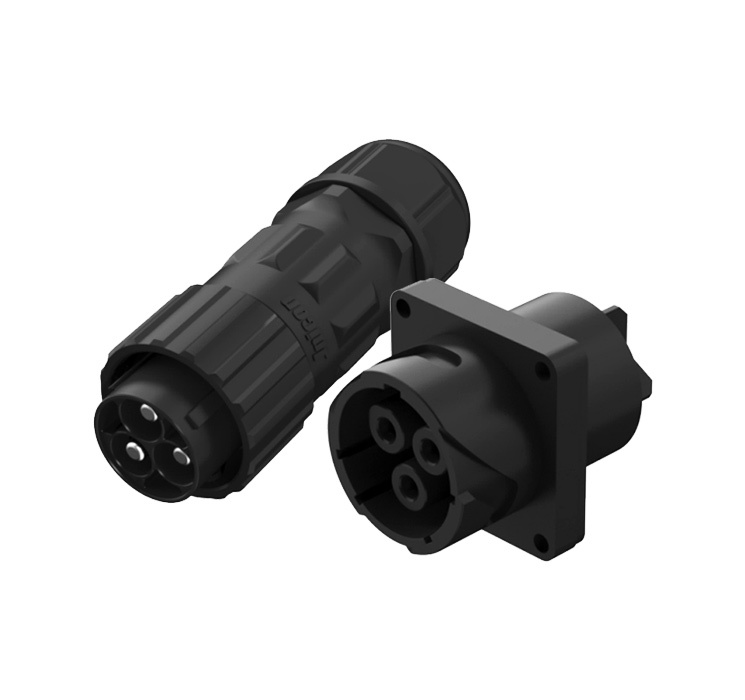
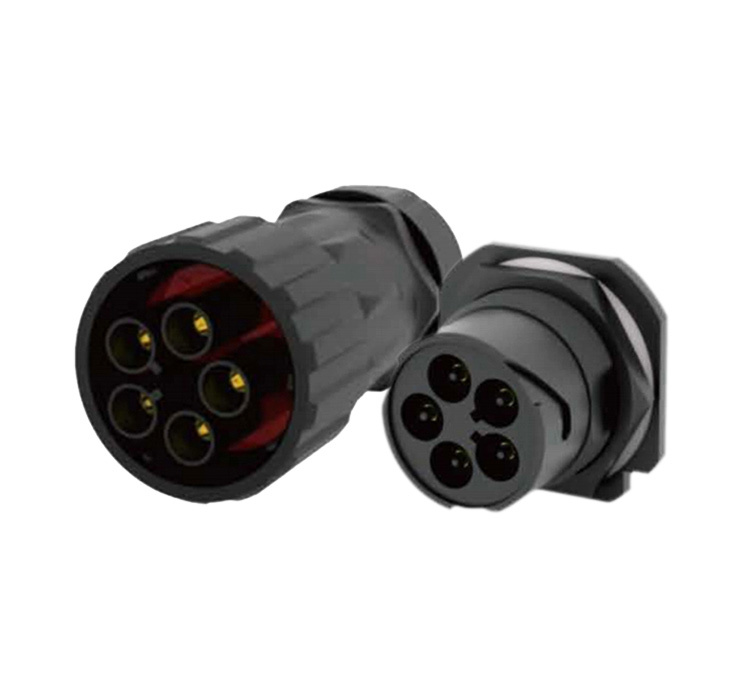
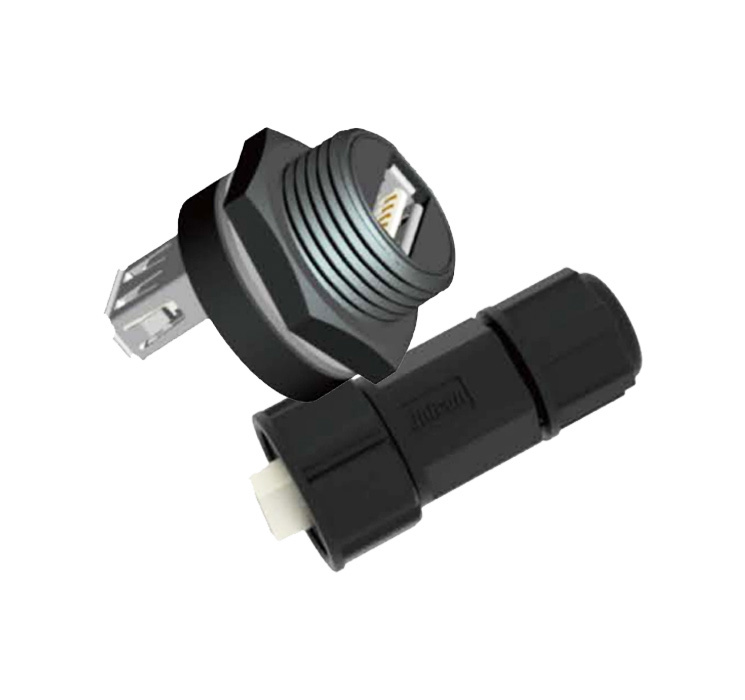
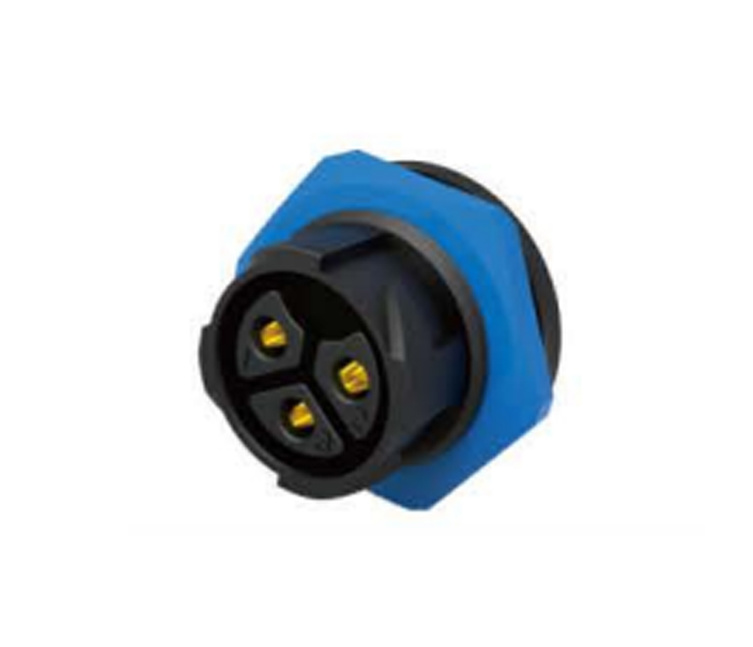
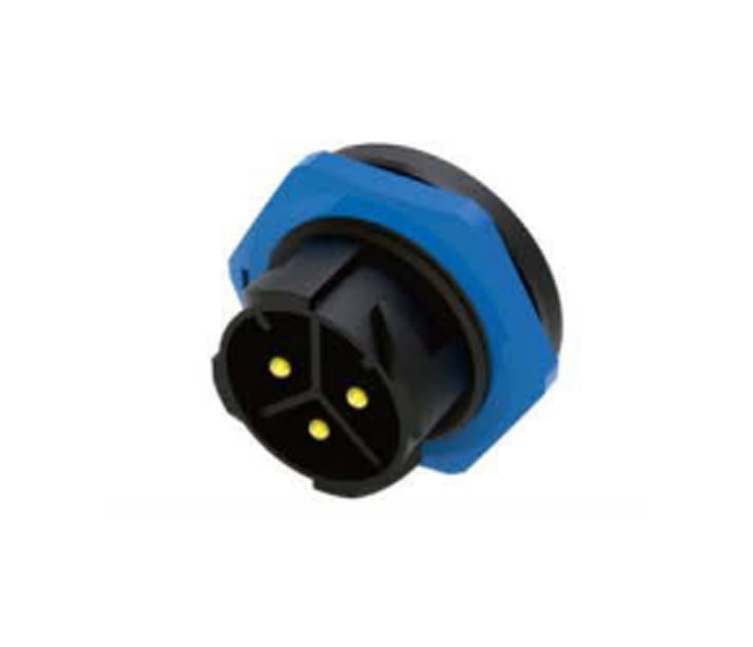
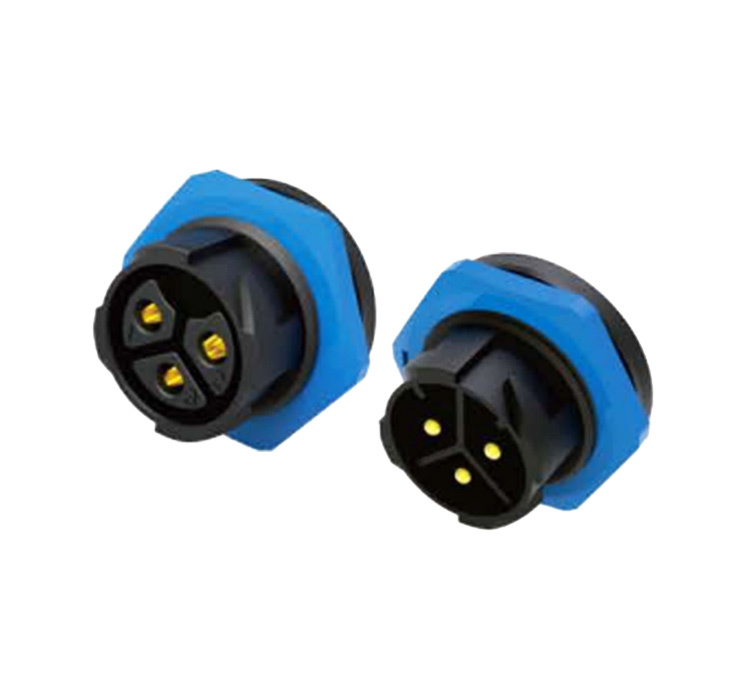
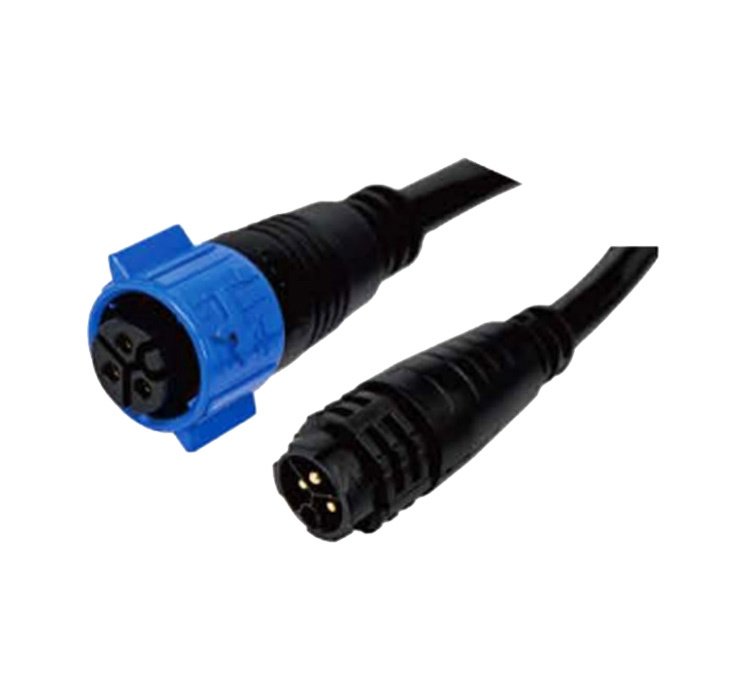
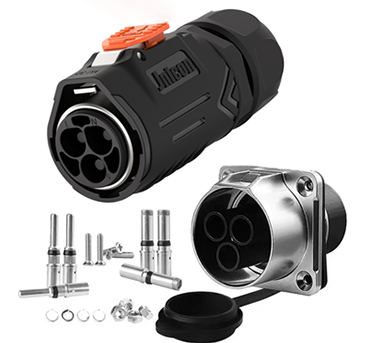
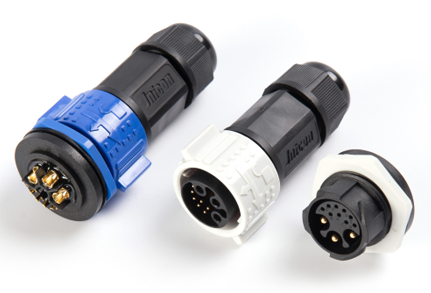
Assess the physical design of the connector. A 5 pin configuration may come in various forms, including circular or rectangular shapes. The design should facilitate easy installation and disconnection while ensuring secure connections during operation.
Connector Locking Mechanisms
Many waterproof connectors incorporate locking mechanisms, such as screws or latches, to prevent accidental disconnection. Evaluate these features based on the expected use case and how often connections need to be made and broken.
5. Cable Compatibility
When selecting a 5 pin waterproof connector, ensure it is compatible with your cables. The gauge and type of cable can affect both electrical performance and installation ease. Verify that the connector supports the necessary cable sizes and types for your specific application.
Practical Tips for Choosing Your 5 Pin Waterproof Connector
To optimize your selection process, consider the following practical tips:
1. Work with Trusted Manufacturers
Select connectors from reputable manufacturers known for their quality and reliability. Research customer reviews and product specifications to ensure you are choosing a connector that aligns with industry standards.
2. Test the Connector
If possible, conduct performance tests on the connectors under real-world conditions. This will provide insights into their reliability and performance in your specific application.
3. Factor in Expansion Needs
Consider future needs when selecting a connector. If you anticipate changes in power requirements or additional devices, choose a connector that can accommodate these changes without compromising performance.
4. Consult with Experts
If you are uncertain about your choice, consulting with industry experts can provide valuable insights. They can offer recommendations based on their experience and knowledge of current technologies.
5 Pin Waterproof Connector Installation Tips
Once you’ve selected the right 5 pin waterproof connector, proper installation is crucial for achieving optimal performance. Here are some tips to ensure a successful installation.
1. Follow Manufacturer Instructions
Always refer to the installation guidelines provided by the manufacturer. These instructions will outline the necessary steps to ensure proper installation and functionality.
2. Use the Right Tools
Utilize appropriate tools for installation to avoid damage to the connector and cables. Ensure all tools are clean and suitable for the task to prevent contamination.
3. Inspect Sealing Mechanisms
Before installation, verify that all sealing mechanisms are intact. Any damage to seals can compromise the waterproof capabilities of the connector.
4. Perform Functional Testing
After installation, conduct functional testing to confirm that the connector operates correctly. Check for any signs of moisture or electrical issues.
FAQs About 5 Pin Waterproof Connectors
1. What is the difference between waterproof and water-resistant connectors?
Waterproof connectors are designed to prevent water ingress entirely, while water-resistant connectors provide some level of protection but may allow water exposure under certain conditions.
2. Can I use 5 pin waterproof connectors in marine applications?
Yes, 5 pin waterproof connectors are commonly used in marine applications due to their ability to withstand harsh environments and resist corrosion.
3. How do I maintain waterproof connectors?
Regularly inspect connectors for signs of wear and damage, clean them as needed, and ensure that sealing mechanisms are functioning properly to maintain their waterproof capabilities.
4. Are there different sizes of 5 pin waterproof connectors?
Yes, 5 pin waterproof connectors come in various sizes and configurations. Choose one that fits your application’s requirements and cable specifications.
5. What is the typical lifespan of a 5 pin waterproof connector?
The lifespan of a 5 pin waterproof connector can vary based on environmental factors and usage, but with proper care, they can last many years without significant issues.
Conclusion
Choosing the right **5 pin waterproof connector** is a critical decision that impacts the performance and reliability of electrical systems in challenging environments. By understanding the various factors such as application requirements, IP ratings, material selection, and installation techniques, you can ensure that you select a connector that meets your specific needs. With the right connector in place, you can enhance the durability and efficiency of your devices, safeguarding them against the elements while ensuring seamless operation. Take the time to evaluate your options carefully, and don’t hesitate to consult with experts to make the best choice for your projects.
News
2026-10-18
How Industrial Power Connectors Transform Energy Distribution Systems
How Industrial Power Connectors Transform Energy Distribution Systems Table of Contents 1. Introduction to Industrial Power Connectors 2. The Importance of Power Connectors in Energy Distribution 3. Types of Industrial Power Connectors 3.1 Circular Connectors 3.2 Rectangular Connectors 3.3 Heavy-Duty Connectors 4. Applications
2026-10-15
Understanding Waterproof Wire Harness: Key Features and Benefits for Automotive Applications
In the automotive industry, the functionality and longevity of electrical components are crucial for vehicle performance. One of the key components that contribute to this is the waterproof wire harness. These harnesses are specifically designed to withstand harsh environmental conditions, ensuring that the electrical systems in vehicles remain operational regardless of the weather. A waterproof w
2026-10-12
5 Pin Waterproof Connectors: Enhancing Home Automation Systems
5 Pin Waterproof Connectors: Enhancing Home Automation Systems Table of Contents Introduction to 5 Pin Waterproof Connectors Importance of Waterproof Connectors in Home Automation Key Benefits of 5 Pin Waterproof Connectors Features of 5 Pin Waterproof Connectors Material Quality Design and Build Applications of 5 Pin Waterproof C

B8-9, Fubilun industrial park, Chaoyang rd,Yanchuan community, Songgang, Shenzhen, China


