


Understanding Waterproof Cables: Essential Insights for Electrical Professionals
Release Time:
2026-02-05
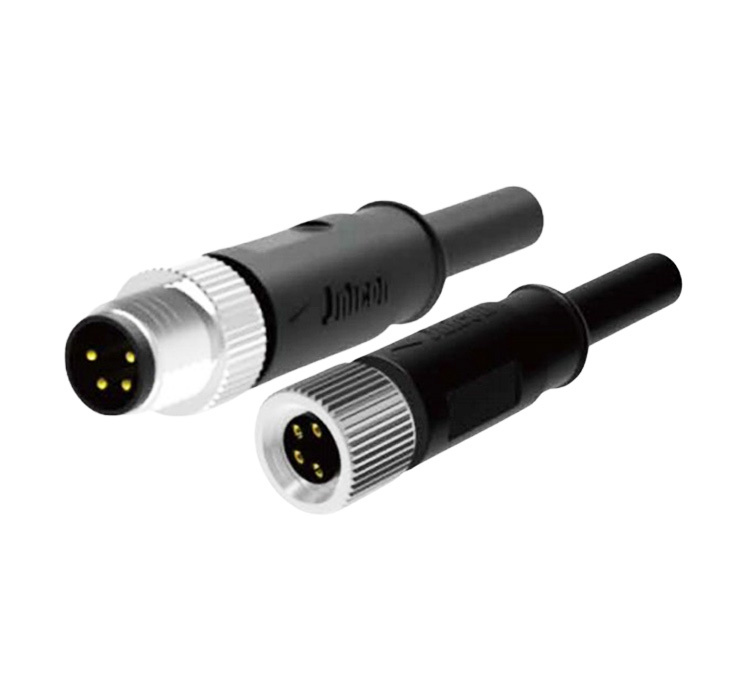
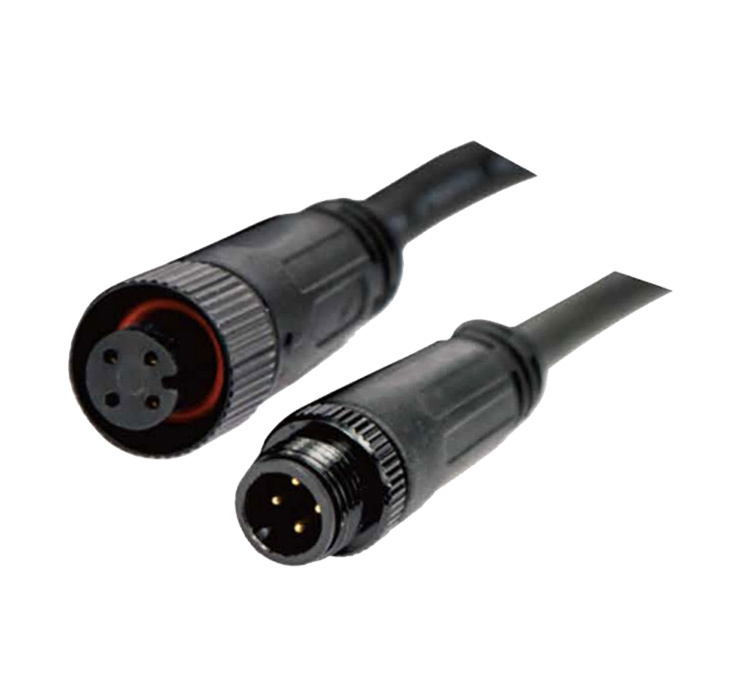
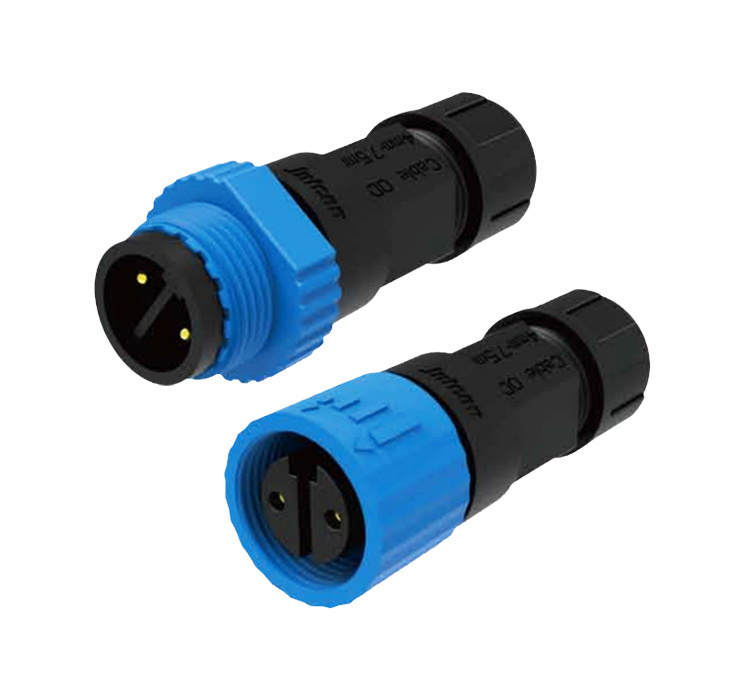
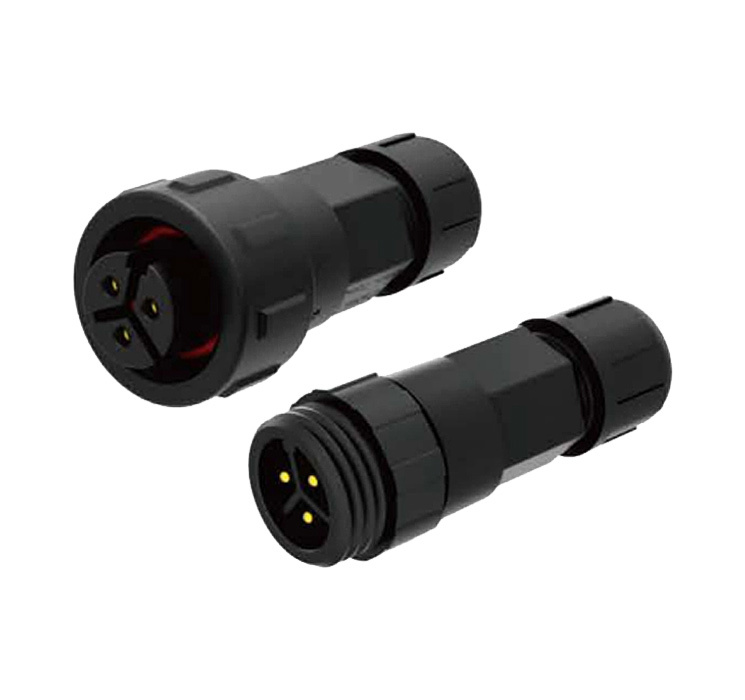
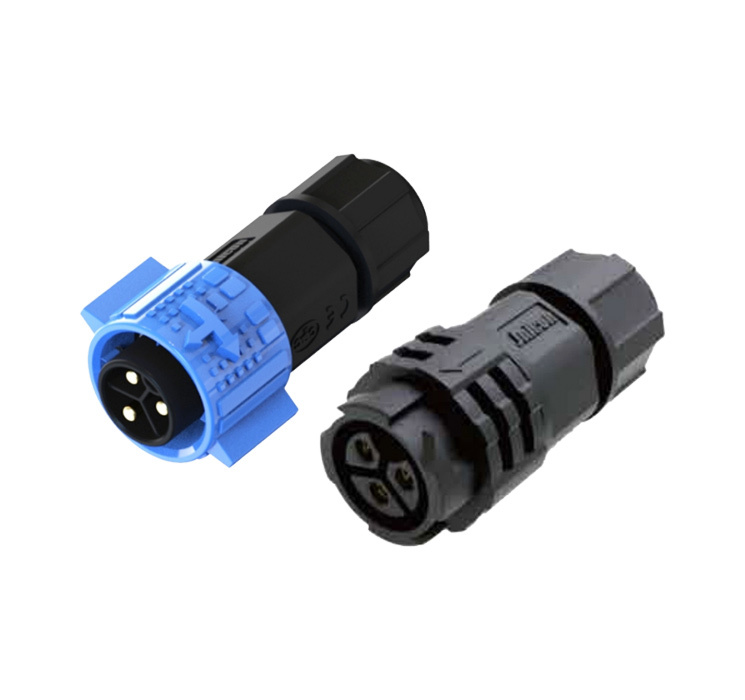
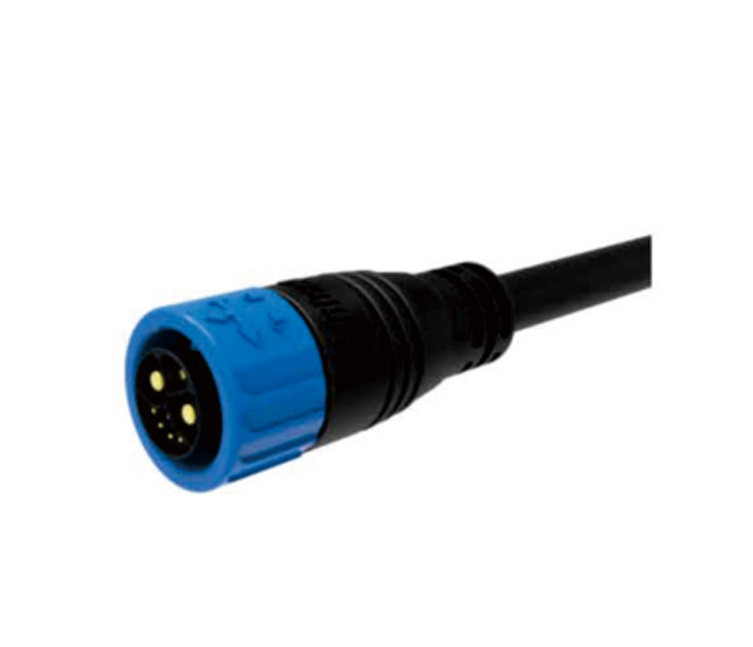
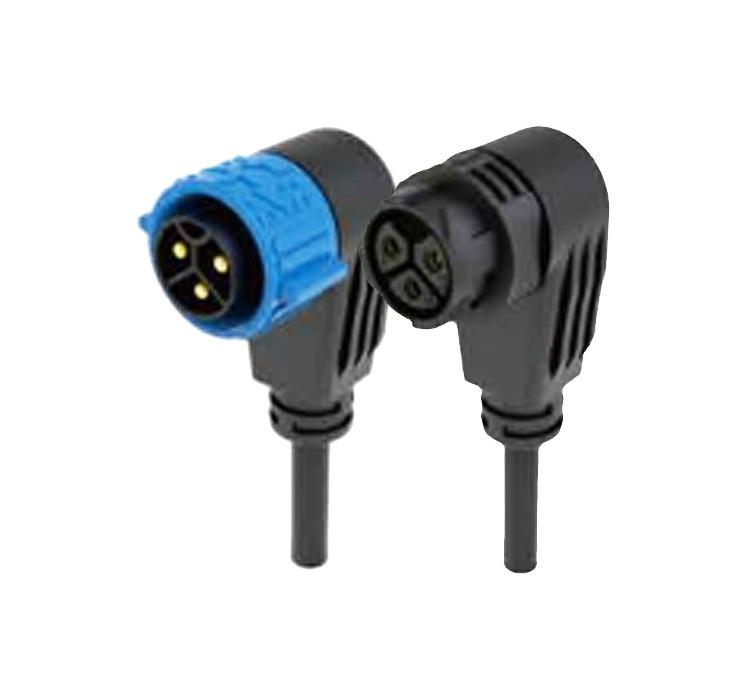
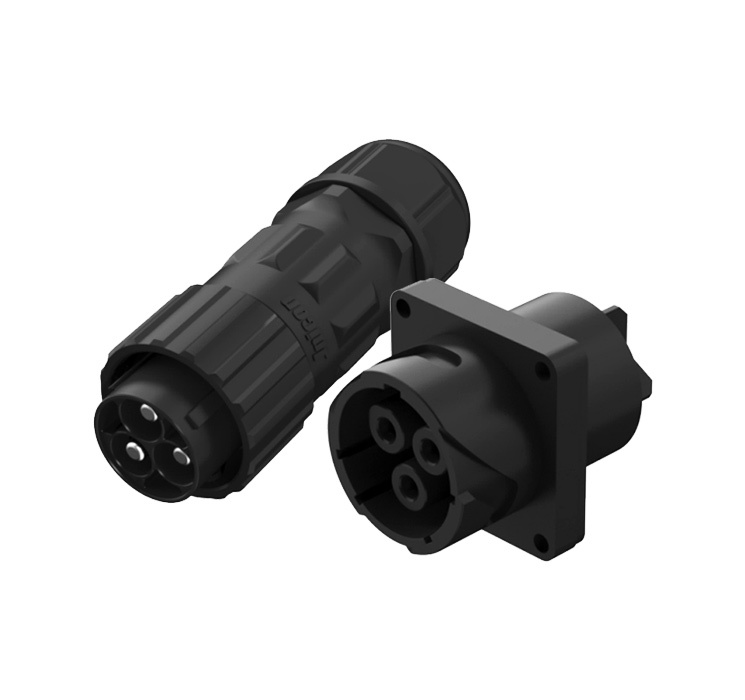
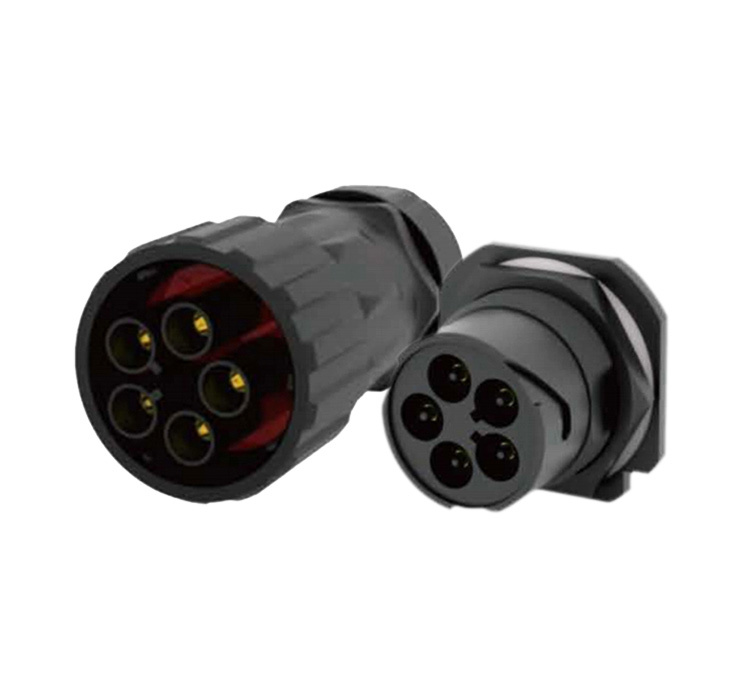
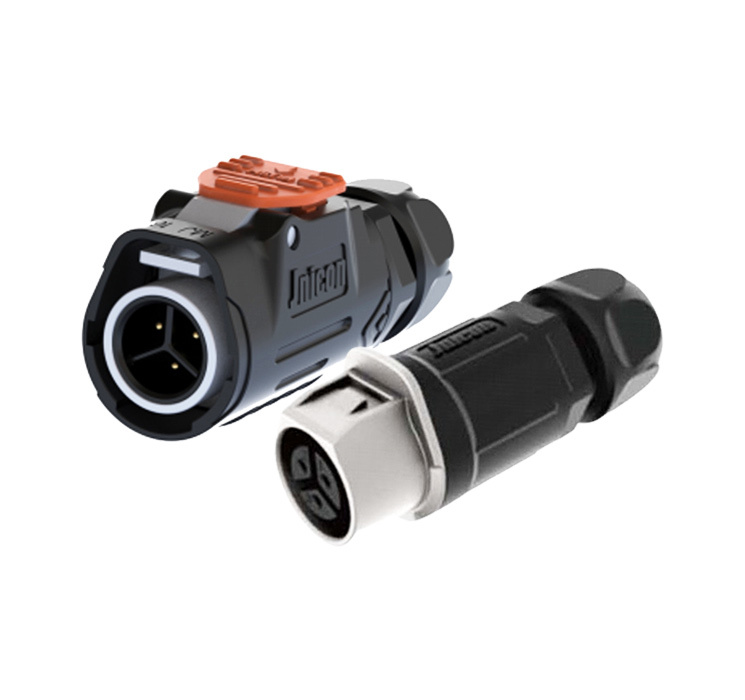
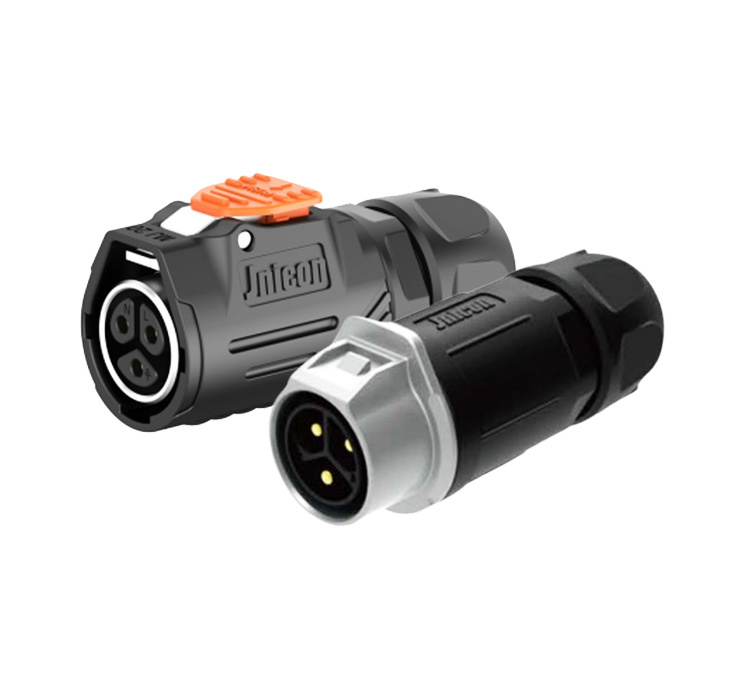
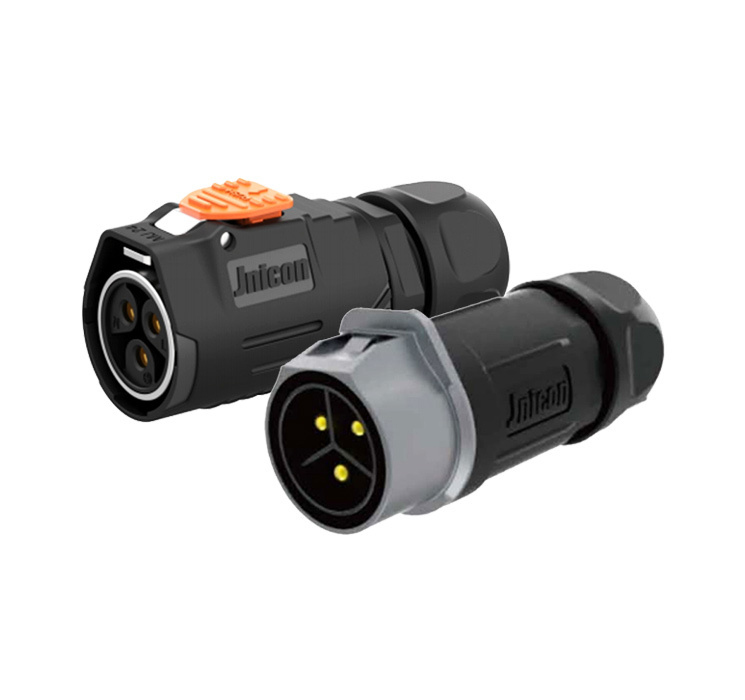
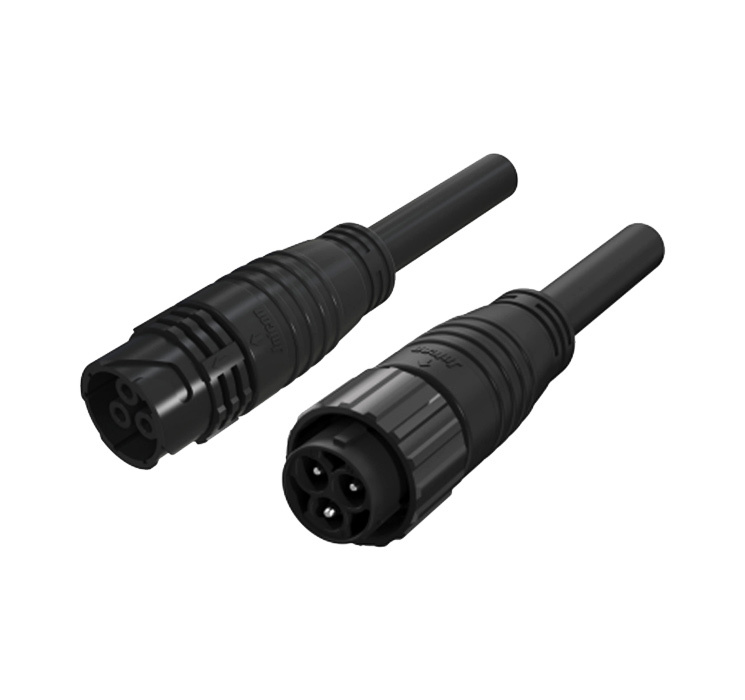
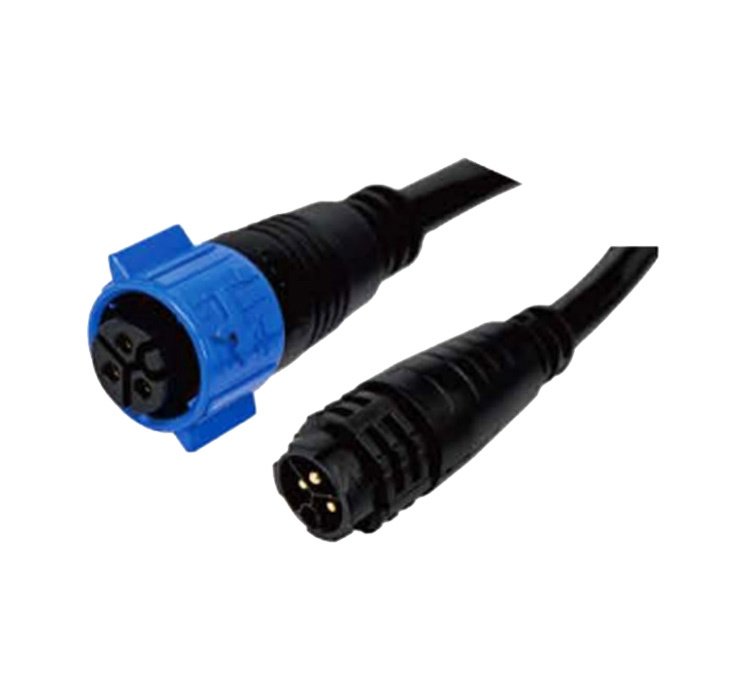
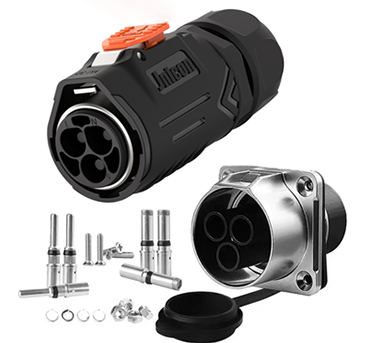
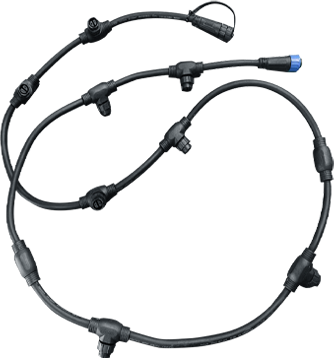
One of the most critical features of waterproof cables is their construction. Typically, they are manufactured using materials that offer resistance to water and various environmental elements. Common materials include thermoplastic elastomers (TPE), polyvinyl chloride (PVC), and ethylene propylene diene monomer (EPDM), which provide excellent flexibility and durability. These materials are often rated with specific ingress protection (IP) ratings, indicating their resistance to water and dust. An IP67 rating, for instance, means that the cable can withstand immersion in water up to a certain depth and duration, making it suitable for submerged applications.
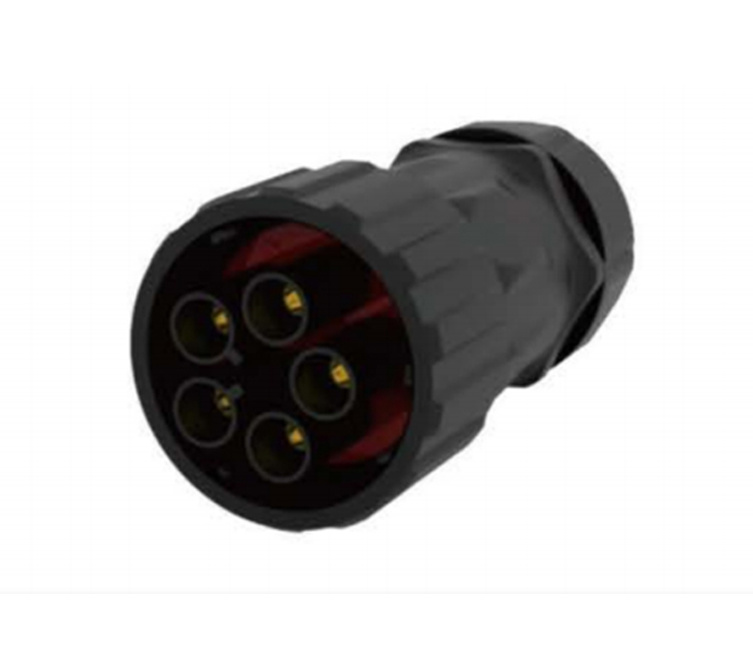
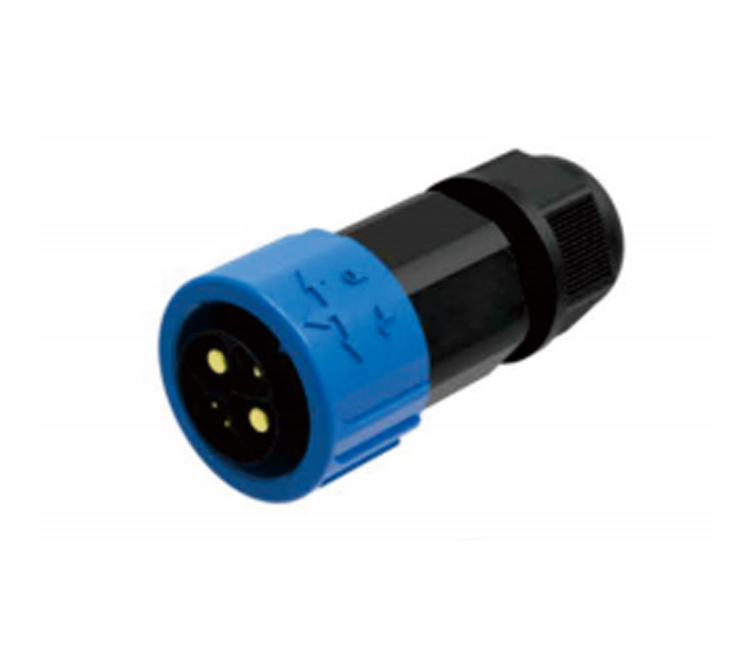
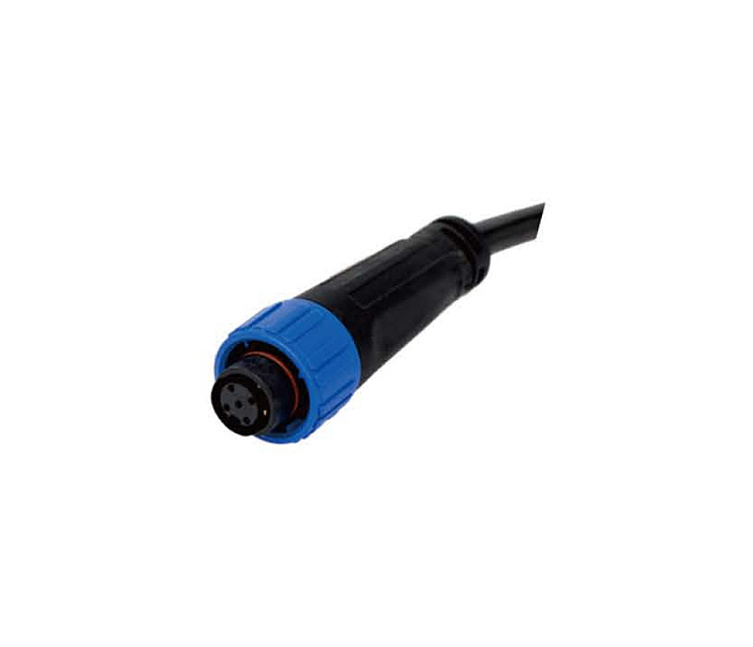
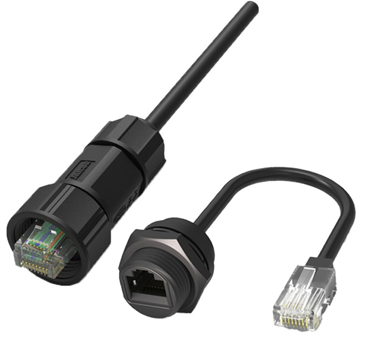
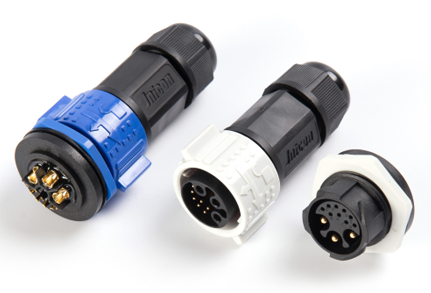
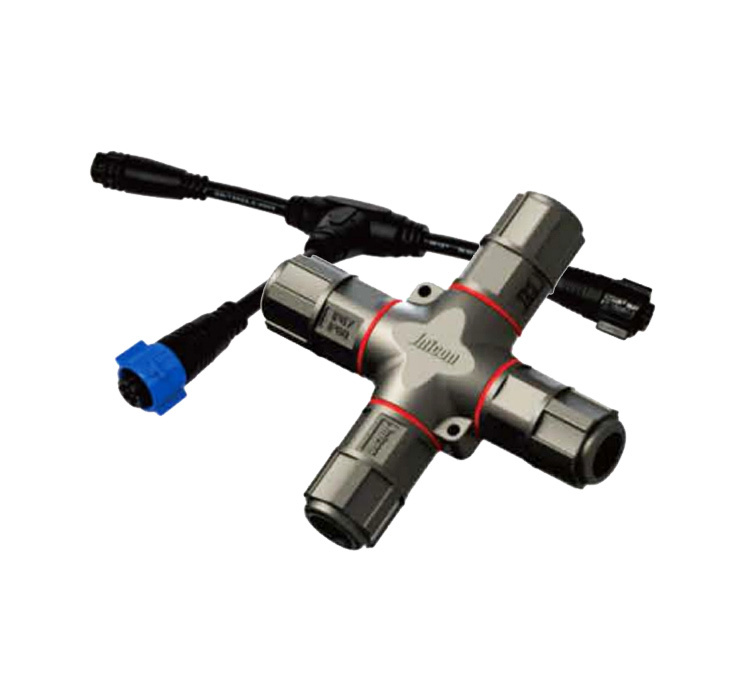
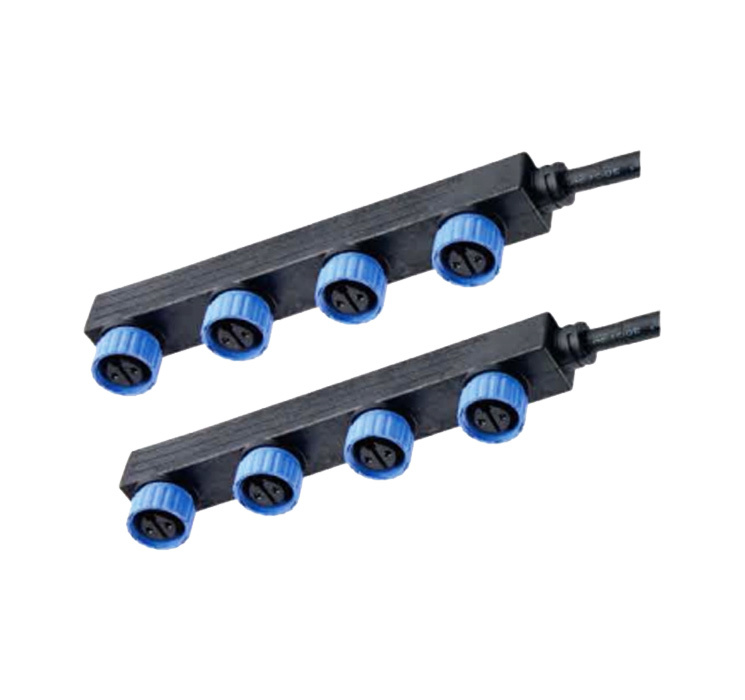
Another vital aspect to consider when dealing with waterproof cables is the installation process. Proper installation is essential to maintain the integrity of the waterproofing. Professionals should ensure that all connections are sealed and that the cables are installed following the manufacturer's guidelines. Using appropriate connectors and ensuring that the cable entry points are securely sealed can significantly reduce the risk of water ingress.
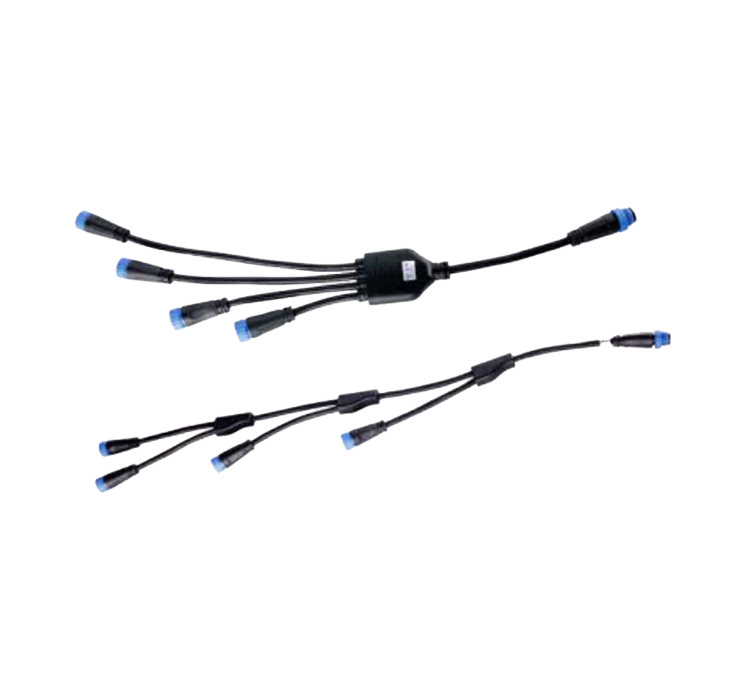
Furthermore, the application of waterproof cables varies widely. In marine environments, these cables are used for powering boats and other watercraft, as they can withstand constant exposure to saltwater. In outdoor installations, such as garden lights or surveillance systems, waterproof cables protect the circuitry from rain and moisture. Additionally, in industrial settings, waterproof cables are crucial in factories and warehouses where exposure to water or cleaning agents is common.
When selecting waterproof cables, it’s essential to assess the environmental conditions they will face. Consider factors such as temperature variations, exposure to chemicals, and mechanical stress. Always consult manufacturer specifications and guidelines to ensure the chosen cable aligns with the specific needs of your application.
In conclusion, waterproof cables are indispensable for ensuring reliable electrical connections in challenging environments. By understanding their properties, installation requirements, and applications, professionals can make informed choices that enhance safety and operational efficiency. As the demand for robust electrical solutions continues to grow, staying informed about waterproof cables will be crucial for success in the electrical and connector industry.
Previous
News
2026-10-12
5 Pin Waterproof Connectors: Enhancing Home Automation Systems
5 Pin Waterproof Connectors: Enhancing Home Automation Systems Table of Contents Introduction to 5 Pin Waterproof Connectors Importance of Waterproof Connectors in Home Automation Key Benefits of 5 Pin Waterproof Connectors Features of 5 Pin Waterproof Connectors Material Quality Design and Build Applications of 5 Pin Waterproof C
2026-10-10
Waterproof Wire Connector Plugs for Reliable Connections
Waterproof wire connector plugs ensure secure, moisture-resistant electrical connections for outdoor lighting, automotive systems, and industrial equipment.
2026-10-10
Waterproof Electrical Wire Connectors for Reliable Connections
Waterproof electrical wire connectors protect wiring from moisture and dust, ensuring reliable connections in indoor and outdoor applications.

B8-9, Fubilun industrial park, Chaoyang rd,Yanchuan community, Songgang, Shenzhen, China


