


Common Misconceptions About Waterproof Wire Harnesses Debunked: Understanding Realities vs. Myths
Release Time:
2026-02-28
Common Misconceptions About Waterproof Wire Harnesses Debunked
Waterproof wire harnesses play a crucial role in the automotive industry, particularly in ensuring the safety and reliability of electrical systems. However, despite their importance, various misconceptions surround them. In this article, we will delve into these misunderstandings, clarify the facts, and provide a comprehensive understanding of waterproof wire harnesses, their functionality, and their applications.
Table of Contents
1. Introduction to Waterproof Wire Harnesses
2. Understanding the Technology Behind Waterproof Wire Harnesses
2.1 What Makes a Wire Harness Waterproof?
2.2 Common Materials Used in Waterproof Wire Harnesses
3. Debunking Common Misconceptions
3.1 Myth 1: All Wire Harnesses are the Same
3.2 Myth 2: Waterproof Wire Harnesses are Cost-Intensive
3.3 Myth 3: Waterproof Means Impervious to All Liquids
3.4 Myth 4: Installation and Maintenance are Complicated
3.5 Myth 5: Waterproof Wire Harnesses are Only for Extreme Environments
4. Importance of Waterproof Wire Harnesses in Automotive Applications
5. Maintenance and Care for Waterproof Wire Harnesses
6. Frequently Asked Questions about Waterproof Wire Harnesses
6.1 What is the lifespan of a waterproof wire harness?
6.2 How do I know if my wire harness is waterproof?
6.3 Can I use waterproof wire harnesses in non-waterproof applications?
6.4 What should I do if my wire harness gets damaged?
6.5 Are there specific standards for waterproof wire harnesses?
7. Conclusion: The Reality of Waterproof Wire Harnesses
1. Introduction to Waterproof Wire Harnesses
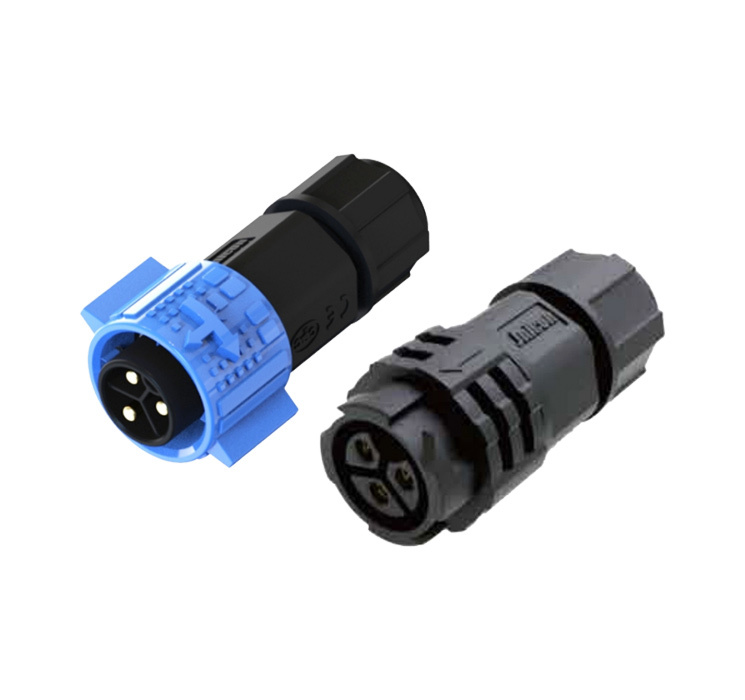
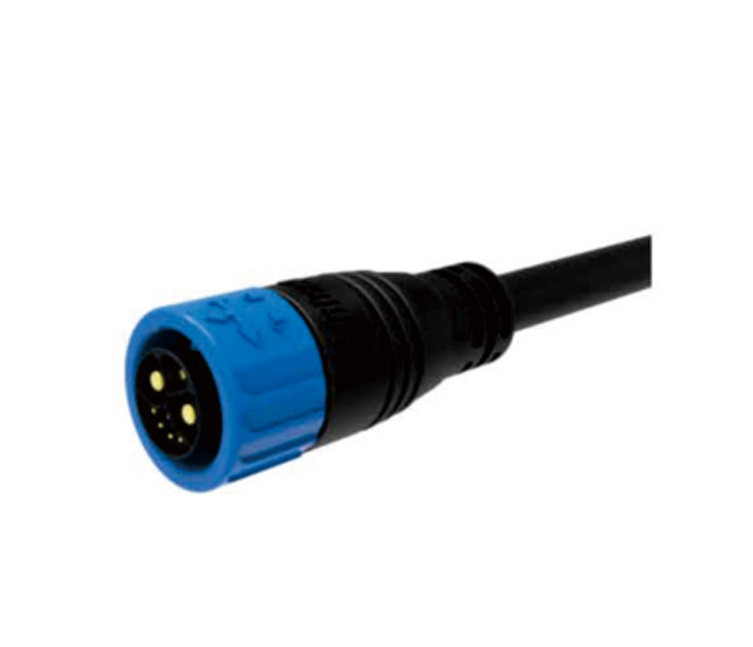
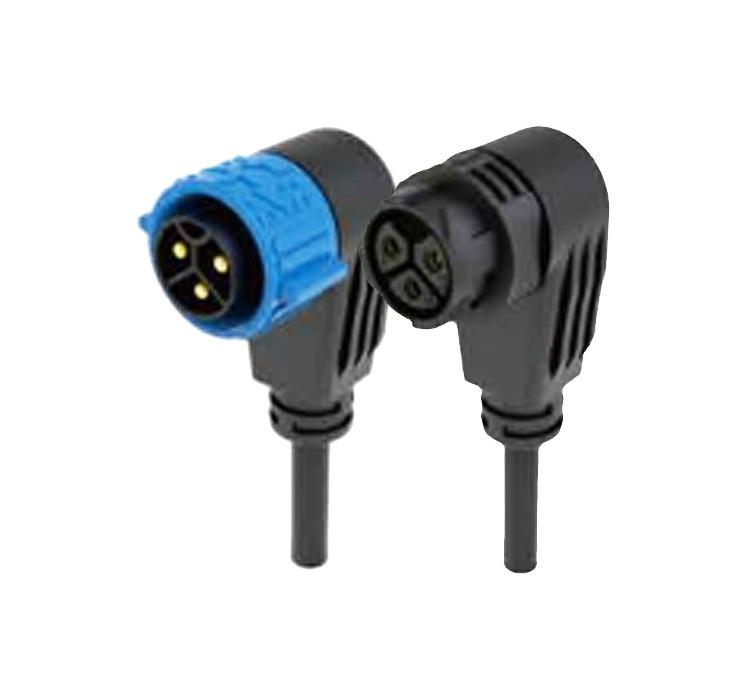
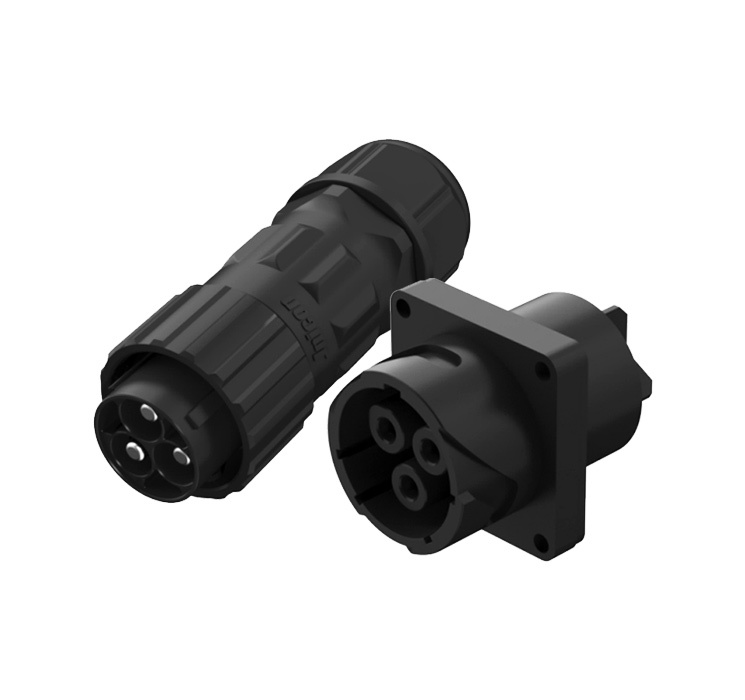
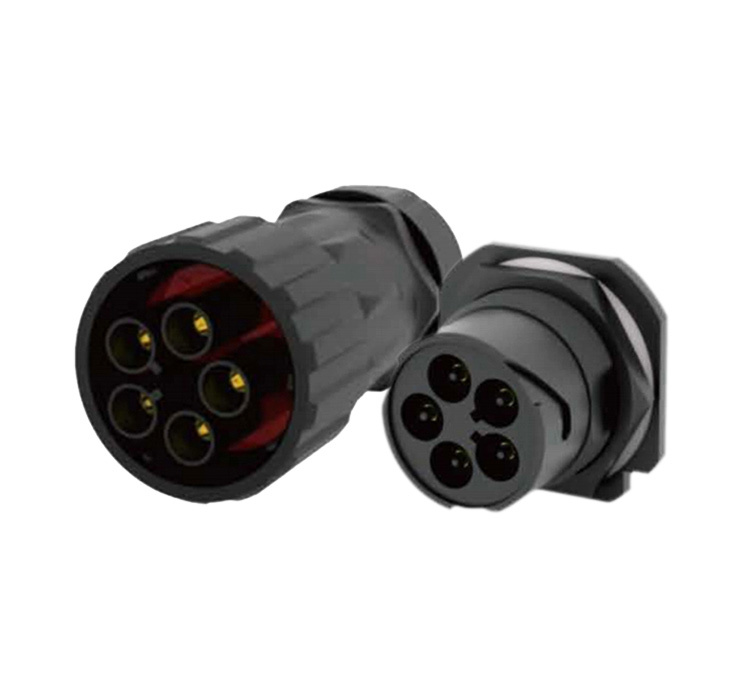
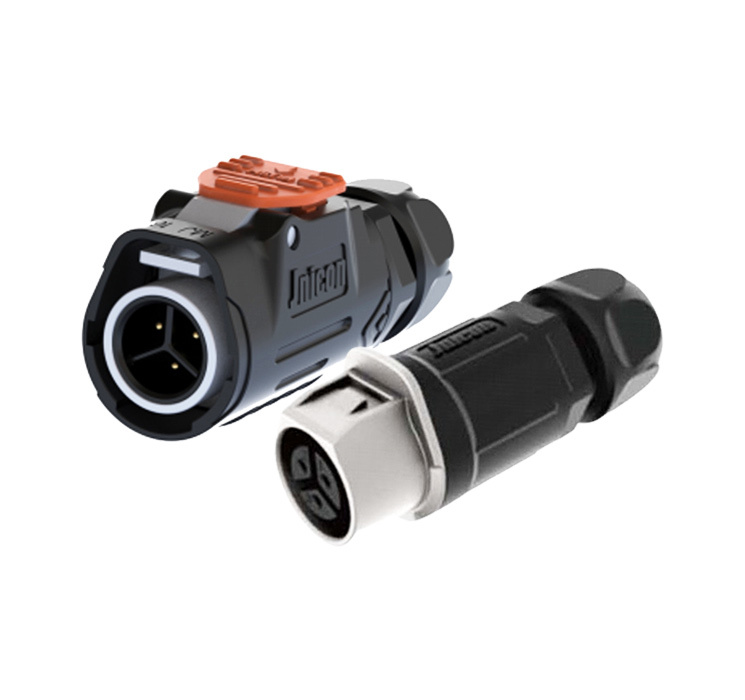
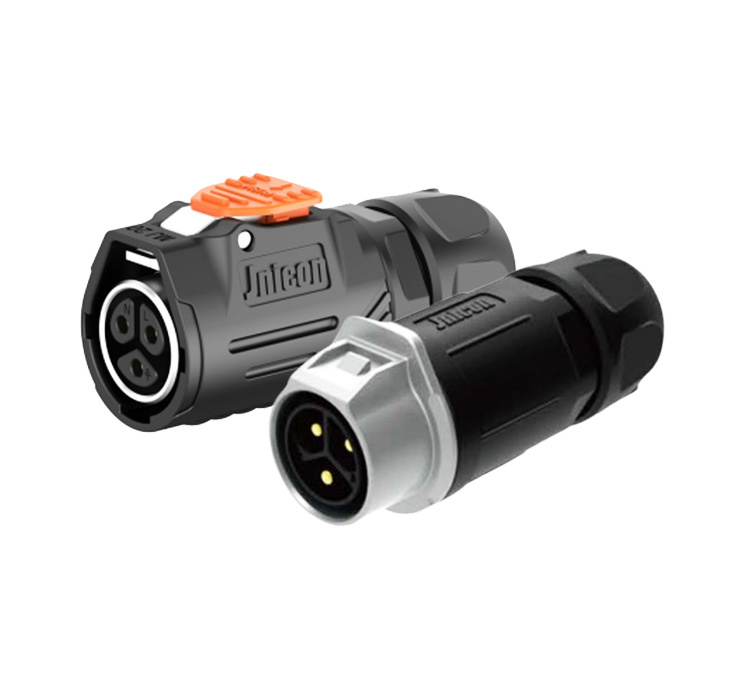
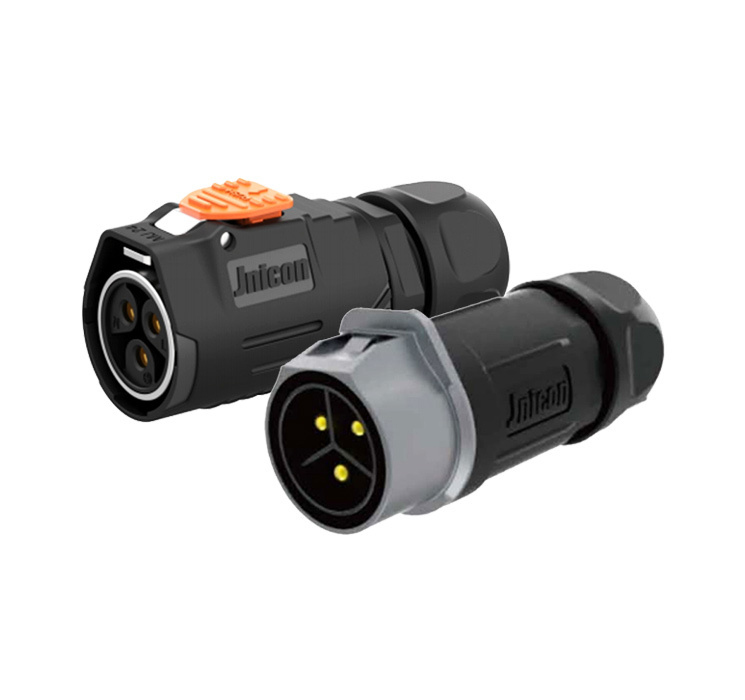
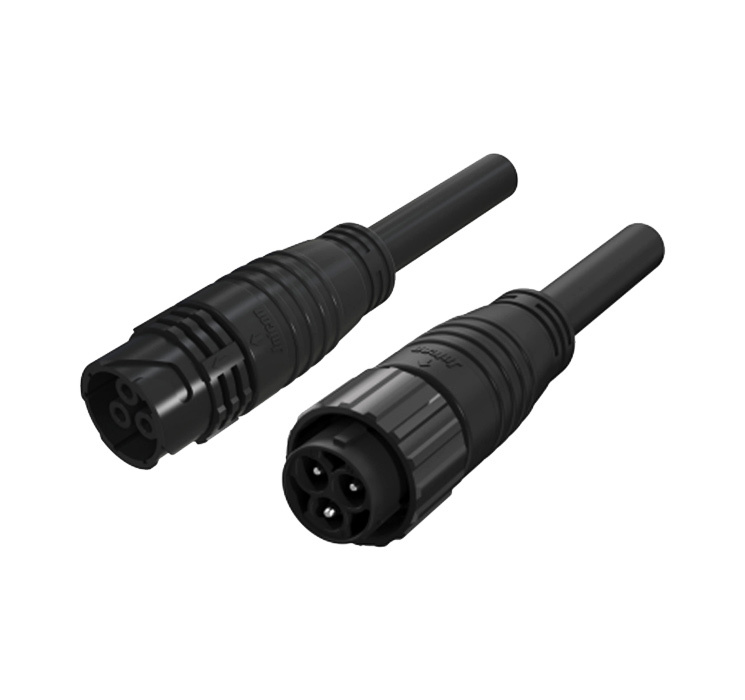
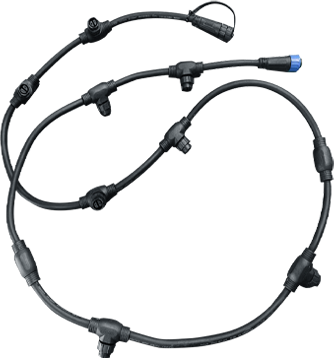
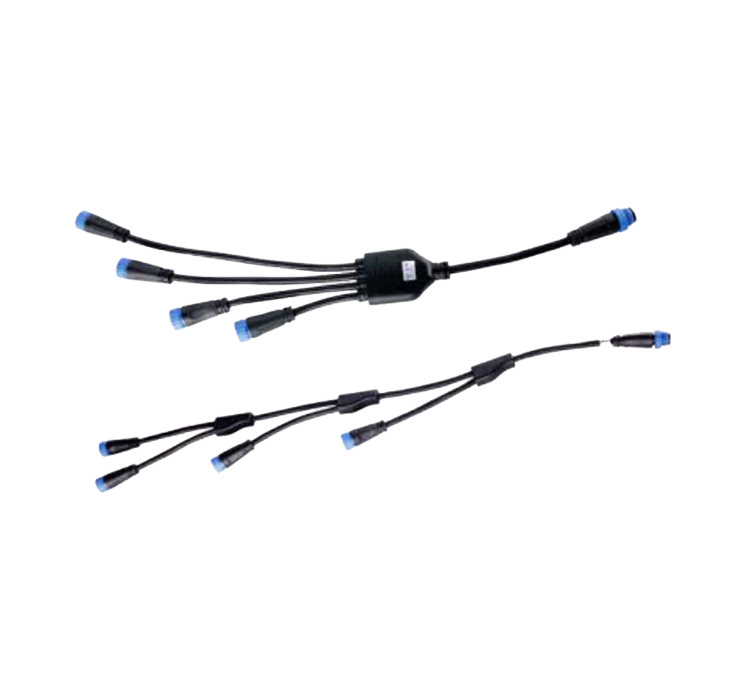
In the automotive industry, wire harnesses are essential components that group together electrical wires and connectors. They facilitate the transmission of power and data throughout a vehicle. **Waterproof wire harnesses** are specifically designed to withstand exposure to moisture, ensuring that electrical systems function effectively even in harsh conditions. This article aims to clear up prevalent misconceptions about these critical components.
2. Understanding the Technology Behind Waterproof Wire Harnesses
To appreciate the significance of waterproof wire harnesses, it's vital to understand the technology that makes them effective.
2.1 What Makes a Wire Harness Waterproof?
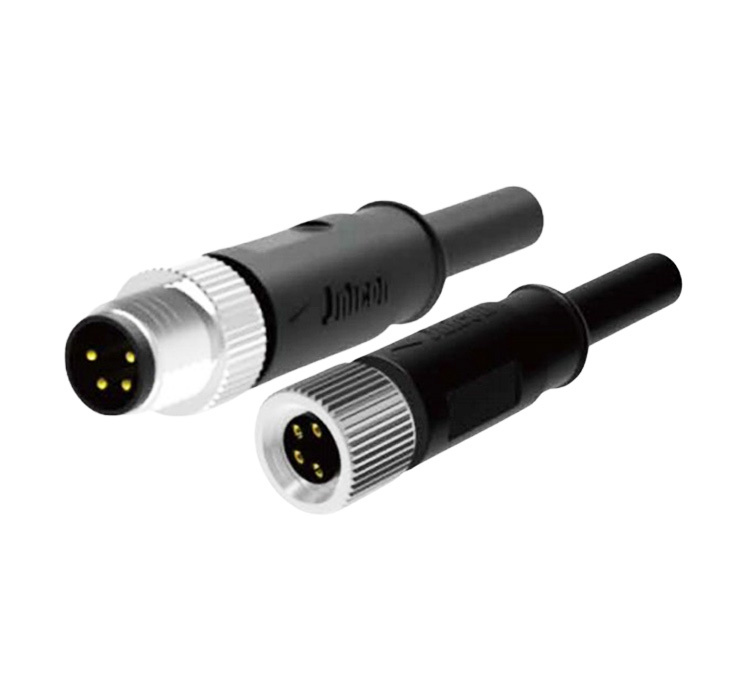
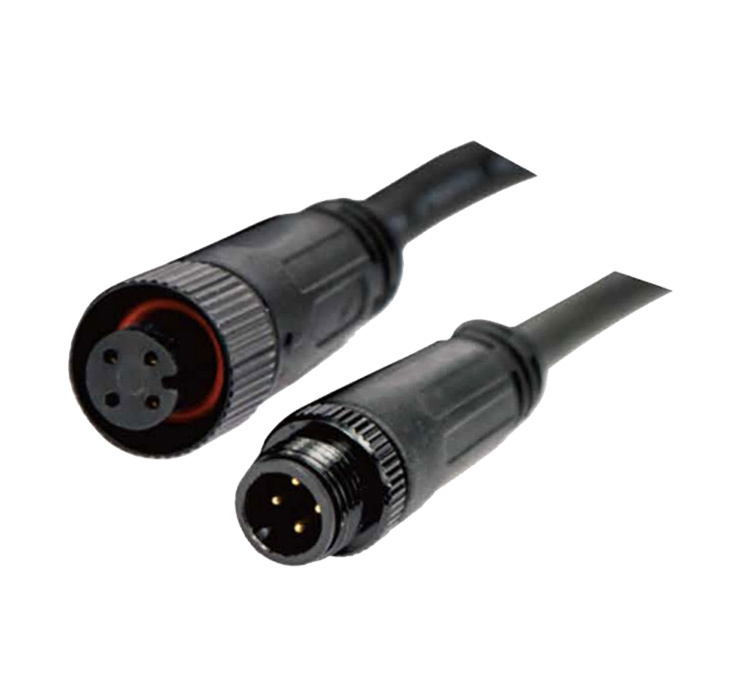
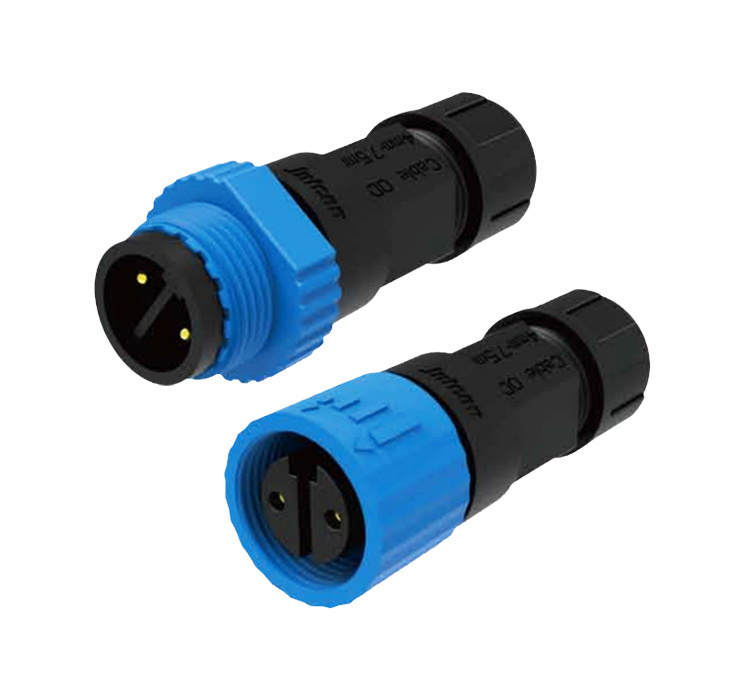
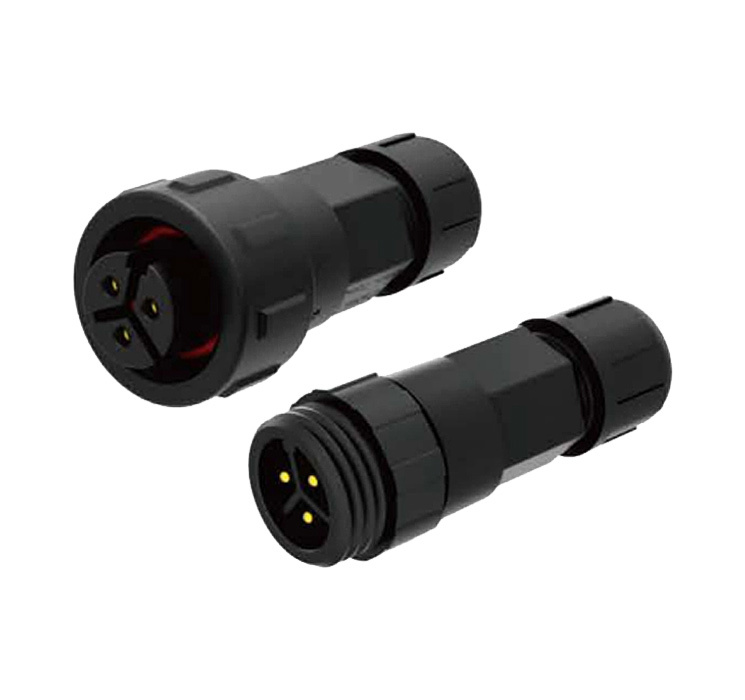
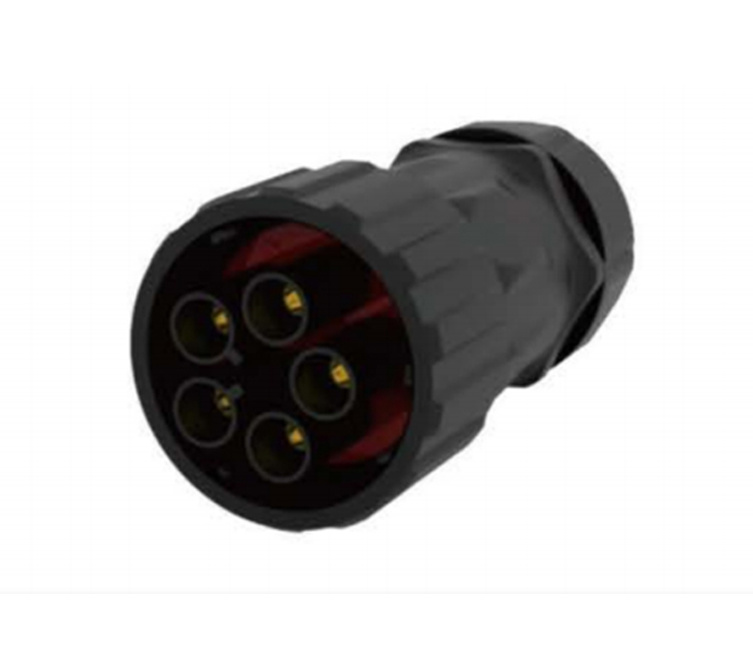
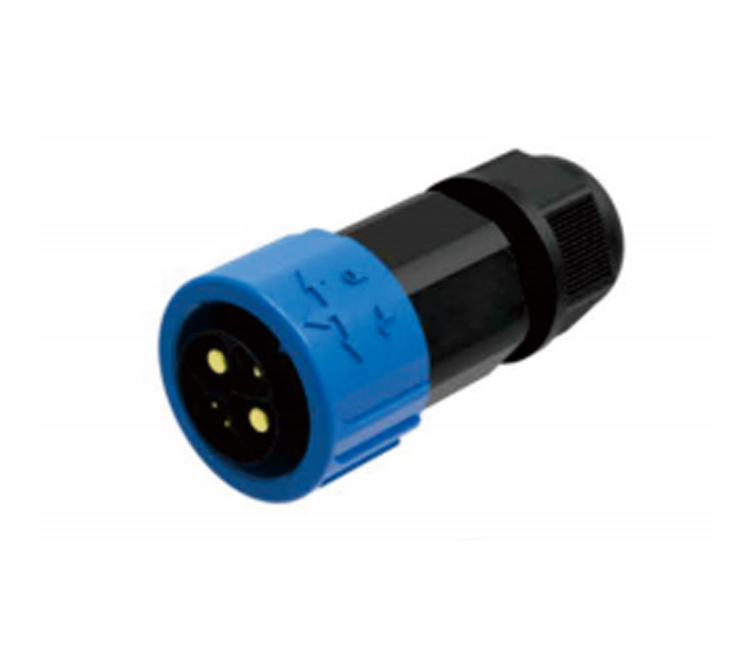
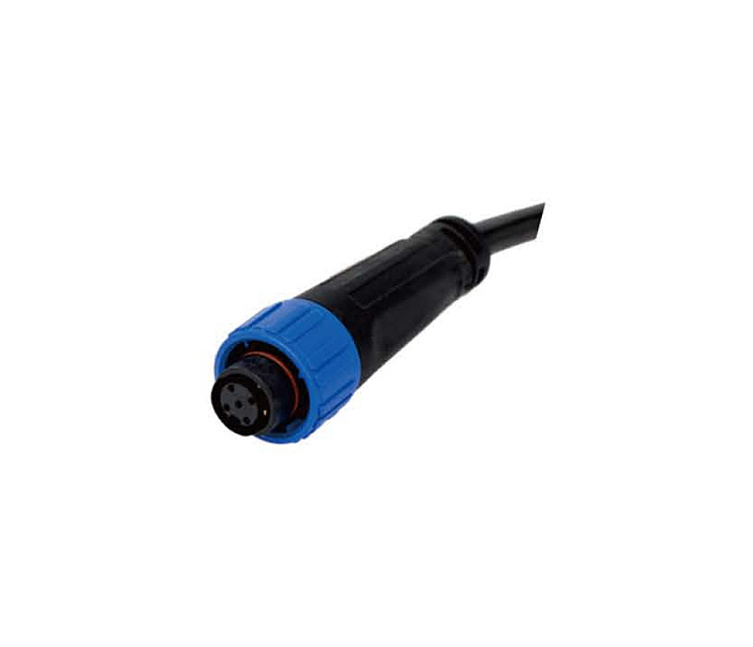
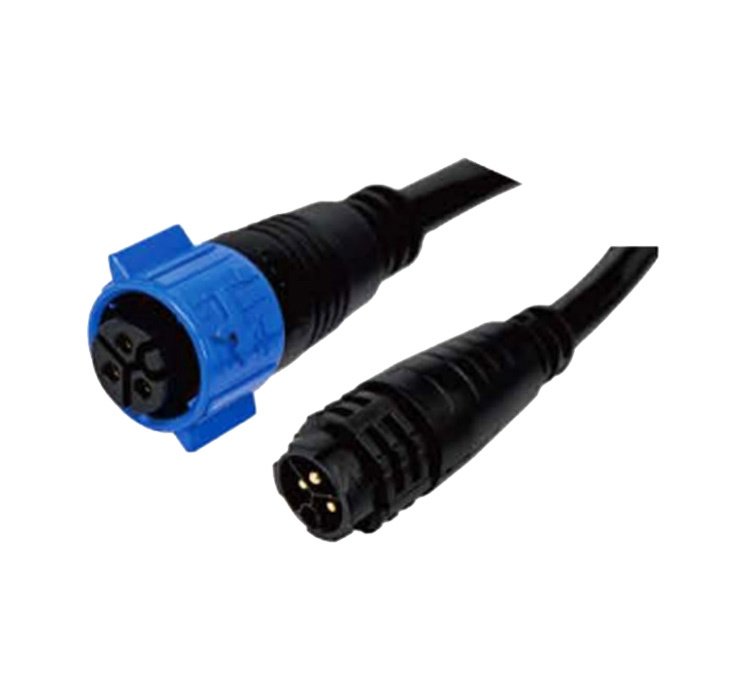
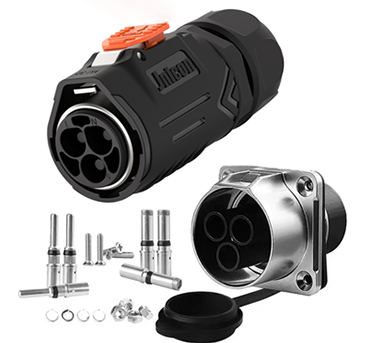
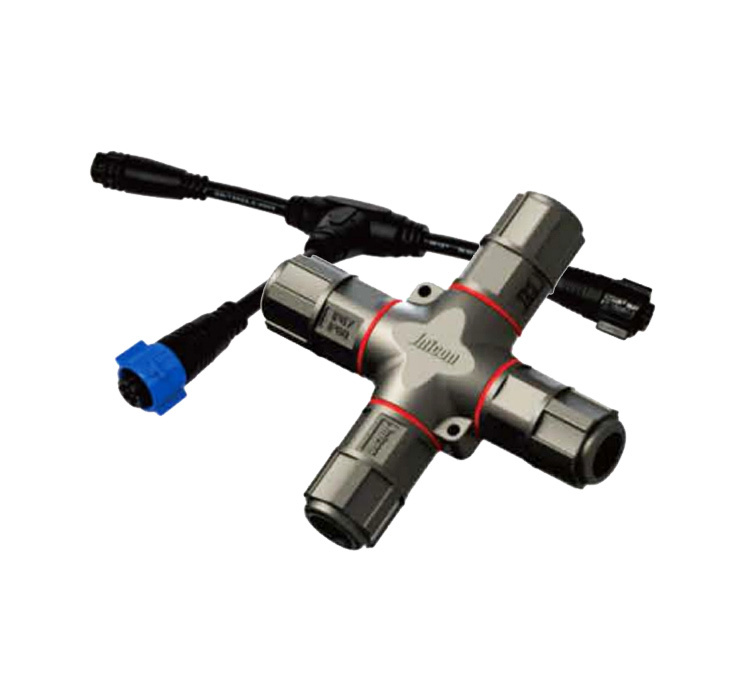
Waterproof wire harnesses are typically constructed using special materials and insulation techniques that prevent water ingress. These harnesses are often coated or wrapped in materials that repel moisture, such as thermoplastic elastomers (TPE) and polyvinyl chloride (PVC). Additionally, the connectors used are designed to fit snugly, minimizing the risk of leaks.
2.2 Common Materials Used in Waterproof Wire Harnesses
Common materials involved in the manufacturing of waterproof wire harnesses include:
- **Thermoplastic elastomers (TPE)**: Flexible and durable, TPE provides an excellent waterproof seal.
- **Polyvinyl chloride (PVC)**: A common plastic used for insulation that also offers resistance to water.
- **Silicone**: Often used for gaskets and seals, silicone is highly resistant to moisture and extreme temperatures.
These materials collectively ensure that the wire harnesses can function optimally, regardless of environmental conditions.
3. Debunking Common Misconceptions
Misunderstandings about waterproof wire harnesses can lead to poor choices in applications, maintenance, and installation. Let's debunk these prevalent myths.
3.1 Myth 1: All Wire Harnesses are the Same
A common misconception is that all wire harnesses serve the same purpose. In reality, **waterproof wire harnesses** are specifically engineered to withstand exposure to moisture and harsh environments, unlike standard wire harnesses that may not offer the same level of protection. Understanding the differences is crucial for selecting the right harness for your application.
3.2 Myth 2: Waterproof Wire Harnesses are Cost-Intensive
While it's true that waterproof wire harnesses may come at a higher upfront cost compared to standard harnesses, the long-term benefits often outweigh the initial investment. Their durability and reliability mean fewer replacements and repairs, ultimately saving money in the long run.
3.3 Myth 3: Waterproof Means Impervious to All Liquids
Many believe that if a wire harness is labeled waterproof, it can withstand all types of liquids. However, waterproof wire harnesses are designed to resist water but may not be impervious to all chemicals, oils, or solvents. Understanding the specific rating of a harness (such as IP68) can help clarify its limitations.
3.4 Myth 4: Installation and Maintenance are Complicated
Another misconception is that installing and maintaining waterproof wire harnesses involves complex procedures. In reality, many waterproof wire harnesses are designed for straightforward installation. With the right tools and instructions, anyone can effectively install and maintain them, ensuring optimal performance.
3.5 Myth 5: Waterproof Wire Harnesses are Only for Extreme Environments
While waterproof wire harnesses are essential for extreme conditions, they are also beneficial in everyday applications. Vehicles frequently encounter moisture from rain, snow, and humidity. Ensuring that your wire harness is waterproof can enhance the longevity and reliability of your electrical systems, even in typical driving conditions.
4. Importance of Waterproof Wire Harnesses in Automotive Applications
Waterproof wire harnesses are pivotal in automotive applications for several reasons:
- **Safety**: They help prevent short circuits and electrical failures caused by moisture, reducing the risk of accidents.
- **Reliability**: Waterproof harnesses ensure that electrical systems function effectively, even in adverse weather conditions.
- **Longevity**: By protecting against corrosion and degradation, waterproof wire harnesses extend the lifespan of electrical components.
Investing in high-quality waterproof wire harnesses is crucial for ensuring the overall safety and performance of a vehicle.
5. Maintenance and Care for Waterproof Wire Harnesses
To maximize the lifespan and effectiveness of waterproof wire harnesses, proper maintenance is essential:
- **Regular Inspections**: Periodically check for signs of wear, damage, or corrosion. Early detection can prevent larger issues.
- **Keep Clean**: Remove any debris or contaminants that may accumulate on the harnesses. Clean the connectors with appropriate cleaners to maintain good electrical contact.
- **Professional Assessment**: If you suspect issues with your wire harnesses, consulting a professional can provide insight and solutions.
By following these maintenance tips, you can ensure that your waterproof wire harnesses continue to perform optimally.
6. Frequently Asked Questions about Waterproof Wire Harnesses
6.1 What is the lifespan of a waterproof wire harness?
The lifespan can vary based on materials, usage, and environmental conditions, but high-quality waterproof wire harnesses typically last many years with proper care.
6.2 How do I know if my wire harness is waterproof?
Look for certifications such as IP ratings. An IP68 rating indicates that the harness is fully waterproof and can withstand submersion in water.
6.3 Can I use waterproof wire harnesses in non-waterproof applications?
Yes, you can use them, but it may be more cost-effective to choose standard wire harnesses for applications where moisture is not a concern.
6.4 What should I do if my wire harness gets damaged?
Evaluate the extent of the damage. If it's minor, repairs may be possible. For significant damage, replacing the harness is often the best solution.
6.5 Are there specific standards for waterproof wire harnesses?
Yes, various industry standards exist, including IP ratings, which classify the degree of protection against water and dust ingress.
7. Conclusion: The Reality of Waterproof Wire Harnesses
In conclusion, **waterproof wire harnesses** are essential components in the automotive industry, designed to provide safety and reliability in electrical systems. By debunking common misconceptions, we gain a clear understanding of their functionality, importance, and maintenance. Investing in high-quality waterproof wire harnesses is not just a matter of compliance but a critical decision for long-term performance and reliability. Understanding the realities behind waterproof wire harnesses helps us make informed choices that enhance the safety and efficiency of our vehicles.
News
2026-10-12
5 Pin Waterproof Connectors: Enhancing Home Automation Systems
5 Pin Waterproof Connectors: Enhancing Home Automation Systems Table of Contents Introduction to 5 Pin Waterproof Connectors Importance of Waterproof Connectors in Home Automation Key Benefits of 5 Pin Waterproof Connectors Features of 5 Pin Waterproof Connectors Material Quality Design and Build Applications of 5 Pin Waterproof C
2026-10-10
Waterproof Wire Connector Plugs for Reliable Connections
Waterproof wire connector plugs ensure secure, moisture-resistant electrical connections for outdoor lighting, automotive systems, and industrial equipment.
2026-10-10
Waterproof Electrical Wire Connectors for Reliable Connections
Waterproof electrical wire connectors protect wiring from moisture and dust, ensuring reliable connections in indoor and outdoor applications.

B8-9, Fubilun industrial park, Chaoyang rd,Yanchuan community, Songgang, Shenzhen, China


