


A Comprehensive Guide to Waterproof Electrical Connectors for Shipbuilding and Repair
Release Time:
2026-03-02
A Comprehensive Guide to Waterproof Electrical Connectors for Shipbuilding and Repair
Table of Contents
- 1. Introduction to Waterproof Electrical Connectors
- 2. Importance of Waterproof Connectors in Shipbuilding
- 3. Types of Waterproof Electrical Connectors
- 4. Industry Standards for Waterproof Connectors
- 5. Installation Techniques for Waterproof Connectors
- 6. Maintenance Tips for Longevity
- 7. Common Issues and Troubleshooting
- 8. Frequently Asked Questions (FAQs)
- 9. Conclusion
1. Introduction to Waterproof Electrical Connectors
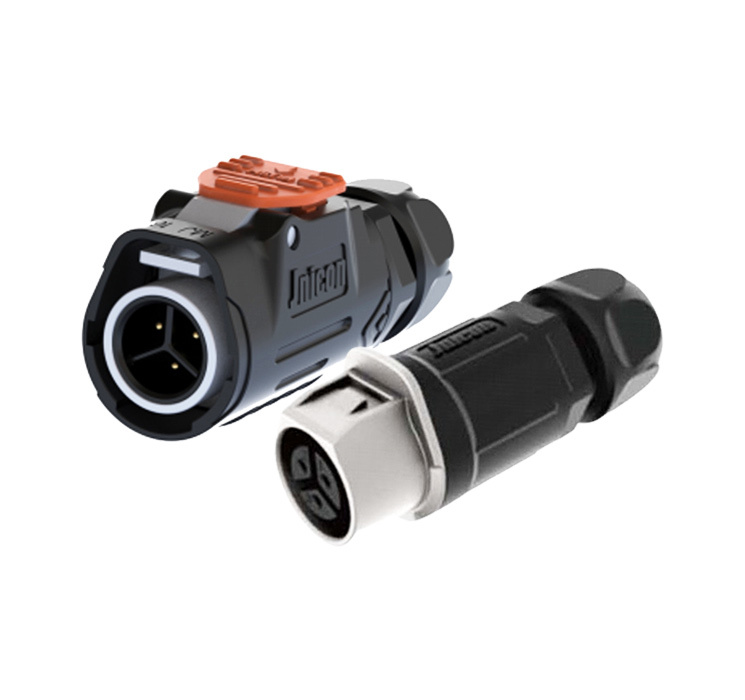
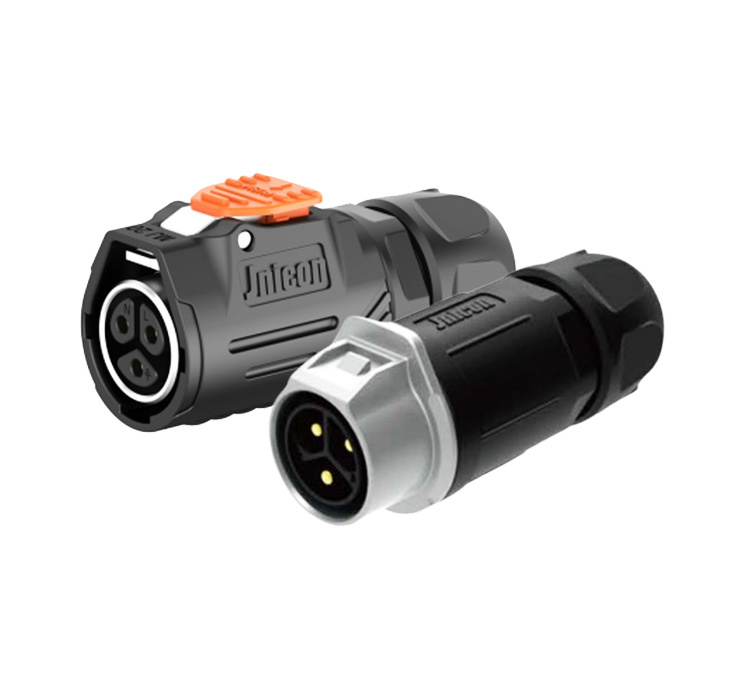
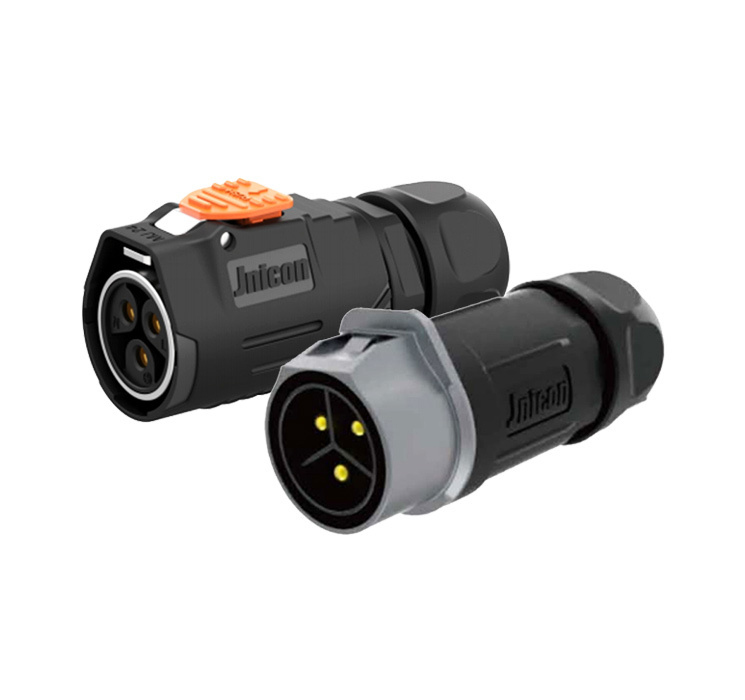
In the demanding world of maritime operations, **waterproof electrical connectors** play an indispensable role in ensuring safety and functionality. These connectors are specifically designed to withstand harsh marine environments, preventing moisture ingress that can lead to electrical failures. Understanding their characteristics, applications, and installation processes is vital for shipbuilders and repair professionals alike.
2. Importance of Waterproof Connectors in Shipbuilding
The importance of using waterproof connectors in shipbuilding cannot be overstated. Here are some key reasons:
2.1 Safety and Reliability
Waterproof connectors significantly enhance the safety and reliability of electrical systems on ships. They help prevent short circuits, corrosion, and other electrical failures that could compromise ship operation and crew safety.
2.2 Durability in Harsh Environments
The maritime environment is notorious for its harsh conditions, including saltwater exposure, humidity, and extreme temperatures. Waterproof connectors are engineered to endure these conditions, ensuring long-term performance.
2.3 Compliance with Regulations
Using waterproof connectors is often a regulatory requirement in shipbuilding. Compliance with international standards can prevent legal issues and enhance the ship’s marketability.
3. Types of Waterproof Electrical Connectors
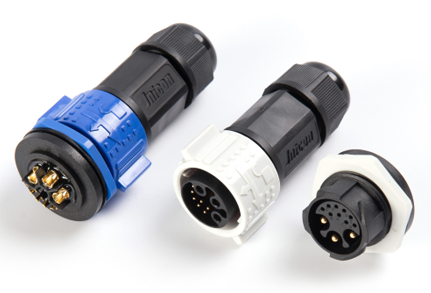
Various types of waterproof electrical connectors are available, each suited for different applications. Understanding these types can help in making informed decisions.
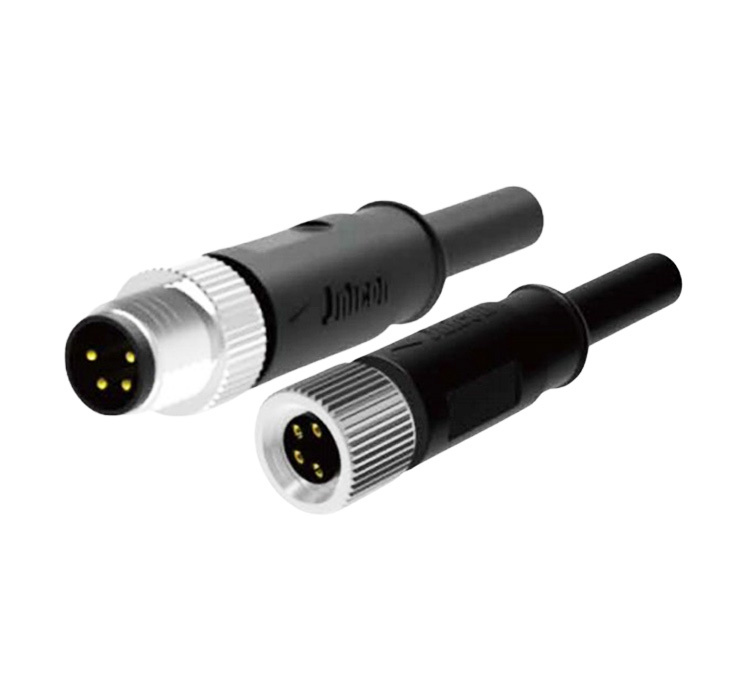
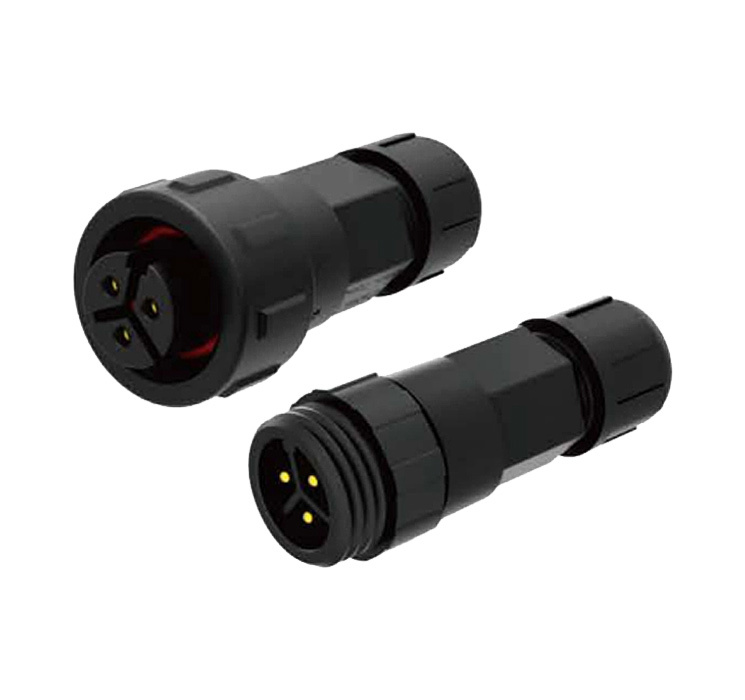
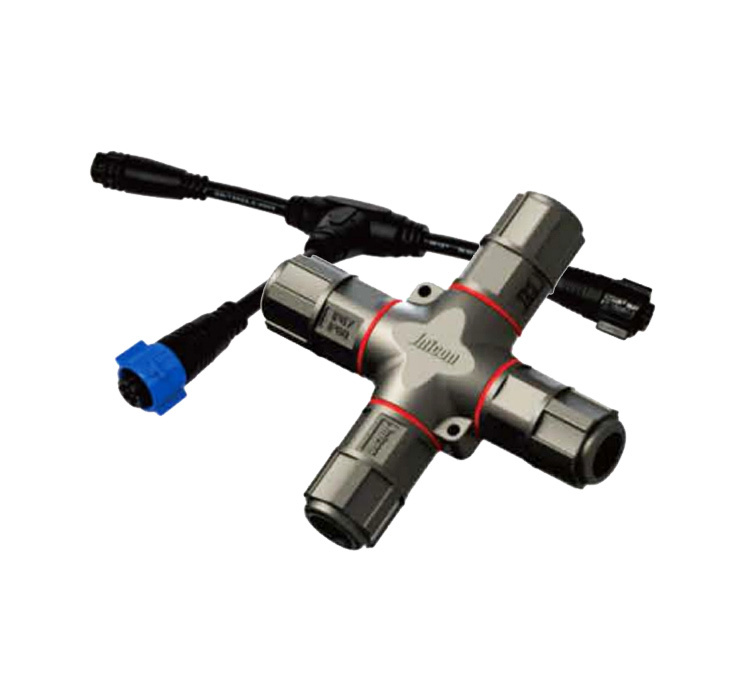
3.1 Circular Connectors
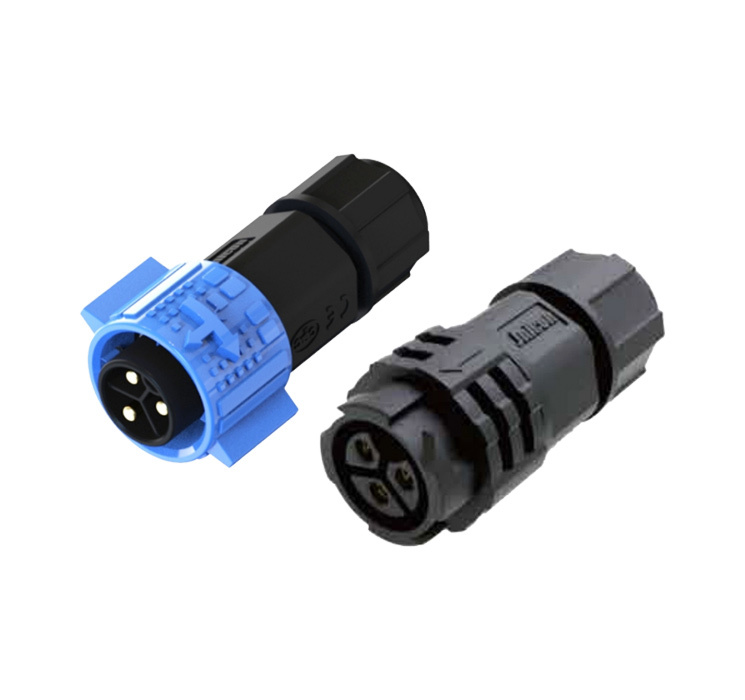
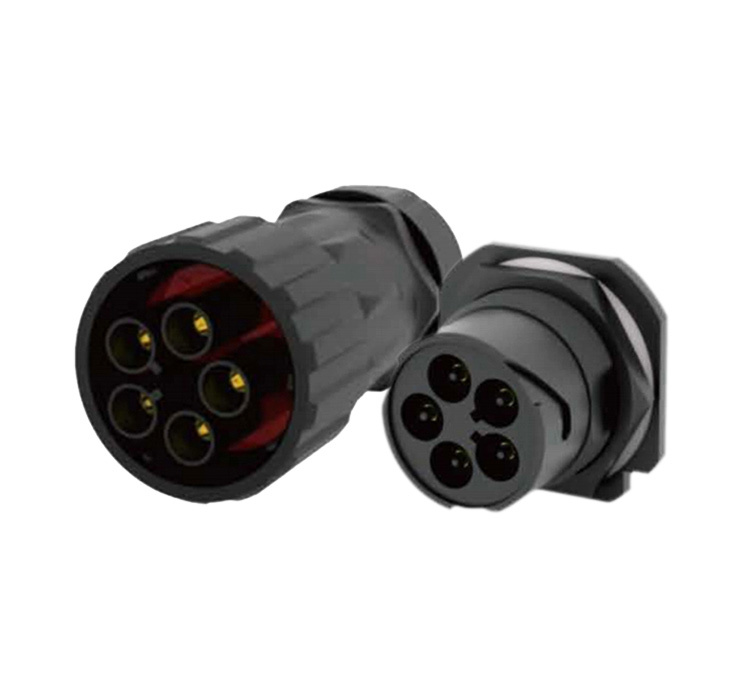
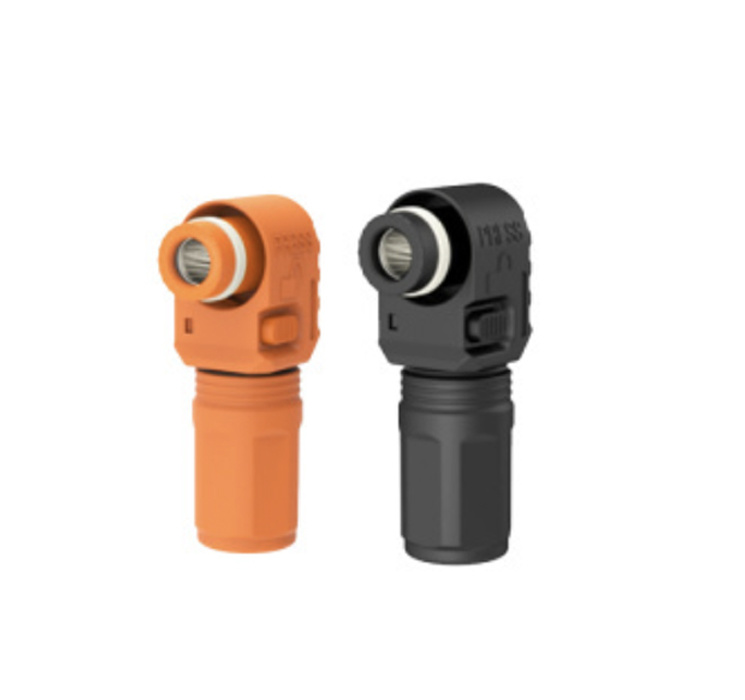
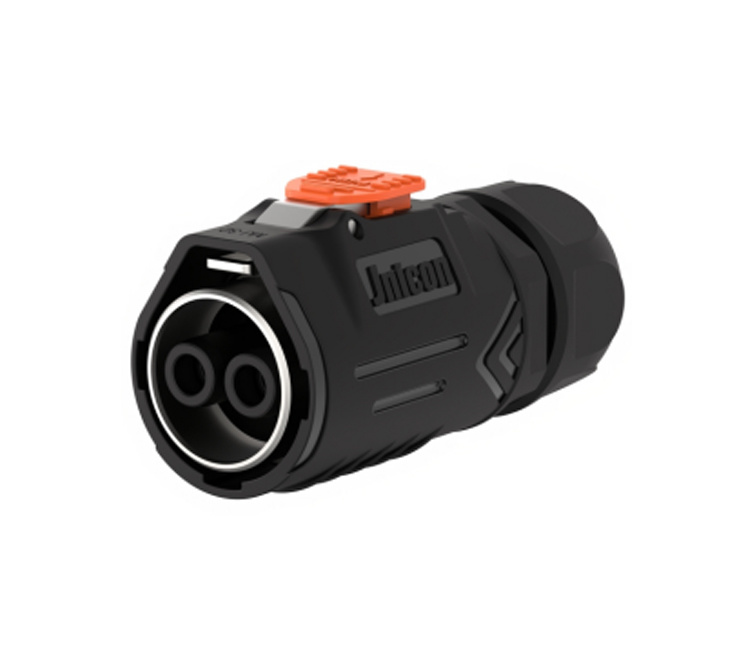
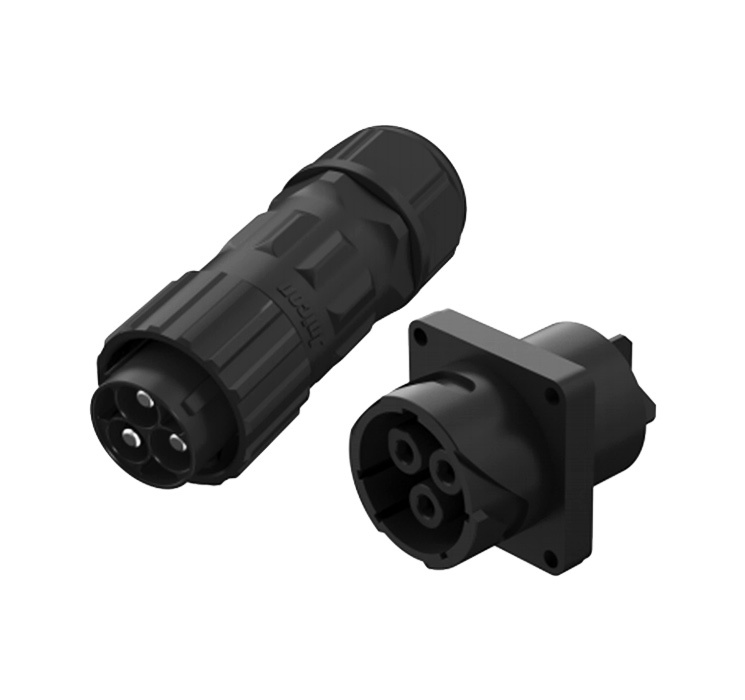
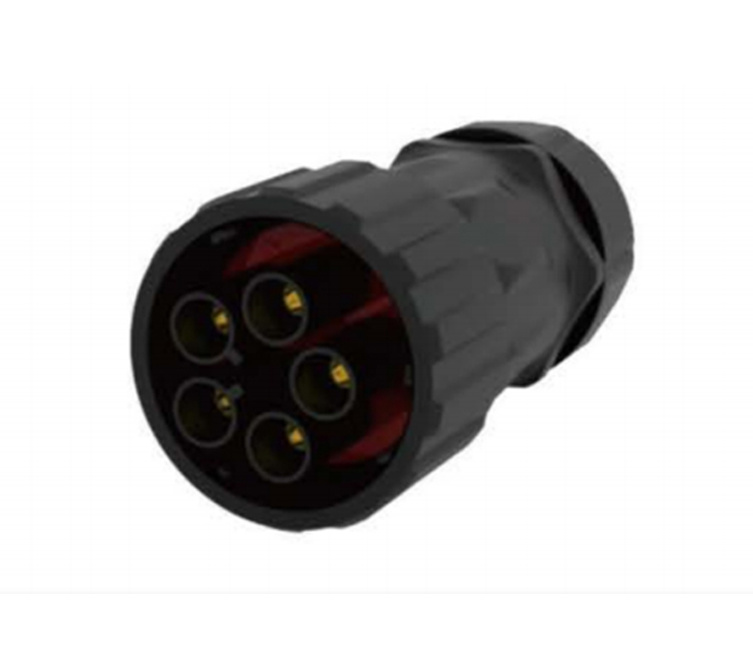
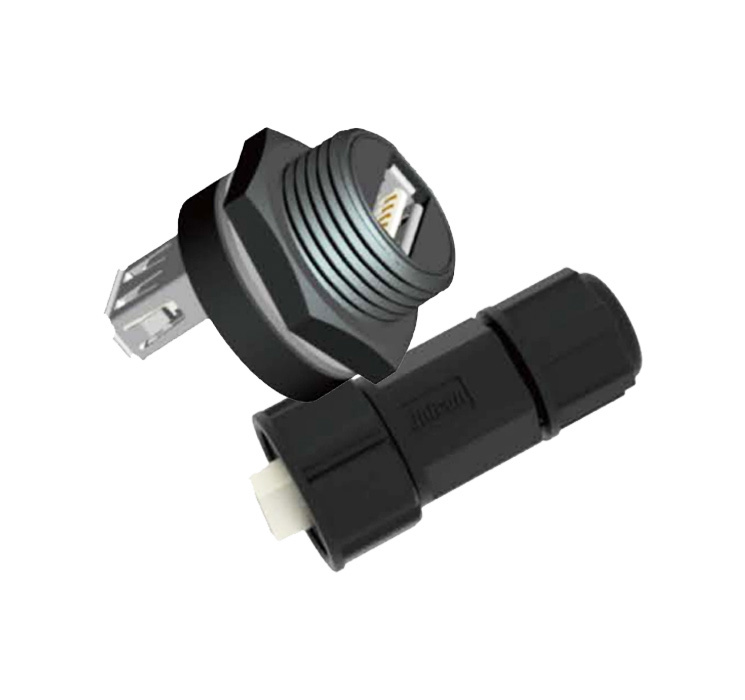
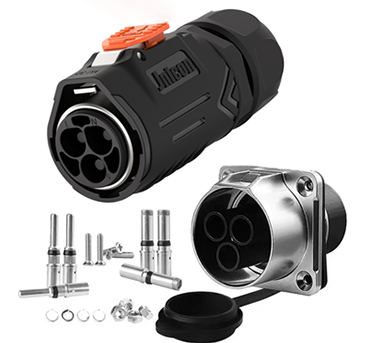
**Circular connectors** are commonly used in shipbuilding due to their robust design and excellent sealing capabilities. They are ideal for applications requiring high-density connections.
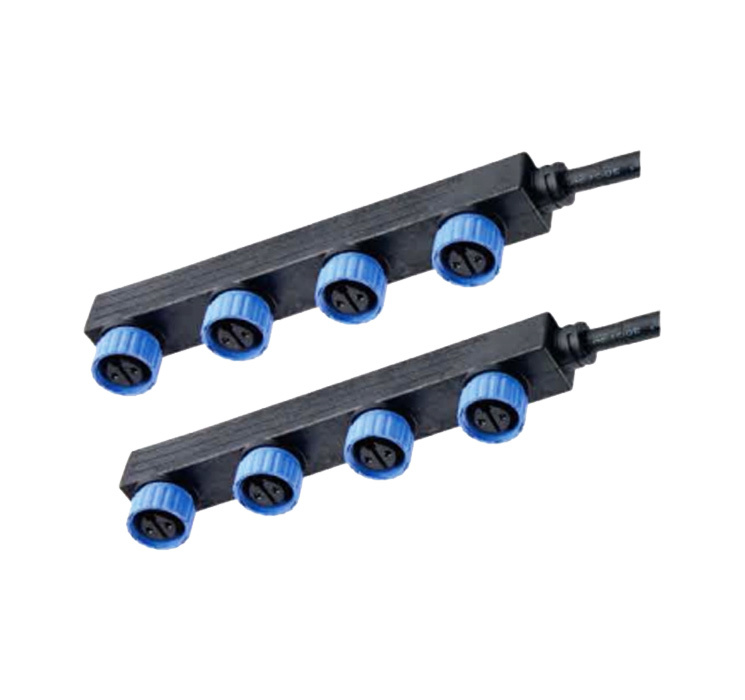
3.2 Rectangular Connectors
**Rectangular connectors** offer flexible configurations and are often employed in control systems. Their design allows for easy access and maintenance, making them a popular choice among shipbuilders.
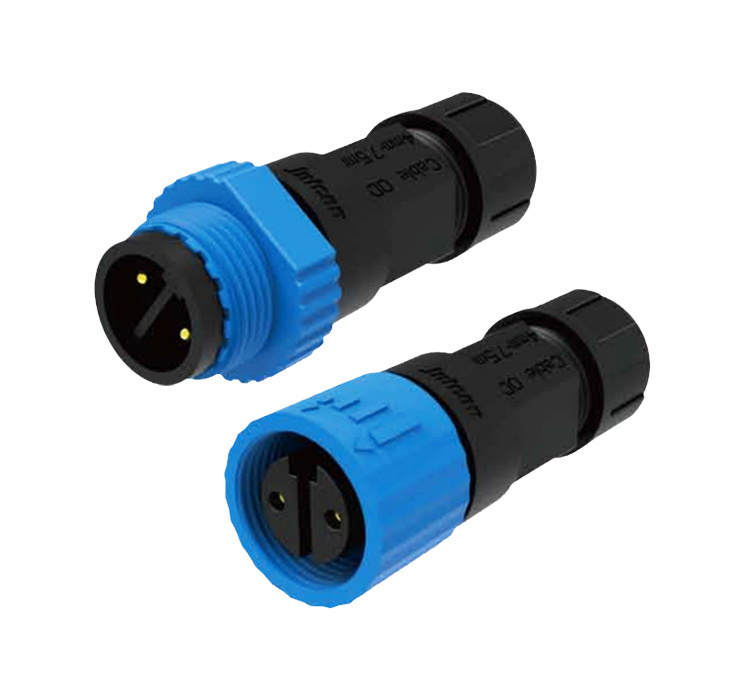
3.3 Panel-Mount Connectors
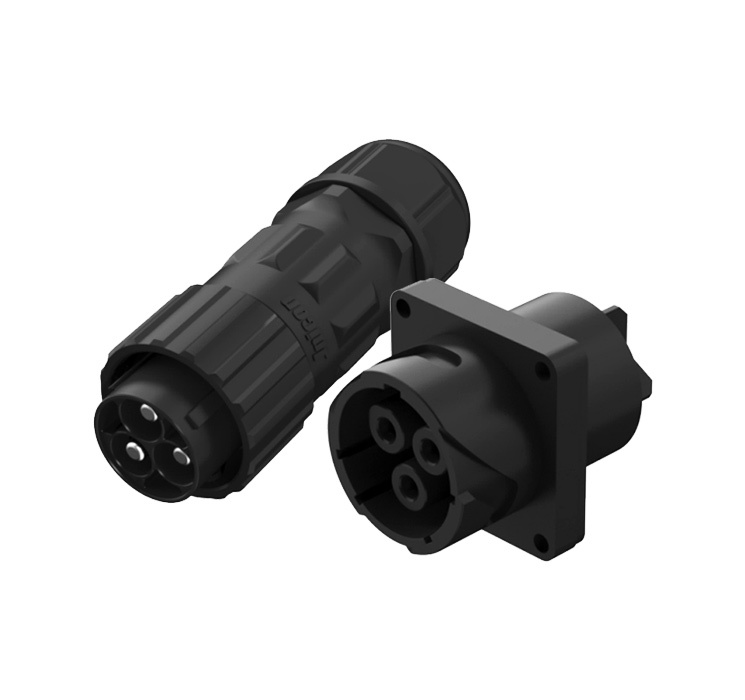
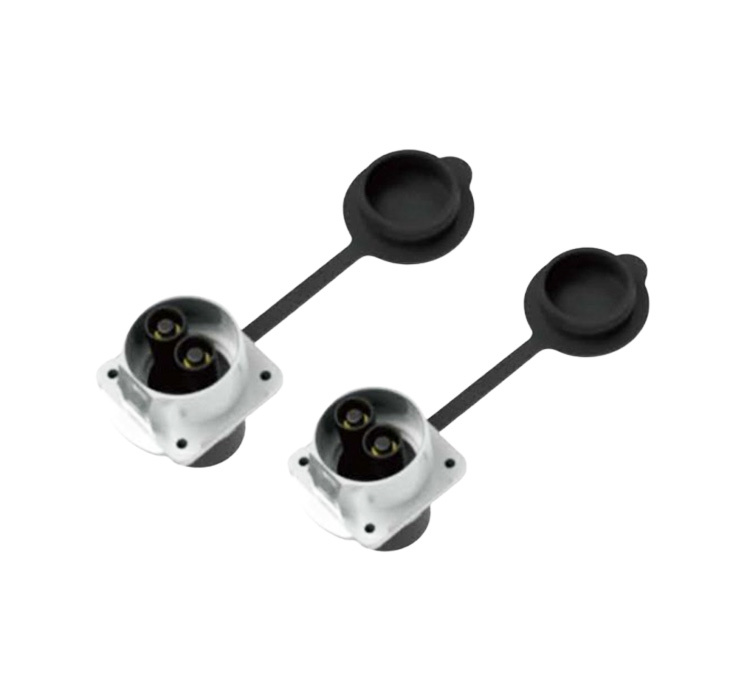
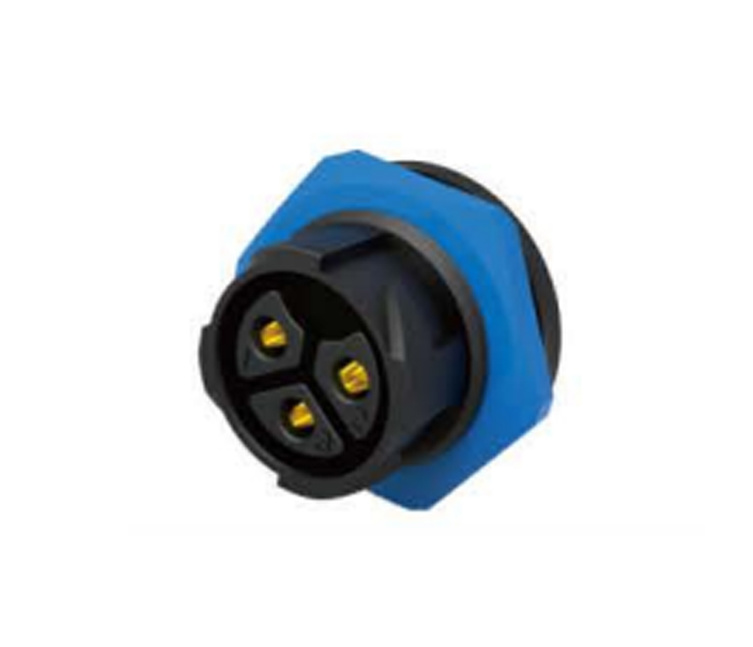
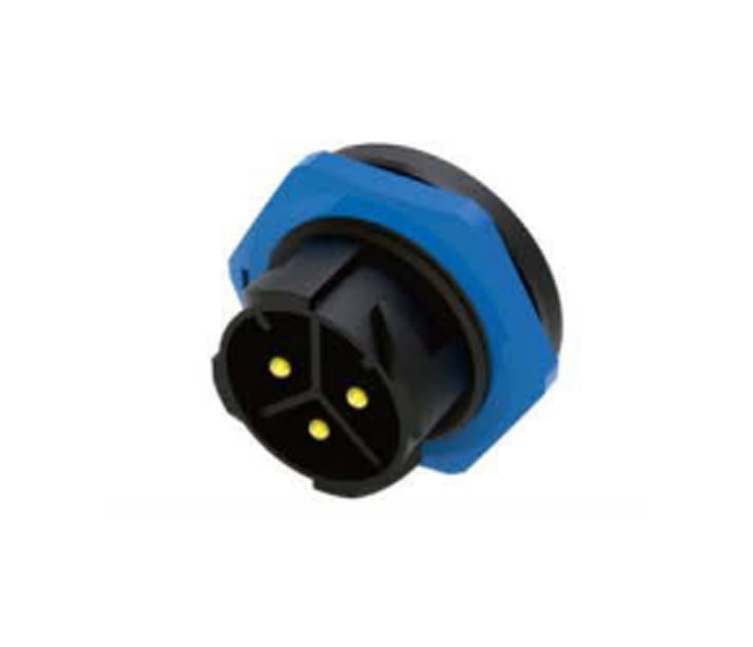
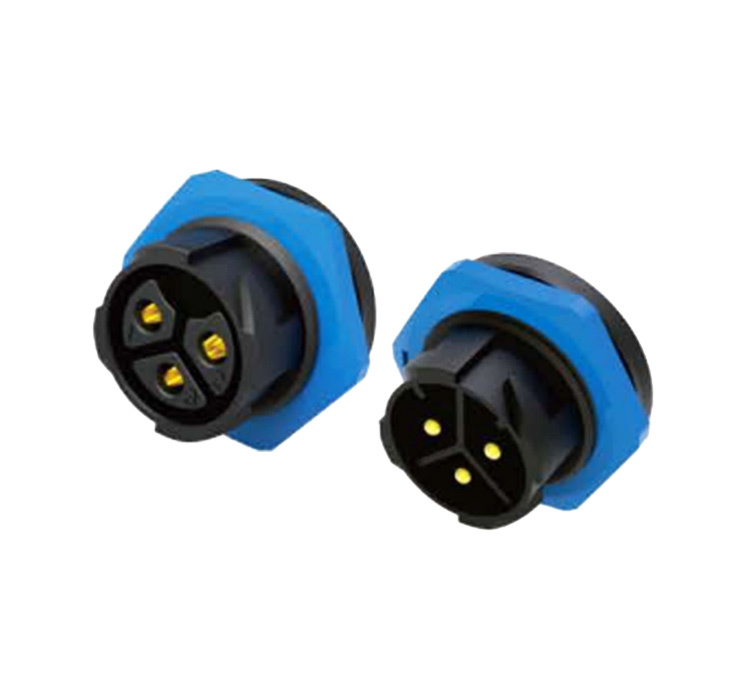
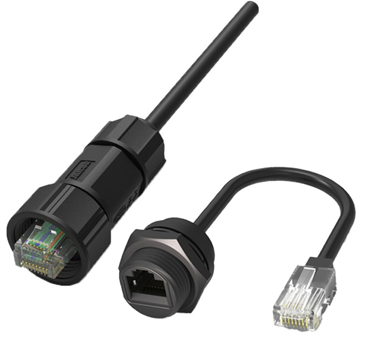
**Panel-mount connectors** are typically installed on control panels and provide a secure interface for external connections while ensuring waterproof integrity.
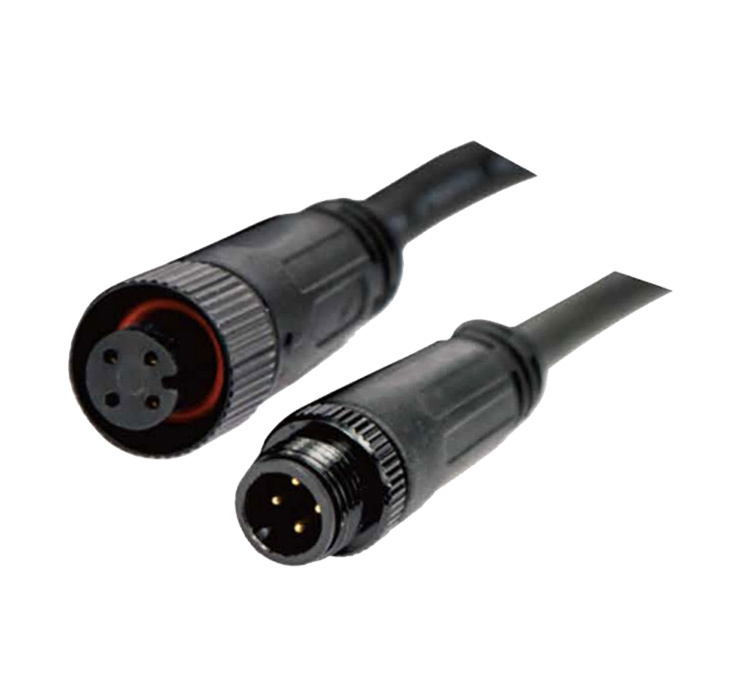
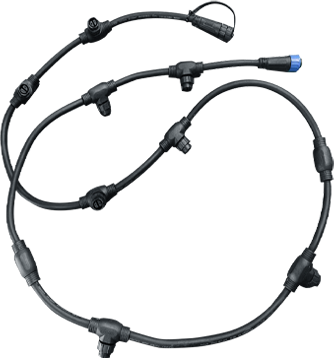
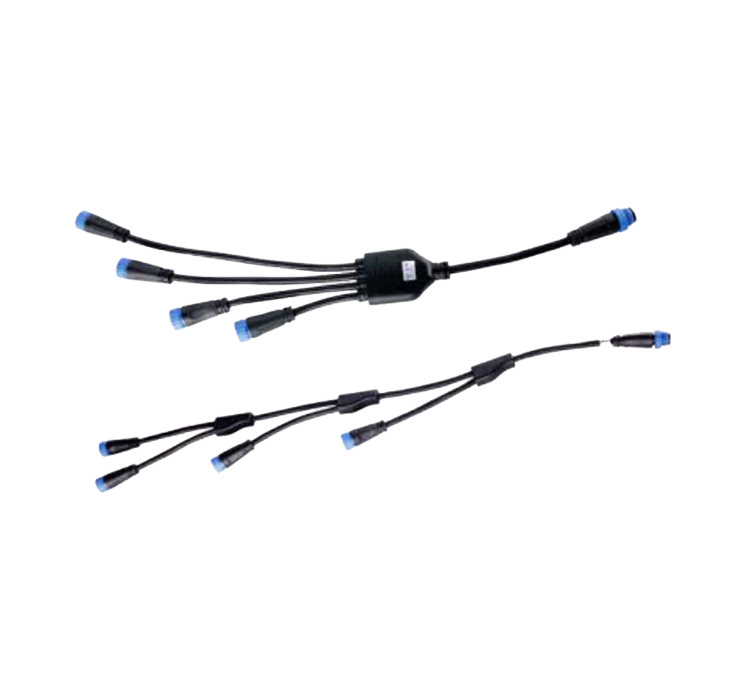
3.4 Cable Assemblies
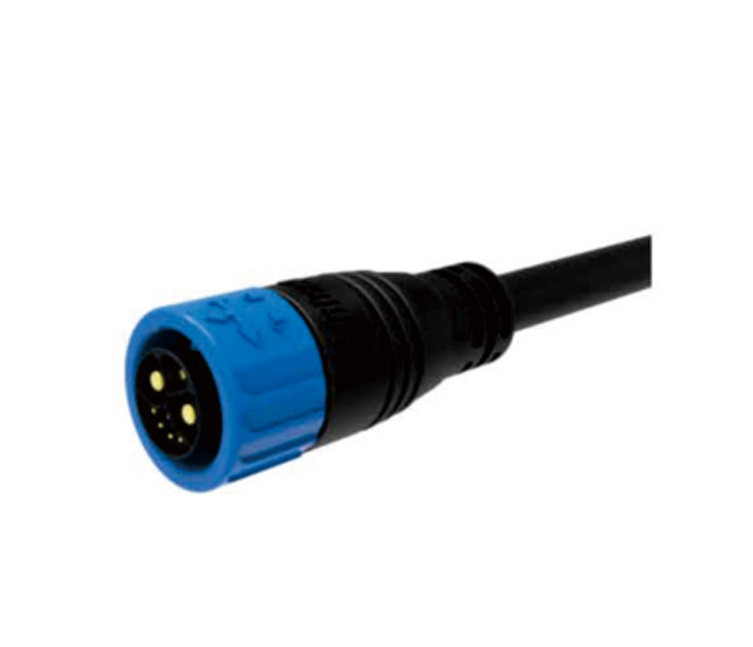
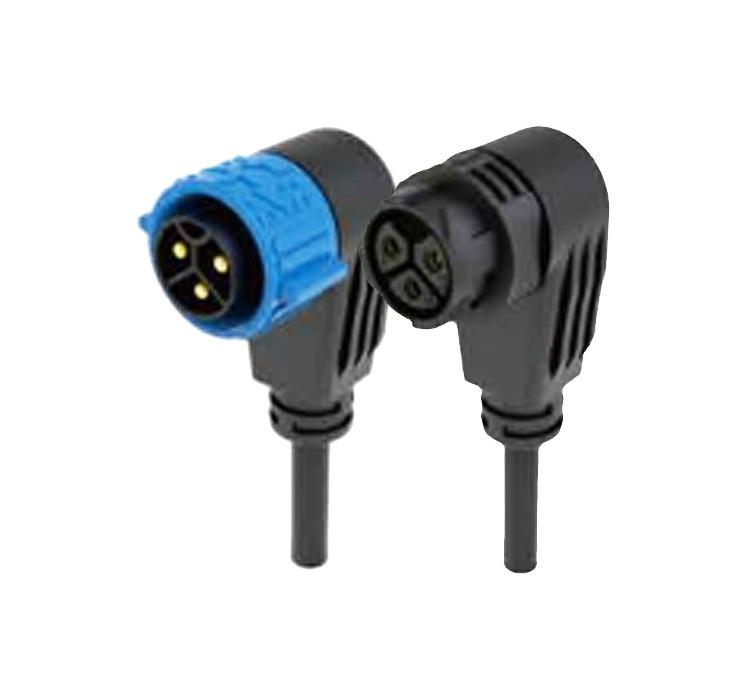
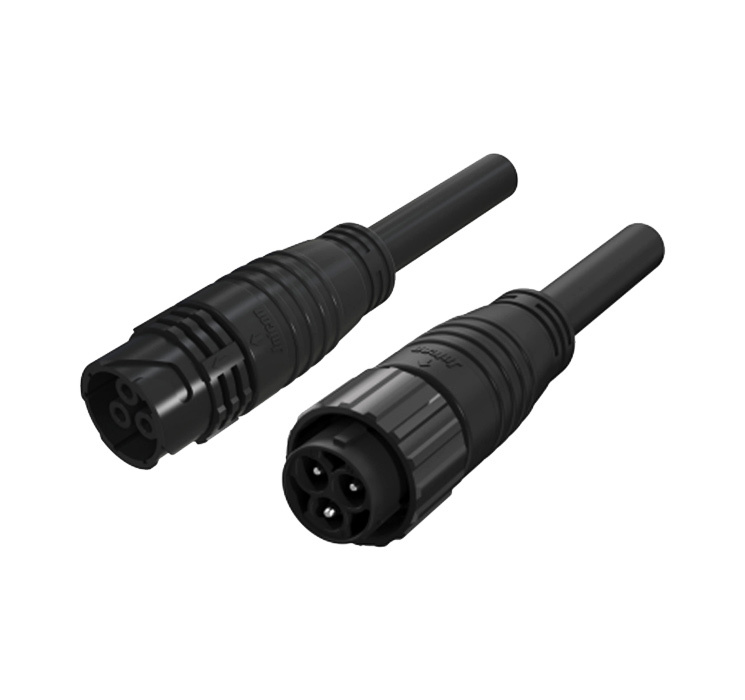
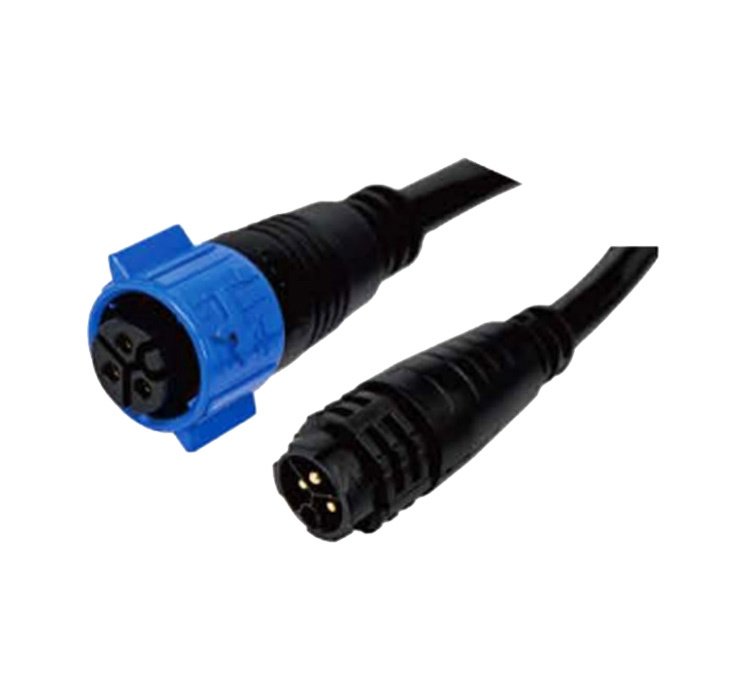
**Cable assemblies** incorporating waterproof connectors are essential for connecting various electrical components and ensuring a reliable, sealed connection.
4. Industry Standards for Waterproof Connectors
Adhering to industry standards is crucial for ensuring the quality and reliability of waterproof electrical connectors.
4.1 IP Rating System
The **Ingress Protection (IP) rating system** classifies connectors based on their resistance to water and dust. A higher IP rating indicates better protection. For instance, an IP67 rating means the connector can withstand immersion in water up to one meter.
4.2 MIL-SPEC Standards
Many marine applications require connectors that meet **MIL-SPEC** standards, ensuring they can withstand extreme conditions and provide reliable performance.
5. Installation Techniques for Waterproof Connectors
Proper installation of waterproof electrical connectors is essential to ensure their effectiveness. Here are some best practices:
5.1 Preparing the Connection Area
Before installation, ensure the connection area is clean and free from contaminants. This step is crucial for achieving a reliable seal.
5.2 Using the Right Tools
Utilizing the appropriate tools for connector installation helps avoid damage. Tools should be specifically designed for the type of connector being used.
5.3 Techniques for Sealing
Properly sealing connectors is vital. Techniques may include using heat shrink tubing or adhesive sealants to enhance waterproofing.
6. Maintenance Tips for Longevity
Regular maintenance can significantly extend the lifespan of waterproof electrical connectors. Consider the following tips:
6.1 Routine Inspections
Conducting routine inspections of connectors can help identify potential issues before they become serious problems. Look for signs of wear, corrosion, or seal degradation.
6.2 Cleaning Procedures
Regularly clean connectors using approved cleaning agents to remove salt and debris that can lead to corrosion.
6.3 Replace Aged Components
Timely replacement of aging connectors can prevent unexpected failures and maintain system reliability.
7. Common Issues and Troubleshooting
Despite their robust design, waterproof connectors can encounter issues. Here are common problems and troubleshooting tips:
7.1 Moisture Ingress
If moisture is detected inside a connector, inspect seals for damage and ensure proper installation.
7.2 Corrosion
Corrosion can lead to connectivity issues. Replace corroded connectors and implement better maintenance practices.
7.3 Mechanical Damage
Mechanical damage to connectors can result from impacts or improper handling. Ensure connectors are protected during installation and use.
8. Frequently Asked Questions (FAQs)
8.1 What are waterproof electrical connectors used for?
Waterproof electrical connectors are used to ensure safe and reliable electrical connections in environments exposed to moisture, such as ships and marine applications.
8.2 How do I select the right waterproof connector?
Choosing the right connector involves considering factors such as application requirements, environmental conditions, and the connector's IP rating.
8.3 Can waterproof connectors be reused?
In many cases, waterproof connectors can be reused if they show no signs of wear or damage. However, it's crucial to inspect them thoroughly before reinstallation.
8.4 What is the lifespan of waterproof connectors?
The lifespan of waterproof connectors varies based on materials, environmental conditions, and maintenance. Generally, high-quality connectors can last several years.
8.5 Are all connectors labeled as waterproof truly waterproof?
Not all connectors labeled as waterproof meet the same standards. Always check the IP rating and certifications before purchasing.
9. Conclusion
Waterproof electrical connectors are essential components in shipbuilding and repair. Their ability to withstand harsh marine environments while ensuring safety and reliability cannot be overlooked. By understanding the types, installation techniques, maintenance, and troubleshooting methods, professionals in the maritime industry can ensure the longevity and effectiveness of these crucial components. Investing time in selecting high-quality waterproof connectors and adhering to best practices will pay off in improved performance and reduced downtime for maritime operations.
News
2026-10-12
5 Pin Waterproof Connectors: Enhancing Home Automation Systems
5 Pin Waterproof Connectors: Enhancing Home Automation Systems Table of Contents Introduction to 5 Pin Waterproof Connectors Importance of Waterproof Connectors in Home Automation Key Benefits of 5 Pin Waterproof Connectors Features of 5 Pin Waterproof Connectors Material Quality Design and Build Applications of 5 Pin Waterproof C
2026-10-10
Waterproof Wire Connector Plugs for Reliable Connections
Waterproof wire connector plugs ensure secure, moisture-resistant electrical connections for outdoor lighting, automotive systems, and industrial equipment.
2026-10-10
Waterproof Electrical Wire Connectors for Reliable Connections
Waterproof electrical wire connectors protect wiring from moisture and dust, ensuring reliable connections in indoor and outdoor applications.

B8-9, Fubilun industrial park, Chaoyang rd,Yanchuan community, Songgang, Shenzhen, China


