


Understanding Industrial Power Connectors: Essential Insights for Electrical Applications
Release Time:
2026-03-11
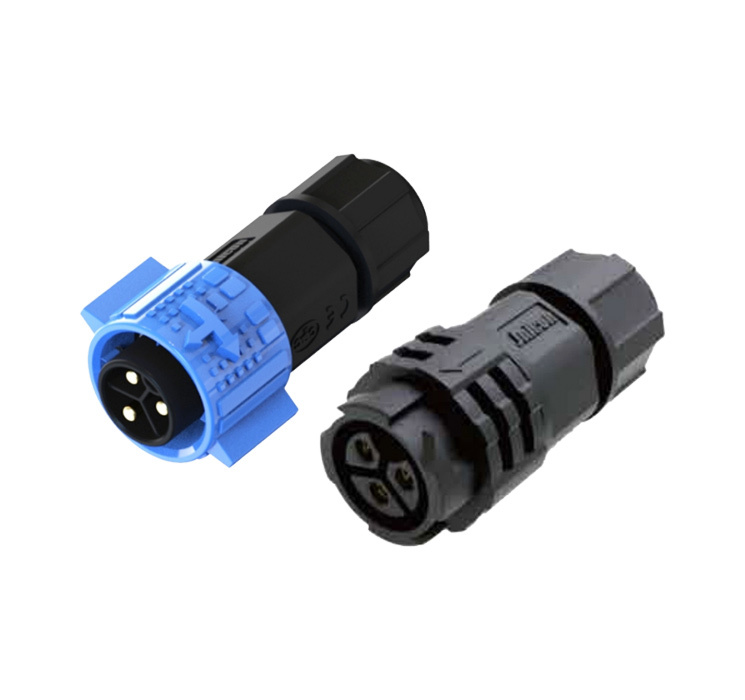
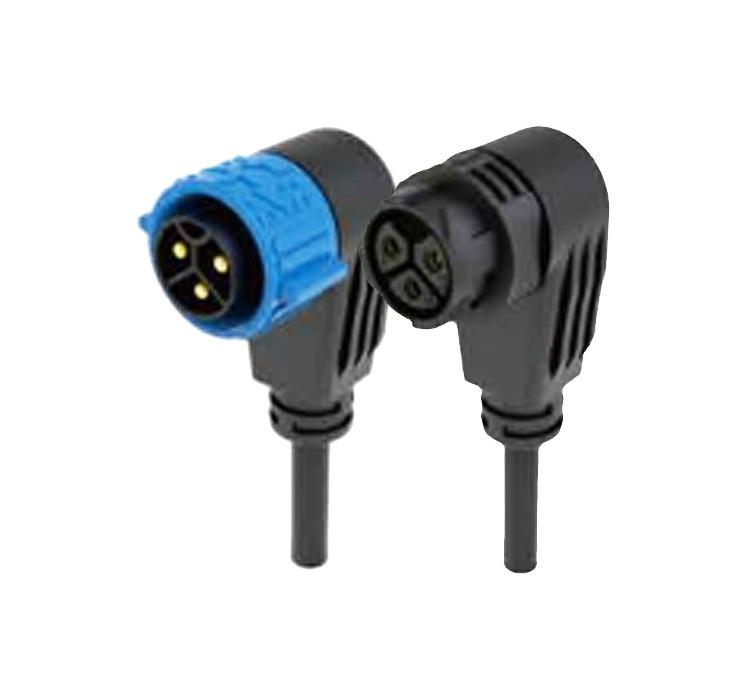
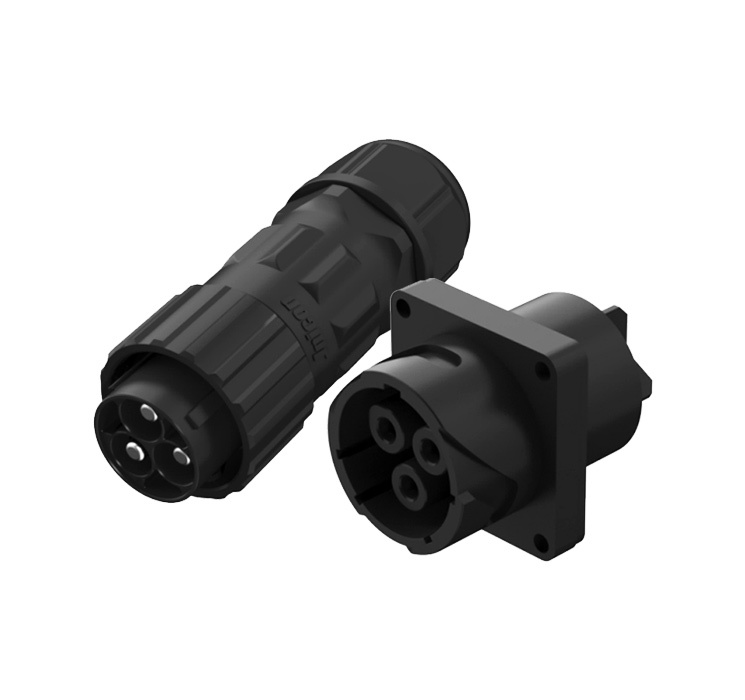
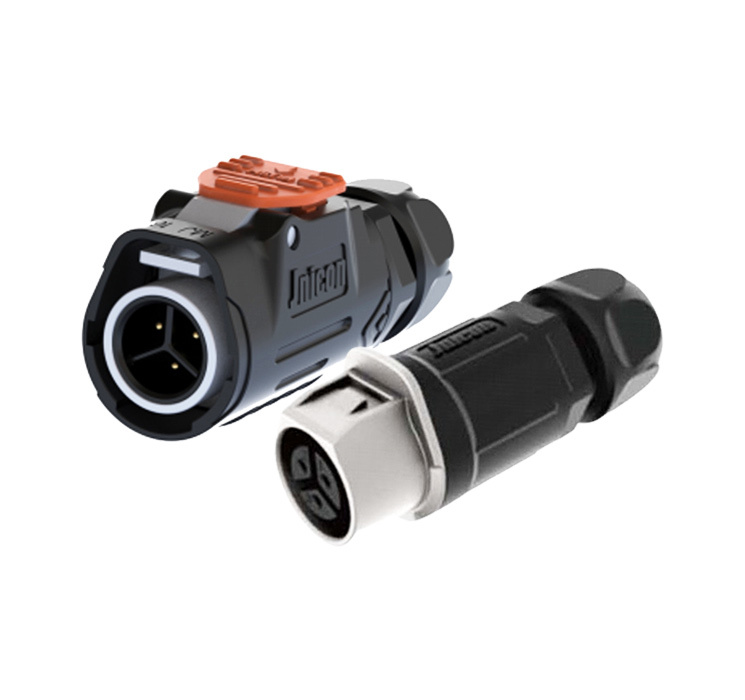
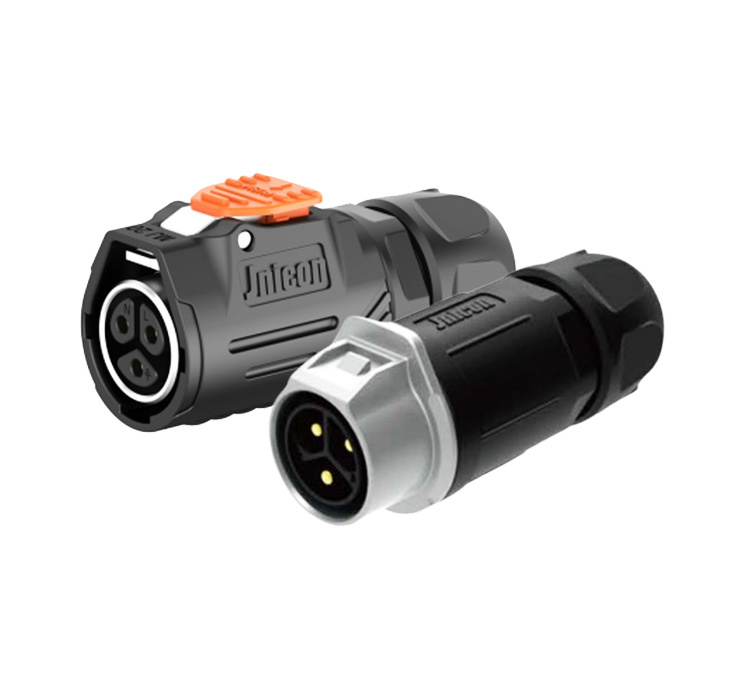
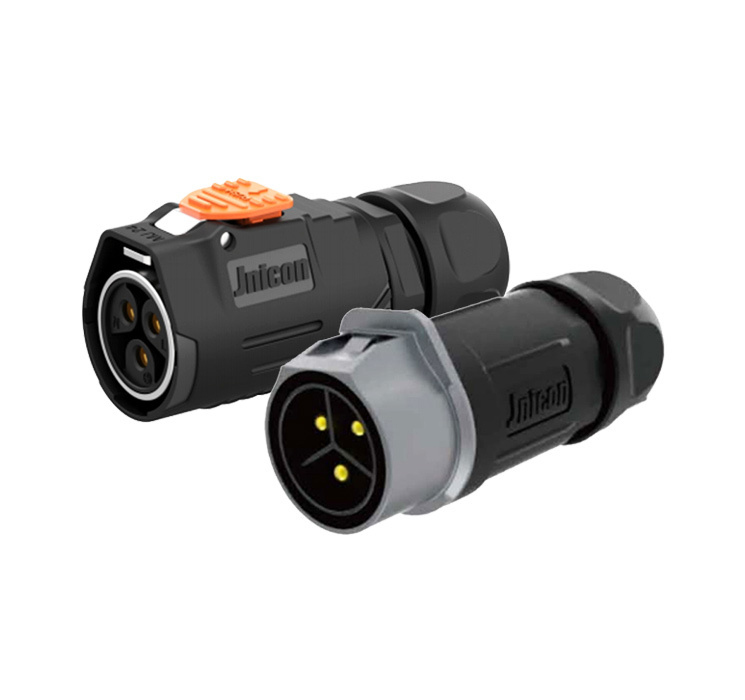
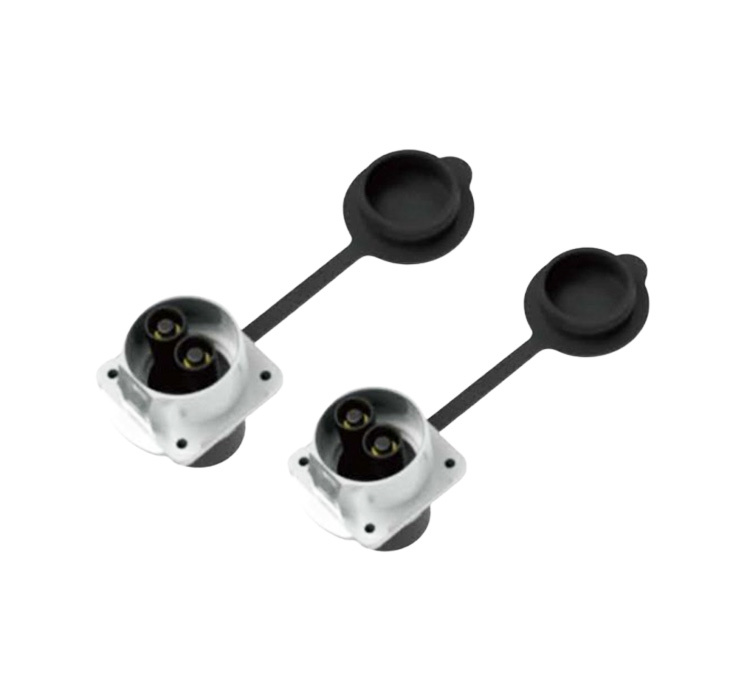
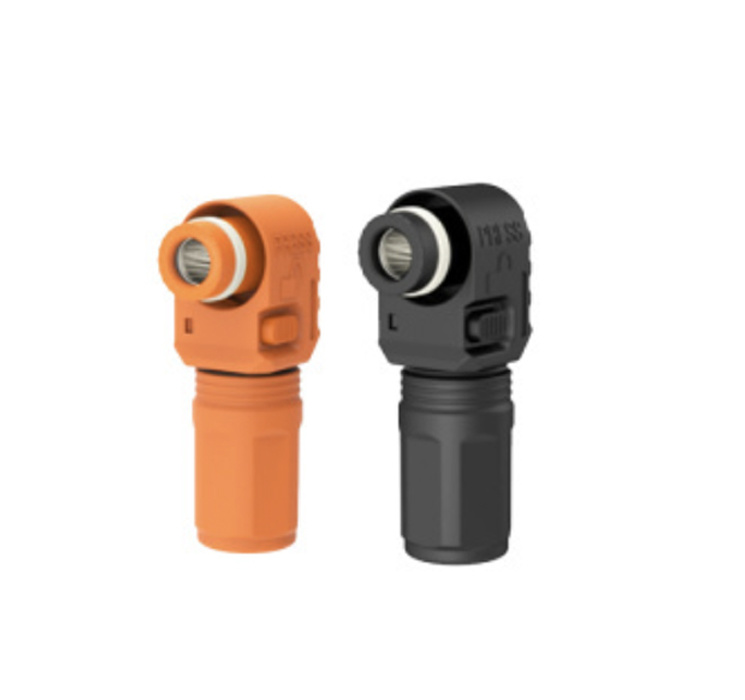
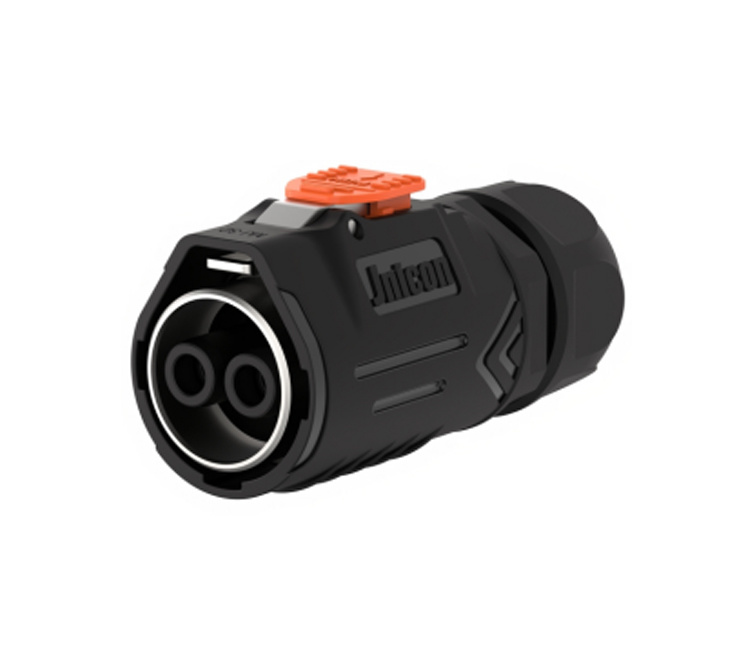
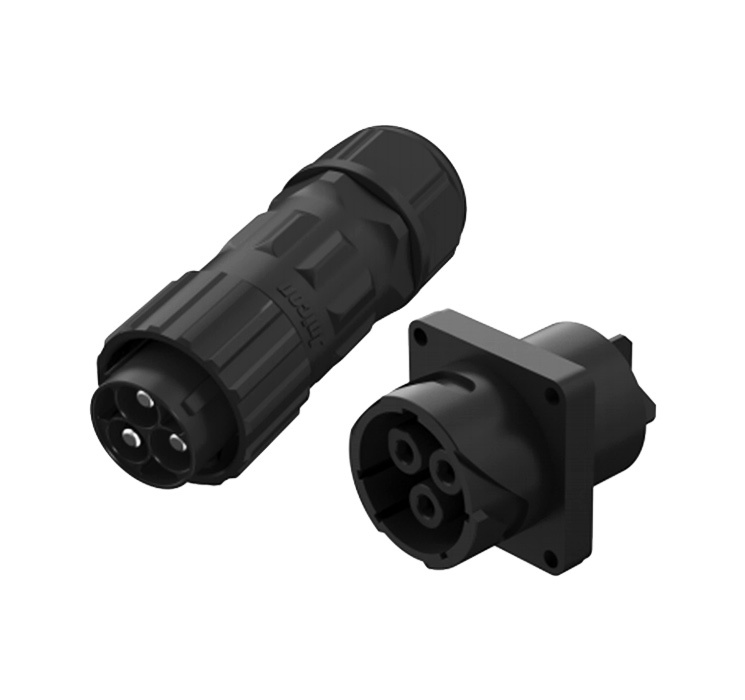
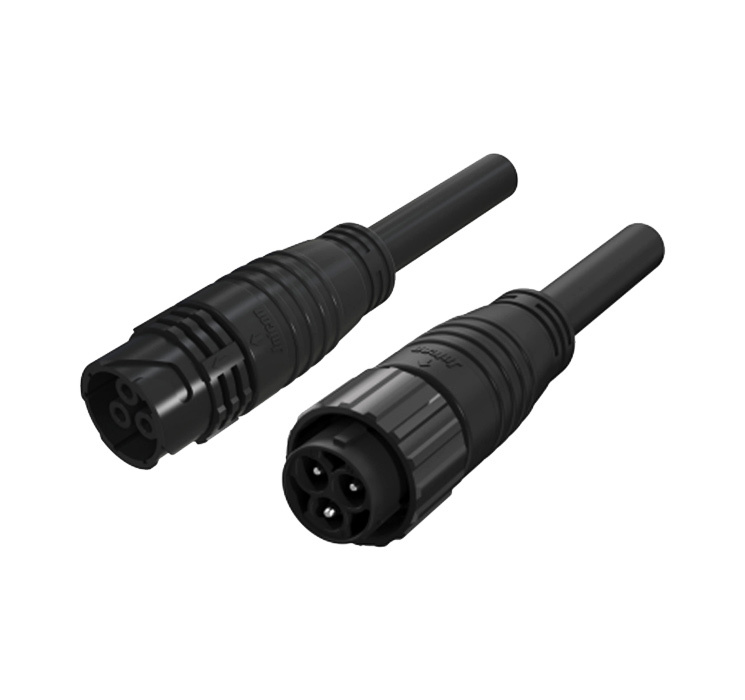
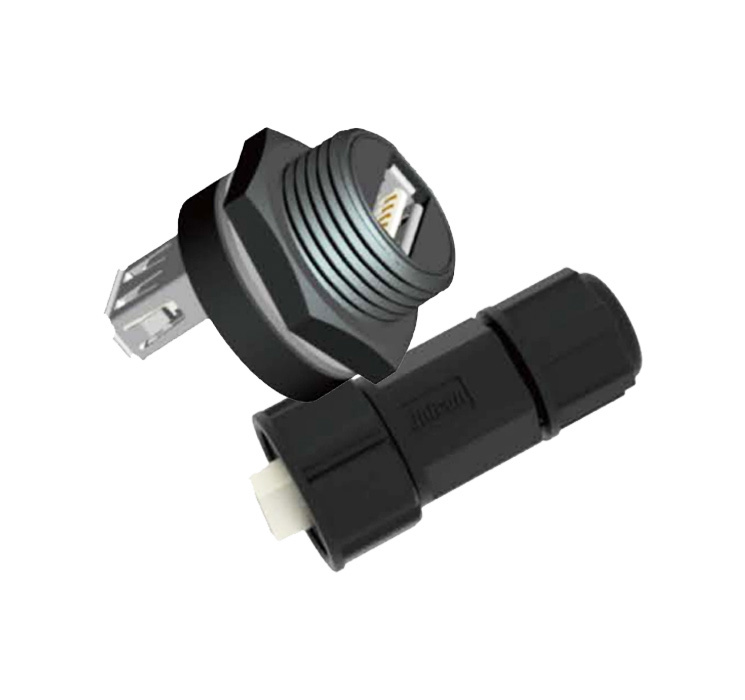
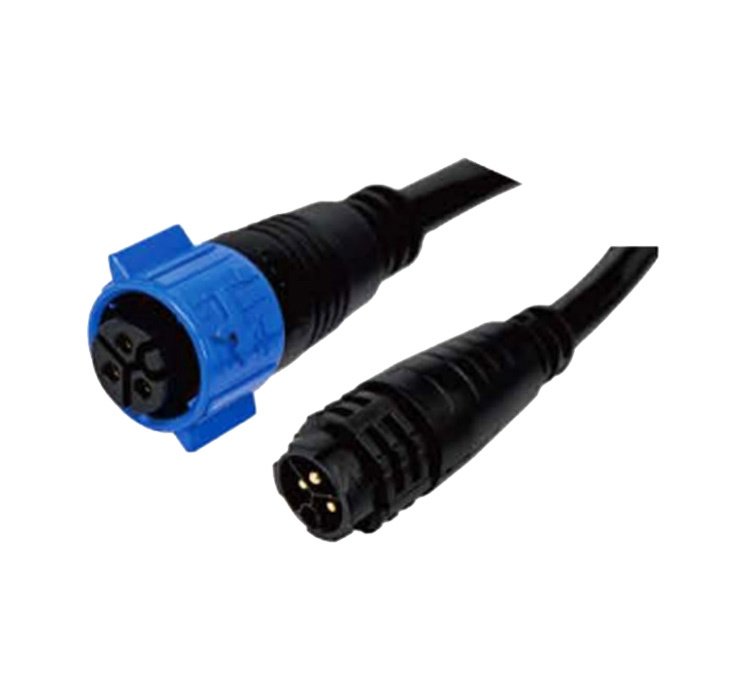
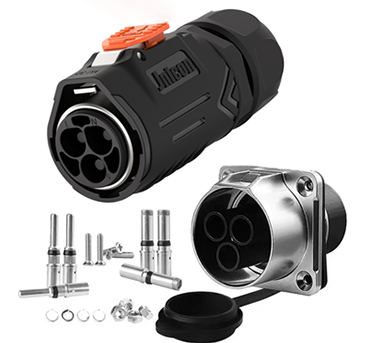
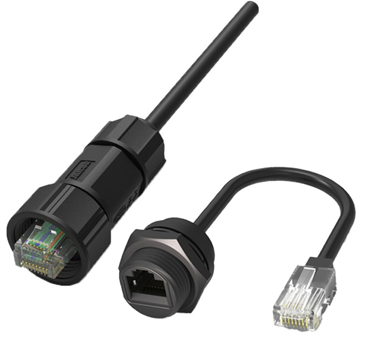
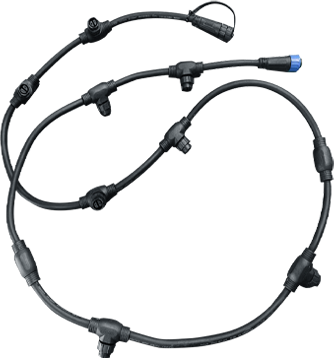
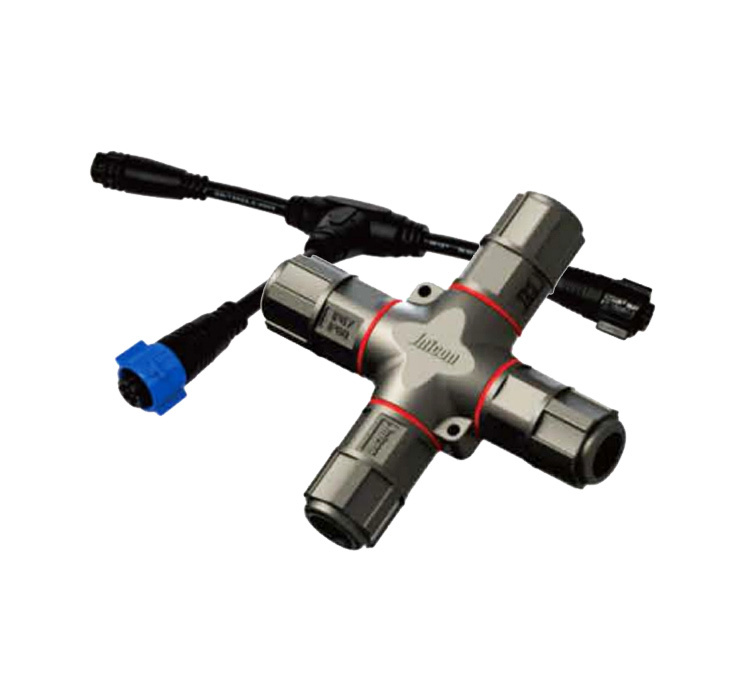
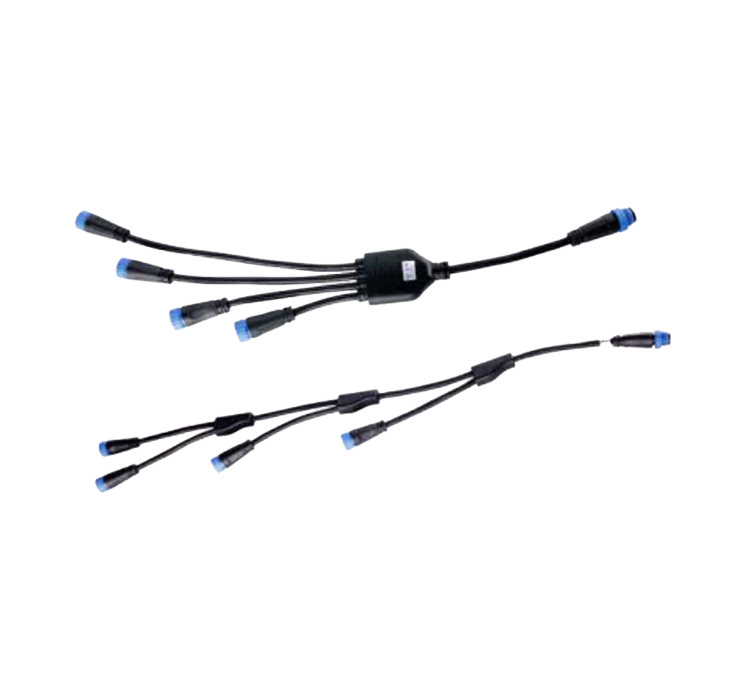
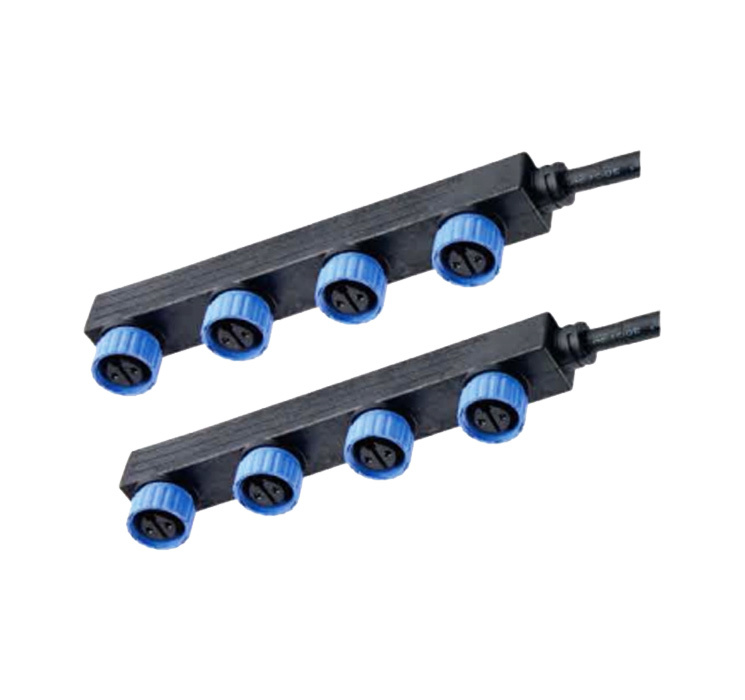
One of the primary functions of industrial power connectors is to provide reliable and secure connections that can withstand harsh conditions. These connectors are engineered to resist factors such as moisture, dust, and extreme temperatures, making them ideal for outdoor and industrial settings. Additionally, many industrial power connectors come equipped with locking mechanisms that prevent accidental disconnections, which is crucial for maintaining operational safety and efficiency.
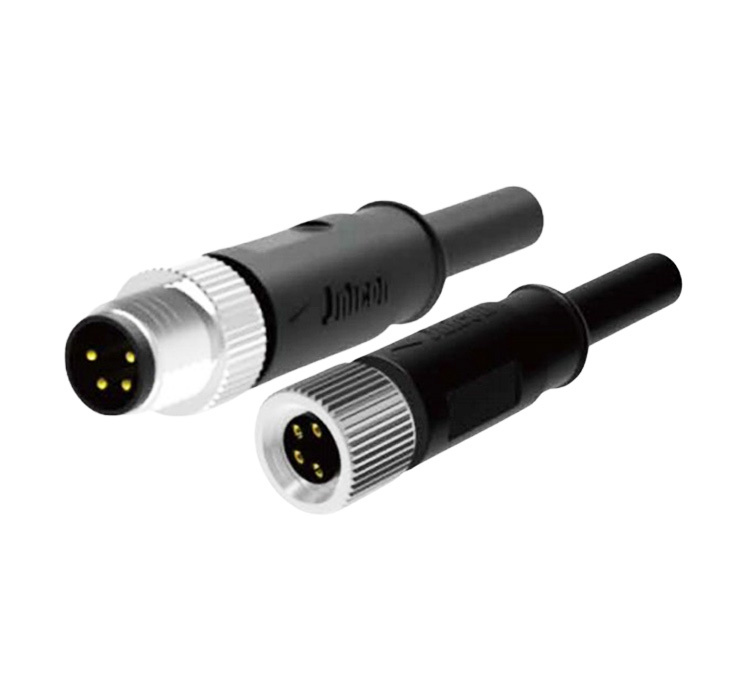
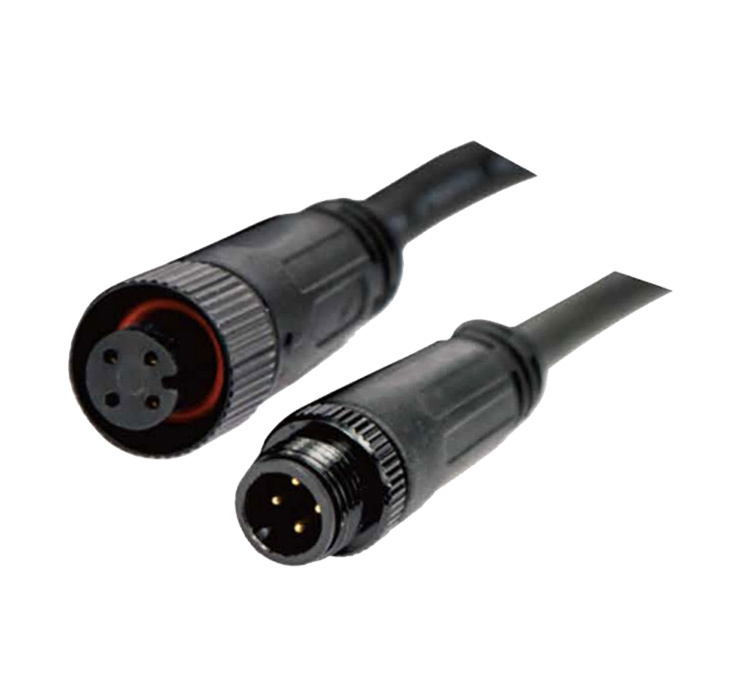
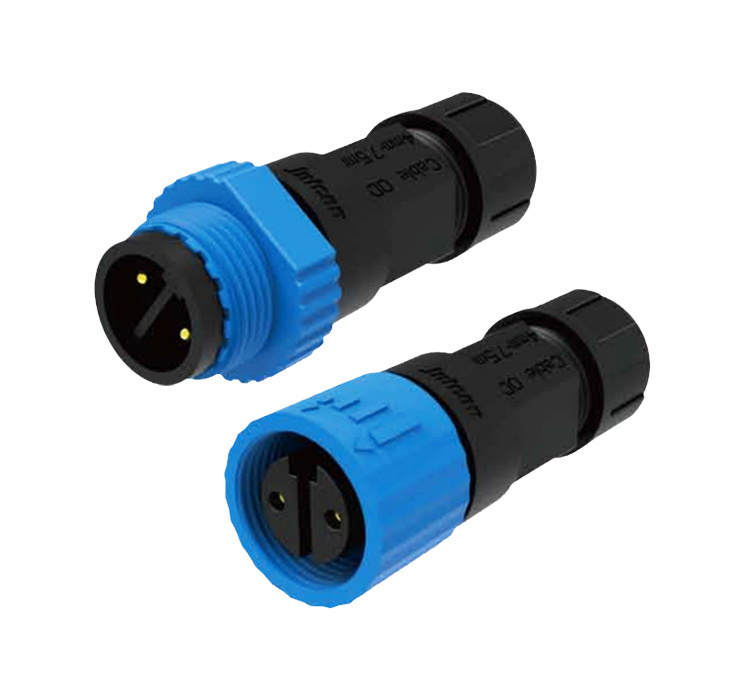
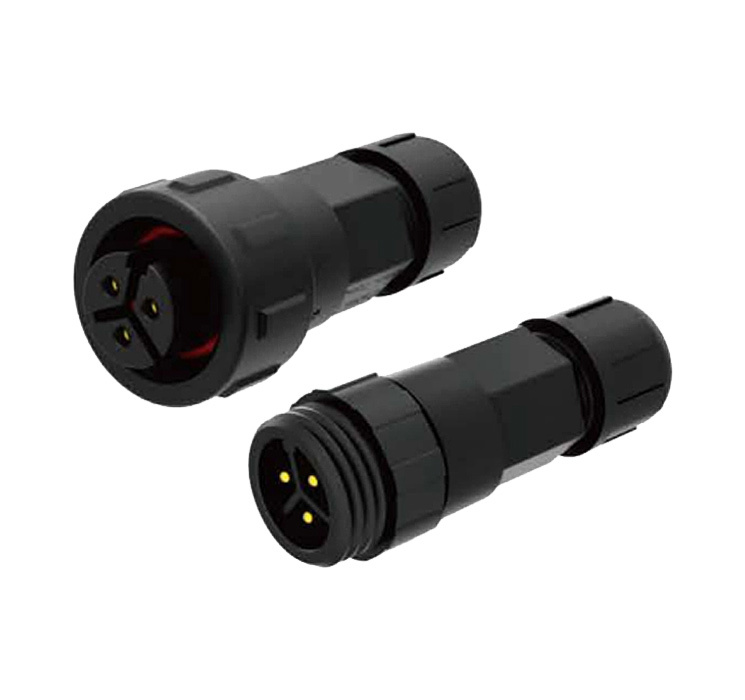
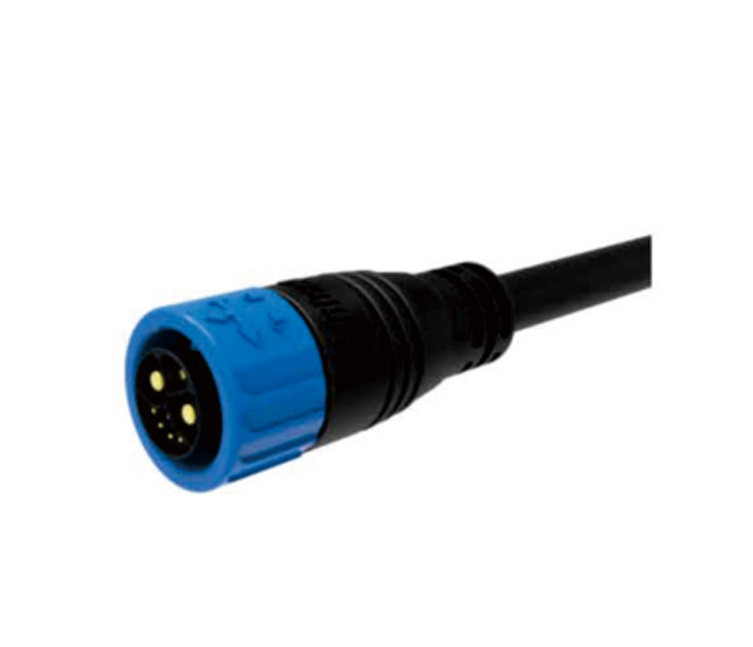
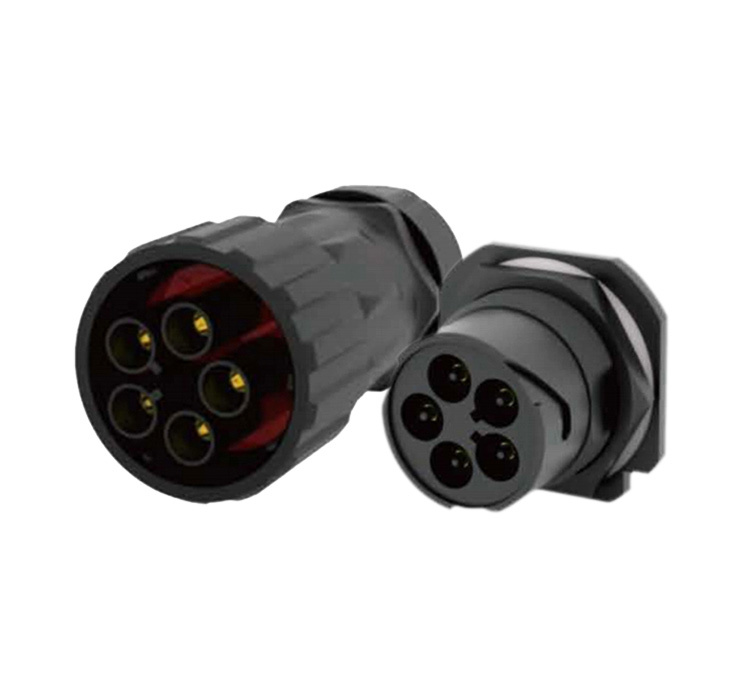
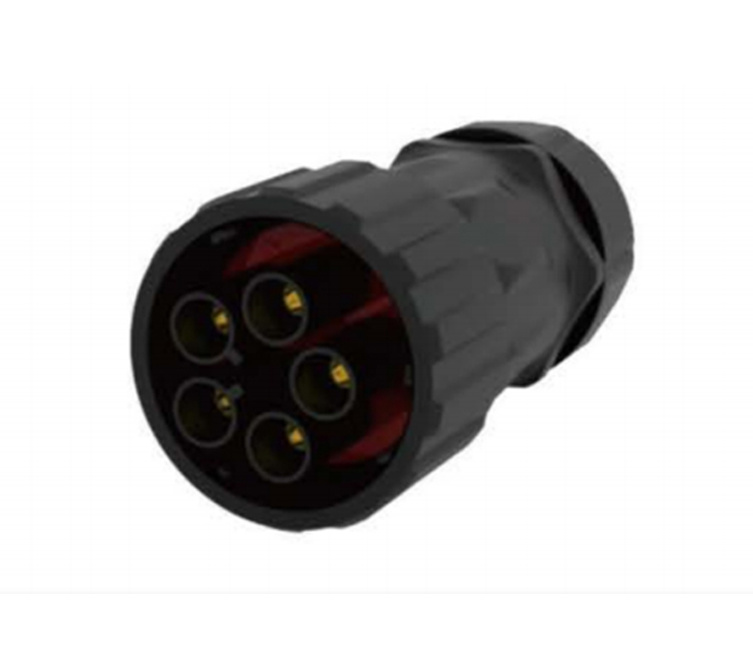
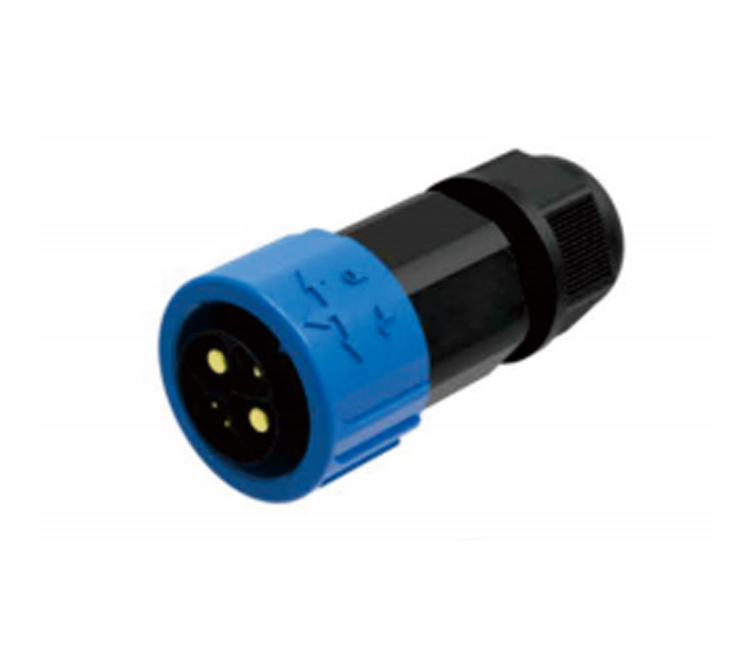
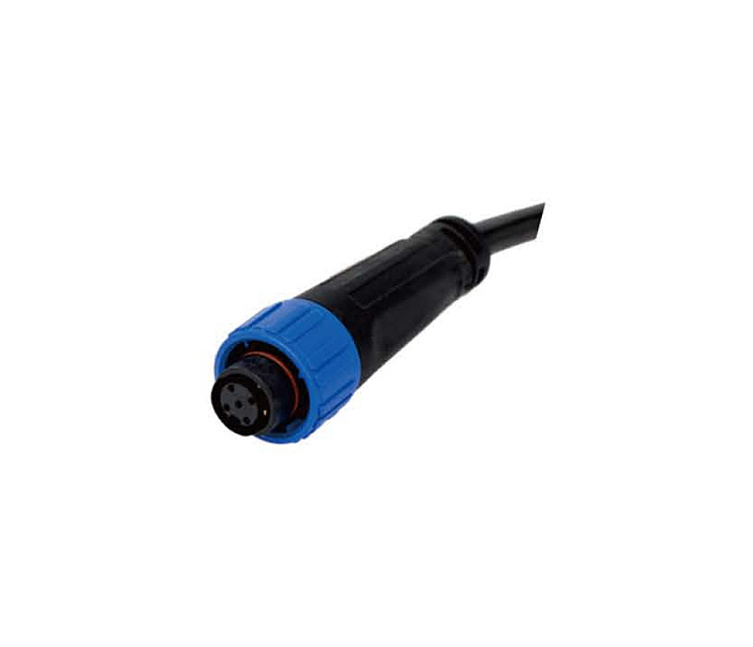
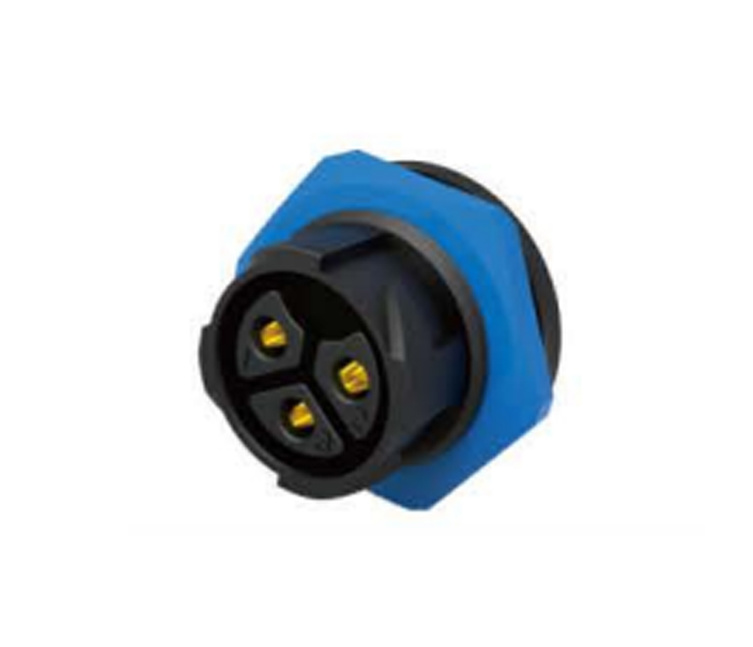
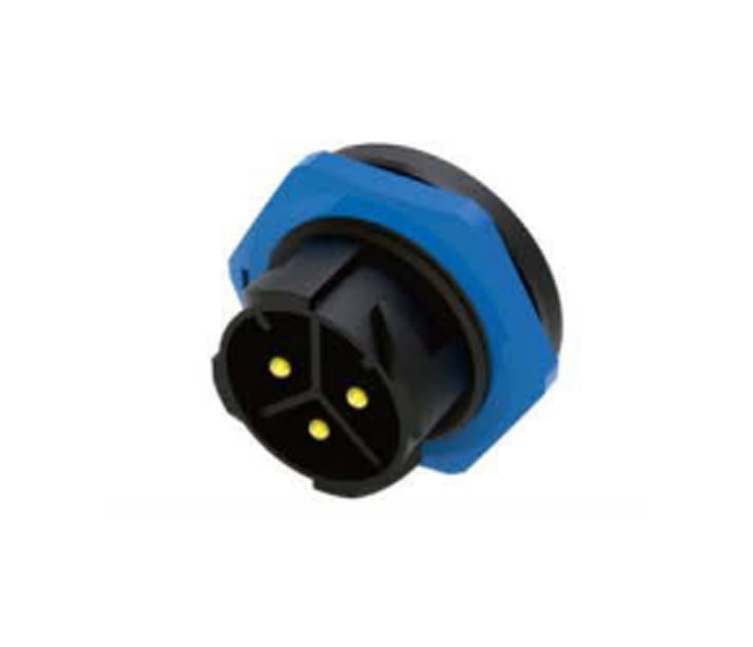
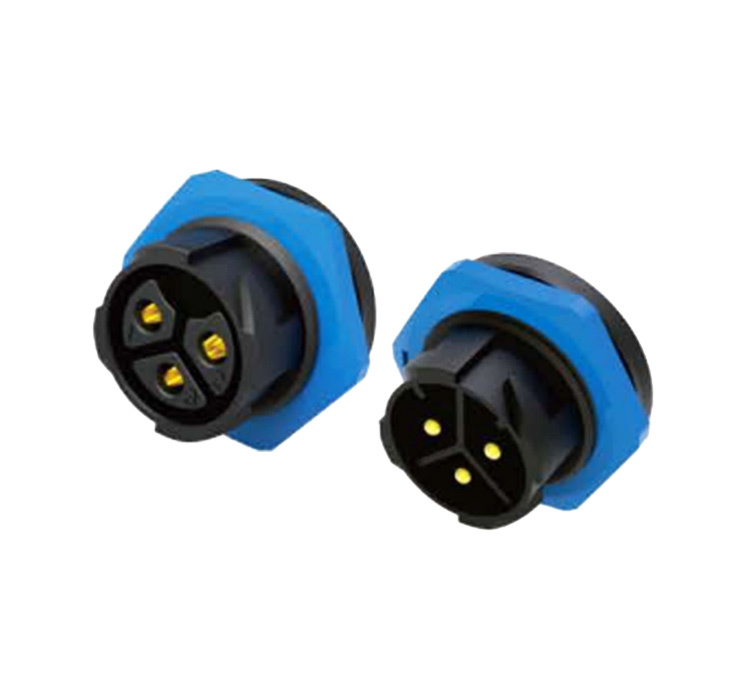
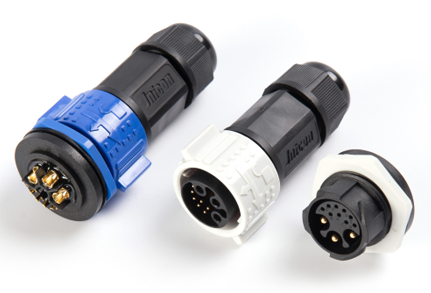
There are several types of industrial power connectors, each tailored to meet specific application needs. For instance, circular connectors are commonly used in situations where space is limited and durability is paramount. These connectors often feature a compact design and a range of pin configurations to suit various power requirements. On the other hand, rectangular connectors are frequently employed in heavy-duty applications, offering a robust and versatile solution for multiple power and signal connections.
When selecting industrial power connectors, several factors should be considered to ensure optimal performance. First, it's essential to assess the electrical specifications, including voltage rating, current capacity, and contact resistance. Choosing connectors that meet or exceed these specifications will help prevent overheating and potential failures.
Another important consideration is the environmental conditions where the connectors will be used. Evaluating factors such as exposure to chemicals, humidity levels, and temperature fluctuations will guide you in selecting connectors with the appropriate protective features. For example, connectors with IP (Ingress Protection) ratings can offer enhanced resistance to environmental elements, ensuring longevity and reliability.
Furthermore, ease of installation and maintenance should not be overlooked. User-friendly designs that allow for quick connections and disconnections can significantly reduce downtime during maintenance or equipment upgrades. Additionally, considering compatibility with existing systems is crucial for ensuring seamless integration.
In conclusion, industrial power connectors are essential components that facilitate efficient power management in various electrical applications. By understanding their functions, types, and the critical factors to consider when selecting them, you can make informed decisions that enhance the reliability and performance of your electrical systems. Emphasizing quality and durability will ultimately lead to better operational outcomes and minimize potential disruptions in your operations.
News
2026-10-12
5 Pin Waterproof Connectors: Enhancing Home Automation Systems
5 Pin Waterproof Connectors: Enhancing Home Automation Systems Table of Contents Introduction to 5 Pin Waterproof Connectors Importance of Waterproof Connectors in Home Automation Key Benefits of 5 Pin Waterproof Connectors Features of 5 Pin Waterproof Connectors Material Quality Design and Build Applications of 5 Pin Waterproof C
2026-10-10
Waterproof Wire Connector Plugs for Reliable Connections
Waterproof wire connector plugs ensure secure, moisture-resistant electrical connections for outdoor lighting, automotive systems, and industrial equipment.
2026-10-10
Waterproof Electrical Wire Connectors for Reliable Connections
Waterproof electrical wire connectors protect wiring from moisture and dust, ensuring reliable connections in indoor and outdoor applications.

B8-9, Fubilun industrial park, Chaoyang rd,Yanchuan community, Songgang, Shenzhen, China


