


Waterproof Wire Harnesses vs. Standard Wire Harnesses: What’s the Difference?
Release Time:
2026-03-18
Understanding Wire Harnesses: A Foundational Overview
Wire harnesses are critical components in any automotive electrical system, serving as the nervous system of vehicles. They consist of multiple wires bundled together, often accompanied by connectors, terminals, and protective coverings. The primary role of wire harnesses is to transmit electrical power and signals throughout the vehicle, ensuring that various components function properly.
As technology advances, the need for specialized wire harnesses has emerged, particularly distinguishing between waterproof and standard wire harnesses. In this article, we will delve deep into these two categories, exploring their differences, advantages, and considerations for selection.
What are Standard Wire Harnesses?
Standard wire harnesses are designed for general applications where exposure to moisture and extreme environmental conditions is minimal. They are typically used in a variety of automotive systems, including interior lighting, dashboard connections, and non-exposed areas of the vehicle.
Features of Standard Wire Harnesses
1. **Material Composition**: Standard wire harnesses are often made from copper wires insulated with PVC or other non-waterproof materials.
2. **Cost-Effectiveness**: Due to less complex materials and construction, standard wire harnesses are generally less expensive than their waterproof counterparts.
3. **Flexibility**: They offer good flexibility for installation in various locations within the vehicle, especially where exposure to water is not a concern.
Common Applications of Standard Wire Harnesses
- Interior lighting systems
- Radio and entertainment systems
- Dashboard electrical systems
Advantages of Standard Wire Harnesses
- **Ease of Installation**: Their lightweight nature makes them easier to handle and install.
- **Lower Cost**: Reduced material costs make them a budget-friendly choice for many automotive applications.
What are Waterproof Wire Harnesses?
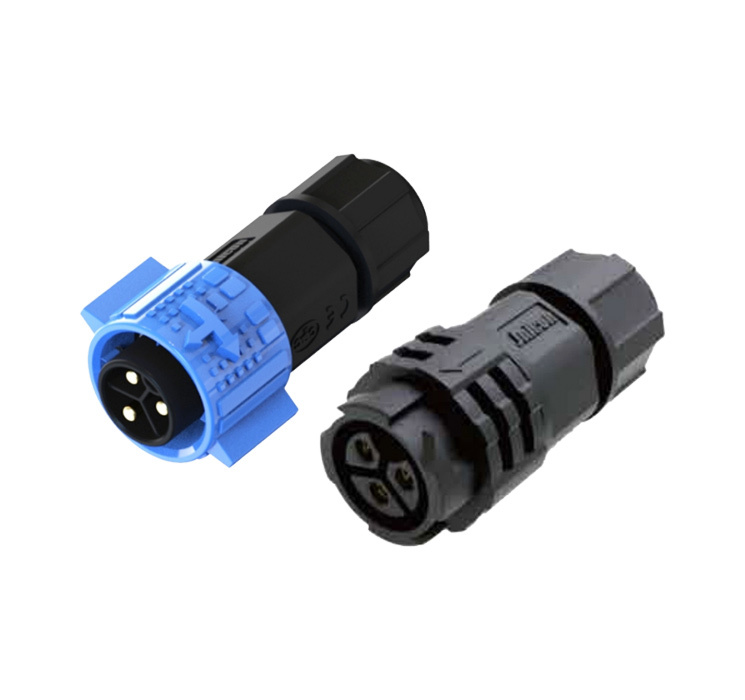
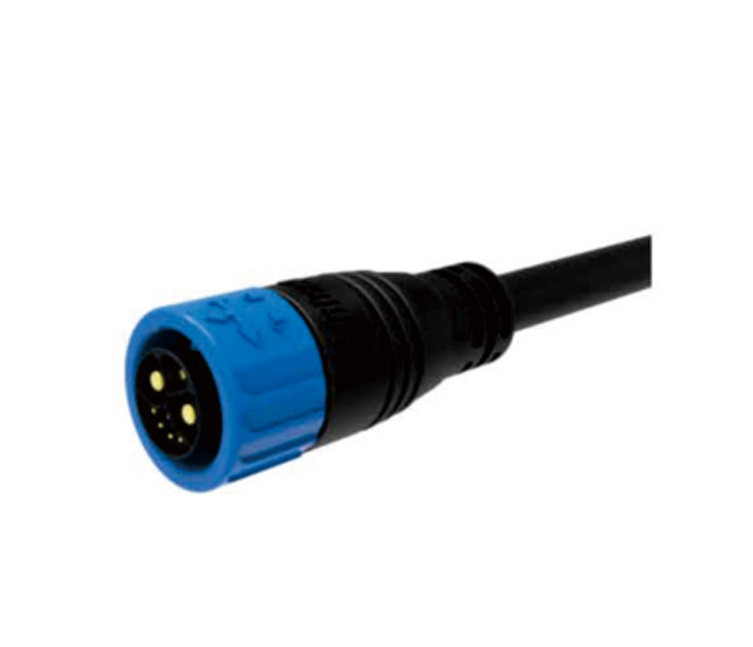
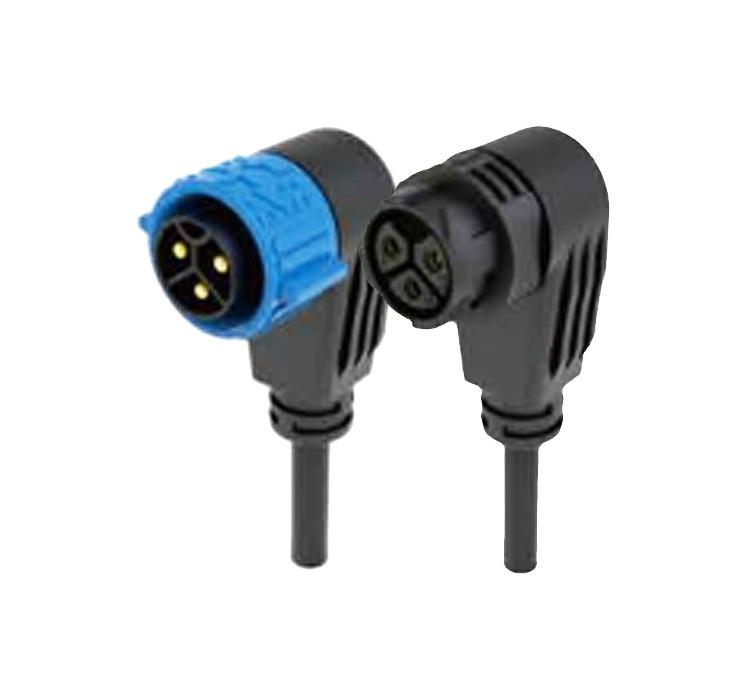
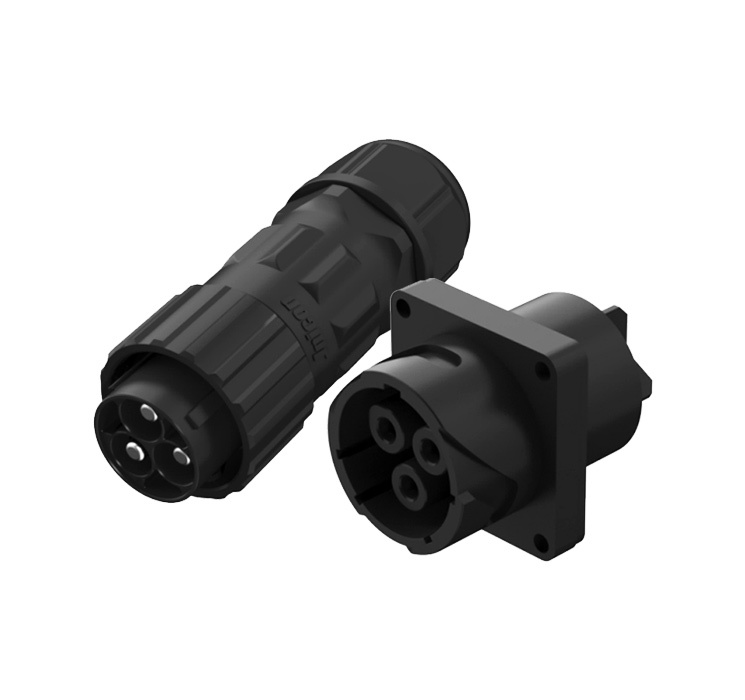
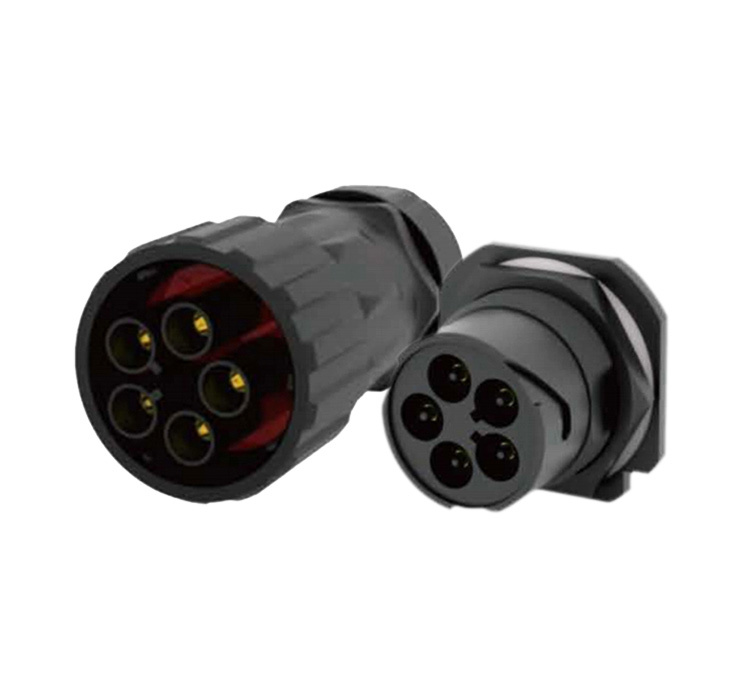
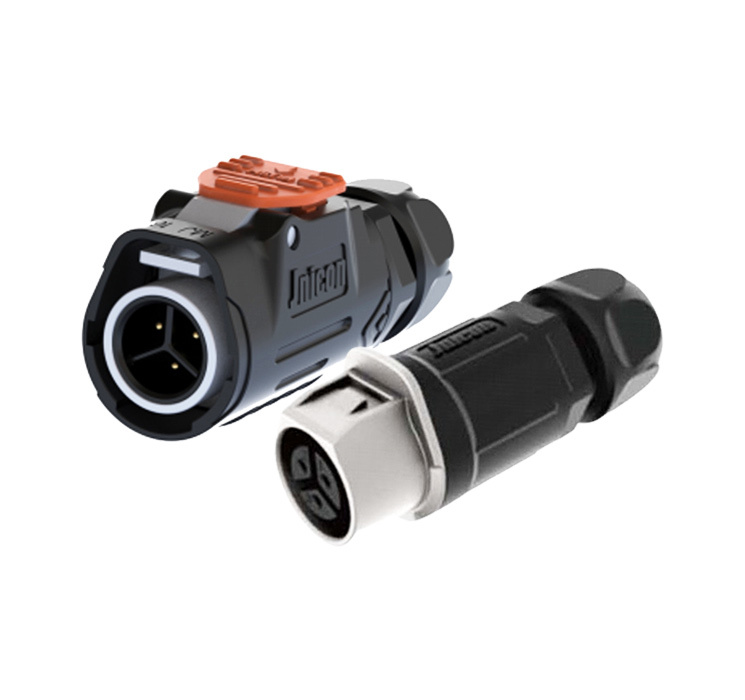
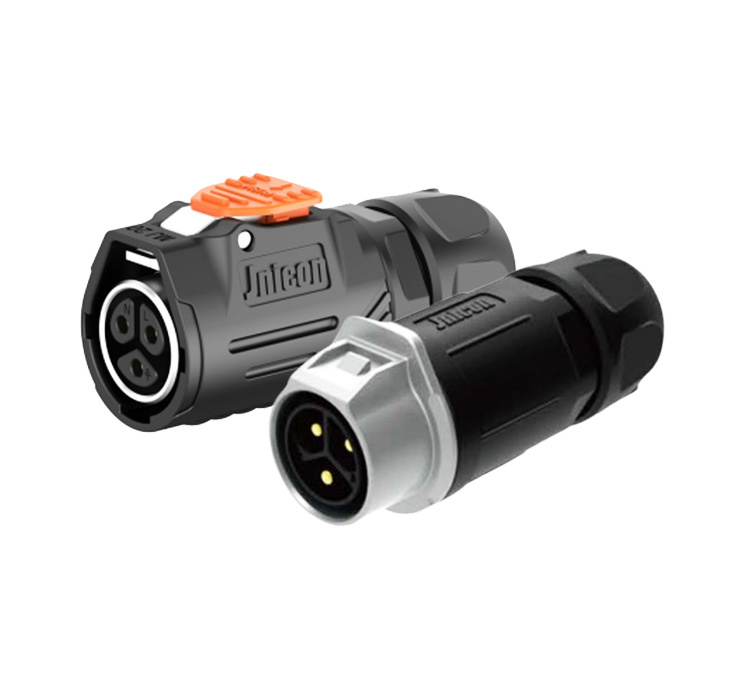
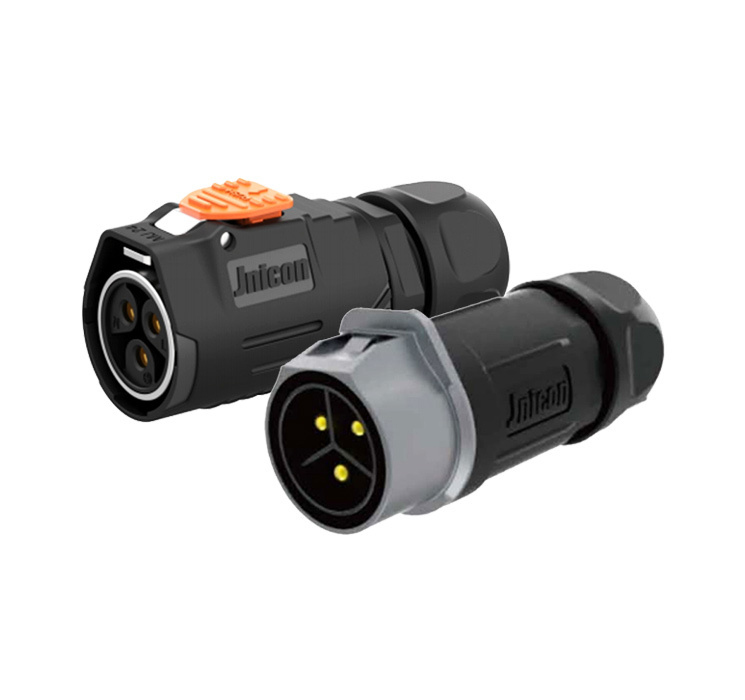
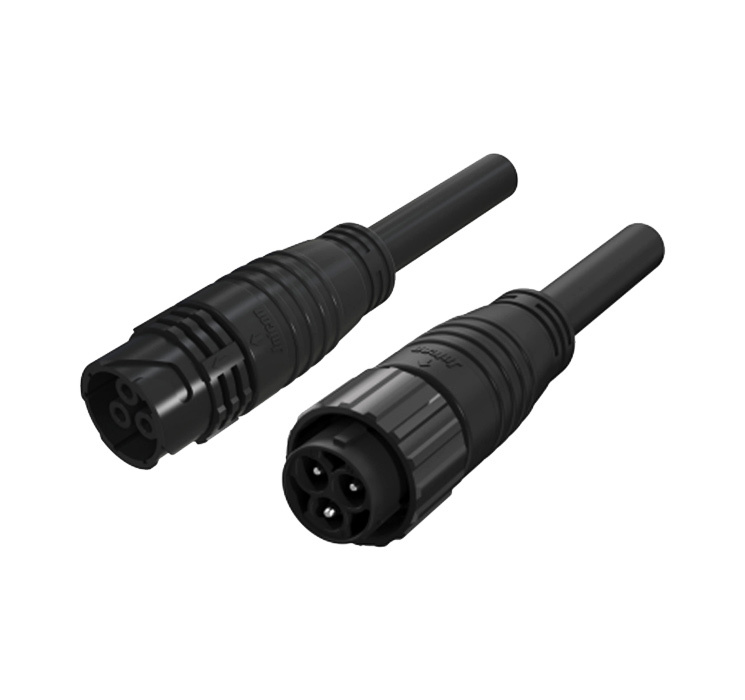
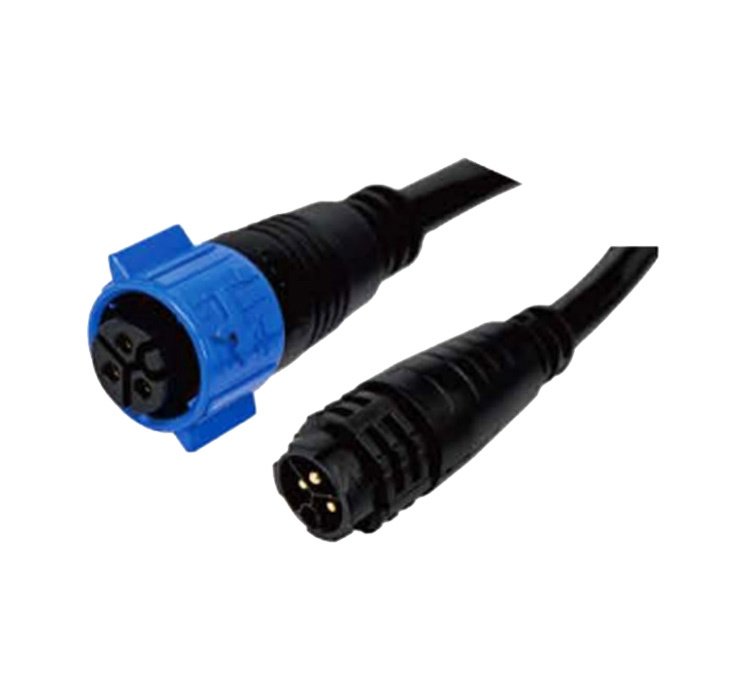
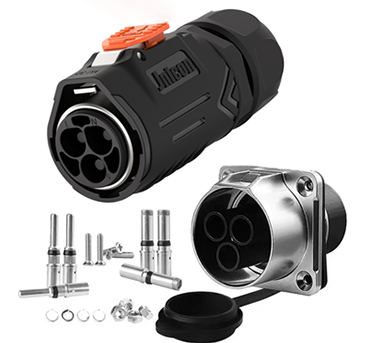
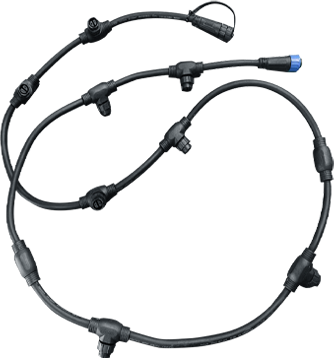
Waterproof wire harnesses are engineered for use in environments where moisture exposure is a significant concern, such as in outdoor vehicles, marine applications, and regions prone to adverse weather conditions. These harnesses are built to safeguard electrical connections against water ingress.
Features of Waterproof Wire Harnesses
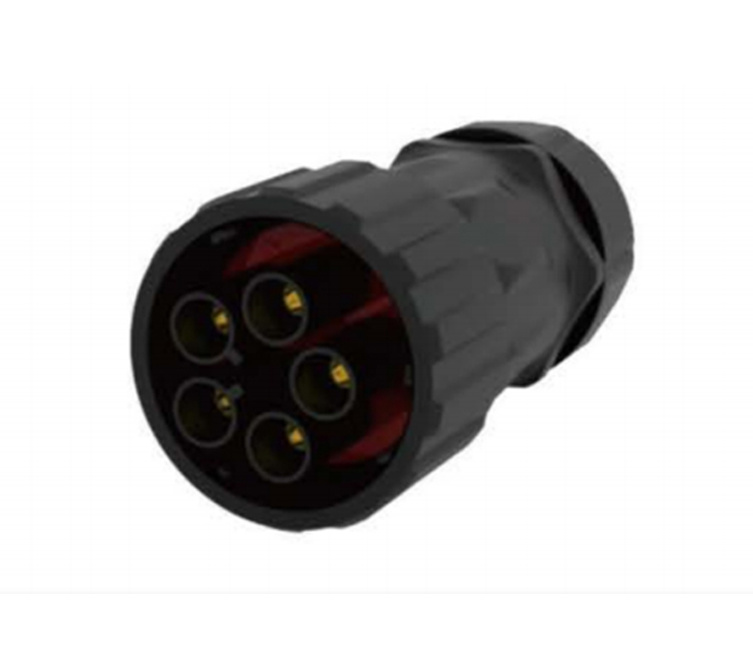
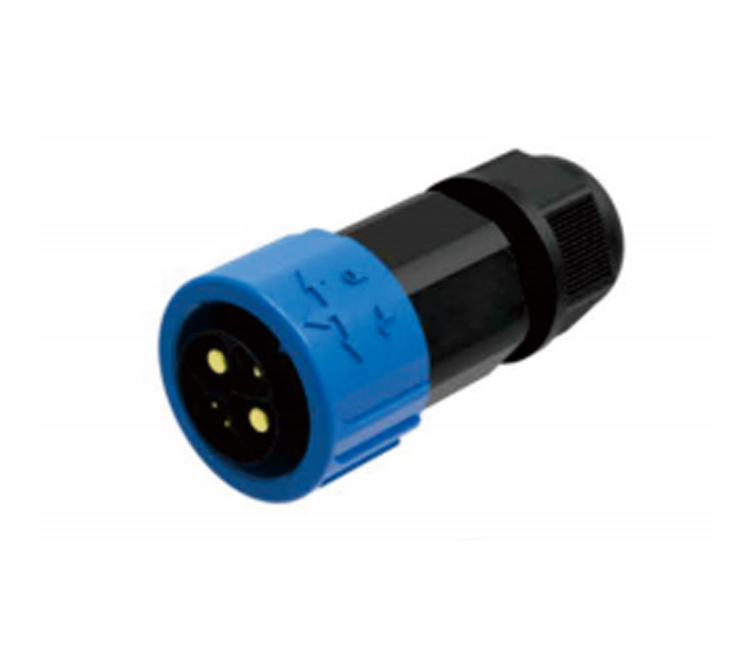
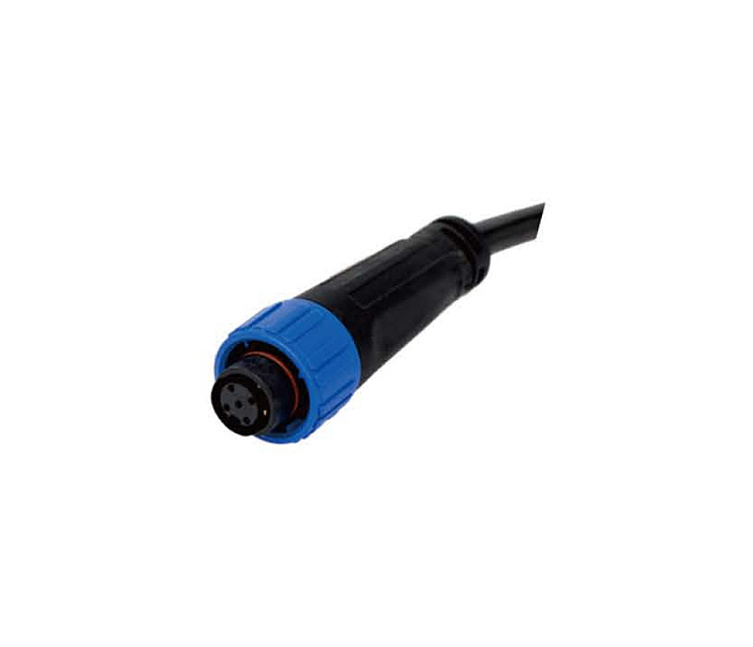
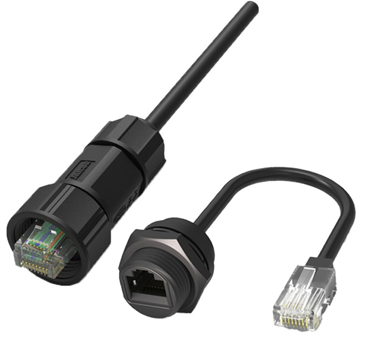
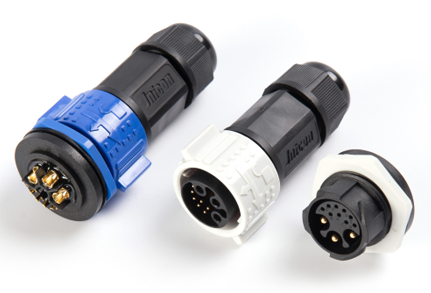
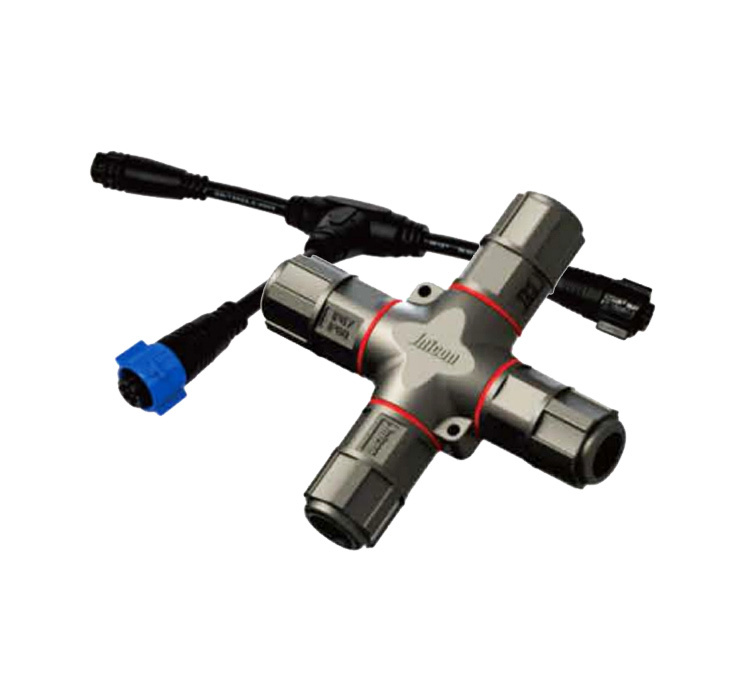
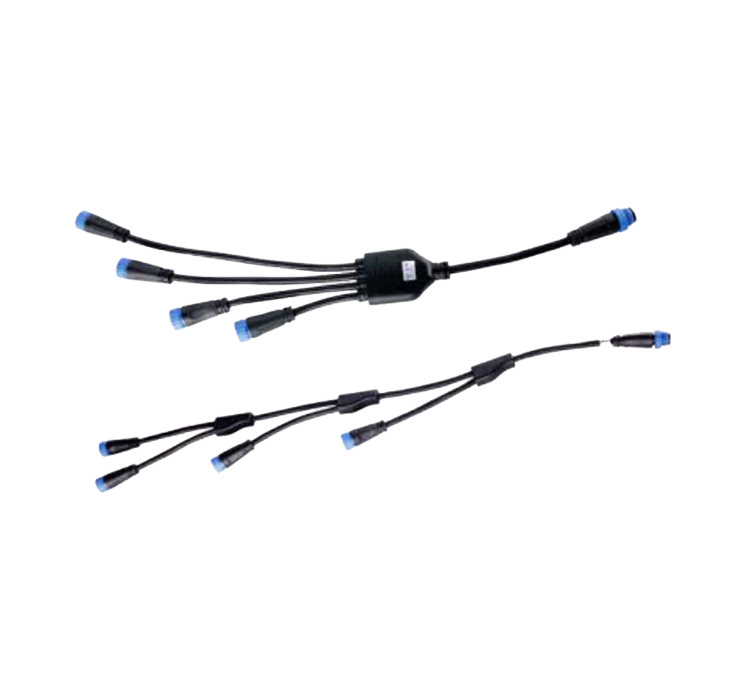
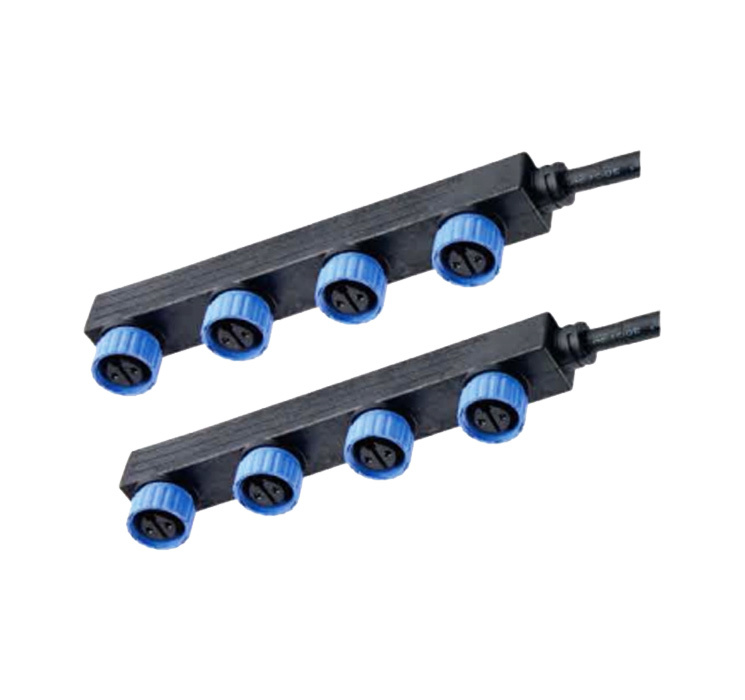
1. **Sealed Connectors**: Waterproof wire harnesses utilize specialized connectors and seals to prevent moisture from entering the electrical system.
2. **Durable Materials**: They are crafted from materials that resist corrosion and wear, often featuring higher-grade insulations like cross-linked polyethylene (XLPE).
3. **Enhanced Strength**: The construction of waterproof harnesses is typically more robust, making them suitable for rugged applications.
Common Applications of Waterproof Wire Harnesses
- Off-road vehicles and equipment
- Marine applications (boats, jet skis)
- Agricultural machinery
- Motorcycles and ATVs
Advantages of Waterproof Wire Harnesses
- **Increased Longevity**: The protective features allow them to withstand harsh environmental conditions, leading to longer service life.
- **Reliability**: Enhanced electrical performance under moisture-laden conditions, which is critical for safety and functionality.
Key Differences Between Waterproof and Standard Wire Harnesses
Understanding the differences between waterproof and standard wire harnesses is essential for selecting the right option for your specific needs.
1. Material and Construction
Waterproof wire harnesses feature specialized materials and construction techniques that are not found in standard harnesses. Their design is focused on resisting moisture and other environmental factors.
2. Cost Considerations
While standard wire harnesses are generally cheaper, investing in waterproof harnesses is advisable for applications where exposure to water is likely. The long-term savings from reduced failures can outweigh the initial cost.
3. Installation Requirements
Waterproof wire harnesses may require more specialized installation techniques due to their robust construction and heavier weight. Standard wire harnesses are easier to install due to their lighter design.
4. Performance Metrics
Waterproof wire harnesses generally outperform standard harnesses in environments with high moisture levels. They can maintain electrical integrity in situations where standard harnesses would fail.
How to Choose the Right Wire Harness for Your Application
Choosing the right wire harness depends on various factors including environment, cost, and application requirements. Here are some guidelines to help you make an informed decision.
Understanding Your Needs
Assessing the specific requirements of your vehicle or application is paramount. Consider the following:
- **Environmental Conditions**: Is the application exposed to rain, snow, or high humidity?
- **Type of Vehicle**: Are you working with off-road, marine, or standard vehicles?
- **Electrical Load**: What is the expected load and how critical is the electrical performance?
Consulting with Experts
If you are unsure which type of wire harness to select, consulting with manufacturers or automotive electrical experts can provide valuable insights tailored to your situation.
Maintenance and Care for Wire Harnesses
Ensuring the longevity of your wire harnesses, whether standard or waterproof, requires regular maintenance and care. Here are some tips:
1. Regular Inspections
Routine checks can help identify wear and tear before it becomes a significant issue. Look for signs of corrosion, wear, or exposed wires.
2. Proper Installation
Following installation guidelines ensures that wire harnesses are fitted correctly, reducing the risk of damage from movement or moisture.
3. Cleaning
Keep harnesses clean and free from debris, which can trap moisture and cause corrosion over time.
4. Environment Adaptation
For areas with extreme conditions, consider protective coverings or additional sealing measures to enhance the longevity of standard wire harnesses.
FAQs About Waterproof and Standard Wire Harnesses
1. What is the primary difference between waterproof and standard wire harnesses?
The primary difference lies in their construction, with waterproof wire harnesses designed to resist moisture, whereas standard harnesses are not built for such environments.
2. Can I use a standard wire harness in a wet environment?
It is not advisable as standard wire harnesses cannot effectively protect against moisture, leading to potential failures.
3. How do I know if a wire harness is waterproof?
Check for specifications indicating water resistance, such as IP ratings, and look for sealed connectors and robust insulation materials.
4. Are waterproof wire harnesses more expensive than standard ones?
Yes, waterproof wire harnesses tend to be more expensive due to the materials and manufacturing processes involved.
5. Can I convert a standard wire harness to make it waterproof?
While it is challenging, using additional sealing methods and protective coverings can enhance the moisture resistance of standard wire harnesses, but it may not equal the performance of a purpose-built waterproof harness.
Conclusion
In summary, the choice between waterproof wire harnesses and standard wire harnesses hinges on specific application requirements, environmental conditions, and budget constraints. Waterproof harnesses offer significant advantages in durability and reliability for applications exposed to moisture, while standard harnesses serve well in controlled environments. Understanding these differences and making informed decisions based on the unique needs of your electrical systems will ultimately lead to improved performance and longevity in your automotive applications.
News
2026-10-12
5 Pin Waterproof Connectors: Enhancing Home Automation Systems
5 Pin Waterproof Connectors: Enhancing Home Automation Systems Table of Contents Introduction to 5 Pin Waterproof Connectors Importance of Waterproof Connectors in Home Automation Key Benefits of 5 Pin Waterproof Connectors Features of 5 Pin Waterproof Connectors Material Quality Design and Build Applications of 5 Pin Waterproof C
2026-10-10
Waterproof Wire Connector Plugs for Reliable Connections
Waterproof wire connector plugs ensure secure, moisture-resistant electrical connections for outdoor lighting, automotive systems, and industrial equipment.
2026-10-10
Waterproof Electrical Wire Connectors for Reliable Connections
Waterproof electrical wire connectors protect wiring from moisture and dust, ensuring reliable connections in indoor and outdoor applications.

B8-9, Fubilun industrial park, Chaoyang rd,Yanchuan community, Songgang, Shenzhen, China


