
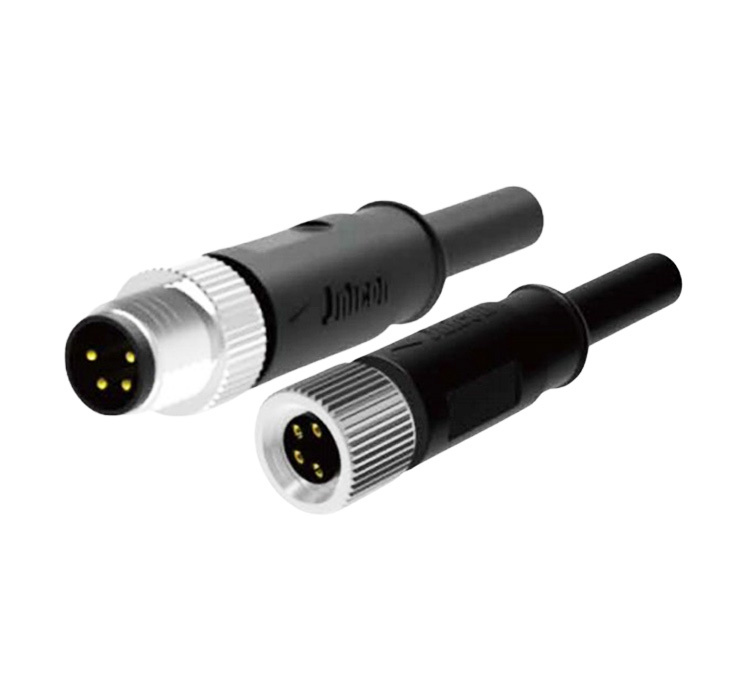
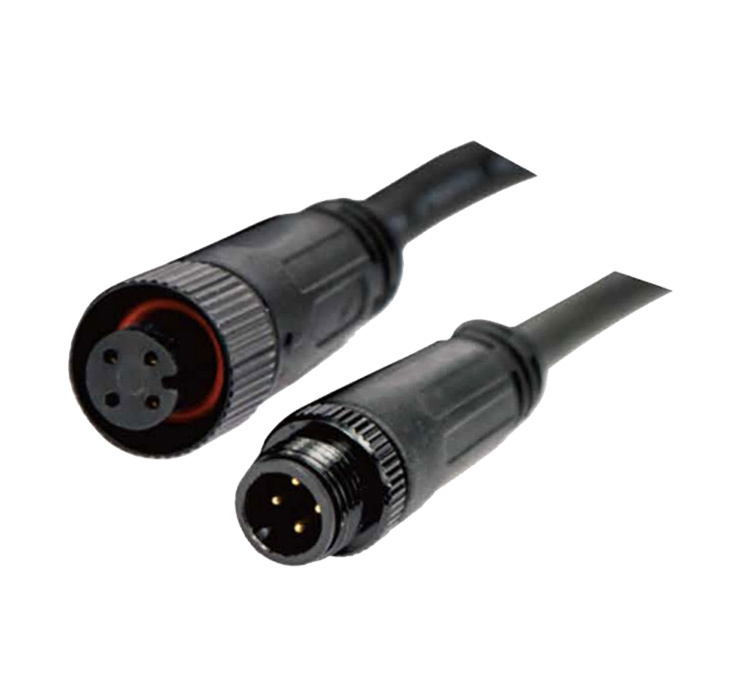
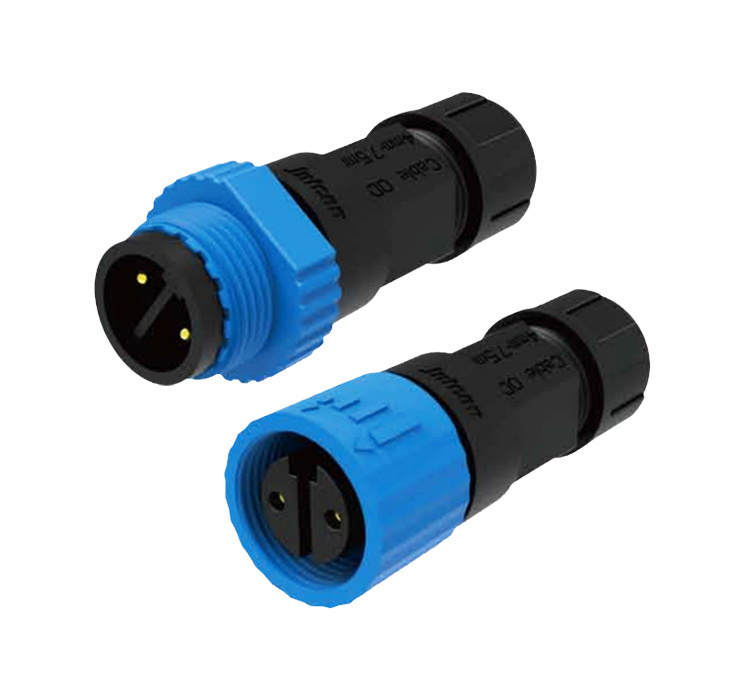
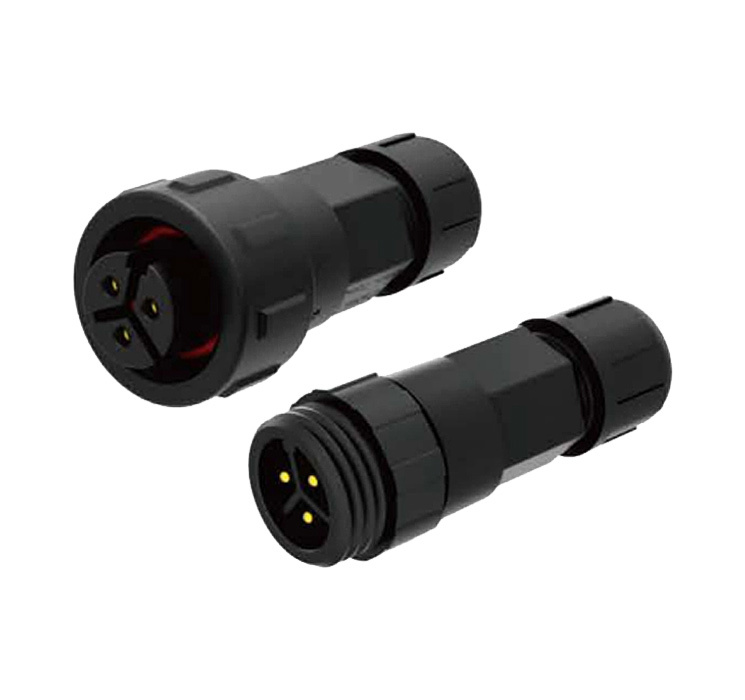


The Essential Guide to Waterproof Cables: Enhancing Durability and Performance
Release Time:
2026-03-19
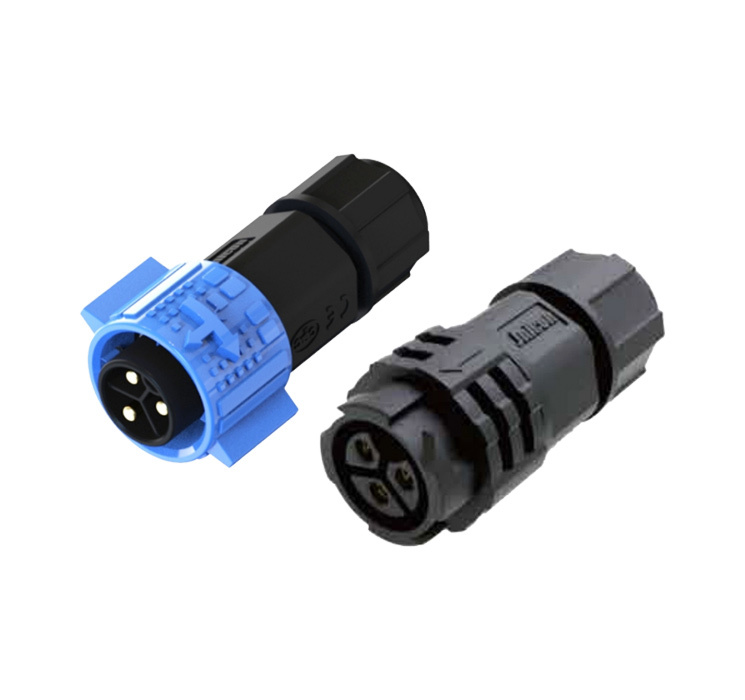
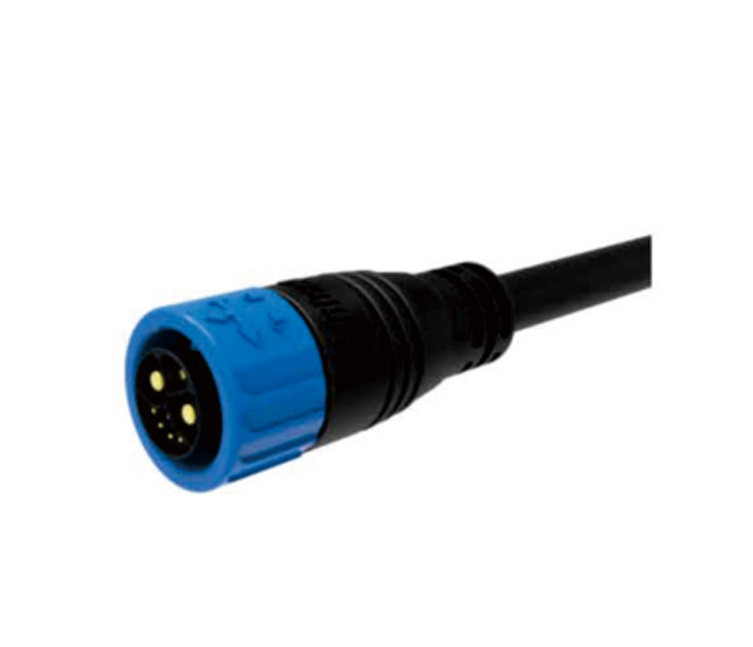
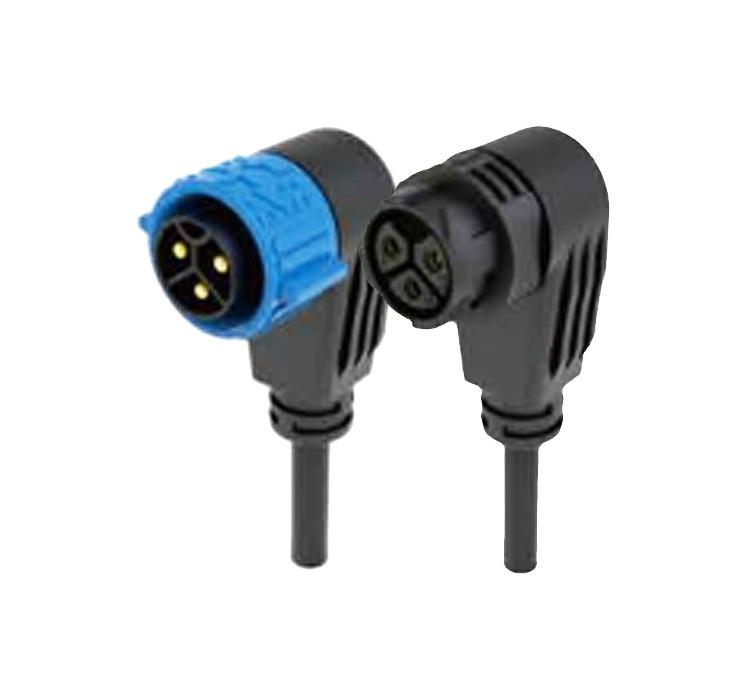
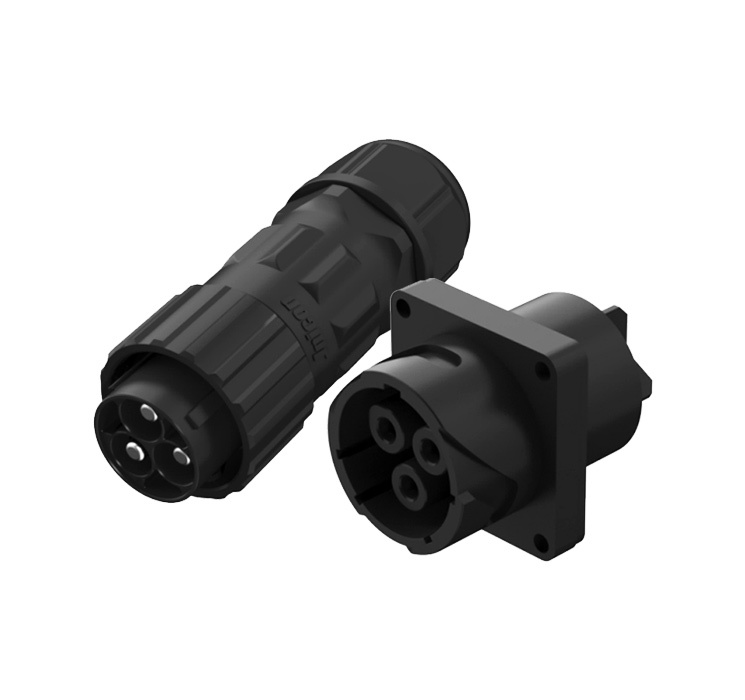
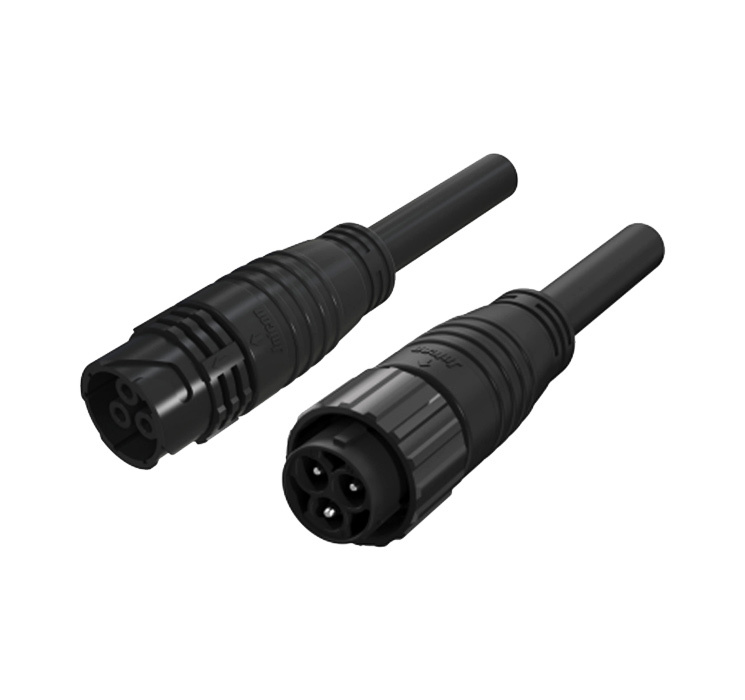
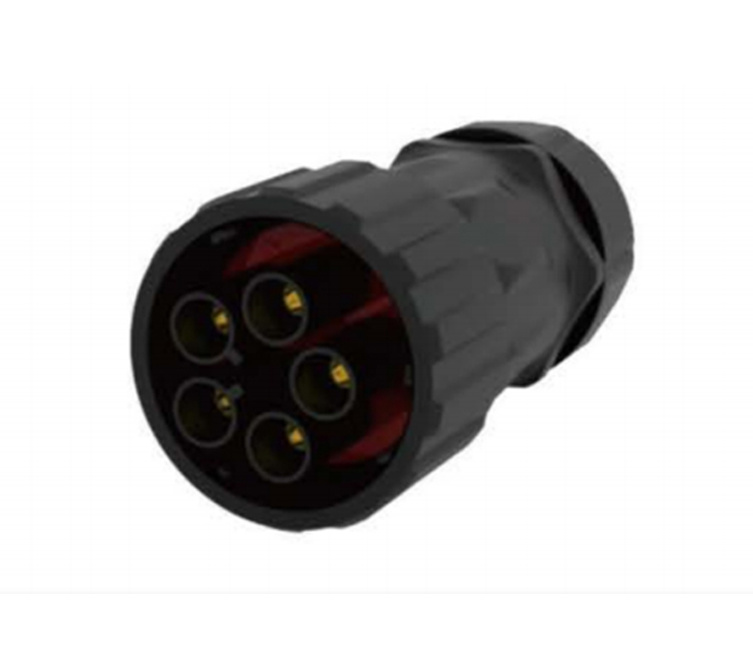
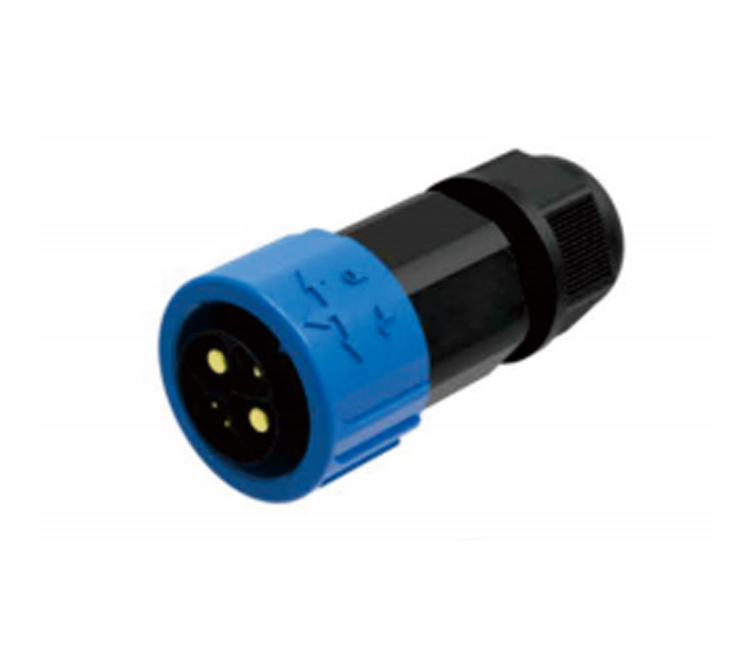
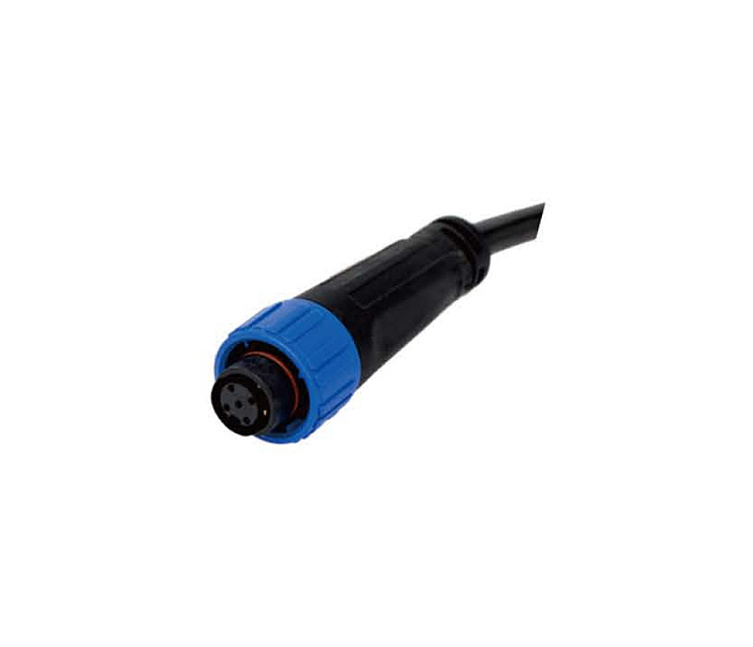
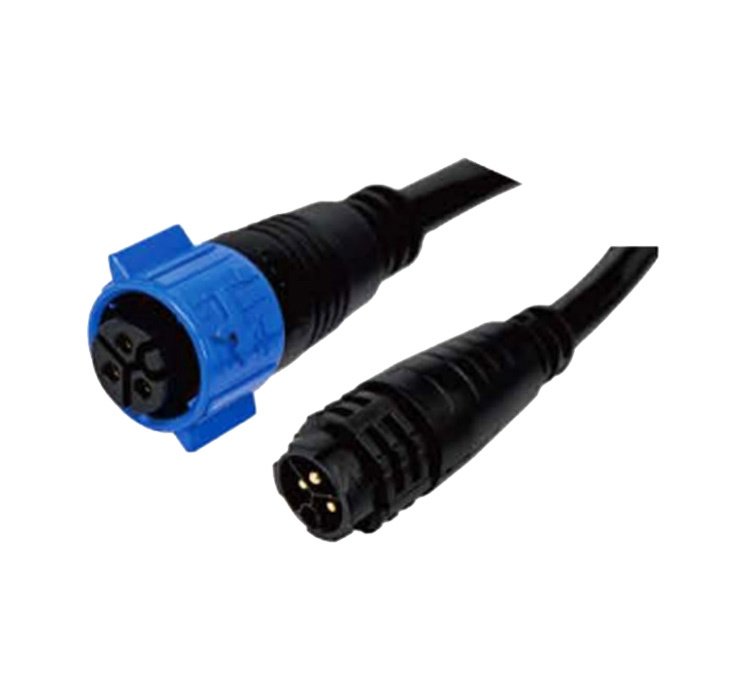
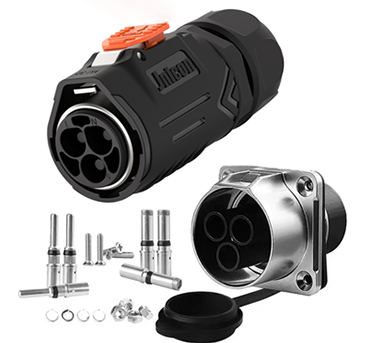
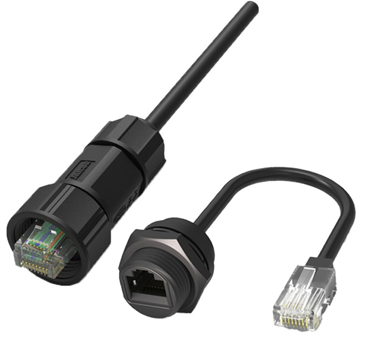
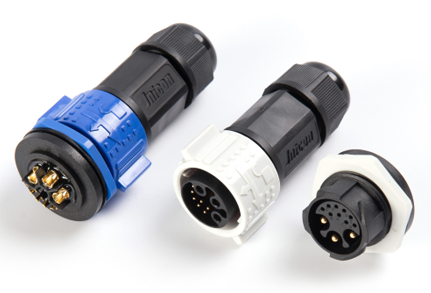
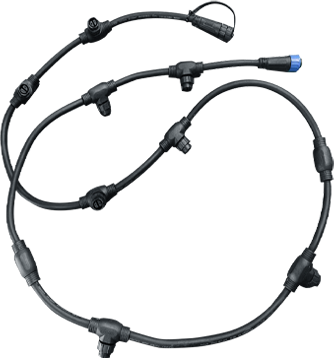
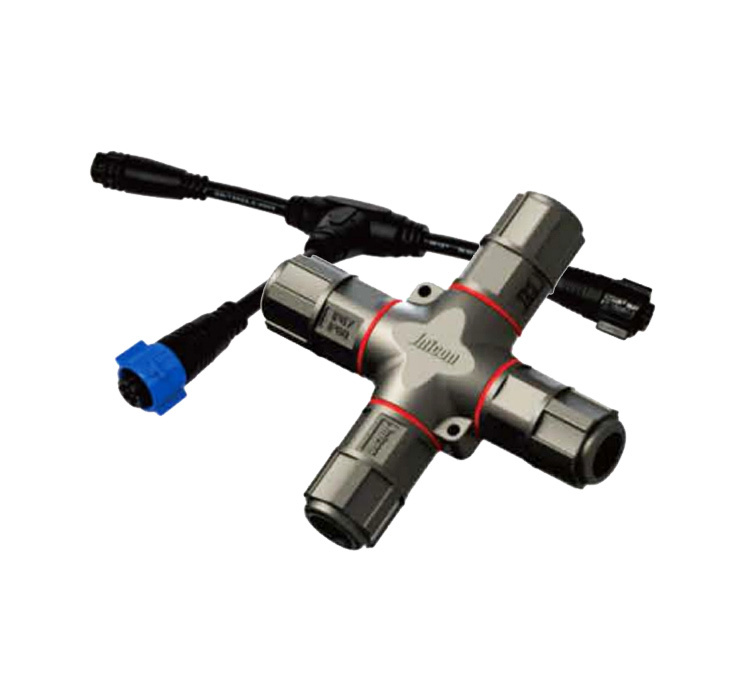
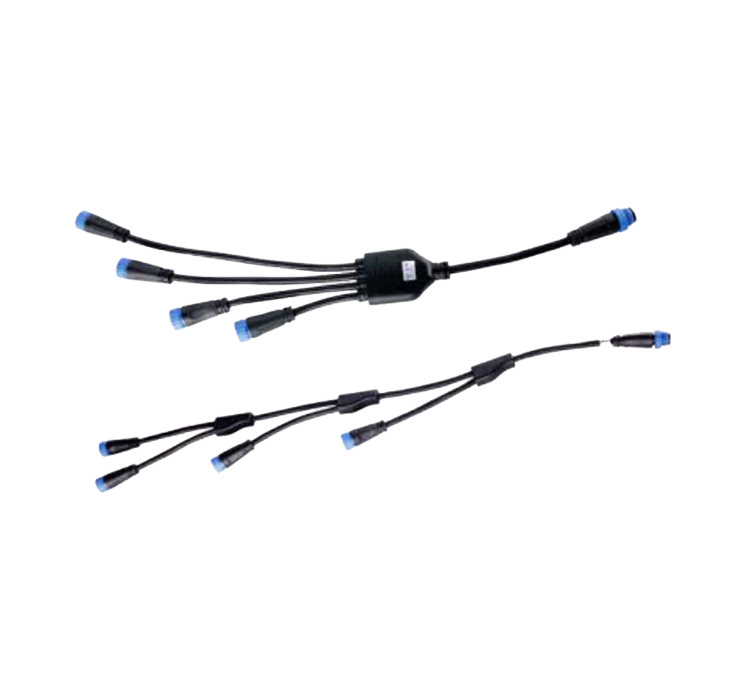
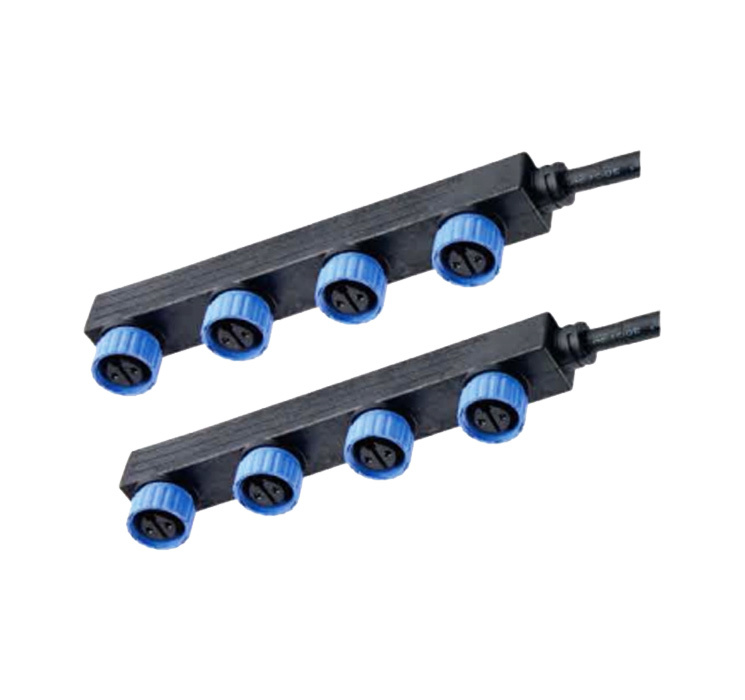
One of the most significant benefits of waterproof cables is their ability to prevent corrosion and damage caused by water ingress. Corrosion can lead to electrical failures and short circuits, which can compromise the performance of electrical systems. Waterproof cables are typically constructed with materials that provide a tight seal against moisture, such as silicone, rubber, or thermoplastic elastomers. This ensures that the integrity of the cable remains intact even under challenging conditions.
These cables come in various configurations, including multi-core cables for complex systems or single-core cables for straightforward applications. The choice of insulation and sheathing materials plays a vital role in the effectiveness of waterproof cables. For instance, PVC, polyolefin, and polyurethane are commonly used materials, each offering different levels of flexibility, temperature resistance, and mechanical strength.
Moreover, waterproof cables are often rated according to their IP (Ingress Protection) classification, which indicates the level of protection against solids and liquids. Understanding these ratings is crucial for selecting the appropriate cable for specific applications. For example, an IP67 rating would indicate that the cable can withstand temporary immersion in water, while an IP68 rating would signify protection against continuous submersion.
Waterproof cables find applications in various industries, including marine, automotive, telecommunications, and renewable energy sectors. In marine applications, for instance, the cables are used in navigation systems, lighting, and onboard electronics, where exposure to seawater is common. In renewable energy, these cables are utilized in solar panel installations and wind turbines, where durability against the elements is essential for optimal performance.
In conclusion, incorporating waterproof cables into your electrical systems not only enhances durability but also ensures the reliability and longevity of your connections. With their robust construction and specialized materials, these cables are designed to perform in the most demanding environments. When choosing waterproof cables, consider their specific application requirements and the environmental conditions they will face to ensure maximum effectiveness and safety.
News
2026-10-15
Understanding Waterproof Wire Harness: Key Features and Benefits for Automotive Applications
In the automotive industry, the functionality and longevity of electrical components are crucial for vehicle performance. One of the key components that contribute to this is the waterproof wire harness. These harnesses are specifically designed to withstand harsh environmental conditions, ensuring that the electrical systems in vehicles remain operational regardless of the weather. A waterproof w
2026-10-12
5 Pin Waterproof Connectors: Enhancing Home Automation Systems
5 Pin Waterproof Connectors: Enhancing Home Automation Systems Table of Contents Introduction to 5 Pin Waterproof Connectors Importance of Waterproof Connectors in Home Automation Key Benefits of 5 Pin Waterproof Connectors Features of 5 Pin Waterproof Connectors Material Quality Design and Build Applications of 5 Pin Waterproof C
2026-10-10
Waterproof Wire Connector Plugs for Reliable Connections
Waterproof wire connector plugs ensure secure, moisture-resistant electrical connections for outdoor lighting, automotive systems, and industrial equipment.

B8-9, Fubilun industrial park, Chaoyang rd,Yanchuan community, Songgang, Shenzhen, China


