


Understanding Waterproof Cables: Essential Insights for Electrical Connections
Release Time:
2026-03-25
**What are Waterproof Cables?**
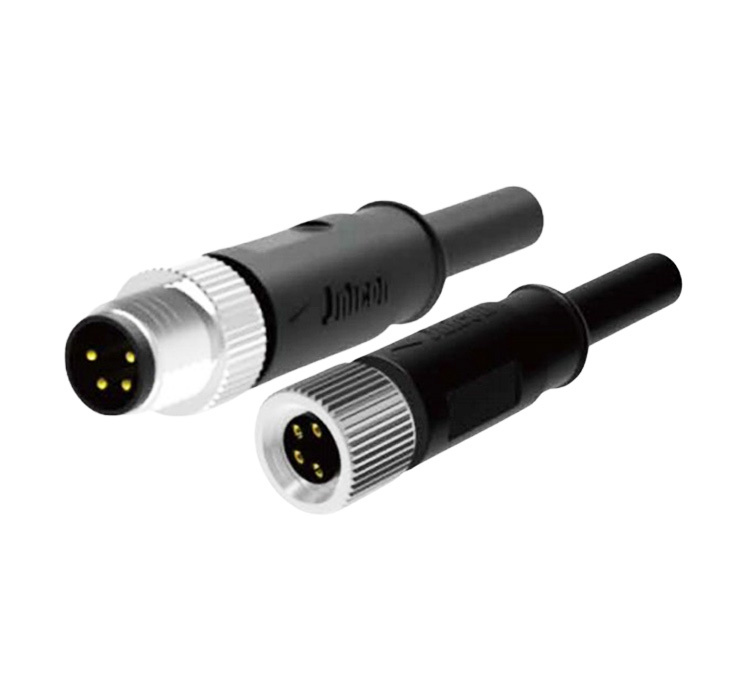
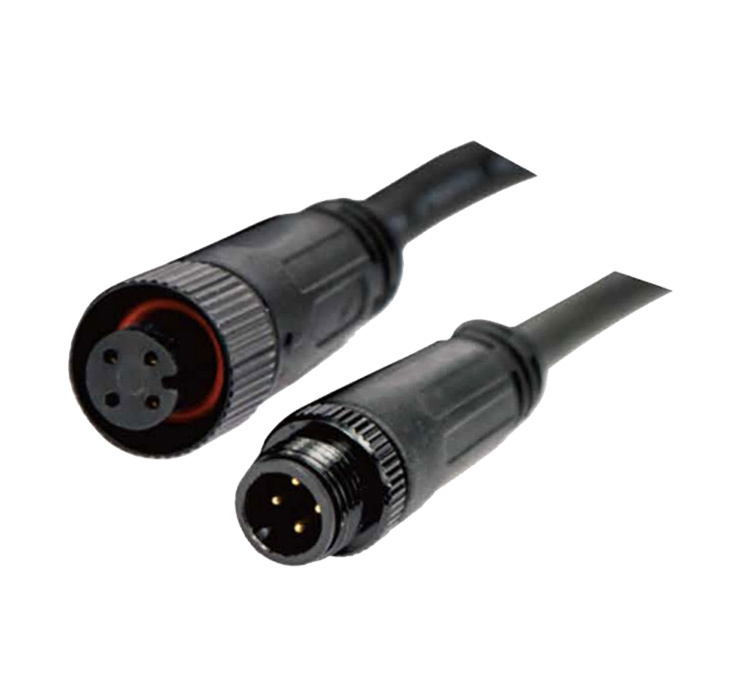
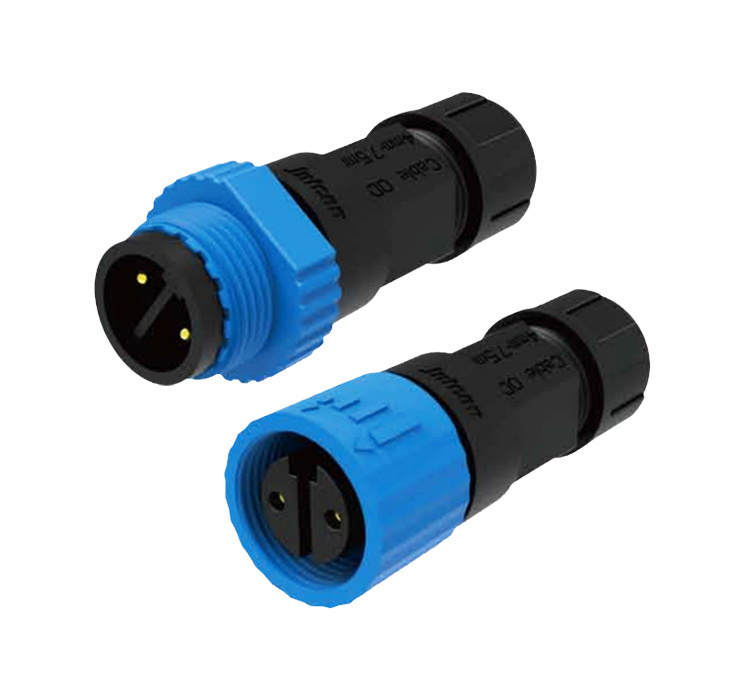
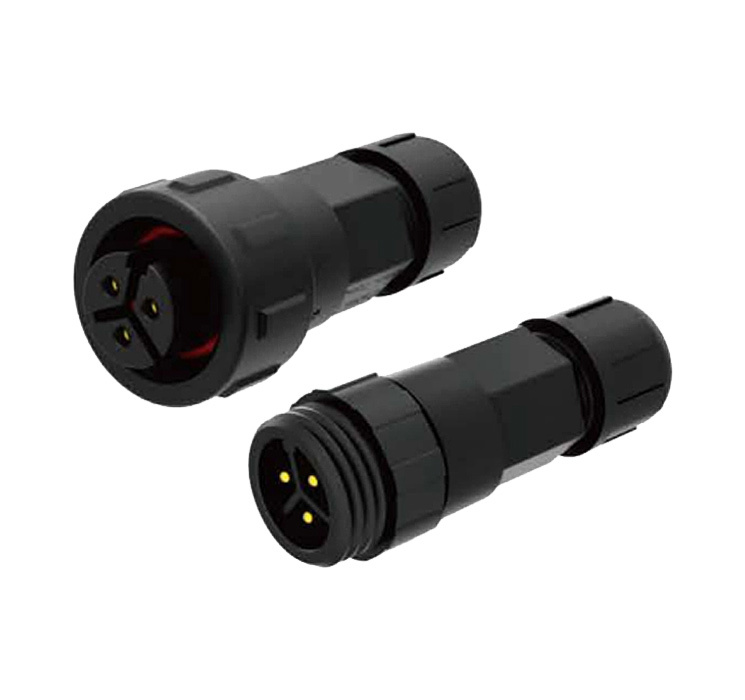
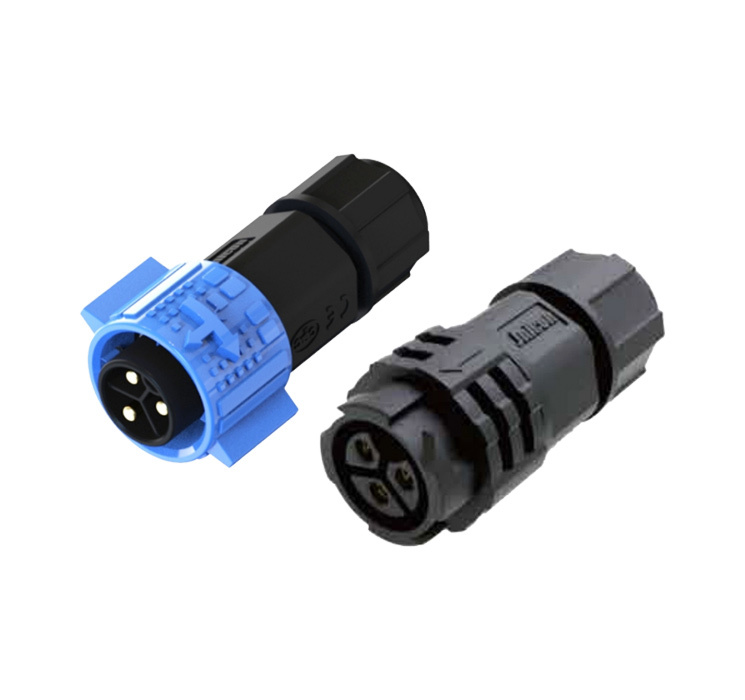
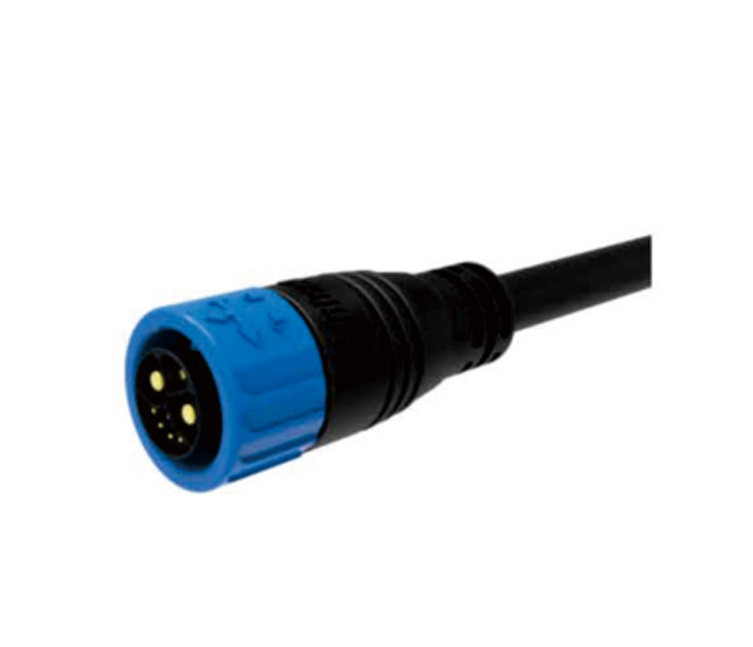
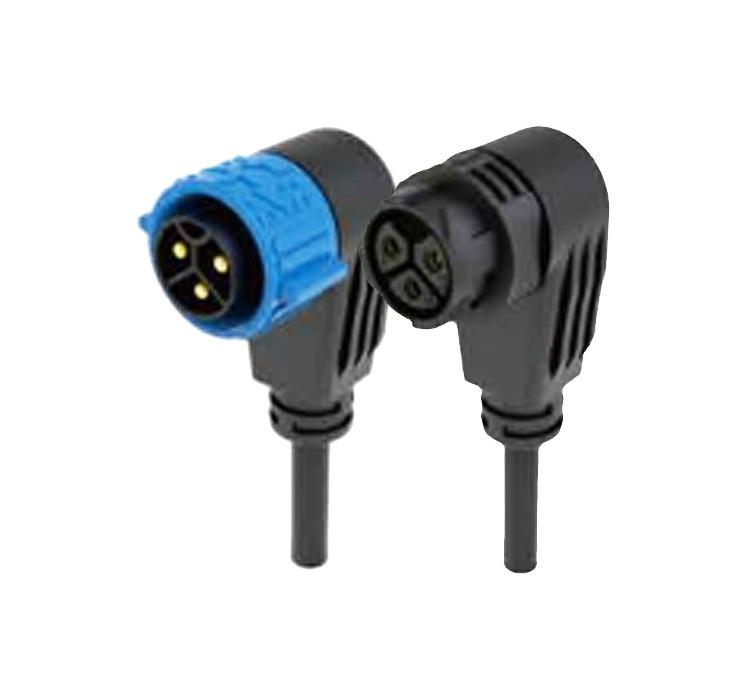
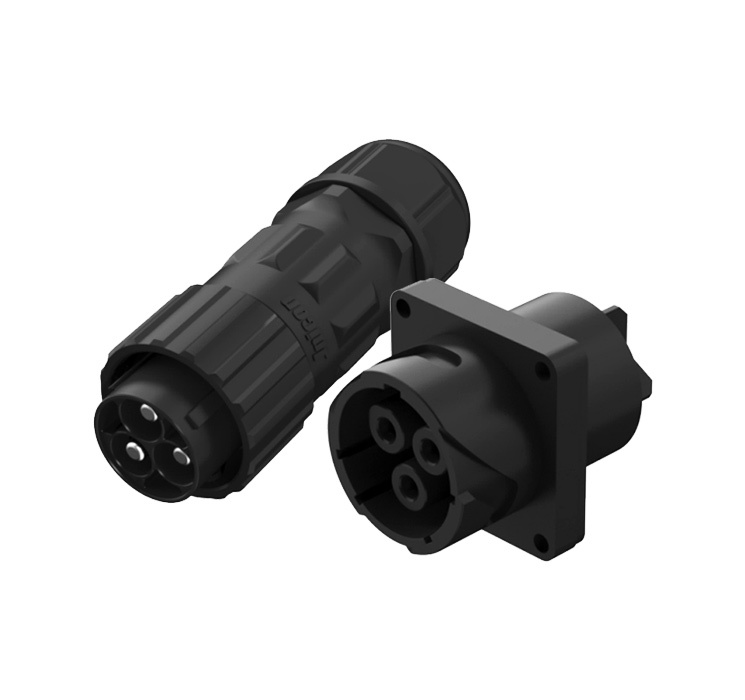
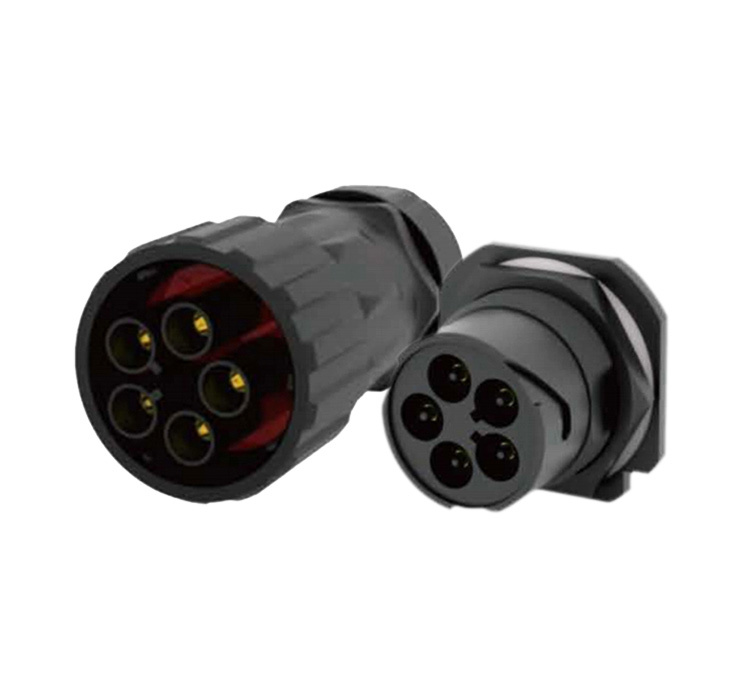
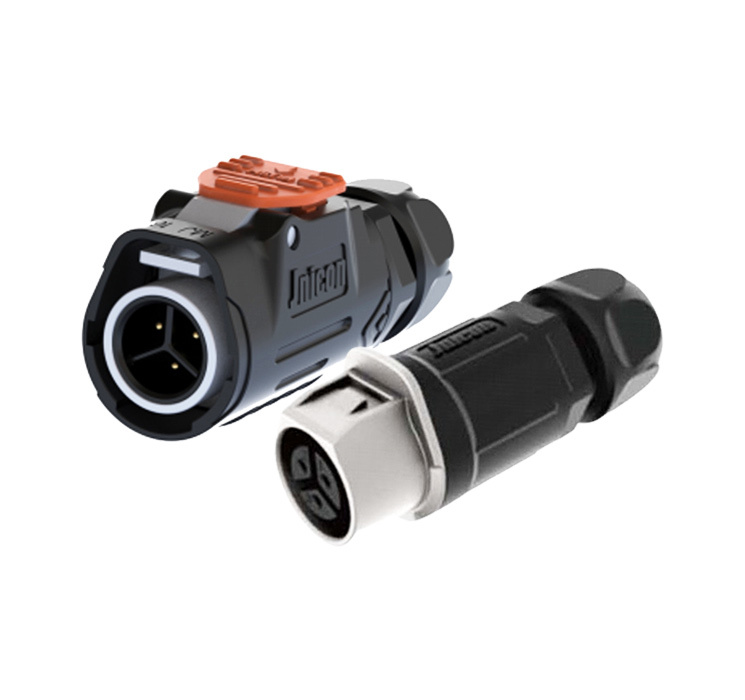
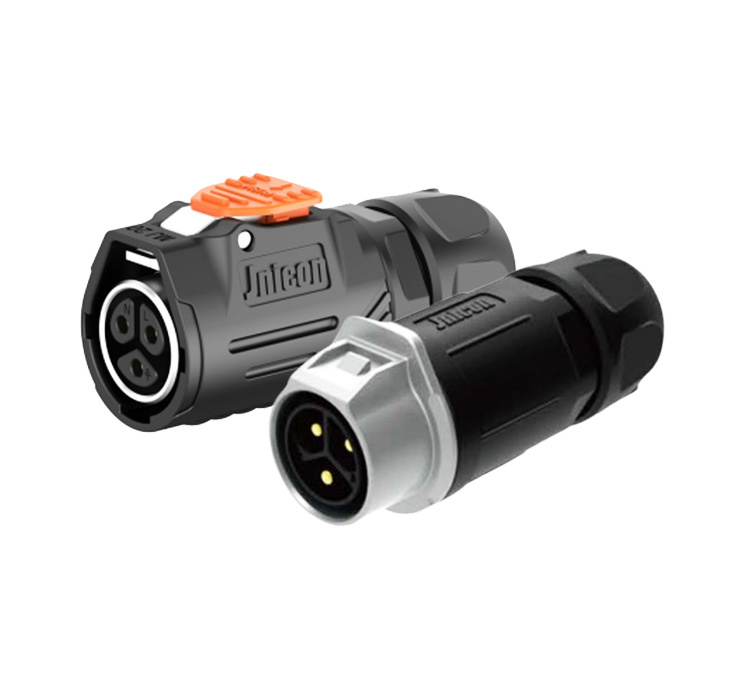
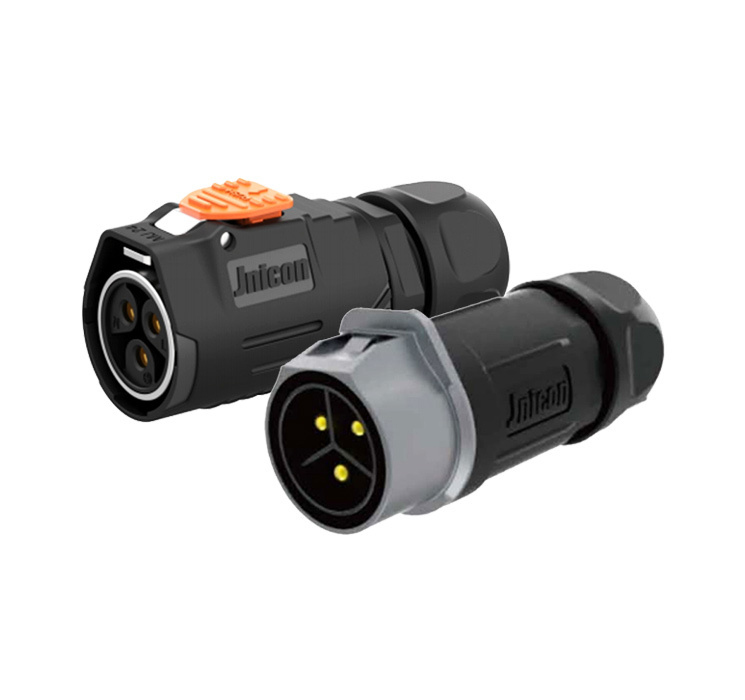
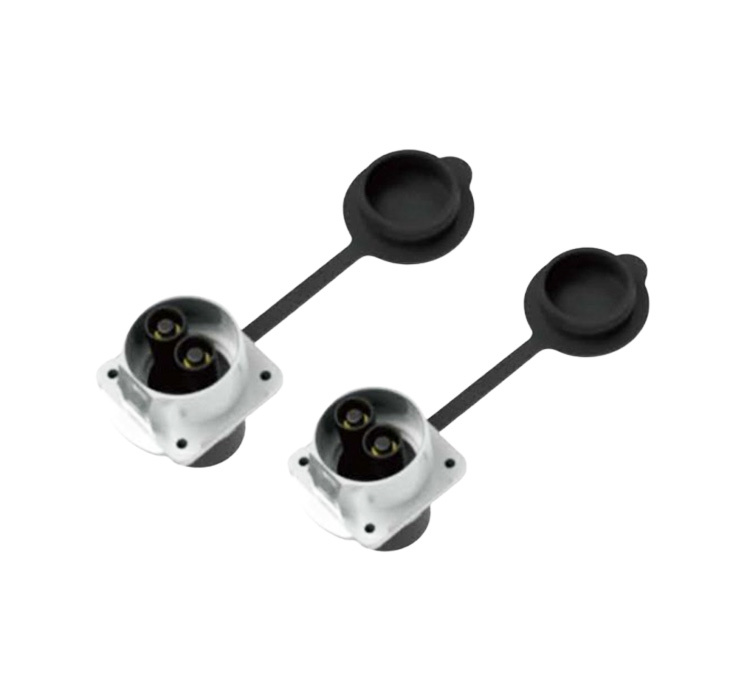
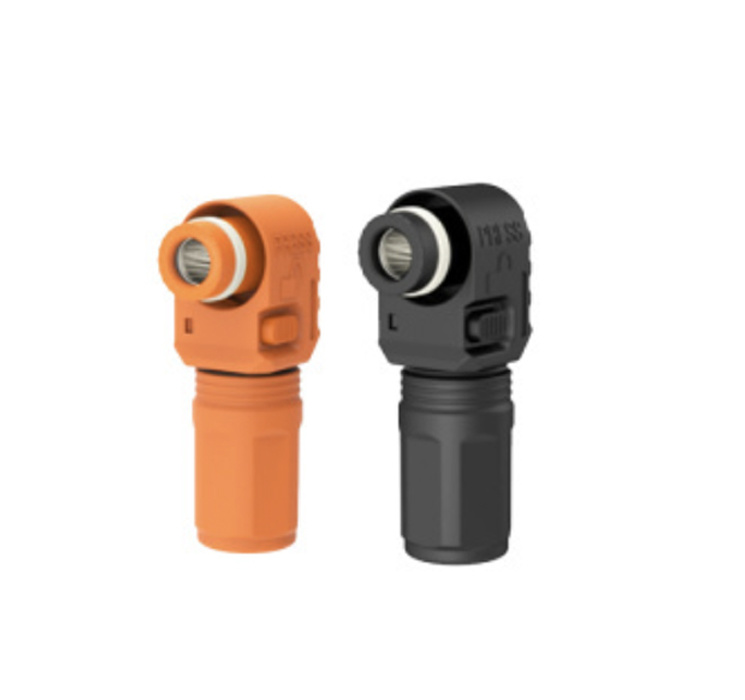
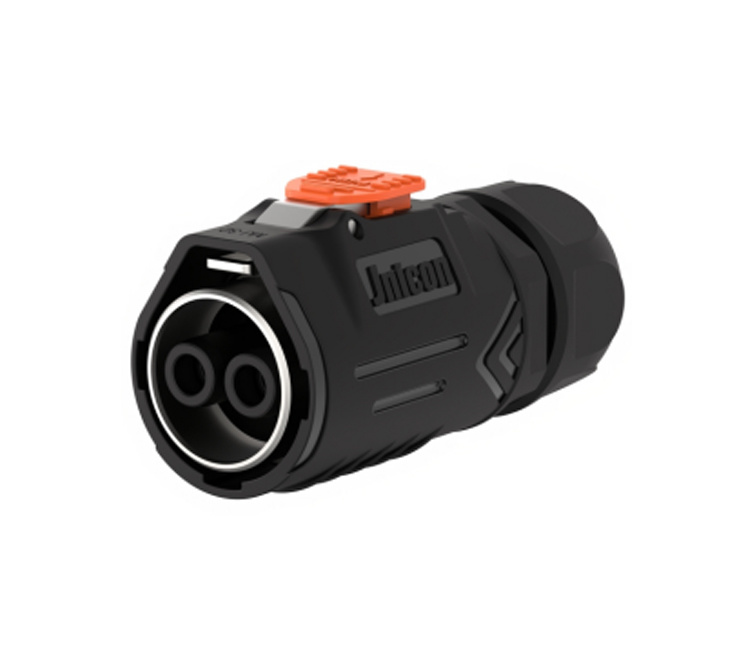
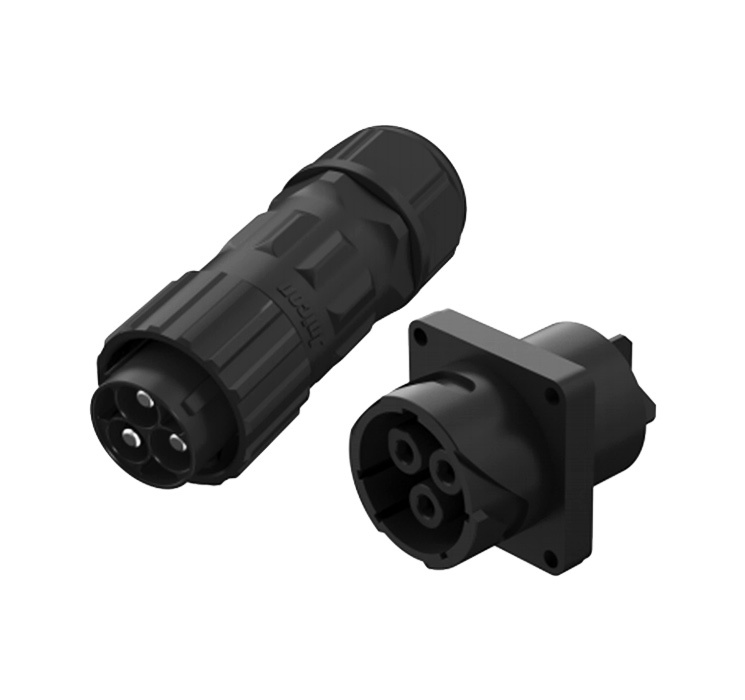
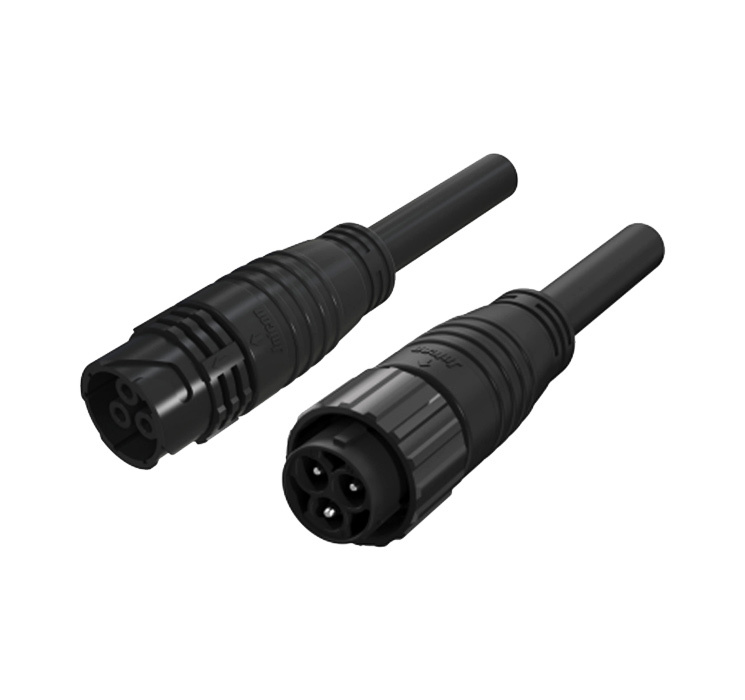
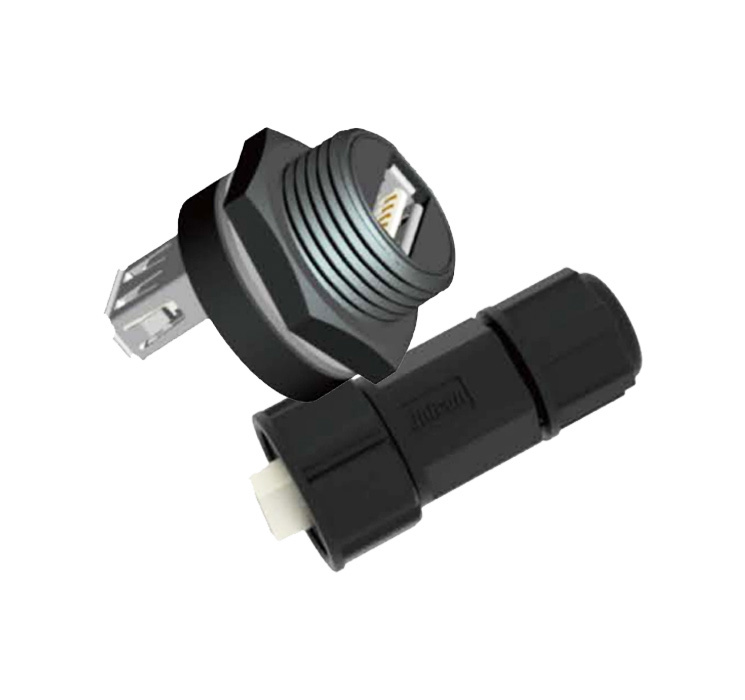
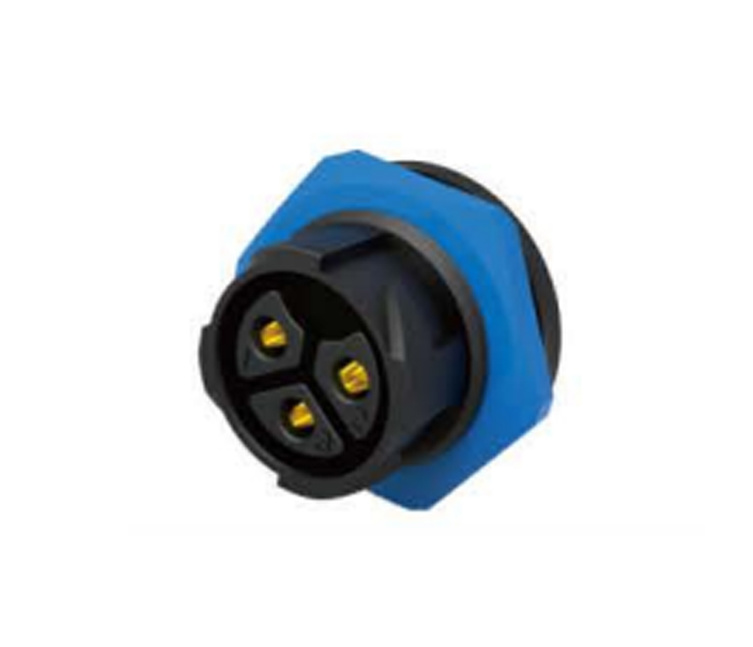
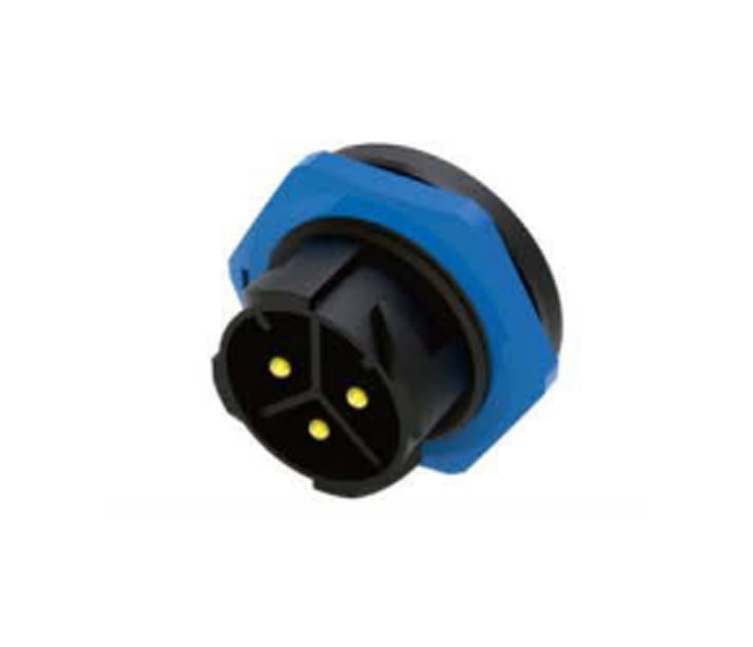
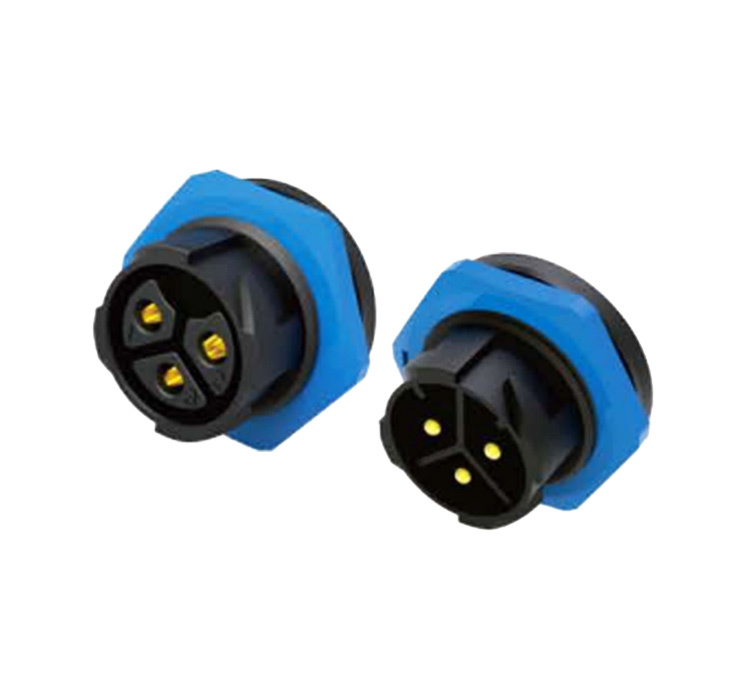
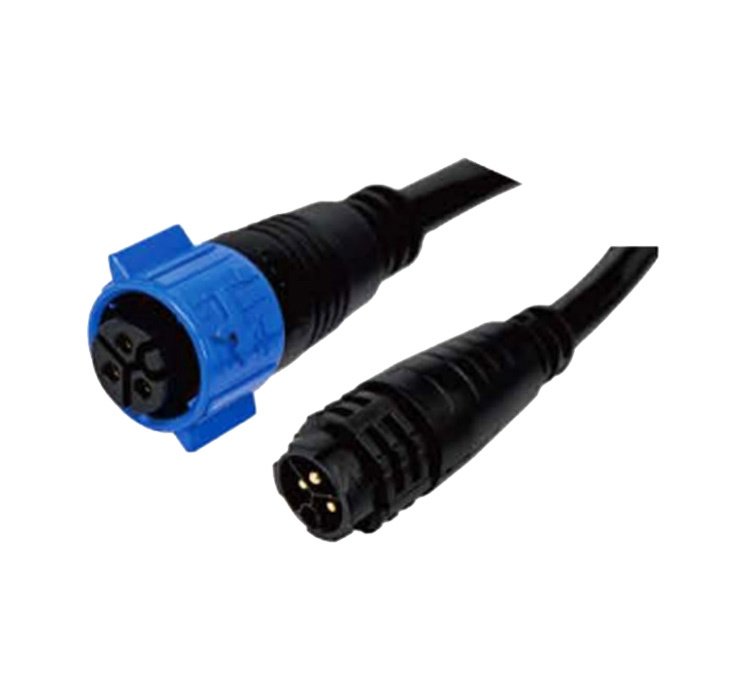
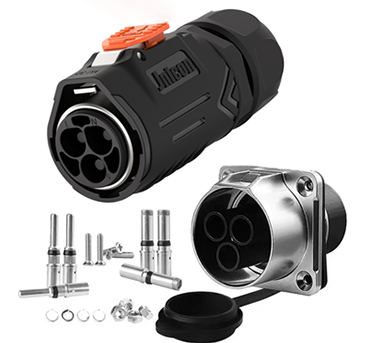
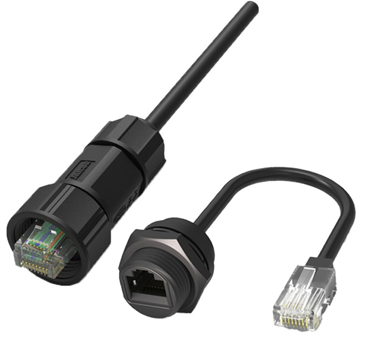
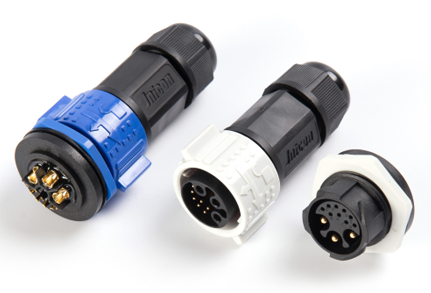
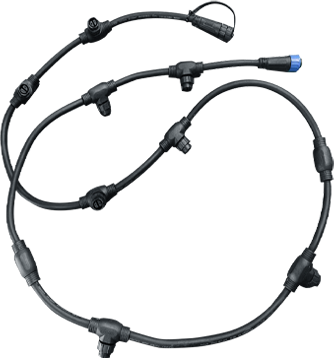
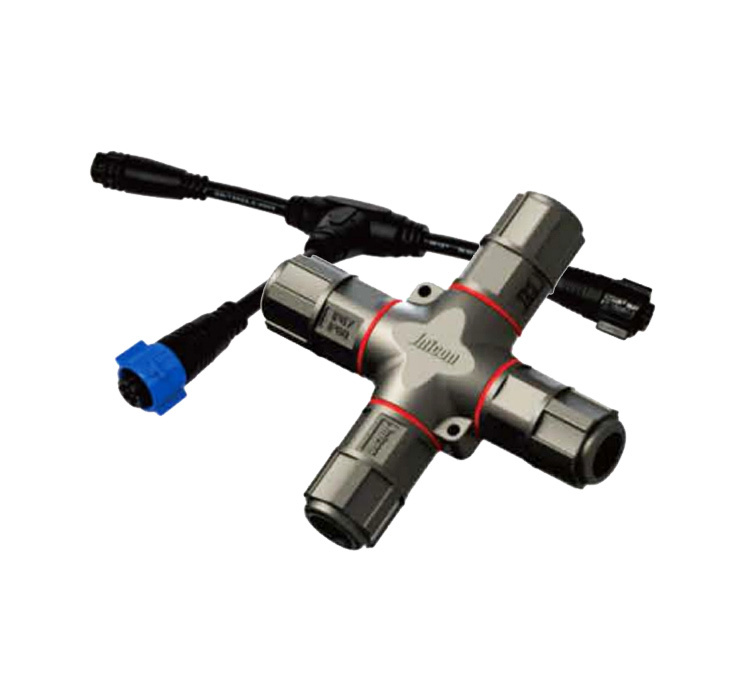
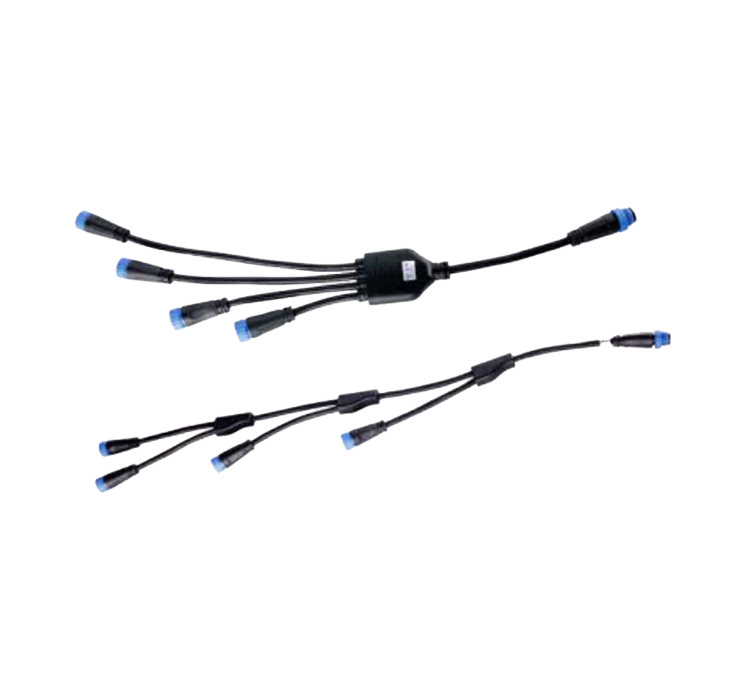
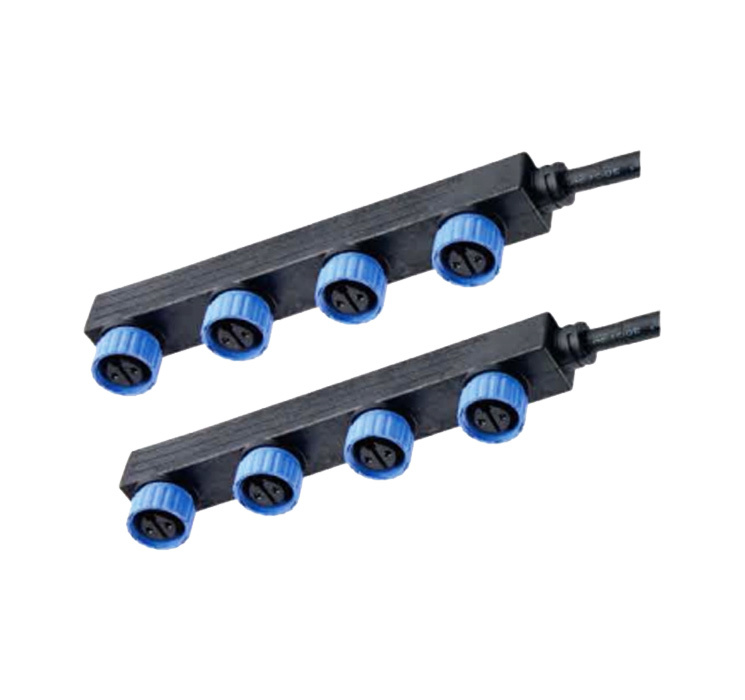
Waterproof cables are specially designed to resist water ingress and moisture. They are typically encased in materials that offer high levels of protection against water, oils, and chemicals. The construction of these cables often includes an inner layer of insulation, a water-resistant outer sheath, and waterproof connectors, which together provide a reliable barrier against the elements.
**Key Benefits of Using Waterproof Cables**
1. **Durability**: Waterproof cables are built to withstand extreme conditions. Their robust construction minimizes the risk of damage, ensuring longevity and dependability in outdoor or humid environments.
2. **Safety**: In scenarios where electrical connections can be exposed to water, using waterproof cables reduces the risk of short circuits and electrical failures. This is particularly critical in residential, commercial, and industrial applications.
3. **Versatility**: These cables are suitable for a wide range of applications, including outdoor lighting, marine equipment, construction sites, and industrial machinery. Their adaptability makes them a valuable resource for professionals across various sectors.
4. **Reduced Maintenance**: By preventing water damage and corrosion, waterproof cables decrease the need for frequent repairs and replacements, ultimately saving time and costs.
**Applications of Waterproof Cables**
Waterproof cables are used in numerous applications, including but not limited to:
- **Marine Applications**: Boats and ships require waterproof cables to ensure safe and reliable operation in wet conditions.
- **Outdoor Lighting**: Landscape lighting and security systems often utilize waterproof cables to withstand rain and humidity.
- **Industrial Equipment**: Manufacturing machinery and equipment that operate in humid or wet environments benefit from the reliability of waterproof cables.
- **Telecommunications**: These cables are essential in outdoor installations where exposure to weather conditions can affect performance.
**Choosing the Right Waterproof Cable**
When selecting waterproof cables, consider factors such as the environment in which they will be used, the voltage requirements, and the specific standards or certifications needed for your project. It is also crucial to ensure that the connectors used in conjunction with the cables are also waterproof, maintaining the integrity of the entire system.
In conclusion, waterproof cables play a vital role in ensuring reliable electrical connections in various challenging environments. Understanding their properties, benefits, and applications equips electrical professionals to make informed choices, ultimately leading to safer and more efficient installations.
News
2026-10-12
5 Pin Waterproof Connectors: Enhancing Home Automation Systems
5 Pin Waterproof Connectors: Enhancing Home Automation Systems Table of Contents Introduction to 5 Pin Waterproof Connectors Importance of Waterproof Connectors in Home Automation Key Benefits of 5 Pin Waterproof Connectors Features of 5 Pin Waterproof Connectors Material Quality Design and Build Applications of 5 Pin Waterproof C
2026-10-10
Waterproof Wire Connector Plugs for Reliable Connections
Waterproof wire connector plugs ensure secure, moisture-resistant electrical connections for outdoor lighting, automotive systems, and industrial equipment.
2026-10-10
Waterproof Electrical Wire Connectors for Reliable Connections
Waterproof electrical wire connectors protect wiring from moisture and dust, ensuring reliable connections in indoor and outdoor applications.

B8-9, Fubilun industrial park, Chaoyang rd,Yanchuan community, Songgang, Shenzhen, China


