


Essential Guide to Waterproof Cables: Ensuring Reliability in Harsh Environments
Release Time:
2026-04-06
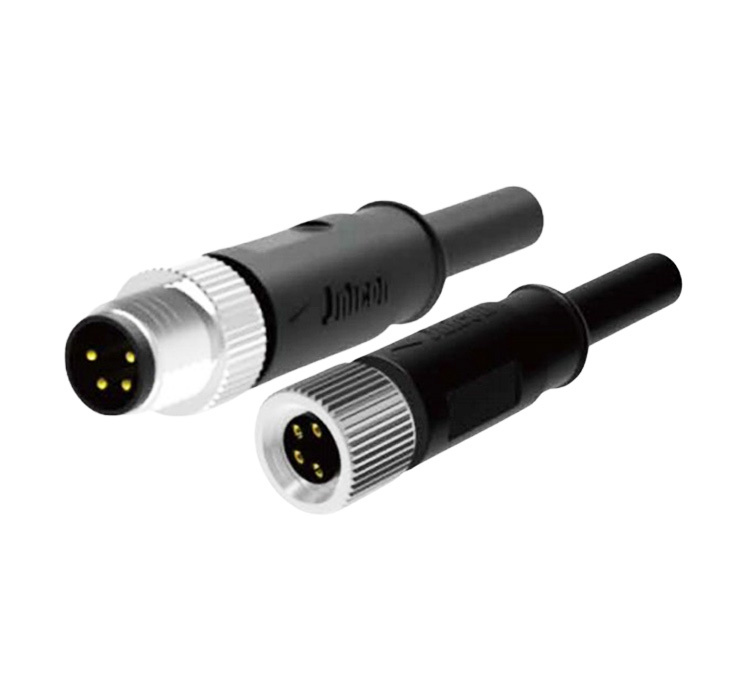
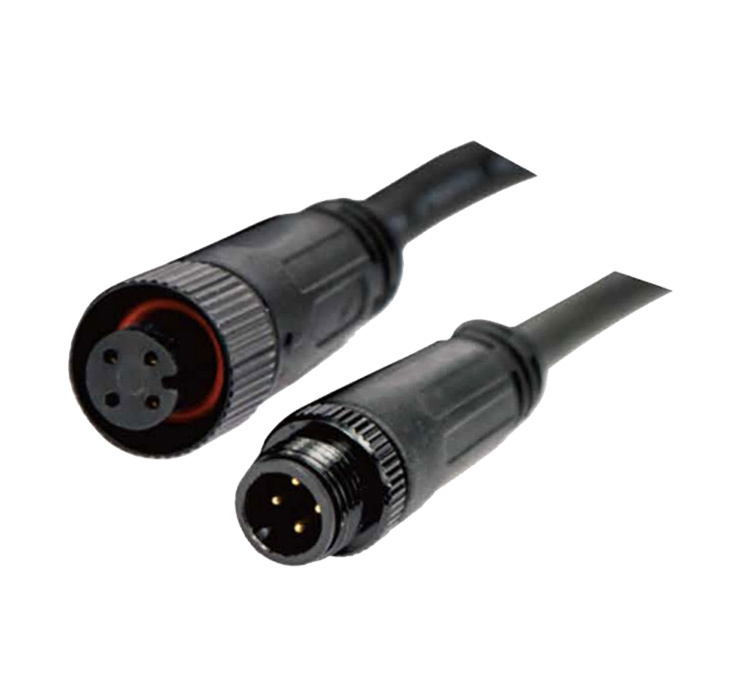
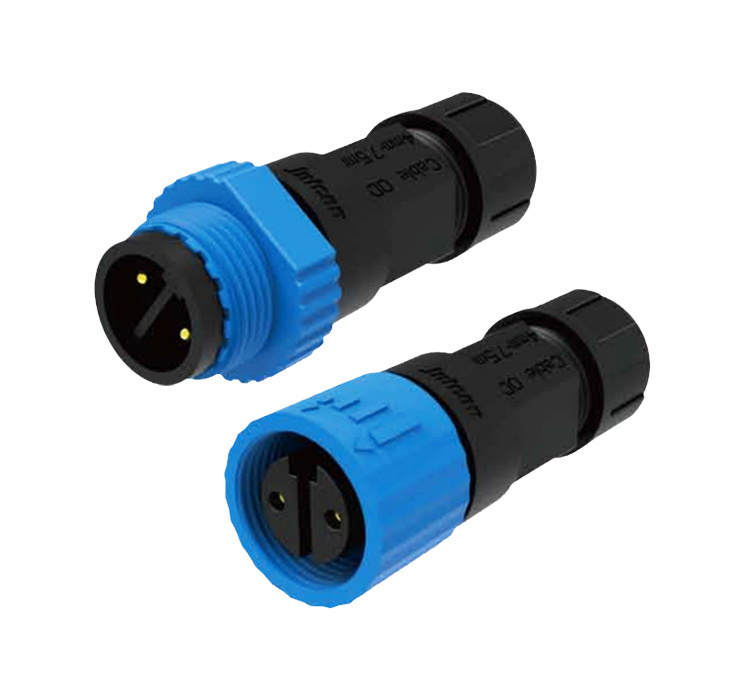
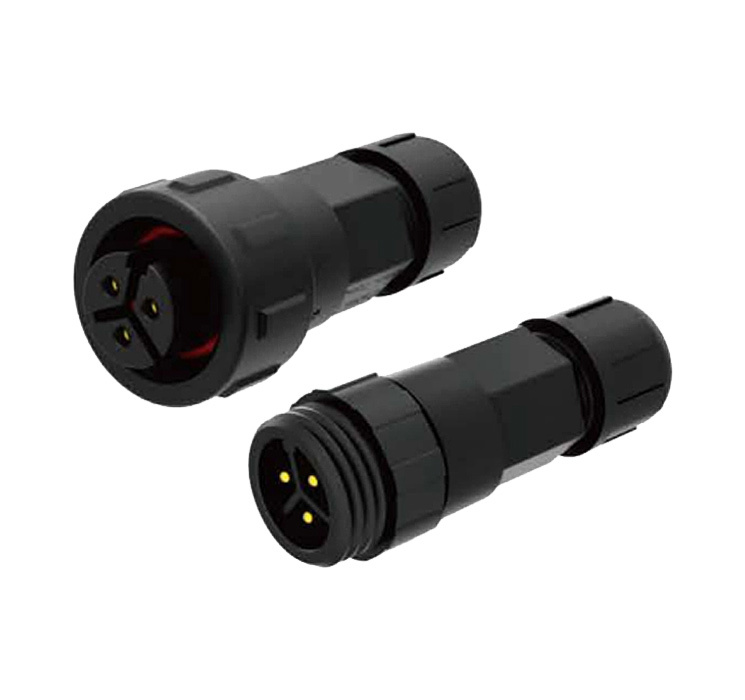
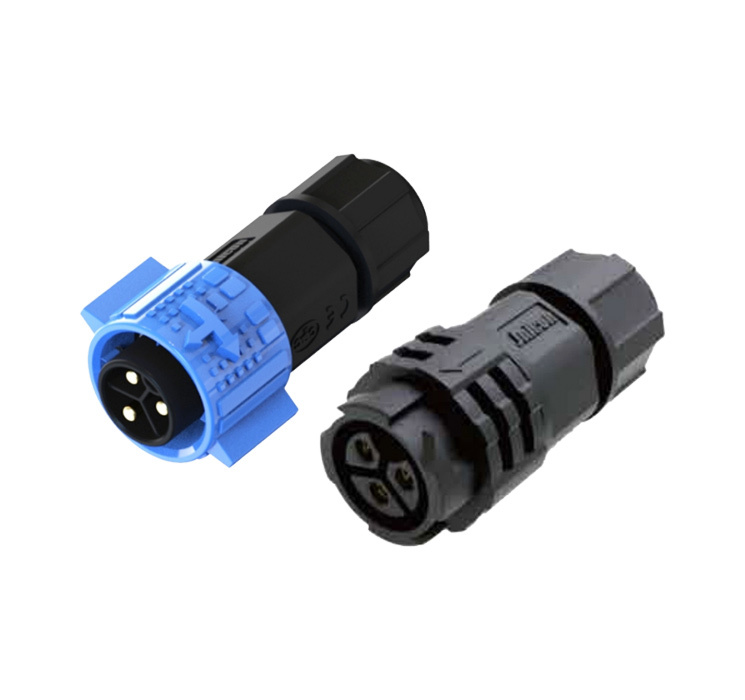
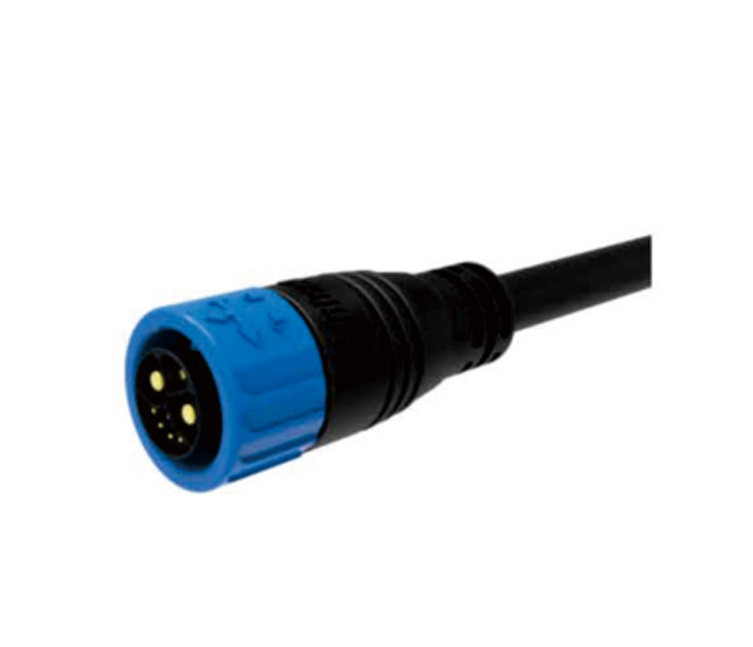
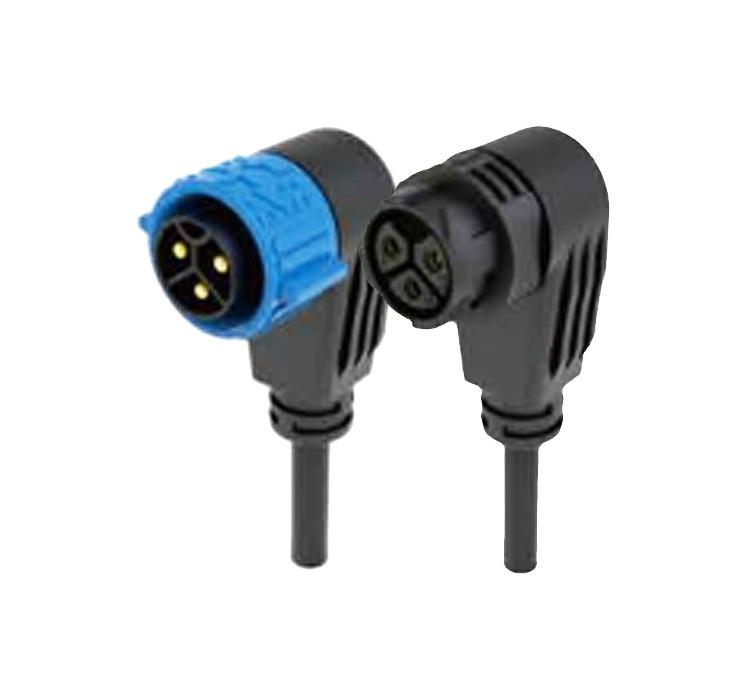
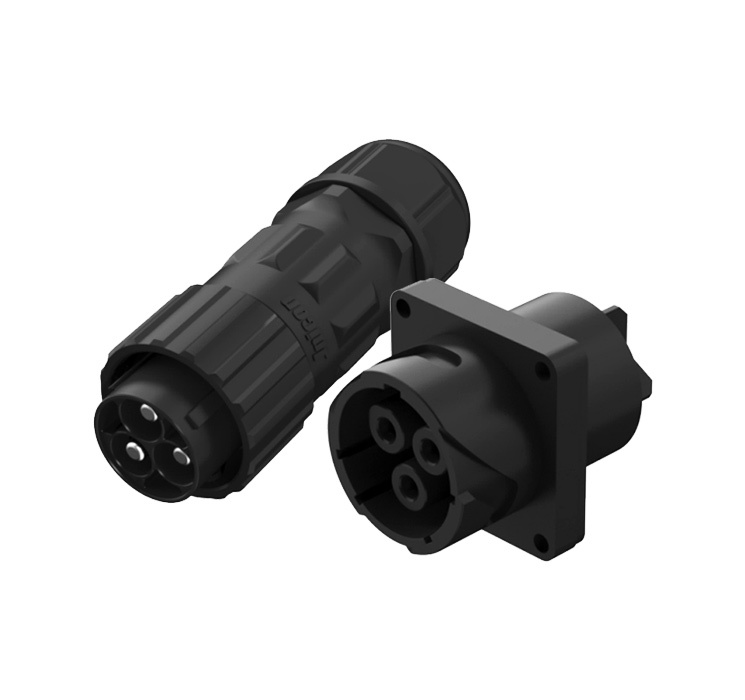
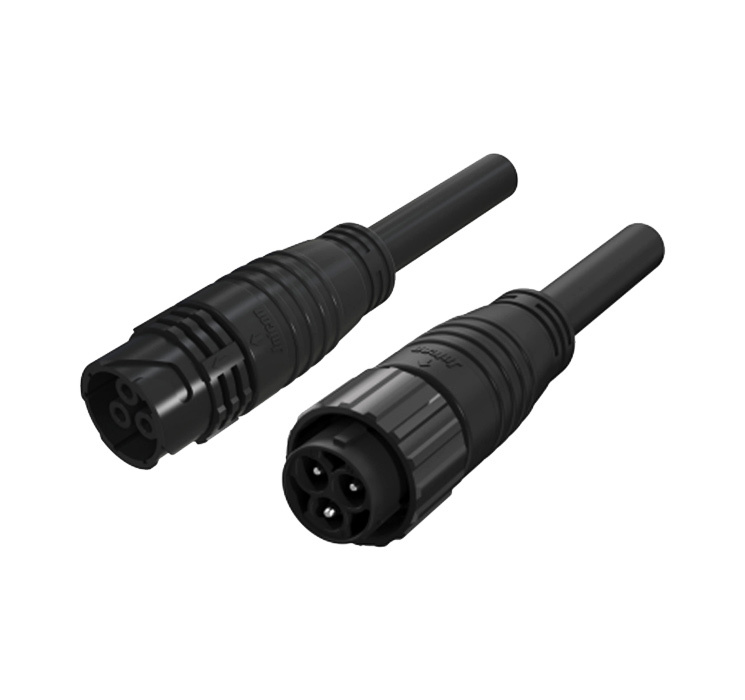
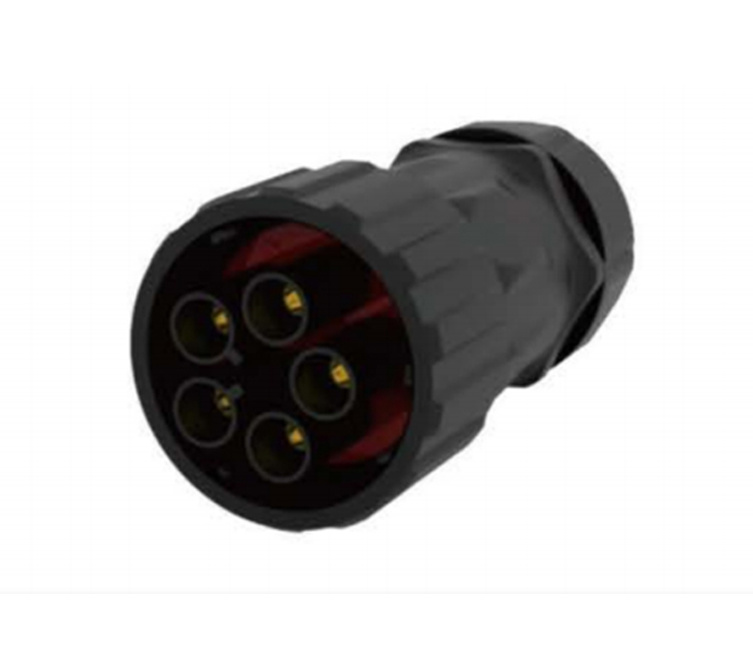
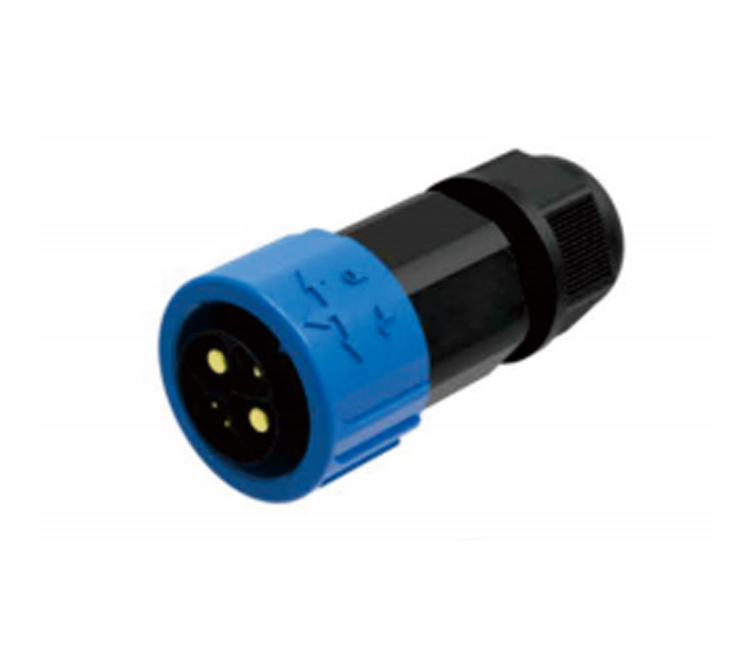
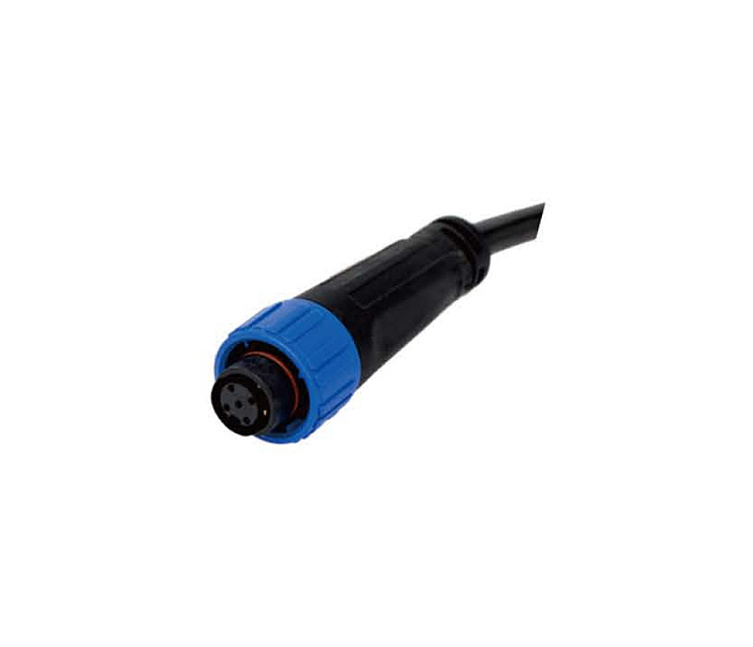
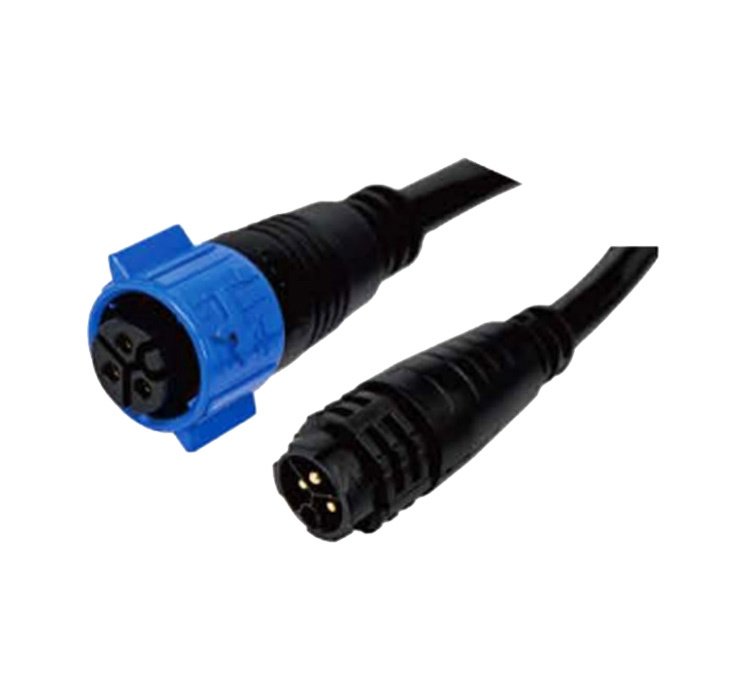
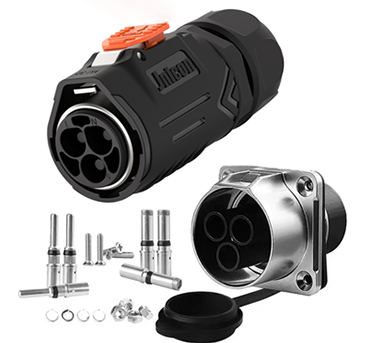
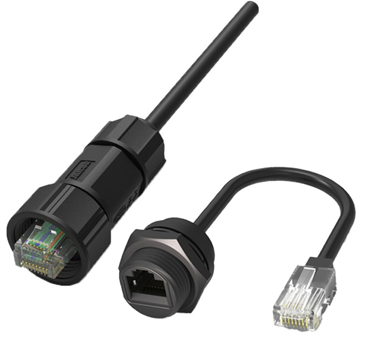
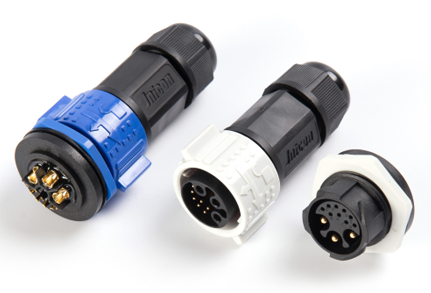
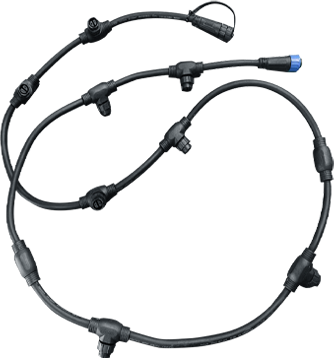
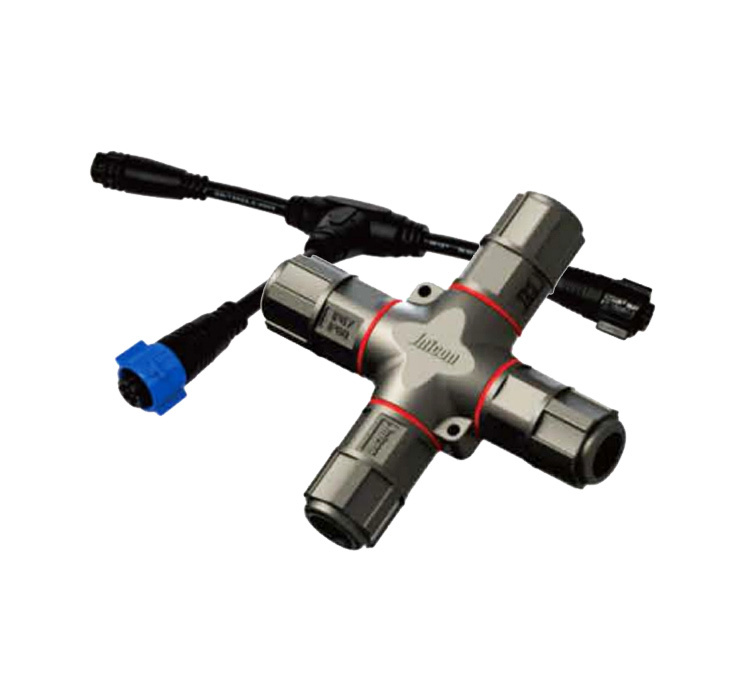
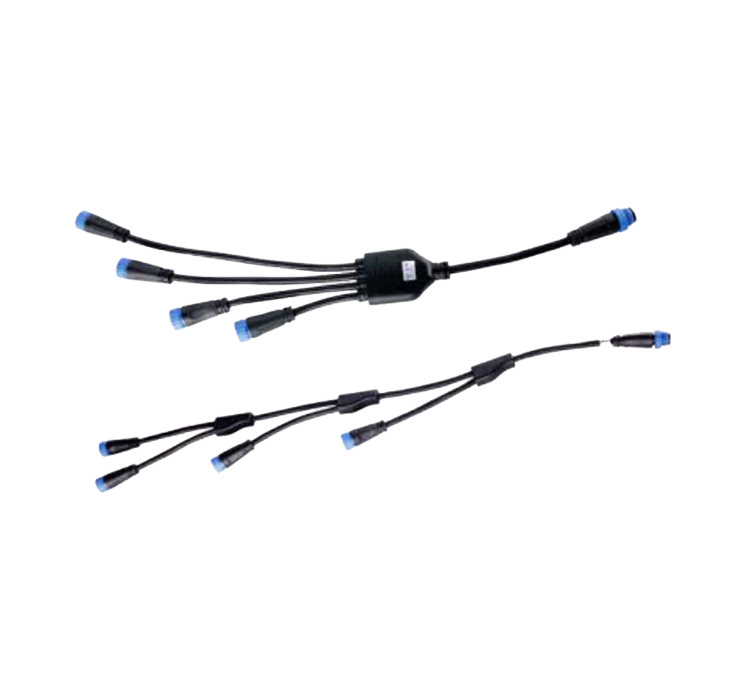
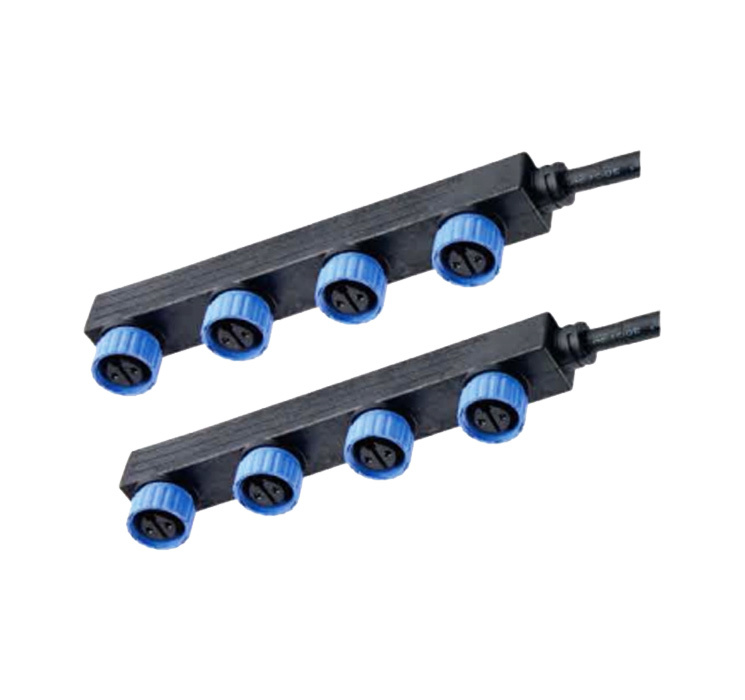
One of the primary attributes of waterproof cables is their construction. They typically utilize materials that not only provide flexibility and durability but also offer superior insulation and protection against water ingress. Common materials used include thermoplastic elastomers (TPE) and polyvinyl chloride (PVC), which are both designed to resist degradation from exposure to water and other harmful elements.
In addition to material selection, the waterproof rating of a cable is another critical factor. The Ingress Protection (IP) rating system is commonly used to assess a cable's resistance to water and dust. For example, an IP68 rating indicates that the cable can withstand continuous immersion in water beyond 1 meter. When choosing a waterproof cable, it’s important to consider the specific environment in which it will be used to ensure adequate protection.
The applications for waterproof cables are extensive and span various industries. For instance, in marine environments, where exposure to saltwater can significantly affect electrical components, waterproof cables ensure that connections remain intact and functional. Similarly, in outdoor installations, such as garden lighting or construction sites, these cables help prevent failures caused by adverse weather conditions.
Moreover, waterproof cables are not limited to outdoor applications; they are also used in industrial settings, where equipment may be subjected to washing down, spills, or high humidity. Their robust design helps maintain operational integrity and reduces maintenance costs over time.
When selecting a waterproof cable, consider the following tips:
1. **Assess the Environment**: Determine the specific conditions the cable will face, such as exposure to chemicals, temperature fluctuations, or physical wear.
2. **Check Specifications**: Look closely at the technical specifications, including voltage ratings and temperature tolerances, to ensure compatibility with your systems.
3. **Consult Experts**: If in doubt, consulting with a professional or manufacturer can provide valuable insights tailored to your specific application.
In conclusion, investing in quality waterproof cables can significantly enhance the reliability and longevity of your electrical systems. By understanding their construction, ratings, and applications, you can select the appropriate waterproof cable that fulfills your requirements, ultimately leading to improved performance and peace of mind in challenging environments.
News
2026-10-12
5 Pin Waterproof Connectors: Enhancing Home Automation Systems
5 Pin Waterproof Connectors: Enhancing Home Automation Systems Table of Contents Introduction to 5 Pin Waterproof Connectors Importance of Waterproof Connectors in Home Automation Key Benefits of 5 Pin Waterproof Connectors Features of 5 Pin Waterproof Connectors Material Quality Design and Build Applications of 5 Pin Waterproof C
2026-10-10
Waterproof Wire Connector Plugs for Reliable Connections
Waterproof wire connector plugs ensure secure, moisture-resistant electrical connections for outdoor lighting, automotive systems, and industrial equipment.
2026-10-10
Waterproof Electrical Wire Connectors for Reliable Connections
Waterproof electrical wire connectors protect wiring from moisture and dust, ensuring reliable connections in indoor and outdoor applications.

B8-9, Fubilun industrial park, Chaoyang rd,Yanchuan community, Songgang, Shenzhen, China


