


How Waterproof Connectors Prevent Electrical Failures in Marine Vessels
Release Time:
2026-04-07
How Waterproof Connectors Prevent Electrical Failures in Marine Vessels
Table of Contents
- Understanding Waterproof Connectors
- Importance of Electrical Safety in Marine Applications
- Types of Waterproof Connectors
- Benefits of Using Waterproof Connectors
- How to Install Waterproof Connectors
- Maintenance and Inspection
- Real-World Applications of Waterproof Connectors
- Future Trends in Waterproof Connector Technology
- FAQs
Understanding Waterproof Connectors
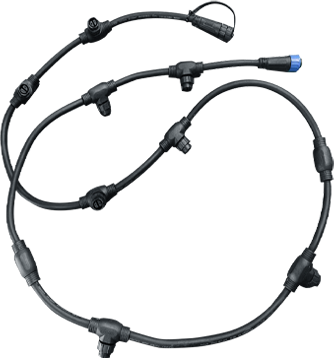
Waterproof connectors are specialized electrical components designed to prevent moisture ingress. In marine environments, where exposure to water is prevalent, these connectors are essential for maintaining the integrity of electrical systems. They protect against corrosion, short circuits, and failures that could jeopardize the safety and functionality of marine vessels.
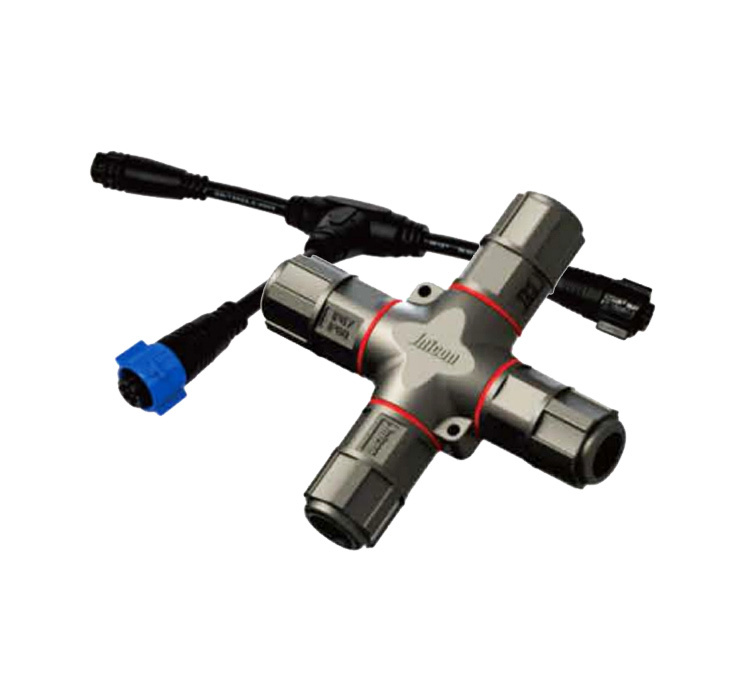
Waterproof connectors are engineered using materials that resist corrosion and have sealing mechanisms to prevent water intrusion. These mechanisms include O-rings, gaskets, and potting compounds, which offer varying degrees of protection depending on the application.
Importance of Electrical Safety in Marine Applications
Electrical safety in marine vessels is paramount. The combination of water, salt, and humidity creates an environment where electrical failures can occur rapidly, leading to significant safety hazards. Short circuits can not only disable critical systems but can also lead to fires or explosions.
The marine industry relies heavily on advanced electrical systems for navigation, communication, and propulsion. Thus, ensuring these systems are reliable is crucial for the safety of crew and passengers alike. Waterproof connectors provide the necessary protection to mitigate risks associated with electrical failures in marine environments.
Types of Waterproof Connectors
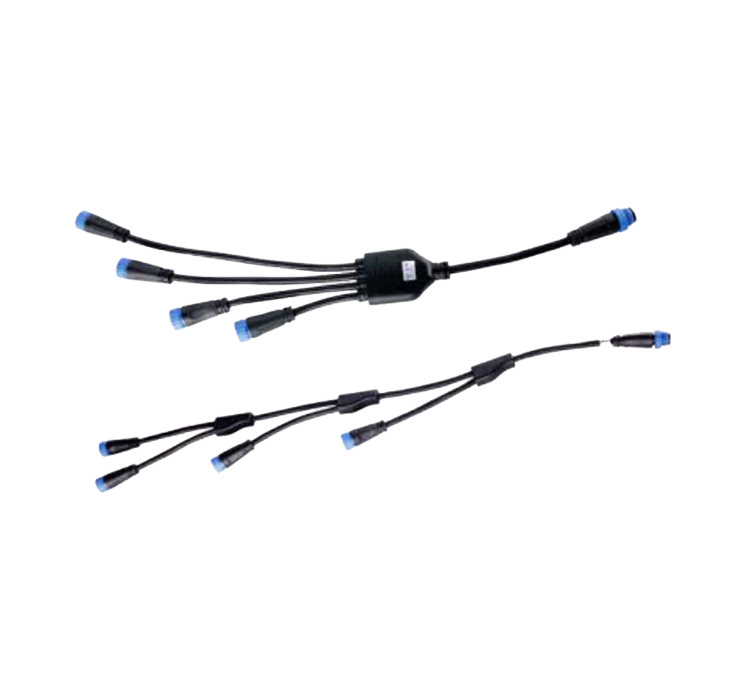
Different types of waterproof connectors serve various applications in marine vessels. Understanding their characteristics helps in selecting the right connectors for specific needs.
Circular Connectors
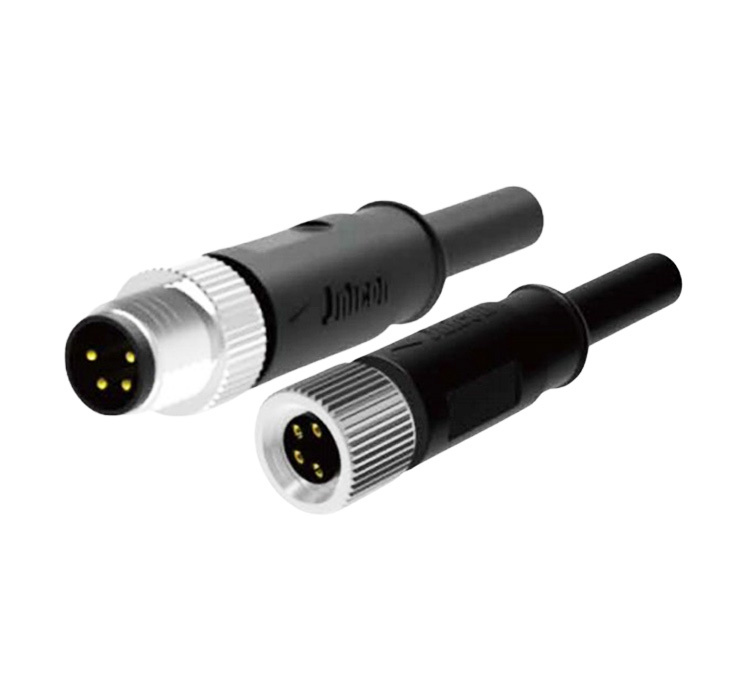
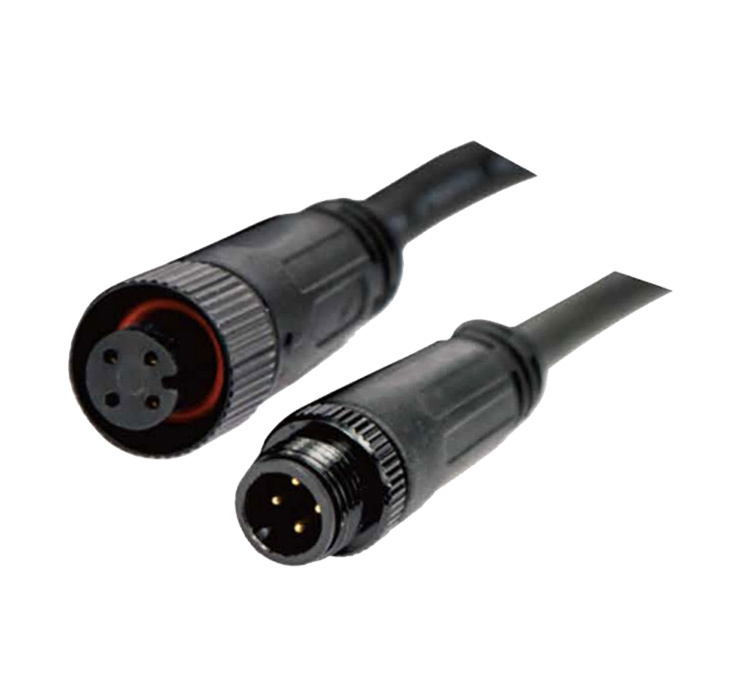
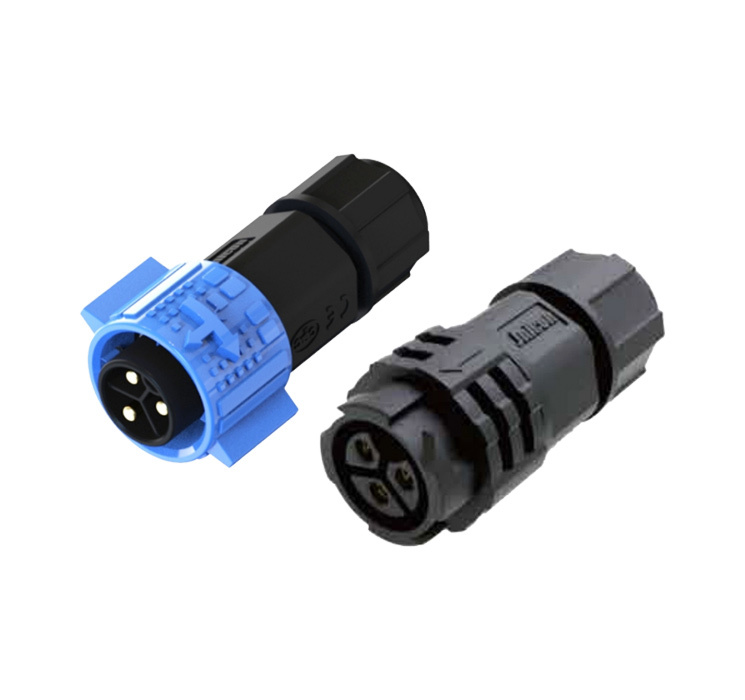
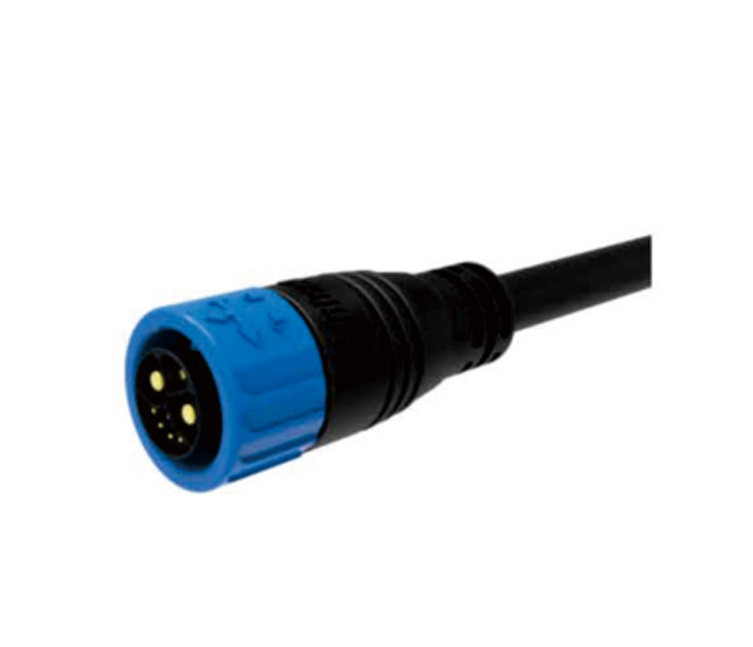
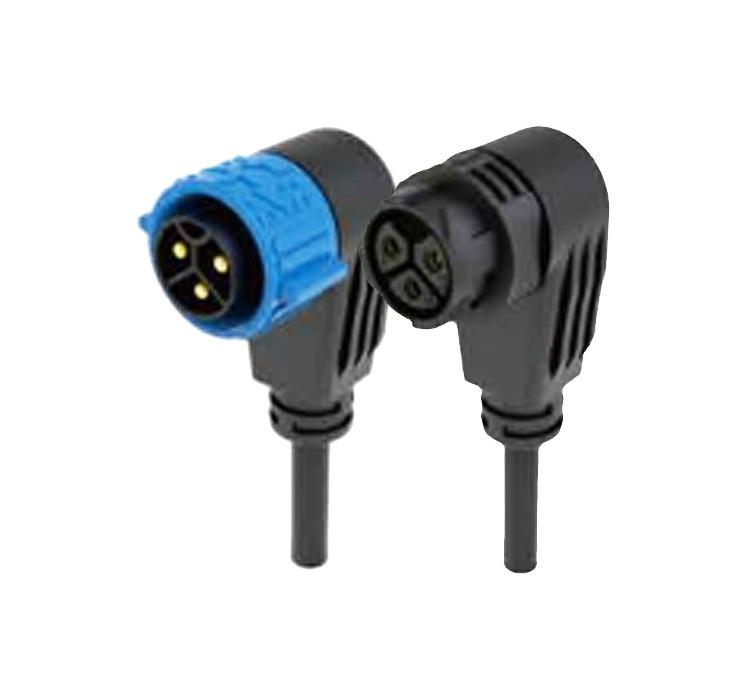
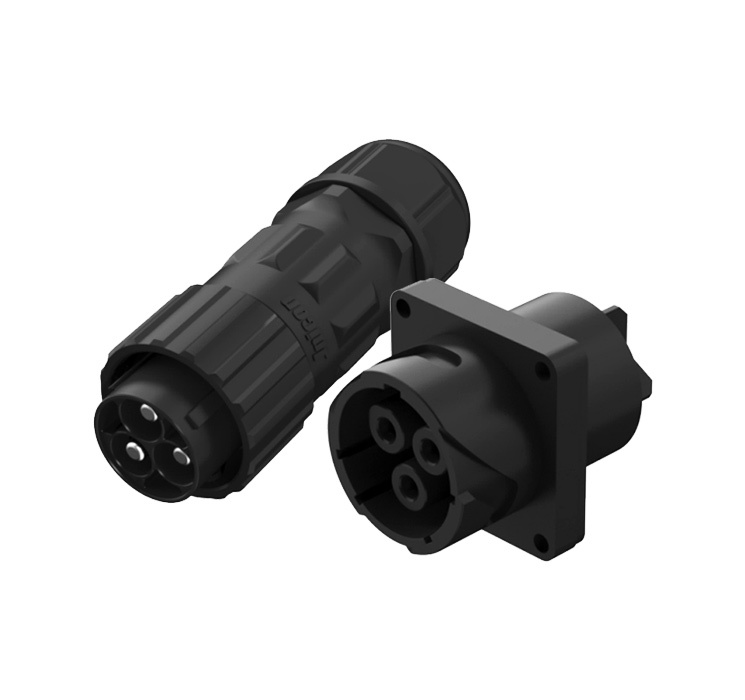
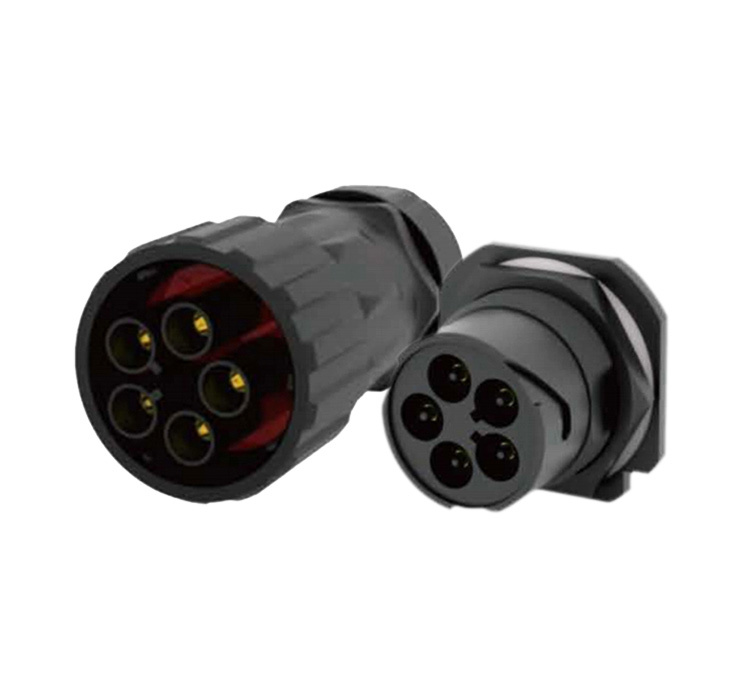
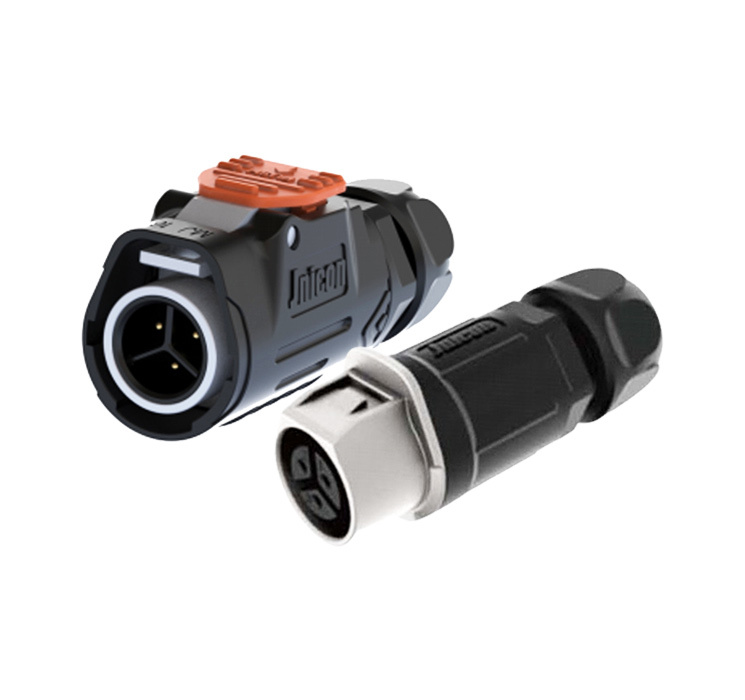
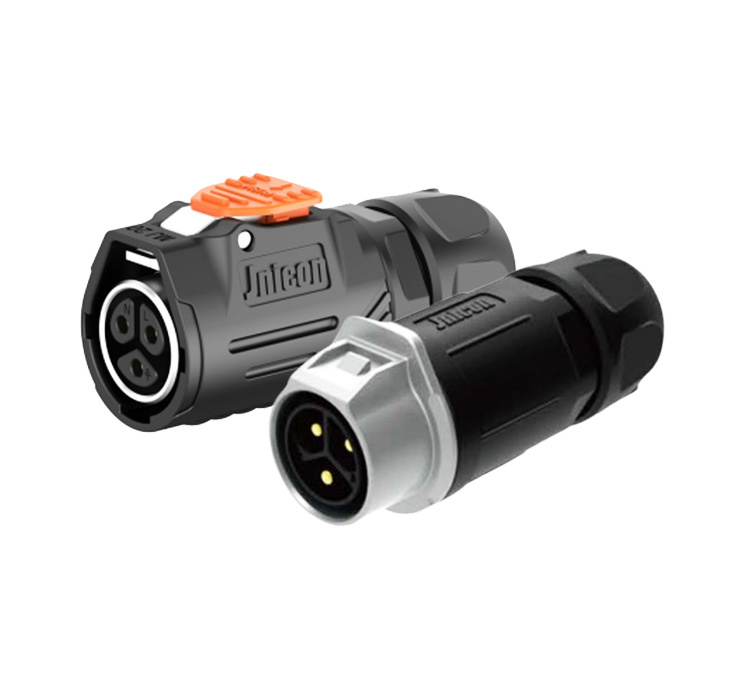
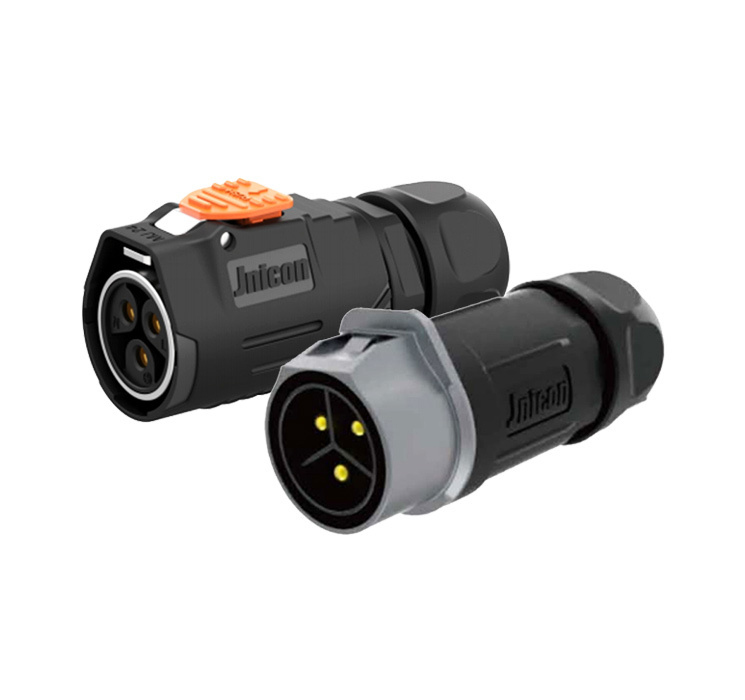
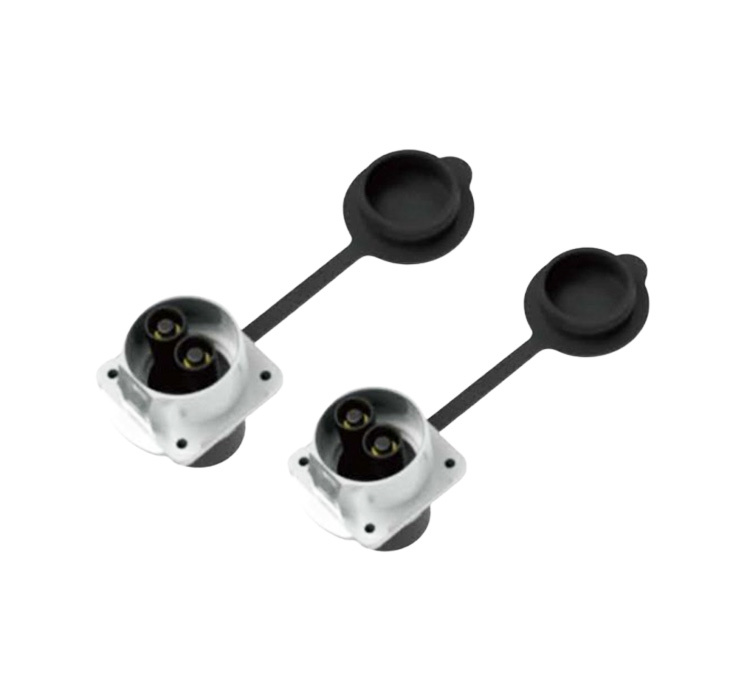
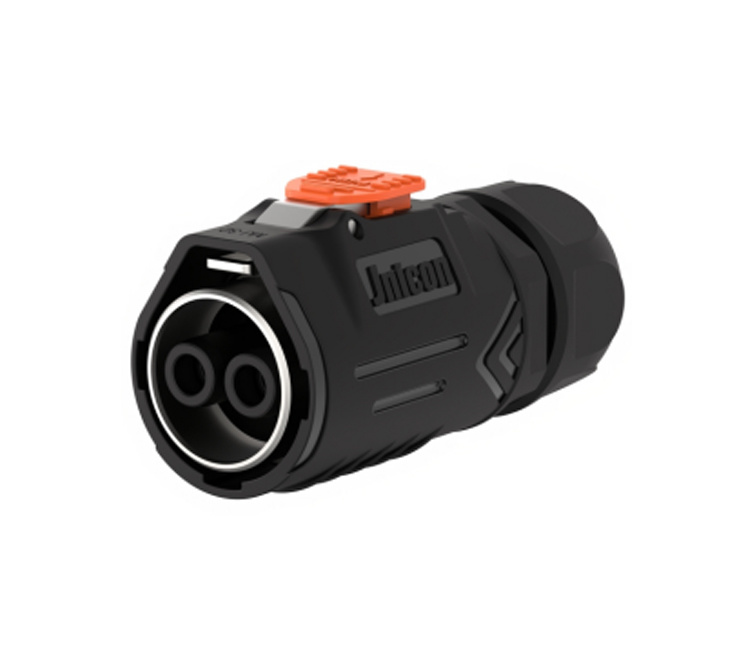
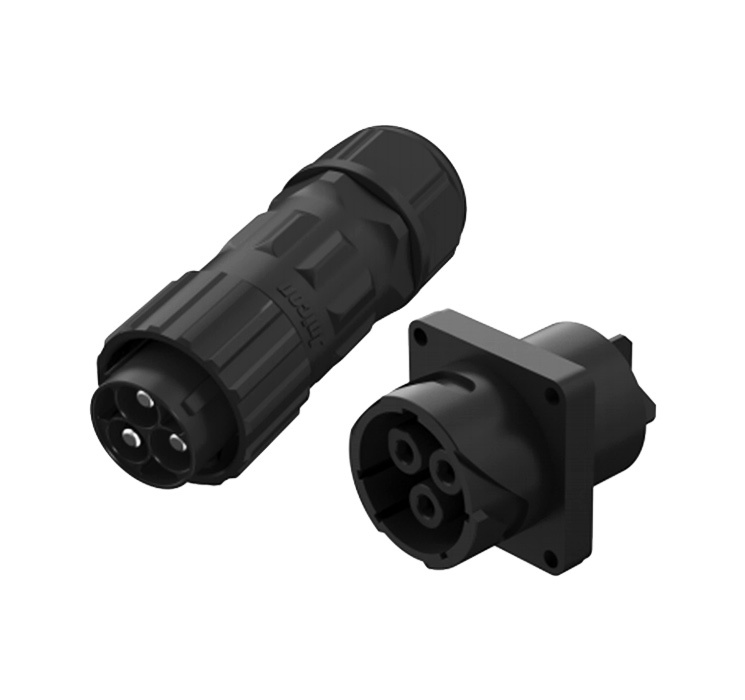
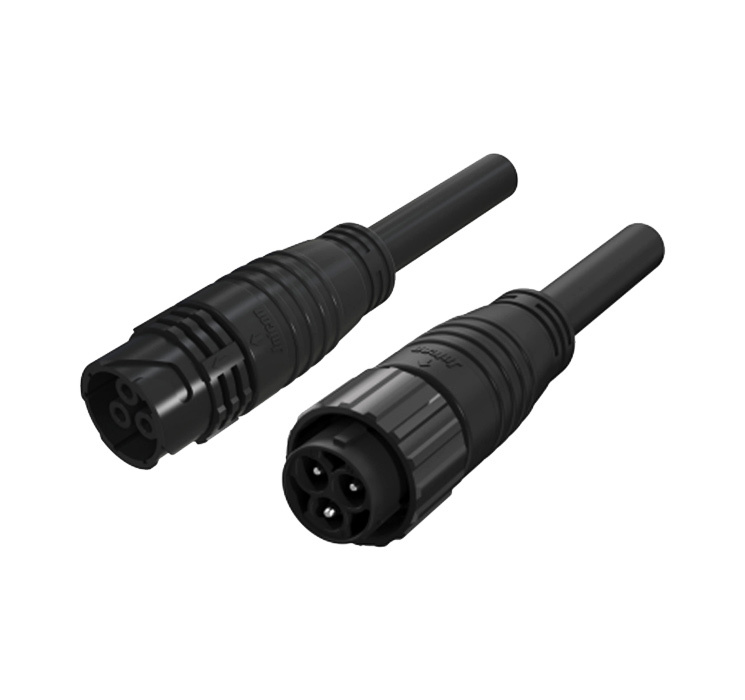
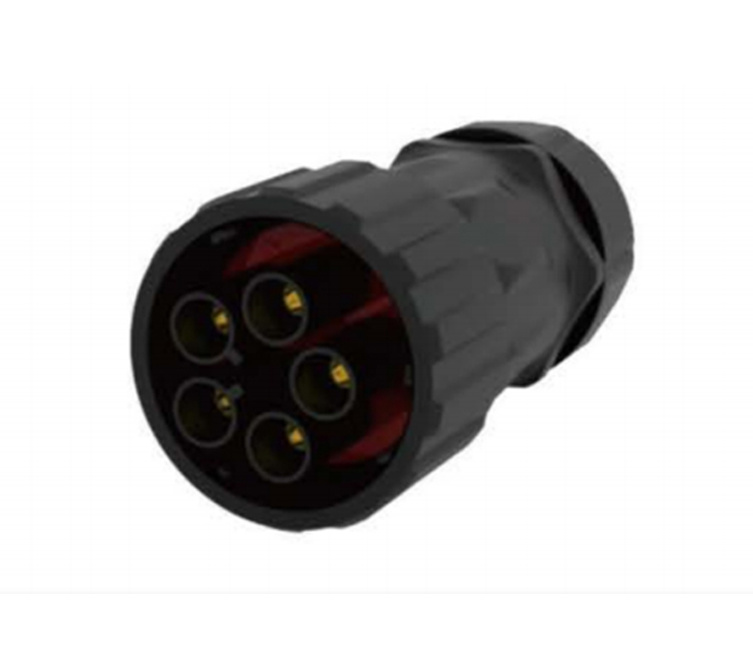
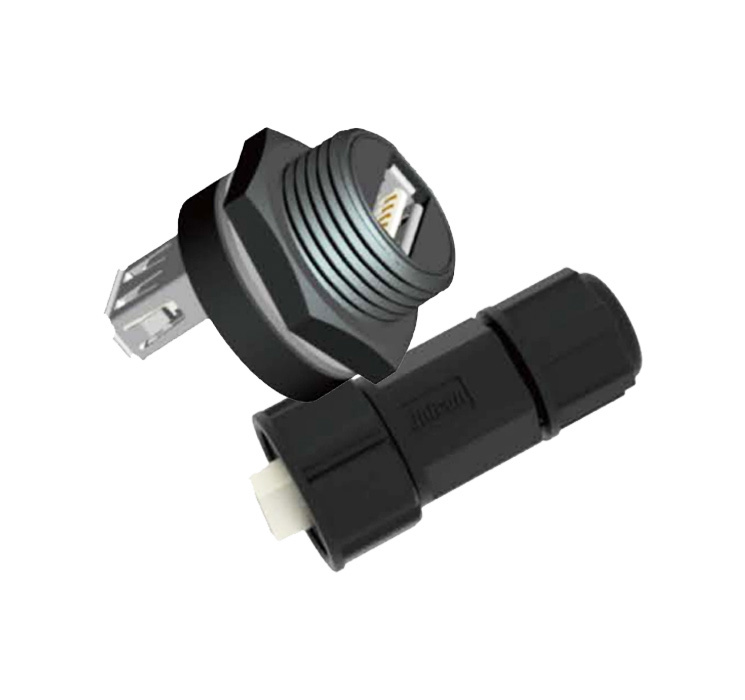
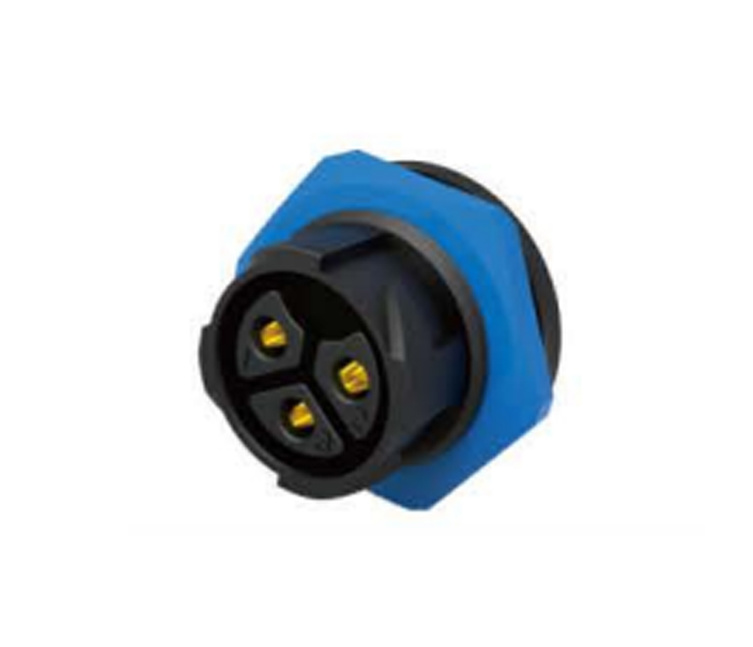
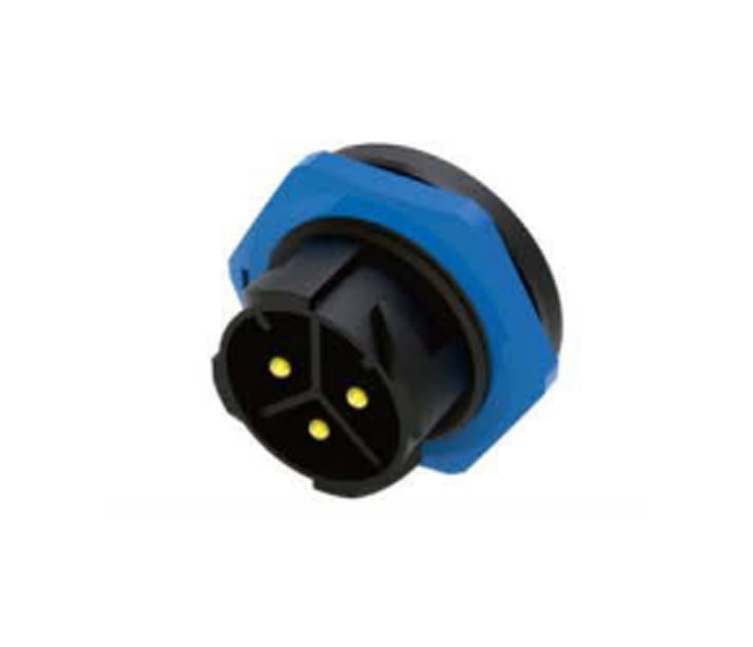
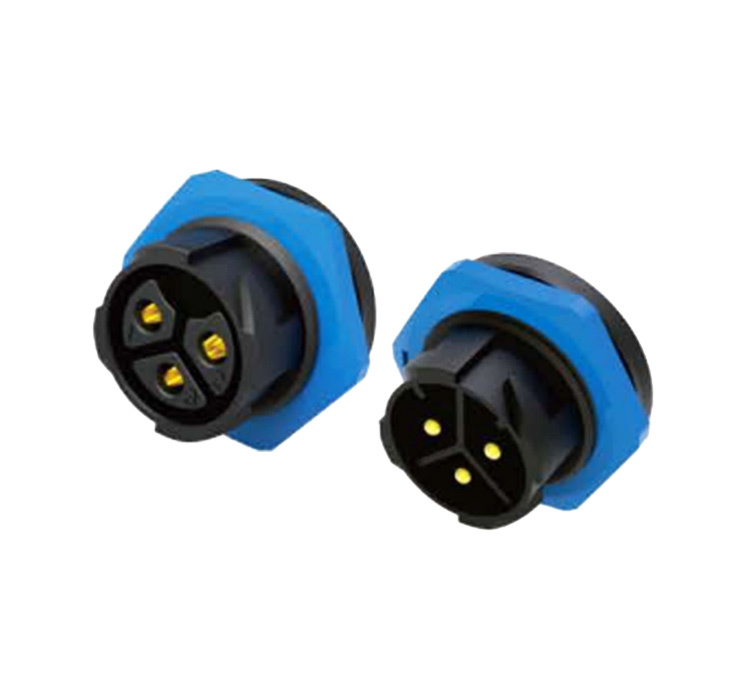
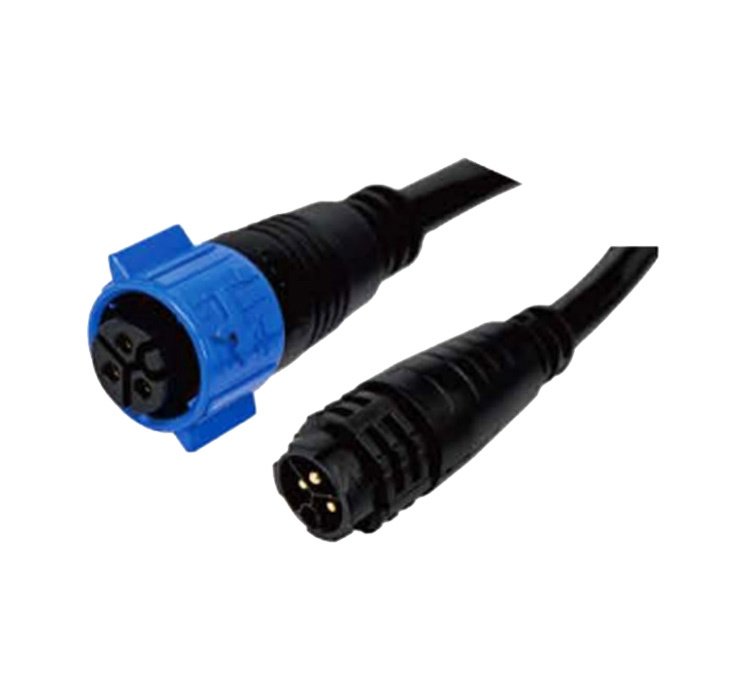
Circular connectors are among the most commonly used waterproof connectors in marine applications. They are designed to provide a secure connection while allowing for easy disconnection when required. Typically featuring a round shape, these connectors come in various sizes and pin configurations, catering to different electrical requirements.
Rectangular Connectors
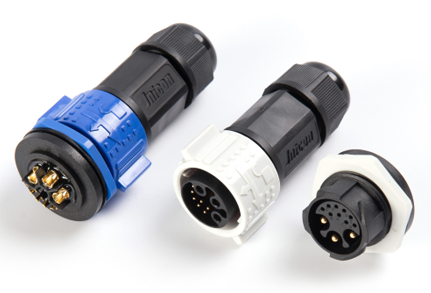
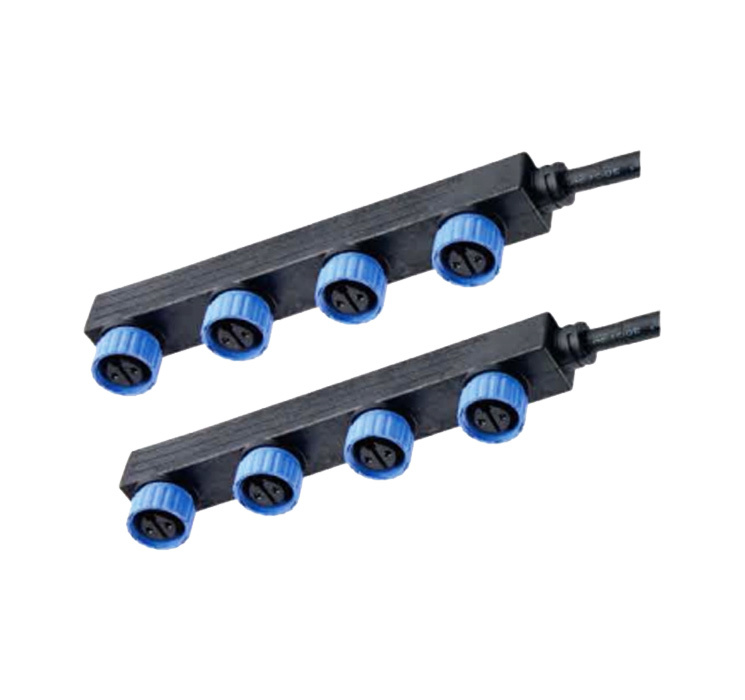
Rectangular connectors offer a more compact option for applications requiring multiple connections in a limited space. They are often used for power distribution and control systems in marine vessels. Their design allows for increased pin density, providing both strength and reliability.
Specialty Connectors
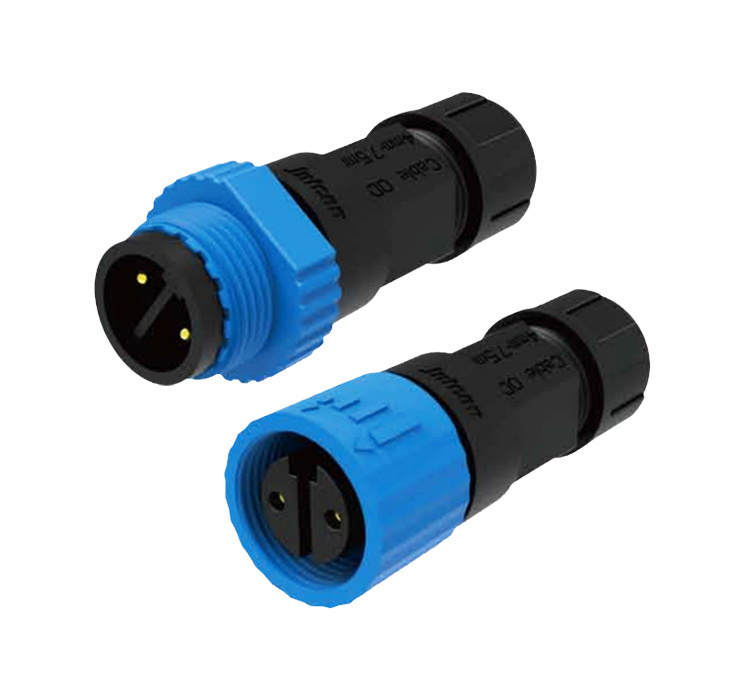
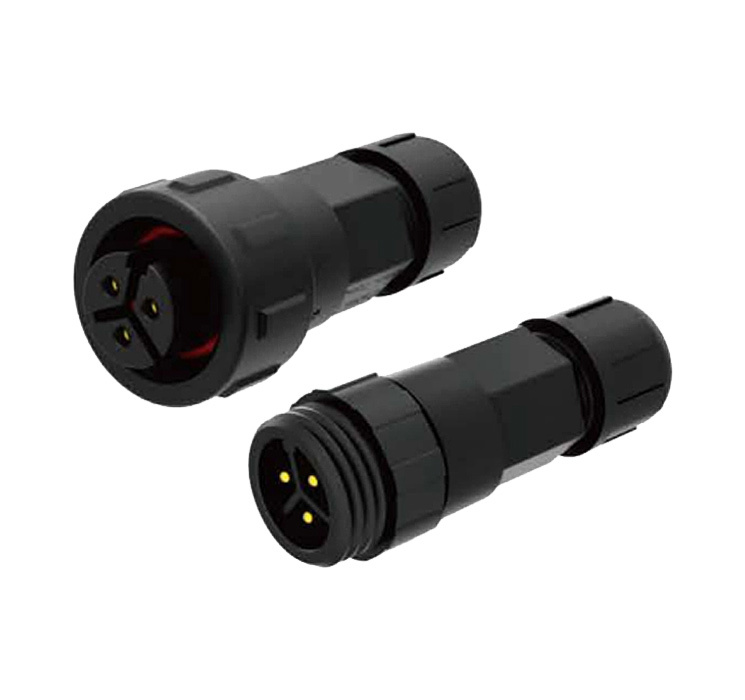
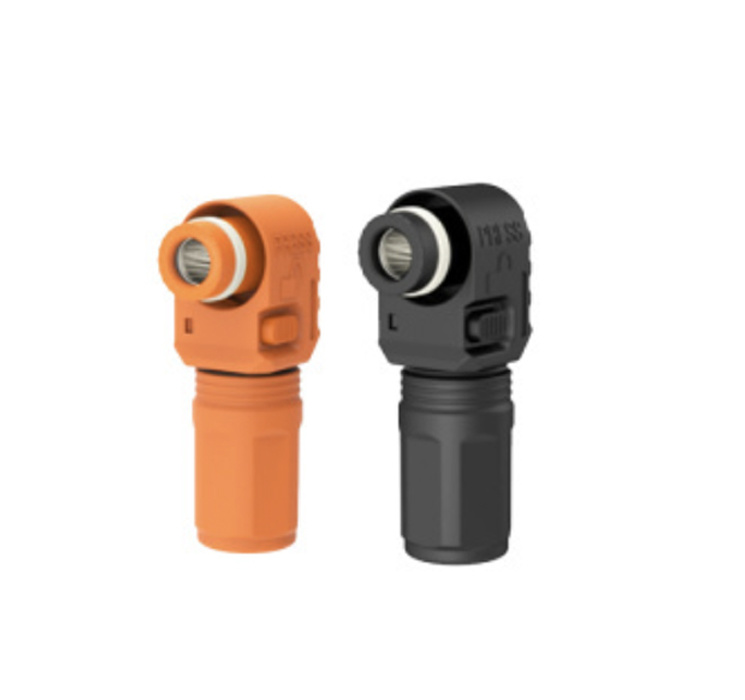
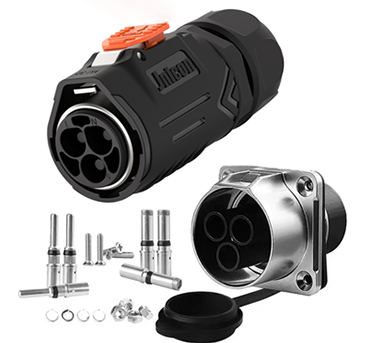
Specialty connectors are tailored for unique applications, often providing enhanced features such as integrated strain relief or high-current capabilities. These connectors are designed to meet specific environmental conditions, ensuring robust performance in harsh marine settings.
Benefits of Using Waterproof Connectors
Investing in waterproof connectors comes with a myriad of benefits that enhance the performance and safety of marine vessels.
1. Enhanced Durability
Waterproof connectors are built to withstand the rigors of marine environments. Their robust construction ensures longevity, reducing the need for frequent replacements and maintenance.
2. Prevention of Electrical Failures
By preventing moisture ingress, waterproof connectors significantly reduce the risk of short circuits and electrical failures. This reliability is crucial for the safe operation of all onboard systems.
3. Improved Safety
The use of waterproof connectors directly contributes to the safety of the vessel. Reduced risk of electrical fires and system failures lead to safer voyages and improved peace of mind for crew and passengers.
4. Cost-Effective Solution
While the initial investment in waterproof connectors may be higher than standard connectors, the long-term savings from reduced maintenance and increased reliability often outweigh the costs. Fewer electrical failures mean less downtime and lower repair bills.
5. Versatile Applications
Waterproof connectors are versatile and can be used in various marine applications, including navigation systems, communication equipment, and propulsion controls. Their adaptability makes them essential for modern marine vessels.
How to Install Waterproof Connectors
Proper installation of waterproof connectors is critical to ensuring their effectiveness. Follow these steps to achieve a successful installation:
1. Gather Necessary Tools and Materials
Ensure you have all necessary tools, including wire strippers, crimping tools, and electrical tape. Additionally, gather the appropriate waterproof connectors for your application.
2. Prepare the Wires
Strip the insulation from the ends of the wires to ensure a clean connection. Be careful not to damage the conductors during this process.
3. Crimp the Connectors
Attach the waterproof connectors to the prepared wires using a crimping tool. Ensure a secure connection to prevent any potential failures.
4. Test the Connections
Before finalizing the installation, test the connections to ensure they are functioning correctly. This step is vital to avoid issues after installation.
5. Seal the Connectors
Use sealing compounds or heat-shrink tubing to provide an extra layer of protection against moisture. This step enhances the waterproofing capabilities of the connectors.
Maintenance and Inspection
Regular maintenance and inspection of waterproof connectors are essential to ensure their continued reliability.
1. Visual Inspections
Conduct routine visual inspections to identify any signs of wear, corrosion, or damage. This proactive approach can help catch issues before they escalate.
2. Clean the Connectors
Use a soft brush and isopropyl alcohol to clean the connectors if dirt or salt buildup is observed. Keeping connectors clean aids in maintaining proper electrical conductivity.
3. Check Seals and Gaskets
Inspect seals and gaskets for wear. If any components are found to be deteriorating, replace them immediately to maintain the waterproof characteristics of the connectors.
Real-World Applications of Waterproof Connectors
Waterproof connectors are prevalent in various marine applications, demonstrating their versatility and importance:
1. Navigation Systems
In navigation systems, waterproof connectors ensure reliable connections between GPS units, radar, and other critical navigation tools, providing accurate data for safe voyaging.
2. Communication Equipment
Marine communication systems rely on waterproof connectors to maintain communication links, whether for ship-to-ship or ship-to-shore interactions.
3. Propulsion Controls
The propulsion systems of marine vessels depend on waterproof connectors for seamless operation. Any electrical failure in this area can have serious consequences, making reliability crucial.
Future Trends in Waterproof Connector Technology
As technology evolves, so too does the development of waterproof connectors. Some emerging trends include:
1. Advanced Materials
The use of advanced materials, such as high-performance plastics and composites, promises enhanced durability and resistance to extreme environmental conditions.
2. Smart Connectors
The integration of smart technology into connectors enables real-time monitoring of connection integrity, further enhancing the reliability of electrical systems in marine vessels.
3. Increased Customization
Manufacturers are offering more customized solutions tailored to specific marine applications, allowing for a more precise match of connector characteristics to operational needs.
FAQs
1. What are waterproof connectors made of?
Waterproof connectors are typically made from materials such as high-performance plastics, metals, and rubber, designed to resist moisture and corrosion.
2. How do I know if my connectors are waterproof?
Look for connectors with specific ratings such as IP67 or IP68, indicating their ability to withstand water immersion.
3. Can I use standard connectors in marine applications?
Standard connectors may not provide adequate protection against moisture and corrosion in marine environments. It is advisable to use waterproof connectors specifically designed for such applications.
4. How often should I inspect waterproof connectors?
Regular inspections should be conducted at least once per season or before long voyages to ensure optimal performance.
5. What happens if waterproof connectors fail?
Failure of waterproof connectors can lead to electrical shorts, system malfunctions, and potential safety hazards. Prompt replacement and maintenance are essential to avoid these issues.
Conclusion
Waterproof connectors play a vital role in preventing electrical failures in marine vessels. Their robust design, tailored for harsh marine environments, enhances safety and reliability. By investing in quality waterproof connectors, vessel operators can ensure the longevity of their electrical systems and protect against the inherent risks of marine operations. Regular maintenance, proper installation, and adherence to best practices can further optimize their performance, making them an indispensable component in modern marine equipment.
News
2026-10-12
5 Pin Waterproof Connectors: Enhancing Home Automation Systems
5 Pin Waterproof Connectors: Enhancing Home Automation Systems Table of Contents Introduction to 5 Pin Waterproof Connectors Importance of Waterproof Connectors in Home Automation Key Benefits of 5 Pin Waterproof Connectors Features of 5 Pin Waterproof Connectors Material Quality Design and Build Applications of 5 Pin Waterproof C
2026-10-10
Waterproof Wire Connector Plugs for Reliable Connections
Waterproof wire connector plugs ensure secure, moisture-resistant electrical connections for outdoor lighting, automotive systems, and industrial equipment.
2026-10-10
Waterproof Electrical Wire Connectors for Reliable Connections
Waterproof electrical wire connectors protect wiring from moisture and dust, ensuring reliable connections in indoor and outdoor applications.

B8-9, Fubilun industrial park, Chaoyang rd,Yanchuan community, Songgang, Shenzhen, China


