


The Best Practices for Installing Waterproof Marine Electrical Connectors: A Comprehensive Guide
Release Time:
2026-04-13
The Best Practices for Installing Waterproof Marine Electrical Connectors
In the world of marine applications, reliable electrical systems are critical to safety and functionality. One of the most vital components of these systems is waterproof marine electrical connectors. These connectors ensure that the electrical connections remain intact and functional, even in the harshest environments. In this comprehensive guide, we will explore the best practices for installing waterproof marine electrical connectors, ensuring that your marine systems are not only efficient but also resilient against water exposure.
Table of Contents
- Understanding Marine Electrical Connectors
- The Importance of Waterproof Connectors in Marine Applications
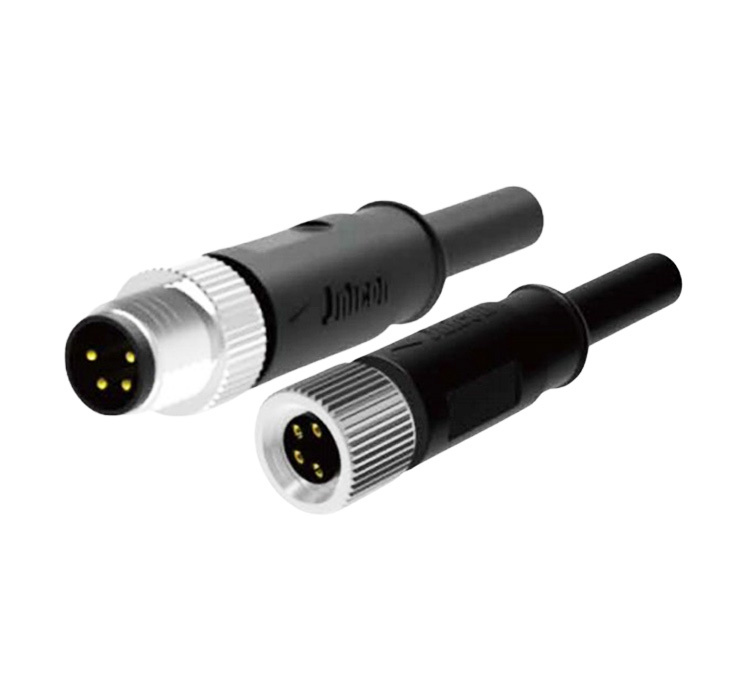
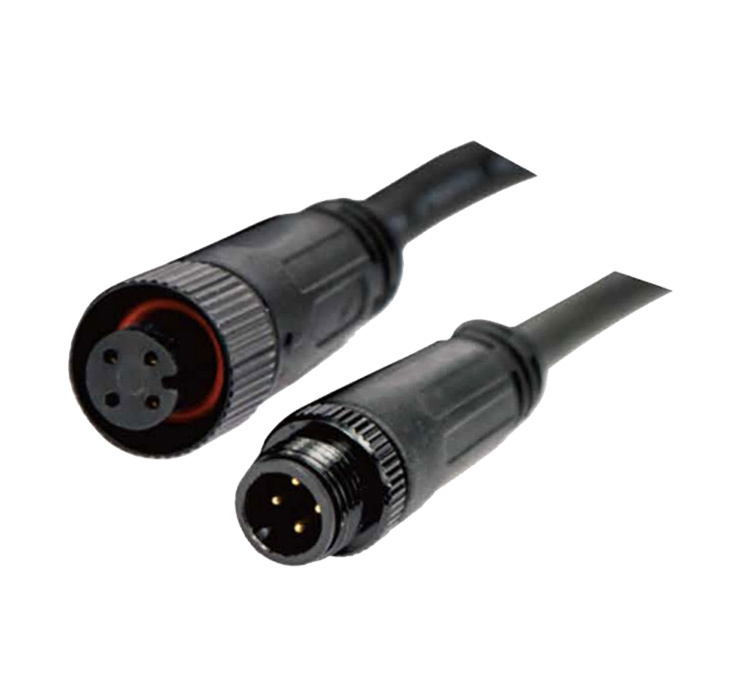
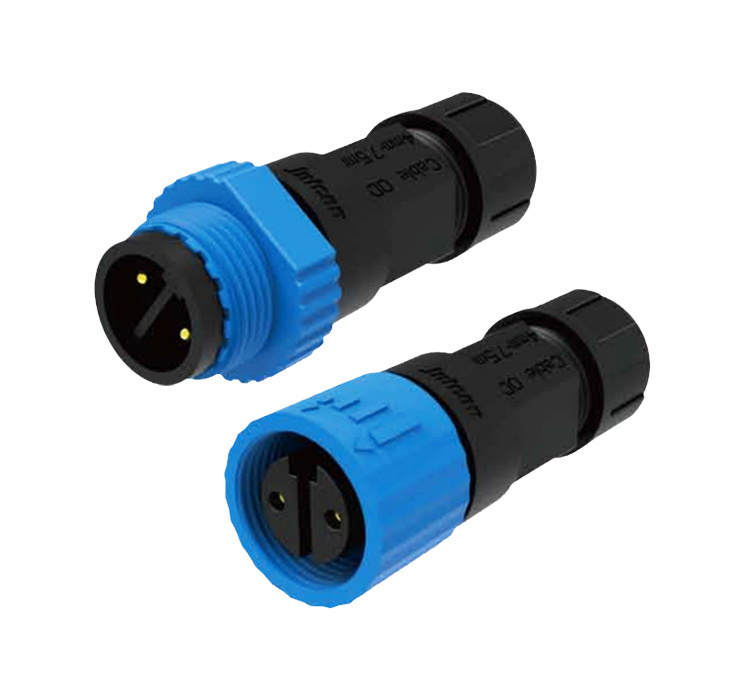
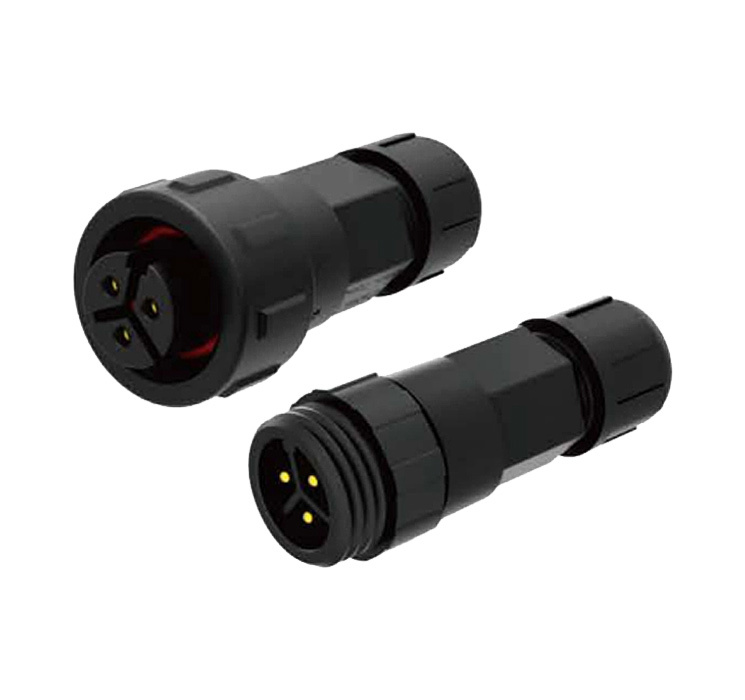
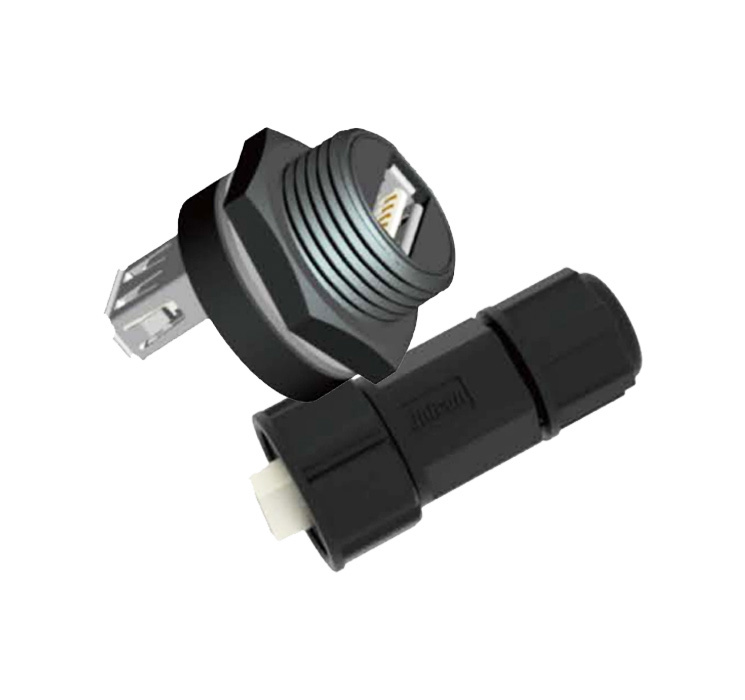
- Types of Waterproof Marine Electrical Connectors
- Essential Tools and Materials Required
- Pre-Installation Checks for Marine Electrical Connectors
- Step-by-Step Installation Guide
- Common Errors to Avoid During Installation
- Maintenance and Testing of Waterproof Connectors
- Conclusion
- FAQs
Understanding Marine Electrical Connectors
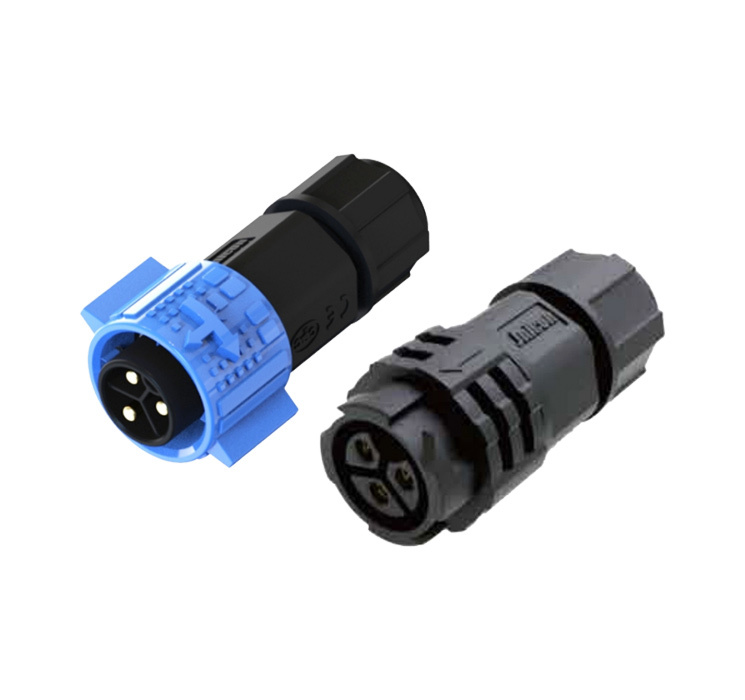
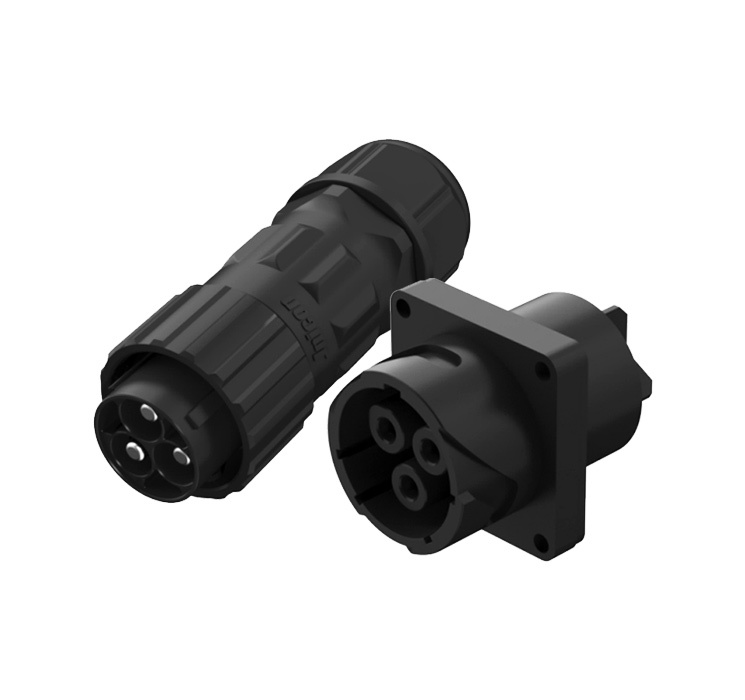
Marine electrical connectors serve as gateways for electrical current in various marine applications, from small boats to large vessels. These connectors must withstand not only moisture but also corrosion caused by saltwater and other environmental factors. Understanding the components that make up these connectors, including pins, sockets, and housing materials, is crucial for ensuring effective installation and long-term durability.
What Makes a Connector Waterproof?
Waterproof connectors employ various seals and materials to prevent moisture ingress. These can include:
- O-rings: Rubber or silicone seals that fit snugly against the connector, preventing water from entering.
- Potting compounds: Materials used to fill the connector housing, sealing it against moisture.
- Corrosion-resistant coatings: Protective layers that shield metal parts from saltwater damage.
The Importance of Waterproof Connectors in Marine Applications
Waterproof marine electrical connectors are essential for maintaining the integrity of electrical systems. Here are several reasons why they are indispensable:
1. Safety
Water and electricity do not mix. Using waterproof connectors minimizes the risk of electrical shock or short circuits, ensuring safety for crew members and passengers on board.
2. Reliability
Marine environments are often unpredictable. Waterproof connectors provide a reliable connection, reducing the likelihood of system failures due to moisture infiltration.
3. Longevity
Investing in waterproof connectors extends the lifespan of your electrical systems, reducing maintenance costs and the need for frequent replacements. This is particularly important for boat owners looking to maximize their investment.
Types of Waterproof Marine Electrical Connectors
Various types of waterproof connectors are suitable for marine applications. Selecting the right type depends on the specific requirements of your installation.
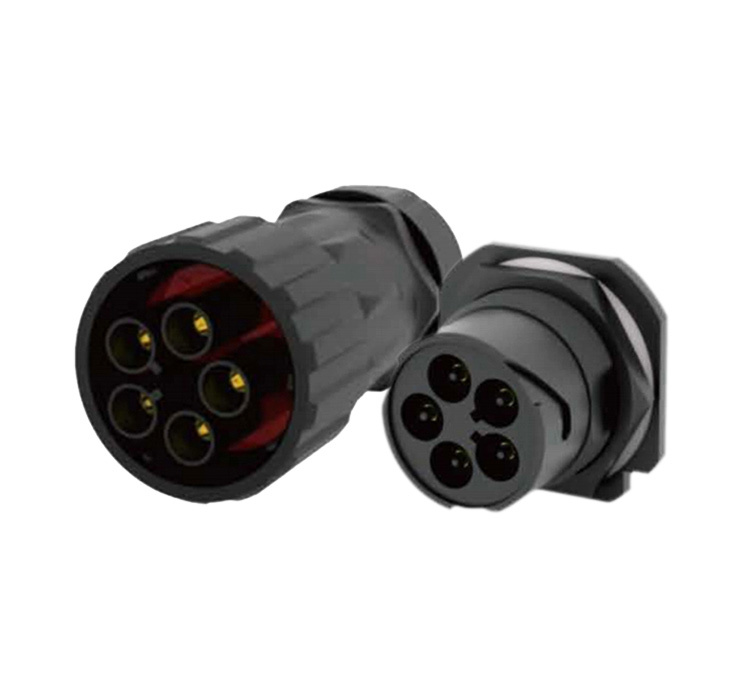
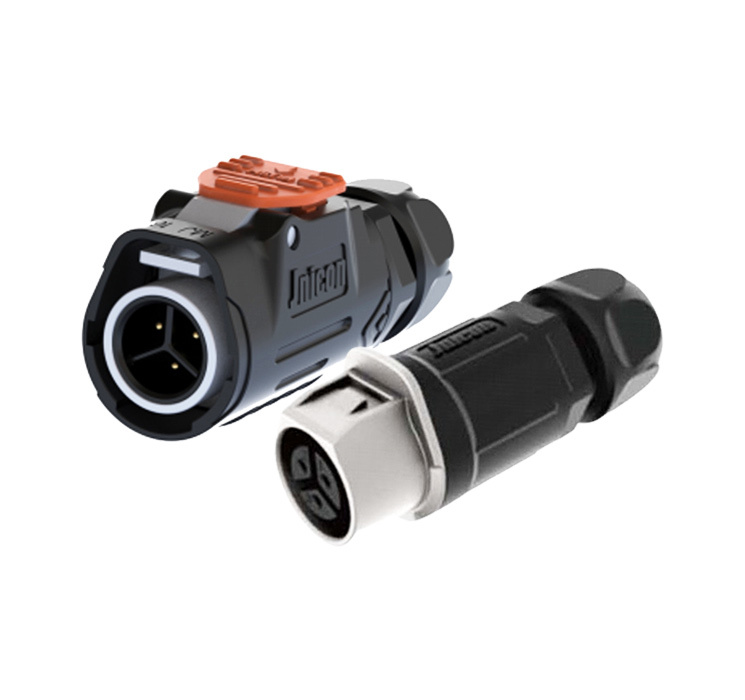
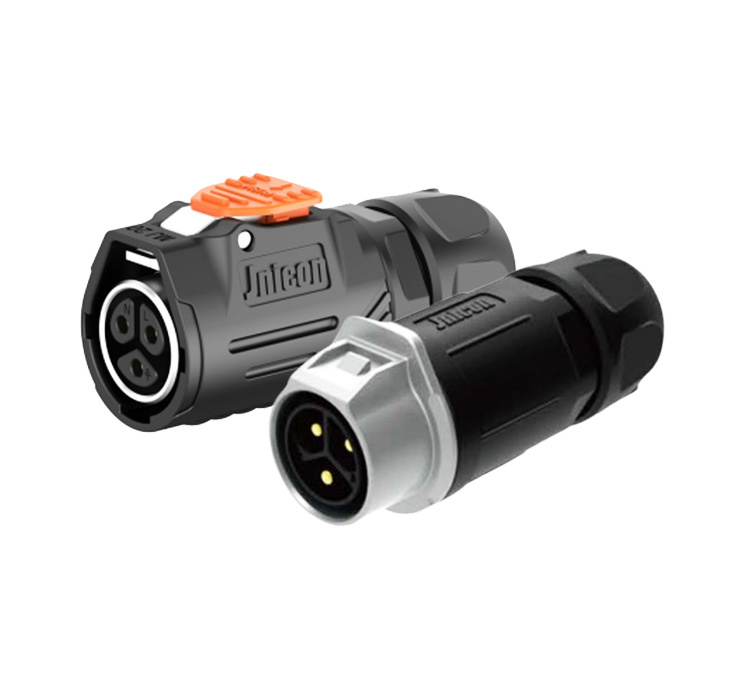
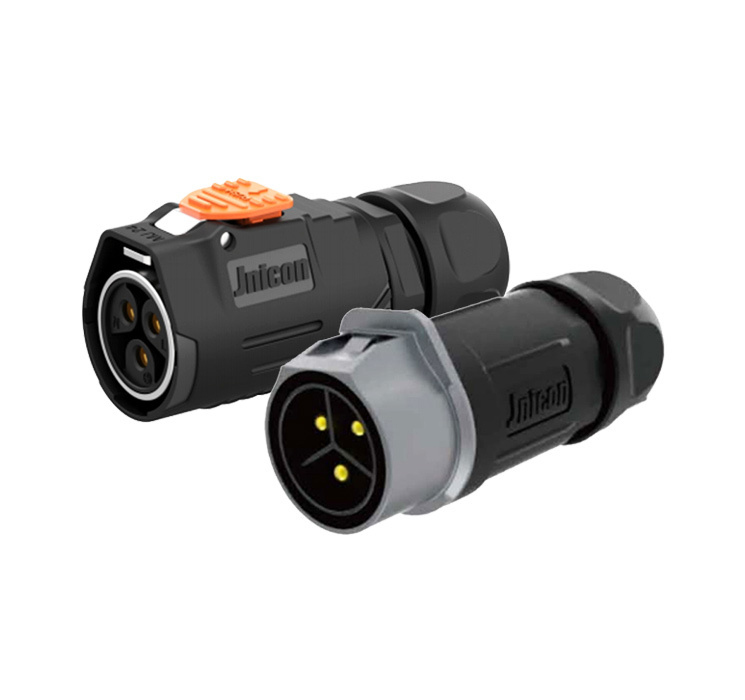
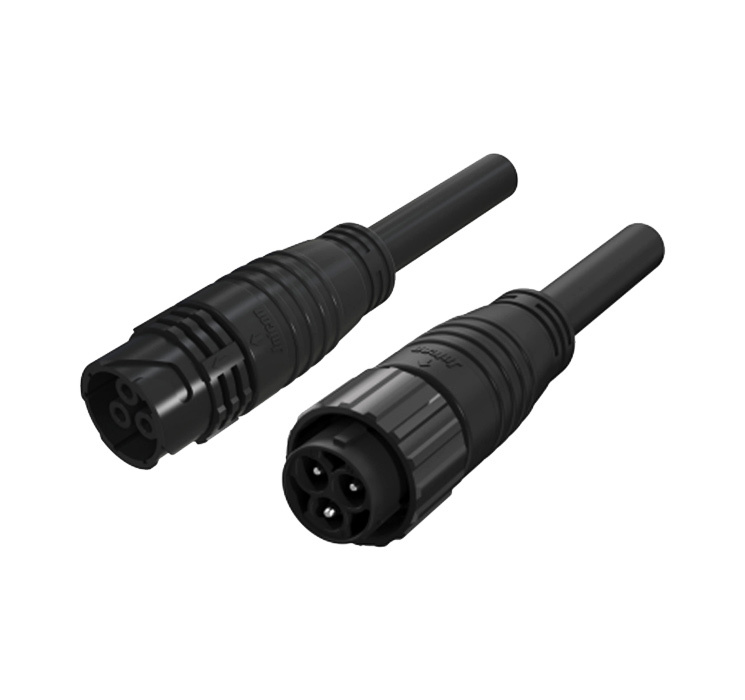
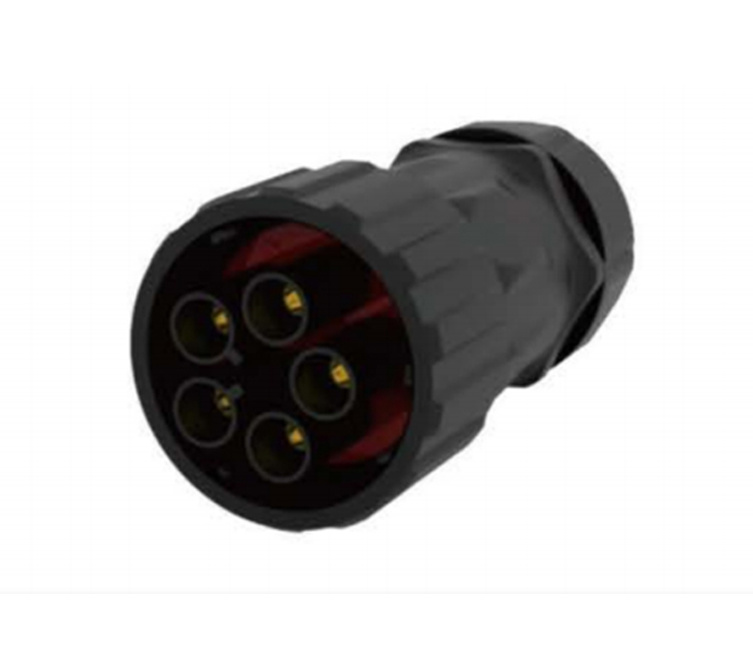
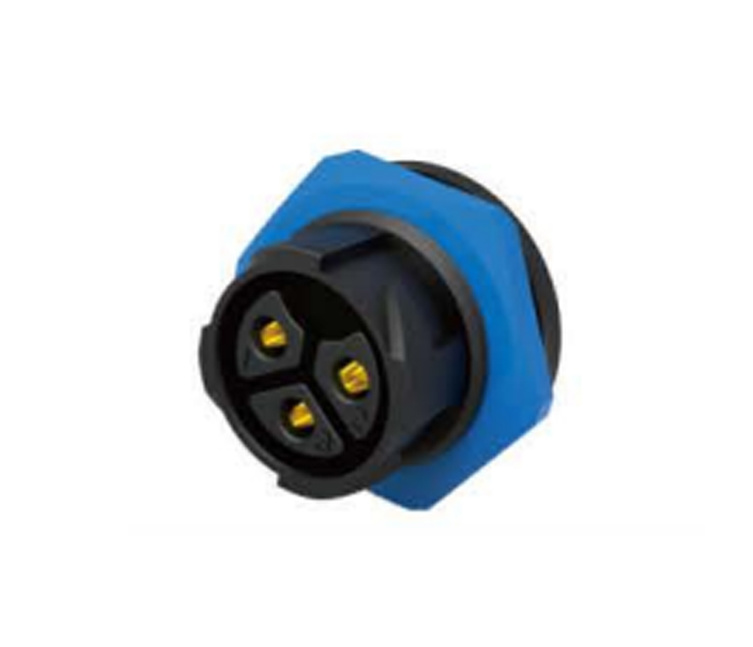
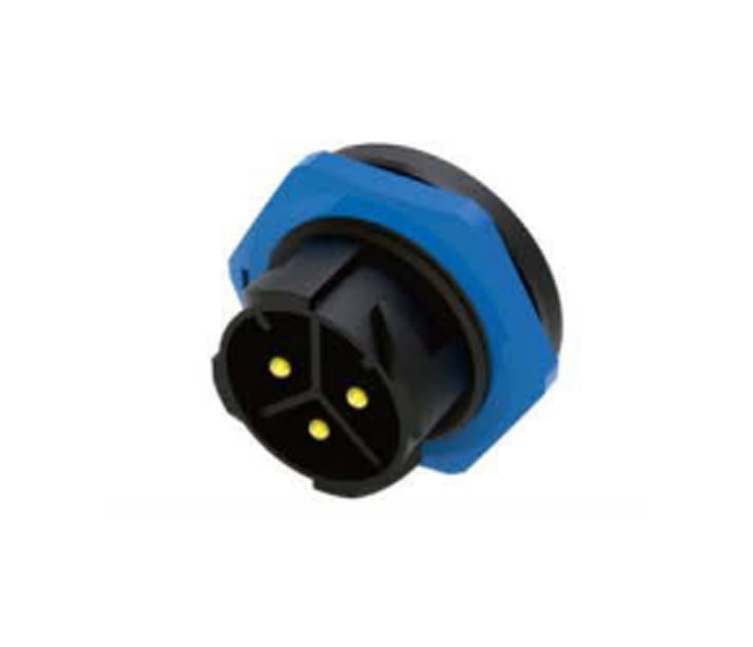
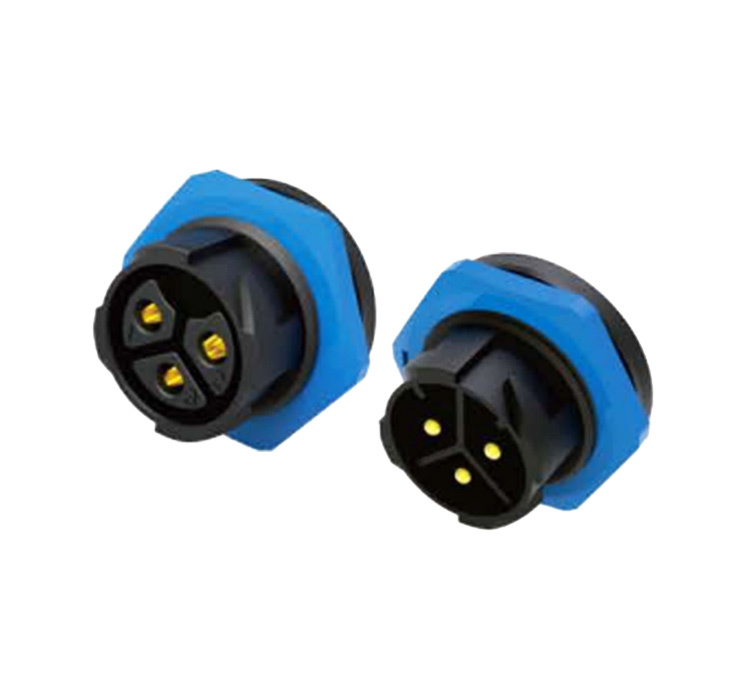
1. Circular Connectors
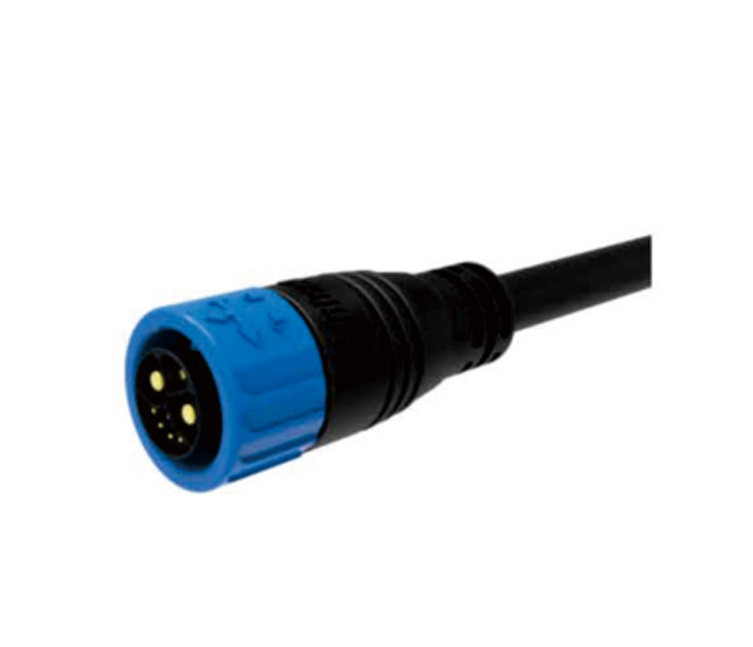
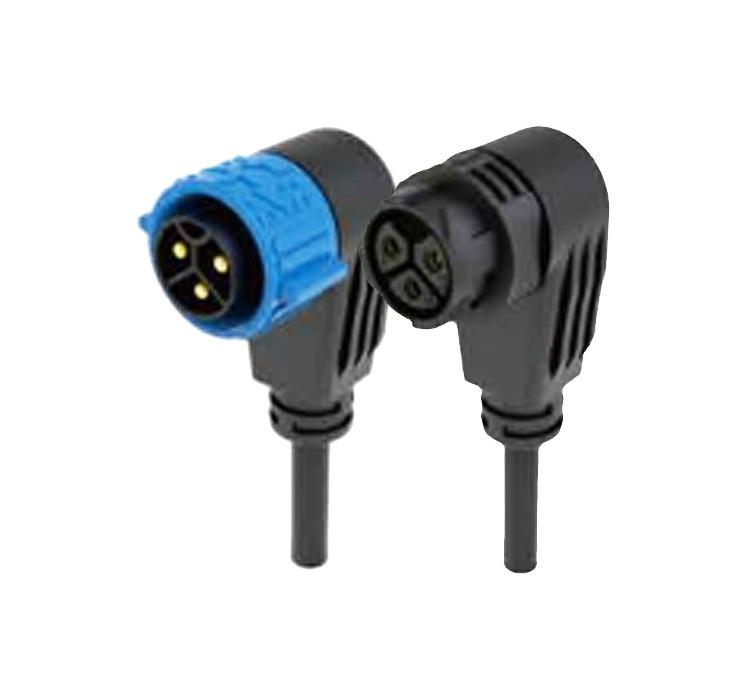
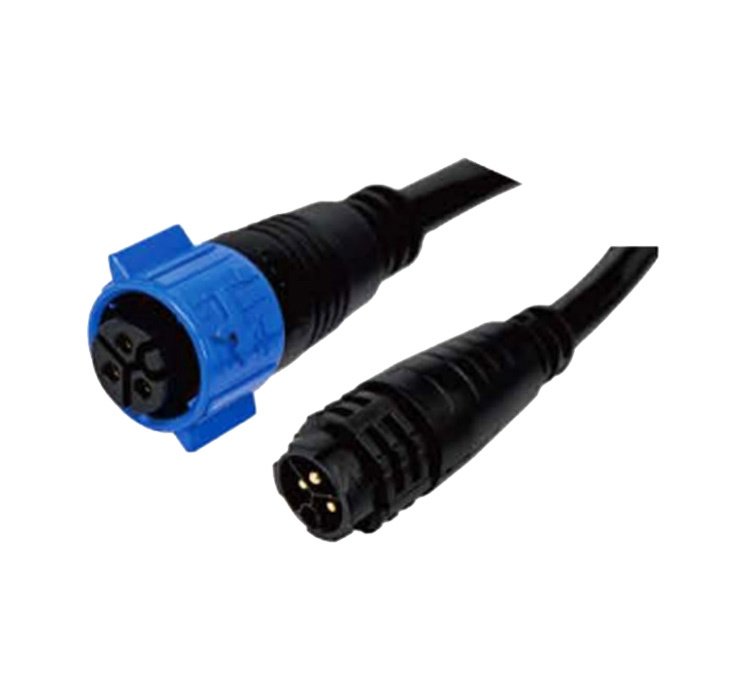
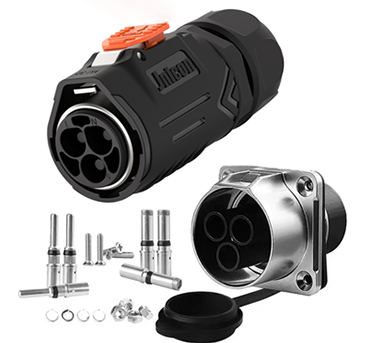
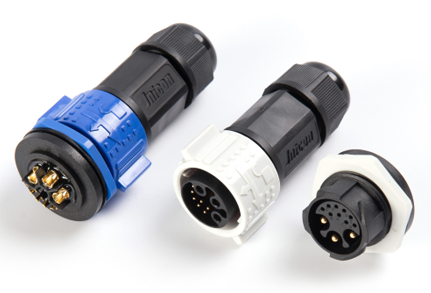
Circular connectors are commonly used in marine applications due to their robust design and ease of use. They often come with locking mechanisms to ensure a secure fit.
2. Rectangular Connectors
Rectangular connectors provide higher pin counts and are ideal for applications requiring multiple connections in a compact space. They are often used in control panels and instrumentation.
3. Inline Connectors
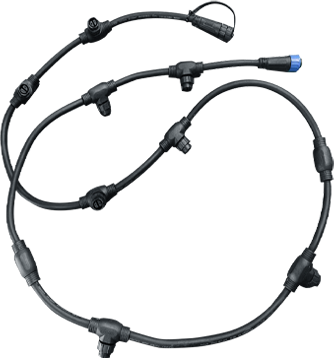
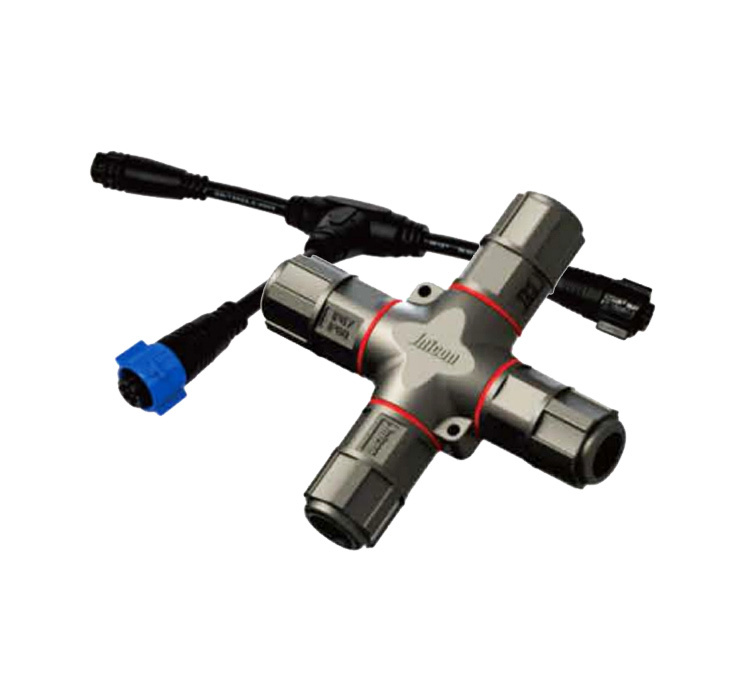
These connectors are perfect for extending wires or creating junctions in the electrical system. Their design facilitates easy installation and maintenance.
Essential Tools and Materials Required
Before starting your installation, gather all necessary tools and materials to ensure a smooth process. Here’s a checklist:
- Screwdrivers: For securing connectors and terminal blocks.
- Wire Strippers: To prepare the wires for connection.
- Crimping Tool: For attaching connectors to wire ends securely.
- Heat Shrink Tubing: Provides additional waterproofing and insulation.
- Marine-grade Sealant: To create watertight seals.
- Multimeter: For testing electrical connections.
Pre-Installation Checks for Marine Electrical Connectors
Before installation, conducting thorough pre-installation checks is essential to ensure the best possible outcome. Here are key steps to follow:
1. Inspect Connectors
Examine connectors for any signs of damage or corrosion. Using new connectors is advisable if they show wear and tear to maintain system reliability.
2. Check Wire Compatibility
Ensure that the wires you are using are compatible with the connectors, considering factors such as wire gauge and insulation type.
3. Assess Environmental Conditions
Take note of the installation environment. Identifying potential exposure to water or corrosive substances will guide your choice of connectors and installation methods.
Step-by-Step Installation Guide
Follow these detailed steps to install waterproof marine electrical connectors effectively:
Step 1: Prepare the Wires
Using wire strippers, remove approximately 1/2 inch of insulation from the wire ends. Ensure that the copper strands are intact and free of frays.
Step 2: Crimp Connectors
Position the wire inside the connector and use the crimping tool to secure it. Ensure a firm grip without damaging the wire strands.
Step 3: Apply Heat Shrink Tubing
Slide heat shrink tubing over the crimped connection. Use a heat source to shrink the tubing, creating a watertight seal around the connection.
Step 4: Secure the Connector
Attach the connector to its corresponding counterpart, ensuring it is locked in place according to the connector design.
Step 5: Seal the Connection
Apply marine-grade sealant around the connection point to provide an additional layer of waterproof protection.
Step 6: Test the Connection
After installation, use a multimeter to test the electrical connection for continuity. This ensures that the connection is secure and functional.
Common Errors to Avoid During Installation
To achieve the best results, avoid these common installation mistakes:
1. Insufficient Stripping of Wires
Not stripping enough insulation can hinder the electrical connection, leading to poor performance.
2. Overheating During Crimping
Using excessive force when crimping can damage wire strands. A secure yet gentle application is key.
3. Neglecting Environmental Factors
Ignoring potential exposure to water or corrosive materials can lead to premature connector failure.
Maintenance and Testing of Waterproof Connectors
Maintaining waterproof connectors is crucial for long-term reliability. Here are some best practices:
1. Regular Inspections
Conduct routine inspections to check for signs of wear, corrosion, or looseness. Early detection can prevent larger issues.
2. Clean Connectors Periodically
Use a soft brush or cloth to clean connectors, removing any salt build-up or debris that could impair performance.
3. Test Electrical Continuity
Regularly use a multimeter to test the continuity of connections, ensuring that they remain functional over time.
Conclusion
Installing waterproof marine electrical connectors is a critical skill for anyone involved in marine operations. By understanding the types of connectors available, preparing adequately, and following best practices during installation, boat owners and marine technicians can ensure the reliability and safety of their electrical systems. Regular maintenance further enhances the longevity of these connectors, safeguarding against the harsh marine environment. By adhering to these guidelines, you can enjoy peace of mind knowing that your marine electrical systems are secure and efficient.
FAQs
1. What are waterproof marine electrical connectors made from?
Waterproof marine electrical connectors are typically made from corrosion-resistant materials such as stainless steel, aluminum, and high-grade plastics that can withstand harsh marine environments.
2. How often should I inspect my marine electrical connectors?
It is advisable to inspect marine electrical connectors at least once a season or after any significant exposure to harsh conditions, such as heavy rain or saltwater.
3. Can I use standard electrical connectors in a marine environment?
No, standard electrical connectors are not designed to resist moisture and corrosion. Using waterproof marine connectors is essential for ensuring reliability in marine applications.
4. How do I know if my connectors are waterproof?
Look for connectors that are explicitly labeled as waterproof or water-resistant, and check for features like O-rings, potting compounds, or sealing mechanisms.
5. What is the best way to clean marine electrical connectors?
Use a soft brush or cloth and mild soap solution to gently clean connectors. Avoid using harsh chemicals that could damage the materials.
News
2026-10-15
Understanding Waterproof Wire Harness: Key Features and Benefits for Automotive Applications
In the automotive industry, the functionality and longevity of electrical components are crucial for vehicle performance. One of the key components that contribute to this is the waterproof wire harness. These harnesses are specifically designed to withstand harsh environmental conditions, ensuring that the electrical systems in vehicles remain operational regardless of the weather. A waterproof w
2026-10-12
5 Pin Waterproof Connectors: Enhancing Home Automation Systems
5 Pin Waterproof Connectors: Enhancing Home Automation Systems Table of Contents Introduction to 5 Pin Waterproof Connectors Importance of Waterproof Connectors in Home Automation Key Benefits of 5 Pin Waterproof Connectors Features of 5 Pin Waterproof Connectors Material Quality Design and Build Applications of 5 Pin Waterproof C
2026-10-10
Waterproof Wire Connector Plugs for Reliable Connections
Waterproof wire connector plugs ensure secure, moisture-resistant electrical connections for outdoor lighting, automotive systems, and industrial equipment.

B8-9, Fubilun industrial park, Chaoyang rd,Yanchuan community, Songgang, Shenzhen, China


