


How to Test and Evaluate Waterproof Marine Electrical Connectors: A Comprehensive Guide
Release Time:
2026-05-14
How to Test and Evaluate Waterproof Marine Electrical Connectors
Introduction to Waterproof Marine Electrical Connectors
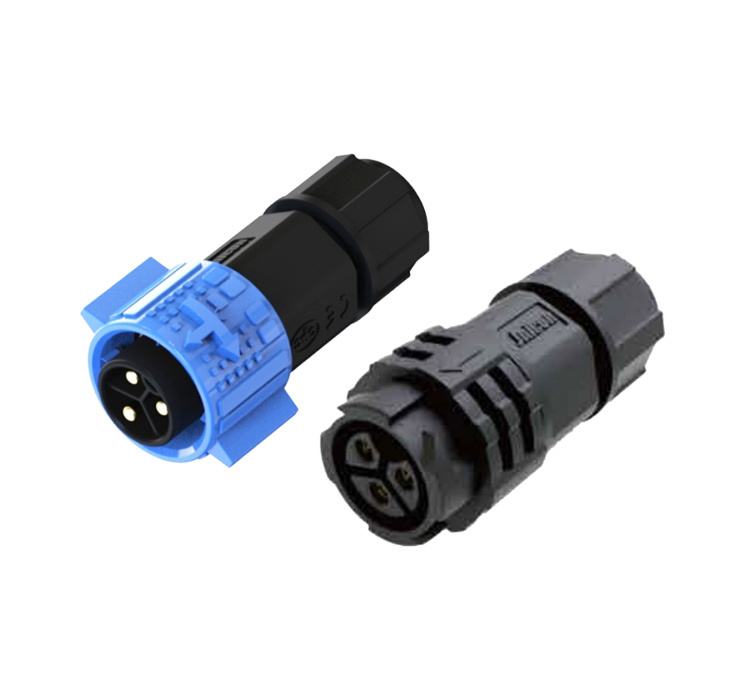
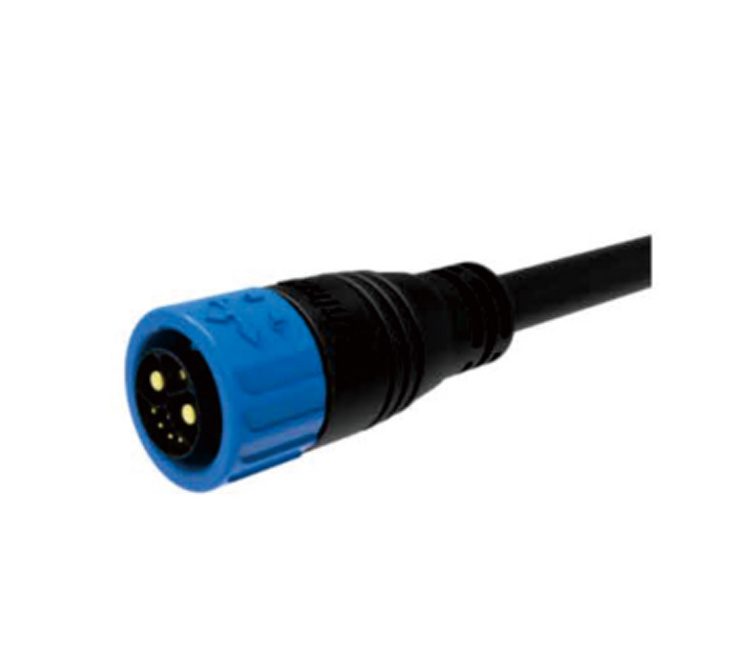
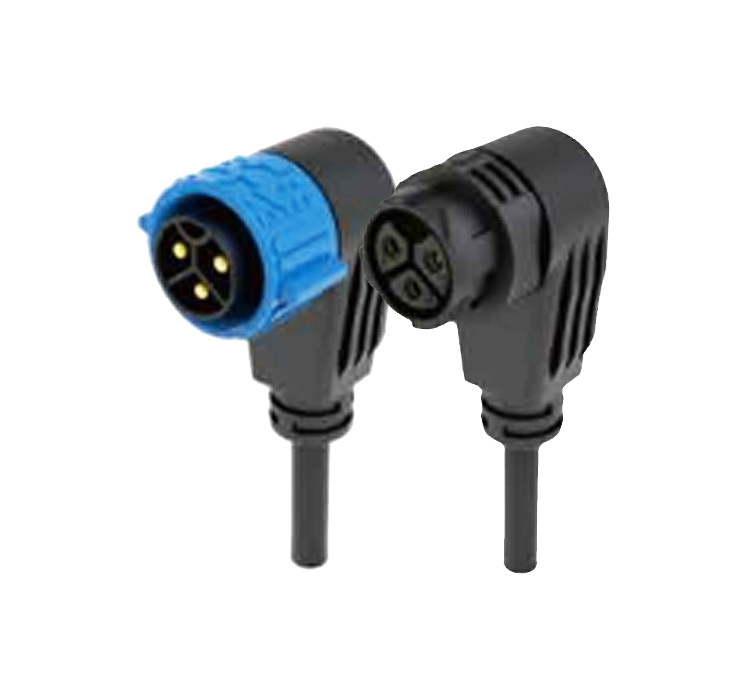
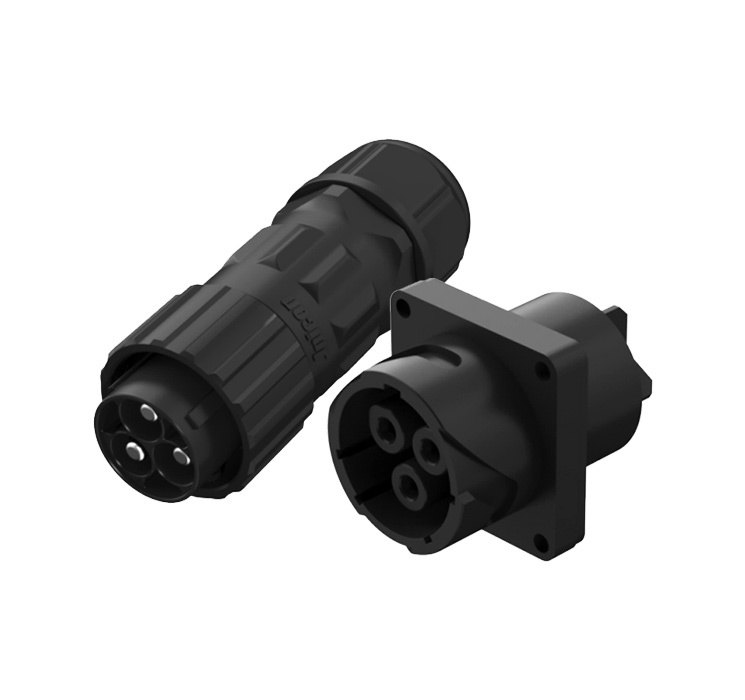
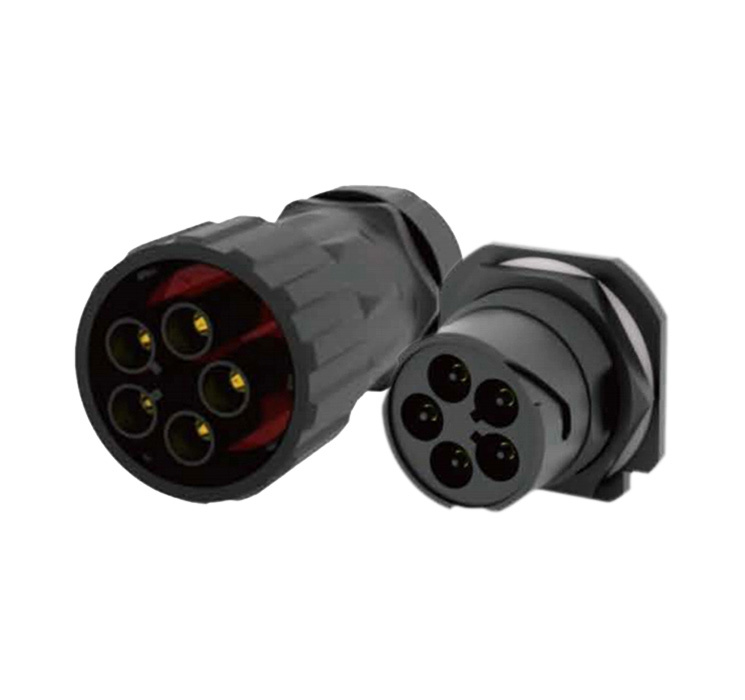
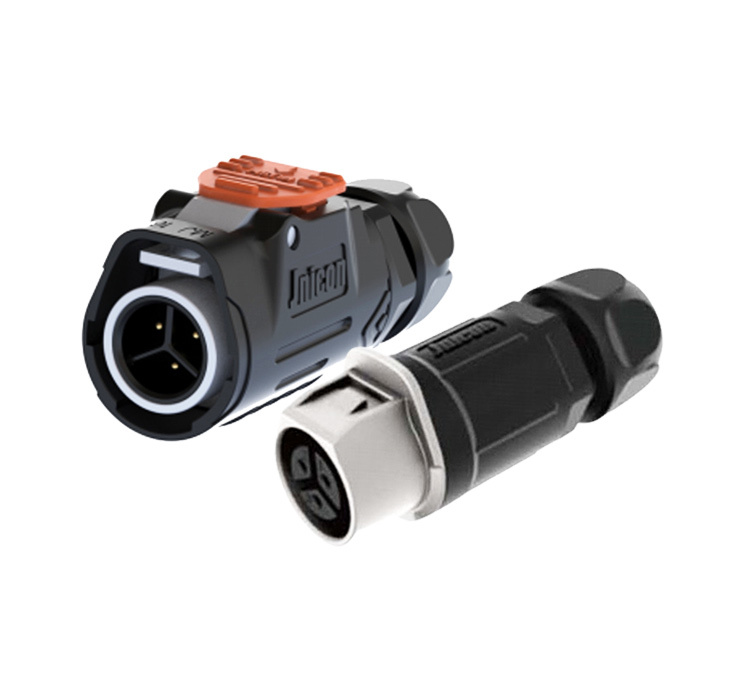
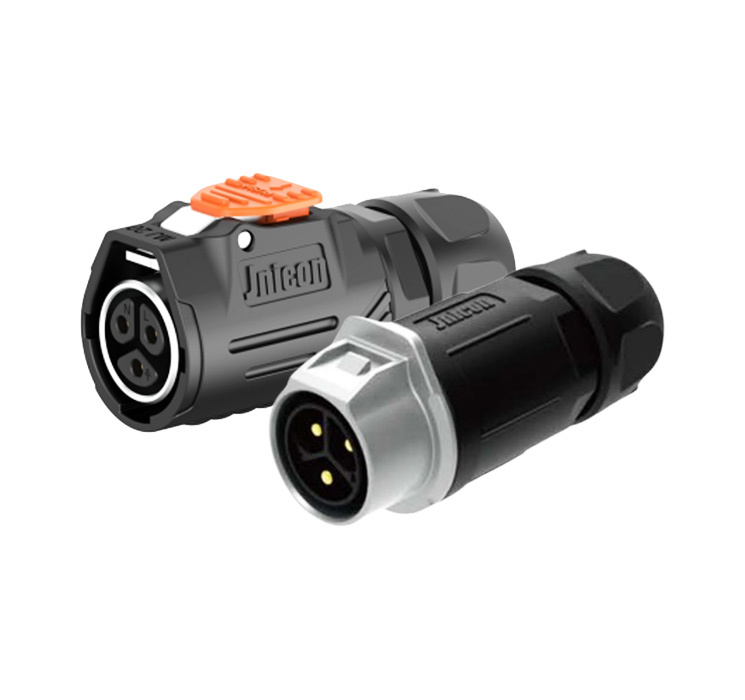
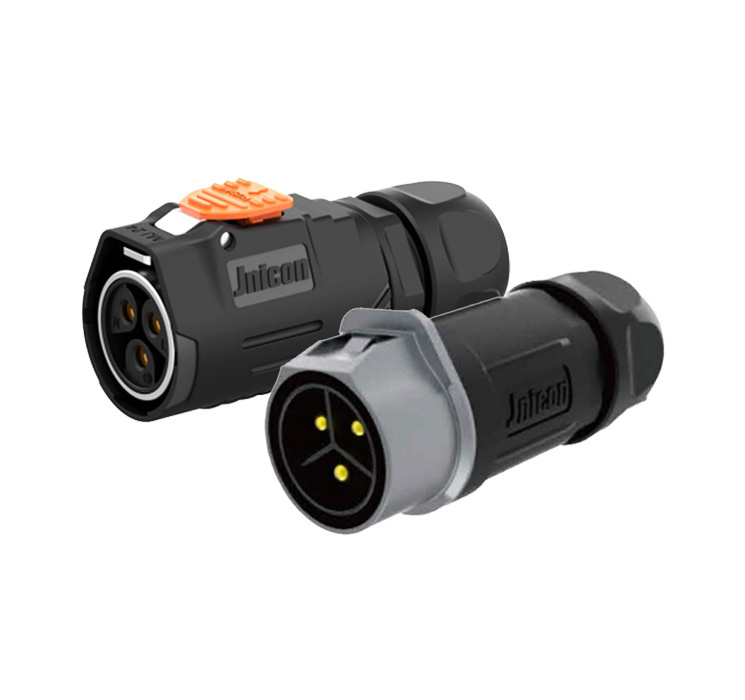
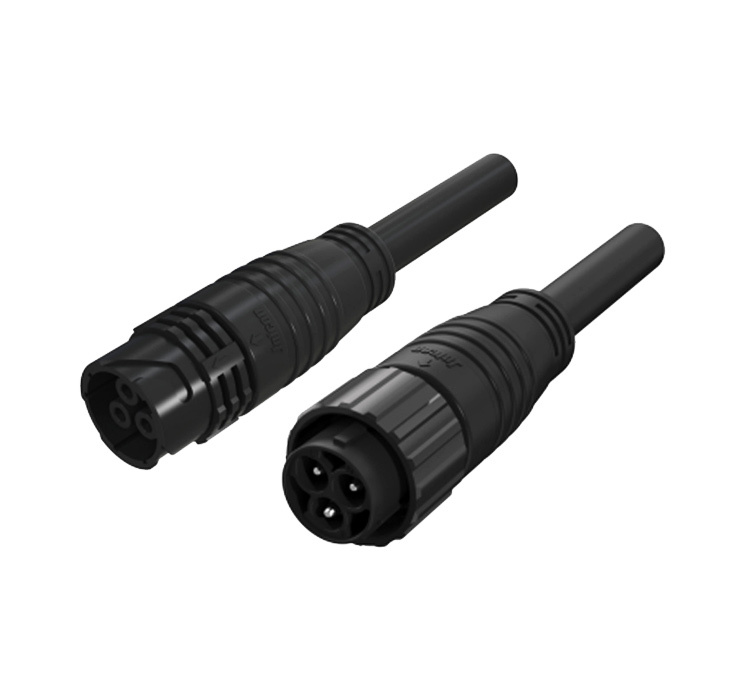
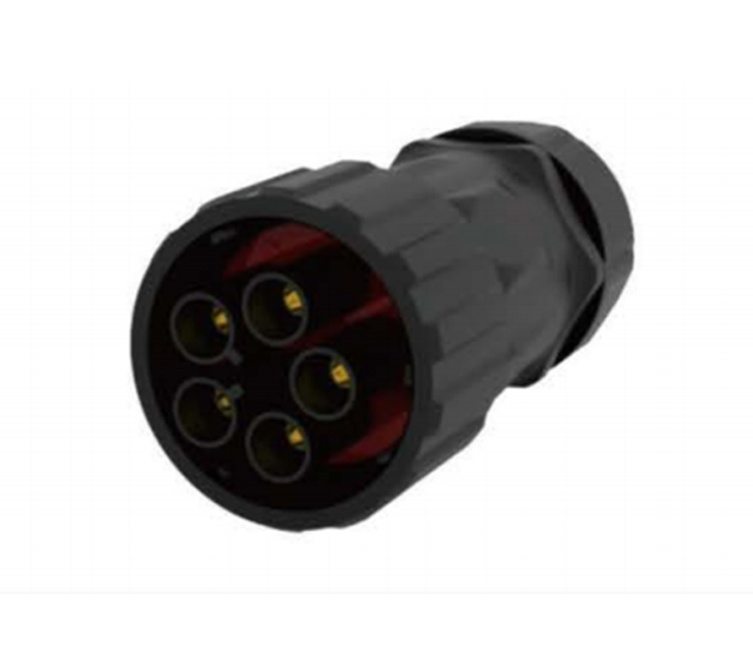
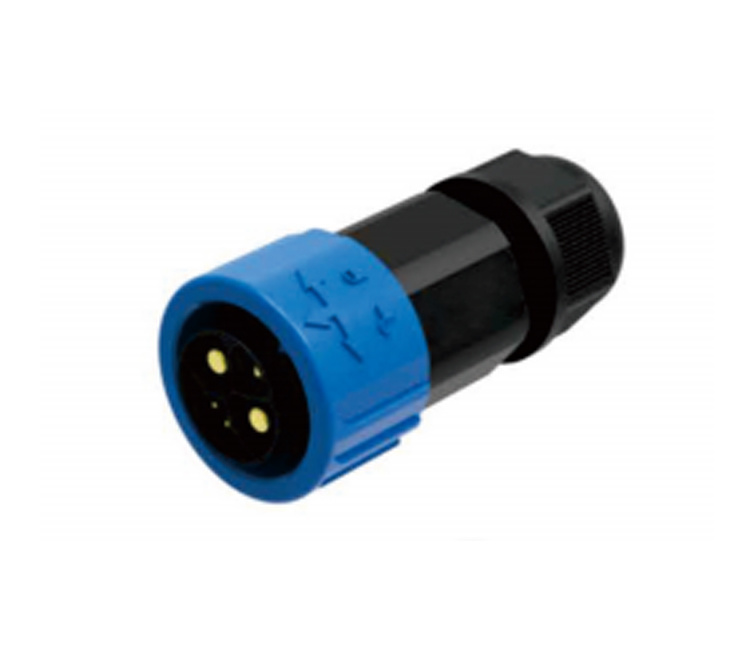
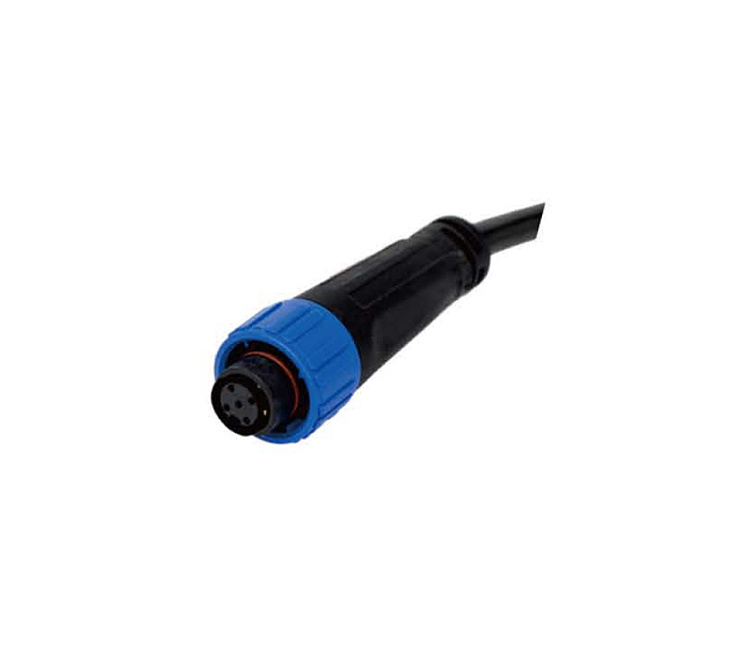
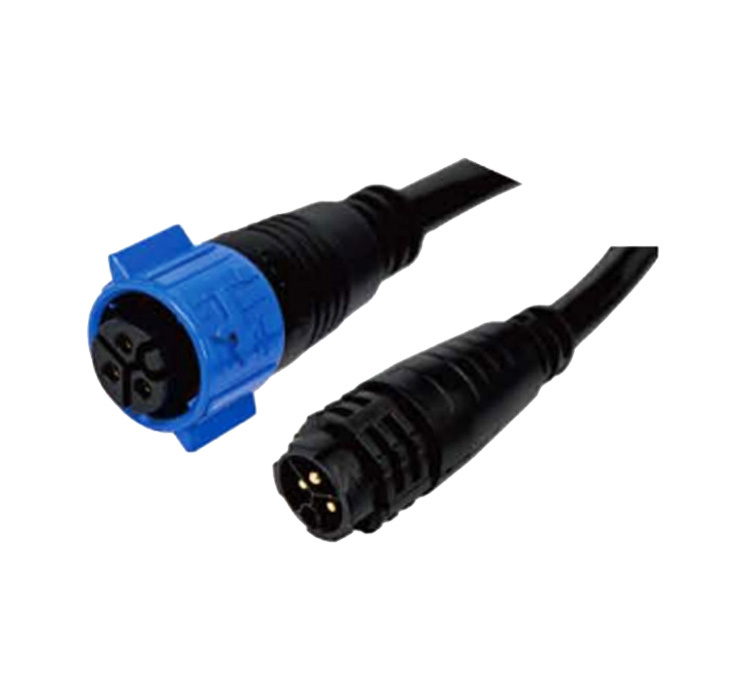
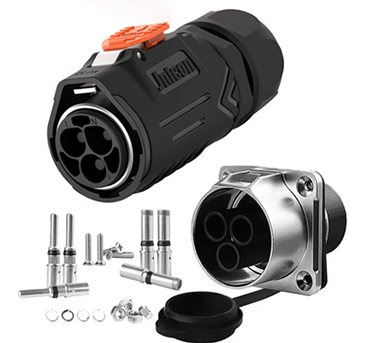
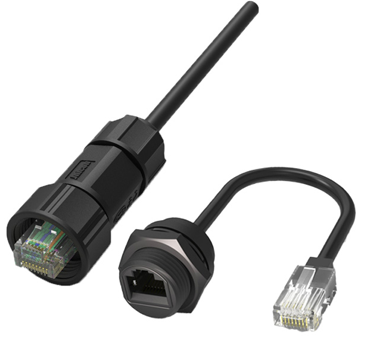
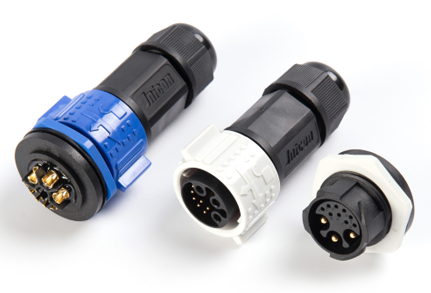
In the marine environment, electrical connectors face unique challenges due to exposure to moisture, saltwater, and other elements. Understanding how to properly test and evaluate **waterproof marine electrical connectors** is crucial for ensuring reliability and longevity in these demanding conditions. In this article, we will explore the essential criteria for waterproof connectors, methods for evaluation, and best practices for installation and maintenance.
The Significance of Waterproof Ratings
When selecting waterproof connectors for marine applications, it is vital to understand the **Ingress Protection (IP) ratings**. These ratings indicate the level of protection a connector provides against dust and water penetration.
Understanding IP Ratings
IP ratings consist of two digits:
- The **first digit** indicates protection against solid objects (0-6).
- The **second digit** denotes protection against liquids (0-8).
For example, an IP67 rating means the connector is dust-tight and can withstand immersion in water up to 1 meter for 30 minutes. It is essential to choose connectors with appropriate IP ratings for your specific marine application to ensure maximum durability.
Common IP Ratings for Marine Connectors
- **IP65**: Dust-tight and protected from water jets.
- **IP67**: Dust-tight and protected against temporary immersion.
- **IP68**: Dust-tight and suitable for continuous immersion underwater.
Choosing the right rating based on your operational environment is crucial for **connector performance and safety**.
Key Criteria for Evaluating Waterproof Connectors
When assessing waterproof connectors, several key criteria must be considered to ensure they meet operational requirements.
Material Quality
The materials used in waterproof marine electrical connectors significantly affect their performance. Look for connectors made from corrosion-resistant materials, such as **stainless steel**, **nylon**, or **thermoplastic elastomers**. These materials are essential for resisting saltwater corrosion and ensuring longevity.
Sealing Mechanisms
Effective sealing mechanisms are critical for preventing moisture ingress. Evaluate whether the connector utilizes **O-rings**, **grommets**, or **potting compounds**. These sealing methods provide enhanced protection against water and debris, which is particularly important in marine environments.
Temperature Resistance
Marine environments can experience extreme temperature fluctuations. Therefore, selecting connectors that can withstand a wide temperature range is essential. Investigate the **operating temperature ratings** provided by manufacturers to ensure the connectors can perform optimally in various conditions.
Electrical Performance
Electrical performance attributes, such as **voltage ratings**, **current-carrying capacity**, and **resistance to electrical interference**, are vital for marine connectors. Ensure that the connectors meet or exceed the electrical requirements of your specific application to avoid failures.
Testing Methods for Waterproof Marine Connectors
Thorough testing is essential for evaluating the performance and durability of waterproof marine electrical connectors. Here are some effective methods for testing their reliability.
Visual Inspection
Before conducting any formal tests, perform a **visual inspection** of the connectors. Look for signs of wear, cracks, or damage in the housing and sealing mechanisms. Ensure that all connections are secure and free from corrosion.
Water Ingress Testing
To assess the waterproof capabilities of connectors, conduct water ingress tests. The following methods can be employed:
- **Submersion Test**: Immerse the connector in water for a specified duration to check for leaks or moisture entry.
- **Spray Test**: Utilize a water spray at various angles to simulate exposure to rain and waves.
Ensure to follow the manufacturer's guidelines regarding testing duration and procedures.
Electrical Testing**
Perform electrical testing to assess the connector's performance under load. This includes:
- **Resistance Measurements**: Measure the resistance across the terminals to ensure proper conductivity.
- **Voltage Drop Testing**: Check the voltage drop across the connector under load conditions to evaluate its performance.
Utilizing appropriate testing equipment, such as multimeters, will provide accurate readings.
Temperature and Humidity Testing
Conduct environmental testing to evaluate how connectors perform under varying temperature and humidity conditions. Subject the connectors to extreme temperature cycles and high humidity levels to determine their resilience.
Best Practices for Installing Waterproof Connectors
Proper installation of waterproof marine electrical connectors is crucial for ensuring optimal performance and longevity.
Follow Manufacturer Guidelines
Always adhere to the manufacturer's installation guidelines. These instructions provide crucial information regarding torque specifications, sealing methods, and assembly procedures.
Use Proper Tools
Utilize the appropriate tools for installation, including crimping tools, torque wrenches, and sealant applicators. Using the right tools helps ensure a secure and reliable connection.
Avoid Over-tightening
While it is essential to secure connectors adequately, over-tightening can damage the sealing mechanisms. Follow recommended torque specifications to prevent compromising the waterproof integrity of the connectors.
Regular Maintenance and Inspections
Regular maintenance is vital for the longevity of waterproof connectors. Schedule periodic inspections to check for signs of wear, corrosion, and moisture ingress. Clean connectors as necessary to remove salt deposits and debris.
Common Applications of Waterproof Marine Electrical Connectors
Waterproof marine electrical connectors are used in various applications, including:
Boat Wiring Systems
Connectors play a crucial role in the wiring systems of boats, ensuring reliable connections for power and data transmission.
Marine Electronics
From GPS systems to fish finders, waterproof connectors are essential for connecting marine electronics and ensuring their functionality in wet environments.
Lighting Systems
LED lighting systems on boats require reliable connections to withstand exposure to water and harsh weather conditions.
Battery Connections
Waterproof connectors are critical in battery connections to prevent corrosion and ensure efficient power transfer.
Frequently Asked Questions (FAQs)
1. What is the difference between IP67 and IP68 ratings?
IP67 connectors can withstand temporary immersion in water, while IP68 connectors are suitable for continuous immersion, offering a higher level of protection.
2. How often should I inspect waterproof connectors on my boat?
It is recommended to inspect waterproof connectors at least once a season or more frequently if the boat is used in harsh environments.
3. Can I use standard electrical connectors in marine applications?
Using standard connectors in marine applications is not advisable as they may not provide adequate protection against moisture and corrosion.
4. How do I clean marine electrical connectors?
Use a soft brush and a solution of water and mild detergent to clean connectors. Rinse thoroughly and allow them to dry completely before reinstallation.
5. What should I do if I suspect water ingress in my connectors?
If you suspect water ingress, disconnect the power immediately and conduct a thorough inspection. Replace any damaged connectors and test for moisture before reconnection.
Conclusion
Testing and evaluating waterproof marine electrical connectors is crucial for ensuring the reliability and safety of marine applications. Understanding IP ratings, evaluating material quality, and conducting thorough tests can help you select the best connectors for your needs. By following best practices for installation and maintenance, you can significantly enhance the longevity and performance of your marine electrical systems. Investing time and effort into proper testing and evaluation will ultimately pay off by preventing costly failures and ensuring smooth operation in the challenging marine environment.
News
2026-09-24
Waterproof Wire Harnesses: The Cornerstone of Electric Vehicle Reliability
Waterproof Wire Harnesses: An Essential Component for Electric Vehicles Electric vehicles (EVs) are rapidly transforming the automotive landscape, with advancements in technology leading the charge. Amongst the many components that contribute to the seamless operation of these vehicles, **waterproof wire harnesses** stand out as a vital element. In this comprehensive article, we will delve deep in
2026-09-21
Exploring the Benefits and Applications of 5 Pin Waterproof Connectors
In today's increasingly interconnected world, the demand for reliable and durable electrical connections is paramount, particularly in environments exposed to moisture and harsh conditions. The 5 pin waterproof connector serves as a crucial solution to meet these needs, providing secure electrical connectivity while protecting sensitive components from water damage and corrosion. One of the primar
2026-09-18
Unlocking the Benefits of 3 Pin Waterproof Connectors for Outdoor Projects
Unlocking the Benefits of 3 Pin Waterproof Connectors for Outdoor Projects Introduction: The Importance of Reliable Electrical Connections in Outdoor Projects Ensuring secure and efficient electrical connections in outdoor environments poses unique challenges. Weather conditions, moisture, and temperature fluctuations can jeopardize your projects. This is where **3 pin waterproof connectors**

B8-9, Fubilun industrial park, Chaoyang rd,Yanchuan community, Songgang, Shenzhen, China


