


The Evolution of Waterproof Wire Harnesses in the Automotive Industry: Transforming Vehicle Durability and Performance
Release Time:
2026-05-23
The Evolution of Waterproof Wire Harnesses in the Automotive Industry
Table of Contents
- Introduction to Waterproof Wire Harnesses
- The Importance of Waterproofing in Automotive Applications
- Historical Development of Wire Harnesses
- Technological Advancements in Waterproof Wire Harnesses
- Materials Used in Modern Waterproof Wire Harnesses
- Design Innovations Enhancing Durability
- Application Areas of Waterproof Wire Harnesses
- Future Trends in Waterproof Wire Harness Technology
- Conclusion
- Frequently Asked Questions
Introduction to Waterproof Wire Harnesses
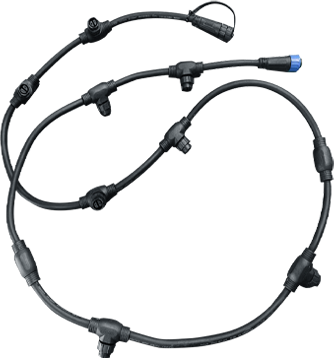
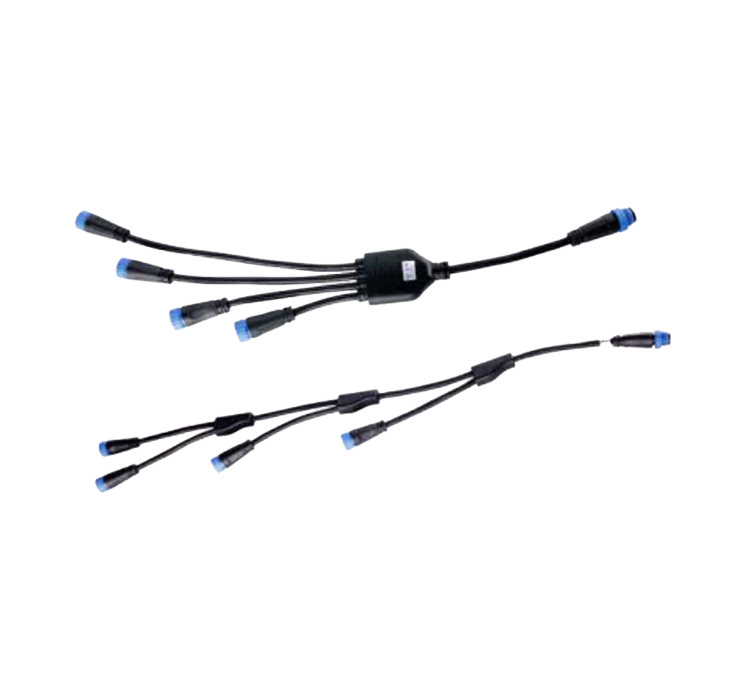
In the ever-evolving automotive industry, **waterproof wire harnesses** have emerged as crucial components that ensure vehicle performance and longevity. A wire harness is essentially a collection of wires bundled together, often equipped with connectors to facilitate electrical functions in vehicles. The emergence of waterproof technology has significantly enhanced the reliability of these components, particularly in environments exposed to moisture, dirt, and extreme temperatures.
As vehicles become more technologically advanced, the need for robust wiring solutions that can withstand harsh conditions has never been more critical. This article explores the evolution of waterproof wire harnesses, focusing on their historical development, technological advancements, and the future landscape of this essential automotive component.
The Importance of Waterproofing in Automotive Applications
Waterproofing in automotive wire harnesses is not merely an option; it is a necessity. Vehicles are exposed to various environmental factors, including rain, snow, and humidity. Without proper waterproofing, electrical components can suffer from corrosion, shorts, and failures, leading to severe operational issues.
**Benefits of Waterproof Wire Harnesses**:
1. **Enhanced Durability**: Waterproof harnesses are designed to resist moisture, which extends their life span and reduces maintenance costs.
2. **Increased Safety**: Protecting electrical systems from water reduces the risk of electrical fires and component failures that could jeopardize driver and passenger safety.
3. **Improved Performance**: Waterproof wire harnesses ensure consistent electrical connectivity, leading to optimal vehicle performance, even in challenging conditions.
Historical Development of Wire Harnesses
The journey of wire harnesses began in the early 20th century with basic electrical systems in automobiles. As vehicles evolved, so did their electrical demands. Initially, wire harnesses were simplistic, lacking the protective features necessary for durability. However, as technology advanced, manufacturers recognized the importance of incorporating waterproof features into wire harness designs.
In the late 20th century, with the rise of electronic systems in vehicles, such as anti-lock brakes and advanced infotainment systems, the need for robust and waterproof wire harnesses became paramount. Manufacturers started developing specialized coatings and materials to enhance the waterproofing capabilities of these components.
Technological Advancements in Waterproof Wire Harnesses
The evolution of waterproof wire harnesses is marked by significant technological advancements. These innovations have primarily focused on improving the materials used and the design of the harnesses.
**Key Technological Innovations**:
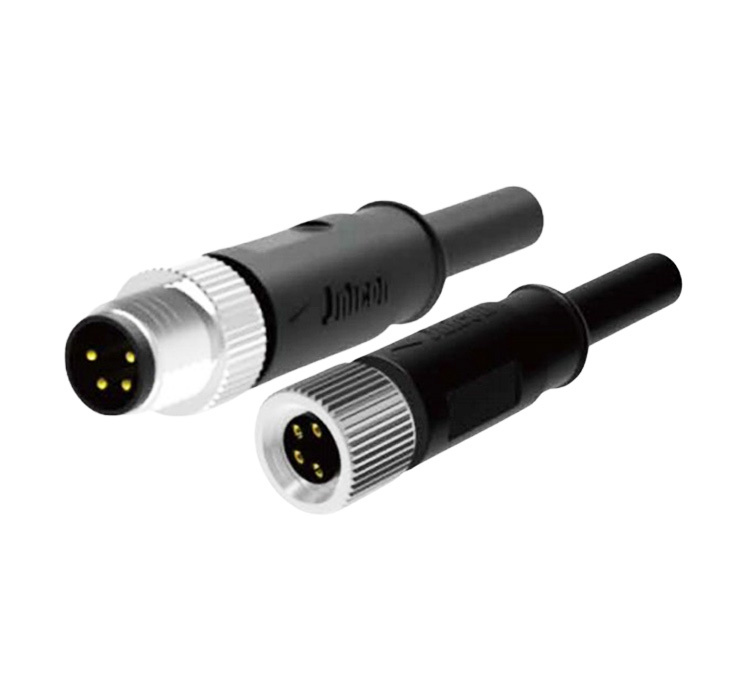
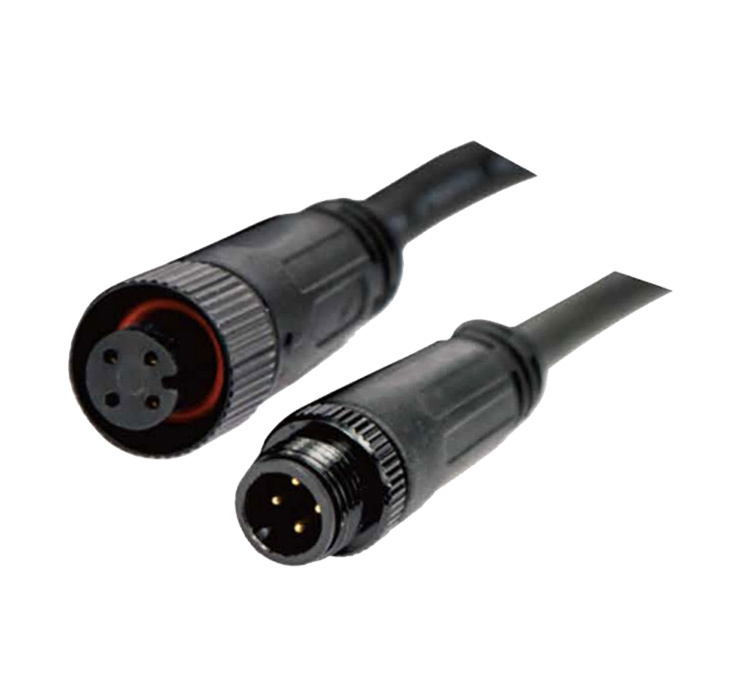
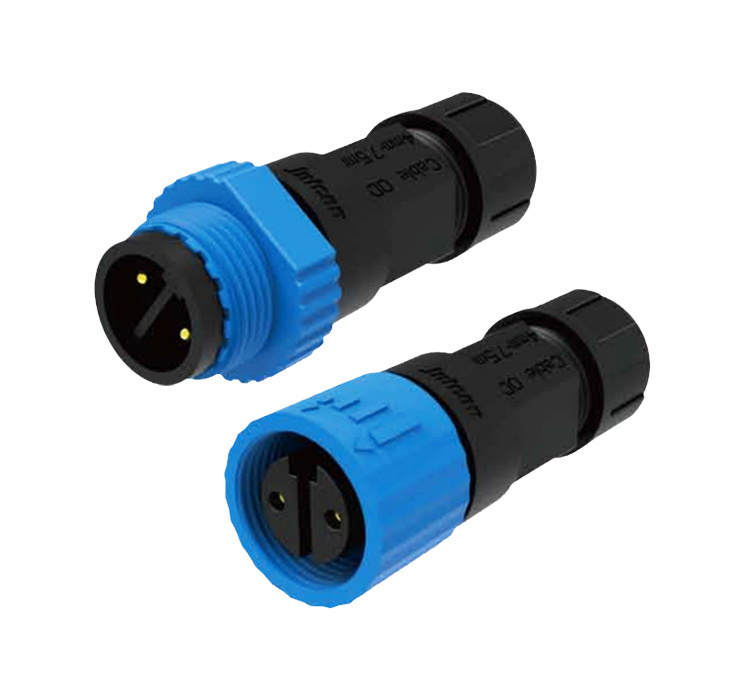
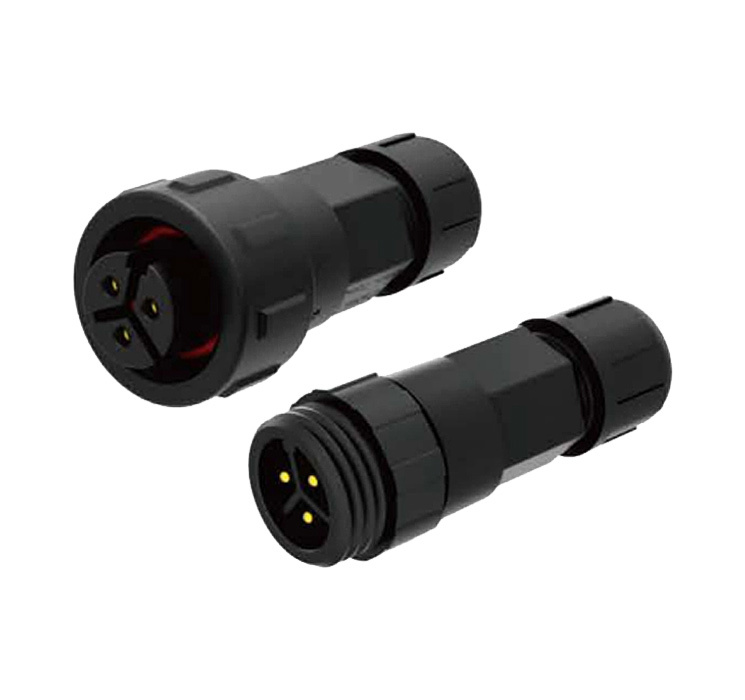
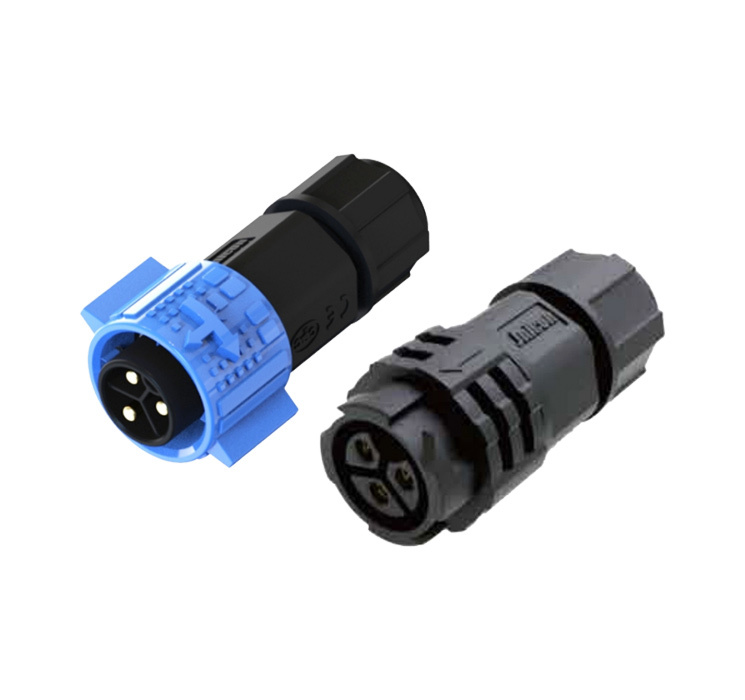
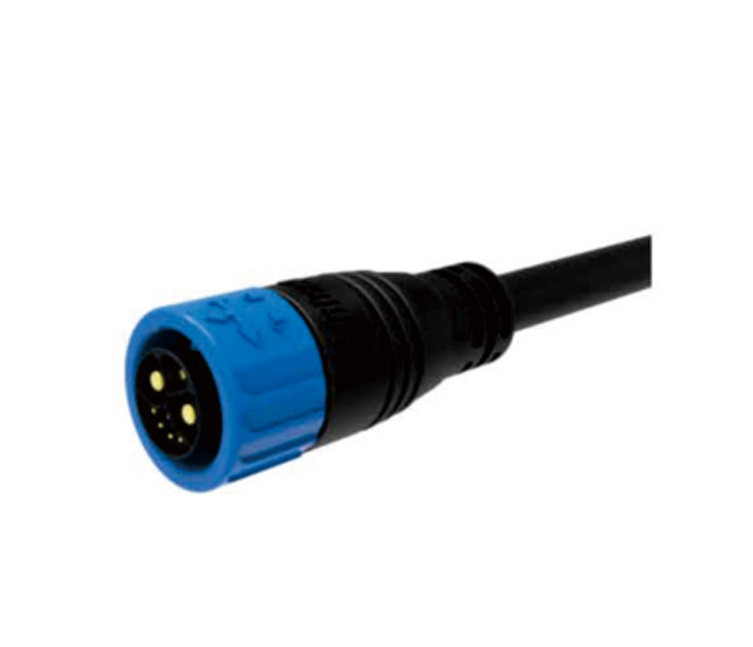
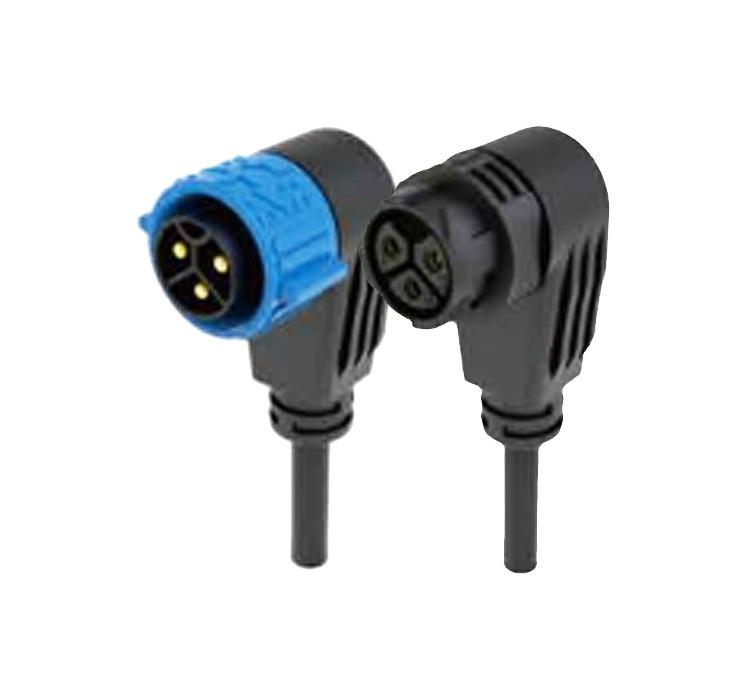
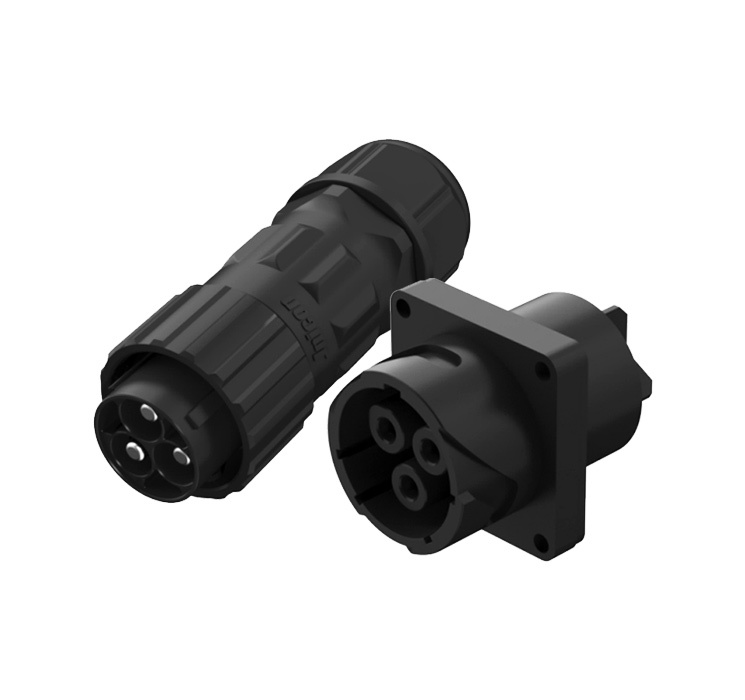
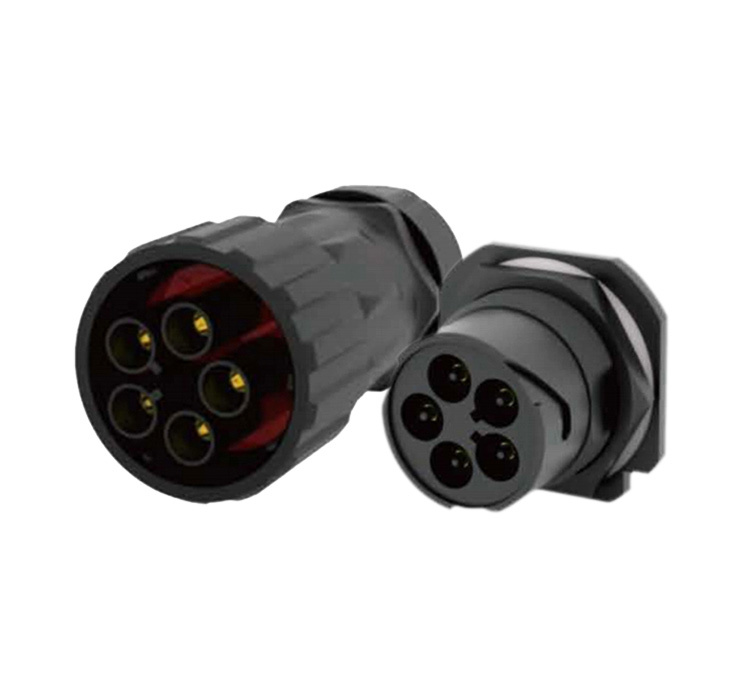
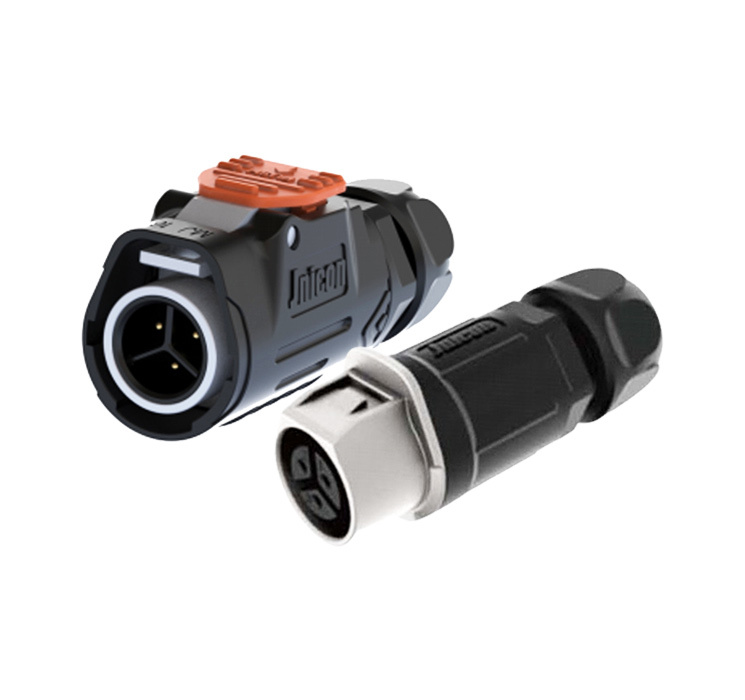
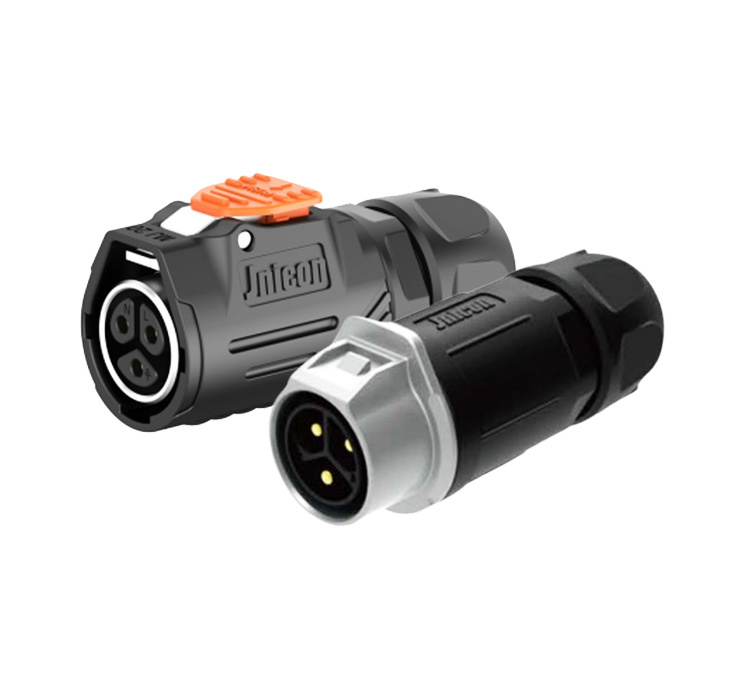
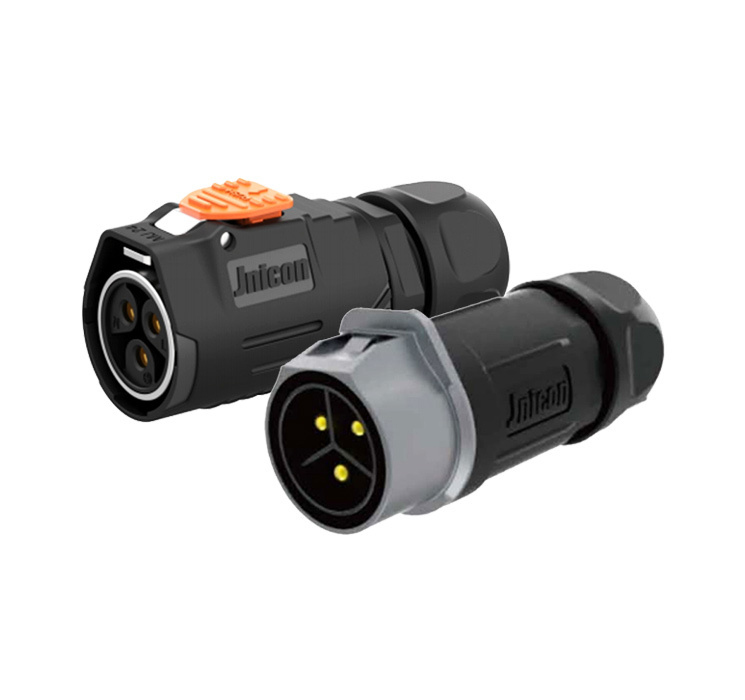
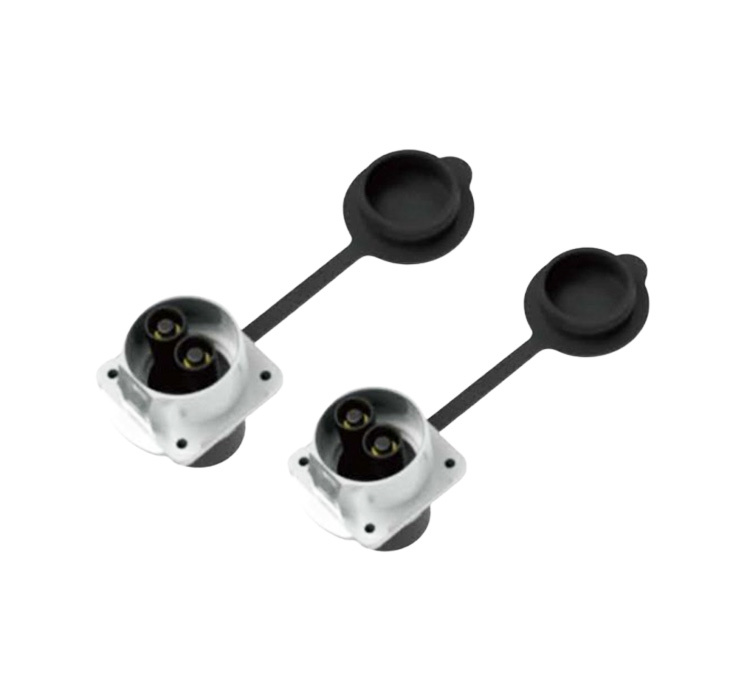
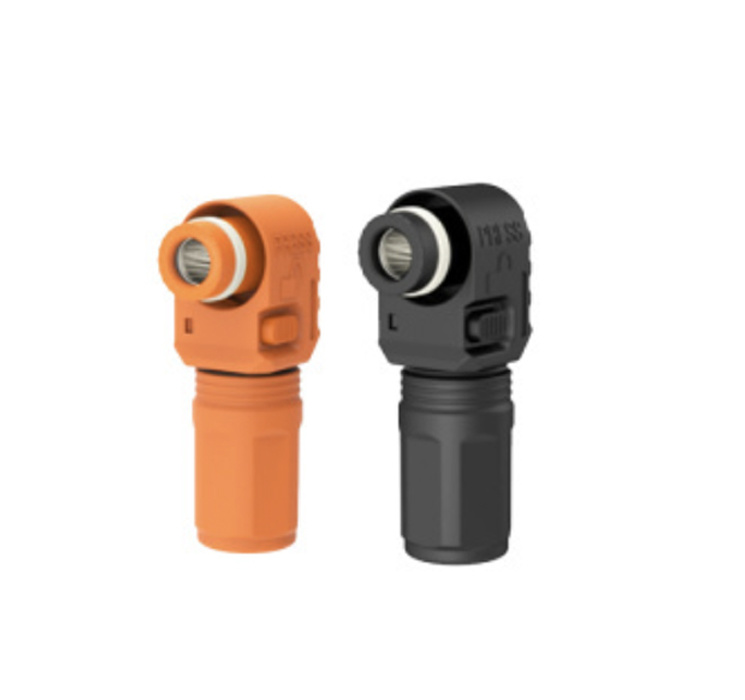
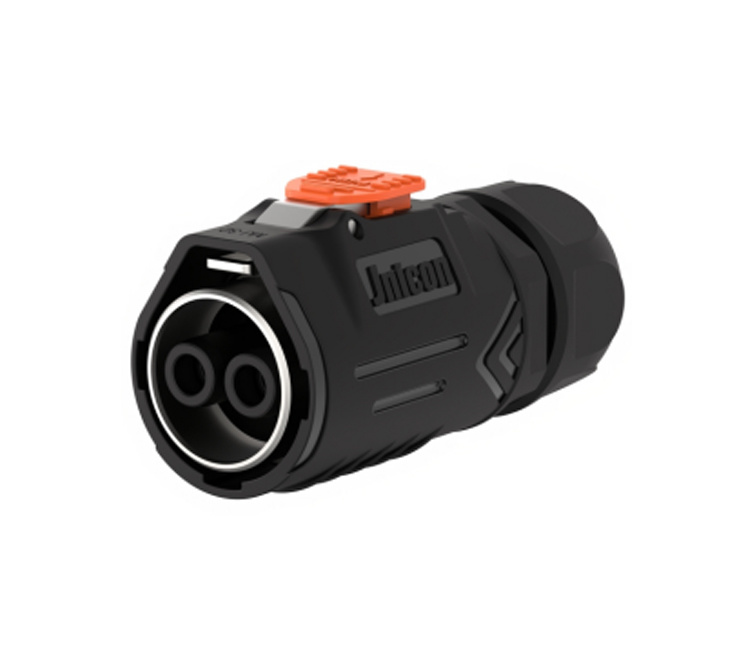
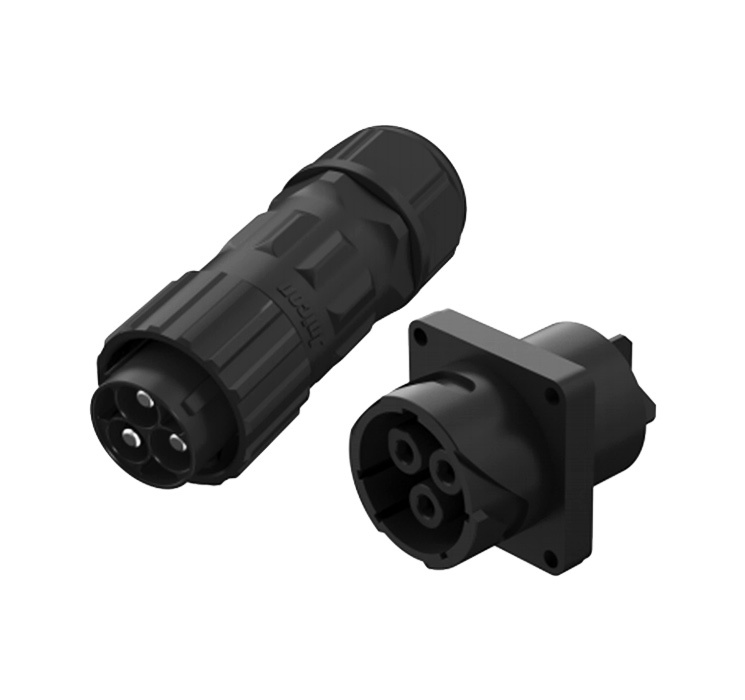
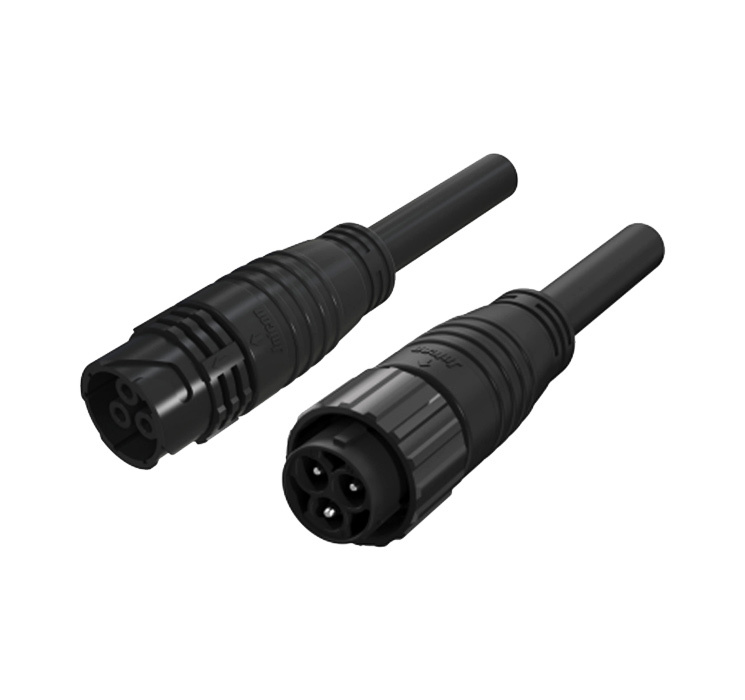
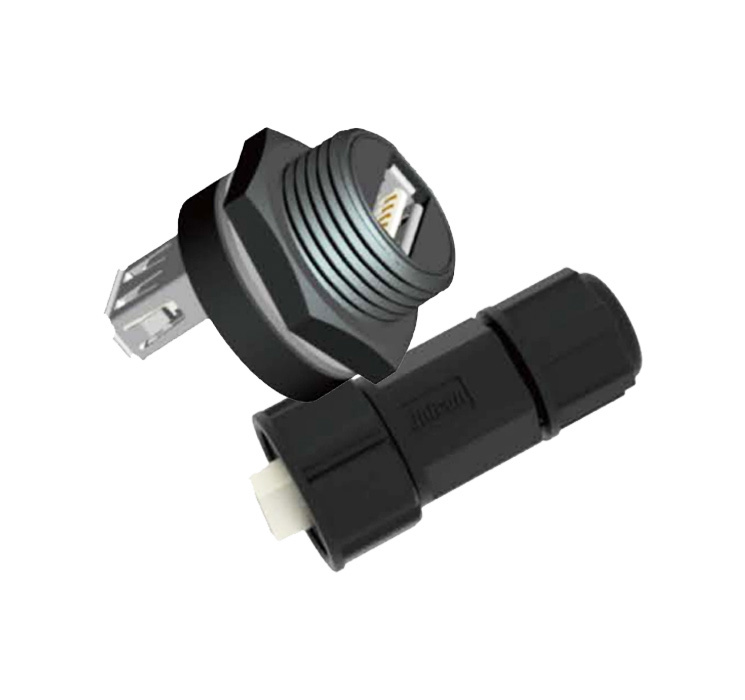
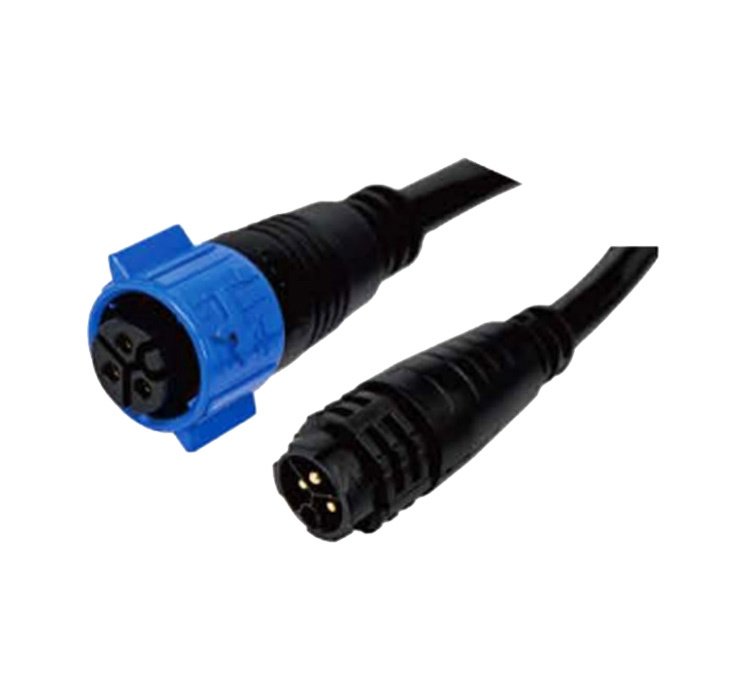
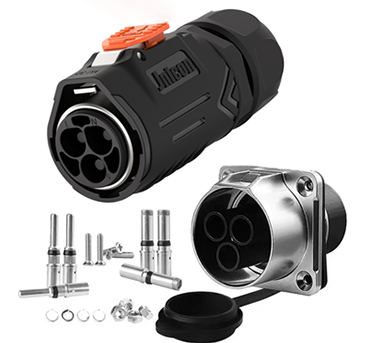
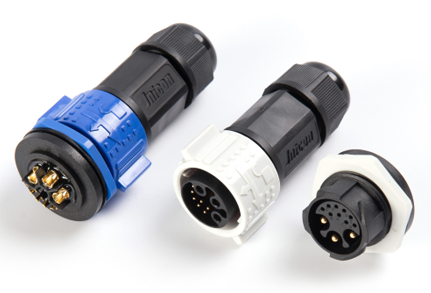
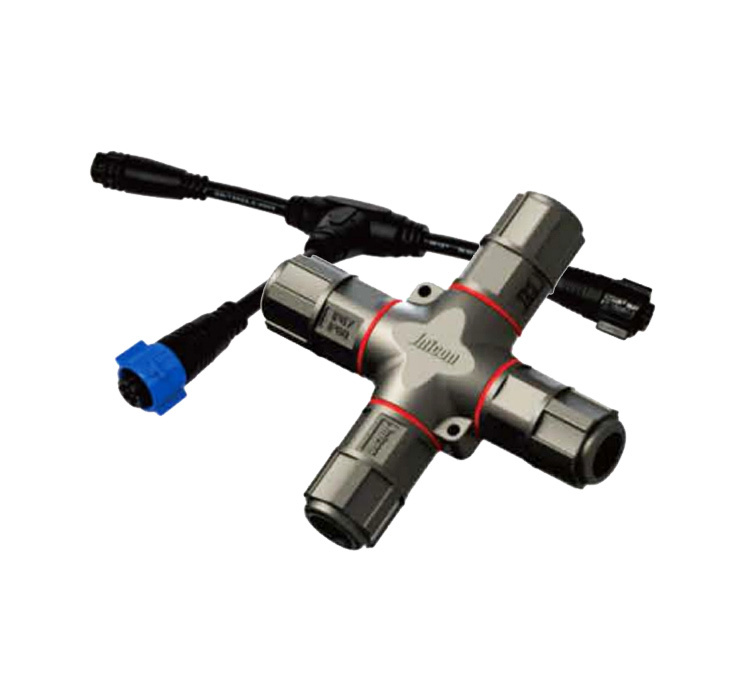
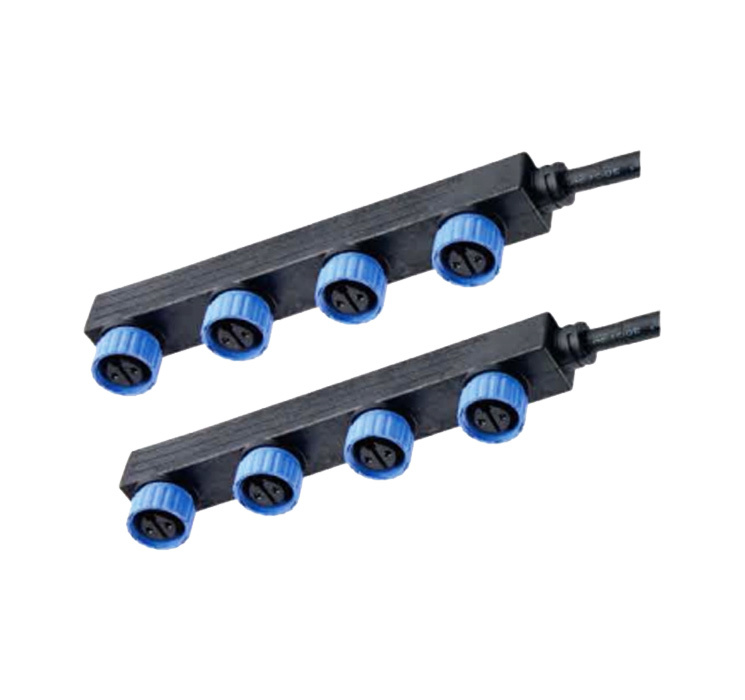
- **Sealed Connectors**: Modern waterproof wire harnesses often feature sealed connectors that prevent moisture ingress. These connectors are designed to withstand high pressure and vibrations, ensuring reliable performance.
- **Advanced Coatings**: The application of specialized coatings, such as hydrophobic sprays or gels, protects individual wires from water, salt, and other corrosive elements.
- **Heat Resistance**: New materials are being developed to withstand extreme temperatures, which is crucial for maintaining performance in various climate conditions.
Materials Used in Modern Waterproof Wire Harnesses
The materials utilized in waterproof wire harnesses are critical to their effectiveness and longevity. Manufacturers now employ a range of advanced materials to improve durability and resistance to environmental factors.
**Common Materials**:
1. **Polyvinyl Chloride (PVC)**: Widely used due to its flexibility and waterproofing properties, PVC can withstand exposure to various chemicals and environmental conditions.
2. **Thermoplastic Elastomers (TPE)**: TPE offers excellent flexibility and is highly resistant to water and oil, making it ideal for automotive applications.
3. **Silicone**: Known for its exceptional heat resistance, silicone is often used in seals and gaskets to protect electrical components from moisture.
Design Innovations Enhancing Durability
Beyond materials, design innovations play a crucial role in the evolution of waterproof wire harnesses. Manufacturers are continually developing new designs that enhance the overall performance and reliability of these components.
**Innovative Design Features**:
- **Modular Designs**: Modern wire harnesses often feature modular designs that allow for easy replacement of damaged sections without replacing the entire harness.
- **Integrated Shielding**: Some wire harnesses include integrated shielding to protect against electromagnetic interference (EMI), ensuring optimal performance of electronic systems.
- **Ergonomic Layouts**: Thoughtful design layouts improve the ease of installation and accessibility, making maintenance simpler for technicians and mechanics.
Application Areas of Waterproof Wire Harnesses
Waterproof wire harnesses find applications across various sectors of the automotive industry, from passenger vehicles to heavy-duty trucks.
**Key Application Areas**:
1. **Electric Vehicles (EVs)**: With the increasing adoption of electric vehicles, waterproof wire harnesses are essential for protecting high-voltage systems and ensuring safety.
2. **Off-Road Vehicles**: Vehicles designed for rugged terrains require waterproof wire harnesses to withstand environmental challenges while providing reliable performance.
3. **Marine Applications**: In boats and marine vehicles, waterproof harnesses are crucial for preventing water damage and ensuring safe operation in wet conditions.
Future Trends in Waterproof Wire Harness Technology
As the automotive industry continues to advance, future trends in waterproof wire harness technology are expected to focus on enhancing sustainability, reducing costs, and improving performance.
**Emerging Trends**:
- **Sustainable Materials**: Manufacturers are increasingly exploring eco-friendly materials for wire harness construction to meet growing environmental regulations.
- **Smart Technologies**: The integration of smart sensors within wire harnesses will enable real-time monitoring of performance and environmental conditions, enhancing reliability.
- **Advanced Manufacturing Techniques**: Innovations such as 3D printing may play a role in producing more sophisticated and tailored wire harness designs, leading to cost reductions and improved performance.
Conclusion
The evolution of waterproof wire harnesses in the automotive industry marks a significant step toward enhancing vehicle reliability, safety, and performance. As we have explored, advancements in materials, technology, and design are reshaping the landscape of automotive electrical systems.
The continued focus on waterproofing is essential as vehicles face increasingly challenging environments. With a commitment to innovation and improvement, the automotive industry can ensure that waterproof wire harnesses will continue to evolve, ultimately providing enhanced protection and performance for vehicles in the years to come.
Frequently Asked Questions
1. What are waterproof wire harnesses?
Waterproof wire harnesses are electrical components designed to protect wiring and connectors from moisture and environmental factors, ensuring reliable vehicle performance.
2. Why is waterproofing important for wire harnesses?
Waterproofing is crucial to prevent corrosion, electrical shorts, and failures that can lead to safety hazards and operational issues in vehicles.
3. What materials are used in waterproof wire harnesses?
Common materials include polyvinyl chloride (PVC), thermoplastic elastomers (TPE), and silicone, which provide flexibility and resistance to environmental factors.
4. How do technological advancements improve waterproof wire harnesses?
Technological advancements lead to enhanced features such as sealed connectors, specialized coatings, and heat resistance, improving the durability and reliability of wire harnesses.
5. What are the application areas for waterproof wire harnesses?
Waterproof wire harnesses are used in various applications, including electric vehicles, off-road vehicles, and marine applications, where protection from moisture is essential.
By exploring the critical aspects of waterproof wire harnesses, we can appreciate their significance in the automotive industry and anticipate future innovations that will continue to enhance vehicle performance and safety.
News
2026-10-15
Understanding Waterproof Wire Harness: Key Features and Benefits for Automotive Applications
In the automotive industry, the functionality and longevity of electrical components are crucial for vehicle performance. One of the key components that contribute to this is the waterproof wire harness. These harnesses are specifically designed to withstand harsh environmental conditions, ensuring that the electrical systems in vehicles remain operational regardless of the weather. A waterproof w
2026-10-12
5 Pin Waterproof Connectors: Enhancing Home Automation Systems
5 Pin Waterproof Connectors: Enhancing Home Automation Systems Table of Contents Introduction to 5 Pin Waterproof Connectors Importance of Waterproof Connectors in Home Automation Key Benefits of 5 Pin Waterproof Connectors Features of 5 Pin Waterproof Connectors Material Quality Design and Build Applications of 5 Pin Waterproof C
2026-10-10
Waterproof Wire Connector Plugs for Reliable Connections
Waterproof wire connector plugs ensure secure, moisture-resistant electrical connections for outdoor lighting, automotive systems, and industrial equipment.

B8-9, Fubilun industrial park, Chaoyang rd,Yanchuan community, Songgang, Shenzhen, China


