


Understanding the Importance of Waterproof Cables in Electrical Connections
Release Time:
2026-05-24
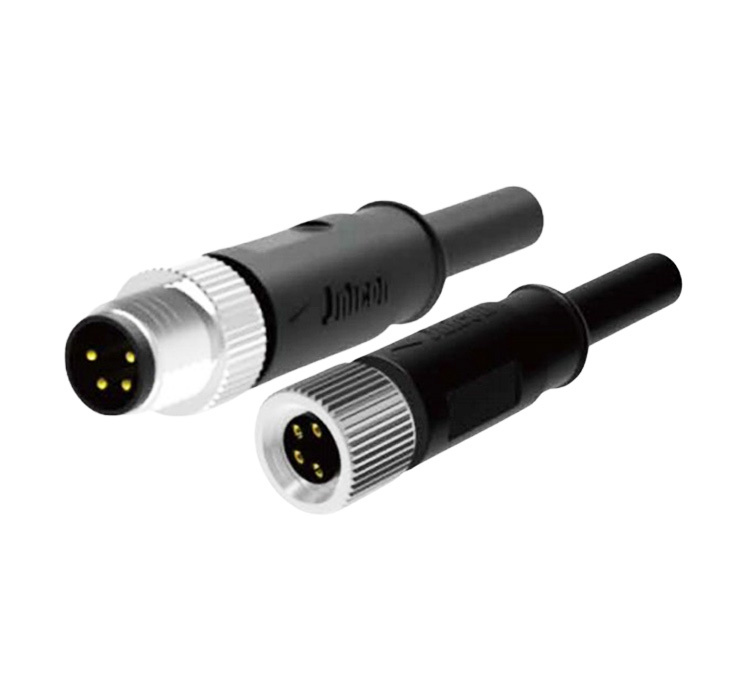
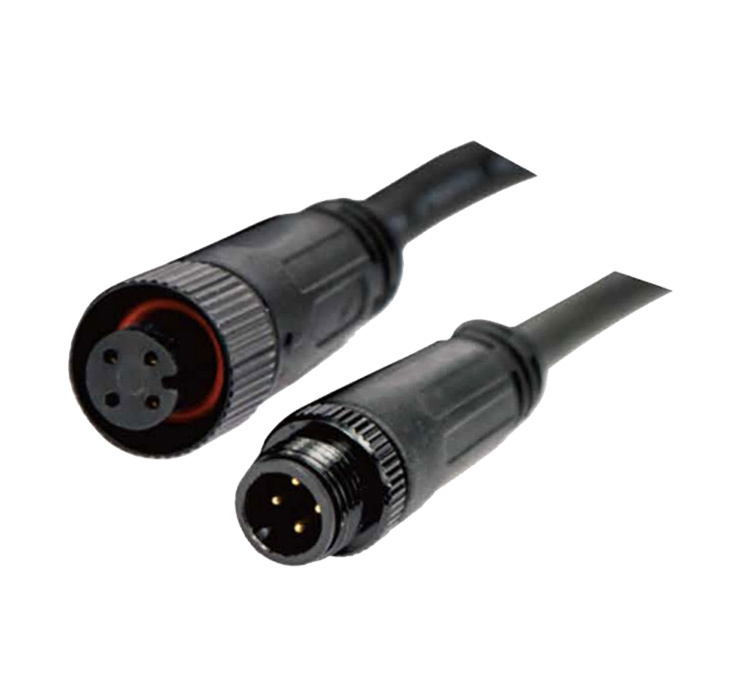
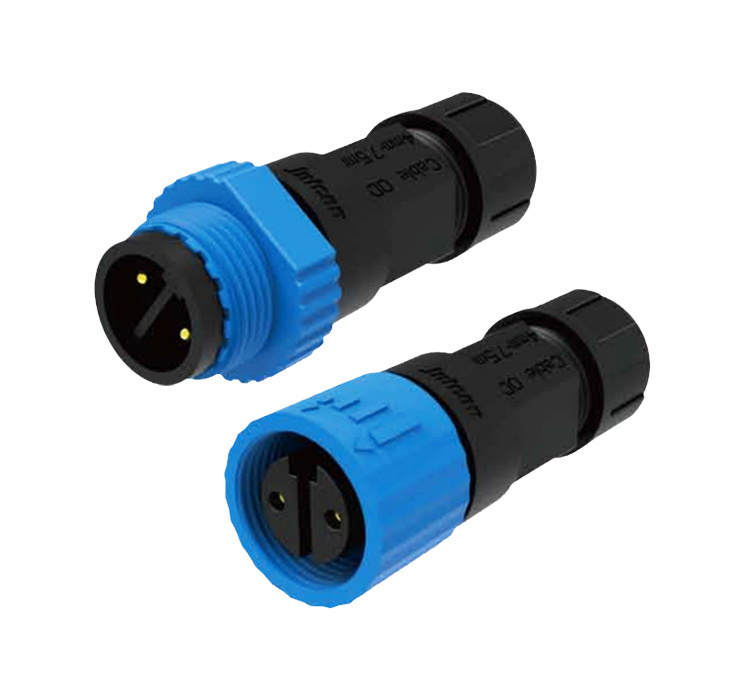
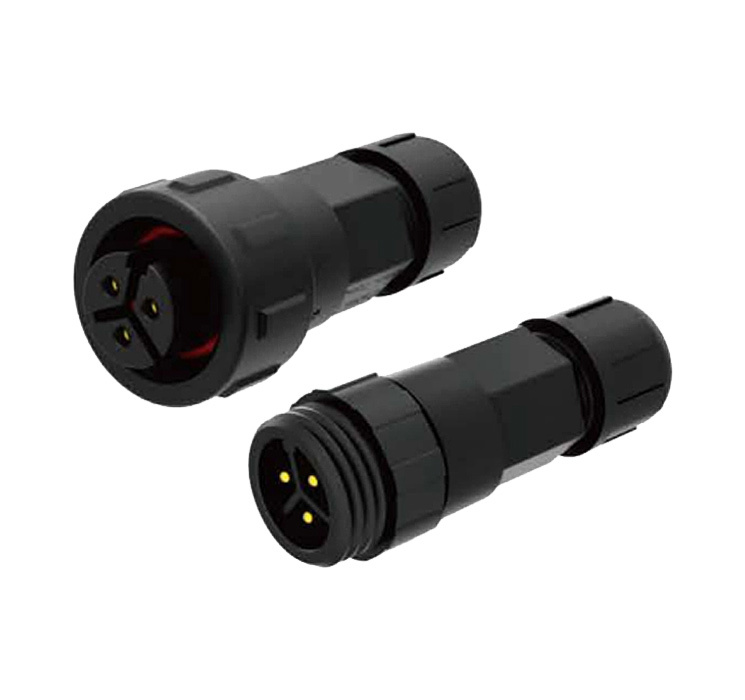
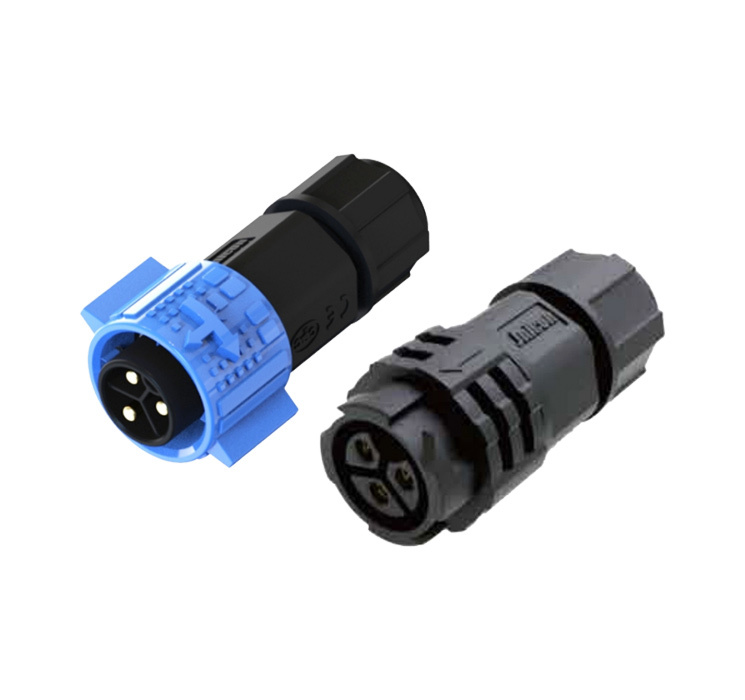
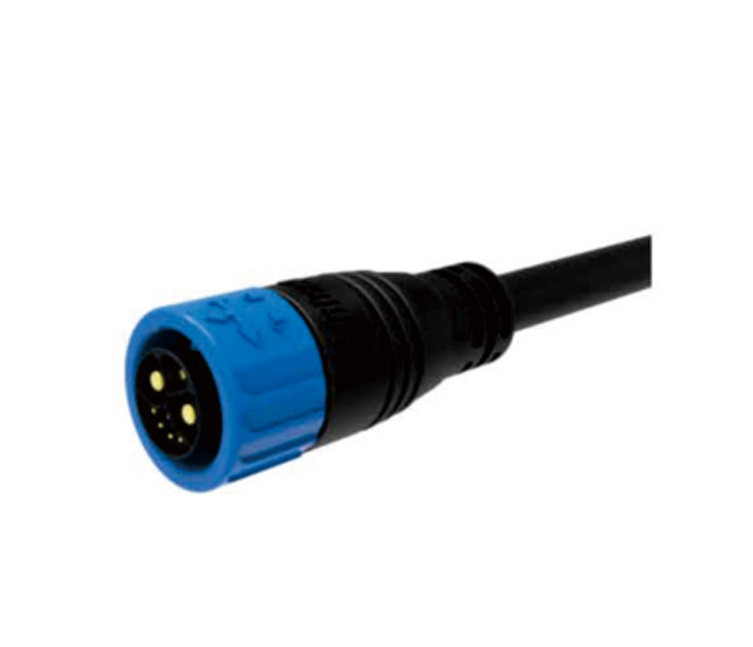
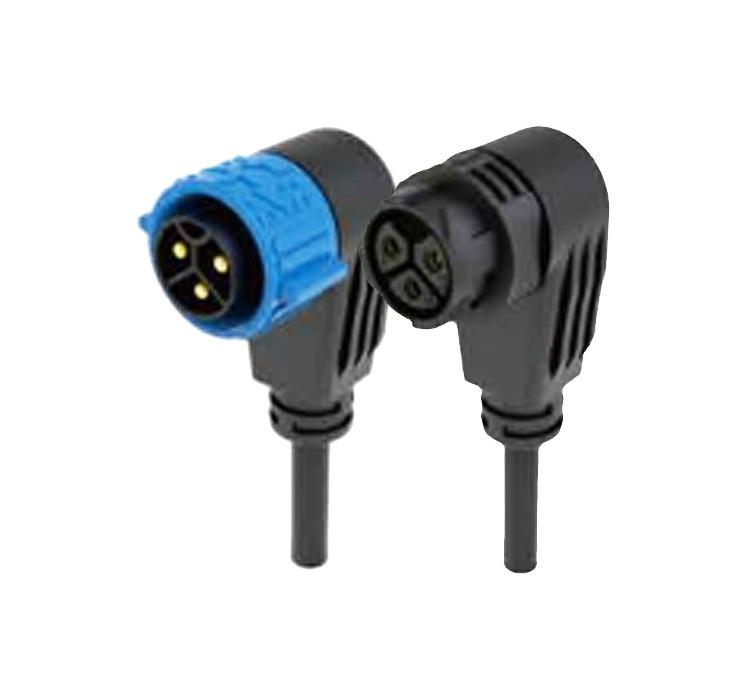
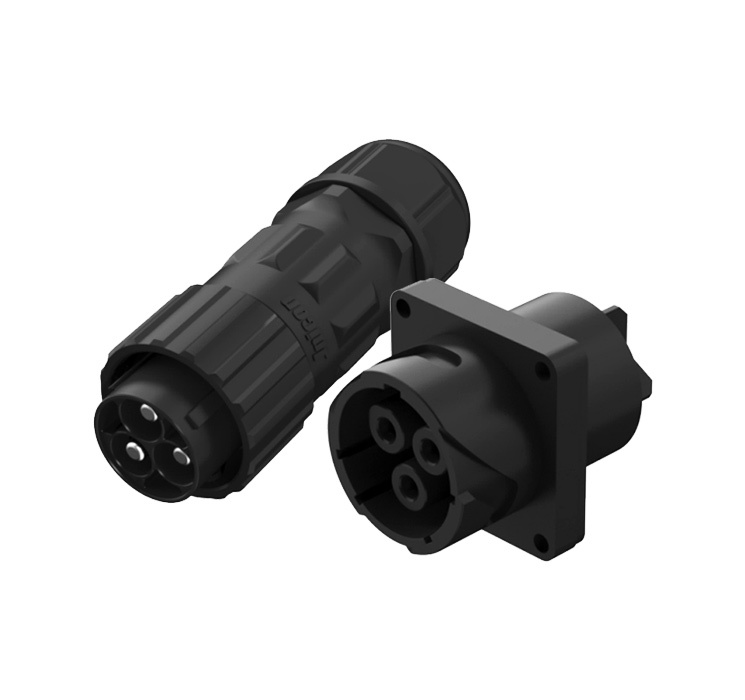
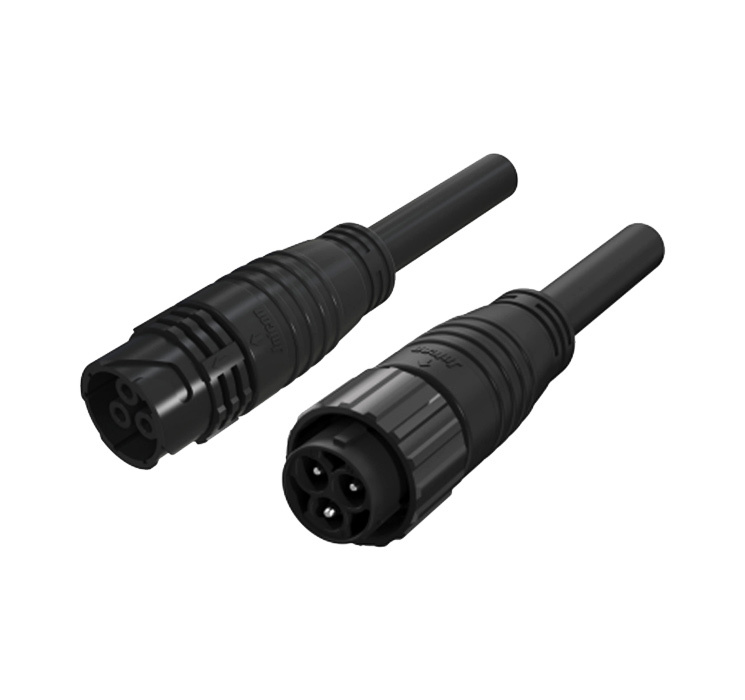
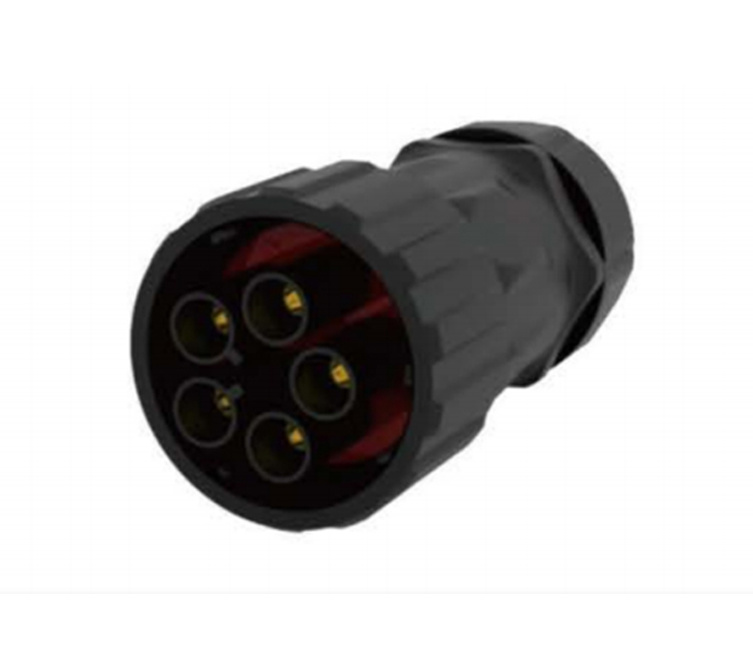
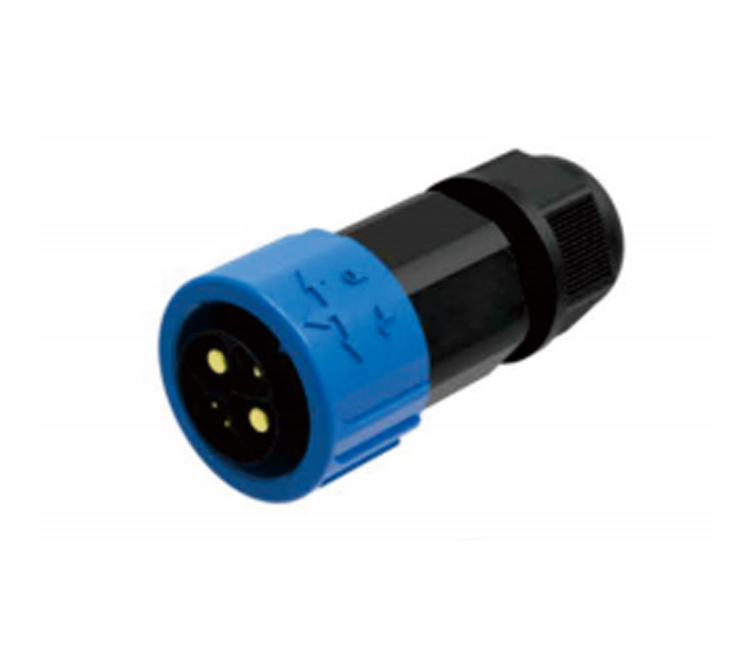
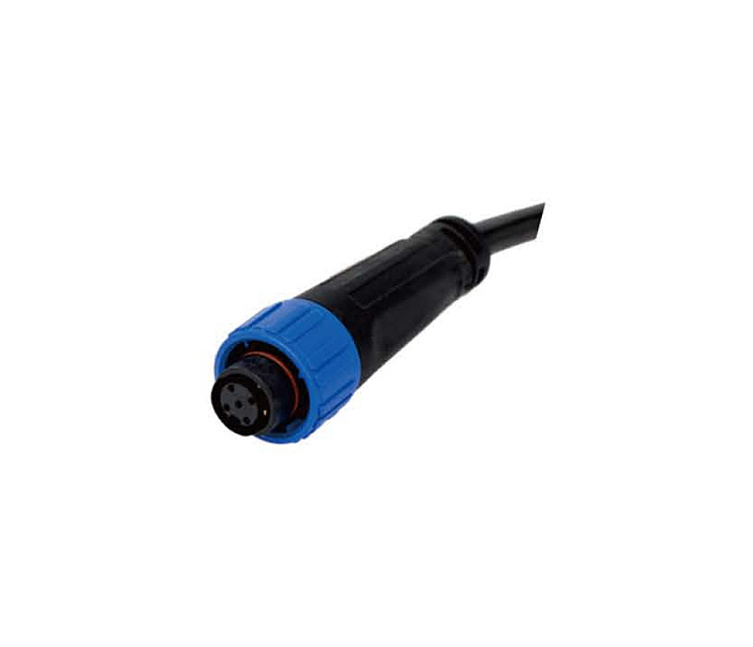
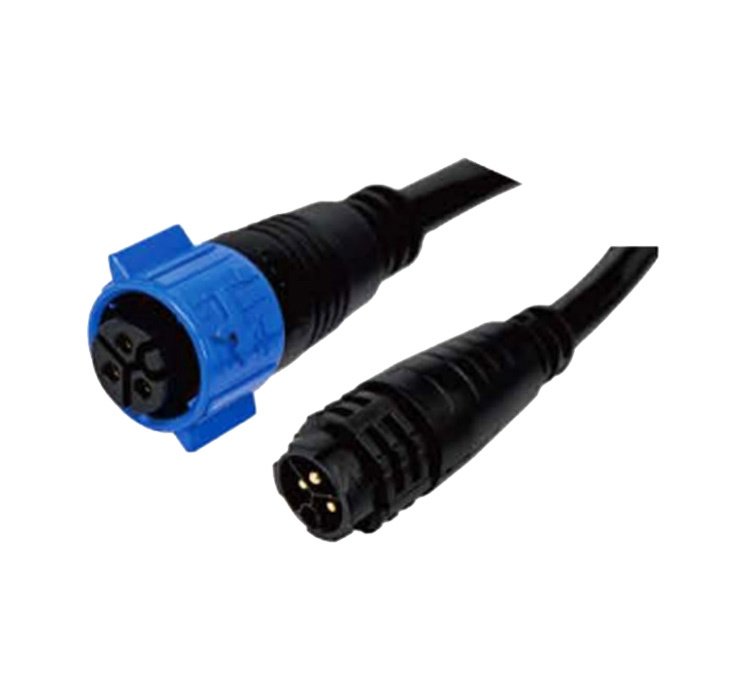
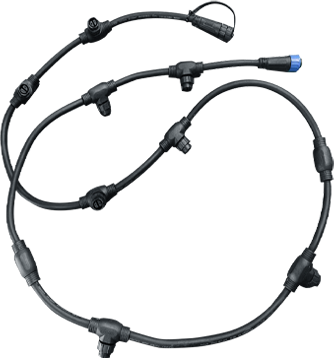
One of the primary materials used in the construction of waterproof cables is thermoplastic elastomer (TPE) or thermoplastic polyurethane (TPU), which provides a flexible yet durable outer layer. This outer layer is often reinforced with additional materials to enhance its resistance to abrasion, chemicals, and UV exposure, making waterproof cables suitable for a variety of applications, from automotive to industrial machinery.
The importance of waterproof cables cannot be overstated, particularly in industries where electrical failures can lead to safety hazards or significant downtime. For instance, in marine applications, waterproof cables are indispensable in preventing failures in navigation systems, communication equipment, and onboard power supplies. Similarly, in construction sites or outdoor installations, these cables help ensure that electrical connections remain operational despite exposure to rain, snow, or other environmental factors.
When selecting waterproof cables, it is essential to consider several factors, such as the cable's IP (Ingress Protection) rating, which indicates its level of resistance to dust and water. A higher IP rating signifies better protection, making it crucial to match the rating with the specific environmental conditions of the intended application. Furthermore, understanding the cable's temperature and voltage ratings is vital, as these specifications ensure that the cable can handle the electrical load and environmental conditions without risks of failure.
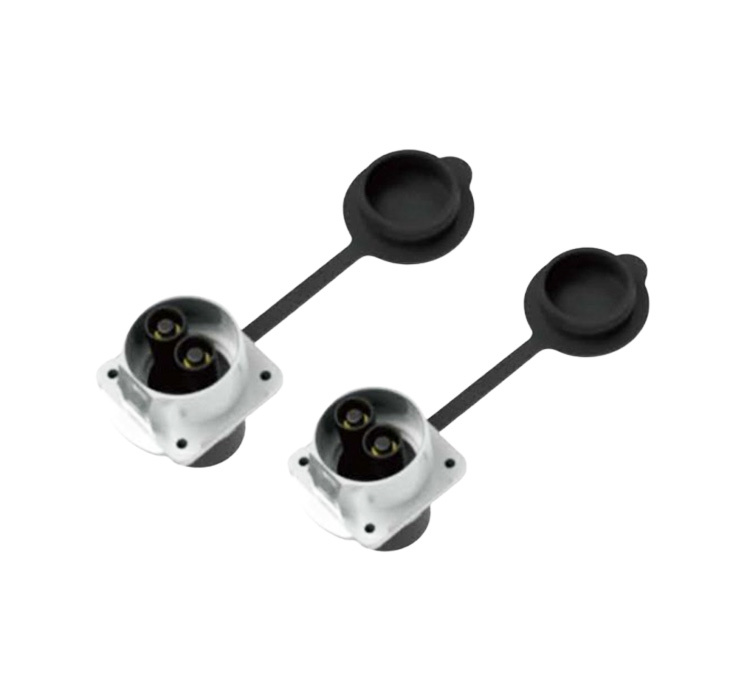
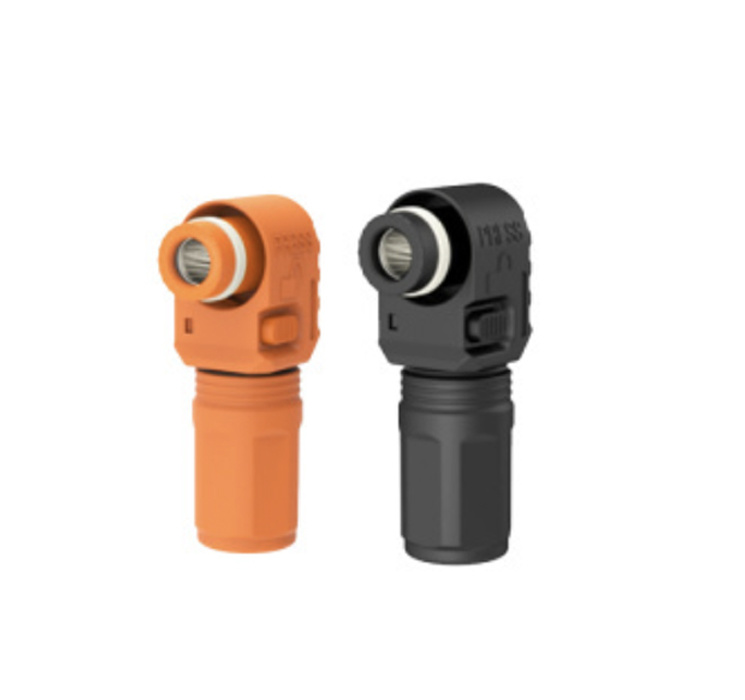
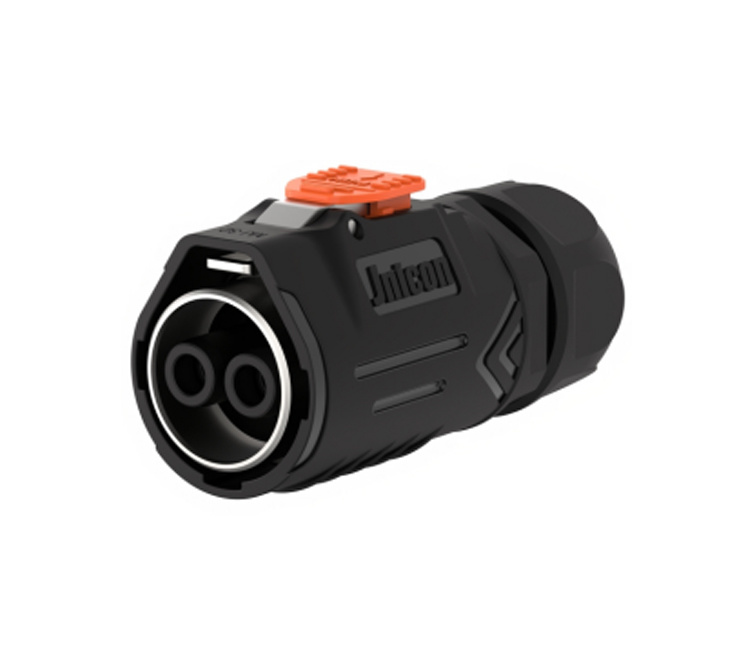
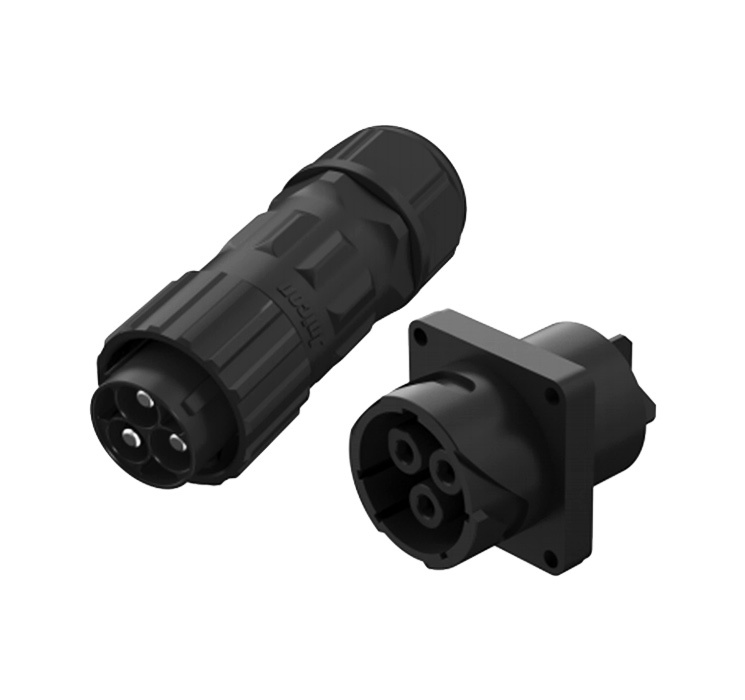
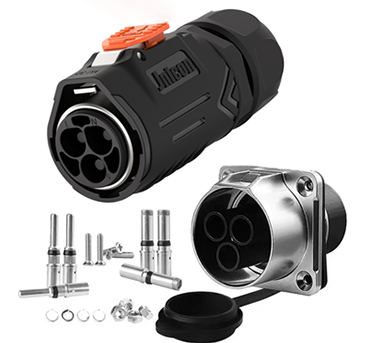
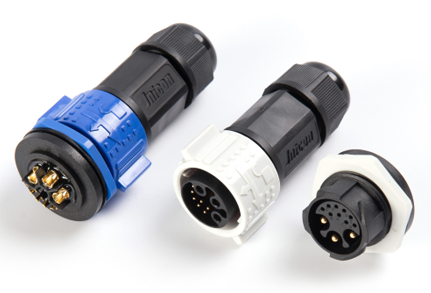
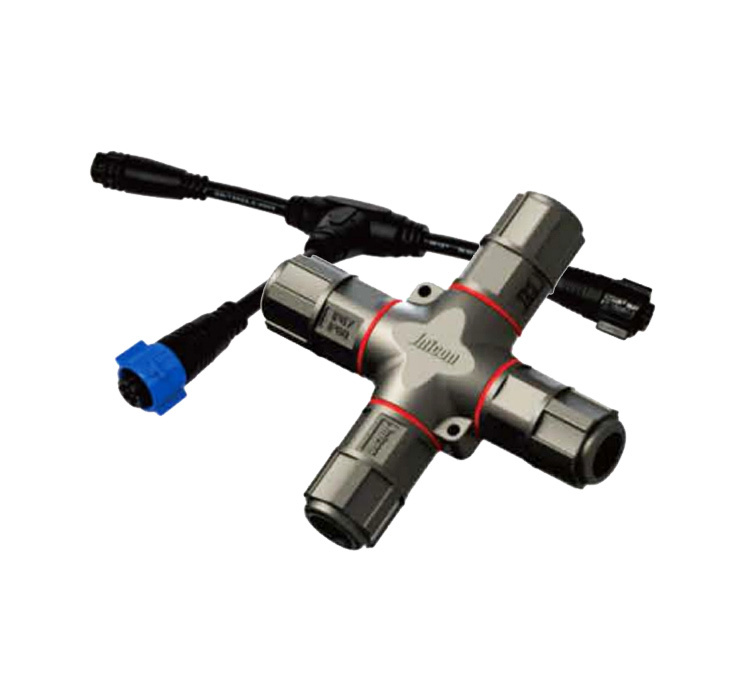
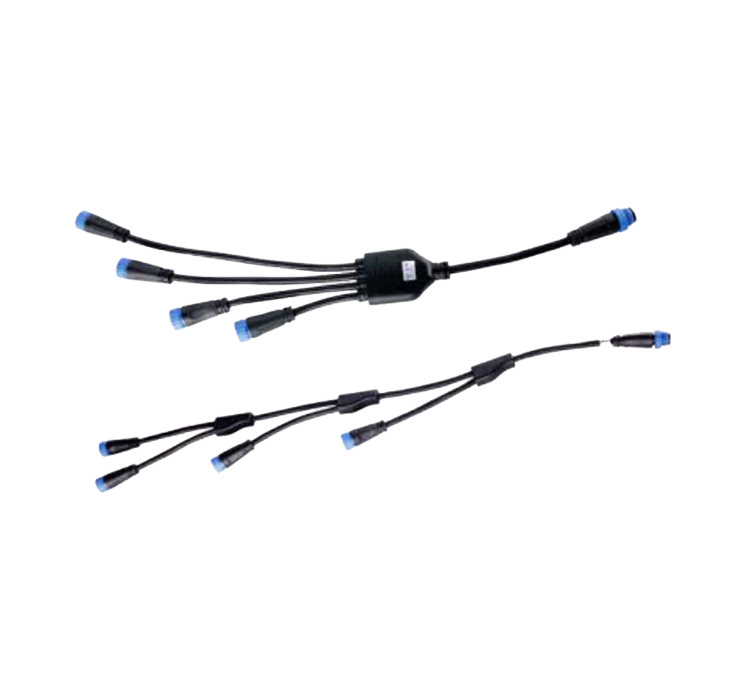
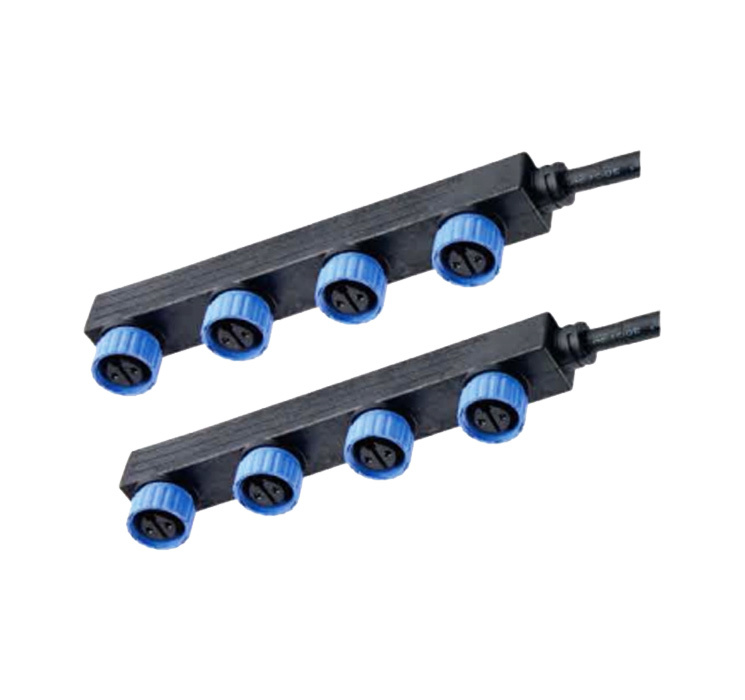
In addition to performance characteristics, the installation process for waterproof cables may differ from standard cables. Proper sealing techniques must be employed to ensure that the connections remain watertight. Using compatible connectors and junction boxes specifically designed for waterproof applications is also critical in maintaining the integrity of the connections over time.
In summary, waterproof cables play a significant role in safeguarding electrical connections across various industries. Their unique construction and protective features make them an ideal choice for environments where moisture exposure is inevitable. By understanding their importance and selecting the right waterproof cables for specific applications, professionals in the electrical field can enhance the reliability and safety of their installations, ultimately improving operational efficiency and reducing maintenance costs in the long run.
Previous
News
2026-10-12
5 Pin Waterproof Connectors: Enhancing Home Automation Systems
5 Pin Waterproof Connectors: Enhancing Home Automation Systems Table of Contents Introduction to 5 Pin Waterproof Connectors Importance of Waterproof Connectors in Home Automation Key Benefits of 5 Pin Waterproof Connectors Features of 5 Pin Waterproof Connectors Material Quality Design and Build Applications of 5 Pin Waterproof C
2026-10-10
Waterproof Wire Connector Plugs for Reliable Connections
Waterproof wire connector plugs ensure secure, moisture-resistant electrical connections for outdoor lighting, automotive systems, and industrial equipment.
2026-10-10
Waterproof Electrical Wire Connectors for Reliable Connections
Waterproof electrical wire connectors protect wiring from moisture and dust, ensuring reliable connections in indoor and outdoor applications.

B8-9, Fubilun industrial park, Chaoyang rd,Yanchuan community, Songgang, Shenzhen, China


