


Understanding IP Ratings for Waterproof Marine Electrical Connectors: A Comprehensive Guide
Release Time:
2026-05-25
Understanding IP Ratings for Waterproof Marine Electrical Connectors
Table of Contents
- 1. Introduction to IP Ratings
- 2. What Are IP Ratings?
- 3. Importance of IP Ratings in Marine Applications
- 4. Decoding the IP Rating System
- 5. Common IP Ratings for Marine Connectors
- 6. Selecting the Right Waterproof Marine Connector
- 7. Maintaining Waterproof Marine Connectors
- 8. The Future of Waterproof Marine Connectors
- 9. FAQs
- 10. Conclusion
1. Introduction to IP Ratings
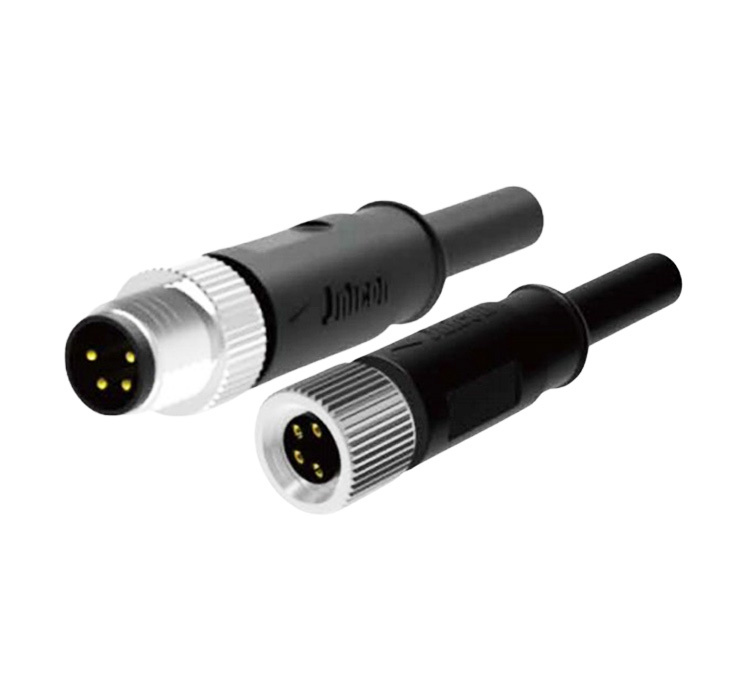
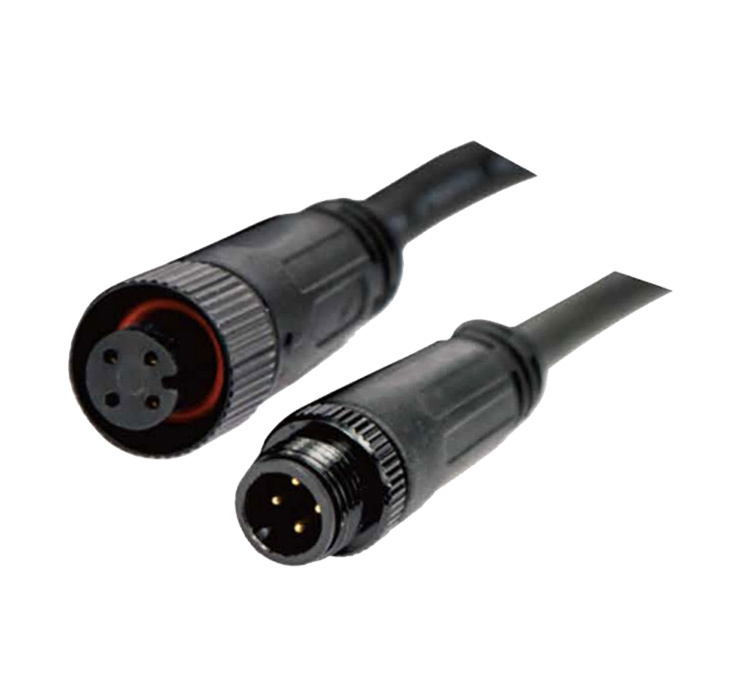
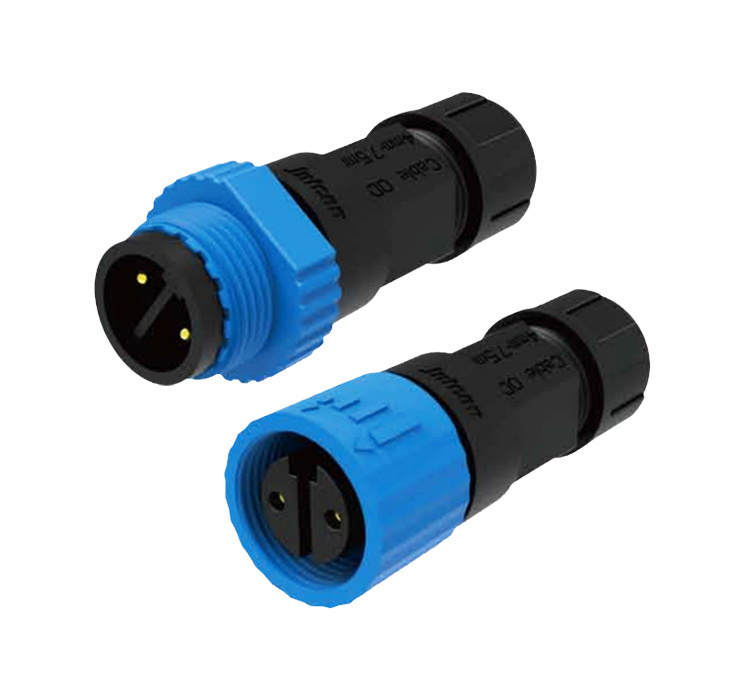
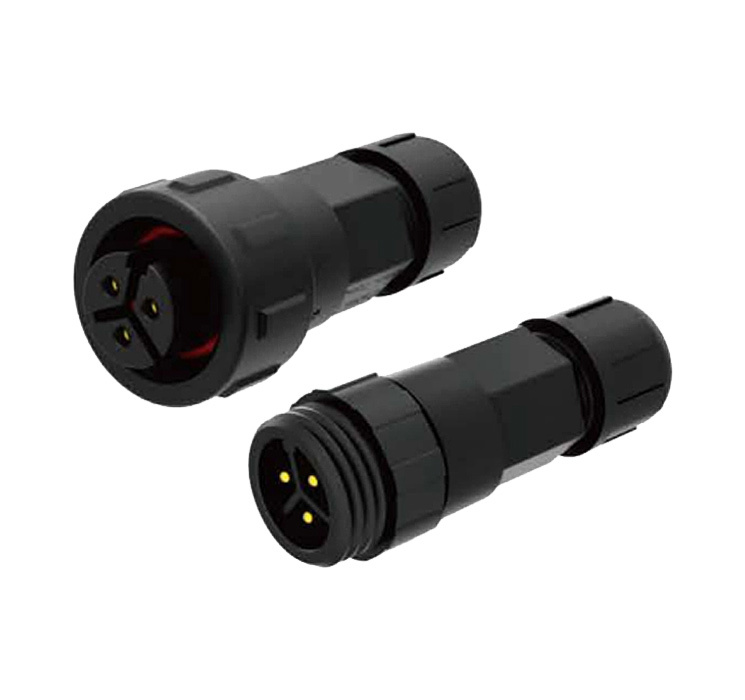
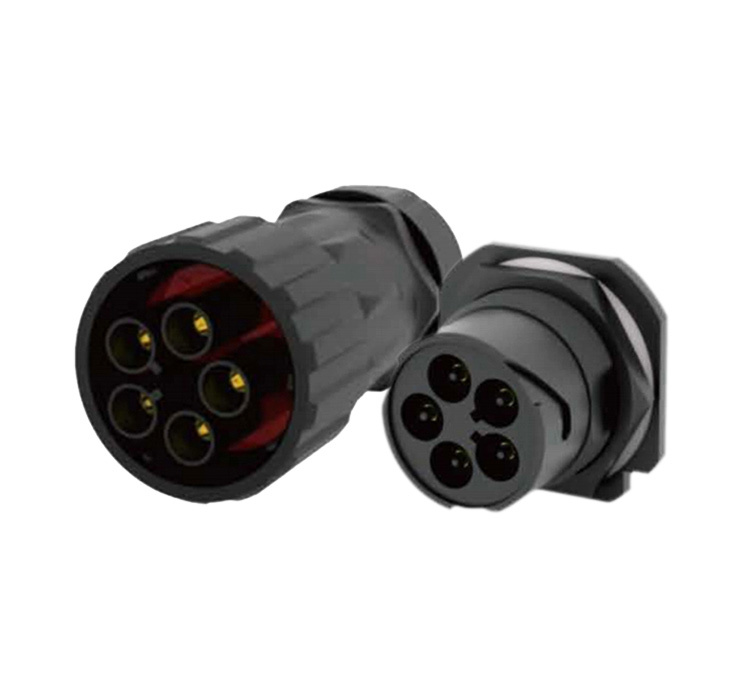
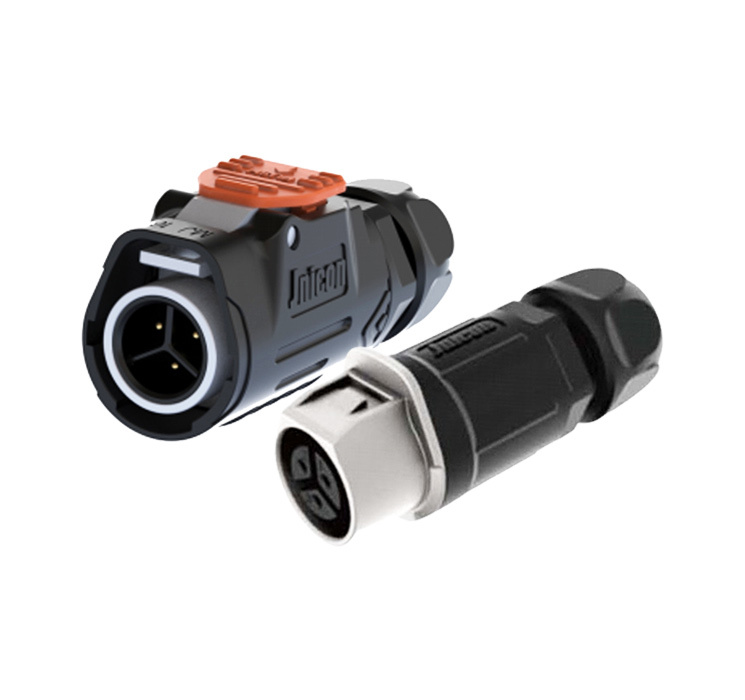
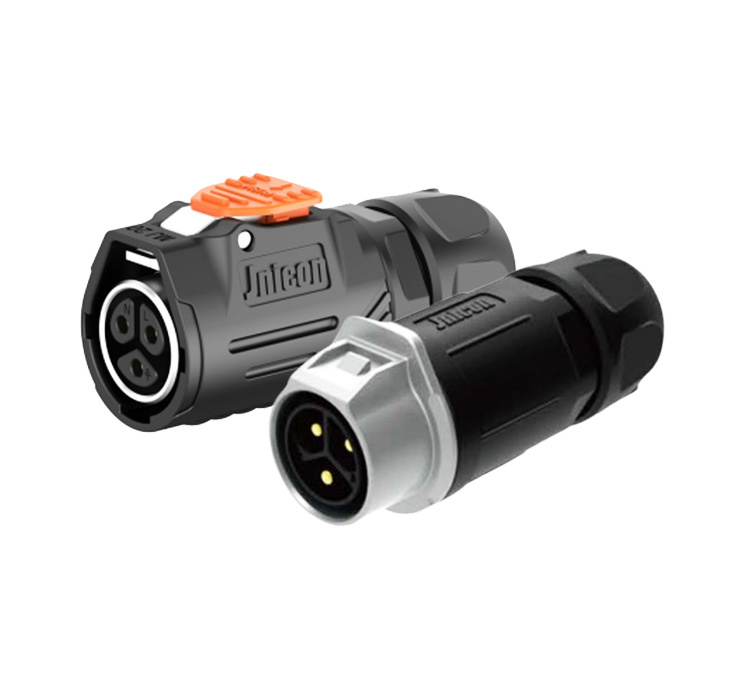
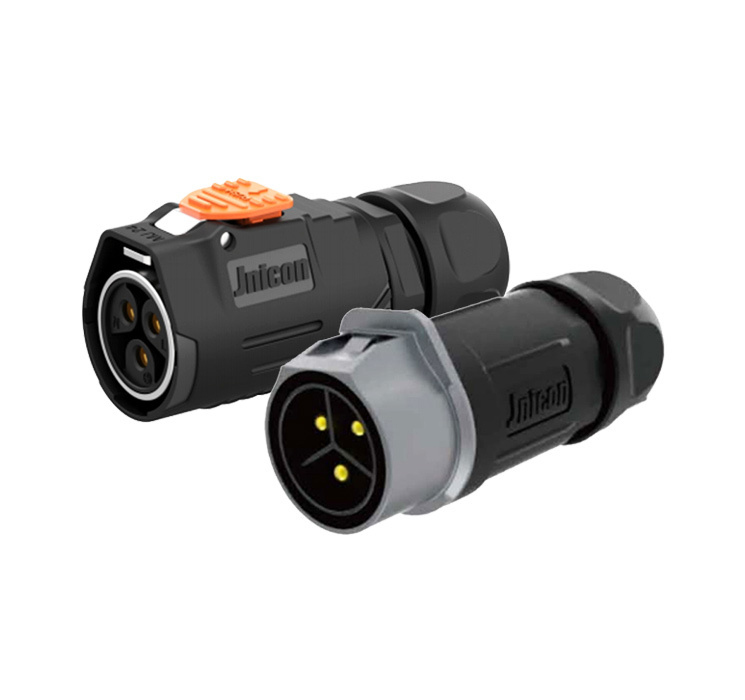
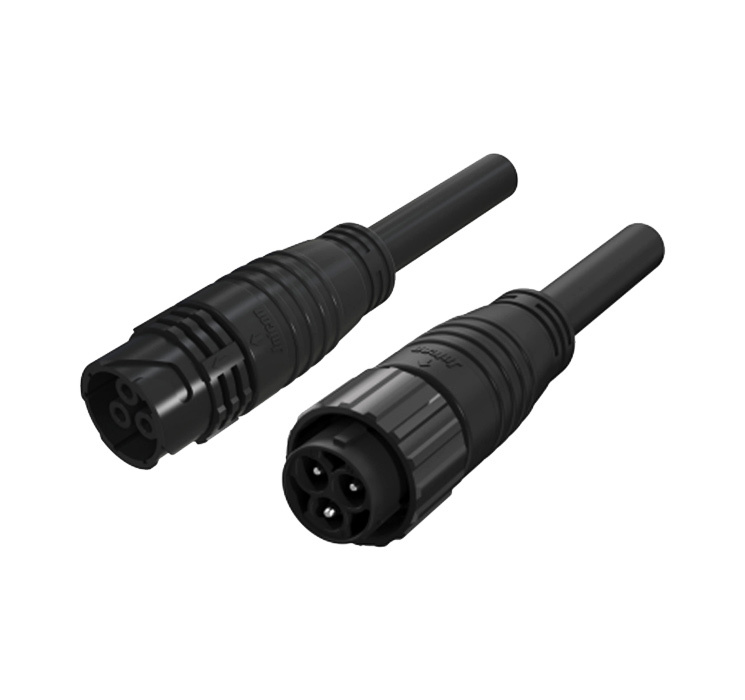
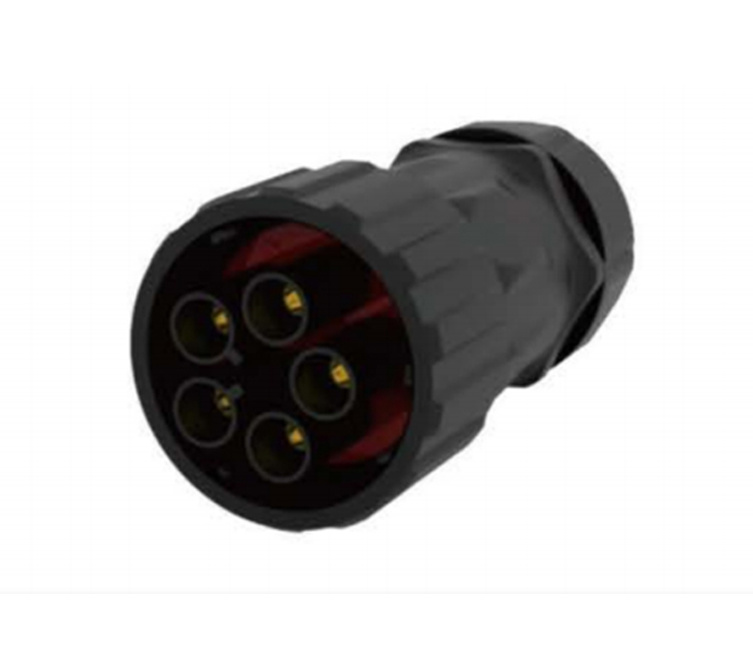
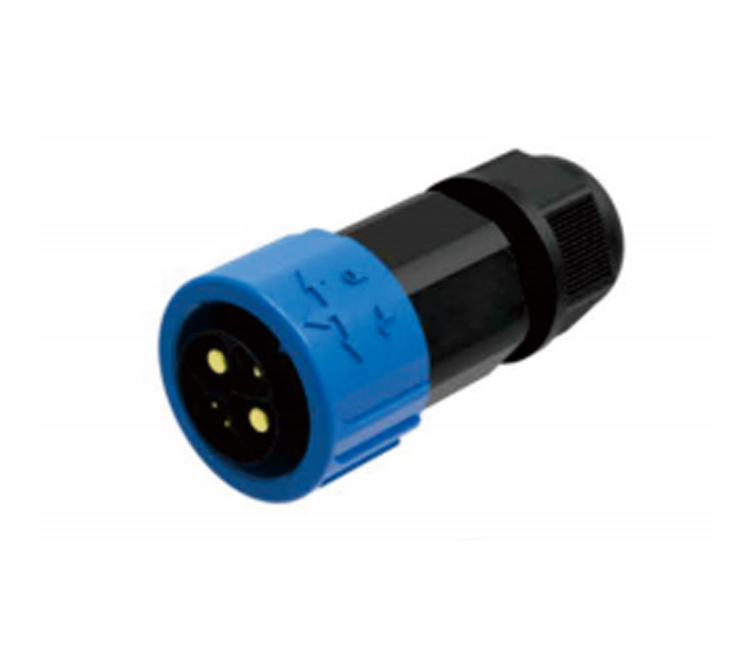
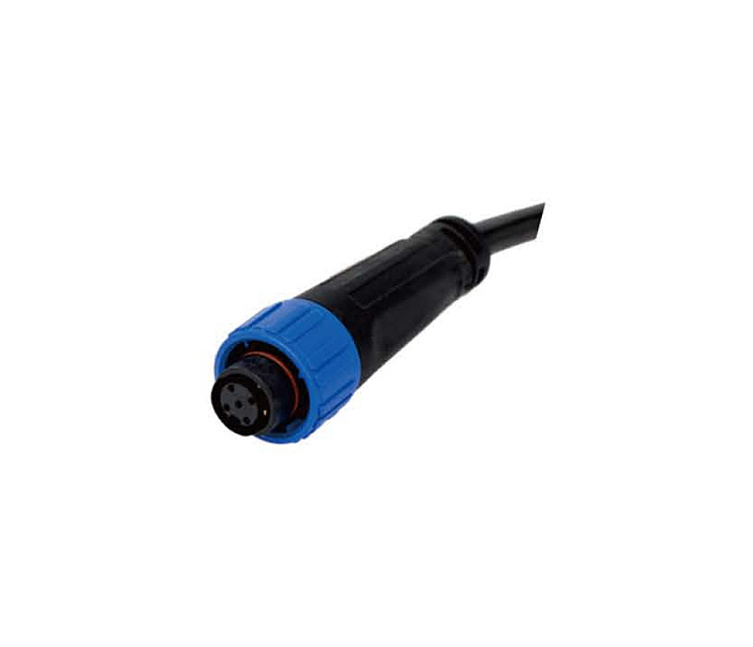
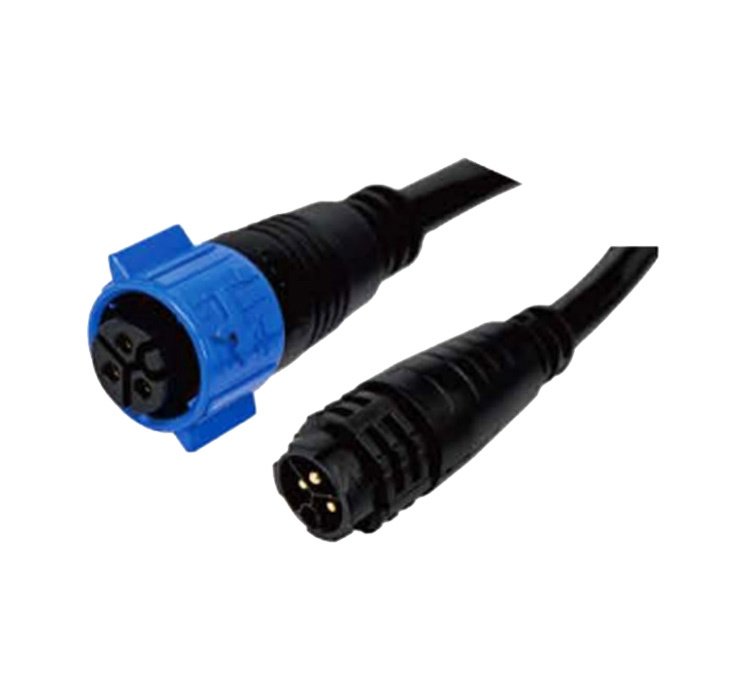
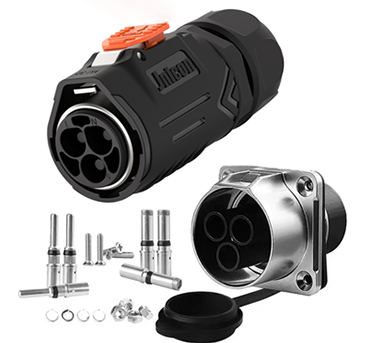
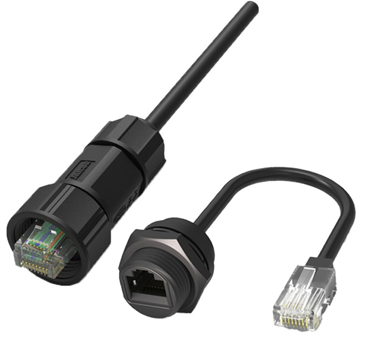
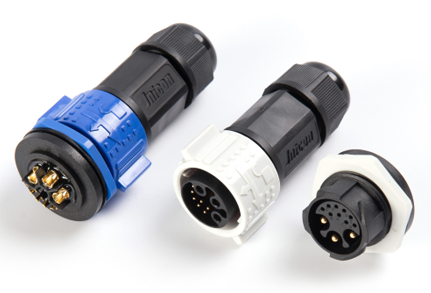
In the world of marine applications, the reliability of electrical connectors is paramount. **Waterproof marine electrical connectors** play a crucial role in ensuring that electrical connections remain safe and functional in harsh marine environments. One of the key specifications to consider when selecting these connectors is the **IP rating** (Ingress Protection rating). Understanding IP ratings is essential for anyone involved in marine transport, shipping equipment, or maritime electronics.
2. What Are IP Ratings?
The IP rating system is a standard used to specify the levels of protection provided by electrical enclosures against the ingress of solid objects (like dust) and liquids (like water). These ratings are defined by the International Electrotechnical Commission (IEC) and consist of two digits. The first digit represents the level of protection against solid particles, while the second digit indicates the level of protection against liquids.
**For example:**
- An IP67 rating means that the connector is dust-tight (6) and can withstand immersion in water up to 1 meter for 30 minutes (7).
Understanding these ratings helps ensure that the selected connectors can withstand the rigors of marine environments.
3. Importance of IP Ratings in Marine Applications
Marine environments are notoriously harsh. The constant exposure to water, salt, moisture, and varying temperatures can lead to corrosion and failure of electrical components. **IP ratings** are crucial because they provide a reliable measure of how well connectors can resist these elements.
1. **Corrosion Resistance**: Saltwater can be particularly damaging to electrical components. Connectors with higher IP ratings are designed to resist corrosion, thereby prolonging their lifespan.
2. **Safety**: In electrical systems, a short circuit caused by water ingress can lead to dangerous situations. A high IP rating minimizes these risks.
3. **Performance Reliability**: High-quality connectors ensure consistent performance even in extreme conditions, which is vital for all marine operations.
4. **Cost-Effectiveness**: Investing in connectors with appropriate IP ratings reduces maintenance costs and the risk of equipment failure, ultimately saving money in the long run.
4. Decoding the IP Rating System
To fully understand IP ratings, it’s essential to break down how the rating system works.
**The two digits in an IP rating provide detailed information:**
- **First Digit (0-6)**: This indicates protection against solid objects:
- 0: No protection
- 1: Protected against objects larger than 50 mm
- 2: Protected against objects larger than 12.5 mm
- 3: Protected against objects larger than 2.5 mm
- 4: Protected against objects larger than 1 mm
- 5: Dust-protected (limited ingress permitted)
- 6: Dust-tight (no ingress of dust)
- **Second Digit (0-9)**: This indicates protection against liquids:
- 0: No protection
- 1: Protection against vertically falling drops of water
- 2: Protection against water drops at an angle up to 15 degrees
- 3: Protection against spraying water
- 4: Protection against splashing water
- 5: Protection against water jets
- 6: Protection against heavy seas
- 7: Protection against immersion up to 1 meter
- 8: Protection against continuous immersion beyond 1 meter
- 9: Protection against high-pressure and high-temperature water jets
5. Common IP Ratings for Marine Connectors
When selecting waterproof marine electrical connectors, it's vital to choose the appropriate IP rating based on the specific application. Here are some common IP ratings used in marine connectors:
- **IP67**: A very popular choice in marine applications. It ensures complete protection against dust and can withstand immersion in water up to 1 meter deep.
- **IP68**: Suitable for underwater applications, this rating allows for continuous immersion beyond 1 meter, making it ideal for deep-sea applications.
- **IP69K**: Designed for environments subject to high-pressure and high-temperature water jets. This rating is often used in connectors exposed to cleaning processes in marine settings.
6. Selecting the Right Waterproof Marine Connector
Choosing the right waterproof marine connector involves several considerations:
1. **Application Needs**: Assess the specific marine application and the conditions the connectors will face. Will they be submerged? Exposed to high pressure?
2. **IP Rating**: Based on the application, select the appropriate IP rating to ensure reliable performance.
3. **Material**: Look for corrosion-resistant materials, such as stainless steel or specialized plastics designed for marine use.
4. **Size and Compatibility**: Ensure that the connectors fit the existing systems and meet the necessary electrical specifications.
5. **Connector Type**: Different types of connectors (e.g., circular, rectangular) may be more suited to specific applications.
By carefully evaluating these factors, you can select connectors that ensure durability and reliability.
7. Maintaining Waterproof Marine Connectors
Proper maintenance of waterproof marine connectors is essential to ensure their longevity and effectiveness. Here are some best practices:
1. **Regular Inspections**: Conduct routine inspections to check for signs of wear, corrosion, or damage.
2. **Cleaning**: Keep connectors clean from saltwater, dirt, and other debris. Use mild cleaning solutions and avoid abrasive materials.
3. **Proper Sealing**: Ensure that connectors are correctly sealed after installation to maintain their waterproof properties.
4. **Storage**: If connectors are not in use, store them in a clean, dry place to prevent exposure to moisture and contaminants.
5. **Replacement**: If any signs of damage are noticed, replace the connectors immediately to avoid equipment failure.
8. The Future of Waterproof Marine Connectors
As technology continues to evolve, so do waterproof marine connectors. Innovations in materials and design are enhancing the performance and reliability of these essential components. The future may see:
- **Smart Connectors**: With the rise of IoT, smart connectors that monitor conditions and provide feedback may become more common in marine applications.
- **Advanced Materials**: New materials that offer better corrosion resistance and lightweight properties could revolutionize the industry.
- **Sustainability**: Environmentally friendly materials and manufacturing processes are likely to become more prevalent as the industry shifts toward sustainability.
These advancements will not only improve performance but also contribute to safer and more efficient marine operations.
9. FAQs
1. What does an IP rating of IP67 mean for marine connectors?
IP67 indicates that the connector is completely dust-tight and can withstand immersion in water up to 1 meter for 30 minutes.
2. Why are high IP ratings important in marine environments?
High IP ratings are crucial in marine environments to prevent water ingress and corrosion, ensuring the reliability and safety of electrical connections.
3. Can I use connectors with a lower IP rating in marine applications?
While it is possible, it is not recommended. Lower IP ratings may not provide adequate protection against water and dust, leading to potential failures.
4. How often should I inspect marine connectors?
Regular inspections should be conducted at least every few months, or more frequently if the connectors are exposed to harsh conditions.
5. What materials are best for waterproof marine connectors?
Corrosion-resistant materials like stainless steel or specialized marine-grade plastics are ideal for waterproof connectors.
10. Conclusion
Understanding IP ratings for waterproof marine electrical connectors is essential for anyone involved in marine applications. These ratings provide critical insights into the protection levels against dust and moisture, ensuring that connectors can withstand the rigors of marine environments. By selecting the right connectors with appropriate IP ratings, conducting regular maintenance, and staying informed about advancements in connector technology, you can ensure the safety and reliability of electrical systems in any marine setting. This knowledge empowers you to make informed decisions that enhance performance, reduce costs, and contribute to efficient maritime operations.
Previous
News
2026-10-12
5 Pin Waterproof Connectors: Enhancing Home Automation Systems
5 Pin Waterproof Connectors: Enhancing Home Automation Systems Table of Contents Introduction to 5 Pin Waterproof Connectors Importance of Waterproof Connectors in Home Automation Key Benefits of 5 Pin Waterproof Connectors Features of 5 Pin Waterproof Connectors Material Quality Design and Build Applications of 5 Pin Waterproof C
2026-10-10
Waterproof Wire Connector Plugs for Reliable Connections
Waterproof wire connector plugs ensure secure, moisture-resistant electrical connections for outdoor lighting, automotive systems, and industrial equipment.
2026-10-10
Waterproof Electrical Wire Connectors for Reliable Connections
Waterproof electrical wire connectors protect wiring from moisture and dust, ensuring reliable connections in indoor and outdoor applications.

B8-9, Fubilun industrial park, Chaoyang rd,Yanchuan community, Songgang, Shenzhen, China


