
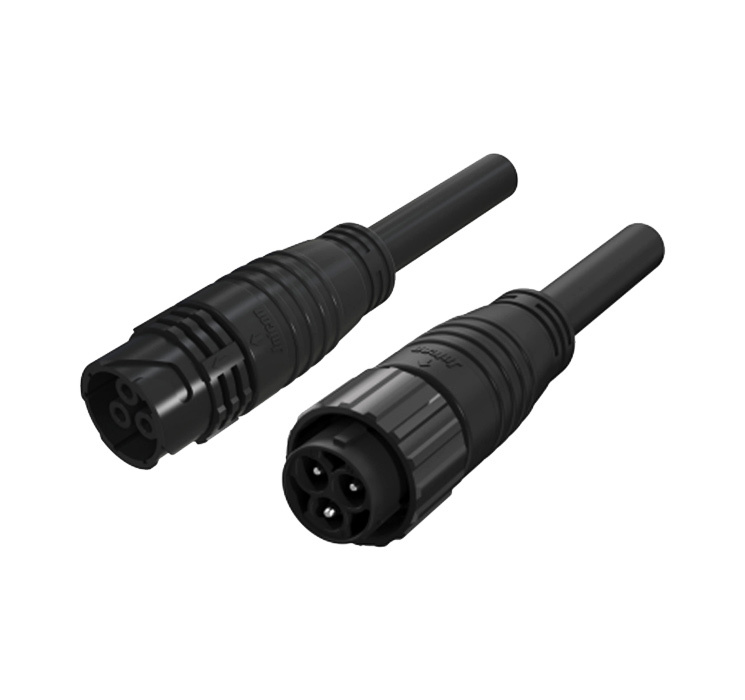


Why Waterproof Cables Are Crucial for Outdoor Electrical Projects
Release Time:
2026-08-01
Why Waterproof Cables Are Crucial for Outdoor Electrical Projects
Table of Contents
- Introduction to Waterproof Cables
- The Importance of Waterproof Cables
- Construction and Design of Waterproof Cables
- Types of Waterproof Cables for Outdoor Use
- Applications of Waterproof Cables in Outdoor Projects
- Best Practices for Installing Waterproof Cables
- Maintaining Waterproof Cables
- FAQs About Waterproof Cables
- Conclusion
Introduction to Waterproof Cables
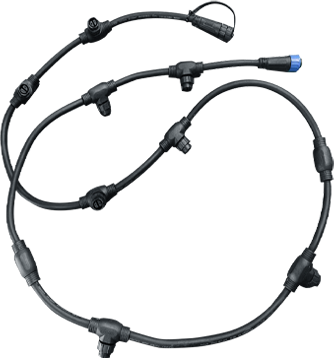
In the realm of outdoor electrical projects, ensuring safety and reliability is paramount. One of the key components that contribute to this is the use of **waterproof cables**. These cables are specifically designed to withstand harsh environmental conditions, making them essential for any outdoor installation. Whether you’re setting up a garden lighting system, installing a fountain, or wiring a shed, the choice of cable can directly impact the longevity and safety of the project.
The Importance of Waterproof Cables
Waterproof cables are crucial for outdoor applications primarily due to their ability to prevent moisture-related issues. Water ingress can lead to short circuits, equipment failure, and even fire hazards. Here are several reasons why waterproof cables are indispensable in outdoor electrical projects:
1. Protection Against Water Damage
Moisture can wreak havoc on electrical installations. Waterproof cables are constructed with materials and designs that prevent water from seeping into the cable, safeguarding the electrical connections. This protection is vital for maintaining the integrity of the installation over time.
2. Enhanced Durability
Outdoor environments expose cables to extreme temperatures, UV radiation, and physical wear. Waterproof cables are built to endure these conditions without degrading, ensuring they last longer than standard cables. This durability translates to fewer replacements and repairs over the life of the project.
3. Safety Compliance
Many electrical codes require the use of waterproof cables in outdoor settings to comply with safety regulations. Using the appropriate cables not only ensures compliance but also protects the users and the property from potential electrical hazards.
Construction and Design of Waterproof Cables
The construction of waterproof cables involves several layers of protection to ensure maximum resilience against water and environmental factors. Understanding the design can help in selecting the right type for your specific needs.
1. Insulation Layers
Waterproof cables typically feature multiple layers of insulation that are specifically designed to repel water. Common materials used include PVC, rubber, and thermoplastic elastomers (TPE). The quality of these materials significantly affects the cable's performance in wet conditions.
2. Sealant Technologies
Modern waterproof cables often incorporate advanced sealant technologies that prevent water intrusion at connection points. These sealants enhance the overall longevity and reliability of the electrical connections, making them ideal for outdoor installations.
3. Armoring
For cables exposed to potential physical damage, armoring may be included in the design. This protective layer mitigates the risk of abrasions and punctures, which can otherwise compromise the waterproofing capabilities of the cable.
Types of Waterproof Cables for Outdoor Use
Selecting the right type of waterproof cable is critical for the success of your outdoor electrical project. Here are some common types:
1. Outdoor Rated Cables
These cables are designed specifically for outdoor use and typically come with UV-resistant insulation. They can withstand direct exposure to sunlight and moisture, making them ideal for various applications.
2. Submersible Cables
Submersible cables are specially designed to be used in underwater applications. They are heavily insulated and can operate effectively in submerged conditions, such as in pools, fountains, or other water features.
3. Direct Burial Cables
Designed to be buried directly in the ground, these cables have robust insulation and are often resistant to moisture, soil chemicals, and temperature fluctuations. They are perfect for outdoor lighting and power supply connections.
Applications of Waterproof Cables in Outdoor Projects
Waterproof cables find applications across a multitude of outdoor electrical projects. Their versatility is one of the reasons they are preferred among electricians and contractors.
1. Landscape Lighting
For those looking to enhance the beauty of their gardens or yards, waterproof cables are essential for landscape lighting systems. They ensure that the electrical components remain safe and functional, regardless of the weather conditions.
2. Outdoor Power Tools
When operating electric tools outdoors, using waterproof extension cords and cables is vital to prevent accidents caused by water exposure. This ensures safer operation and reduces the risk of electrical shocks.
3. Water Features and Fountains
Fountains and ponds require specialized cabling that can withstand constant exposure to water. Waterproof cables are essential for powering pumps, lights, and other electrical components in these installations.
4. Agricultural Applications
In agriculture, waterproof cables are used to power irrigation systems and other outdoor equipment. Their durability and resistance to moisture enhance the efficiency of farming operations.
5. Outdoor HVAC Systems
Waterproof cables are also crucial for outdoor heating, ventilation, and air conditioning (HVAC) systems. They ensure reliable connections for units exposed to rain and snow, contributing to the overall performance of the system.
Best Practices for Installing Waterproof Cables
Proper installation of waterproof cables is necessary to maximize their performance and longevity. Here are some best practices to follow:
1. Plan Your Layout
Before installation, plan the routing of your cables. Avoid sharp bends and ensure they are not subject to physical stress. A well-thought-out layout can prevent potential damage.
2. Use Proper Connectors
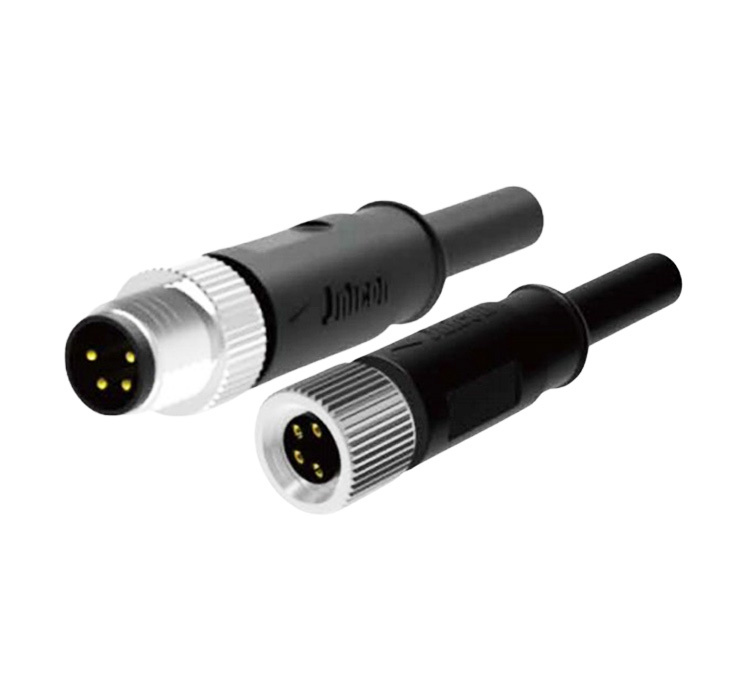
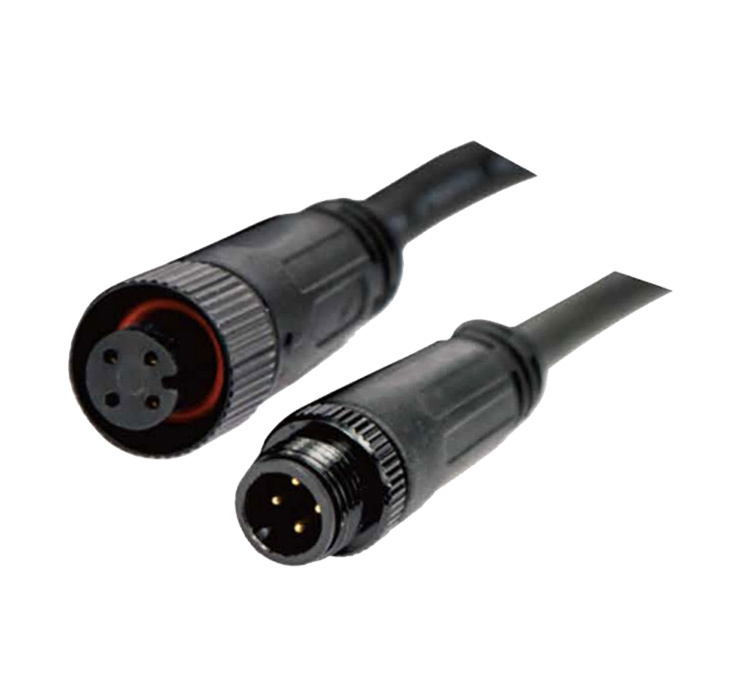
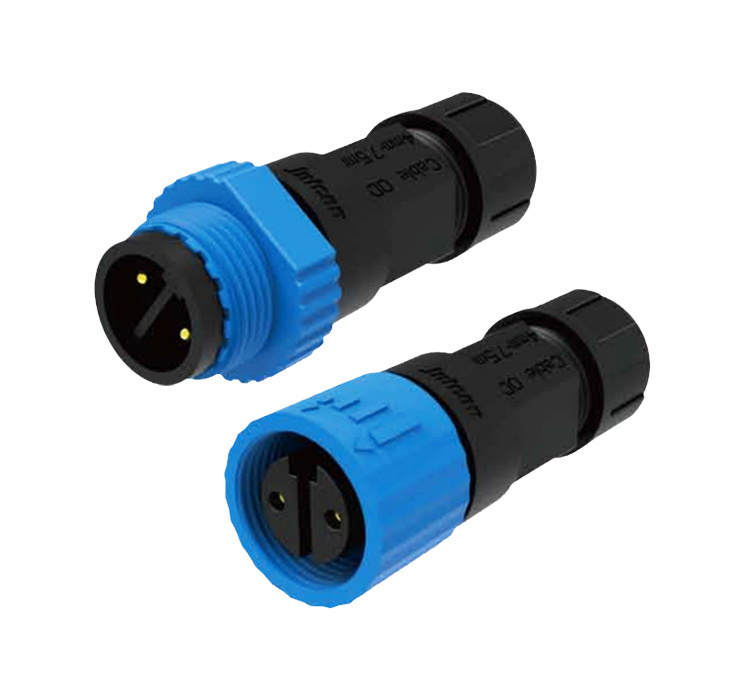
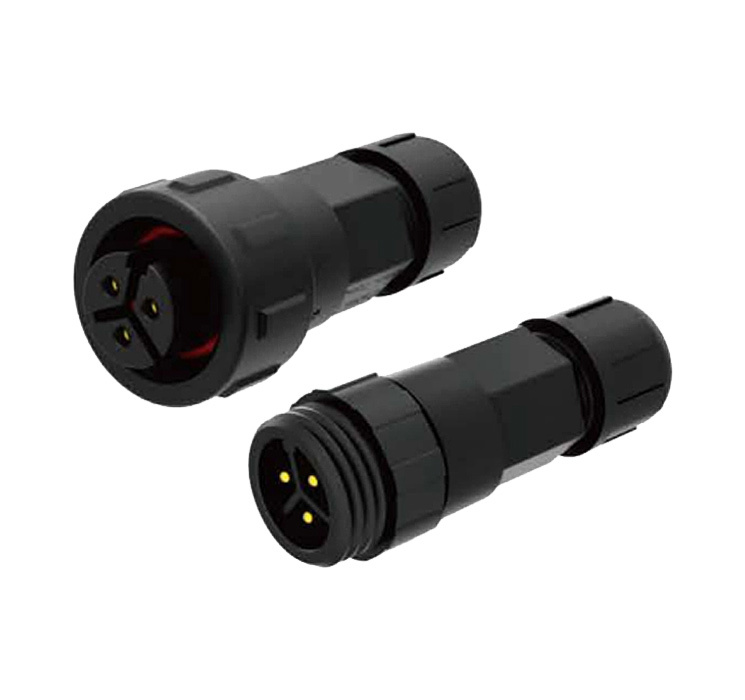
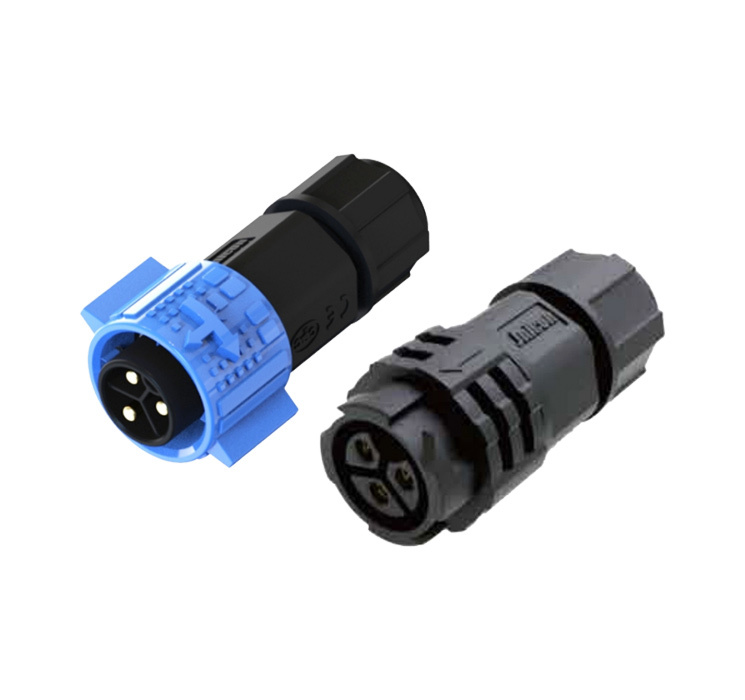
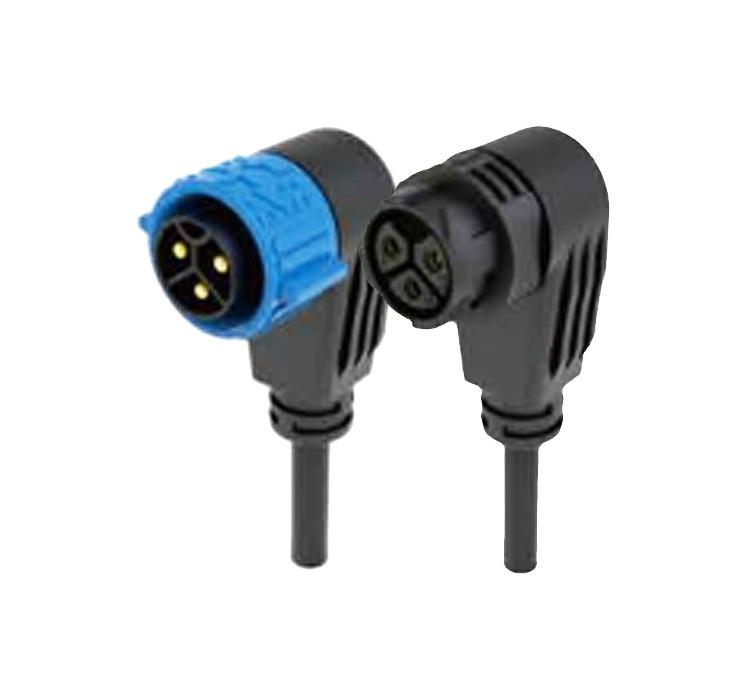
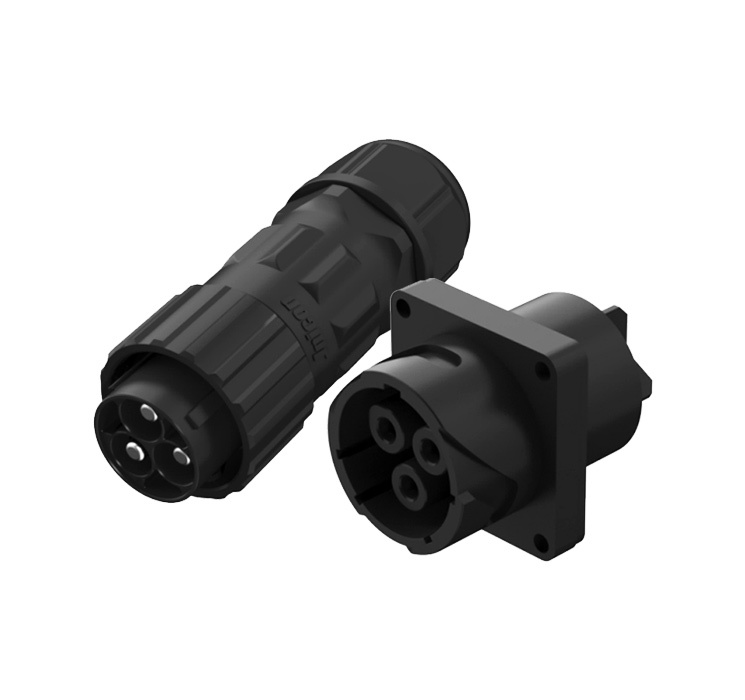
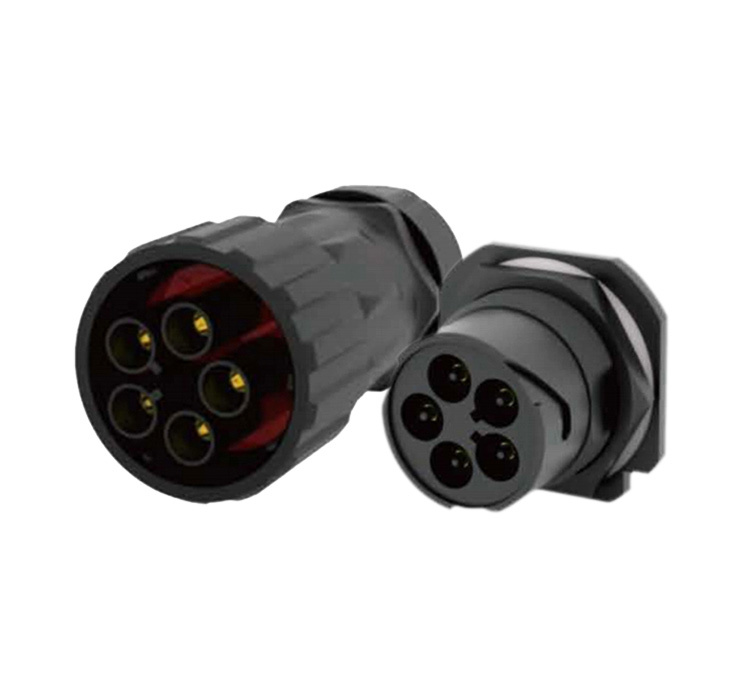
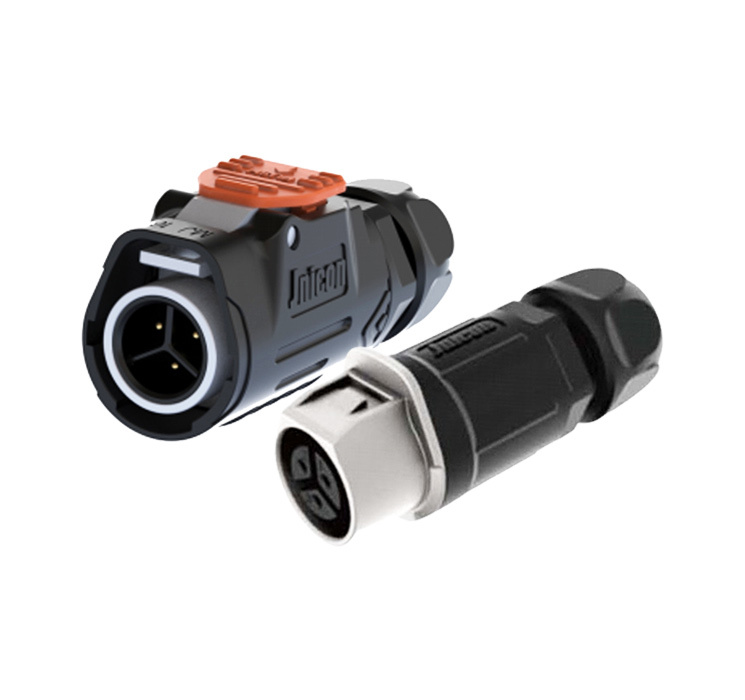
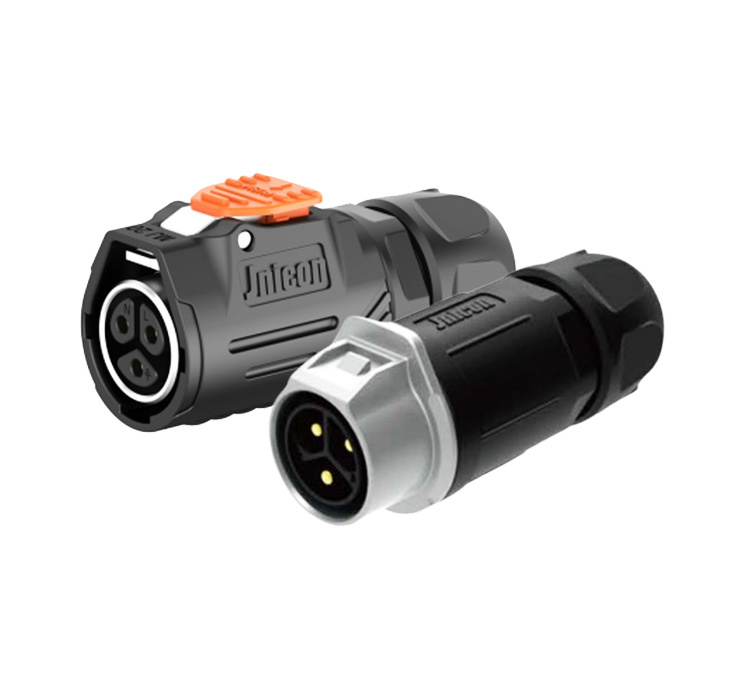
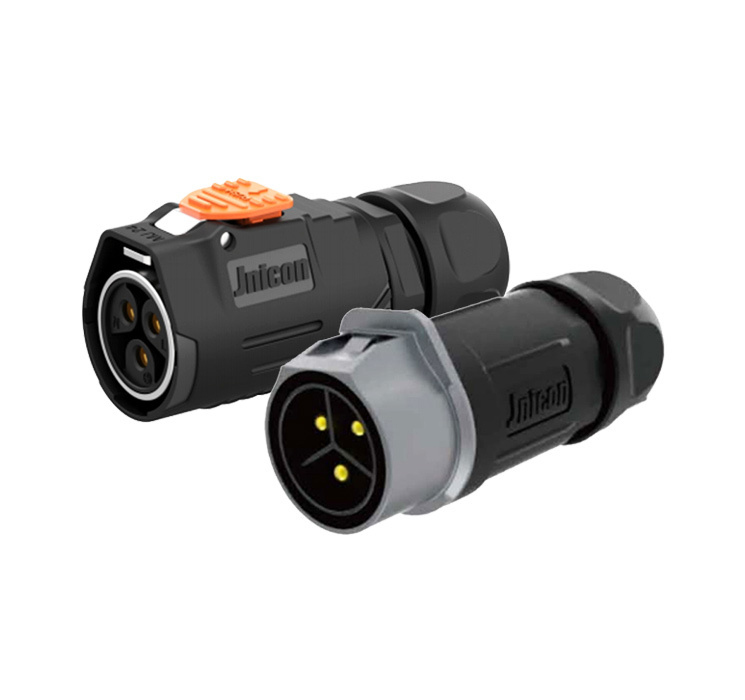
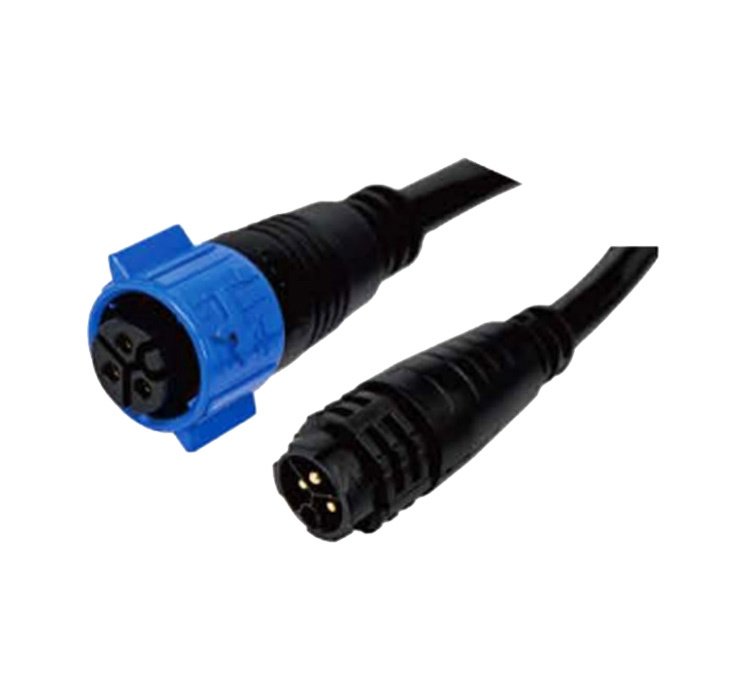
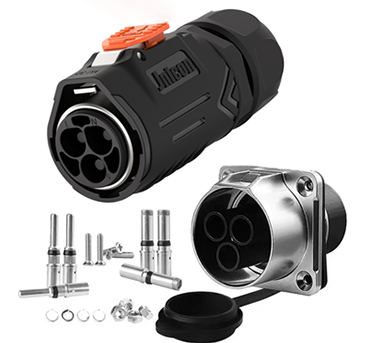
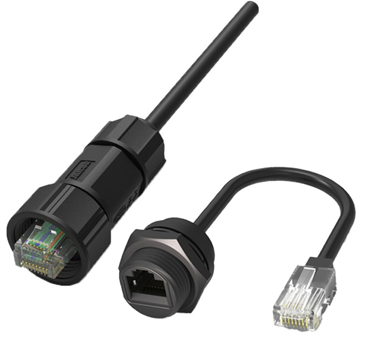
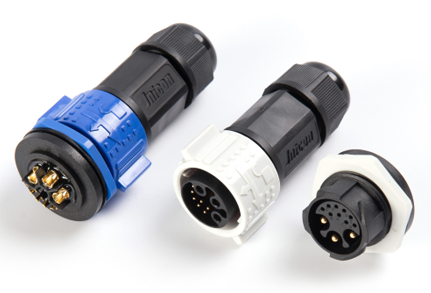
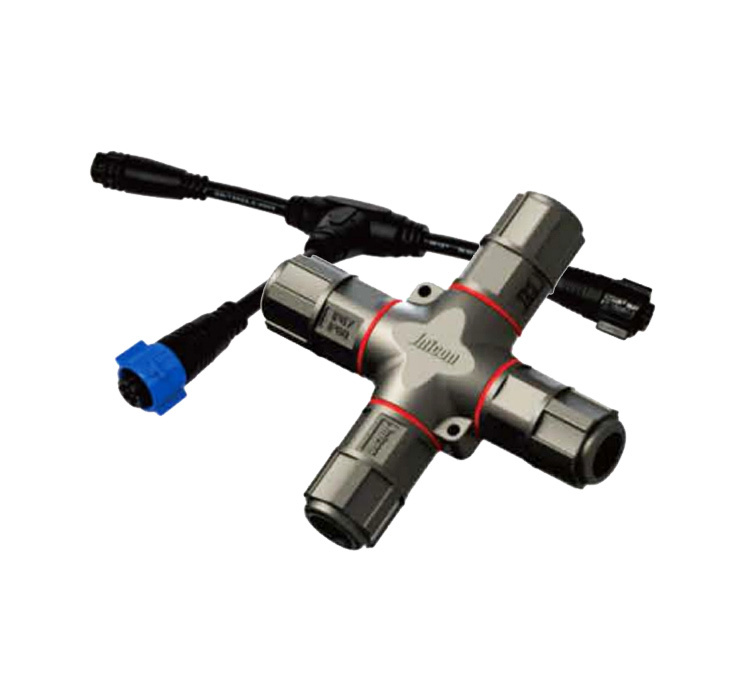
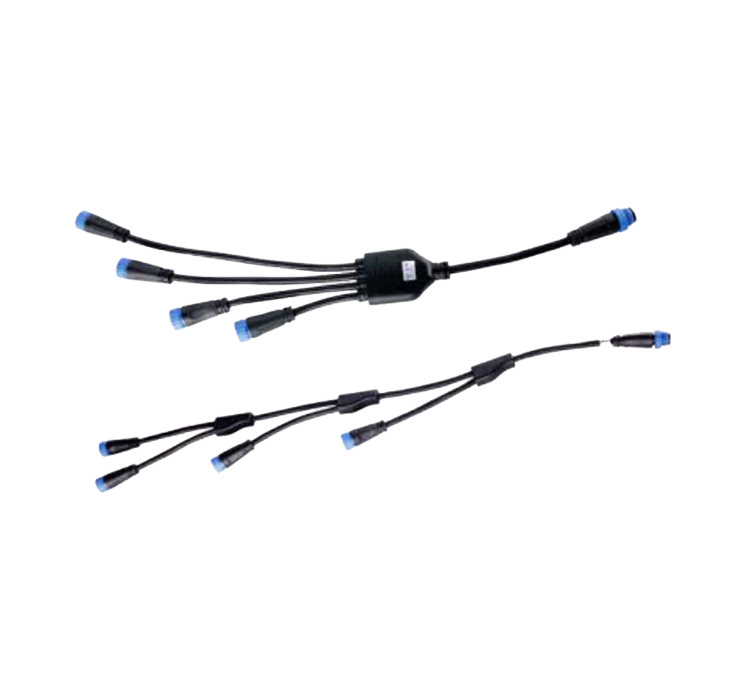
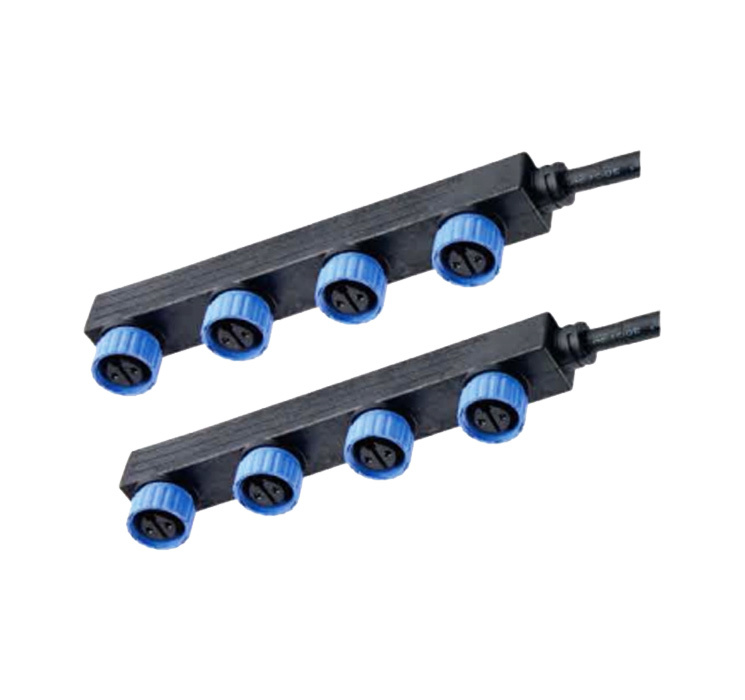
Always use connectors that are rated for outdoor use. Using the correct connectors helps maintain the waterproof integrity of the installation and prevents moisture from entering the connections.
3. Seal Connections
Employ heat shrink tubing or electrical tape to seal connections. This extra layer of protection can further mitigate the risk of moisture ingress.
4. Follow Electrical Codes
Adhere to local electrical codes and regulations when installing waterproof cables. This not only ensures safety but also helps avoid future legal issues related to electrical installations.
Maintaining Waterproof Cables
While waterproof cables are built to last, regular maintenance can prolong their lifespan and ensure optimal performance.
1. Regular Inspections
Conduct periodic inspections of the cables to check for signs of wear, damage, or moisture ingress. Early detection of issues can prevent costly repairs or replacements.
2. Clean the Area
Keep the surrounding area clean and free from debris that could cause damage to the cables. Regularly clear away soil, leaves, and other materials that may accumulate.
3. Check Connections
Inspect all connections for signs of corrosion or loosening. Tighten any loose connections and replace corroded connectors immediately to maintain a reliable electrical connection.
FAQs About Waterproof Cables
1. What are waterproof cables made of?
Waterproof cables are typically made of materials such as PVC, rubber, or thermoplastic elastomers that offer excellent insulation and protection against moisture.
2. Can I use regular cables outdoors?
Regular cables are not designed for outdoor use and may fail due to exposure to moisture and UV light. Waterproof cables are recommended for outdoor projects.
3. How do I know if a cable is waterproof?
Check the specifications provided by the manufacturer. Look for ratings such as IP67 or IP68, which indicate the cable’s resistance to water.
4. Are waterproof cables more expensive than regular cables?
Yes, waterproof cables often cost more due to their specialized construction and materials. However, the investment is worthwhile for outdoor projects due to their durability and safety features.
5. How long can waterproof cables last?
With proper installation and maintenance, waterproof cables can last anywhere from 10 to 30 years, depending on the environmental conditions and usage.
Conclusion
Investing in waterproof cables is a critical decision for anyone undertaking outdoor electrical projects. Their ability to resist water and withstand harsh conditions ensures safety, durability, and compliance with electrical codes. By understanding the importance, types, and best practices associated with waterproof cables, you can enhance the effectiveness and longevity of your outdoor installations. Make the smart choice for your projects and prioritize the use of waterproof cables to safeguard your electrical systems against the elements.
News
2026-10-15
Understanding Waterproof Wire Harness: Key Features and Benefits for Automotive Applications
In the automotive industry, the functionality and longevity of electrical components are crucial for vehicle performance. One of the key components that contribute to this is the waterproof wire harness. These harnesses are specifically designed to withstand harsh environmental conditions, ensuring that the electrical systems in vehicles remain operational regardless of the weather. A waterproof w
2026-10-12
5 Pin Waterproof Connectors: Enhancing Home Automation Systems
5 Pin Waterproof Connectors: Enhancing Home Automation Systems Table of Contents Introduction to 5 Pin Waterproof Connectors Importance of Waterproof Connectors in Home Automation Key Benefits of 5 Pin Waterproof Connectors Features of 5 Pin Waterproof Connectors Material Quality Design and Build Applications of 5 Pin Waterproof C
2026-10-10
Waterproof Wire Connector Plugs for Reliable Connections
Waterproof wire connector plugs ensure secure, moisture-resistant electrical connections for outdoor lighting, automotive systems, and industrial equipment.

B8-9, Fubilun industrial park, Chaoyang rd,Yanchuan community, Songgang, Shenzhen, China


