


Maximizing Industrial Performance with 5 Pin Waterproof Connectors: A Comprehensive Guide
Release Time:
2026-08-31
Maximizing Industrial Performance with 5 Pin Waterproof Connectors
In the fast-paced world of industrial applications, the importance of reliable and durable connections cannot be overstated. Among the various types of connectors available, **5 pin waterproof connectors** stand out for their robustness and ability to perform in challenging environments. This article will delve into the effective use of these connectors, exploring their specifications, advantages, and best practices for installation and maintenance.
Table of Contents
- Understanding 5 Pin Waterproof Connectors
- Benefits of Using 5 Pin Waterproof Connectors
- Applications in Industrial Settings
- Installation Guide for 5 Pin Waterproof Connectors
- Maintenance and Care Tips
- Troubleshooting Common Issues
- Future Trends in Waterproof Connectors
- Conclusion
- FAQs
Understanding 5 Pin Waterproof Connectors
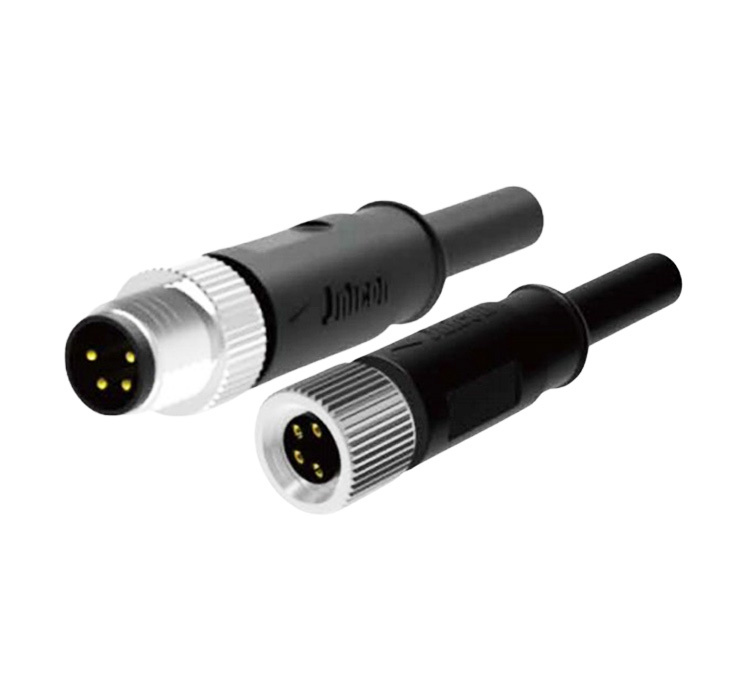
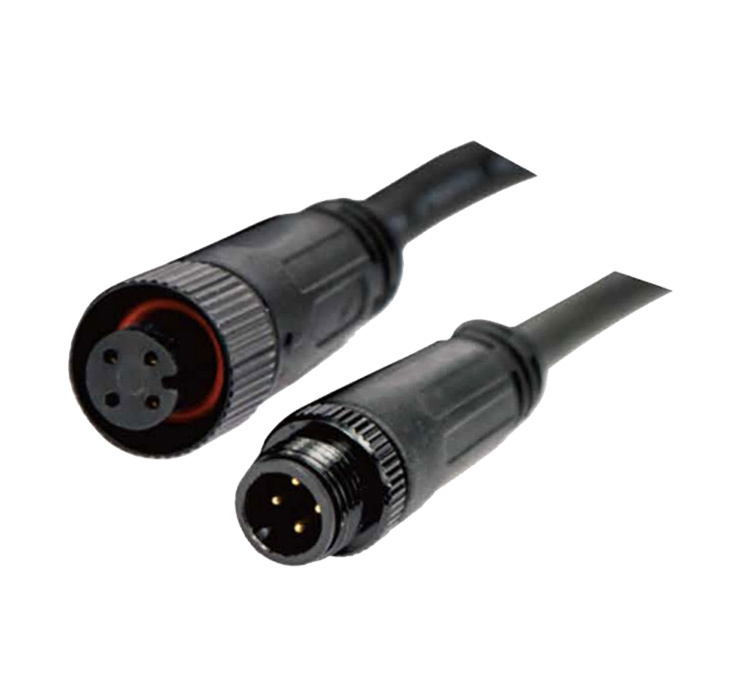
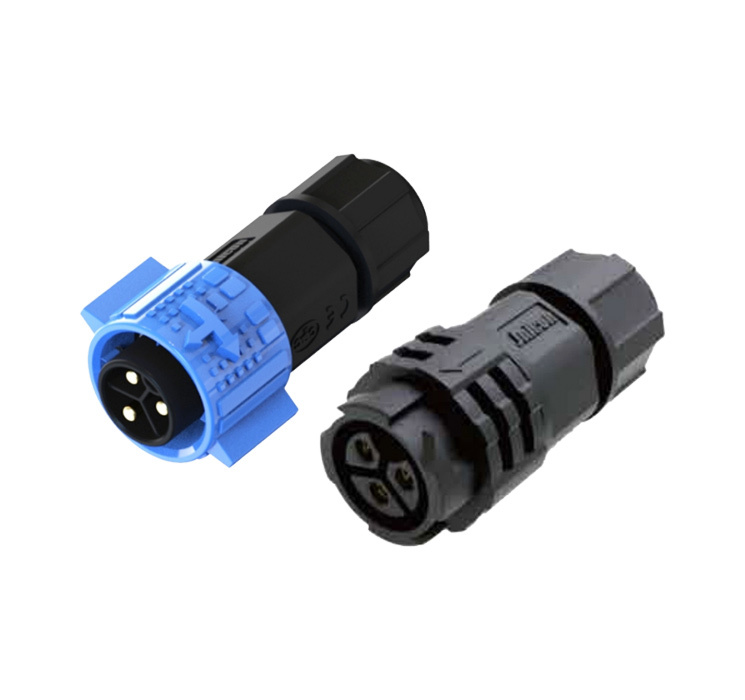
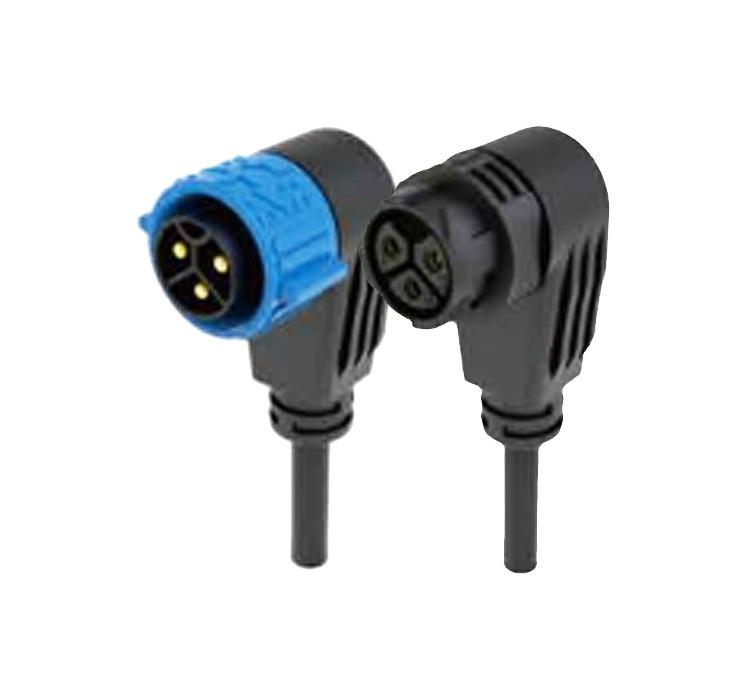
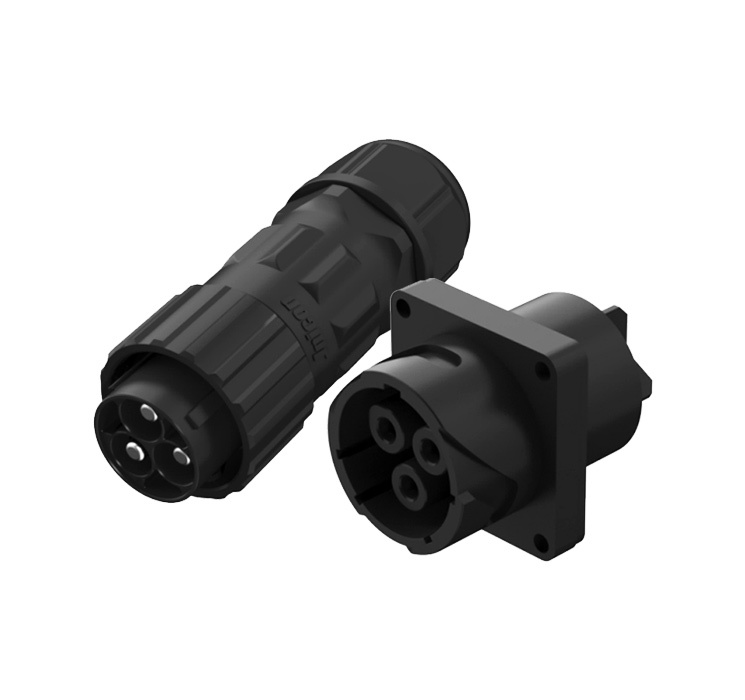
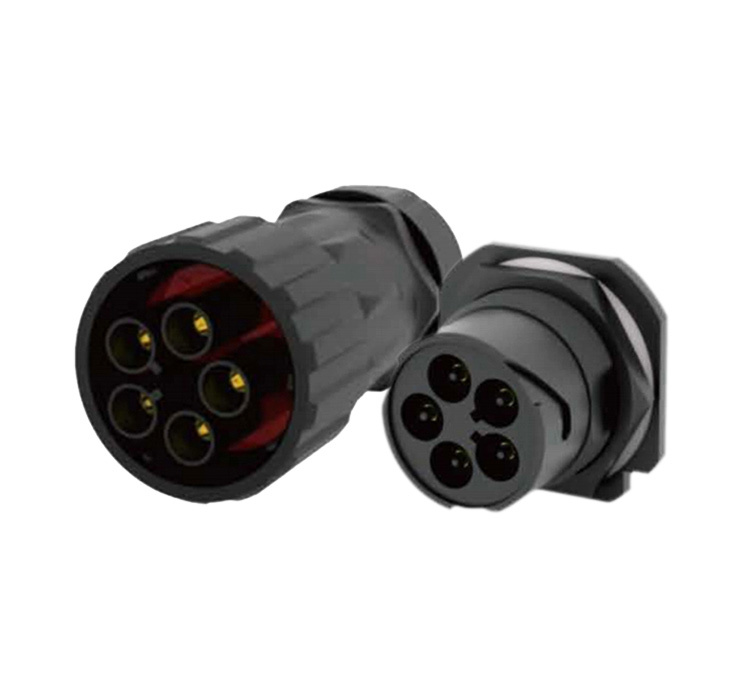
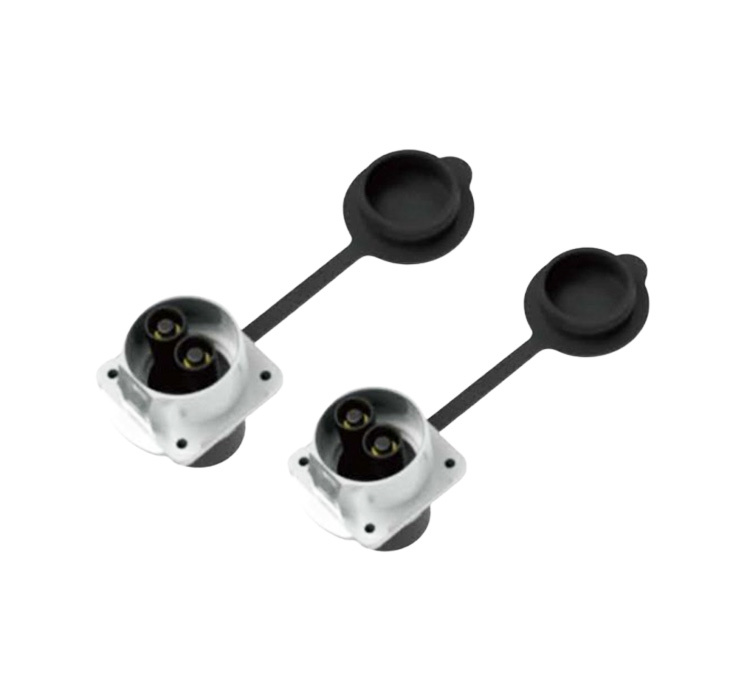
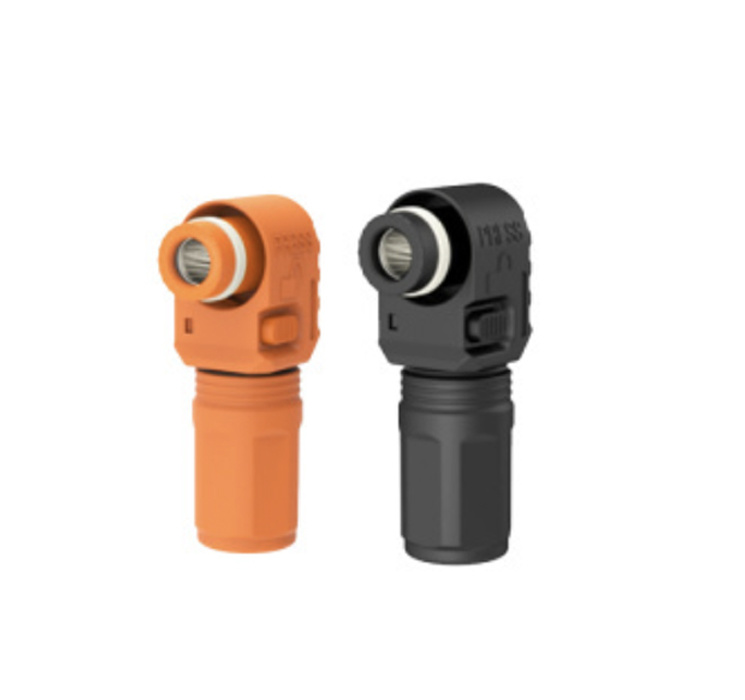
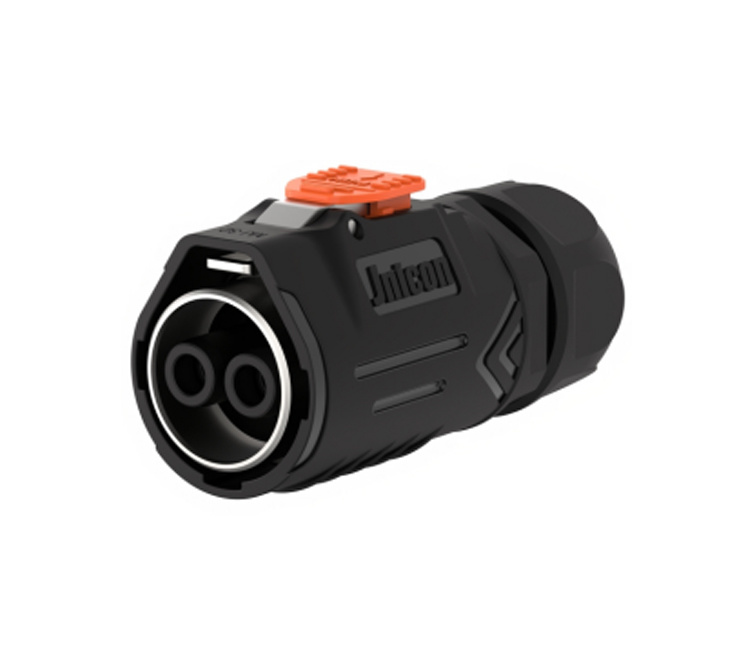
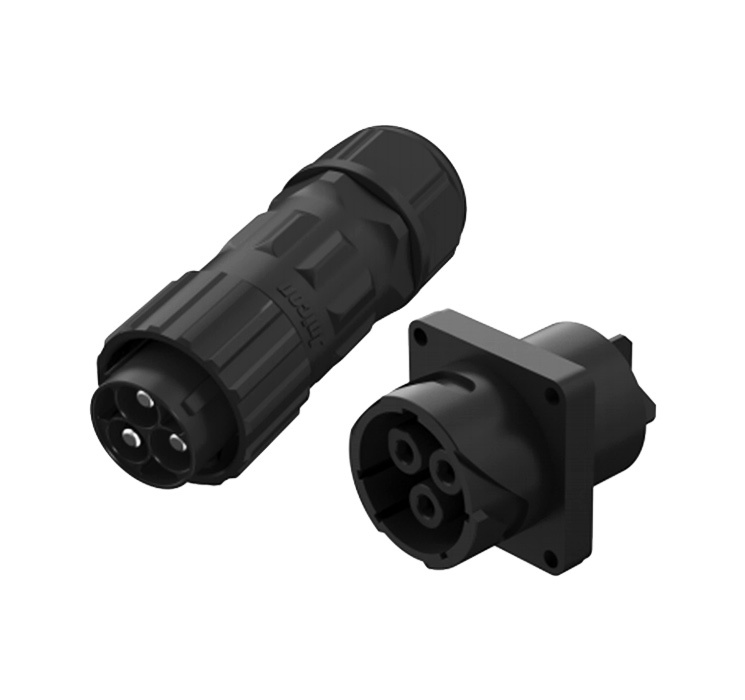
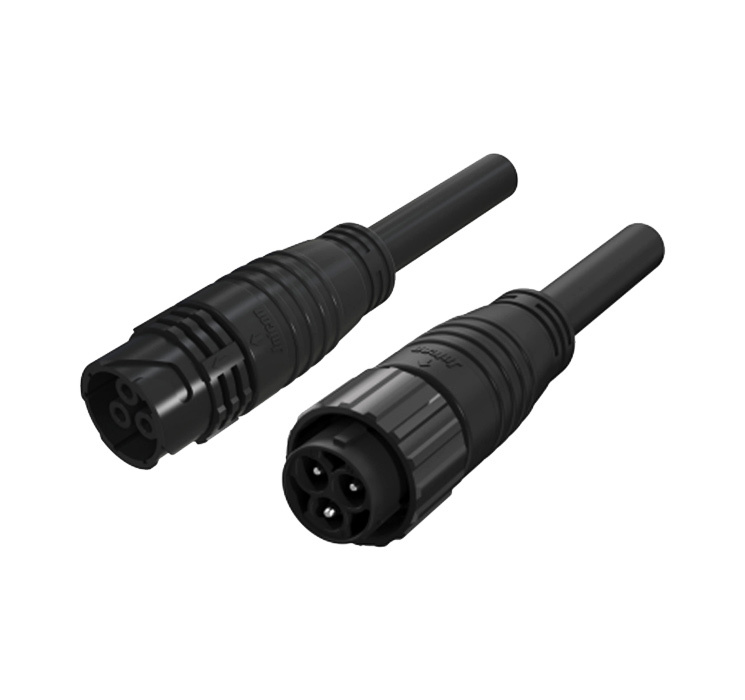
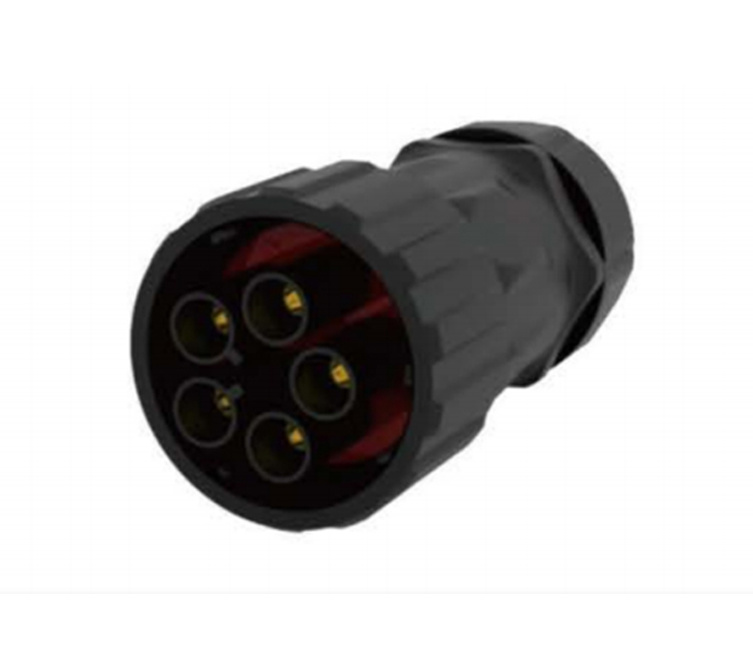
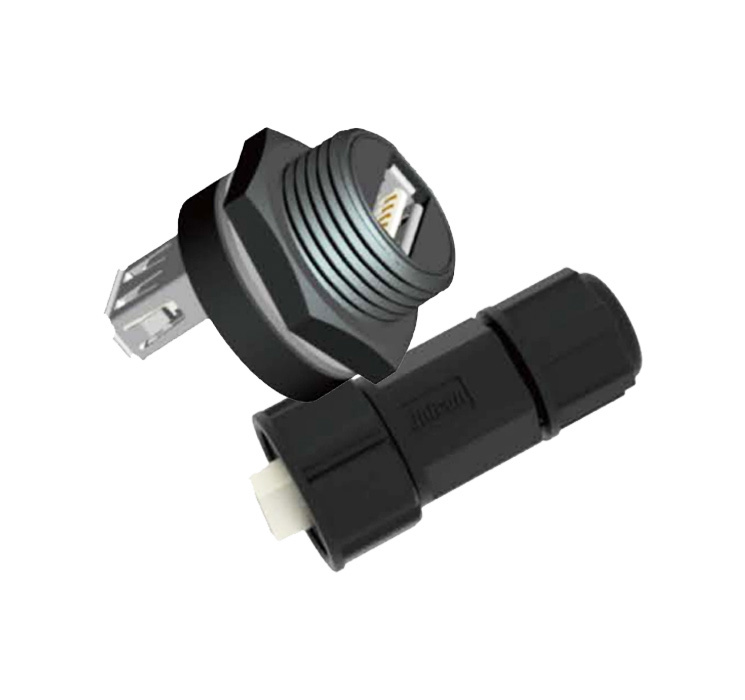
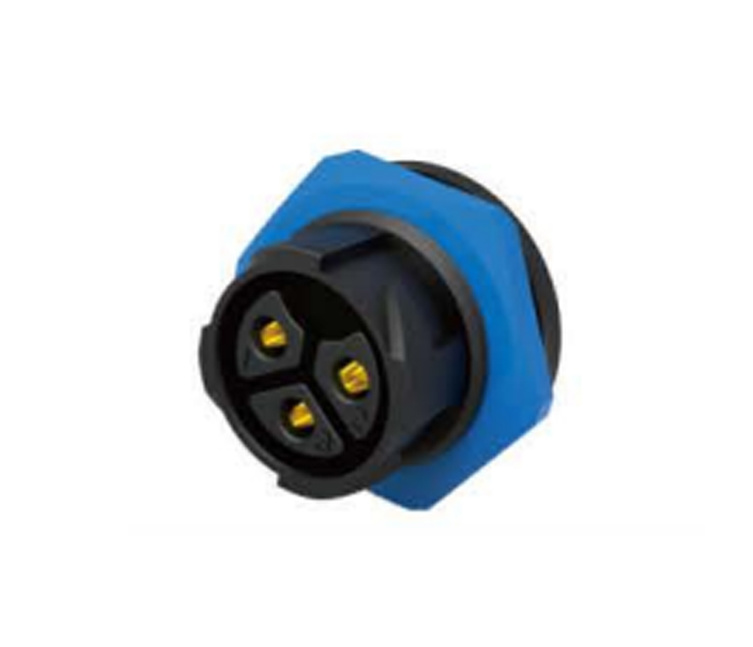
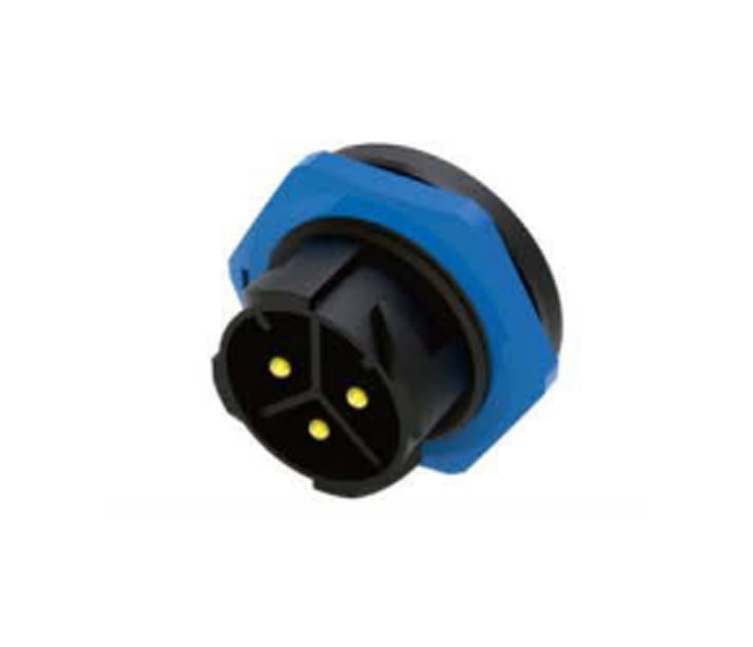
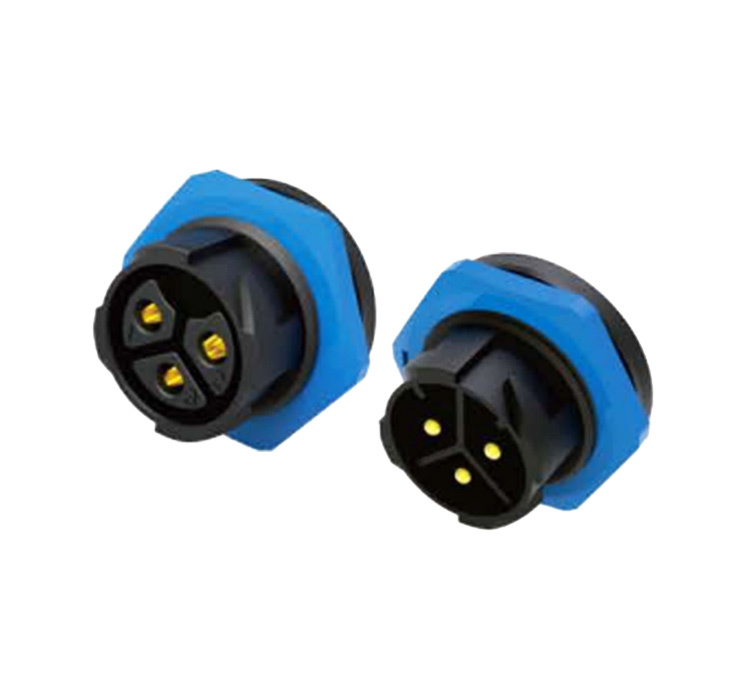
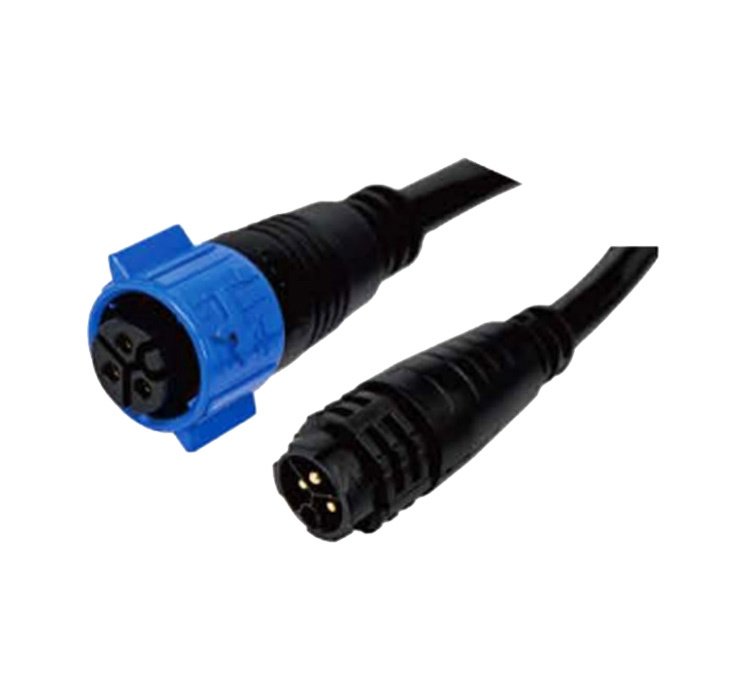
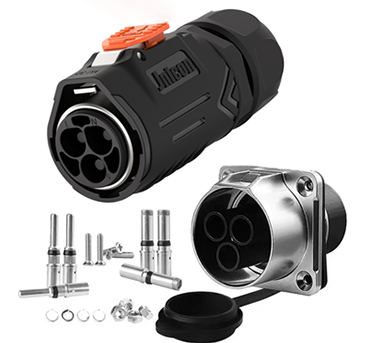
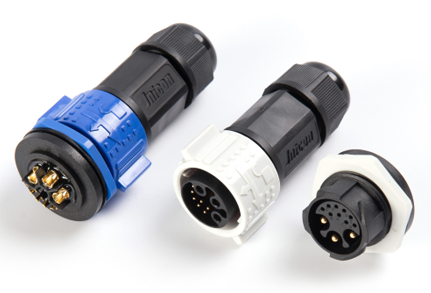
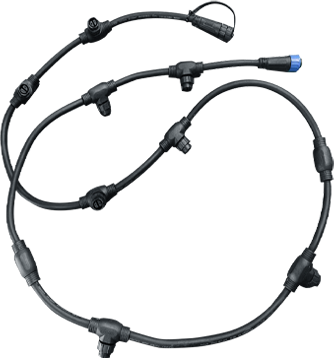
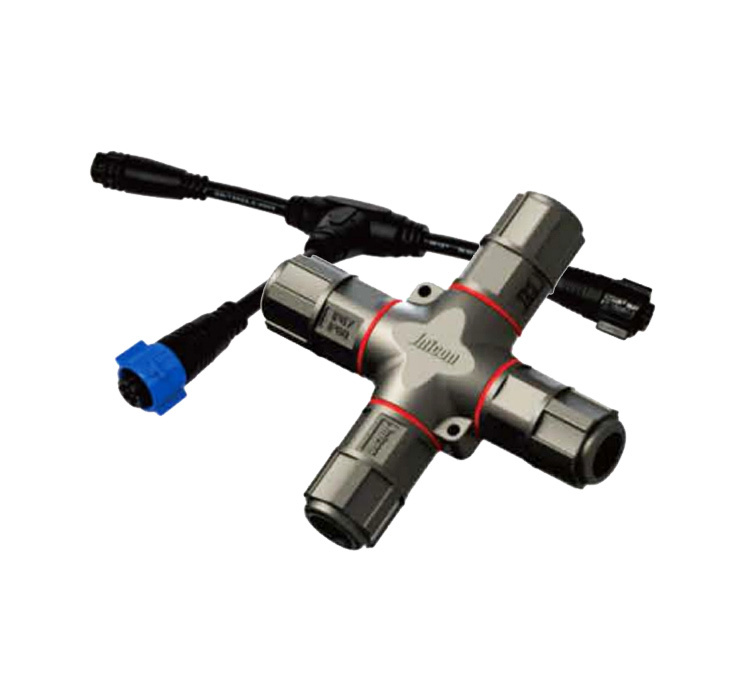
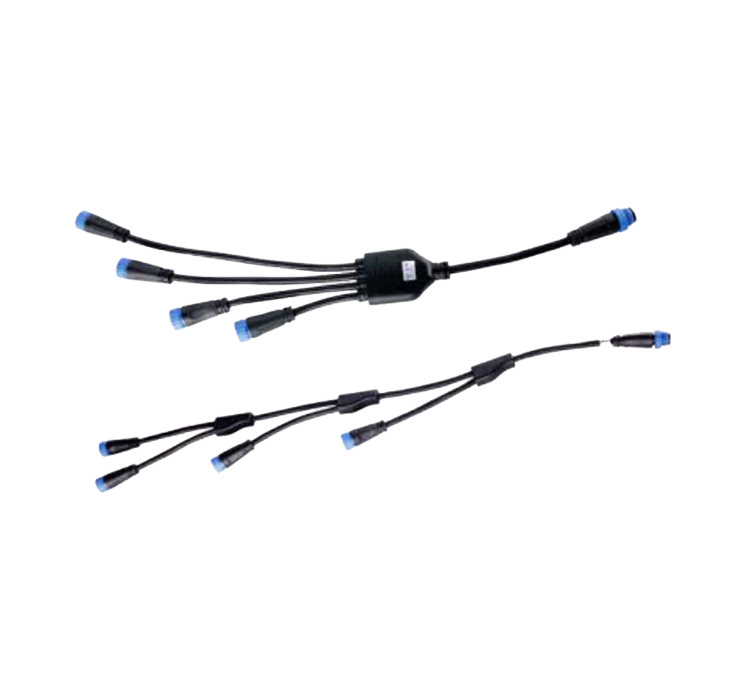
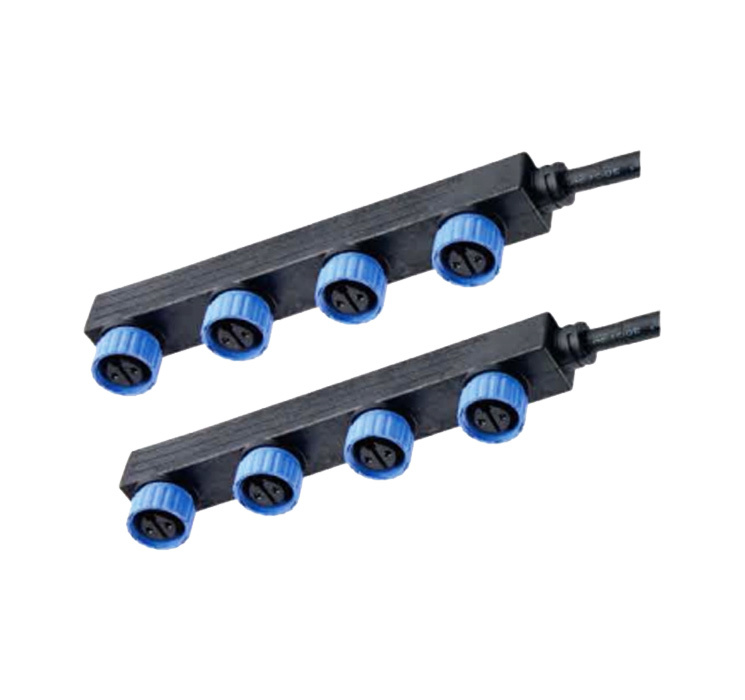
**5 pin waterproof connectors** are designed to ensure secure electrical connections while preventing moisture, dirt, and other environmental factors from causing damage. These connectors feature five pins, allowing for multiple connections in a single unit, making them ideal for complex industrial systems.
The materials used in these connectors are typically resistant to corrosion, UV rays, and extreme temperatures, ensuring longevity and reliability. Understanding their construction—composed of durable plastics and metals—is crucial for selecting the right connector for your application.
Benefits of Using 5 Pin Waterproof Connectors
The utilization of **5 pin waterproof connectors** in industrial applications offers numerous advantages:
1. Enhanced Durability
These connectors are built to withstand harsh conditions, including exposure to moisture, chemicals, and physical wear. Their robust design ensures that they maintain performance even in the most demanding environments.
2. Improved Safety
With waterproof connectors, the risk of electrical shorts and failures is significantly reduced. This enhances the safety of both the equipment and personnel working in the vicinity, making them a critical component in industrial settings.
3. Versatility in Applications
5 pin waterproof connectors can be used in a wide range of applications, from robotics and automation to lighting systems and heavy machinery. Their versatility makes them a preferred choice across various industries.
4. Simplified Maintenance
Due to their robust design, these connectors require less frequent replacements and repairs. This simplification of maintenance processes translates to cost savings and reduced downtime for businesses.
Applications in Industrial Settings
5 pin waterproof connectors are employed in numerous industrial applications. Here are a few key areas where their use is crucial:
1. Robotics and Automation
In the field of robotics, 5 pin waterproof connectors facilitate reliable connections between various components, allowing for seamless communication and operation in wet or dusty environments.
2. Water Treatment Facilities
These connectors are essential in water treatment plants, where equipment is frequently exposed to moisture and chemicals. Their waterproof nature ensures that electrical connections remain intact and functional.
3. Outdoor Equipment
For equipment used in outdoor settings—such as construction machinery and agricultural devices—5 pin waterproof connectors provide the necessary protection against the elements, ensuring consistent performance.
4. Automotive Applications
In automotive manufacturing and repair, these connectors are used to connect various electronic components, delivering reliable performance vital for vehicle safety and functionality.
Installation Guide for 5 Pin Waterproof Connectors
Proper installation of **5 pin waterproof connectors** is crucial for achieving optimal performance. Here’s a step-by-step guide:
1. Gather Necessary Tools and Materials
Before starting the installation, ensure you have all necessary tools, including wire strippers, crimping tools, and appropriate connectors.
2. Prepare the Wires
Strip the insulation from the ends of your wires, exposing enough copper to make a secure connection. Keep in mind the length of wire needed to reach the connector and any other components.
3. Crimp the Pins
Insert the stripped wire into the pin and use a crimping tool to secure it. Ensure that the connection is tight to prevent any loose connections that could lead to failure.
4. Insert Pins into the Connector Housing
Carefully insert the crimped pins into the housing of the waterproof connector. Make sure each pin is properly seated and locked in place.
5. Test the Connection
Before finalizing the installation, test the connection for continuity using a multimeter. This ensures that everything is functioning correctly.
6. Seal the Connector
Once tested, secure the connector and ensure that any sealing gaskets are properly in place to maintain its waterproof integrity.
Maintenance and Care Tips
1. Regular Inspections
Conduct regular inspections of connectors to check for signs of wear, corrosion, or damage. Early detection can prevent more significant issues down the line.
2. Clean Connections
Keep connectors clean from dirt and debris that can accumulate over time. Use a soft cloth and appropriate cleaning solutions to avoid damaging the connectors.
3. Check Seals
Inspect the seals and gaskets regularly to ensure they are intact. Replace them if you notice any signs of deterioration to maintain waterproof capabilities.
4. Store Properly
When not in use, store connectors in a dry, cool place to prevent exposure to elements that could compromise their integrity.
Troubleshooting Common Issues
Even the best connectors can face issues. Here are some common problems and their solutions:
1. Poor Connection
If you experience a poor connection, check the pins for looseness or corrosion. Re-crimping or replacing the pins may be necessary.
2. Water Intrusion
Water intrusion can occur if seals are damaged. Inspect and replace seals as needed to restore the waterproof nature of the connector.
3. Signal Interference
If you notice fluctuations, inspect the wiring and connections for any signs of wear. Ensure that all connections are secure and properly insulated.
Future Trends in Waterproof Connectors
The industry is witnessing several trends that could impact the future development of **5 pin waterproof connectors**:
1. Advancements in Materials
As technology evolves, new materials are being developed that offer greater durability and resistance to environmental factors, leading to even more reliable connectors.
2. Increased Demand for Custom Solutions
With the rise of automation and IoT, there is a growing demand for custom connector solutions that can meet specific application needs.
3. Enhanced Compatibility
Future connectors may focus on greater compatibility with various systems, ensuring that they can be seamlessly integrated into existing infrastructures.
Conclusion
5 pin waterproof connectors are indispensable in industrial applications, providing durability, safety, and versatility. Understanding their benefits, installation methods, and maintenance practices can significantly enhance operational efficiency and reliability. As industries continue to evolve, these connectors will remain a critical component in ensuring that equipment functions optimally under all conditions.
FAQs
1. What is a 5 pin waterproof connector?
A 5 pin waterproof connector is an electrical connector designed to prevent moisture and contaminants from causing damage, featuring five distinct pins for multiple connections.
2. Where are 5 pin waterproof connectors commonly used?
These connectors are commonly used in robotics, water treatment facilities, outdoor equipment, and automotive applications.
3. How do I install a 5 pin waterproof connector?
Installation involves preparing the wires, crimping the pins, inserting them into the connector housing, testing for continuity, and sealing the connector.
4. How do I maintain my waterproof connectors?
Regular inspections, cleaning, checking seals, and proper storage are essential for maintaining waterproof connectors.
5. What should I do if my connector experiences water intrusion?
Inspect the seals for damage and replace them as necessary to restore the waterproof integrity of the connector.
Previous
News
2026-10-18
How Industrial Power Connectors Transform Energy Distribution Systems
How Industrial Power Connectors Transform Energy Distribution Systems Table of Contents 1. Introduction to Industrial Power Connectors 2. The Importance of Power Connectors in Energy Distribution 3. Types of Industrial Power Connectors 3.1 Circular Connectors 3.2 Rectangular Connectors 3.3 Heavy-Duty Connectors 4. Applications
2026-10-15
Understanding Waterproof Wire Harness: Key Features and Benefits for Automotive Applications
In the automotive industry, the functionality and longevity of electrical components are crucial for vehicle performance. One of the key components that contribute to this is the waterproof wire harness. These harnesses are specifically designed to withstand harsh environmental conditions, ensuring that the electrical systems in vehicles remain operational regardless of the weather. A waterproof w
2026-10-12
5 Pin Waterproof Connectors: Enhancing Home Automation Systems
5 Pin Waterproof Connectors: Enhancing Home Automation Systems Table of Contents Introduction to 5 Pin Waterproof Connectors Importance of Waterproof Connectors in Home Automation Key Benefits of 5 Pin Waterproof Connectors Features of 5 Pin Waterproof Connectors Material Quality Design and Build Applications of 5 Pin Waterproof C

B8-9, Fubilun industrial park, Chaoyang rd,Yanchuan community, Songgang, Shenzhen, China


