


Understanding Industrial Power Connectors: Essential Components for Reliable Electrical Connections
Release Time:
2025-12-17
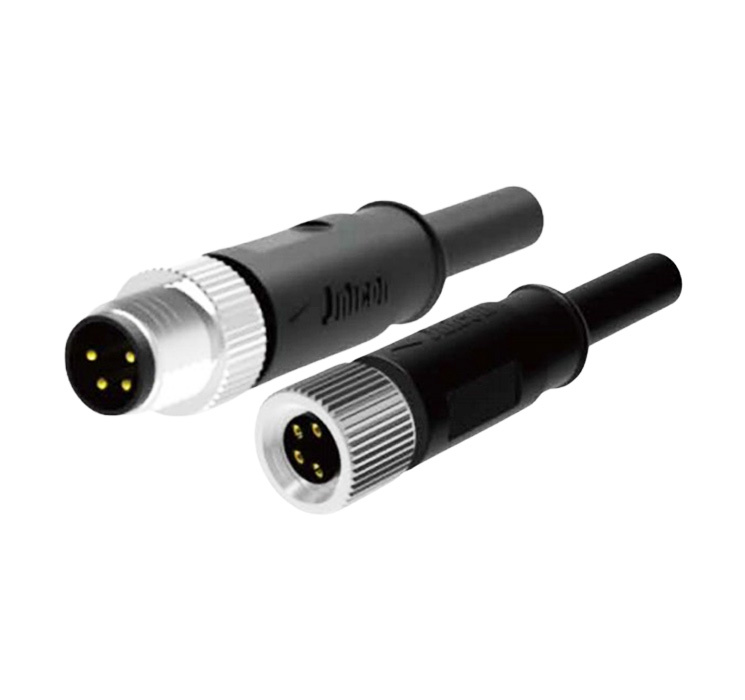
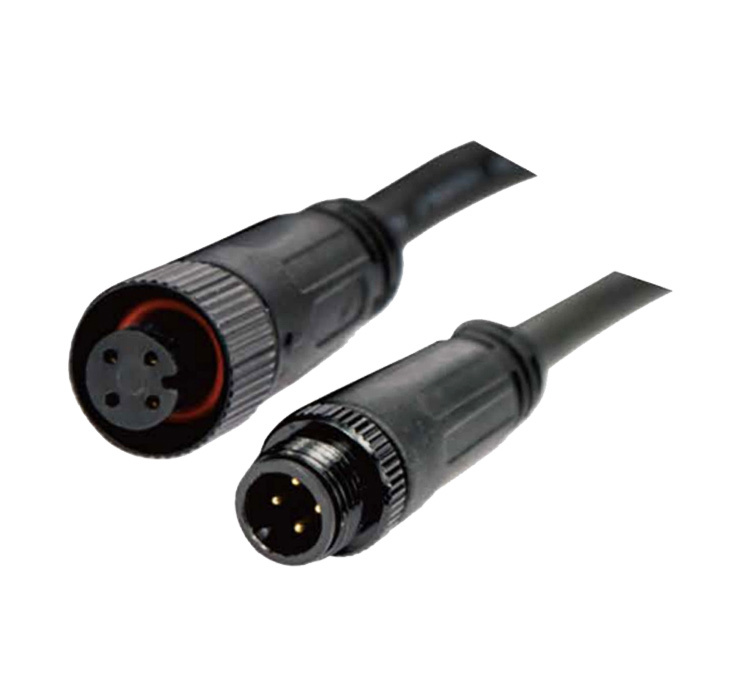
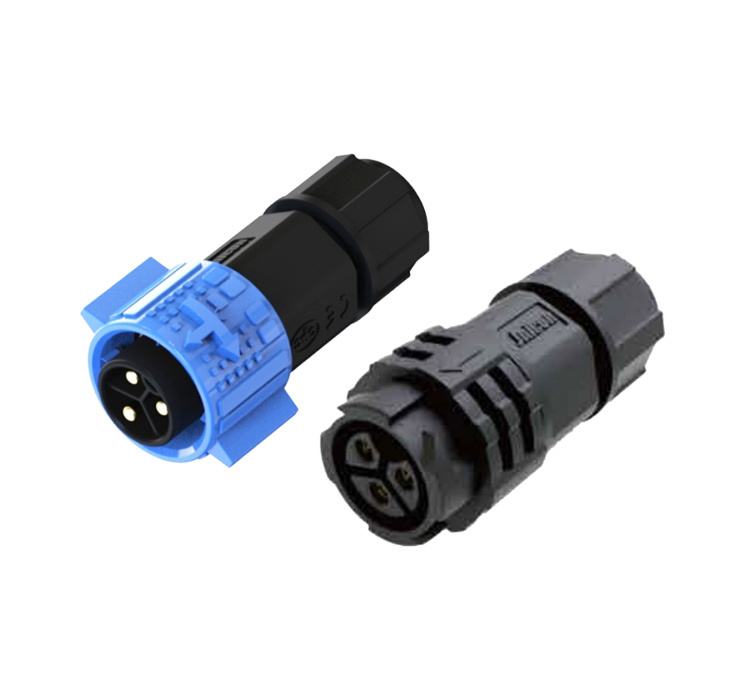
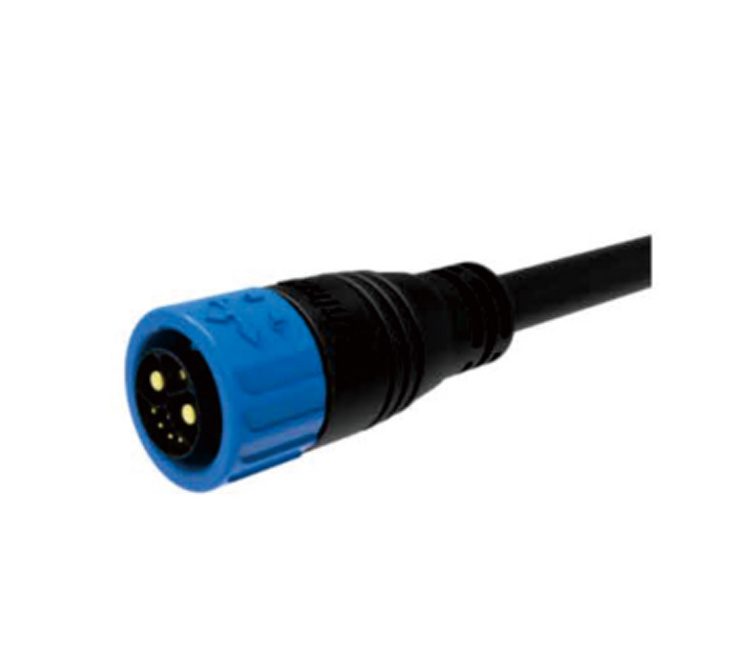
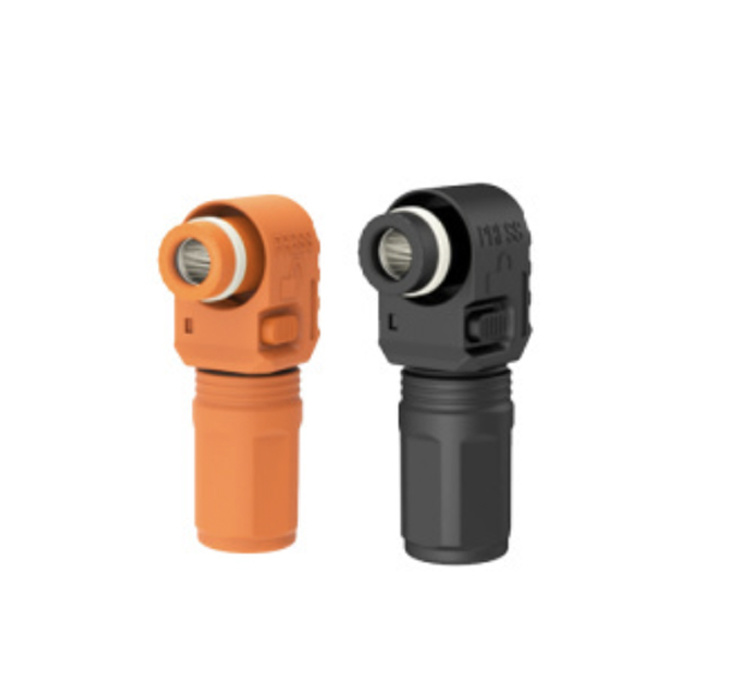
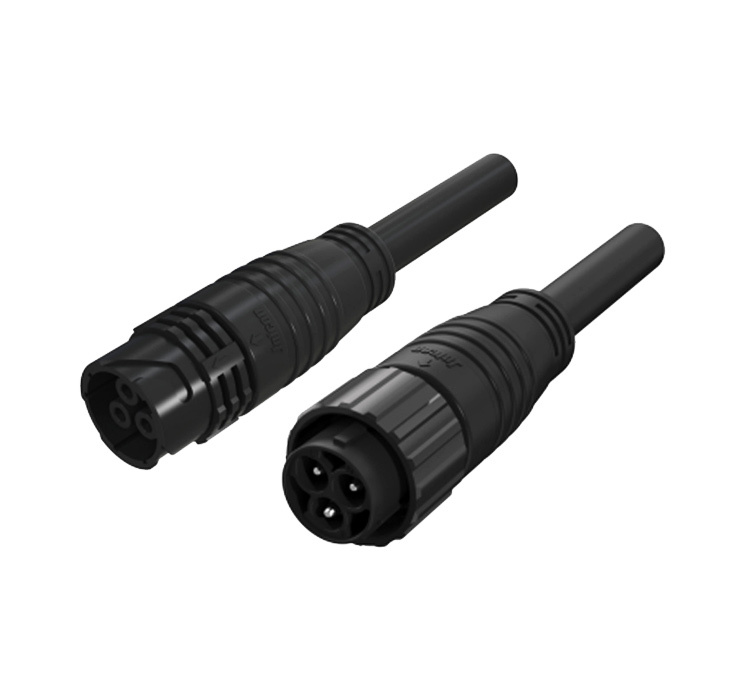
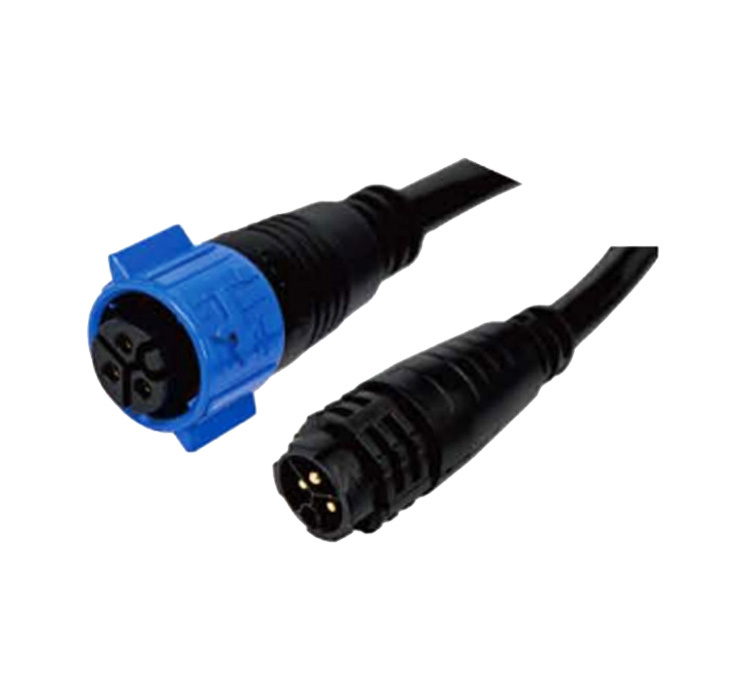
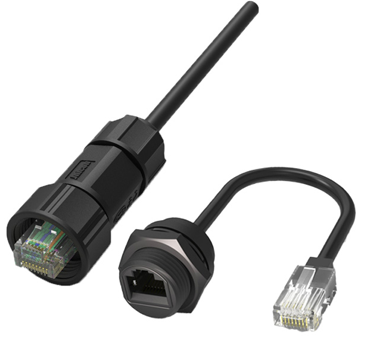
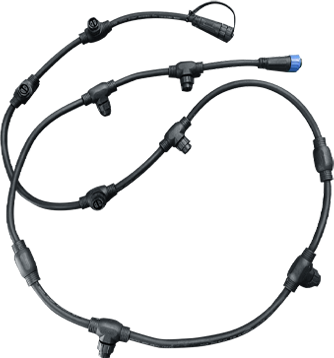
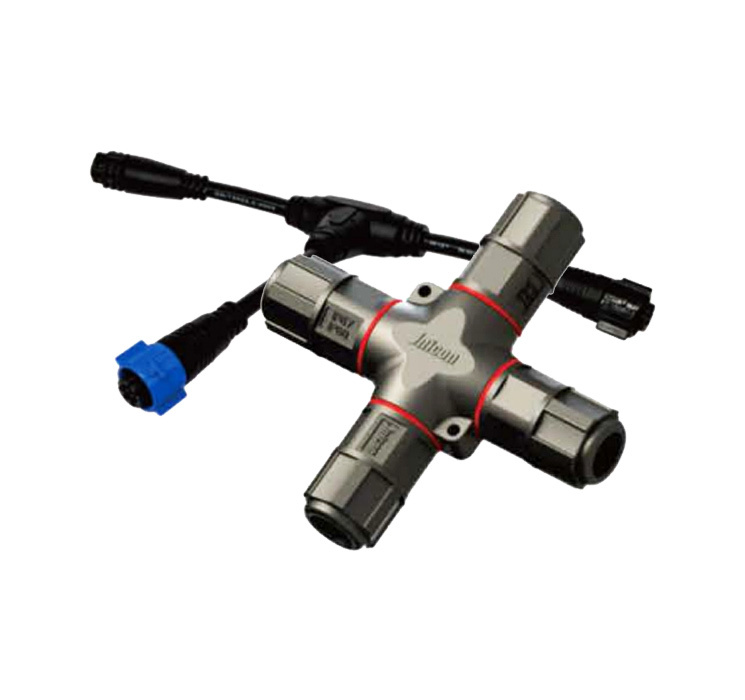
One of the primary features of industrial power connectors is their durability. Unlike standard connectors, which may falter under extreme conditions, industrial connectors are engineered to withstand harsh environments, including exposure to moisture, dust, and extreme temperatures. This resilience makes them ideal for use in outdoor applications, heavy machinery, and industrial automation systems.
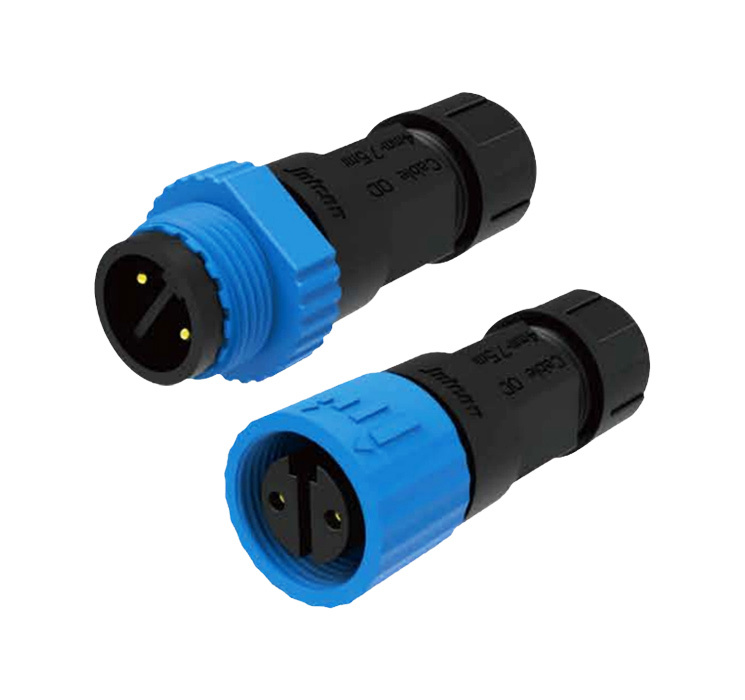
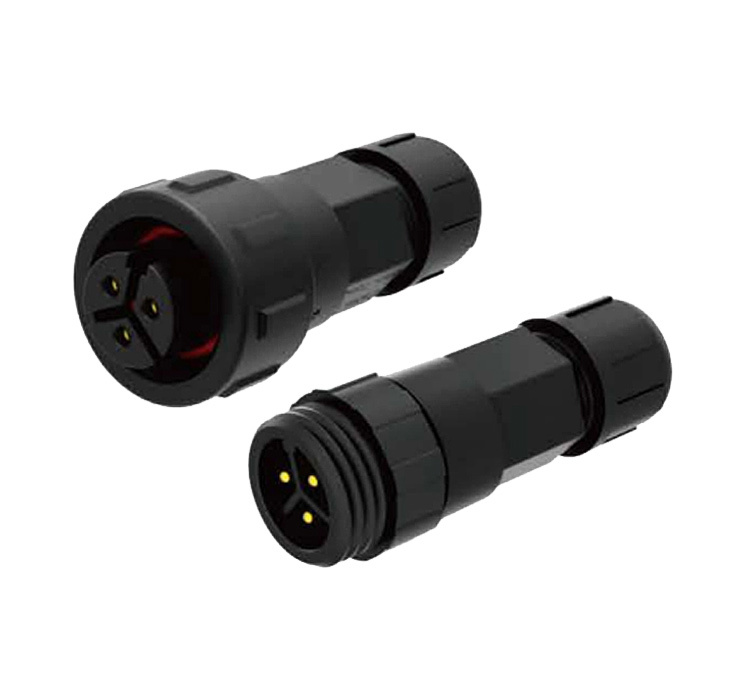
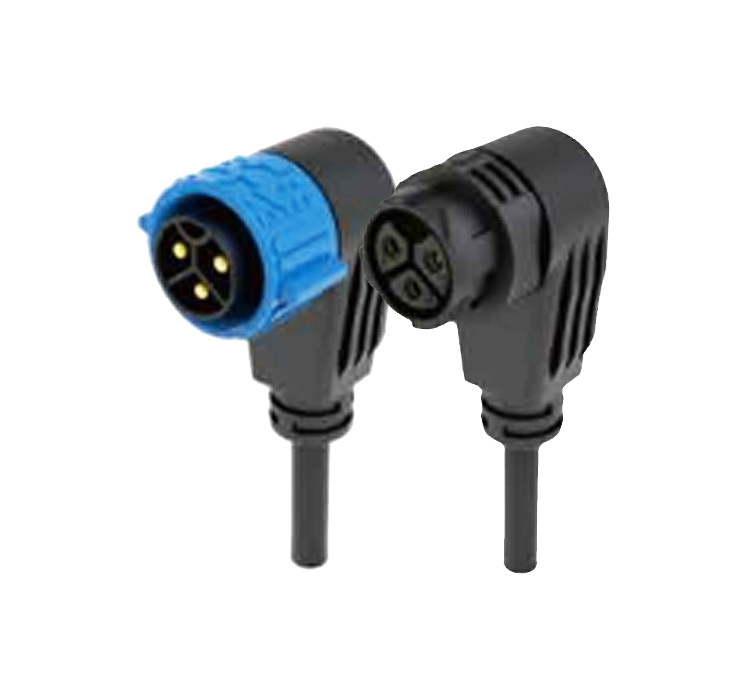
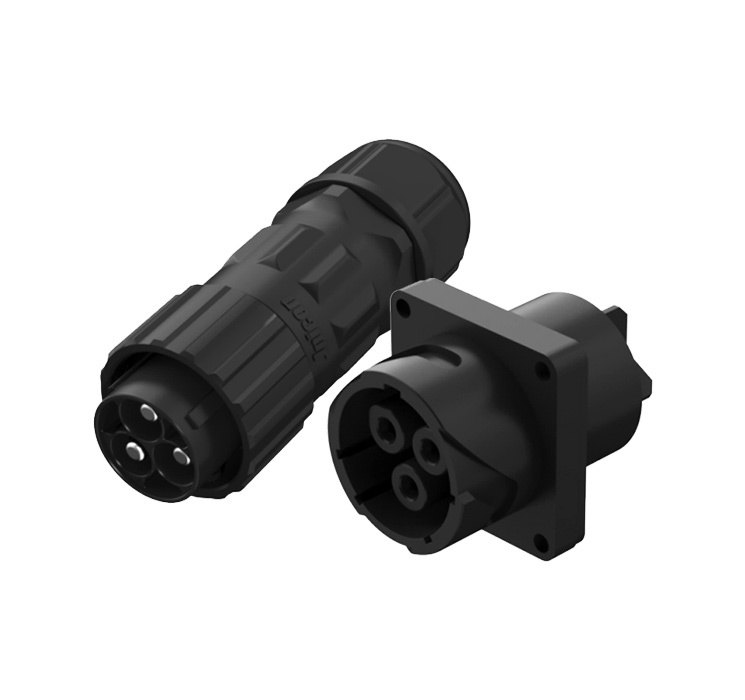
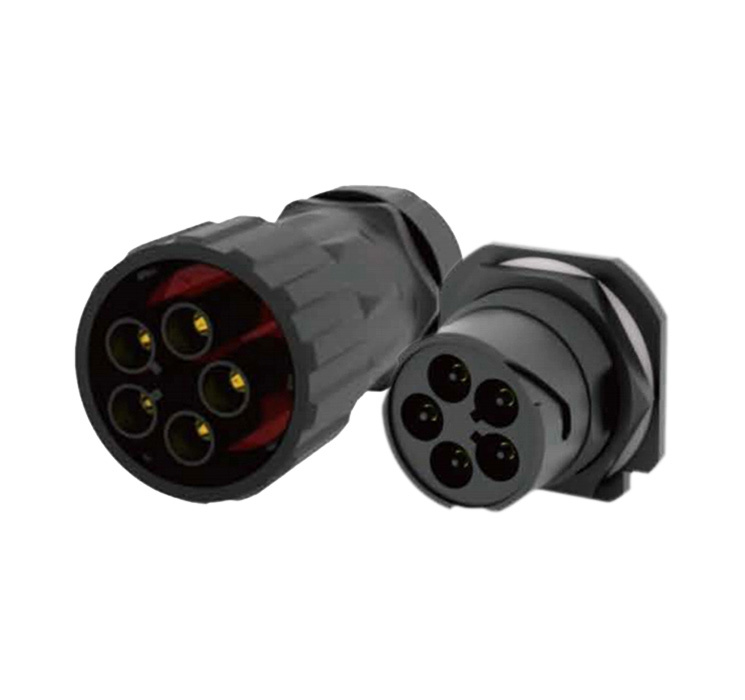
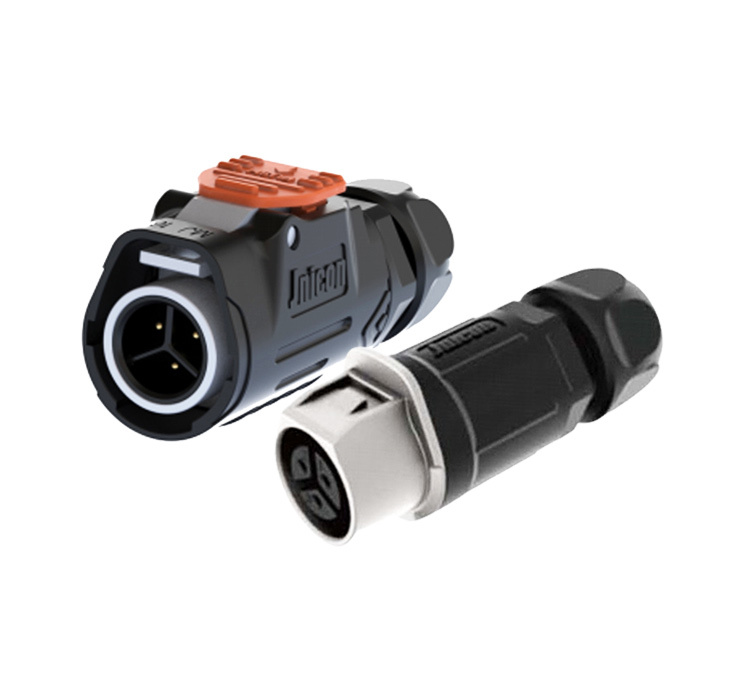
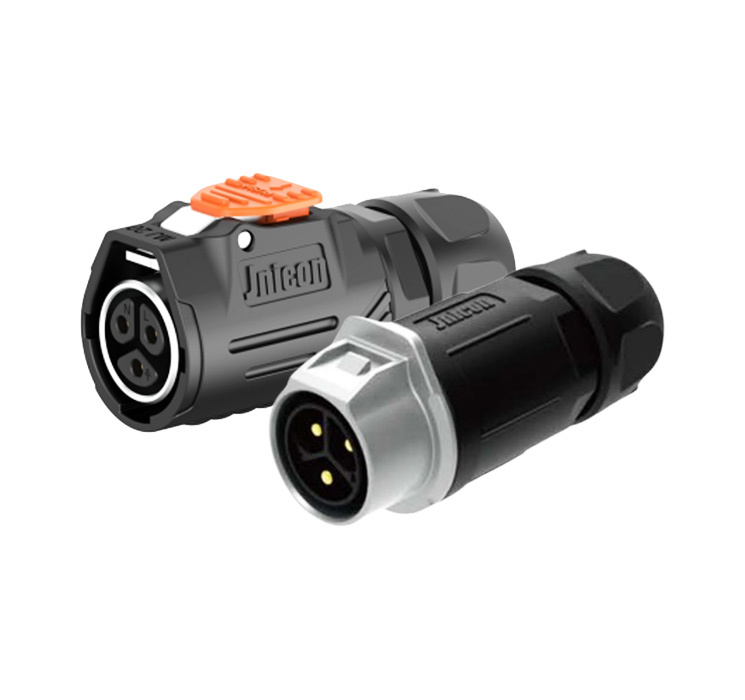
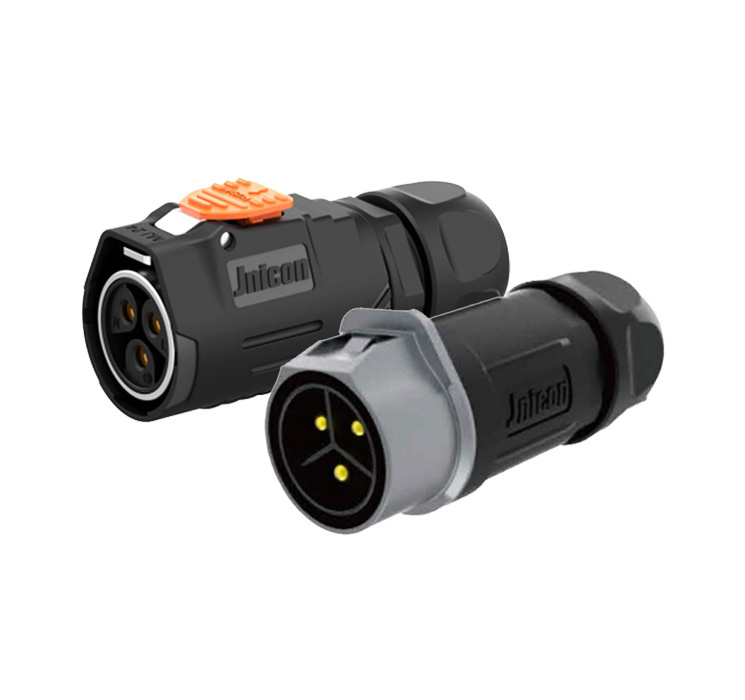
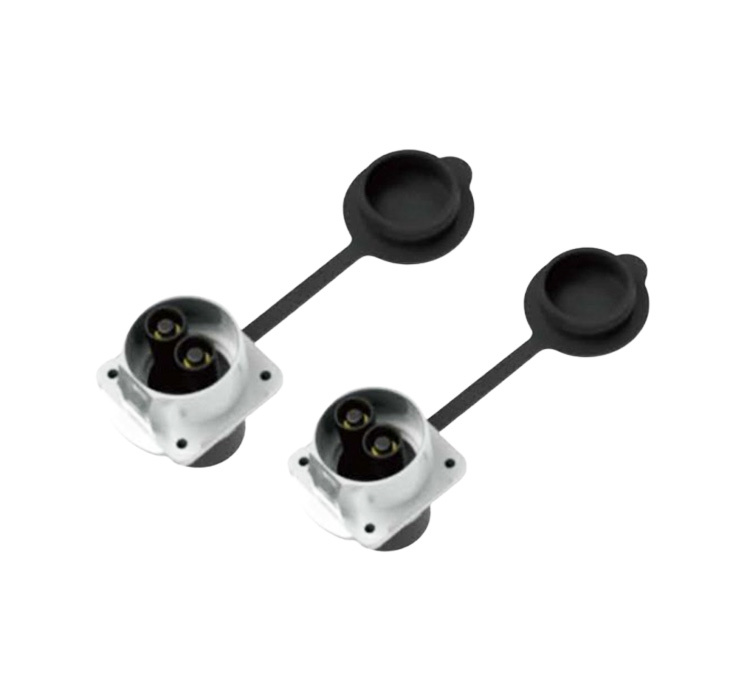
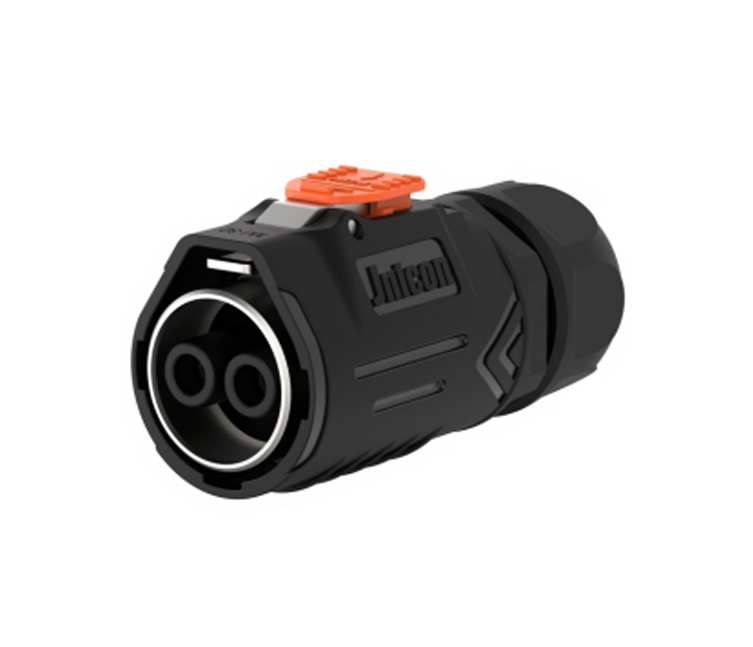
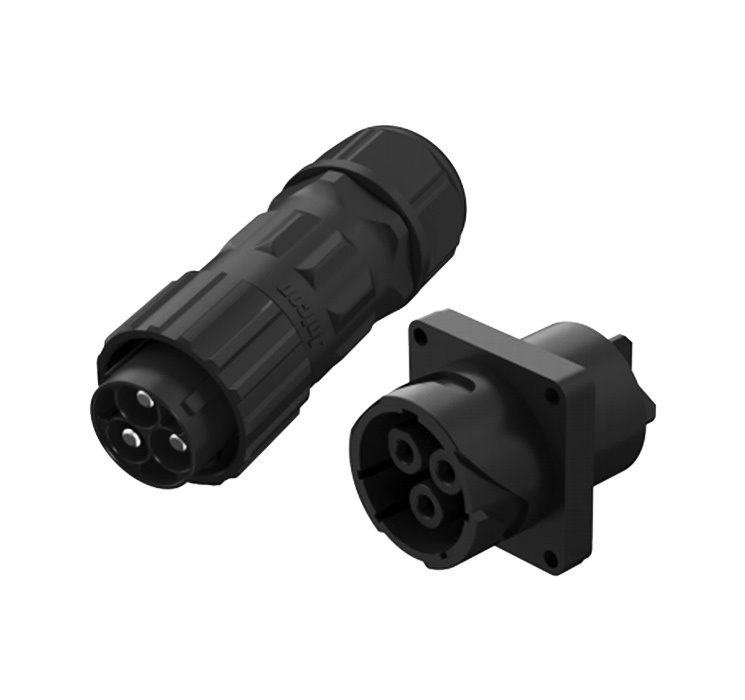
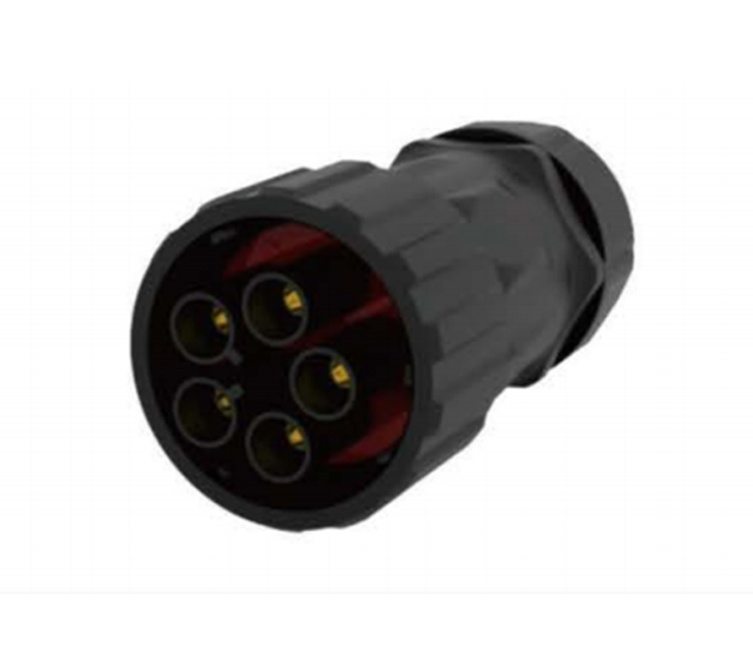
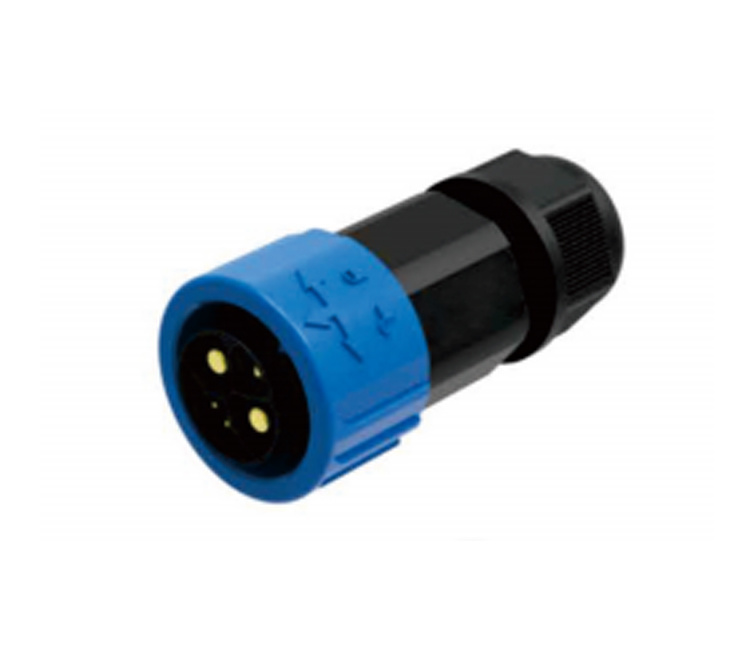
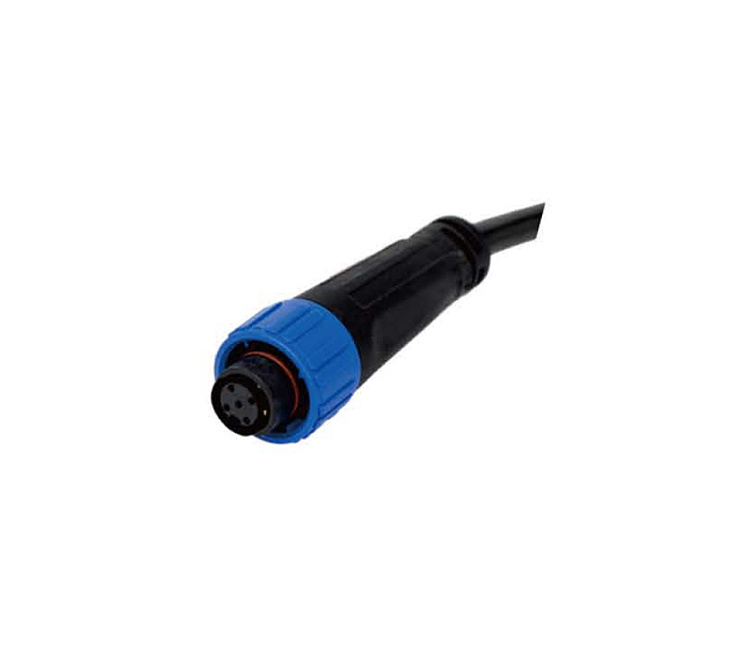
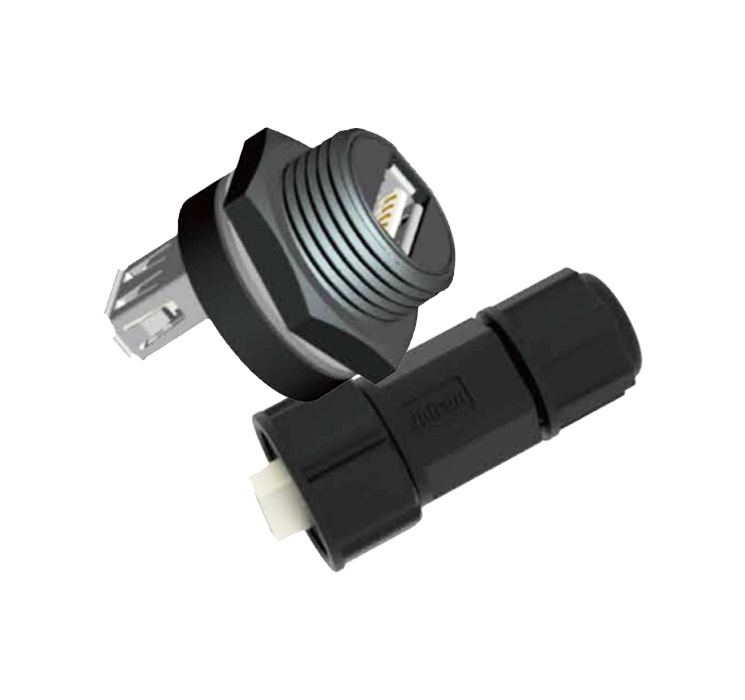
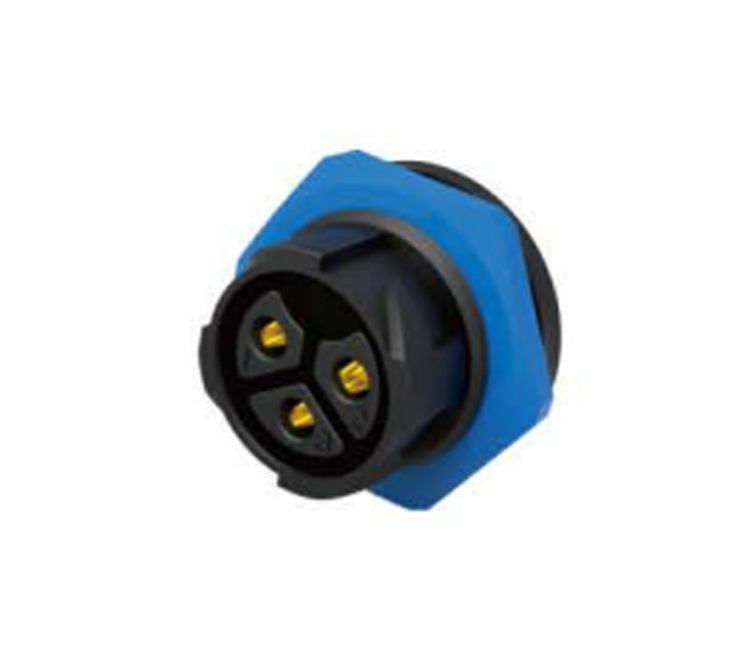
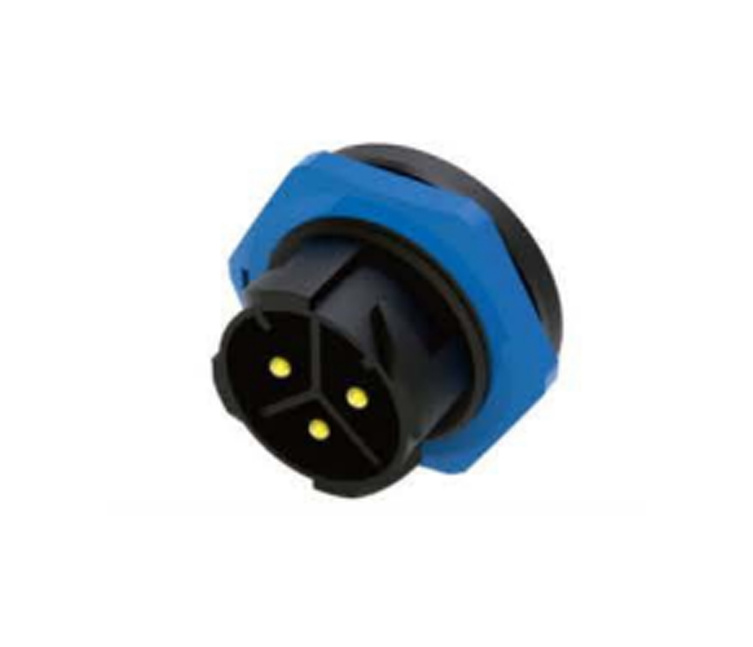
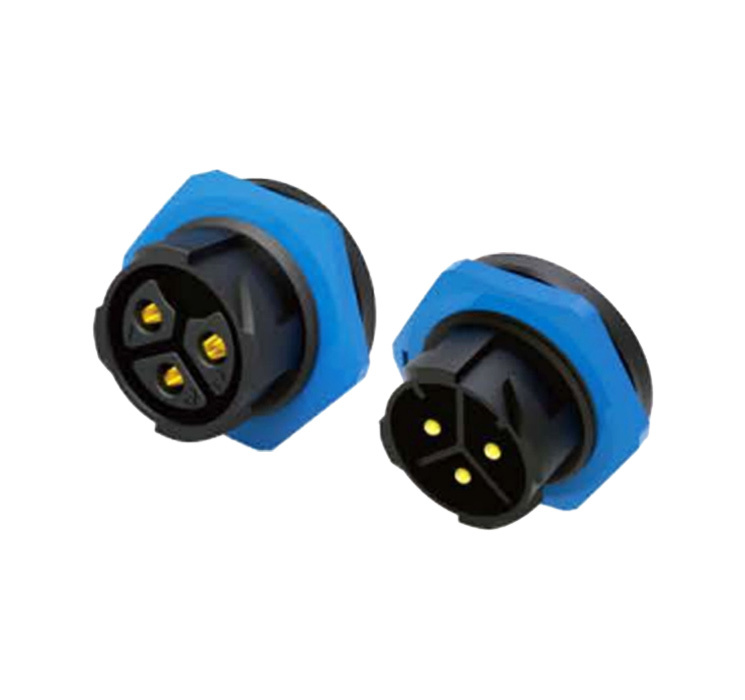
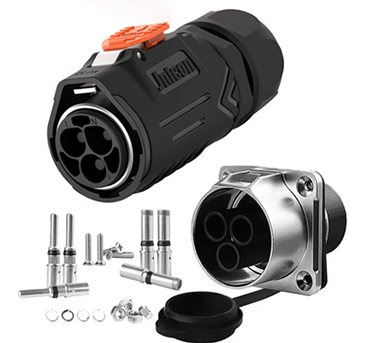
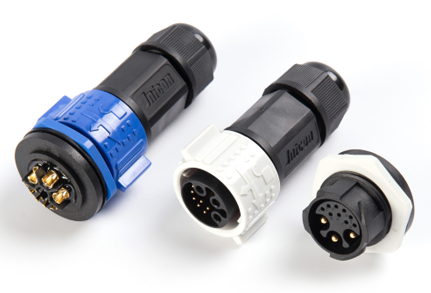
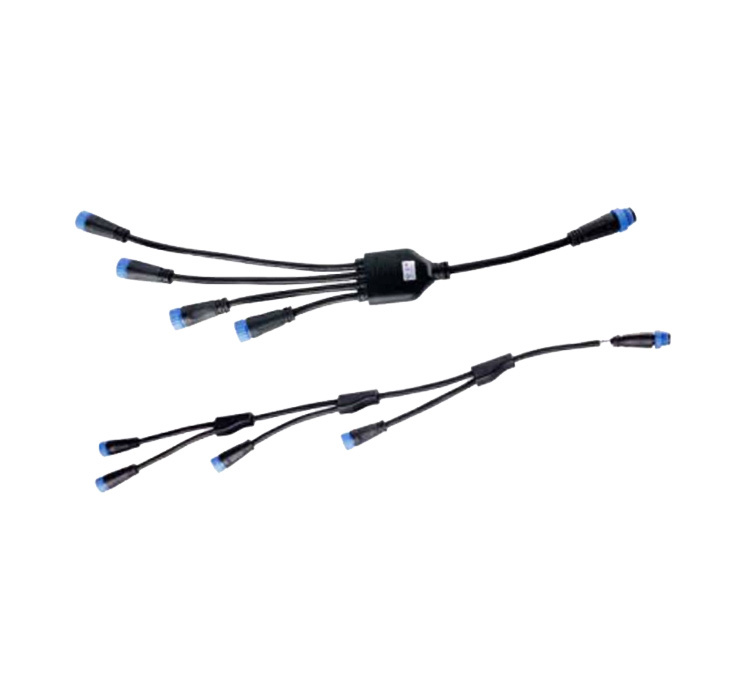
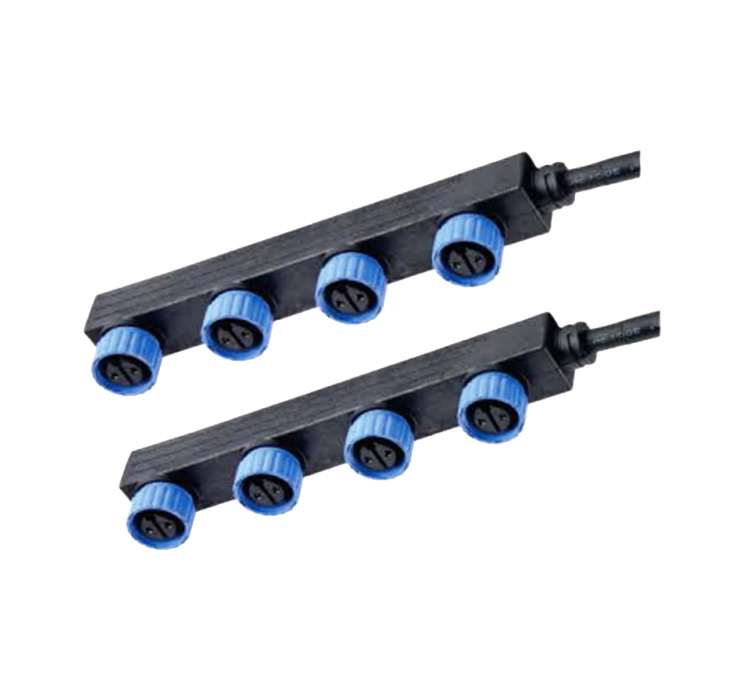
There are several types of industrial power connectors, each designed for specific applications. Among the most common are plug-and-socket connectors, which allow for easy disconnection and reconnection, making them suitable for applications that require frequent maintenance or equipment changes. Additionally, panel-mounted connectors provide a secure, fixed installation that can enhance safety and reduce wear on cables.
Another important consideration when selecting industrial power connectors is their electrical rating, which indicates the maximum voltage and current they can safely handle. It’s essential to choose connectors that match the requirements of your specific application to prevent overheating and potential failure. Furthermore, connectors are available in various configurations, including single-phase and three-phase options, allowing flexibility in design and installation.
In terms of safety, many industrial power connectors are equipped with features such as locking mechanisms and protective covers, which prevent accidental disconnections and protect terminals from contamination. These features are vital in maintaining a secure connection in environments where vibration or movement is common.
In addition to their physical robustness, industrial power connectors also play a role in ensuring compliance with various industry standards. Many connectors are designed to meet specific safety and performance criteria, which helps organizations adhere to regulatory requirements and industry best practices.
Overall, understanding industrial power connectors is essential for professionals in the electrical engineering field. Their ability to provide reliable electrical connections in challenging environments makes them indispensable in modern industrial applications. By choosing the right connectors, engineers and technicians can enhance the safety and efficiency of their systems, ensuring smooth operations and minimizing downtime.
News
2026-10-03
Understanding Waterproof Cables: Essential Insights for Electrical Professionals
Waterproof cables are vital components in the electric and electronic industries, especially when it comes to ensuring safe and reliable connections in challenging environments. These cables are designed to resist moisture and prevent water ingress, which can lead to electrical failure and safety hazards. Understanding the intricacies of waterproof cables is essential for electrical professionals
2026-09-30
Discover the Advantages of Using 2 Pin Waterproof Connectors in Harsh Environments
Discover the Advantages of Using 2 Pin Waterproof Connectors in Harsh Environments Table of Contents 1. Introduction to 2 Pin Waterproof Connectors 2. Importance of Waterproof Connectors 3. Design Features of 2 Pin Waterproof Connectors 4. Applications in Various Industries 5. Benefits of Using 2 Pin Waterproof Connectors 6. Installation Guidelines for 2 Pin Waterproof Connectors 7.
2026-09-27
Understanding Industrial Power Connectors: Key Insights for Professionals
Industrial power connectors play a crucial role in the safety and efficiency of electrical systems across various sectors, including manufacturing, energy, and transportation. These connectors are designed to facilitate the transmission of electrical power in rugged environments, ensuring reliable and stable connections. Understanding the types, applications, and selection criteria for industrial

B8-9, Fubilun industrial park, Chaoyang rd,Yanchuan community, Songgang, Shenzhen, China


