


How to Choose the Right Waterproof Wire Harness for Your Vehicle
Release Time:
2025-12-26
How to Choose the Right Waterproof Wire Harness for Your Vehicle
Table of Contents
- 1. Introduction: Understanding Waterproof Wire Harnesses
- 2. The Importance of Waterproof Wire Harnesses in Vehicles
- 3. Types of Waterproof Wire Harnesses
- 4. Key Factors to Consider When Choosing a Waterproof Wire Harness
- 4.1. Material Composition
- 4.2. Wire Gauge and Ampacity
- 4.3. Connector Types
- 4.4. Sealing Mechanisms
- 4.5. Length and Configuration
- 5. Installation Tips for Waterproof Wire Harnesses
- 6. Maintenance Best Practices for Longevity
- 7. Common Issues with Waterproof Wire Harnesses
- 8. Conclusion: Making the Right Choice for Your Vehicle
- 9. FAQs: Your Questions Answered
1. Introduction: Understanding Waterproof Wire Harnesses
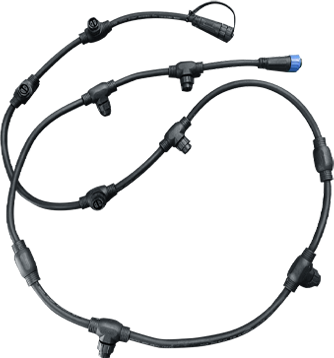
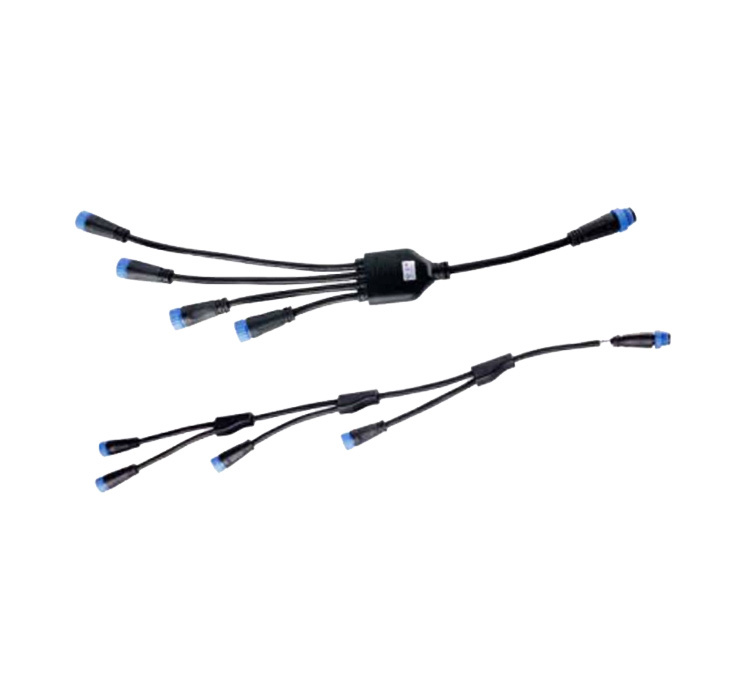
The **waterproof wire harness** is a critical component that serves as a network of electrical connections within a vehicle, designed specifically to withstand harsh environmental conditions. From keeping moisture at bay to ensuring optimal electrical performance, these harnesses are essential for maintaining the functionality of various automotive systems. In this guide, we will delve into the intricacies of choosing the right waterproof wire harness for your vehicle, ensuring you make an informed decision.
2. The Importance of Waterproof Wire Harnesses in Vehicles
Waterproof wire harnesses play a pivotal role in safeguarding your vehicle's electrical systems from water damage. The automotive environment is often plagued with moisture due to rain, snow, and even humidity. Without adequate protection, electrical connections can corrode, leading to system failures, short circuits, and costly repairs. Here are some compelling reasons why choosing the right waterproof wire harness is crucial:
- **Prevention of Electrical Failures**: A quality waterproof wire harness protects against the ingress of water and contaminants, significantly reducing the risk of electrical failures.
- **Enhanced Durability**: These harnesses are built to withstand extreme weather conditions, ensuring longevity and reliability in performance.
- **Safety Assurance**: Poor electrical connections can lead to dangerous situations, including vehicle fires or malfunctions. A waterproof wire harness mitigates these risks.
3. Types of Waterproof Wire Harnesses
When selecting a waterproof wire harness, it's essential to understand the different types available. Each type is suited for specific applications and environments. Here are the most common types:
- **Automotive Wire Harnesses**: Designed for vehicles, these harnesses cater to various electrical systems, including lighting, ignition, and power distribution.
- **Marine Wire Harnesses**: Specifically made for boats and marine applications, these harnesses are built to endure exposure to saltwater and other corrosive elements.
- **Industrial Wire Harnesses**: Used in heavy machinery and industrial equipment, these harnesses must withstand rugged conditions and potential exposure to chemicals.
4. Key Factors to Consider When Choosing a Waterproof Wire Harness
Selecting the right waterproof wire harness involves considering several critical factors to ensure optimal performance and protection. Here are some essential points to keep in mind:
4.1. Material Composition
The materials used in constructing a waterproof wire harness significantly influence its effectiveness. Look for harnesses made from high-quality materials such as:
- **Polyvinyl Chloride (PVC)**: Offers excellent resistance to moisture and chemicals.
- **Thermoplastic Elastomer (TPE)**: Provides flexibility and durability, making it ideal for dynamic applications.
- **Heat-Shrink Tubing**: A common sealing method that enhances moisture resistance.
4.2. Wire Gauge and Ampacity
Wire gauge refers to the thickness of the wire, which impacts its ability to carry electrical current (ampacity). Selecting the appropriate gauge is vital to prevent overheating and ensure efficient power delivery. Consult the manufacturer's specifications to determine the optimal gauge for your vehicle's requirements.
4.3. Connector Types
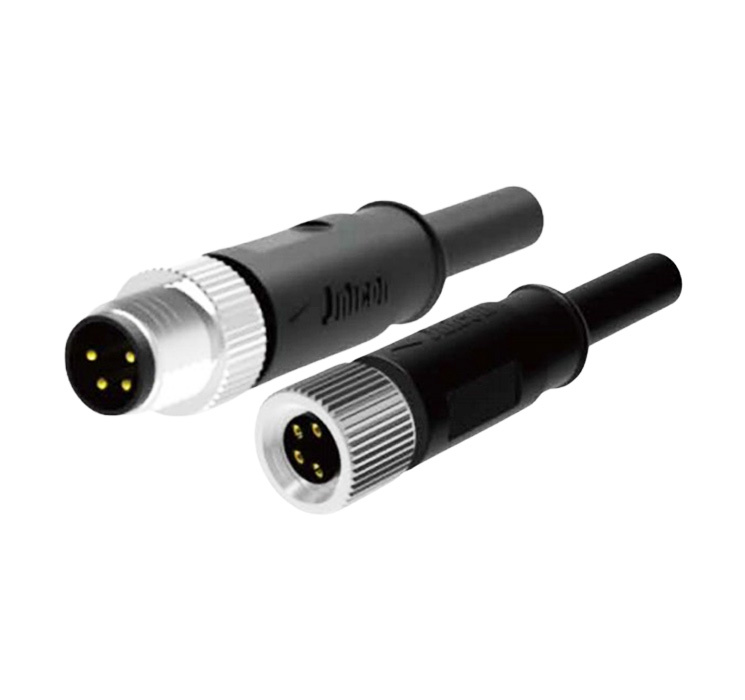
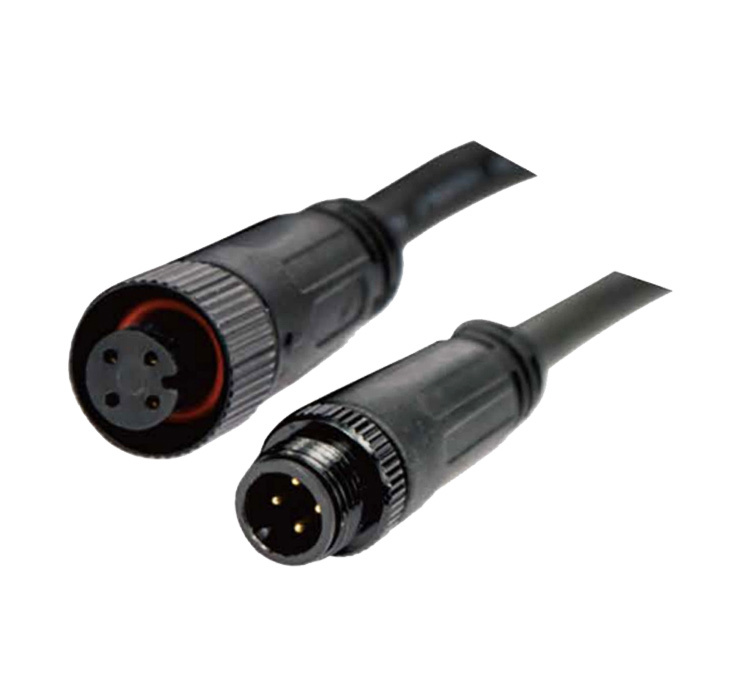
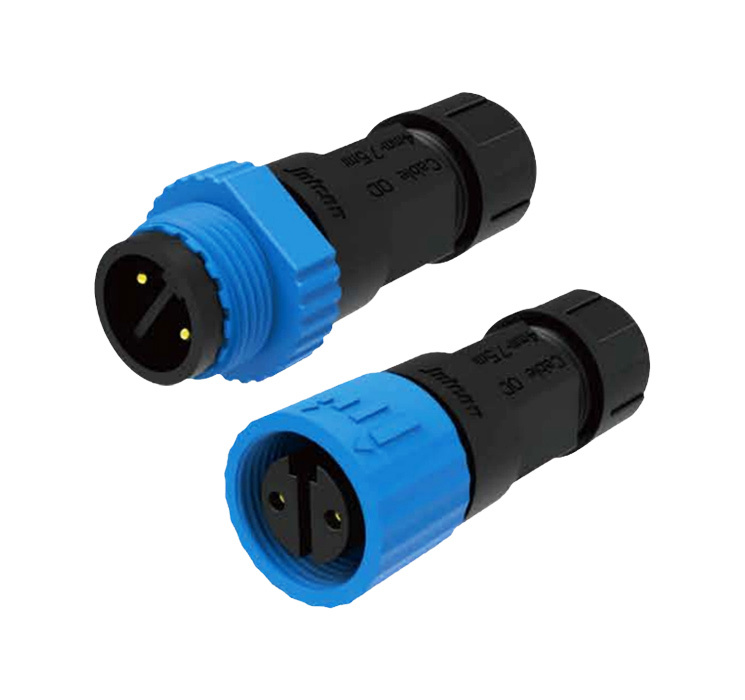
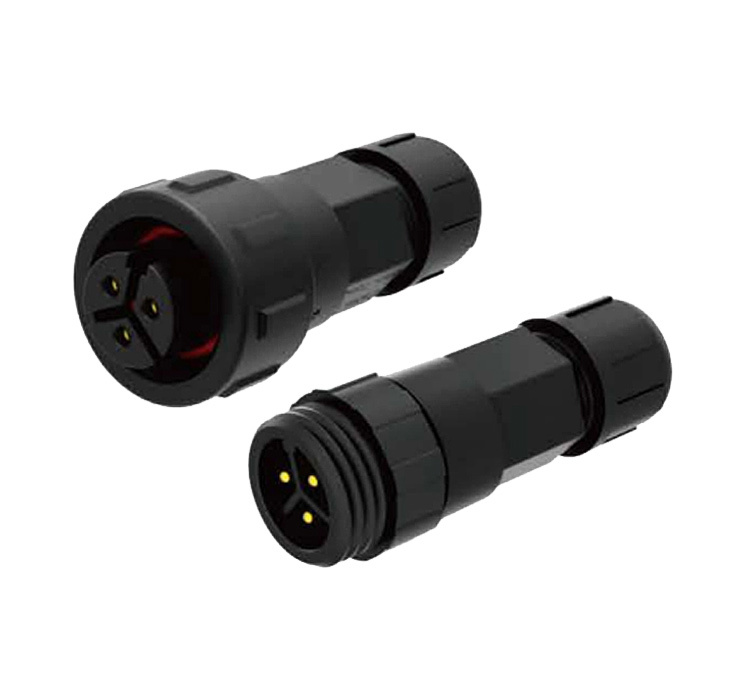
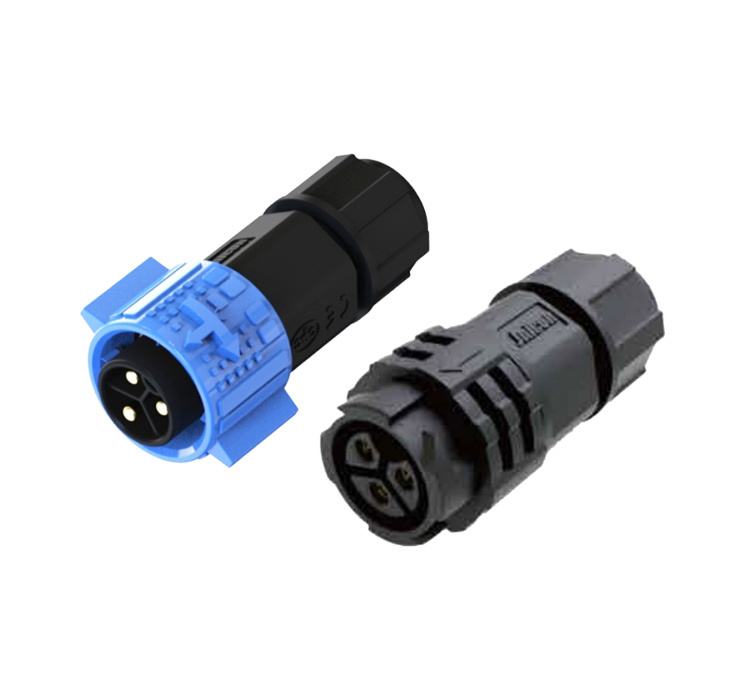
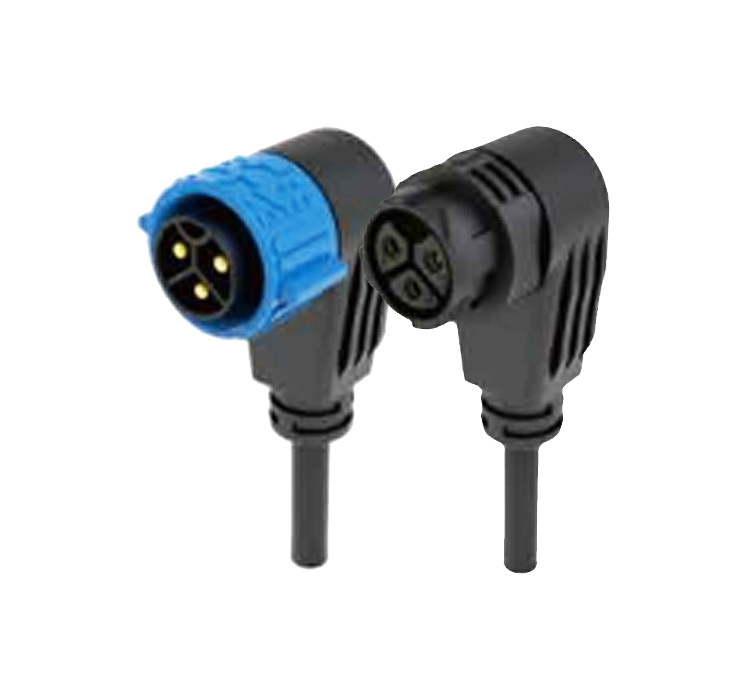
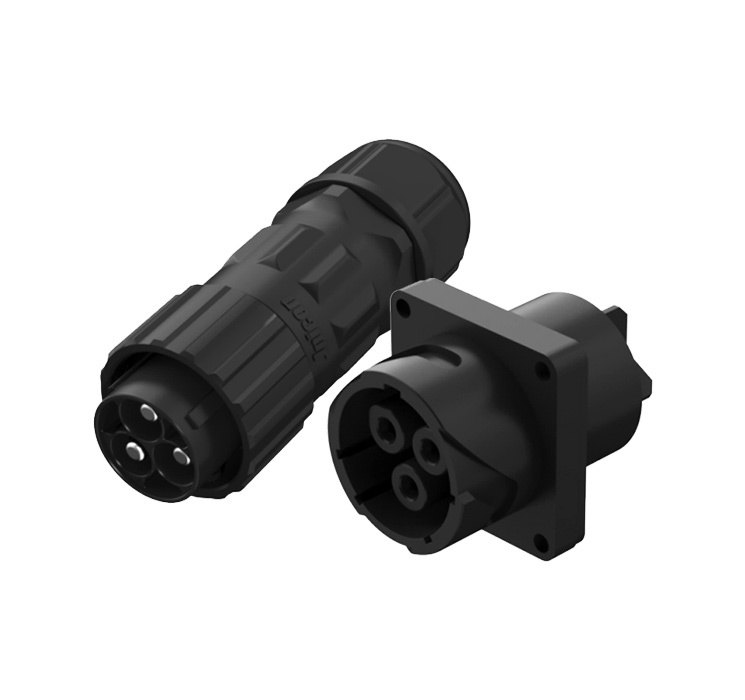
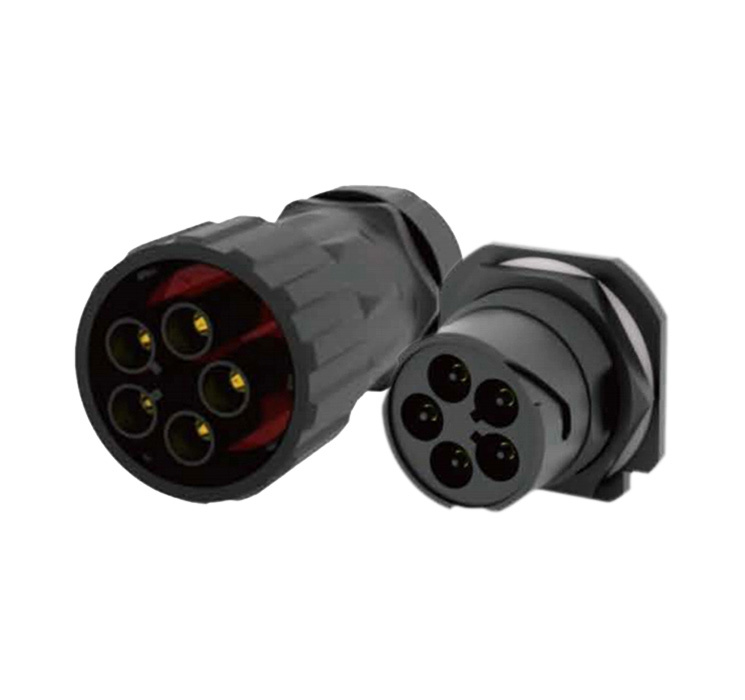
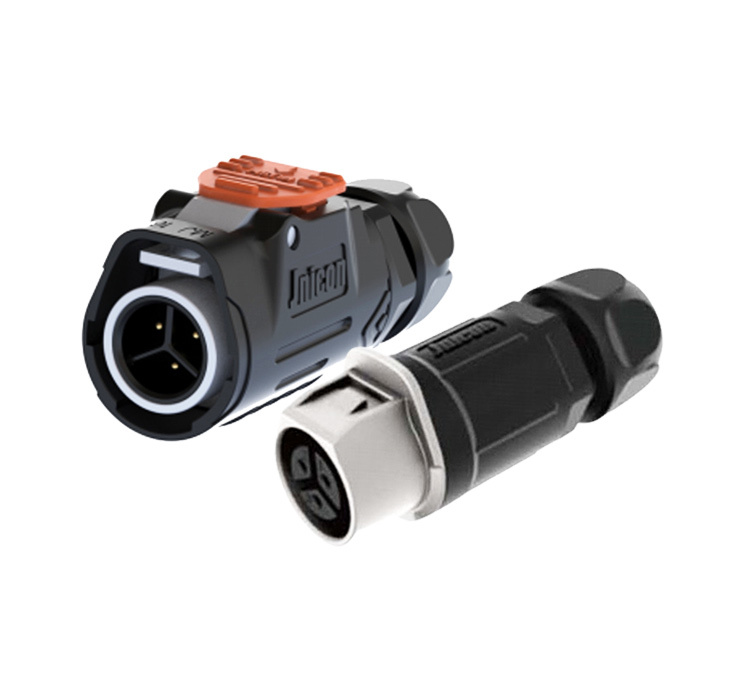
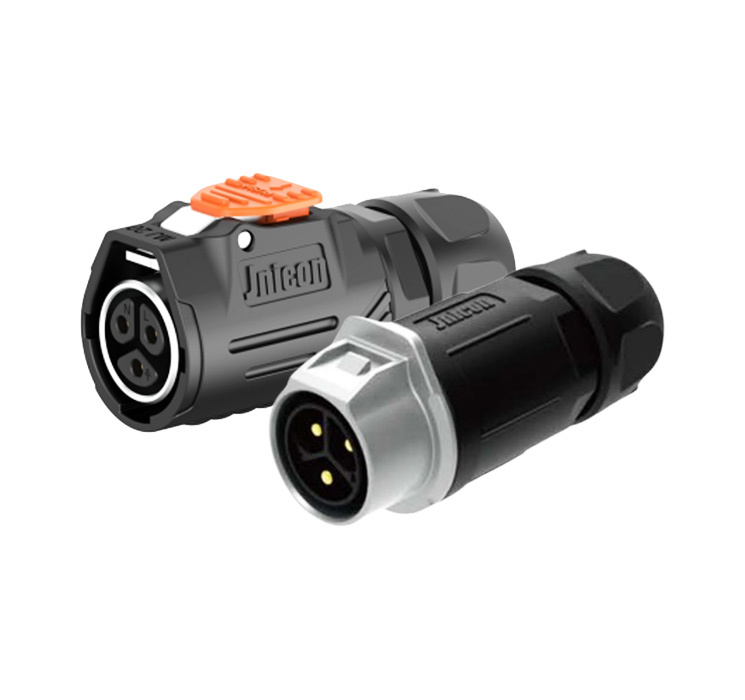
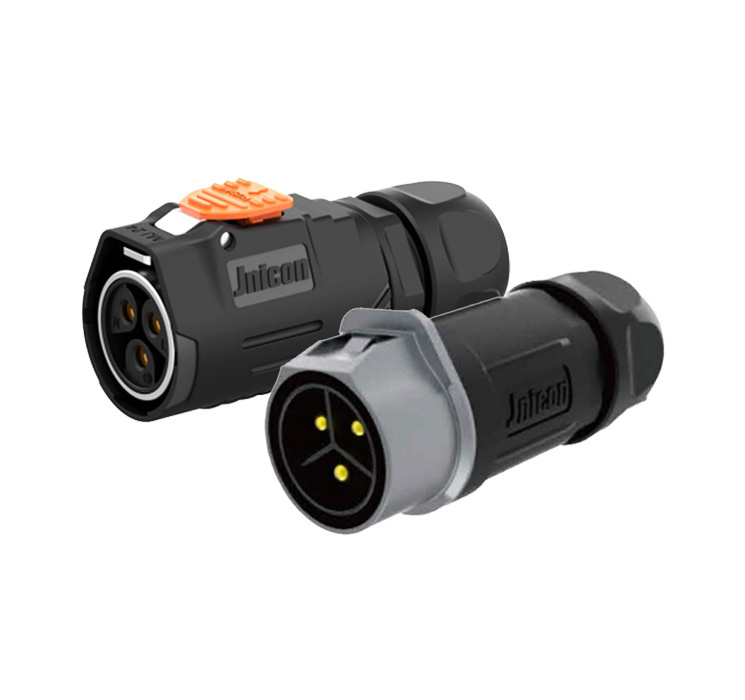
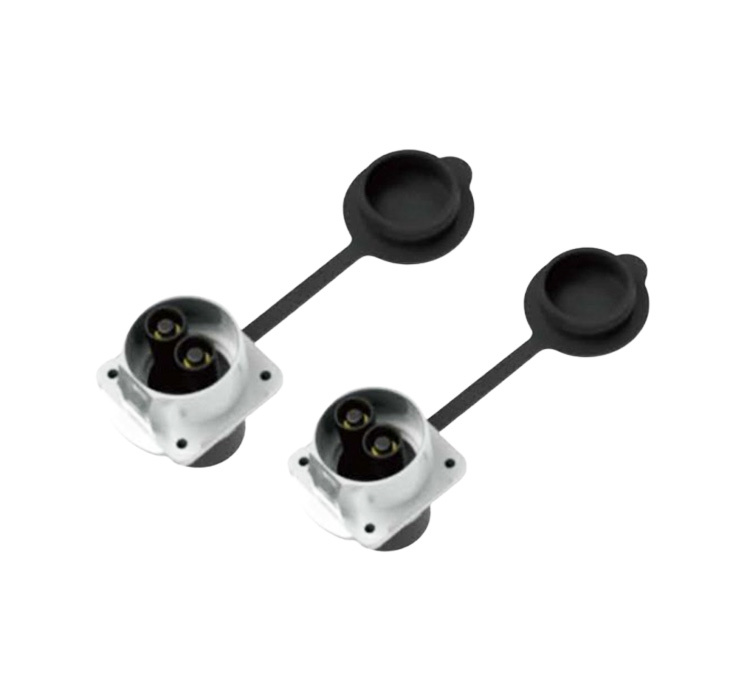
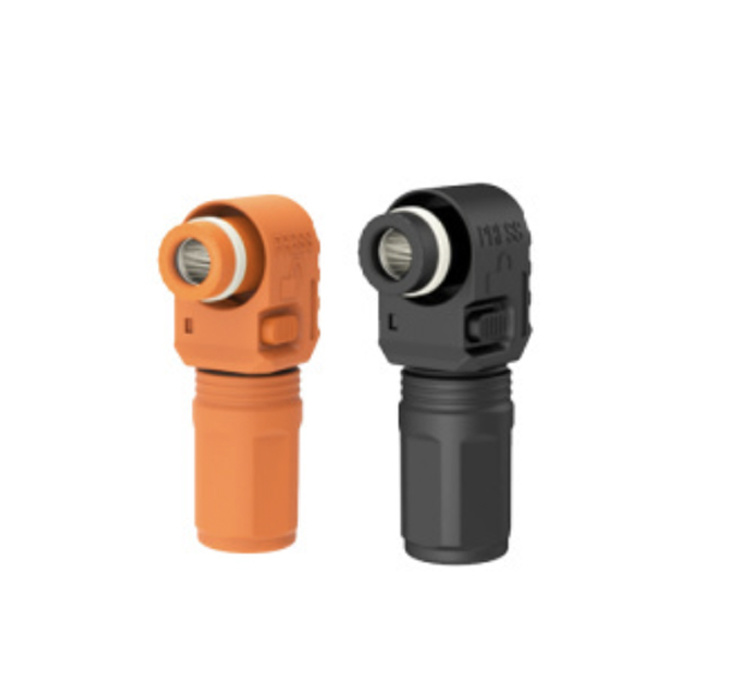
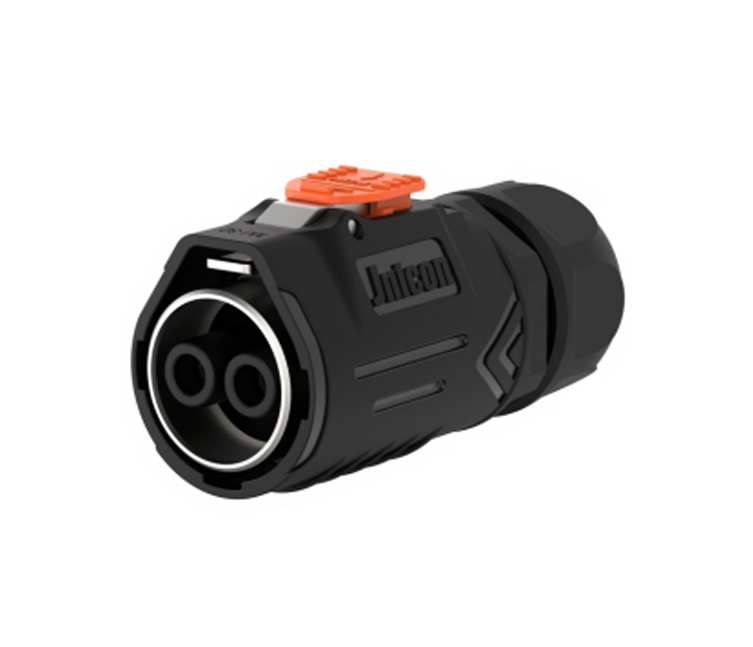
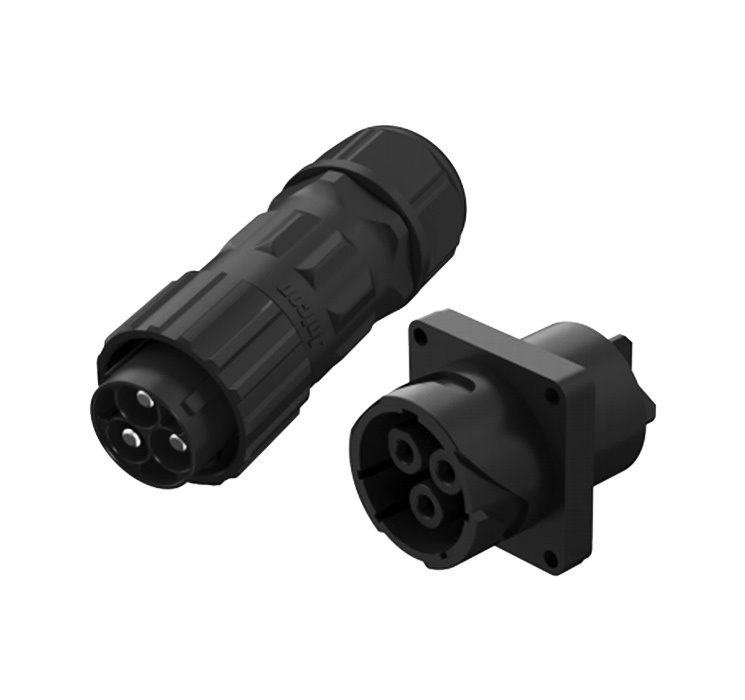
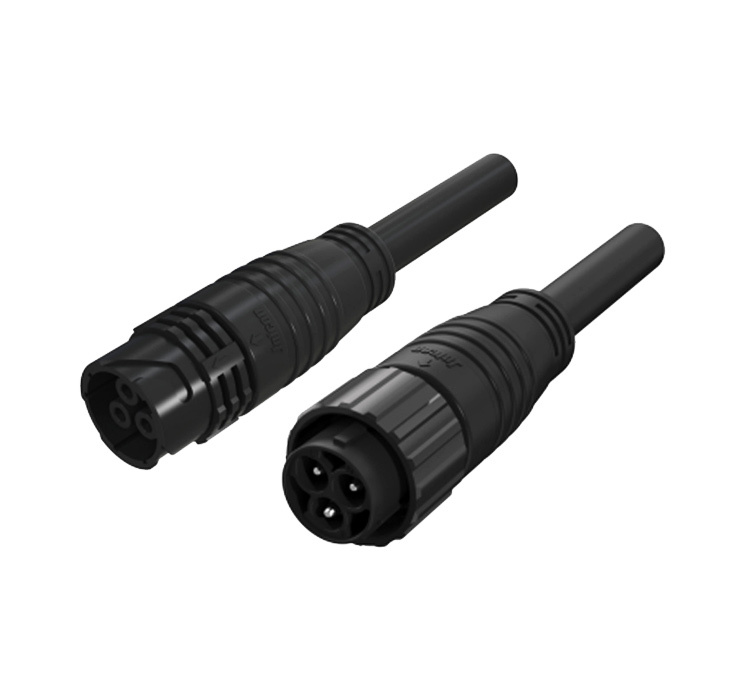
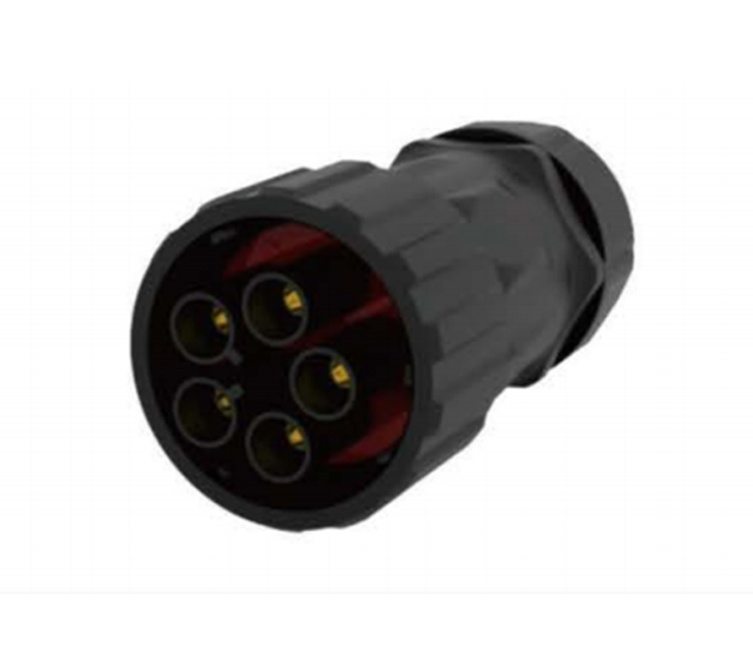
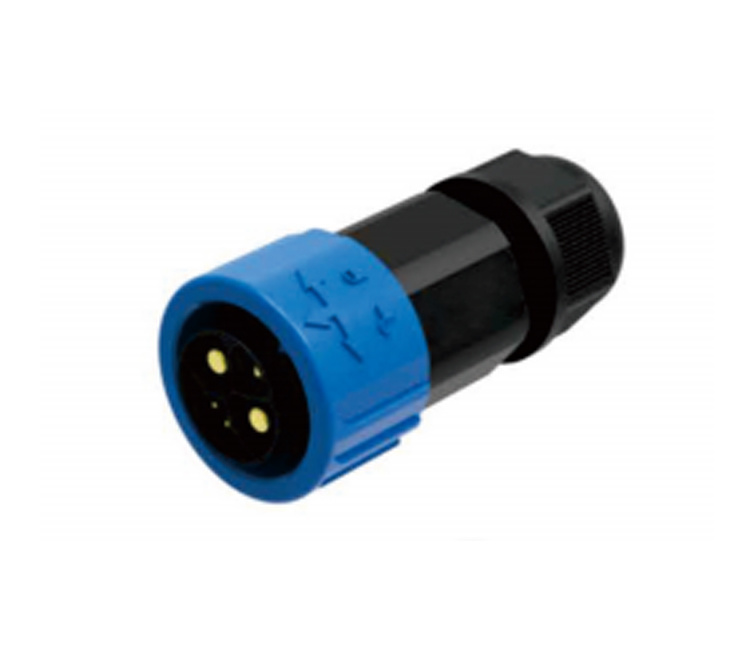
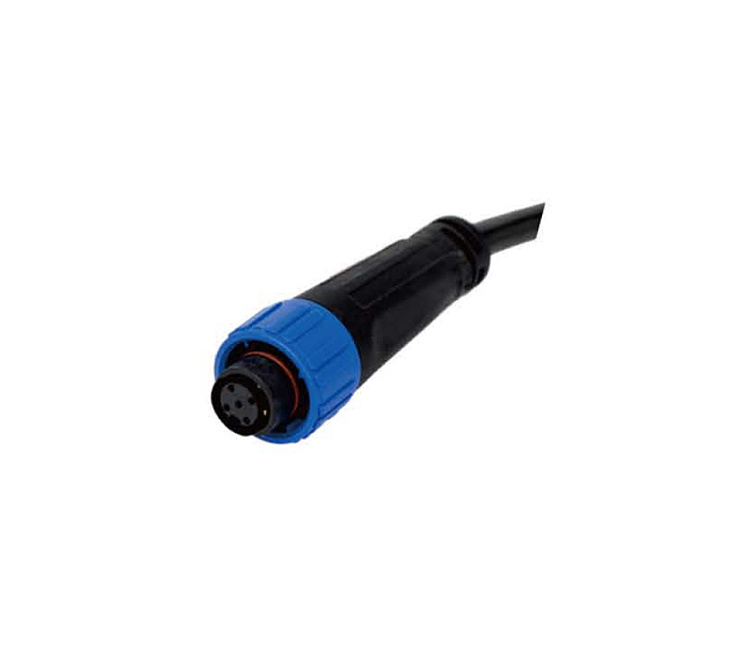
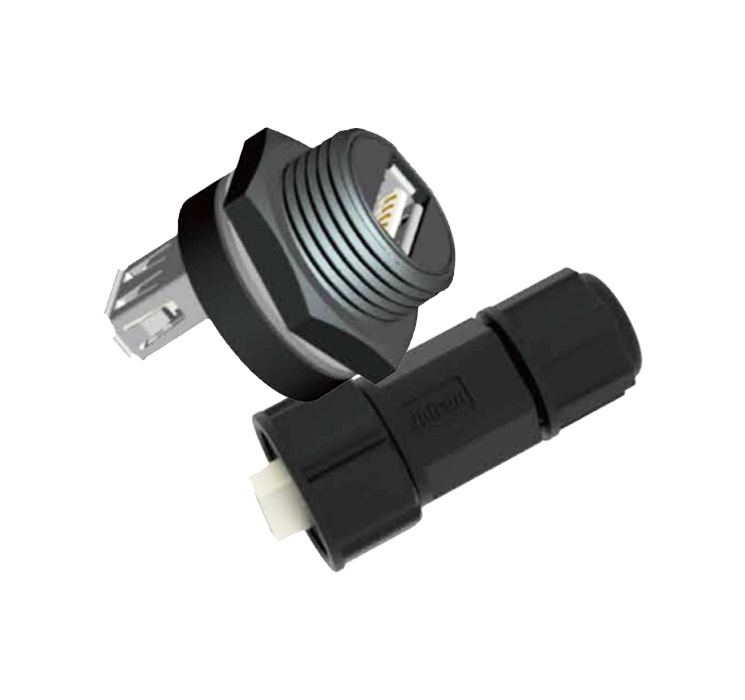
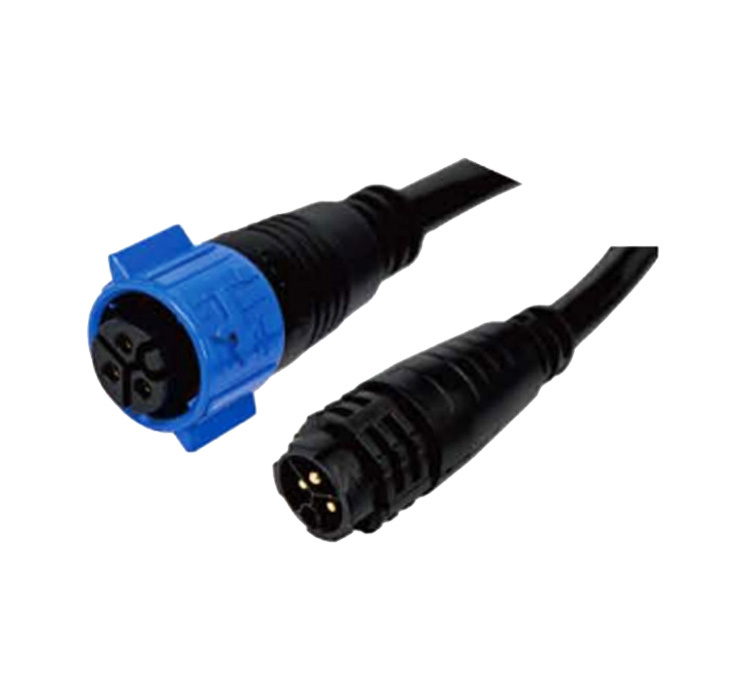
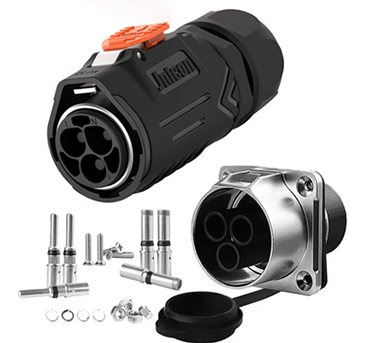
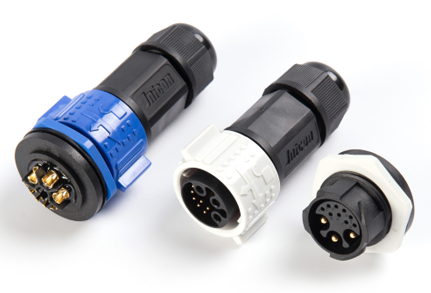
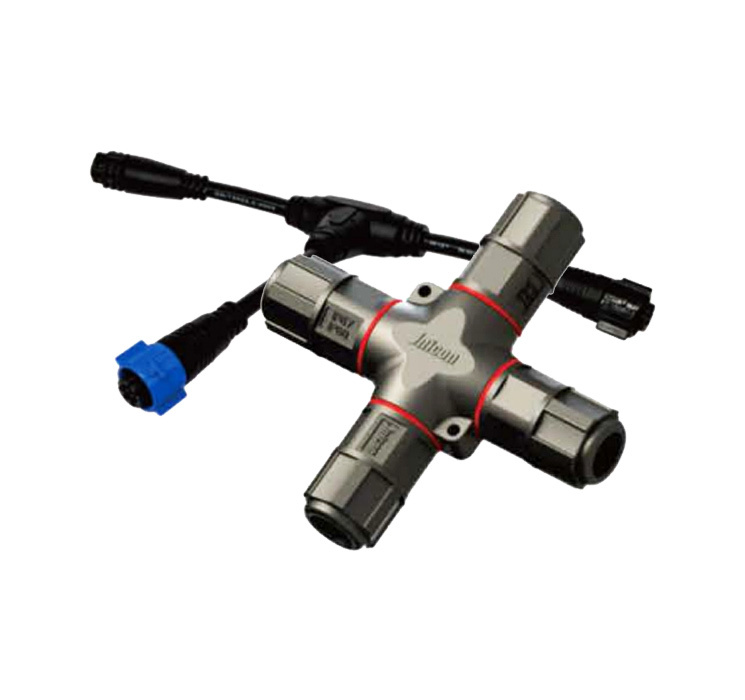
The connectors used in a wire harness are crucial for establishing reliable connections. Waterproof connectors often feature sealing mechanisms to prevent moisture ingress. Popular connector types include:
- **Deutsch Connectors**: Known for their ruggedness and reliability in harsh conditions.
- **Molex Connectors**: Flexible and widely used in various applications.
4.4. Sealing Mechanisms
A robust sealing mechanism is essential for maintaining the integrity of the wire harness. Common methods include:
- **Heat Shrink Seals**: Shrinkable tubing that creates a tight seal around connections.
- **Grommets**: Rubber or plastic inserts that protect wires as they pass through openings.
4.5. Length and Configuration
Ensure the wire harness length meets your vehicle's needs without excessive slack, which can cause tangling or interference with moving parts. The configuration should also align with the vehicle's layout, making installation straightforward.
5. Installation Tips for Waterproof Wire Harnesses
Proper installation is crucial for maximizing the effectiveness of your waterproof wire harness. Here are some tips to ensure a successful installation:
1. **Read the Manufacturer's Instructions**: Always follow the guidelines provided by the manufacturer for installation procedures.
2. **Inspect the Connection Points**: Ensure that all connection points are clean and free from contaminants before proceeding.
3. **Use Proper Tools**: Utilize the appropriate tools, such as wire strippers and crimpers, to ensure secure connections.
4. **Test for Functionality**: After installation, conduct thorough tests to confirm that all electrical systems are functioning correctly.
6. Maintenance Best Practices for Longevity
To extend the lifespan of your waterproof wire harness, regular maintenance is essential. Here are some best practices to keep in mind:
- **Routine Inspections**: Periodically check the harness for any signs of wear, damage, or fraying.
- **Clean the Connectors**: Keep connectors free from corrosion and dirt by using appropriate cleaning solutions.
- **Address Issues Promptly**: If you notice any electrical issues, address them immediately to prevent further damage.
7. Common Issues with Waterproof Wire Harnesses
Even the best waterproof wire harnesses can encounter problems. Here are some common issues and how to address them:
- **Corrosion**: Occurs when water infiltrates the harness. Regularly inspect and clean connectors to mitigate this risk.
- **Poor Connections**: Loose or improperly crimped connections can lead to electrical failures. Ensure all connections are secure.
- **Wear and Tear**: Environmental factors can cause degradation over time. Replace any damaged sections promptly.
8. Conclusion: Making the Right Choice for Your Vehicle
Selecting the right waterproof wire harness for your vehicle is an essential step in ensuring the durability and reliability of your electrical systems. By understanding the types, materials, and key factors to consider, as well as following proper installation and maintenance practices, you can make an informed decision that enhances your vehicle's performance in challenging conditions. Investing time and effort into this process pays off in the long run, protecting your vehicle and providing peace of mind.
9. FAQs: Your Questions Answered
What is a waterproof wire harness?
A waterproof wire harness is a collection of wires and connectors designed to prevent moisture ingress, ensuring reliable electrical connections in challenging environments.
How do I know if a wire harness is waterproof?
Look for specifications indicating its waterproof rating, often measured in Ingress Protection (IP) ratings, which indicate how well the harness resists water and dust.
Can I install a waterproof wire harness myself?
Yes, if you have the necessary skills and tools. However, following manufacturer instructions and safety guidelines is essential for a successful installation.
What are the signs of a failing wire harness?
Common signs include electrical malfunctions, warning lights on the dashboard, and visible wear or corrosion on connectors.
How often should I inspect my wire harness?
Regular inspections, at least once a year or before long trips, are recommended to ensure the harness remains in optimal condition.
By following this comprehensive guide, we equip ourselves with the knowledge needed to choose the right waterproof wire harness for our vehicles, ensuring optimal performance and safety for years to come.
News
2026-10-06
Exploring the Lifecycle of Waterproof Marine Electrical Connectors: A Comprehensive Guide
Exploring the Lifecycle of Waterproof Marine Electrical Connectors In the expansive world of marine transportation, reliable electrical connections are crucial for the optimal functioning of vessels and marine equipment. Waterproof marine electrical connectors play a pivotal role in this aspect, ensuring that electrical systems remain operational even in the most challenging environments. This art
2026-10-03
Understanding Waterproof Cables: Essential Insights for Electrical Professionals
Waterproof cables are vital components in the electric and electronic industries, especially when it comes to ensuring safe and reliable connections in challenging environments. These cables are designed to resist moisture and prevent water ingress, which can lead to electrical failure and safety hazards. Understanding the intricacies of waterproof cables is essential for electrical professionals
2026-09-30
Discover the Advantages of Using 2 Pin Waterproof Connectors in Harsh Environments
Discover the Advantages of Using 2 Pin Waterproof Connectors in Harsh Environments Table of Contents 1. Introduction to 2 Pin Waterproof Connectors 2. Importance of Waterproof Connectors 3. Design Features of 2 Pin Waterproof Connectors 4. Applications in Various Industries 5. Benefits of Using 2 Pin Waterproof Connectors 6. Installation Guidelines for 2 Pin Waterproof Connectors 7.

B8-9, Fubilun industrial park, Chaoyang rd,Yanchuan community, Songgang, Shenzhen, China


