
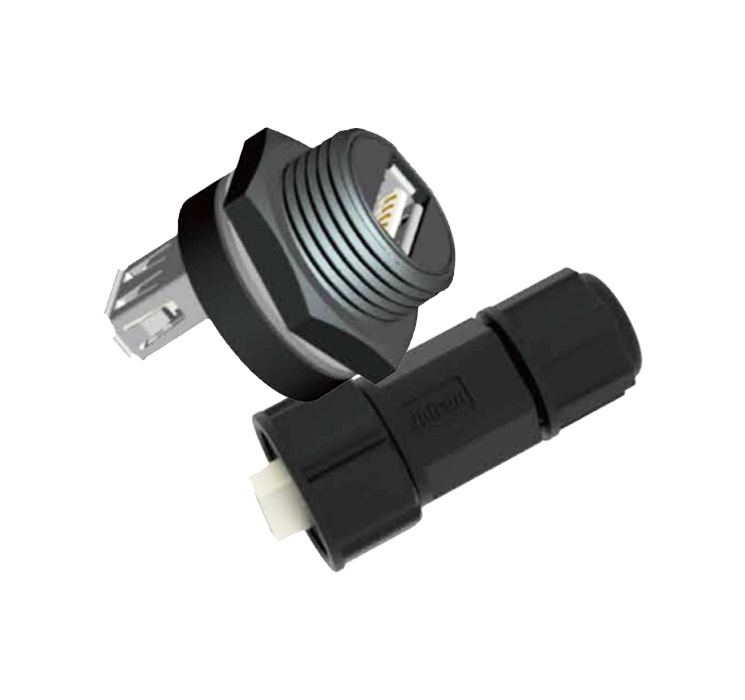
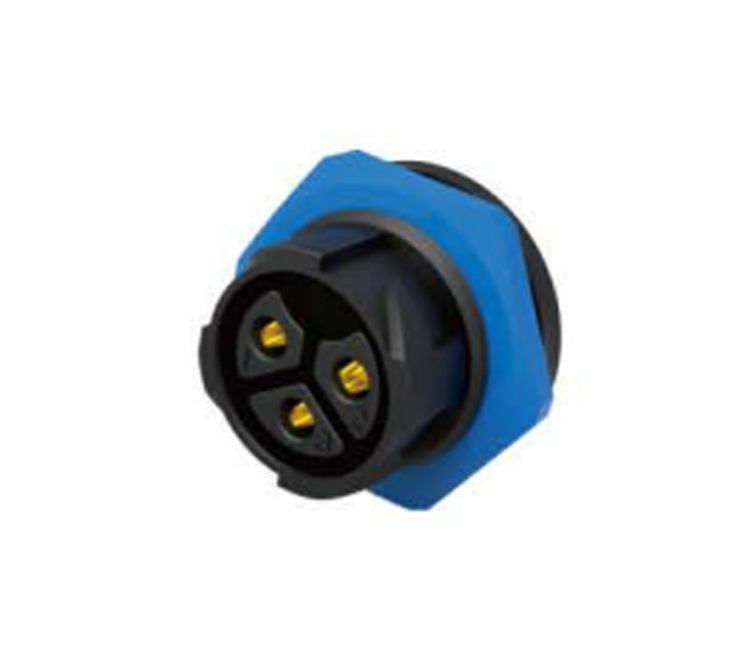
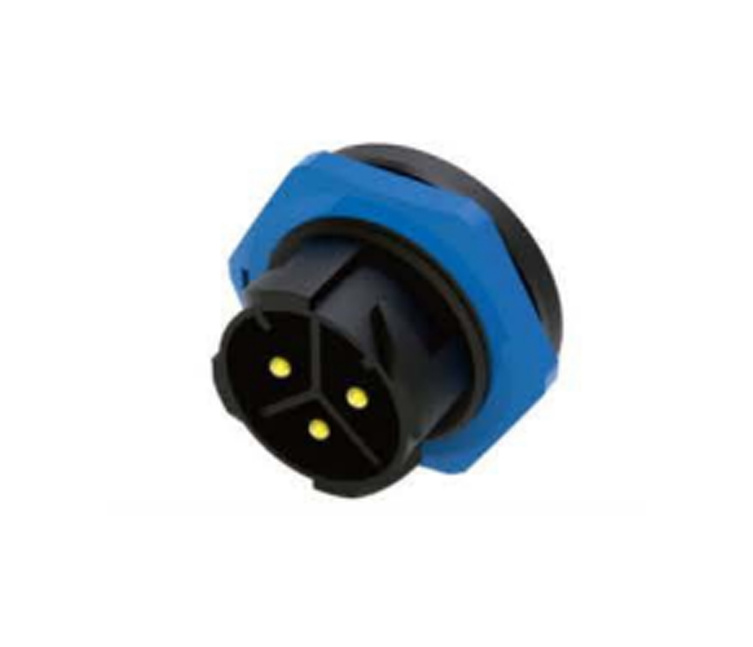
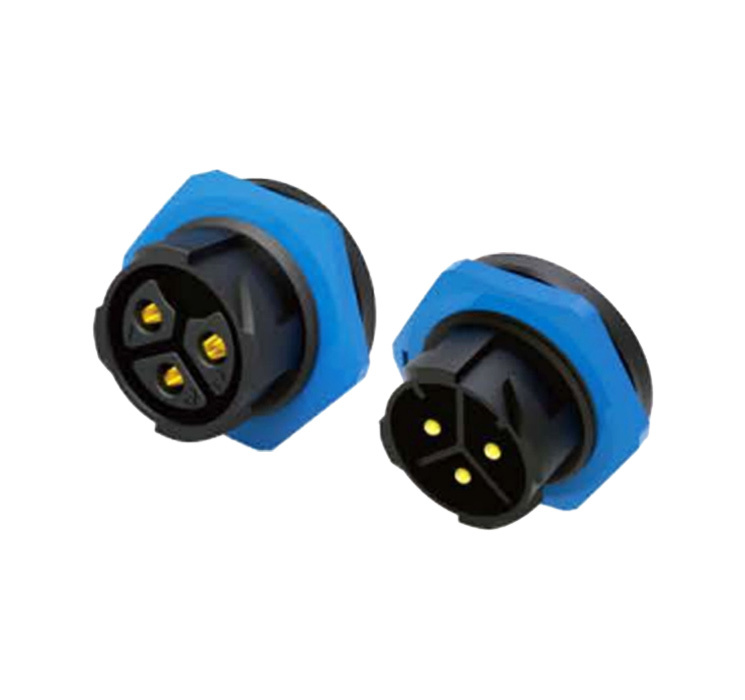


The Science Behind 5 Pin Waterproof Connectors: Ensuring Safe and Reliable Connections
Release Time:
2026-01-01
The Science Behind 5 Pin Waterproof Connectors: Ensuring Safe and Reliable Connections
In today’s fast-paced technological world, reliable electrical connections are paramount, especially when it comes to applications exposed to harsh environments. **5 pin waterproof connectors** serve as crucial components, delivering not only functionality but also durability and safety. This article delves deeply into the science behind these connectors, examining their design, performance, and applications. By understanding how these connectors work, we can appreciate their vital role in maintaining secure and efficient electrical connections.
Table of Contents
- 1. Introduction to Waterproof Connectors
- 2. The Design of 5 Pin Waterproof Connectors
- 3. How 5 Pin Waterproof Connectors Function
- 4. Materials Used in Waterproof Connectors
- 5. Applications of 5 Pin Waterproof Connectors
- 6. Benefits of Using Waterproof Connectors
- 7. Proper Installation Techniques
- 8. Maintenance and Care for Waterproof Connectors
- 9. FAQs
- 10. Conclusion
1. Introduction to Waterproof Connectors
Waterproof connectors are designed to provide reliable and secure electrical connections in environments prone to moisture and contamination. **5 pin connectors** are particularly popular due to their versatility and ease of use. They are commonly found in various industries, including automotive, telecommunications, and marine, where exposure to water and other environmental factors can compromise the integrity of electrical connections.
2. The Design of 5 Pin Waterproof Connectors
2.1 Key Features of 5 Pin Waterproof Connectors
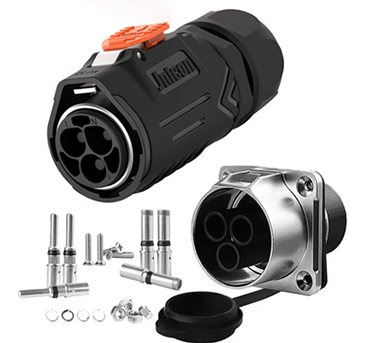
The design of **5 pin waterproof connectors** incorporates several key features that enhance their functionality. These features include:
- Sealing Mechanisms: O-rings and gaskets are typically used to create a watertight seal, preventing moisture ingress.
- Locking Mechanisms: Many connectors feature locking systems to ensure a secure connection that can withstand vibrations and movement.
- Corrosion Resistance: Materials are selected to resist corrosion, ensuring longevity and reliability even in harsh conditions.
2.2 Connector Configuration
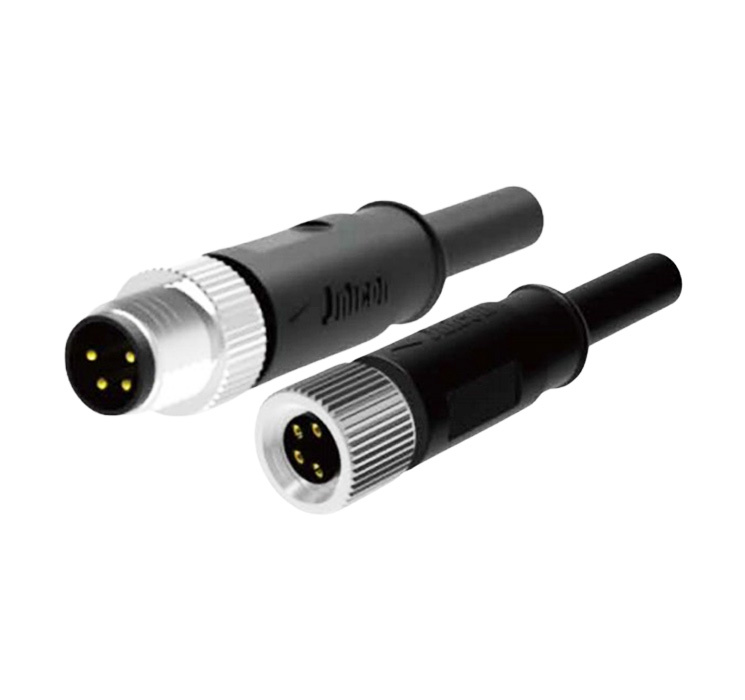
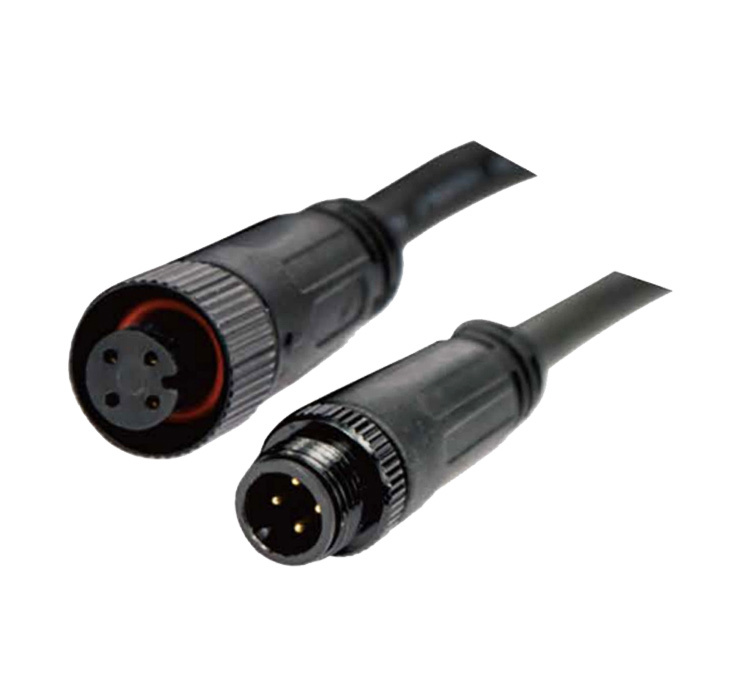
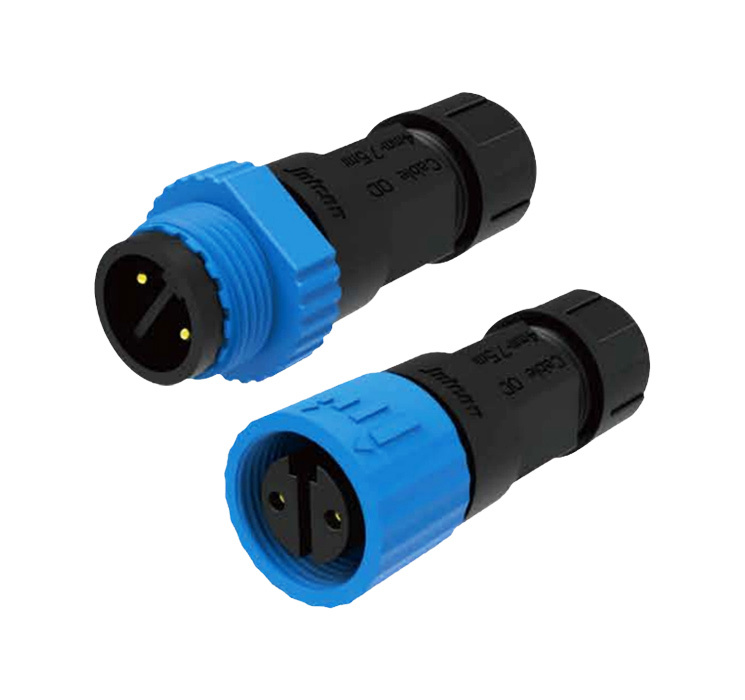
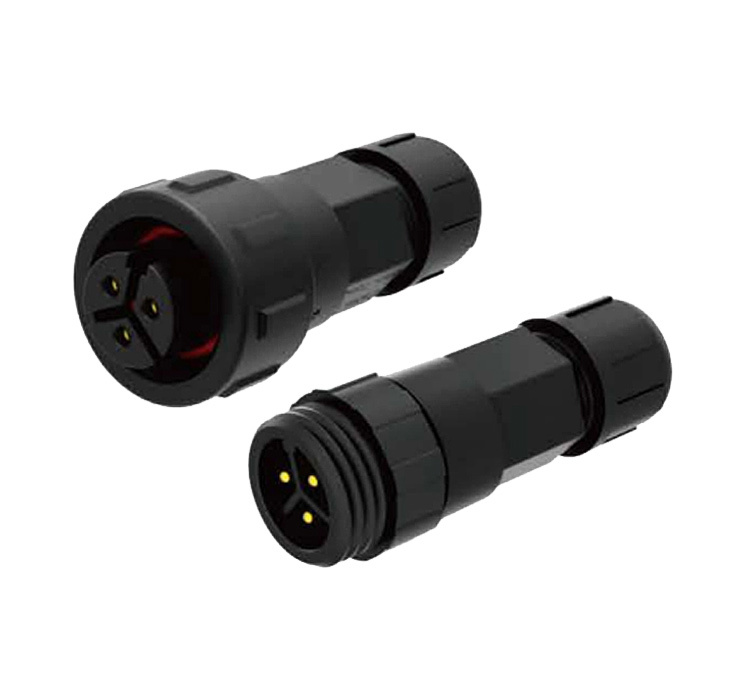
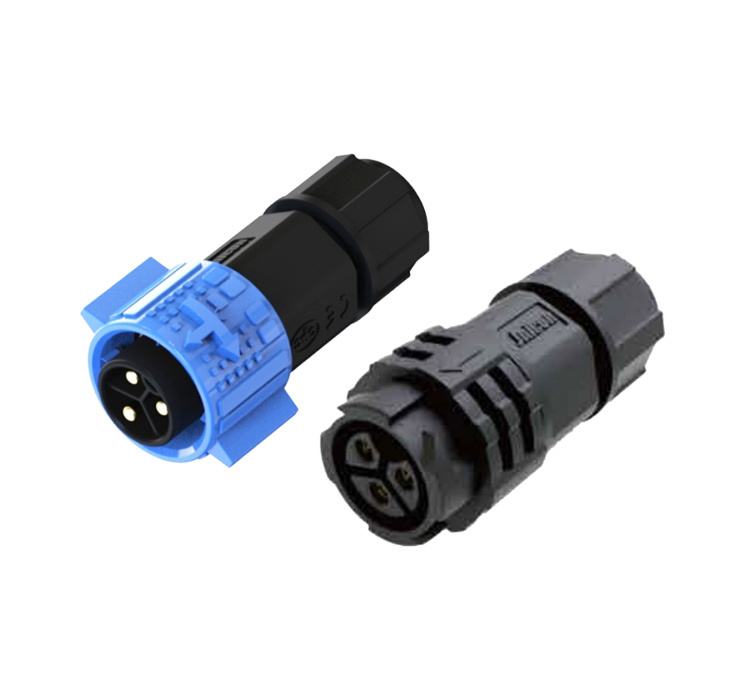
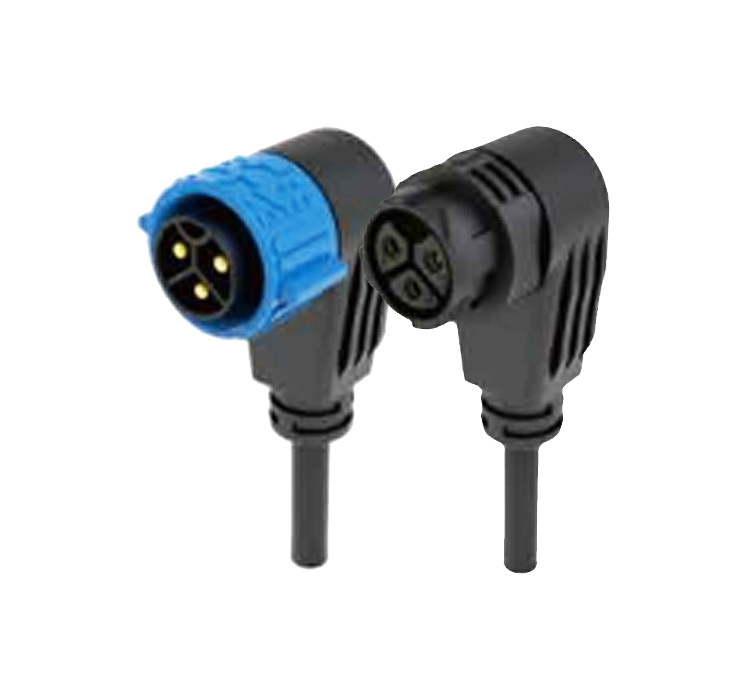
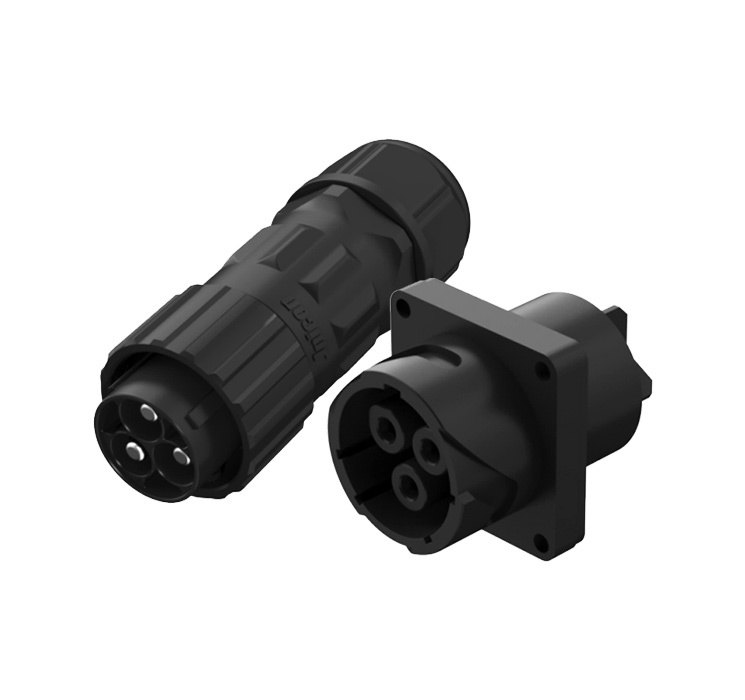
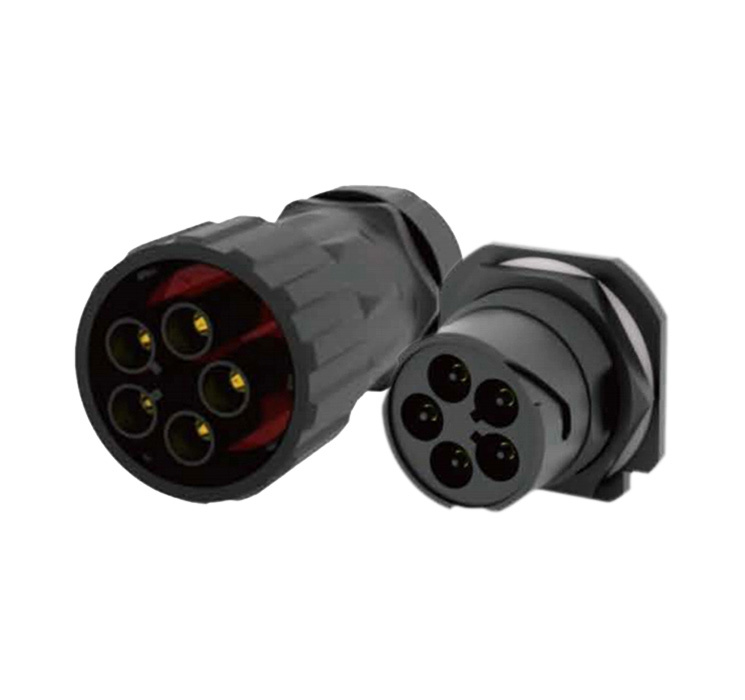
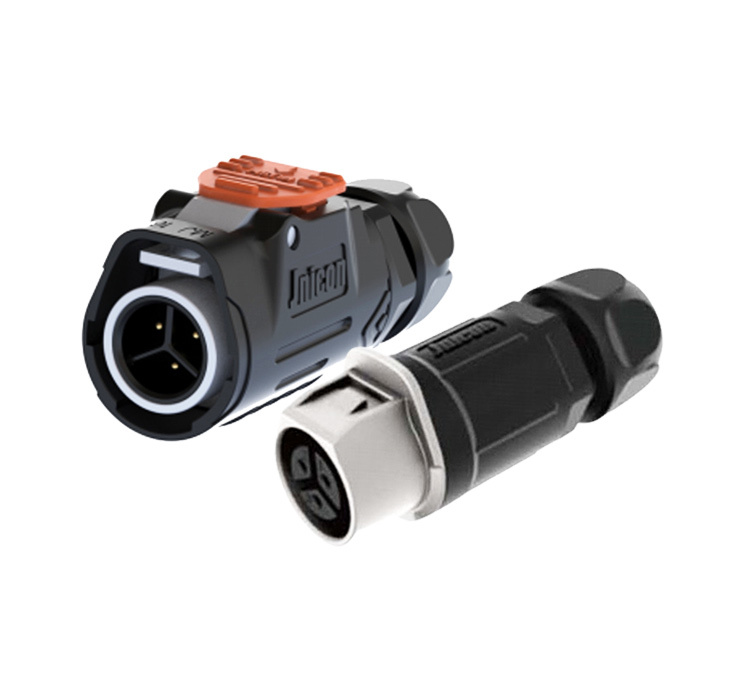
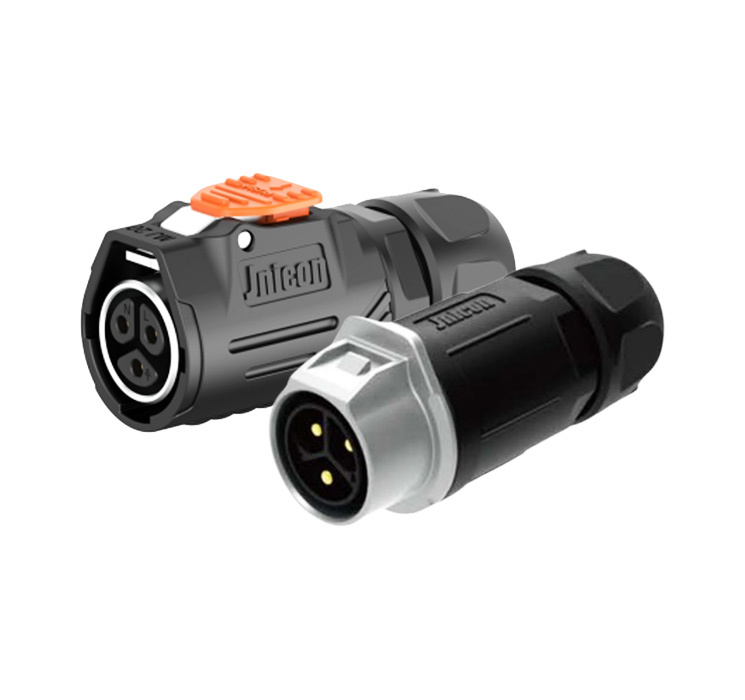
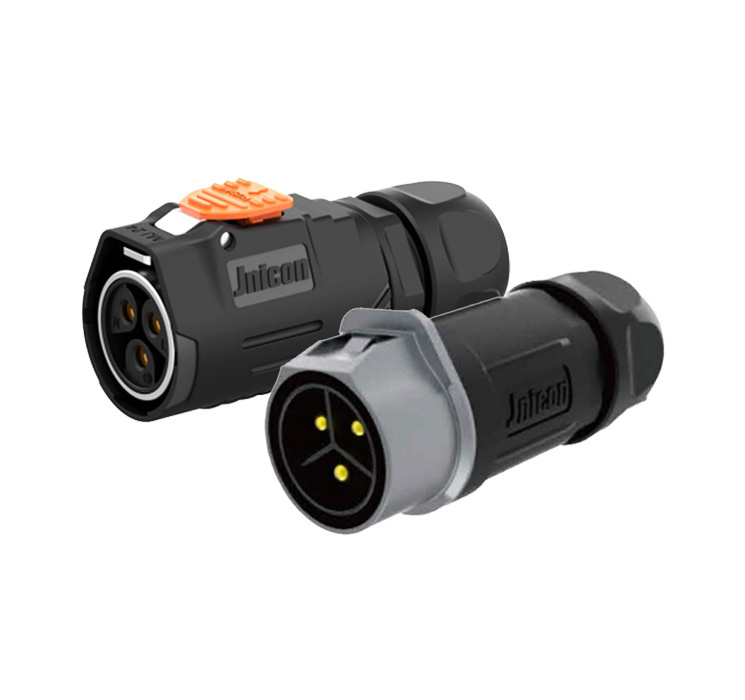
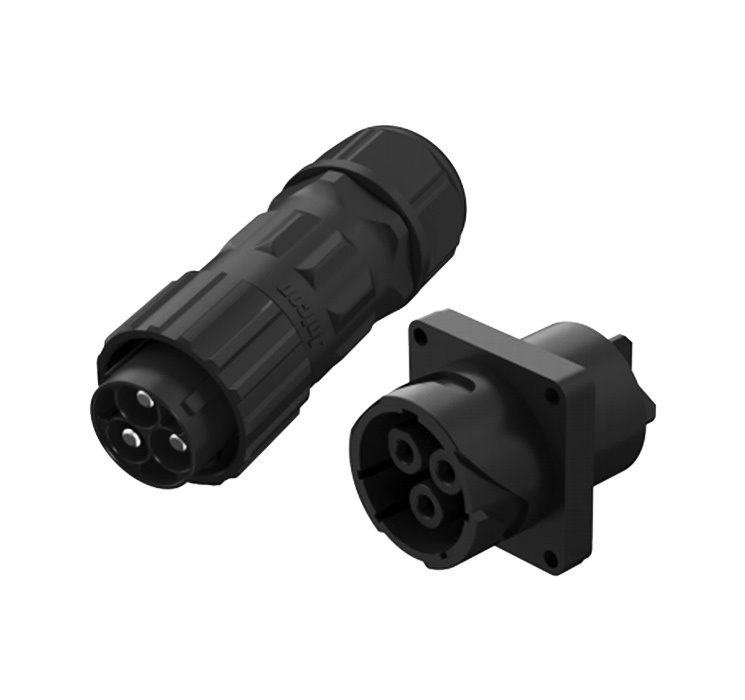
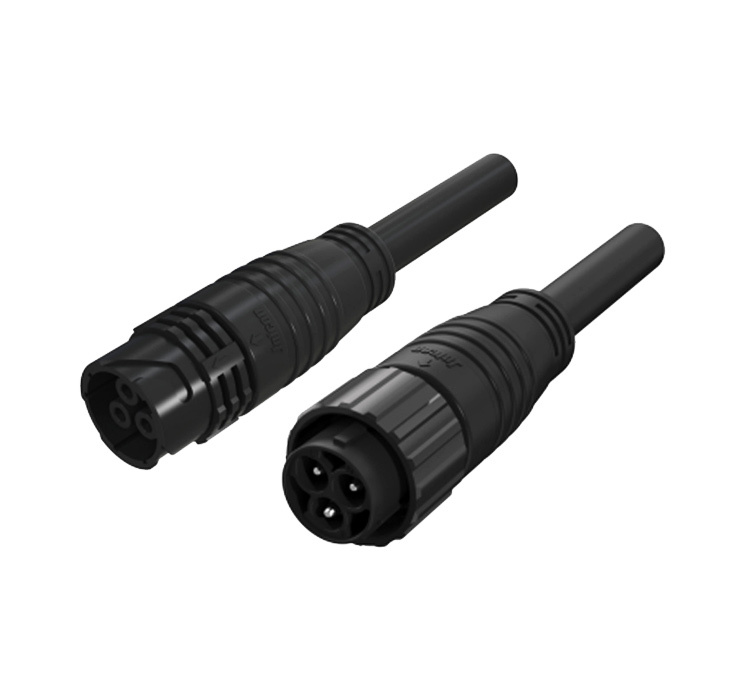
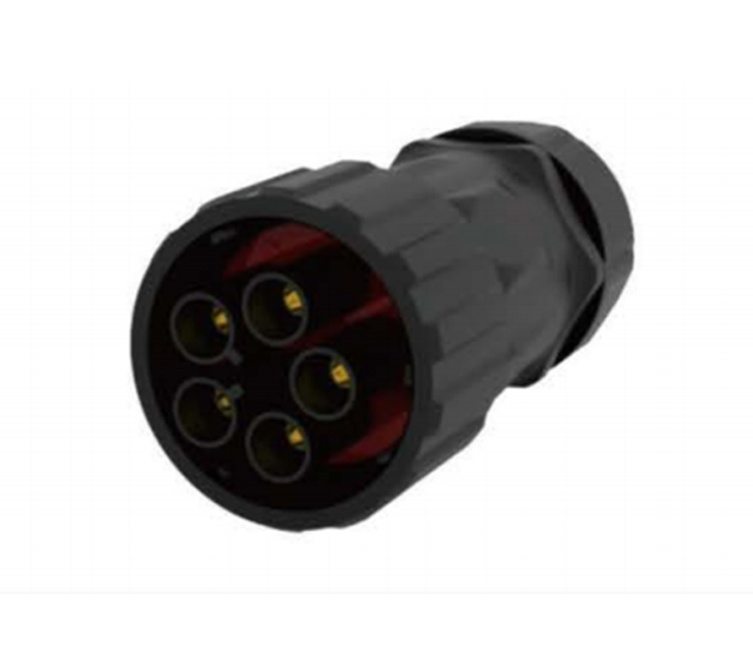
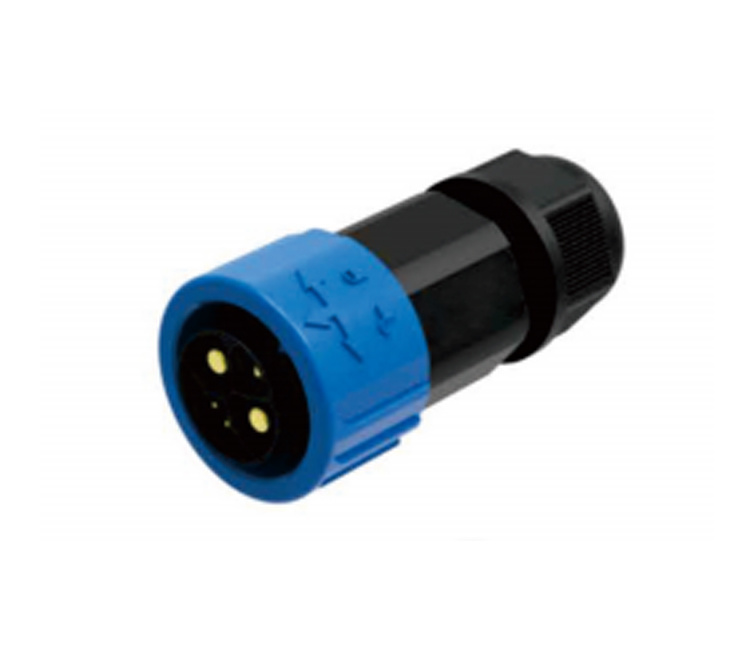
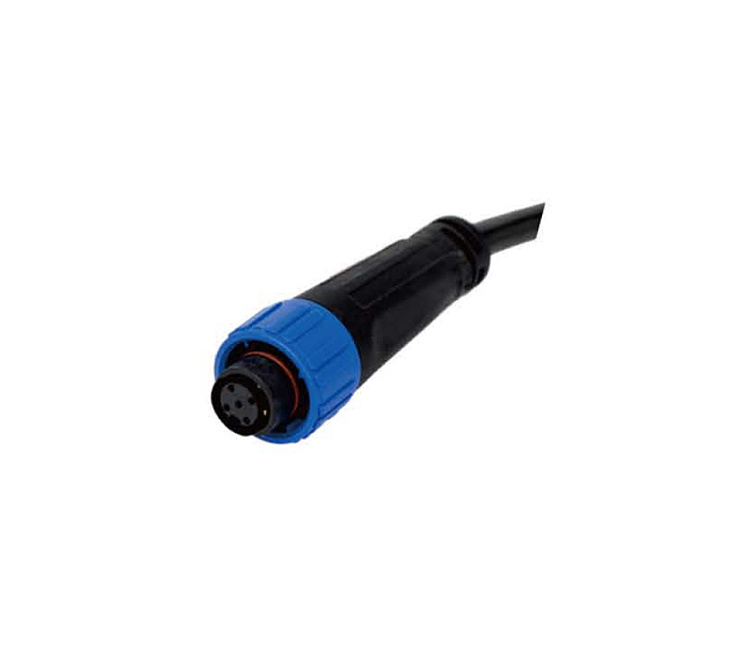
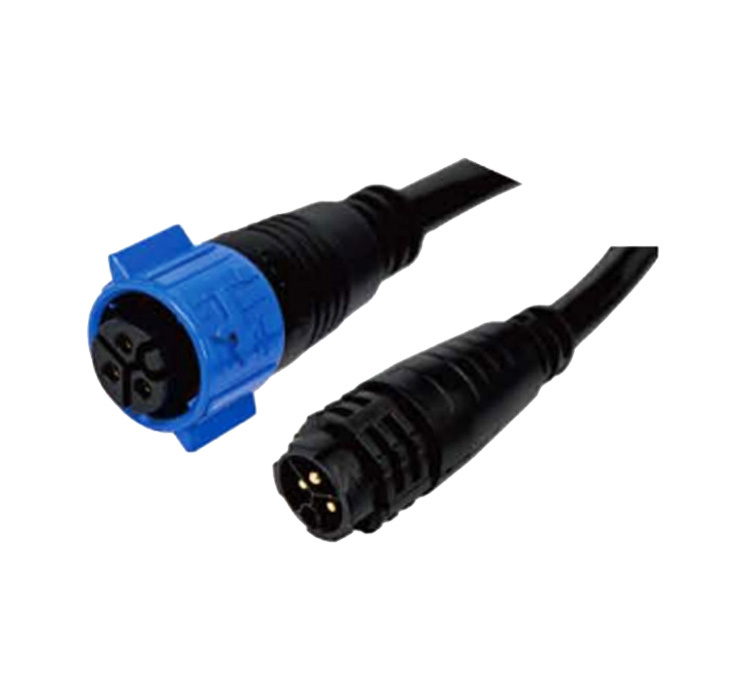
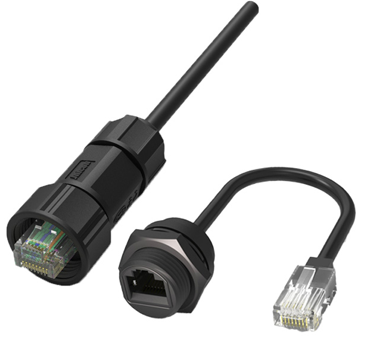
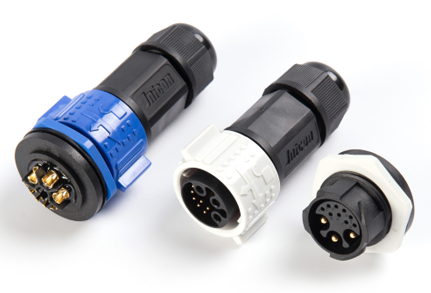
5 pin connectors can come in various configurations, including male and female ends, which allow for easy coupling and uncoupling. The standardized pin configuration ensures compatibility with a wide range of devices, making them a staple in various applications.
3. How 5 Pin Waterproof Connectors Function
Understanding how **5 pin waterproof connectors** function is crucial for appreciating their importance. The primary role of these connectors is to establish a reliable electrical connection while preventing moisture from entering the connection point. This is achieved through several mechanisms:
3.1 Electrical Connectivity
Each pin in the connector serves a specific function, whether for power, ground, or data transmission. The arrangement of the pins is designed to enable efficient electrical flow while minimizing interference.
3.2 Moisture Prevention
The sealing mechanisms employed in waterproof connectors are engineered to withstand various environmental conditions. When properly assembled, these seals prevent water and dust from causing short circuits or corrosion, which can lead to system failures.
4. Materials Used in Waterproof Connectors
The choice of materials in the construction of **5 pin waterproof connectors** plays a significant role in their performance. Common materials include:
- Plastic: High-grade plastics like polycarbonate or nylon are often used for the outer shell due to their lightweight and durable properties.
- Metal: Metals such as aluminum or stainless steel may be used for the inner contacts to ensure good conductivity and resistance to corrosion.
- Sealing Compounds: Silicone or rubber compounds are frequently utilized in seals and gaskets, providing effective moisture barriers.
5. Applications of 5 Pin Waterproof Connectors
The applications of **5 pin waterproof connectors** are vast and varied. Some of the key areas where these connectors are utilized include:
5.1 Automotive Industry
In automotive applications, connectors are subjected to vibrations, heat, and moisture. Waterproof connectors ensure that electrical systems remain functional, particularly in areas exposed to the elements.
5.2 Marine Environments
In marine applications, connectors face the harshest conditions, including saltwater exposure. The corrosion-resistant materials and sealing technologies ensure that connections remain intact, safeguarding navigation and communication systems.
5.3 Outdoor Electronics
Devices such as outdoor security cameras, lighting systems, and agricultural sensors benefit from waterproof connectors that enable reliable operation, regardless of weather conditions.
6. Benefits of Using Waterproof Connectors
The advantages of incorporating **5 pin waterproof connectors** into electrical systems include:
6.1 Enhanced Durability
Waterproof connectors are designed to resist environmental wear and tear, significantly extending their lifespan compared to non-waterproof alternatives.
6.2 Improved Safety
By preventing moisture ingress, these connectors reduce the risk of short circuits, electrical shocks, and potential fires, ensuring safety for users and equipment.
6.3 Increased Reliability
Waterproof connectors ensure that electrical systems function reliably in adverse conditions, minimizing downtime and maintenance costs.
7. Proper Installation Techniques
To ensure the effectiveness of **5 pin waterproof connectors**, proper installation is crucial. Here are some best practices:
7.1 Follow Manufacturer Guidelines
Always adhere to the installation guidelines provided by the manufacturer to ensure proper sealing and functionality.
7.2 Inspect Components Before Installation
Before installation, inspect connectors for any damage or imperfections that may compromise the seal. Ensure that all components are clean and free from contaminants.
7.3 Secure Connections
Use the appropriate tools to securely fasten connectors. Avoid overtightening, as this can lead to damage.
8. Maintenance and Care for Waterproof Connectors
Maintaining **5 pin waterproof connectors** is essential for ensuring their longevity and functionality. Consider the following maintenance practices:
8.1 Regular Inspections
Conduct routine inspections to check for wear, corrosion, or signs of moisture ingress. Early detection can prevent significant issues down the line.
8.2 Cleaning
Keep connectors clean by wiping them down with a dry cloth. Avoid using harsh chemicals that could damage the connector materials.
8.3 Storage
When not in use, store connectors in a dry, cool place to prevent exposure to moisture and dust.
9. FAQs
9.1 What are 5 pin waterproof connectors used for?
5 pin waterproof connectors are used in various applications where reliable electrical connections are required in wet or humid environments, such as automotive, marine, and outdoor electronics.
9.2 How do I know if my connector is waterproof?
Look for connectors that specifically state their waterproof rating, such as IP67 or IP68, which indicates their ability to withstand water immersion and dust.
9.3 Can I use regular connectors in wet environments?
Regular connectors are not designed for wet environments and can fail if moisture penetrates. Waterproof connectors are specifically engineered to prevent this issue.
9.4 How often should I inspect waterproof connectors?
It’s advisable to inspect waterproof connectors regularly, especially in environments prone to moisture and contaminants, to ensure they remain functional and safe.
9.5 What should I do if my waterproof connector fails?
If a waterproof connector fails, it should be replaced as soon as possible to prevent electrical failures. Inspect the area for any water damage and ensure the new connector is installed correctly.
10. Conclusion
**5 pin waterproof connectors** play an invaluable role in ensuring safe, reliable, and effective electrical connections across various industries. Their unique design, utilizing advanced materials and sealing technologies, protects against moisture and contaminants, thus enhancing durability and functionality. By understanding their science, applications, and maintenance, we can appreciate the importance of these connectors in modern technological applications. As we continue to rely on advanced electrical systems, the significance of waterproof connectors cannot be overstated—they are vital for keeping our connections safe and operational in any environment.
News
2026-10-03
Understanding Waterproof Cables: Essential Insights for Electrical Professionals
Waterproof cables are vital components in the electric and electronic industries, especially when it comes to ensuring safe and reliable connections in challenging environments. These cables are designed to resist moisture and prevent water ingress, which can lead to electrical failure and safety hazards. Understanding the intricacies of waterproof cables is essential for electrical professionals
2026-09-30
Discover the Advantages of Using 2 Pin Waterproof Connectors in Harsh Environments
Discover the Advantages of Using 2 Pin Waterproof Connectors in Harsh Environments Table of Contents 1. Introduction to 2 Pin Waterproof Connectors 2. Importance of Waterproof Connectors 3. Design Features of 2 Pin Waterproof Connectors 4. Applications in Various Industries 5. Benefits of Using 2 Pin Waterproof Connectors 6. Installation Guidelines for 2 Pin Waterproof Connectors 7.
2026-09-27
Understanding Industrial Power Connectors: Key Insights for Professionals
Industrial power connectors play a crucial role in the safety and efficiency of electrical systems across various sectors, including manufacturing, energy, and transportation. These connectors are designed to facilitate the transmission of electrical power in rugged environments, ensuring reliable and stable connections. Understanding the types, applications, and selection criteria for industrial

B8-9, Fubilun industrial park, Chaoyang rd,Yanchuan community, Songgang, Shenzhen, China


