


Exploring the Technology Behind Waterproof Wire Harnesses in Cars: A Comprehensive Guide
Release Time:
2026-01-09
Exploring the Technology Behind Waterproof Wire Harnesses in Cars
Table of Contents
- 1. Introduction to Waterproof Wire Harnesses
- 2. Importance of Waterproof Wire Harnesses in Automotive Applications
- 3. Design and Construction of Waterproof Wire Harnesses
- 4. Materials Used in Waterproof Wire Harnesses
- 5. Manufacturing Processes for Waterproof Wire Harnesses
- 6. Advantages of Using Waterproof Wire Harnesses in Vehicles
- 7. Applications of Waterproof Wire Harnesses in Modern Cars
- 8. Challenges in the Development of Waterproof Wire Harnesses
- 9. Conclusion
- 10. Frequently Asked Questions (FAQs)
1. Introduction to Waterproof Wire Harnesses
Waterproof wire harnesses play a crucial role in modern automotive design, enabling cars to operate effectively in challenging environments. These harnesses are vital for ensuring the reliability of electrical components, safeguarding them against moisture, dust, and other contaminants. As vehicles become increasingly sophisticated, the demand for waterproof solutions continues to rise, prompting advancements in design and technology.
2. Importance of Waterproof Wire Harnesses in Automotive Applications
The automotive industry faces unique challenges regarding electrical systems, particularly when it comes to exposure to water and other environmental factors. Waterproof wire harnesses are essential because they:
- **Enhance Durability**: By protecting sensitive wires and connectors, these harnesses help to extend the lifespan of electrical components, reducing maintenance costs.
- **Improve Safety**: Ensuring that electrical systems remain operational in adverse conditions significantly increases vehicle safety, preventing potential failures that could lead to accidents.
- **Promote Efficiency**: A reliable electrical system translates to better performance and fuel efficiency, as all components function optimally without interruption.
3. Design and Construction of Waterproof Wire Harnesses
The design of waterproof wire harnesses is sophisticated and often involves several key considerations:
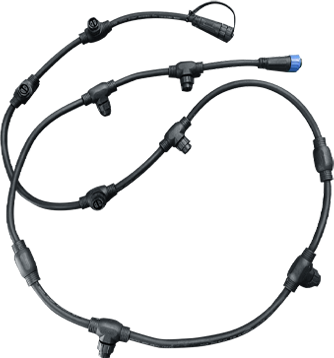
- **Sealing Techniques**: The use of grommets, heat-shrink tubing, and sealing compounds helps to prevent moisture ingress.
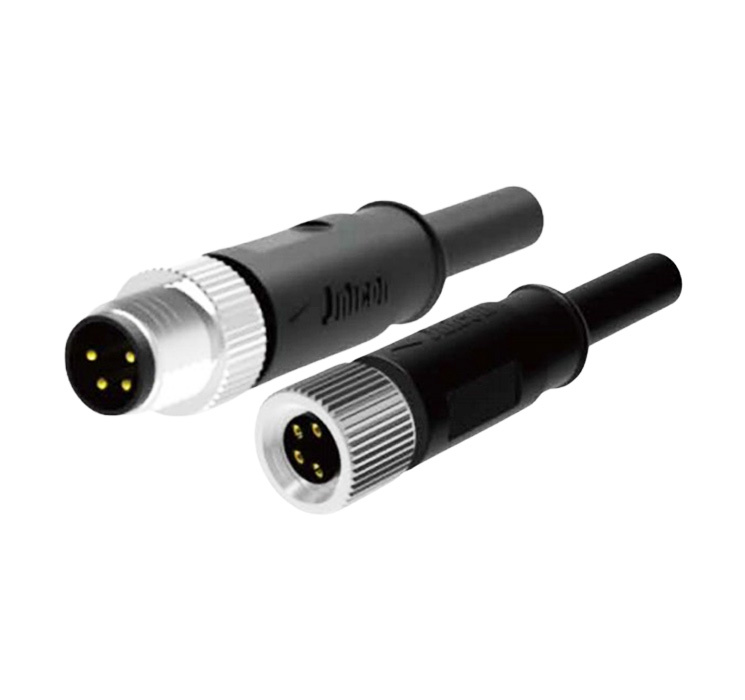
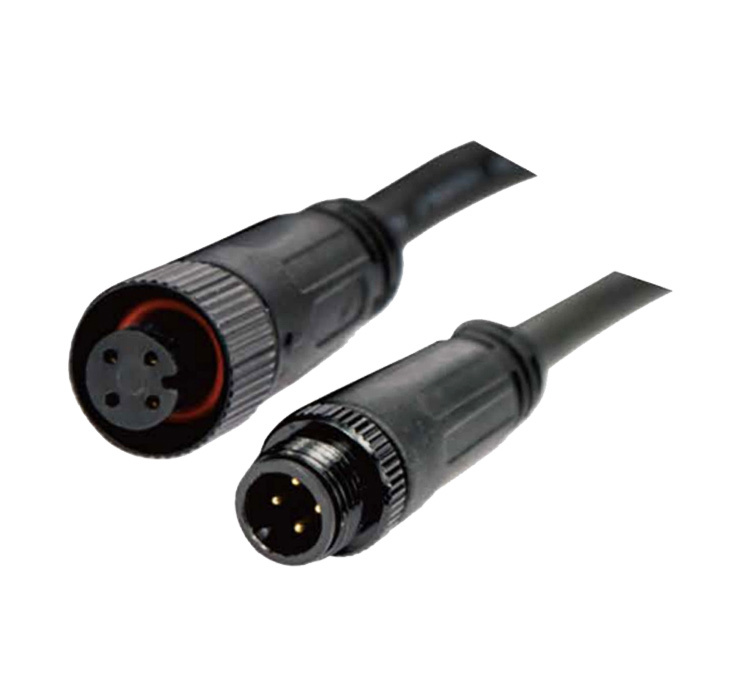
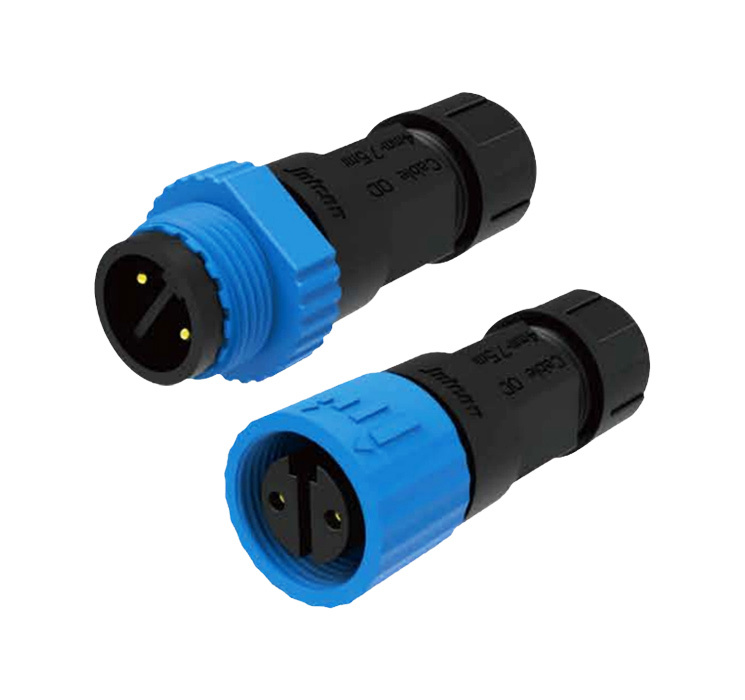
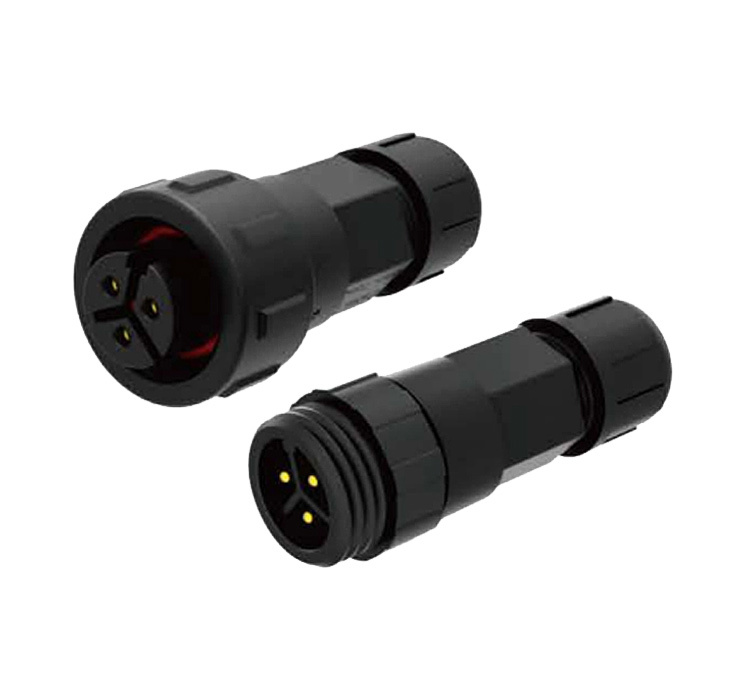
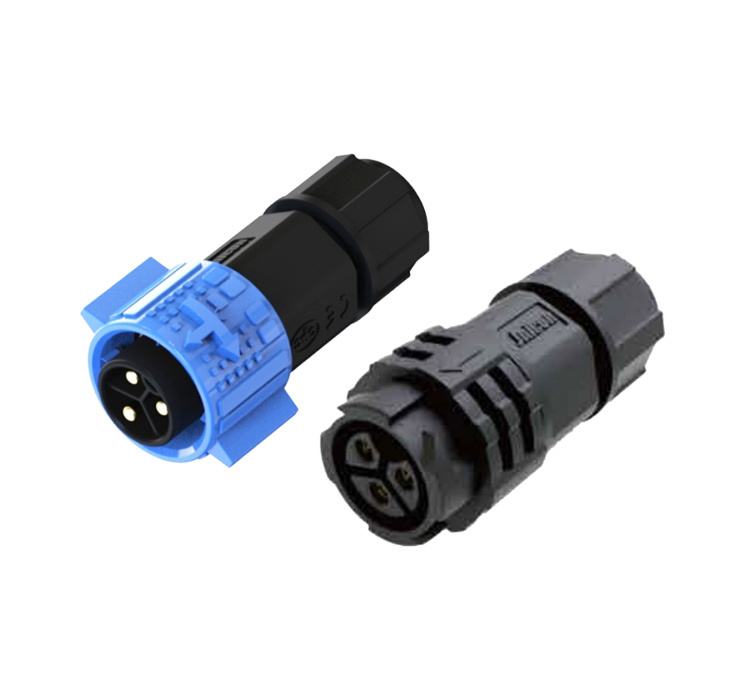
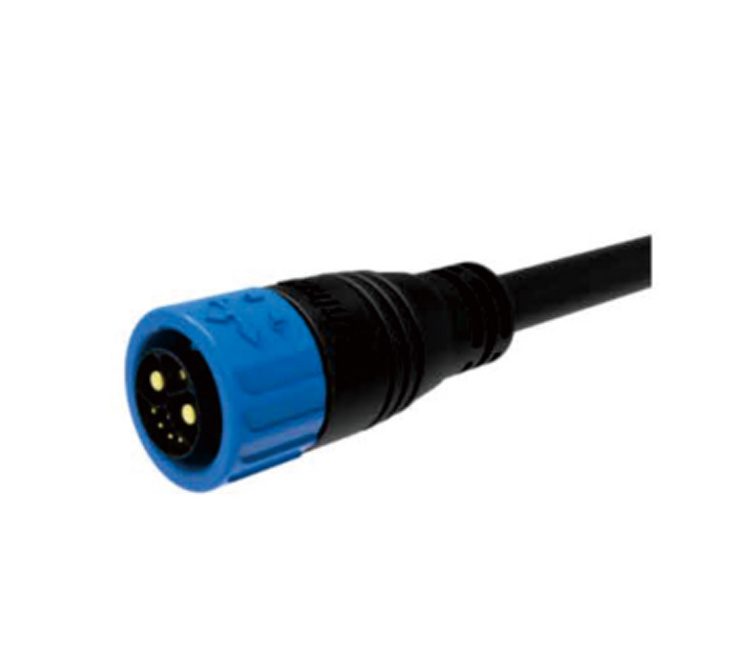
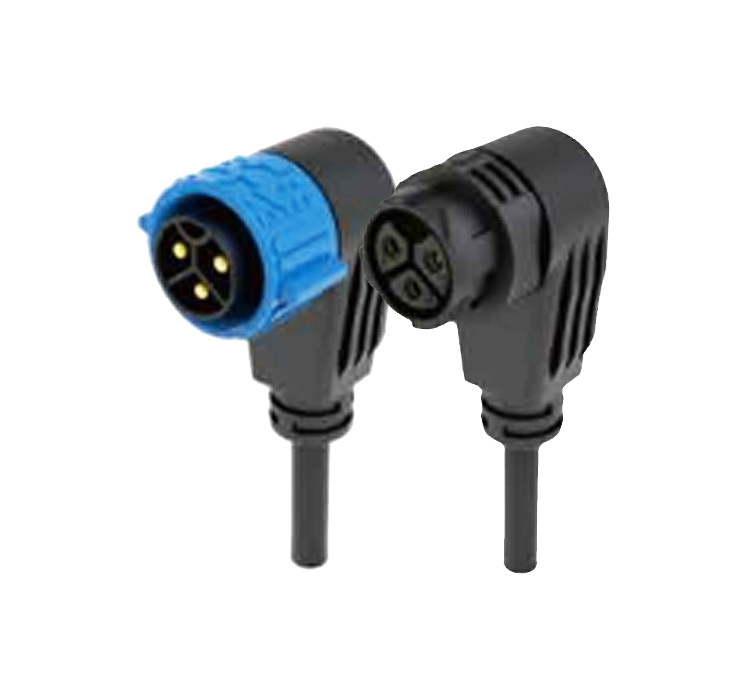
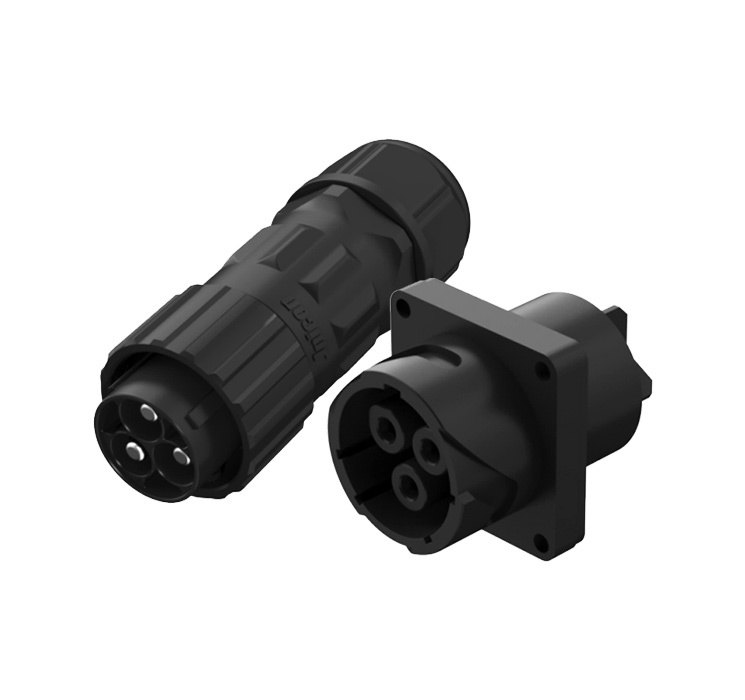
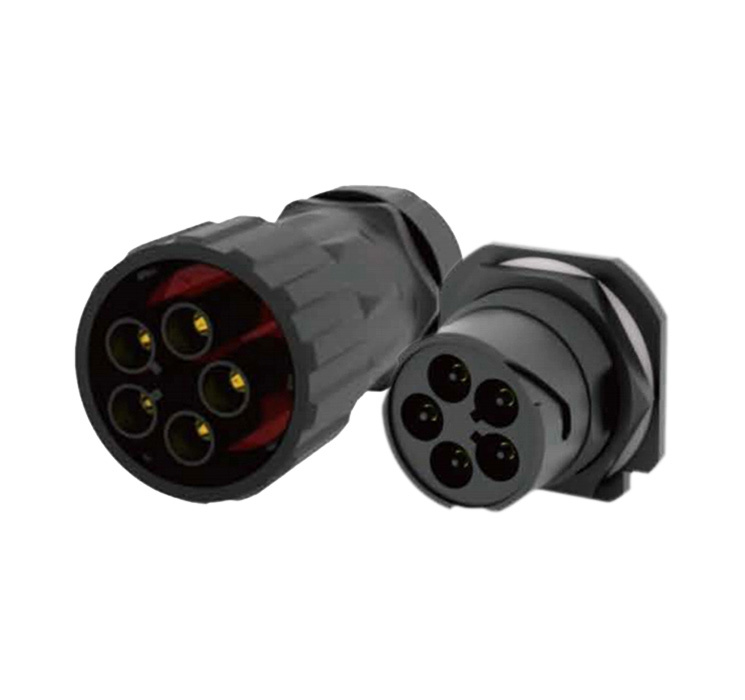
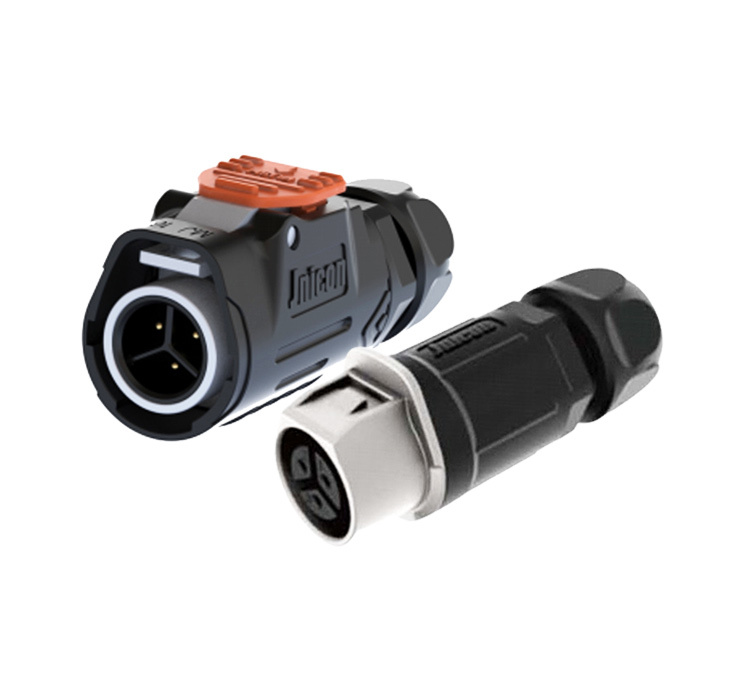
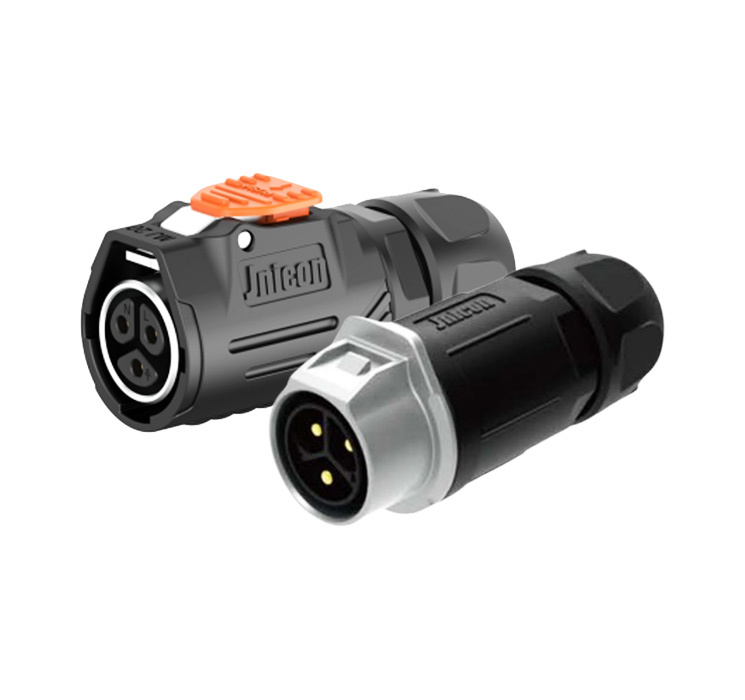
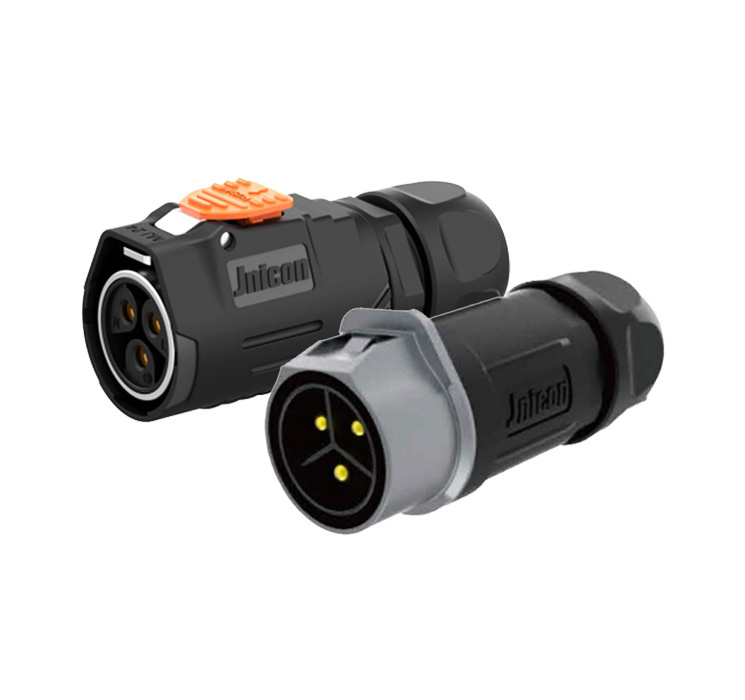
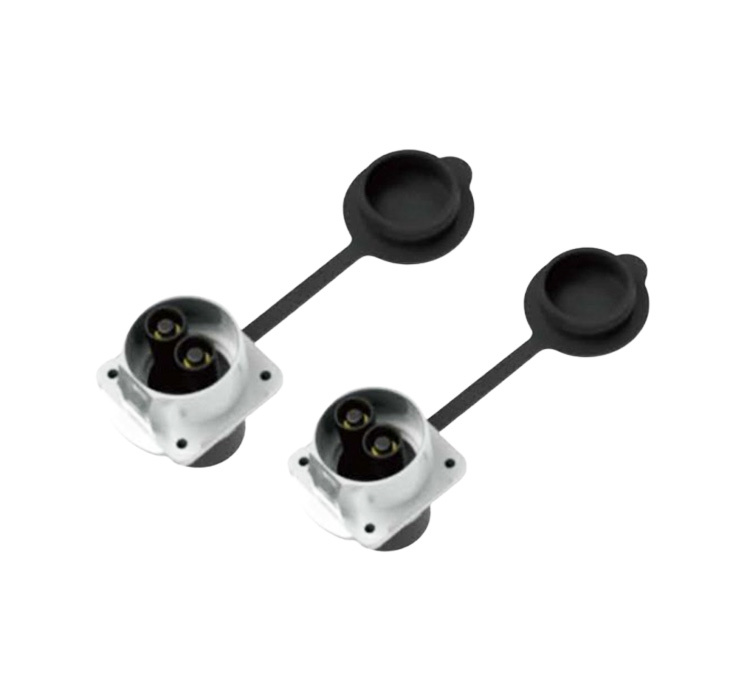
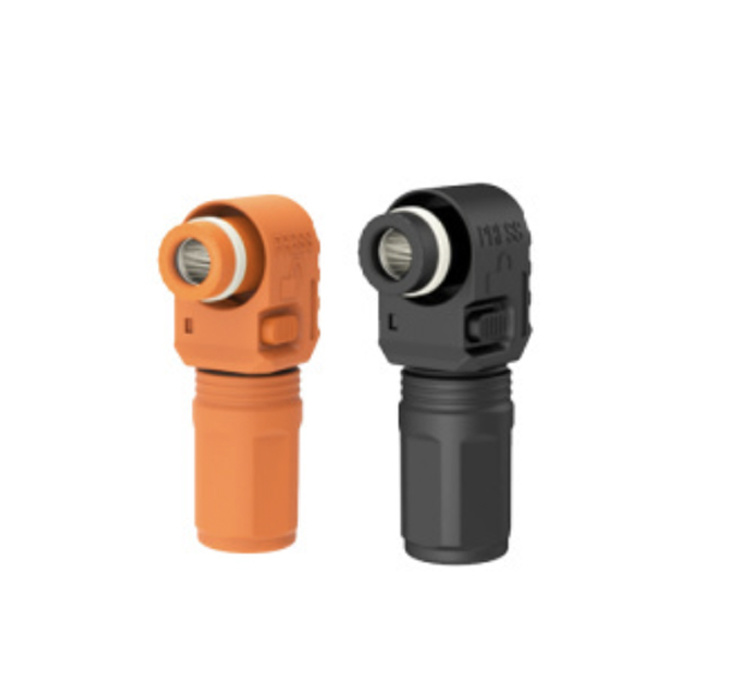
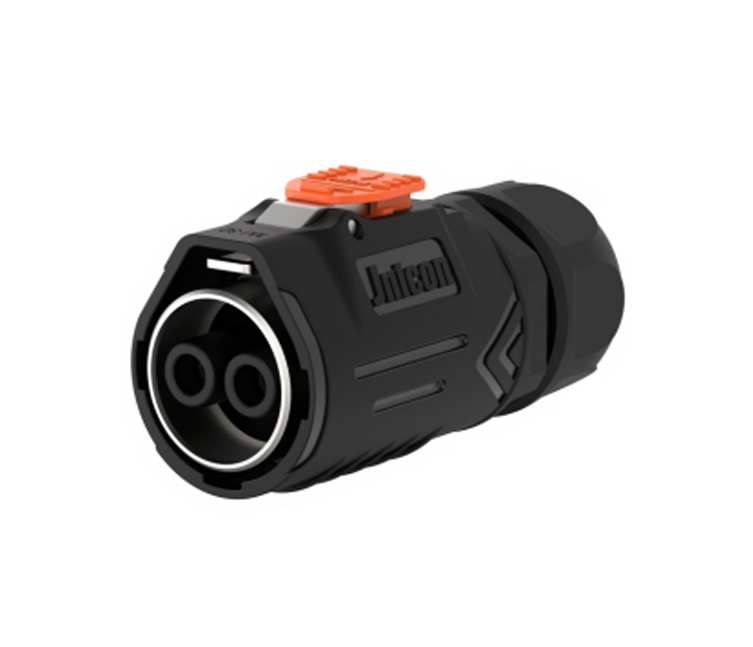
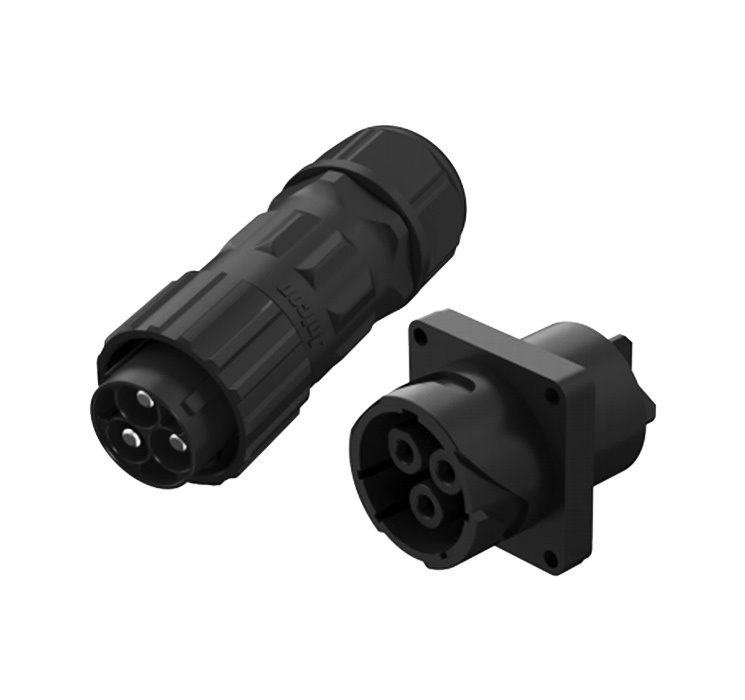
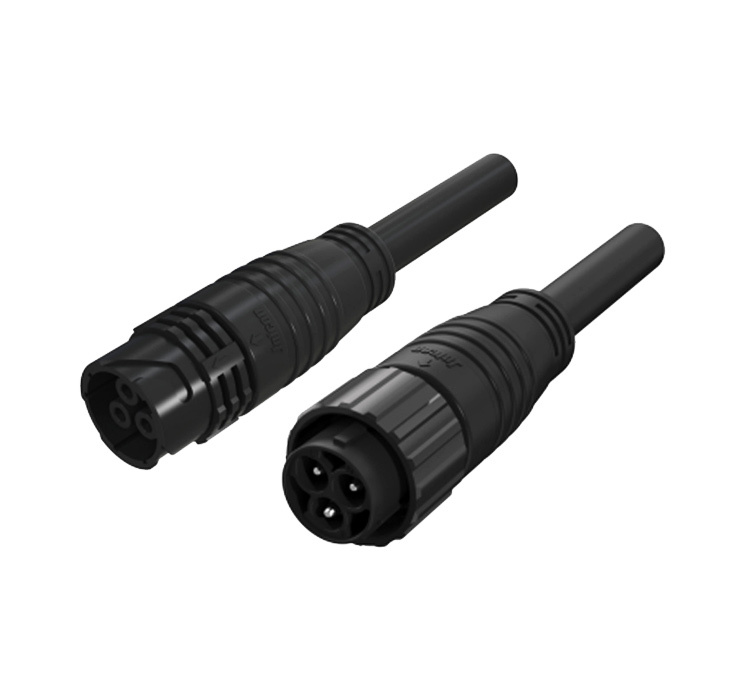
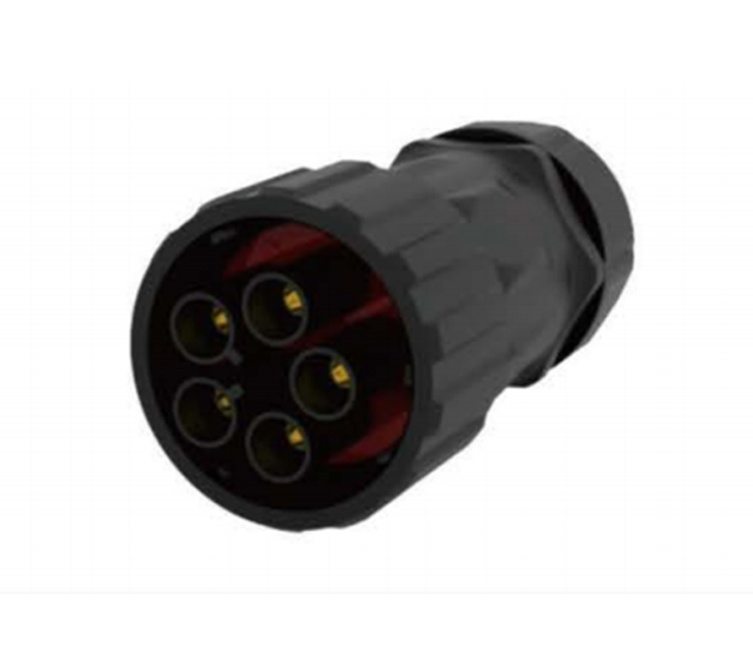
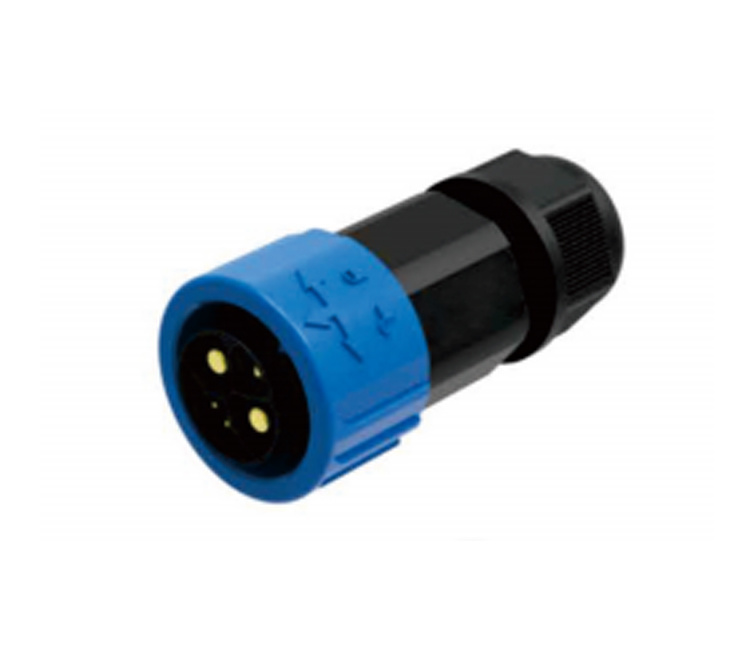
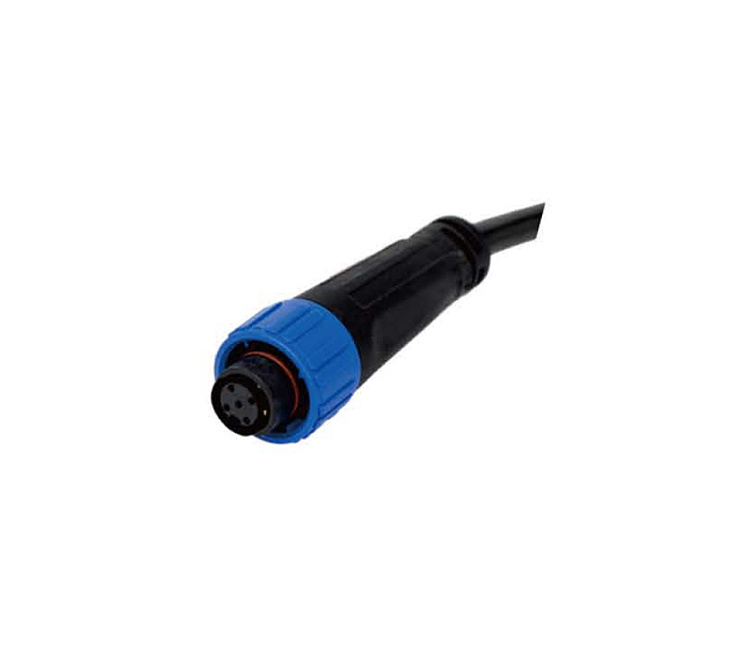
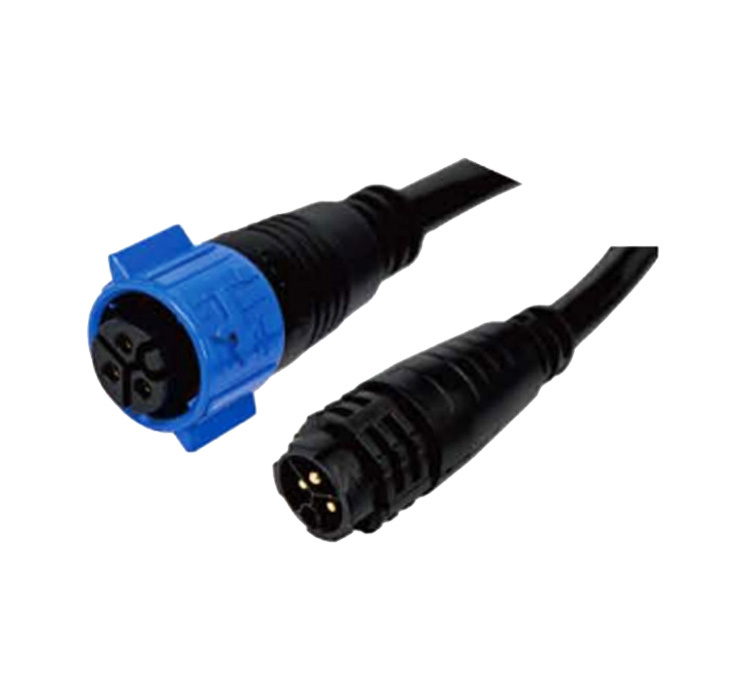
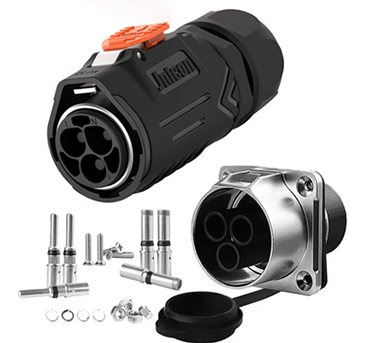
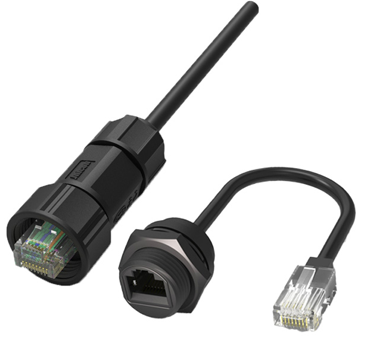
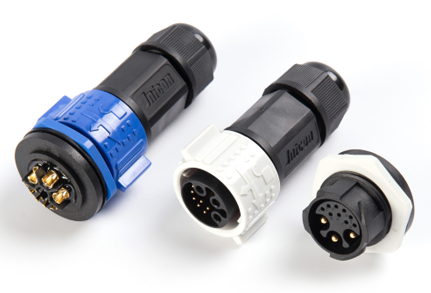
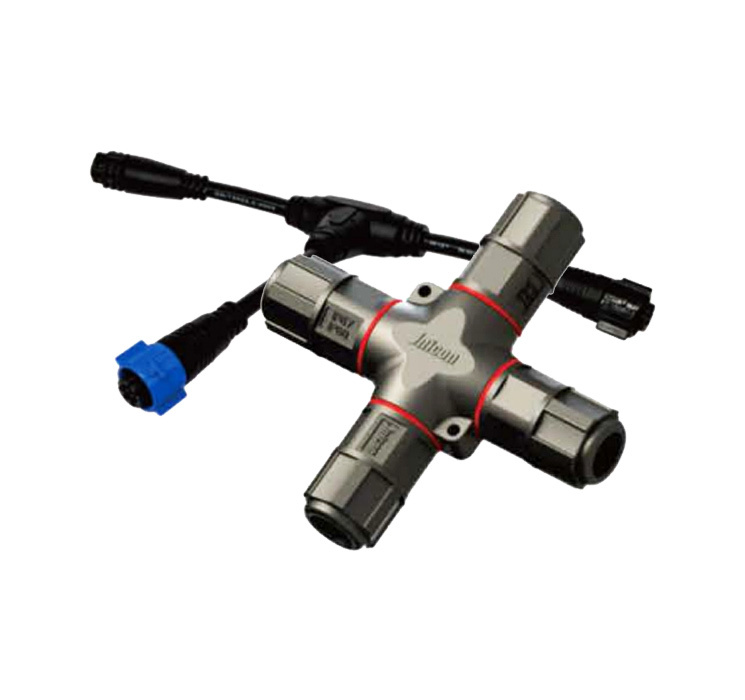
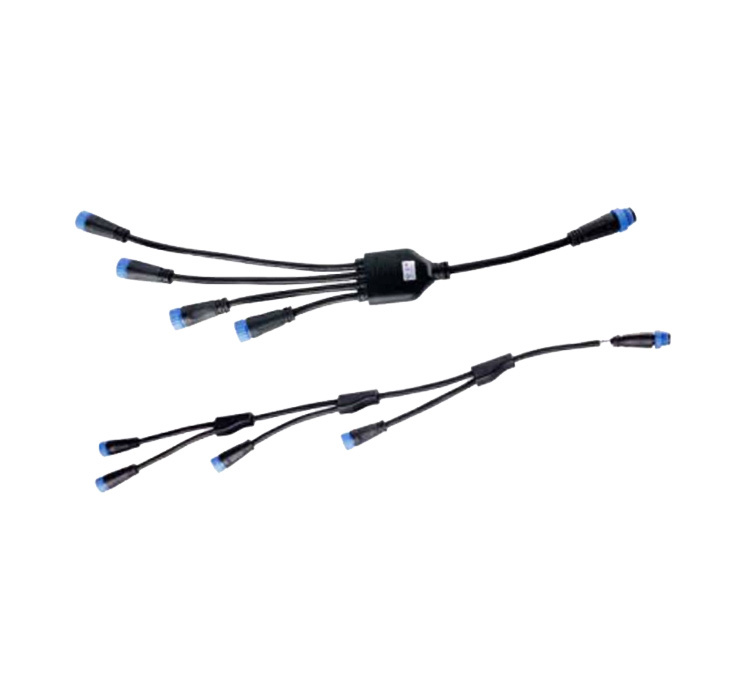
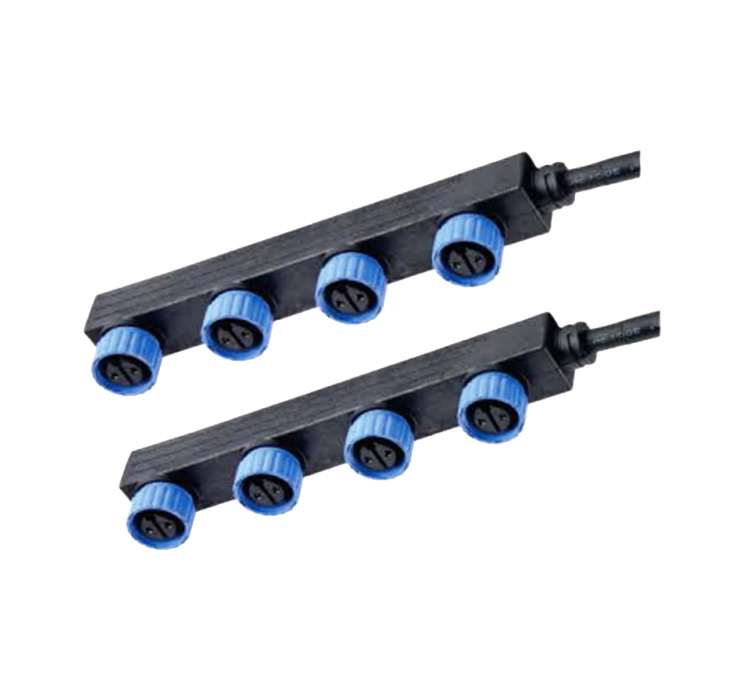
- **Connector Design**: Specialized connectors designed to withstand exposure to water offer additional protection, ensuring reliable connections.
- **Cable Management**: Thoughtful routing and securing of wires within the harness minimize movement and potential damage during vehicle operation.
4. Materials Used in Waterproof Wire Harnesses
High-quality materials are essential for the efficacy of waterproof wire harnesses. Common materials include:
- **Insulated Copper Wires**: Copper remains the preferred choice for its excellent conductivity, while insulation materials such as PVC or TPE enhance resistance to moisture.
- **Sealing Plastics**: Thermoplastic elastomers (TPE) and other flexible plastics provide waterproof seals while remaining durable under various temperature conditions.
- **Protective Coatings**: Coating materials like silicone or polyurethane can be applied to further improve moisture resistance and protect against abrasion.
5. Manufacturing Processes for Waterproof Wire Harnesses
The manufacturing of waterproof wire harnesses involves several key steps:
1. **Design and Prototyping**: Computer-aided design (CAD) software is often used to create detailed plans for harness layout and components.
2. **Wire Preparation**: Wires are cut to length, stripped of insulation, and prepared for assembly.
3. **Assembly**: Components are assembled according to specifications, often utilizing automated machinery for efficiency.
4. **Sealing and Testing**: Once assembled, harnesses undergo rigorous sealing processes and testing to ensure they meet waterproof standards.
6. Advantages of Using Waterproof Wire Harnesses in Vehicles
The benefits of incorporating waterproof wire harnesses into automotive systems include:
- **Reduced Risk of Short Circuits**: Water exposure can lead to short circuits and electrical failures. Waterproof harnesses significantly minimize this risk.
- **Increased Longevity**: By protecting components from moisture damage, these harnesses contribute to the overall longevity of electrical systems.
- **Cost-Effectiveness**: Although initial costs may be higher, the reduction in maintenance and repair costs leads to long-term savings for vehicle manufacturers and owners alike.
7. Applications of Waterproof Wire Harnesses in Modern Cars
Waterproof wire harnesses are utilized in various automotive applications, including:
- **Lighting Systems**: Ensuring that headlights and taillights remain operational in wet conditions.
- **Infotainment Systems**: Protecting sensitive electronics that provide connectivity and entertainment features.
- **Engine Control Units (ECUs)**: Safeguarding critical engine management systems from moisture, ensuring optimal performance.
8. Challenges in the Development of Waterproof Wire Harnesses
Despite their importance, several challenges exist in the development of waterproof wire harnesses:
- **Cost Constraints**: The use of high-quality materials and manufacturing processes can increase production costs, which may deter some manufacturers.
- **Regulatory Compliance**: Adhering to industry standards for waterproofing can complicate the design and testing processes.
- **Technological Advancements**: Rapid changes in vehicle technology necessitate constant innovation in wire harness design to keep up with new electrical demands.
9. Conclusion
Waterproof wire harnesses represent a critical component in automotive technology, providing essential protection for electrical systems against water damage and other environmental factors. The ongoing advancements in materials, design, and manufacturing processes reflect the industry's commitment to enhancing vehicle safety, performance, and longevity. As the automotive landscape continues to evolve, the significance of waterproof wire harnesses will undoubtedly grow, making it imperative for manufacturers to prioritize their development.
10. Frequently Asked Questions (FAQs)
What is a waterproof wire harness?
A waterproof wire harness is a collection of wires and connectors designed to prevent moisture ingress, protecting electrical components in vehicles from water damage.
Why are waterproof wire harnesses important in cars?
They enhance durability, improve safety, and promote efficiency by ensuring reliable operation of electrical systems in wet or harsh conditions.
What materials are typically used in waterproof wire harnesses?
Common materials include insulated copper wires, sealing plastics like TPE, and protective coatings such as silicone or polyurethane.
How are waterproof wire harnesses manufactured?
The manufacturing process involves design and prototyping, wire preparation, assembly, sealing, and rigorous testing to meet waterproof standards.
What are the applications of waterproof wire harnesses in vehicles?
They are used in lighting systems, infotainment systems, and engine control units (ECUs) to ensure reliable performance under various environmental conditions.
Previous
Previous
News
2026-01-09
Exploring the Technology Behind Waterproof Wire Harnesses in Cars: A Comprehensive Guide
Exploring the Technology Behind Waterproof Wire Harnesses in Cars Table of Contents 1. Introduction to Waterproof Wire Harnesses 2. Importance of Waterproof Wire Harnesses in Automotive Applications 3. Design and Construction of Waterproof Wire Harnesses 4. Materials Used in Waterproof Wire Harnesses 5. Manufacturing Processes for Waterproof Wire Harnesses 6. Advantages of
2026-01-08
Unlocking the Essentials of Industrial Power Connectors for Efficient Electrical Applications
Industrial power connectors are crucial components in various electrical applications, particularly in settings that require robust and reliable power connections. These connectors are designed to facilitate the safe and efficient transfer of electrical power between different devices and systems. Their importance cannot be overstated, as they play a significant role in ensuring operational safety
2026-01-07
Top Applications for 5 Pin Waterproof Connectors in Modern Electrical Systems
Top Applications for 5 Pin Waterproof Connectors in Modern Electrical Systems In today’s rapidly evolving technological landscape, the demand for reliable and efficient electrical connections has never been higher. Among the myriad of connectors available, **5 pin waterproof connectors** stand out due to their adaptability and robustness. In this article, we delve into the numerous applications of

B8-9, Fubilun industrial park, Chaoyang rd,Yanchuan community, Songgang, Shenzhen, China


