


Understanding Waterproof Cables: Essential Insights for Professionals in the Electrical Industry
Release Time:
2026-01-16
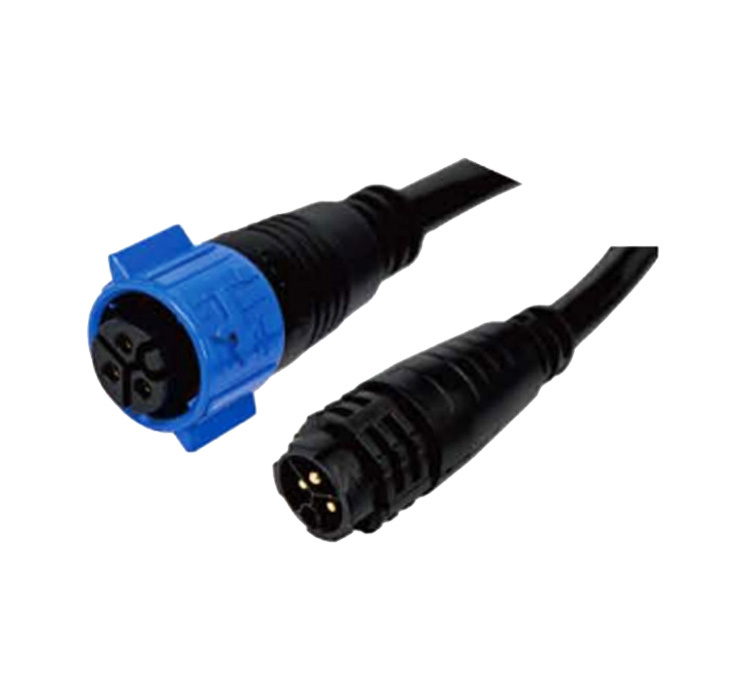
One of the primary benefits of waterproof cables is their ability to maintain performance in harsh environmental conditions. These cables are commonly used in outdoor applications, such as in marine environments, industrial settings, and in areas prone to flooding or heavy rainfall. By choosing the right waterproof cable, professionals can ensure the longevity and reliability of their electrical systems.
When selecting a waterproof cable, several key factors should be considered. First, the material of the cable jacket plays a crucial role in its water resistance. Common materials include PVC, rubber, and thermoplastic elastomers, each offering different levels of flexibility and durability. Additionally, the cable's design, including features like sealing and insulation, must be assessed to ensure it meets the desired protection standards.
Another important aspect is the cable's ingress protection (IP) rating, which indicates its resistance to solid particles and moisture. For instance, an IP68 rating signifies that the cable can withstand complete submersion in water, making it suitable for applications where high exposure to water is expected.
Waterproof cables are also crucial for safety reasons. In environments where water and electricity mix, the risk of electrical shock increases significantly. Utilizing waterproof cables can mitigate this risk, providing a safer solution for both workers and equipment. This is particularly vital in sectors such as construction, agriculture, and marine operations, where safety regulations demand the use of reliable and secure electrical systems.
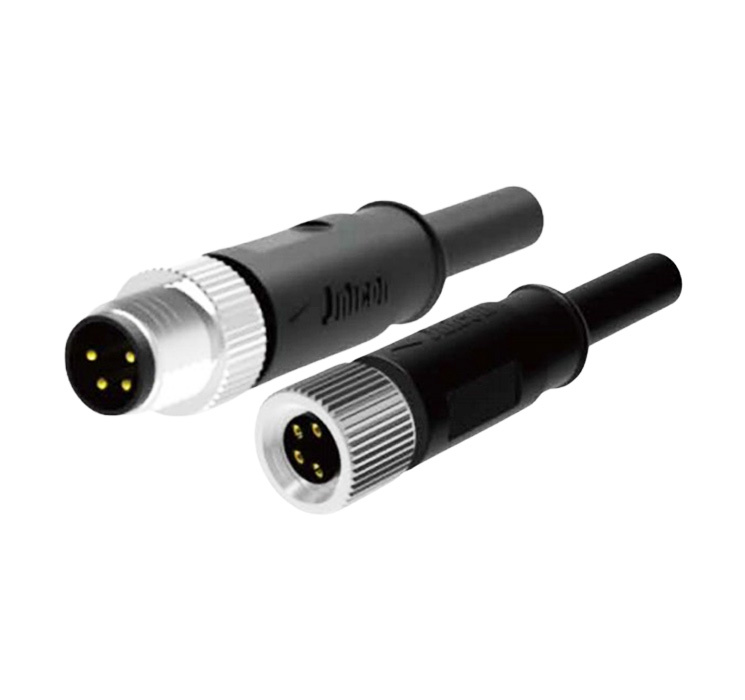
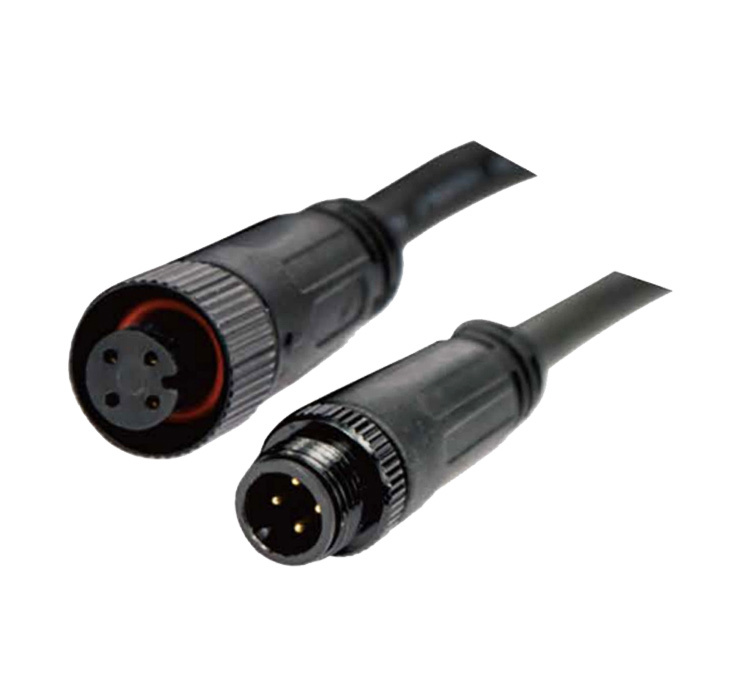
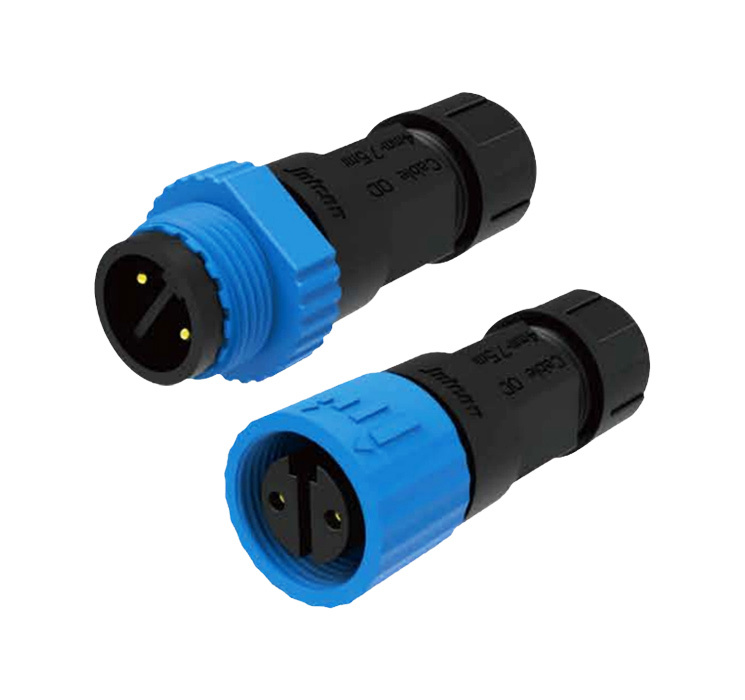
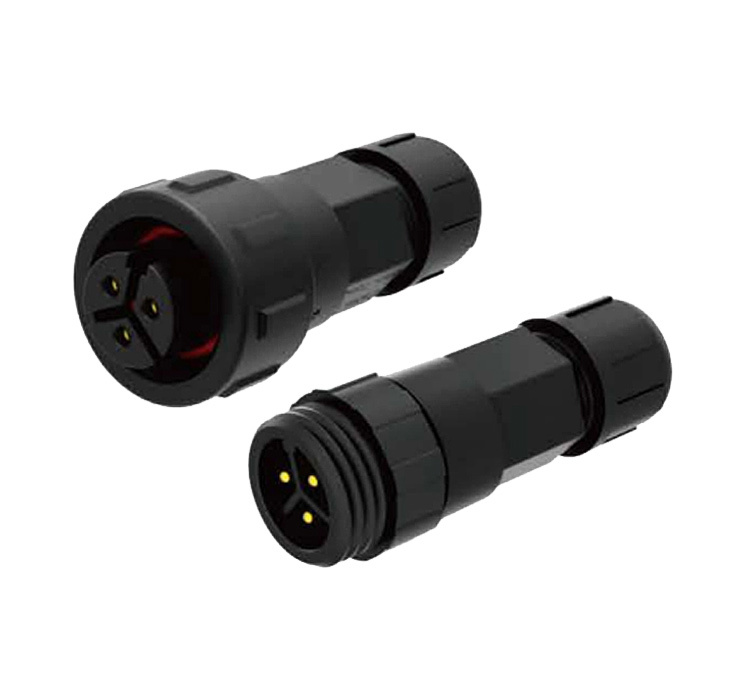
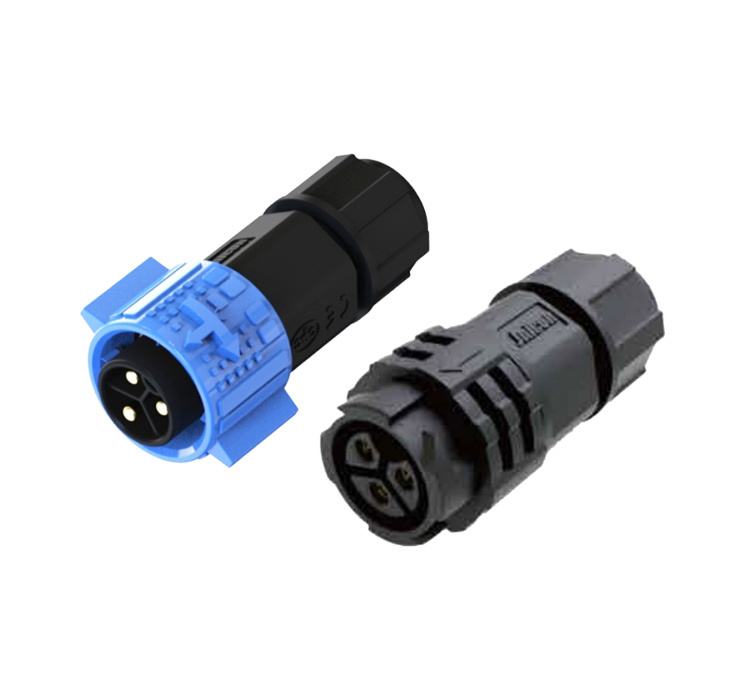
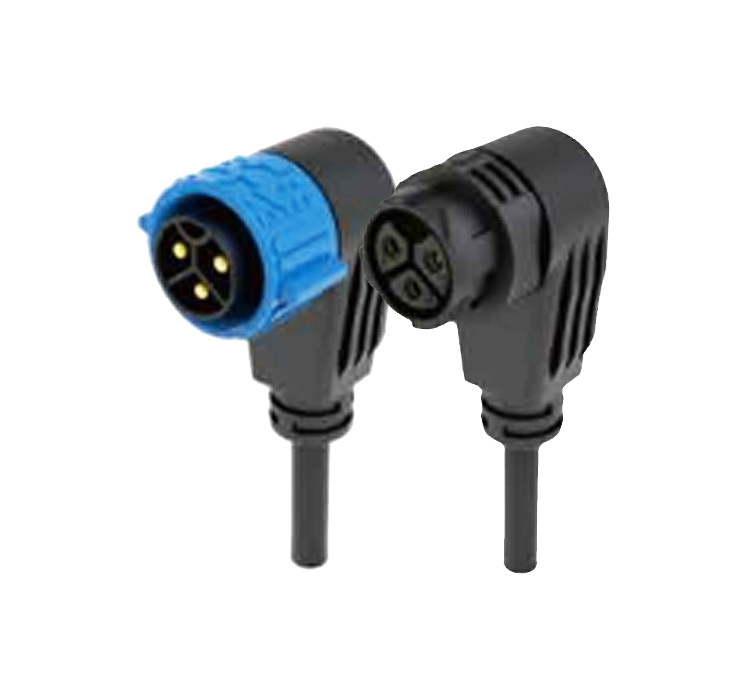
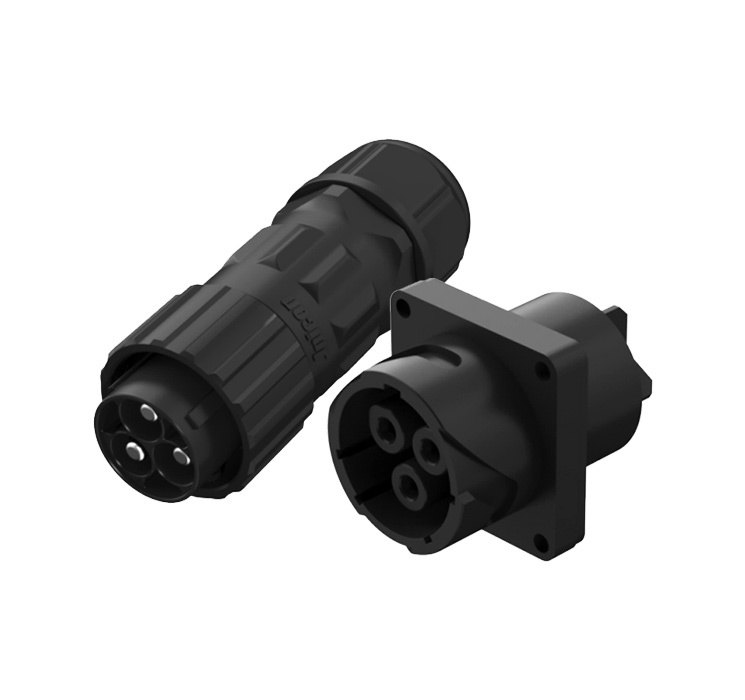
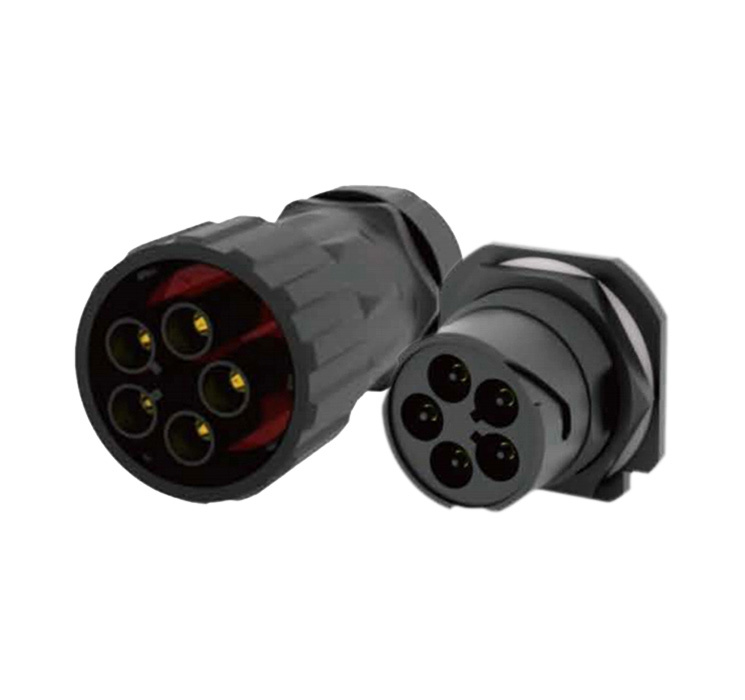
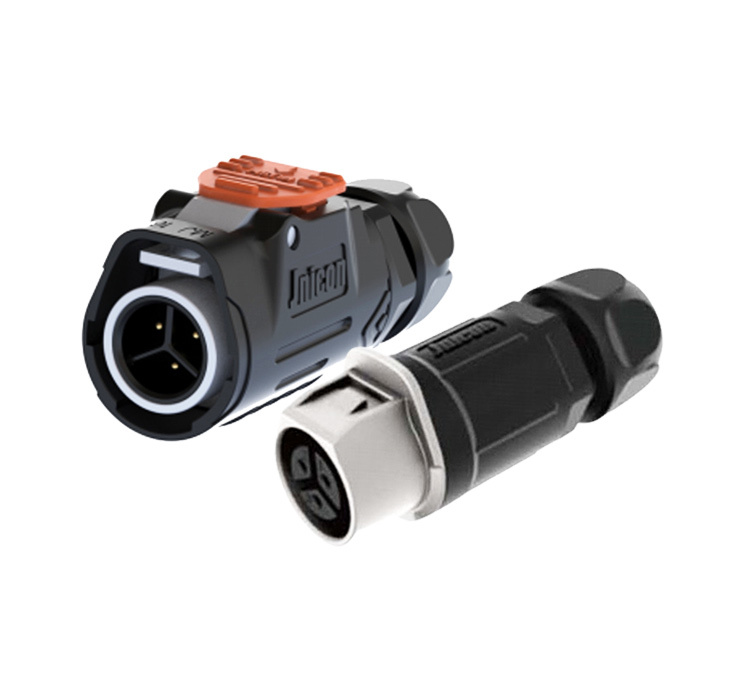
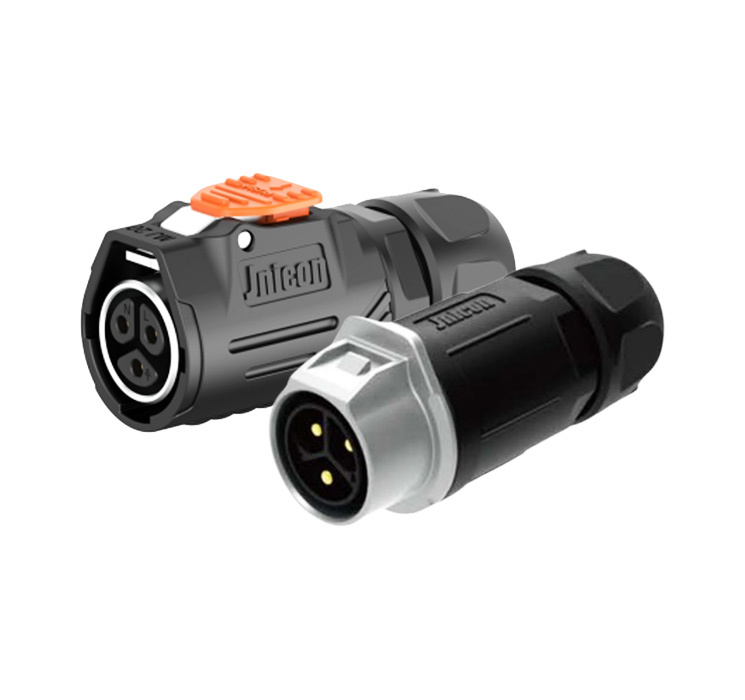
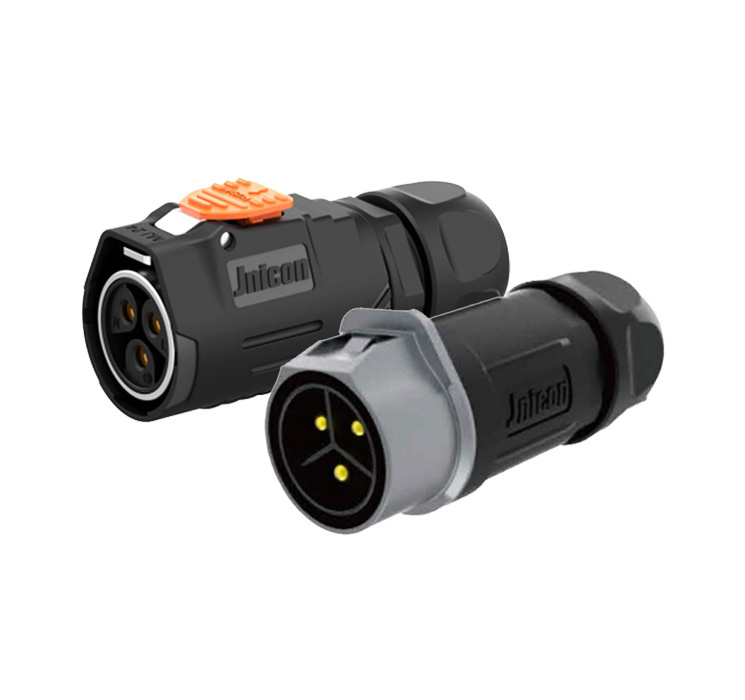
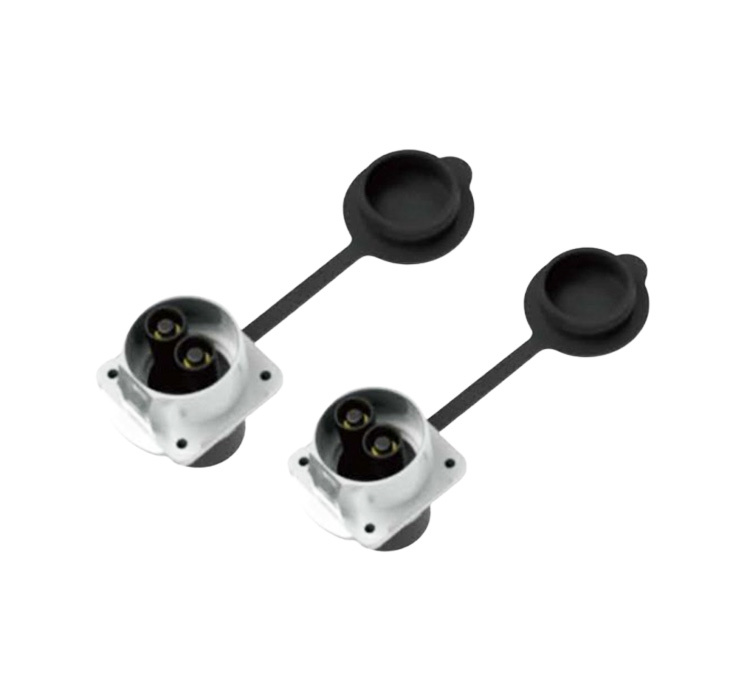
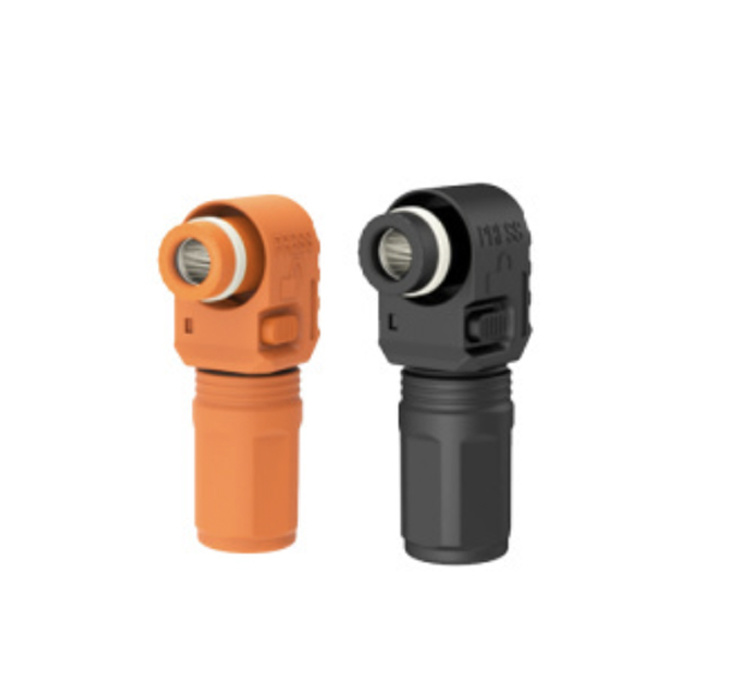
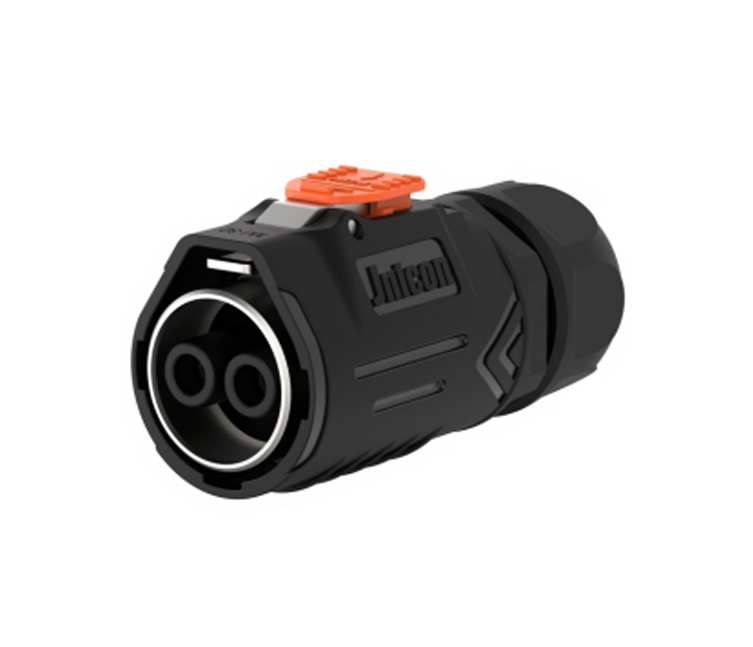
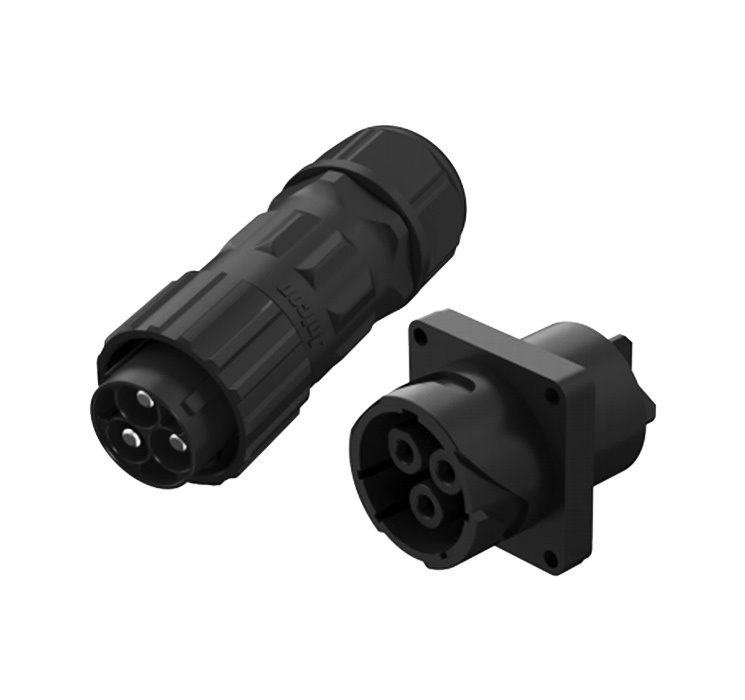
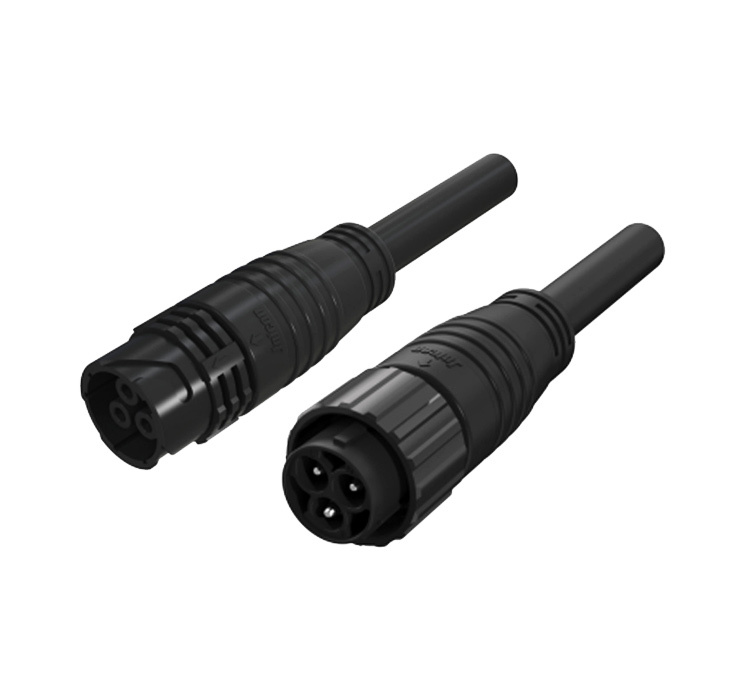
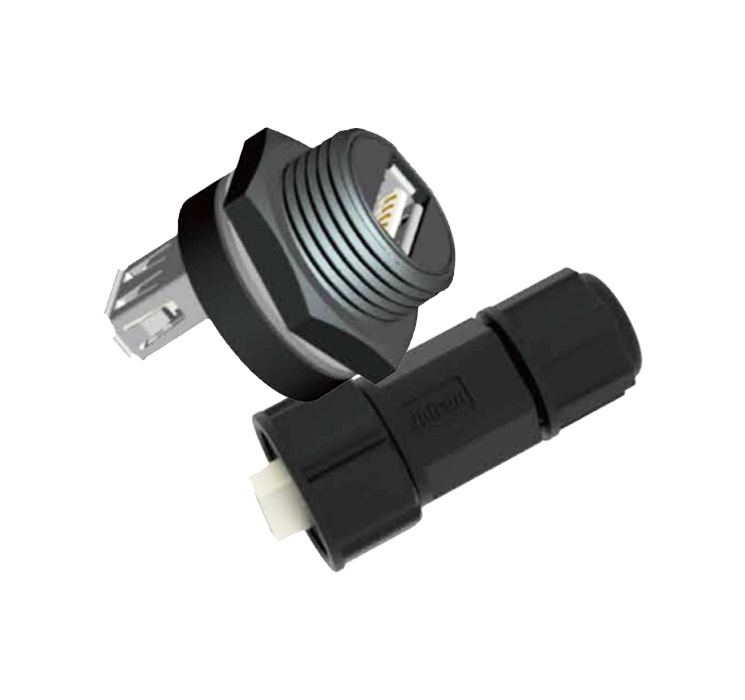
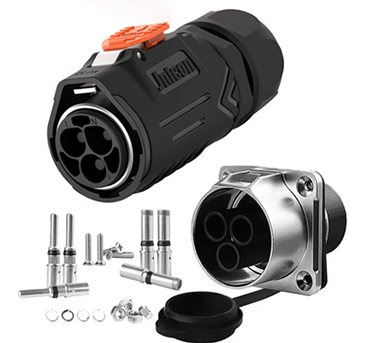
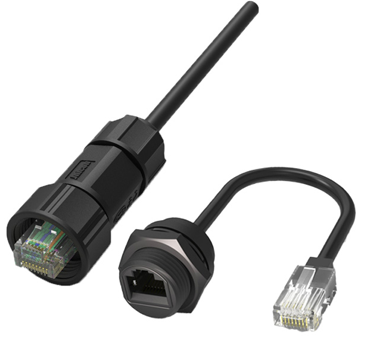
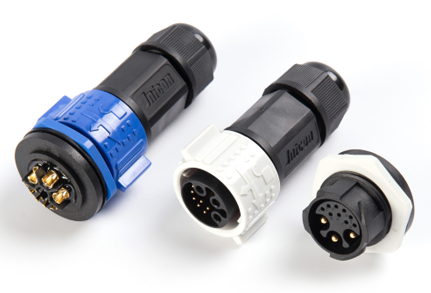
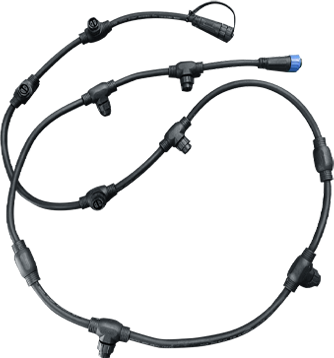
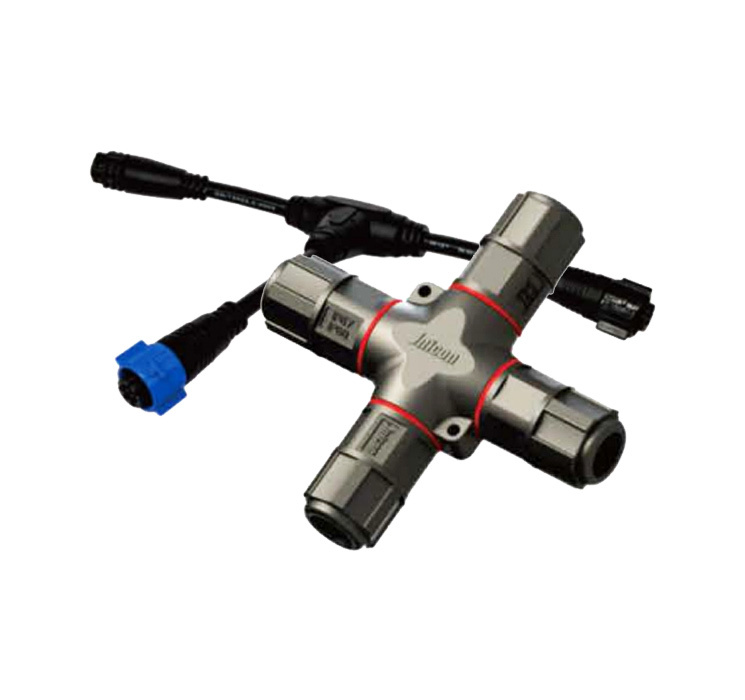
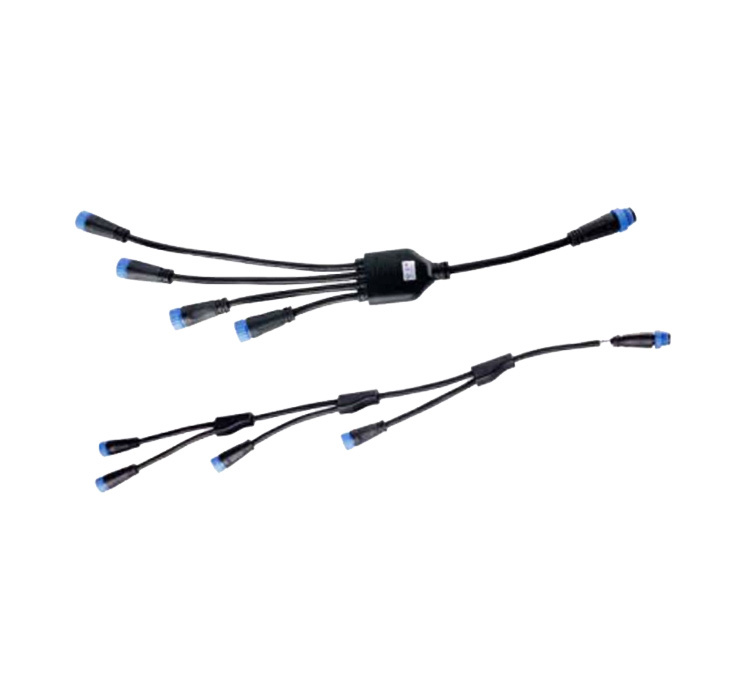
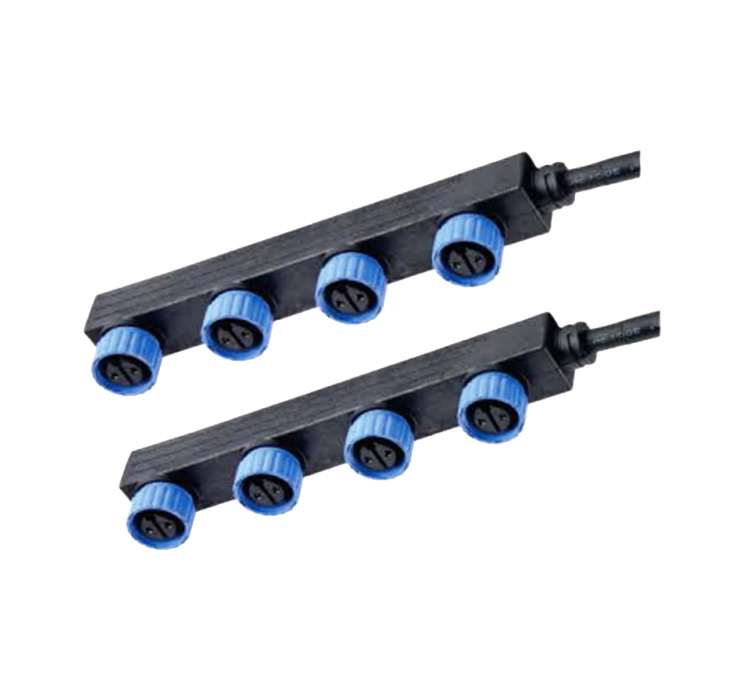
Moreover, the installation of waterproof cables comes with unique considerations. Professionals need to ensure proper sealing at connection points, as water often enters through poorly sealed junctions. Using connectors specifically designed for waterproof applications can further enhance the integrity of the system.
In summary, waterproof cables are indispensable in various applications across the electrical industry. By understanding their benefits, characteristics, and installation best practices, professionals can make informed decisions that enhance the safety and reliability of their electrical systems. As technology continues to evolve, staying updated on the latest developments in waterproof cable options will be essential for maintaining optimal performance in challenging environments.
News
2026-08-31
Maximizing Industrial Performance with 5 Pin Waterproof Connectors: A Comprehensive Guide
Maximizing Industrial Performance with 5 Pin Waterproof Connectors In the fast-paced world of industrial applications, the importance of reliable and durable connections cannot be overstated. Among the various types of connectors available, **5 pin waterproof connectors** stand out for their robustness and ability to perform in challenging environments. This article will delve into the effective u
2026-08-28
Understanding 3 Pin Waterproof Connectors: Essential Insights for Electrical Professionals
In the world of electrical engineering, the choice of connectors plays a crucial role in ensuring reliable performance and durability, especially in environments exposed to moisture or harsh conditions. One such important component is the 3 pin waterproof connector. These connectors are specially designed to provide secure electrical connections while protecting against the adverse effects of wate
2026-08-25
The Science Behind Waterproofing in Marine Electrical Connectors: Ensuring Longevity and Reliability
The Science Behind Waterproofing in Marine Electrical Connectors Table of Contents 1. Introduction 2. The Importance of Waterproofing in Marine Applications 3. Understanding Marine Environments 4. Waterproofing Technologies and Materials 5. Types of Marine Electrical Connectors 6. Testing and Standards for Waterproofing 7. Maintenance and Care of Waterproof Connectors 8. The Futur

B8-9, Fubilun industrial park, Chaoyang rd,Yanchuan community, Songgang, Shenzhen, China


