


Understanding Waterproof Cables: Essential Knowledge for Electrical Connections
Release Time:
2026-03-13
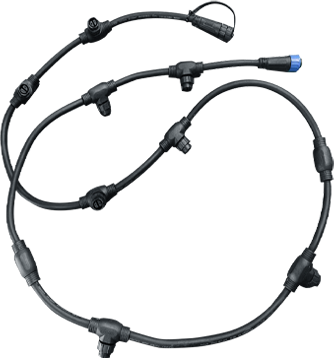
One of the primary features of waterproof cables is their insulation and sheathing. Typically, these cables are constructed from materials such as PVC, rubber, or specialized polymers that offer superior resistance to water ingress. This is crucial in applications where cables may be exposed to rain, splashes, or even submersion in water. The effectiveness of the insulation is often rated by IP (Ingress Protection) ratings, which indicate the level of protection against solid particles and liquids. For instance, an IP67 rating denotes that the cable is completely dust-tight and can withstand immersion in water up to a specified depth for a certain duration.
Another significant aspect of waterproof cables is their ability to withstand different environmental factors, such as temperature variations and UV exposure. Many waterproof cables are designed to be durable under harsh conditions, which makes them suitable for outdoor installations, marine applications, and industrial settings. These cables often feature reinforced structures to prevent damage from bending or abrasion, ensuring longevity.
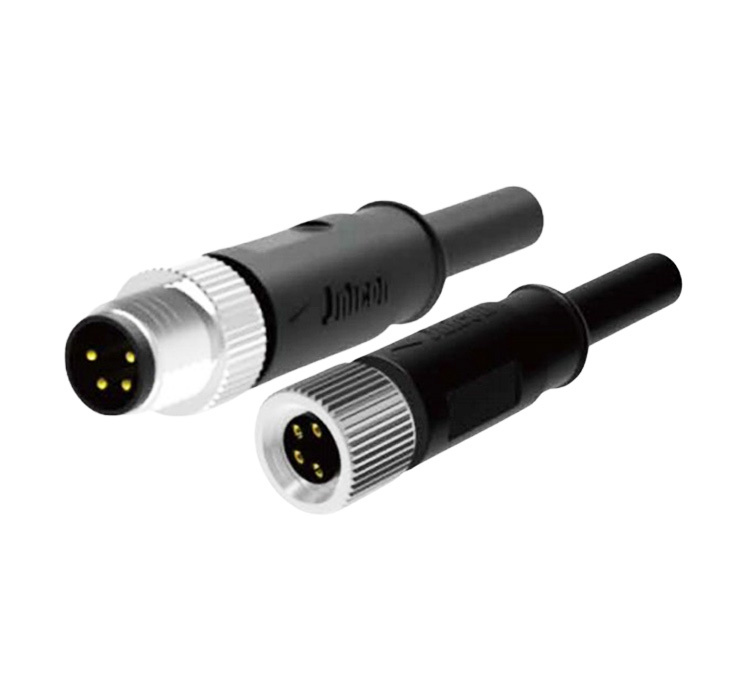
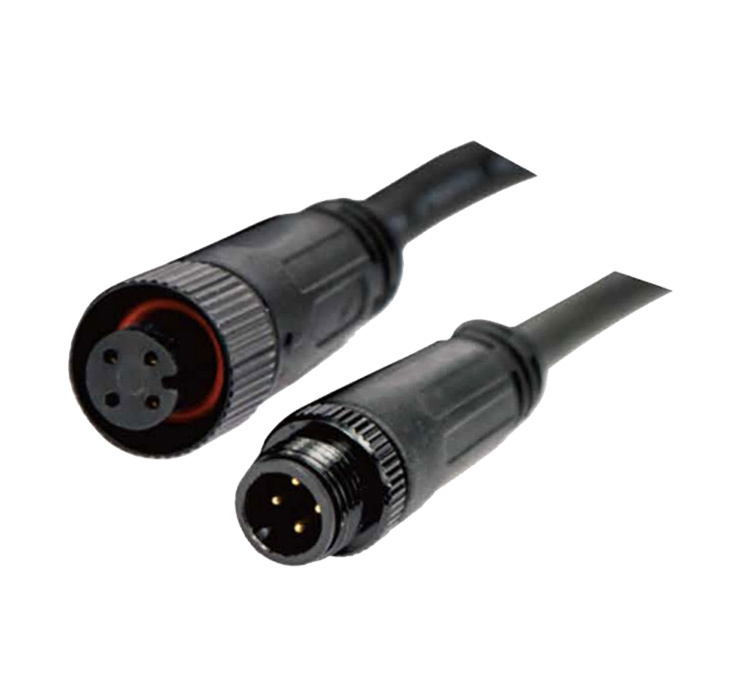
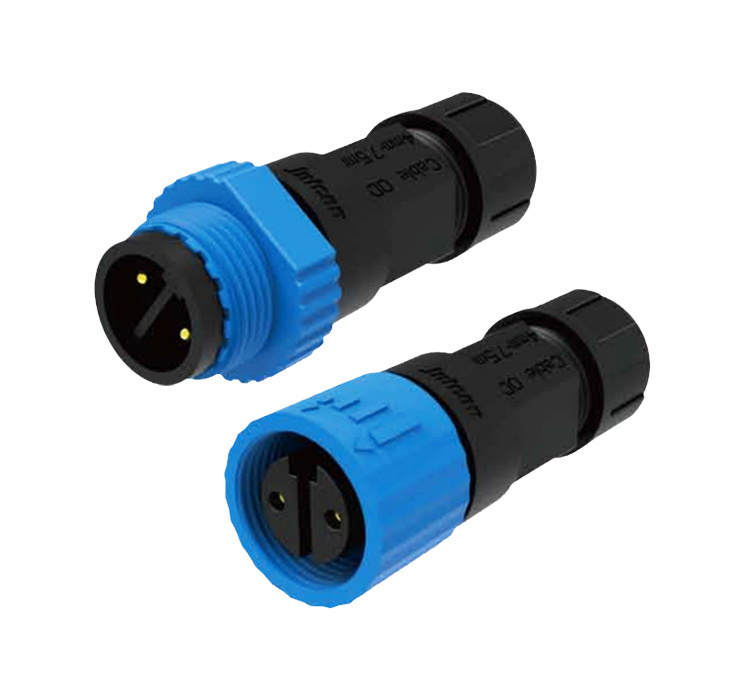
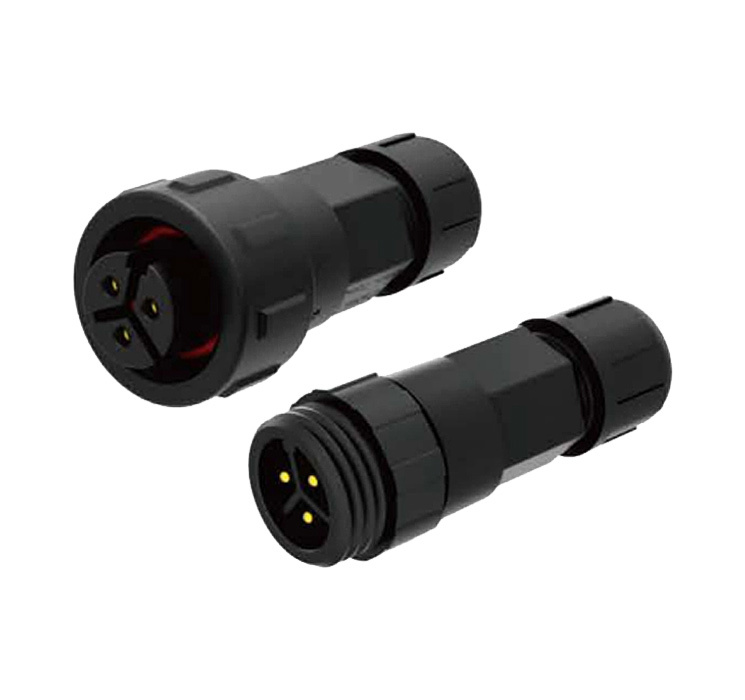
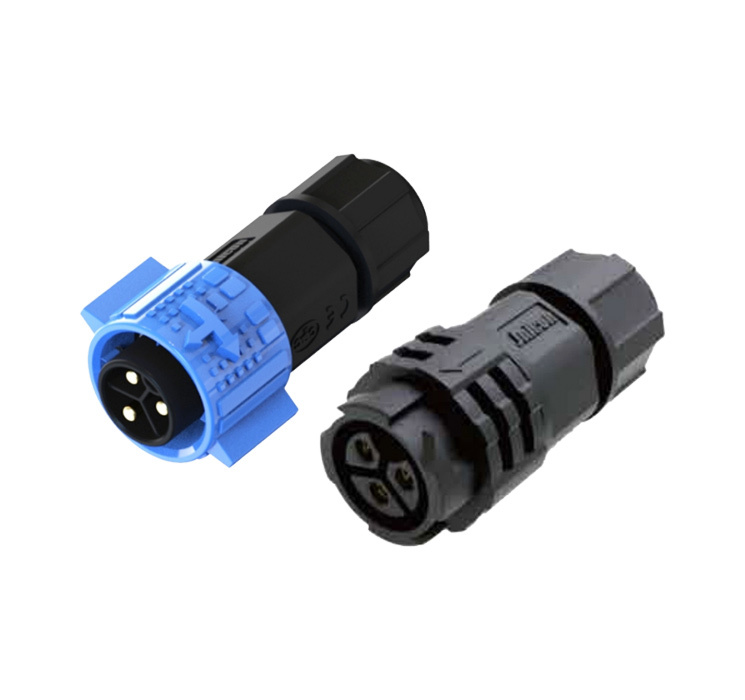
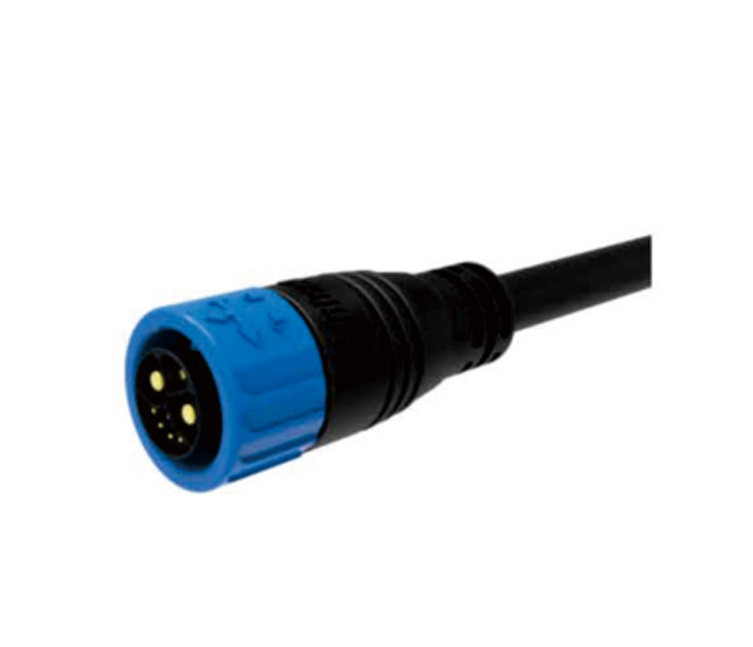
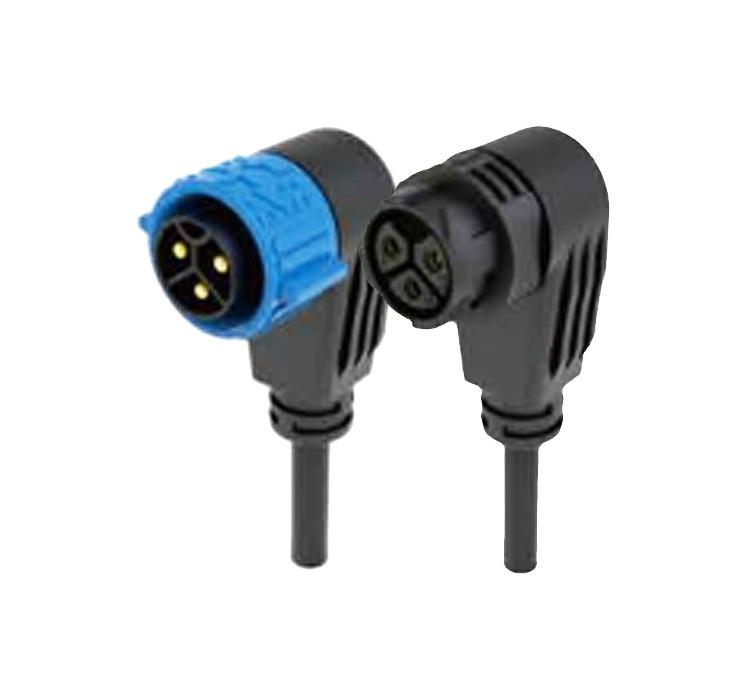
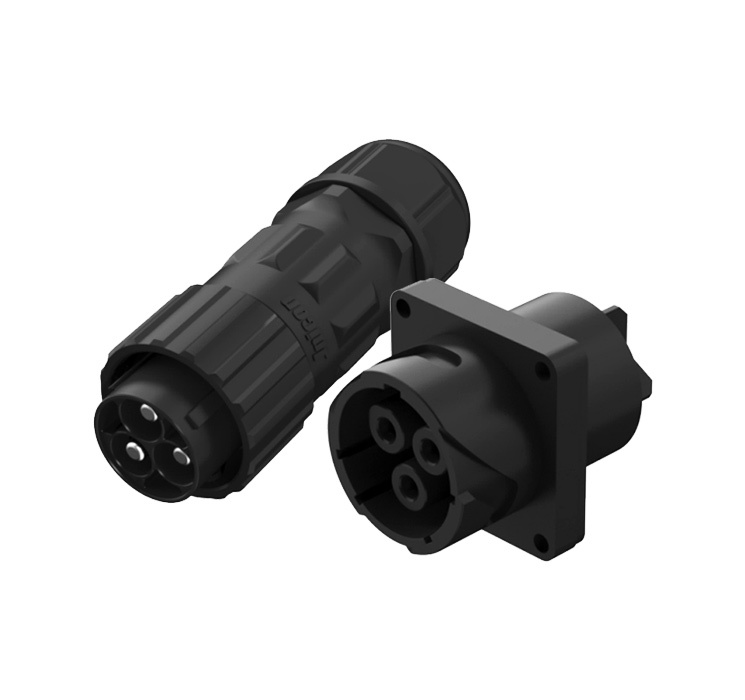
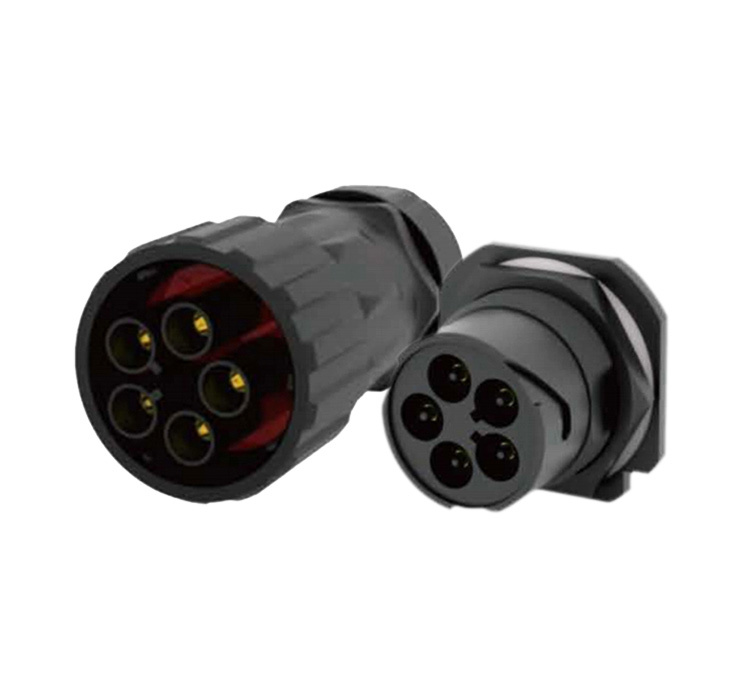
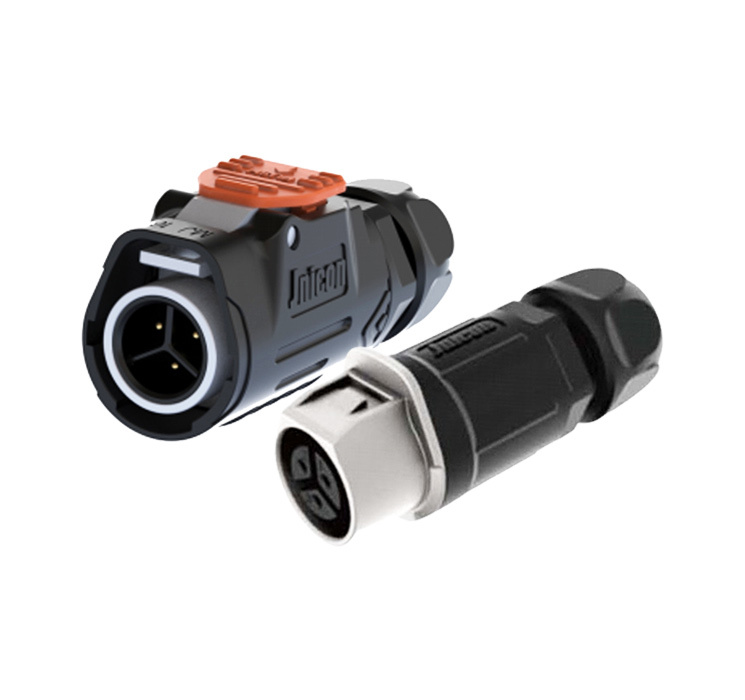
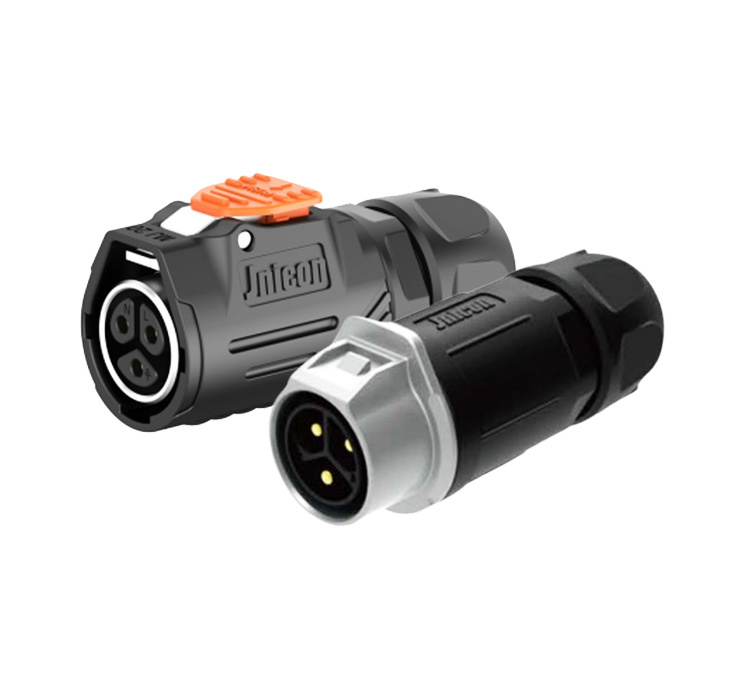
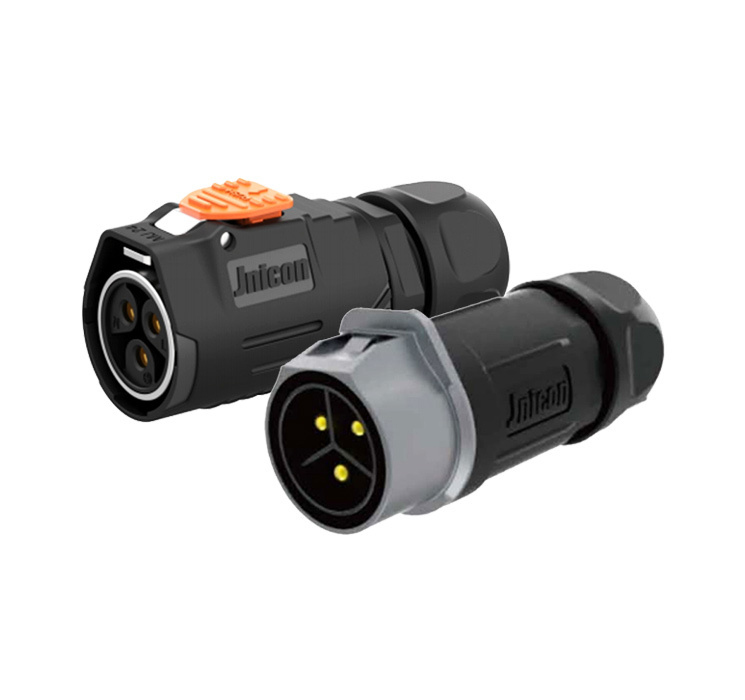
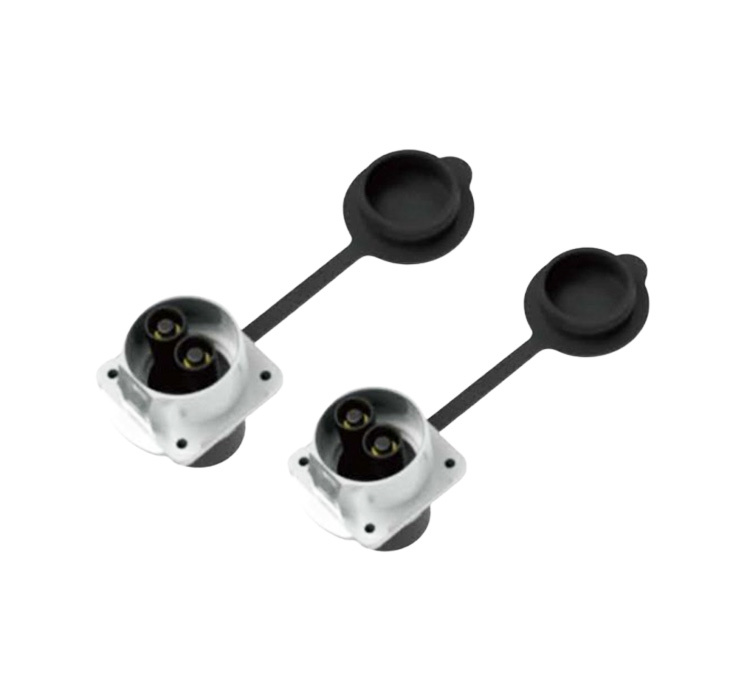
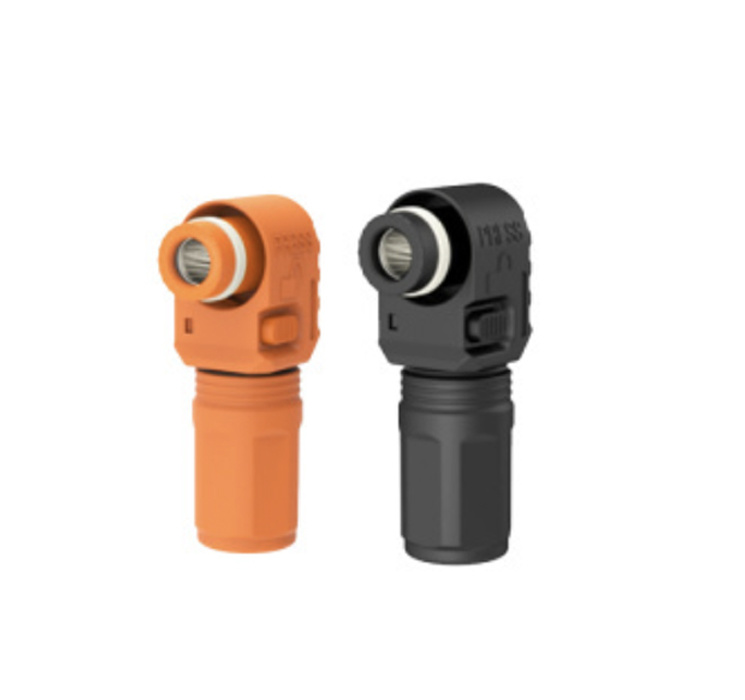
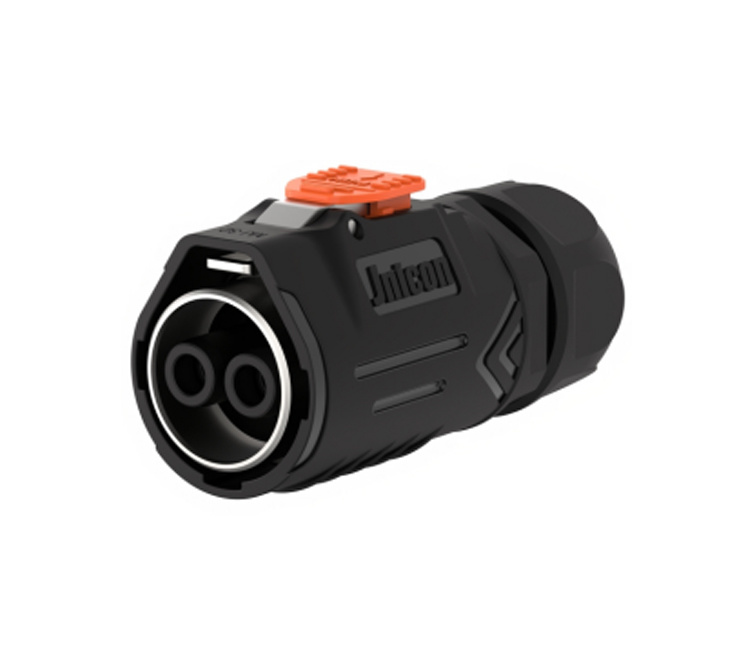
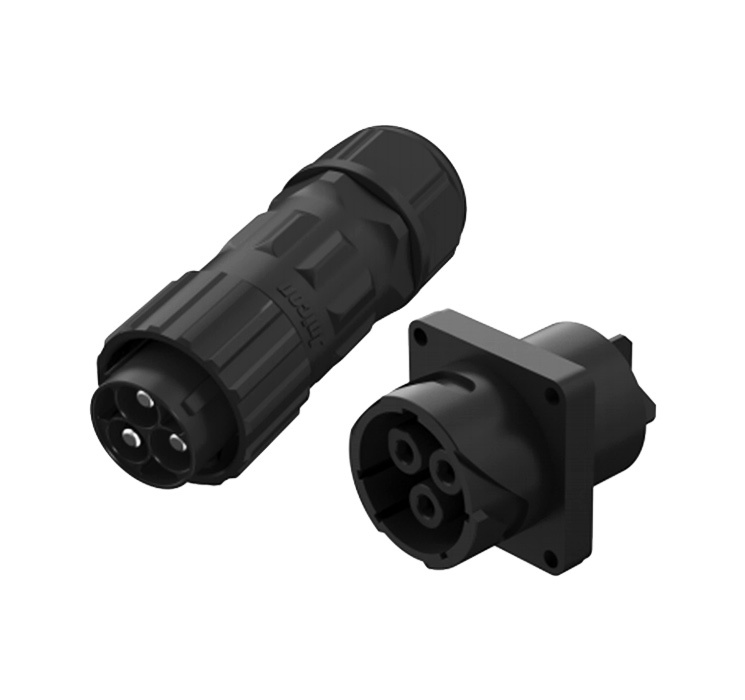
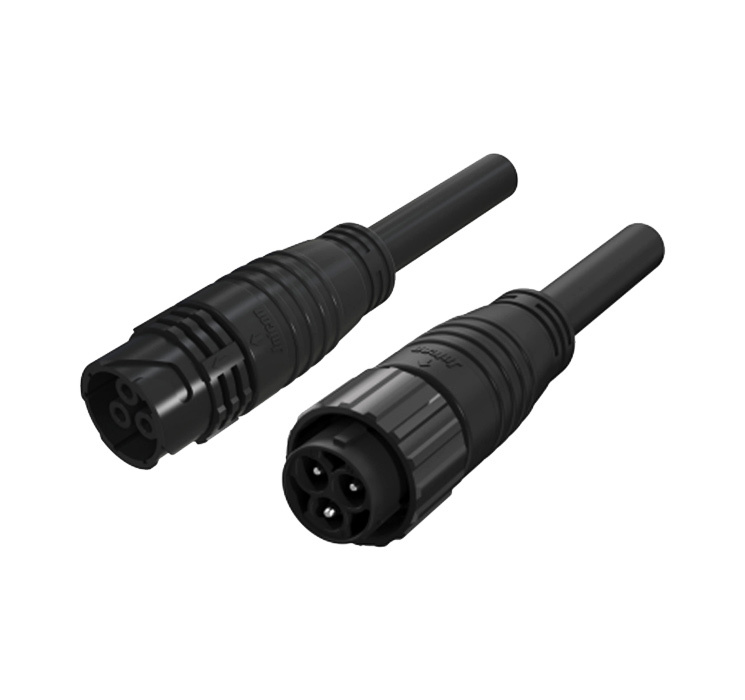
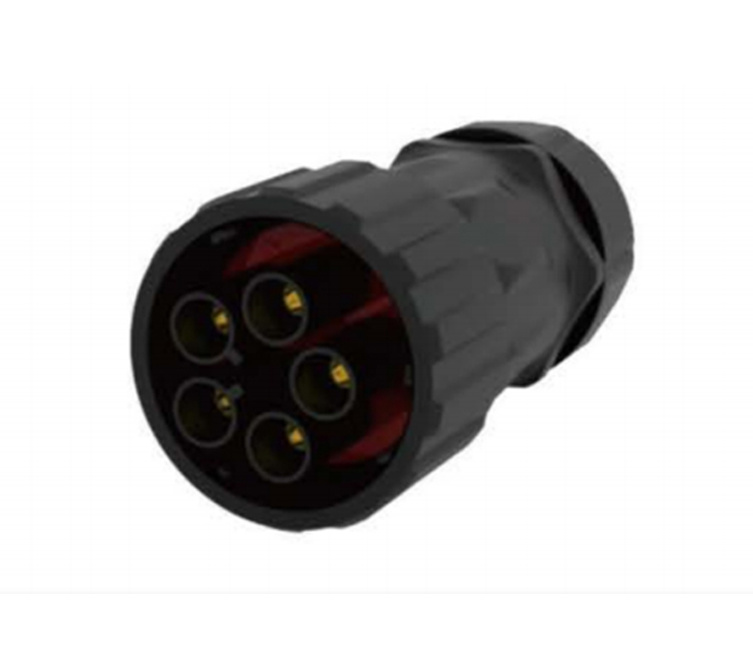
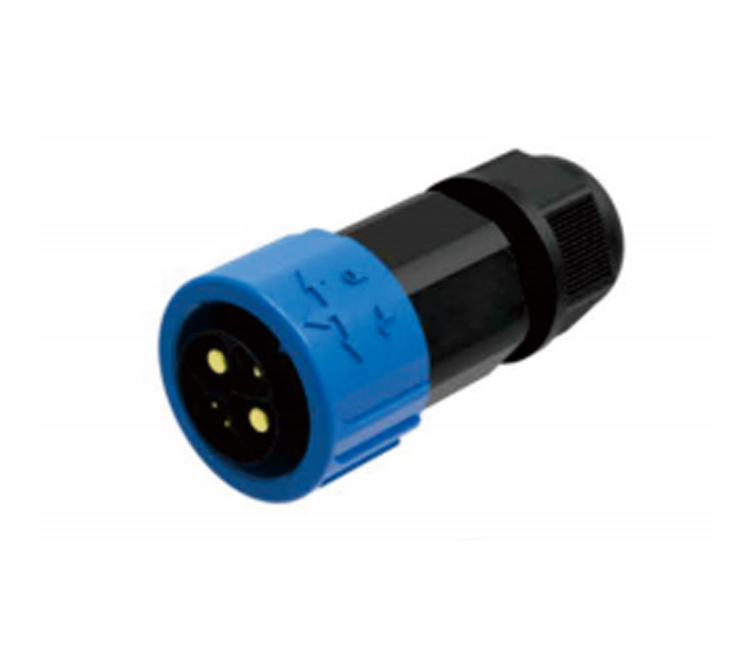
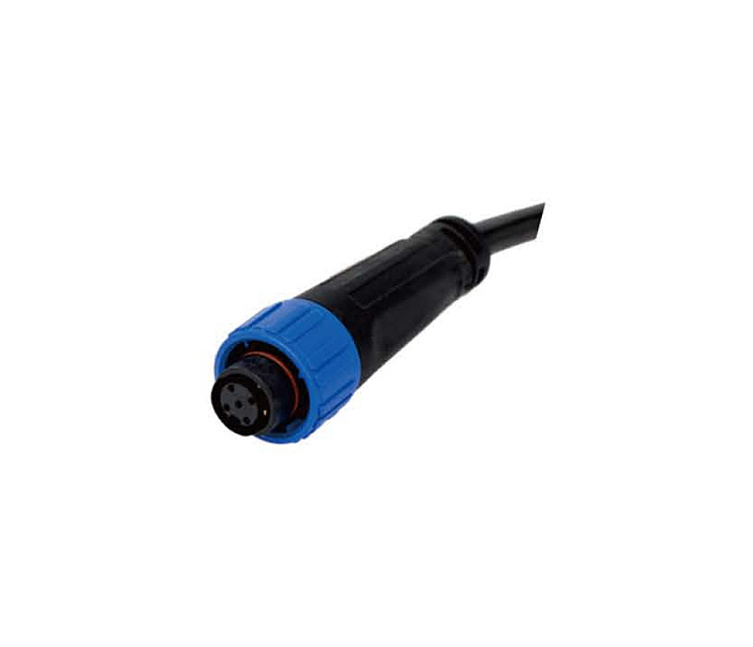
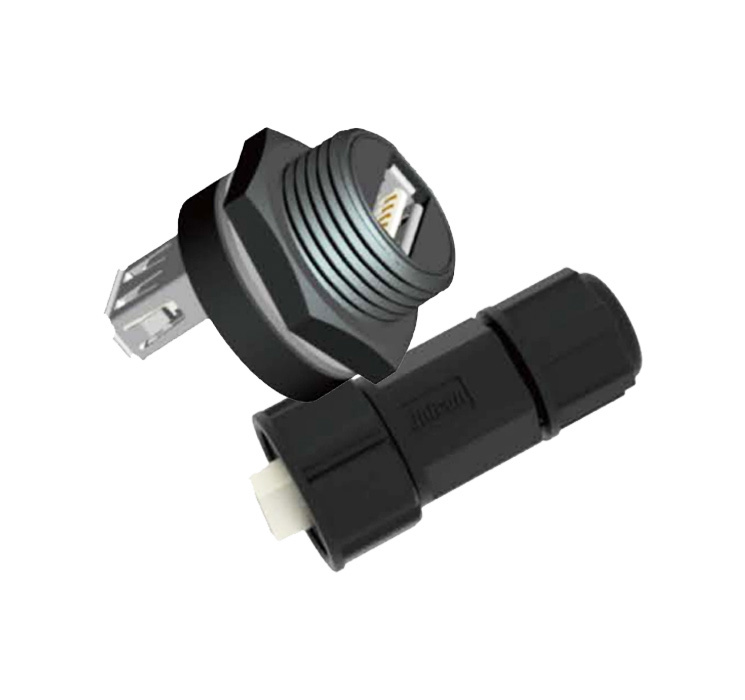
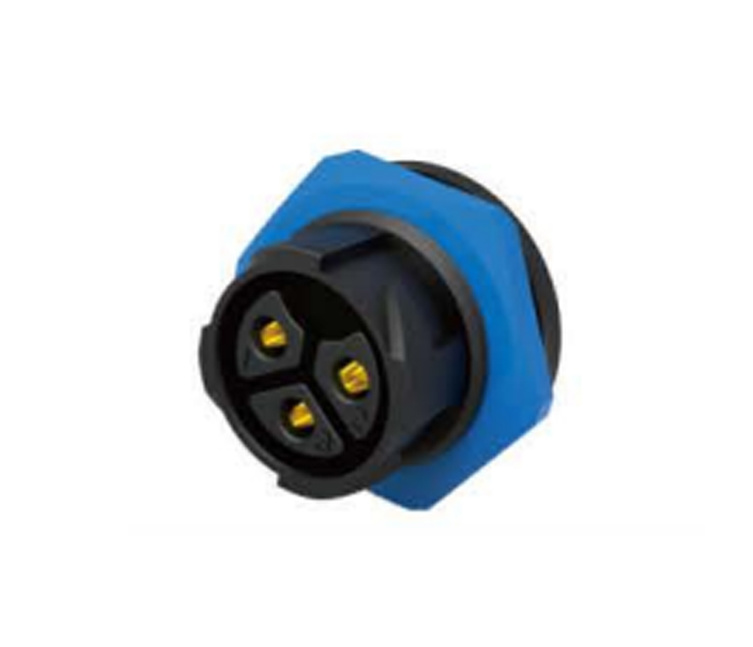
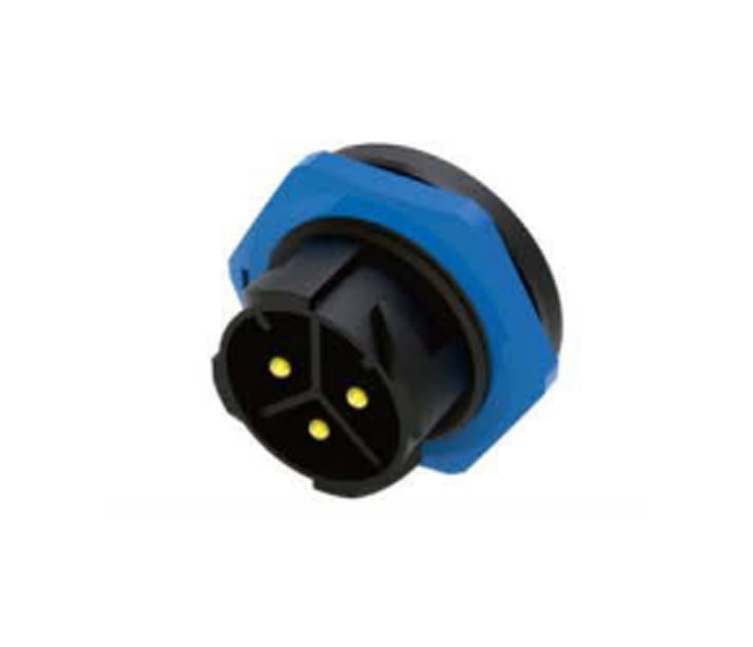
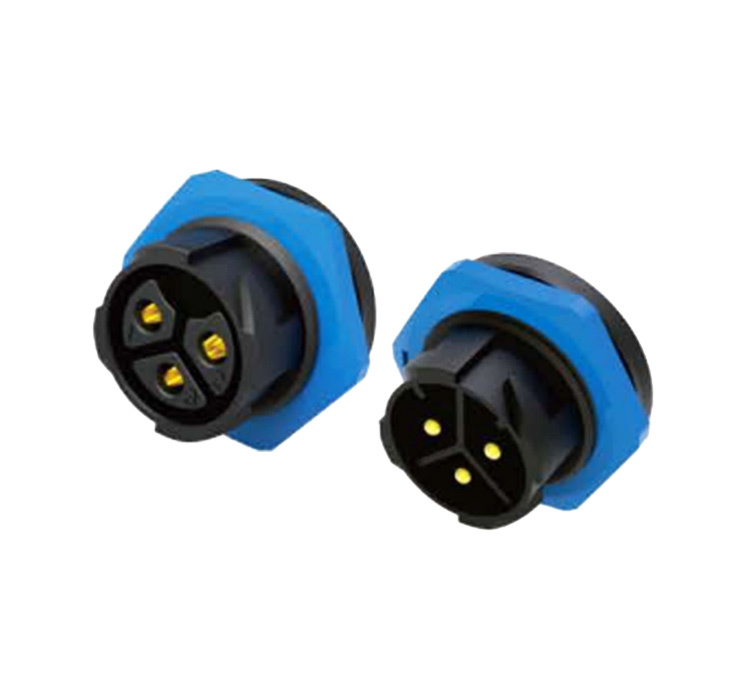
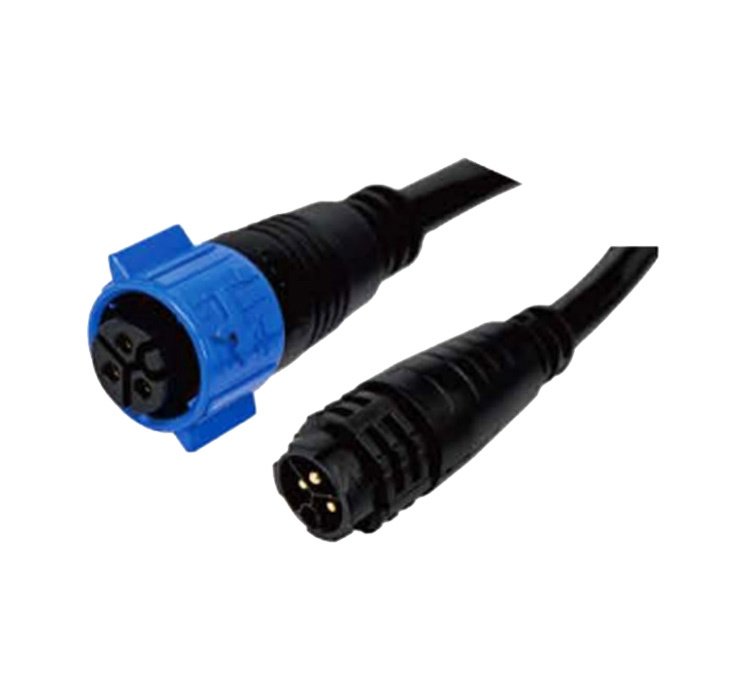
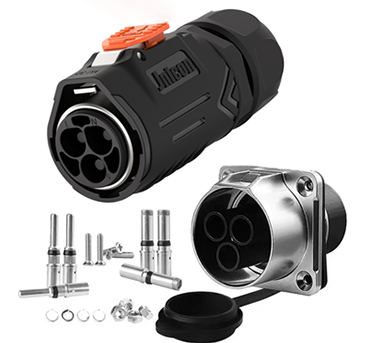
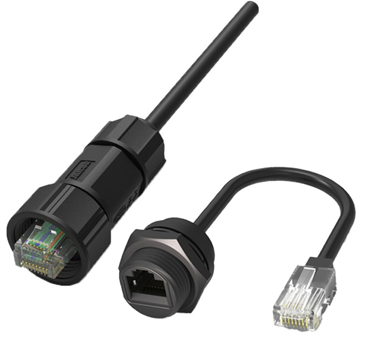
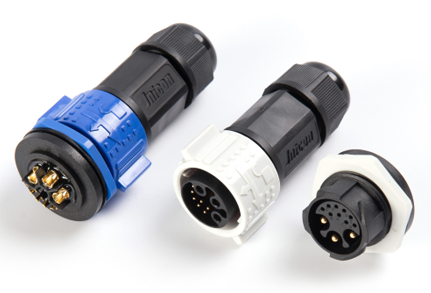
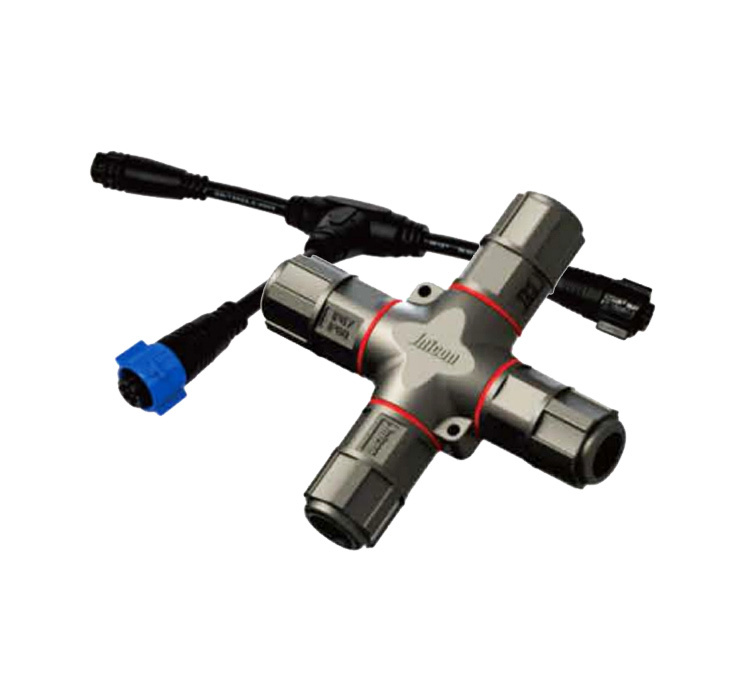
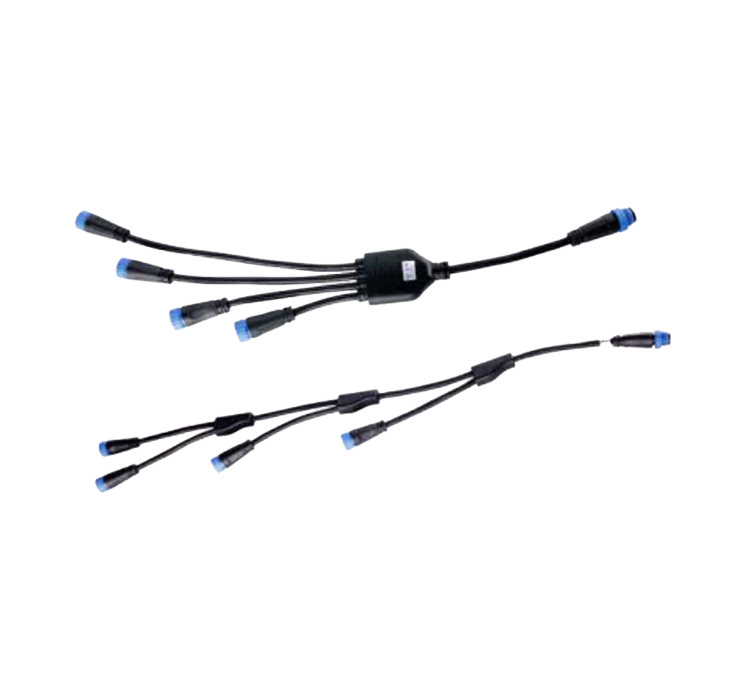
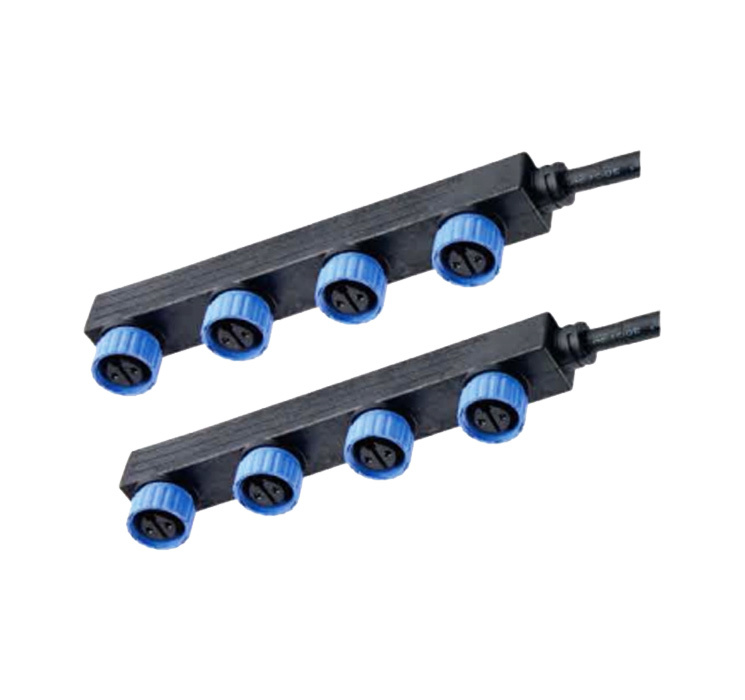
Additionally, the connectors used in conjunction with waterproof cables are equally important. A waterproof connector must not only maintain a secure electrical connection but also provide a reliable seal against moisture. Look for connectors with gaskets and seals that complement the waterproof nature of the cable itself.
In choosing waterproof cables for a specific project, it’s essential to consider factors such as the cable's diameter, flexibility, and the specific environmental conditions it will face. Professionals should also account for the electrical specifications, including voltage and current ratings, to ensure compatibility with the overall system.
In summary, understanding waterproof cables is essential for anyone involved in electrical work, particularly in environments prone to moisture. By selecting the right waterproof cables and connectors, professionals can mitigate the risks of electrical failures due to water exposure, enhancing the safety and reliability of their installations. Whether you are an electrical engineer or a contractor, ensuring that your projects incorporate quality waterproof cables will significantly contribute to their success.
News
2026-10-12
5 Pin Waterproof Connectors: Enhancing Home Automation Systems
5 Pin Waterproof Connectors: Enhancing Home Automation Systems Table of Contents Introduction to 5 Pin Waterproof Connectors Importance of Waterproof Connectors in Home Automation Key Benefits of 5 Pin Waterproof Connectors Features of 5 Pin Waterproof Connectors Material Quality Design and Build Applications of 5 Pin Waterproof C
2026-10-10
Waterproof Wire Connector Plugs for Reliable Connections
Waterproof wire connector plugs ensure secure, moisture-resistant electrical connections for outdoor lighting, automotive systems, and industrial equipment.
2026-10-10
Waterproof Electrical Wire Connectors for Reliable Connections
Waterproof electrical wire connectors protect wiring from moisture and dust, ensuring reliable connections in indoor and outdoor applications.

B8-9, Fubilun industrial park, Chaoyang rd,Yanchuan community, Songgang, Shenzhen, China


