


The Future of Waterproof Marine Electrical Connectors in the Shipping Industry
Release Time:
2026-03-14
The Future of Waterproof Marine Electrical Connectors in the Shipping Industry
In an era defined by technological advancements and rising environmental concerns, the shipping industry faces unique challenges. Among these, the reliability and durability of electrical components, particularly waterproof marine electrical connectors, stand out as critical factors in ensuring operational efficiency and safety. As the demand for sustainable and efficient shipping solutions grows, understanding the future of waterproof marine electrical connectors becomes increasingly essential.
Understanding Waterproof Marine Electrical Connectors
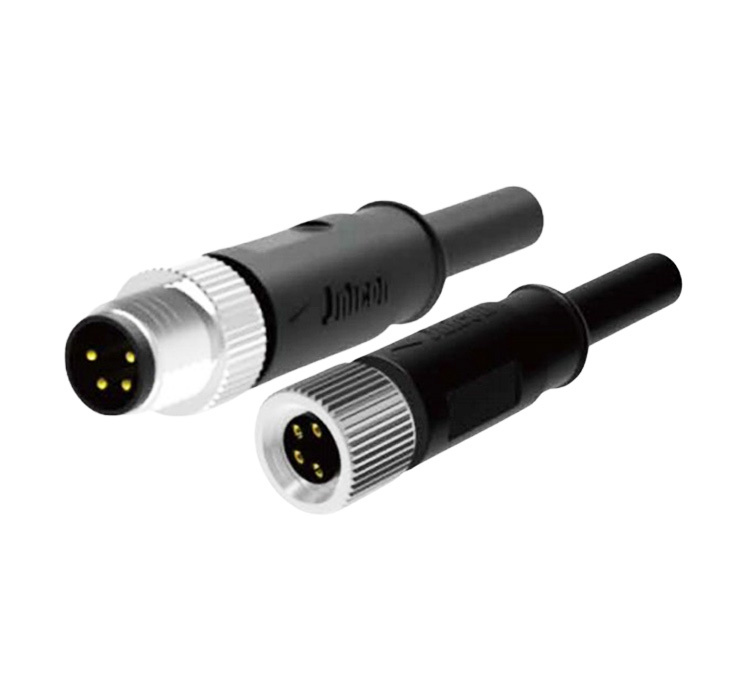
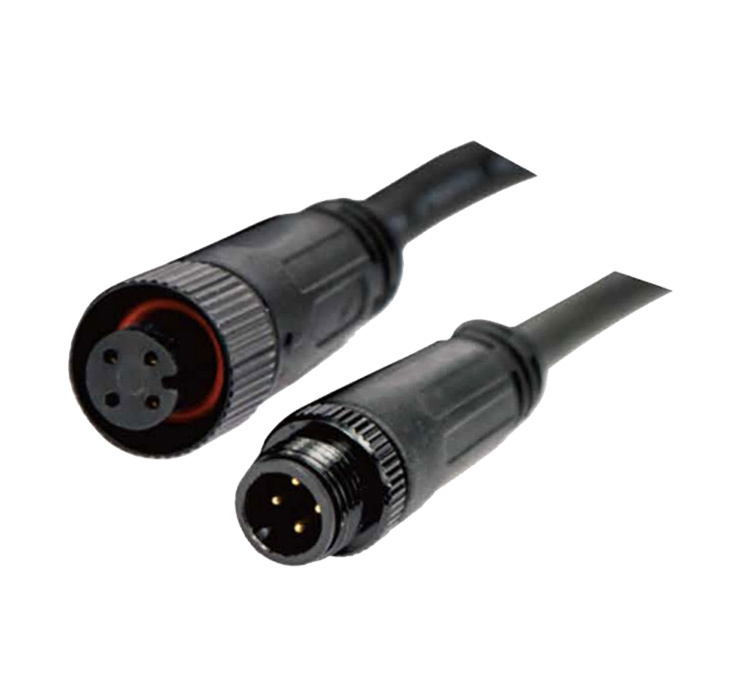
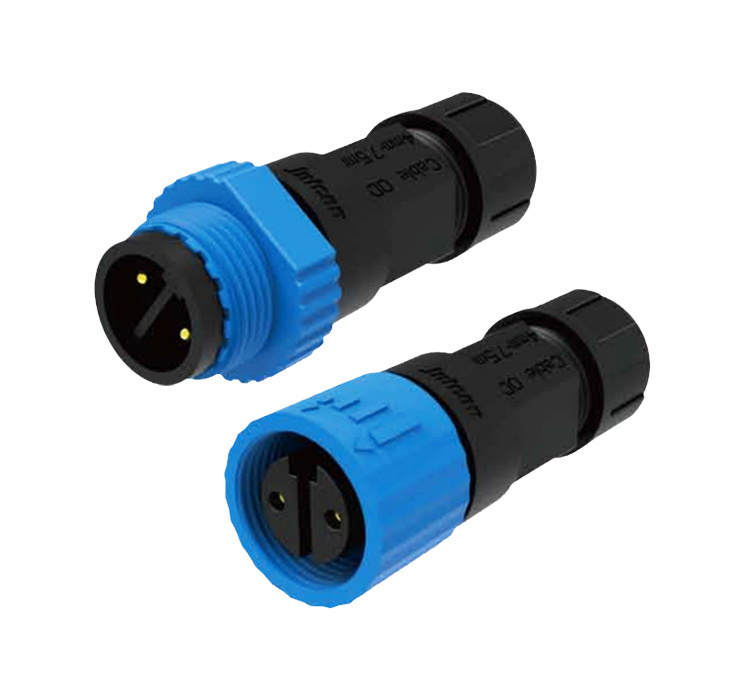
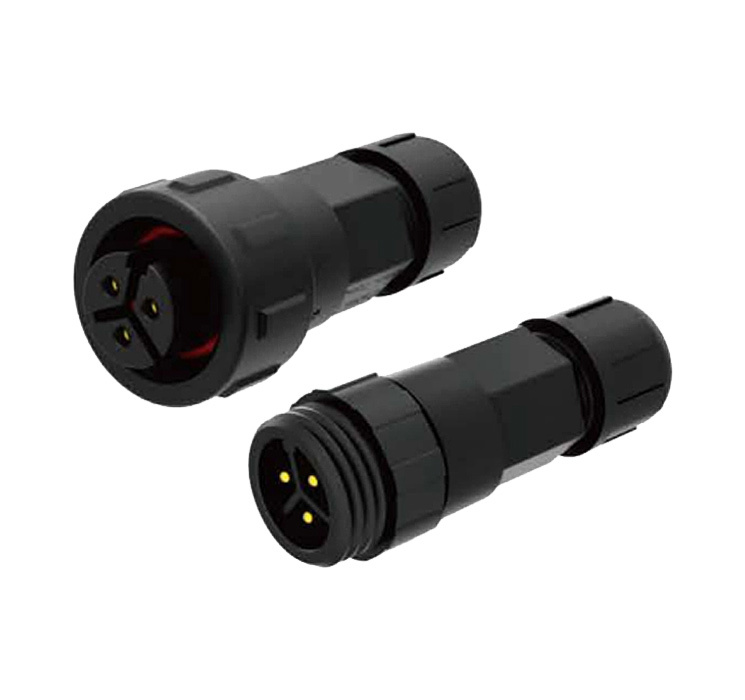
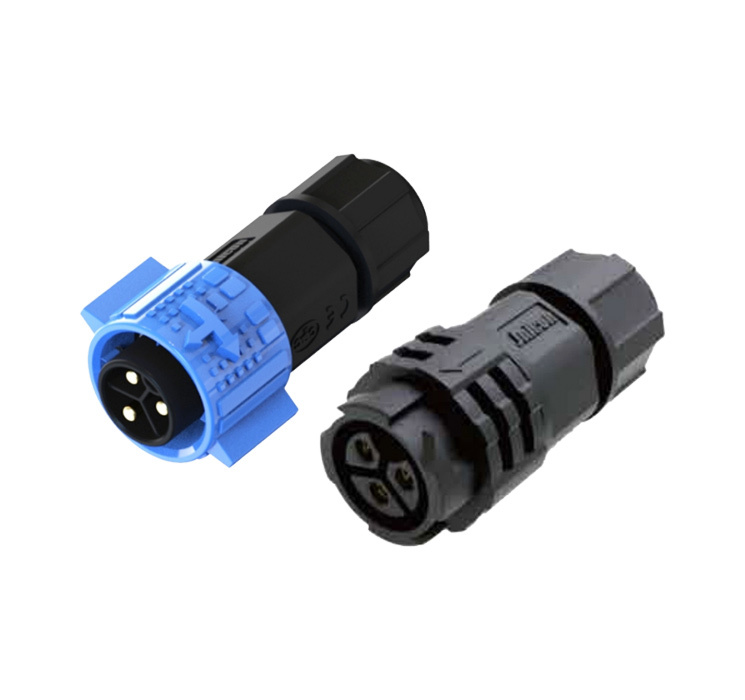
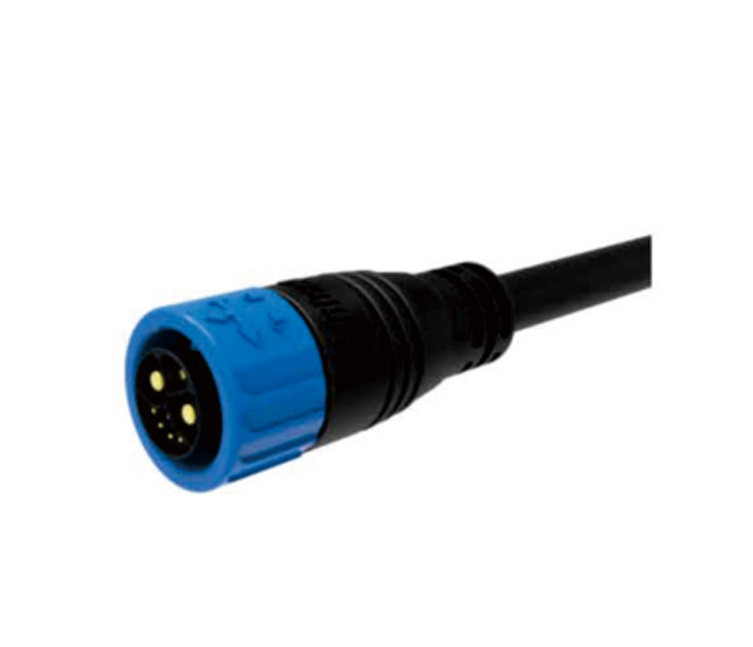
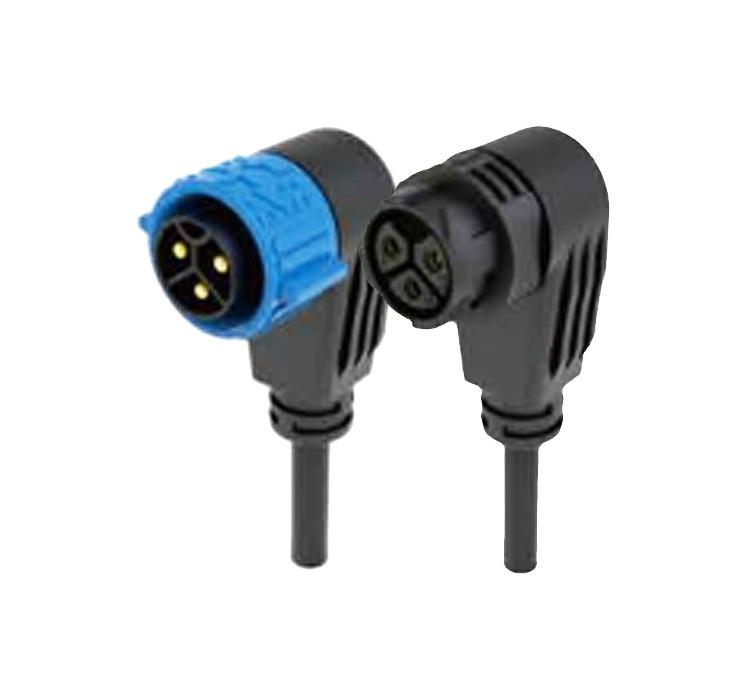
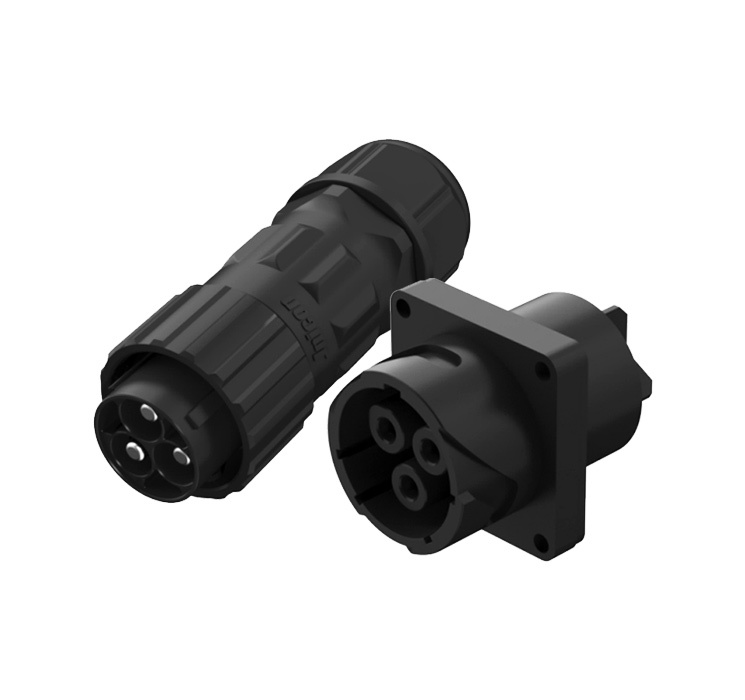
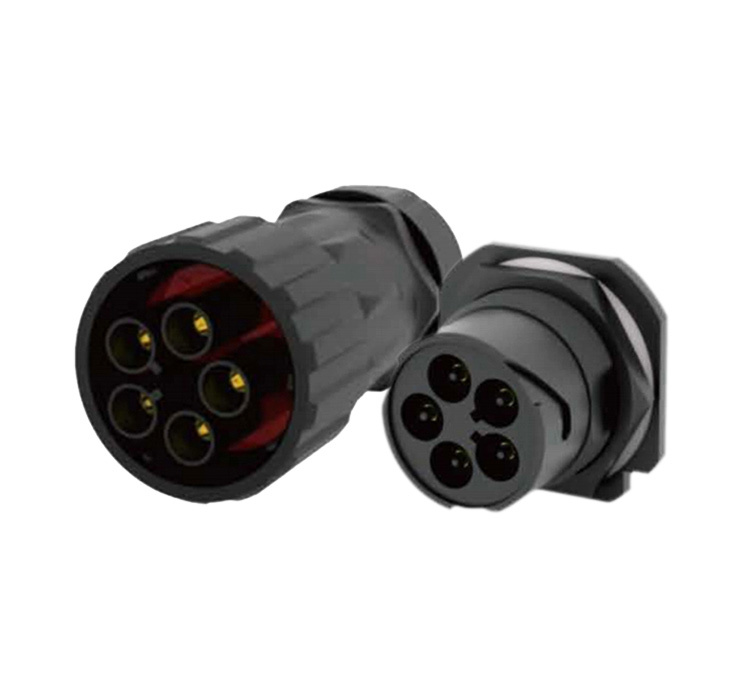
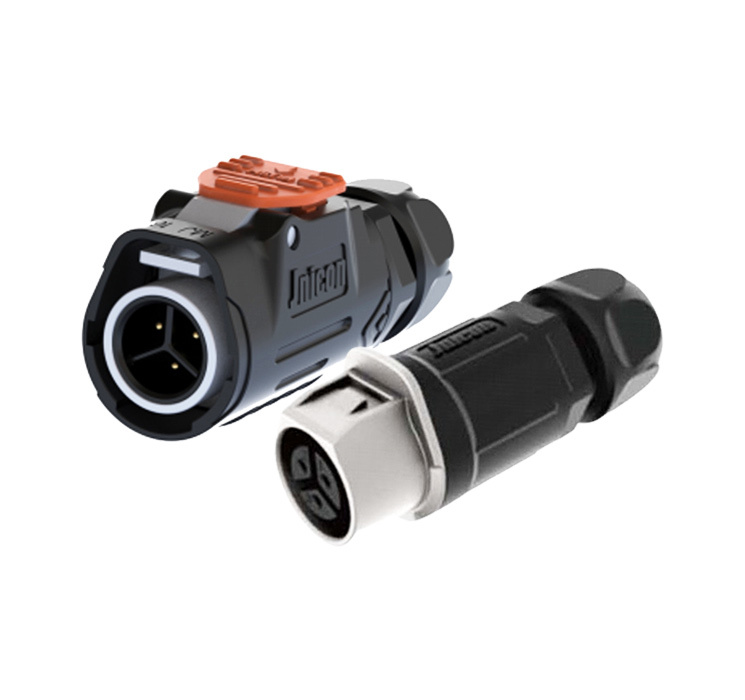
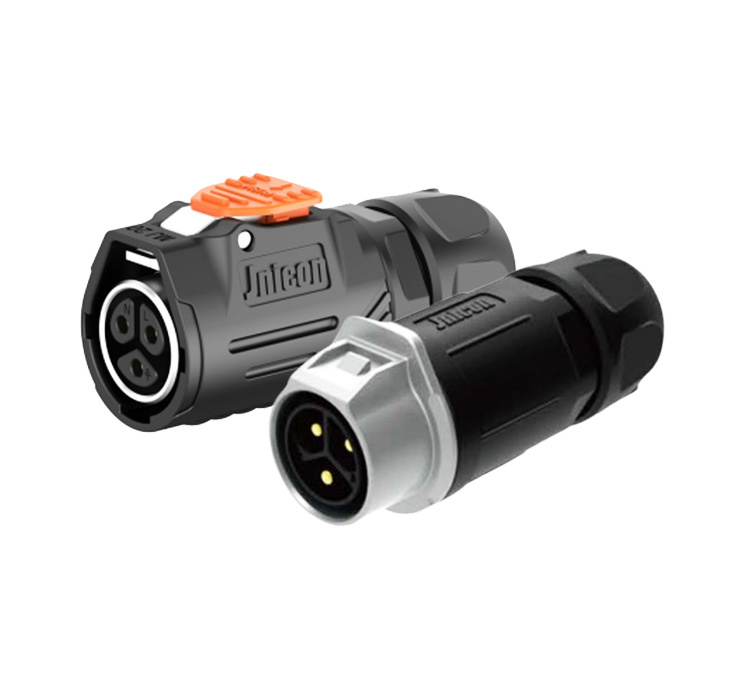
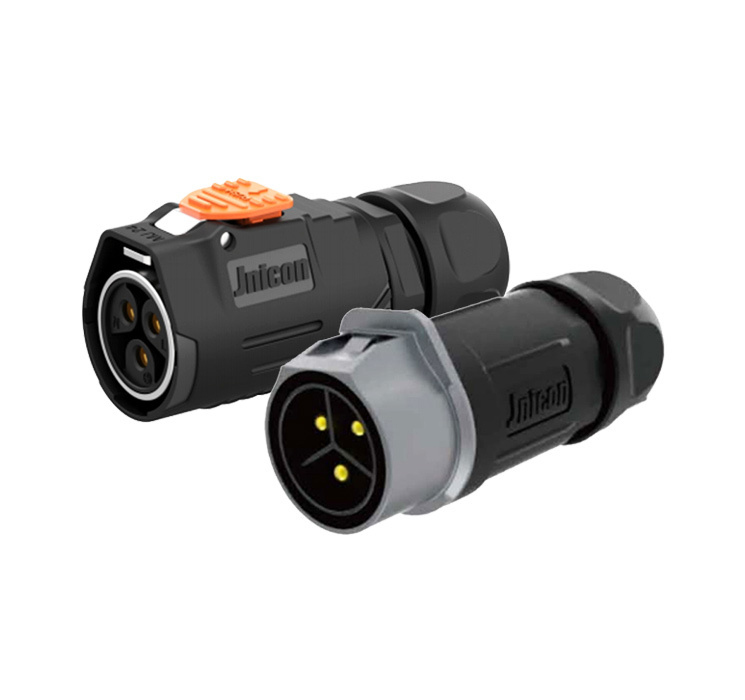
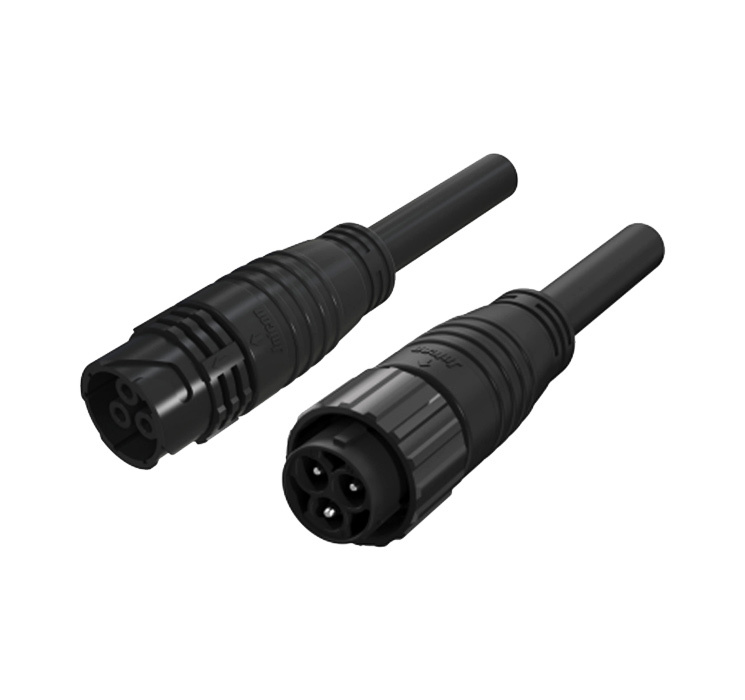
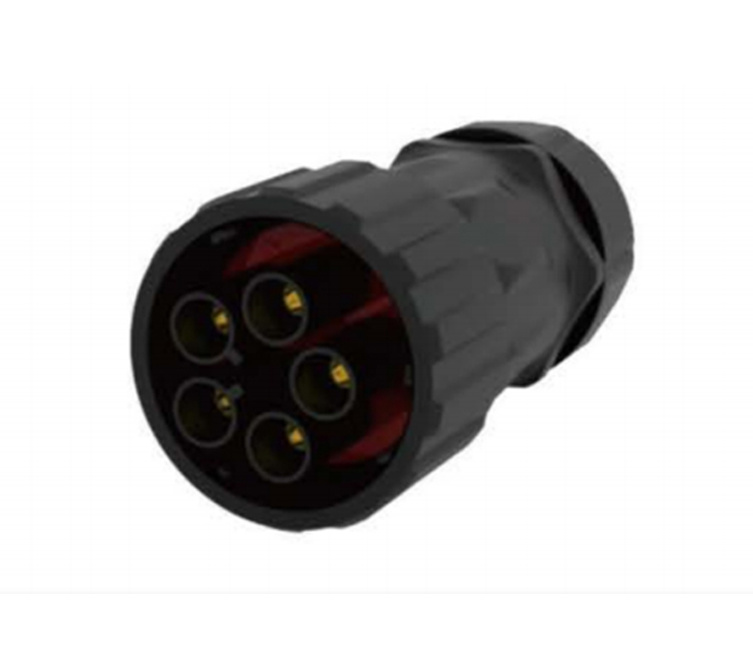
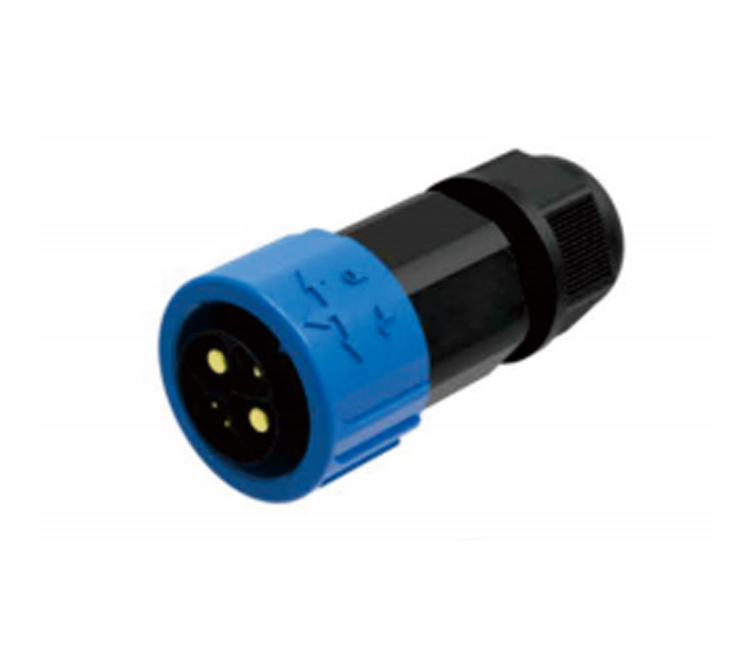
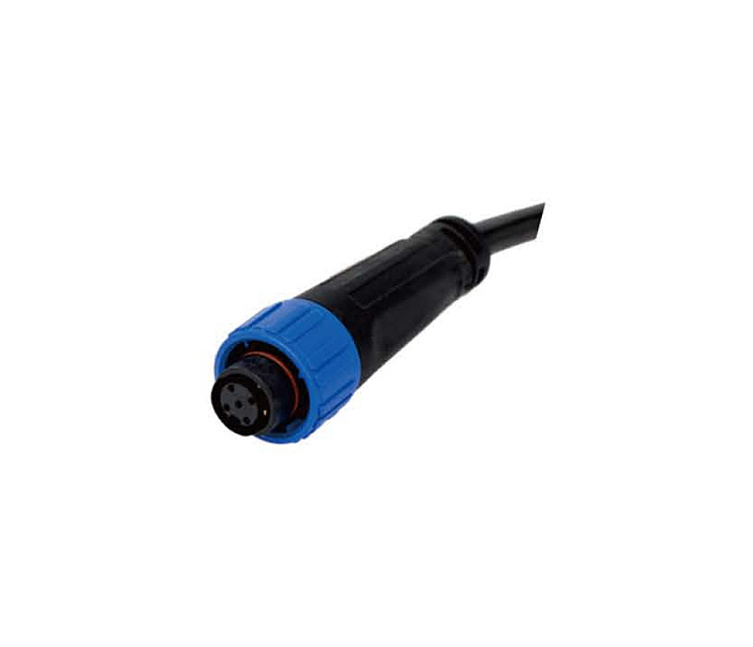
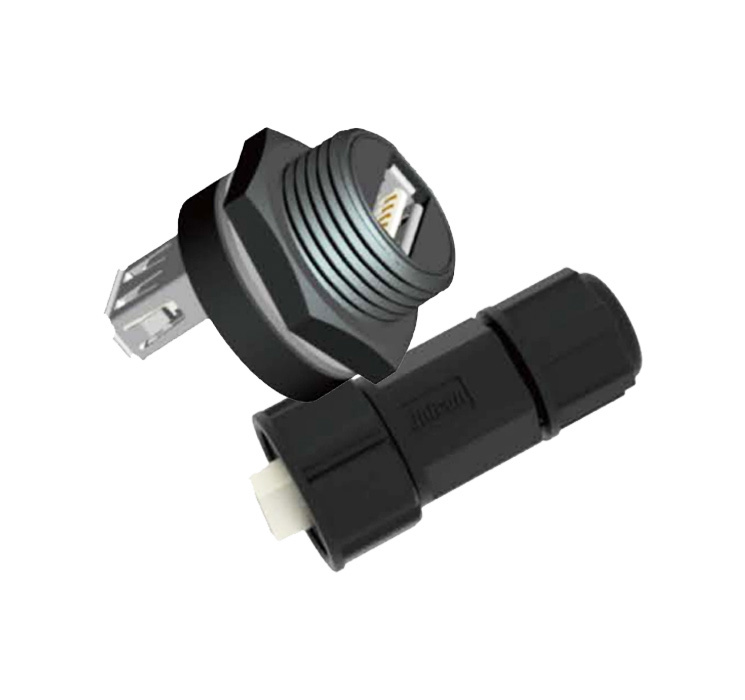
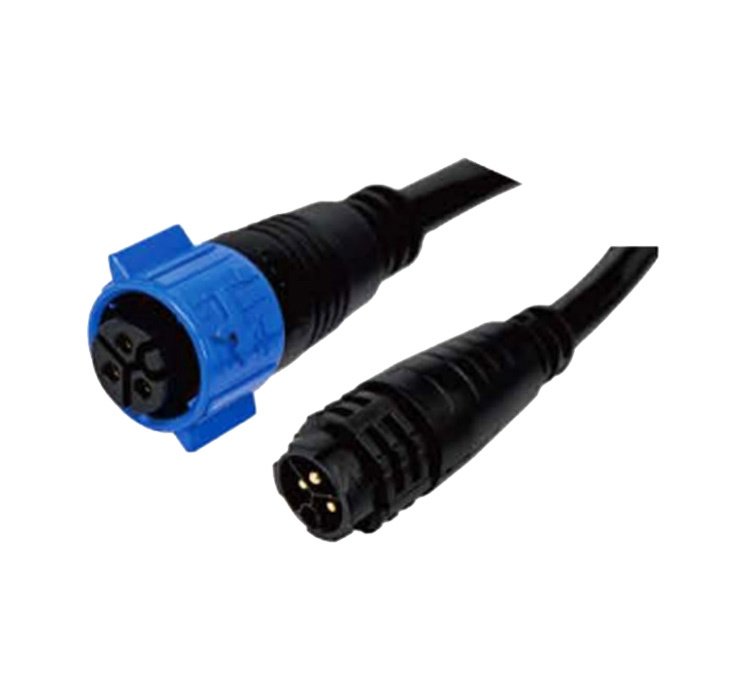
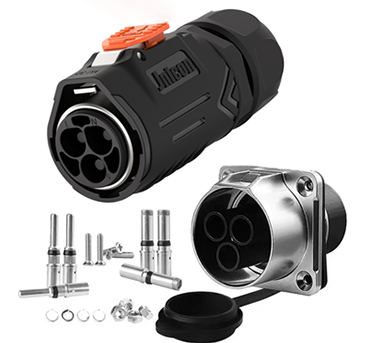
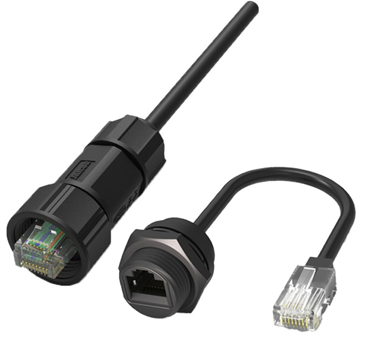
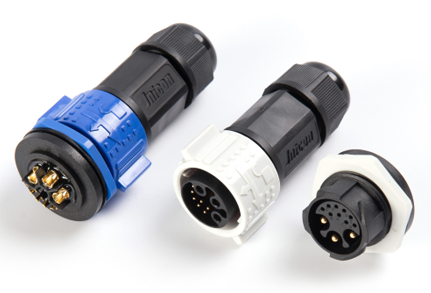
Waterproof marine electrical connectors are specifically designed to withstand harsh marine environments. They play a vital role in connecting electrical systems aboard ships, ensuring seamless communication and power distribution. These connectors must resist corrosion, moisture, and extreme temperatures to function optimally.
Key Features of Waterproof Marine Electrical Connectors
1. **Corrosion Resistance**: Marine environments are notoriously corrosive due to saltwater exposure. High-quality connectors are often made from materials like stainless steel or specially treated alloys to resist corrosion.
2. **Sealing Mechanisms**: Effective sealing mechanisms, such as O-rings and gaskets, are crucial in preventing water ingress. The degree of protection is often classified by Ingress Protection (IP) ratings, with higher ratings indicating better water resistance.
3. **Durability**: These connectors must endure vibrations, shocks, and extreme temperatures. Therefore, manufacturers often use robust materials designed for longevity.
4. **Ease of Use**: Quick-connect features and ergonomic designs facilitate easy installation and maintenance, crucial for minimizing downtime in maritime operations.
The Growing Demand for Advanced Connectors
The shipping industry is undergoing a transformative phase, largely driven by advancements in technology, sustainability initiatives, and changing regulatory frameworks. As vessels become more reliant on sophisticated electrical systems, the demand for advanced waterproof marine electrical connectors is on the rise.
The Impact of Technology on Connector Development
Innovations such as smart shipping technologies and the Internet of Things (IoT) are reshaping maritime operations. These technologies require more reliable and efficient electrical connections.
- **Smart Sensors**: The integration of smart sensors in marine applications necessitates connectors that can support increased data transmission speeds and enhance communication between devices.
- **Autonomous Vessels**: As the industry moves toward autonomous shipping, the need for reliable electrical systems powered by robust connectors becomes paramount. Ensuring that these systems function flawlessly is crucial for safe navigation and operation.
Sustainability and Environmental Considerations
With increasing pressure to reduce carbon footprints and enhance operational efficiency, the shipping industry is prioritizing sustainable practices. Waterproof marine electrical connectors play a vital role in supporting these efforts.
Energy Efficiency and Reduced Waste
High-quality connectors enhance energy efficiency by minimizing energy losses in electrical systems. As ships adopt hybrid and electric propulsion systems, the efficiency of electrical connections becomes critical.
- **Recyclable Materials**: Manufacturers are increasingly focusing on sustainable materials for connectors, ensuring that products are not only durable but also environmentally friendly.
- **Longer Lifespans**: Investing in high-quality connectors reduces the frequency of replacements, leading to less waste and lower environmental impact.
Challenges Facing the Marine Electrical Connector Market
Despite the promising future of waterproof marine electrical connectors, the industry faces several challenges that must be addressed.
Technological Integration and Standardization
As technology evolves, so do the requirements for connectors. The lack of standardization can complicate the integration of new technologies into existing systems.
- **Diverse Applications**: Different vessels have unique electrical requirements, leading to a wide variety of connector types and configurations. This diversity can create challenges in standardizing components across the industry.
- **Innovation vs. Compatibility**: While innovation drives advancements, new connector designs must remain compatible with existing systems to avoid unnecessary costs and complications during upgrades.
Cost Considerations
While investing in high-quality waterproof connectors is essential, cost remains a significant factor, particularly for smaller shipping companies.
- **Balancing Quality and Price**: Companies must carefully consider the long-term benefits of investing in durable connectors against the immediate budgetary constraints.
- **Market Competition**: The increasing number of manufacturers entering the market can lead to price competition, potentially impacting the quality of materials used in connector production.
Emerging Trends in Waterproof Marine Electrical Connectors
As the shipping industry evolves, several key trends will shape the development of waterproof marine electrical connectors.
Smart Technology Integration
The integration of smart technology is becoming a dominant trend in the shipping industry. Connectors equipped with smart features enable real-time monitoring and data transfer.
- **Condition Monitoring**: Future connectors may incorporate sensors that provide real-time feedback on the connector's performance, allowing for proactive maintenance and reducing downtime.
- **Data Transmission**: With the rise of digital navigation systems and onboard analytics, connectors must support high-speed data transmission capabilities.
Miniaturization and Customization
There is a growing trend towards miniaturization of electrical components, including connectors. Smaller connectors can save space and reduce weight on vessels.
- **Customized Solutions**: Manufacturers are beginning to offer custom solutions tailored to specific vessel requirements, ensuring optimal performance in various marine applications.
The Future of Waterproof Marine Electrical Connectors: Predictions and Insights
Looking ahead, the future of waterproof marine electrical connectors will be shaped by several factors, including technological advancements, regulatory changes, and market demands.
Increased Automation
As automation becomes more prevalent, the demand for reliable connectors will surge. These connectors must not only support existing systems but also accommodate future technological developments.
Enhanced Safety Standards
With safety being paramount in the shipping industry, regulatory bodies are likely to introduce stricter standards for marine electrical components, including connectors.
- **Testing and Certification**: Manufacturers will need to invest in testing and certification processes to ensure their products meet these heightened safety standards.
Conclusion
The future of waterproof marine electrical connectors in the shipping industry is poised for significant transformation. As the sector increasingly embraces technological innovation, sustainability, and safety, the demand for reliable and efficient electrical connections will continue to grow. By understanding the key trends, challenges, and advancements in this field, stakeholders can make informed decisions that drive operational excellence and contribute to a more sustainable maritime future.
Frequently Asked Questions (FAQs)
1. What are waterproof marine electrical connectors used for?
Waterproof marine electrical connectors are designed to ensure reliable electrical connections in harsh marine environments, protecting against moisture, corrosion, and extreme temperatures.
2. How do I choose the right waterproof connector for my vessel?
Consider factors such as the specific application, environmental conditions, and compatibility with existing systems. Look for connectors with high Ingress Protection (IP) ratings for better water resistance.
3. What materials are commonly used in the manufacturing of these connectors?
Common materials include stainless steel, marine-grade alloys, and specialized plastics designed to resist corrosion and withstand harsh conditions.
4. Are there any emerging technologies related to marine electrical connectors?
Yes, emerging technologies include smart connectors with built-in sensors for condition monitoring and enhanced data transmission capabilities.
5. How do sustainability initiatives impact the marine electrical connector industry?
Sustainability initiatives drive the demand for recyclable materials and energy-efficient components, encouraging manufacturers to focus on creating environmentally friendly connectors.
With advancements paving the way for improved waterproof marine electrical connectors, the shipping industry can look forward to a future where reliability, sustainability, and innovation go hand in hand.
News
2026-10-12
5 Pin Waterproof Connectors: Enhancing Home Automation Systems
5 Pin Waterproof Connectors: Enhancing Home Automation Systems Table of Contents Introduction to 5 Pin Waterproof Connectors Importance of Waterproof Connectors in Home Automation Key Benefits of 5 Pin Waterproof Connectors Features of 5 Pin Waterproof Connectors Material Quality Design and Build Applications of 5 Pin Waterproof C
2026-10-10
Waterproof Wire Connector Plugs for Reliable Connections
Waterproof wire connector plugs ensure secure, moisture-resistant electrical connections for outdoor lighting, automotive systems, and industrial equipment.
2026-10-10
Waterproof Electrical Wire Connectors for Reliable Connections
Waterproof electrical wire connectors protect wiring from moisture and dust, ensuring reliable connections in indoor and outdoor applications.

B8-9, Fubilun industrial park, Chaoyang rd,Yanchuan community, Songgang, Shenzhen, China


