


Maximizing Performance: The Essential Role of Waterproof Connectors in Maritime Operations
Release Time:
2026-04-19
Maximizing Performance: The Essential Role of Waterproof Connectors in Maritime Operations
Table of Contents
- Introduction to Waterproof Connectors in Maritime Operations
- Understanding Waterproof Connectors
- The Importance of Waterproof Connectors in Maritime Operations
- Types of Waterproof Connectors Used in Marine Applications
- Choosing the Right Waterproof Connector for Your Needs
- Installation and Maintenance of Waterproof Connectors
- Future Trends in Waterproof Connectors for Maritime Applications
- Frequently Asked Questions (FAQs)
- Conclusion
Introduction to Waterproof Connectors in Maritime Operations
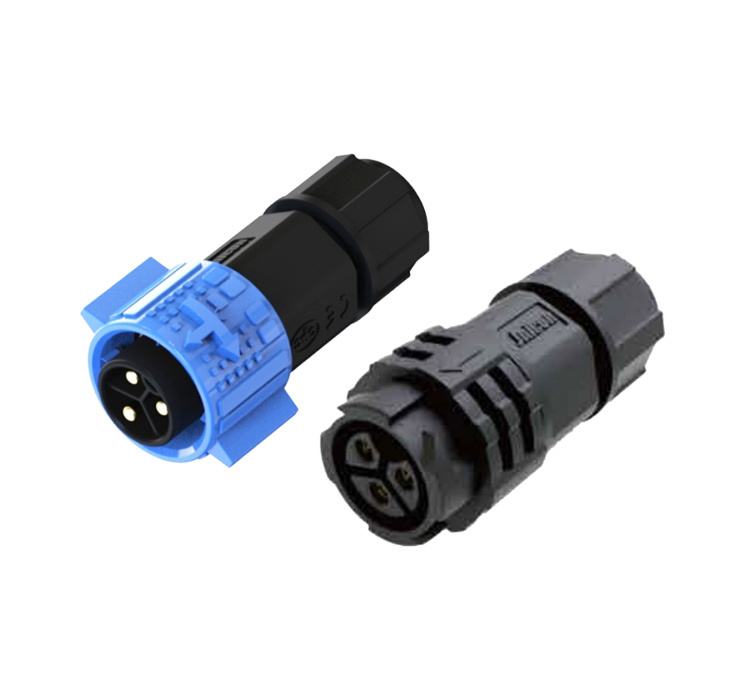
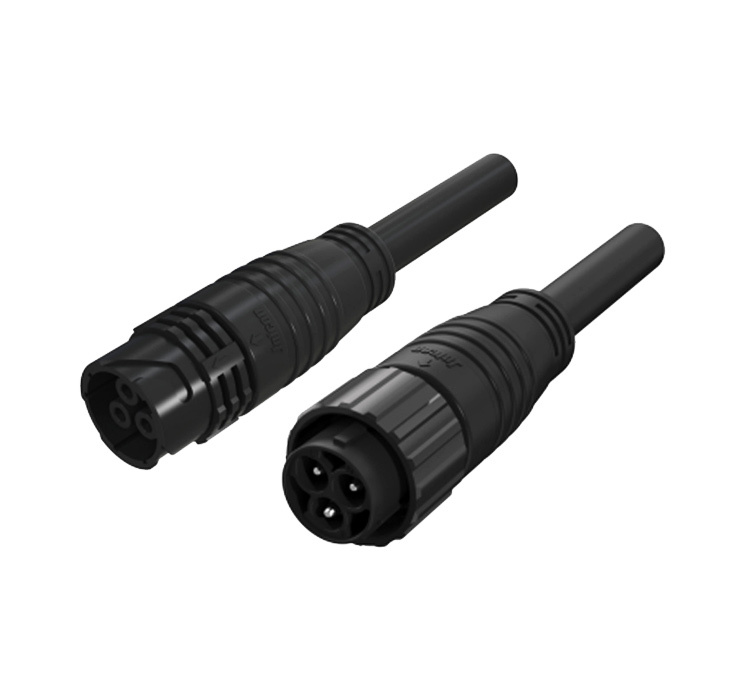
In the dynamic and often unforgiving world of maritime operations, ensuring the reliability and functionality of equipment is paramount. **Waterproof connectors** play an indispensable role in this context, allowing for seamless electrical connections that withstand harsh marine environments. Whether it’s on commercial vessels, yachts, or offshore platforms, the performance of these connectors directly impacts operational efficiency, safety, and longevity of equipment.
Understanding Waterproof Connectors
Waterproof connectors are specialized electrical connectors designed to prevent the ingress of water and other environmental contaminants. They are broadly categorized based on their **Ingress Protection (IP) ratings**, which indicate the level of protection offered against dust and water. The higher the IP rating, the more robust the connector against environmental challenges.
**Key Features of Waterproof Connectors**:
- **Seal Integrity**: Effective sealing mechanisms that prevent moisture intrusion.
- **Material Composition**: Corrosion-resistant materials, often utilizing plastics and metals, that withstand marine conditions.
- **Durability**: Capable of enduring mechanical stress, vibration, and extreme temperatures.
How Waterproof Connectors Work
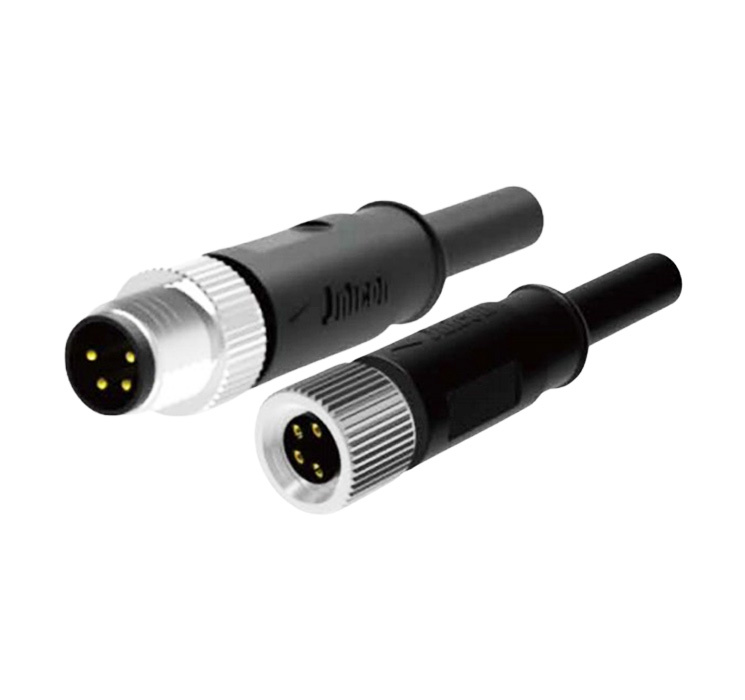
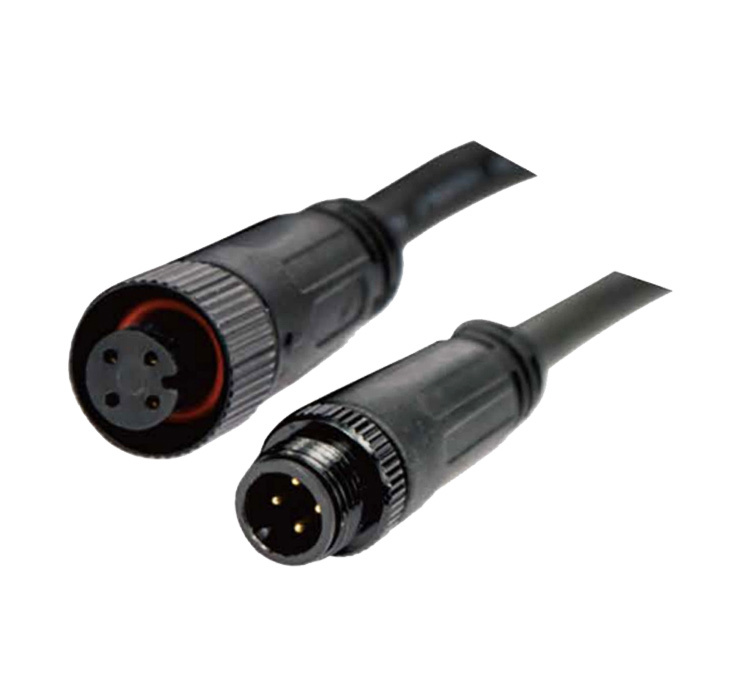
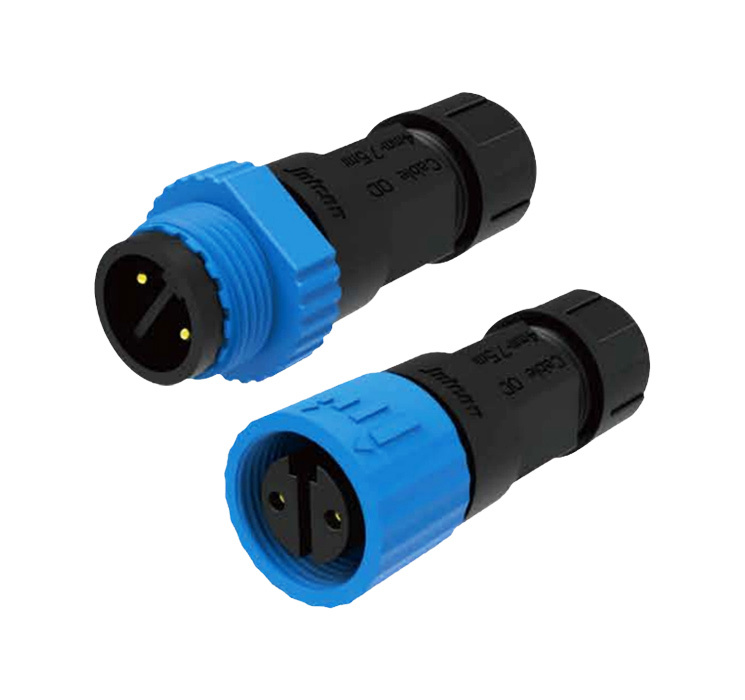
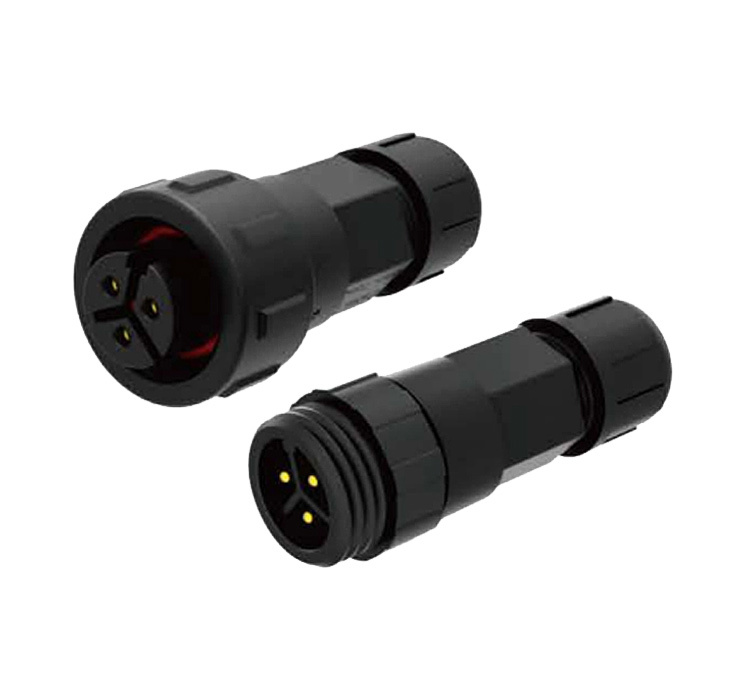
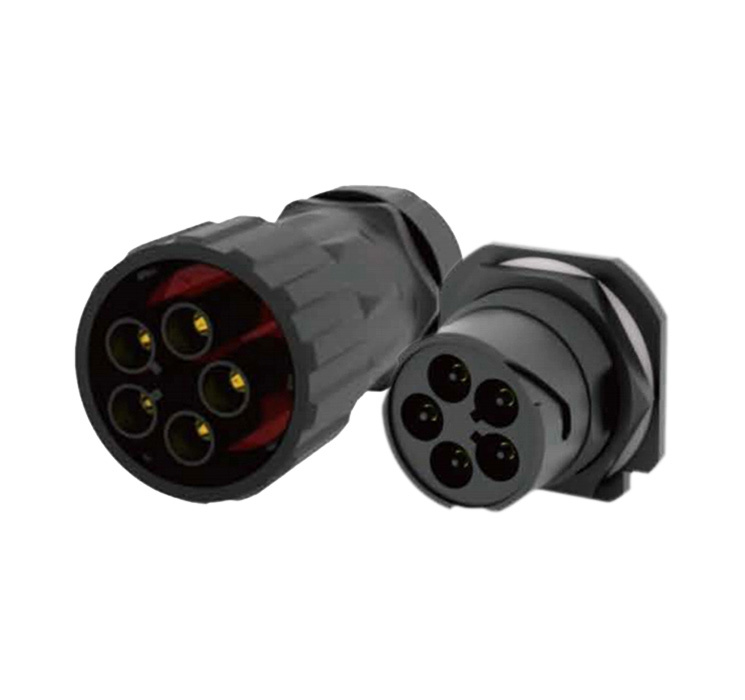
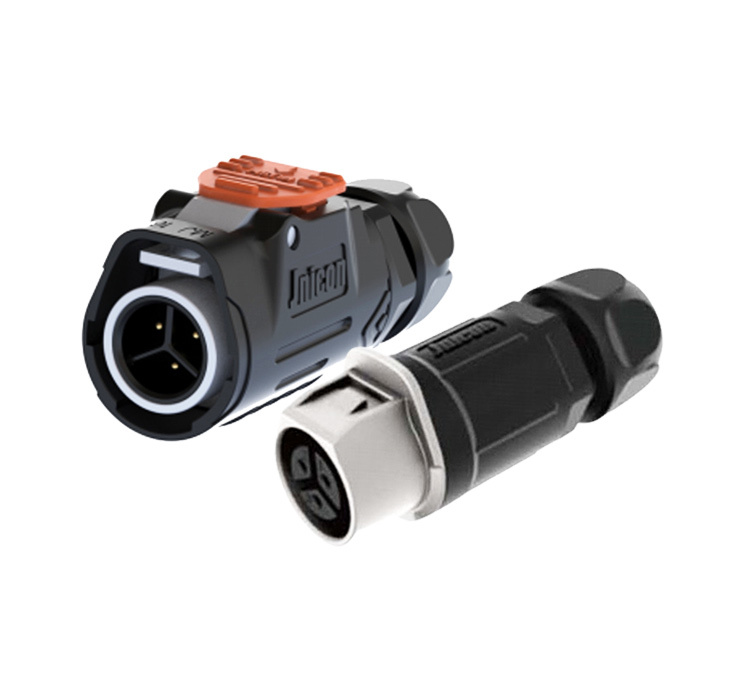
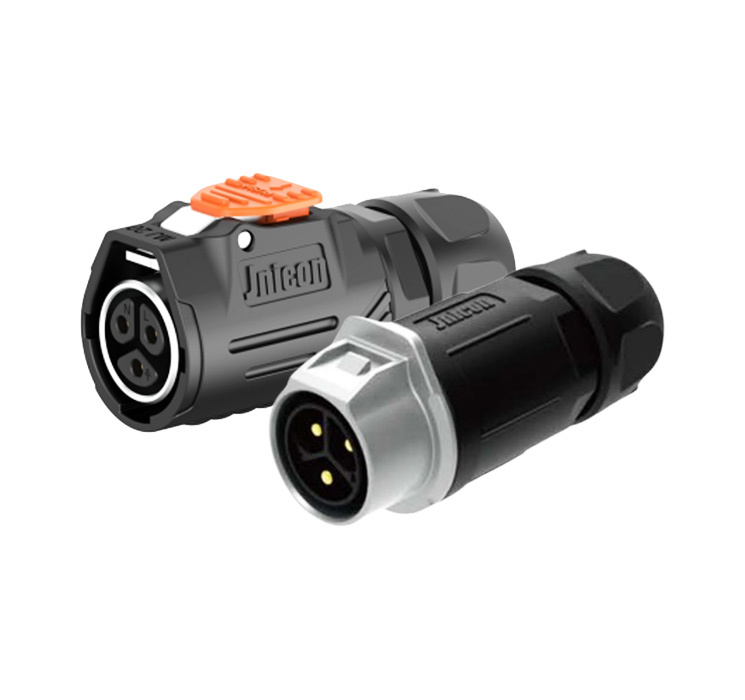
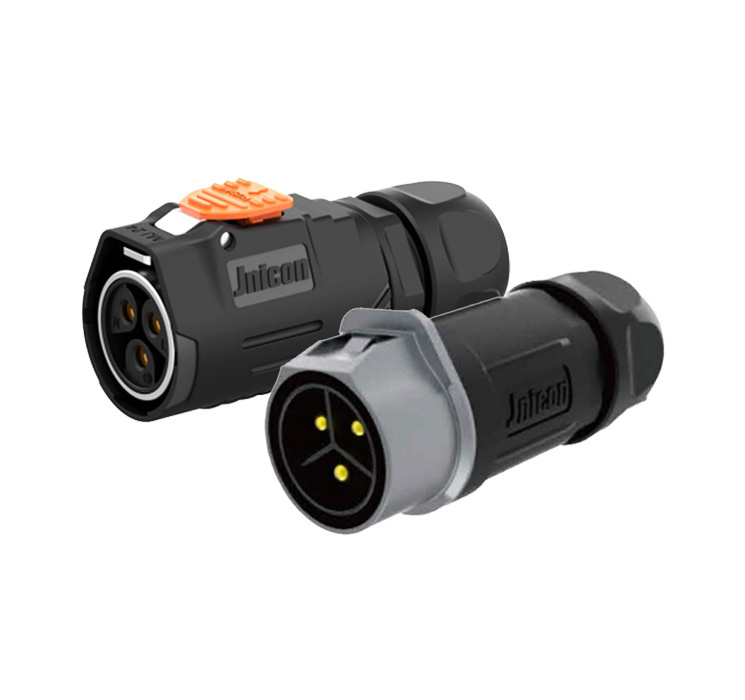
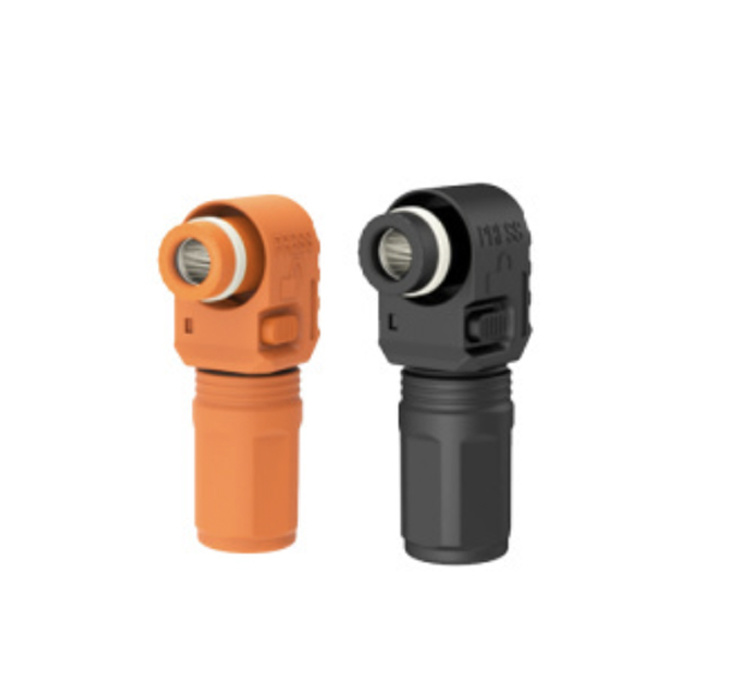
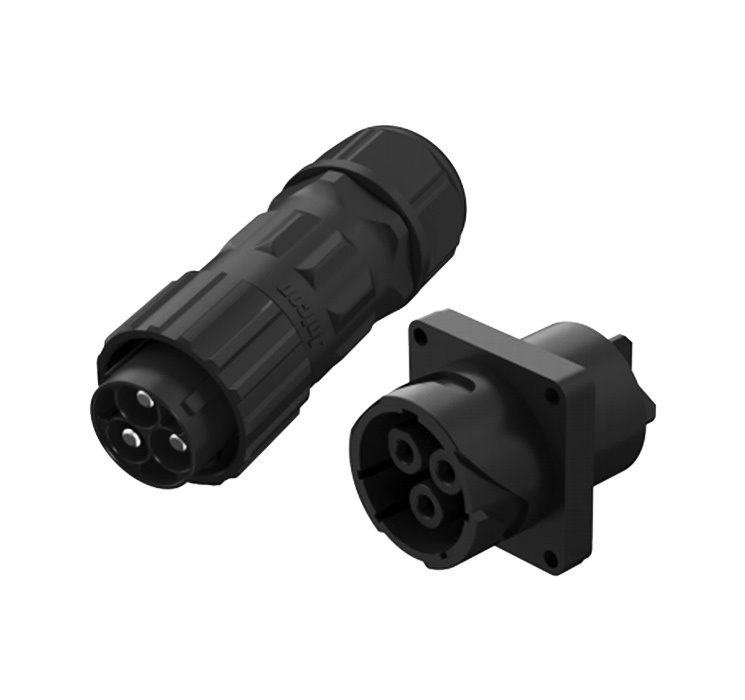
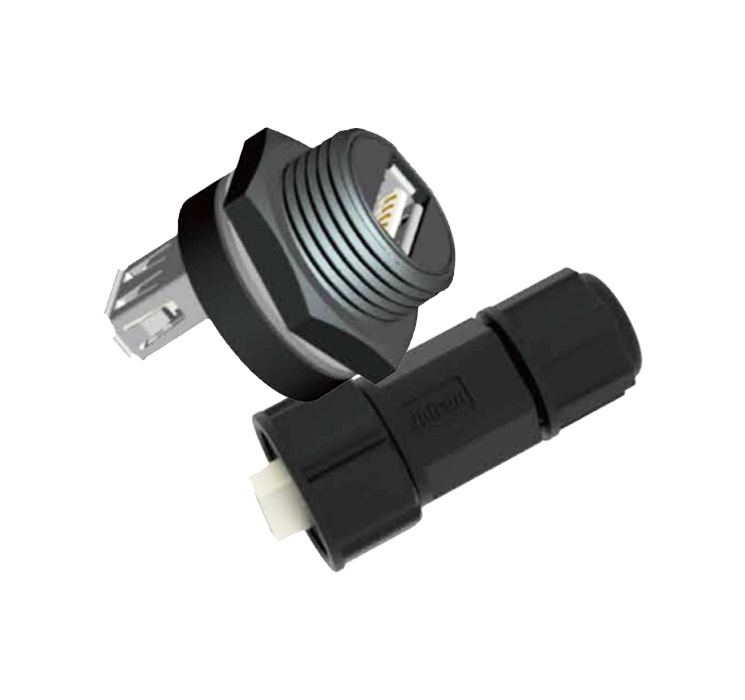
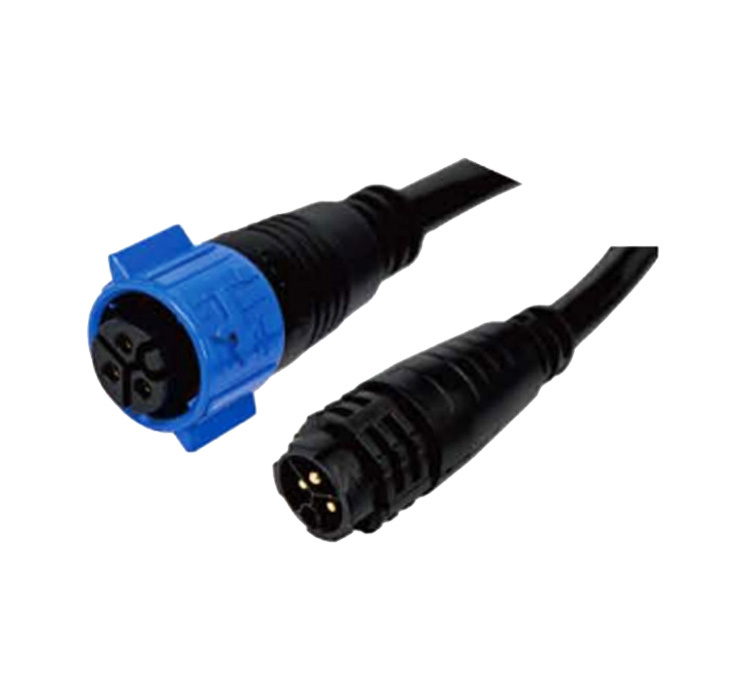
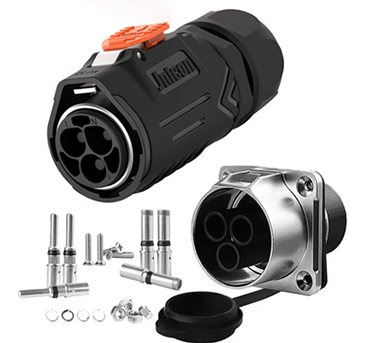
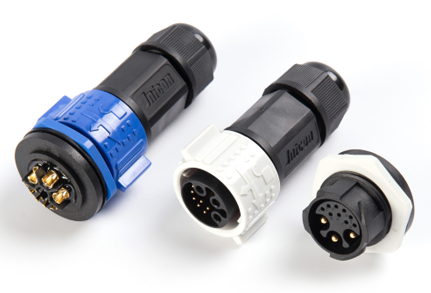
Waterproof connectors function by incorporating seals or gaskets that close off connection points from moisture. Commonly used designs include **circular connectors**, **rectangular connectors**, and **panel-mount connectors**, each suited for specific applications.
The Importance of Waterproof Connectors in Maritime Operations
In maritime operations, the stakes are high, and the consequences of equipment failure can be severe. Waterproof connectors are vital for several reasons:
1. Safety Enhancement
Electrical failures at sea can lead to catastrophic incidents. By utilizing waterproof connectors, operators can minimize the risk of short circuits and electrical fires, thereby enhancing the safety of crew and vessel.
2. Improved Reliability
Maritime environments are characterized by high humidity, saltwater exposure, and temperature fluctuations. Waterproof connectors ensure consistent performance in these conditions, reducing downtime and maintenance costs.
3. Compliance with Regulations
Many maritime operations are subject to stringent safety and environmental regulations. Using waterproof connectors can help ensure compliance, reducing legal liabilities and enhancing operational credibility.
Types of Waterproof Connectors Used in Marine Applications
Several types of waterproof connectors are prevalent in maritime applications. Understanding these types can help in selecting the most suitable connector for specific needs.
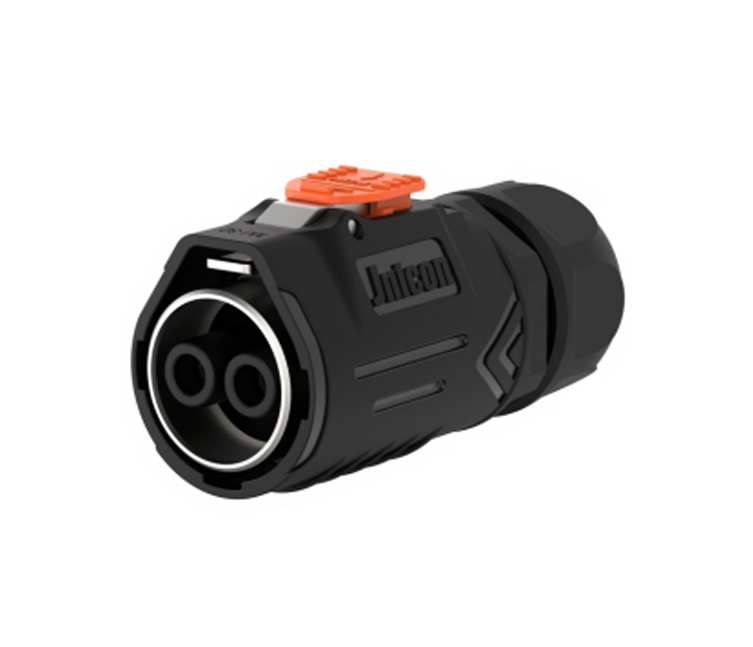
1. Circular Connectors
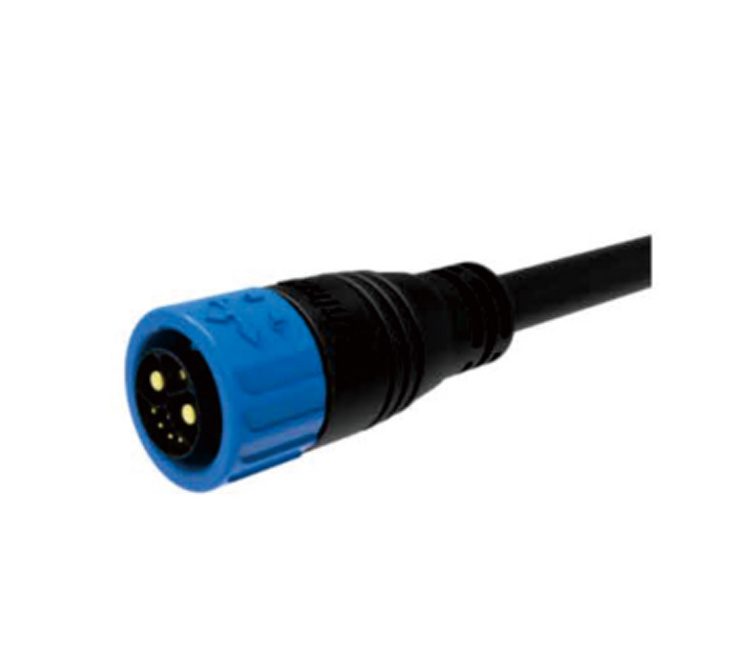
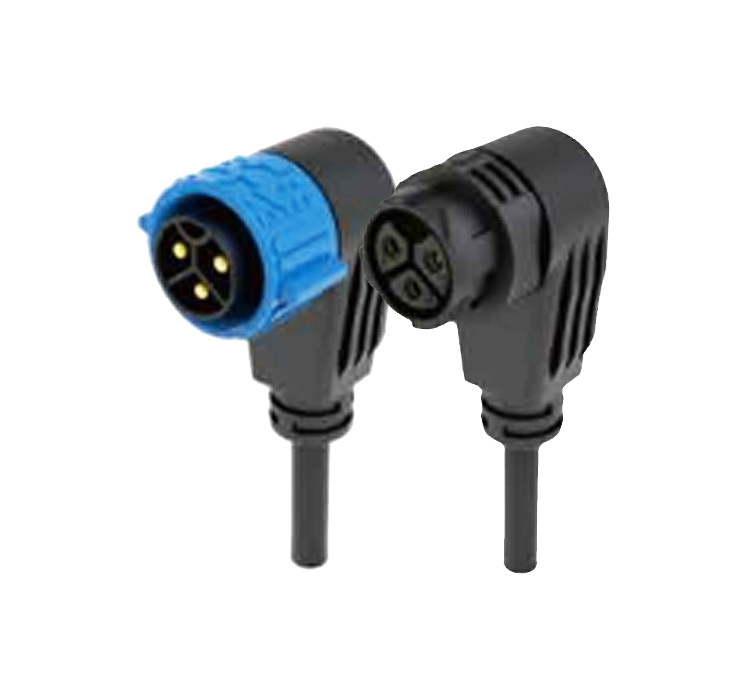
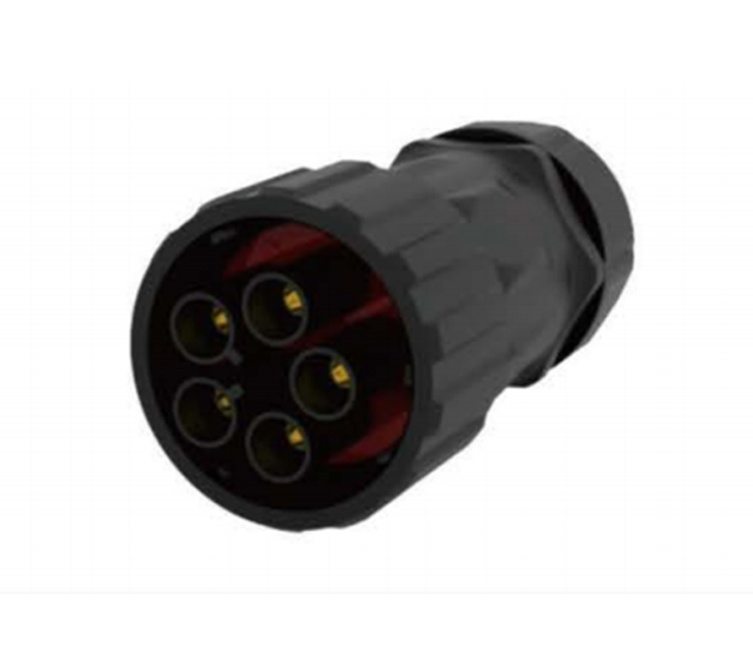
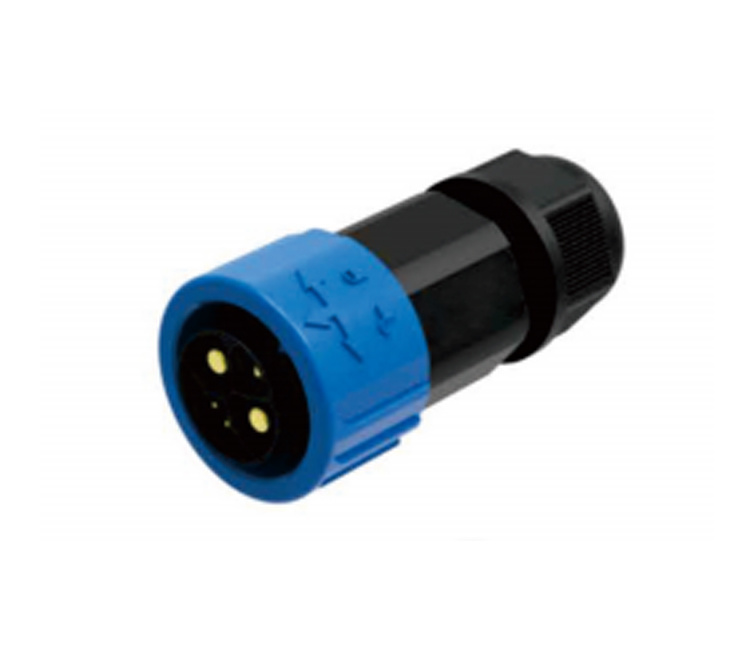
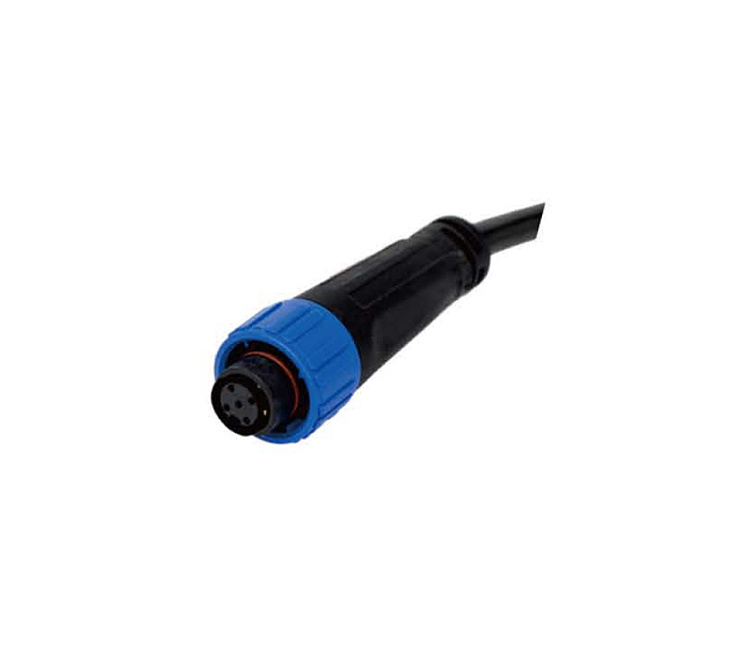
Circular connectors are widely used in marine applications due to their versatility and robustness. They often feature locking mechanisms that secure the connection, preventing accidental disconnection.
2. Rectangular Connectors
Rectangular connectors are typically used in more complex applications where multiple connections are required. They offer a larger contact area, making them ideal for high-current applications.
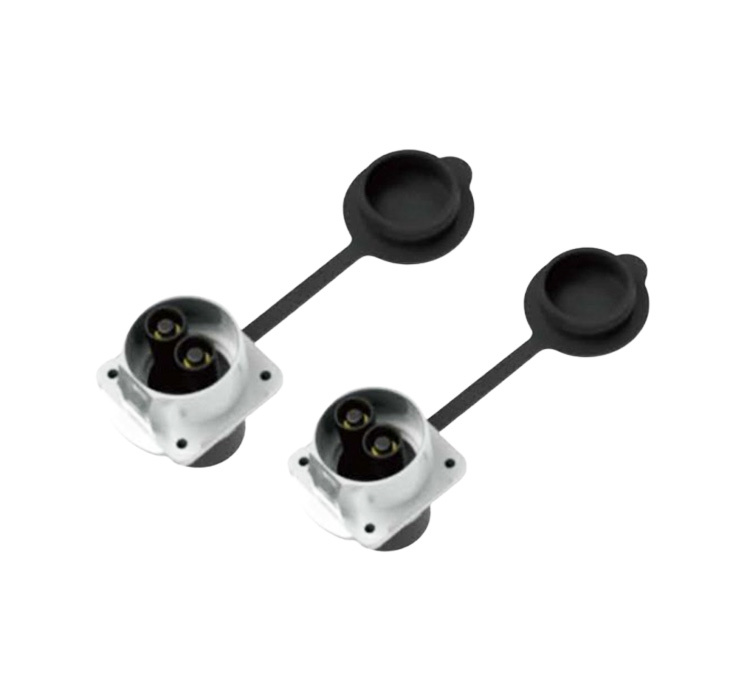
3. Panel-Mount Connectors
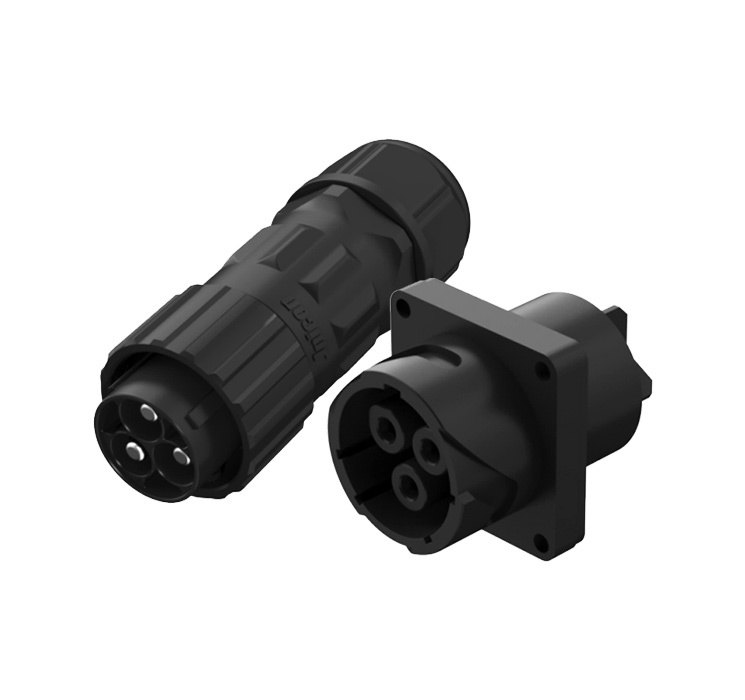
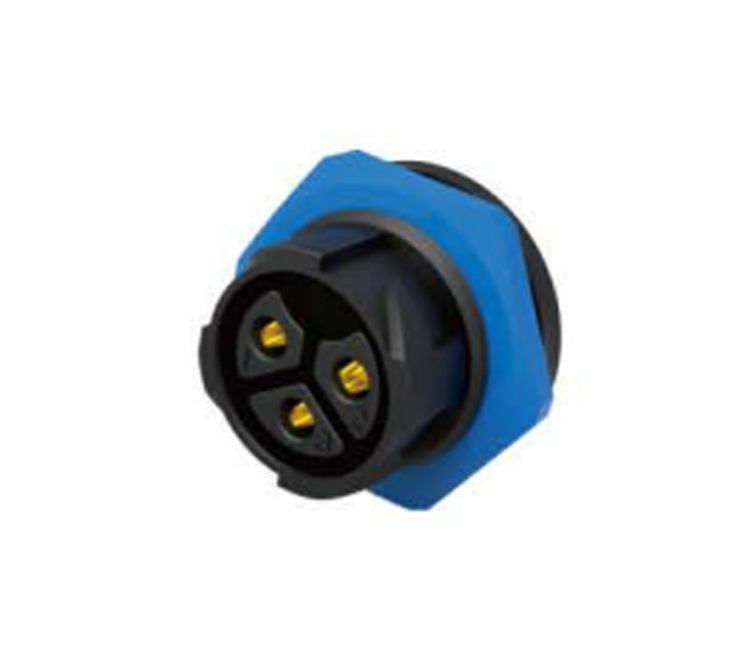
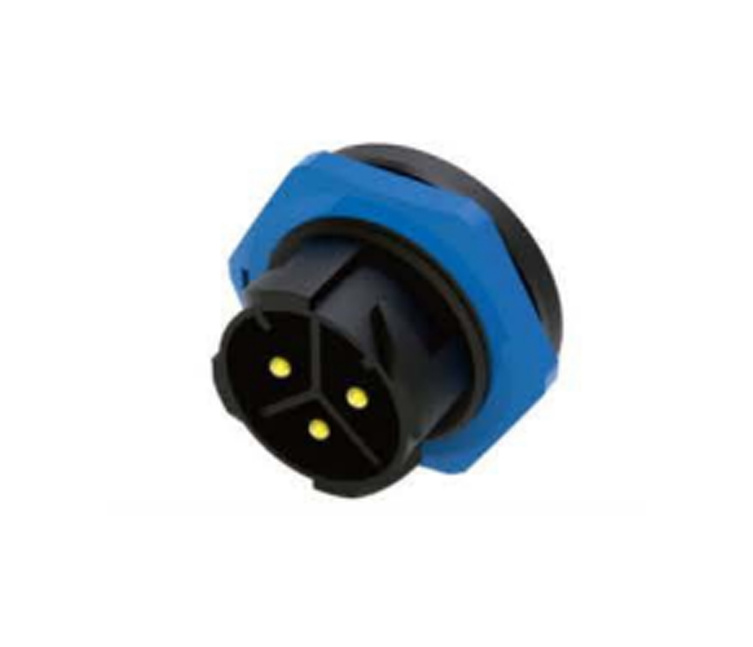
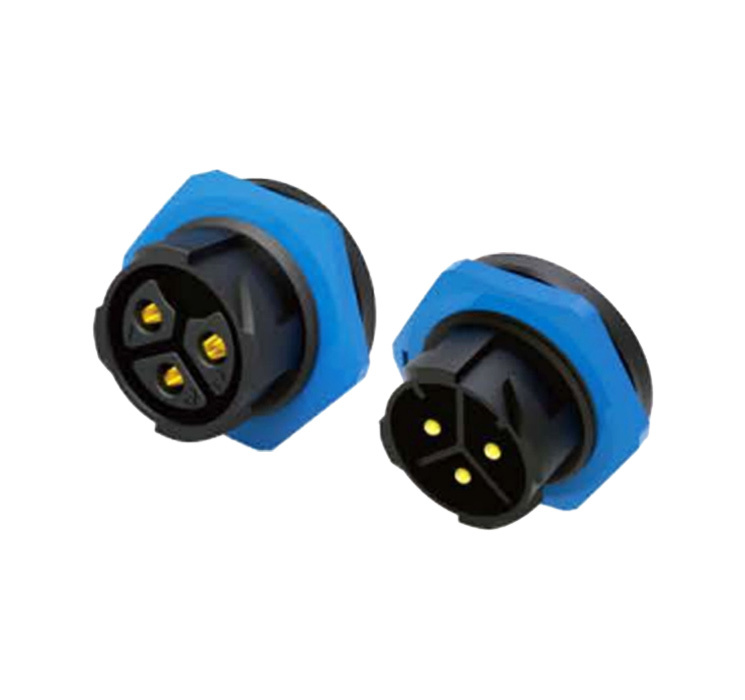
These connectors are designed for mounting on equipment panels, providing a secure interface for connecting external devices. Their waterproof design protects the internal components from moisture and contaminants.
4. Specialty Connectors
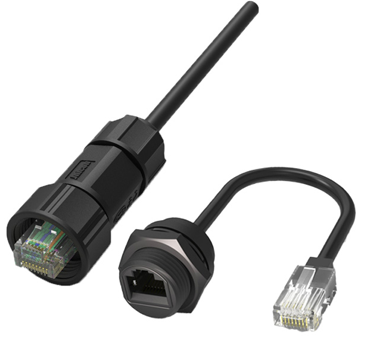
Certain applications may require specialty connectors, such as **fiber optic connectors** for high-speed data transmission or connectors designed specifically for underwater use.
Choosing the Right Waterproof Connector for Your Needs
Selecting the appropriate waterproof connector is crucial for ensuring optimal performance. Here are several factors to consider:
1. Application Requirements
Identify the specific requirements of your application, such as current capacity, voltage, and environmental exposure. This will help narrow down suitable options.
2. IP Rating
Choose connectors with an appropriate IP rating based on the environmental conditions they will face. For maritime applications, an IP67 or higher rating is often recommended.
3. Connector Material
Evaluate the materials used in the connectors. Ensure they are resistant to corrosion and suitable for marine environments to enhance longevity.
4. Installation Ease
Consider the ease of installation and maintenance. Connectors that are straightforward to install will save time and reduce labor costs.
Installation and Maintenance of Waterproof Connectors
Proper installation and maintenance of waterproof connectors are essential for ensuring long-term performance and reliability.
1. Installation Guidelines
- **Clean the Connectors**: Ensure all connection surfaces are free from dirt and moisture before installation.
- **Follow Manufacturer Instructions**: Adhering to the manufacturer's specifications will help avoid potential issues.
- **Secure Connections**: Use appropriate tools to ensure that connections are tight and secure.
2. Maintenance Tips
- **Regular Inspection**: Periodically inspect connectors for signs of wear, corrosion, or damage.
- **Clean with Care**: Use suitable cleaning agents to remove contaminants without damaging the connectors.
- **Replace as Necessary**: If connectors show significant wear or failure signs, replace them promptly to maintain system integrity.
Future Trends in Waterproof Connectors for Maritime Applications
The maritime industry is continually evolving, and so are waterproof connectors. Here are some emerging trends to watch:
1. Increased Use of Smart Technology
As vessels become more technologically advanced, the demand for smart waterproof connectors that can communicate data (like power consumption or operational status) is growing.
2. Enhanced Materials and Designs
Innovative materials, such as advanced composites and coatings, are being developed to improve the performance and longevity of connectors in harsh marine environments.
3. Sustainability Focus
With an increasing emphasis on sustainability, connectors are being designed to reduce environmental impact, using recyclable materials and minimizing waste during production.
Frequently Asked Questions (FAQs)
1. What is the difference between waterproof and water-resistant connectors?
Waterproof connectors offer complete protection against water ingress, while water-resistant connectors can withstand some exposure to moisture but are not completely sealed.
2. Can waterproof connectors be used in harsh chemical environments?
Yes, but one must ensure they are constructed from materials resistant to the specific chemicals involved.
3. What IP rating is suitable for marine applications?
An IP67 rating or higher is recommended for marine applications, offering protection against dust and immersion in water.
4. How often should waterproof connectors be inspected?
Regular inspections should be conducted at least once a year or more frequently in harsh conditions to ensure they remain functional.
5. Are there any specific installation tools required for waterproof connectors?
Typically, standard electrical installation tools suffice, but specialized tools may be recommended by the manufacturer for certain connector types to ensure proper sealing.
Conclusion
In conclusion, waterproof connectors are vital components in maritime operations, ensuring safety, reliability, and efficiency. By understanding their functionality, types, and proper maintenance, operators can maximize the performance of their vessels and minimize the risks associated with electrical failures. As technology advances, the future of waterproof connectors looks promising, with innovations that will continue to enhance their utility in the marine environment. Embracing these connectors not only safeguards operations but also paves the way for more efficient and sustainable maritime practices.
News
2026-10-15
Understanding Waterproof Wire Harness: Key Features and Benefits for Automotive Applications
In the automotive industry, the functionality and longevity of electrical components are crucial for vehicle performance. One of the key components that contribute to this is the waterproof wire harness. These harnesses are specifically designed to withstand harsh environmental conditions, ensuring that the electrical systems in vehicles remain operational regardless of the weather. A waterproof w
2026-10-12
5 Pin Waterproof Connectors: Enhancing Home Automation Systems
5 Pin Waterproof Connectors: Enhancing Home Automation Systems Table of Contents Introduction to 5 Pin Waterproof Connectors Importance of Waterproof Connectors in Home Automation Key Benefits of 5 Pin Waterproof Connectors Features of 5 Pin Waterproof Connectors Material Quality Design and Build Applications of 5 Pin Waterproof C
2026-10-10
Waterproof Wire Connector Plugs for Reliable Connections
Waterproof wire connector plugs ensure secure, moisture-resistant electrical connections for outdoor lighting, automotive systems, and industrial equipment.

B8-9, Fubilun industrial park, Chaoyang rd,Yanchuan community, Songgang, Shenzhen, China


