


Essential Insights on Waterproof Cables for Electrical Connectivity
Release Time:
2026-04-24
**Construction of Waterproof Cables**
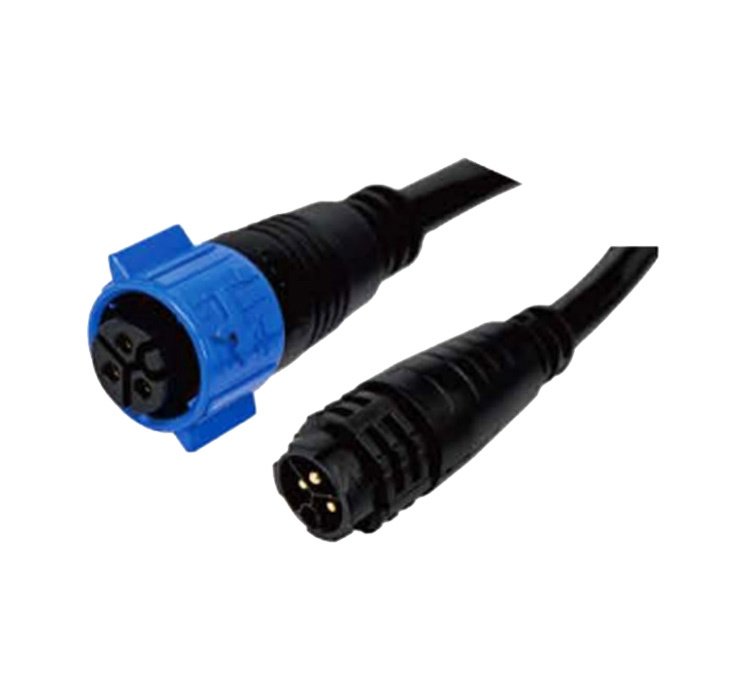
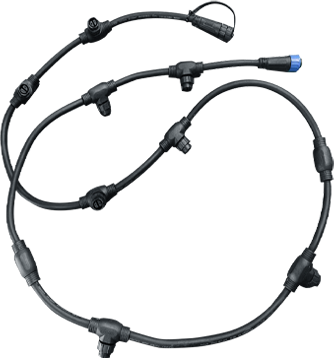
Waterproof cables typically feature specialized insulation and sheathing materials that prevent water ingress. These materials often include thermoplastic elastomers or polyvinyl chloride (PVC), which not only provide resistance to moisture but also protect against abrasion, chemicals, and UV radiation. The cable's core may consist of multiple conductive strands, typically made from copper or aluminum, designed to deliver excellent electrical conductivity while maintaining flexibility and durability.
**Benefits of Using Waterproof Cables**
1. **Enhanced Reliability**: Waterproof cables ensure that electrical connections remain intact even in adverse weather conditions. This reliability is crucial for outdoor lighting, signage, and machinery that operates in wet locations.
2. **Safety**: By preventing water from compromising electrical connections, waterproof cables reduce the risk of short circuits and electrical failures, which can lead to costly downtime or hazardous situations.
3. **Longevity**: The durable materials used in waterproof cables contribute to a longer lifespan compared to standard cables. This longevity translates into reduced maintenance costs and fewer replacements over time.
**Best Practices for Installation**
To maximize the benefits of waterproof cables, it is essential to follow best practices during installation:
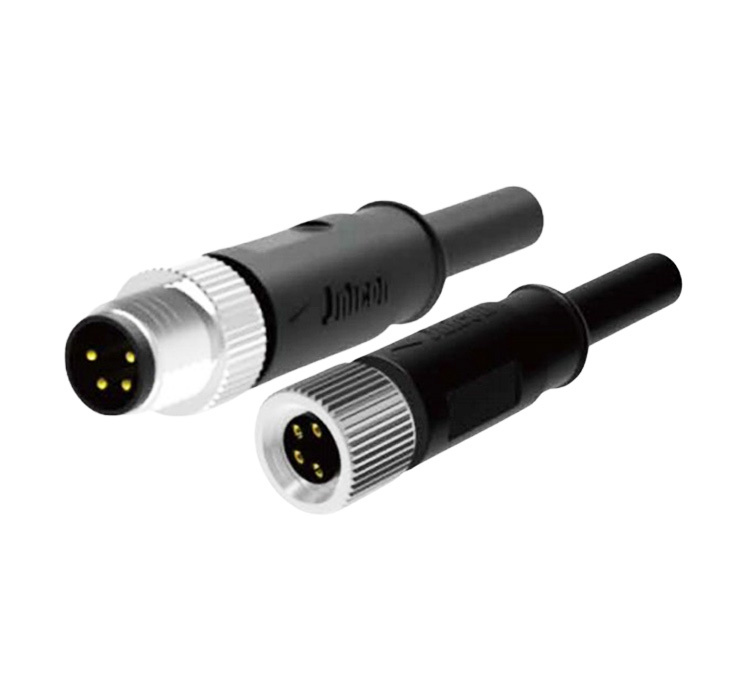
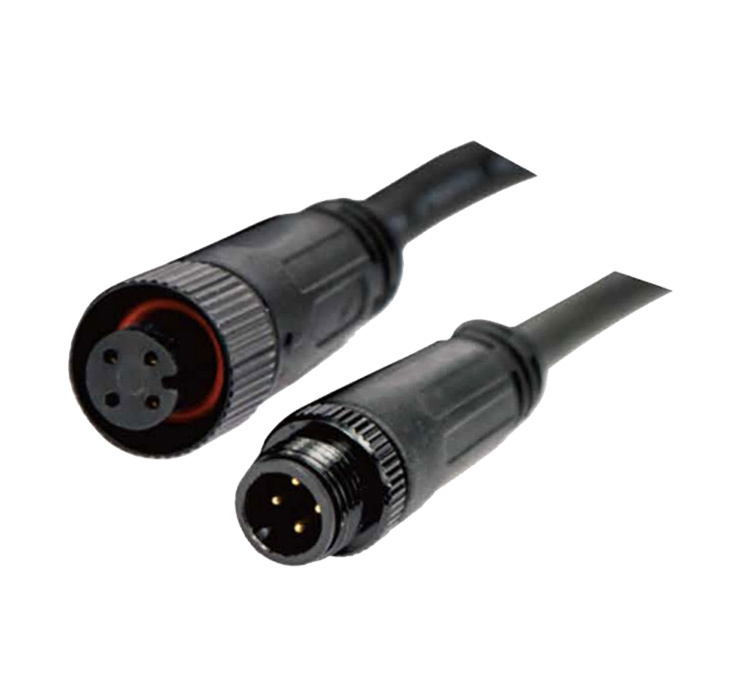
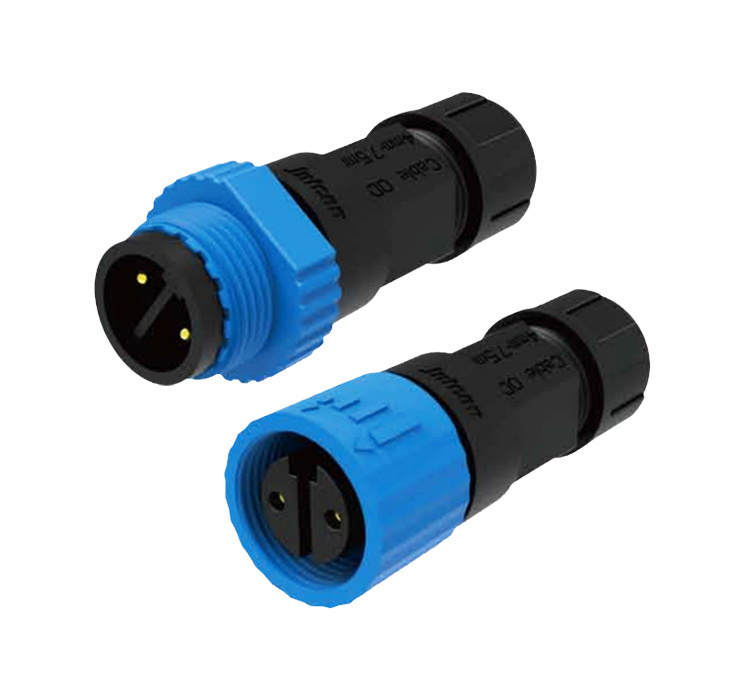
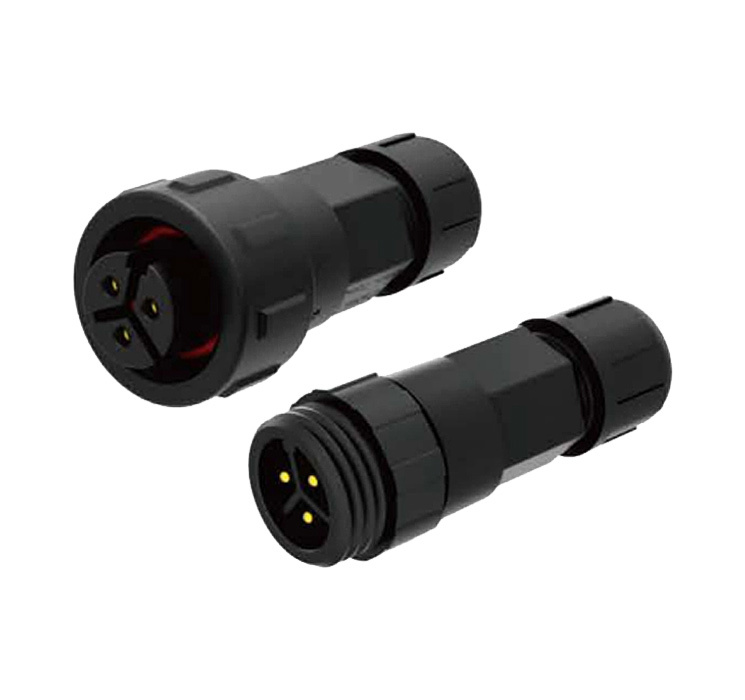
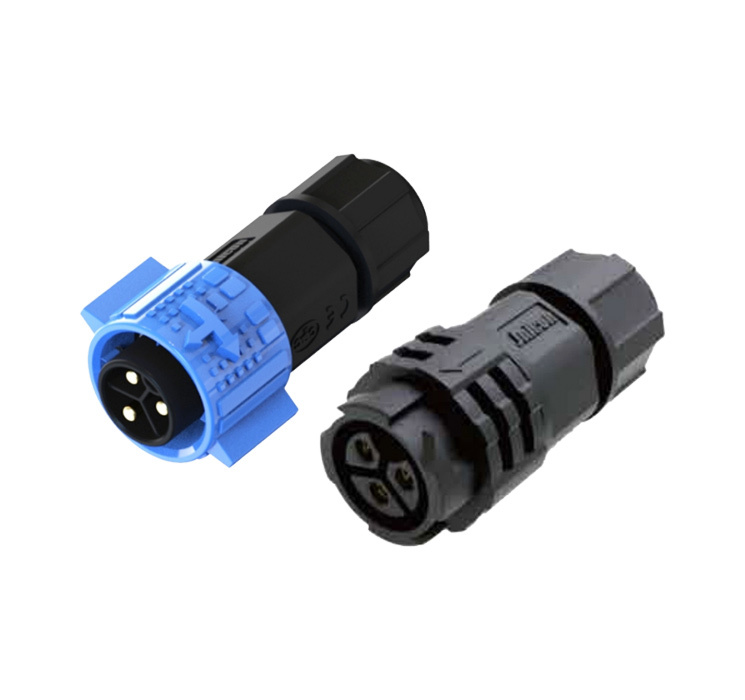
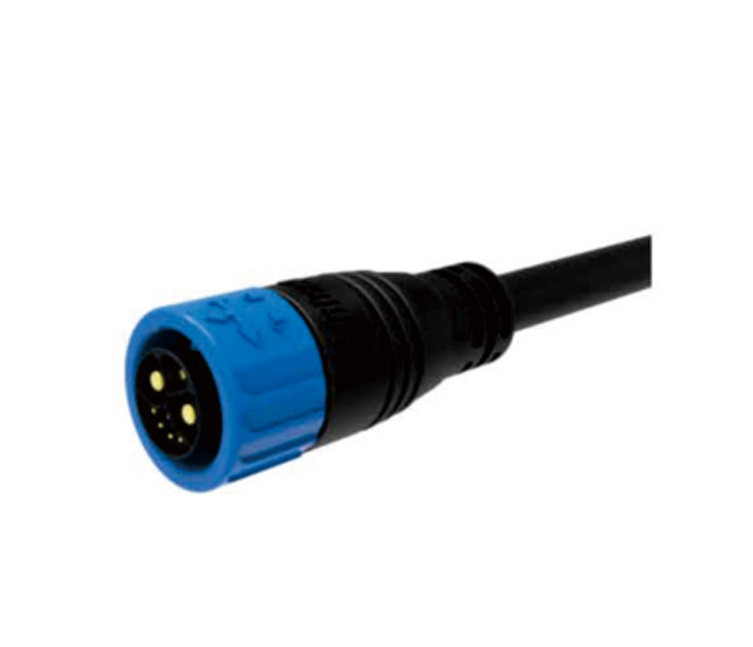
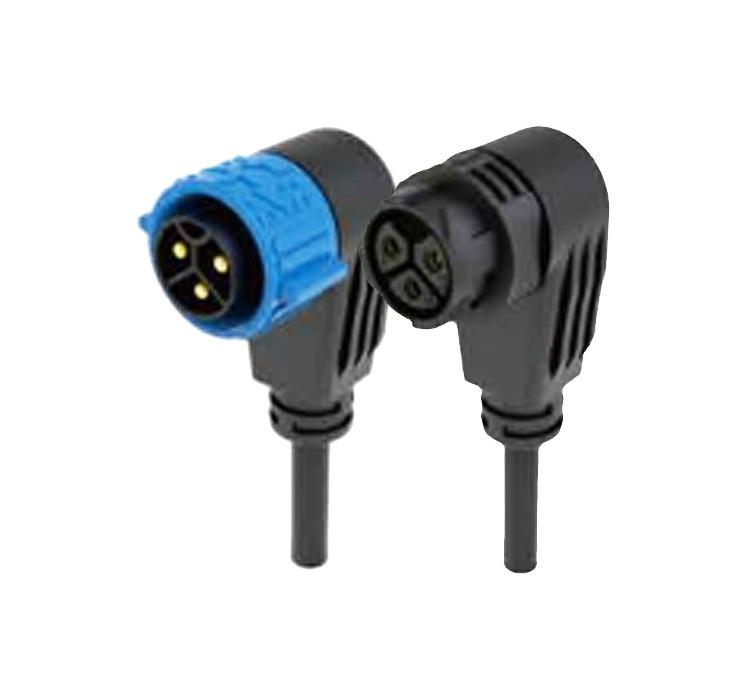
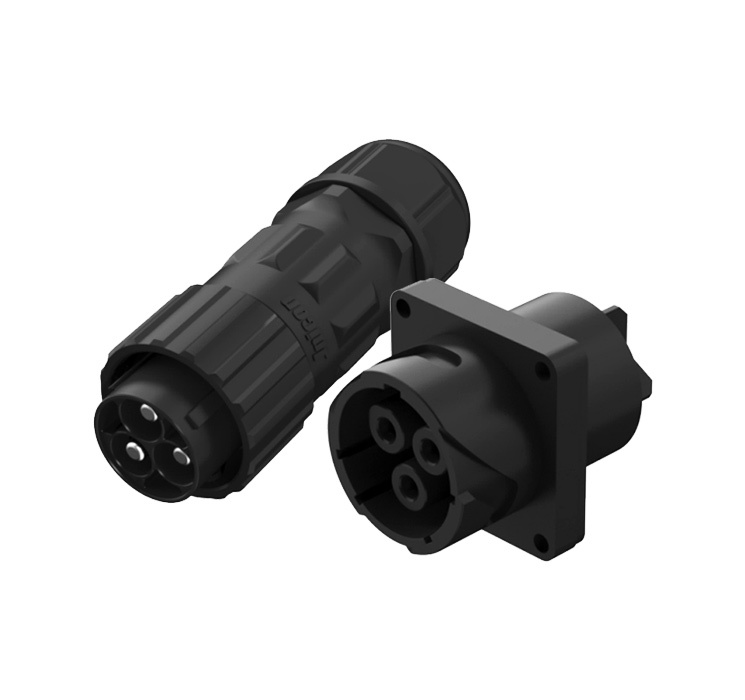
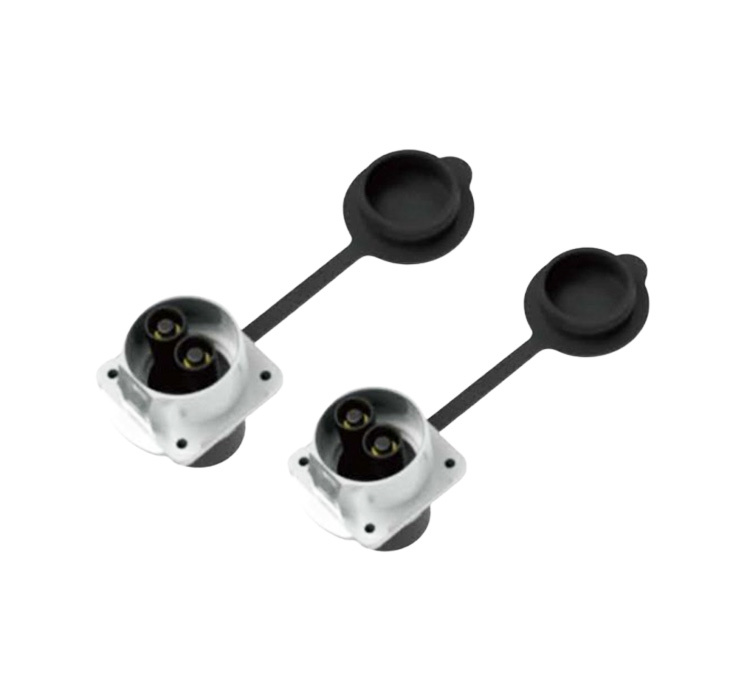
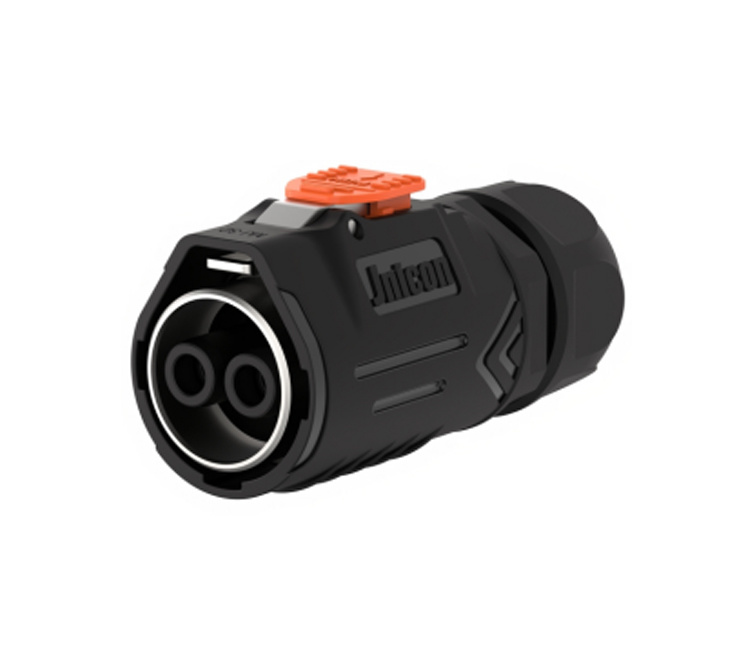
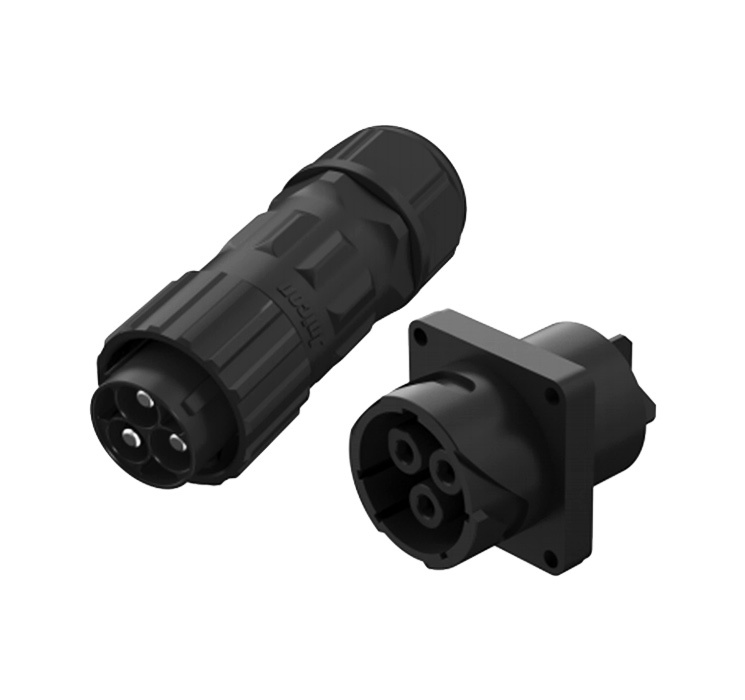
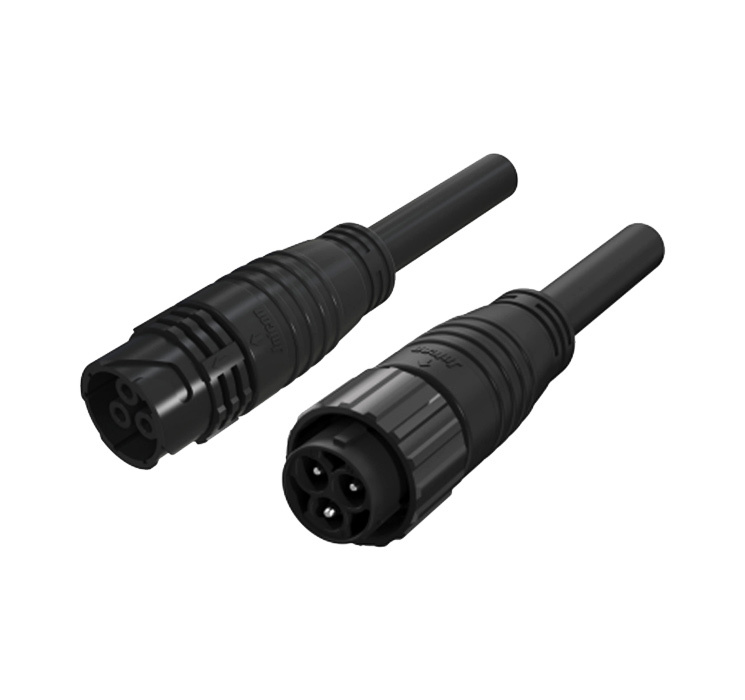
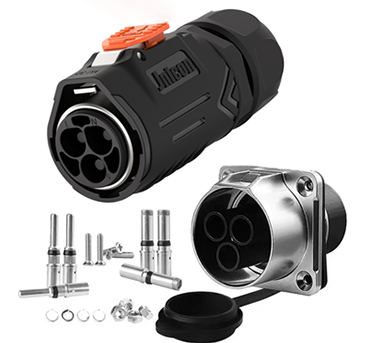
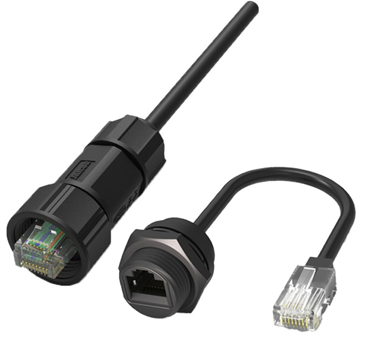
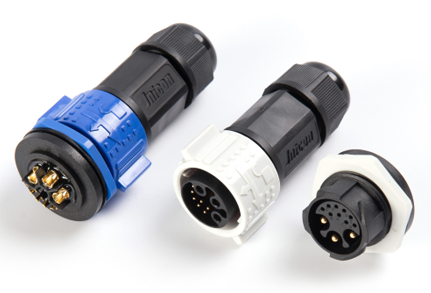
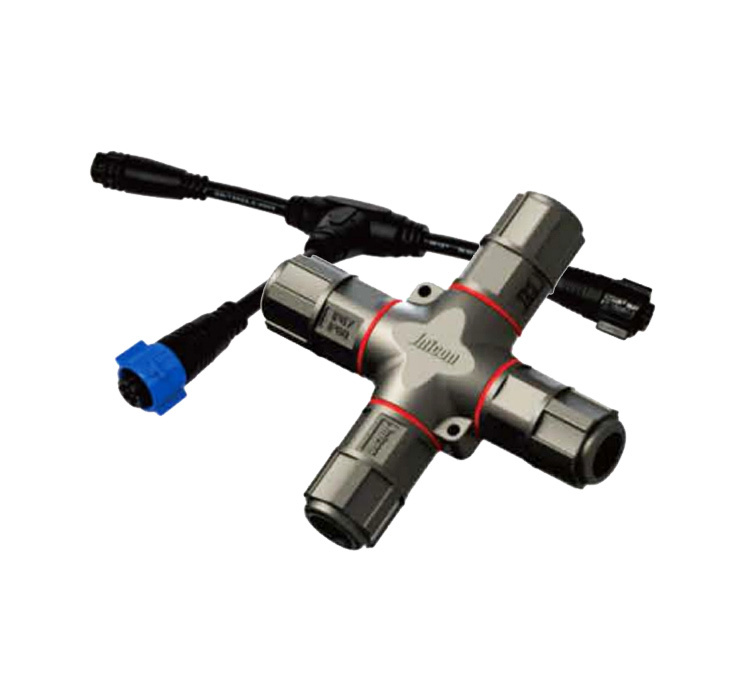
- **Ensure Proper Sealing**: When terminating waterproof cables, use connectors and enclosures designed for wet conditions. Proper sealing prevents water from entering joints or entry points.
- **Plan Cable Routing**: Avoid running cables in areas prone to pooling water. Where possible, elevate cables or use drainage solutions to direct water away from electrical systems.
- **Regular Inspection**: Conduct routine checks on waterproof cables to identify any signs of wear or damage. Early detection of issues can prevent more significant problems down the line.
**Conclusion**
Understanding waterproof cables is crucial for electrical professionals aiming to ensure safe and reliable installations. By recognizing their construction, advantages, and best installation practices, you can enhance the performance and durability of electrical systems in challenging environments. Investing time in selecting the right waterproof cabling solutions will pay off in the long run, safeguarding both your projects and your reputation in the industry.
News
2026-10-12
5 Pin Waterproof Connectors: Enhancing Home Automation Systems
5 Pin Waterproof Connectors: Enhancing Home Automation Systems Table of Contents Introduction to 5 Pin Waterproof Connectors Importance of Waterproof Connectors in Home Automation Key Benefits of 5 Pin Waterproof Connectors Features of 5 Pin Waterproof Connectors Material Quality Design and Build Applications of 5 Pin Waterproof C
2026-10-10
Waterproof Wire Connector Plugs for Reliable Connections
Waterproof wire connector plugs ensure secure, moisture-resistant electrical connections for outdoor lighting, automotive systems, and industrial equipment.
2026-10-10
Waterproof Electrical Wire Connectors for Reliable Connections
Waterproof electrical wire connectors protect wiring from moisture and dust, ensuring reliable connections in indoor and outdoor applications.

B8-9, Fubilun industrial park, Chaoyang rd,Yanchuan community, Songgang, Shenzhen, China


