


Exploring Different Types of Waterproof Wire Harnesses for Various Vehicles
Release Time:
2026-04-23
Exploring Different Types of Waterproof Wire Harnesses for Various Vehicles
Table of Contents
- Introduction to Waterproof Wire Harnesses
- Importance of Waterproofing in Wire Harnesses
- Types of Waterproof Wire Harnesses
- Sealed Wire Harnesses
- Conformal Coated Wire Harnesses
- Potted Wire Harnesses
- Custom Waterproof Wire Harnesses
- Applications of Waterproof Wire Harnesses
- Materials Used in Waterproof Wire Harnesses
- Best Practices for Installation and Maintenance
- Troubleshooting Common Issues
- Conclusion
- Frequently Asked Questions
Introduction to Waterproof Wire Harnesses
Waterproof wire harnesses play a crucial role in the automotive industry, providing protection to electrical systems from moisture, dirt, and other environmental factors. As vehicles become more advanced with the integration of electronic systems, the demand for reliable and durable wire harnesses has significantly increased. This article explores the different types of waterproof wire harnesses available, their importance, applications, and much more.
Importance of Waterproofing in Wire Harnesses
The automotive environment is harsh. Vehicles are exposed to varying weather conditions, dirt, oil, and other contaminants that can compromise electrical components. Waterproof wire harnesses offer several advantages:
- **Protection Against Corrosion**: Moisture can corrode wire connections, leading to electrical failures. Waterproof wire harnesses prevent this, ensuring longevity.
- **Enhanced Reliability**: They are designed to withstand extreme conditions, providing consistent performance over time.
- **Safety**: Waterproofing reduces the risk of short circuits, which can lead to fires or system failures.
Types of Waterproof Wire Harnesses
Understanding the various types of waterproof wire harnesses is essential for selecting the right one for a specific application. Below are the primary categories:
Sealed Wire Harnesses
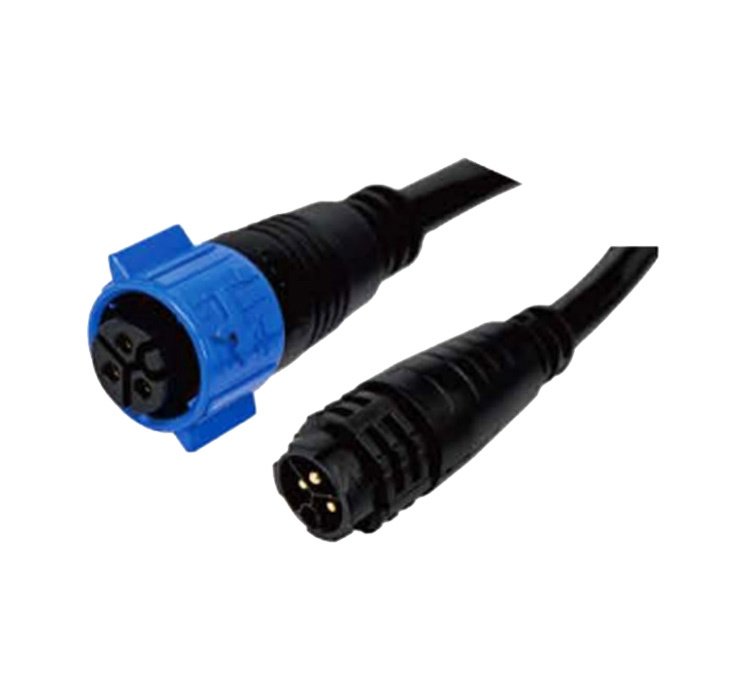
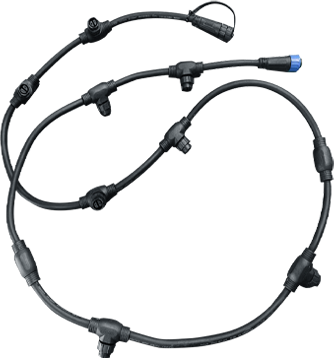
Sealed wire harnesses employ heat-shrink tubing and rubber grommets to create a barrier against moisture. These harnesses are commonly used in applications where exposure to water is likely, such as in marine vehicles and off-road trucks. Their construction allows for easy installation while ensuring robust protection.
Conformal Coated Wire Harnesses
Conformal coating involves applying a protective chemical layer to the wire harnesses. This coating adheres to the components, shielding them from dust, moisture, and chemicals. These harnesses are particularly suitable for electronic circuits within vehicles that are subject to humidity and environmental stress.
Potted Wire Harnesses
Potted wire harnesses are encased in a solid mass of resin, which provides comprehensive protection against moisture and physical stress. This type of harness is often used in critical applications, including automotive safety systems. The potted design helps prevent vibrations from damaging the connections.
Custom Waterproof Wire Harnesses
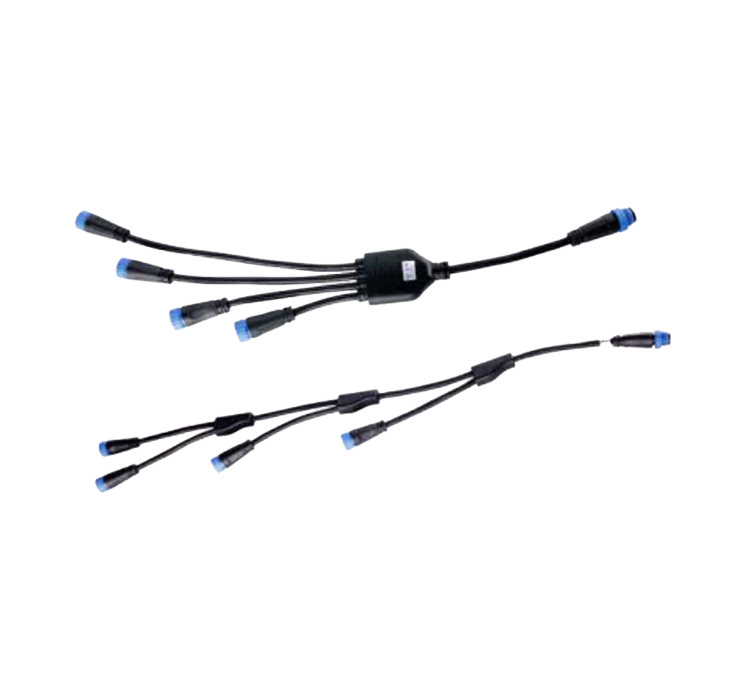
For specialized applications, manufacturers often create custom waterproof wire harnesses tailored to specific vehicle requirements. These harnesses can be designed to meet unique specifications, ensuring optimal performance in challenging conditions. Custom solutions offer flexibility in terms of size, shape, and configuration.
Applications of Waterproof Wire Harnesses
Waterproof wire harnesses are used across various automotive applications, including:
- **Automobiles**: Modern vehicles with complex electrical systems benefit from waterproof harnesses to ensure reliability.
- **Motorcycles**: Given their exposure to the elements, motorcycles require harnesses that can handle moisture and dirt.
- **Marine Applications**: Boats and personal watercraft rely heavily on waterproof wire harnesses to sustain functionality in wet conditions.
- **Heavy Machinery**: Construction and agricultural equipment often face harsh environments, necessitating robust electrical solutions.
- **Off-Road Vehicles**: These vehicles encounter extreme conditions where waterproofing is essential for maintaining electrical integrity.
Materials Used in Waterproof Wire Harnesses
The choice of materials in waterproof wire harnesses directly impacts their performance. Key materials include:
- **Wires**: Copper is commonly used for its excellent conductivity. However, tinned copper or aluminum may be utilized in specific applications to enhance corrosion resistance.
- **Insulation**: PVC (Polyvinyl Chloride) and TPE (Thermoplastic Elastomer) are popular choices for insulation due to their flexibility and durability.
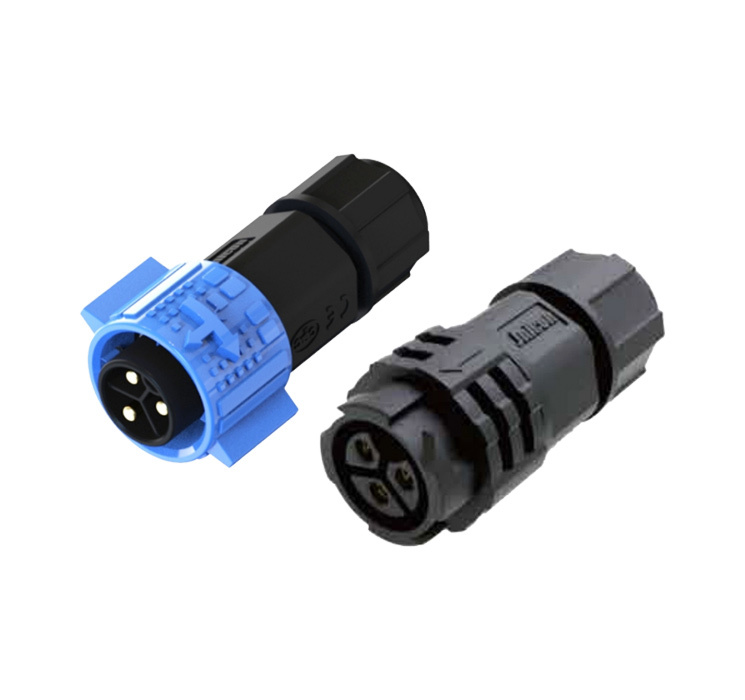
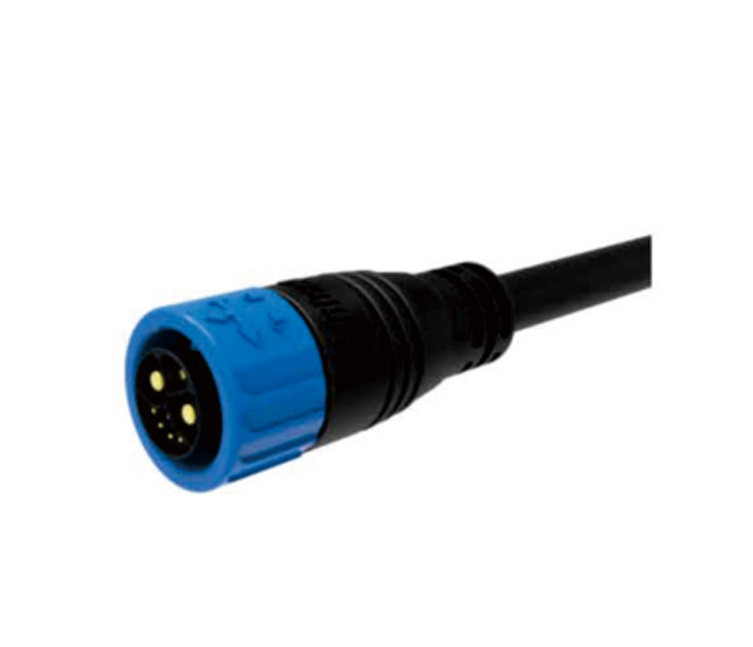
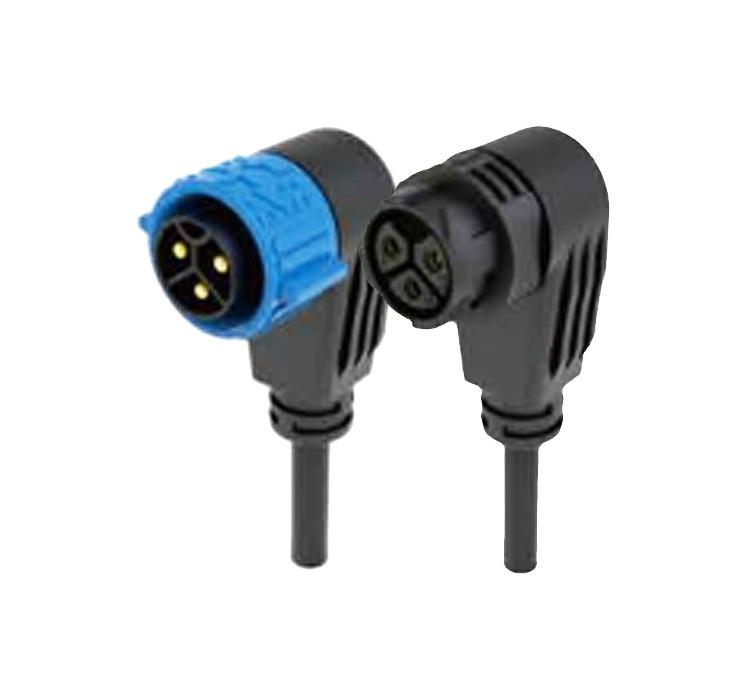
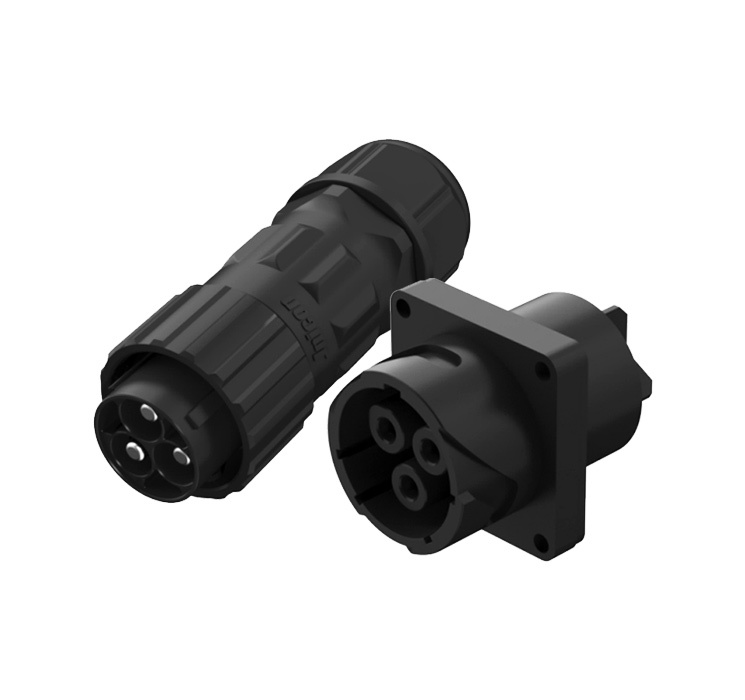
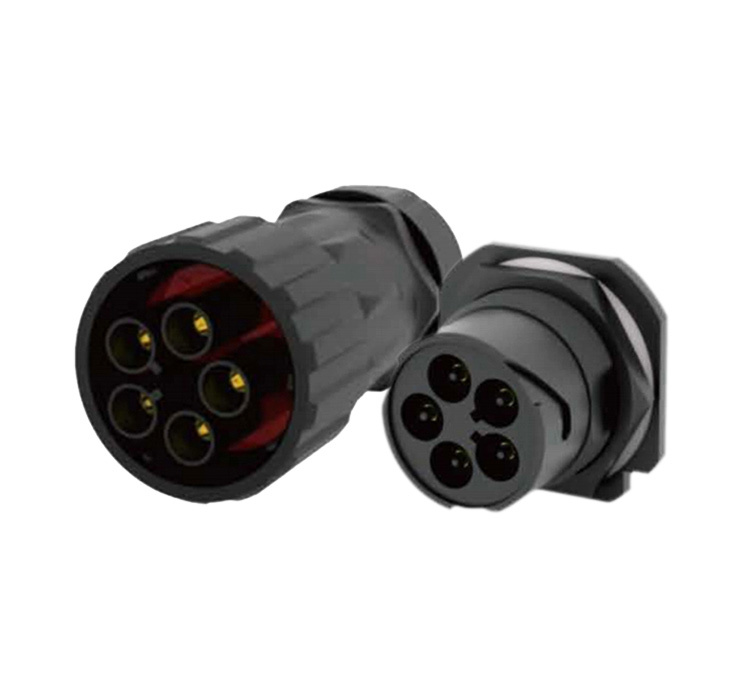
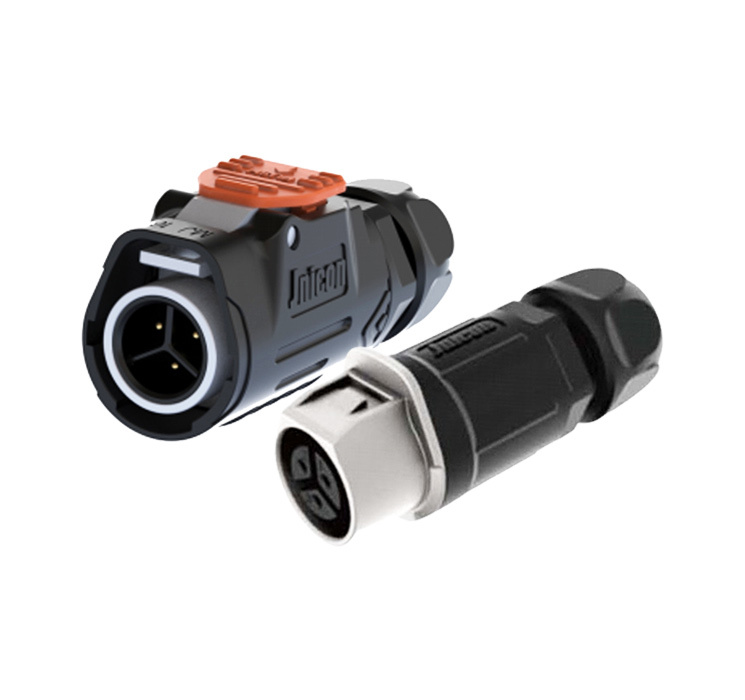
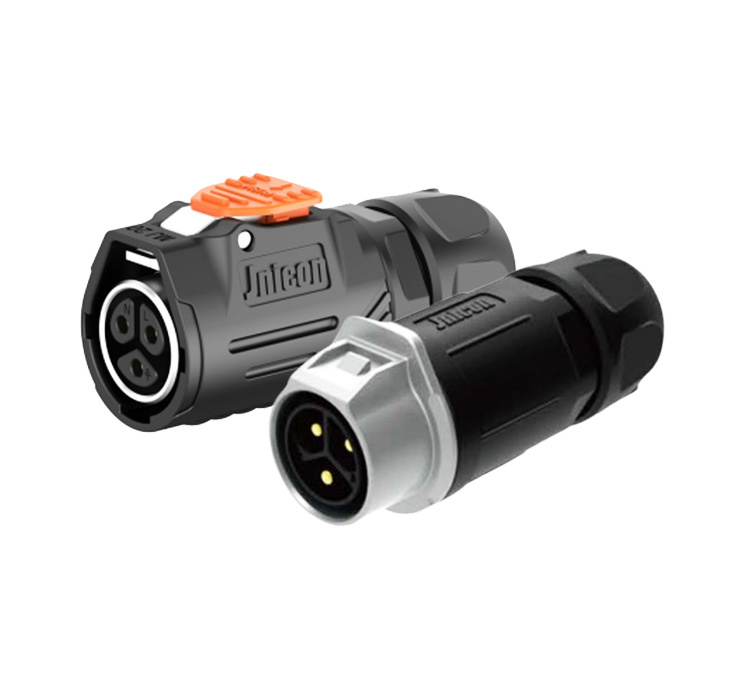
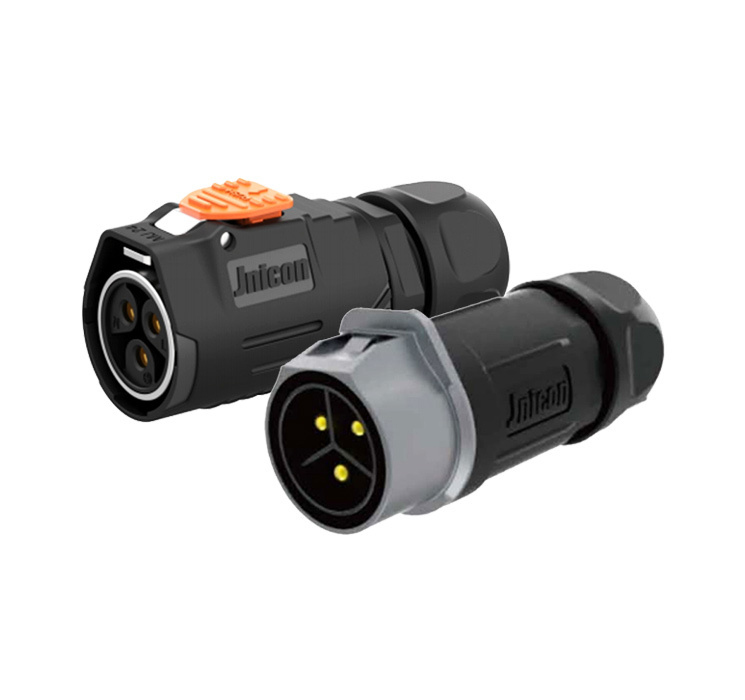
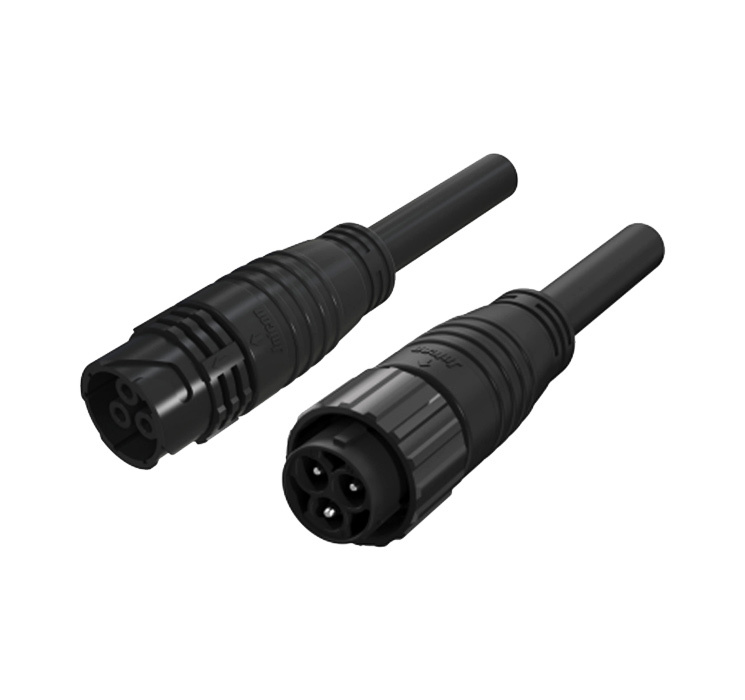
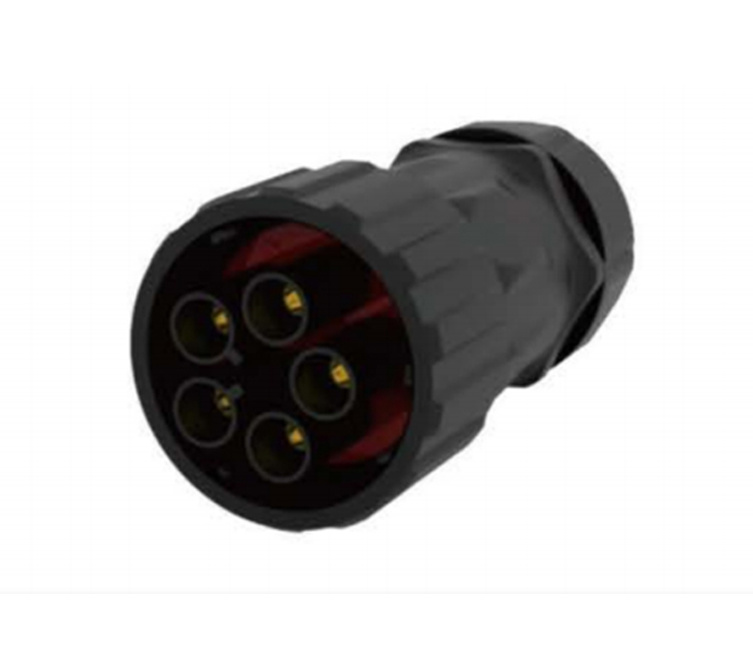
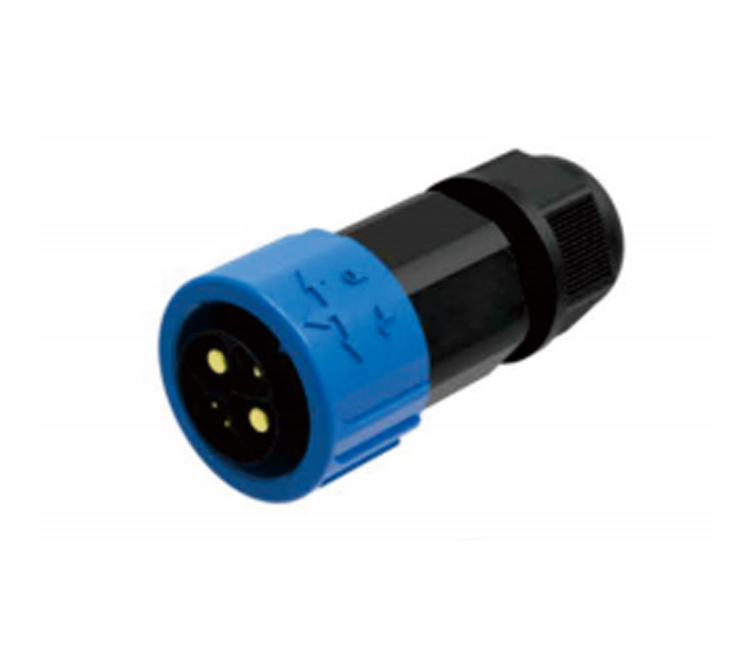
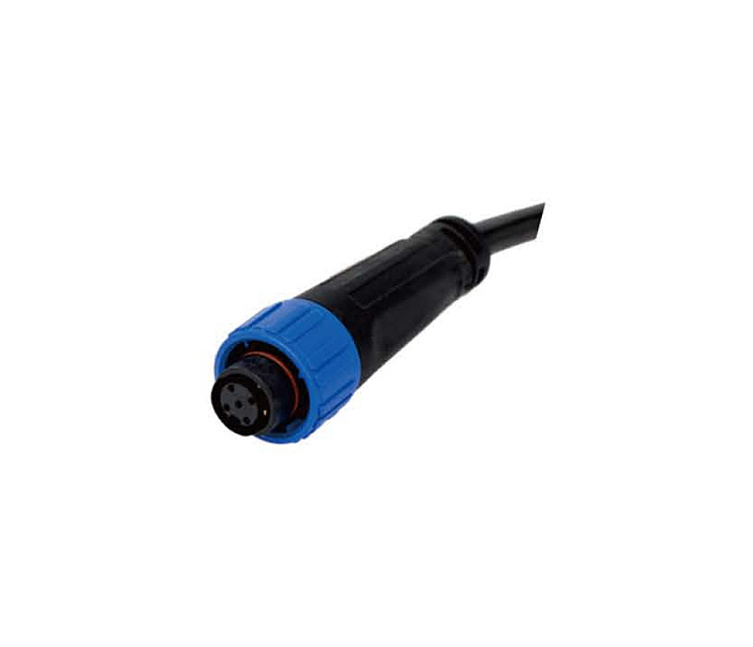
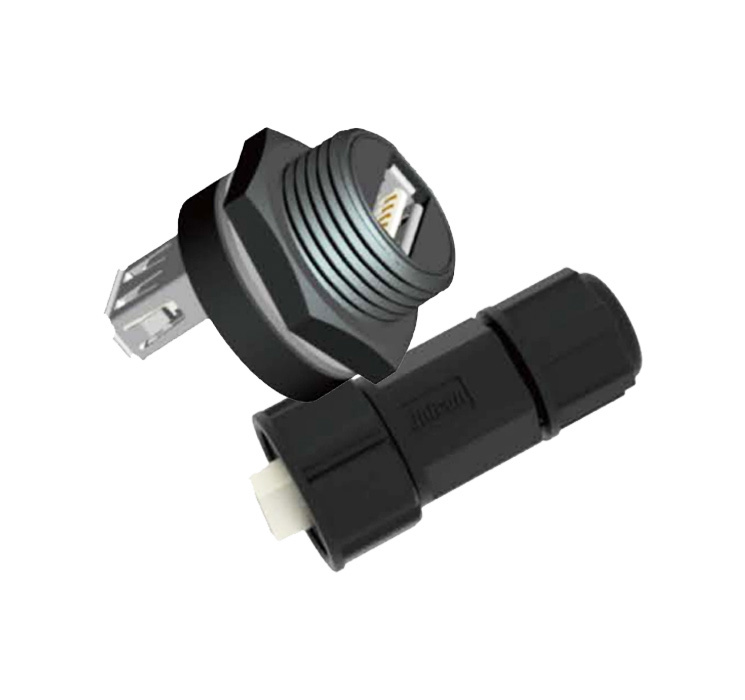
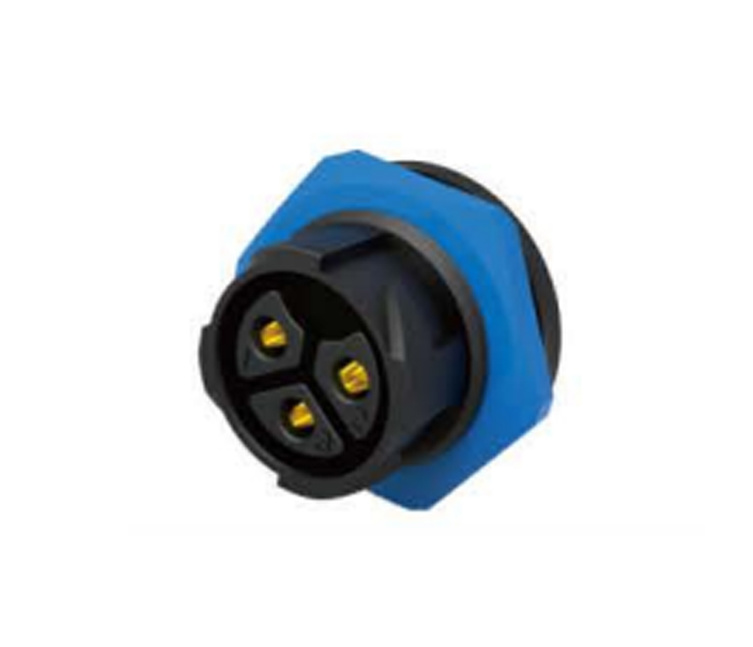
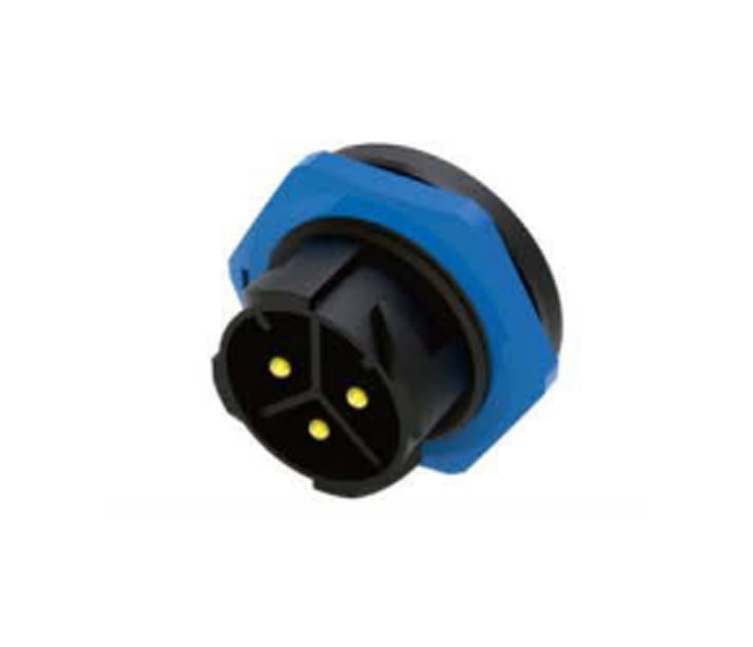
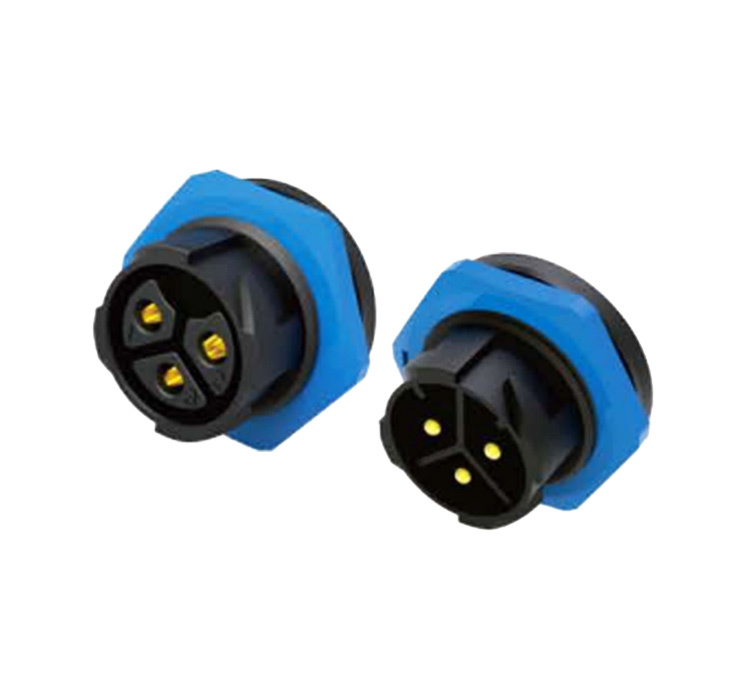
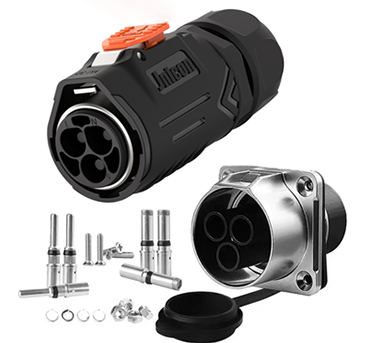
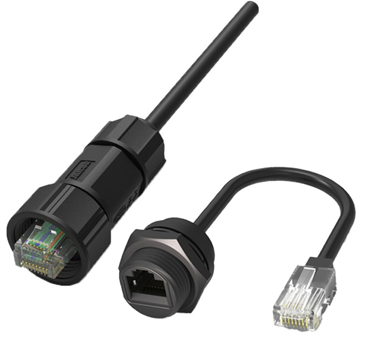
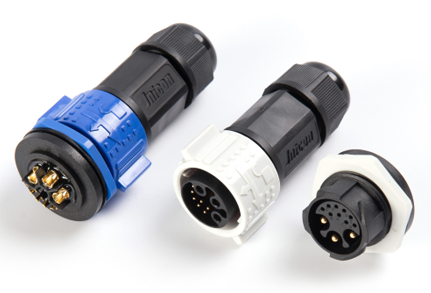
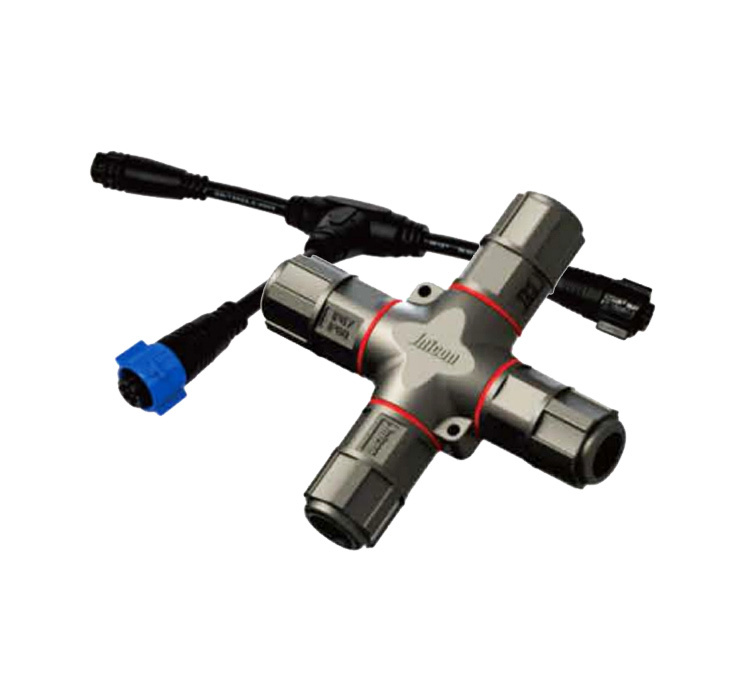
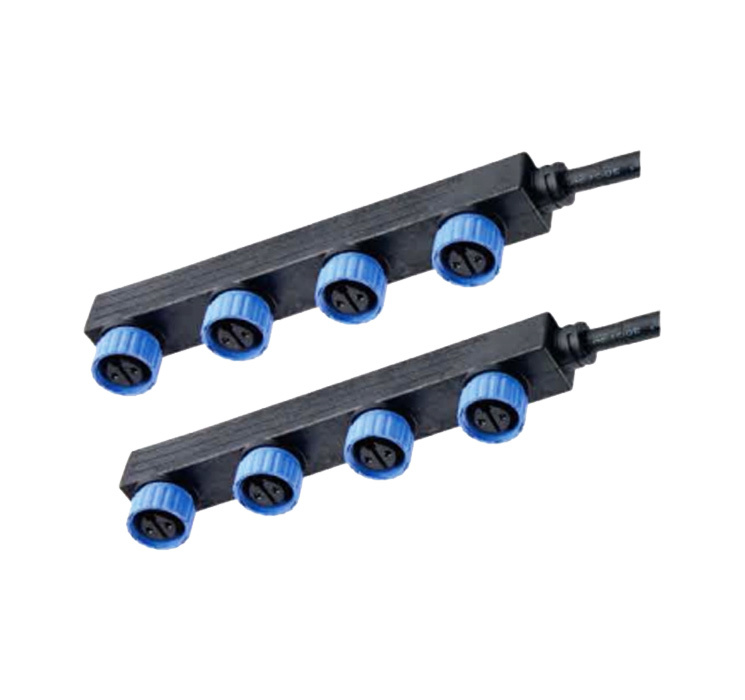
- **Connectors**: Waterproof connectors are often made from materials like nylon or thermoplastic, featuring seals to prevent water ingress.
- **Coatings**: Conformal coatings and potting compounds provide additional layers of protection, enhancing the harness's durability.
Best Practices for Installation and Maintenance
Proper installation and maintenance of waterproof wire harnesses are vital for their effectiveness. Here are some best practices:
- **Pre-Installation Inspection**: Check the harness for any signs of damage or wear. Verify that all connectors and seals are intact.
- **Correct Routing**: Ensure the harness is routed away from heat sources and moving parts to prevent wear and tear.
- **Use Quality Connectors**: Select high-quality waterproof connectors to ensure a reliable connection.
- **Sealing Techniques**: Utilize heat shrink tubing and grommets properly to maintain waterproof integrity.
- **Regular Maintenance**: Periodically inspect the harness for signs of damage, corrosion, or wear, particularly in high-exposure areas.
Troubleshooting Common Issues
Even with proper installation, issues can arise. Here are a few common problems and their solutions:
- **Corrosion at Connections**: This may occur if the waterproofing is compromised. Inspect and replace corroded components and ensure proper sealing.
- **Electrical Failures**: If the circuit is not functioning, check the continuity of wires and connections. Ensure that no moisture has compromised the harness.
- **Physical Damage**: Look for signs of wear or abrasion on the harness, especially in areas where it may rub against surfaces. Replace damaged sections promptly.
Conclusion
Waterproof wire harnesses are fundamental components that ensure the reliability and safety of various vehicles in challenging environments. By understanding the different types available, their applications, and the best practices for installation and maintenance, automotive professionals and enthusiasts can make informed decisions that enhance vehicle performance. As the automotive industry continues to evolve, the significance of robust, waterproof solutions will undoubtedly increase.
Frequently Asked Questions
1. What is a waterproof wire harness?
A waterproof wire harness is an assembly of wires and connectors designed to protect electrical circuits from moisture and environmental contaminants.
2. Why are waterproof wire harnesses important?
They prevent corrosion and electrical failures, ensuring the reliability and safety of various vehicle electrical systems.
3. What materials are commonly used in waterproof wire harnesses?
Common materials include copper for wires, PVC or TPE for insulation, and nylon or thermoplastic for connectors.
4. How do I maintain a waterproof wire harness?
Regularly inspect the harness for wear or damage, ensure proper sealing, and replace any compromised components.
5. Can I install a waterproof wire harness myself?
Yes, with proper knowledge and tools, you can install a waterproof wire harness. However, following best practices for installation is crucial for reliability.
News
2026-10-18
How Industrial Power Connectors Transform Energy Distribution Systems
How Industrial Power Connectors Transform Energy Distribution Systems Table of Contents 1. Introduction to Industrial Power Connectors 2. The Importance of Power Connectors in Energy Distribution 3. Types of Industrial Power Connectors 3.1 Circular Connectors 3.2 Rectangular Connectors 3.3 Heavy-Duty Connectors 4. Applications
2026-10-15
Understanding Waterproof Wire Harness: Key Features and Benefits for Automotive Applications
In the automotive industry, the functionality and longevity of electrical components are crucial for vehicle performance. One of the key components that contribute to this is the waterproof wire harness. These harnesses are specifically designed to withstand harsh environmental conditions, ensuring that the electrical systems in vehicles remain operational regardless of the weather. A waterproof w
2026-10-12
5 Pin Waterproof Connectors: Enhancing Home Automation Systems
5 Pin Waterproof Connectors: Enhancing Home Automation Systems Table of Contents Introduction to 5 Pin Waterproof Connectors Importance of Waterproof Connectors in Home Automation Key Benefits of 5 Pin Waterproof Connectors Features of 5 Pin Waterproof Connectors Material Quality Design and Build Applications of 5 Pin Waterproof C

B8-9, Fubilun industrial park, Chaoyang rd,Yanchuan community, Songgang, Shenzhen, China


