



How Industrial Power Connectors Transform Energy Distribution Systems
Release Time:
2026-10-18
How Industrial Power Connectors Transform Energy Distribution Systems
Table of Contents
- 1. Introduction to Industrial Power Connectors
- 2. The Importance of Power Connectors in Energy Distribution
- 3. Types of Industrial Power Connectors
- 4. Applications of Industrial Power Connectors
- 4.1 Manufacturing Facilities
- 4.2 Energy Generation and Distribution
- 4.3 Transportation and Infrastructure
- 5. Innovations in Power Connector Technology
- 6. Challenges in Power Connector Use
- 7. The Future of Industrial Power Connectors
- 8. FAQs about Industrial Power Connectors
- 9. Conclusion
1. Introduction to Industrial Power Connectors
In the vast landscape of industrial operations, **power connectors** serve as the backbone of energy distribution systems. These connectors not only facilitate the transmission of electrical energy but also ensure operational efficiency, safety, and reliability. As industries evolve, the role of industrial power connectors becomes increasingly crucial, adapting to new technologies and growing energy demands.
Understanding how industrial power connectors transform energy distribution systems requires an overview of their design, functionality, and applications across various sectors. This article delves into this transformative technology, highlighting the impact of power connectors on efficiency and safety in energy distribution.
2. The Importance of Power Connectors in Energy Distribution
Industrial power connectors play a **pivotal role** in energy distribution systems. They are essential for connecting electrical equipment to power sources, allowing for the seamless flow of electricity. Here are several reasons why these connectors are vital:
2.1 Ensuring Safety
Safety is paramount in industrial settings. Industrial power connectors are designed to withstand harsh environments and prevent electrical hazards. By providing secure connections, they minimize the risk of short circuits and electrical fires.
2.2 Enhancing Efficiency
Efficiency in energy distribution is critical for operational success. High-quality connectors reduce energy loss and ensure that power delivery remains consistent. This efficiency translates to lower operational costs and improved productivity.
2.3 Facilitating Maintenance
Industrial power connectors simplify maintenance procedures. Their design allows for easy disconnection and reconnection, enabling quick repairs or replacements without significant downtime. This capability is vital in industries where every minute counts.
3. Types of Industrial Power Connectors
Understanding the various types of industrial power connectors is essential for selecting the right solution for specific applications. Each type has unique features that cater to different operational needs.
3.1 Circular Connectors
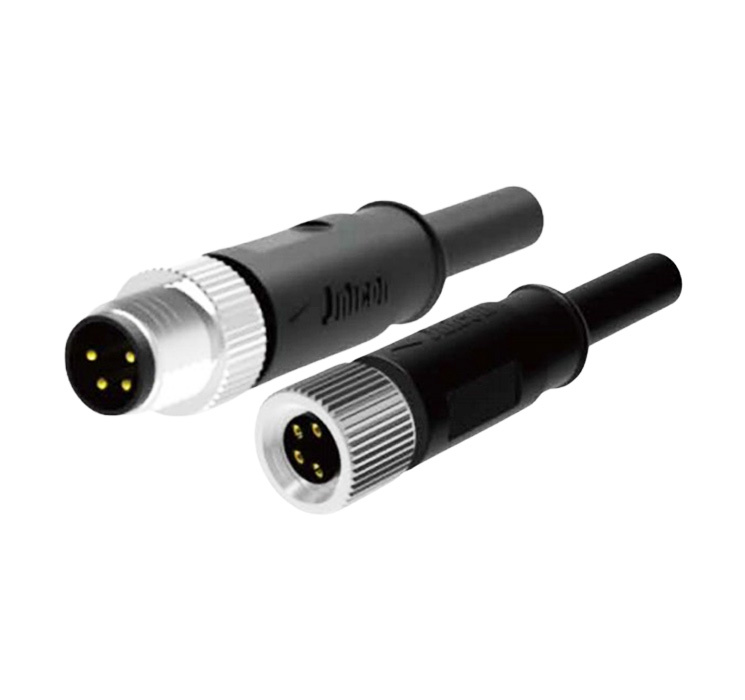
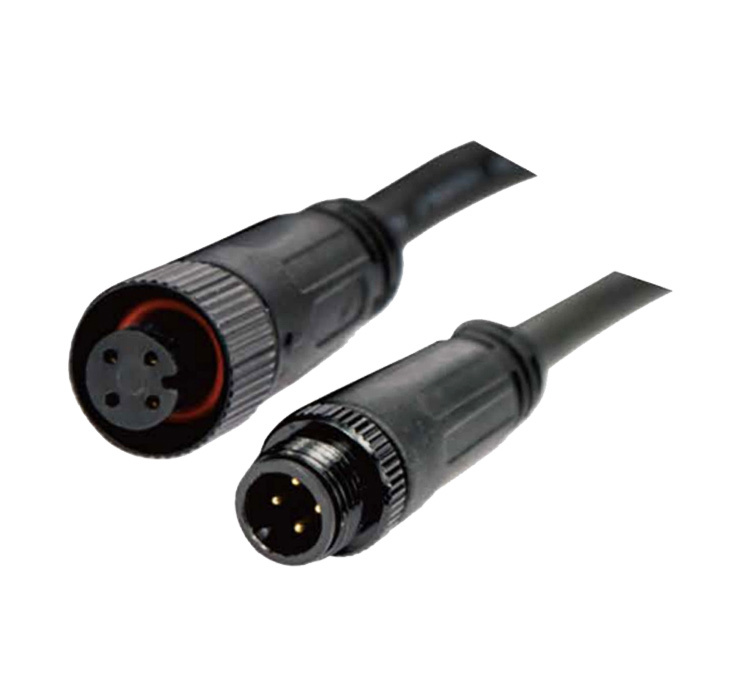
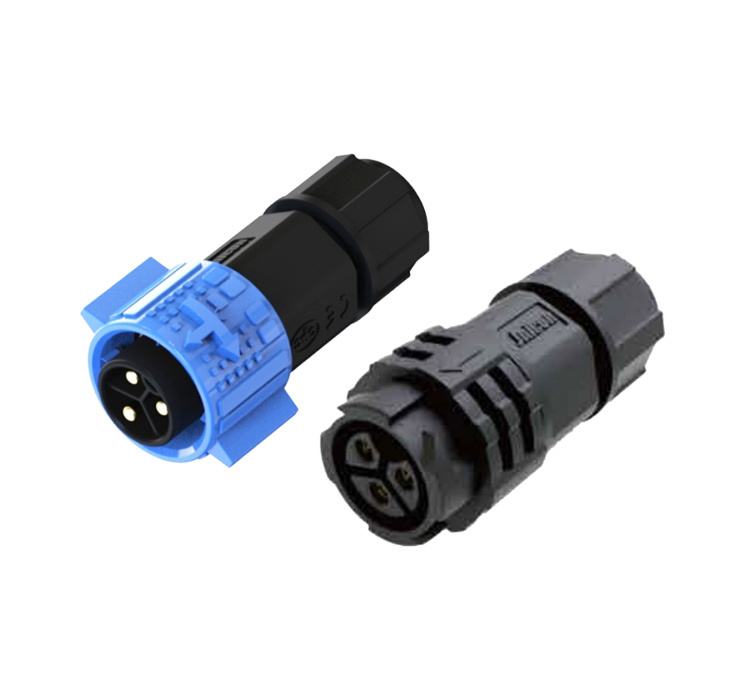
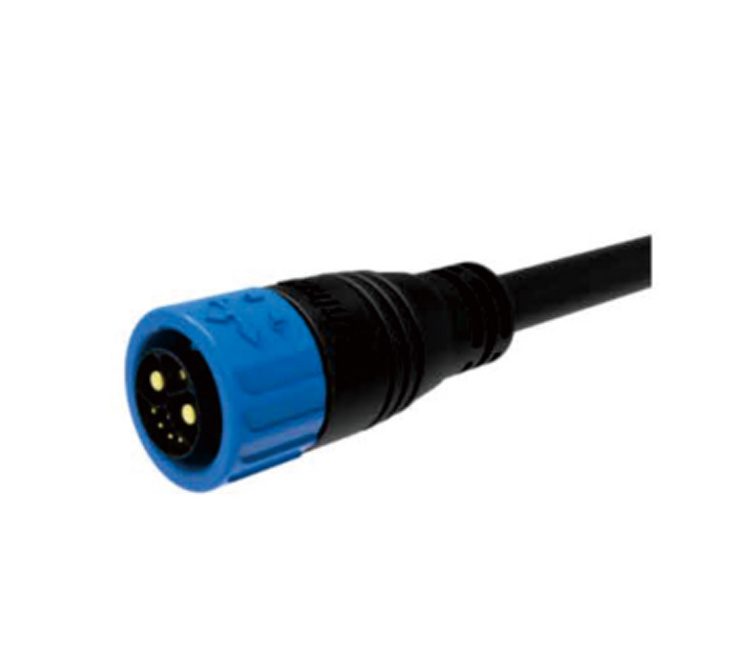
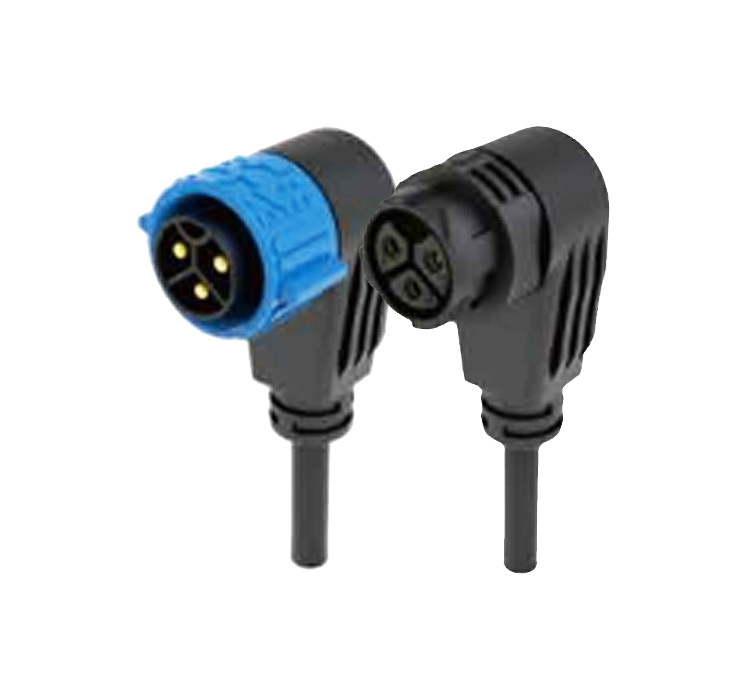
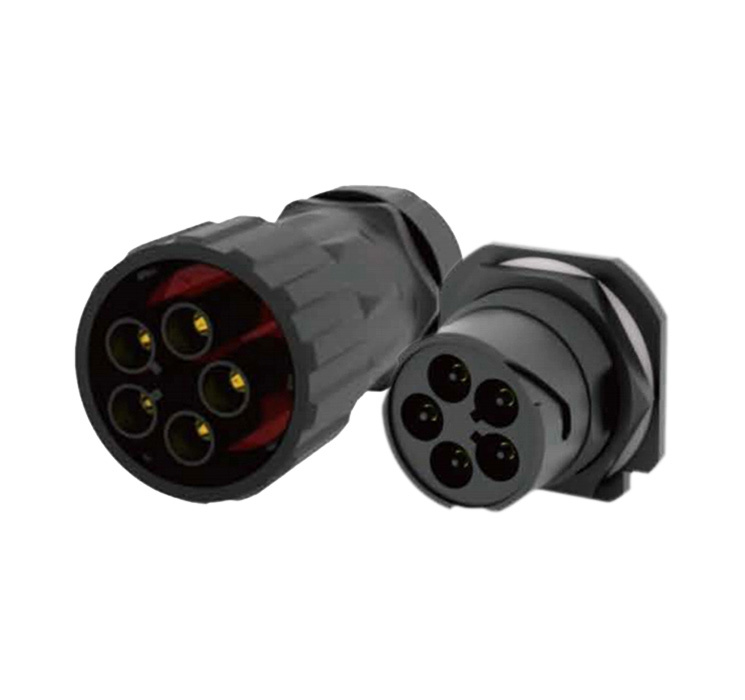
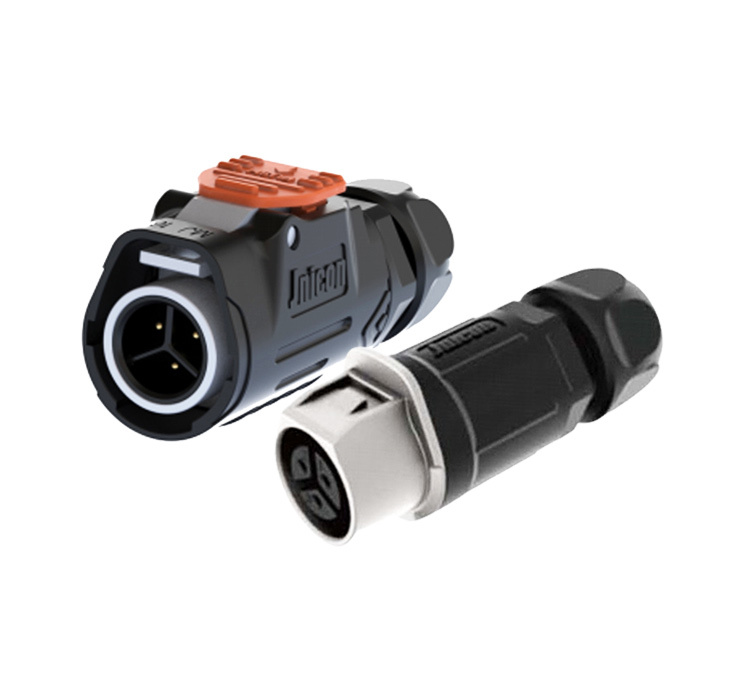
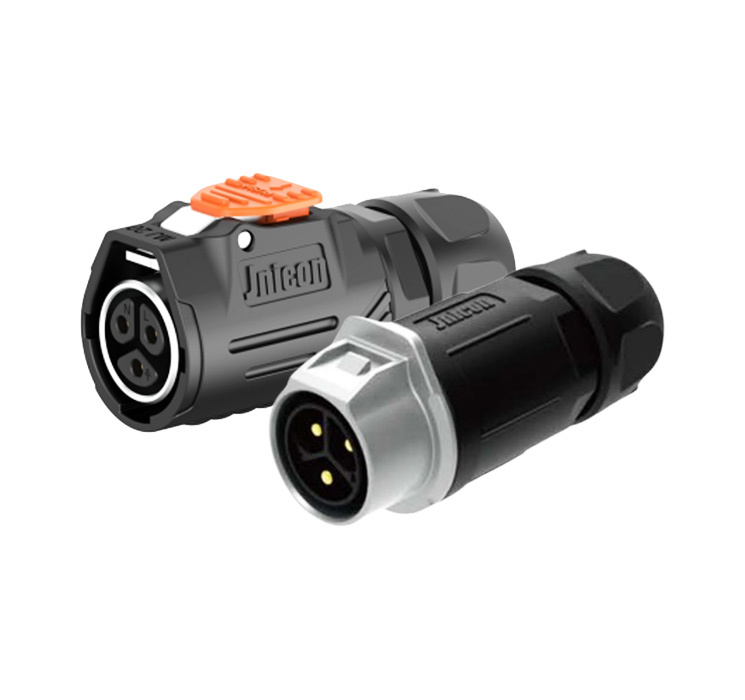
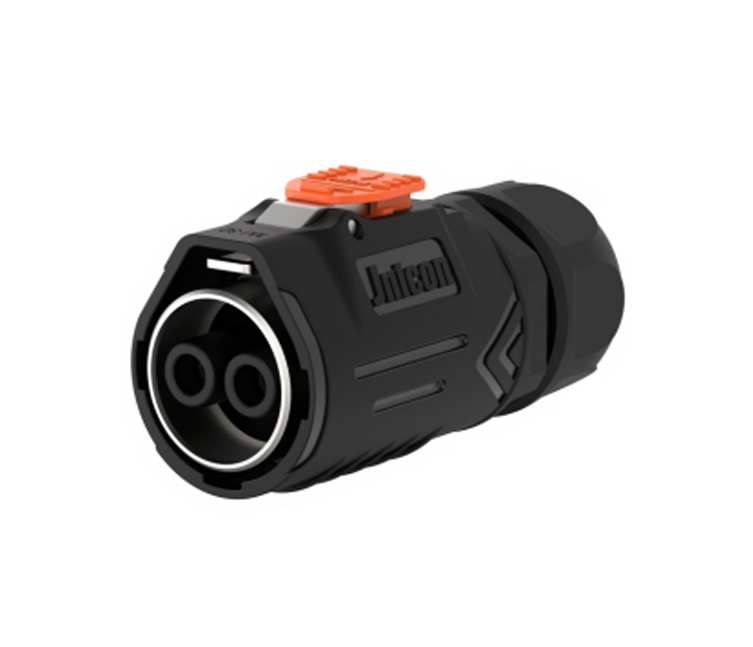
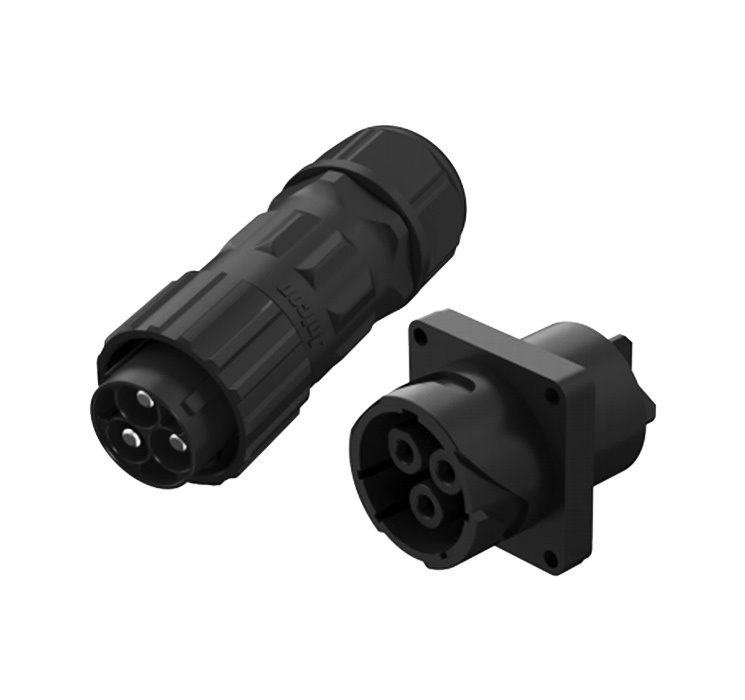
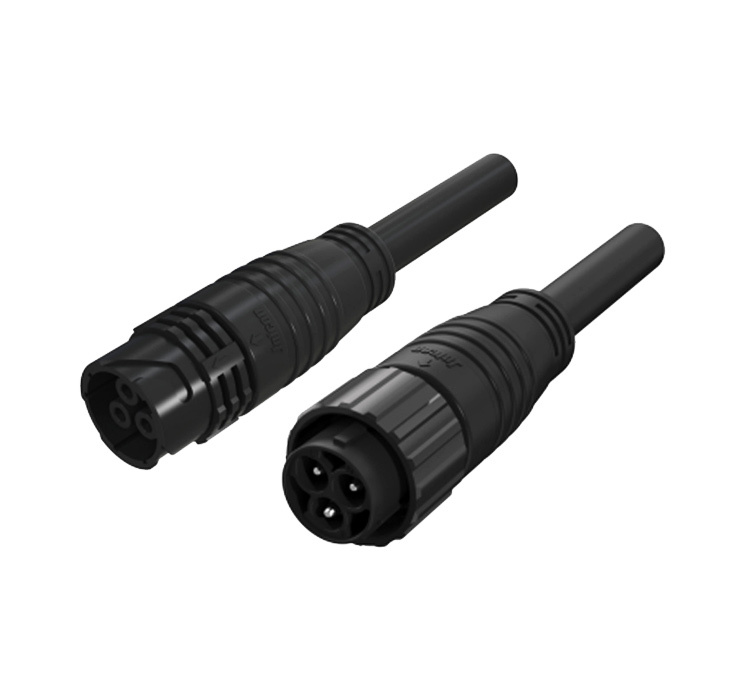
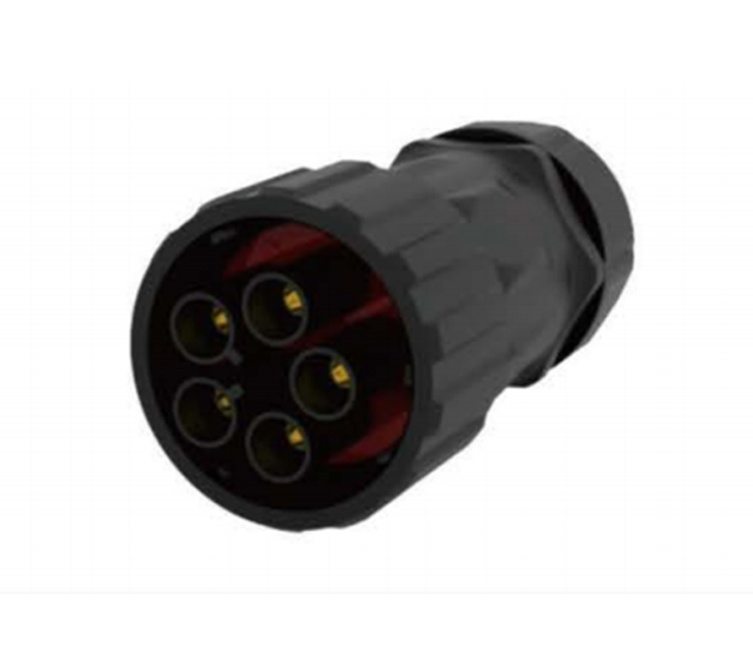
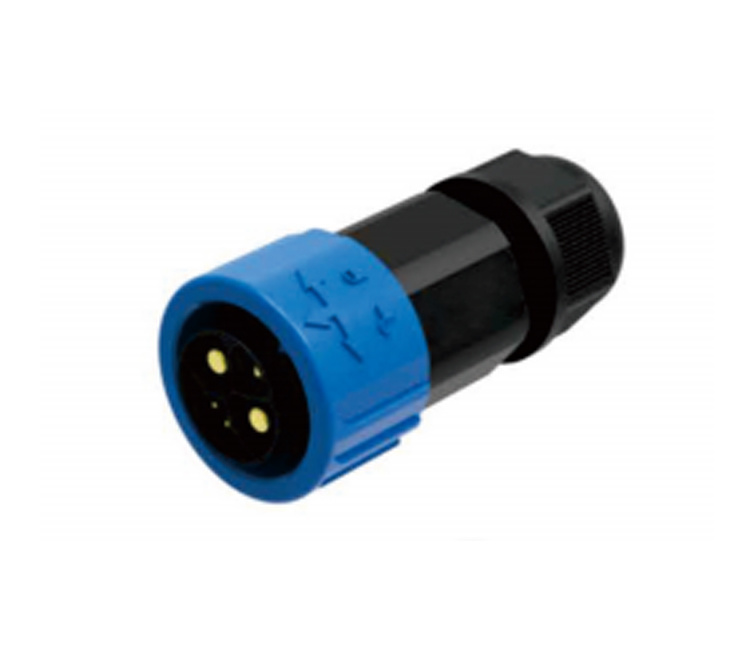
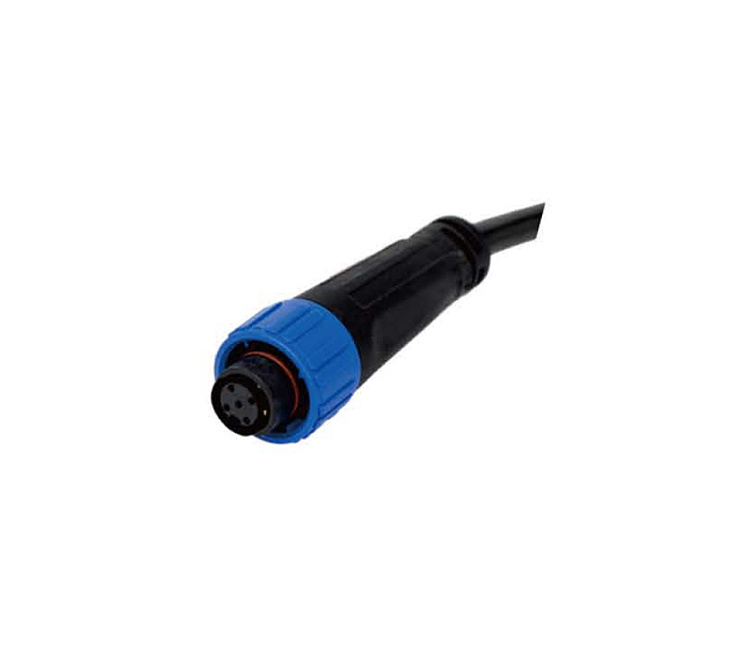
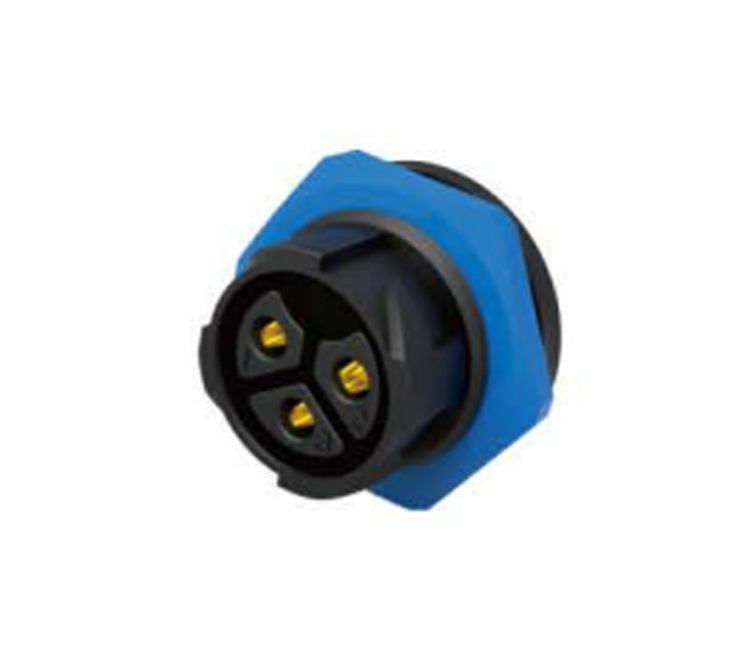
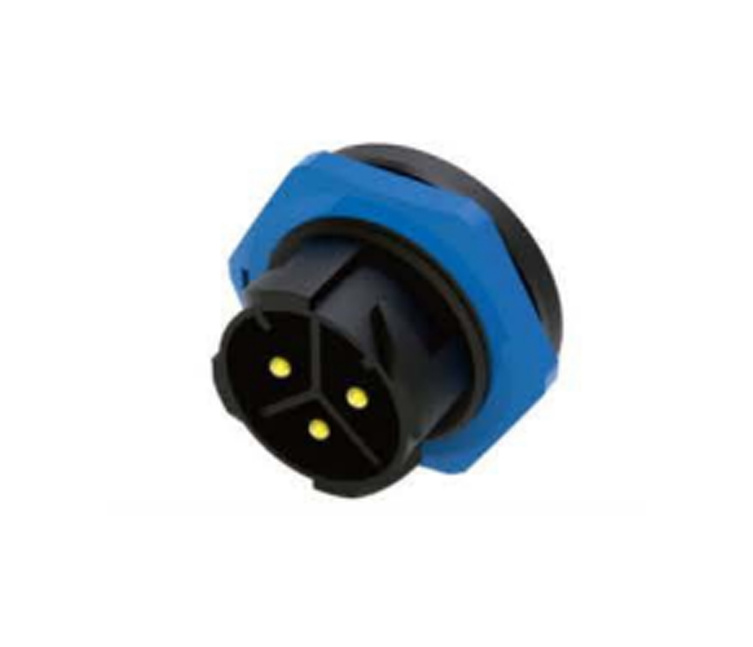
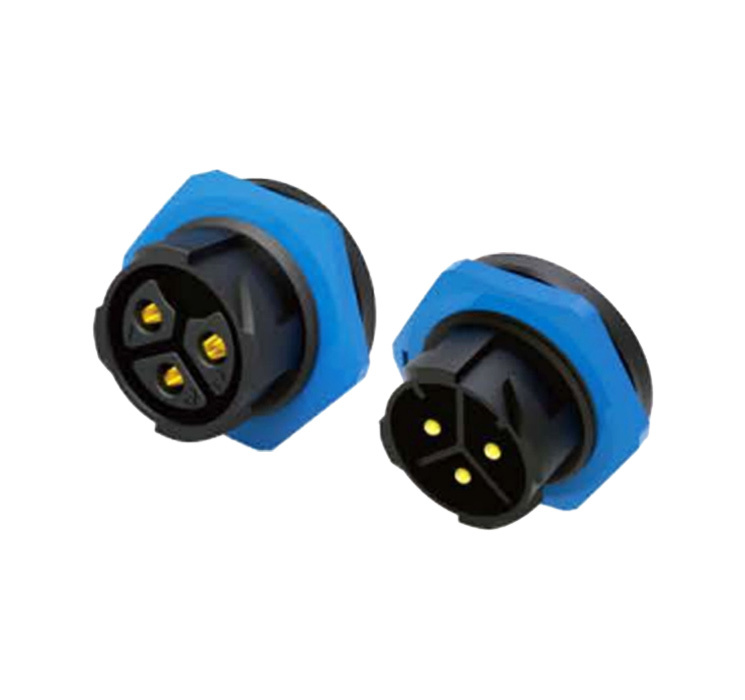
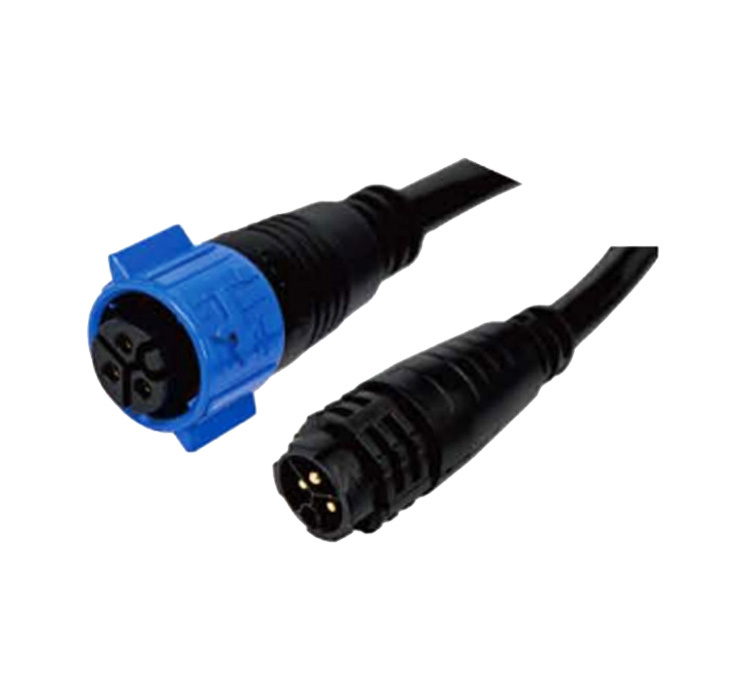
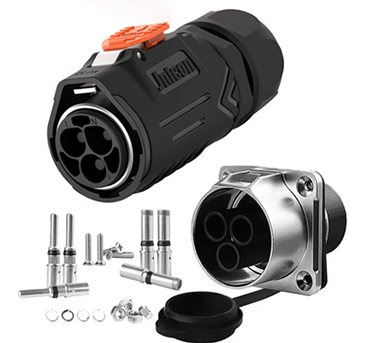
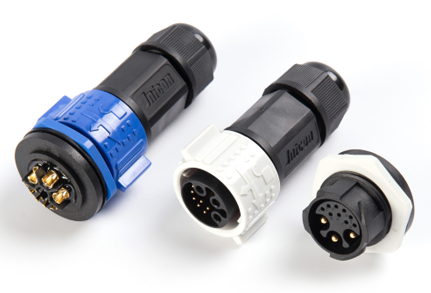
**Circular connectors** are widely used in industrial applications due to their versatility and robust design. They come in various sizes, accommodating different cable diameters and pin configurations. Circular connectors are recognized for their ability to provide a reliable connection in challenging environments.
3.2 Rectangular Connectors
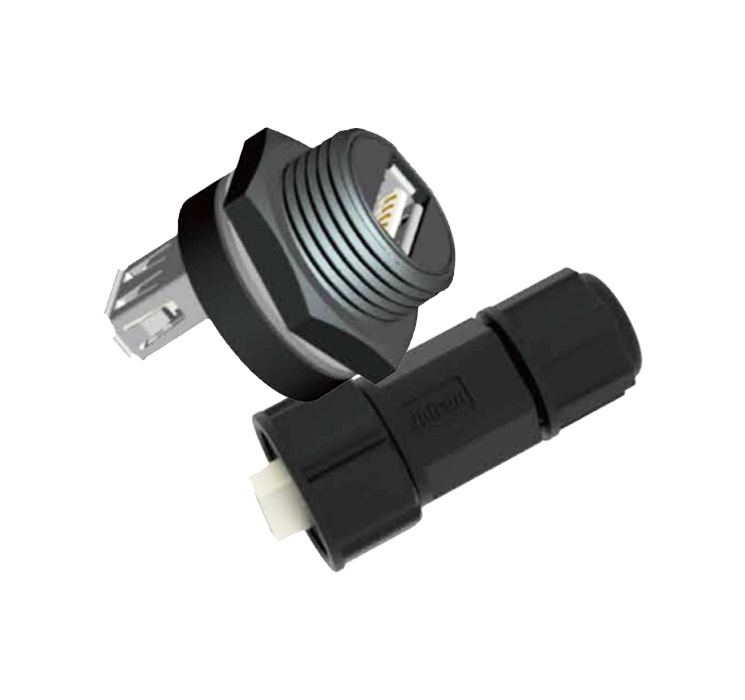
**Rectangular connectors** offer a compact design and are ideal for applications where space is limited. They provide multiple contacts in a single unit, making them efficient for complex systems. Their modular design allows for easy customization in various industrial applications.
3.3 Heavy-Duty Connectors
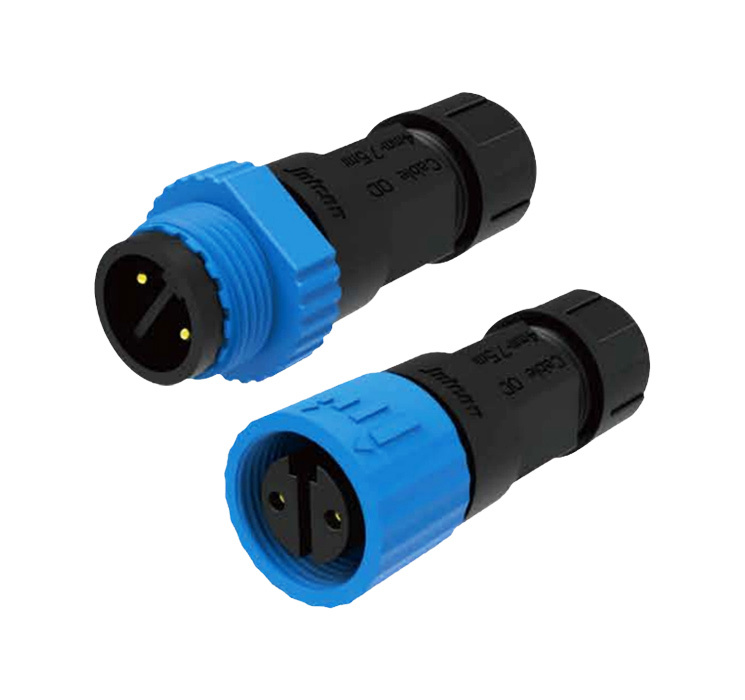
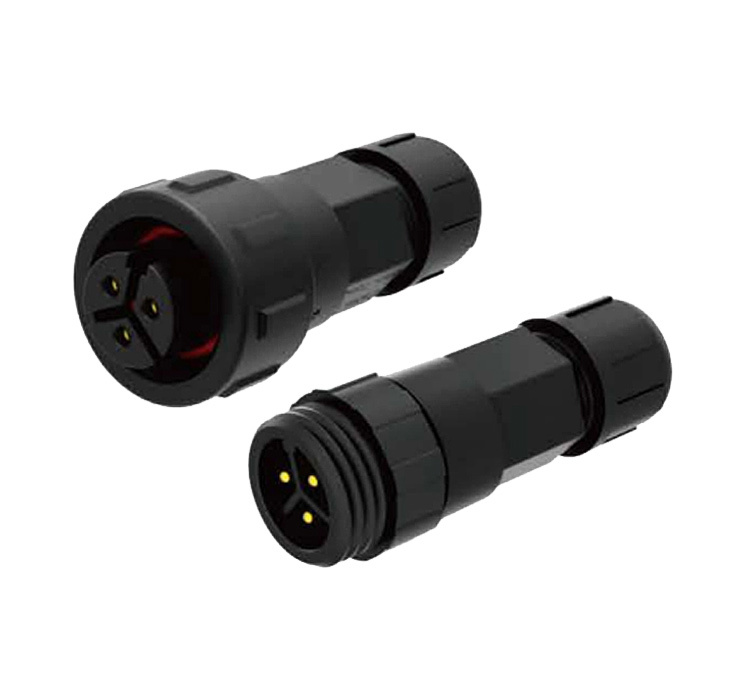
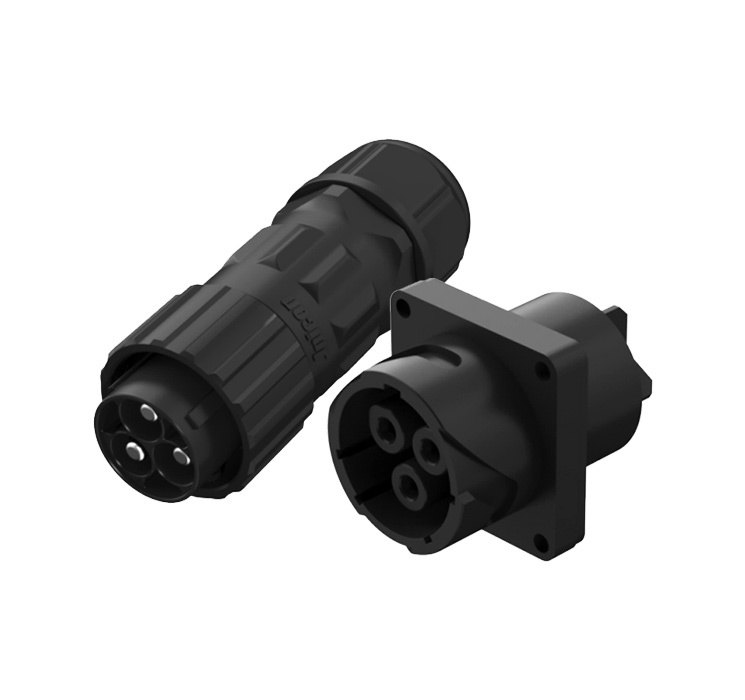
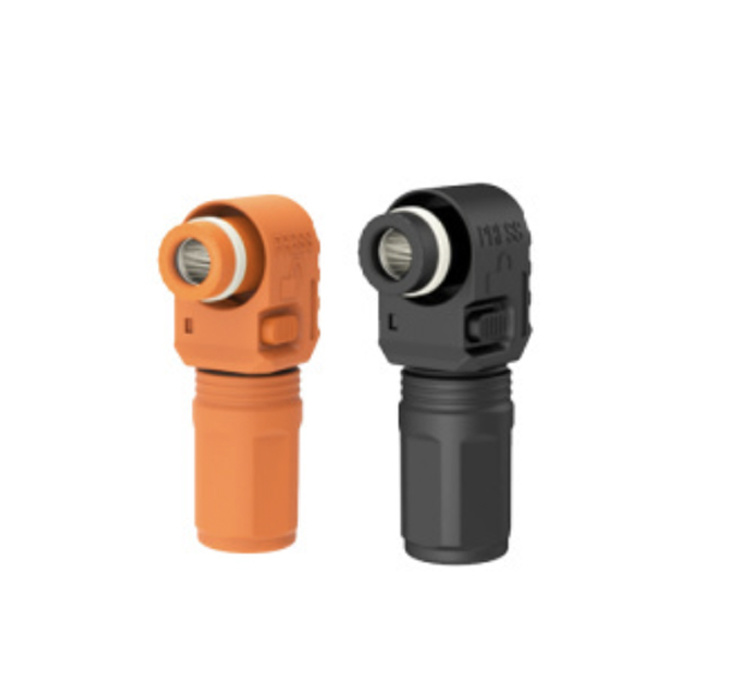
Heavy-duty connectors are designed to withstand extreme conditions, including high temperatures, moisture, and vibrations. These connectors are essential for heavy machinery and equipment in manufacturing and construction settings, ensuring reliable power distribution in demanding environments.
4. Applications of Industrial Power Connectors
Industrial power connectors have a wide range of applications across various sectors. Understanding these applications helps to illustrate their transformative impact on energy distribution systems.
4.1 Manufacturing Facilities
In manufacturing, power connectors enable the seamless operation of machinery and equipment. They facilitate the connection of robotics, conveyors, and assembly lines to power sources, ensuring smooth production processes. Reliable power connections are crucial for maintaining production schedules and reducing downtime.
4.2 Energy Generation and Distribution
Energy generation facilities, including power plants and renewable energy installations, rely heavily on industrial power connectors. These connectors link generators to transformers and distribute electricity to the grid. Their capability to handle high voltages and currents is vital for efficient energy distribution.
4.3 Transportation and Infrastructure
The transportation sector employs industrial power connectors to power trains, buses, and other vehicles. In infrastructure projects, they are used for temporary power setups, ensuring that construction sites have the necessary electrical supply. Their durability and reliability contribute to the safety and efficiency of transport systems.
5. Innovations in Power Connector Technology
The advancements in industrial power connector technology are remarkable. Innovations focus on improving performance, safety, and sustainability. Key trends include:
5.1 Smart Connectors
Smart connectors are equipped with embedded sensors and communication technology, allowing for real-time monitoring and diagnostics. This innovation enhances predictive maintenance, reducing the risk of unexpected failures.
5.2 Eco-Friendly Materials
As industries move toward sustainability, power connectors made from eco-friendly materials are gaining popularity. These connectors reduce environmental impact while maintaining high performance, aligning with the global push for greener solutions.
5.3 Increased Power Capacity
With the rise of high-power applications, manufacturers are developing connectors capable of handling higher currents and voltages. These connectors ensure that energy distribution systems meet the demands of modern industrial operations.
6. Challenges in Power Connector Use
Despite their advantages, the usage of industrial power connectors comes with challenges. Recognizing these challenges is essential for optimizing their performance in energy distribution systems.
6.1 Compatibility Issues
One significant challenge is the compatibility of different connector types. As technology evolves, the need for connectors to interface with older systems can create difficulties. Ensuring compatibility across various equipment is crucial for seamless operation.
6.2 Environmental Factors
Industrial power connectors must withstand extreme environmental conditions, including temperature fluctuations, humidity, and exposure to chemicals. Selecting connectors that are specifically designed for such conditions is vital to avoid premature failure.
6.3 Cost Considerations
While investing in high-quality connectors can lead to long-term savings, the initial cost may deter some organizations. Companies must weigh the benefits of reliable and efficient connectors against their budget constraints.
7. The Future of Industrial Power Connectors
The future of industrial power connectors looks promising, with continued advancements in technology and materials. Trends such as increased automation, the Internet of Things (IoT), and renewable energy adoption will shape the next generation of connectors.
As industries strive for **higher efficiency** and **lower environmental impact**, manufacturers are focusing on developing connectors that not only meet current needs but also anticipate future challenges. This proactive approach ensures that industrial power connectors remain integral to the energy distribution landscape.
8. FAQs about Industrial Power Connectors
8.1 What are industrial power connectors used for?
Industrial power connectors are used to connect electrical equipment to power sources in various applications, ensuring efficient and reliable energy distribution.
8.2 How do I choose the right power connector?
Choosing the right power connector depends on factors like voltage, current capacity, environmental conditions, and compatibility with existing systems.
8.3 Are heavy-duty connectors waterproof?
Many heavy-duty connectors are designed to be waterproof or resistant to moisture, making them suitable for challenging environments.
8.4 What innovations are emerging in power connector technology?
Innovations include smart connectors with monitoring capabilities, eco-friendly materials, and connectors designed for higher power capacities.
8.5 How do power connectors impact energy efficiency?
High-quality power connectors minimize energy loss, ensuring that electricity is delivered consistently, thereby improving overall energy efficiency in industrial operations.
9. Conclusion
In conclusion, **industrial power connectors** are essential components that significantly transform energy distribution systems. Their role in ensuring safety, enhancing efficiency, and facilitating maintenance cannot be overstated. As industries continue to evolve, the innovations in power connector technology will further propel the efficiency and reliability of energy distribution networks. The future holds promise, with advancements paving the way for smarter, more sustainable solutions. Understanding and utilizing the right industrial power connectors is paramount for any organization aiming to thrive in today's dynamic industrial landscape.
Previous
Previous
News
2026-10-18
How Industrial Power Connectors Transform Energy Distribution Systems
How Industrial Power Connectors Transform Energy Distribution Systems Table of Contents 1. Introduction to Industrial Power Connectors 2. The Importance of Power Connectors in Energy Distribution 3. Types of Industrial Power Connectors 3.1 Circular Connectors 3.2 Rectangular Connectors 3.3 Heavy-Duty Connectors 4. Applications
2026-10-15
Understanding Waterproof Wire Harness: Key Features and Benefits for Automotive Applications
In the automotive industry, the functionality and longevity of electrical components are crucial for vehicle performance. One of the key components that contribute to this is the waterproof wire harness. These harnesses are specifically designed to withstand harsh environmental conditions, ensuring that the electrical systems in vehicles remain operational regardless of the weather. A waterproof w
2026-10-12
5 Pin Waterproof Connectors: Enhancing Home Automation Systems
5 Pin Waterproof Connectors: Enhancing Home Automation Systems Table of Contents Introduction to 5 Pin Waterproof Connectors Importance of Waterproof Connectors in Home Automation Key Benefits of 5 Pin Waterproof Connectors Features of 5 Pin Waterproof Connectors Material Quality Design and Build Applications of 5 Pin Waterproof C

B8-9, Fubilun industrial park, Chaoyang rd,Yanchuan community, Songgang, Shenzhen, China


