


Understanding Waterproof Cables: Essential Insights for Electrical Professionals
Release Time:
2026-04-30
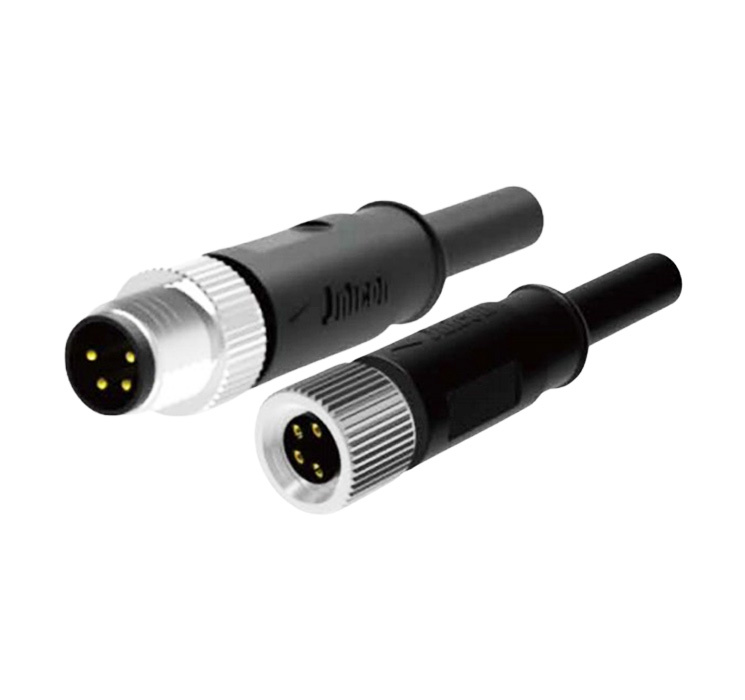
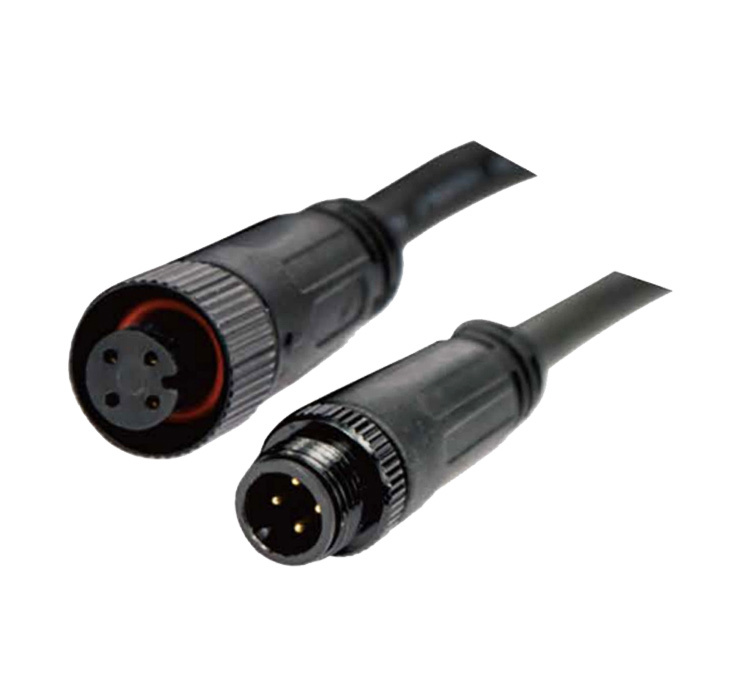
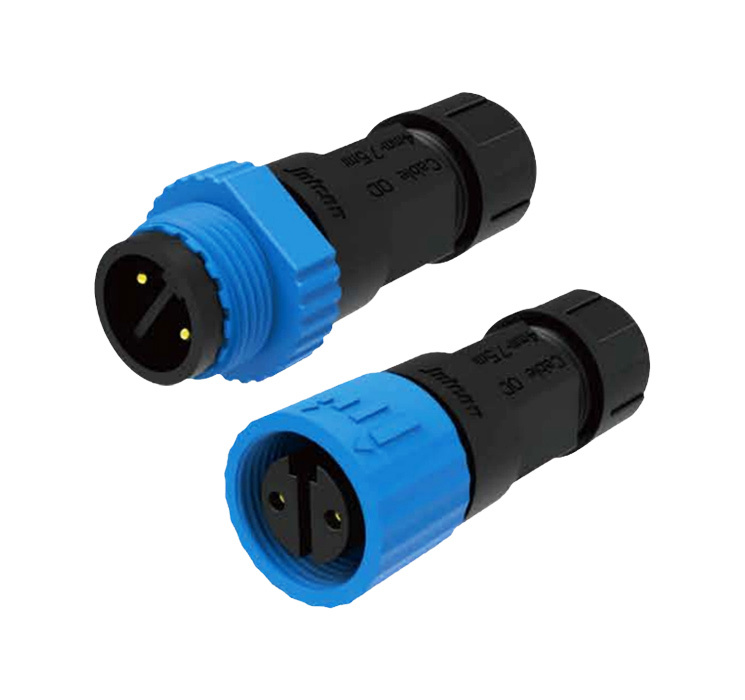
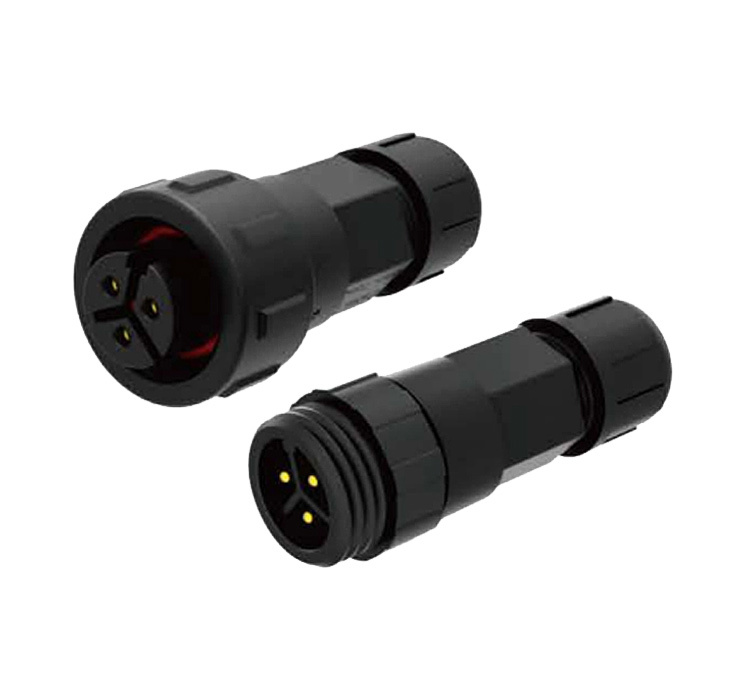
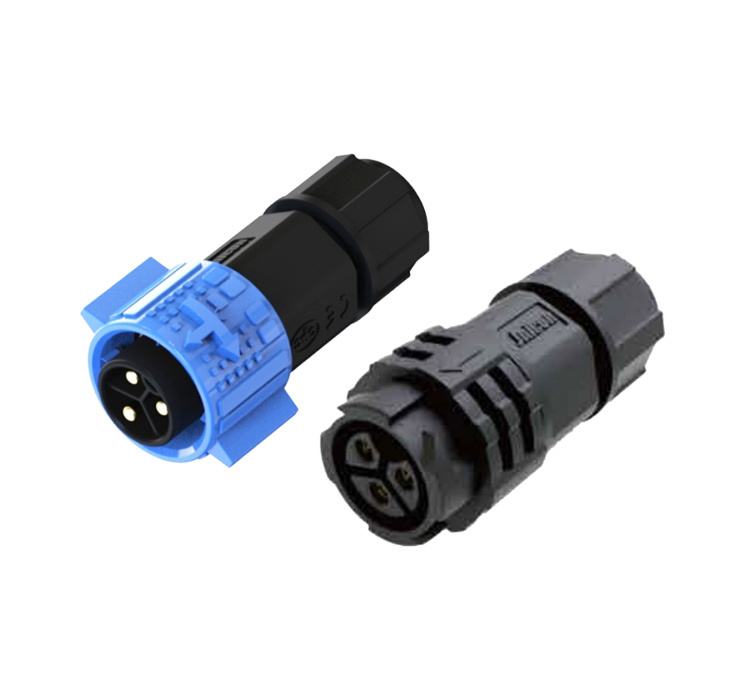
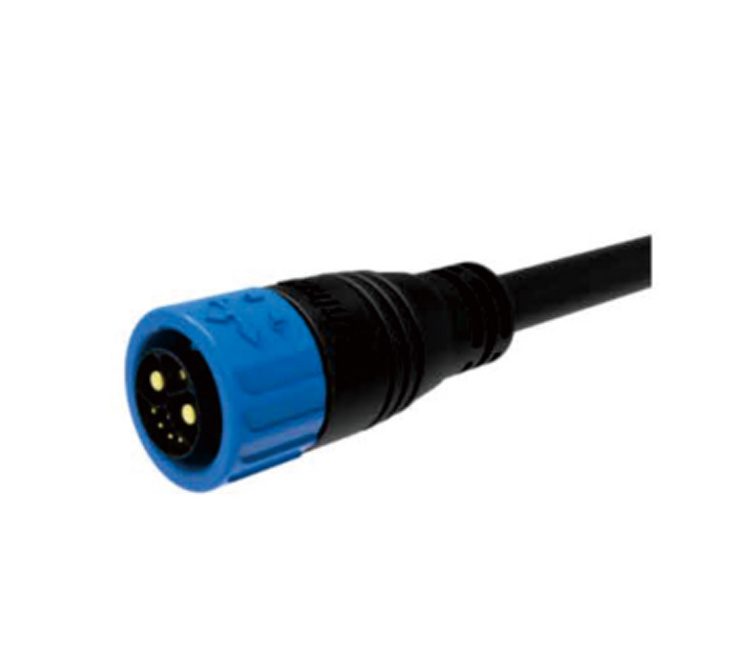
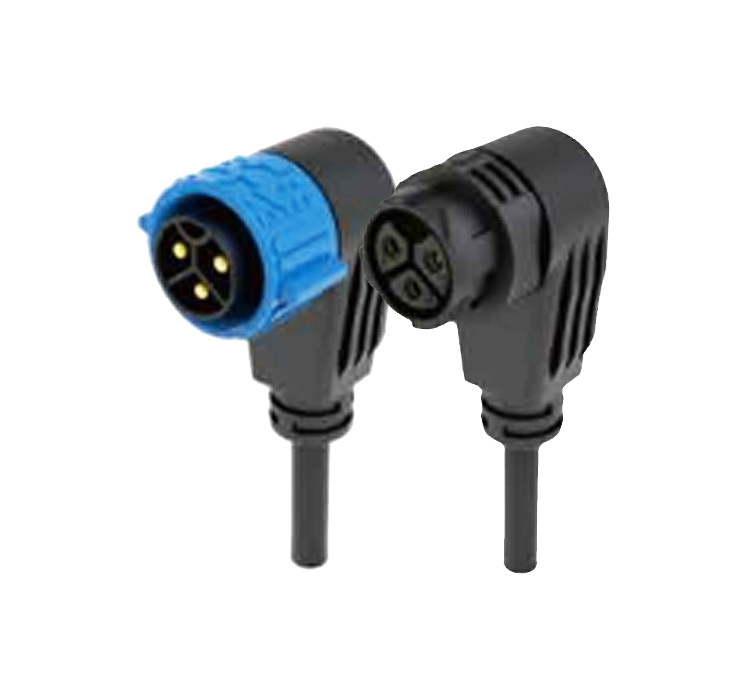
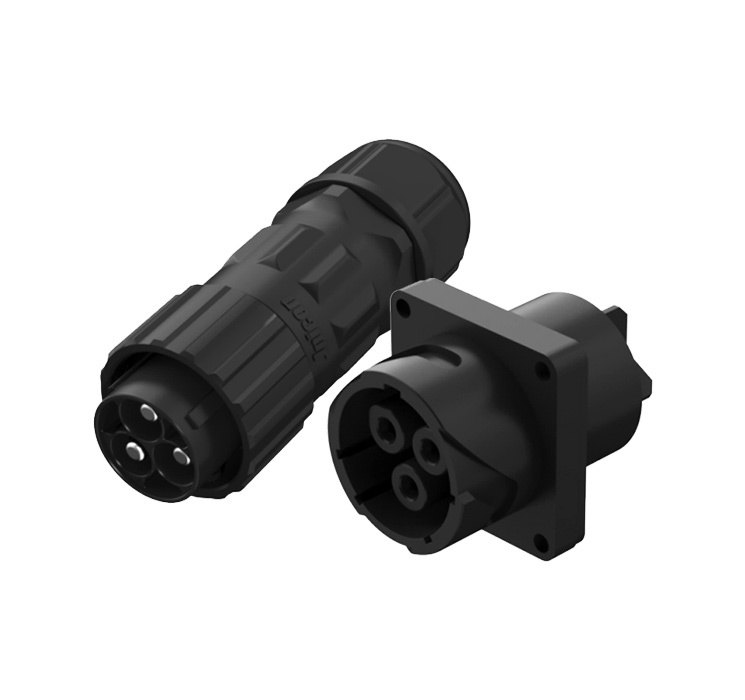
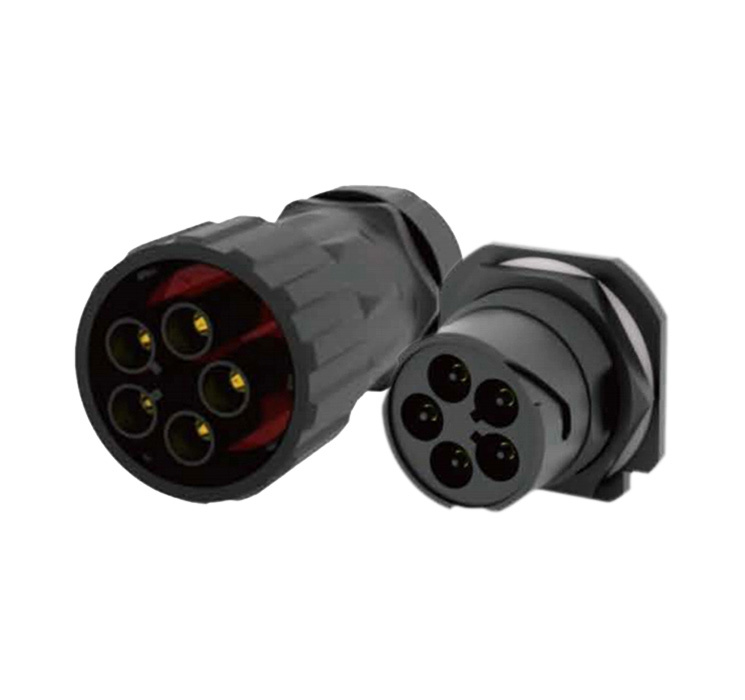
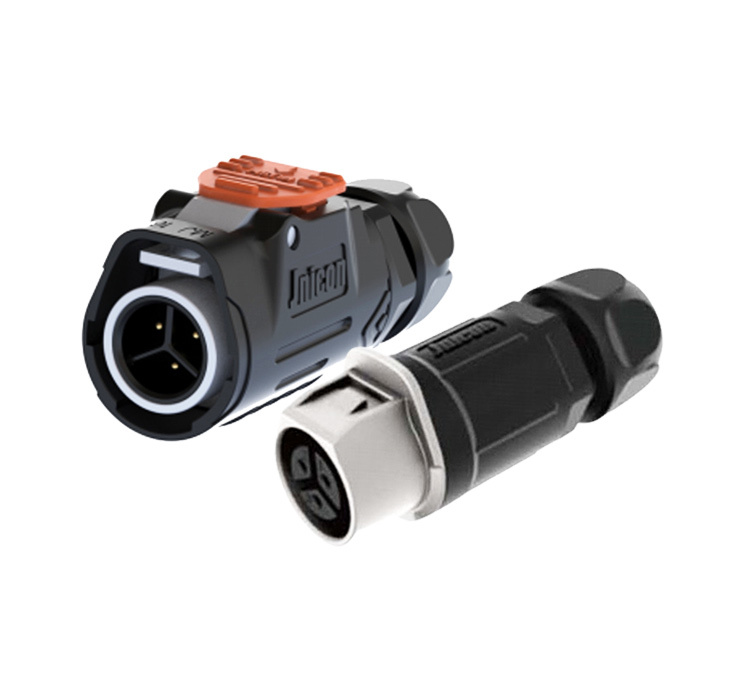
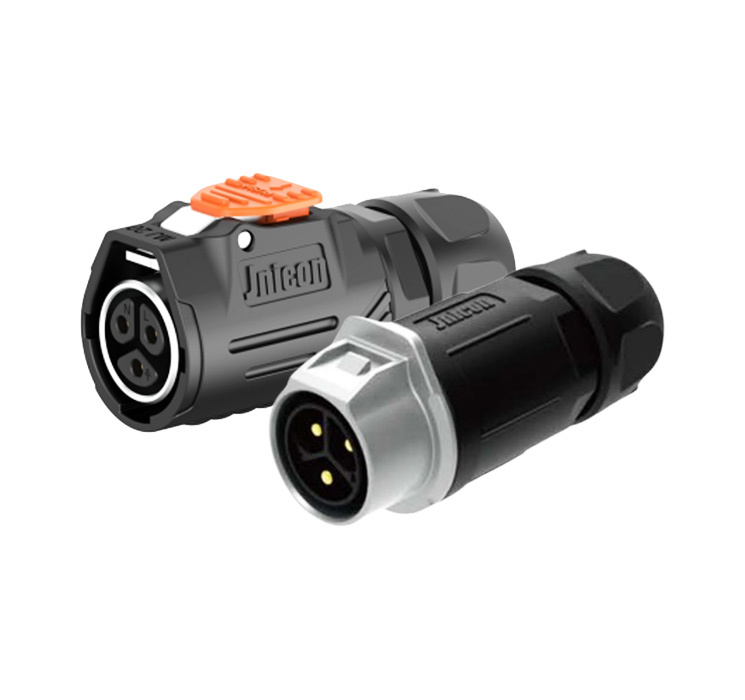
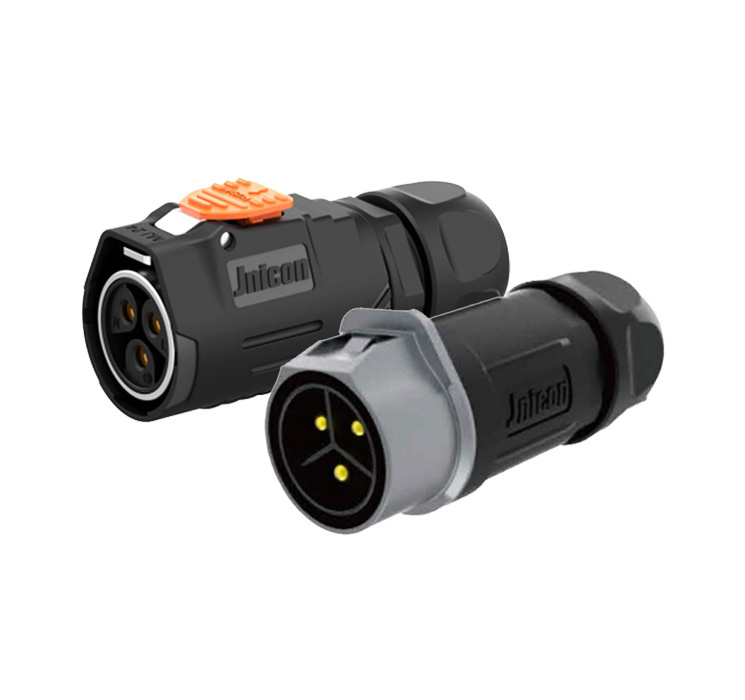
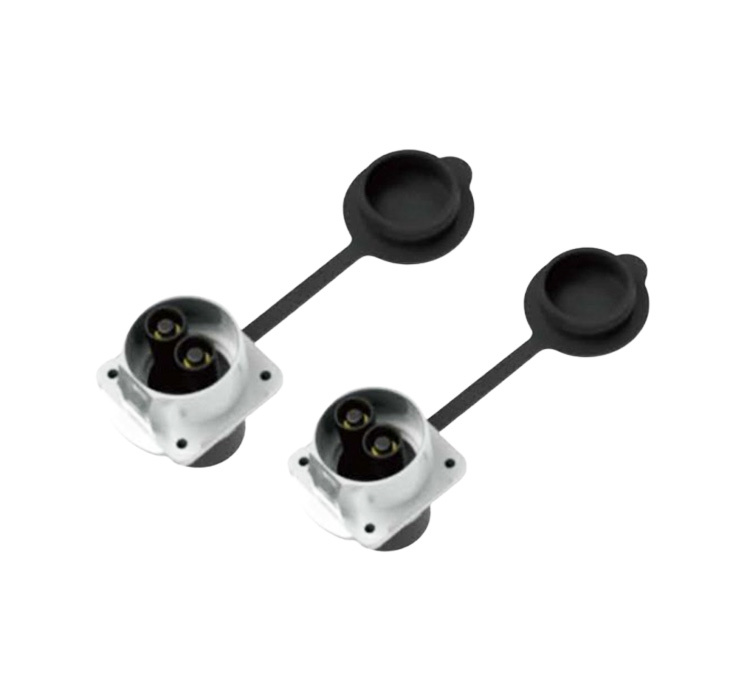
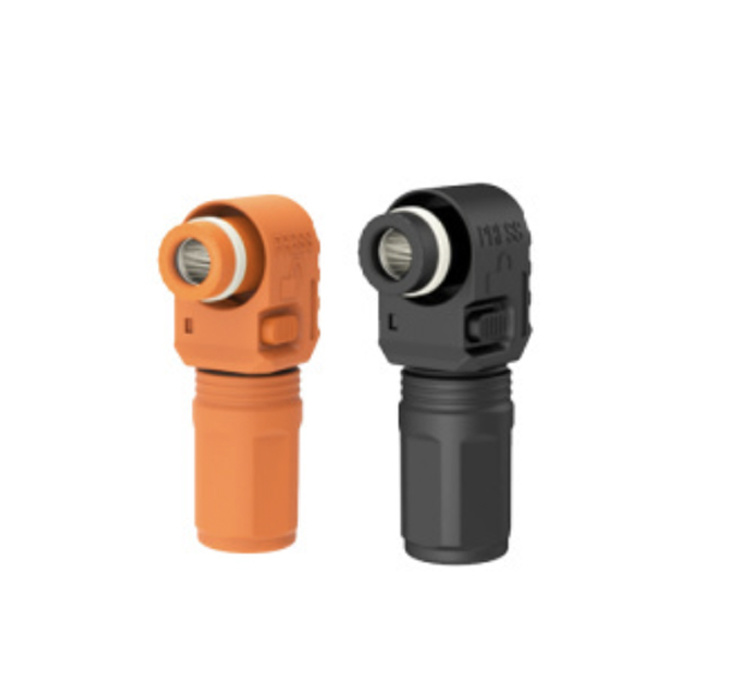
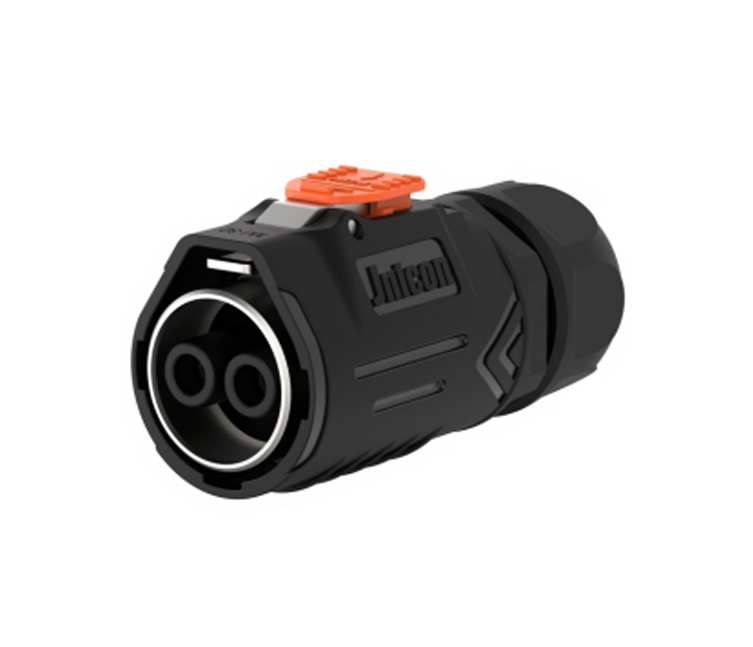
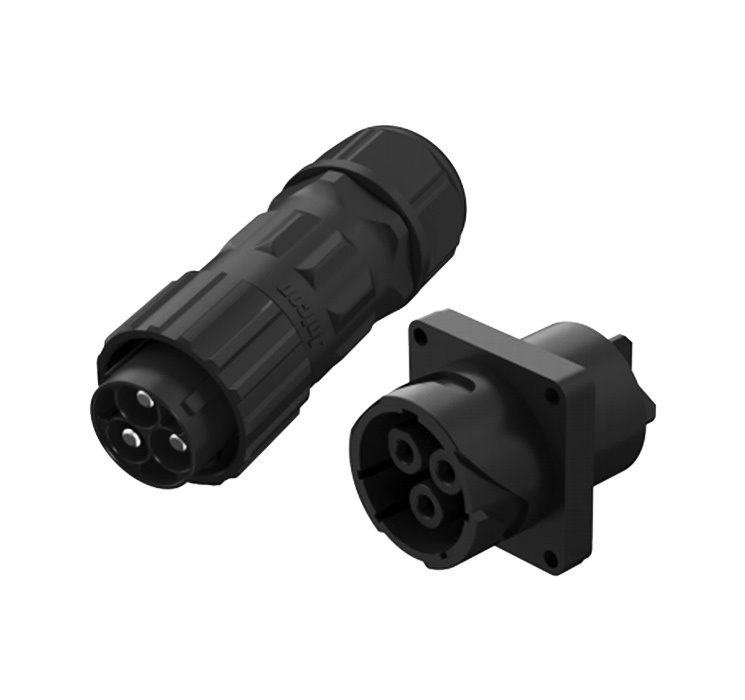
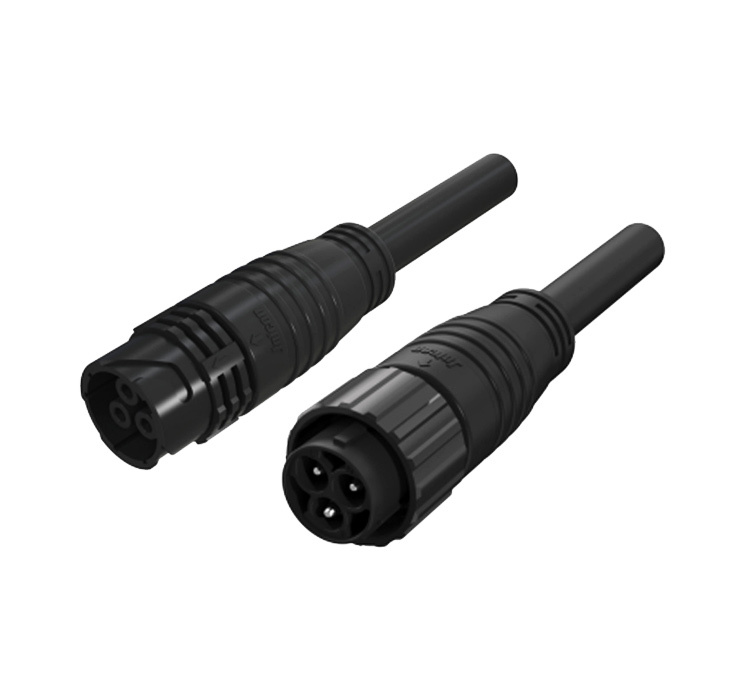
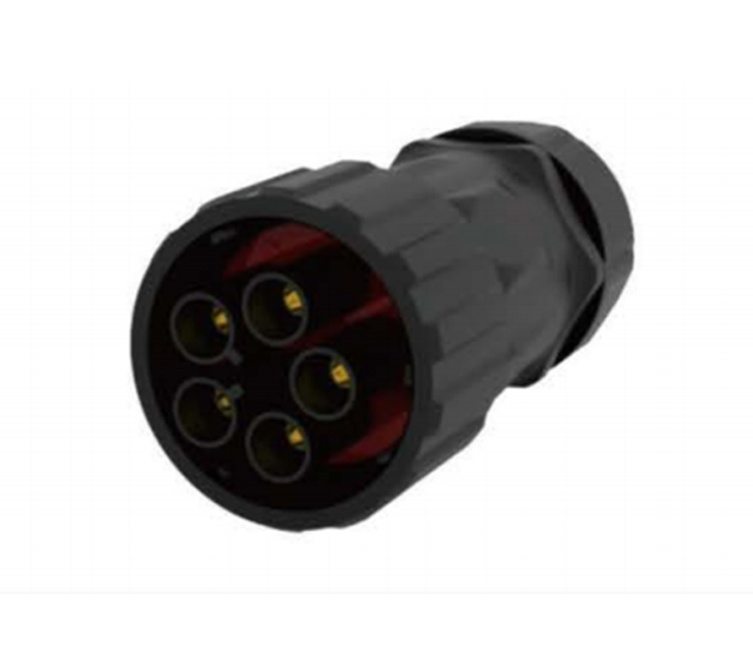
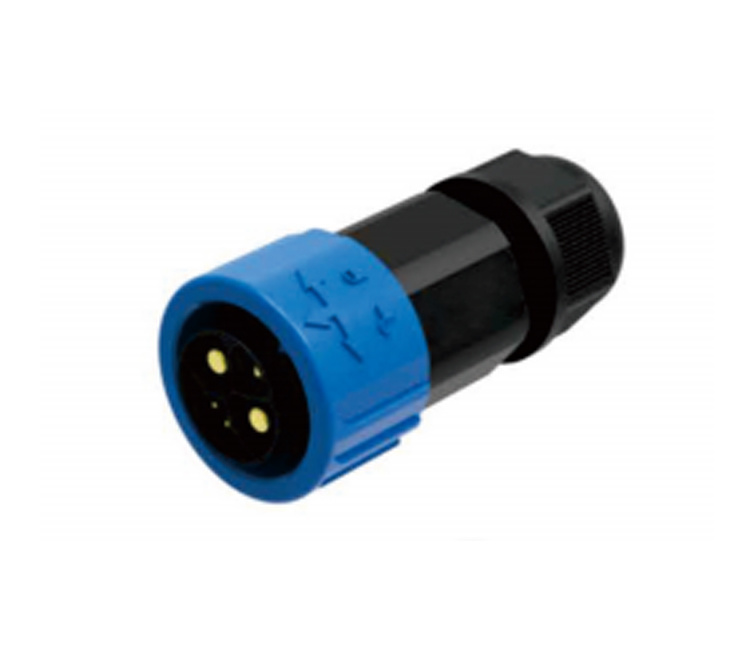
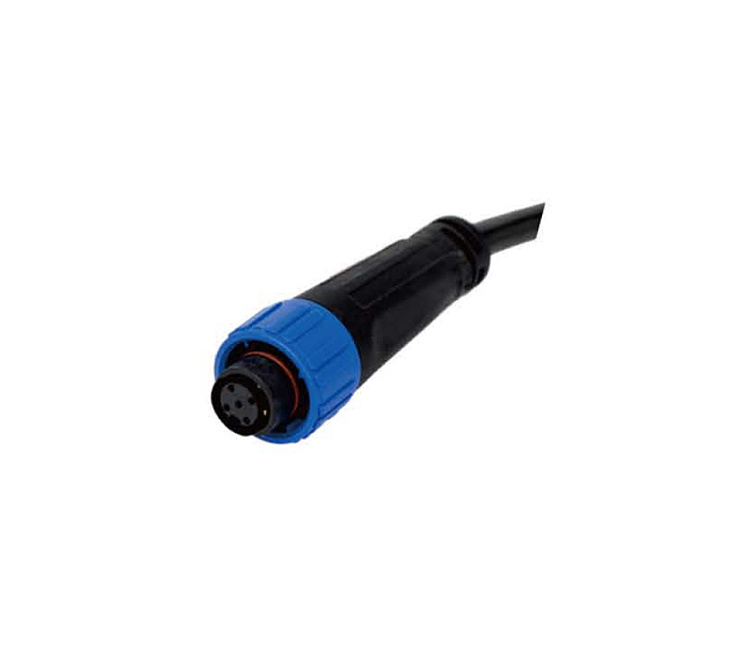
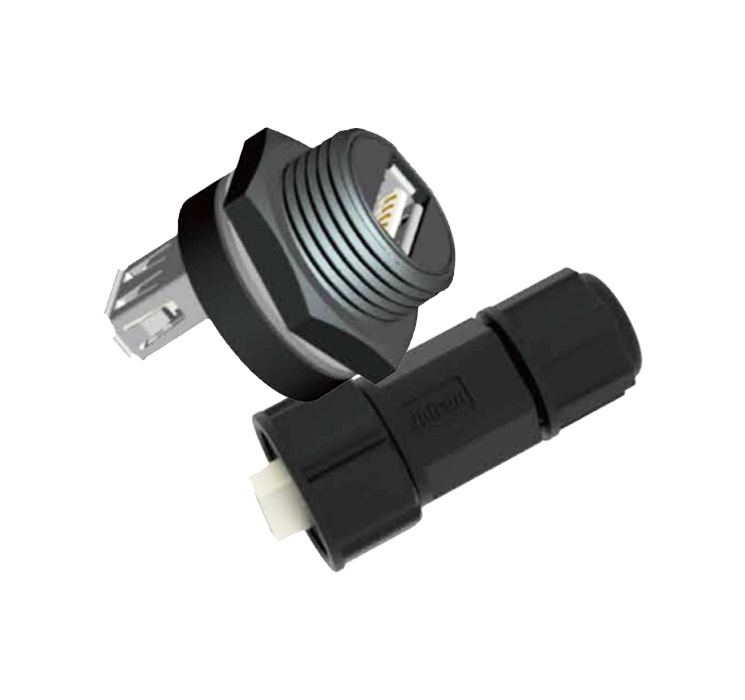
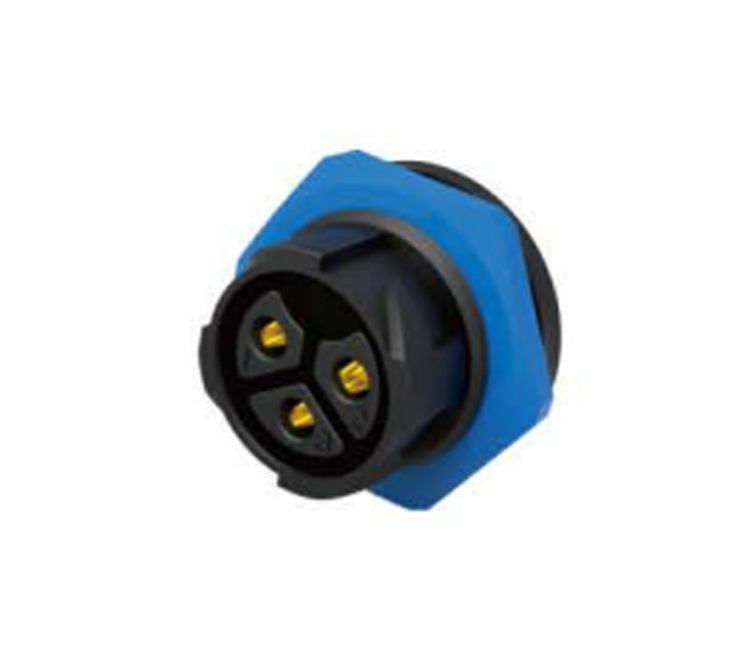
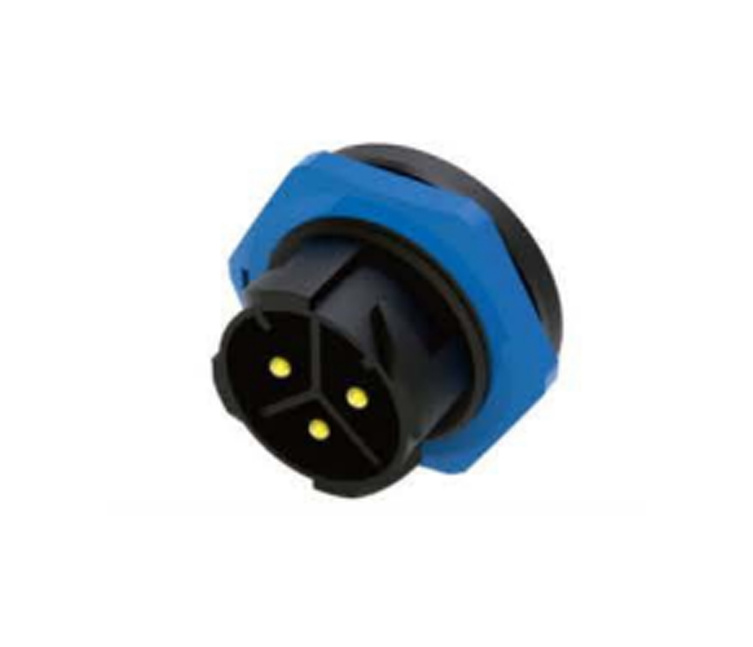
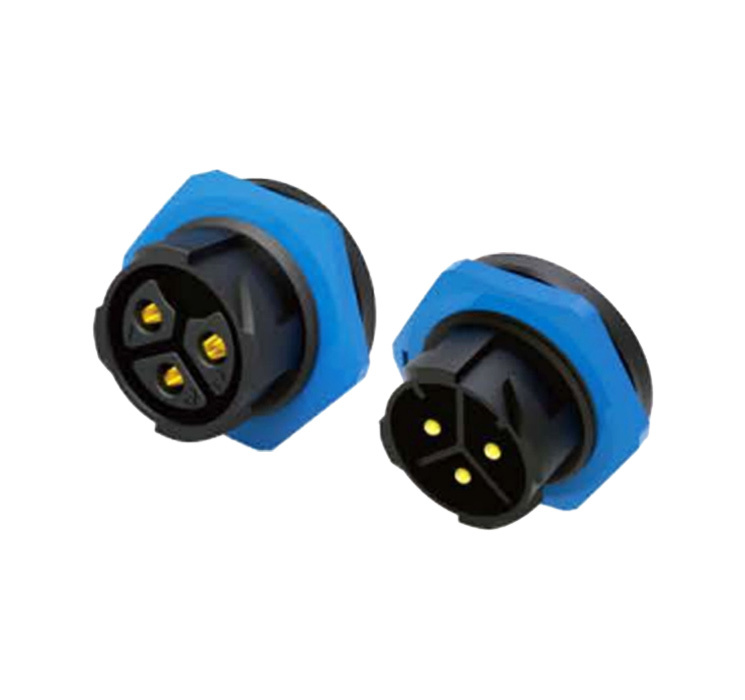
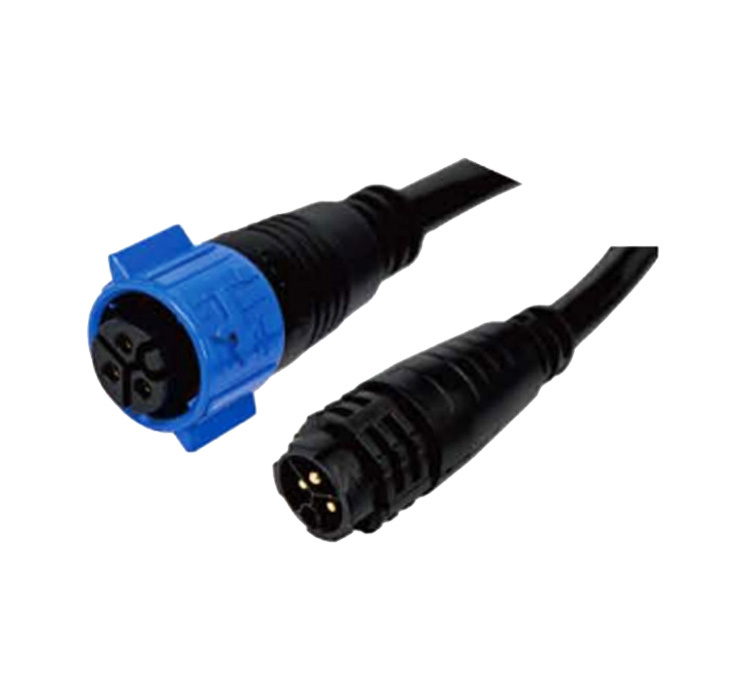
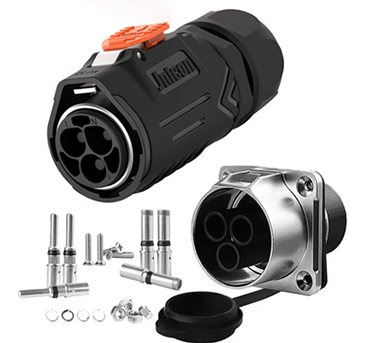
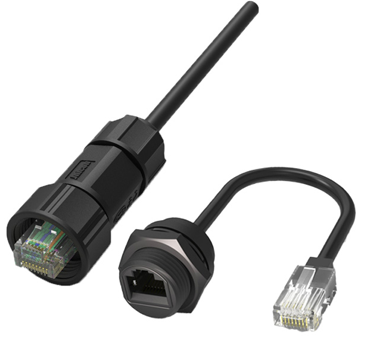
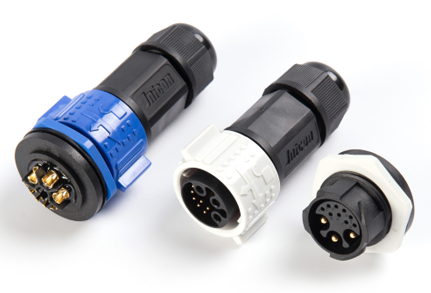
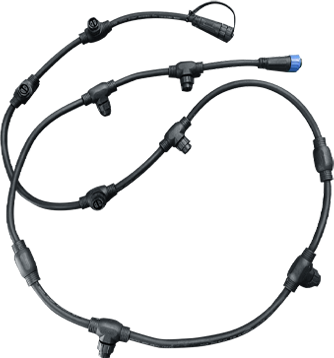
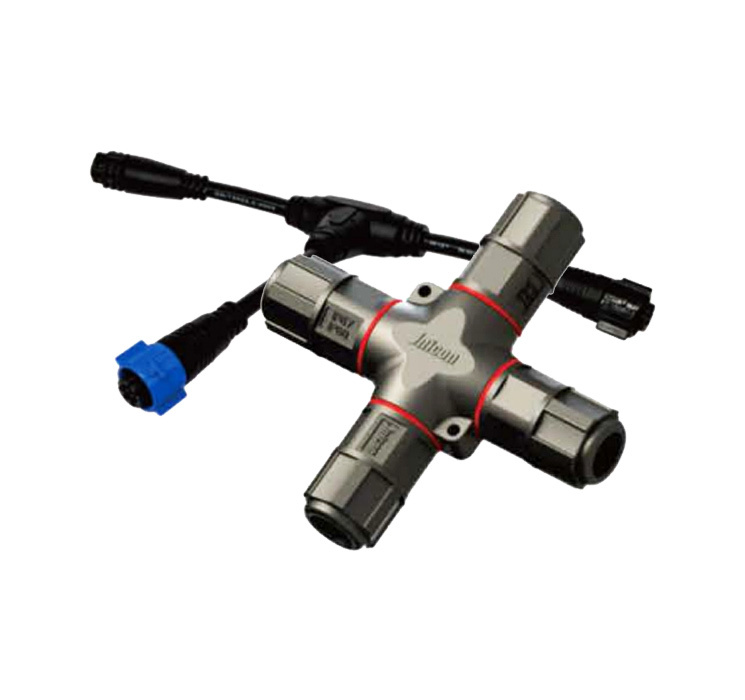
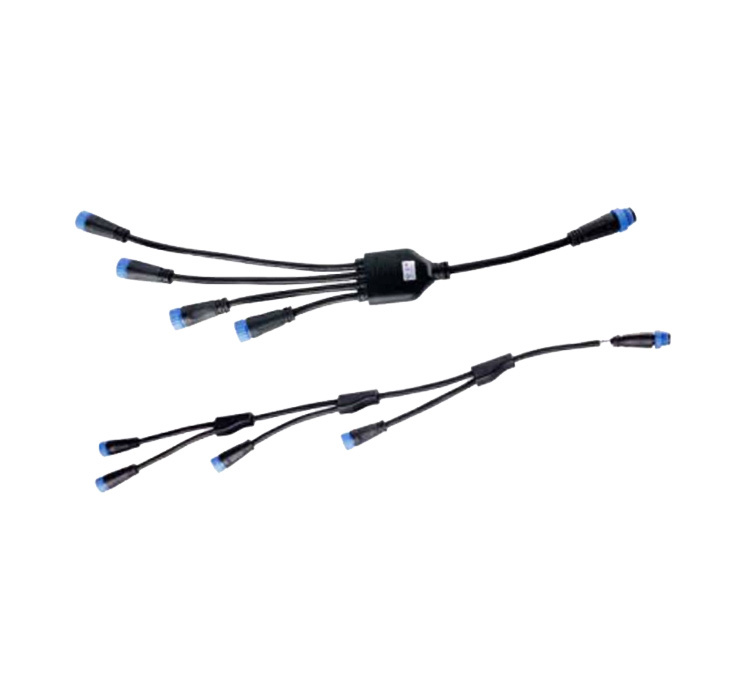
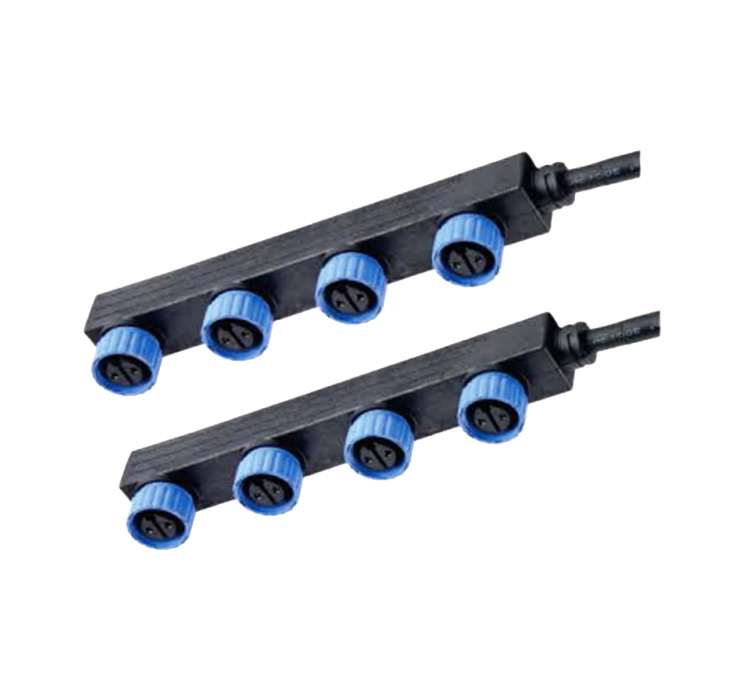
Waterproof cables are typically constructed using robust materials, such as thermoplastic elastomers (TPE) or polyvinyl chloride (PVC), which provide excellent water resistance. Additionally, these cables often feature sealing technologies that prevent moisture from entering the connection points. This is especially important in applications like marine electronics, outdoor lighting, and industrial machinery, where exposure to water can lead to short circuits, equipment failure, or even hazardous situations.
One of the critical factors to consider when selecting waterproof cables is the Ingress Protection (IP) rating. The IP rating system classifies the degree of protection offered against solid objects and liquids. For instance, an IP67 rating indicates that the cable is completely dust-tight and can withstand immersion in water up to 1 meter for a specified duration. Electrical professionals should ensure that the cables they choose meet the necessary IP ratings for their specific applications.
Installation practices also play a pivotal role in maintaining the integrity of waterproof cables. Proper termination, securing connections, and using the right connectors are essential steps in preventing water ingress. Additionally, regular inspections and maintenance can help identify potential issues before they lead to significant problems.
In terms of applications, waterproof cables are vital in numerous sectors. In the automotive industry, they are used in wiring harnesses to protect against exposure to moisture and chemicals. In the telecommunications sector, waterproof cables are essential for outdoor installations, ensuring reliable communication channels regardless of weather conditions. Furthermore, in the agricultural sector, these cables support automated systems that require durability in wet environments.
In conclusion, understanding the characteristics and applications of waterproof cables is indispensable for electrical professionals. By adhering to proper installation techniques and selecting cables with appropriate IP ratings, you can enhance safety and reliability in your electrical work. Whether in outdoor lighting, marine applications, or industrial settings, waterproof cables serve as a crucial component in ensuring that your electrical systems perform efficiently and safely.
Previous
Previous
News
2026-04-30
Understanding Waterproof Cables: Essential Insights for Electrical Professionals
When it comes to electrical installations, particularly in outdoor or high-moisture environments, the use of waterproof cables is crucial. Waterproof cables are specifically designed to resist water ingress, ensuring the safety and longevity of electrical connections. Understanding the properties and applications of these cables can significantly enhance the effectiveness of your electrical projec
2026-04-28
Understanding Industrial Power Connectors: A Key Component in Electrical Applications
Industrial power connectors are vital components in the electrical and electronic sectors, facilitating safe and reliable power distribution across various applications. These connectors are designed to handle high currents and voltages, ensuring optimal performance in demanding environments. Understanding the different types and features of industrial power connectors can significantly enhance th
2026-04-26
Understanding 3 Pin Waterproof Connectors: Essential Insights for Electrical Applications
In the realm of electrical connections, 3 pin waterproof connectors have gained significant traction due to their versatility and reliability in various applications. These connectors are specifically designed to ensure a secure and water-resistant connection, making them ideal for environments where exposure to moisture and contaminants is a concern. Commonly used in outdoor lighting, marine appl

B8-9, Fubilun industrial park, Chaoyang rd,Yanchuan community, Songgang, Shenzhen, China


