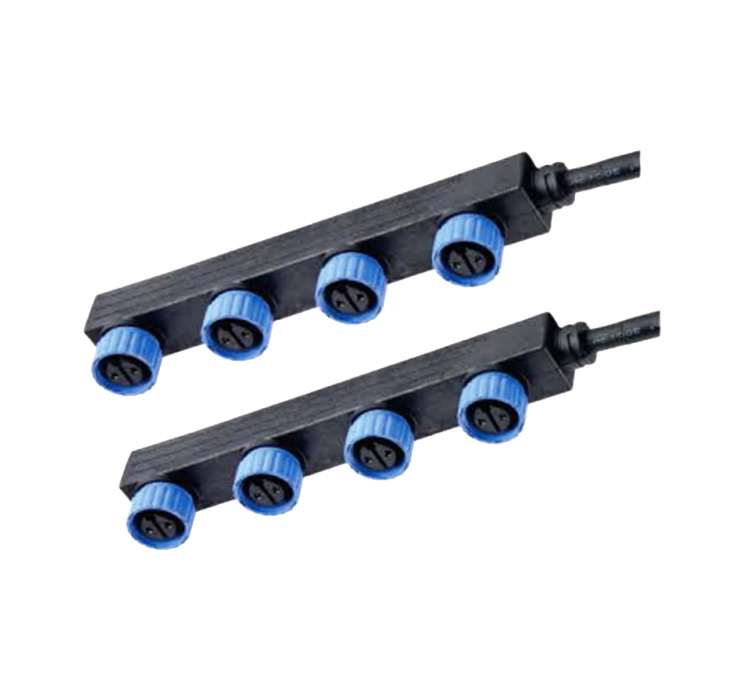


Understanding Waterproof Cables: Essential Insights for Professionals in Electrical and Connector Industries
Release Time:
2026-05-06
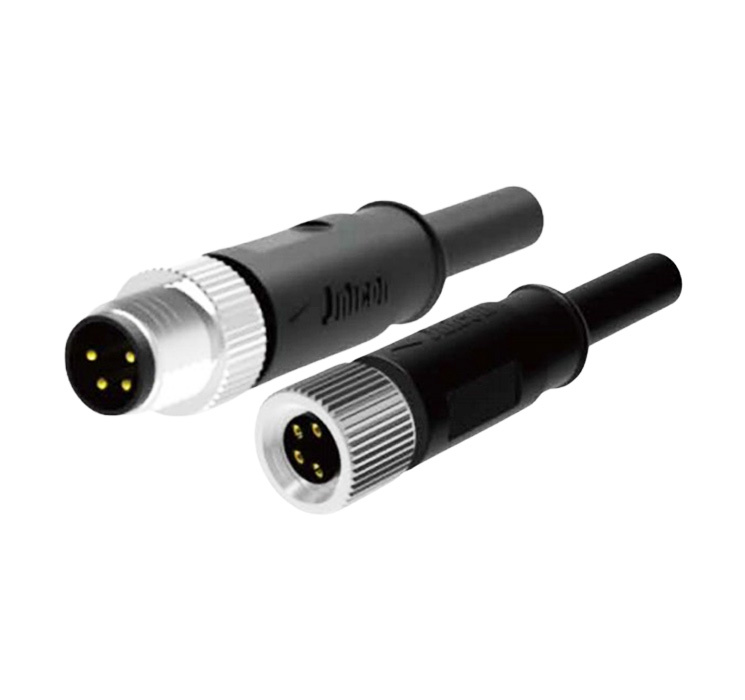
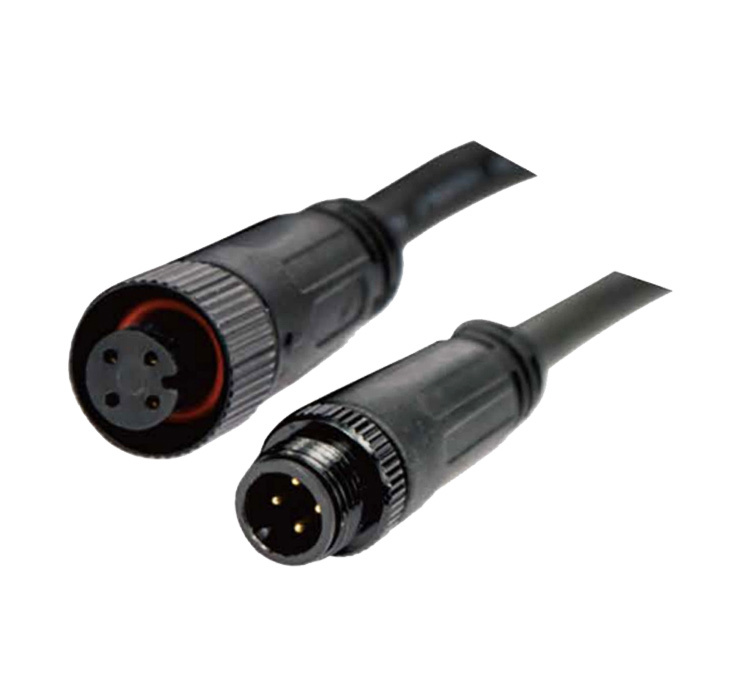
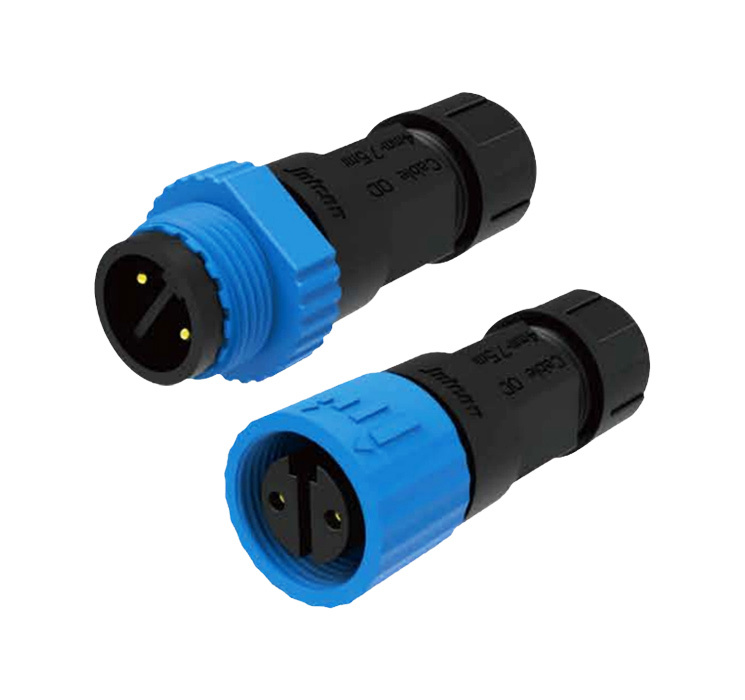
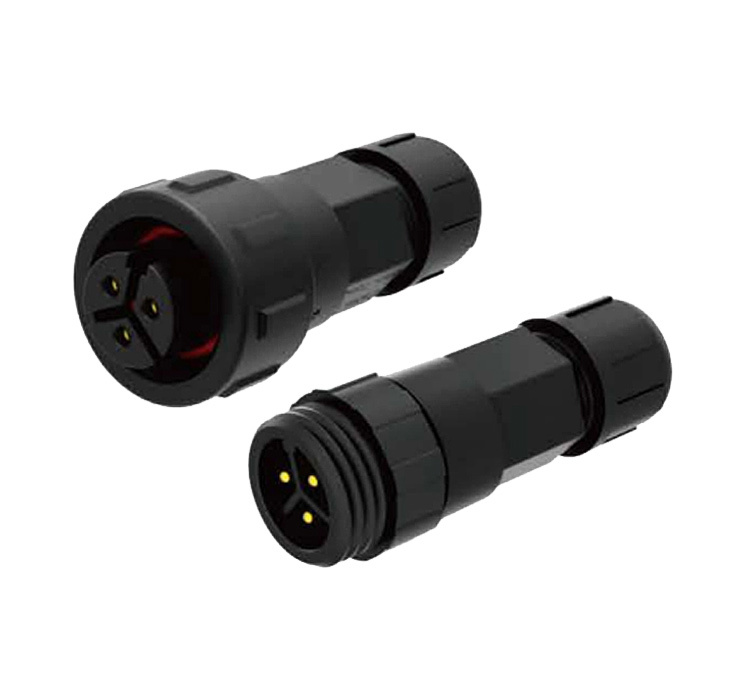
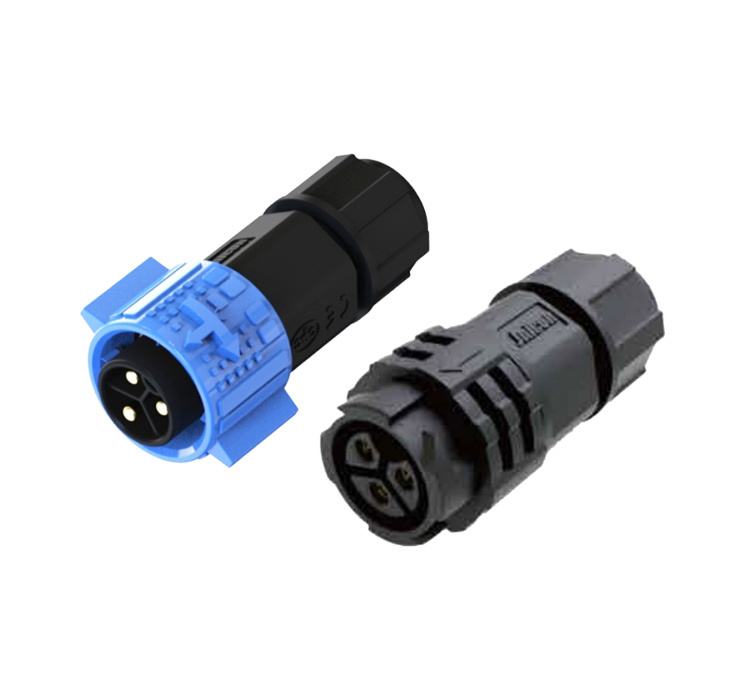
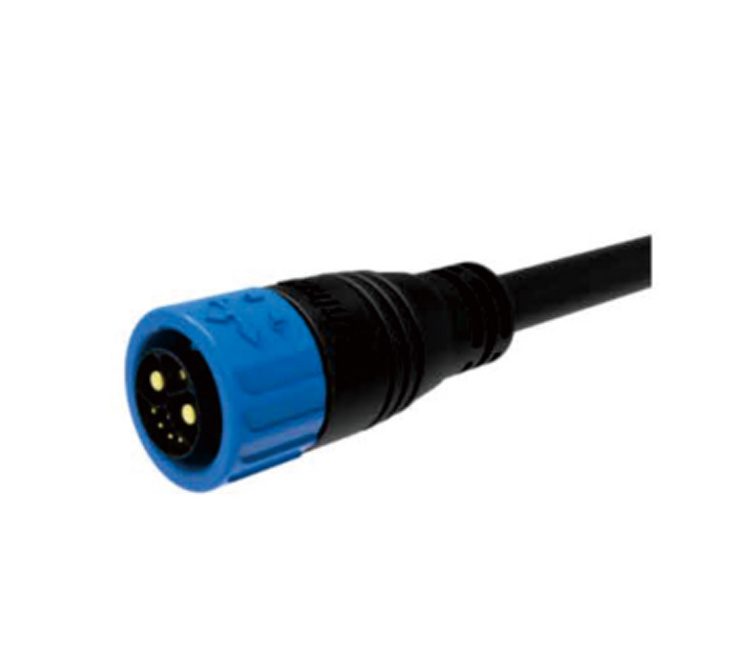
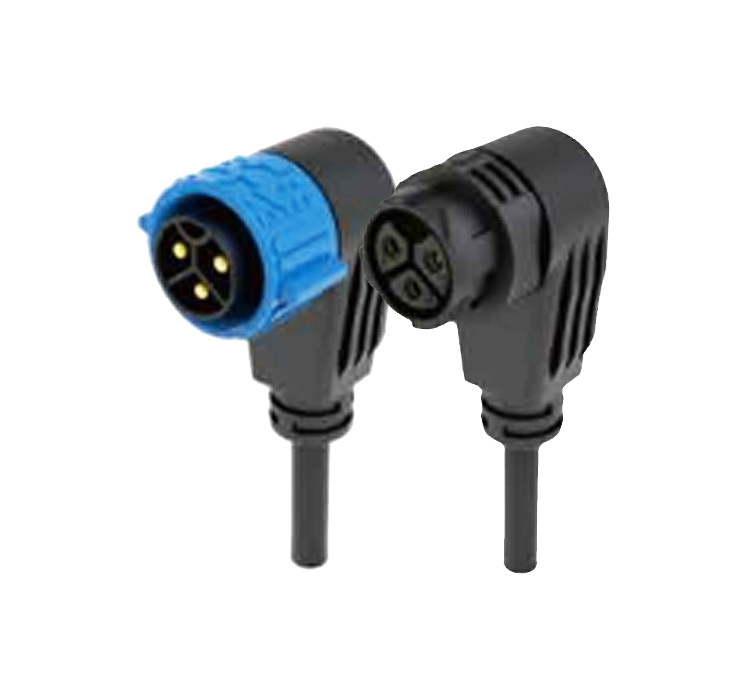
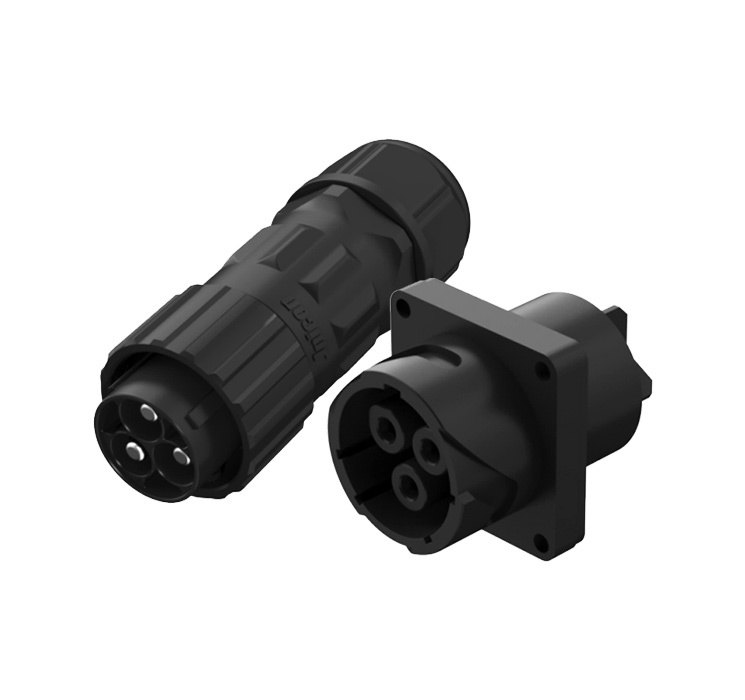
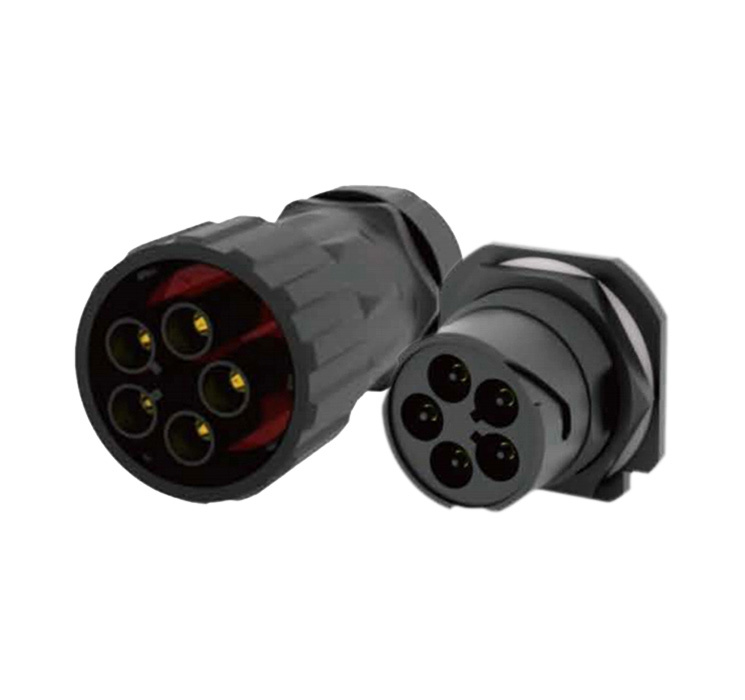
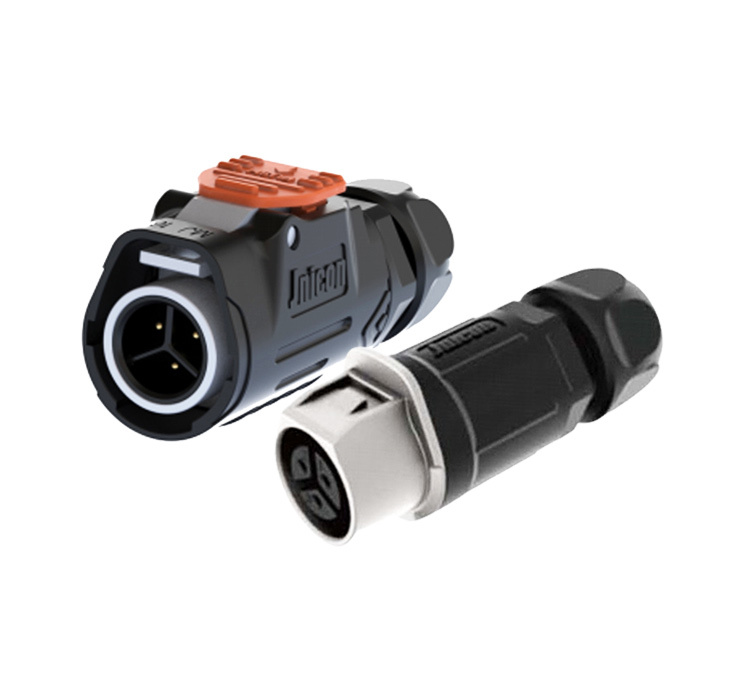
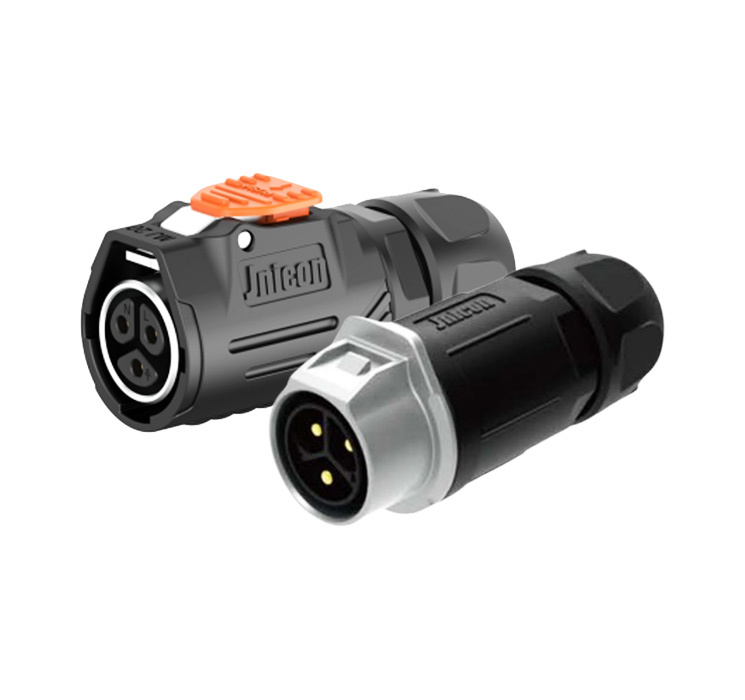
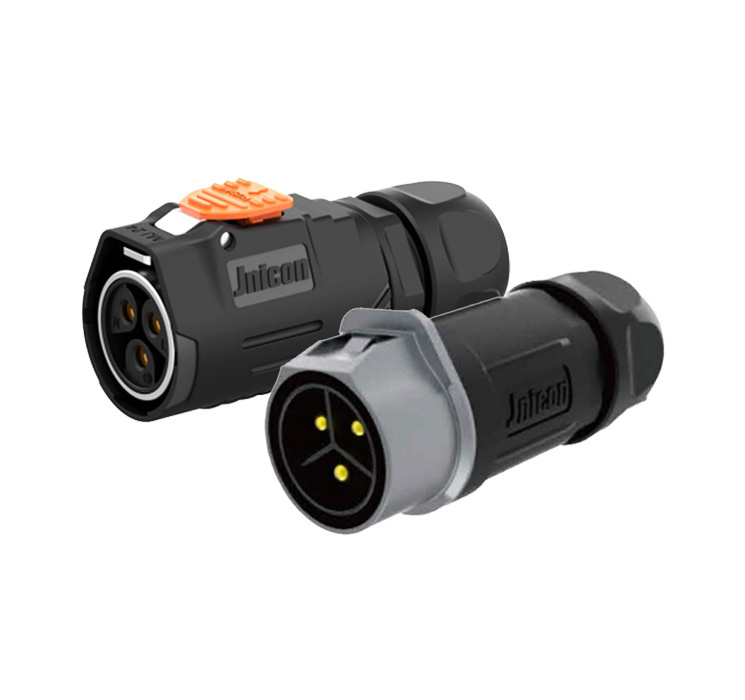
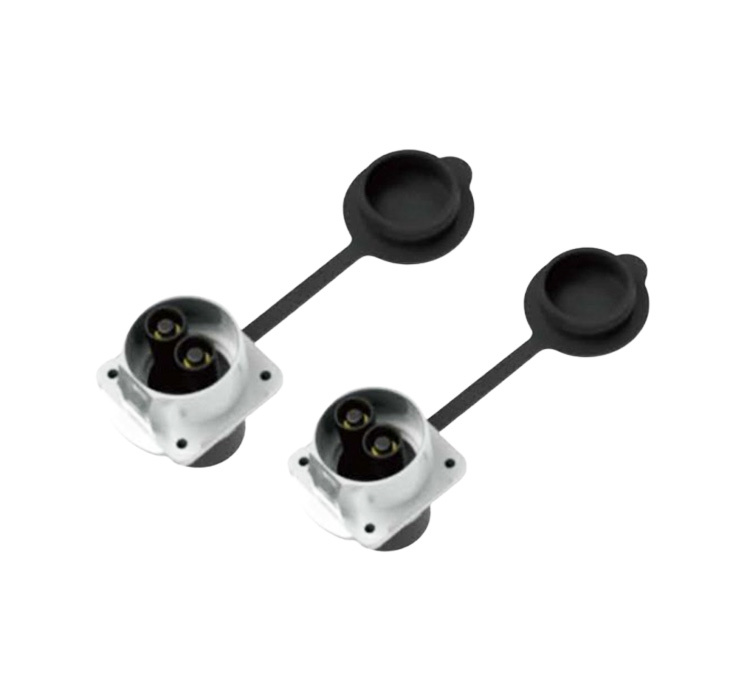
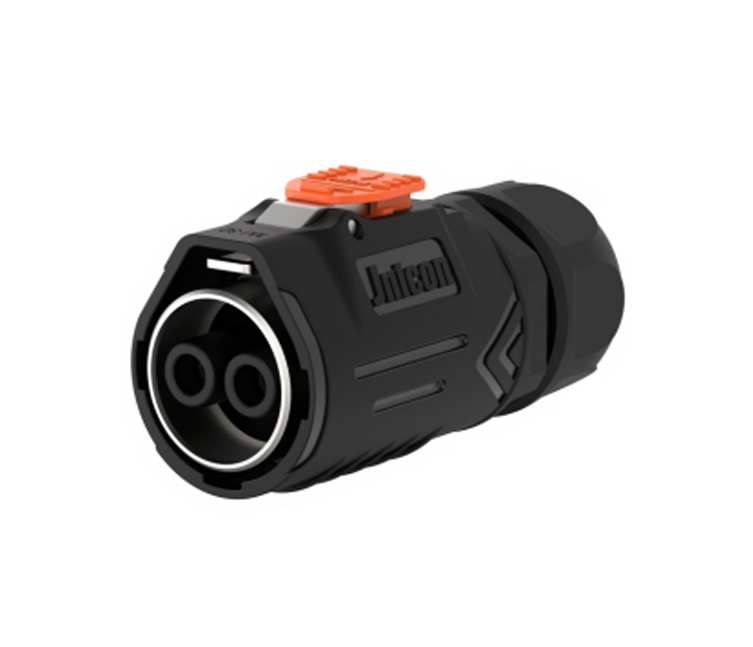
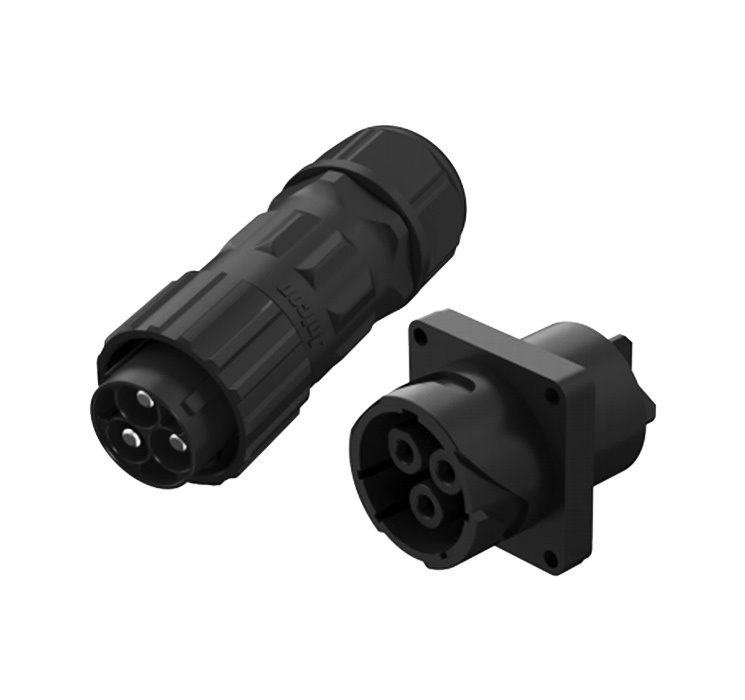
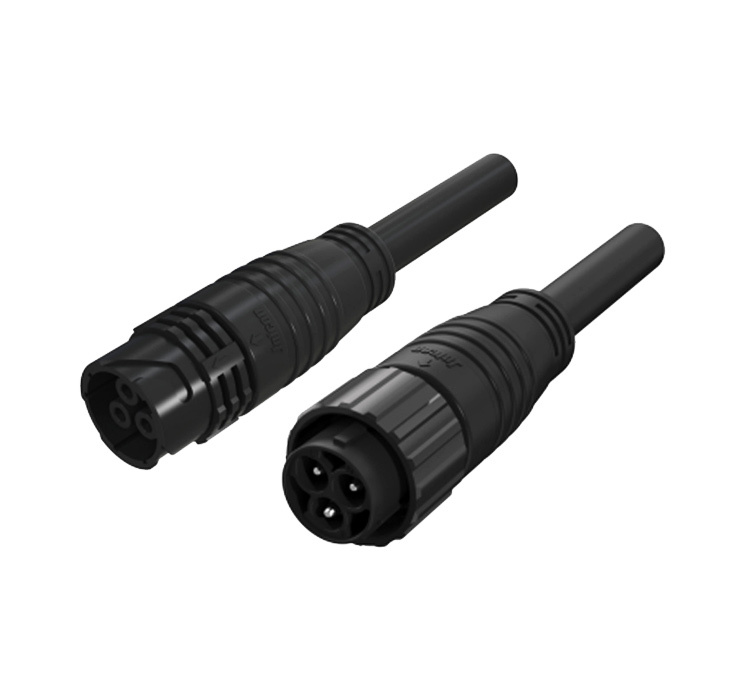
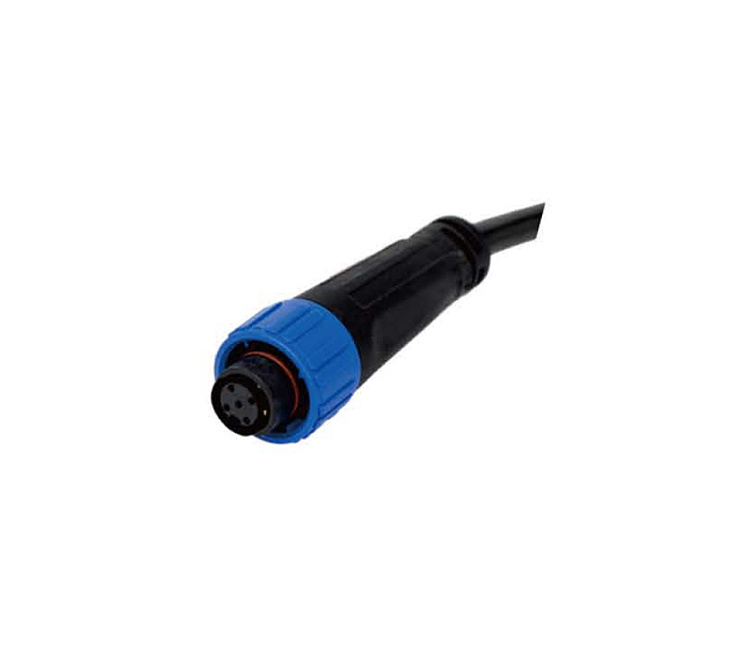
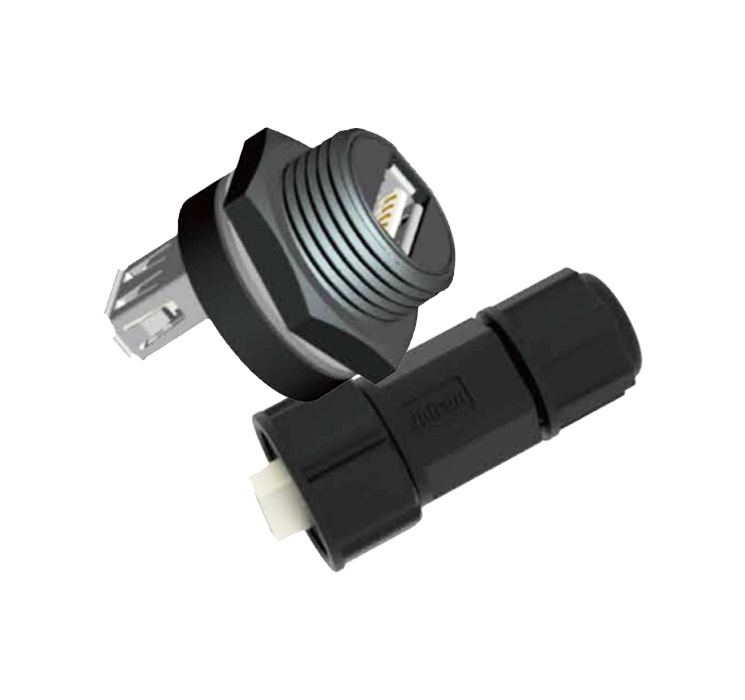
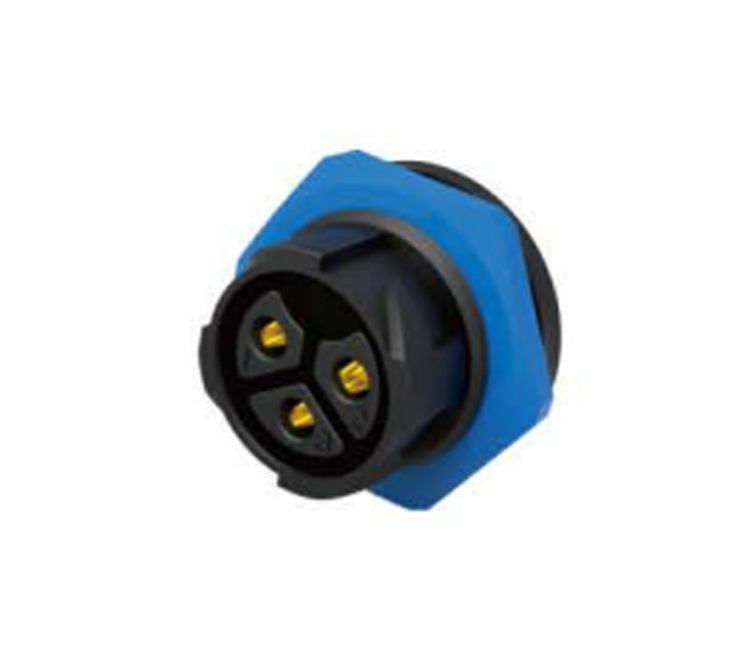
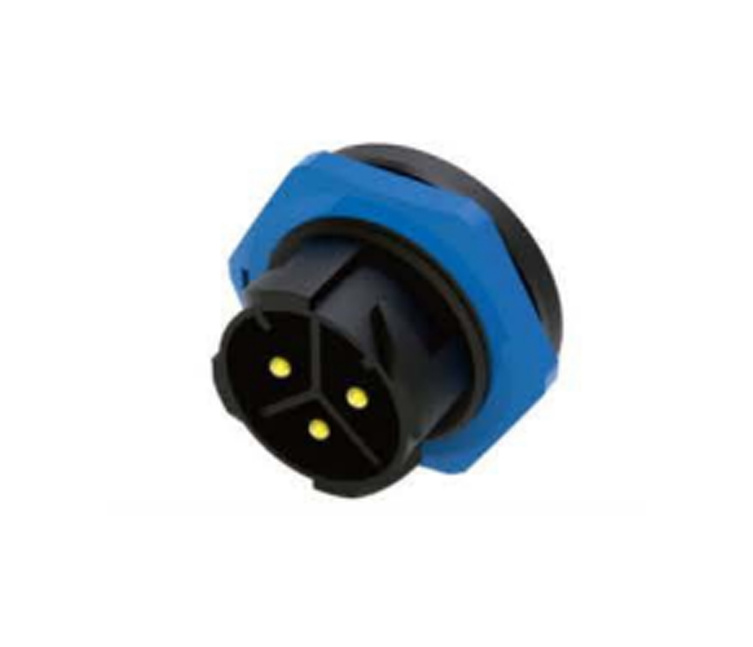
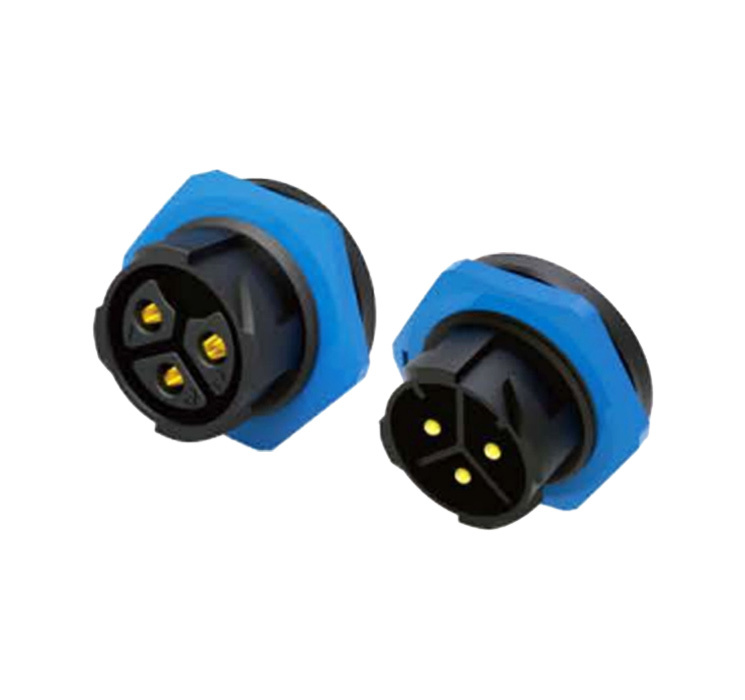
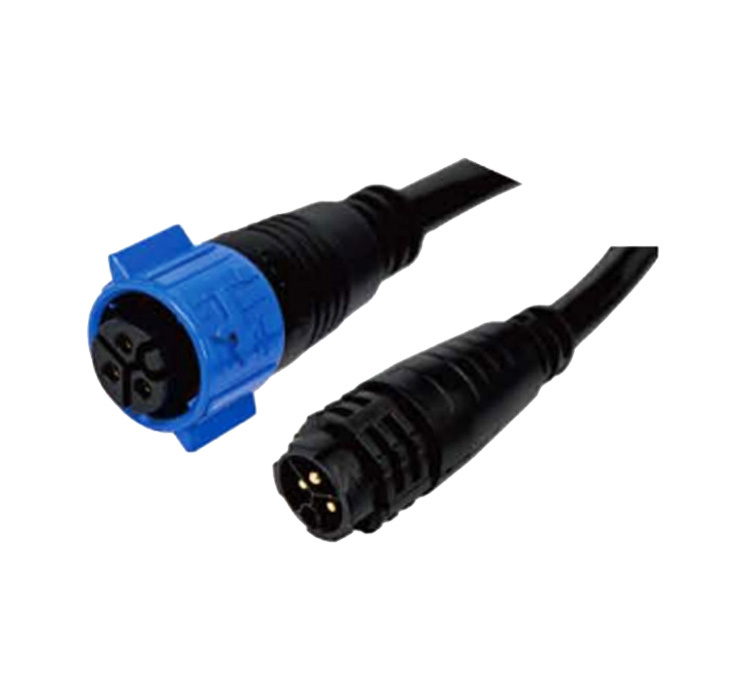
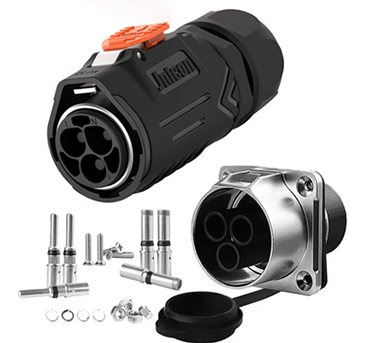
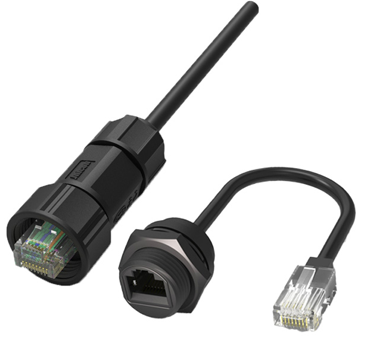
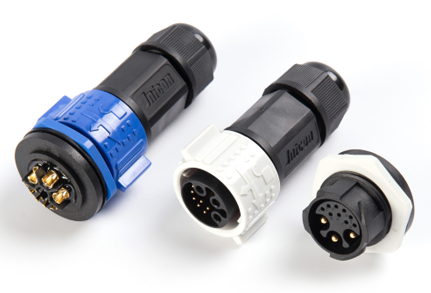
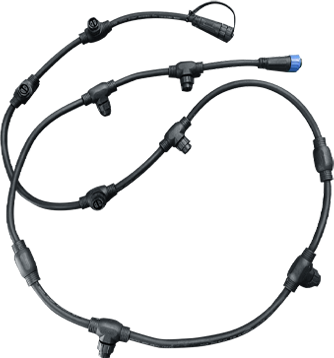
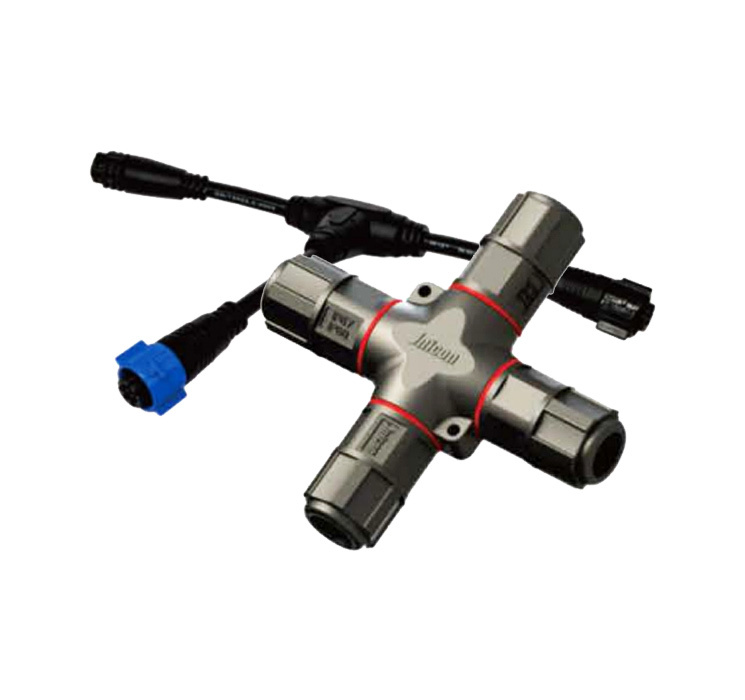
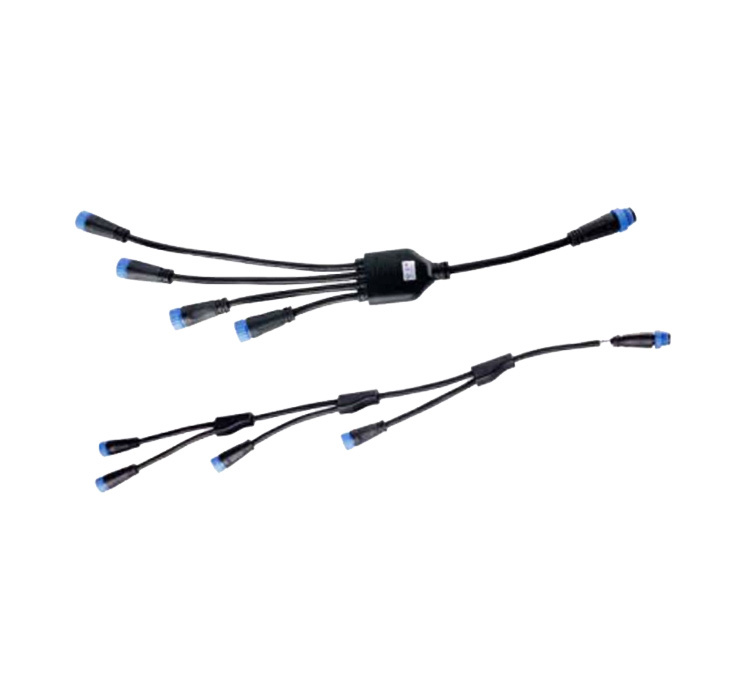
Waterproof cables are specially designed to resist moisture ingress, which can lead to short circuits, corrosion, and ultimately, equipment failure. These cables typically feature a robust construction that includes materials such as PVC, rubber, or thermoplastic elastomers, which provide excellent insulation and protection against water. Additionally, many manufacturers use sealing techniques and waterproof connectors to ensure that the entire cable assembly remains impervious to water.
The benefits of using waterproof cables extend beyond mere protection from moisture. By utilizing these cables, professionals can ensure the longevity of their electrical systems, reducing maintenance costs and enhancing overall operational efficiency. In industries where equipment is exposed to rain, splashes, or even submersion, waterproof cables can significantly reduce the risk of downtime.
Waterproof cables find applications in various sectors, including marine, automotive, industrial, and outdoor lighting. In the marine industry, for example, cables must withstand harsh saltwater environments, while in automotive applications, they must endure exposure to water from rain or car washes. Similarly, in industrial settings, waterproof cables are essential for ensuring safety and reliability in environments prone to spills or heavy moisture.
When selecting waterproof cables, professionals should consider factors such as the cable's IP (Ingress Protection) rating, which indicates its level of resistance to water and dust. Higher IP ratings reflect better protection, making them suitable for more demanding environments. Additionally, understanding the specific environmental conditions and electrical requirements of your application will guide you in choosing the right waterproof cable type.
In conclusion, incorporating waterproof cables into electrical projects is a proactive approach to ensuring the reliability and longevity of your systems. By being informed about their construction, benefits, and applications, you can make better decisions that enhance safety and performance in your work. As waterproof cables continue to evolve with advancements in materials and technology, staying abreast of these developments will further empower you as a professional in the electrical and connector industry.
News
2026-09-18
Unlocking the Benefits of 3 Pin Waterproof Connectors for Outdoor Projects
Unlocking the Benefits of 3 Pin Waterproof Connectors for Outdoor Projects Introduction: The Importance of Reliable Electrical Connections in Outdoor Projects Ensuring secure and efficient electrical connections in outdoor environments poses unique challenges. Weather conditions, moisture, and temperature fluctuations can jeopardize your projects. This is where **3 pin waterproof connectors**
2026-09-15
Enhancing Marine Safety with Waterproof Electrical Connectors
In the marine industry, electrical systems are vital for various functions, from navigation to powering onboard equipment. This makes the reliability of marine electrical connectors essential, particularly when it comes to ensuring they are waterproof. Waterproof marine electrical connectors are specifically designed to withstand harsh maritime environments, protecting against water ingress and co
2026-09-12
Top 5 Applications Where Waterproof Cables Make a Difference
Top 5 Applications Where Waterproof Cables Make a Difference Introduction to Waterproof Cables In today’s technological landscape, **waterproof cables** play a crucial role in ensuring reliable connectivity in various industries. These specialized cables are designed to withstand moisture, dust, and extreme environmental conditions, making them indispensable in many applications. In this artic

B8-9, Fubilun industrial park, Chaoyang rd,Yanchuan community, Songgang, Shenzhen, China


