


Understanding Industrial Power Connectors: A Comprehensive Guide for Professionals
Release Time:
2026-05-04
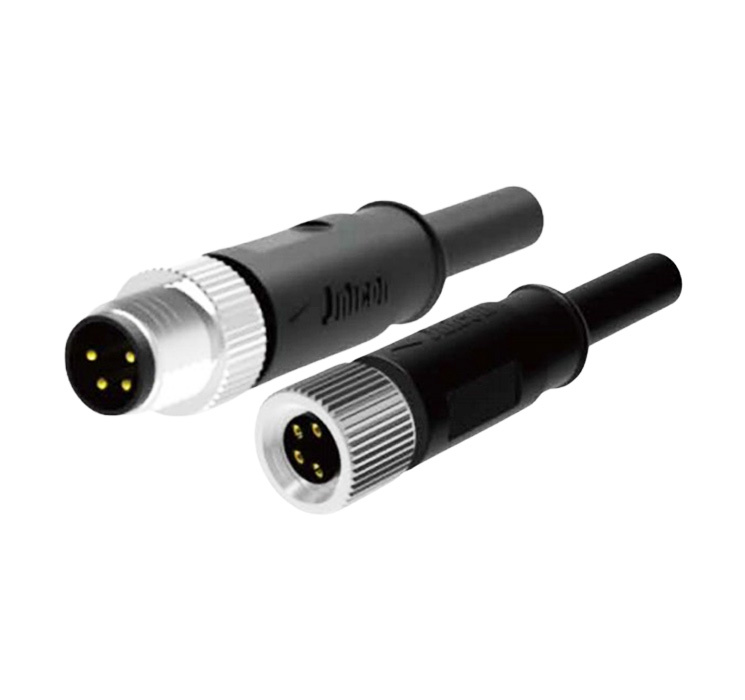
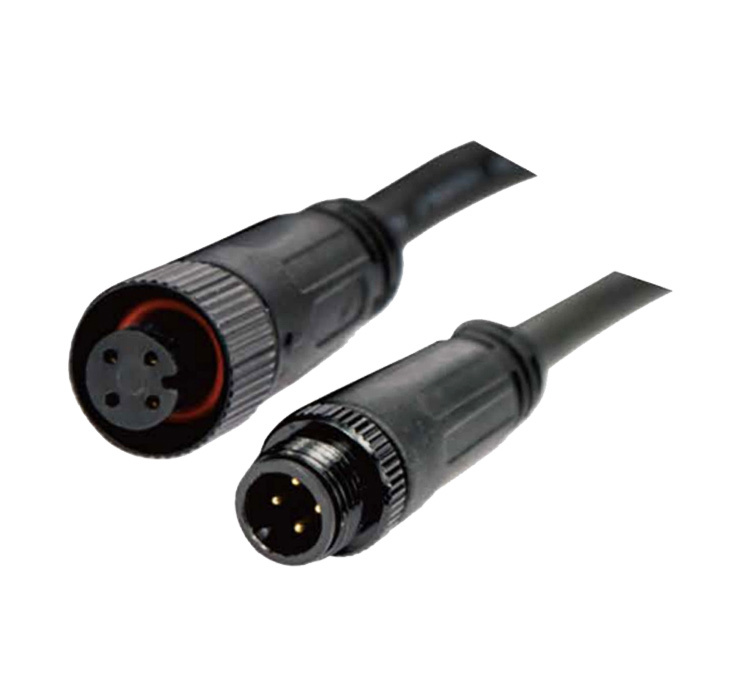
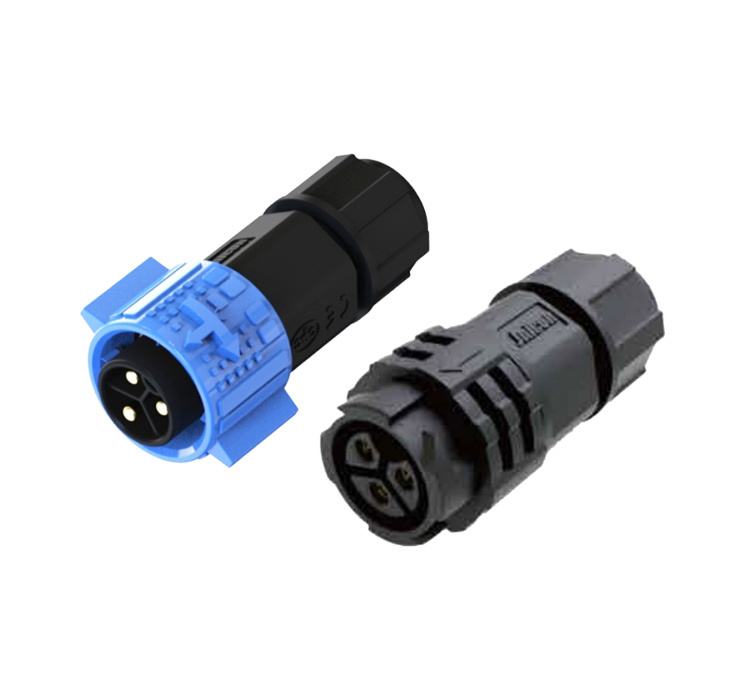
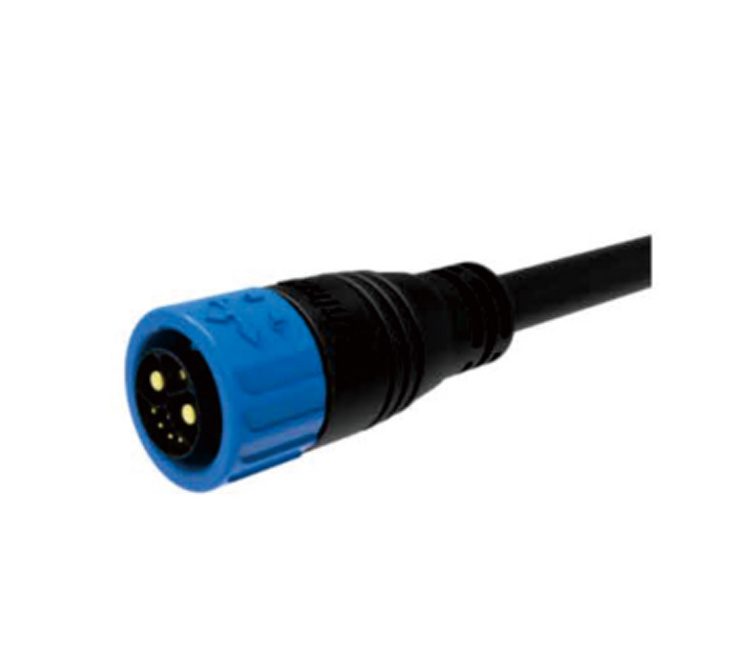
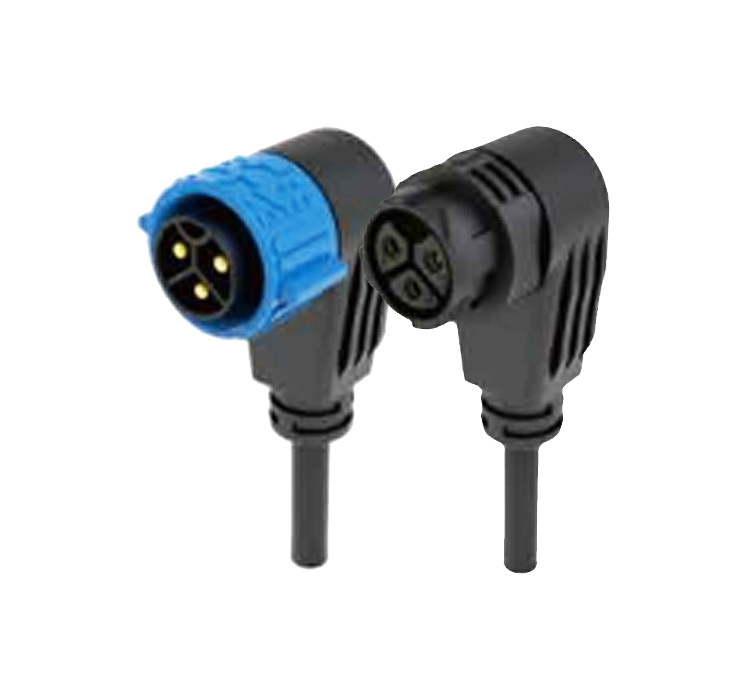
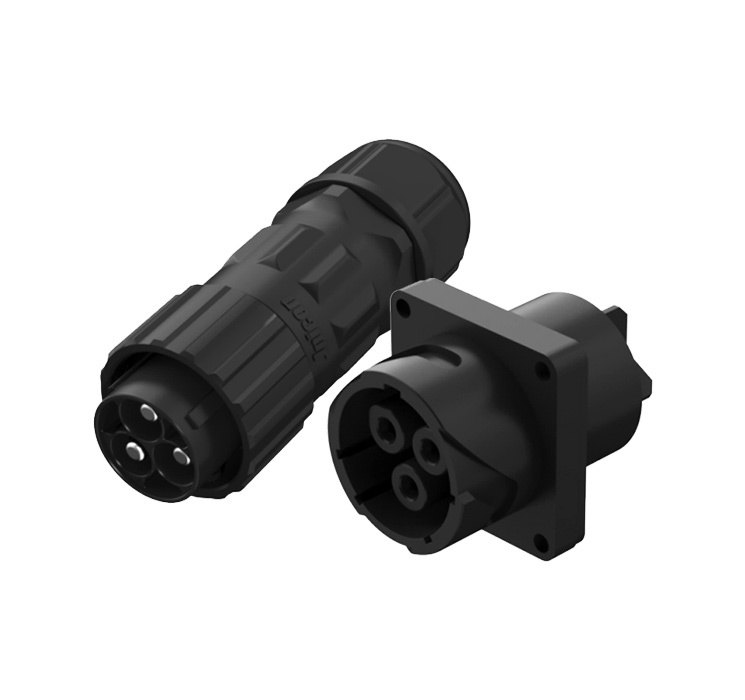
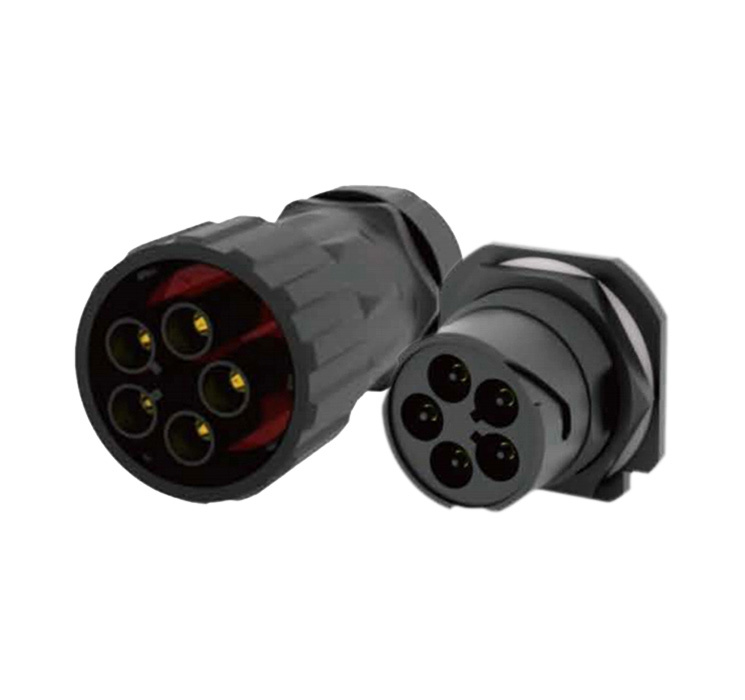
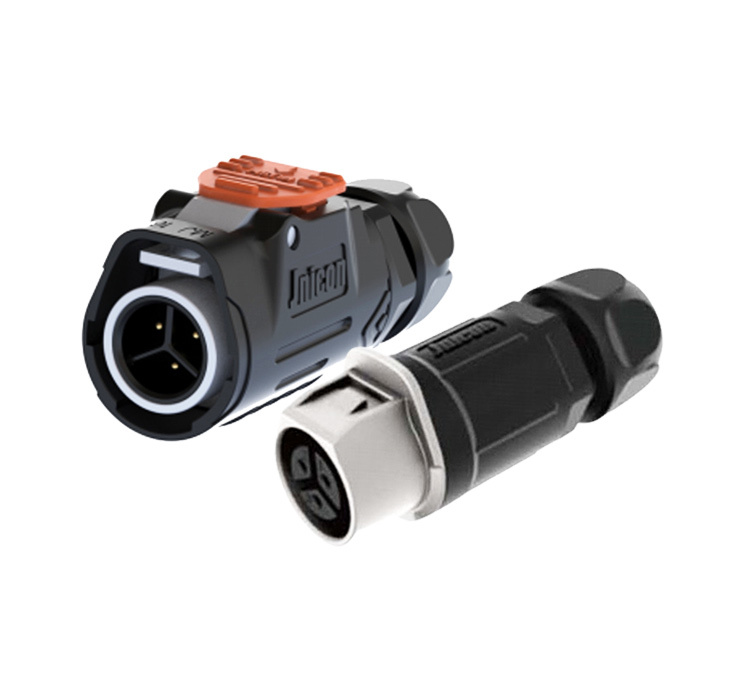
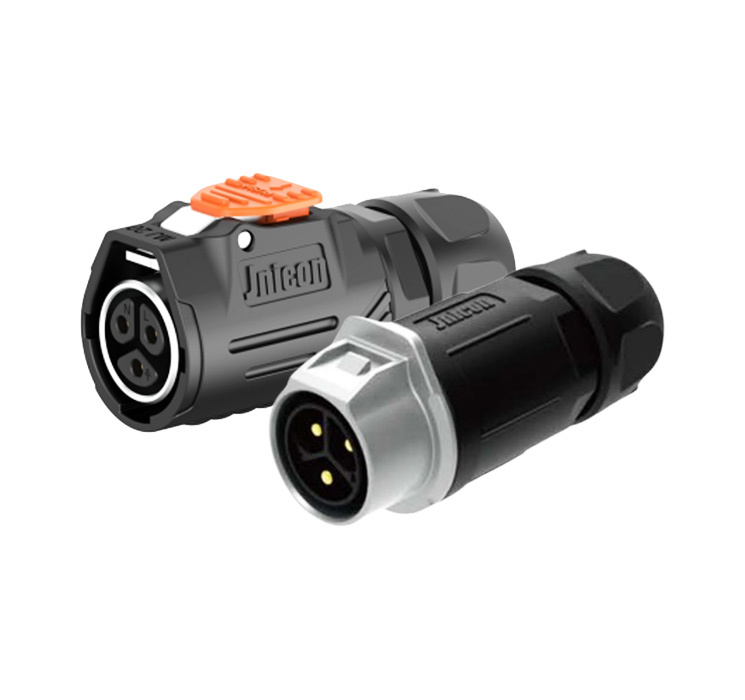
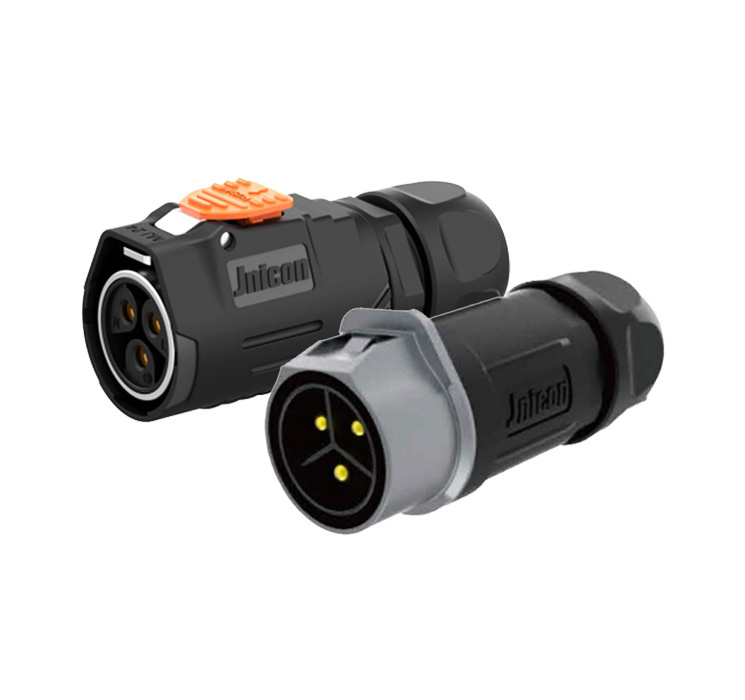
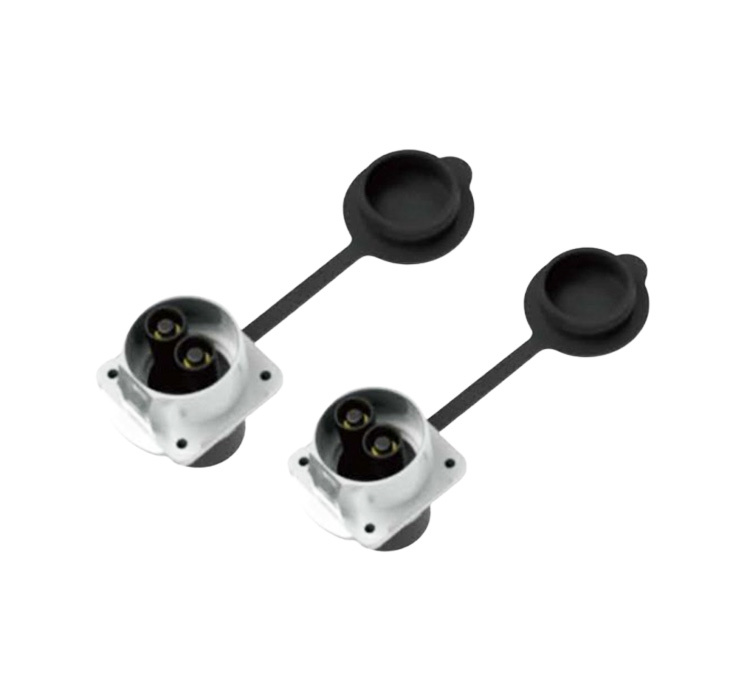
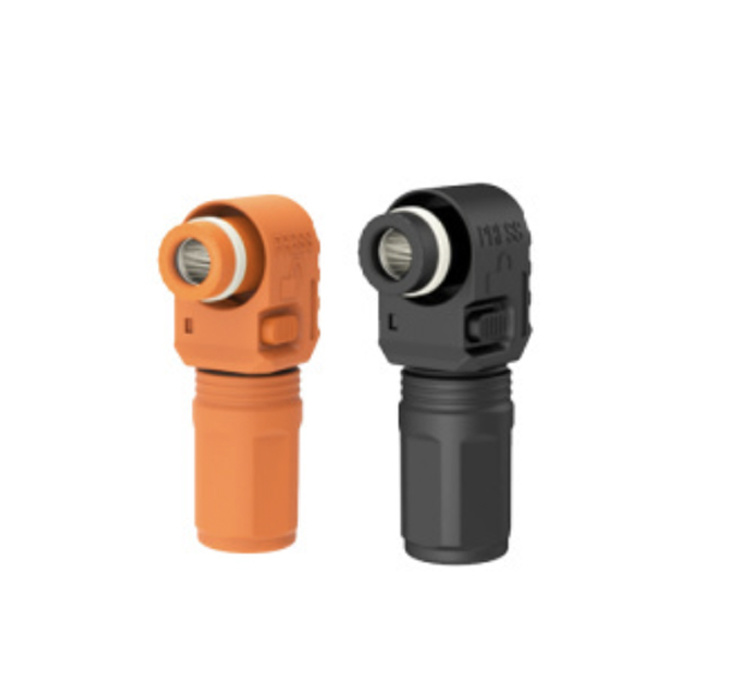
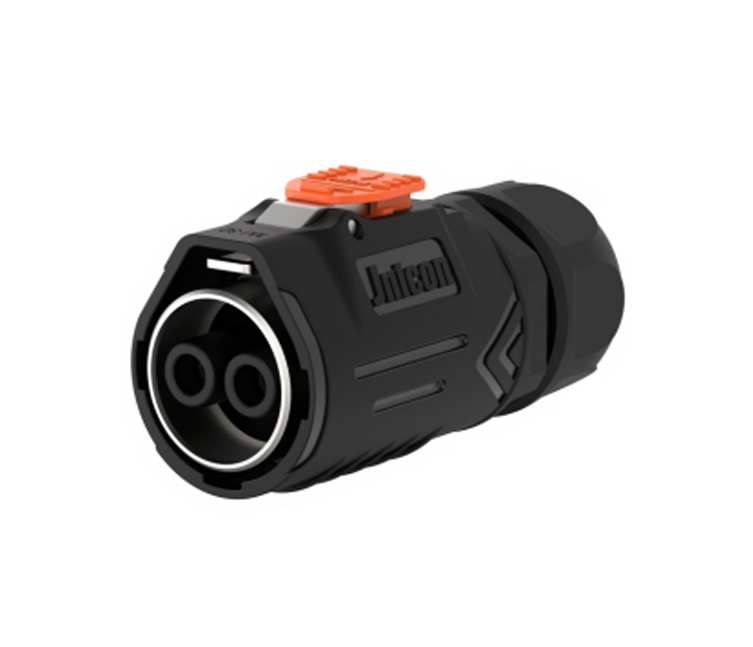
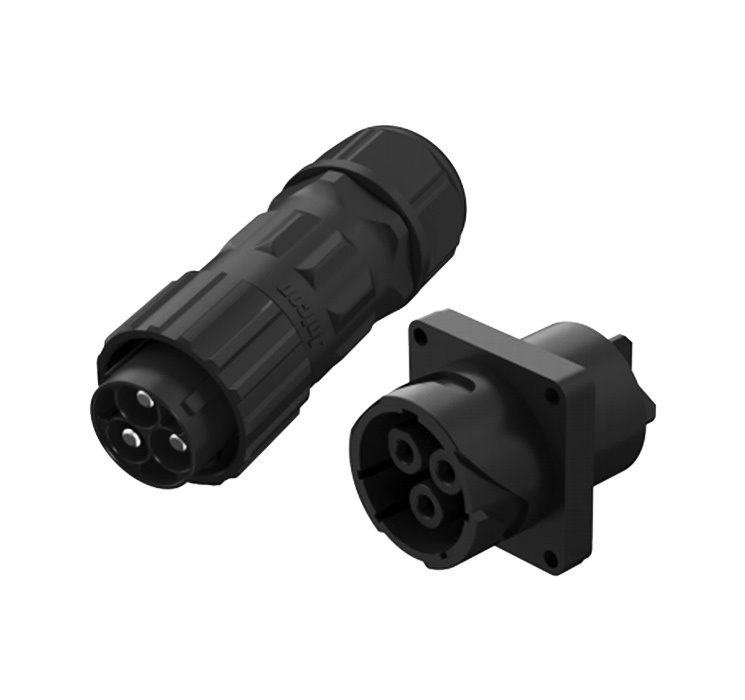
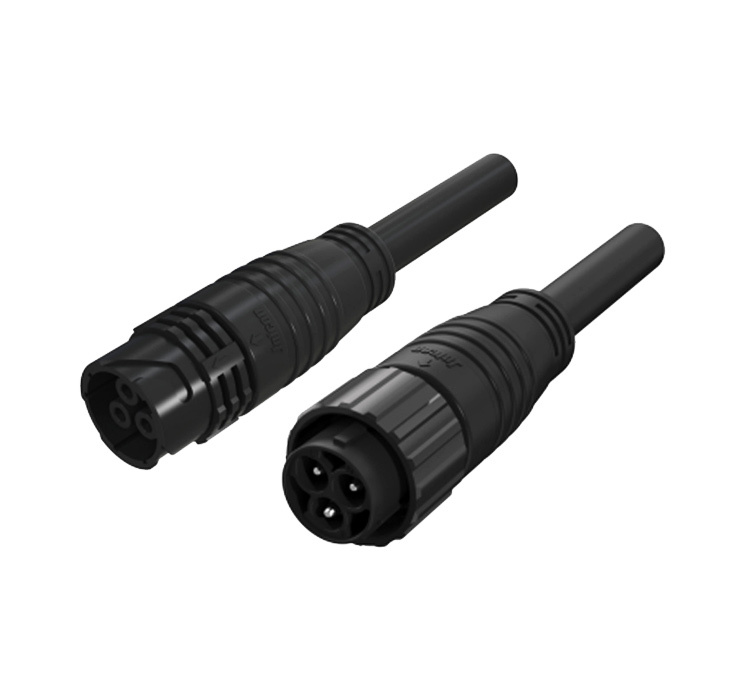
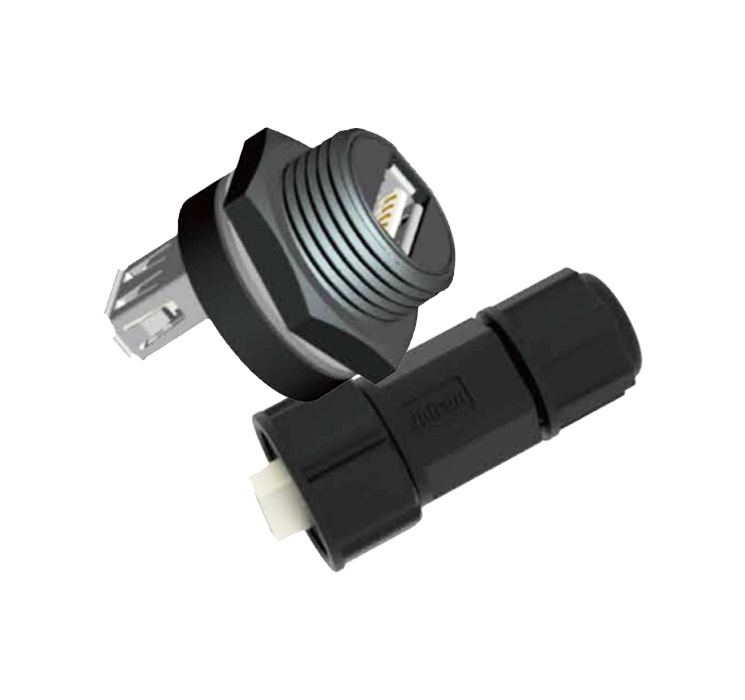
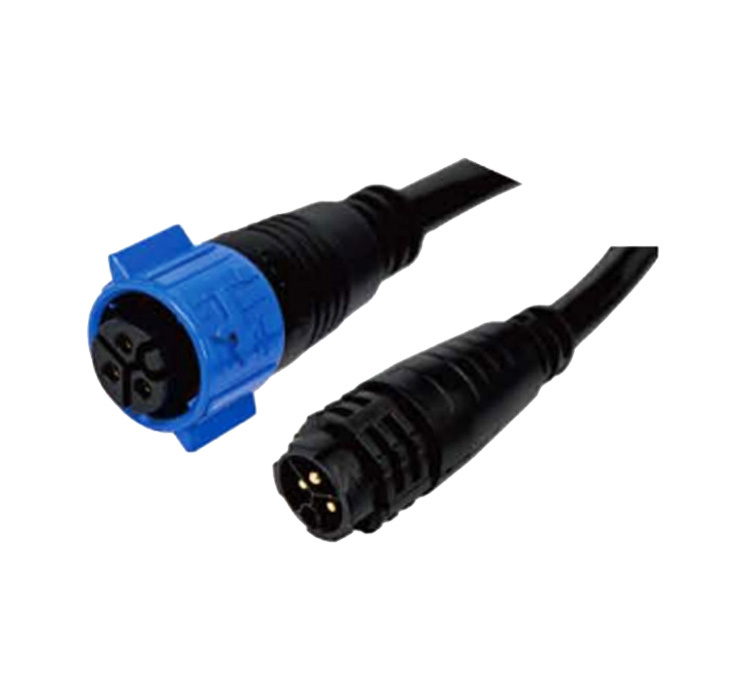
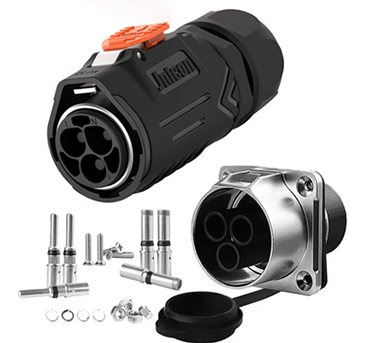
One of the primary features of industrial power connectors is their robust design. Unlike standard connectors, industrial power connectors are built to withstand harsh environmental conditions, such as extreme temperatures, moisture, and mechanical stress. This durability is achieved through the use of high-quality materials, including thermoplastics and metal components, which enhance their resistance to wear and tear.
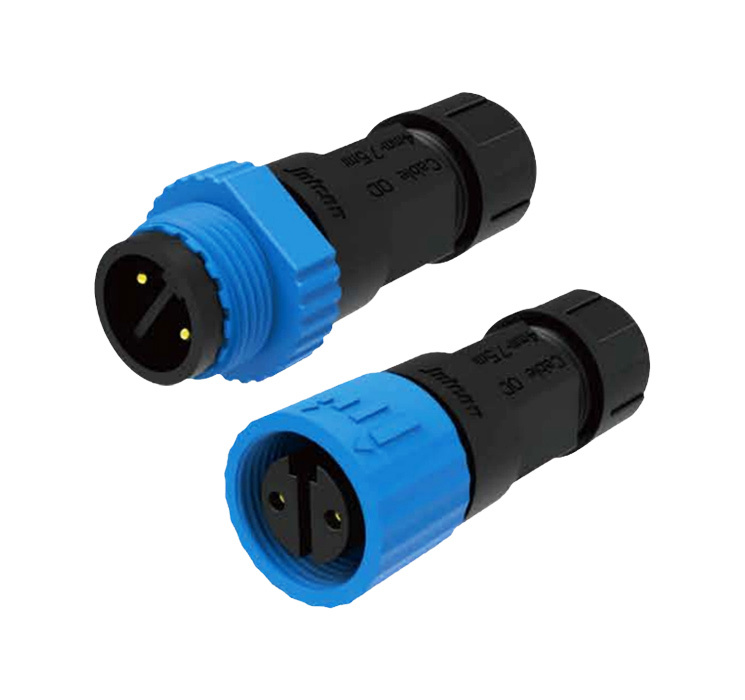
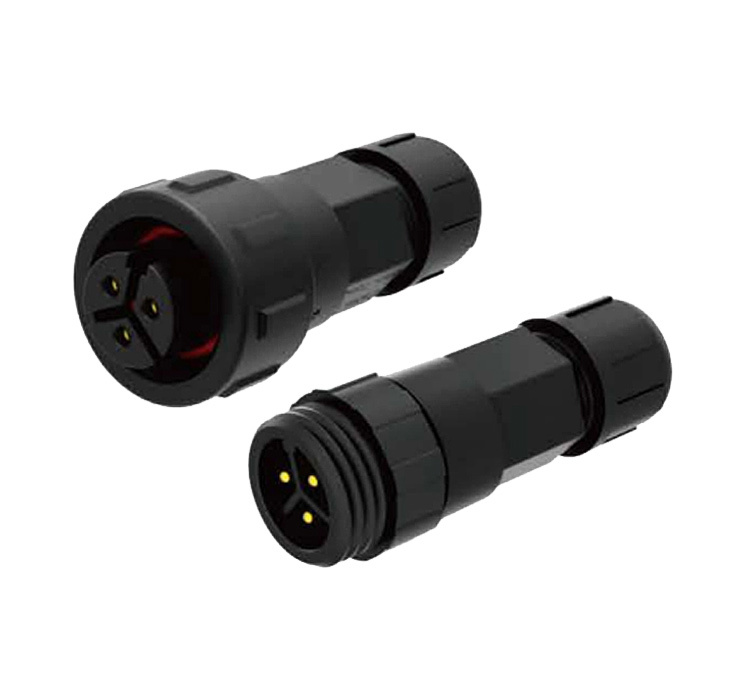
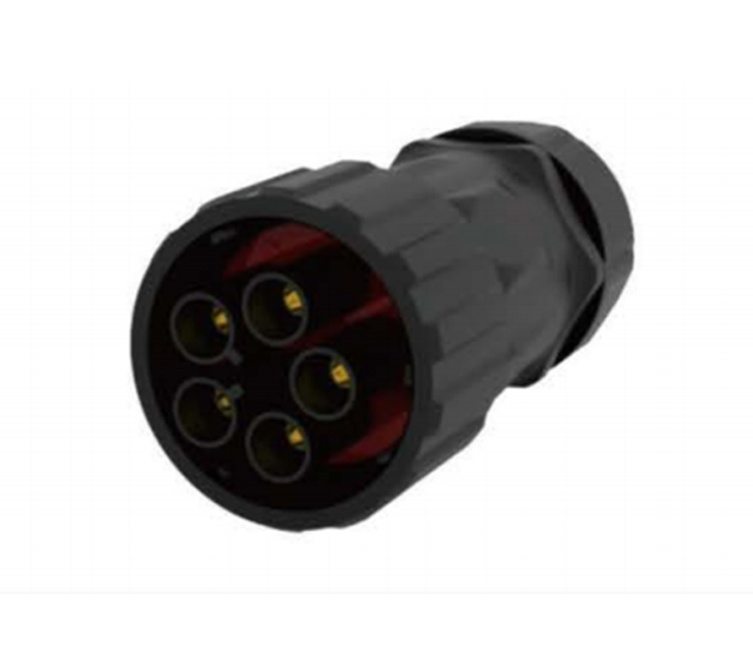
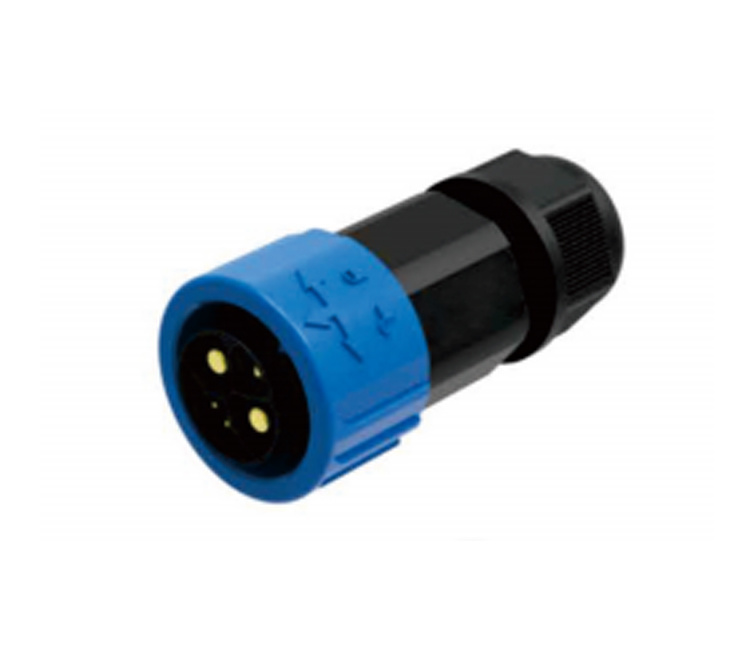
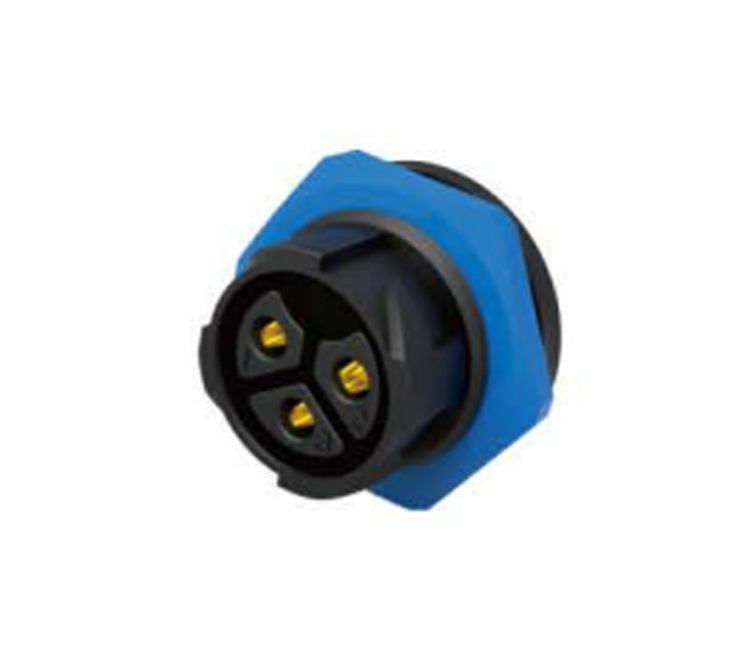
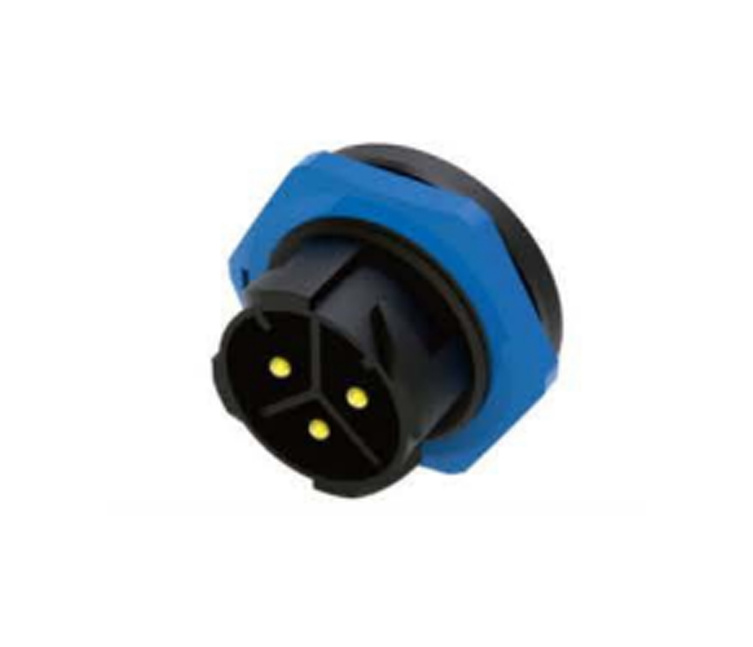
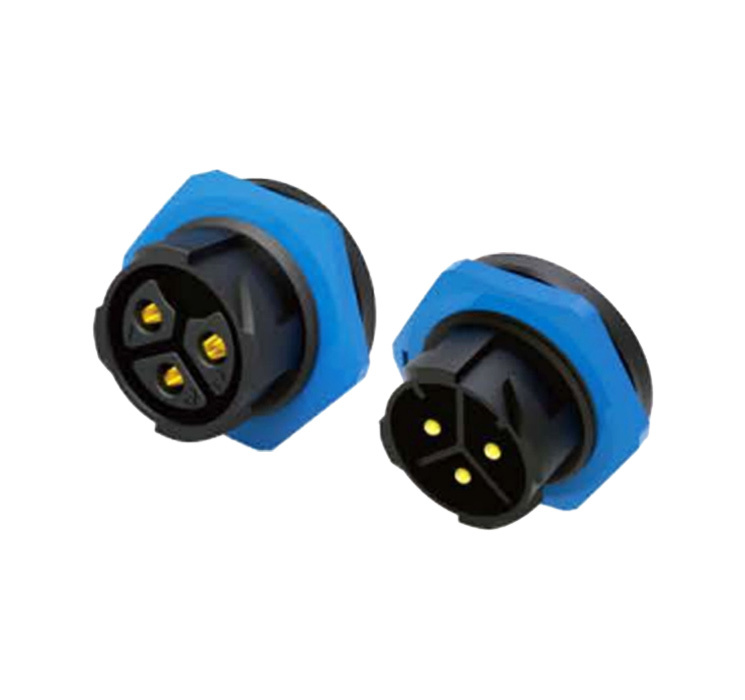
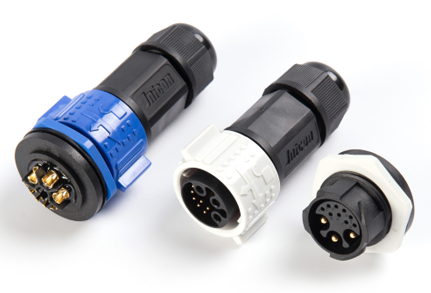
In terms of functionality, industrial power connectors are available in various configurations to meet specific application requirements. These connectors can come in single-pole or multi-pole configurations, enabling multiple circuits to be connected simultaneously. This versatility is particularly beneficial in applications where space is limited or where quick disconnection and reconnection are necessary, such as in mobile equipment or temporary installations.
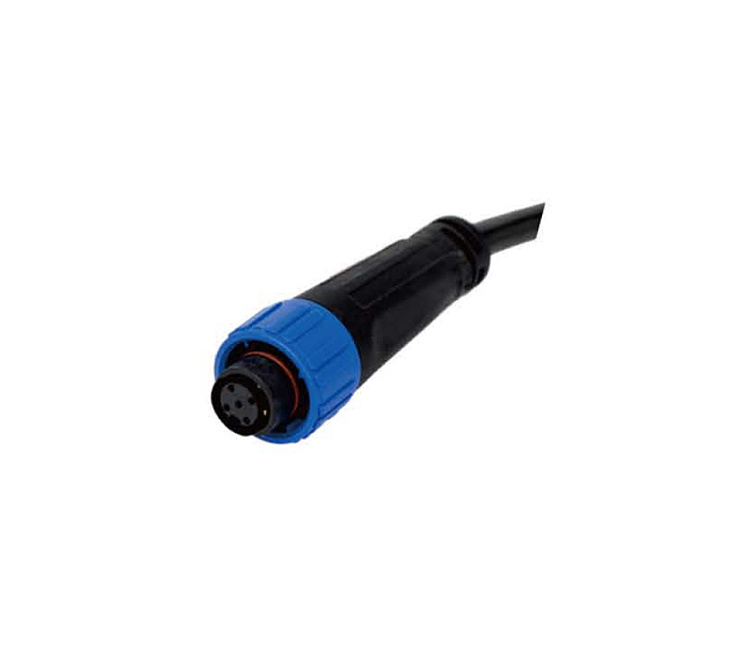
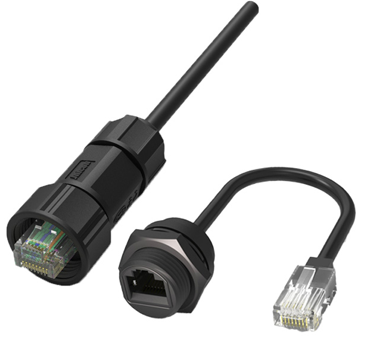
Another important aspect is the safety features integrated into industrial power connectors. Many models include locking mechanisms to prevent accidental disconnection and ensure a secure connection. Additionally, some connectors are designed with built-in protective features, such as dust and water resistance ratings, which are critical in environments exposed to contaminants or liquids. Understanding these safety features can help professionals select connectors that meet the specific safety standards required for their applications.
When it comes to choosing the right industrial power connector, several factors should be considered. First, the current and voltage ratings of the connector must match the requirements of the application to ensure optimal performance. Additionally, compatibility with existing equipment and ease of installation are key considerations that professionals should keep in mind. Using connectors that are easy to assemble and disassemble can significantly reduce downtime during maintenance or upgrades.
Finally, it's essential to stay informed about the latest advancements in industrial power connectors. Technological innovations continue to enhance the performance and efficiency of these components, leading to improved energy management and sustainability in various industries. By staying updated on new trends, professionals can make informed decisions about the best connectors for their specific needs.
In summary, industrial power connectors are vital components that ensure safe and reliable electrical connections in a range of applications. By understanding their design, functionality, and selection criteria, electrical professionals can enhance operational efficiency and safety in their projects.
Previous
News
2026-05-04
Understanding Industrial Power Connectors: A Comprehensive Guide for Professionals
Industrial power connectors play a crucial role in facilitating electrical connections across various sectors, including manufacturing, construction, and renewable energy. These connectors are designed to handle high voltages and currents, ensuring safe and reliable power transmission. Understanding the key attributes and applications of industrial power connectors is essential for professionals i
2026-05-02
Understanding the Benefits and Applications of 3 Pin Waterproof Connectors
In the electrical and electronics industry, connectors play a pivotal role in establishing efficient power transmission and signal communication. Among various types of connectors, the 3 pin waterproof connector stands out due to its unique design that offers enhanced protection against moisture, dust, and other environmental factors. This article delves into the technical aspects, benefits, and a
2026-04-30
Understanding Waterproof Cables: Essential Insights for Electrical Professionals
When it comes to electrical installations, particularly in outdoor or high-moisture environments, the use of waterproof cables is crucial. Waterproof cables are specifically designed to resist water ingress, ensuring the safety and longevity of electrical connections. Understanding the properties and applications of these cables can significantly enhance the effectiveness of your electrical projec

B8-9, Fubilun industrial park, Chaoyang rd,Yanchuan community, Songgang, Shenzhen, China


