
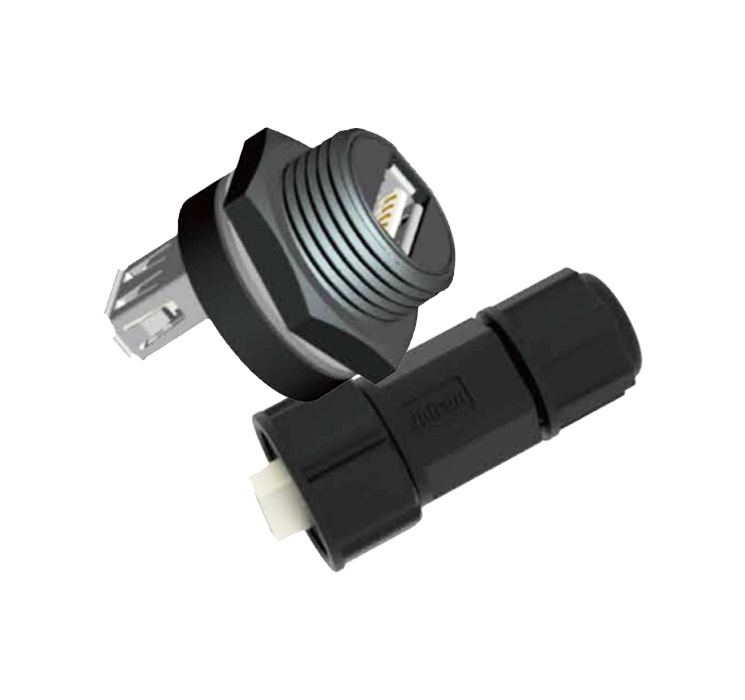
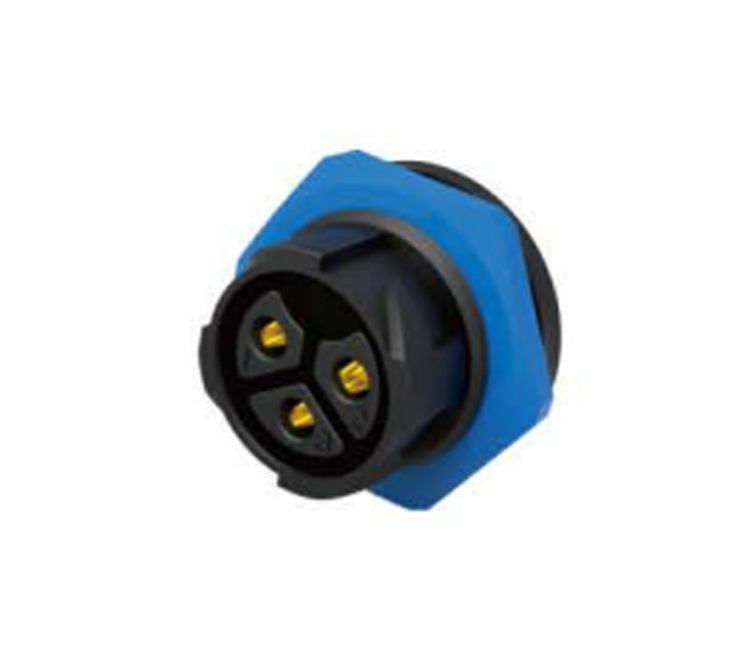
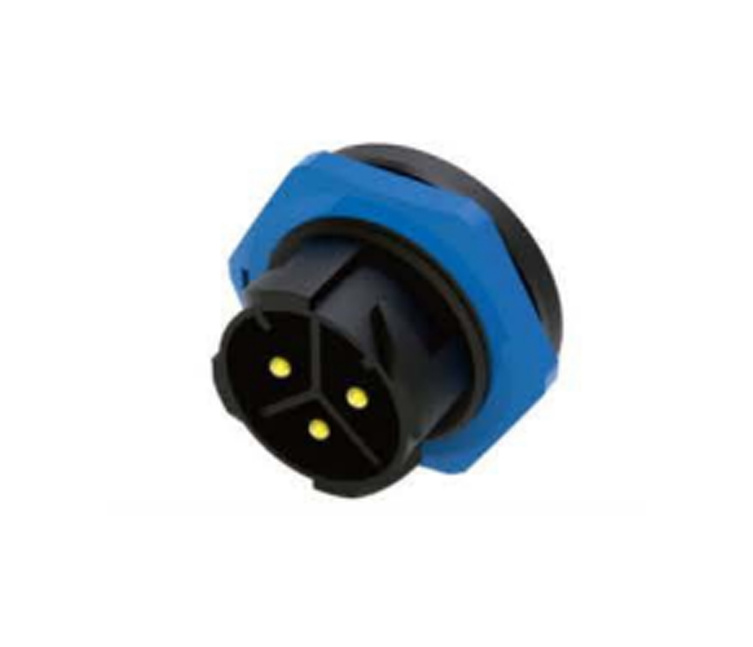
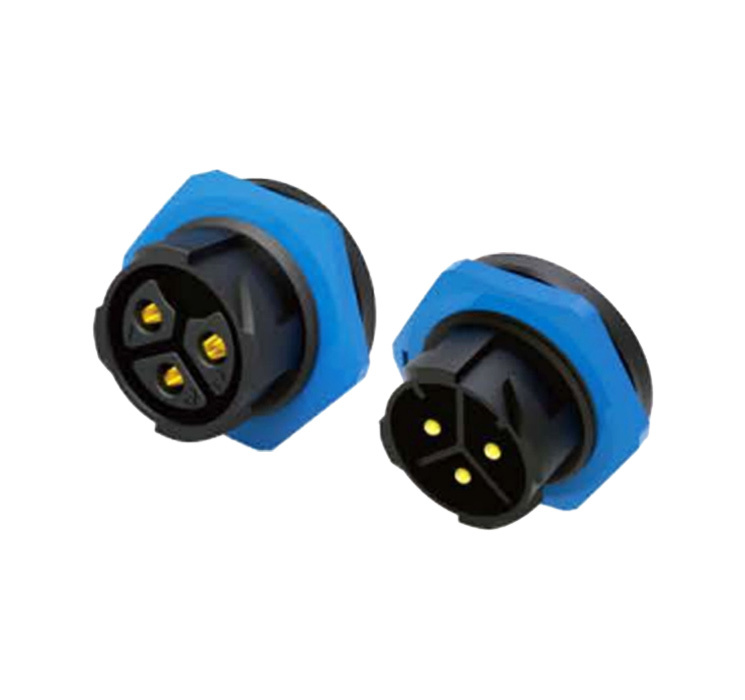


Understanding the Essentials of 3 Pin Waterproof Connectors
Release Time:
2026-05-20
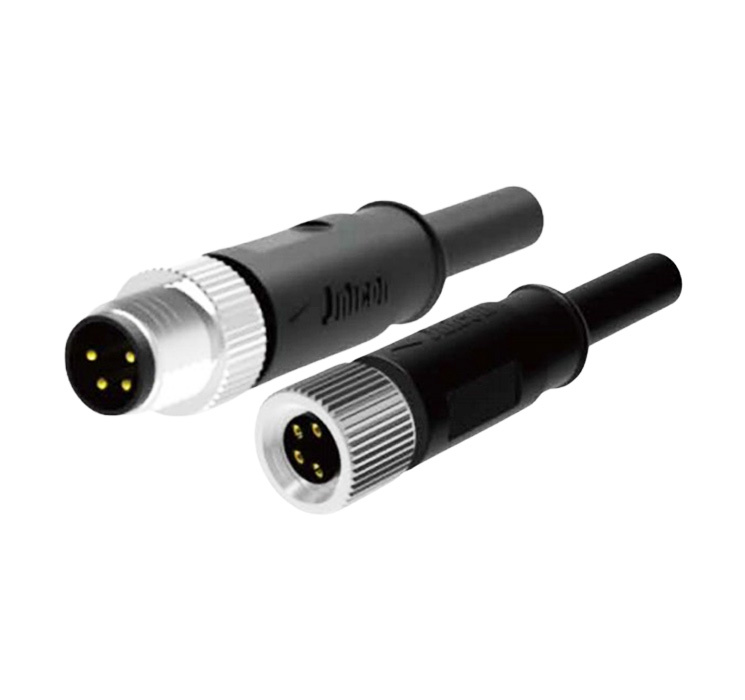
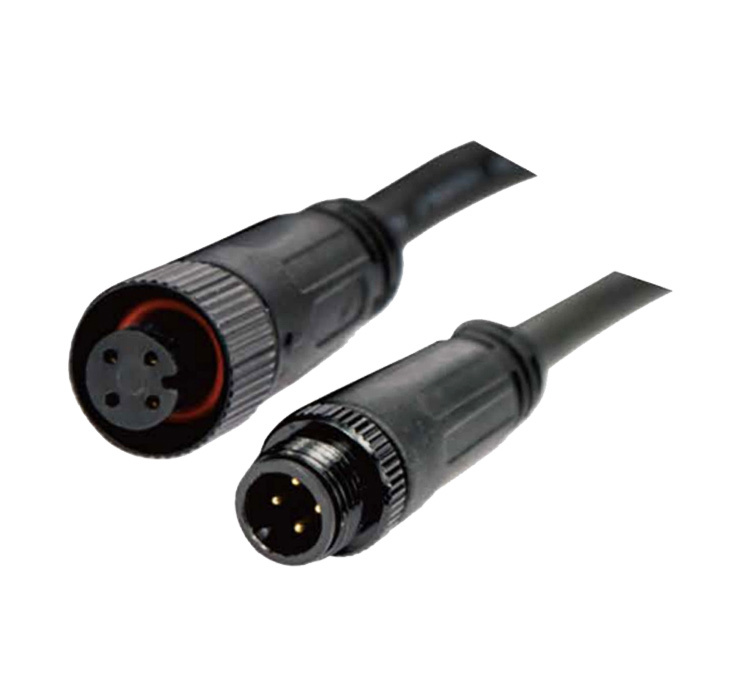
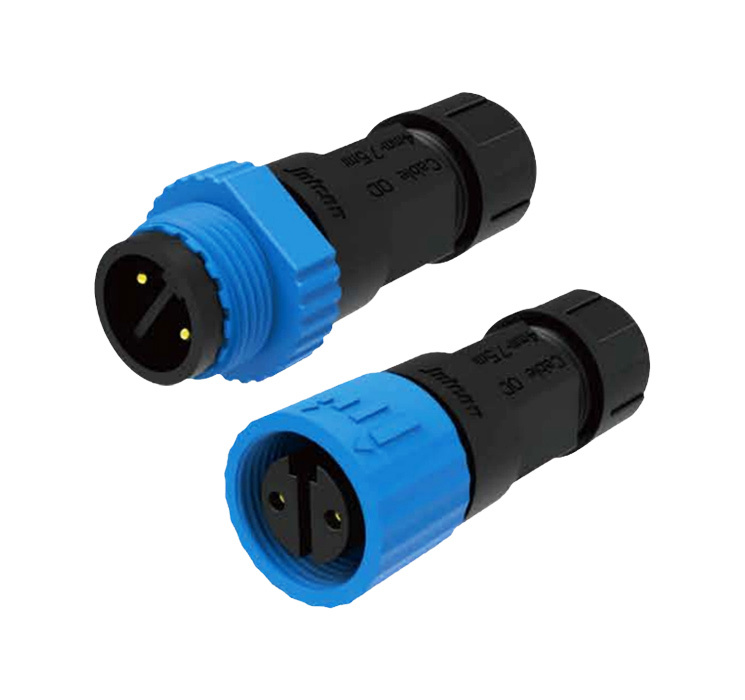
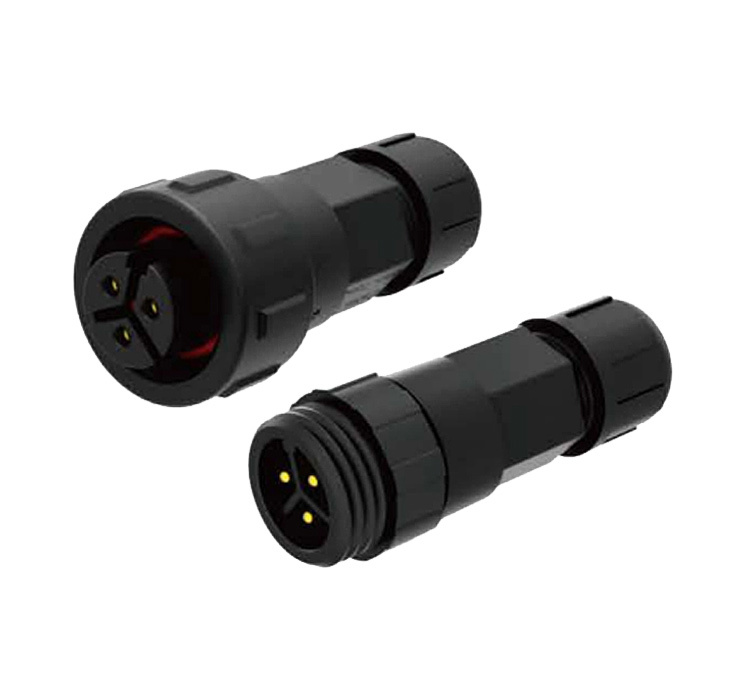
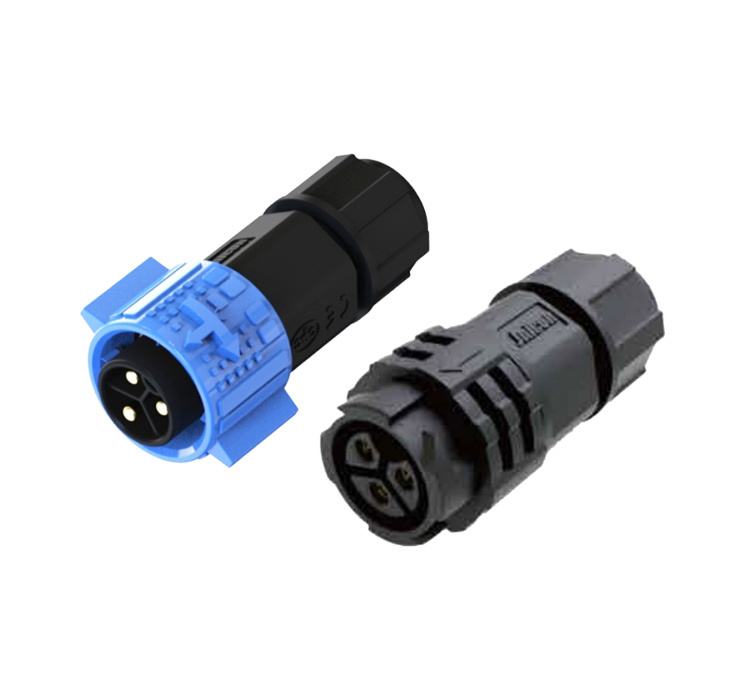
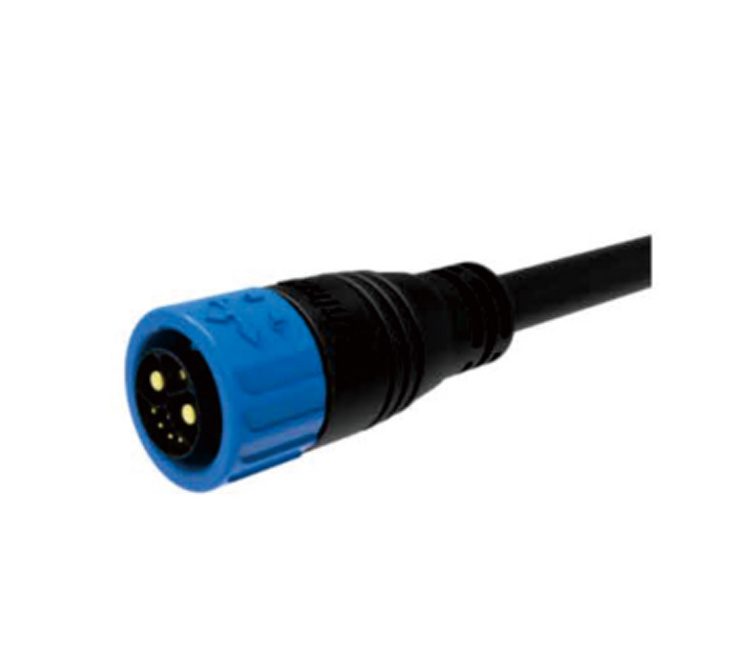
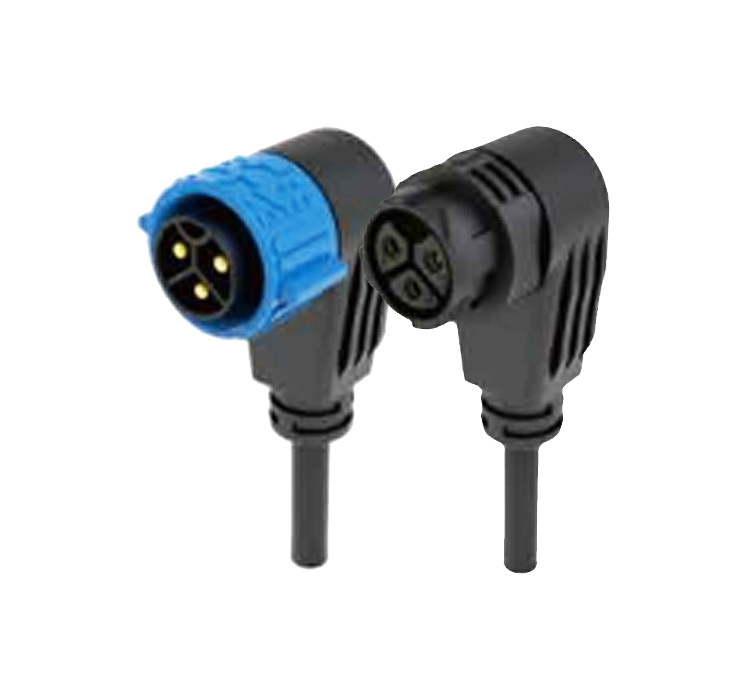
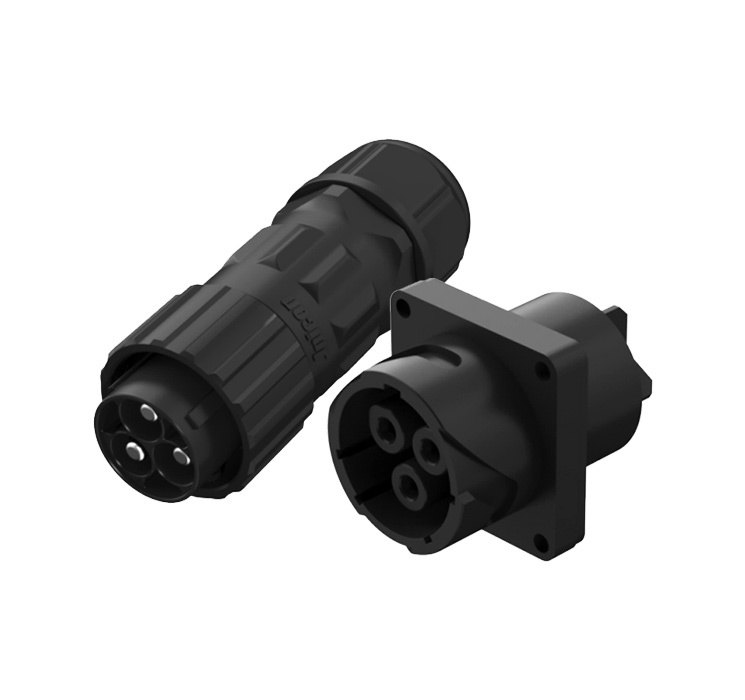
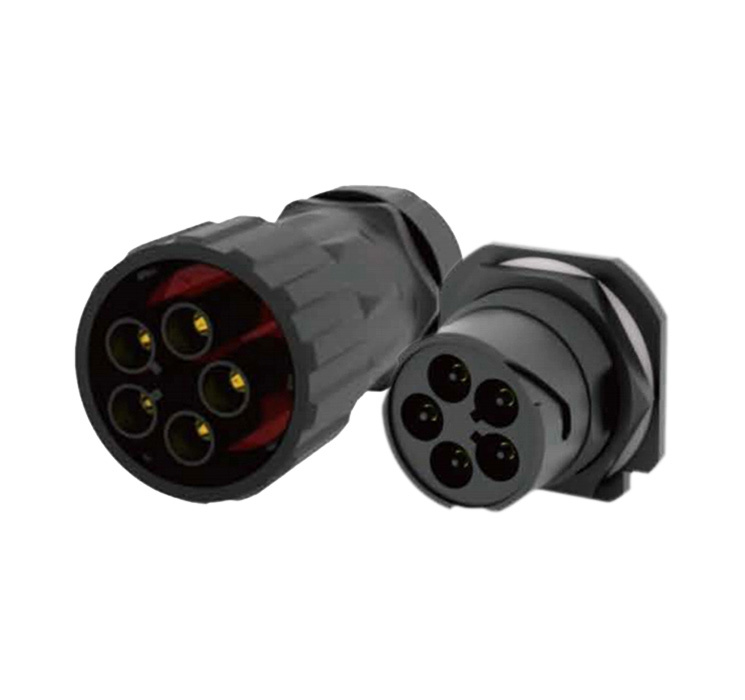
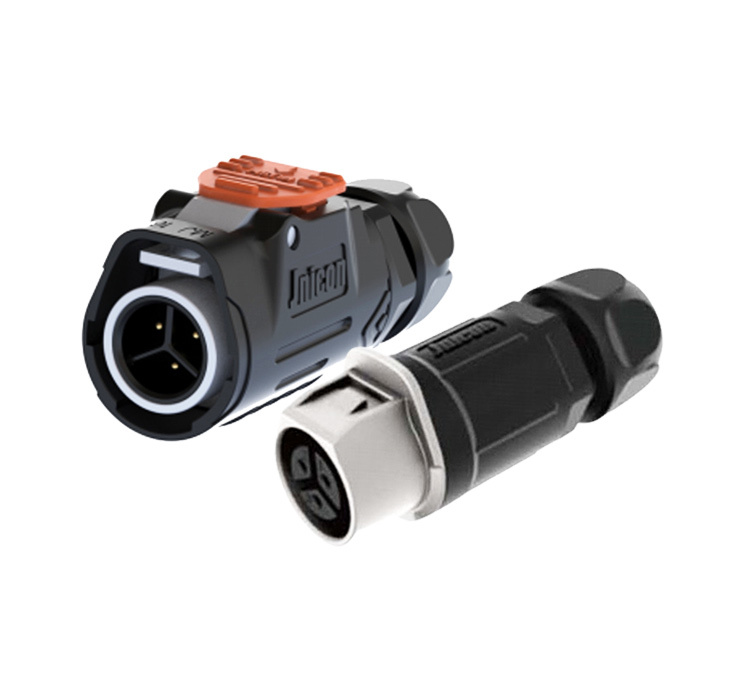
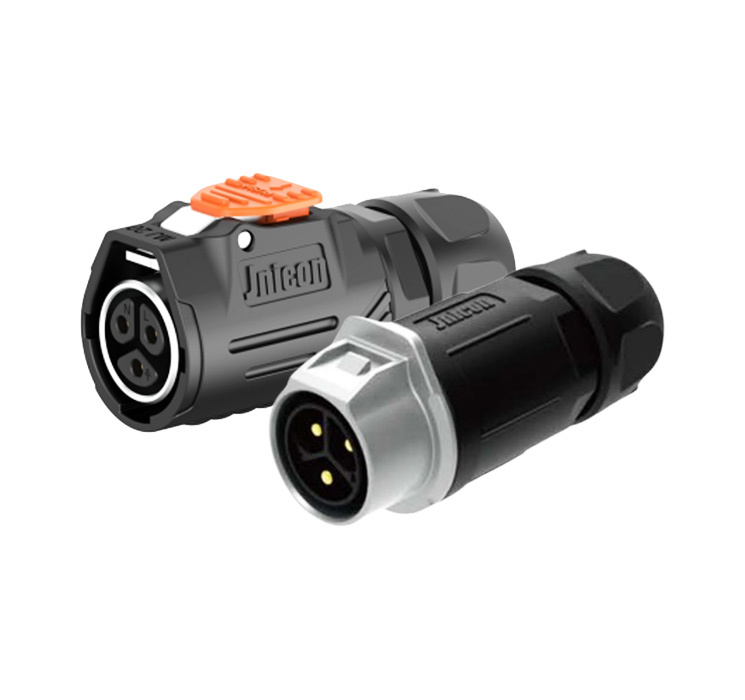
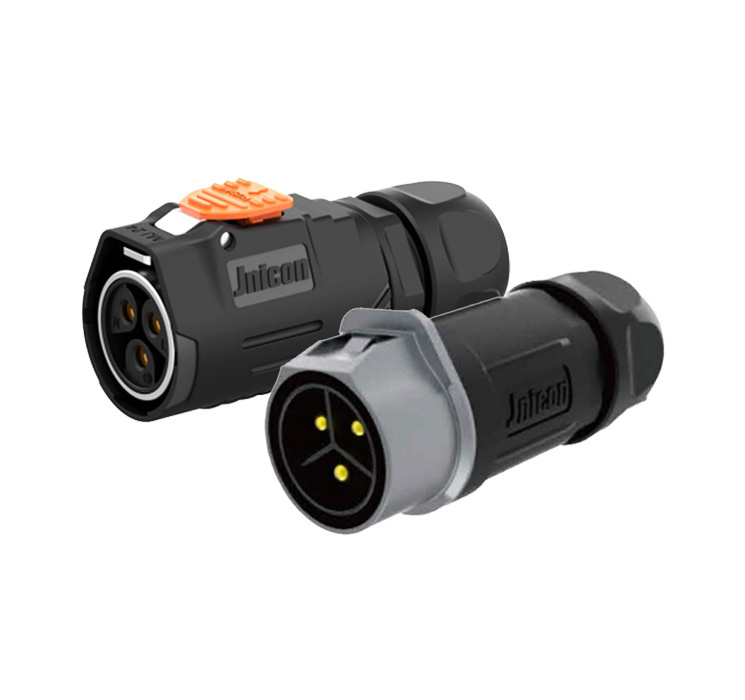
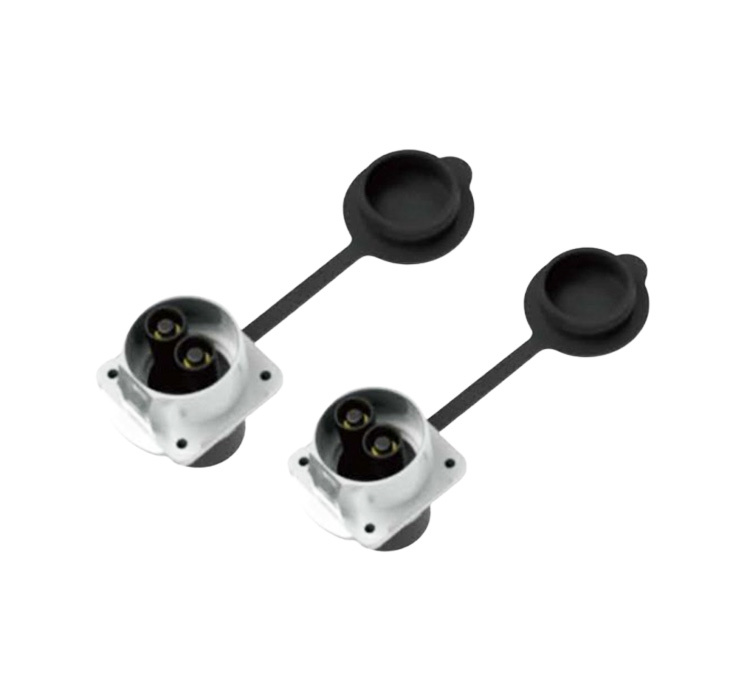
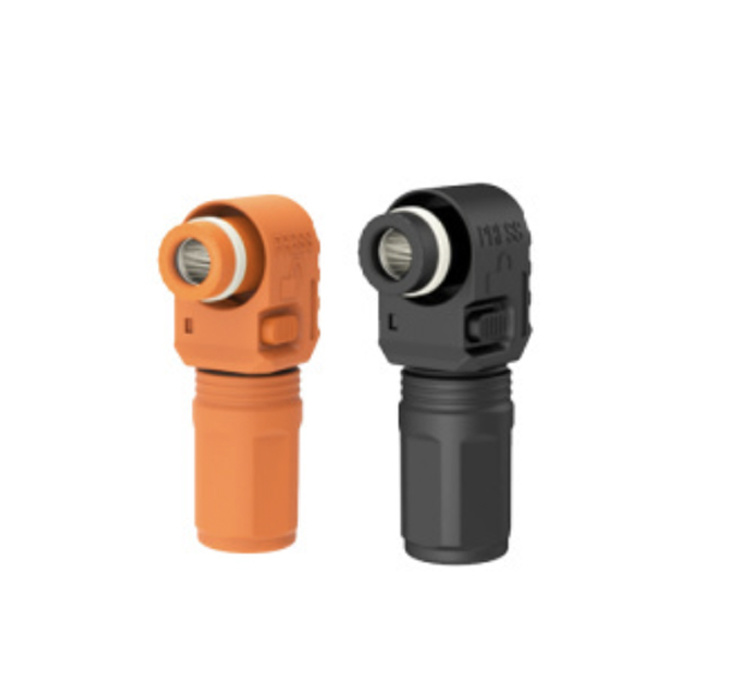
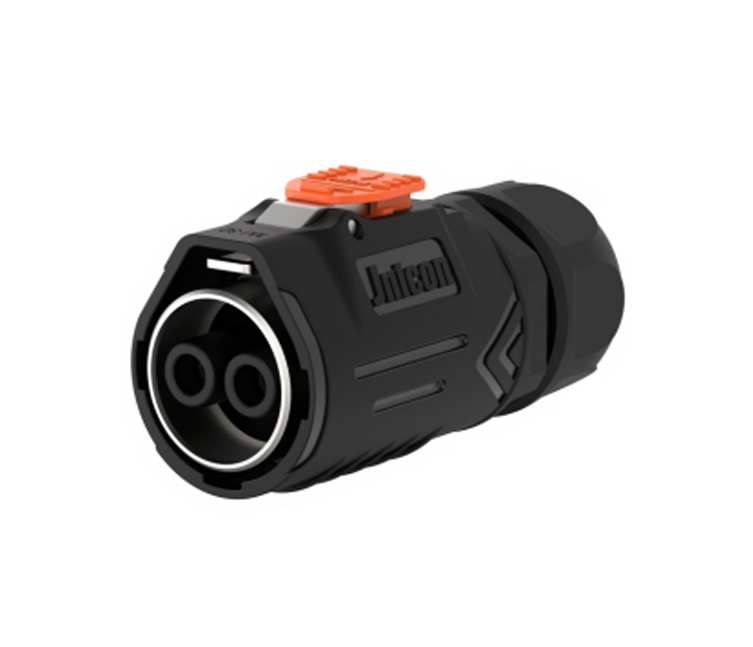
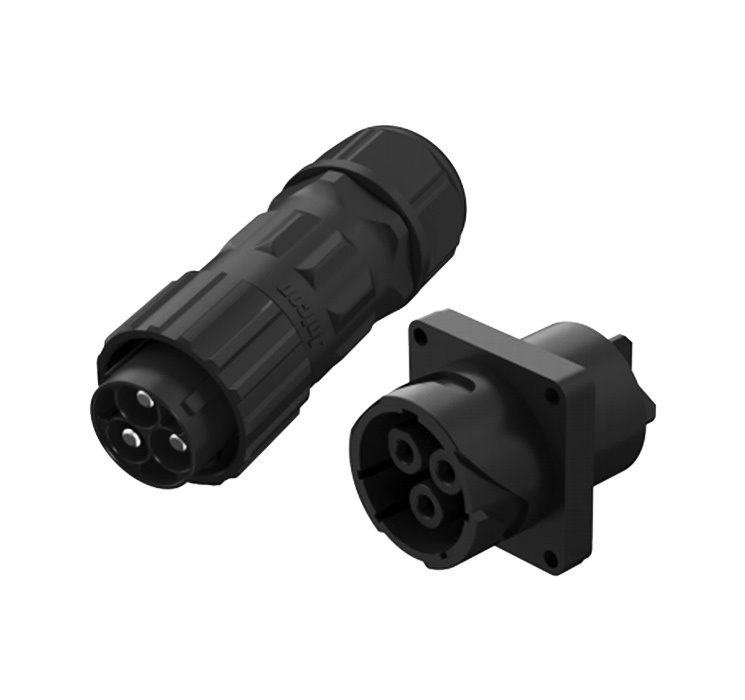
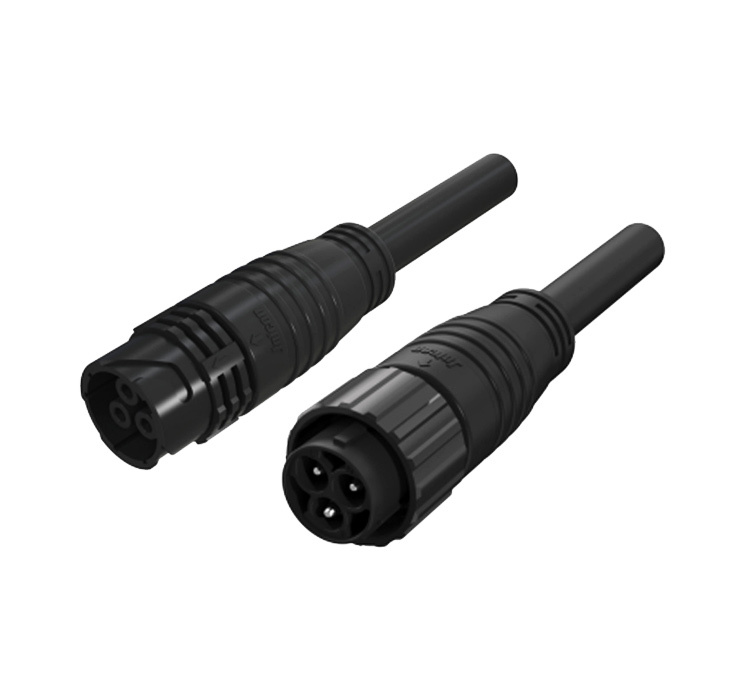
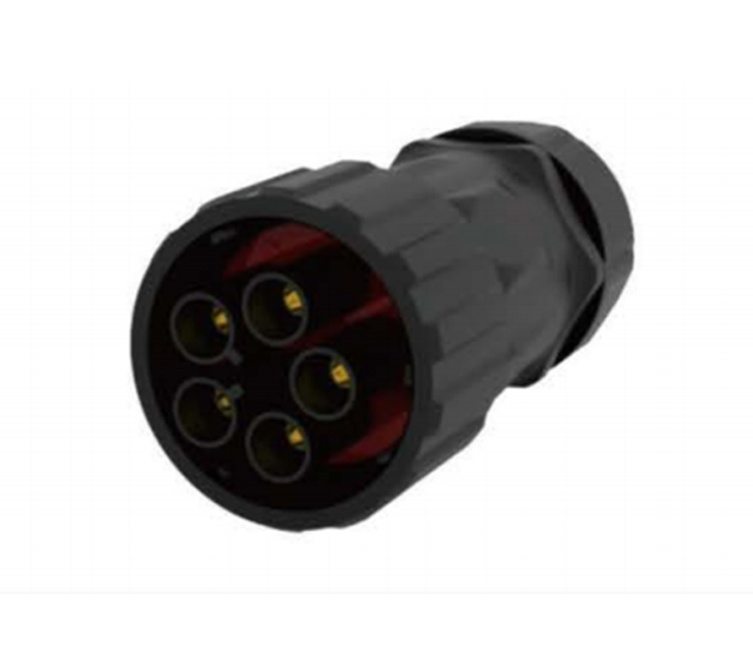
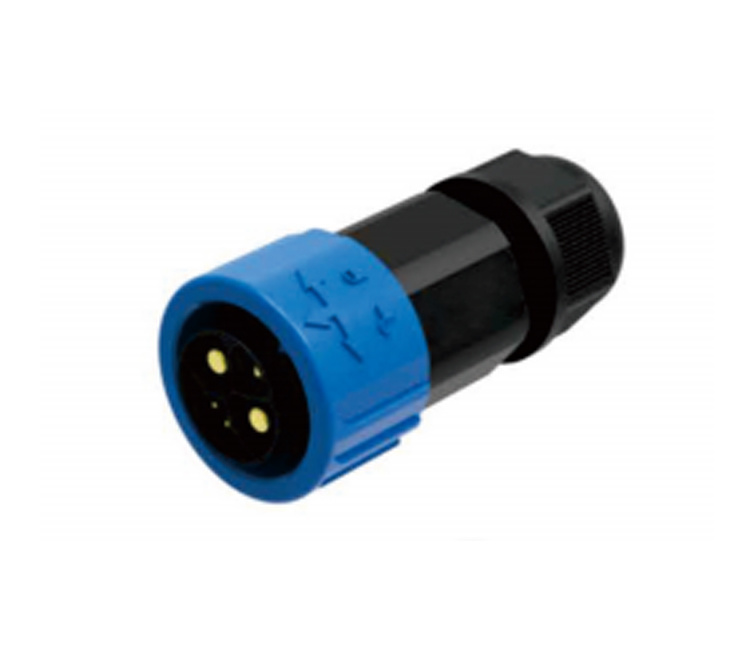
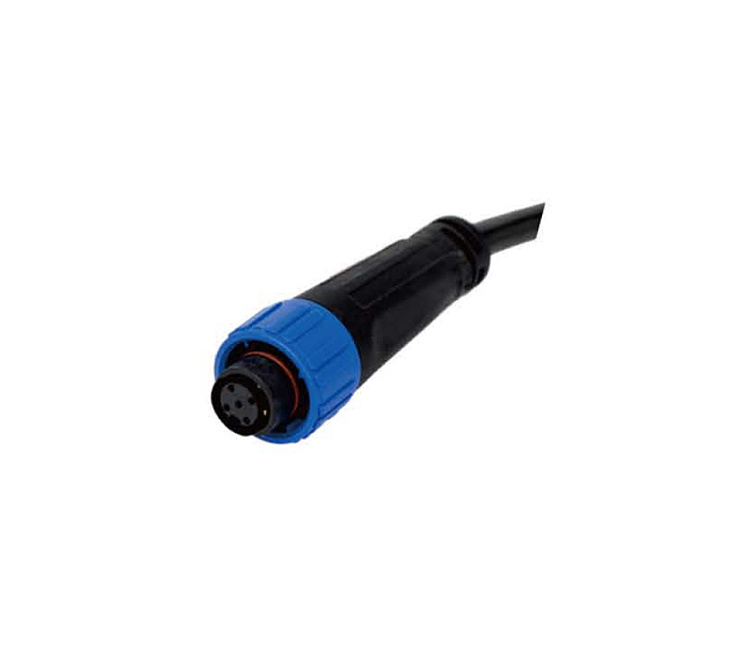
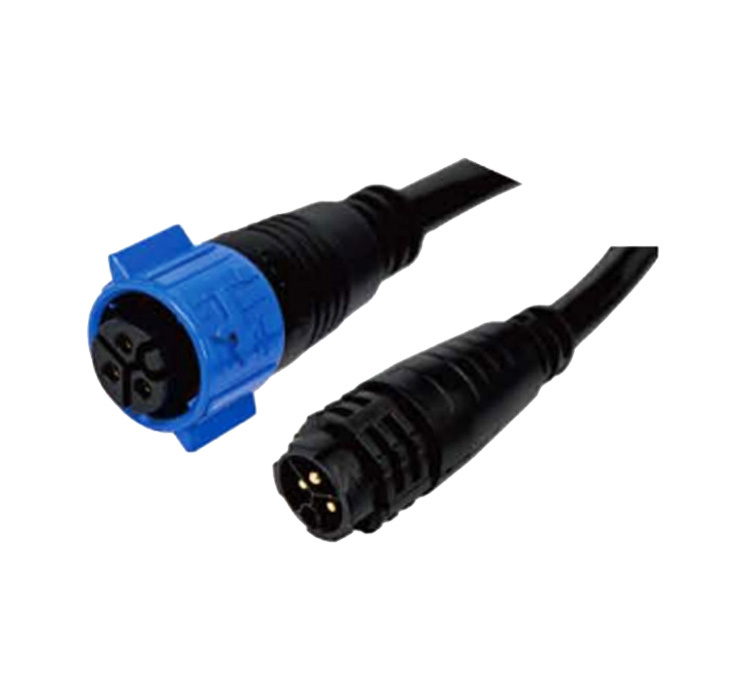
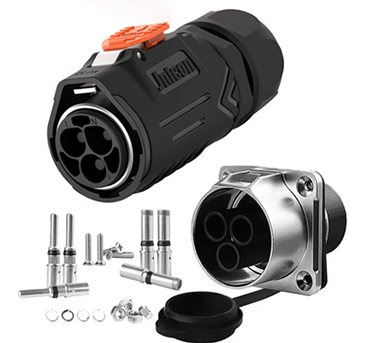
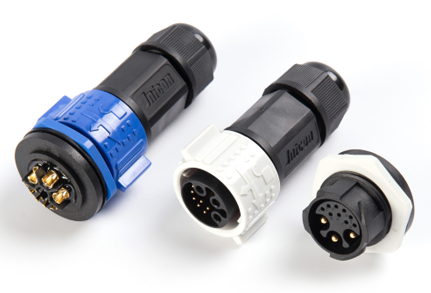
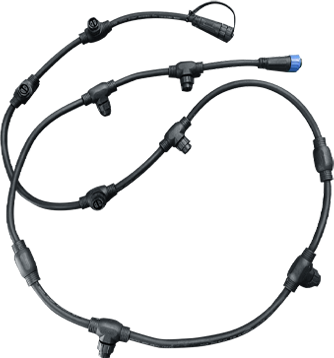
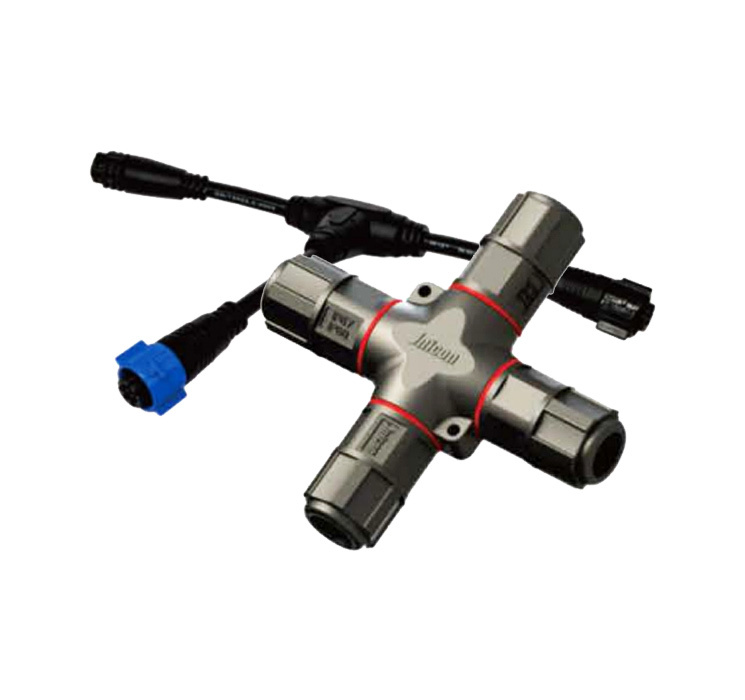
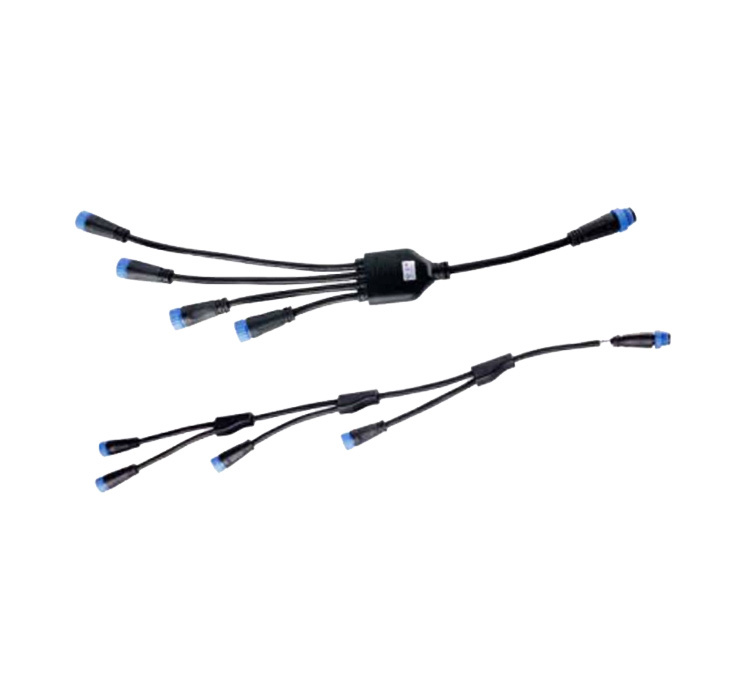
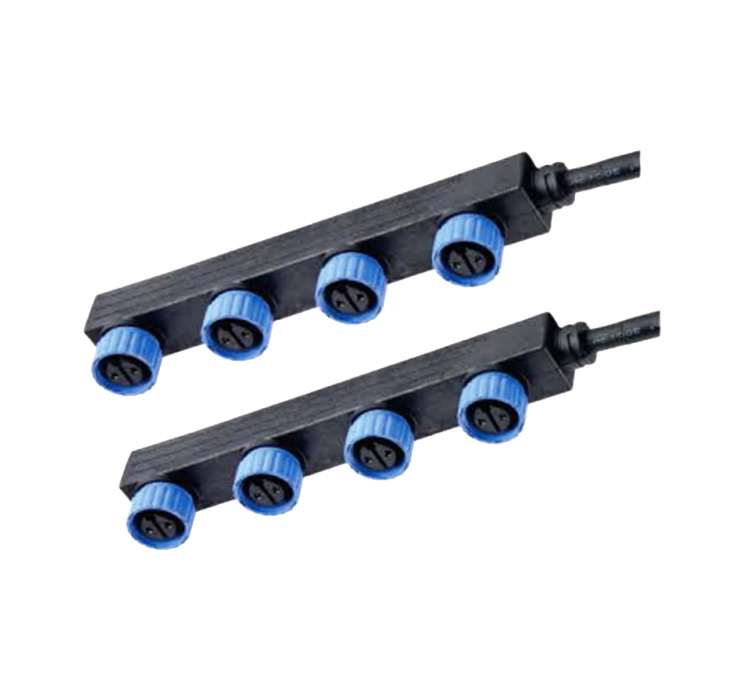
A 3 pin waterproof connector is designed to provide robust protection against moisture and dust intrusion, making it ideal for outdoor and harsh environment applications. These connectors typically feature an IP rating, indicating their level of protection against water and solid particles. When selecting a 3 pin waterproof connector, it's crucial to look for an IP67 or higher rating to ensure optimal performance in severe conditions.
One of the key advantages of 3 pin waterproof connectors is their ease of use. They are engineered to facilitate straightforward connections, allowing for quick assembly and disassembly. This feature is particularly beneficial in applications where frequent maintenance or component replacements are necessary, such as in outdoor lighting systems, automotive environments, and marine applications. Additionally, the connectors often come with locking mechanisms to prevent accidental disconnection, further enhancing their reliability.
The materials used in these connectors are also a significant consideration. Commonly made from durable plastics and metals, they are designed to withstand temperature variations and resist corrosion. This durability not only extends the lifespan of the connector but also minimizes the risk of electrical failures due to environmental factors.
In terms of applications, 3 pin waterproof connectors are widely utilized in various sectors, including telecommunications, automotive, and renewable energy systems. For instance, in solar energy applications, these connectors offer a secure and waterproof solution for connecting solar panels to inverters, ensuring efficient energy transfer even in challenging weather conditions. Furthermore, in automotive wiring harnesses, they provide reliable connections that are crucial for the safe operation of vehicles.
Another aspect to consider is the compatibility of 3 pin waterproof connectors with other components. It is vital to ensure that the connector’s specifications match the electrical requirements of your system, such as voltage and current ratings. This compatibility ensures that the connector will perform optimally without risking damage to the connected components.
In summary, the 3 pin waterproof connector is an invaluable component in electrical and electronic systems, particularly when reliability and protection from environmental elements are paramount. By understanding its features and applications, you can make informed decisions when selecting connectors for your projects. Whether you are working on outdoor installations or in demanding industrial environments, incorporating high-quality 3 pin waterproof connectors can significantly enhance the durability and performance of your electrical systems.
News
2026-10-03
Understanding Waterproof Cables: Essential Insights for Electrical Professionals
Waterproof cables are vital components in the electric and electronic industries, especially when it comes to ensuring safe and reliable connections in challenging environments. These cables are designed to resist moisture and prevent water ingress, which can lead to electrical failure and safety hazards. Understanding the intricacies of waterproof cables is essential for electrical professionals
2026-09-30
Discover the Advantages of Using 2 Pin Waterproof Connectors in Harsh Environments
Discover the Advantages of Using 2 Pin Waterproof Connectors in Harsh Environments Table of Contents 1. Introduction to 2 Pin Waterproof Connectors 2. Importance of Waterproof Connectors 3. Design Features of 2 Pin Waterproof Connectors 4. Applications in Various Industries 5. Benefits of Using 2 Pin Waterproof Connectors 6. Installation Guidelines for 2 Pin Waterproof Connectors 7.
2026-09-27
Understanding Industrial Power Connectors: Key Insights for Professionals
Industrial power connectors play a crucial role in the safety and efficiency of electrical systems across various sectors, including manufacturing, energy, and transportation. These connectors are designed to facilitate the transmission of electrical power in rugged environments, ensuring reliable and stable connections. Understanding the types, applications, and selection criteria for industrial

B8-9, Fubilun industrial park, Chaoyang rd,Yanchuan community, Songgang, Shenzhen, China


