


Exploring the Benefits and Applications of 5 Pin Waterproof Connectors
Release Time:
2026-06-29
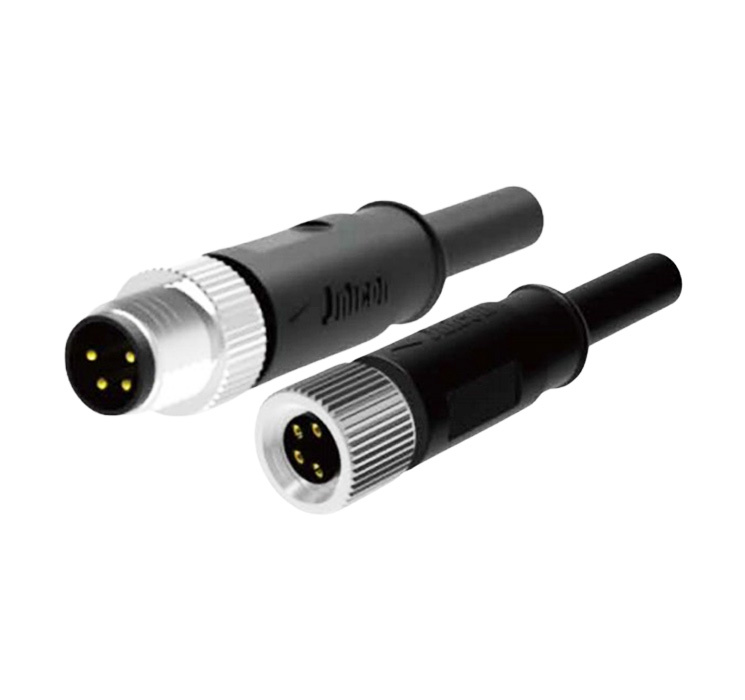
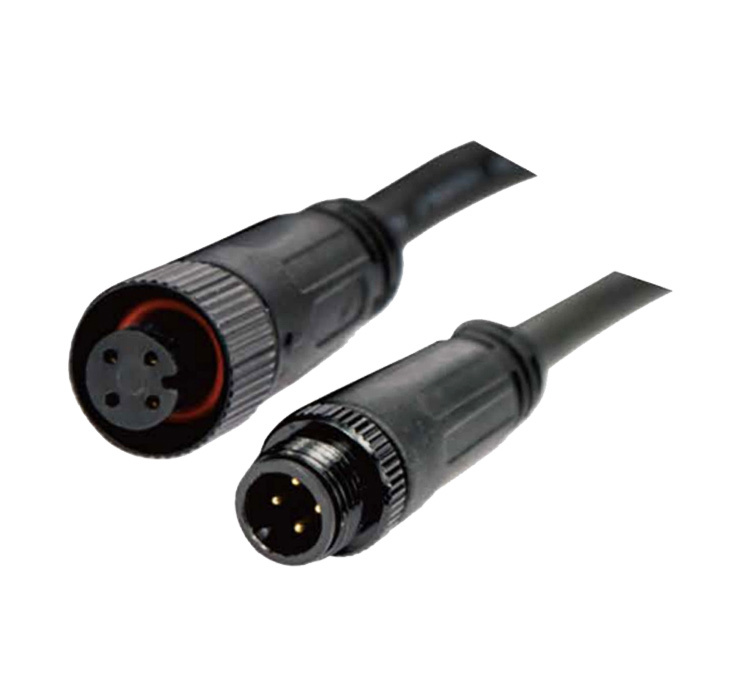
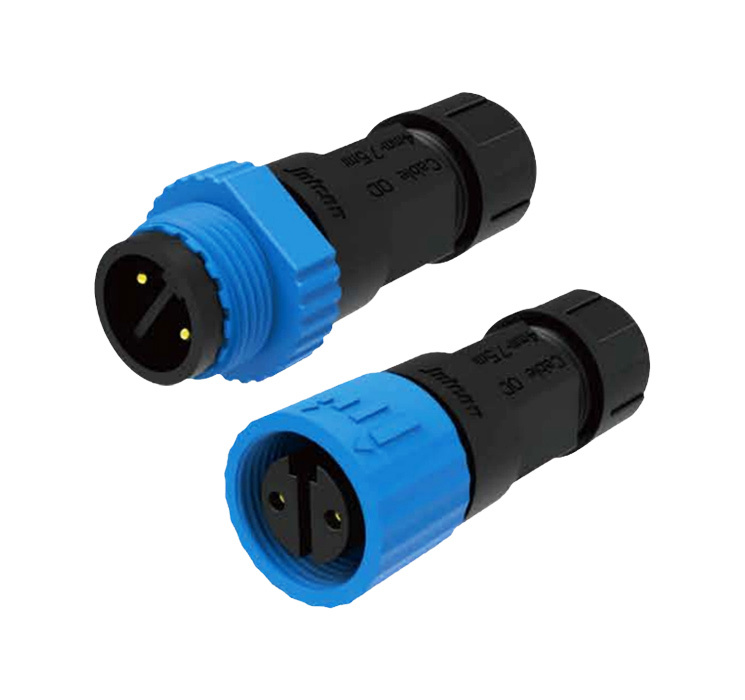
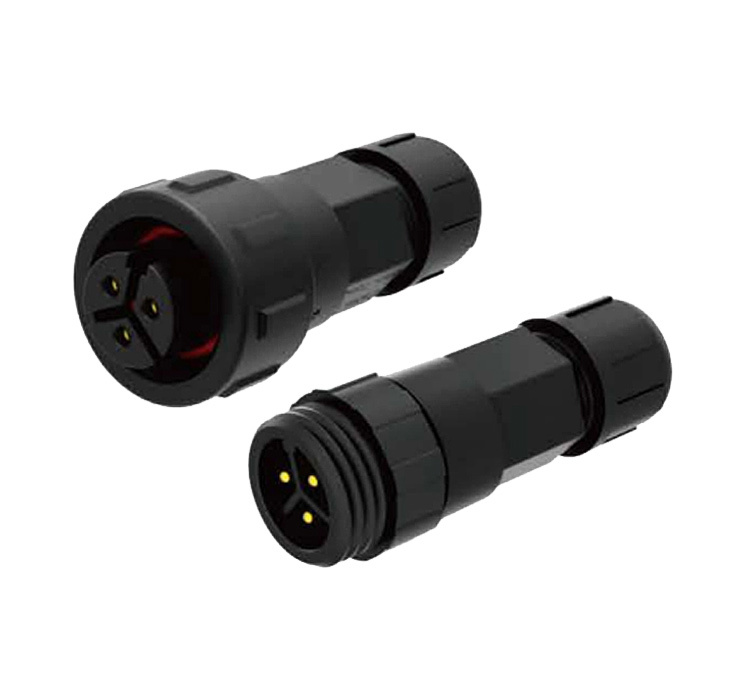
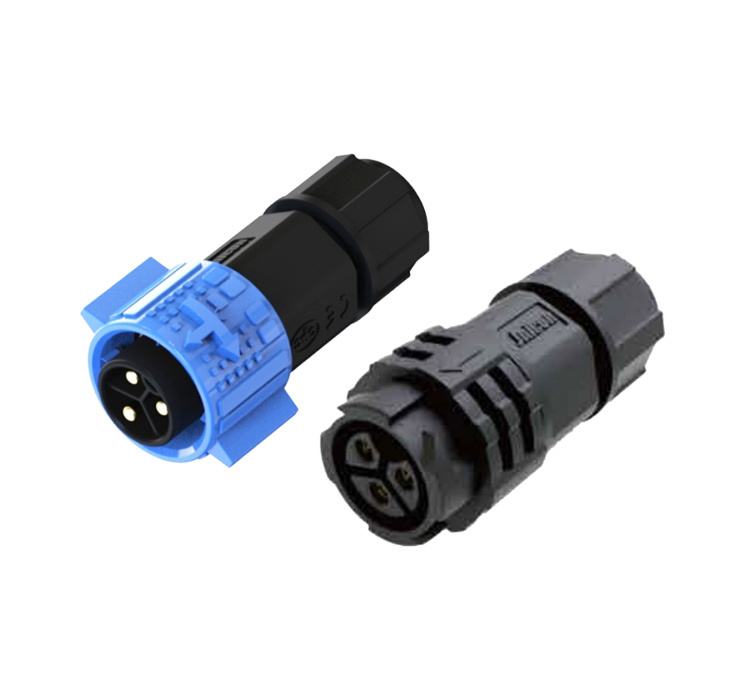
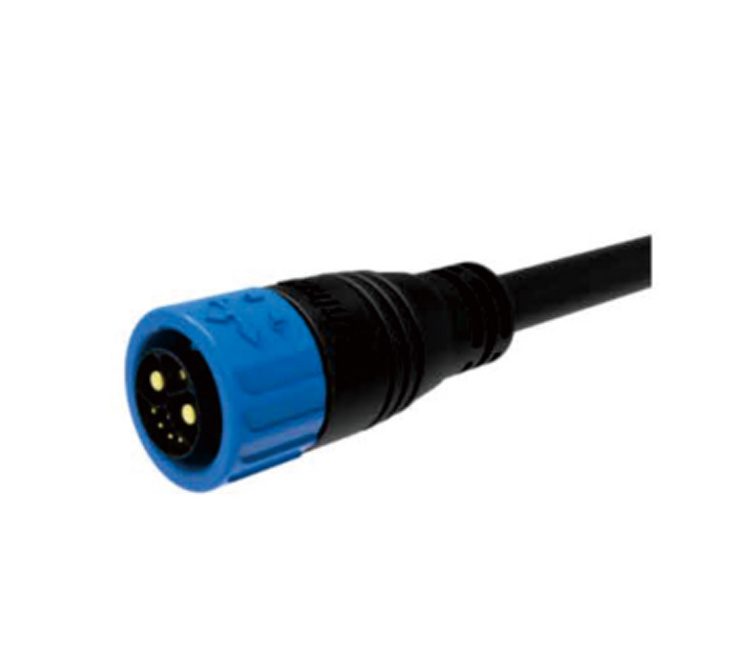
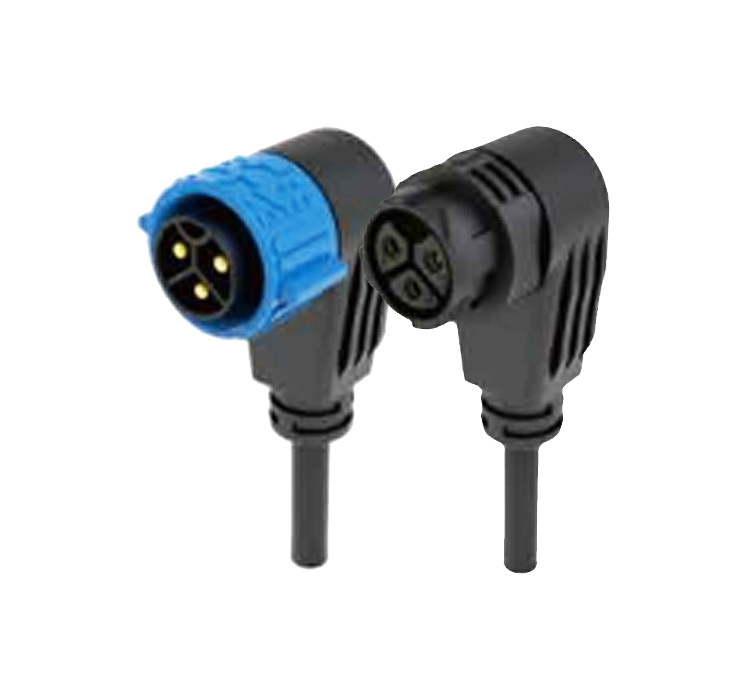
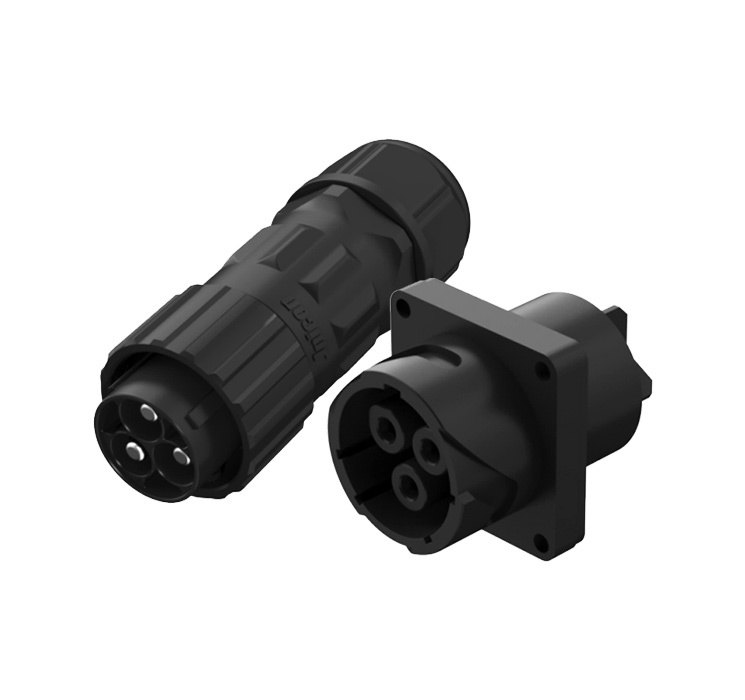
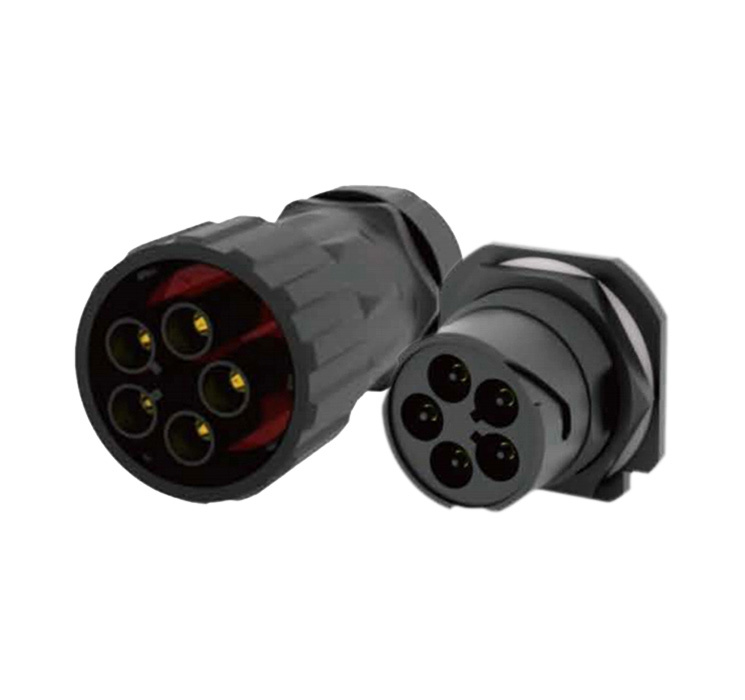
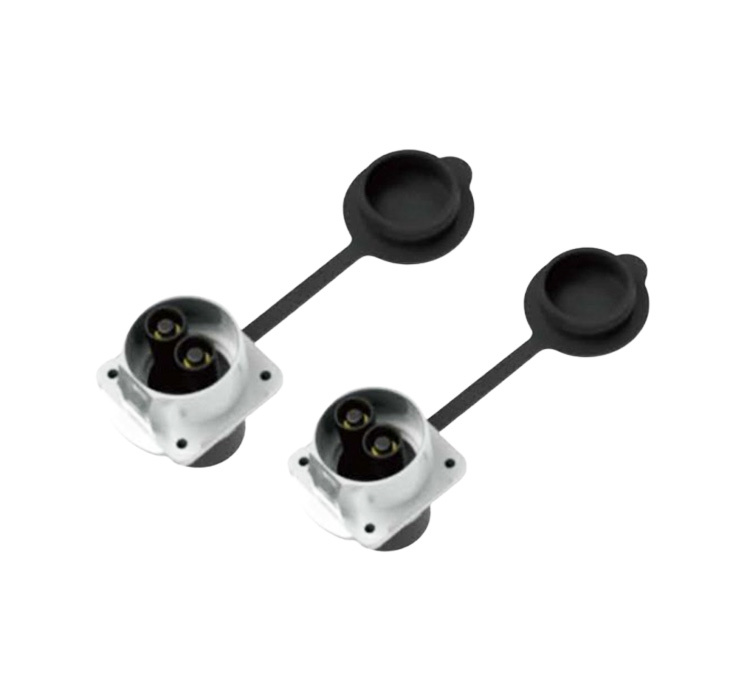
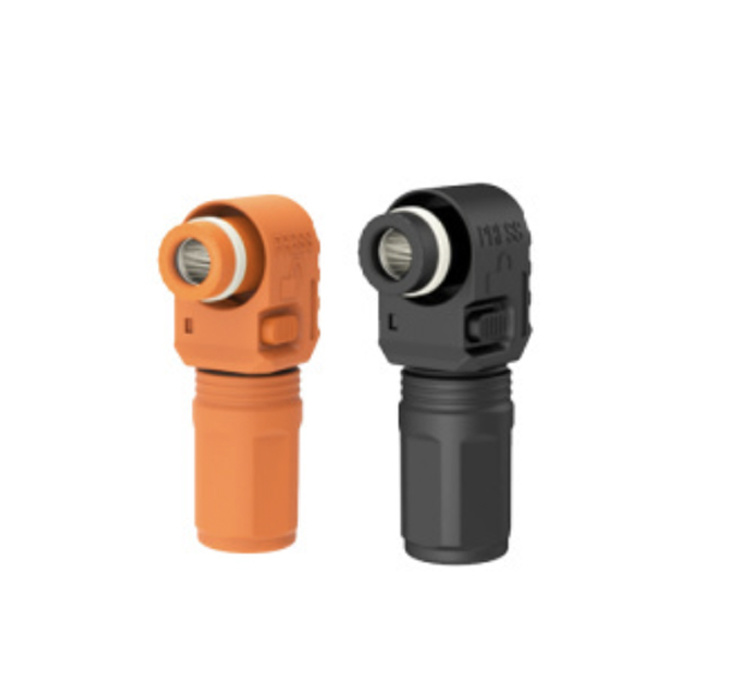
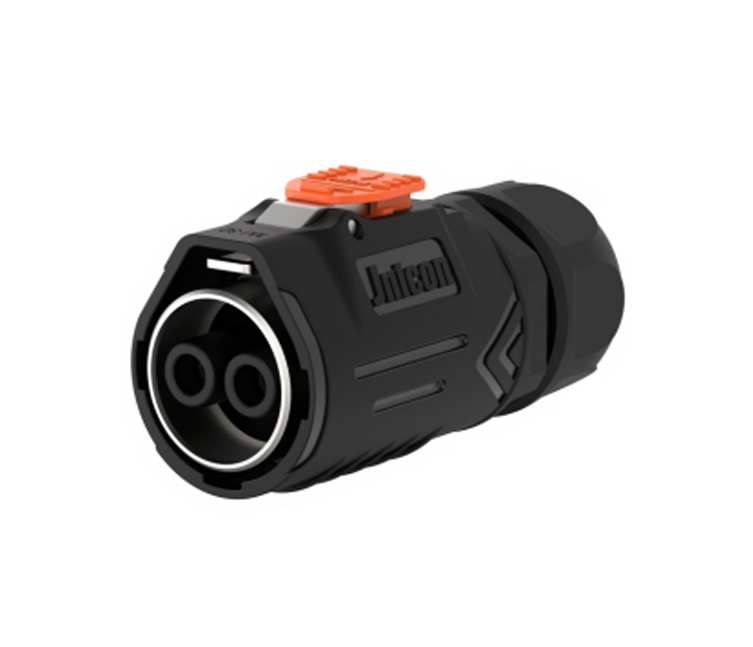
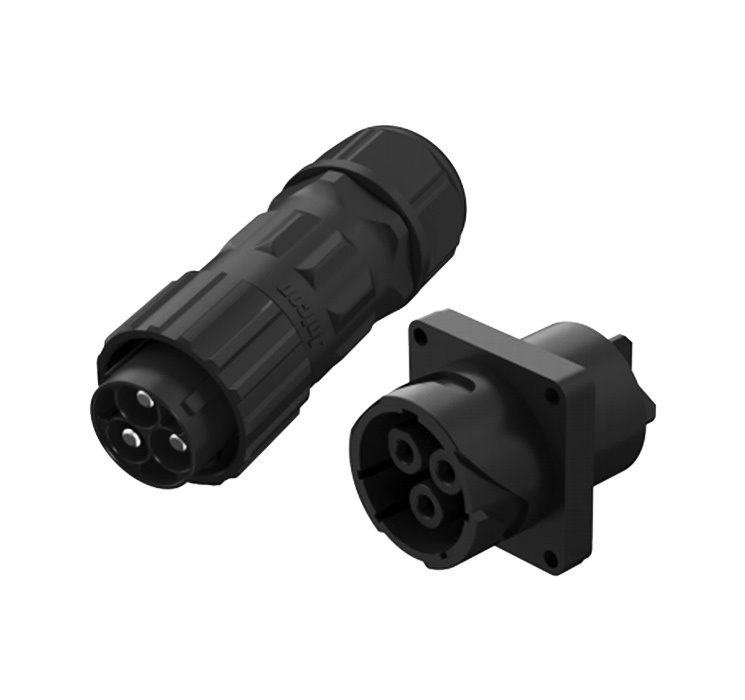
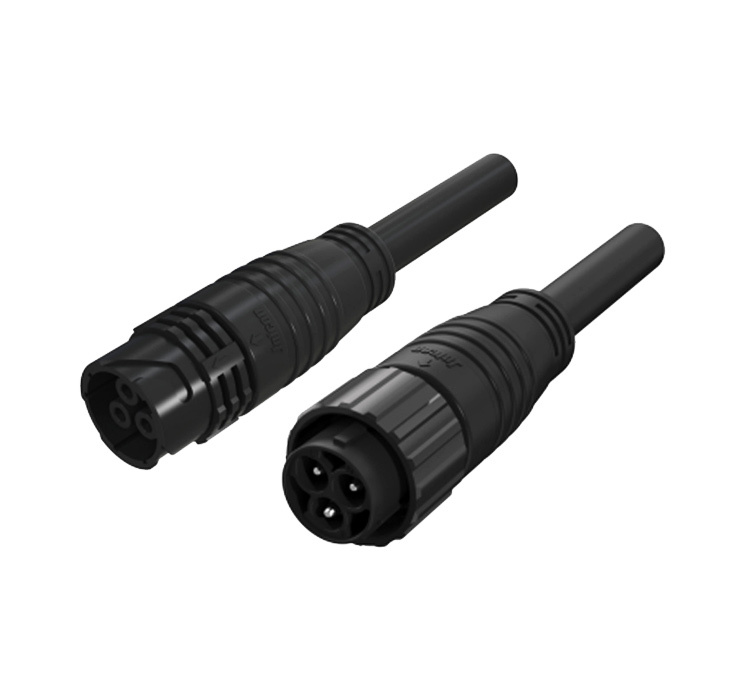
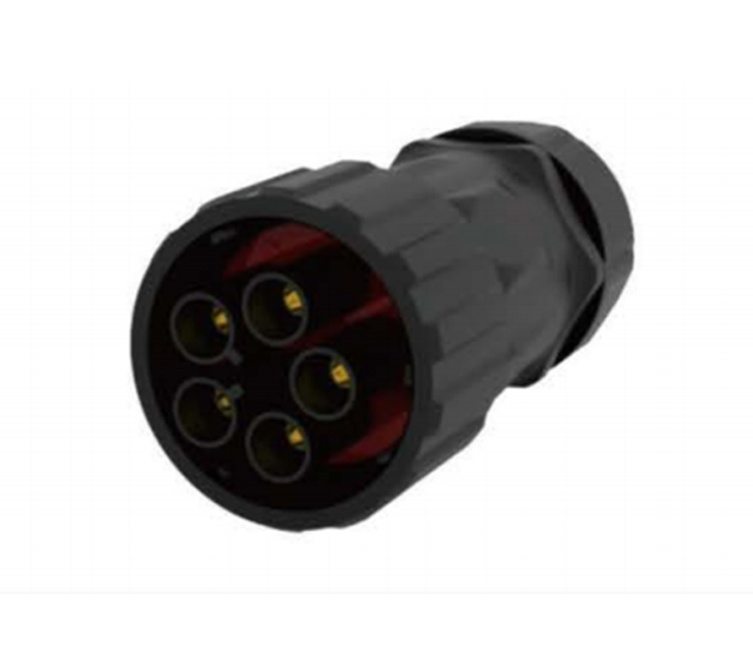
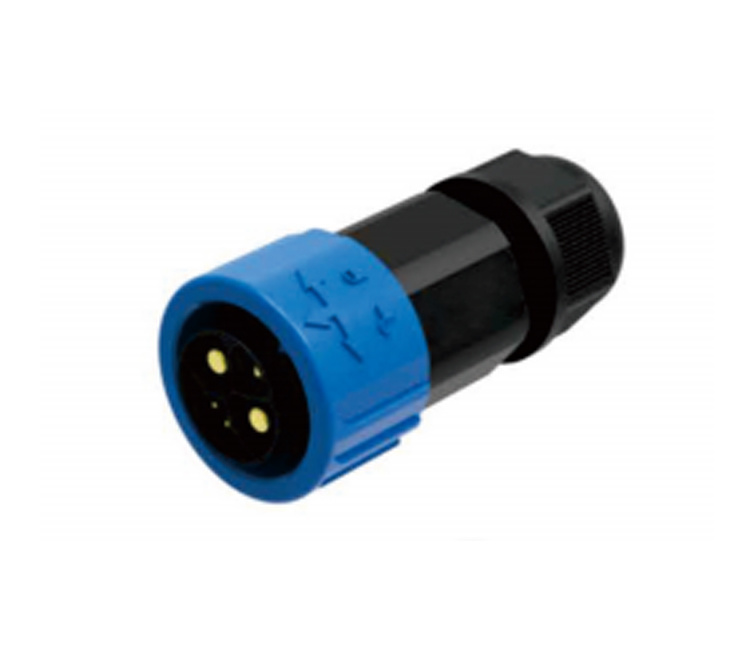
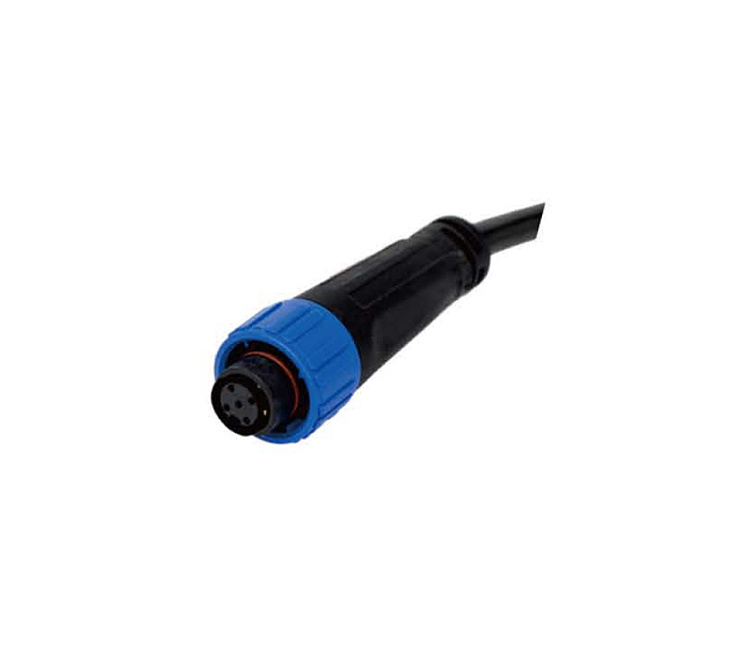
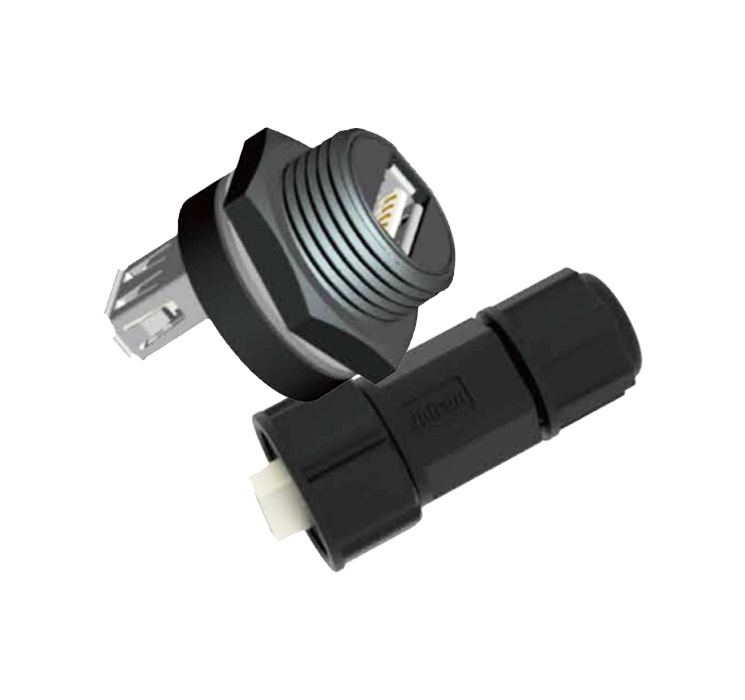
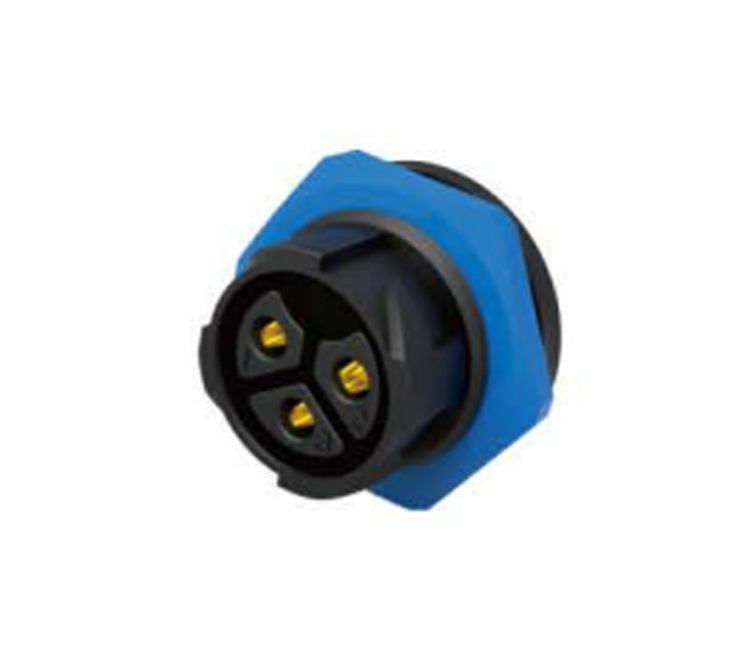
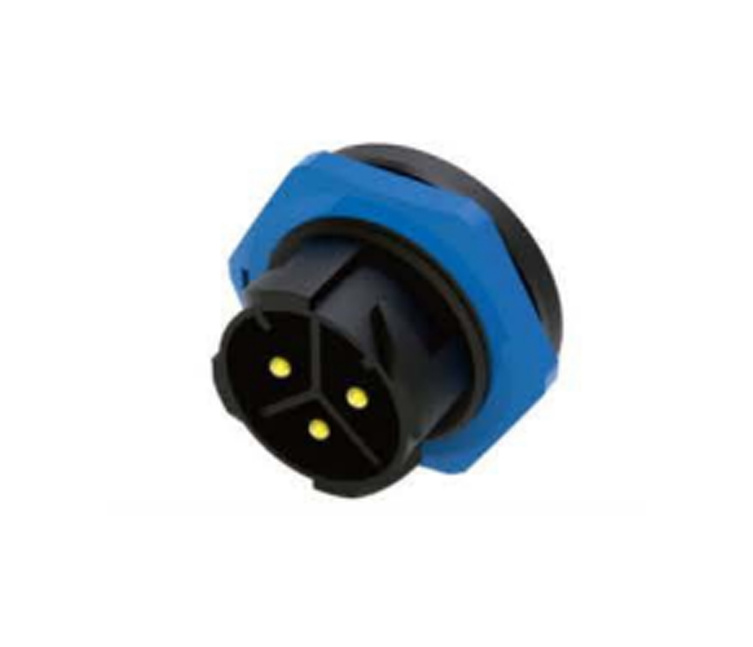
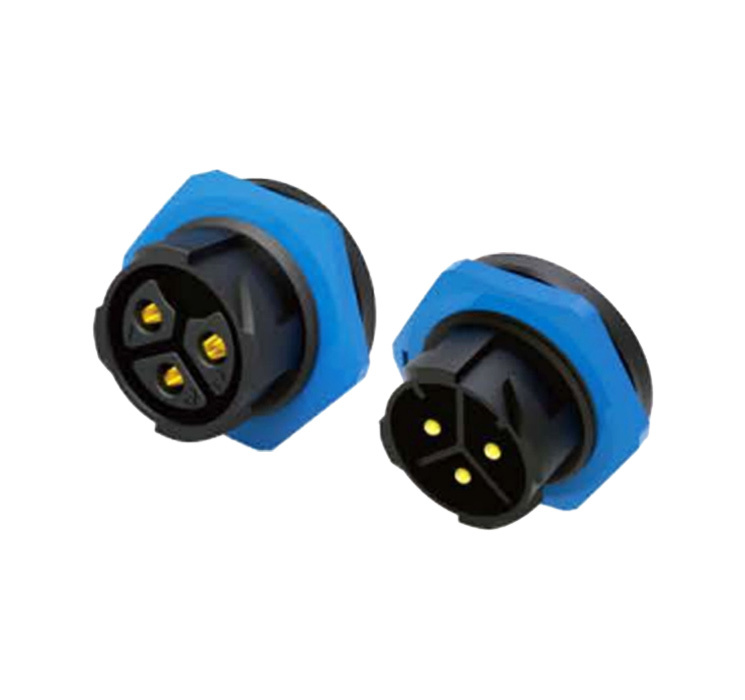
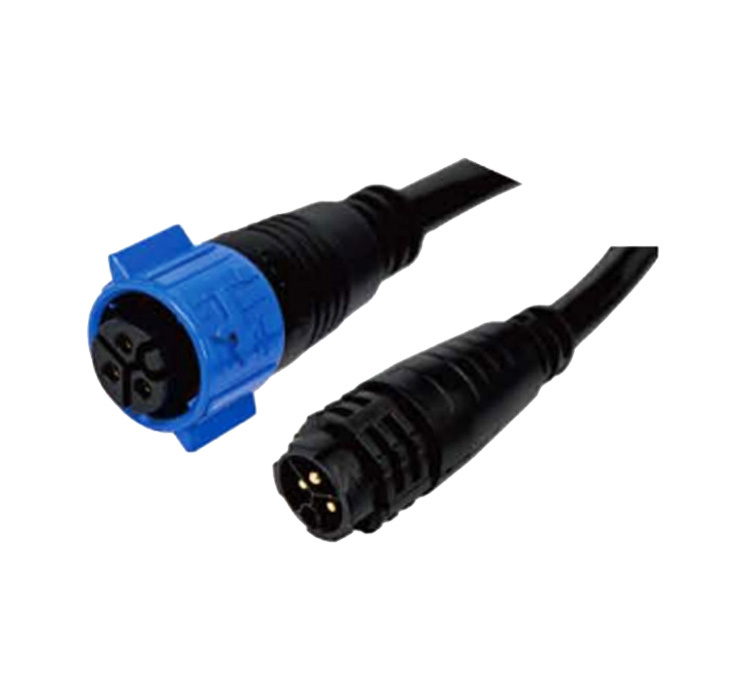
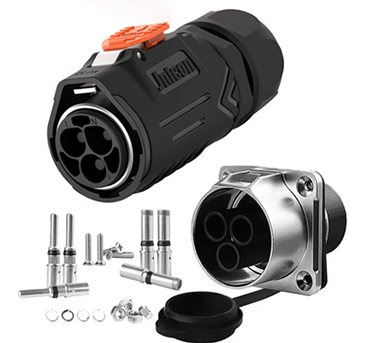
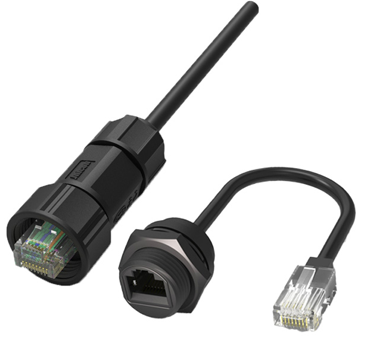
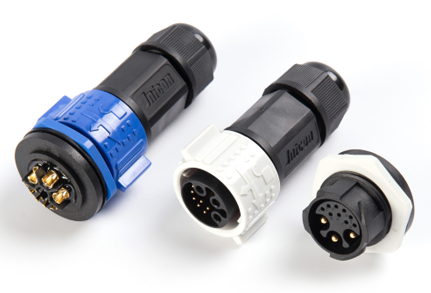
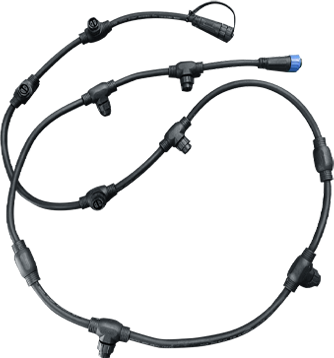
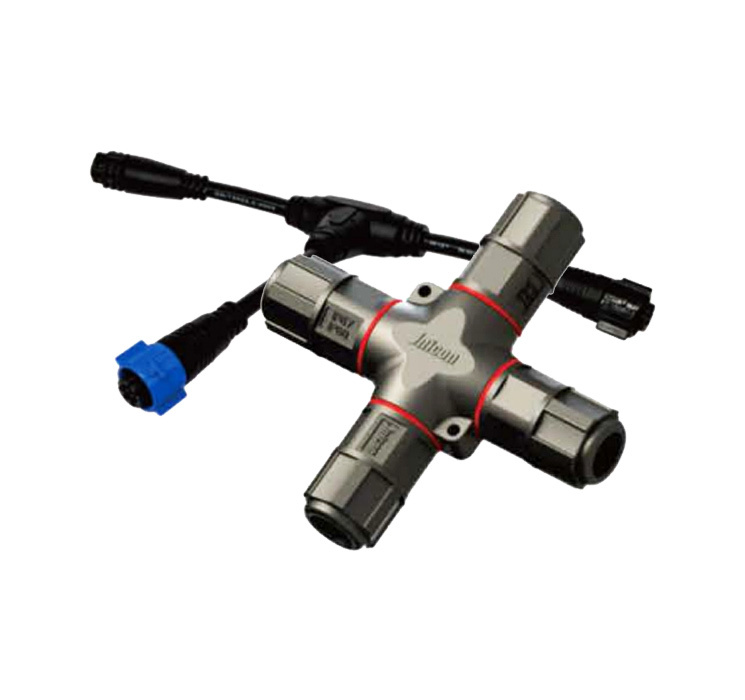
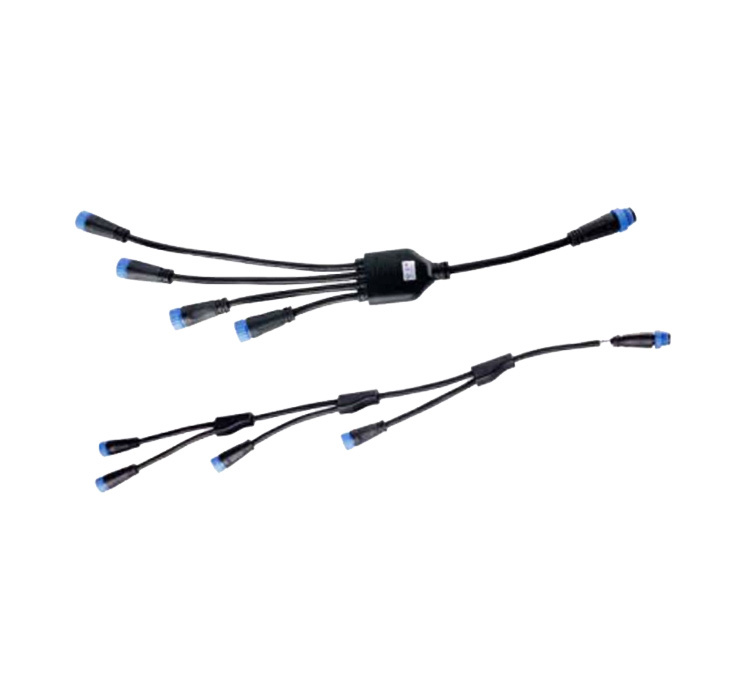
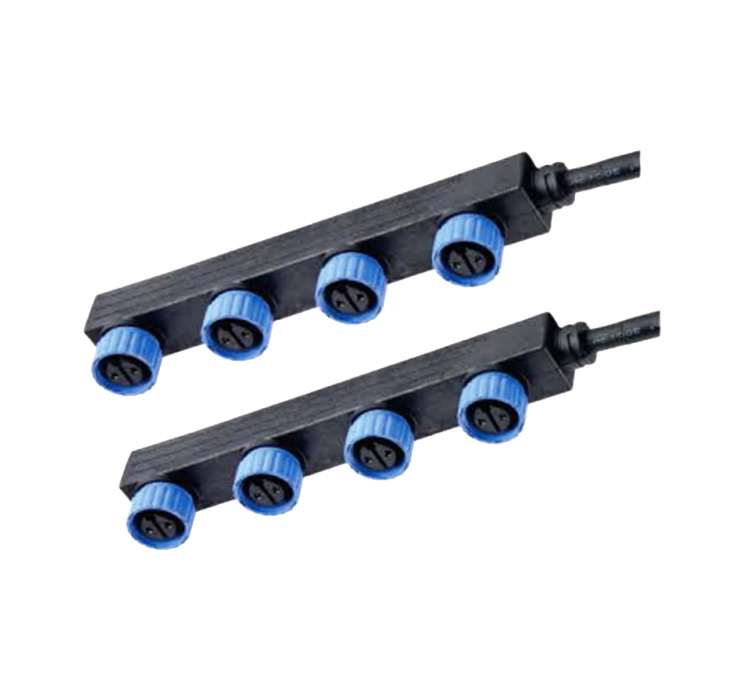
A 5 pin waterproof connector typically consists of five conductive pins within a protective housing, designed to prevent moisture ingress. This feature is crucial in applications where exposure to water or other liquids is a possibility, such as in outdoor lighting, marine equipment, and automotive connections. The waterproof rating of these connectors is often classified according to the Ingress Protection (IP) standards, indicating their ability to resist water and dust penetration. For instance, a connector rated IP67 can survive submersion in water up to 1 meter for a limited time, making it ideal for outdoor and harsh environment applications.
One of the primary benefits of using 5 pin waterproof connectors is their enhanced durability. Traditional connectors may fail when exposed to harsh environmental conditions, leading to short circuits, power loss, or equipment malfunction. In contrast, waterproof connectors are built to last, ensuring a stable connection even in challenging situations. This reliability reduces maintenance costs and downtime, making them a preferred choice for industries where continuity of service is critical.
Moreover, these connectors are versatile and can be used in a wide variety of applications. From powering outdoor lighting systems and connecting sensors in smart home devices to facilitating safe electrical connections in marine vessels, 5 pin waterproof connectors provide flexibility in design and application. They are also integral to many industrial automation processes, where moisture and contaminants are common.
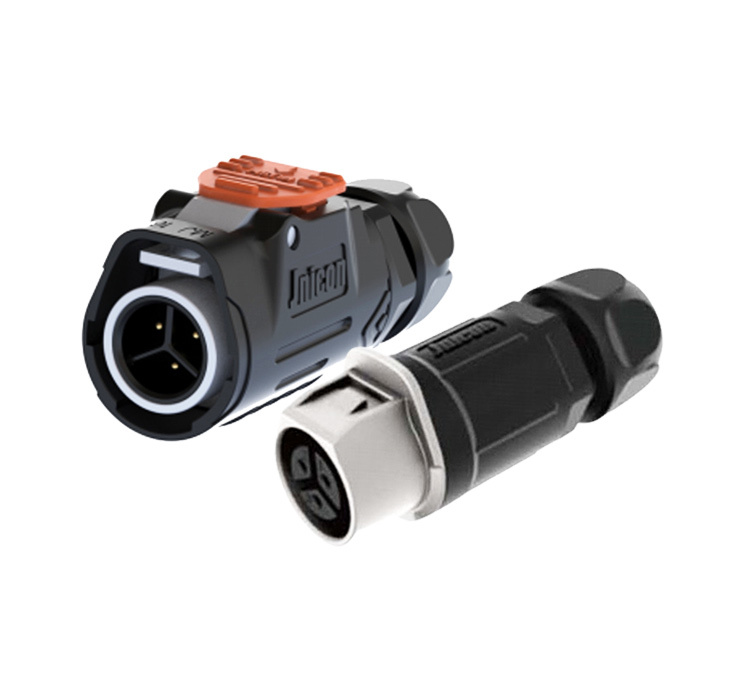
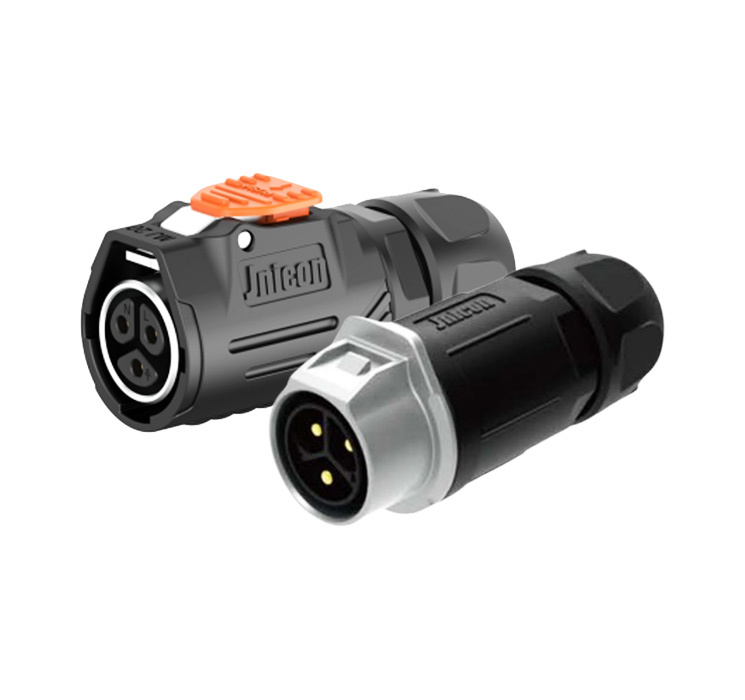
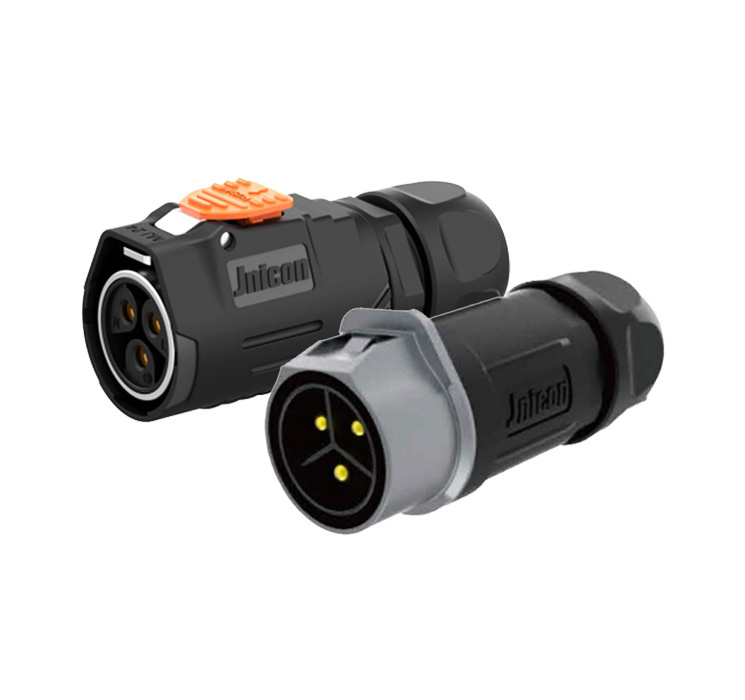
In addition to their practical applications, 5 pin waterproof connectors are often designed for ease of installation and use. Many models feature locking mechanisms that secure the connection, preventing accidental disconnection during operation. This feature is particularly important in mobile and portable devices, where movement and vibration are prevalent.
Furthermore, as technology advances, the design and manufacturing of 5 pin waterproof connectors continue to evolve. Innovations in materials and engineering have led to connectors that are not only more resilient but also lighter and easier to integrate into various systems. As industries increasingly prioritize efficiency and reliability, the demand for such connectors is expected to grow.
In conclusion, 5 pin waterproof connectors are an essential component in modern electrical engineering, offering durability, reliability, and versatility for a range of applications. Their ability to withstand harsh environmental conditions makes them an ideal choice for industries that require dependable connectivity solutions. Understanding the significance of these connectors can help professionals make informed decisions in their electrical connectivity needs, ultimately enhancing the performance and longevity of their systems.
Previous
News
2026-09-27
Understanding Industrial Power Connectors: Key Insights for Professionals
Industrial power connectors play a crucial role in the safety and efficiency of electrical systems across various sectors, including manufacturing, energy, and transportation. These connectors are designed to facilitate the transmission of electrical power in rugged environments, ensuring reliable and stable connections. Understanding the types, applications, and selection criteria for industrial
2026-09-24
Waterproof Wire Harnesses: The Cornerstone of Electric Vehicle Reliability
Waterproof Wire Harnesses: An Essential Component for Electric Vehicles Electric vehicles (EVs) are rapidly transforming the automotive landscape, with advancements in technology leading the charge. Amongst the many components that contribute to the seamless operation of these vehicles, **waterproof wire harnesses** stand out as a vital element. In this comprehensive article, we will delve deep in
2026-09-21
Exploring the Benefits and Applications of 5 Pin Waterproof Connectors
In today's increasingly interconnected world, the demand for reliable and durable electrical connections is paramount, particularly in environments exposed to moisture and harsh conditions. The 5 pin waterproof connector serves as a crucial solution to meet these needs, providing secure electrical connectivity while protecting sensitive components from water damage and corrosion. One of the primar

B8-9, Fubilun industrial park, Chaoyang rd,Yanchuan community, Songgang, Shenzhen, China


