


Understanding Industrial Power Connectors: Key Insights for Professionals
Release Time:
2026-09-27
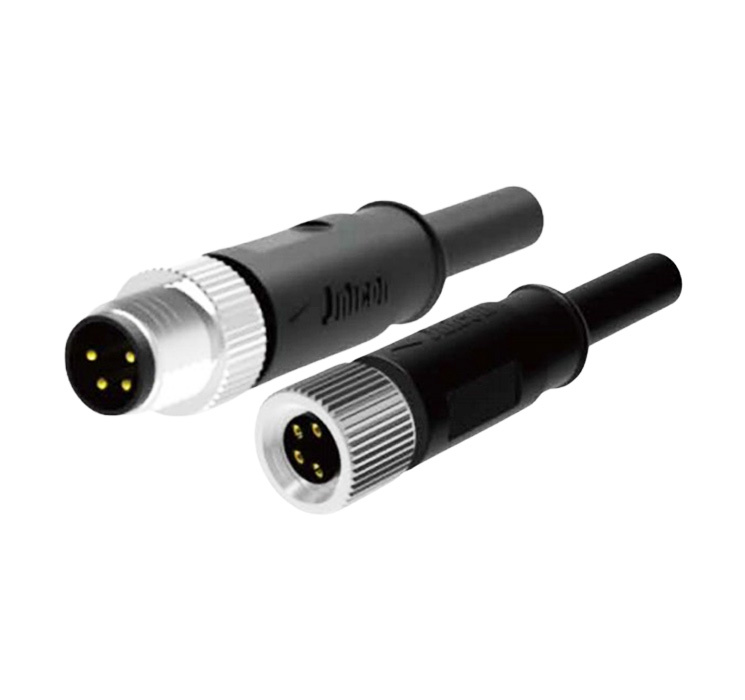
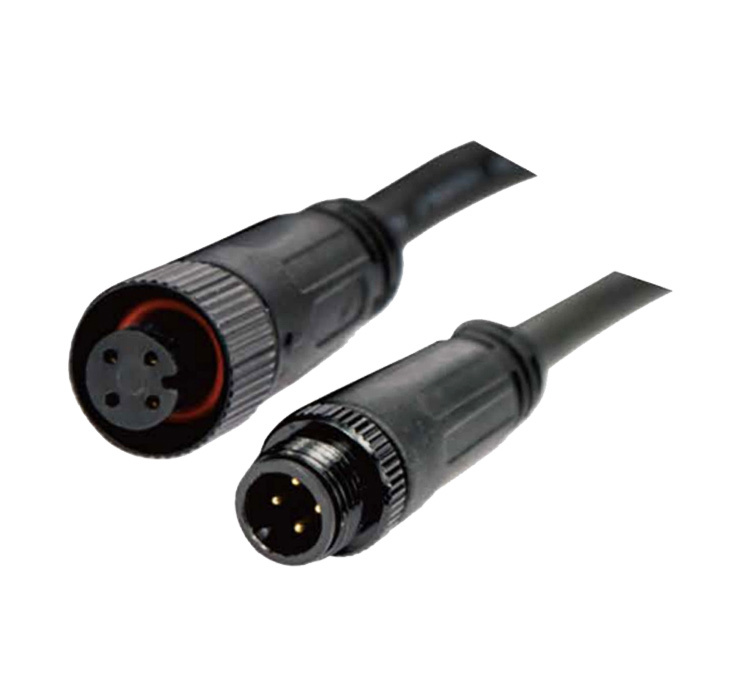
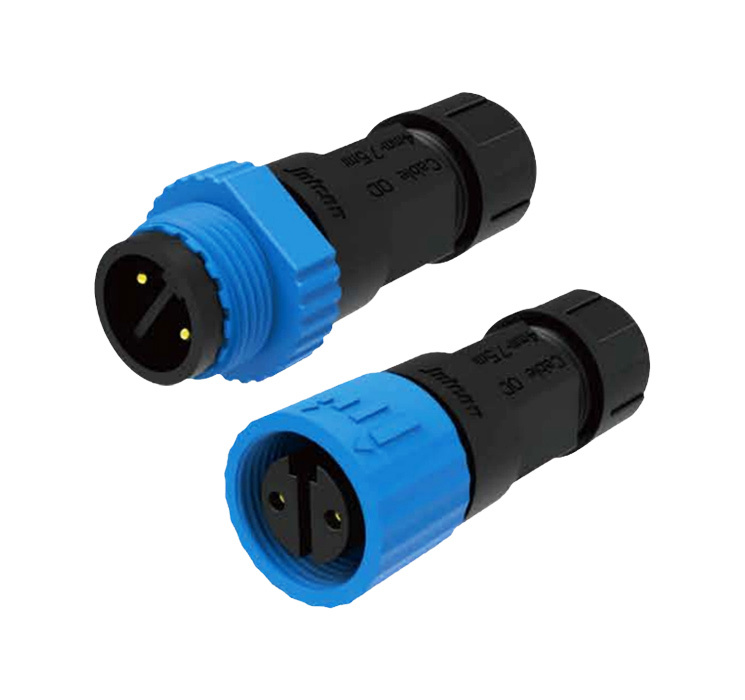
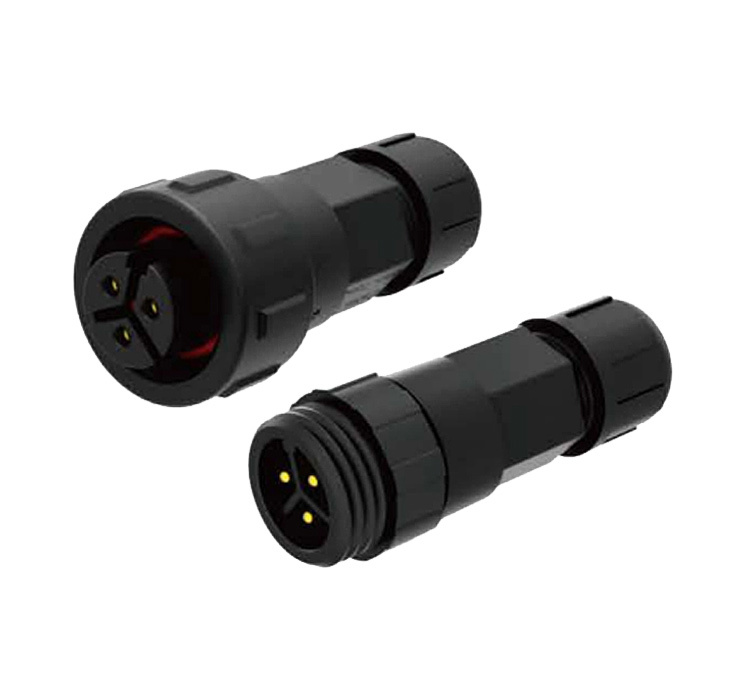
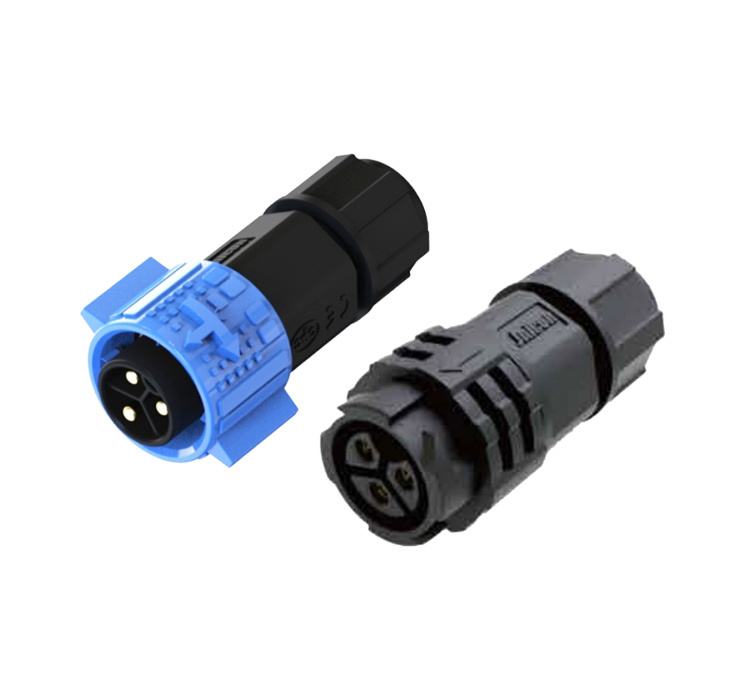
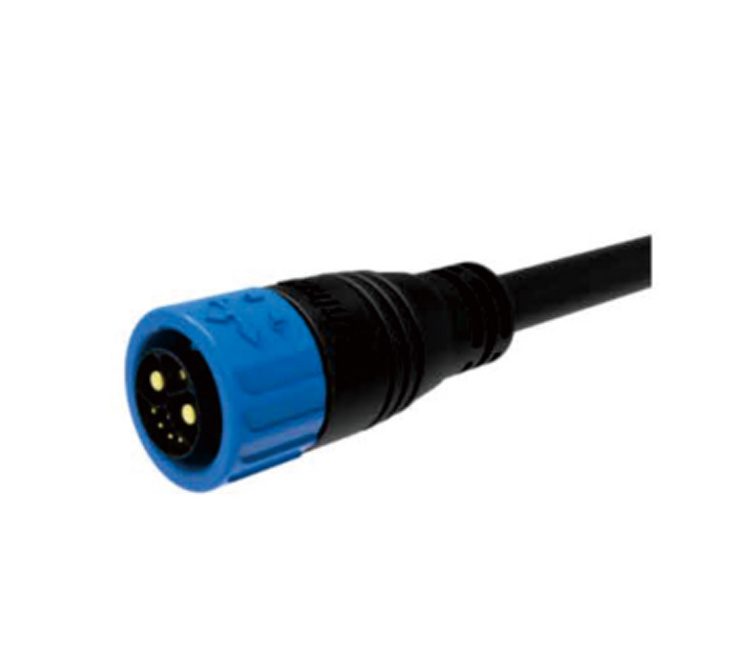
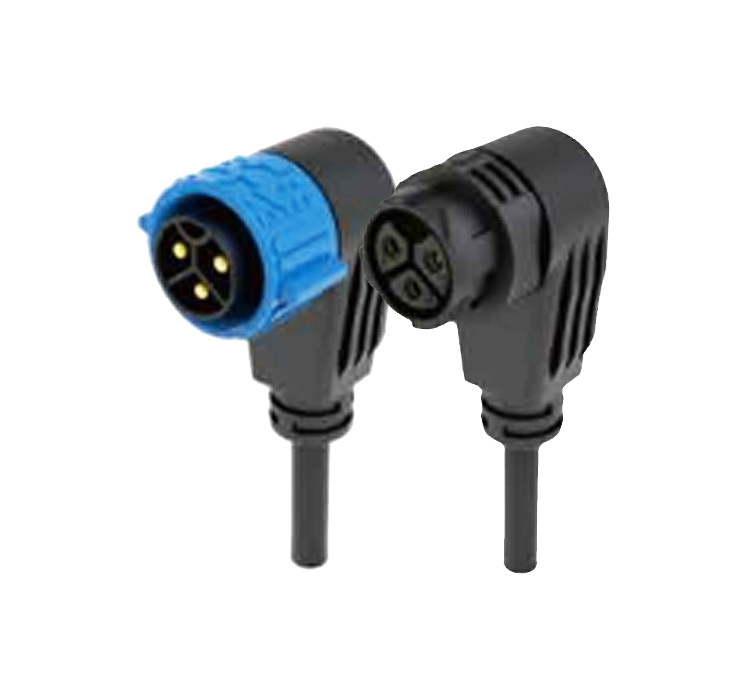
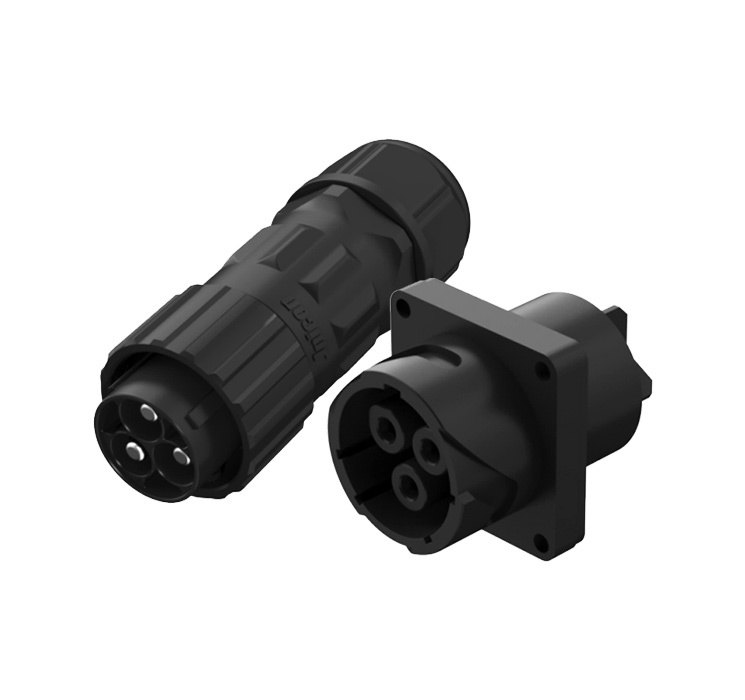
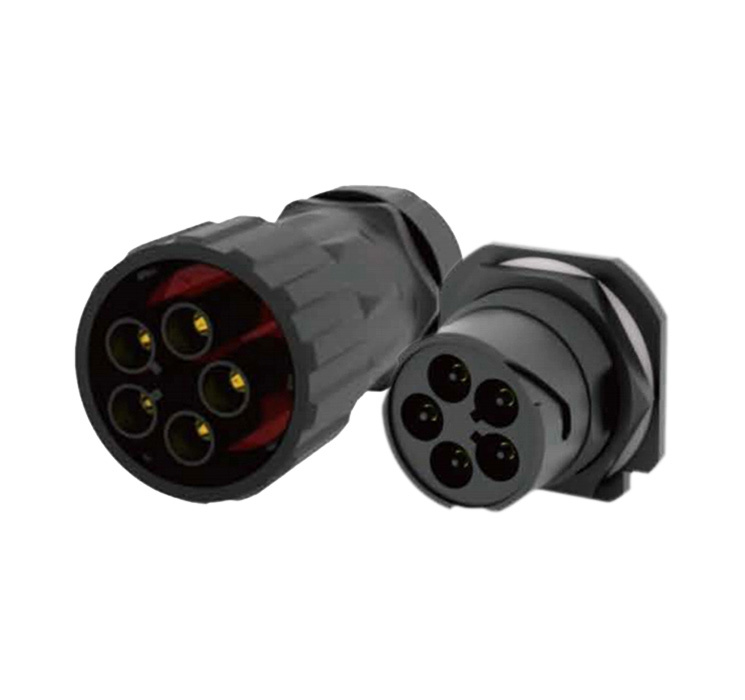
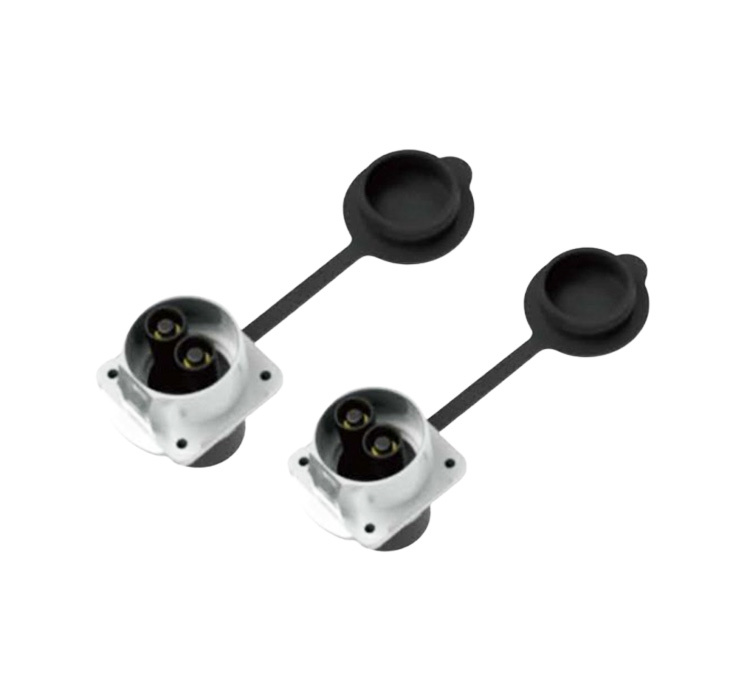
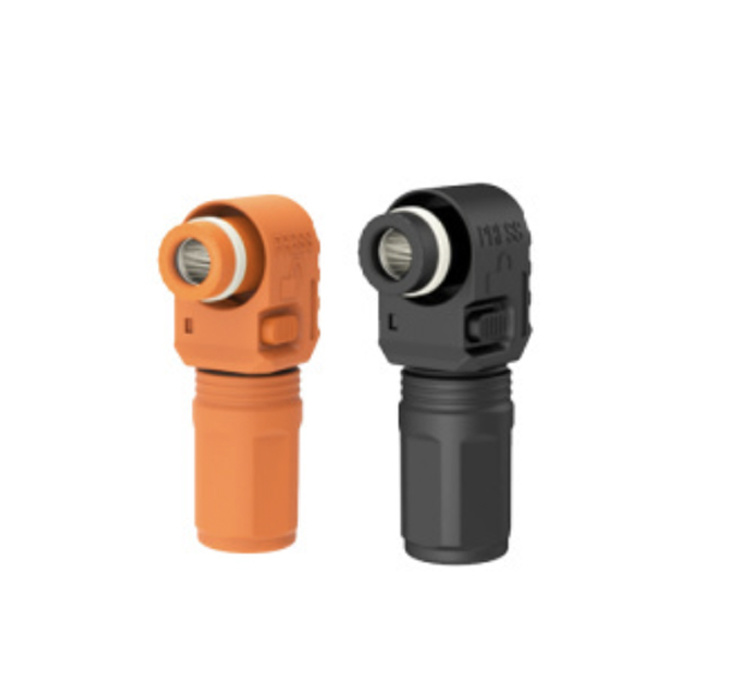
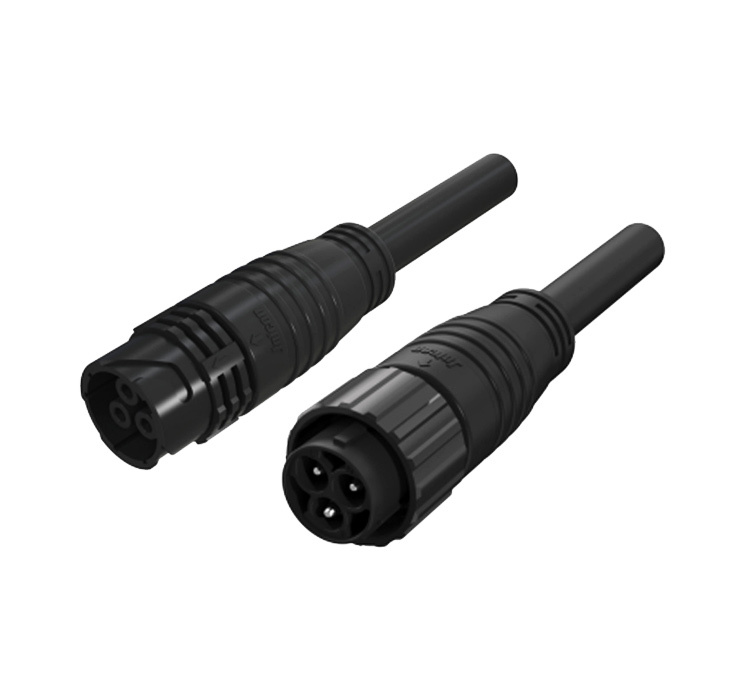
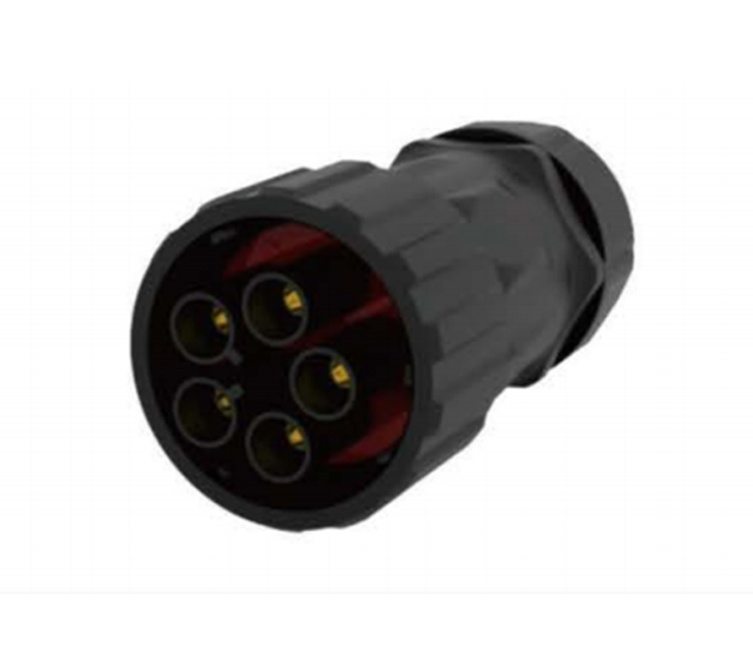
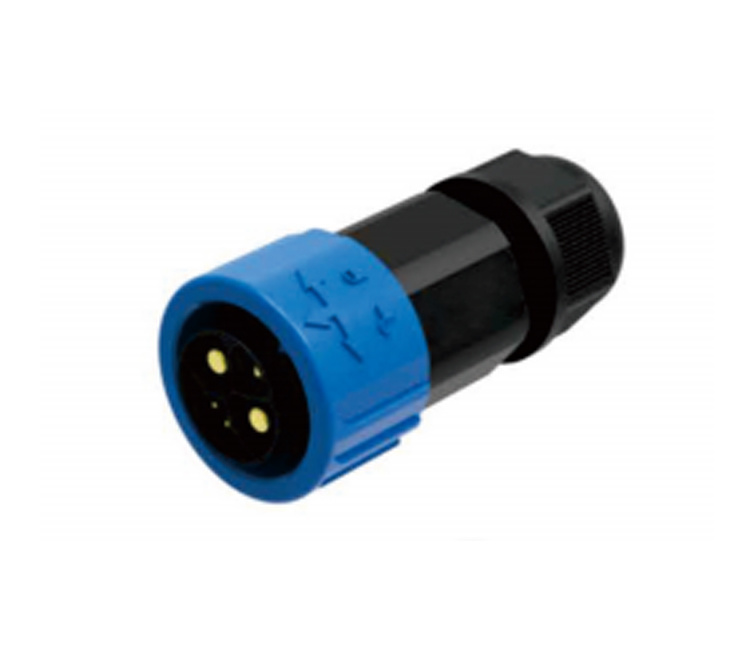
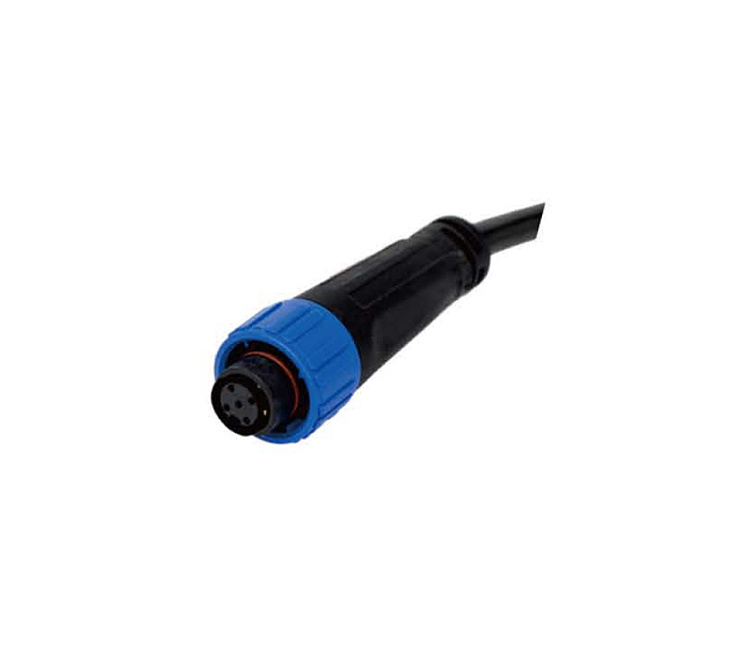
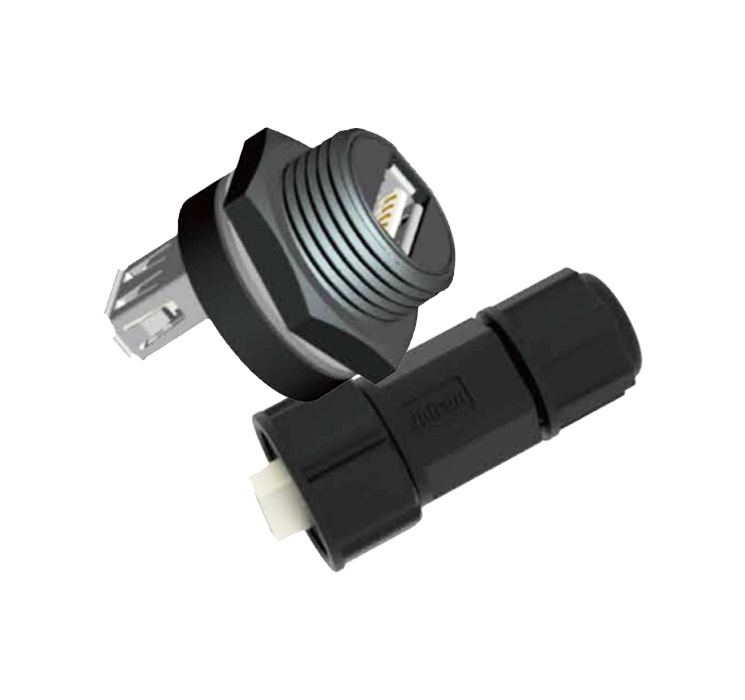
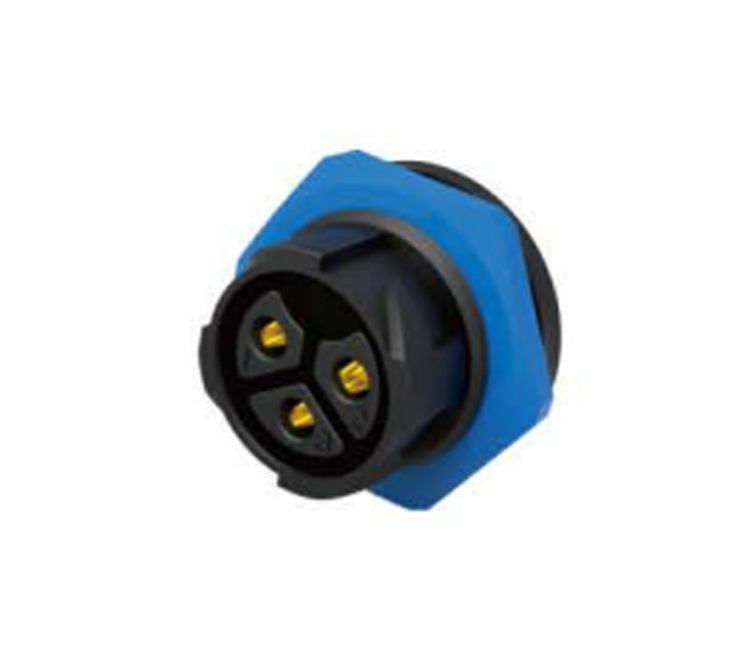
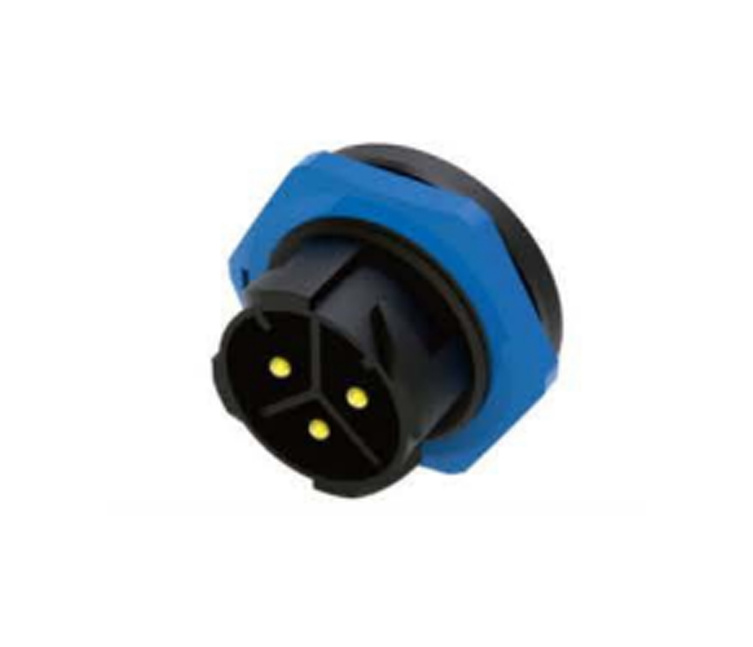
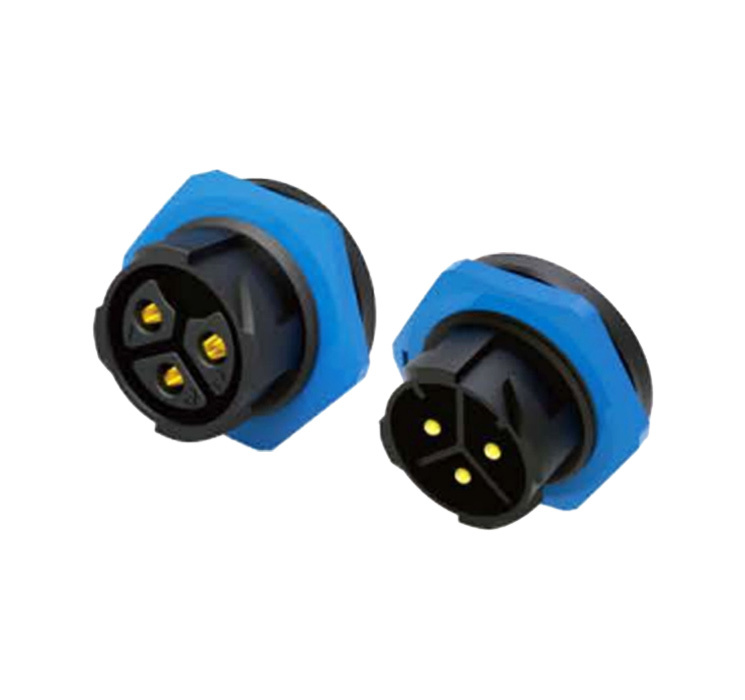
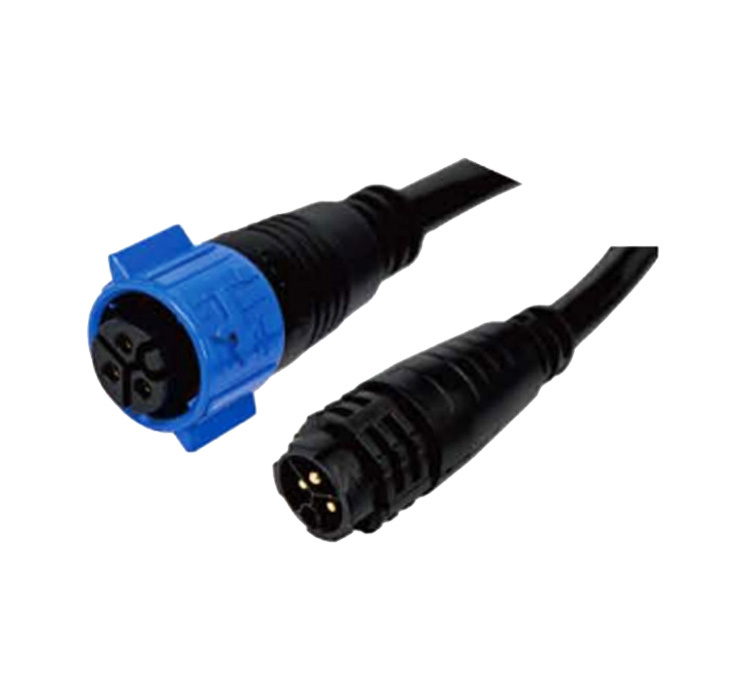
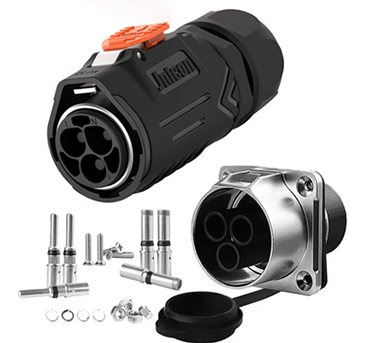
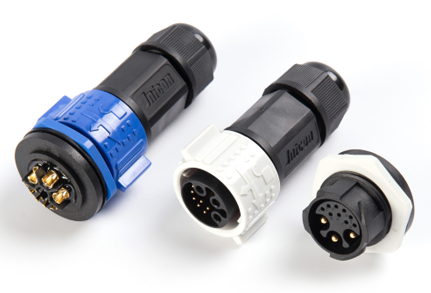
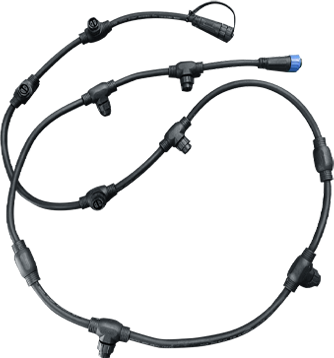
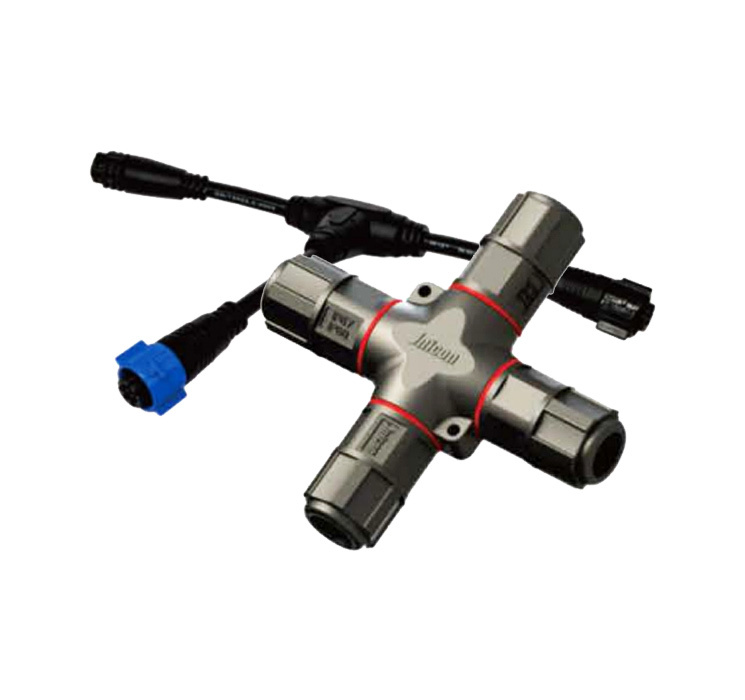
One of the primary aspects to consider when dealing with industrial power connectors is their design and construction. Typically, they are built to endure harsh conditions, including extreme temperatures, humidity, and mechanical stress. This durability is essential in industrial settings, where equipment is often subjected to vibrations and other physical challenges. Common materials used for industrial connectors include thermoplastics and metal alloys, which contribute to their robustness.
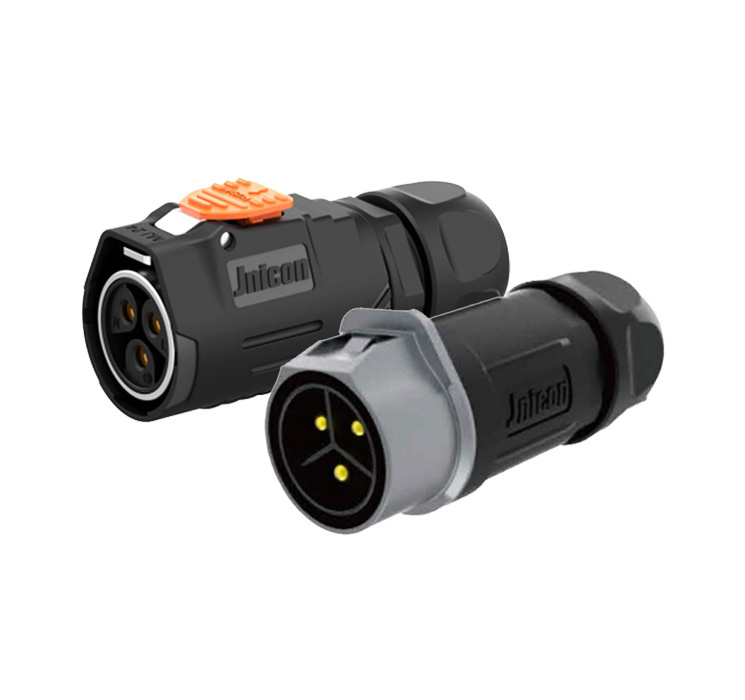
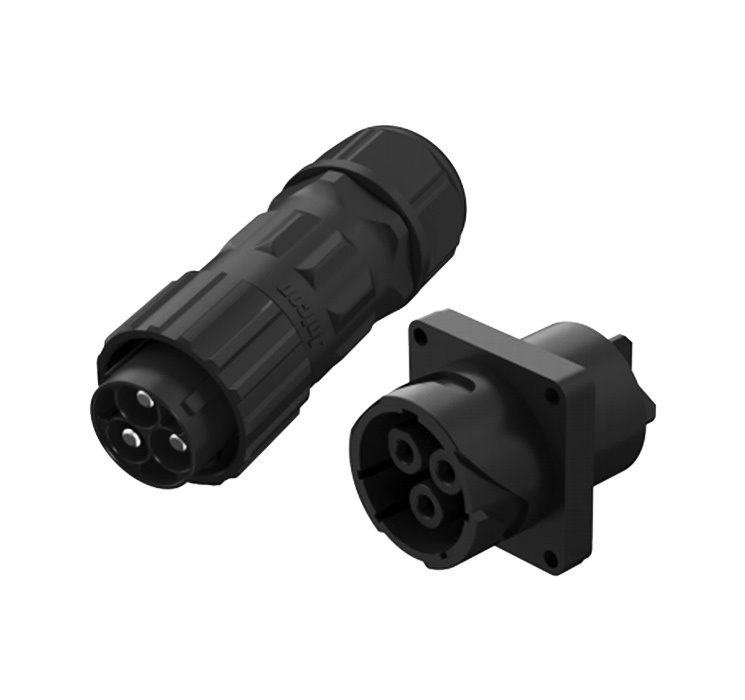
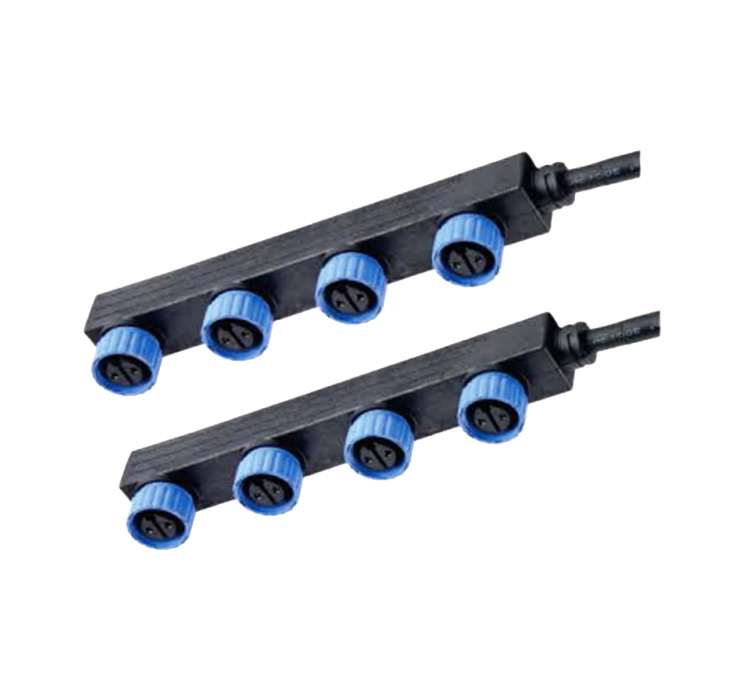
Another critical factor is the electrical specifications of these connectors. They are available in various configurations, accommodating different voltage and current ratings. Selecting the right connector involves understanding the specific requirements of the application, such as the maximum voltage, current capacity, and environmental factors. For example, connectors used in outdoor applications may require additional sealing against moisture and dust to maintain performance and safety.
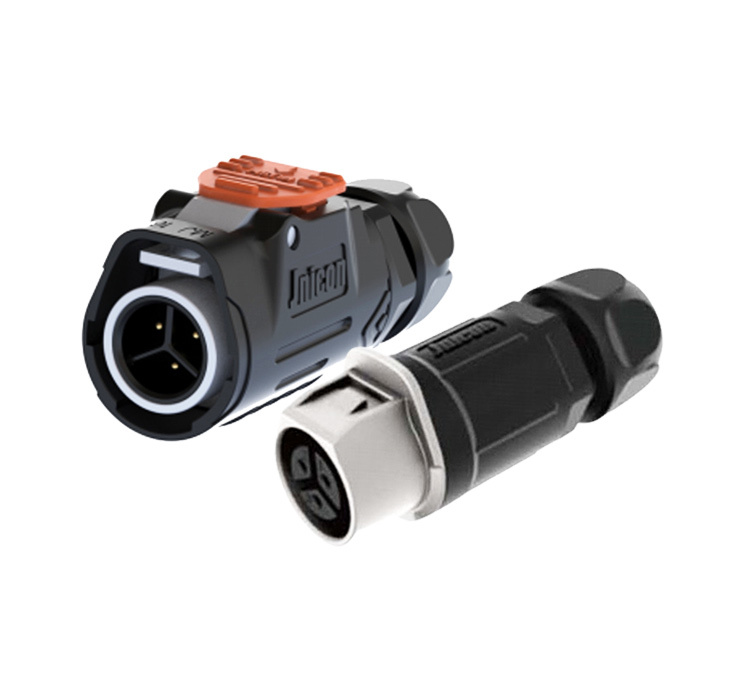
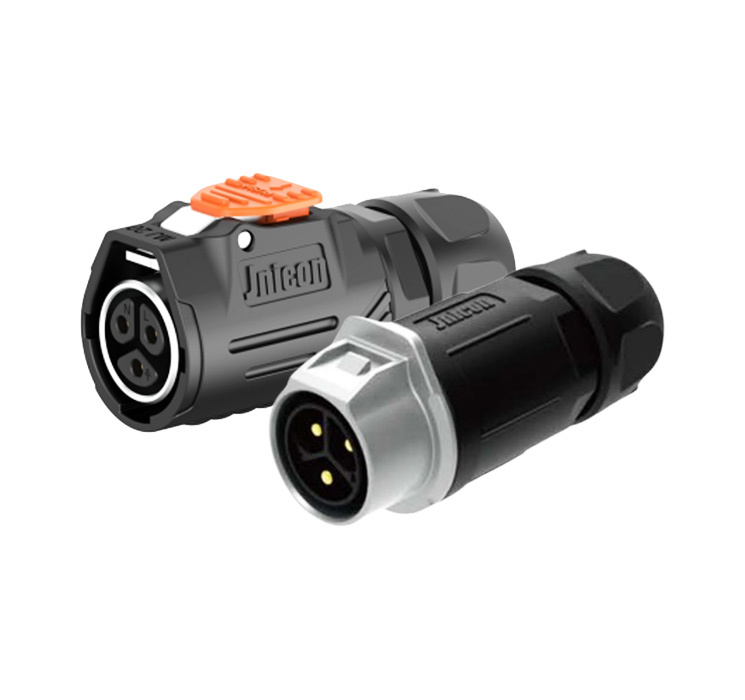
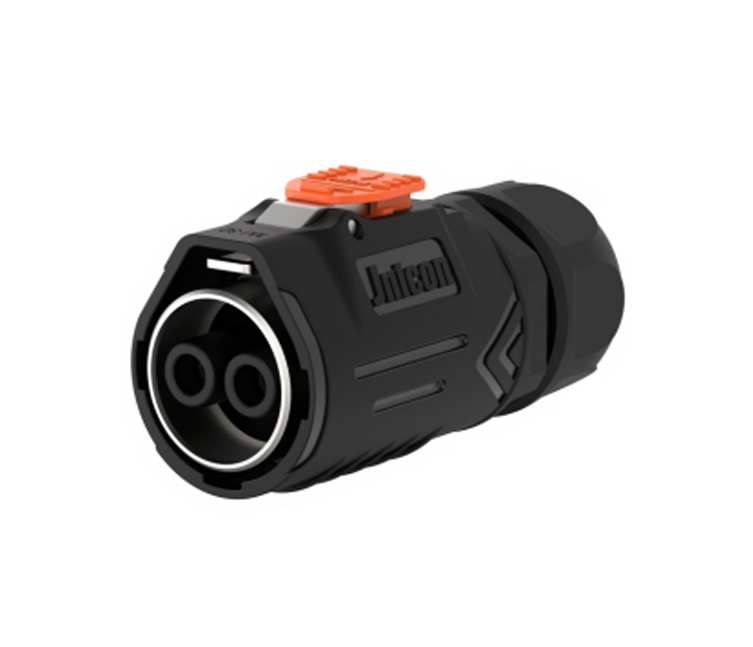
Safety is paramount when dealing with industrial power connectors. These components often feature locking mechanisms to prevent accidental disconnection and are designed to minimize arcing and sparking during connection and disconnection. Additionally, many connectors are designed to meet stringent industry standards and certifications, ensuring their reliability and performance in critical applications.
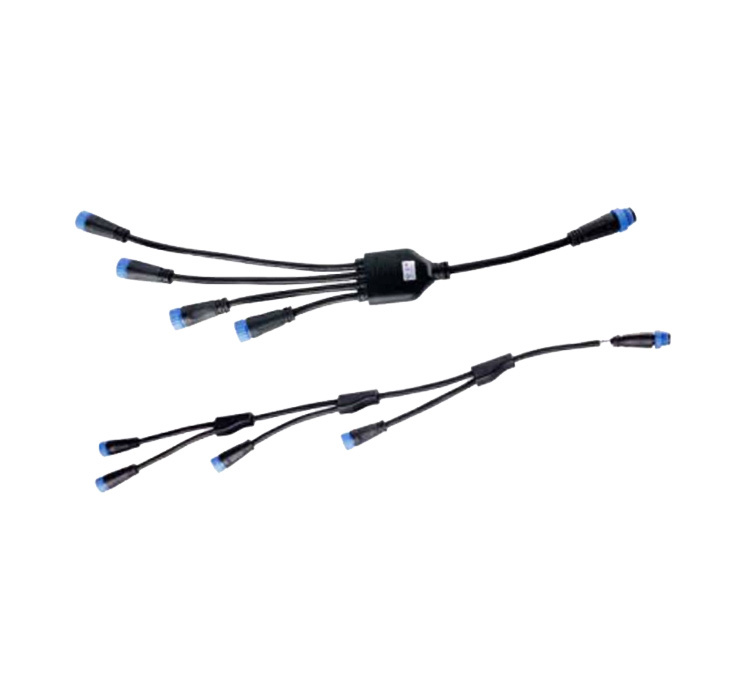
Furthermore, the versatility of industrial power connectors allows them to serve a wide range of applications. From connecting power supply units to machinery in factories to linking power sources in renewable energy systems, the adaptability of these connectors contributes to their widespread use. Professionals should be aware of emerging trends, such as the growing emphasis on renewable energy and automation, which may influence the development and adoption of new connector technologies.
In conclusion, industrial power connectors are integral to maintaining efficient and safe electrical systems in various industries. By understanding the design, specifications, safety features, and applications of these connectors, professionals can make informed decisions that enhance the reliability and effectiveness of their electrical connections. Keeping abreast of industry trends and innovations will further empower individuals to excel in the ever-evolving landscape of electrical engineering.
Previous
News
2026-09-27
Understanding Industrial Power Connectors: Key Insights for Professionals
Industrial power connectors play a crucial role in the safety and efficiency of electrical systems across various sectors, including manufacturing, energy, and transportation. These connectors are designed to facilitate the transmission of electrical power in rugged environments, ensuring reliable and stable connections. Understanding the types, applications, and selection criteria for industrial
2026-09-24
Waterproof Wire Harnesses: The Cornerstone of Electric Vehicle Reliability
Waterproof Wire Harnesses: An Essential Component for Electric Vehicles Electric vehicles (EVs) are rapidly transforming the automotive landscape, with advancements in technology leading the charge. Amongst the many components that contribute to the seamless operation of these vehicles, **waterproof wire harnesses** stand out as a vital element. In this comprehensive article, we will delve deep in
2026-09-21
Exploring the Benefits and Applications of 5 Pin Waterproof Connectors
In today's increasingly interconnected world, the demand for reliable and durable electrical connections is paramount, particularly in environments exposed to moisture and harsh conditions. The 5 pin waterproof connector serves as a crucial solution to meet these needs, providing secure electrical connectivity while protecting sensitive components from water damage and corrosion. One of the primar

B8-9, Fubilun industrial park, Chaoyang rd,Yanchuan community, Songgang, Shenzhen, China


