


Understanding Industrial Power Connectors: Essential Insights for Professionals
Release Time:
2026-07-05
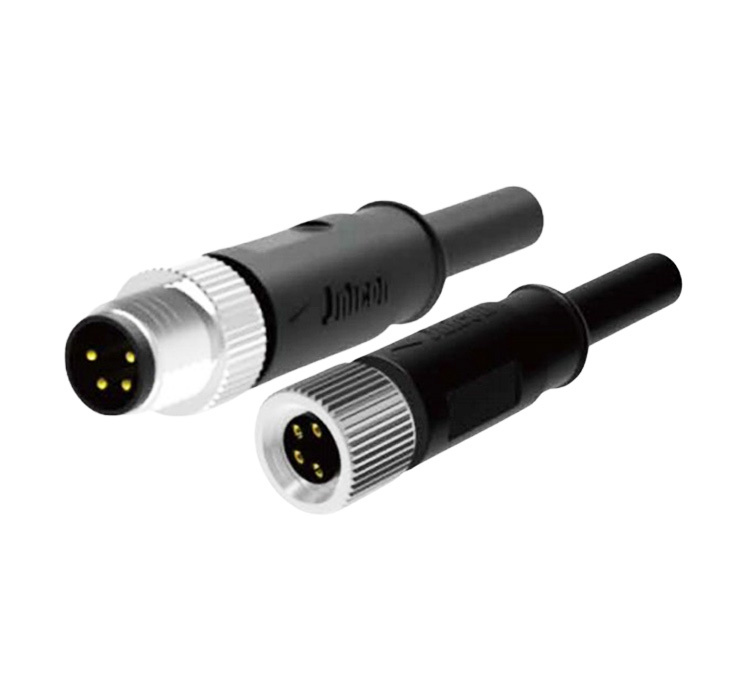
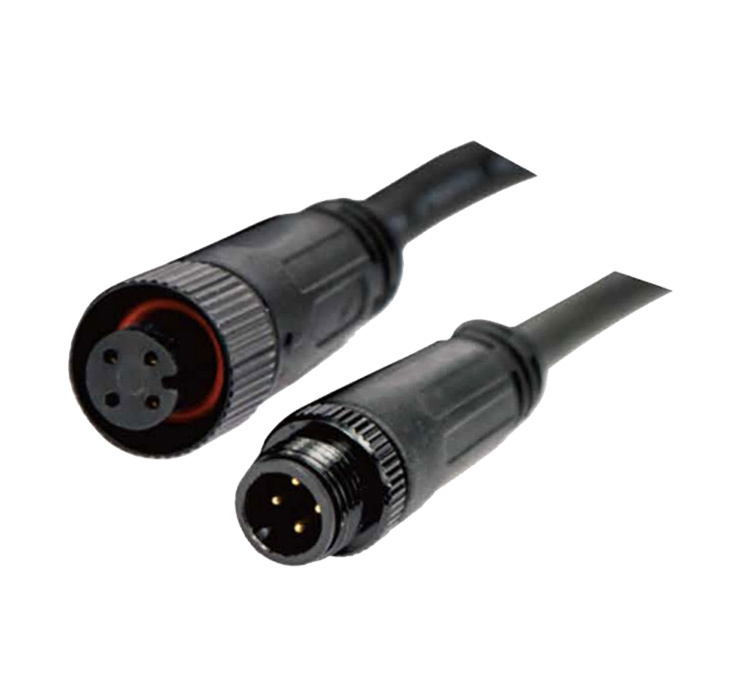
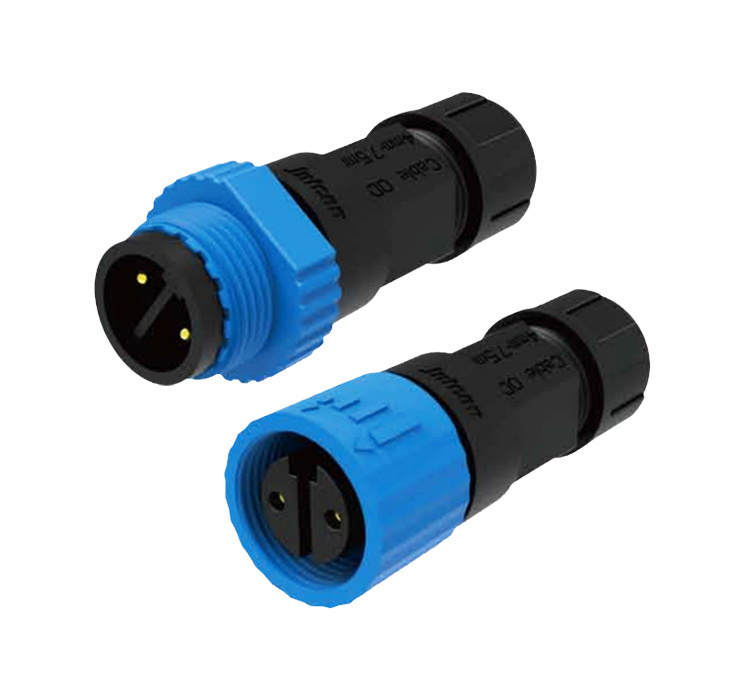
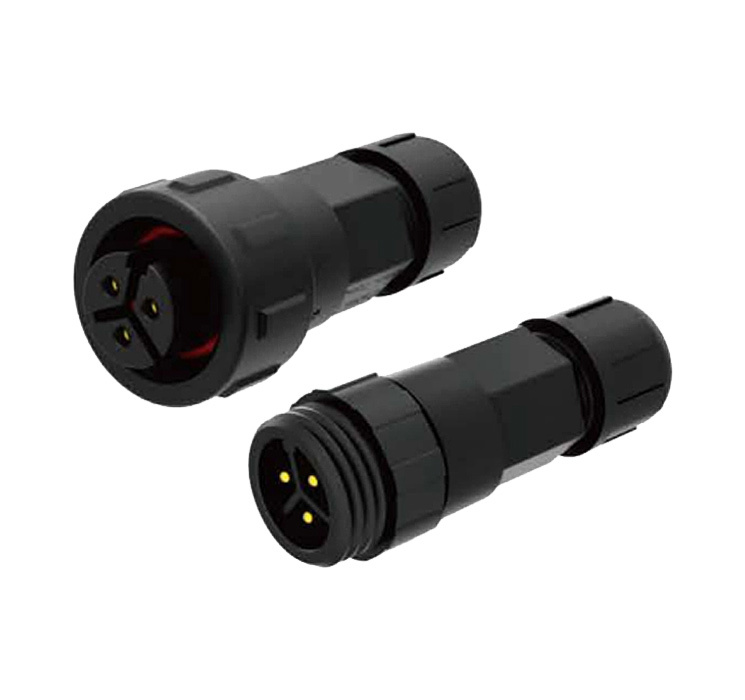
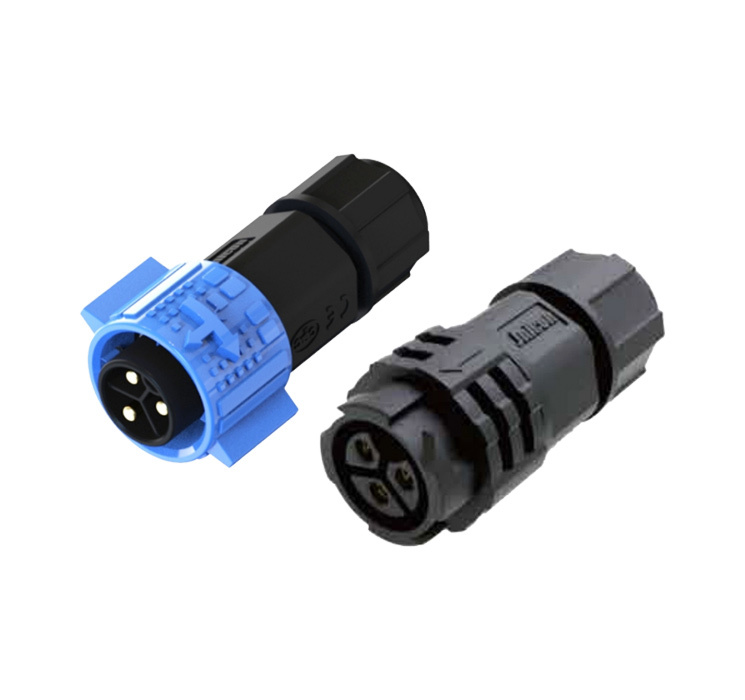
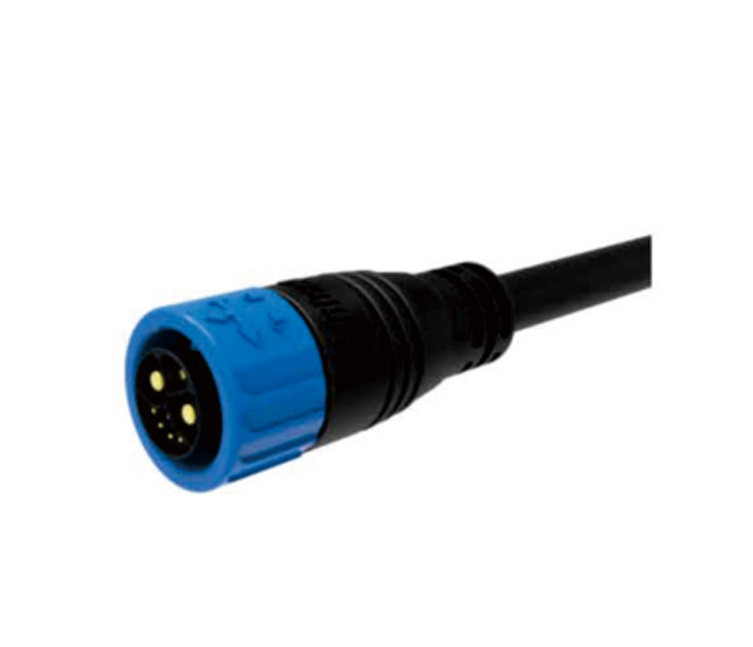
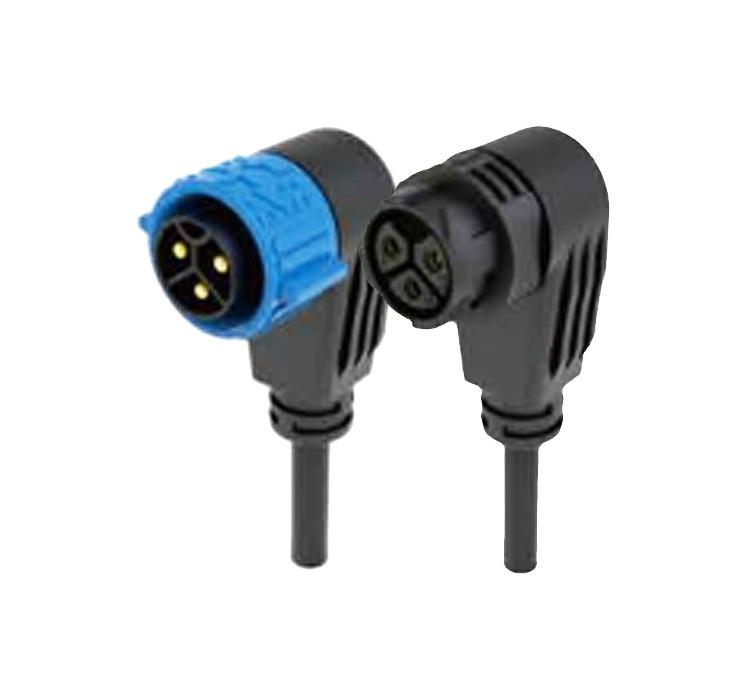
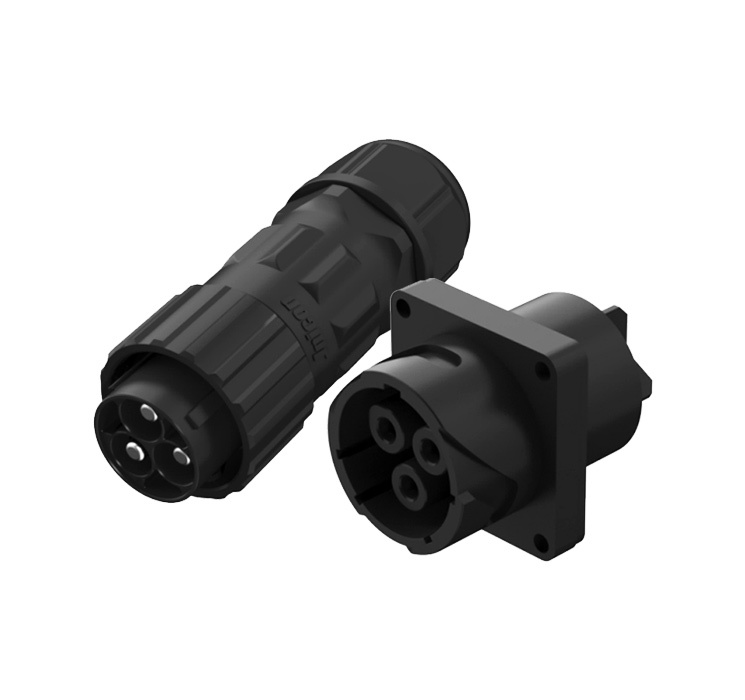
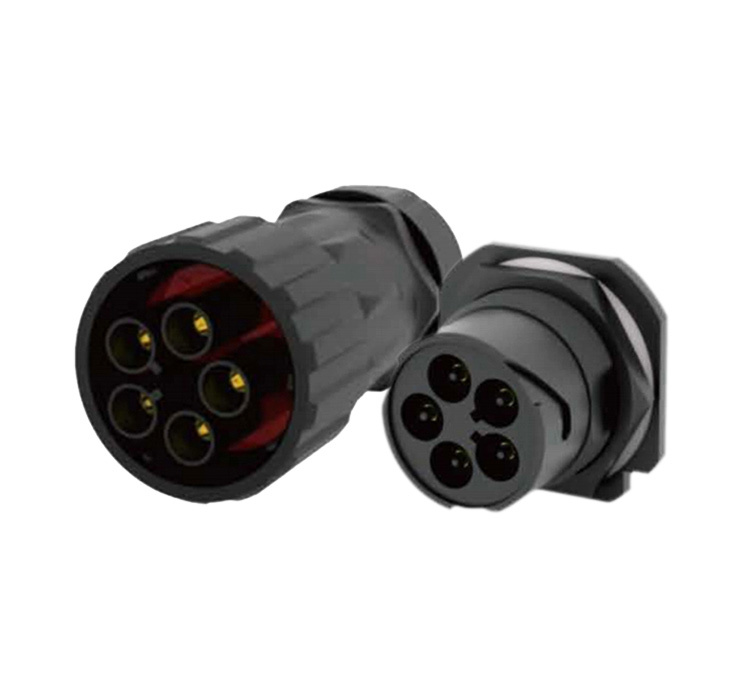
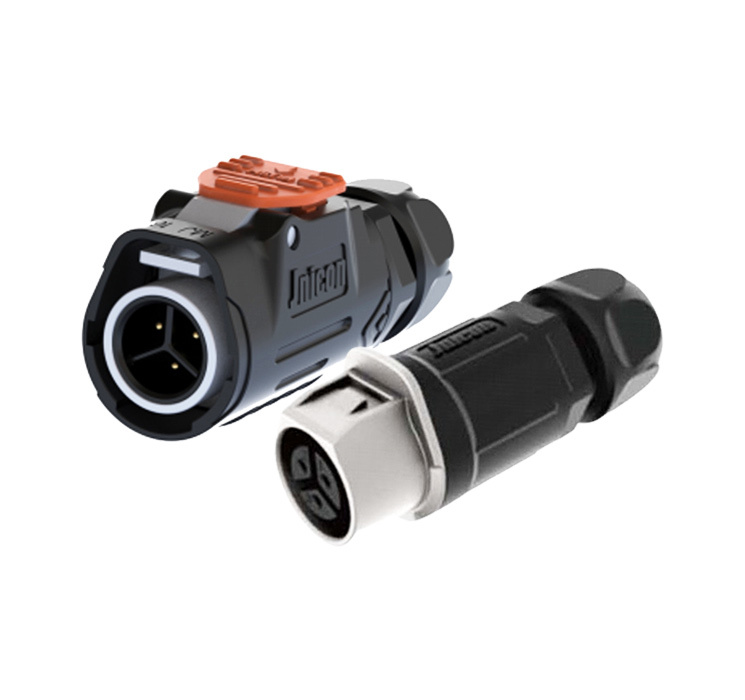
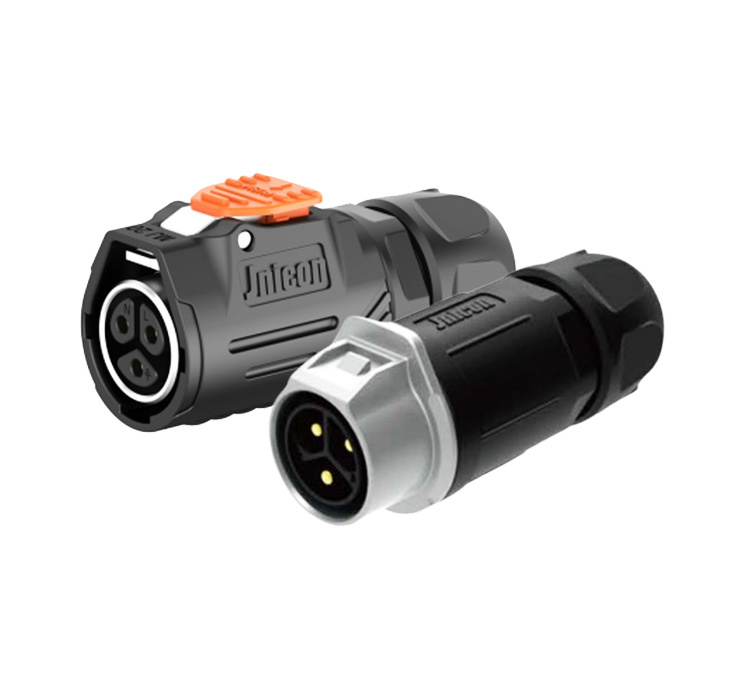
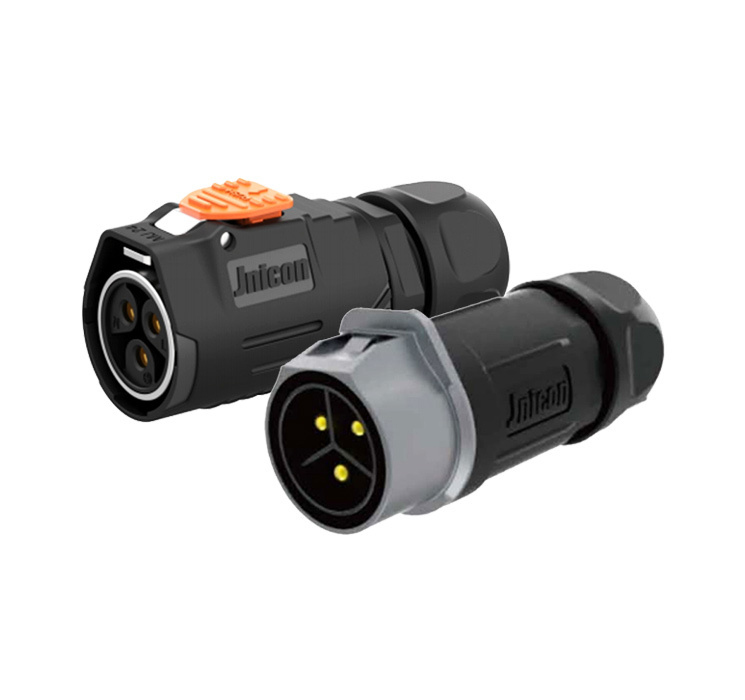
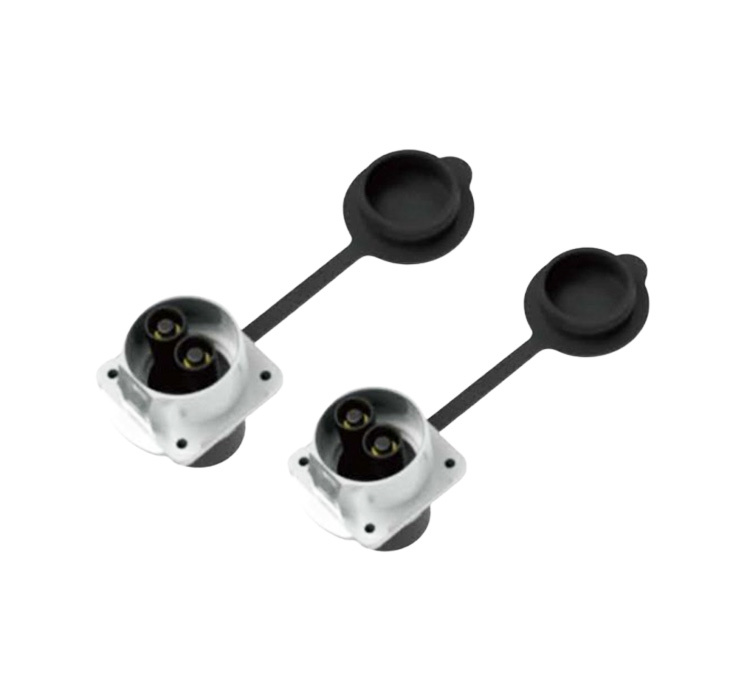
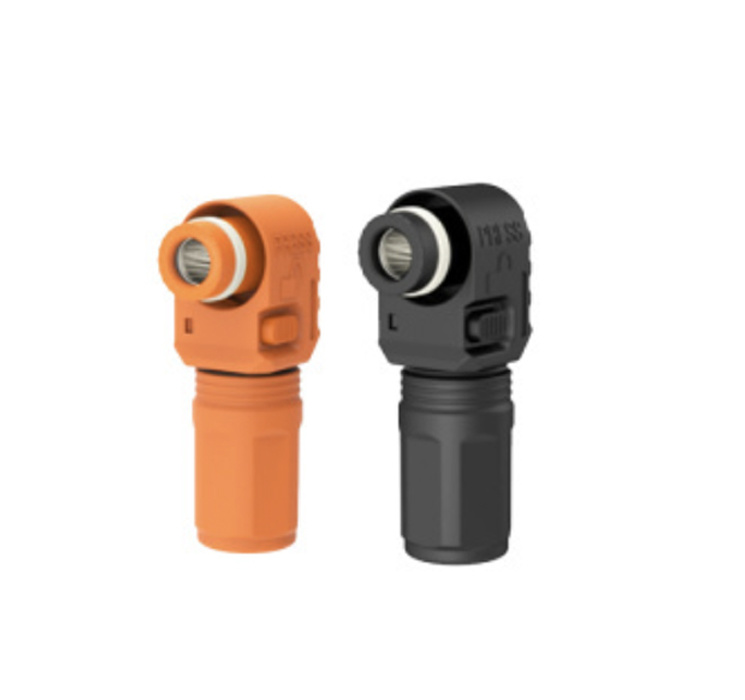
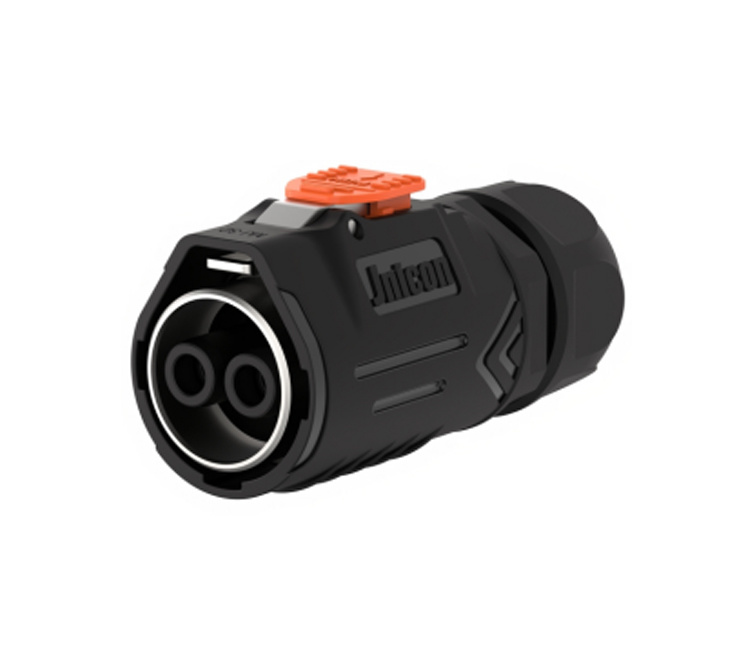
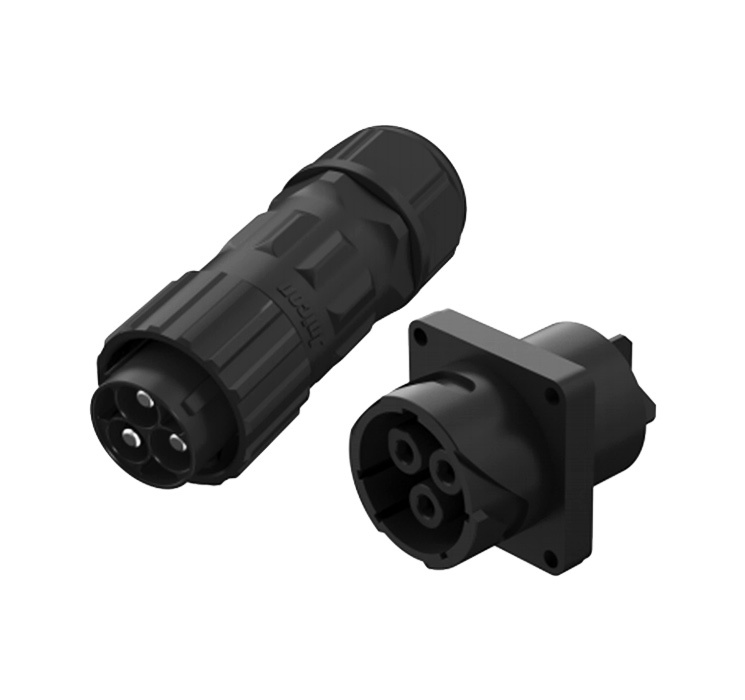
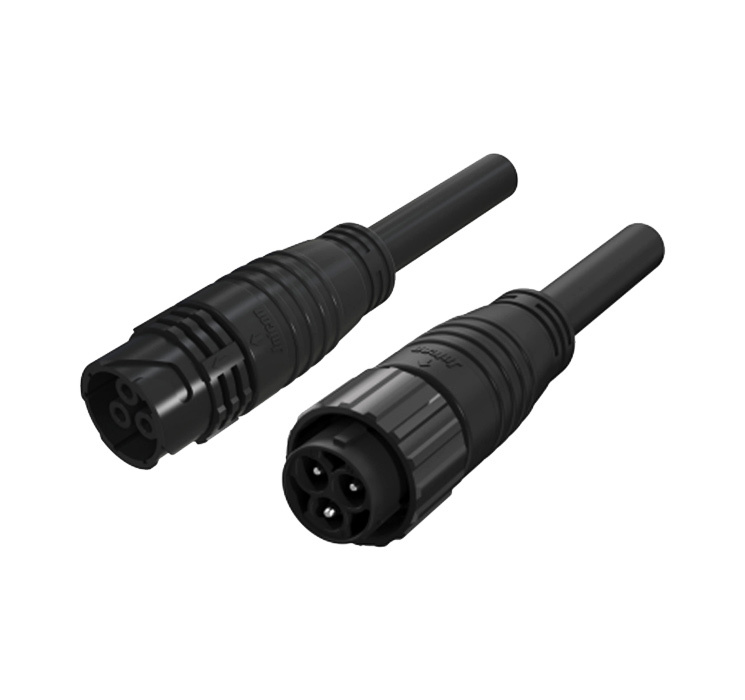
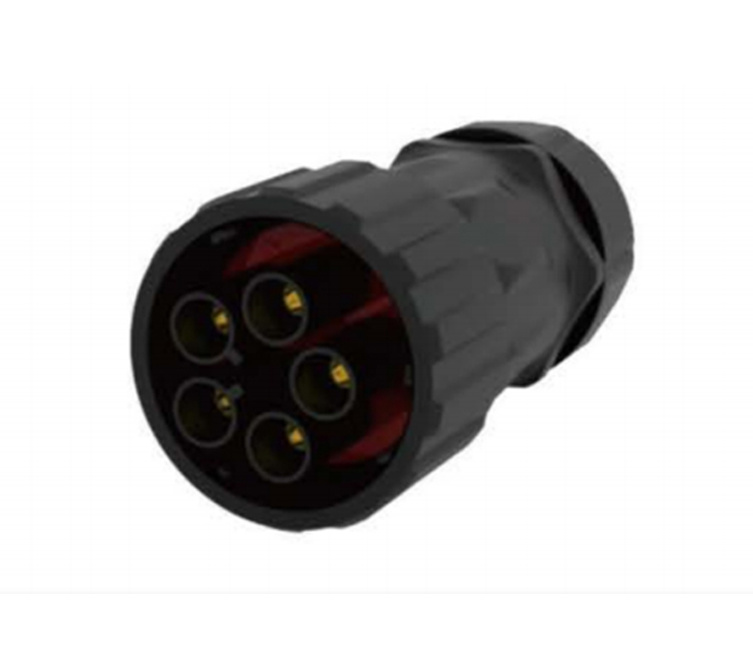
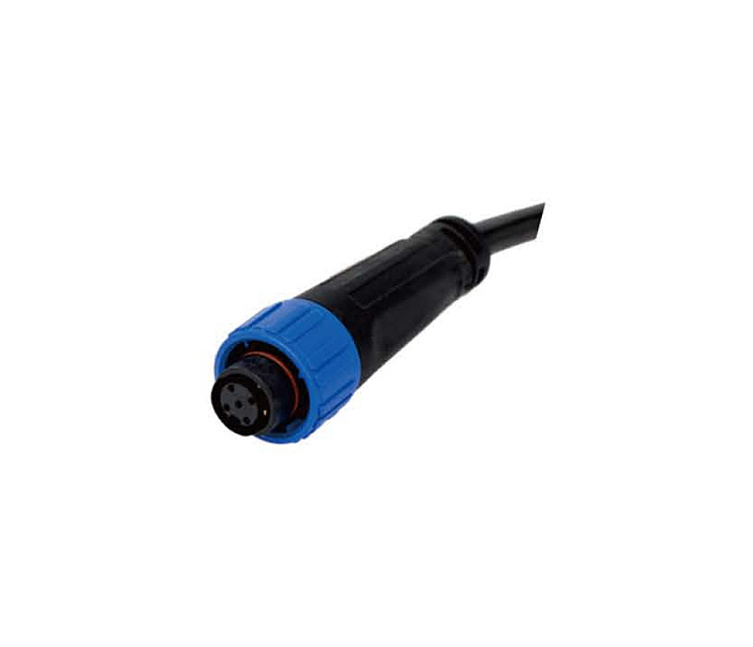
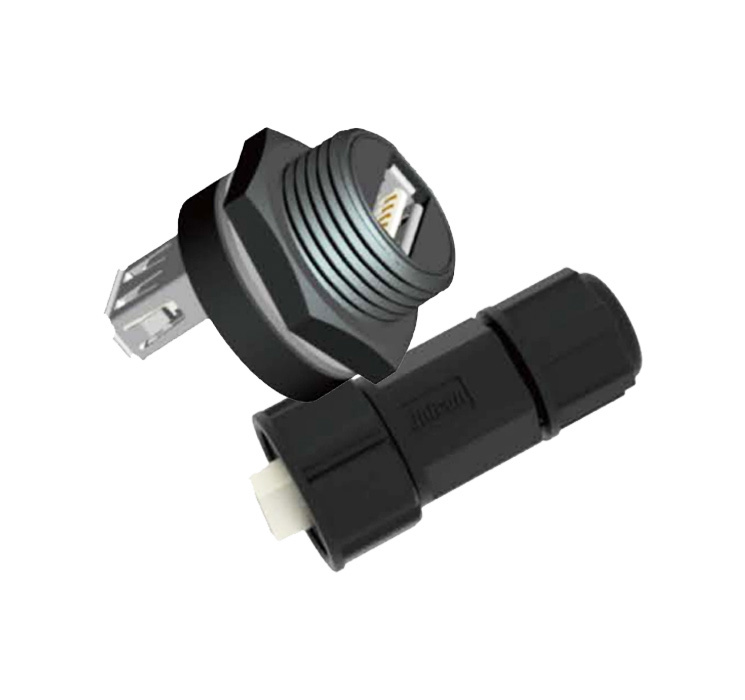
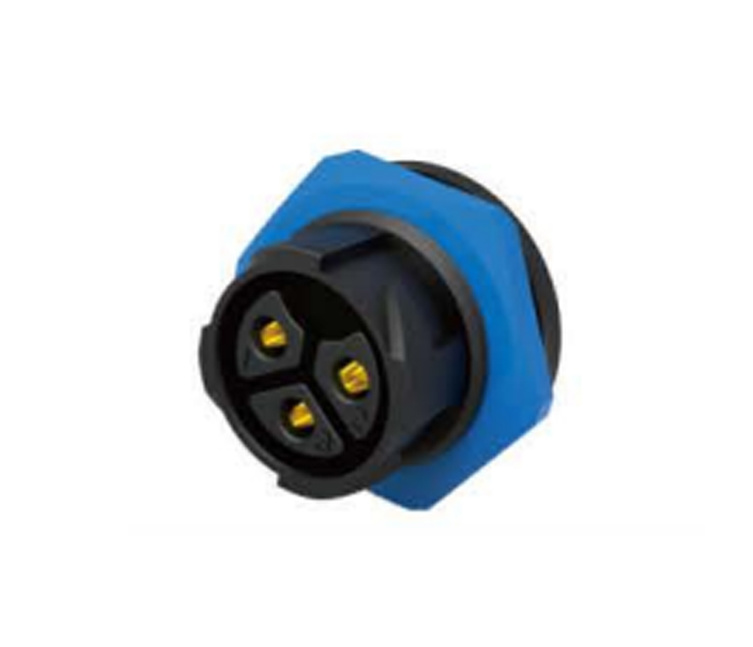
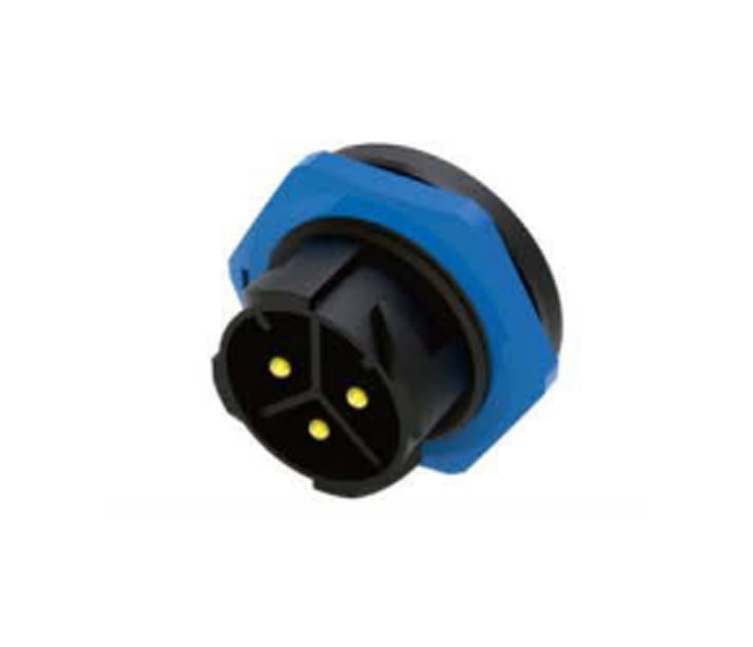
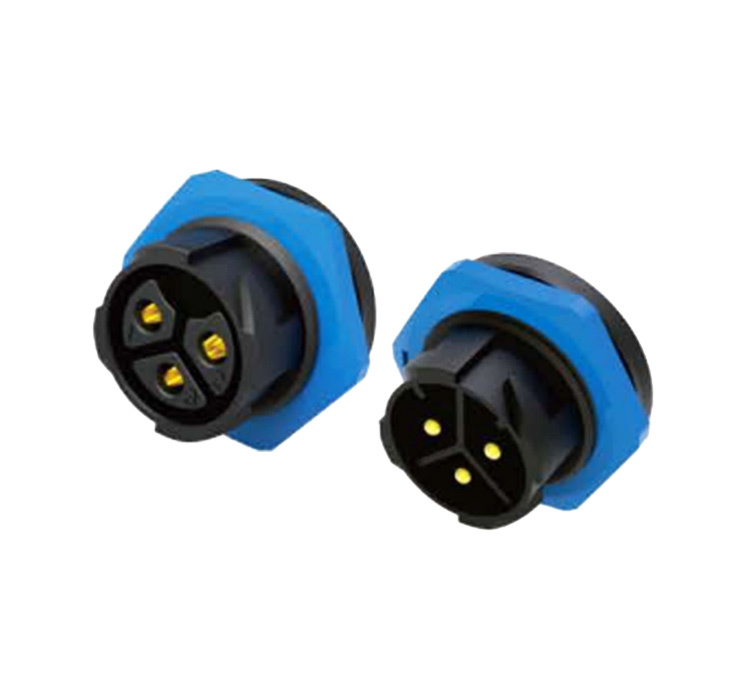
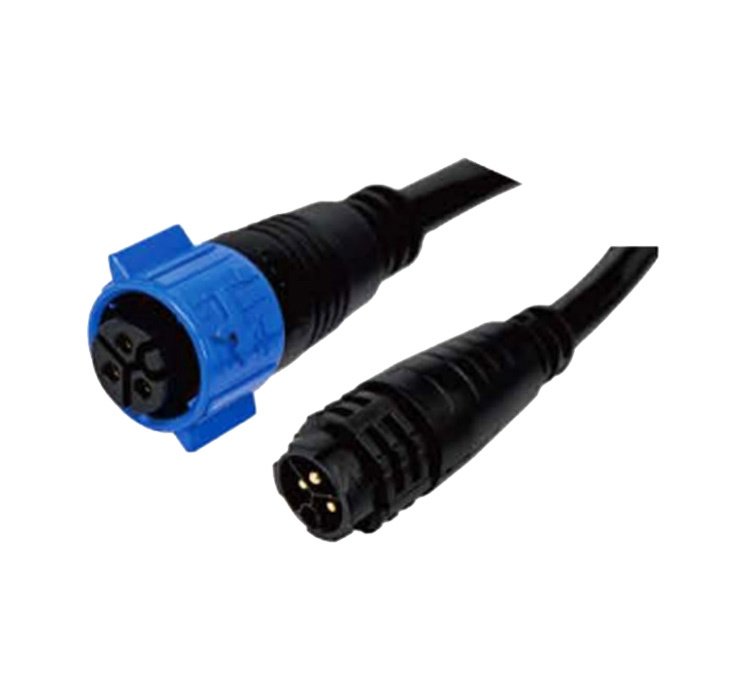
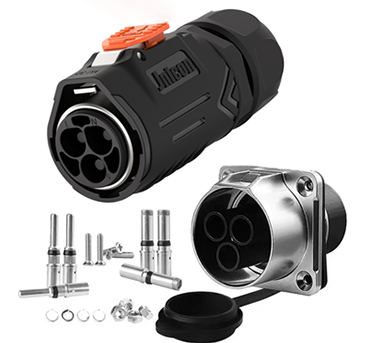
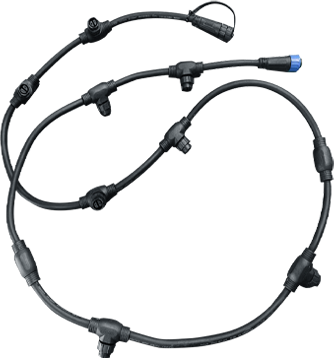
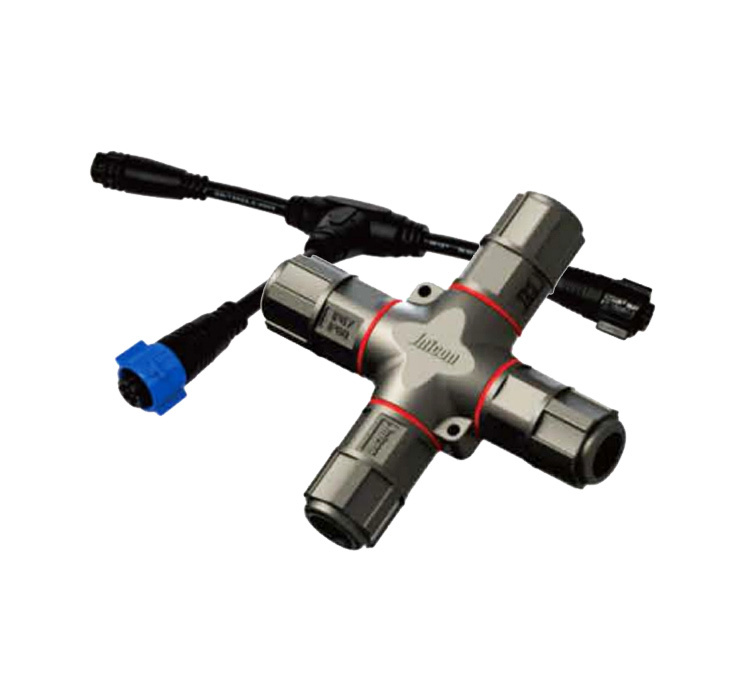
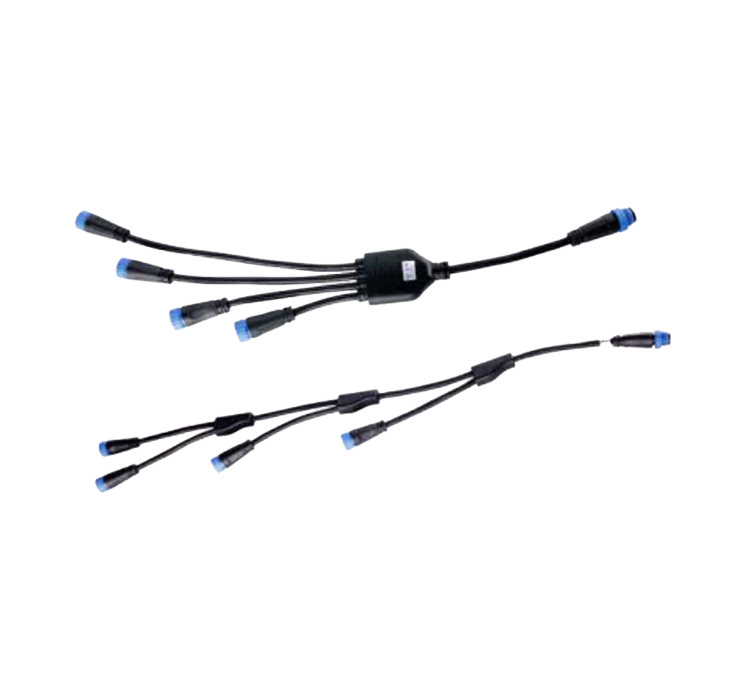
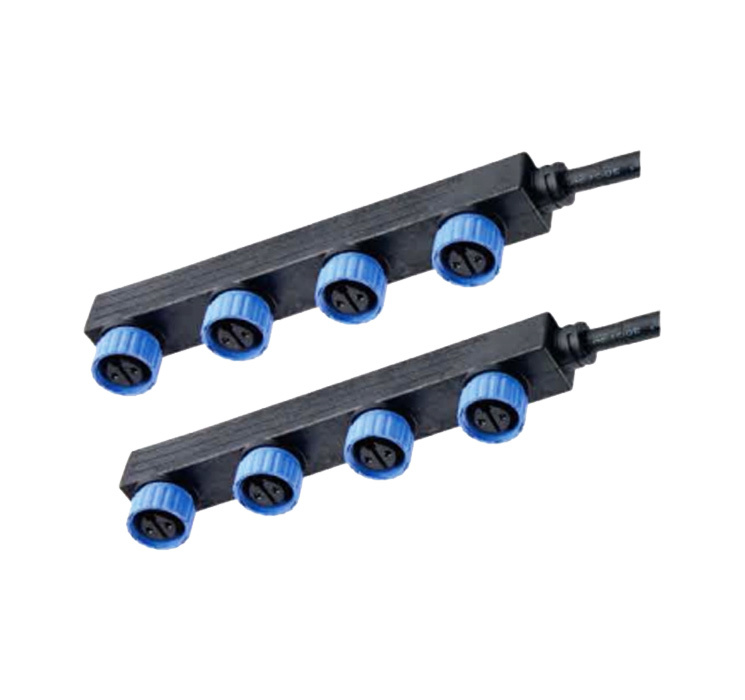
When discussing industrial power connectors, it is essential to recognize their various types and configurations. Commonly, these connectors are categorized based on their current rating, number of contacts, and voltage rating. Key types include circular connectors, rectangular connectors, and panel-mounted connectors. Each type has specific applications, with circular connectors often used in harsh environments due to their durability and resistance to environmental factors such as moisture and dust.
Selecting the right industrial power connector involves several technical considerations. First, professionals must assess the electrical specifications, including voltage and current ratings, to ensure compatibility with the intended application. It is also crucial to consider the mechanical requirements, such as the connector’s ability to withstand vibrations and mechanical stress, especially in heavy-duty applications. Additionally, the environmental rating of the connector should be evaluated, focusing on its resistance to temperature extremes, humidity, and corrosive elements.
Moreover, the choice of materials used in the manufacturing of industrial power connectors significantly affects their performance and longevity. Common materials include high-conductivity metals for contacts, and robust plastics or metals for housings that provide insulation and protection. Understanding material properties can aid in selecting connectors that will endure specific industrial conditions.
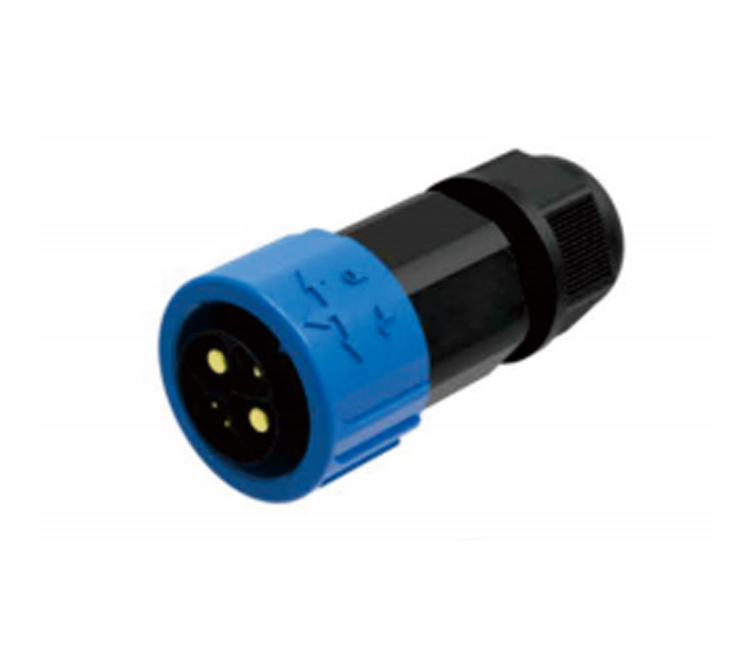
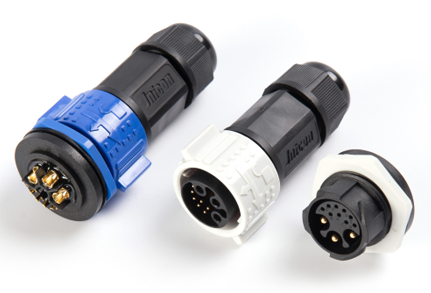
Another critical aspect to consider is the ease of installation and maintenance. Industrial power connectors should facilitate quick and reliable connections, minimizing downtime during maintenance or when equipment needs to be serviced. Features such as color-coded contacts, locking mechanisms, and user-friendly designs can enhance usability and efficiency in industrial applications.
In conclusion, industrial power connectors are indispensable elements in the landscape of electrical and electronics. Their selection hinges on a thorough understanding of technical specifications, material properties, and application requirements. By equipping professionals with knowledge about these connectors, organizations can enhance operational efficiency and ensure the reliability of their systems in demanding industrial environments.
News
2026-11-13
Understanding 2 Pin Waterproof Connectors: Essential Guide for Electrical Applications
When dealing with electrical connections, especially in environments exposed to moisture or harsh conditions, the choice of connectors becomes crucial. One such solution is the 2 pin waterproof connector, designed to ensure reliable connections while preventing water ingress. These connectors are available in various designs, catering to a wide range of applications, from automotive to outdoor lig
2026-10-18
How Industrial Power Connectors Transform Energy Distribution Systems
How Industrial Power Connectors Transform Energy Distribution Systems Table of Contents 1. Introduction to Industrial Power Connectors 2. The Importance of Power Connectors in Energy Distribution 3. Types of Industrial Power Connectors 3.1 Circular Connectors 3.2 Rectangular Connectors 3.3 Heavy-Duty Connectors 4. Applications
2026-10-15
Understanding Waterproof Wire Harness: Key Features and Benefits for Automotive Applications
In the automotive industry, the functionality and longevity of electrical components are crucial for vehicle performance. One of the key components that contribute to this is the waterproof wire harness. These harnesses are specifically designed to withstand harsh environmental conditions, ensuring that the electrical systems in vehicles remain operational regardless of the weather. A waterproof w

B8-9, Fubilun industrial park, Chaoyang rd,Yanchuan community, Songgang, Shenzhen, China


