


Choosing Marine Electrical Connectors for Harsh Environments: The Waterproof Advantage
Release Time:
2026-07-14
Choosing Marine Electrical Connectors for Harsh Environments: The Waterproof Advantage
Table of Contents
- Understanding Marine Electrical Connectors
- Importance of Waterproof Connectors in Marine Applications
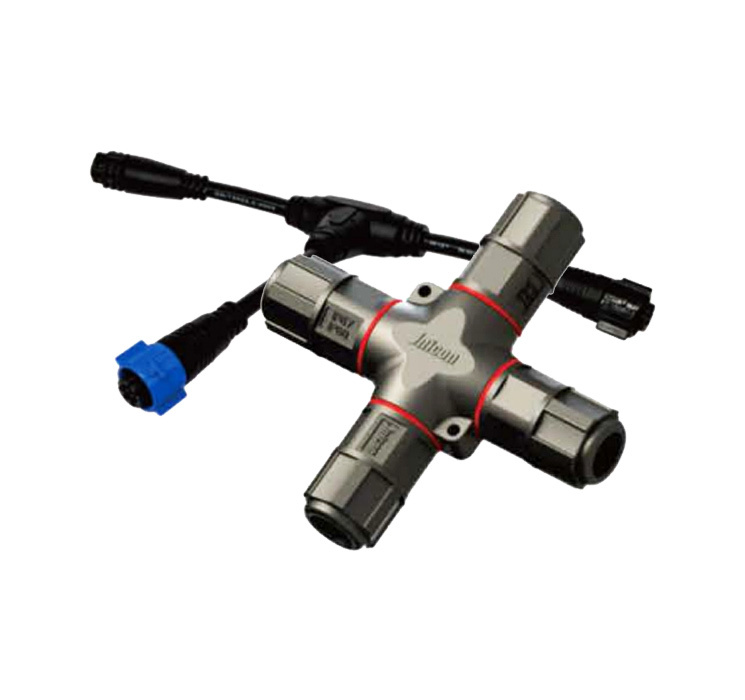
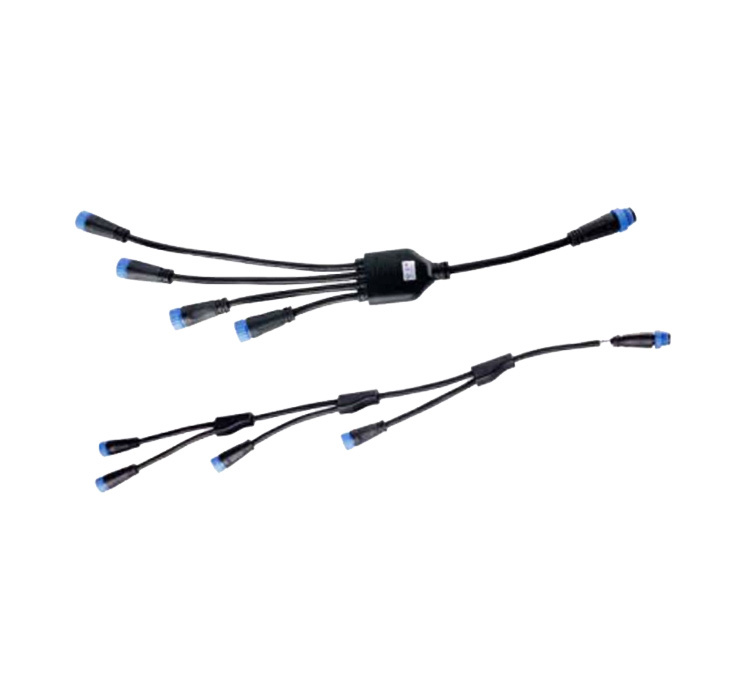
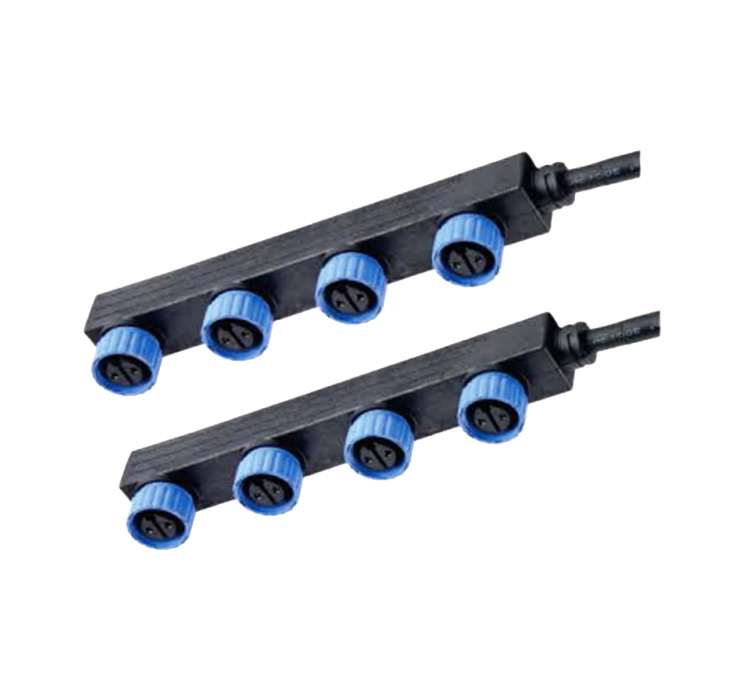
- Types of Waterproof Marine Electrical Connectors
- Key Features to Consider in Waterproof Connectors
- Benefits of Using Waterproof Marine Electrical Connectors
- Installation and Maintenance Tips for Marine Connectors
- Comparing Waterproof Connectors to Standard Connectors
- Frequently Asked Questions
- Conclusion
Understanding Marine Electrical Connectors
Marine electrical connectors play a fundamental role in the operation and functionality of various maritime equipment. These connectors are designed to facilitate the reliable transmission of electrical signals and power in environments that often feature extreme conditions, including moisture, salt, and temperature fluctuations. Selecting the right connectors is paramount for ensuring the longevity and functionality of your equipment.
What Are Marine Electrical Connectors?
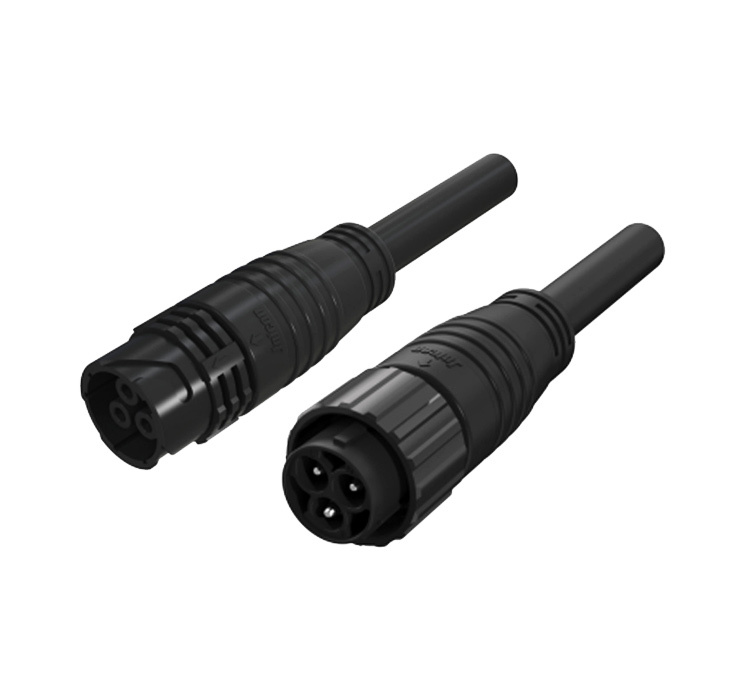
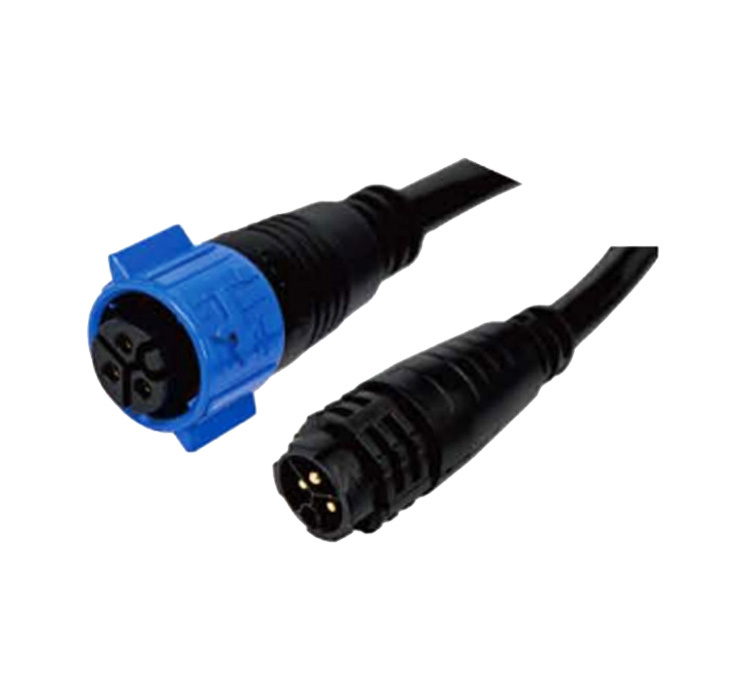
Marine electrical connectors are specialized devices that link electrical circuits within marine environments. Unlike regular connectors, they are engineered with materials and designs that withstand the corrosive effects of saltwater, high humidity, and other harsh elements encountered at sea.
Applications of Marine Connectors
These connectors are commonly used in a variety of marine applications such as:
- **Boat wiring systems**
- **Navigation systems**
- **Communication devices**
- **Instruments and sensors**
- **Lighting systems**
Their robustness ensures that marine electrical systems operate reliably, reducing the risk of failures that could lead to safety hazards.
Importance of Waterproof Connectors in Marine Applications
The marine environment is notoriously harsh, making waterproof connectors essential components for any boat or maritime equipment. These connectors not only protect against water ingress but also safeguard against various other environmental factors.
Protection Against Corrosion
Saltwater is highly corrosive. Waterproof connectors are typically made from materials such as stainless steel or specialized plastics, which resist corrosion and extend the lifespan of the connection.
Minimizing Signal Loss
Water intrusion can lead to increased resistance and signal loss, affecting the performance of electronic devices. Waterproof connectors ensure a stable connection, minimizing the risk of interference and maintaining signal integrity.
Safety Considerations
Using waterproof connectors reduces the risk of electrical shorts and failures, which can lead to dangerous situations on the water. Ensuring that all connections are watertight is vital for the safety of operations.
Types of Waterproof Marine Electrical Connectors
There are several types of waterproof marine electrical connectors available, each designed for specific applications and environments. Understanding these types can aid in making the best choice for your needs.
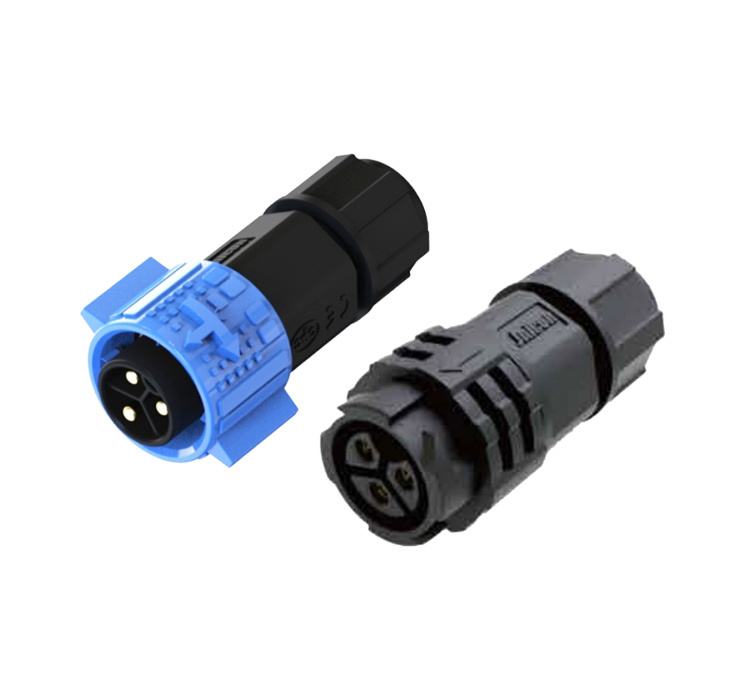
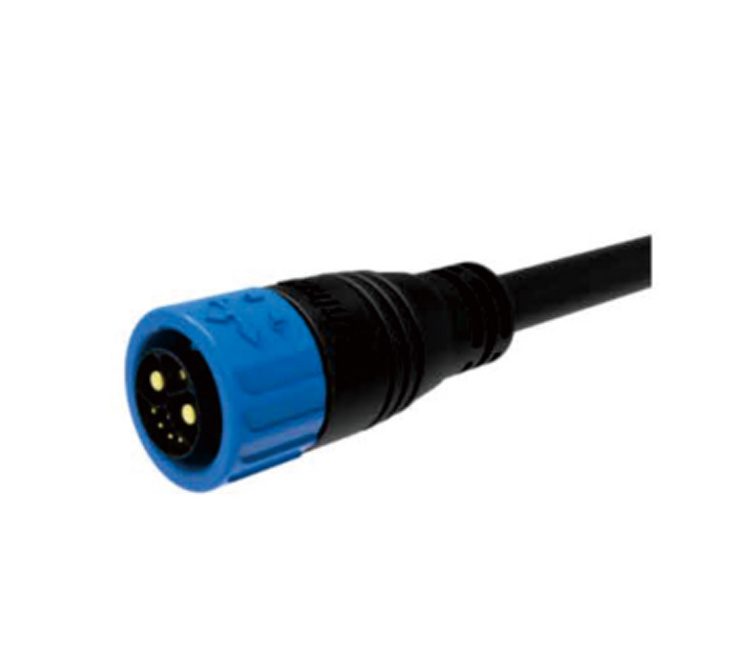
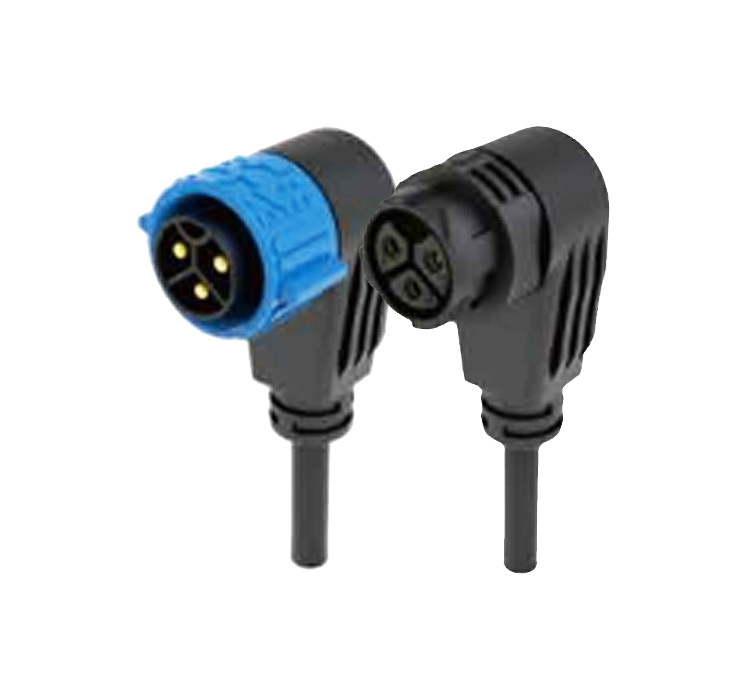
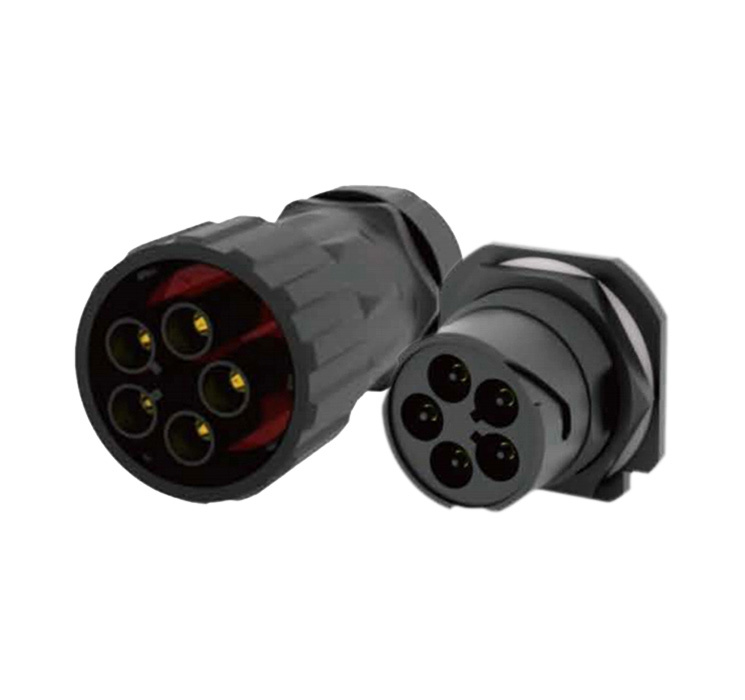
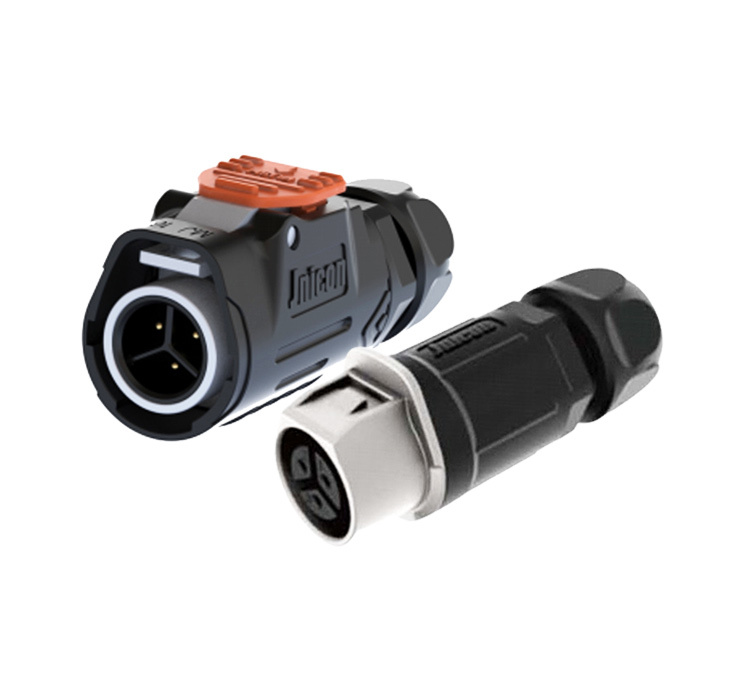
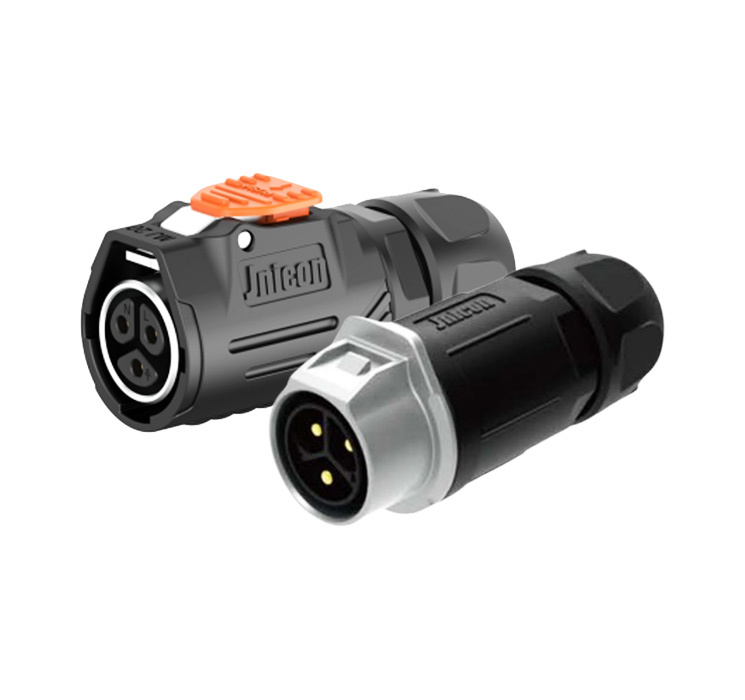
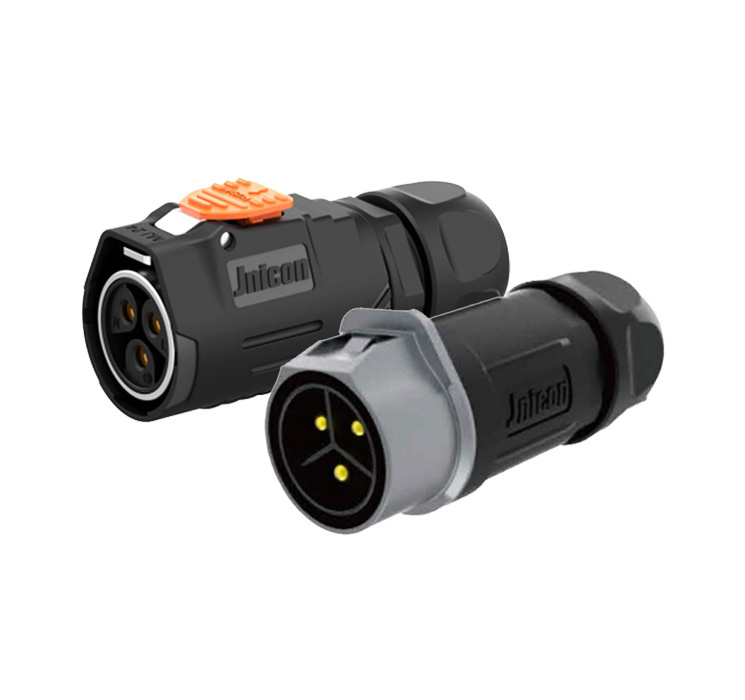
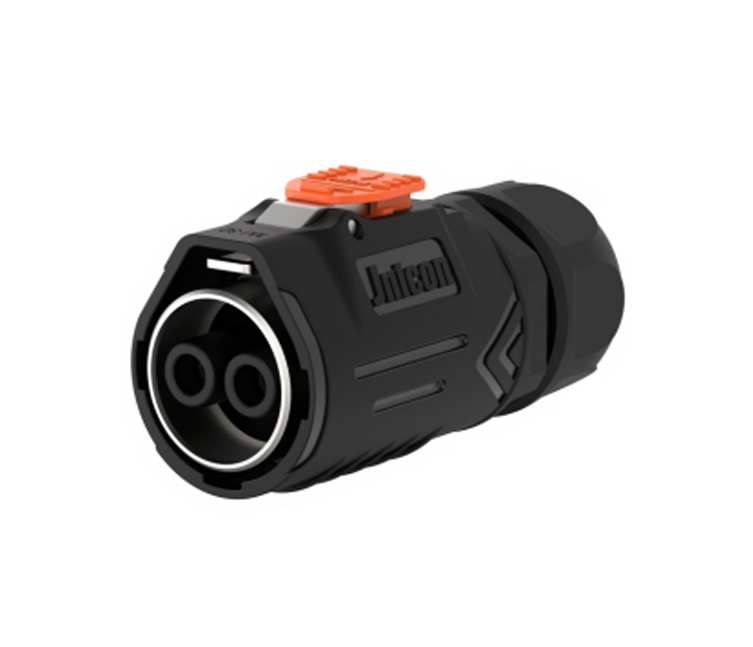
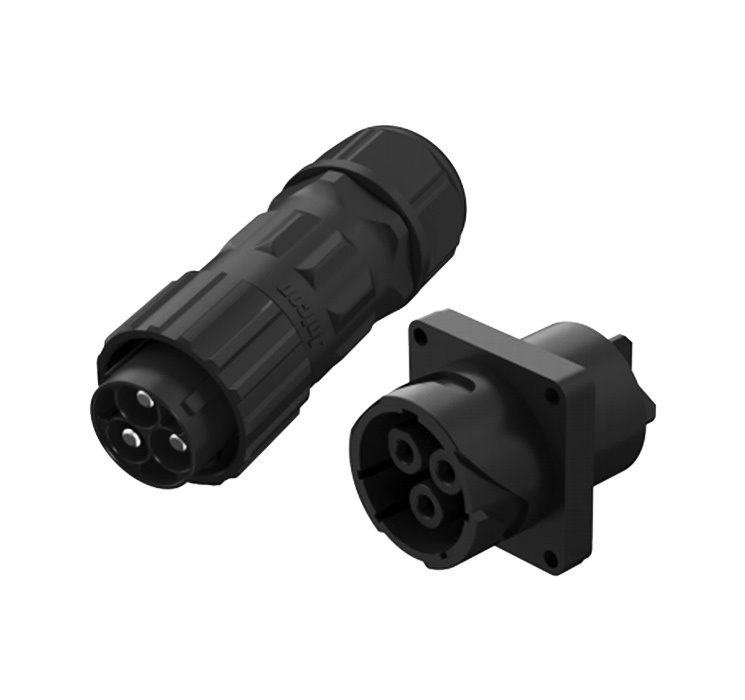
1. Circular Connectors
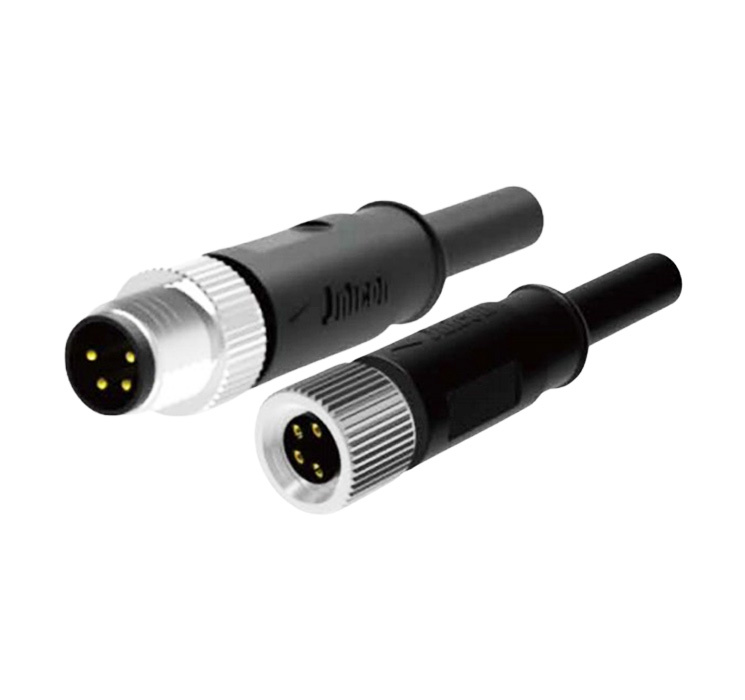
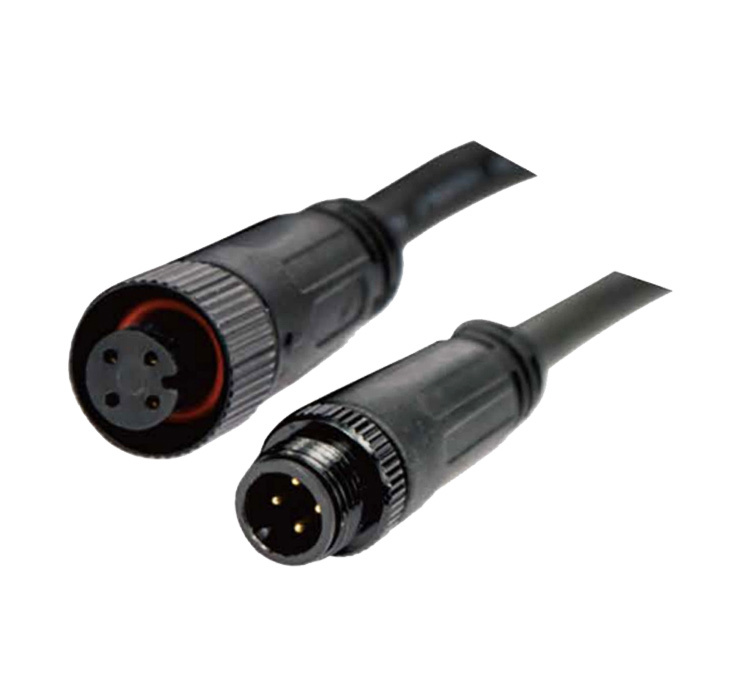
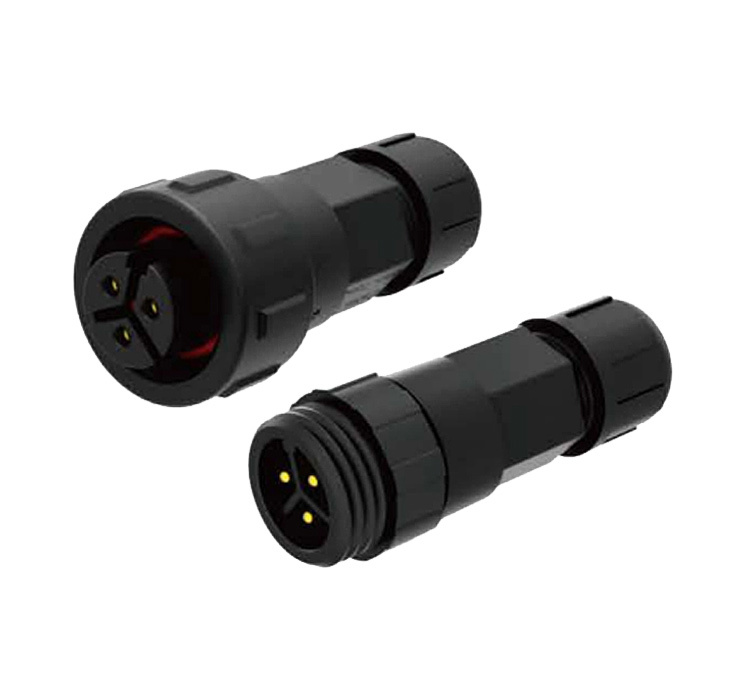
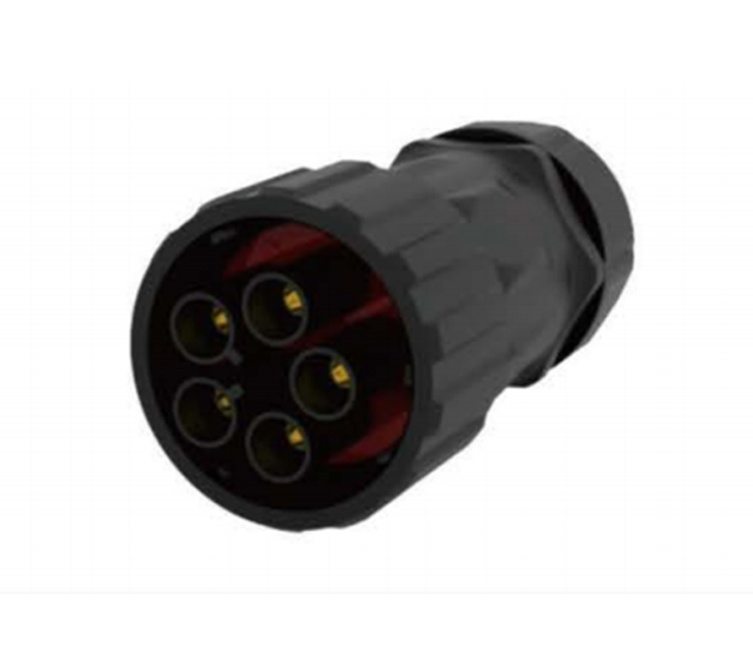
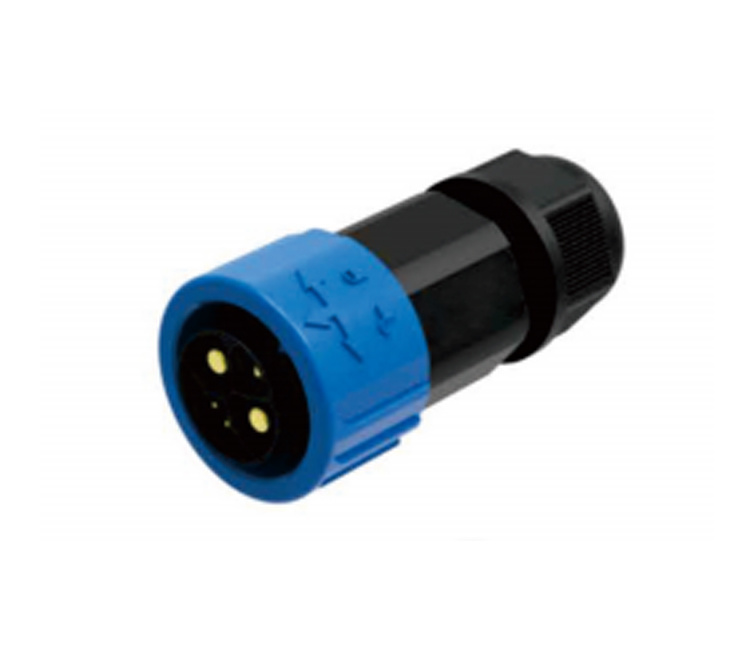
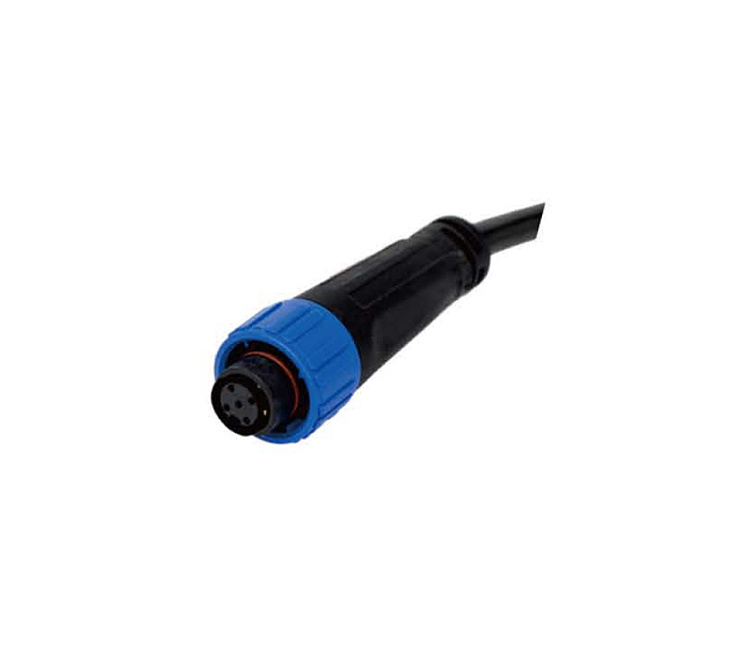
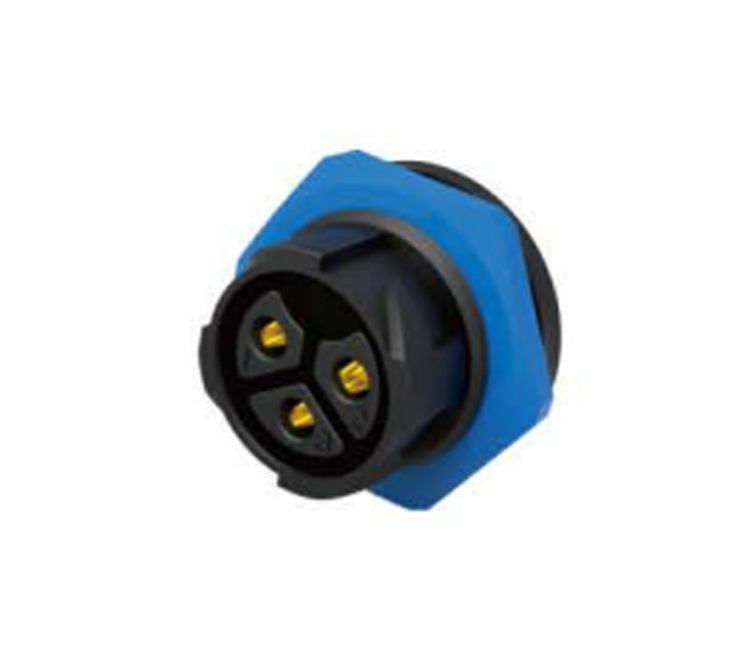
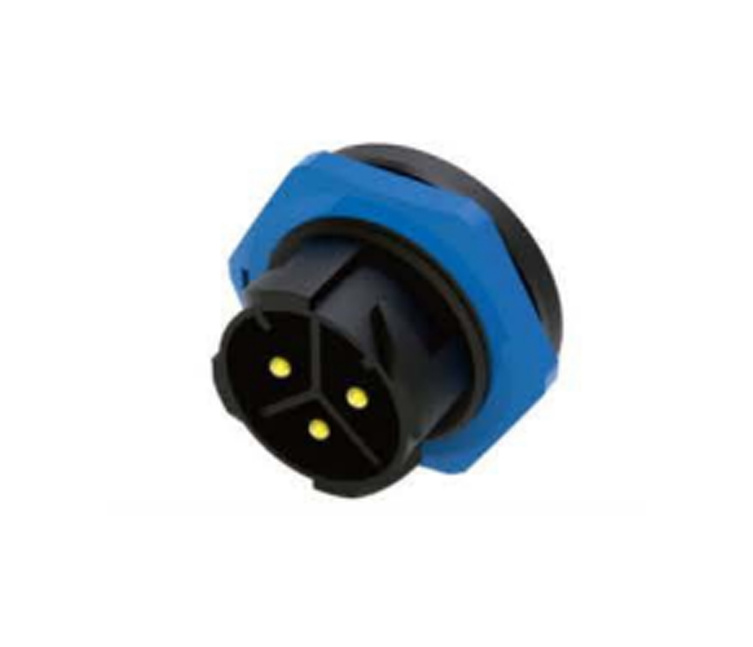
Circular connectors are widely used in marine applications due to their durability and ease of use. They often feature locking mechanisms that prevent accidental disconnection and are available in various pin configurations.
2. Rectangular Connectors
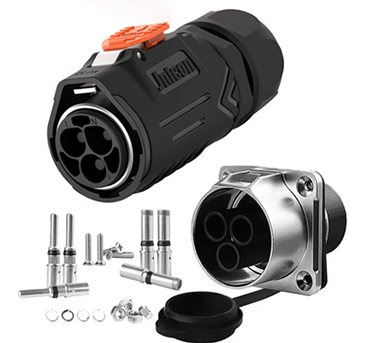
Rectangular connectors offer larger contact areas, making them suitable for high-power applications. They are often used in heavy-duty marine equipment, providing excellent electrical performance.
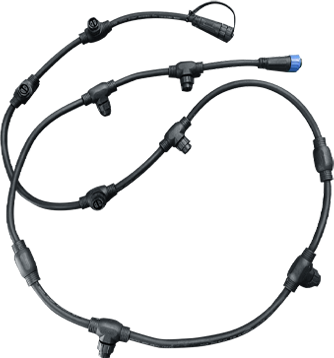
3. Inline Connectors
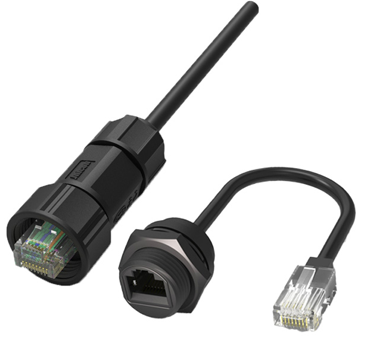
Inline connectors enable easy connections along cable runs, making them ideal for quick repairs or modifications. They are frequently used in temporary setups or where flexibility is required.
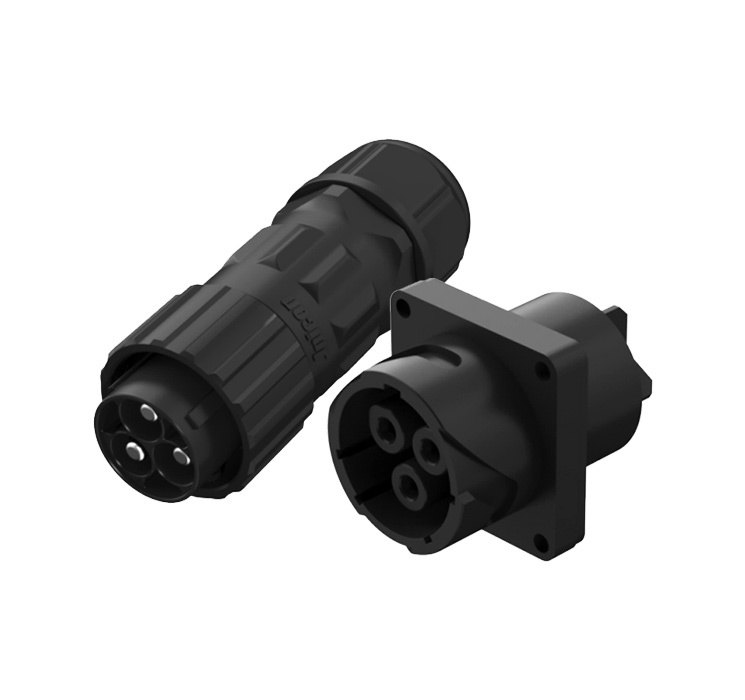
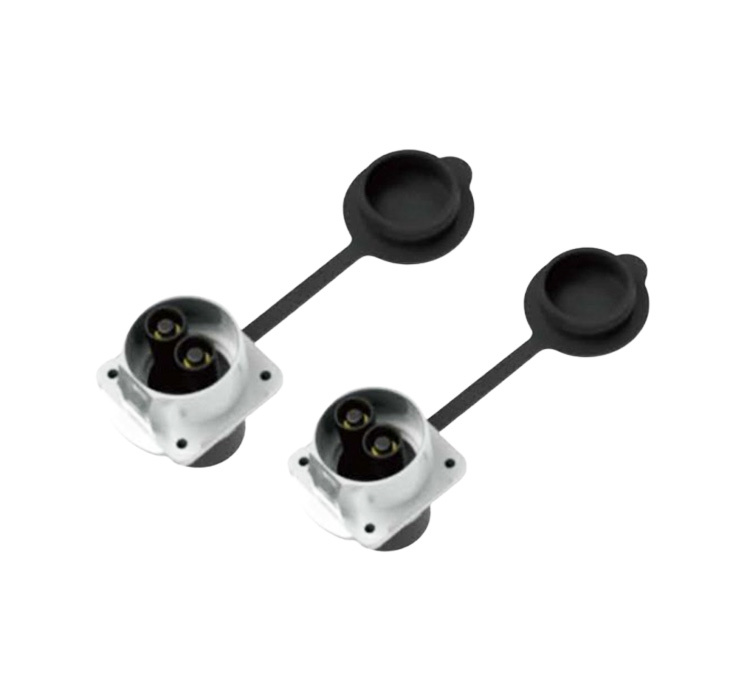
4. Panel-Mount Connectors
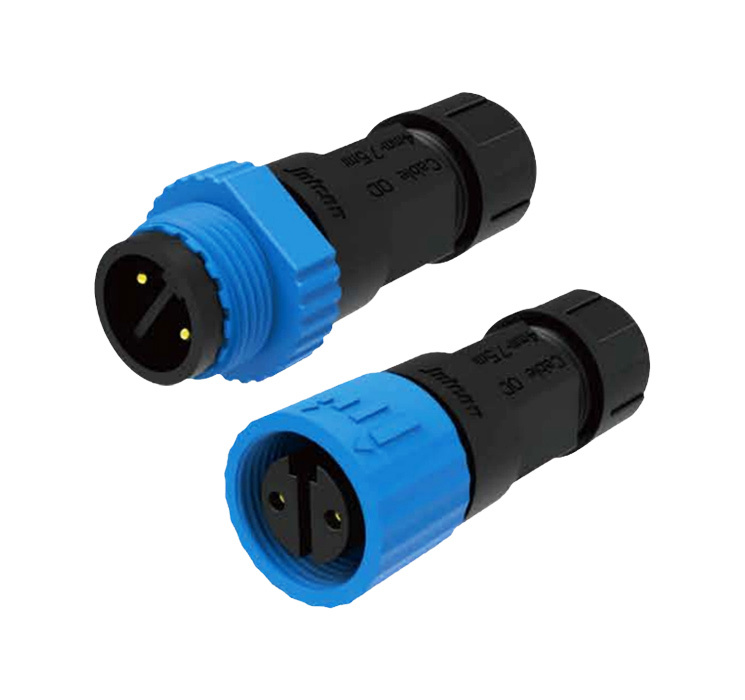
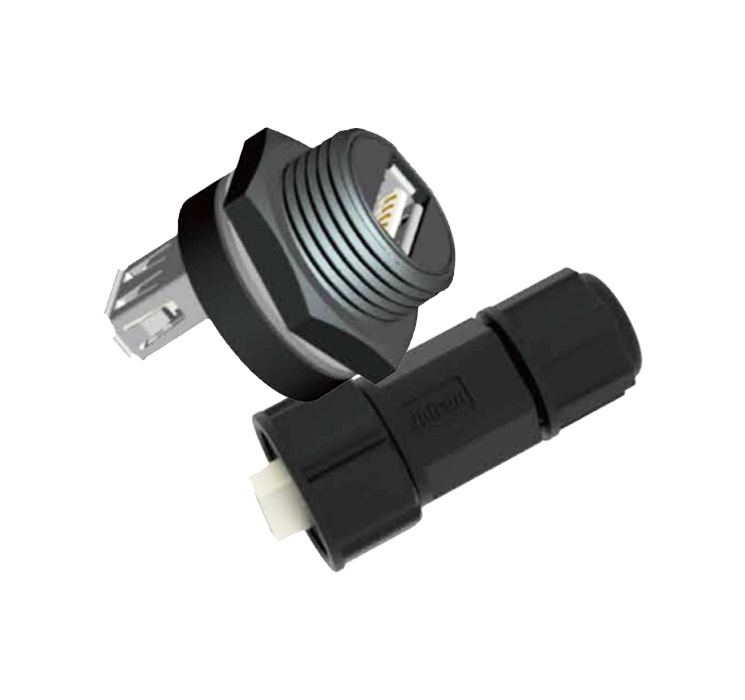
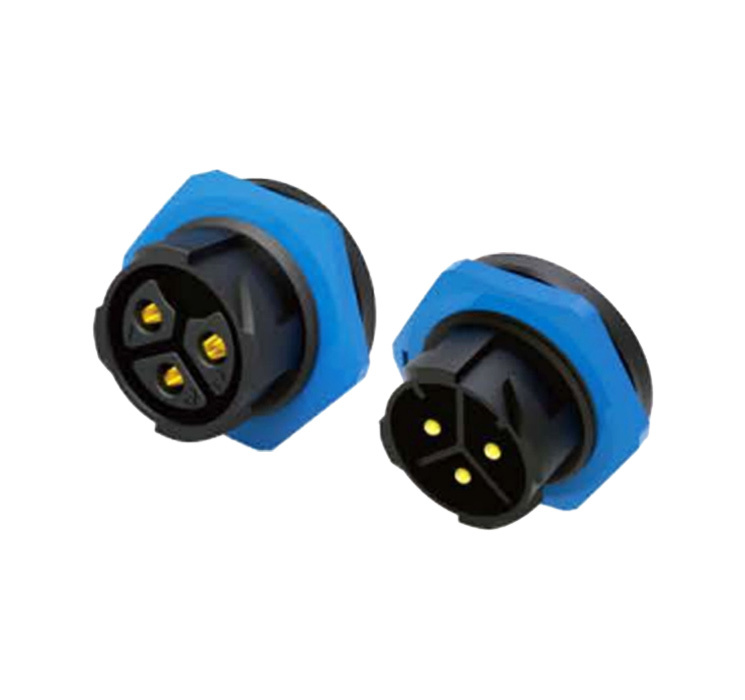
Panel-mount connectors provide a secure connection point on the exterior of equipment enclosures, allowing for easy access while ensuring that the internal components remain protected from water and dust.
Key Features to Consider in Waterproof Connectors
When selecting waterproof marine electrical connectors, several features should be considered to ensure optimal performance and reliability.
1. IP Rating
The Ingress Protection (IP) rating indicates how well a connector can resist water and dust. Look for connectors with an IP67 or higher rating for complete protection against immersion in water.
2. Material Quality
The materials used in the construction of connectors significantly affect their performance. Look for connectors made from corrosion-resistant materials such as marine-grade stainless steel or high-quality thermoplastics.
3. Temperature Resistance
Marine environments can experience extreme temperatures. Ensure that connectors can withstand the temperature fluctuations typical in your specific application.
4. Contact Configuration
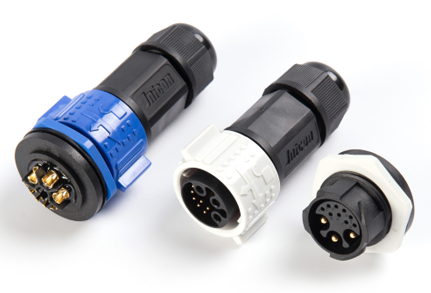
Choose connectors with appropriate pin configurations based on your electrical requirements. The number of pins and their arrangement can affect power delivery and signal integrity.
Benefits of Using Waterproof Marine Electrical Connectors
Opting for waterproof connectors in marine environments comes with numerous advantages that contribute to overall operational efficiency and safety.
1. Enhanced Durability
Waterproof connectors are built to endure the rigors of marine environments. Their durable construction means they are less likely to fail, ensuring that equipment remains operational.
2. Long-Term Cost Savings
While the initial investment in waterproof connectors may be higher than standard connectors, the long-term savings from reduced maintenance and replacement costs make them a wise choice.
3. Increased Safety
Waterproof connectors significantly reduce the risk of electrical failures, which can lead to accidents or equipment damage. Ensuring a secure connection can be a matter of safety on the water.
4. Improved Performance
Reliable electrical connections lead to consistent performance of marine equipment, ensuring that all systems function as intended without interruptions due to connectivity issues.
Installation and Maintenance Tips for Marine Connectors
Proper installation and maintenance of waterproof connectors are key to achieving their full potential in marine applications.
1. Follow Manufacturer Guidelines
Always refer to the manufacturer’s instructions during installation. Correct installation techniques will ensure the connectors operate as designed and provide the best protection.
2. Regular Inspections
Conduct regular inspections of connectors to check for signs of wear, corrosion, or damage. Early detection of issues can prevent failures and extend the life of your equipment.
3. Use Dielectric Grease
Applying dielectric grease can prevent corrosion and ensure a better seal. This can enhance the longevity of the connector and its resistance to moisture.
4. Avoid Over-Tightening
When installing connectors, avoid over-tightening as this can damage the connector and compromise its waterproof capabilities. Ensure a snug fit without excessive force.
Comparing Waterproof Connectors to Standard Connectors
Understanding the differences between waterproof and standard connectors is essential for making an informed decision.
1. Water Resistance
As the name suggests, waterproof connectors provide protection against water ingress, while standard connectors are not designed for such environments. This makes waterproof connectors a necessity for marine applications.
2. Material Differences
Waterproof connectors are made from more robust materials that can withstand corrosion and environmental stressors, whereas standard connectors are often made from lower-grade materials.
3. Performance Reliability
Waterproof connectors offer higher performance reliability in harsh environments. In contrast, standard connectors may fail under similar conditions, leading to potential equipment failures.
4. Cost Considerations
While waterproof connectors may have a higher upfront cost, their longevity and reduced maintenance requirements can lead to significant savings over time.
Frequently Asked Questions
1. What is the difference between IP67 and IP68 ratings?
The IP67 rating indicates protection against dust and immersion in water up to 1 meter for 30 minutes, while IP68 means the connector can withstand continuous immersion in water beyond 1 meter.
2. How do I know if my connector is waterproof?
Check the specifications provided by the manufacturer, particularly the IP rating, and look for materials known for their waterproof properties.
3. Can I use standard connectors in marine environments?
While it's technically possible, it is highly discouraged due to the high risk of failure and safety hazards associated with using standard connectors in marine applications.
4. How often should I inspect my marine connectors?
Regular inspections should be conducted at least once a year, or more frequently if the equipment is subjected to rough conditions.
5. What maintenance is required for waterproof connectors?
Maintenance involves regular cleaning, applying dielectric grease, and checking for physical damage or corrosion.
Conclusion
Selecting the right marine electrical connectors is crucial for ensuring the safety, performance, and longevity of your maritime equipment. Waterproof connectors offer unparalleled advantages in harsh environments, making them the preferred choice for any marine application. By understanding the types, features, and benefits of these connectors, you can make informed choices that enhance the reliability and safety of your operations. Investing in high-quality waterproof connectors is not only a smart financial decision but also a vital step in safeguarding lives and assets on the water.
Previous
News
2026-07-14
Choosing Marine Electrical Connectors for Harsh Environments: The Waterproof Advantage
Choosing Marine Electrical Connectors for Harsh Environments: The Waterproof Advantage Table of Contents Understanding Marine Electrical Connectors Importance of Waterproof Connectors in Marine Applications Types of Waterproof Marine Electrical Connectors Key Features to Consider in Waterproof Connectors Benefits of Using Waterproof Marine Electrical Connectors Installatio
2026-07-11
Understanding Waterproof Cables: A Guide for Electrical Professionals
Waterproof cables are essential components in various electrical and electronic applications, particularly in environments where exposure to moisture, dust, or corrosive substances is a concern. Their ability to resist water ingress is vital in ensuring the integrity and safety of electrical connections in challenging conditions. Here, we delve into the characteristics, uses, and benefits of water
2026-07-08
Why Choose a 2 Pin Waterproof Connector for Your Electrical Projects?
Why Choose a 2 Pin Waterproof Connector for Your Electrical Projects? In today's fast-paced world, the demand for reliable and efficient electrical components is paramount. One of the essential components in various electrical setups is the **2 pin waterproof connector**. This article delves deep into the reasons why you should choose this type of connector for your electrical projects. Understan

B8-9, Fubilun industrial park, Chaoyang rd,Yanchuan community, Songgang, Shenzhen, China


