


Essential Guide to 3 Pin Waterproof Connectors for Electrical Applications
Release Time:
2026-07-17
**Key Features of 3 Pin Waterproof Connectors**
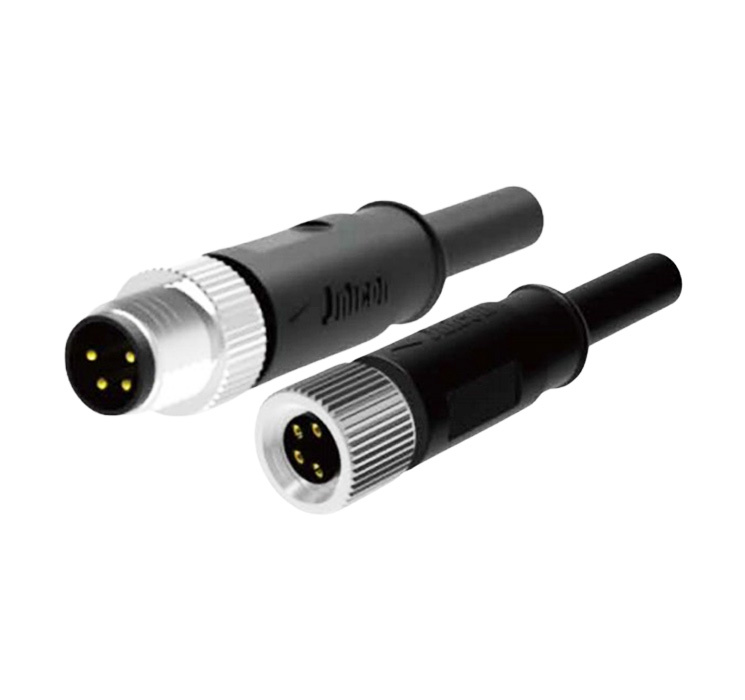
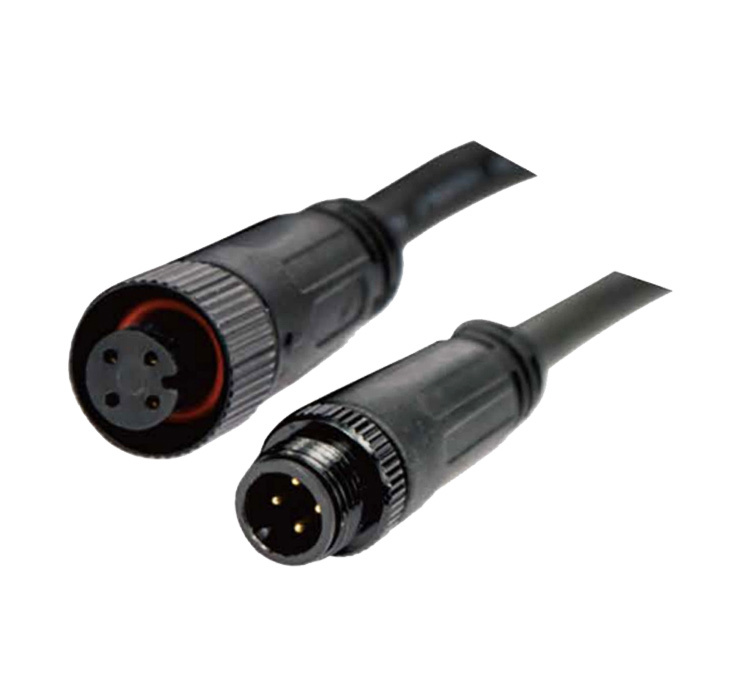
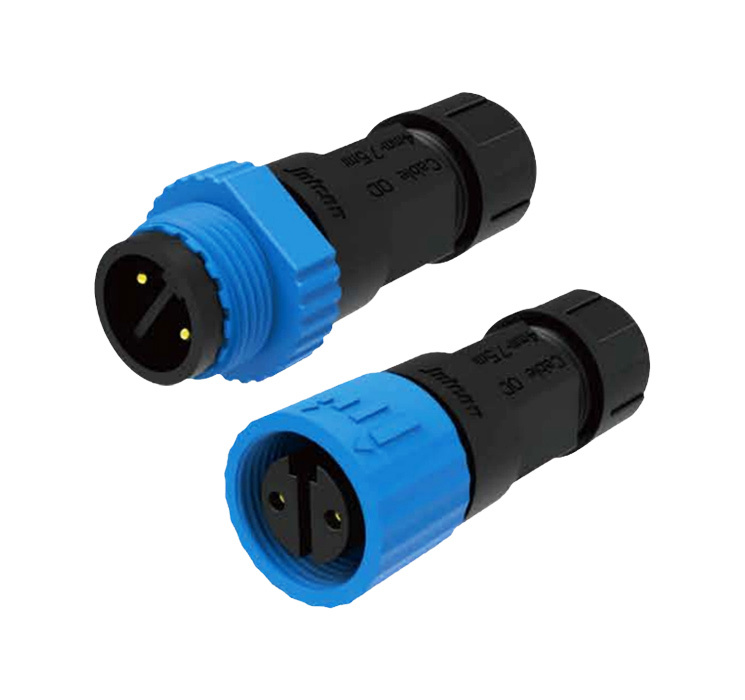
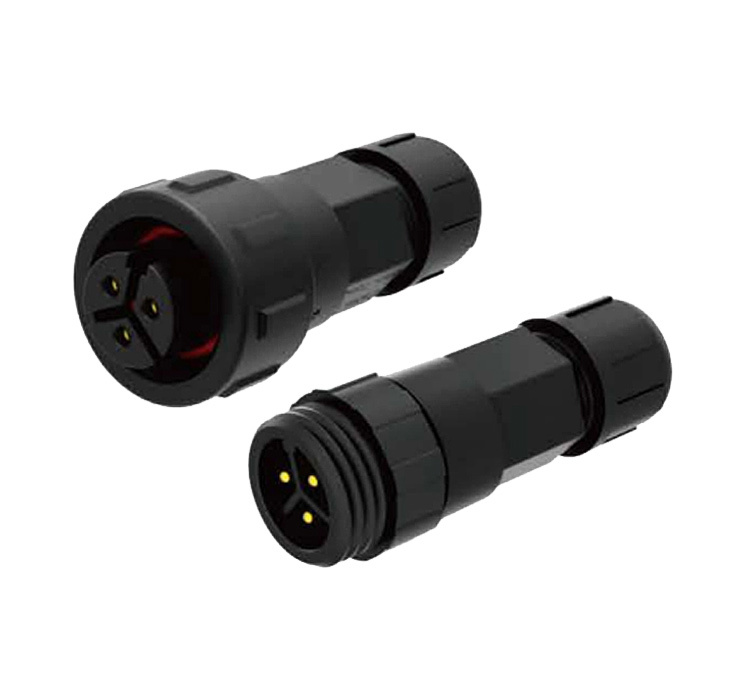
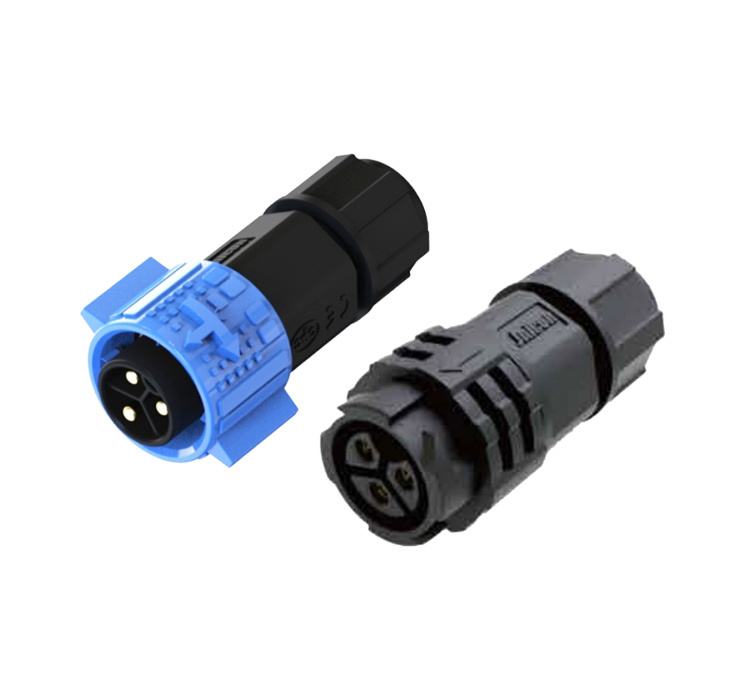
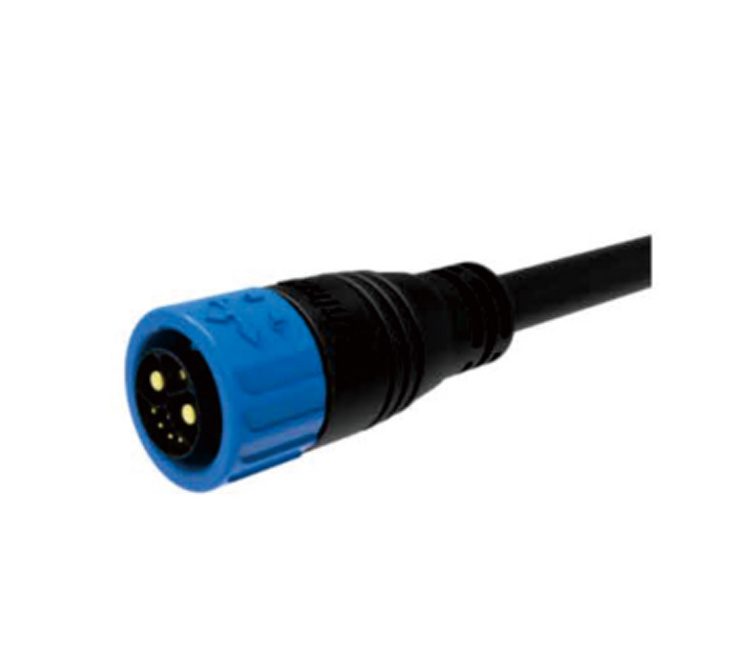
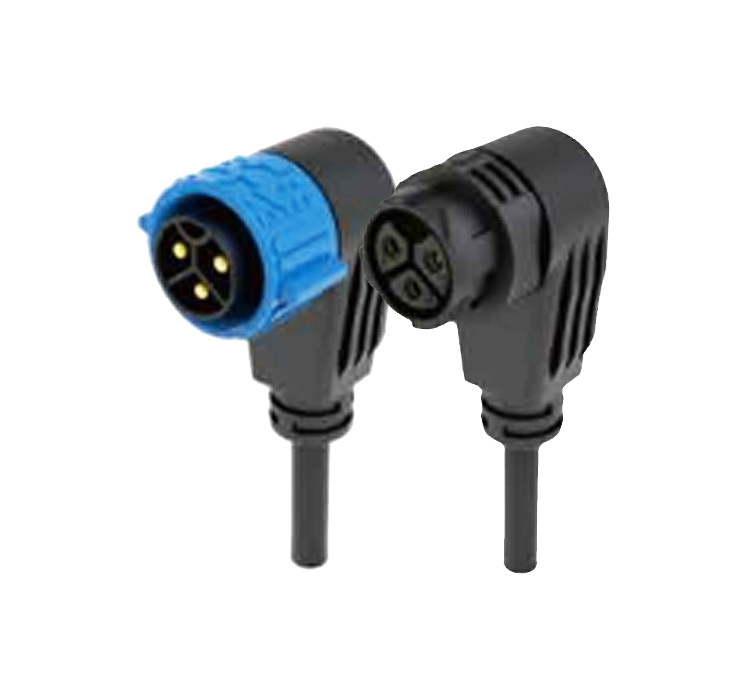
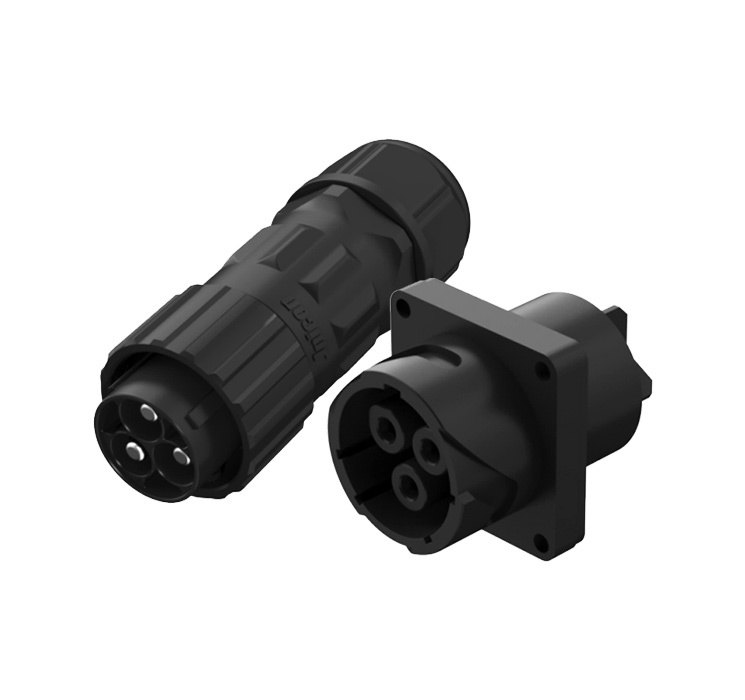
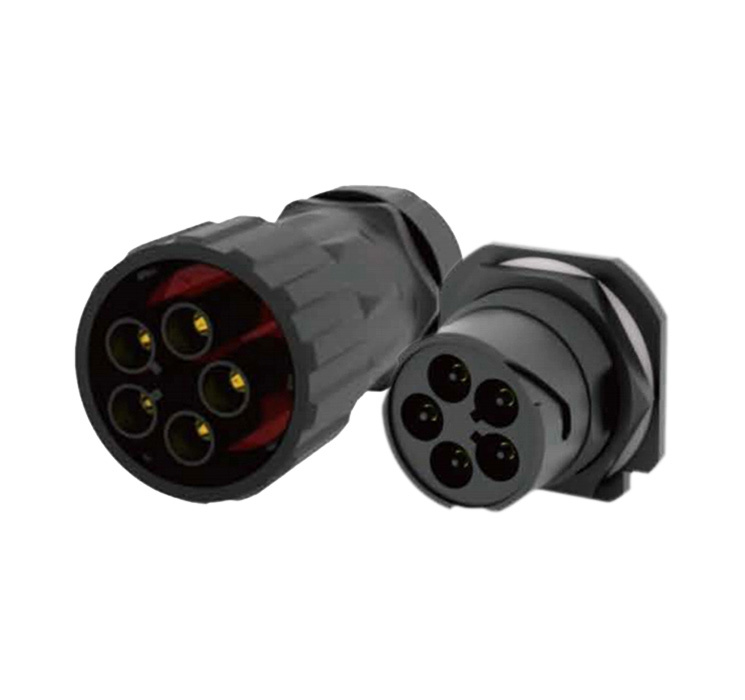
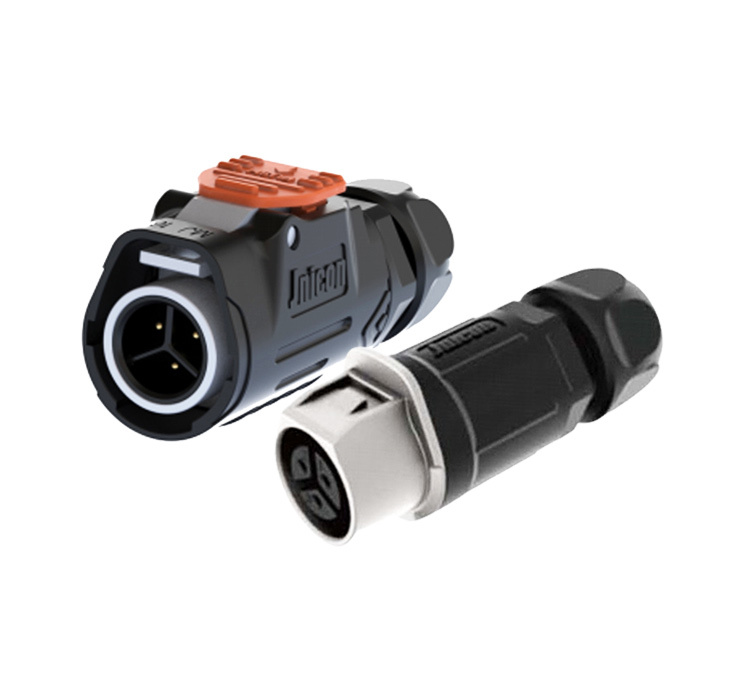
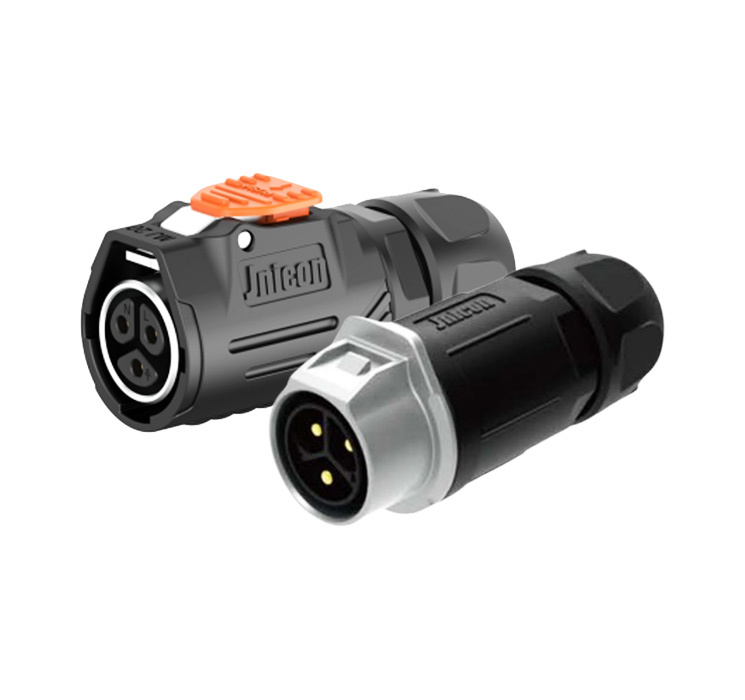
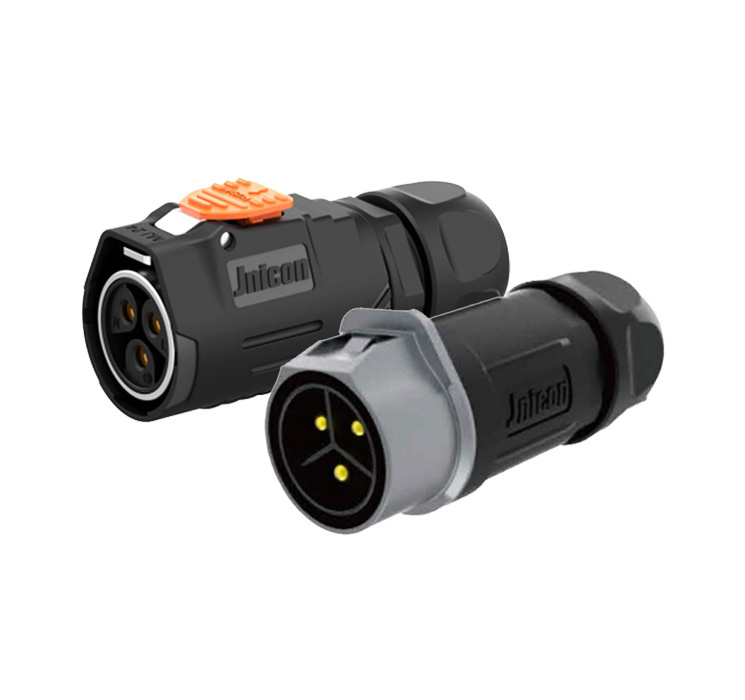
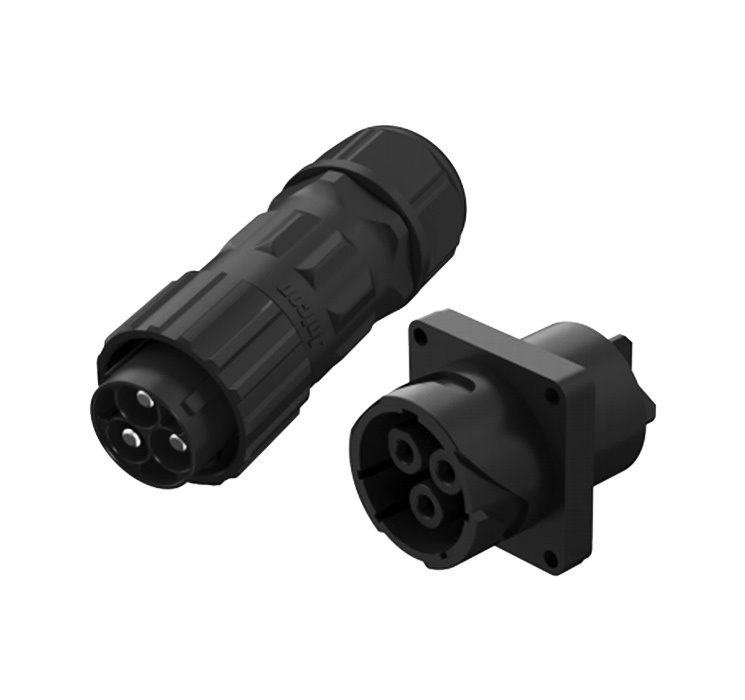
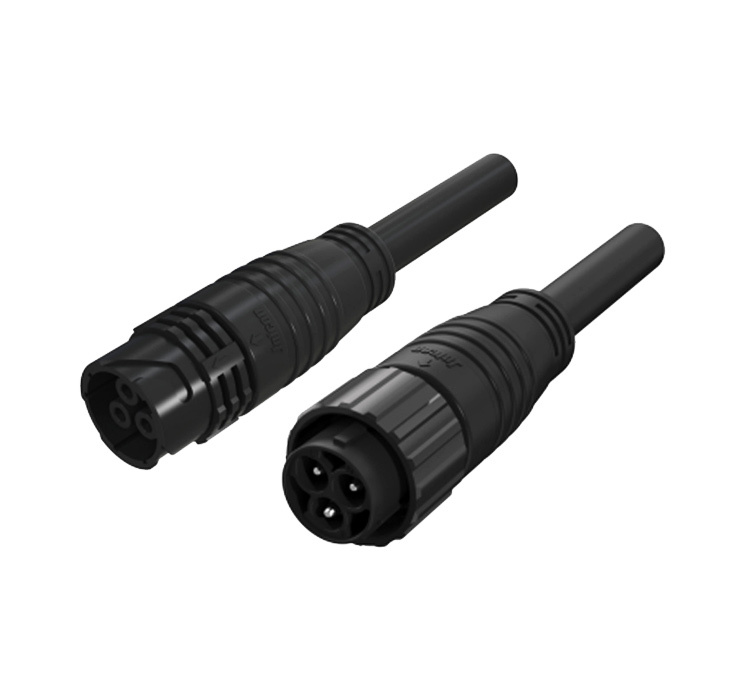
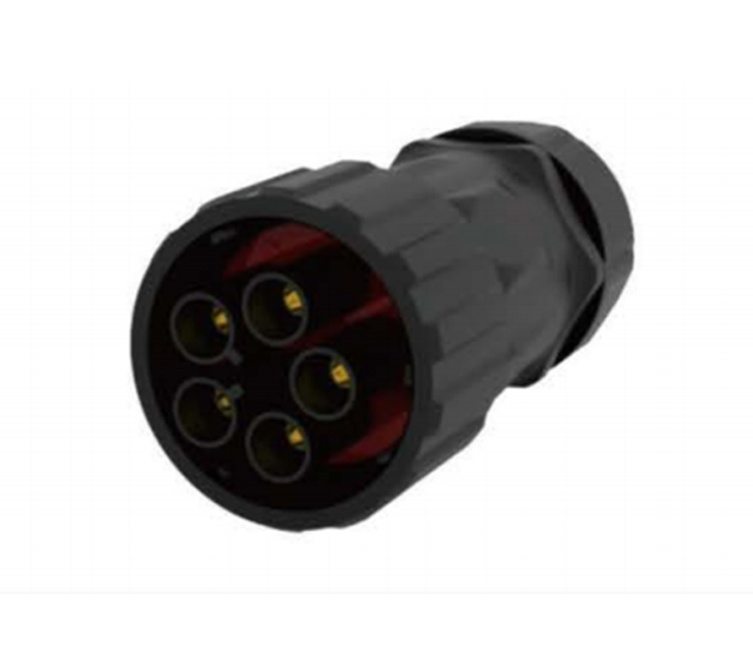
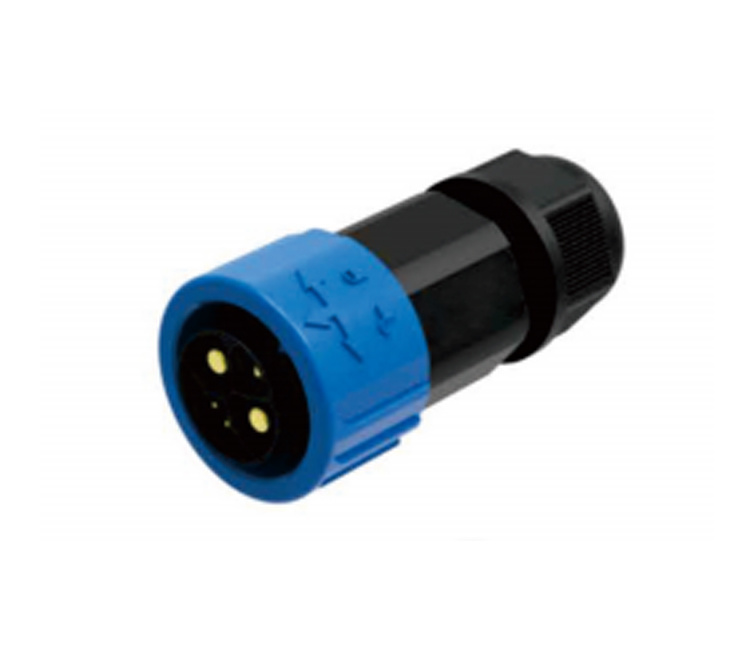
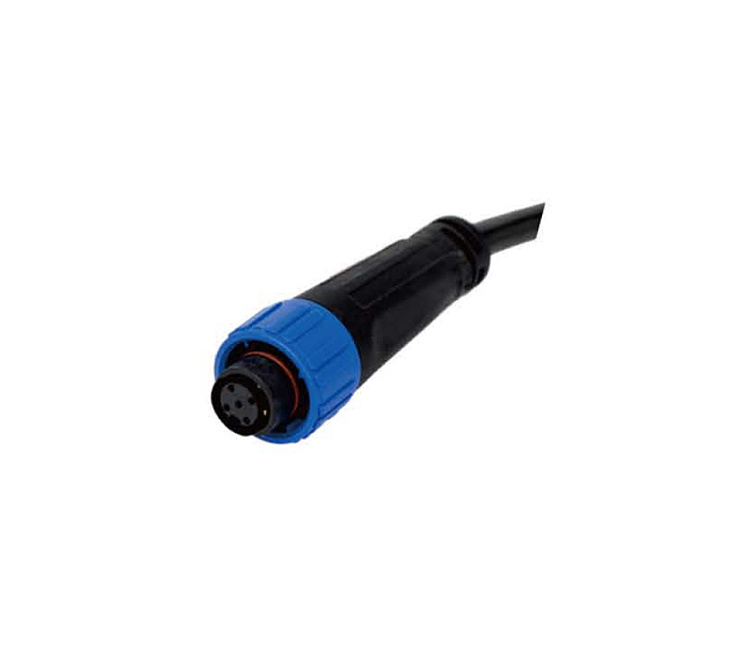
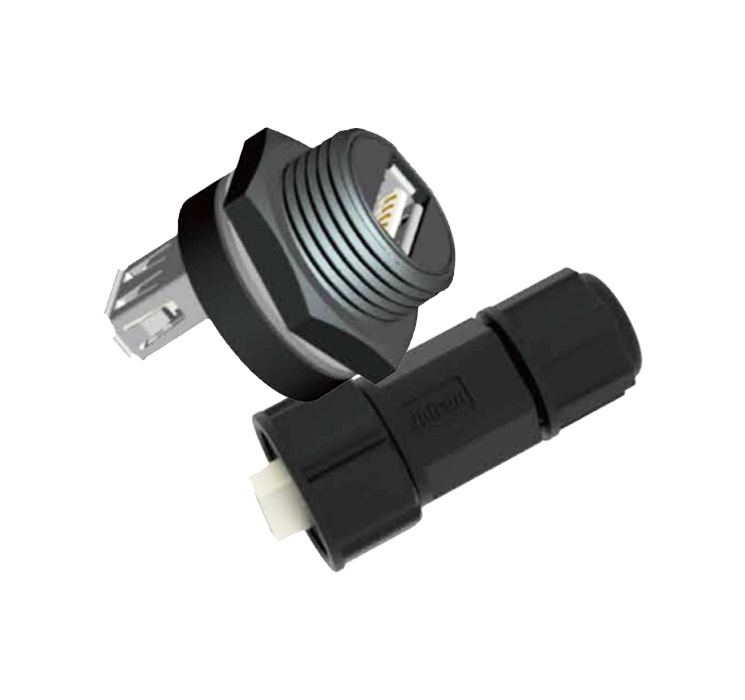
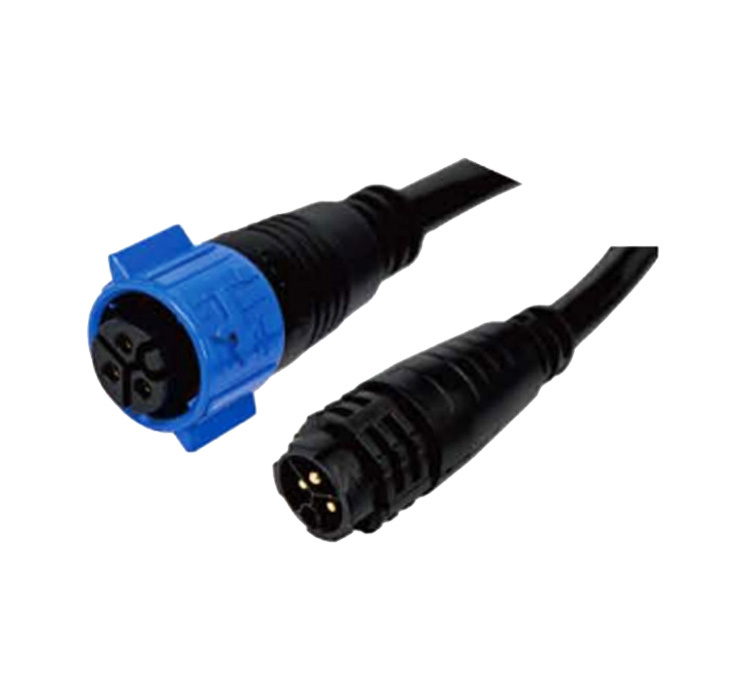
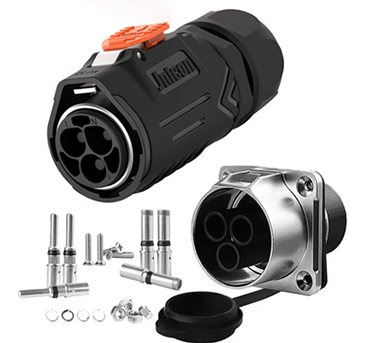
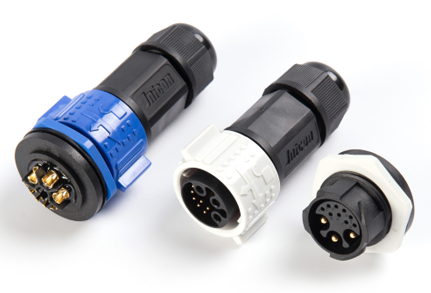
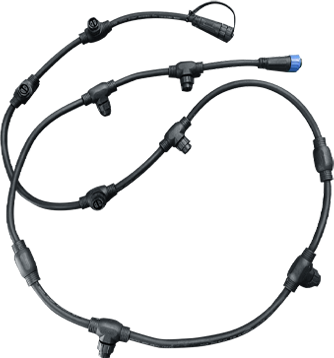
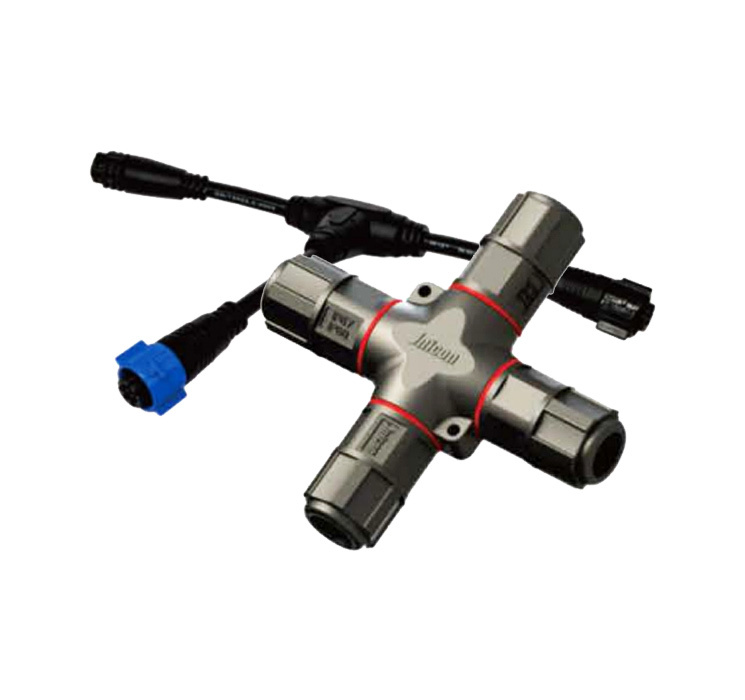
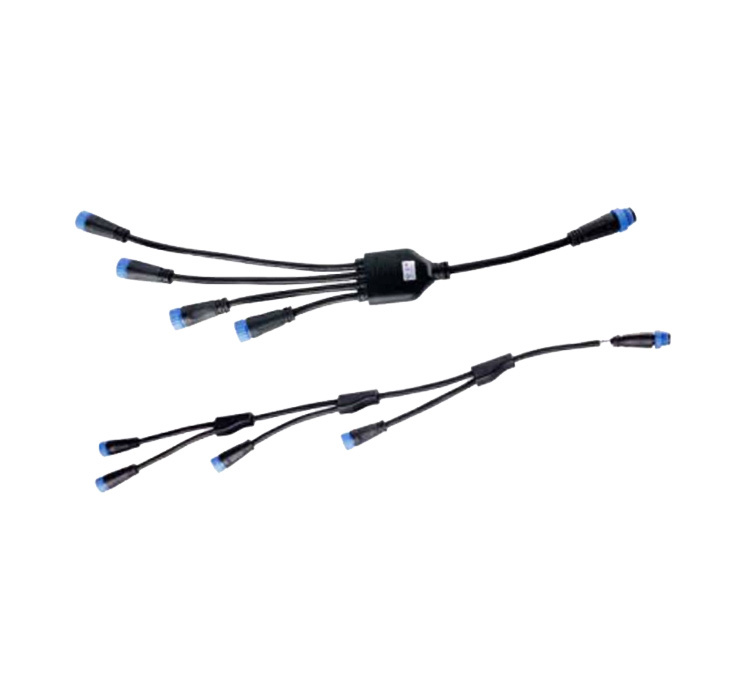
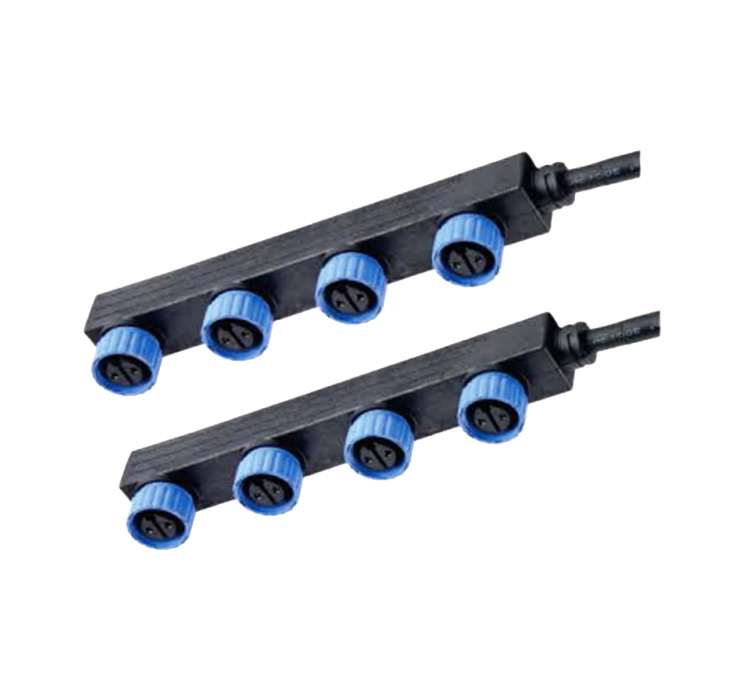
The defining characteristic of 3 pin waterproof connectors is their ability to maintain a secure connection while resisting water and debris. These connectors are typically constructed from durable materials like polycarbonate or nylon, which are resistant to corrosion and UV degradation. The design often includes O-rings or gaskets that form a tight seal when the connector is mated, ensuring that no moisture can penetrate the connection point.
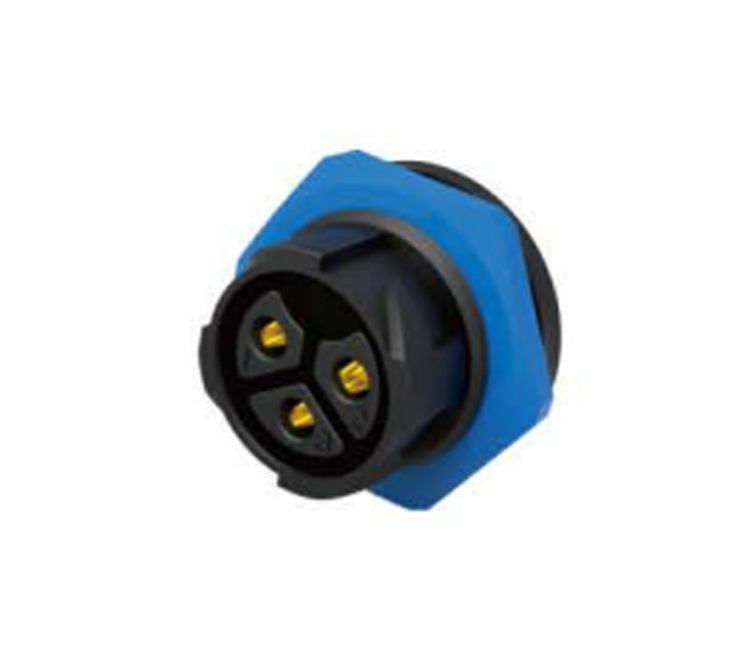
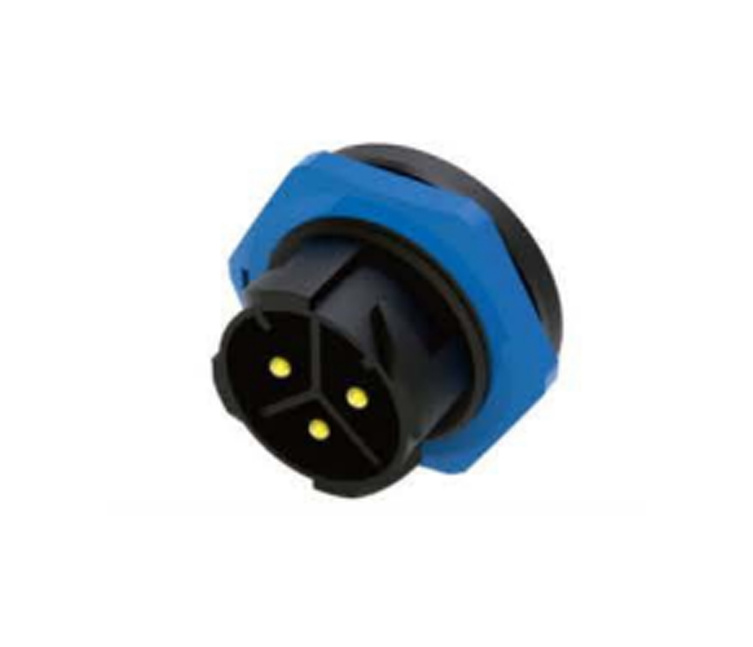
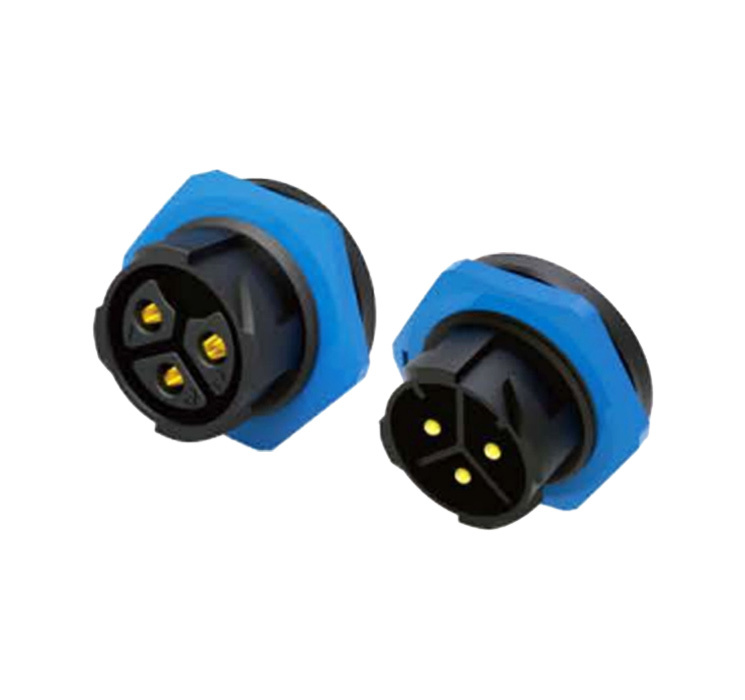
Moreover, the 3 pin configuration allows for the transmission of power and signals, making these connectors versatile for various applications. The three pins can accommodate different electrical configurations, such as two for power and one for ground, or other combinations depending on the specific needs of the application.
**Applications Across Industries**
3 pin waterproof connectors are widely utilized across numerous industries. In automotive applications, they are crucial for connecting sensors and lighting systems that may be exposed to the elements. In marine environments, these connectors ensure that navigational and communication equipment remains operational despite exposure to seawater. Additionally, they are prominent in outdoor lighting systems, industrial machinery, and agricultural equipment, where moisture resistance is paramount for operational reliability.
**Selecting the Right 3 Pin Waterproof Connector**
When selecting a 3 pin waterproof connector, consider several factors to ensure optimal performance. First, assess the environmental conditions the connector will be exposed to, such as temperature ranges, humidity levels, and potential exposure to chemicals. It’s also essential to evaluate the electrical specifications, including voltage, current ratings, and compatibility with existing systems.
Another important aspect is the locking mechanism of the connector. Ensure that it possesses a reliable locking feature that prevents accidental disconnections, especially when subjected to vibrations or mechanical stress.
**Installation Best Practices**
Proper installation is critical to maximizing the performance of 3 pin waterproof connectors. Ensure that all connections are made cleanly and securely. Use appropriate tools to prevent damage to the pins or housing during the mating process. Additionally, always adhere to the manufacturer’s guidelines for torque specifications and installation procedures.
In summary, 3 pin waterproof connectors play a vital role in ensuring the reliability and durability of electrical connections in various applications. By understanding their features, applications, and proper installation methods, professionals can make informed decisions that enhance the efficiency and safety of their electrical systems.
News
2026-08-28
Understanding 3 Pin Waterproof Connectors: Essential Insights for Electrical Professionals
In the world of electrical engineering, the choice of connectors plays a crucial role in ensuring reliable performance and durability, especially in environments exposed to moisture or harsh conditions. One such important component is the 3 pin waterproof connector. These connectors are specially designed to provide secure electrical connections while protecting against the adverse effects of wate
2026-08-25
The Science Behind Waterproofing in Marine Electrical Connectors: Ensuring Longevity and Reliability
The Science Behind Waterproofing in Marine Electrical Connectors Table of Contents 1. Introduction 2. The Importance of Waterproofing in Marine Applications 3. Understanding Marine Environments 4. Waterproofing Technologies and Materials 5. Types of Marine Electrical Connectors 6. Testing and Standards for Waterproofing 7. Maintenance and Care of Waterproof Connectors 8. The Futur
2026-08-22
Essential Guide to Waterproof Cables: Ensuring Reliability in Electrical Connections
Waterproof cables are crucial components in the electrical and electronics industry, particularly when it comes to ensuring reliable connections in challenging environments. These cables are designed to withstand exposure to moisture, dust, and other environmental factors that can compromise electrical integrity. Understanding the importance and functionality of waterproof cables can help professi

B8-9, Fubilun industrial park, Chaoyang rd,Yanchuan community, Songgang, Shenzhen, China


