


Unlocking Efficiency: The Role of Industrial Power Connectors in Modern Manufacturing
Release Time:
2026-07-26
Unlocking Efficiency: The Role of Industrial Power Connectors in Modern Manufacturing
Table of Contents
- Introduction to Industrial Power Connectors
- The Importance of Industrial Power Connectors in Manufacturing
- Types of Industrial Power Connectors
- Applications of Power Connectors in Different Industries
- Benefits of Using Industrial Power Connectors
- Challenges in Power Connector Implementation
- The Future of Industrial Power Connectors
- Frequently Asked Questions
- Conclusion
Introduction to Industrial Power Connectors
In the fast-paced world of manufacturing, efficiency is paramount. **Industrial power connectors** play a pivotal role in ensuring seamless operations across various sectors. These connectors are the backbone of electrical connections, facilitating the transfer of power and data between systems. As industries evolve, the need for reliable and efficient power connectors becomes increasingly critical.
The Importance of Industrial Power Connectors in Manufacturing
Industrial power connectors are essential components in modern manufacturing environments. Their importance can be attributed to several key factors:
1. Enhanced Reliability
In manufacturing, downtime can be costly. **Industrial power connectors** are designed for durability and reliability, ensuring continuous operation. Their robust construction minimizes the risk of failures, allowing manufacturers to focus on production rather than maintenance.
2. Safety Compliance
Safety is a primary concern in any manufacturing setting. Power connectors must adhere to stringent safety standards to prevent hazards such as electrical faults or fires. Modern industrial connectors are equipped with safety features, including lockable mechanisms and strain relief designs, to safeguard personnel and equipment.
3. Versatility Across Applications
Industrial power connectors are versatile and can be employed in various applications, from heavy machinery to automation systems. Their adaptability allows manufacturers to integrate them into existing systems with ease, facilitating upgrades and expansions.
Types of Industrial Power Connectors
Understanding the different types of industrial power connectors is crucial for selecting the right one for specific applications. Here are some common types:
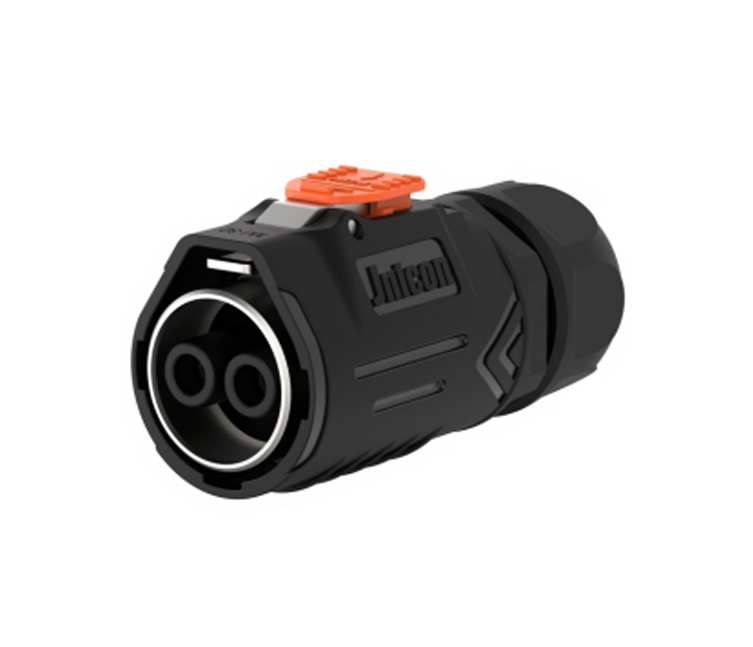
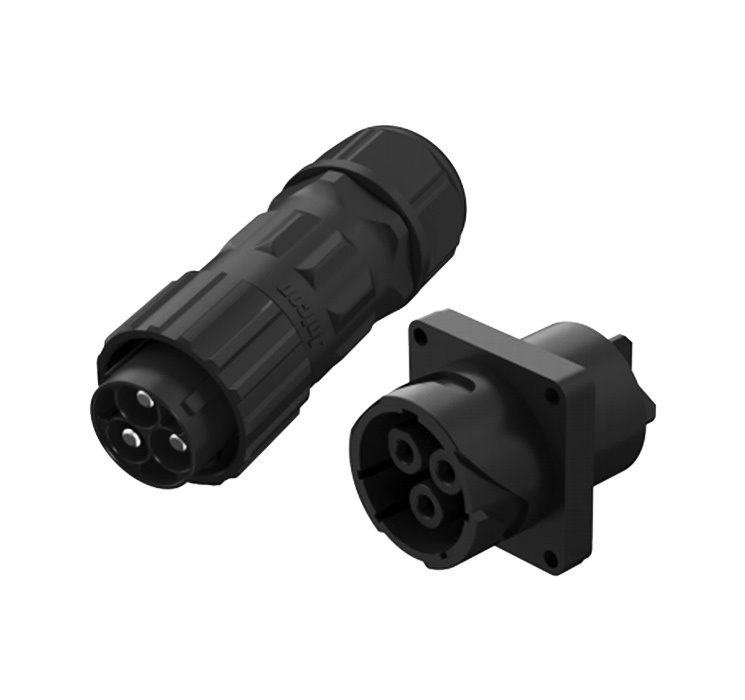
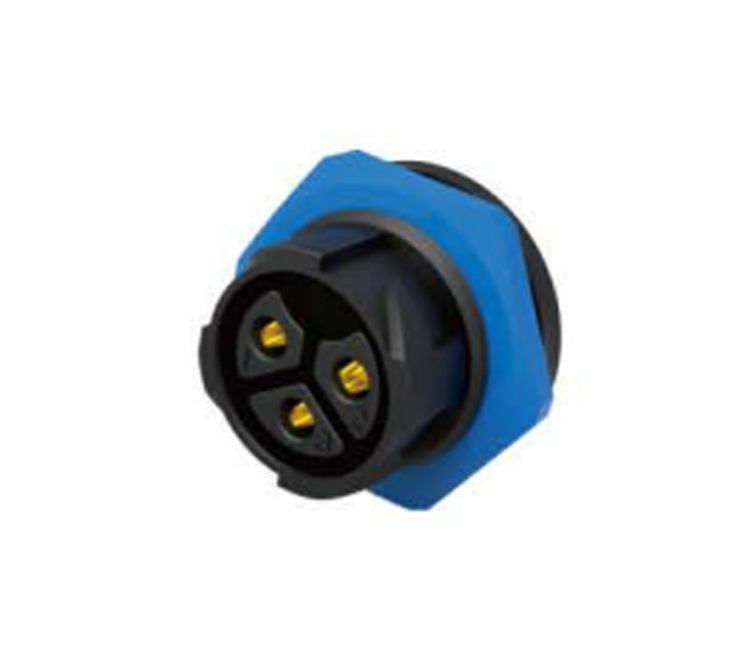
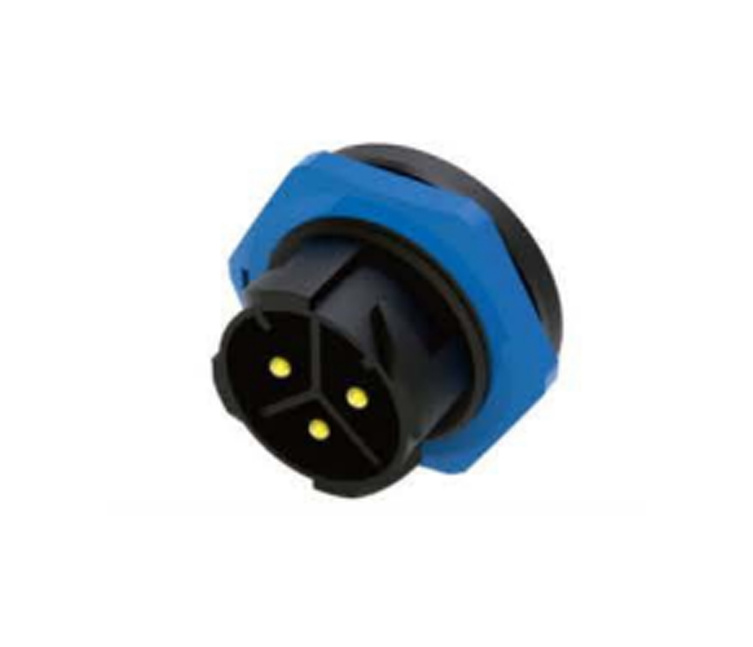
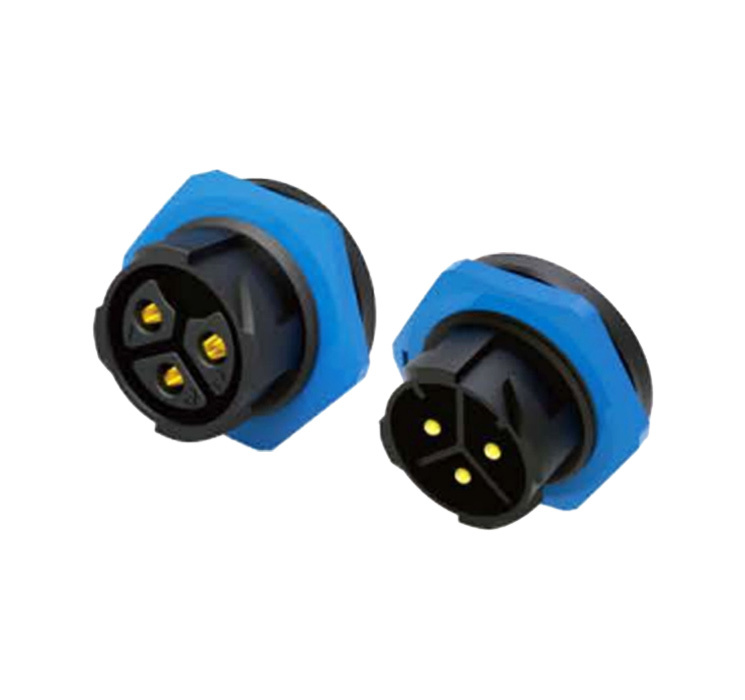
1. Circular Connectors
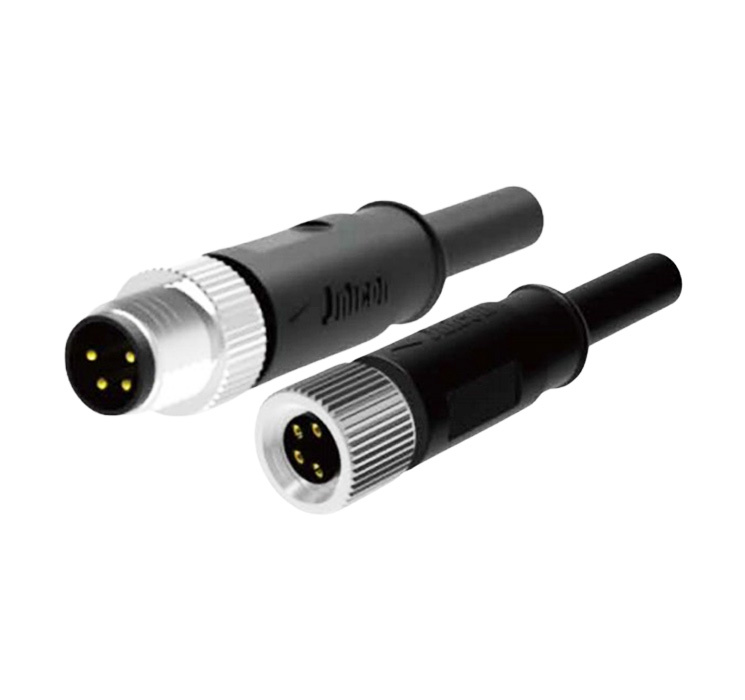
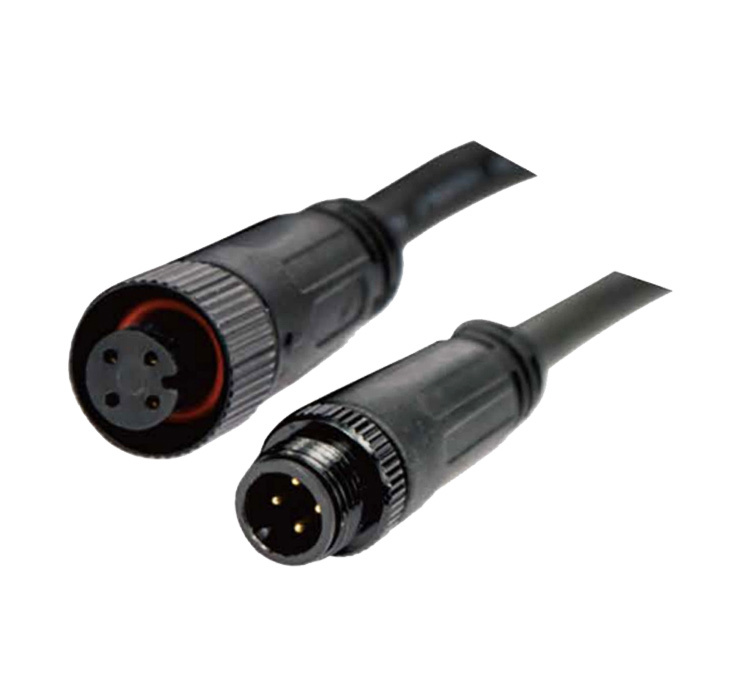
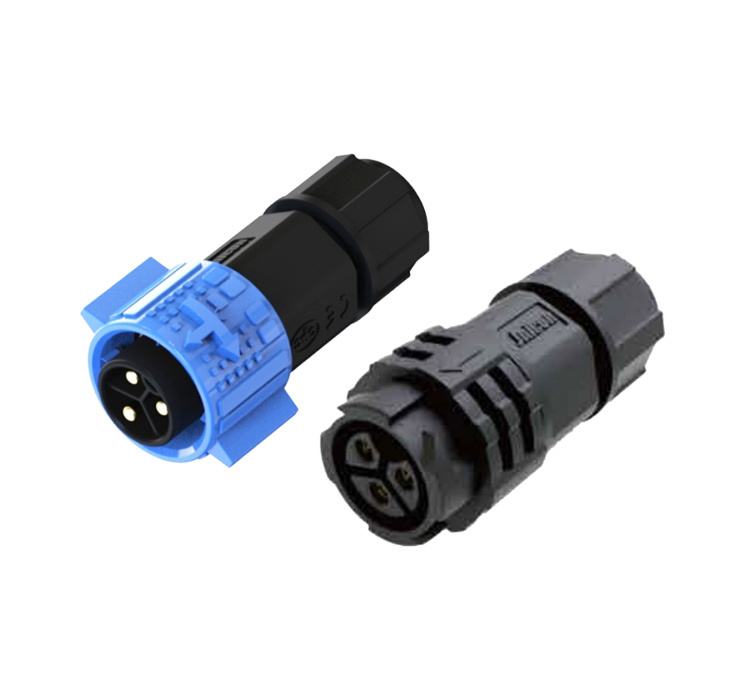
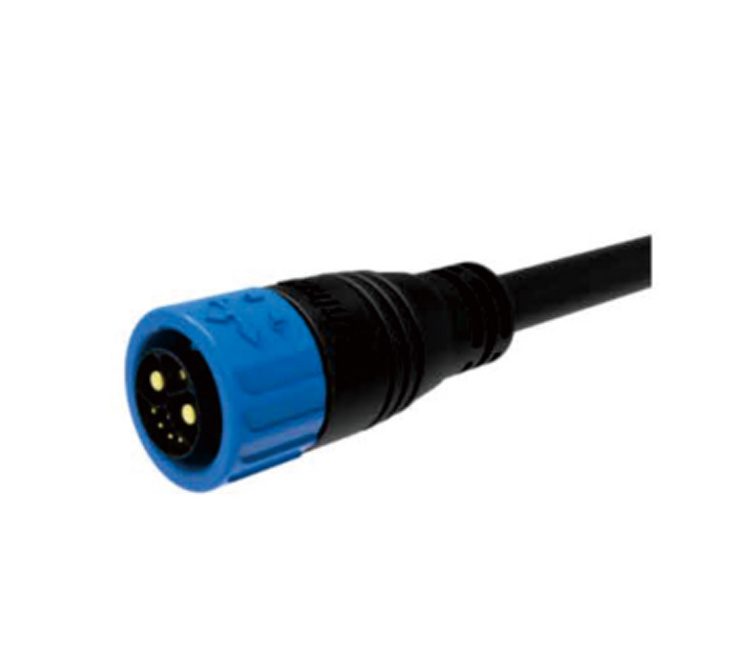
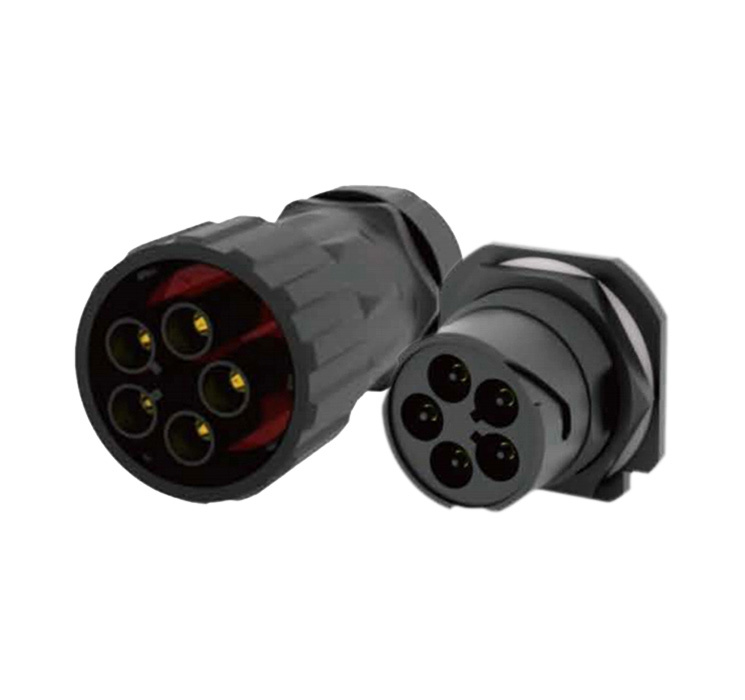
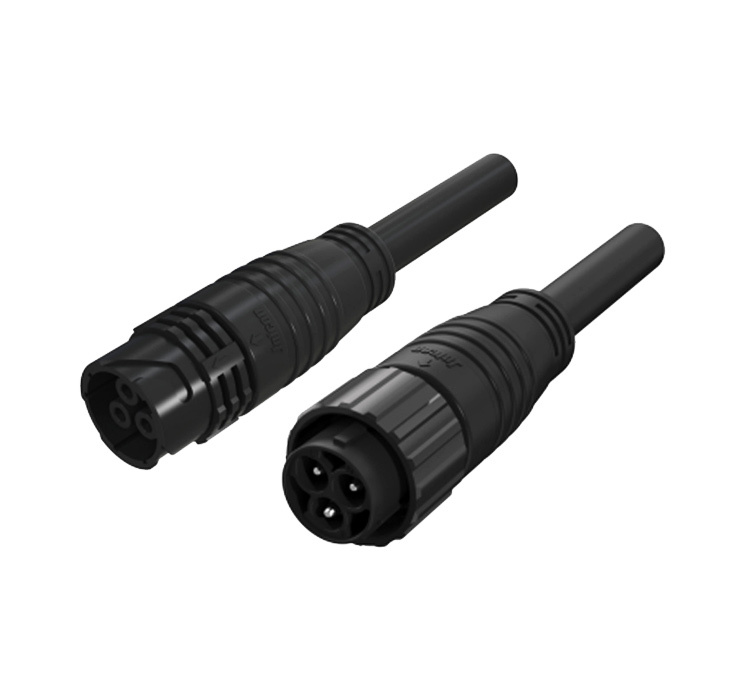
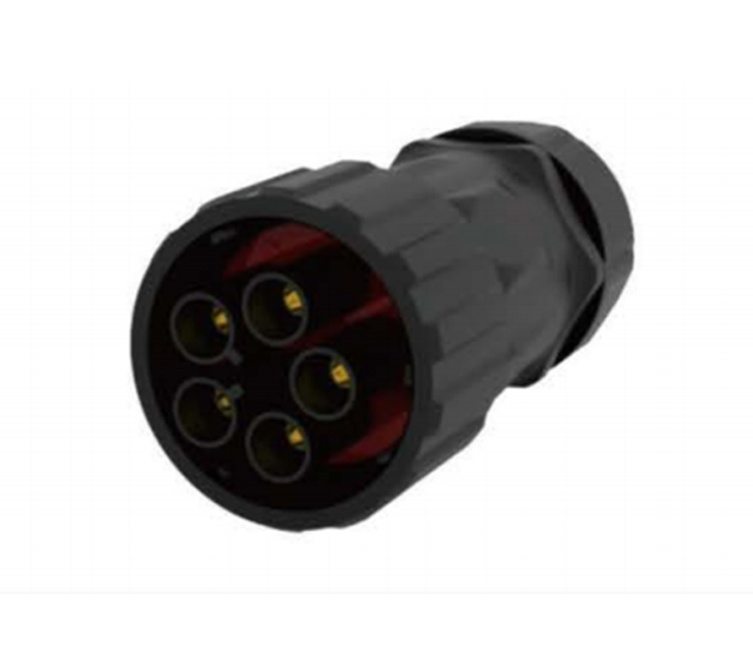
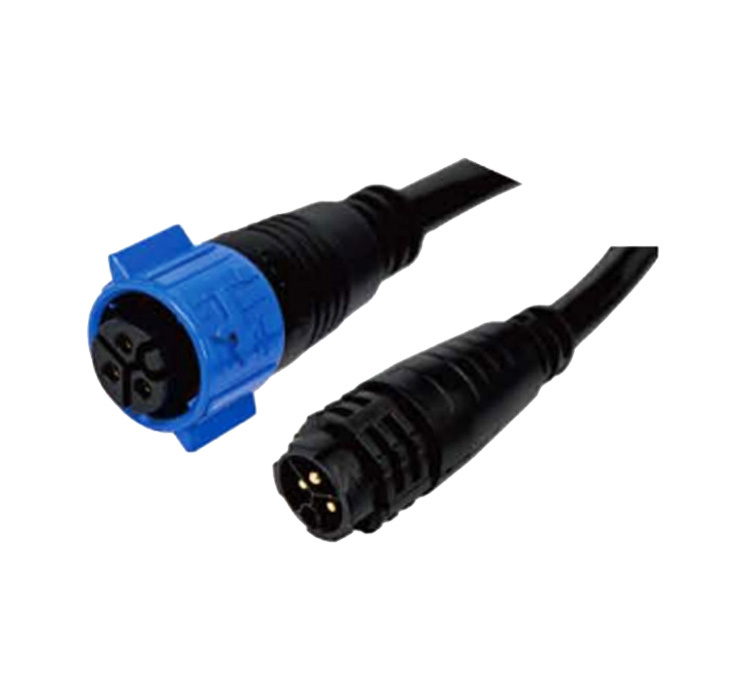
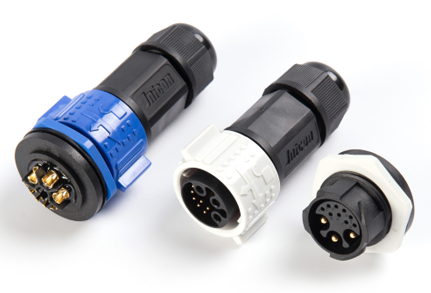
Circular connectors are widely used in industrial applications due to their secure locking mechanism and ease of connectivity. They come in various sizes and pin configurations, making them suitable for different power and data transmission needs.
2. Rectangular Connectors
Rectangular connectors are ideal for high-density applications where space is limited. They provide multiple contact points within a compact design, enabling efficient power distribution in tight spaces.
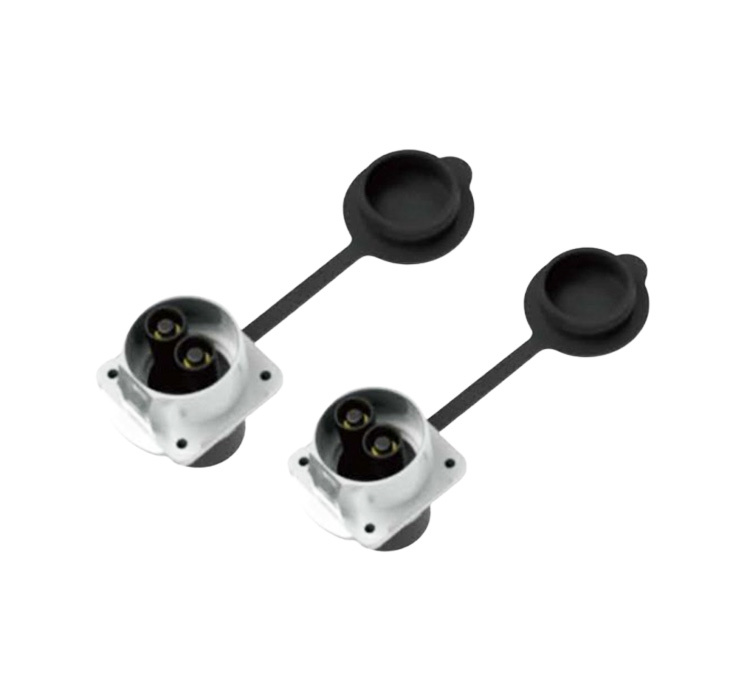
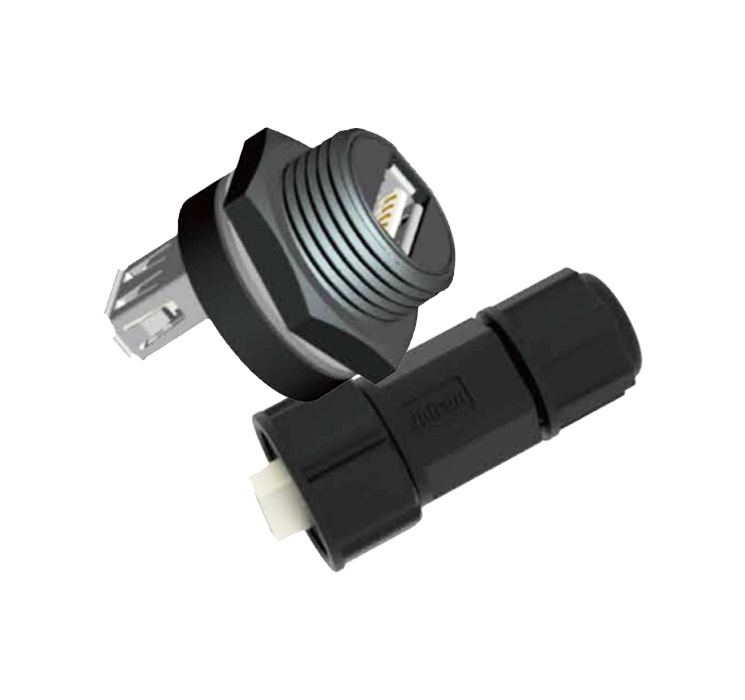
3. Panel-Mount Connectors
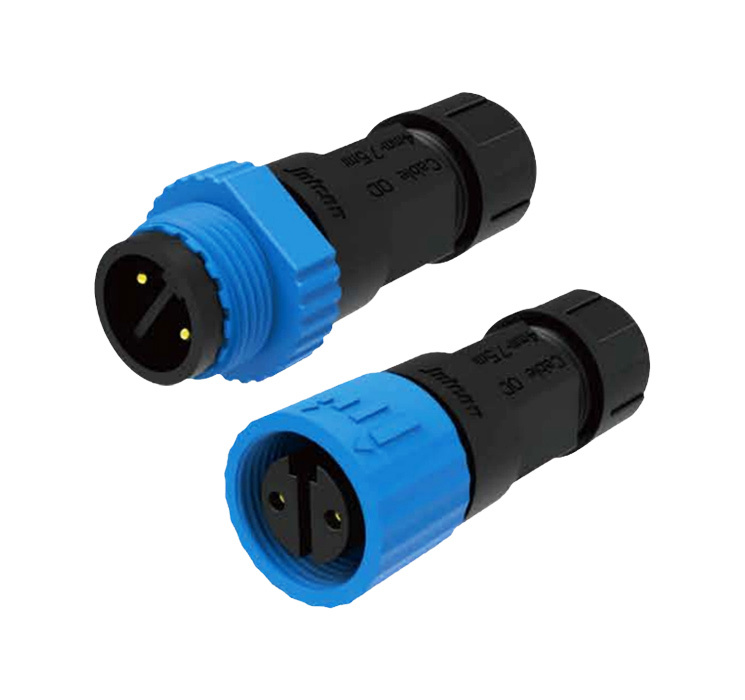
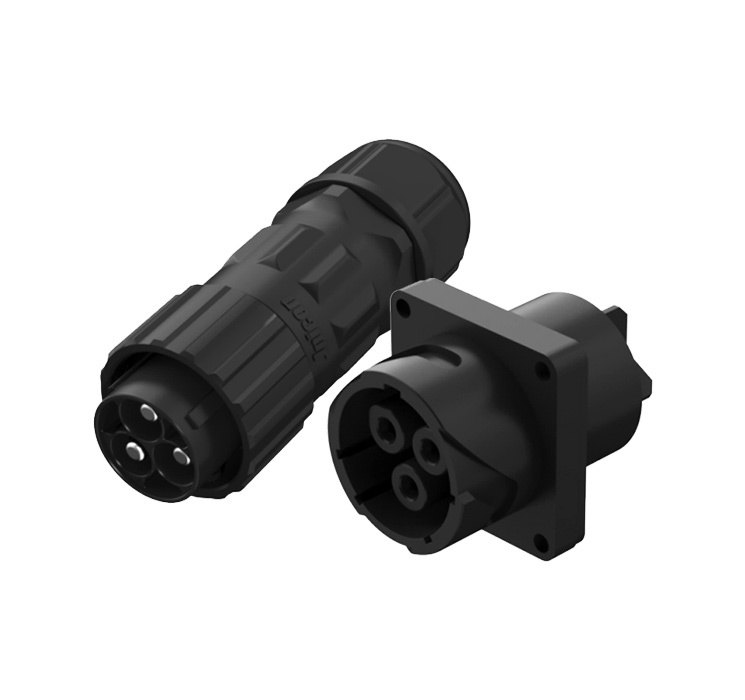
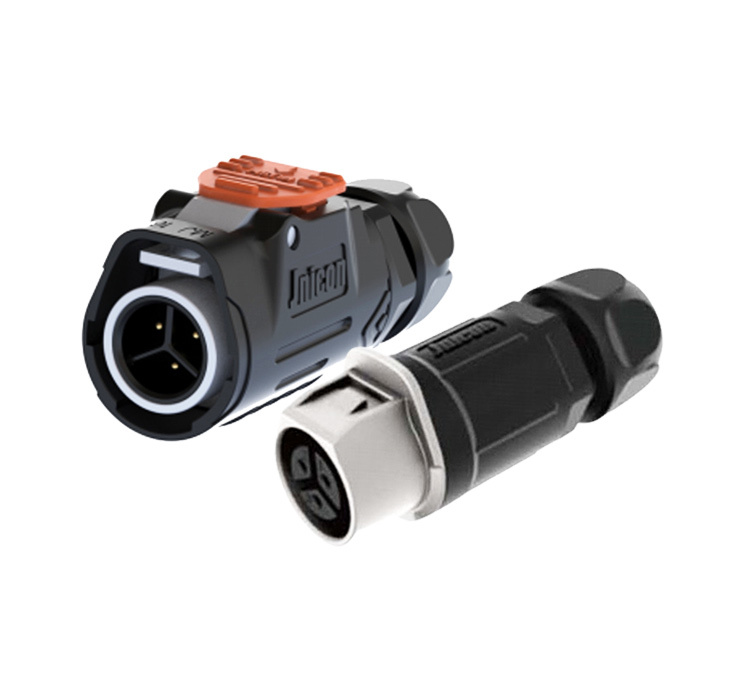
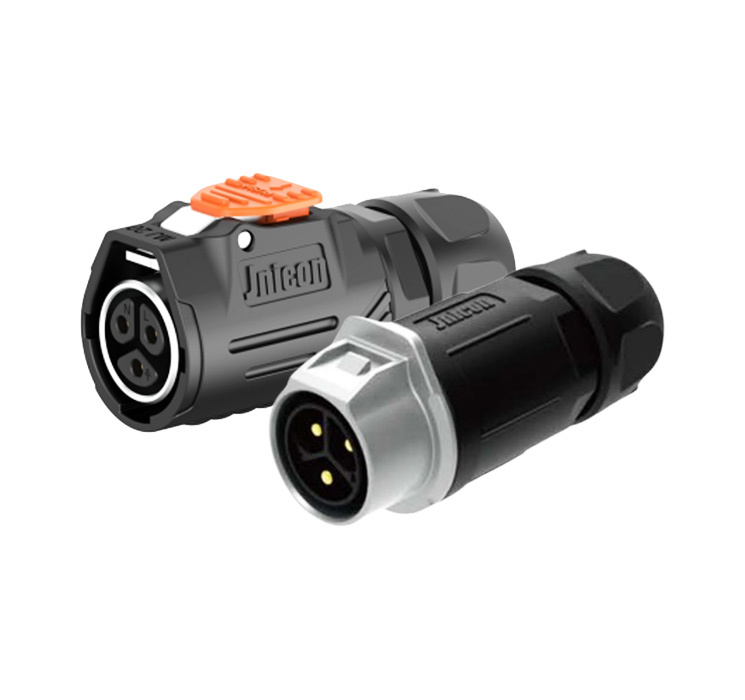
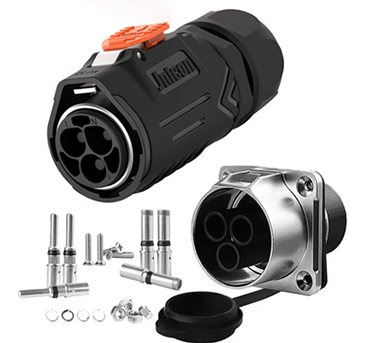
These connectors are designed for easy installation on panels and equipment. They offer robust connectivity options, making them suitable for both stationary and mobile applications in the manufacturing sector.
4. Screw Terminal Connectors
Screw terminal connectors offer a reliable connection method by securing wires with screws. They are particularly useful in environments where vibration or movement may cause other types of connections to become loose.
Applications of Power Connectors in Different Industries
Industrial power connectors are utilized across a range of industries, each with specific requirements. Here are some notable applications:
1. Automotive Manufacturing
In automotive production, power connectors facilitate the connection of robotic systems, assembly lines, and testing equipment. The need for efficient and reliable connectors is crucial, given the high-speed production demands.
2. Food and Beverage Industry
The food and beverage sector requires connectors that can withstand harsh cleaning processes and sanitary standards. Industrial power connectors play a vital role in the machinery used for processing, packaging, and bottling.
3. Renewable Energy
As the world shifts toward renewable energy sources, industrial power connectors are essential in solar panel installations and wind turbine systems. They ensure efficient power transfer while adhering to environmental regulations.
4. Aerospace and Defense
In aerospace and defense, reliability and safety are non-negotiable. Power connectors used in these sectors undergo rigorous testing to ensure they can withstand extreme conditions, making them vital for mission-critical systems.
Benefits of Using Industrial Power Connectors
Choosing the right industrial power connectors can lead to numerous benefits, including:
1. Increased Efficiency
Efficient power connectors streamline manufacturing processes by ensuring that power is delivered consistently and reliably. This efficiency translates into higher productivity levels and lower operational costs.
2. Reduced Downtime
By minimizing the risk of electrical failures, industrial power connectors help reduce unplanned downtime. This reliability is essential for maintaining production schedules and meeting customer demands.
3. Simplified Maintenance
Modern connectors are designed for easy installation and maintenance. Their user-friendly features allow for quick replacements or repairs, reducing the time and effort required to maintain equipment.
4. Enhanced Safety Features
With advanced safety features, industrial power connectors mitigate risks associated with electrical connections. Locking mechanisms and protective housings help prevent accidental disconnections and potential hazards.
Challenges in Power Connector Implementation
While industrial power connectors offer numerous advantages, there are challenges that manufacturers may face during implementation:
1. Compatibility Issues
Integrating new connectors into existing systems can pose compatibility challenges. Manufacturers must ensure that selected connectors align with their equipment to avoid connectivity problems.
2. Cost Considerations
High-quality industrial power connectors can be more expensive than standard connectors. However, investing in durable connectors can lead to long-term savings by reducing maintenance and downtime.
3. Evolving Technology
As technology advances, manufacturers must stay updated on emerging connector technologies. Failing to adopt newer solutions may result in outdated systems that cannot meet modern demands.
The Future of Industrial Power Connectors
The industrial landscape is continuously evolving, and so are the technologies associated with power connectors. Here’s a glimpse into what the future holds:
1. Smart Connectors
The rise of Industry 4.0 is driving the development of smart connectors equipped with integrated sensors and communication capabilities. These connectors will enable real-time monitoring and diagnostics, enhancing operational efficiency.
2. Increased Customization
As manufacturing becomes more specialized, the demand for customized power connectors is expected to rise. Manufacturers will seek connectors tailored to specific applications, fostering innovation and adaptability.
3. Sustainable Solutions
Environmental concerns are prompting manufacturers to seek sustainable connector solutions. Future power connectors may focus on eco-friendly materials and designs that minimize their environmental impact.
Frequently Asked Questions
1. What are industrial power connectors?
Industrial power connectors are electrical components designed to connect and transfer power and data between devices in manufacturing and industrial environments.
2. How do I choose the right power connector for my application?
Consider factors such as current rating, voltage requirements, environmental conditions, and compatibility with existing systems when selecting a power connector.
3. Are industrial power connectors safe?
Yes, modern industrial power connectors are designed with safety features to prevent electrical hazards, including locking mechanisms and protective housings.
4. What industries benefit from industrial power connectors?
Industries such as automotive, food and beverage, renewable energy, and aerospace and defense benefit significantly from the reliability and efficiency of industrial power connectors.
5. How can I ensure the longevity of my power connectors?
Regular maintenance, proper installation, and choosing high-quality connectors appropriate for your specific application can help extend the lifespan of power connectors.
Conclusion
Industrial power connectors are vital for enhancing efficiency, safety, and reliability in modern manufacturing. By understanding their importance, types, applications, and benefits, manufacturers can make informed decisions that lead to improved operational performance. As technology continues to advance, embracing innovative solutions in power connectors will be essential for maintaining a competitive edge in the industry. Investing in high-quality connectors today will pave the way for a more efficient and sustainable manufacturing future.
News
2026-10-18
How Industrial Power Connectors Transform Energy Distribution Systems
How Industrial Power Connectors Transform Energy Distribution Systems Table of Contents 1. Introduction to Industrial Power Connectors 2. The Importance of Power Connectors in Energy Distribution 3. Types of Industrial Power Connectors 3.1 Circular Connectors 3.2 Rectangular Connectors 3.3 Heavy-Duty Connectors 4. Applications
2026-10-15
Understanding Waterproof Wire Harness: Key Features and Benefits for Automotive Applications
In the automotive industry, the functionality and longevity of electrical components are crucial for vehicle performance. One of the key components that contribute to this is the waterproof wire harness. These harnesses are specifically designed to withstand harsh environmental conditions, ensuring that the electrical systems in vehicles remain operational regardless of the weather. A waterproof w
2026-10-12
5 Pin Waterproof Connectors: Enhancing Home Automation Systems
5 Pin Waterproof Connectors: Enhancing Home Automation Systems Table of Contents Introduction to 5 Pin Waterproof Connectors Importance of Waterproof Connectors in Home Automation Key Benefits of 5 Pin Waterproof Connectors Features of 5 Pin Waterproof Connectors Material Quality Design and Build Applications of 5 Pin Waterproof C

B8-9, Fubilun industrial park, Chaoyang rd,Yanchuan community, Songgang, Shenzhen, China


