
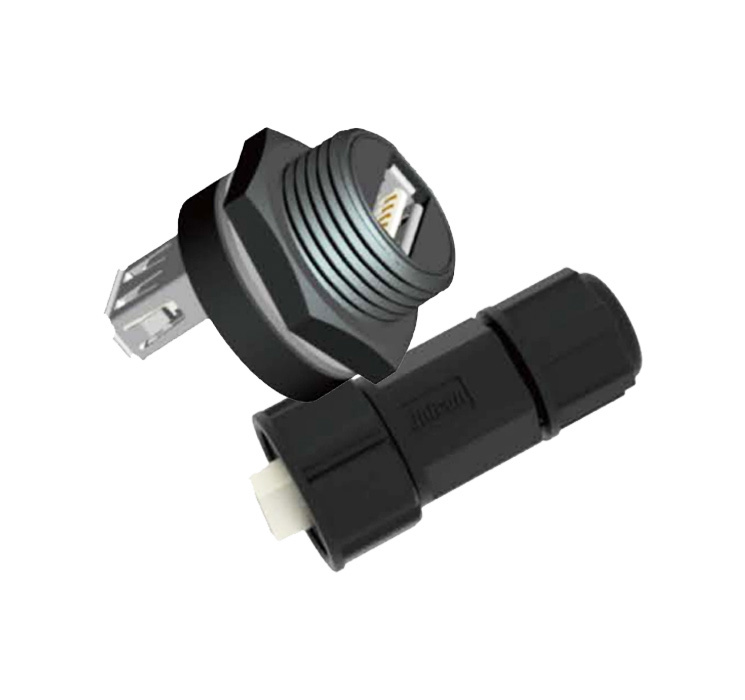
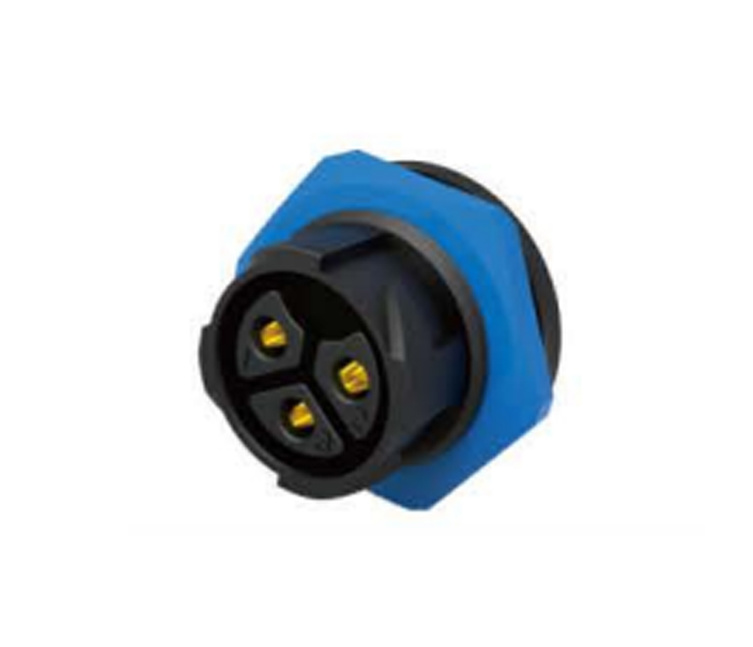
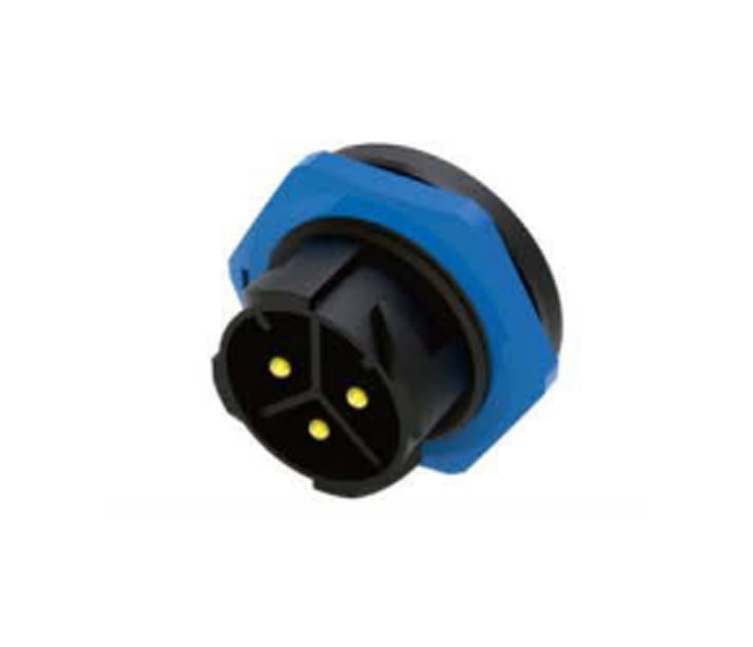
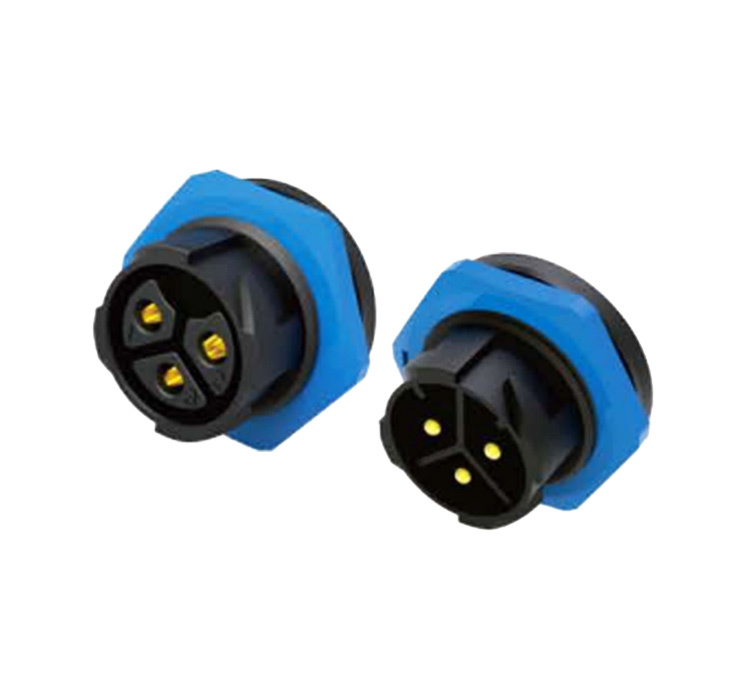


Maximizing Safety and Performance with Reliable Industrial Power Connectors
Release Time:
2026-09-06
Maximizing Safety and Performance with Reliable Industrial Power Connectors
Table of Contents
- Introduction to Industrial Power Connectors
- The Importance of Safety and Performance in Power Connectors
- Types of Industrial Power Connectors
- Key Features of Reliable Power Connectors
- How to Choose the Right Industrial Power Connector
- Proper Installation and Maintenance Practices
- Understanding Regulatory Standards for Connectors
- Future Trends in Industrial Power Connectors
- Frequently Asked Questions
- Conclusion
Introduction to Industrial Power Connectors
In the realm of industrial applications, **power connectors** serve as the lifeblood of electrical systems. They facilitate the safe and efficient transfer of electrical power between devices, ensuring that operations run smoothly. Understanding the nuances of industrial power connectors is crucial for maximizing both **safety** and **performance** in any setup. As industries evolve and demands increase, the need for reliable connectors becomes more pronounced.
The Importance of Safety and Performance in Power Connectors
Power connectors are not merely components; they are pivotal for achieving operational excellence. **Safety** is paramount, as poor connections can lead to electrical failures, equipment damage, or even catastrophic incidents. Moreover, the performance of these connectors directly affects the efficiency of machinery and processes. The following outlines why safety and performance should be prioritized in connector selection:
Ensuring Operational Continuity
A reliable connector minimizes the risk of downtime. Frequent disruptions due to connector failures can lead to significant financial losses and reduced productivity. By investing in high-quality connectors, businesses can ensure operational continuity and stability.
Protecting Equipment from Damage
Substandard connectors can expose equipment to risks such as overheating and short circuits. Quality connectors are designed to handle the electrical load and environmental conditions, thereby safeguarding critical machinery.
Enhancing Energy Efficiency
Efficient power transmission reduces energy wastage. Reliable connectors minimize resistance and energy loss, contributing to a more sustainable operation while lowering utility costs.
Types of Industrial Power Connectors
Understanding the different types of industrial power connectors is essential for making an informed decision:
1. **Circular Connectors**
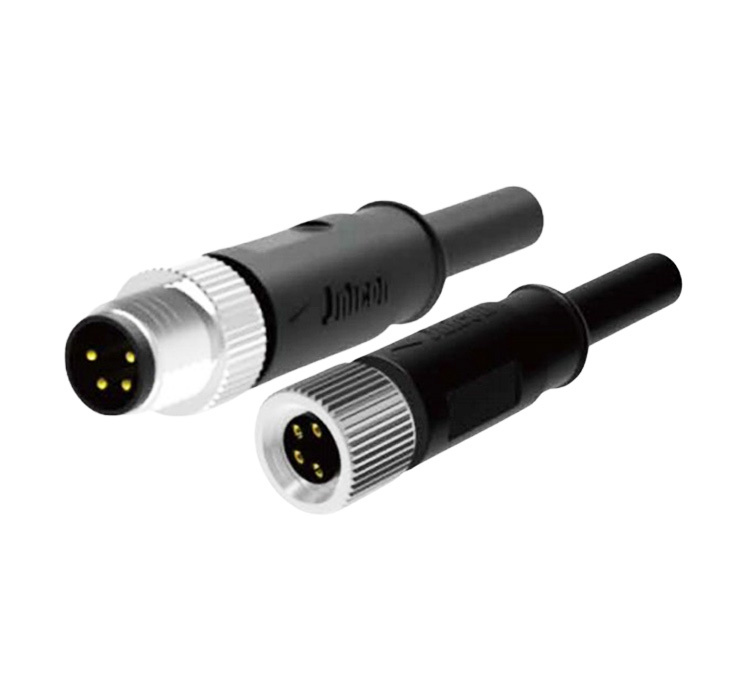
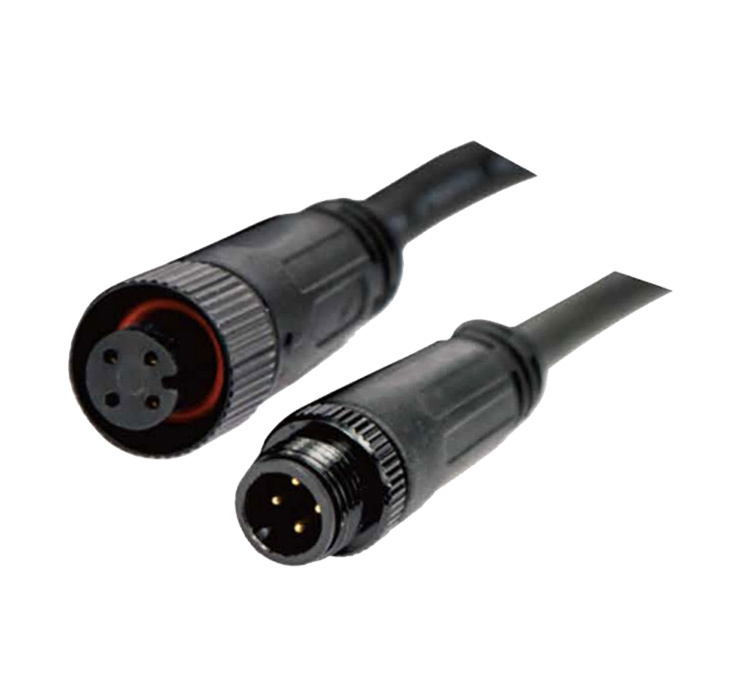
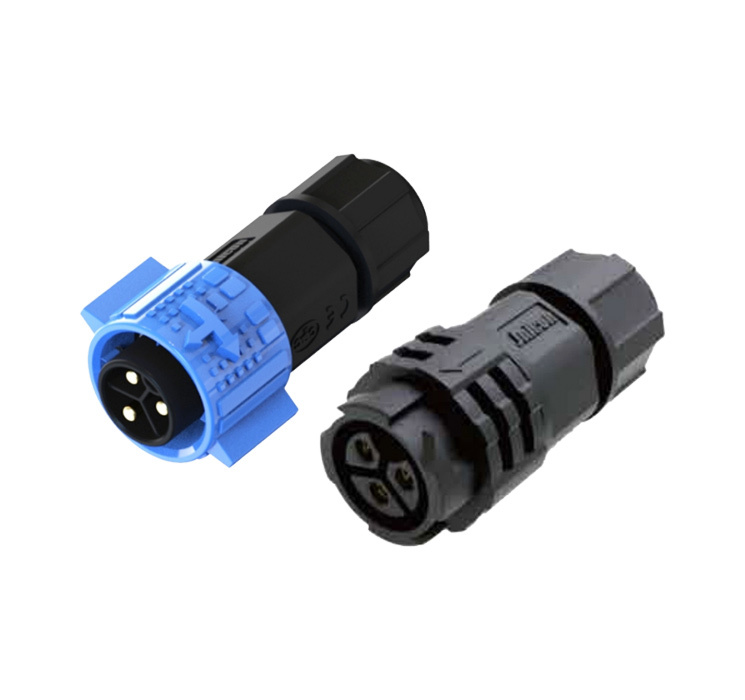
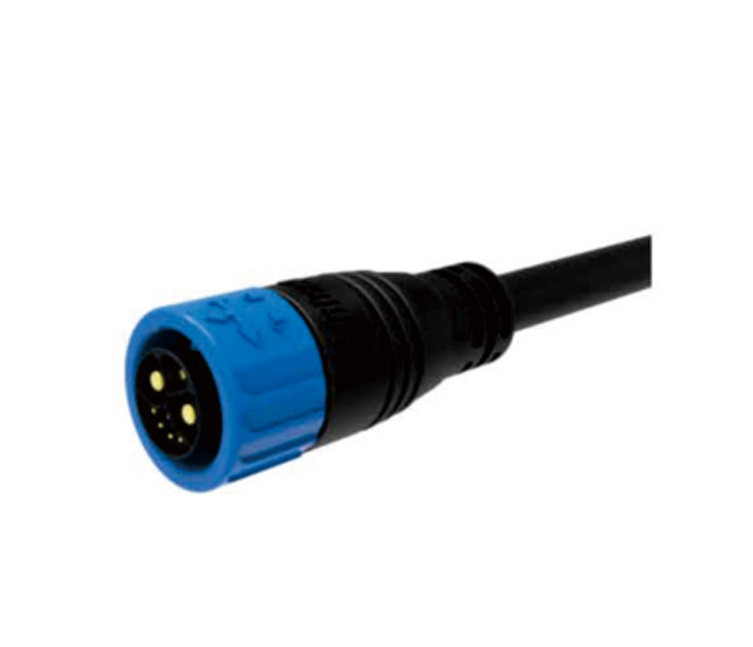
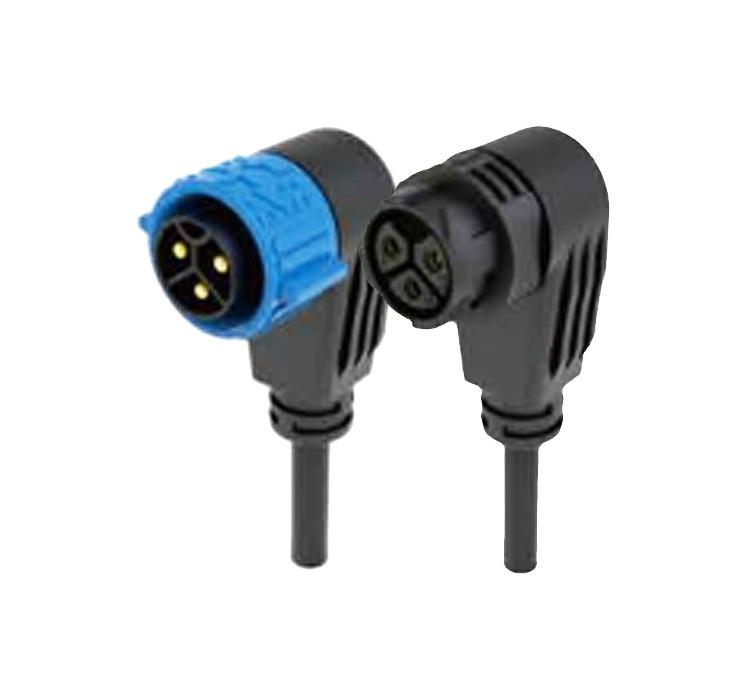
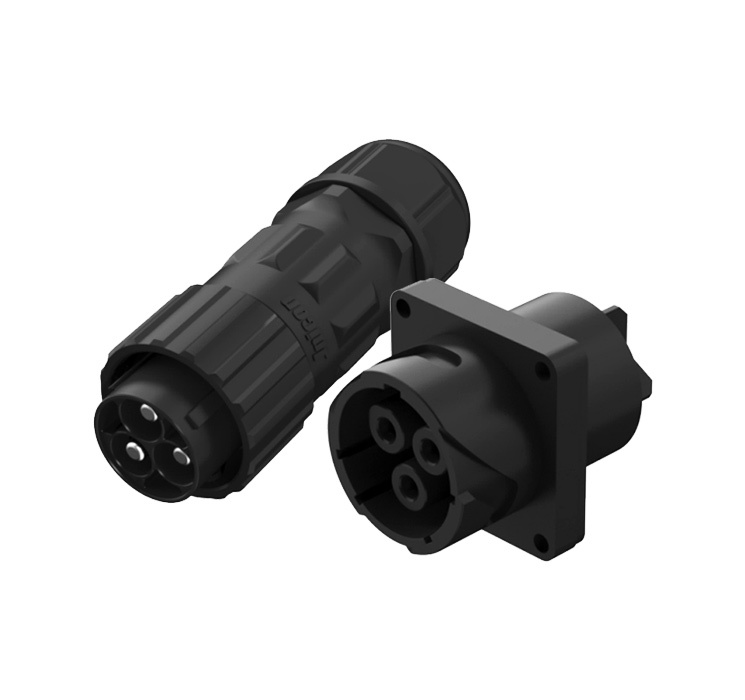
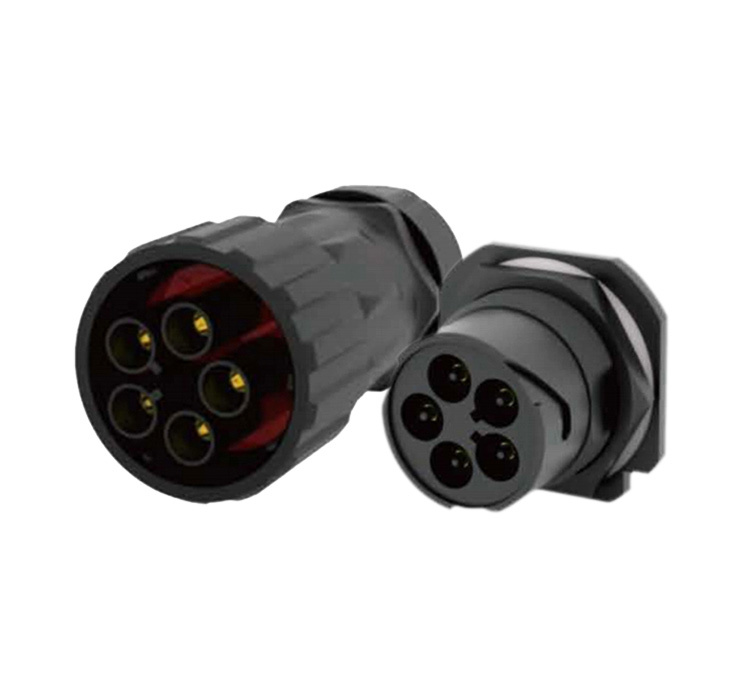
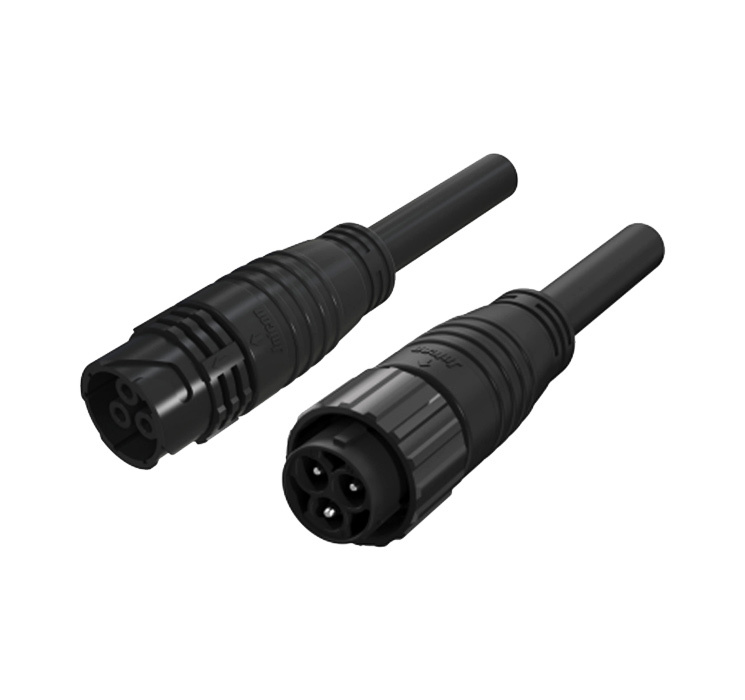
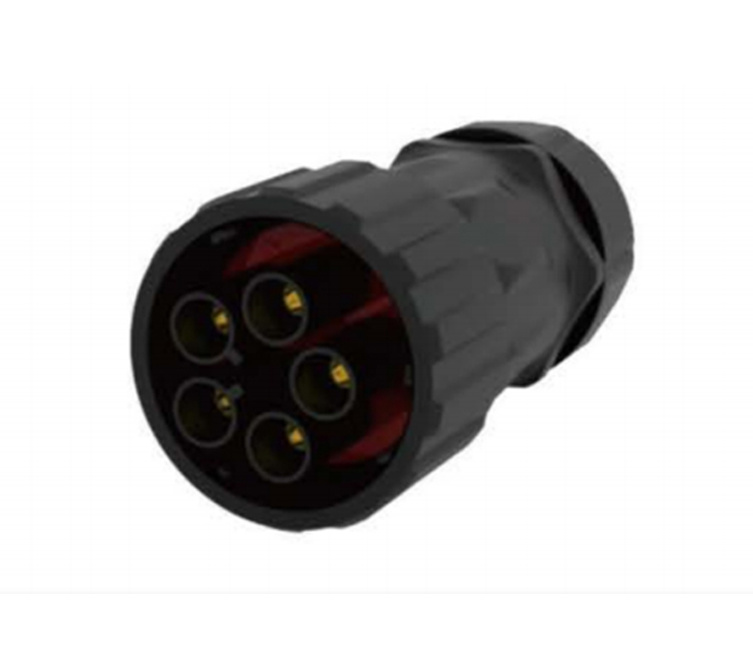
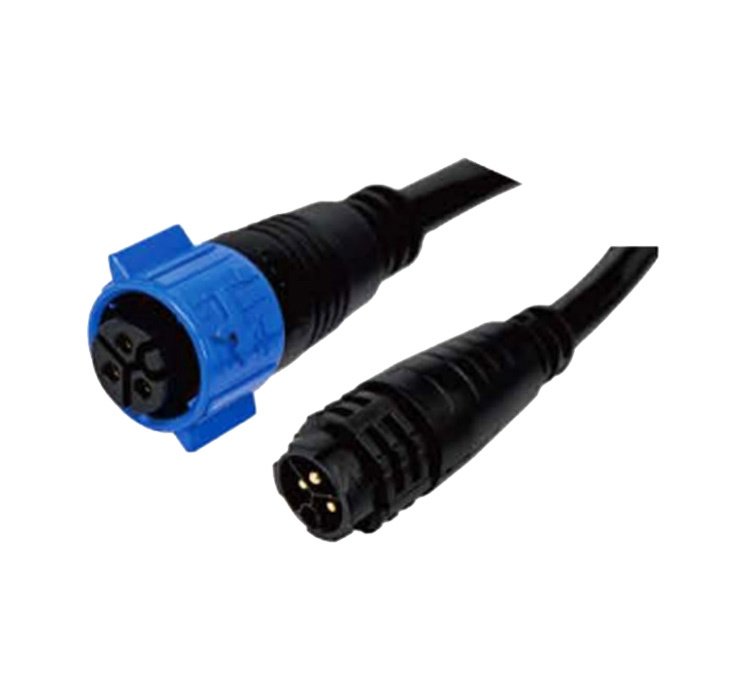
Circular connectors are widely used for their robust design and versatility. They can support various pin configurations, making them suitable for multiple applications.
2. **Rectangular Connectors**
These connectors offer higher density and are ideal for applications requiring multiple connections within limited space. They are commonly used in control systems and machinery.
3. **Modular Connectors**
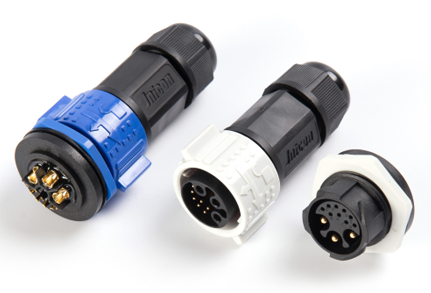
Modular connectors allow for customization. Users can add or remove modules based on their requirements, making them a flexible option for evolving industrial needs.
4. **Heavy-Duty Connectors**
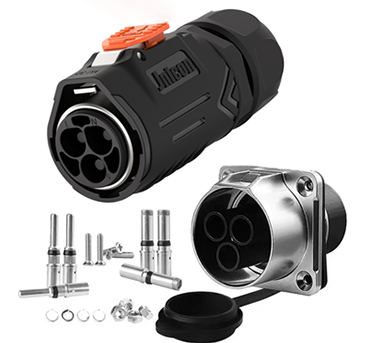
Designed for harsh environments, heavy-duty connectors are built to withstand extreme temperatures, vibrations, and moisture, providing reliability in challenging conditions.
5. **Railway Connectors**
Railway connectors are specialized for use in the transportation sector, meeting stringent safety and performance standards essential for signaling and power systems.
Key Features of Reliable Power Connectors
When selecting power connectors, consider the following features that enhance both safety and performance:
1. **Durability**
Reliable connectors are constructed from materials that withstand wear and tear. Look for connectors with high IP ratings for dust and water resistance.
2. **Temperature Resistance**
Connectors should perform consistently across a range of temperatures. High-quality connectors maintain functionality and structural integrity in extreme conditions.
3. **Load Capacity**
Understanding the electrical load capacity is crucial. Ensure that the connector can handle the intended application without overheating or failing.
4. **Ease of Installation**
Connectors should be easy to install and remove, allowing for efficient maintenance and replacements when necessary.
5. **Compliance with Standards**
Choosing connectors compliant with industry standards ensures reliability and safety, making them suitable for various applications.
How to Choose the Right Industrial Power Connector
Selecting the appropriate industrial power connector involves careful consideration of several factors:
1. **Identify Application Requirements**
Understand the specific needs of your application, including the type of machinery, environmental conditions, and electrical load specifications.
2. **Evaluate Compatibility**
Ensure that the connector is compatible with existing equipment. Mismatched connectors can lead to poor performance and safety hazards.
3. **Consider Environmental Factors**
Assess the environmental conditions like temperature, humidity, and exposure to chemicals. Choose connectors designed to withstand these factors.
4. **Examine Manufacturer Reputation**
Select connectors from reputable manufacturers known for their quality and reliability. Research customer reviews and industry feedback.
5. **Budget and Value for Money**
While it’s tempting to choose the cheapest option, consider the long-term value of investing in high-quality connectors that offer durability and performance.
Proper Installation and Maintenance Practices
To ensure the longevity and performance of industrial power connectors, adhere to the following installation and maintenance practices:
1. **Follow Manufacturer Guidelines**
Always refer to the installation instructions provided by the manufacturer. Proper installation is crucial for optimal performance and safety.
2. **Regular Inspections**
Conduct periodic inspections of connectors for signs of wear, corrosion, or damage. Early detection can prevent failures and downtime.
3. **Cleaning Procedures**
Keep connectors clean and free from contaminants. Use appropriate cleaning agents and techniques to avoid damage.
4. **Secure Connections**
Ensure that all connections are secure to prevent intermittent faults that may compromise the system's performance.
5. **Documentation and Record-Keeping**
Maintain records of installations, inspections, and maintenance activities. This documentation can be invaluable for troubleshooting and compliance.
Understanding Regulatory Standards for Connectors
Adherence to regulatory standards is vital for safety and performance. Various standards guide the design and manufacturing of industrial power connectors, including:
1. **IEC Standards**
The International Electrotechnical Commission (IEC) sets standards for electrical connectors, ensuring safety and reliability in international markets.
2. **UL Certification**
Underwriters Laboratories (UL) certification indicates that products meet specific safety standards, providing assurance for users and manufacturers.
3. **RoHS Compliance**
The Restriction of Hazardous Substances (RoHS) directive restricts the use of certain hazardous materials in electrical and electronic equipment, promoting environmental responsibility.
4. **ISO Certification**
ISO certification ensures quality management systems are in place, reflecting a commitment to continuous improvement and customer satisfaction.
Future Trends in Industrial Power Connectors
As technology advances, the industrial sector is witnessing significant trends impacting power connectors:
1. **Smart Connectors**
The integration of smart technology into connectors allows for real-time monitoring and diagnostics, enhancing predictive maintenance capabilities.
2. **Sustainability Initiatives**
The push for sustainability is leading to the development of eco-friendly connectors made from recyclable materials, reducing environmental impact.
3. **Increased Customization**
Manufacturers are offering more customizable options, allowing businesses to tailor connectors to specific applications and requirements.
4. **Enhanced Safety Features**
New designs are focusing on improved safety mechanisms, including fail-safes and protective casings to minimize risks associated with electrical connections.
5. **Miniaturization**
The trend towards miniaturization enables the development of smaller, lighter connectors that maintain performance without sacrificing reliability.
Frequently Asked Questions
1. What is the main function of industrial power connectors?
Industrial power connectors facilitate the safe transmission of electrical power between devices and systems, ensuring operational efficiency.
2. How do I know which type of connector is right for my application?
Consider application requirements, compatibility with existing systems, and environmental factors to choose the appropriate connector.
3. What are the risks of using substandard power connectors?
Using substandard connectors can lead to equipment damage, electrical failures, and safety hazards, resulting in costly downtime.
4. Why is compliance with regulatory standards important?
Compliance with regulatory standards ensures that connectors meet safety and performance benchmarks, reducing risks associated with electrical connections.
5. How can I extend the lifespan of industrial power connectors?
Regular inspections, proper cleaning, secure connections, and adherence to manufacturer guidelines can help extend the lifespan of connectors.
Conclusion
In conclusion, the significance of reliable industrial power connectors cannot be overstated. They play a crucial role in ensuring safety, performance, and efficiency in diverse applications. By understanding the types, features, and selection criteria, we can make informed decisions that lead to enhanced operational reliability. Investing in high-quality connectors and adhering to best practices in installation and maintenance will not only protect equipment but also pave the way for a more efficient and sustainable industrial environment. As we embrace future trends, our approach to power connectors must evolve to meet the changing demands of technology and industry standards.
News
2026-10-18
How Industrial Power Connectors Transform Energy Distribution Systems
How Industrial Power Connectors Transform Energy Distribution Systems Table of Contents 1. Introduction to Industrial Power Connectors 2. The Importance of Power Connectors in Energy Distribution 3. Types of Industrial Power Connectors 3.1 Circular Connectors 3.2 Rectangular Connectors 3.3 Heavy-Duty Connectors 4. Applications
2026-10-15
Understanding Waterproof Wire Harness: Key Features and Benefits for Automotive Applications
In the automotive industry, the functionality and longevity of electrical components are crucial for vehicle performance. One of the key components that contribute to this is the waterproof wire harness. These harnesses are specifically designed to withstand harsh environmental conditions, ensuring that the electrical systems in vehicles remain operational regardless of the weather. A waterproof w
2026-10-12
5 Pin Waterproof Connectors: Enhancing Home Automation Systems
5 Pin Waterproof Connectors: Enhancing Home Automation Systems Table of Contents Introduction to 5 Pin Waterproof Connectors Importance of Waterproof Connectors in Home Automation Key Benefits of 5 Pin Waterproof Connectors Features of 5 Pin Waterproof Connectors Material Quality Design and Build Applications of 5 Pin Waterproof C

B8-9, Fubilun industrial park, Chaoyang rd,Yanchuan community, Songgang, Shenzhen, China


