


The Evolving Role of Industrial Electrical Connectors in Modern Manufacturing
Release Time:
2026-01-05
Industrial electrical connectors are critical components that ensure the reliable transmission of power, data, and signals across a variety of industrial applications. From factory floors to power plants, and even in aerospace, automotive, and telecommunications, these connectors facilitate the operation of machinery, equipment, and complex systems. As industries evolve with the introduction of advanced automation, IoT (Internet of Things) devices, and high-performance machinery, the role of industrial electrical connectors has become increasingly important in ensuring operational efficiency, safety, and longevity.
What Are Industrial Electrical Connectors?
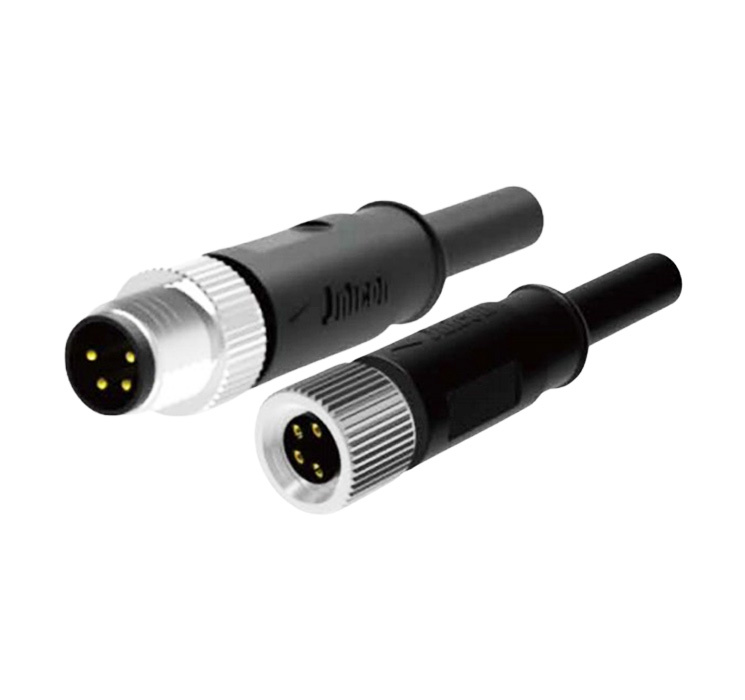
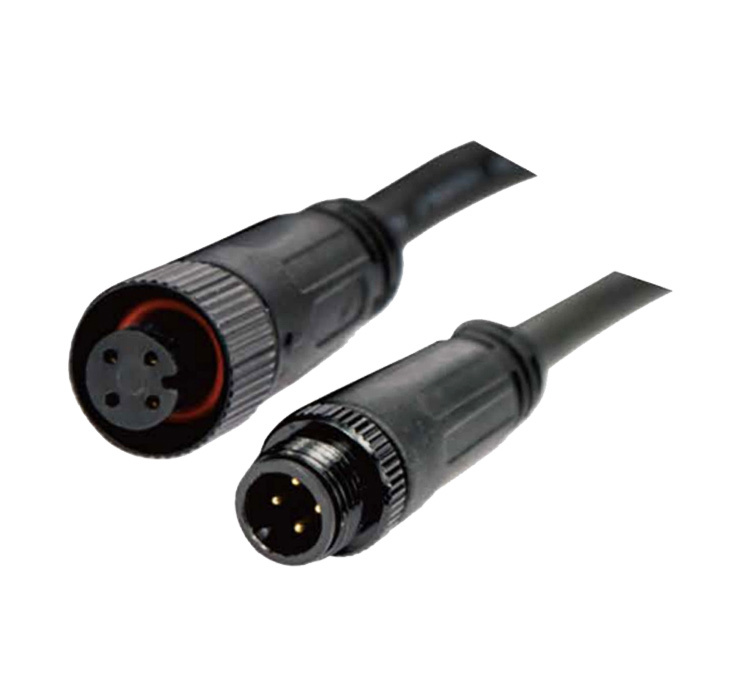
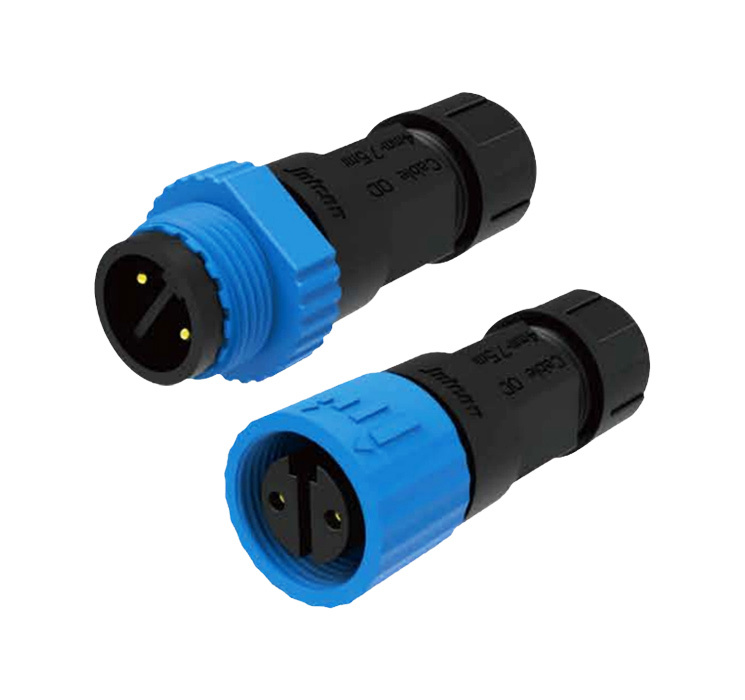
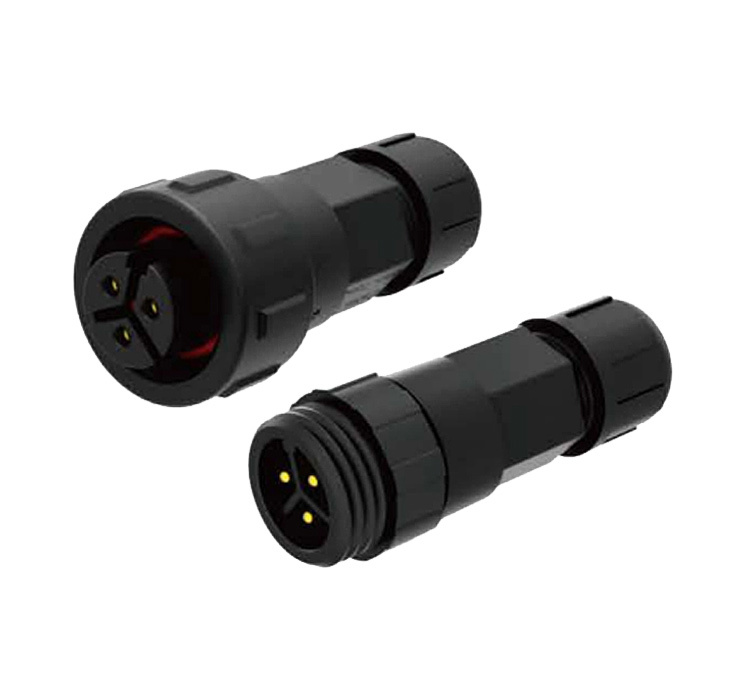
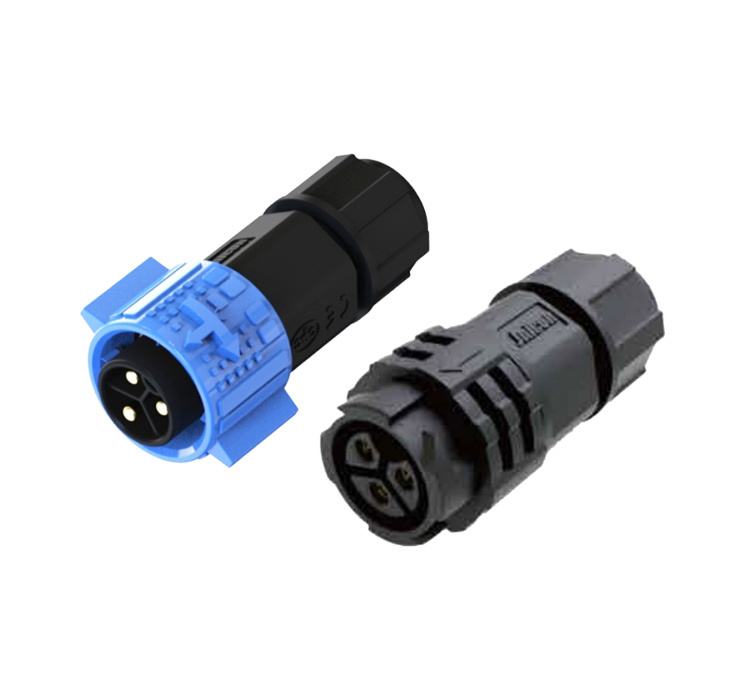
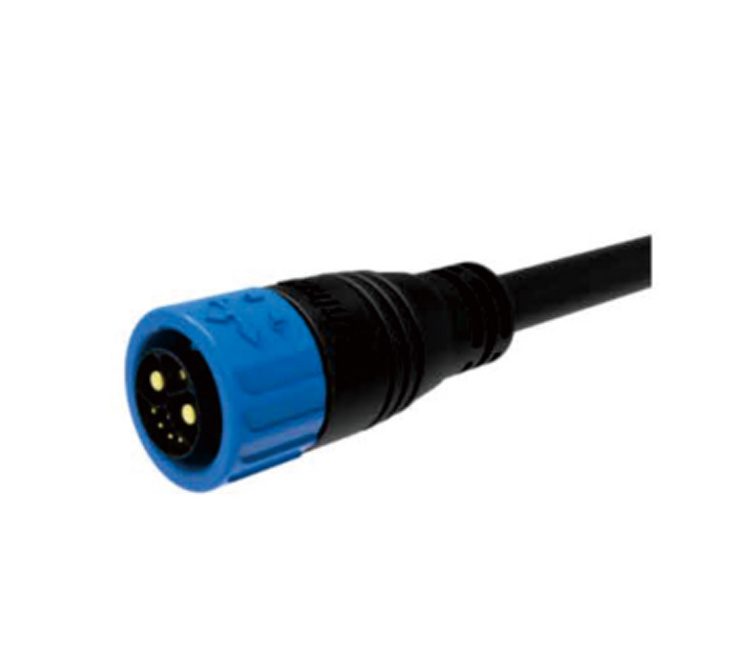
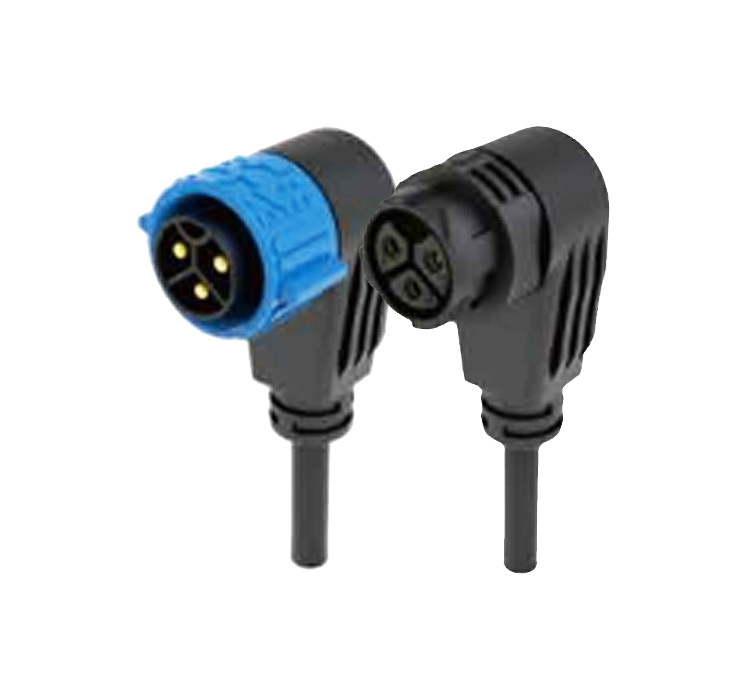
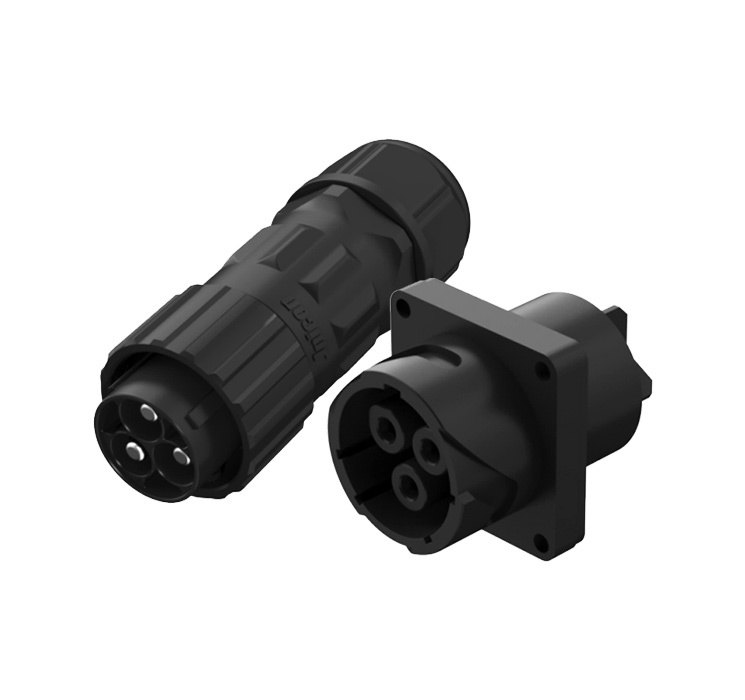
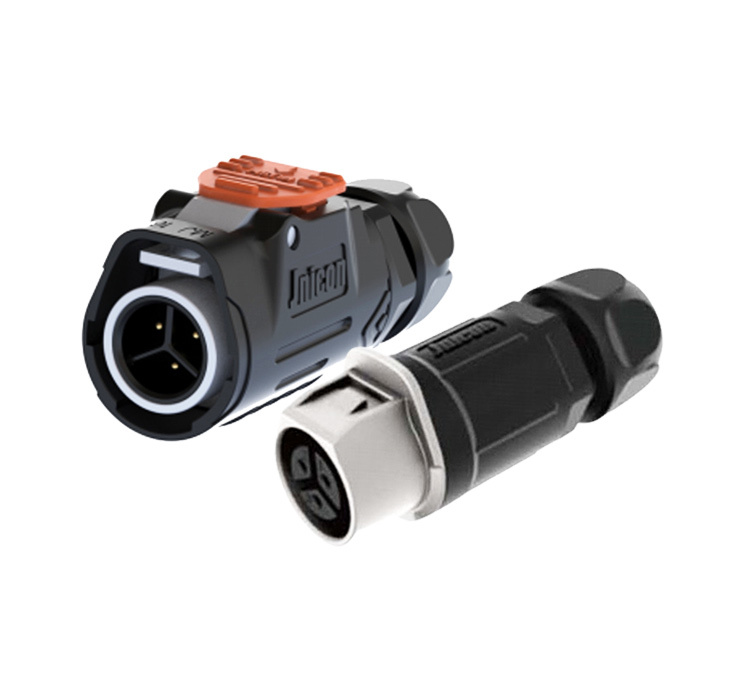
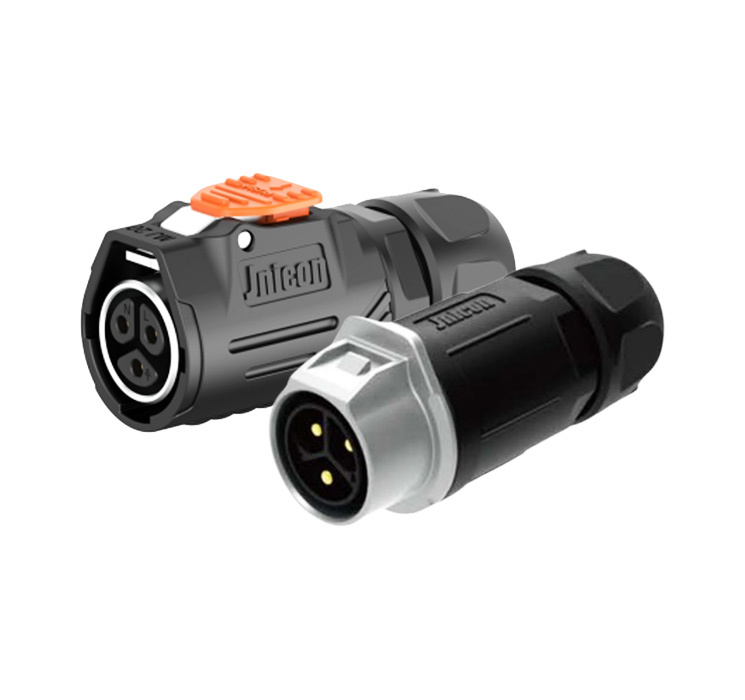
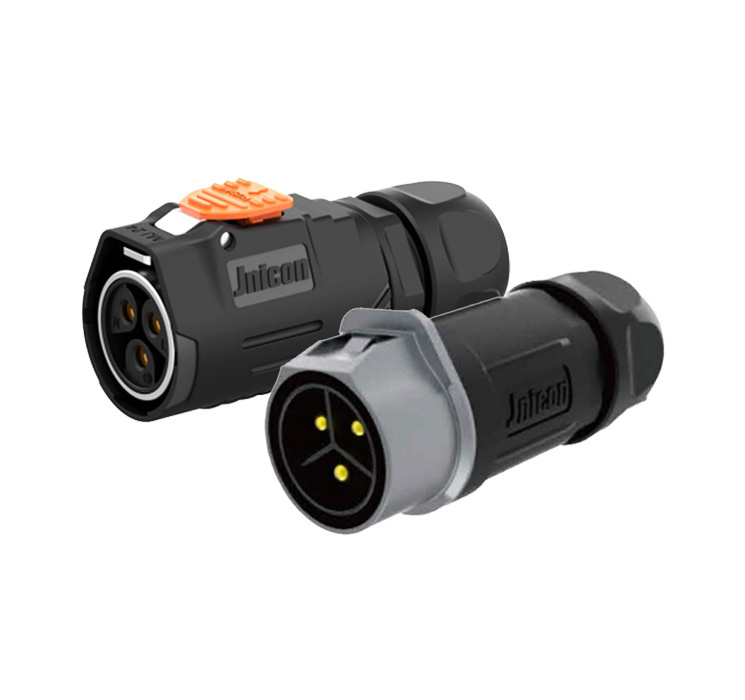
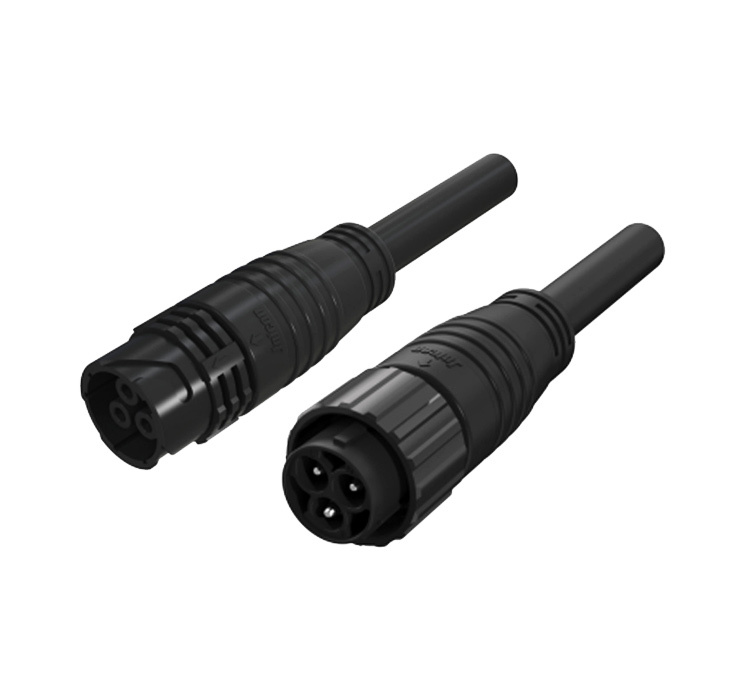
Industrial electrical connectors are specialized components that join electrical circuits and allow the transfer of power, signals, and data between different systems and parts of machinery. These connectors are typically made from high-strength materials like metals and engineered plastics to withstand harsh industrial conditions such as extreme temperatures, high humidity, vibrations, and exposure to chemicals.
Unlike standard connectors used in household or office environments, industrial connectors are designed to endure demanding environments, where downtime and system failure can be costly. With applications ranging from machinery and robotics to telecommunications and energy systems, these connectors play a vital role in ensuring the smooth operation of industrial operations.
Types of Industrial Electrical Connectors
Industrial electrical connectors come in various types, each designed to serve specific purposes depending on the application and environmental conditions:
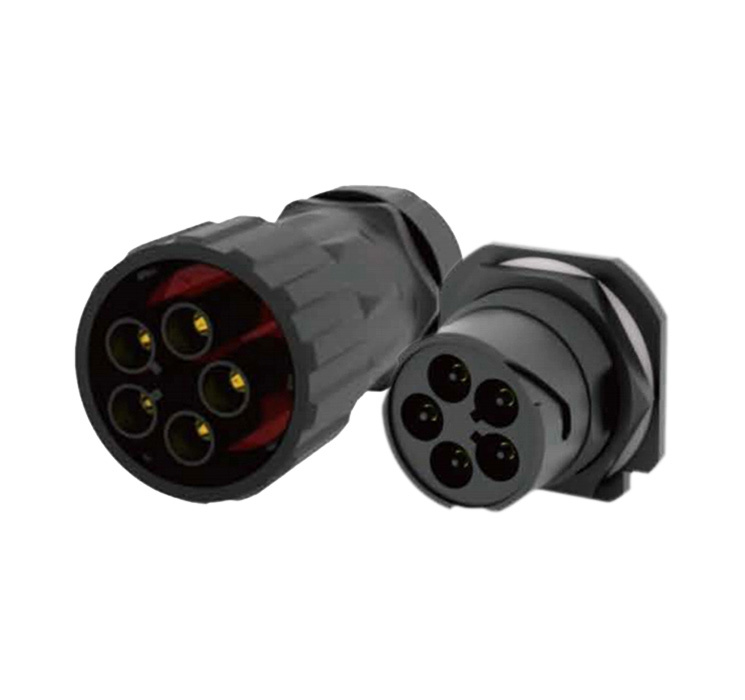
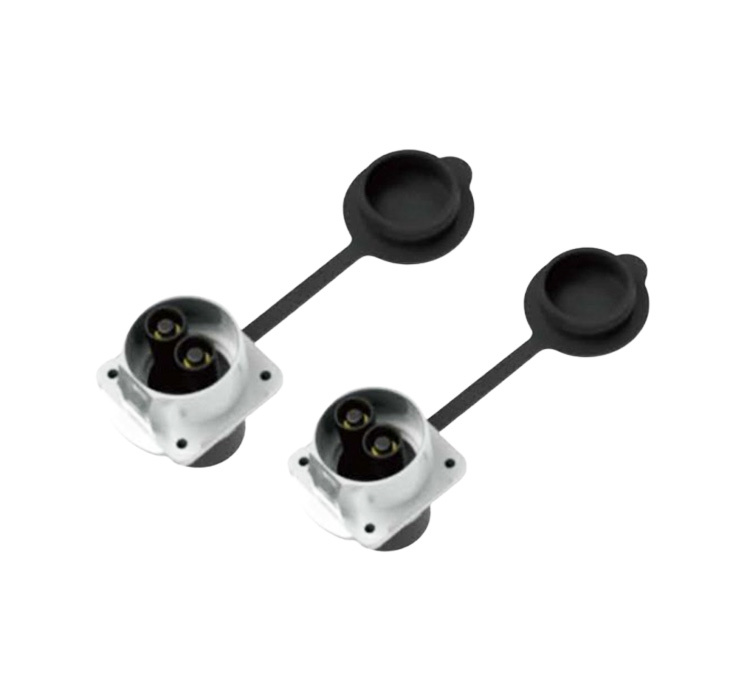
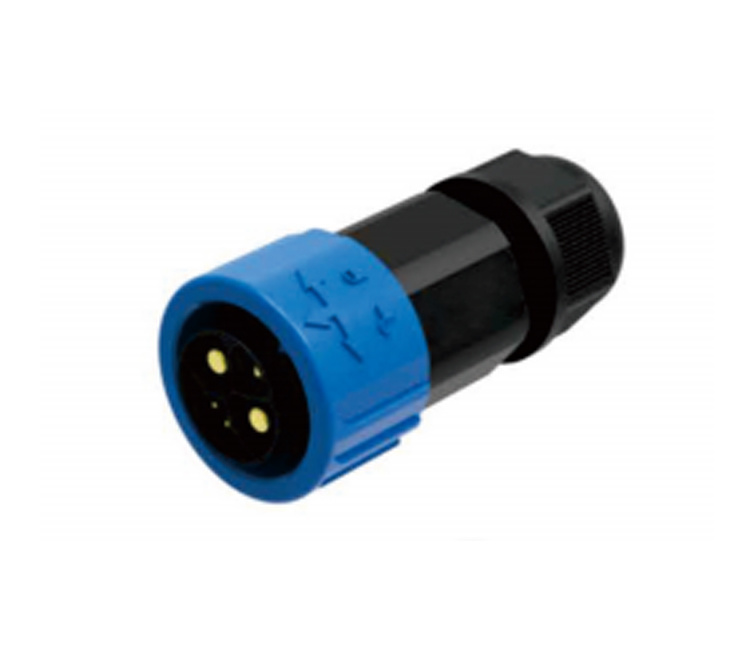
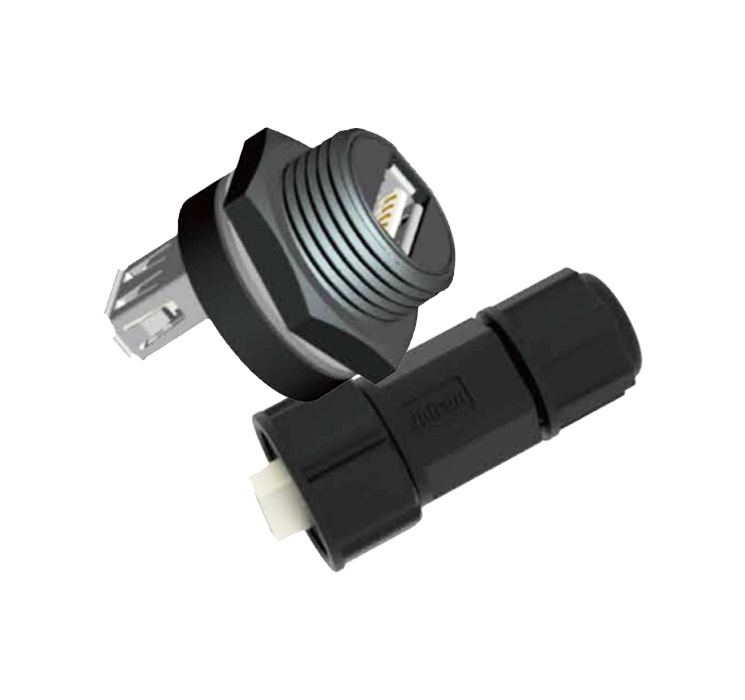
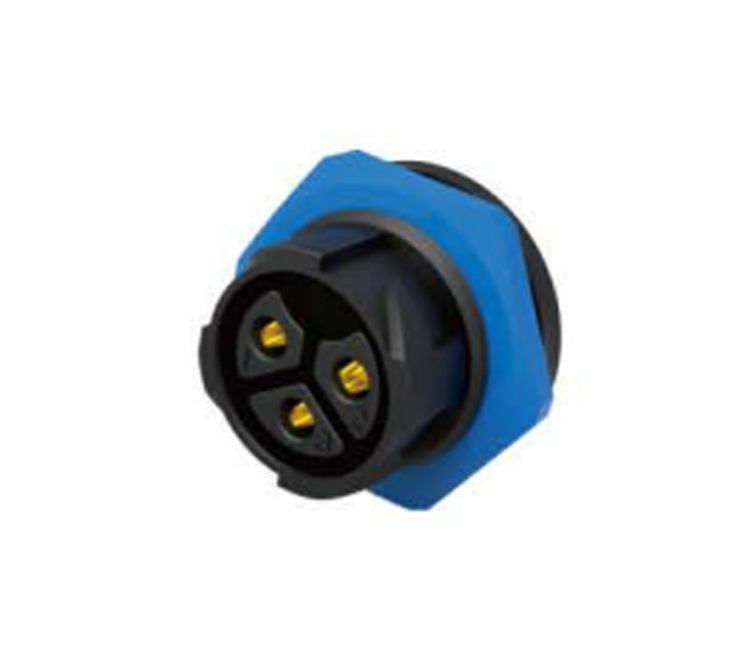
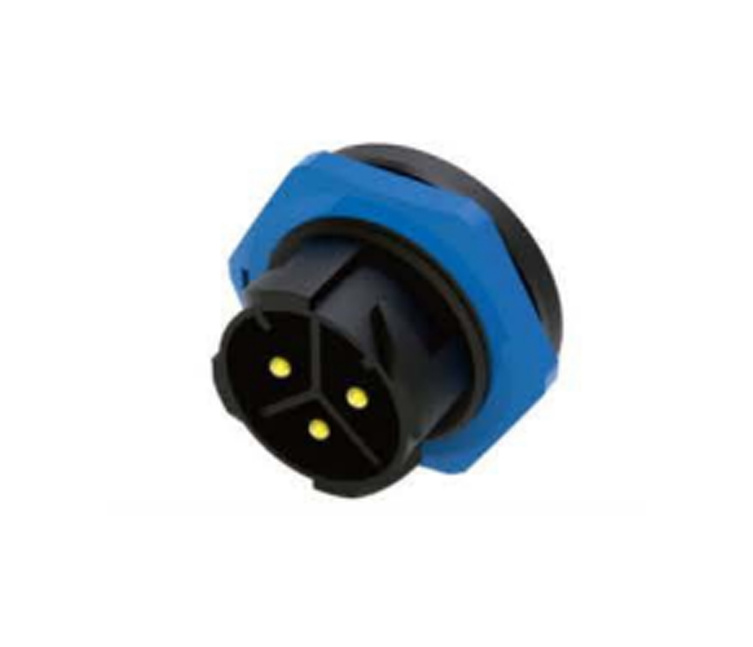
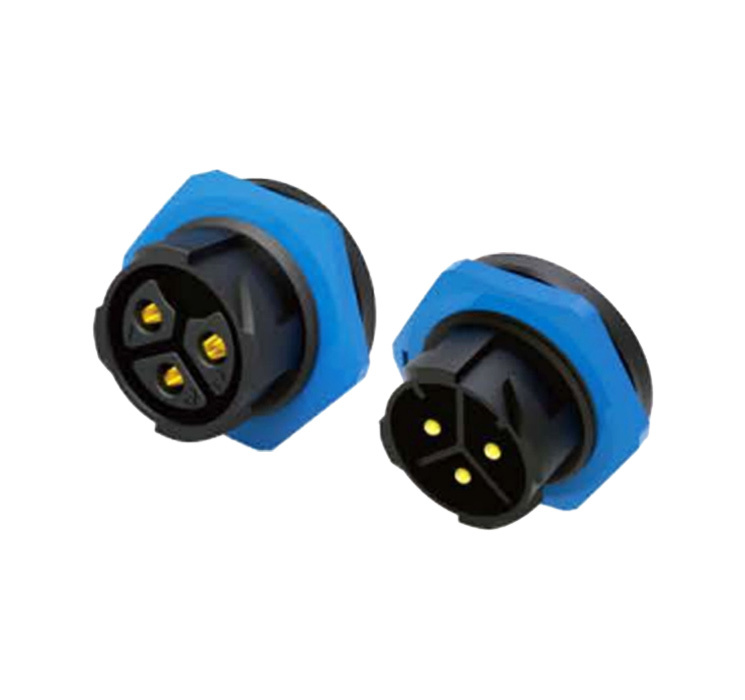
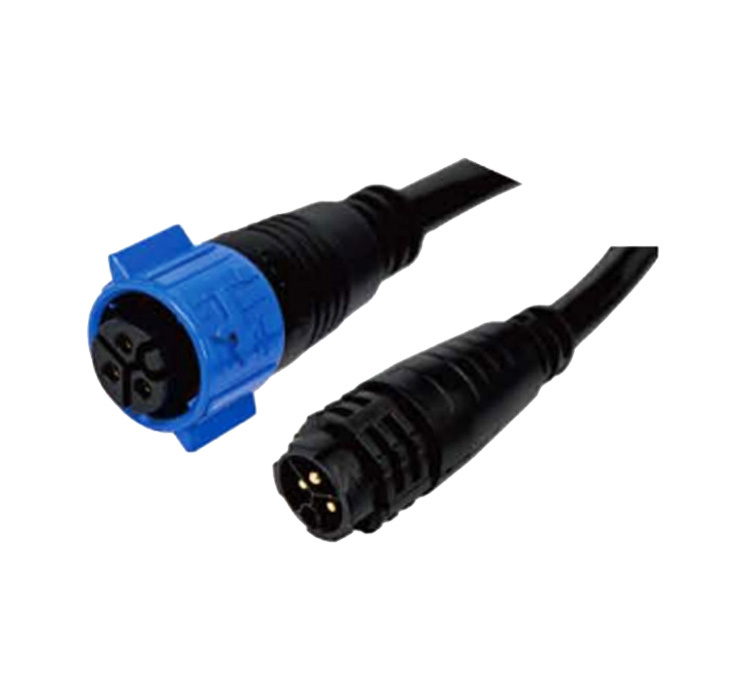
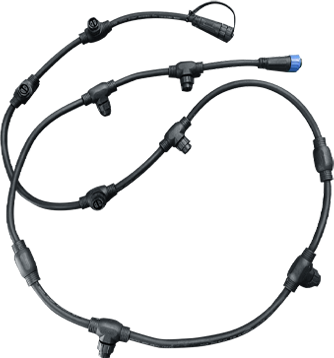
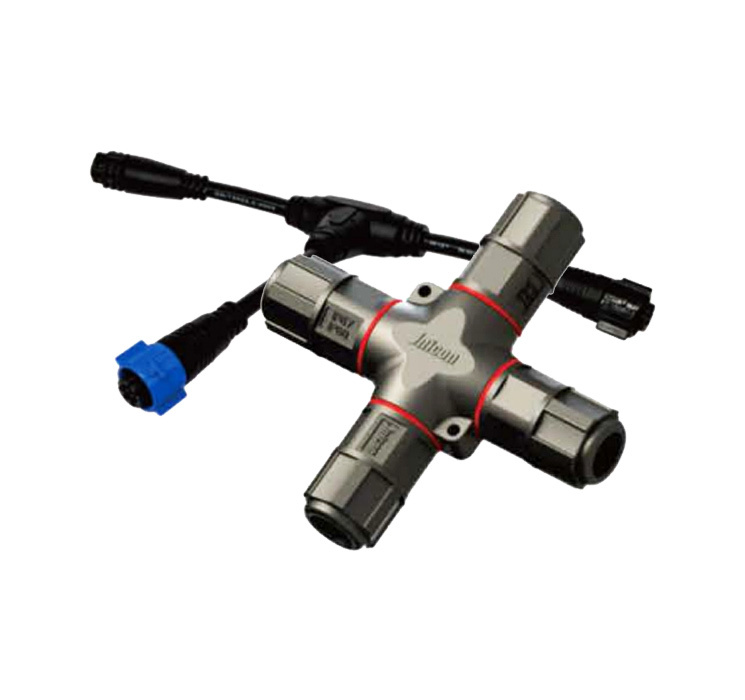
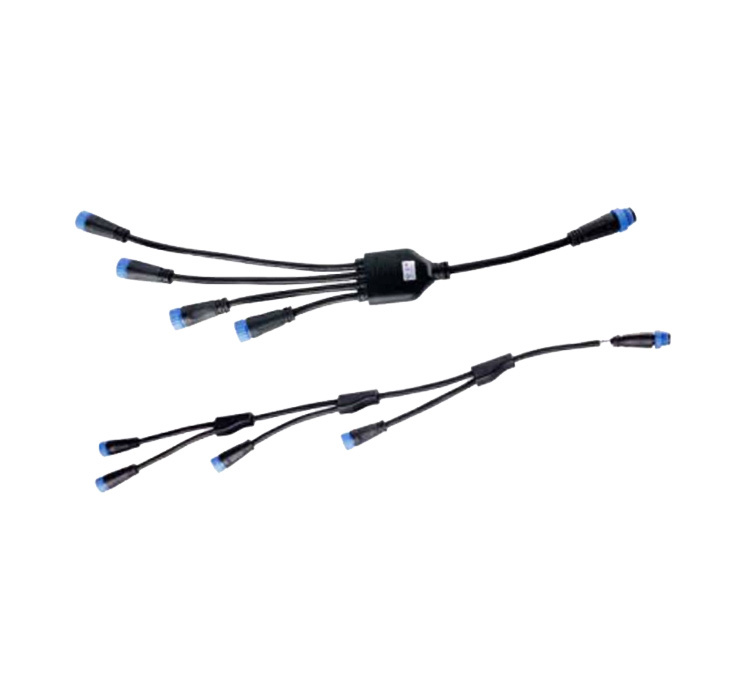
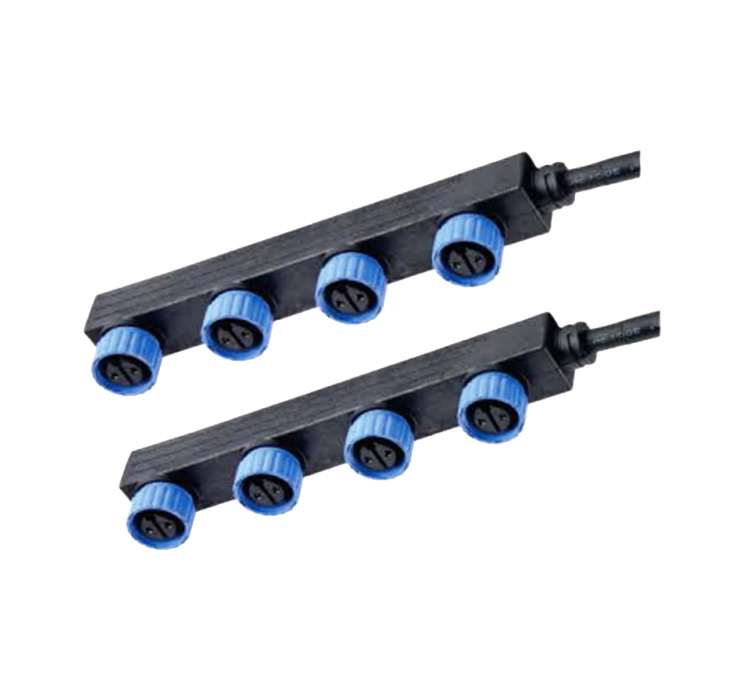
Power Connectors: These connectors are used to deliver high levels of electrical power to equipment and machinery. They come in several forms, including industrial plugs, receptacles, and hybrid connectors that can handle both power and data signals.
Data Connectors: Data connectors are critical for transmitting signals, data, and information between electronic systems. These are commonly used in automation systems, control systems, and telecommunications networks.
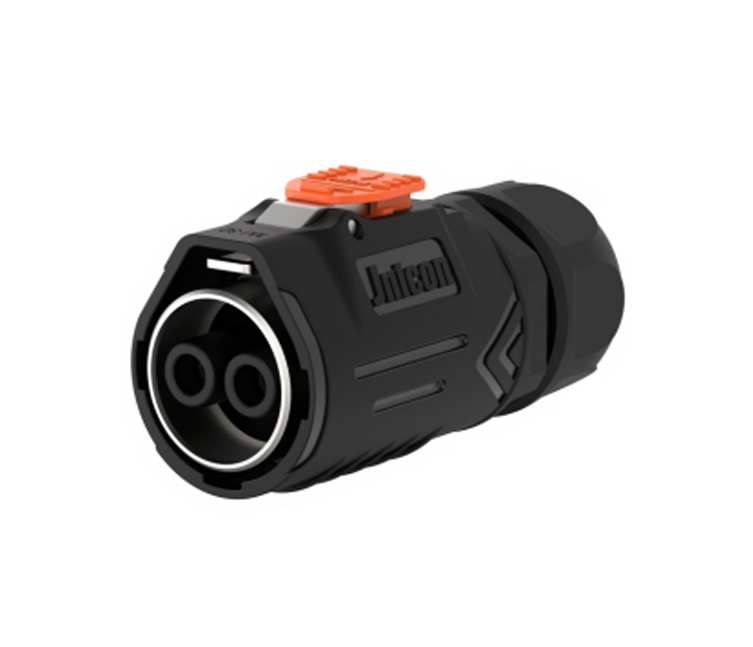
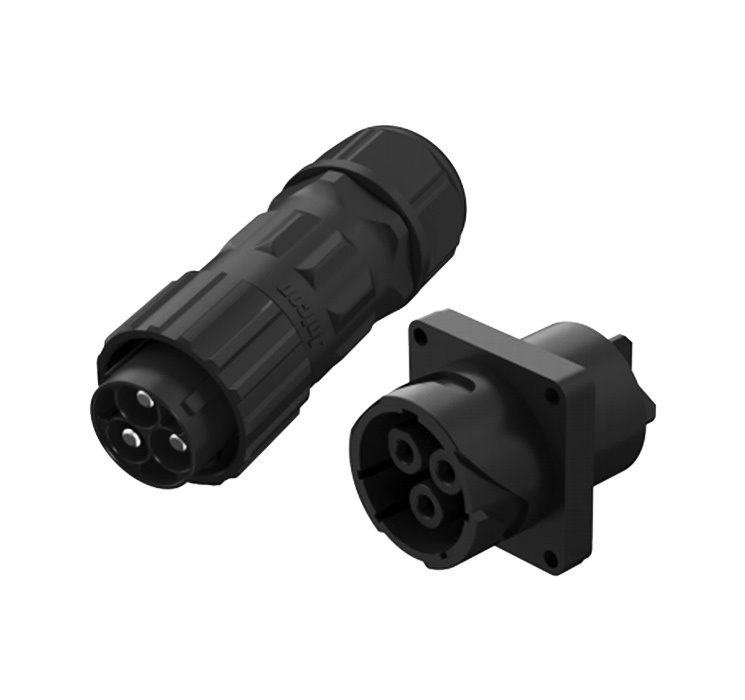
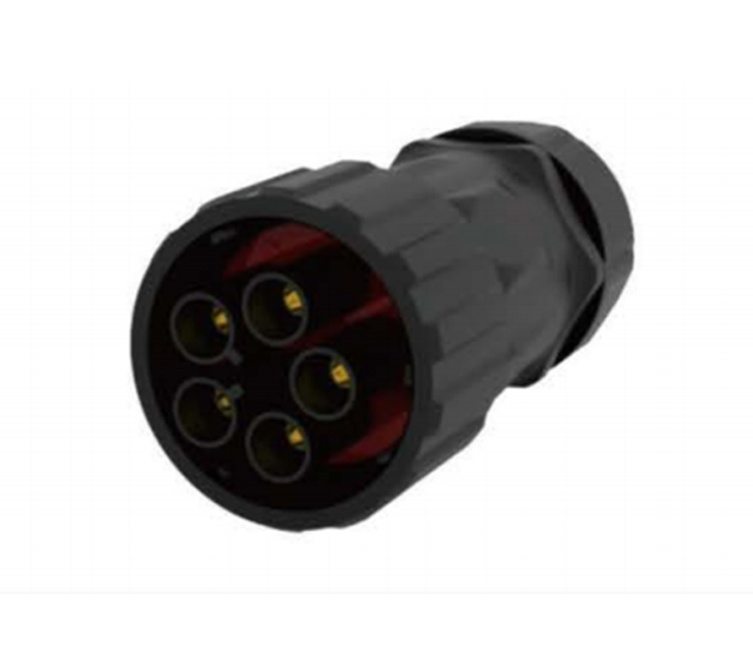
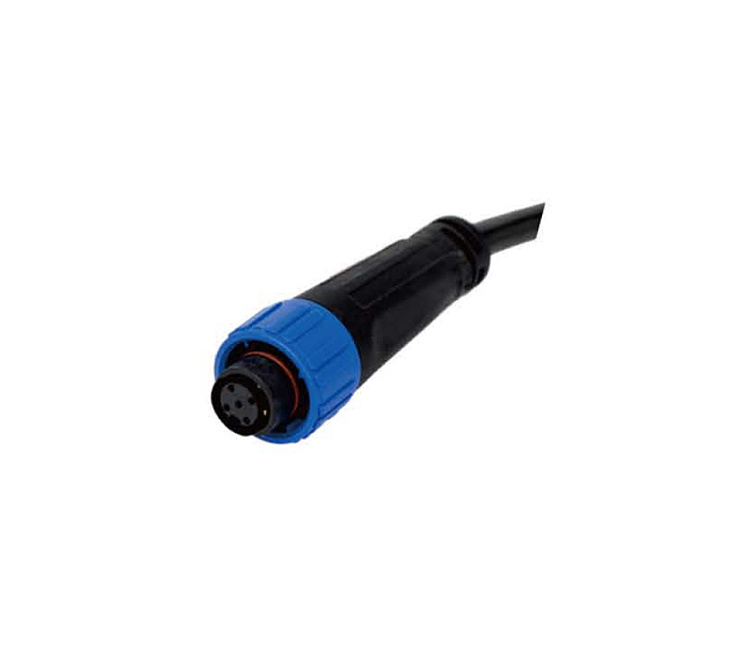
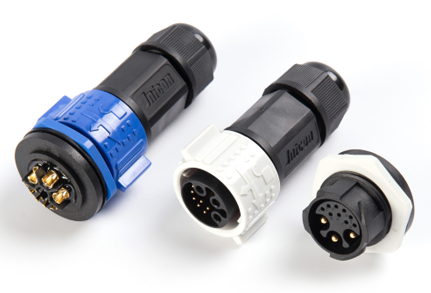
Circular Connectors: These are among the most common types of industrial connectors, widely used in aerospace, automotive, and military applications. They are designed with a circular shape and are often used for their compactness and reliability in harsh environments.
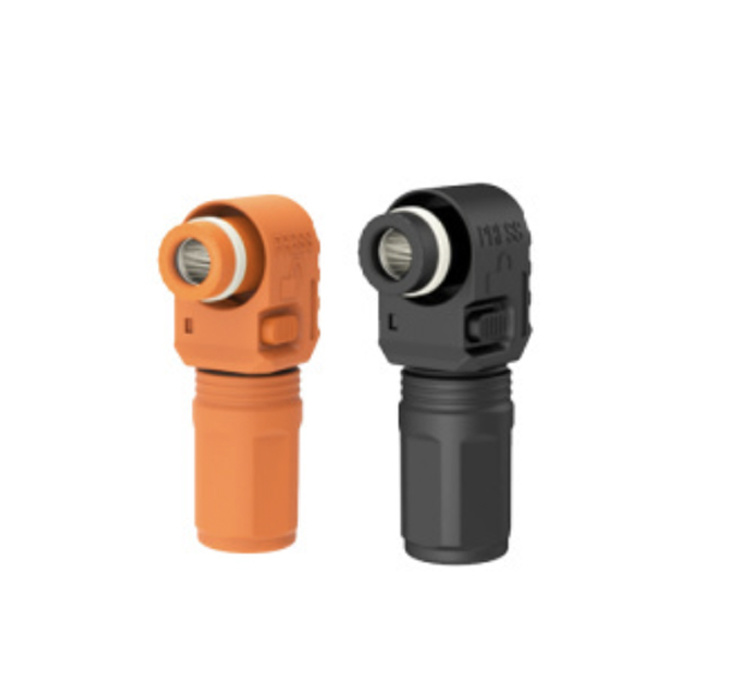
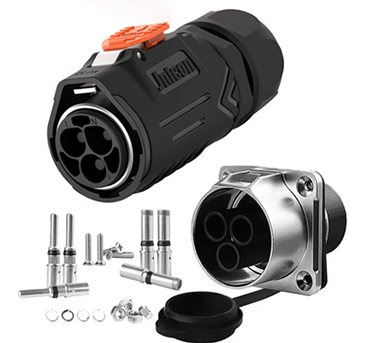
Heavy-Duty Connectors: Used for high power, heavy-duty electrical systems, these connectors are often found in industrial machinery, power plants, and mining operations. They are designed to handle large amounts of electrical current and provide safety features like locking mechanisms to prevent accidental disconnection.
PCB Connectors: Printed Circuit Board (PCB) connectors are used in electronics and control systems. They are critical for establishing secure electrical connections on circuit boards, enabling smooth communication between components.
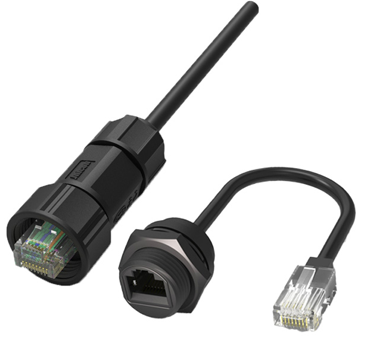
Industrial Ethernet Connectors: These connectors are used to establish reliable communication networks in industrial environments, particularly for IoT devices, automation systems, and robotics.
Why Are Industrial Electrical Connectors Essential?
Industrial electrical connectors are essential for several reasons:
Safety: In industries where high currents or critical data are transmitted, electrical connectors provide a secure link that ensures proper functioning. Poor-quality or improperly connected connectors can lead to electrical shorts, system failures, or even hazardous conditions like fire or electric shocks.
Efficiency: Connectors are designed to provide reliable connections with minimal energy loss. They ensure that industrial systems operate at maximum efficiency, reducing energy waste and operational costs.
Durability: Industrial connectors are built to endure extreme temperatures, vibrations, and exposure to chemicals, oils, or water. This durability ensures that the electrical system remains operational even in harsh conditions, minimizing downtime and maintenance costs.
Ease of Maintenance: Many industrial connectors are designed to be easy to install, replace, or service. This is particularly important in large factories and industrial plants where system maintenance is frequent, and downtime is costly. Quick connection and disconnection capabilities enable fast repairs and upgrades.
Versatility: With diverse applications across various sectors, industrial connectors offer a high degree of versatility. Whether it's for connecting complex machinery, data networks, or energy systems, industrial connectors provide flexibility in different setups.
Innovations in Industrial Electrical Connectors
As industries evolve, so too do the demands placed on industrial electrical connectors. Several innovations are shaping the future of industrial connectors:
Miniaturization: As equipment becomes more compact and powerful, there is an increasing demand for smaller, high-performance connectors. Miniaturized connectors are crucial for space-constrained systems like sensors, robotics, and automated machinery, without sacrificing durability or performance.
Smart Connectors: With the rise of IoT and Industry 4.0, smart connectors that integrate sensors for monitoring electrical connections are becoming more prevalent. These connectors can provide real-time diagnostics, alerting maintenance teams to potential failures before they occur. This predictive maintenance approach improves operational efficiency and reduces downtime.
Environmentally-Friendly Connectors: With growing concerns about sustainability and reducing e-waste, manufacturers are exploring eco-friendly materials for connector construction. From recyclable plastics to more sustainable manufacturing practices, the goal is to make connectors that are both durable and environmentally responsible.
Wireless Connectivity: Wireless industrial connectors are emerging as an alternative to traditional wired connections. These wireless connectors are particularly useful for applications in automated systems, where constant physical connections are difficult to maintain. By enabling reliable wireless communication, these connectors offer flexibility and reduce wear on physical components.
Enhanced Sealing and Protection: With industries requiring connectors to operate in increasingly harsh environments, manufacturers are focusing on improving sealing technologies. Advanced sealing materials are now used to protect connectors from dust, moisture, and extreme temperatures, ensuring long-lasting reliability in tough conditions.
Applications of Industrial Electrical Connectors
Industrial electrical connectors have a broad range of applications, including:
Manufacturing and Automation: These connectors are used to link control systems, sensors, robotic arms, and conveyor belts, ensuring smooth automation operations in factories.
Automotive: In electric vehicles and autonomous cars, electrical connectors link various systems, including powertrain, infotainment, and safety features, while withstanding the heat and vibrations of the vehicle’s environment.
Energy and Power: Electrical connectors are essential for power transmission and distribution systems, including transformers, circuit breakers, and energy grids.
Aerospace and Defense: These sectors require rugged connectors that can withstand extreme conditions such as high altitudes, vibration, and harsh weather conditions.
Telecommunications: Connectors play a key role in data transmission systems, ensuring reliable communication over long distances, especially in remote locations.
News
2026-10-06
Exploring the Lifecycle of Waterproof Marine Electrical Connectors: A Comprehensive Guide
Exploring the Lifecycle of Waterproof Marine Electrical Connectors In the expansive world of marine transportation, reliable electrical connections are crucial for the optimal functioning of vessels and marine equipment. Waterproof marine electrical connectors play a pivotal role in this aspect, ensuring that electrical systems remain operational even in the most challenging environments. This art
2026-10-03
Understanding Waterproof Cables: Essential Insights for Electrical Professionals
Waterproof cables are vital components in the electric and electronic industries, especially when it comes to ensuring safe and reliable connections in challenging environments. These cables are designed to resist moisture and prevent water ingress, which can lead to electrical failure and safety hazards. Understanding the intricacies of waterproof cables is essential for electrical professionals
2026-09-30
Discover the Advantages of Using 2 Pin Waterproof Connectors in Harsh Environments
Discover the Advantages of Using 2 Pin Waterproof Connectors in Harsh Environments Table of Contents 1. Introduction to 2 Pin Waterproof Connectors 2. Importance of Waterproof Connectors 3. Design Features of 2 Pin Waterproof Connectors 4. Applications in Various Industries 5. Benefits of Using 2 Pin Waterproof Connectors 6. Installation Guidelines for 2 Pin Waterproof Connectors 7.

B8-9, Fubilun industrial park, Chaoyang rd,Yanchuan community, Songgang, Shenzhen, China


