


The Role of Waterproof Electrical Connectors in Modern Maritime Technology
Release Time:
2026-01-05
The Role of Waterproof Electrical Connectors in Modern Maritime Technology
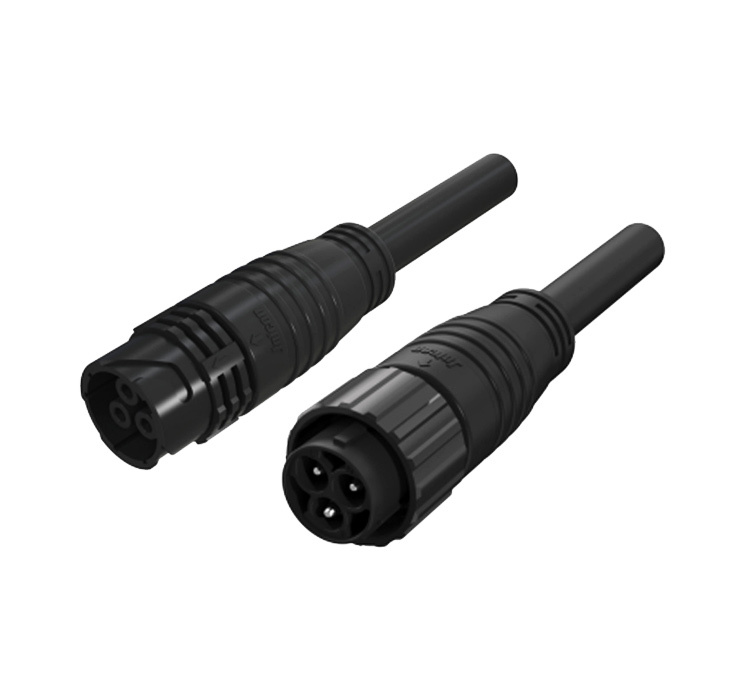
In today’s maritime industry, the reliability of technology is paramount. As vessels navigate demanding environments, from open oceans to bustling ports, the need for robust, dependable electrical components is more critical than ever. Among these components, **waterproof electrical connectors** stand out as a vital element ensuring the seamless operation of marine technology. This detailed article will explore the crucial role these connectors play in modern maritime applications, their benefits, types, and the advancements shaping their future.
Table of Contents
- Understanding Waterproof Electrical Connectors
- The Importance of Waterproof Connectors in Maritime Technology
- Types of Waterproof Electrical Connectors
- Standard Waterproof Connectors
- Submersible Connectors
- Sealed Connectors
- Applications of Waterproof Electrical Connectors in Marine Vessels
- Key Features to Consider When Choosing Waterproof Connectors
- Latest Advancements in Waterproof Connector Technology
- Benefits of Using Waterproof Electrical Connectors in Maritime Operations
- Challenges and Solutions in Waterproof Connector Usage
- FAQs
Understanding Waterproof Electrical Connectors
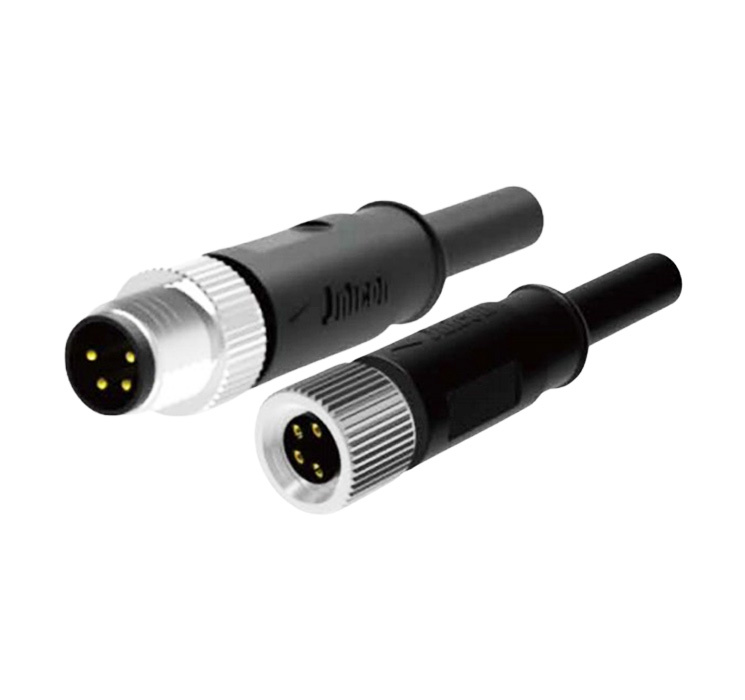
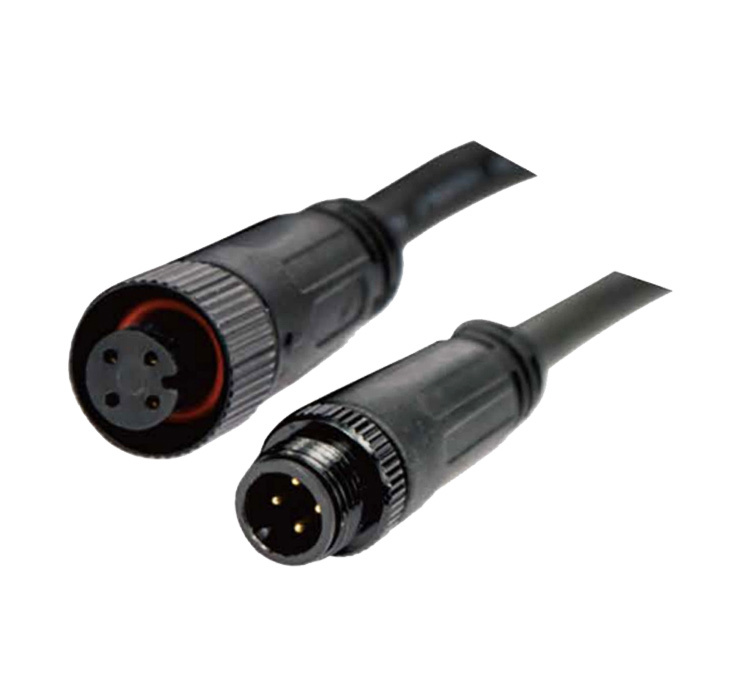
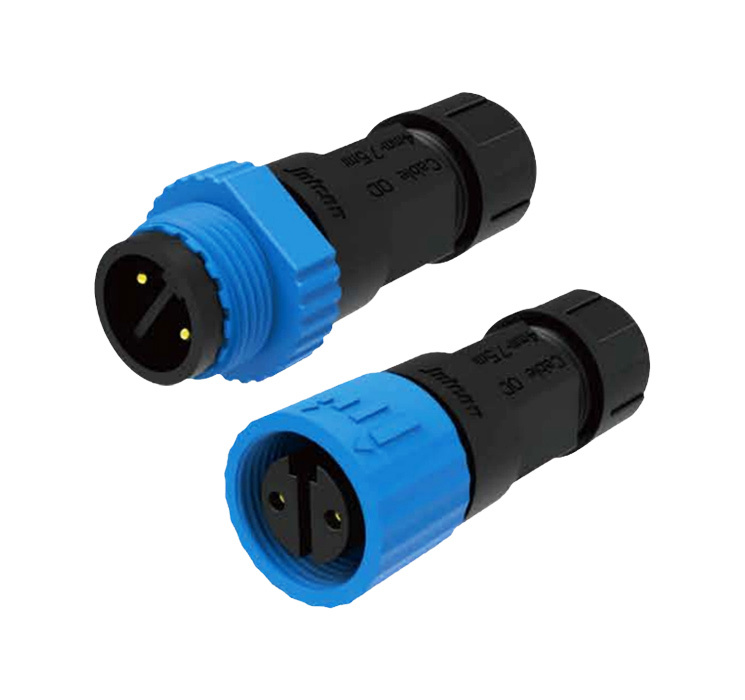
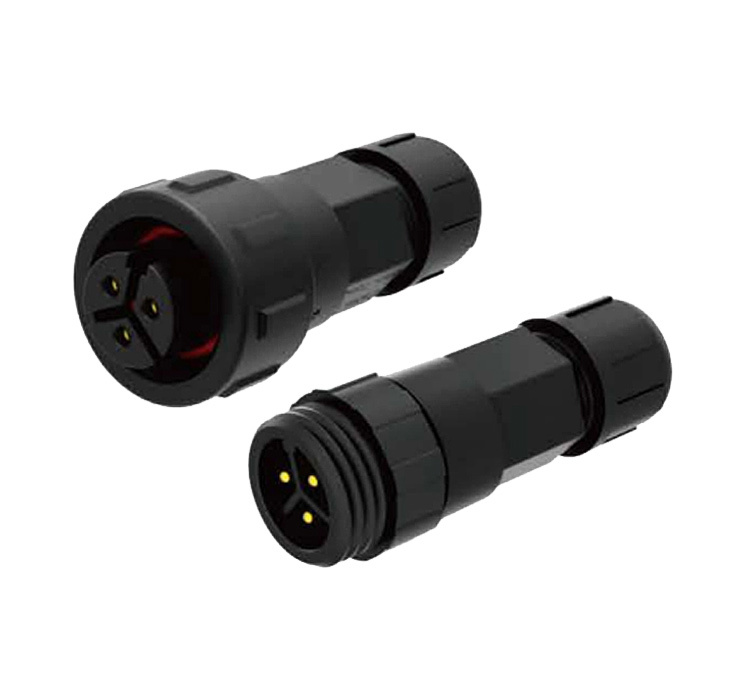
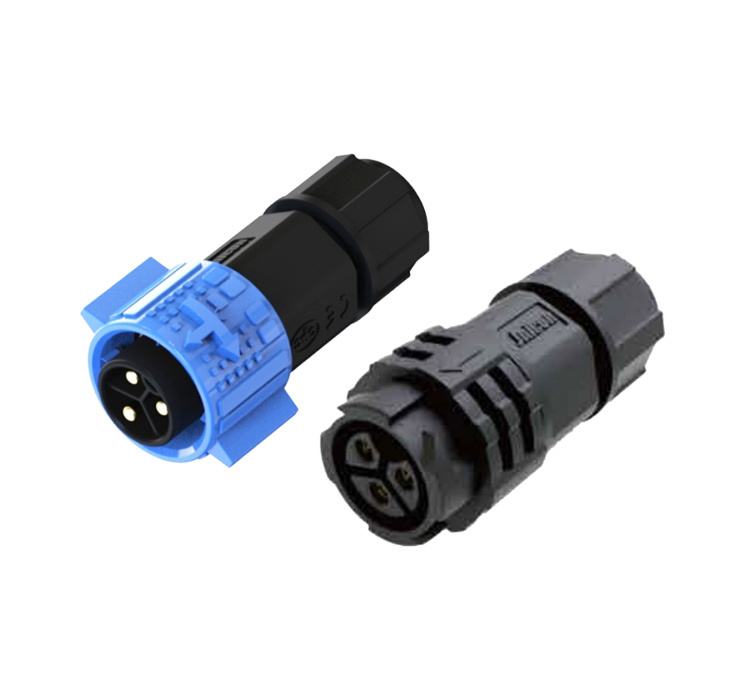
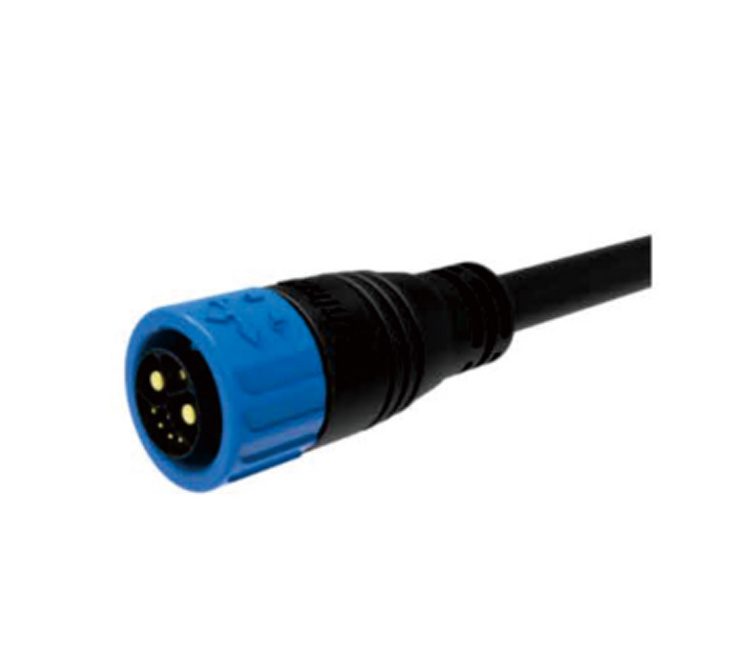
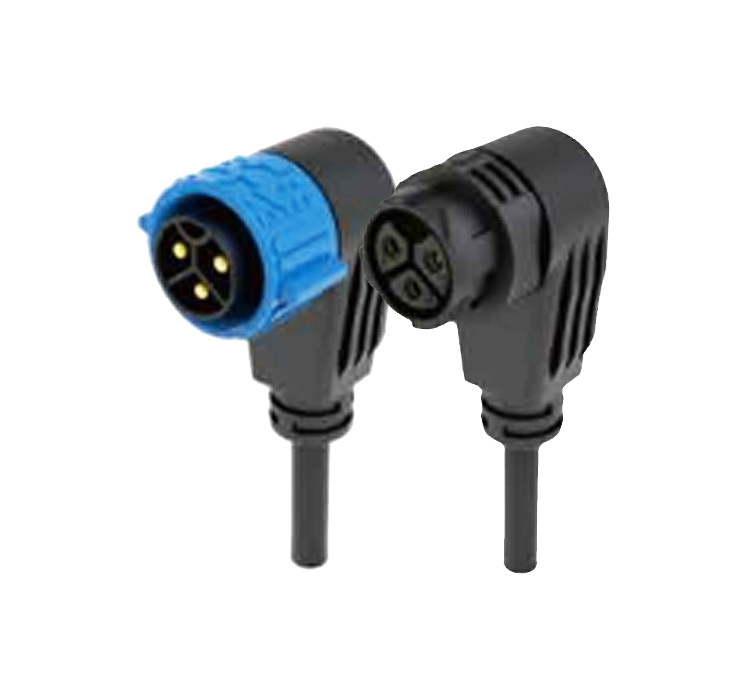
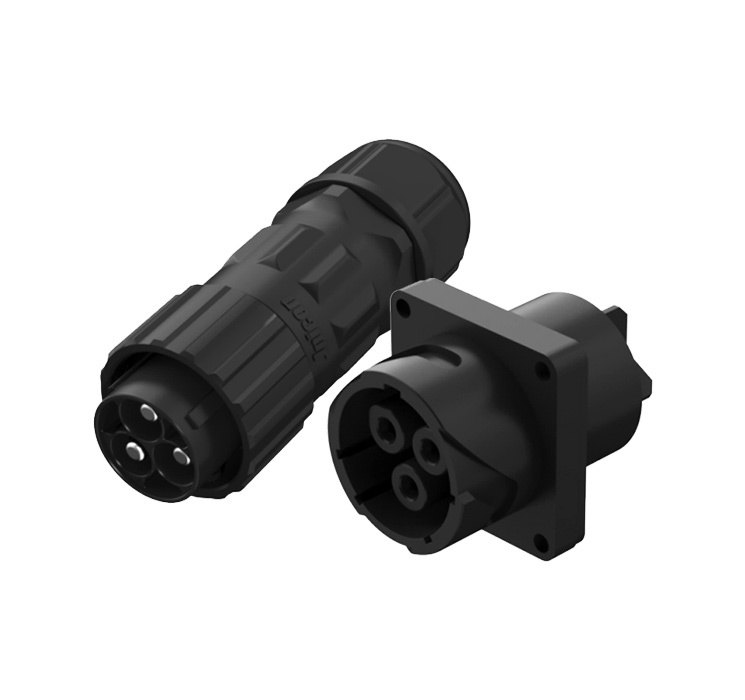
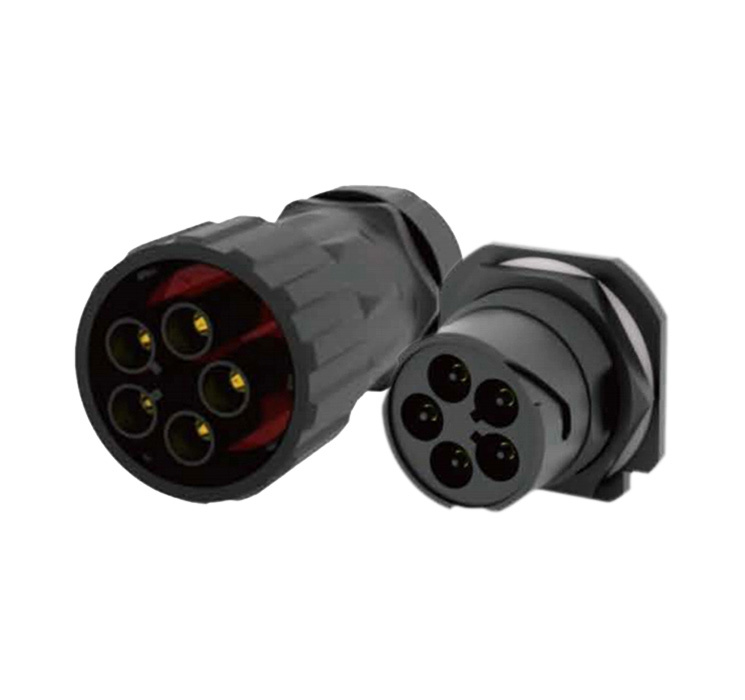
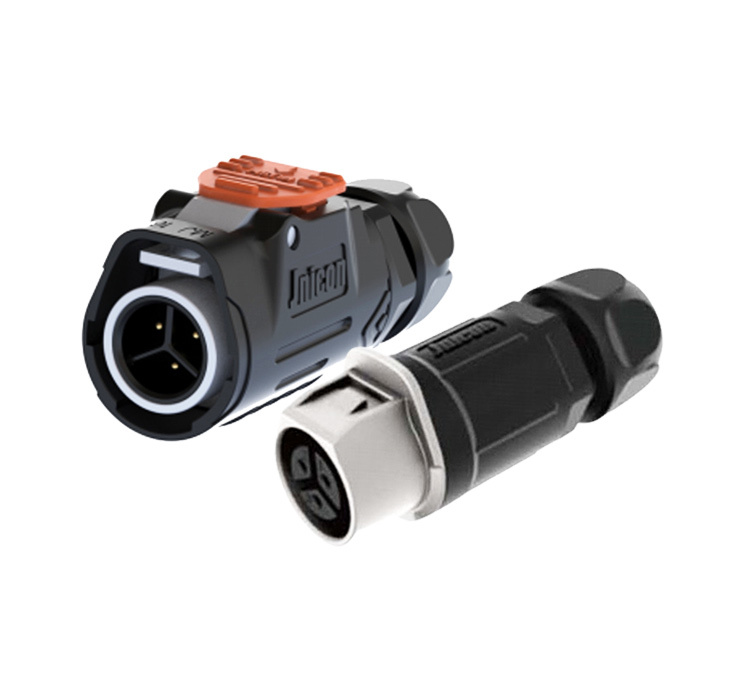
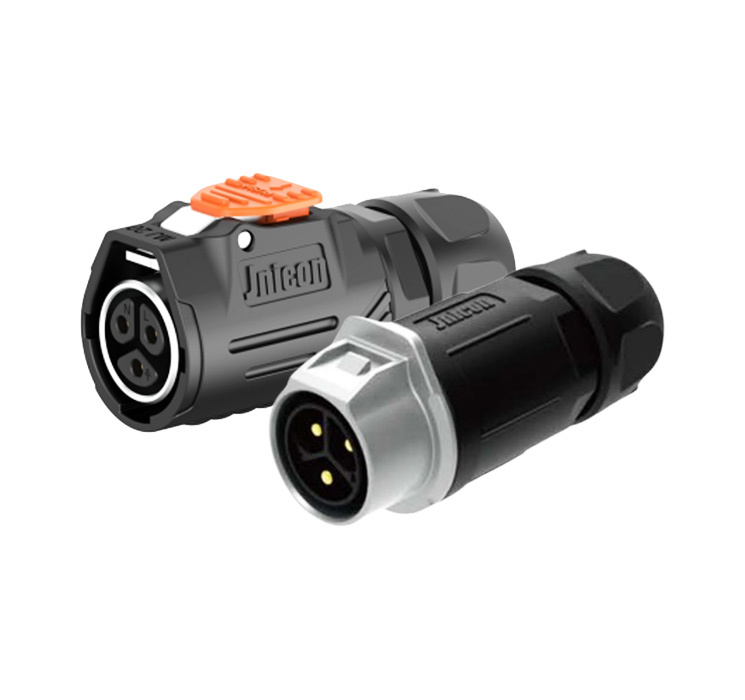
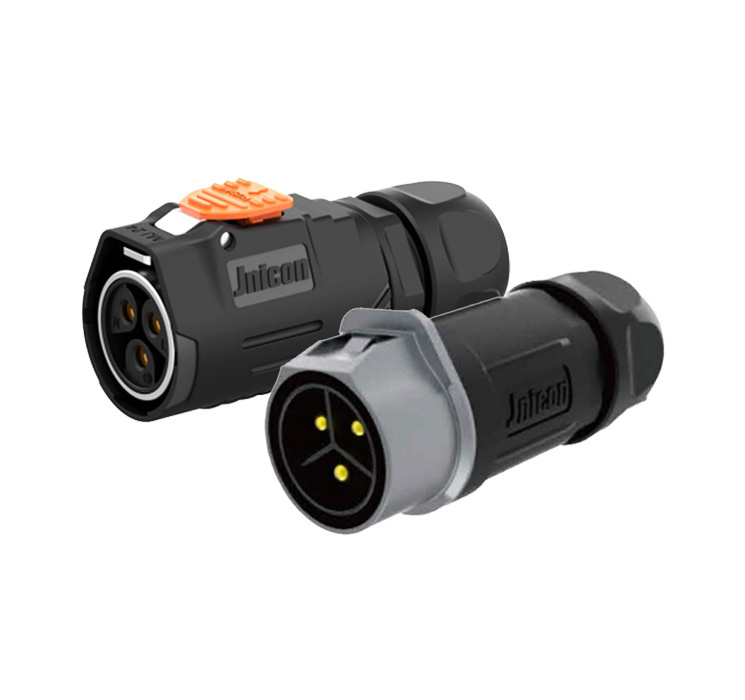
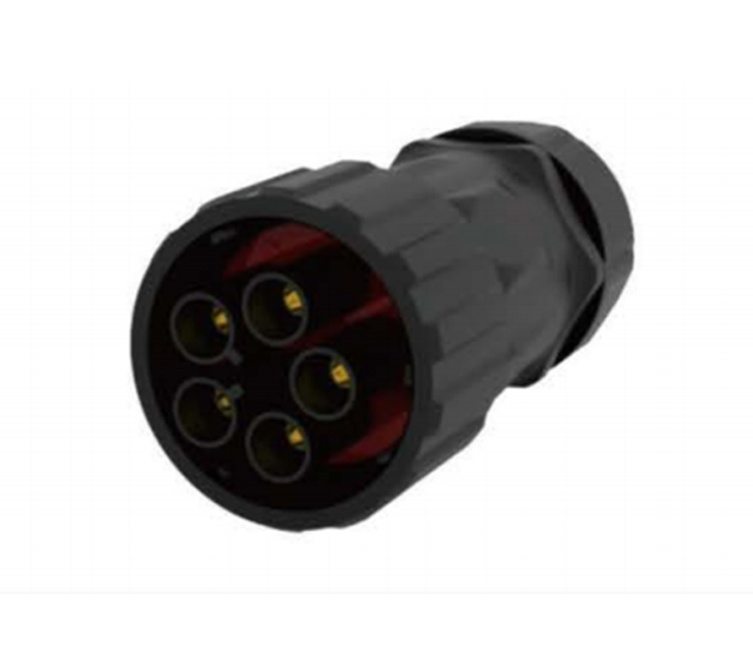
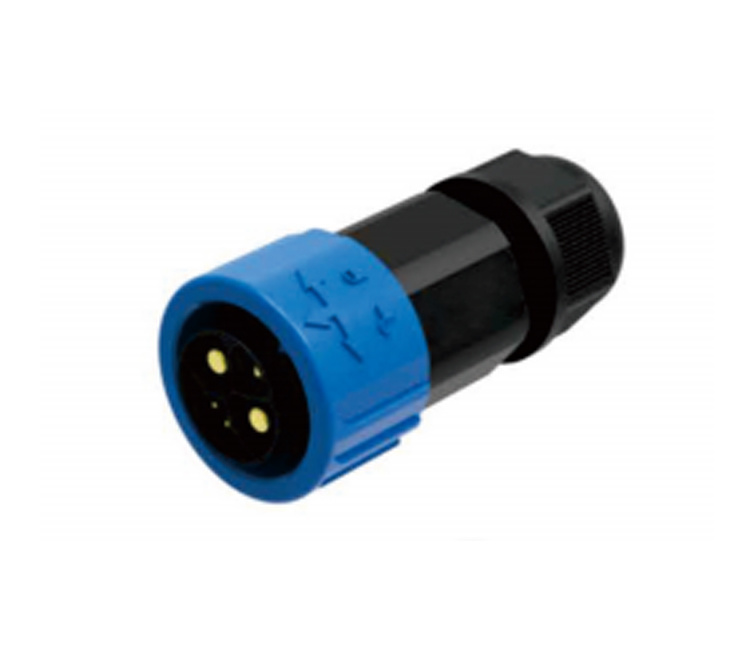
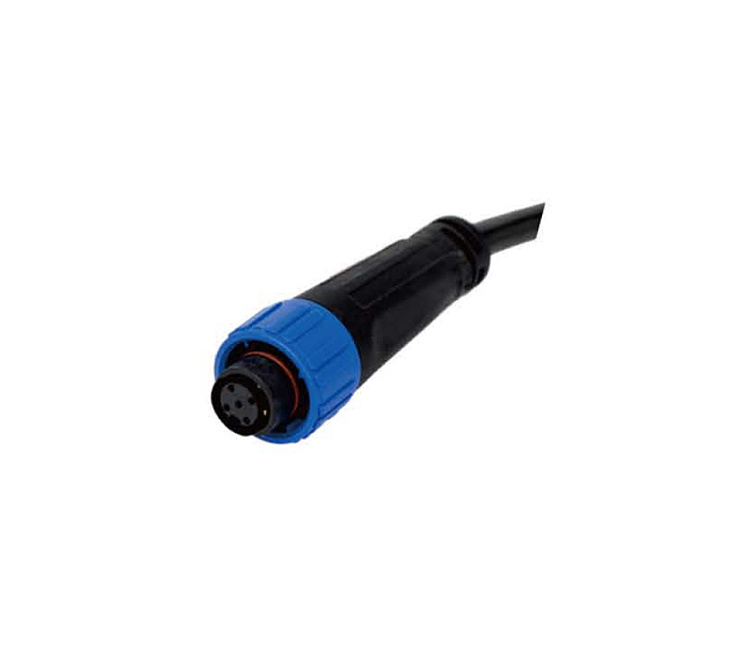
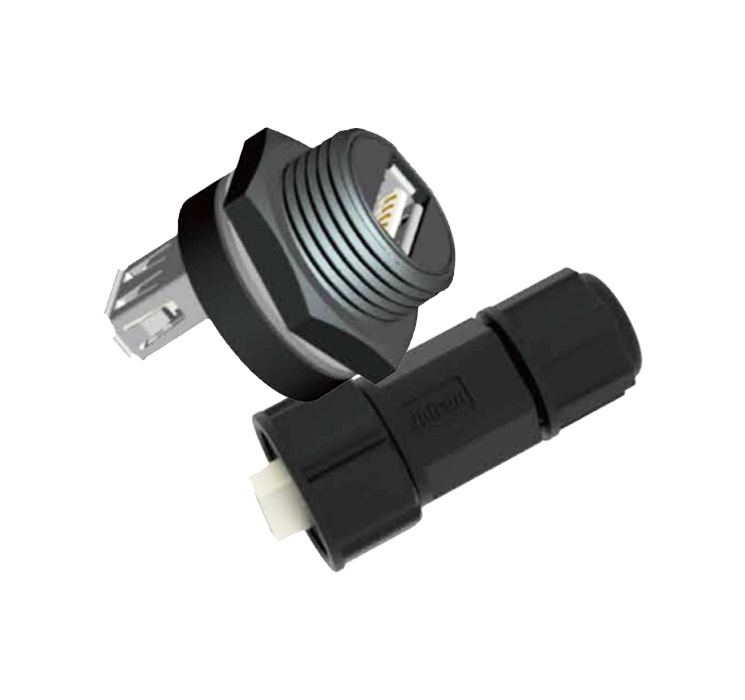
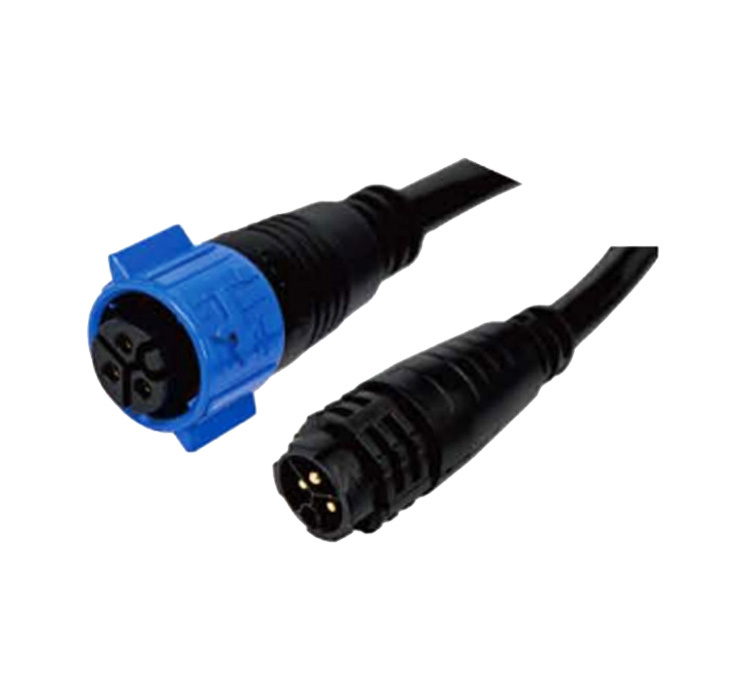
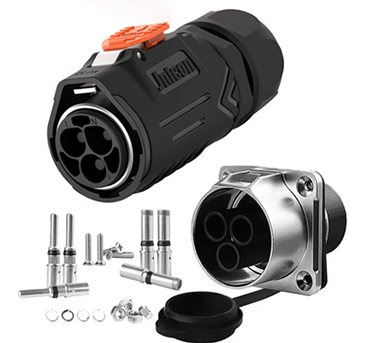
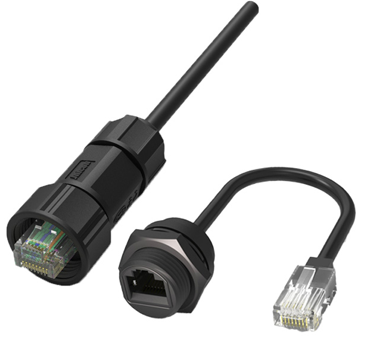
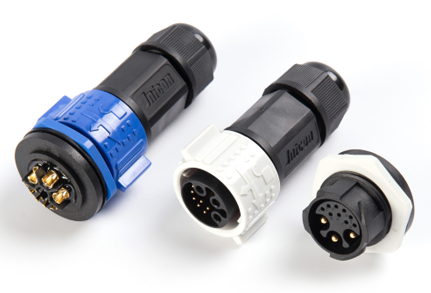
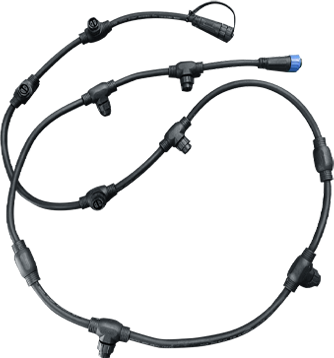
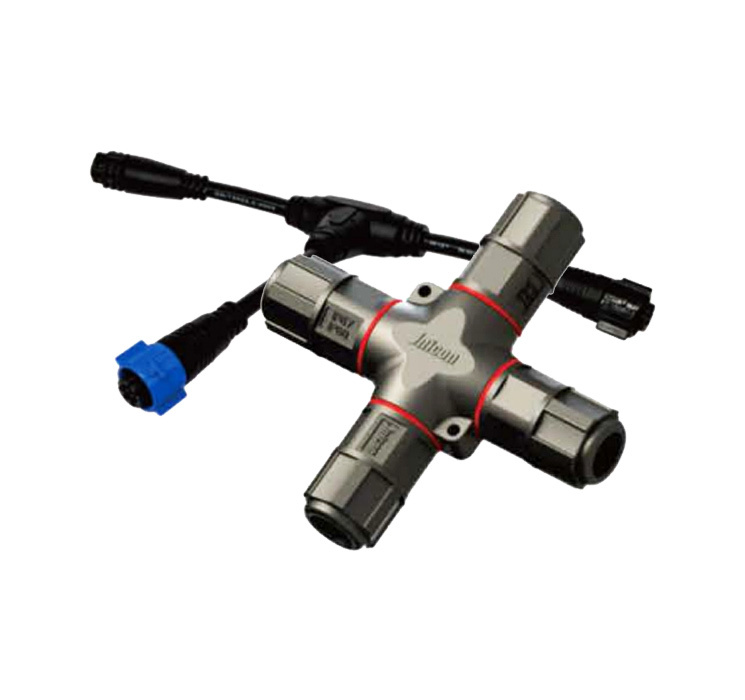
Waterproof electrical connectors are specially designed to prevent water ingress and protect electrical circuits from moisture and contaminants. This protection is essential in marine environments, where exposure to saltwater, humidity, and intense weather conditions is common. The construction of these connectors typically includes materials such as thermoplastic, metal, and rubber, which work together to create a seal that inhibits water and debris intrusion.
The Science Behind Waterproofing
The effectiveness of waterproof electrical connectors stems from their engineering. These connectors often utilize gaskets, seals, and innovative locking mechanisms to maintain integrity under harsh conditions. The **IP (Ingress Protection)** rating system is essential in assessing the durability of these connectors, with higher ratings signifying greater resistance to water and dust ingress. A common rating for marine applications is IP67, indicating that the connector can withstand immersion in water up to 1 meter for 30 minutes.
The Importance of Waterproof Connectors in Maritime Technology
In the maritime sector, the risks associated with water damage are significant. A single malfunctioning connector can lead to system failures, safety hazards, and costly repairs. Therefore, the integration of **waterproof electrical connectors** is not just a precaution; it's a necessity. These connectors ensure the following:
- Enhanced Safety: By preventing short circuits and electrical failures, waterproof connectors significantly enhance safety for crew members and passengers.
- Operational Reliability: With effective sealing, these connectors ensure that essential systems like navigation, communication, and propulsion remain operational, even in adverse conditions.
- Cost-Effectiveness: Investing in waterproof connectors can lead to long-term savings by reducing maintenance and repair costs associated with water damage.
Environmental Considerations
As the maritime industry moves towards sustainable practices, choosing the right electrical components is crucial. Waterproof connectors contribute to eco-friendly operations by reducing the risk of pollution and ensuring that vessels comply with environmental regulations.
Types of Waterproof Electrical Connectors
Understanding the different types of waterproof electrical connectors is essential for making informed choices. Each type serves specific applications and environments, ensuring versatility and reliability.
Standard Waterproof Connectors
Standard waterproof connectors are designed for general use in environments exposed to moisture. They provide adequate protection against splashes and light rain but are not suitable for prolonged immersion. These connectors are often used in less demanding applications, such as onboard lighting systems and non-critical electronic devices.
Submersible Connectors
For applications requiring submersion, such as underwater sensors and equipment, submersible connectors are engineered with advanced sealing technology. These connectors can withstand prolonged exposure to water, making them ideal for underwater operations and marine research.
Sealed Connectors
Sealed connectors provide a robust solution for environments with high humidity and the potential for water ingress. They often feature multiple seals and an **IP69** rating, making them highly resistant to water and dust. These connectors are widely used in marine engines, hydraulic systems, and other critical applications where reliability is non-negotiable.
Applications of Waterproof Electrical Connectors in Marine Vessels
Waterproof electrical connectors find applications in numerous systems aboard modern vessels. Here are some critical areas where these connectors play a significant role:
Navigation and Communication Systems
Reliable navigation and communication are vital for safe maritime operations. Waterproof connectors ensure that systems such as GPS, sonar, and VHF radios function optimally under all environmental conditions.
Power Distribution Systems
Power distribution systems rely on waterproof connectors to maintain safety and efficiency. These connectors facilitate the distribution of power to essential equipment, reducing the risk of electrical failures.
Engine and Machinery Controls
Marine engines and machinery are subjected to harsh conditions. Waterproof connectors are critical in control systems, preventing water damage and ensuring uninterrupted performance.
Key Features to Consider When Choosing Waterproof Connectors
Selecting the right waterproof connector requires careful consideration of several key features:
- IP Rating: Choose connectors with appropriate IP ratings based on the application and environmental exposure.
- Material: The connector's material should be corrosion-resistant, especially when exposed to saltwater.
- Size and Configuration: Ensure that the connector fits the specific requirements of the application in terms of size and electrical capacity.
- Ease of Installation: Opt for connectors that facilitate quick and easy installation to reduce downtime.
Latest Advancements in Waterproof Connector Technology
The field of waterproof electrical connectors is continually evolving, driven by technological advancements and the increasing demands of the maritime industry. Some notable trends include:
Smart Connectors
Smart waterproof connectors are equipped with sensors that monitor performance and environmental conditions. These connectors can provide real-time data, enhancing decision-making and predictive maintenance.
Eco-Friendly Materials
With a focus on sustainability, manufacturers are developing connectors from eco-friendly materials that maintain performance while minimizing environmental impact.
Modular Designs
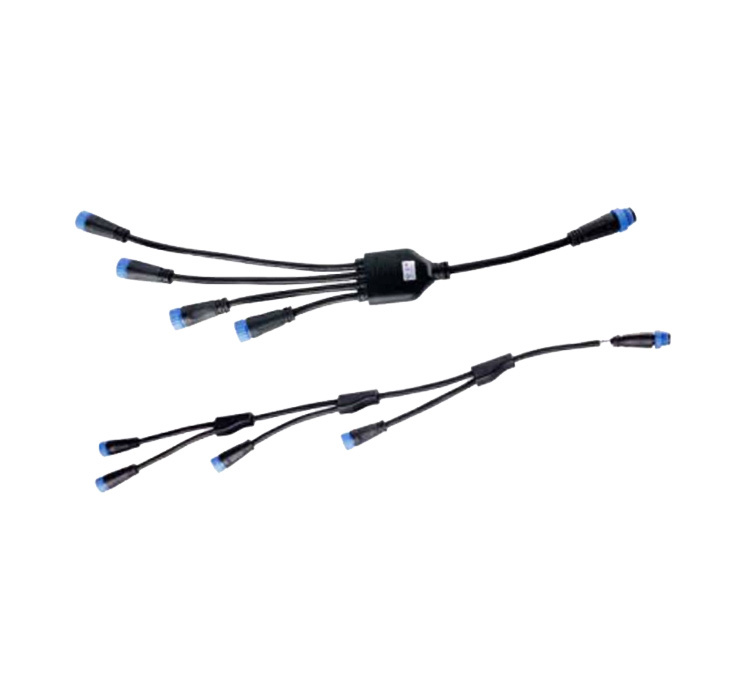
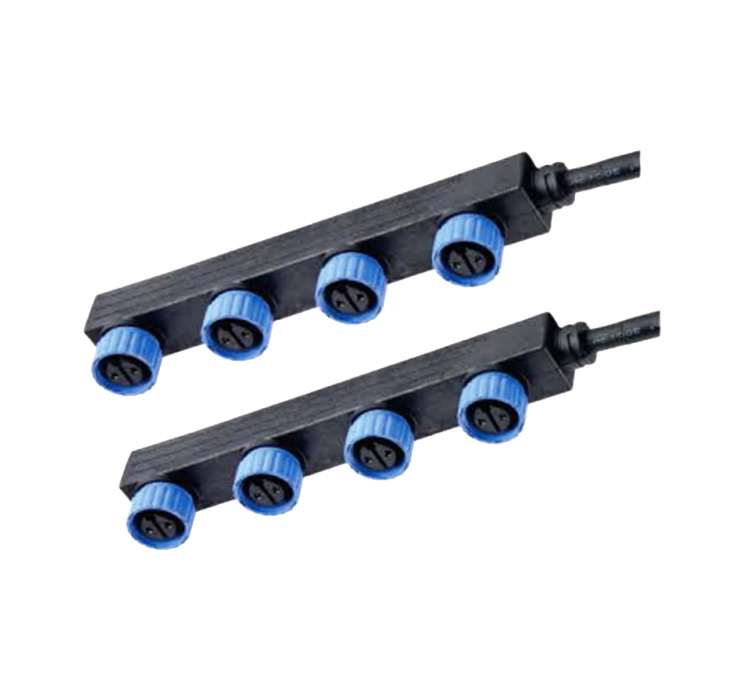
Modular waterproof connectors allow for flexibility and customization, enabling users to tailor solutions to specific applications without compromising performance.
Benefits of Using Waterproof Electrical Connectors in Maritime Operations
Integrating waterproof electrical connectors into maritime operations offers numerous benefits, including:
- Improved Safety: Enhanced safety for crew members and equipment through reduced risks of electrical failures.
- Longer Lifespan: Waterproof connectors extend the lifespan of electrical systems by protecting them from environmental damage.
- Operational Efficiency: Reliable performance results in fewer downtime issues, leading to improved overall operational efficiency.
Challenges and Solutions in Waterproof Connector Usage
While waterproof electrical connectors provide significant advantages, there are challenges that users must navigate:
Corrosion and Material Degradation
Corrosion is a significant concern in marine environments. Selecting the right material and ensuring proper maintenance can mitigate this issue. Regular inspections and cleaning procedures can extend the lifespan of connectors.
Installation Complexity
Improper installation can compromise the performance of waterproof connectors. Providing adequate training for personnel and utilizing user-friendly designs can help alleviate installation challenges.
FAQs
1. What is the IP rating, and why is it important for waterproof connectors?
The IP rating indicates the level of protection a connector offers against water and dust ingress. Higher IP ratings signify better protection and are crucial for selecting connectors for harsh maritime environments.
2. Are waterproof connectors more expensive than standard connectors?
While waterproof connectors can be more expensive upfront, their durability and reliability often lead to long-term savings through reduced maintenance and repair costs.
3. How do I know which waterproof connector to choose for my application?
Consider the application’s specific requirements, including environmental exposure, electrical capacity, and installation space, and choose connectors with appropriate IP ratings and materials.
4. Can waterproof connectors be reused?
Yes, waterproof connectors can often be reused if they are not damaged during installation and removal. However, it’s essential to inspect them thoroughly for wear and tear before reinstallation.
5. What maintenance is required for waterproof connectors?
Regular inspections to check for corrosion, moisture ingress, and physical damage are recommended. Cleaning connectors periodically can also help maintain their performance.
Conclusion
As the maritime industry continues to advance, the role of waterproof electrical connectors becomes ever more critical. These components not only enhance safety and reliability but also contribute to the overall efficiency of marine operations. By understanding the types of connectors available, their applications, and the latest technological advancements, stakeholders in the maritime sector can make informed decisions that ensure the longevity and effectiveness of their electrical systems. Investing in high-quality waterproof connectors is not merely a choice; it is an imperative for maintaining operational excellence in today’s challenging marine environments.
News
2026-01-07
Top Applications for 5 Pin Waterproof Connectors in Modern Electrical Systems
Top Applications for 5 Pin Waterproof Connectors in Modern Electrical Systems In today’s rapidly evolving technological landscape, the demand for reliable and efficient electrical connections has never been higher. Among the myriad of connectors available, **5 pin waterproof connectors** stand out due to their adaptability and robustness. In this article, we delve into the numerous applications of
2026-01-06
The Essential Guide to 3 Pin Waterproof Connectors: Features and Applications
When it comes to making secure electrical connections, particularly in environments exposed to moisture and extreme conditions, 3 pin waterproof connectors are a vital component. These connectors are designed to prevent water ingress, dust accumulation, and other environmental factors that could compromise the integrity of an electrical connection. Their robustness and reliability make them ideal
2026-01-05
The Role of Waterproof Electrical Connectors in Modern Maritime Technology
The Role of Waterproof Electrical Connectors in Modern Maritime Technology In today’s maritime industry, the reliability of technology is paramount. As vessels navigate demanding environments, from open oceans to bustling ports, the need for robust, dependable electrical components is more critical than ever. Among these components, **waterproof electrical connectors** stand out as a vital element

B8-9, Fubilun industrial park, Chaoyang rd,Yanchuan community, Songgang, Shenzhen, China


