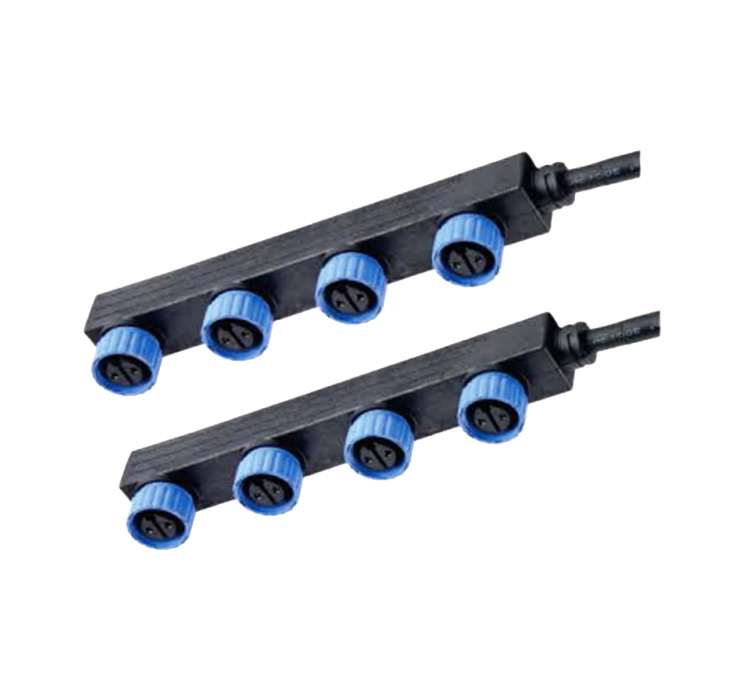


The Growing Importance of Water-Resistant Electrical Connectors in Modern Technology
Release Time:
2026-01-05
In today’s rapidly advancing technological landscape, the demand for high-performance, durable components is higher than ever. Among these, water-resistant electrical connectors have emerged as essential components across a wide range of industries, from automotive to telecommunications, and from industrial automation to marine applications. These connectors are specifically designed to resist the ingress of water and moisture, ensuring the reliability and longevity of electrical systems, even in harsh environmental conditions.
What Are Water-Resistant Electrical Connectors?
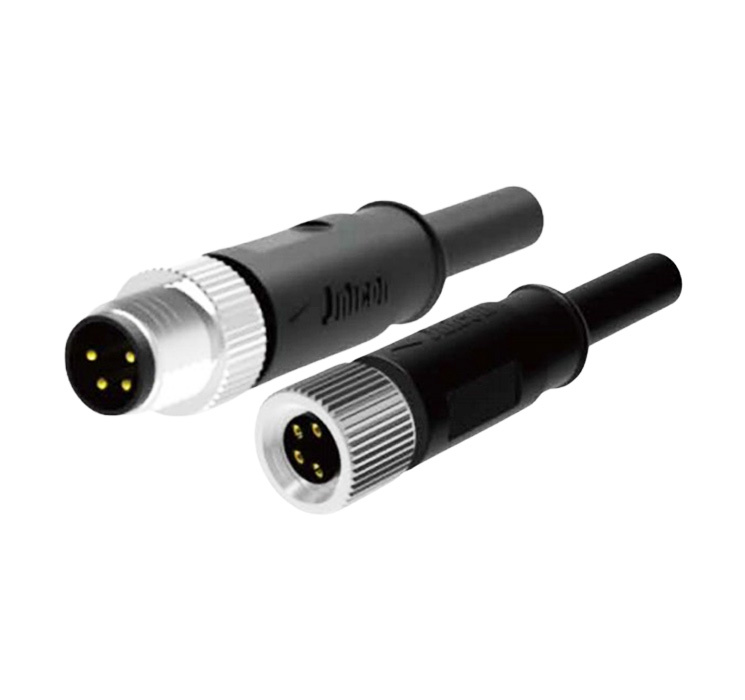
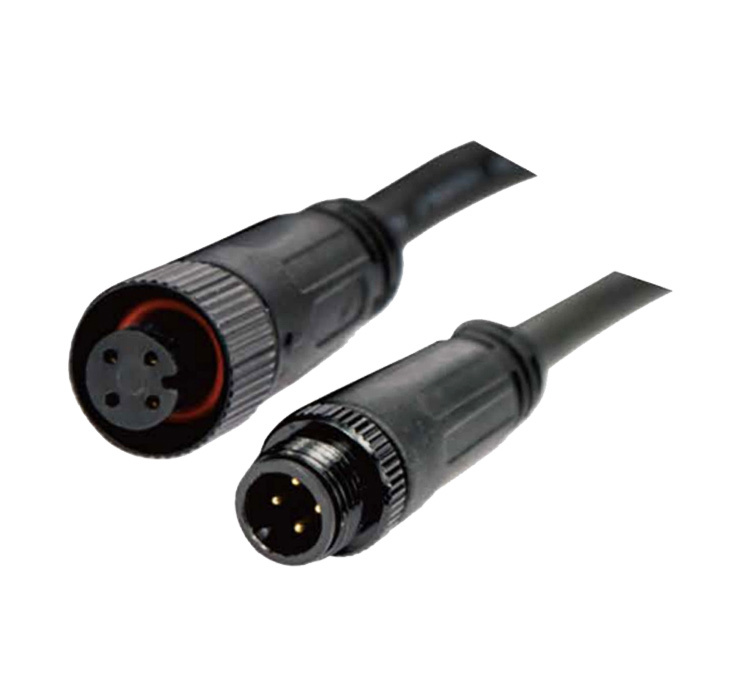
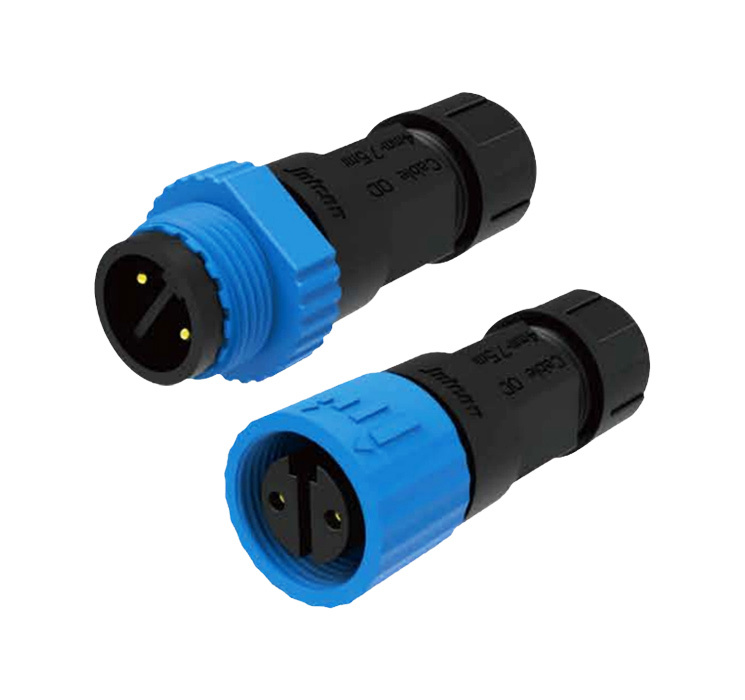
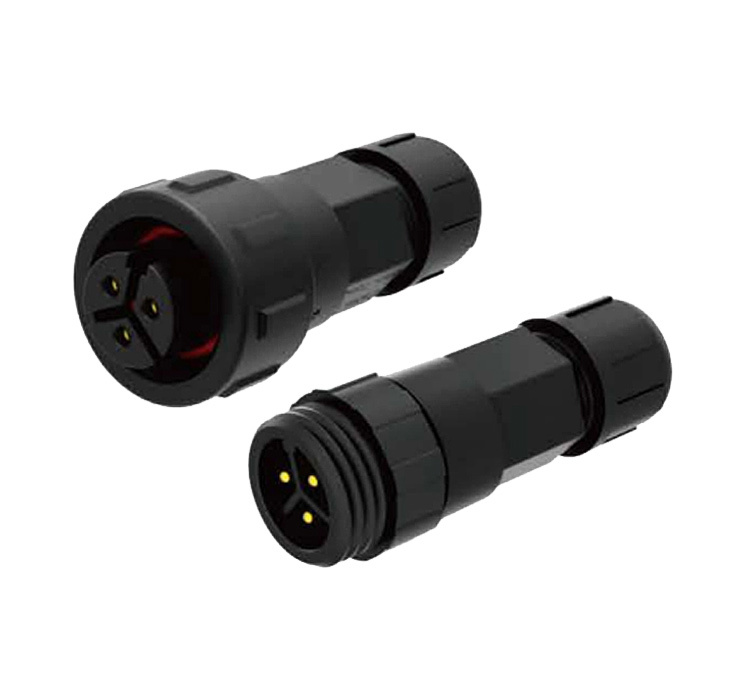
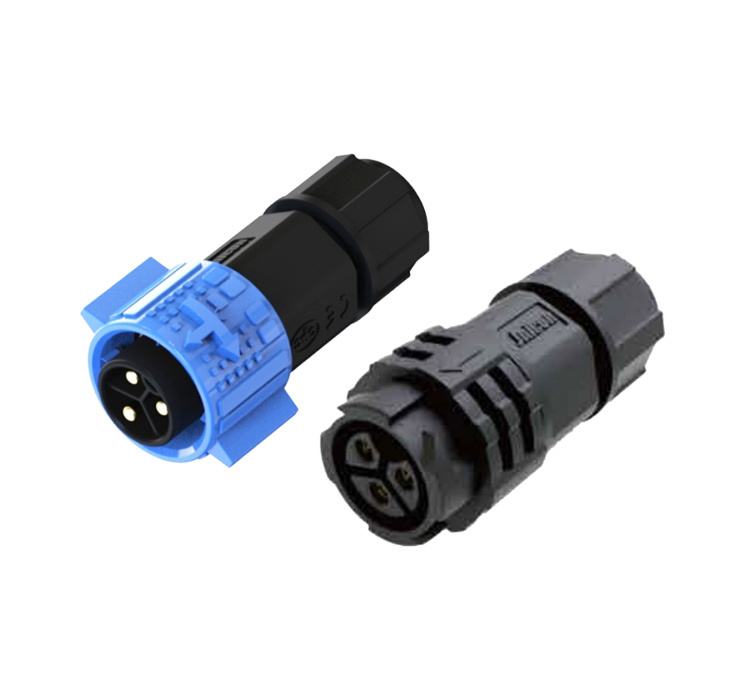
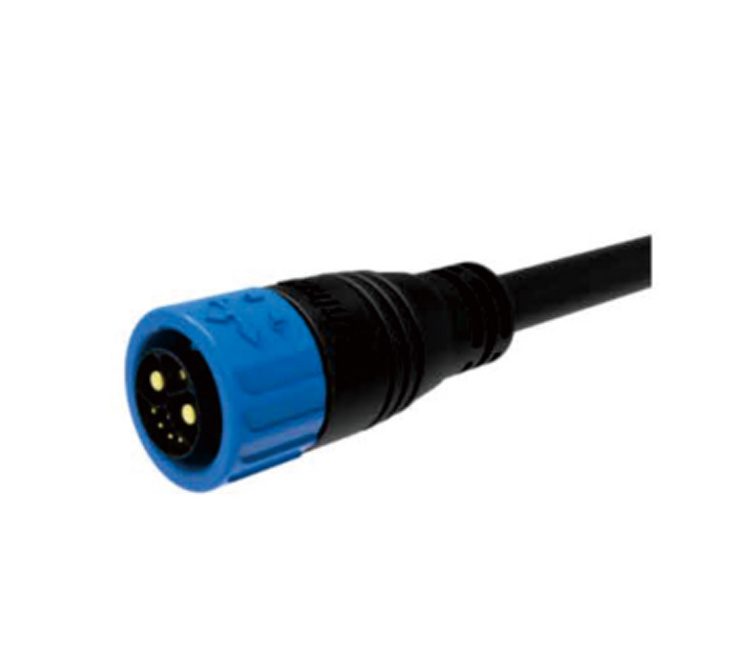
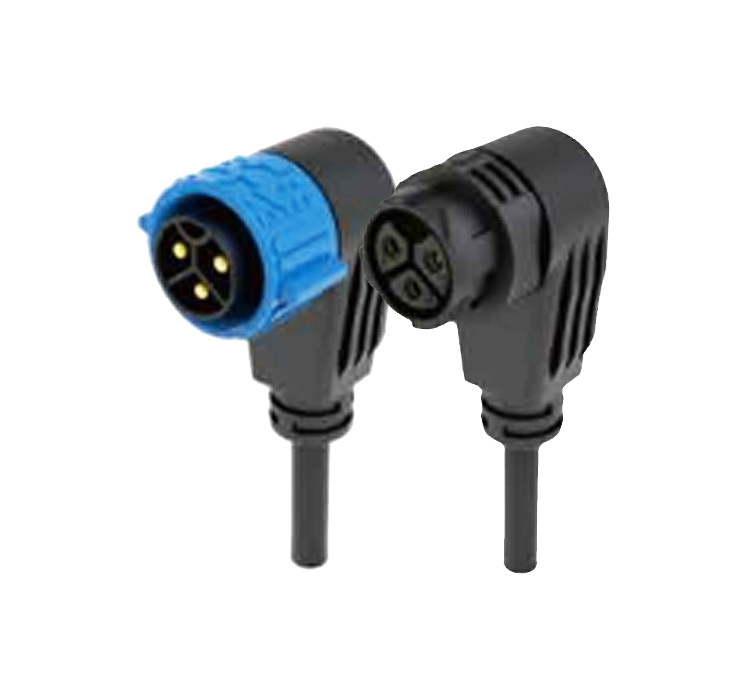
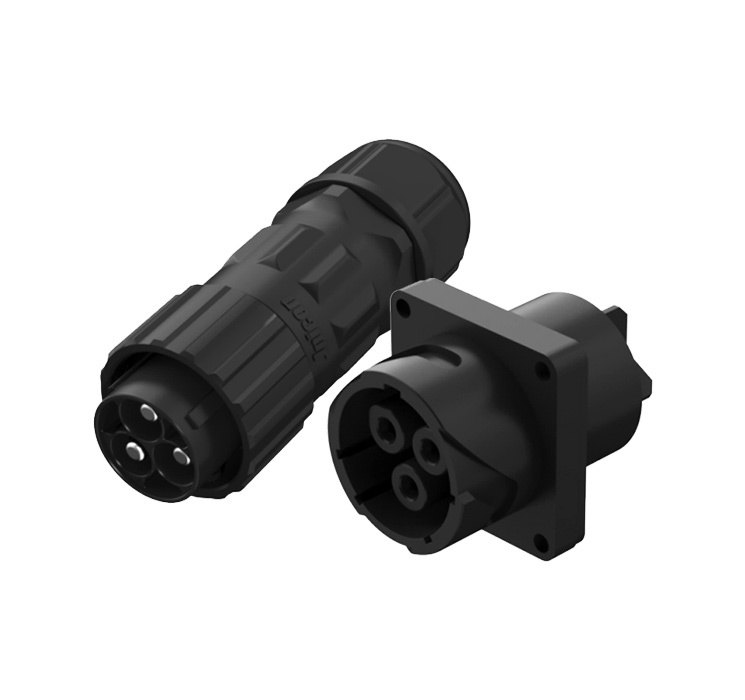
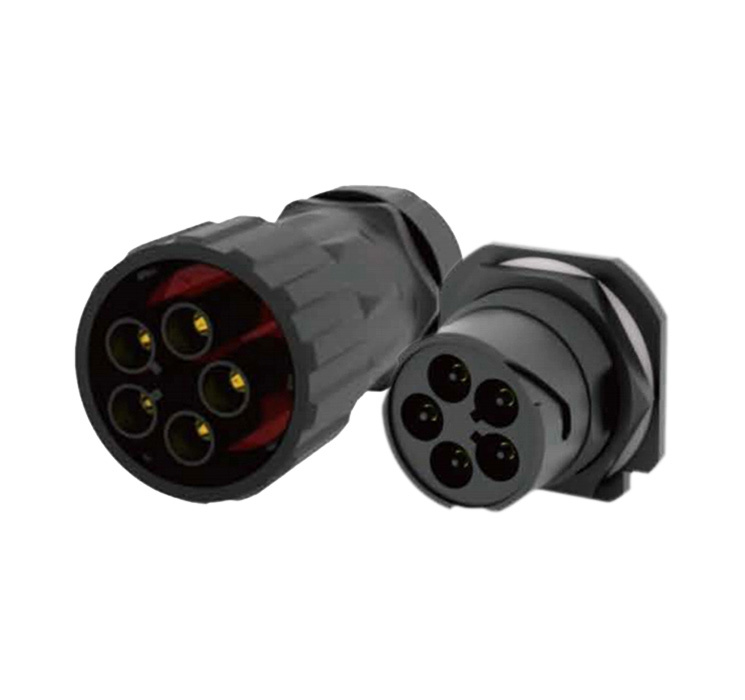
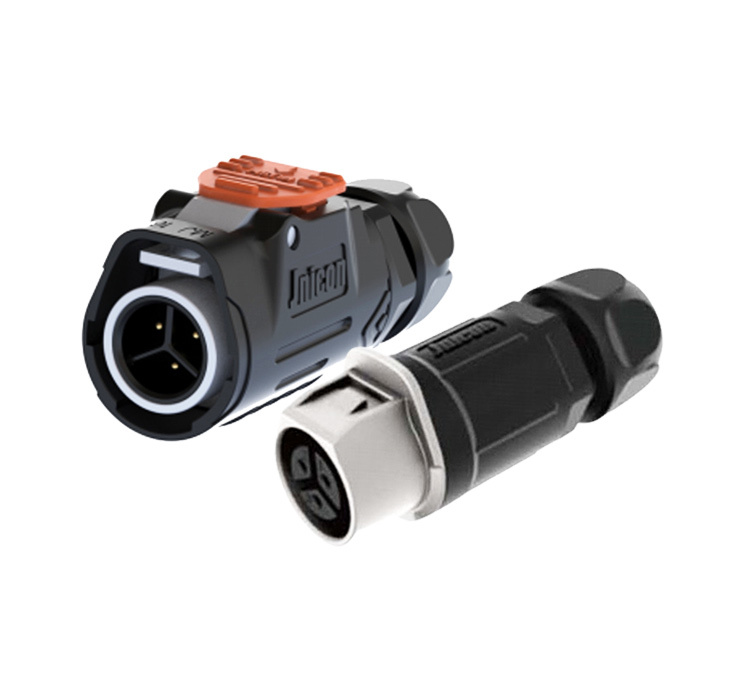
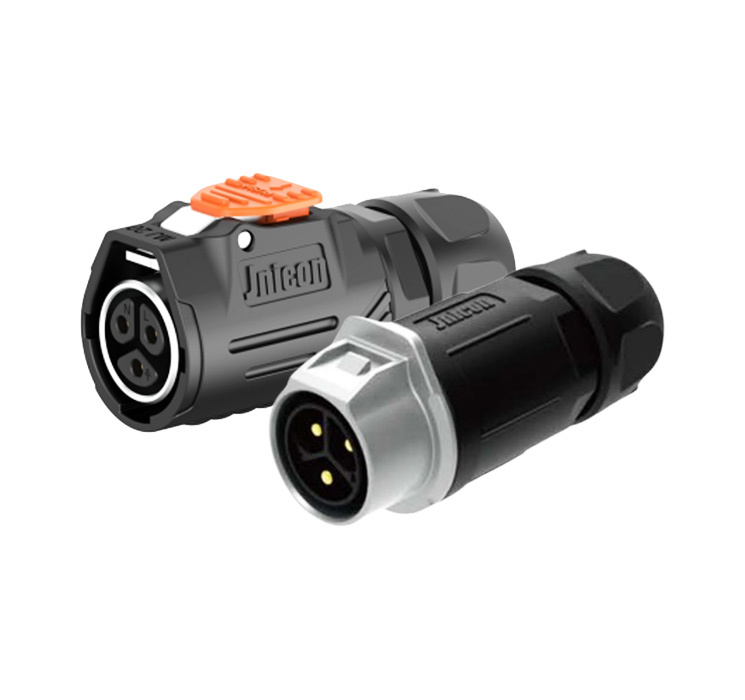
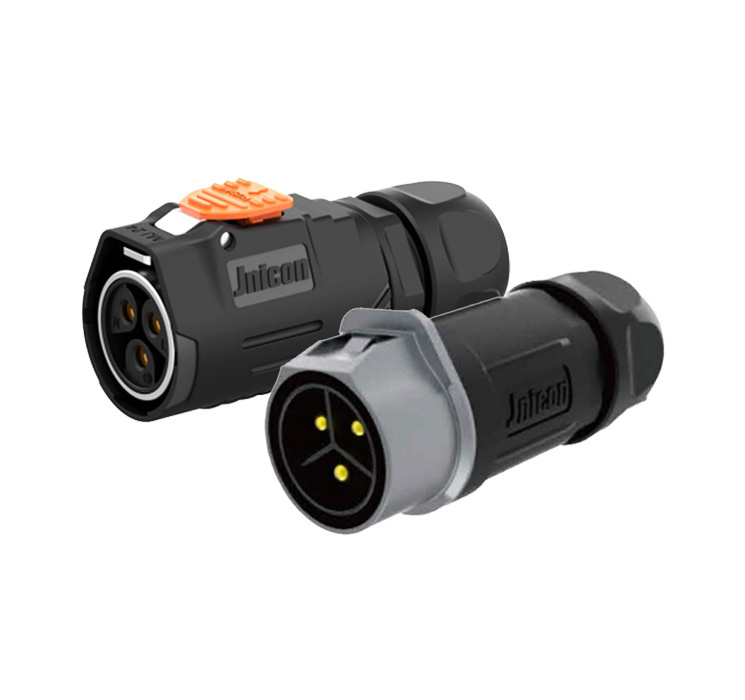
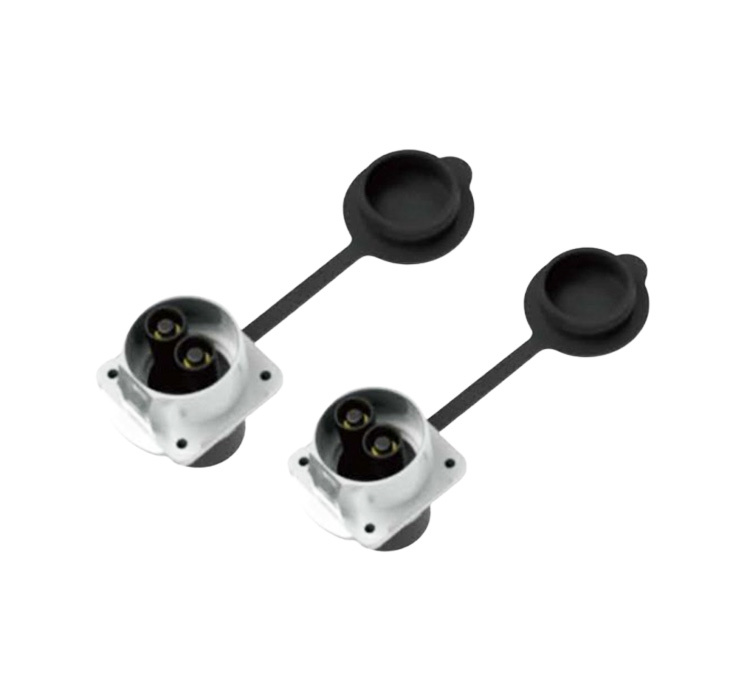
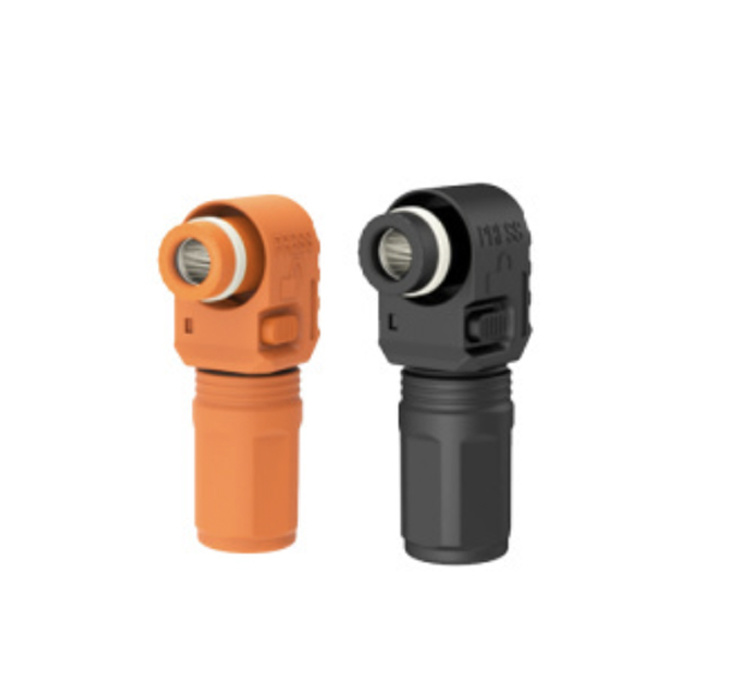
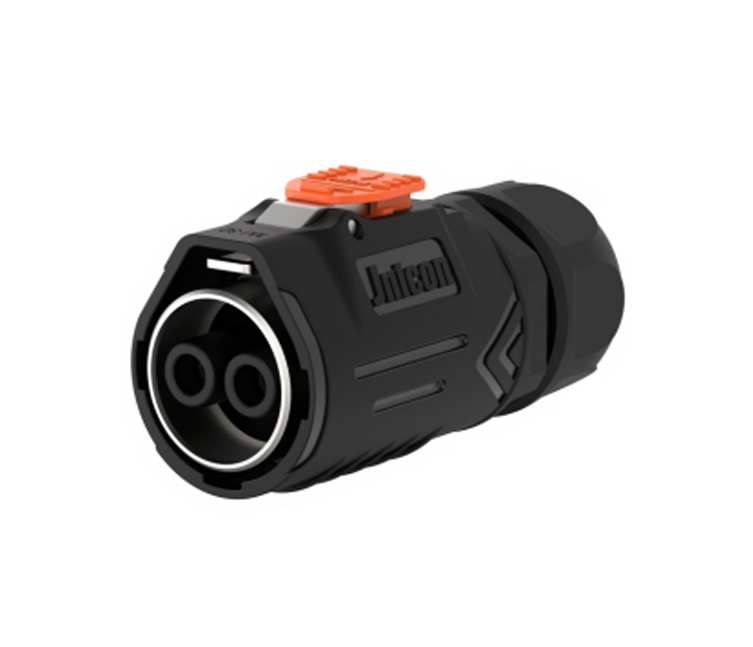
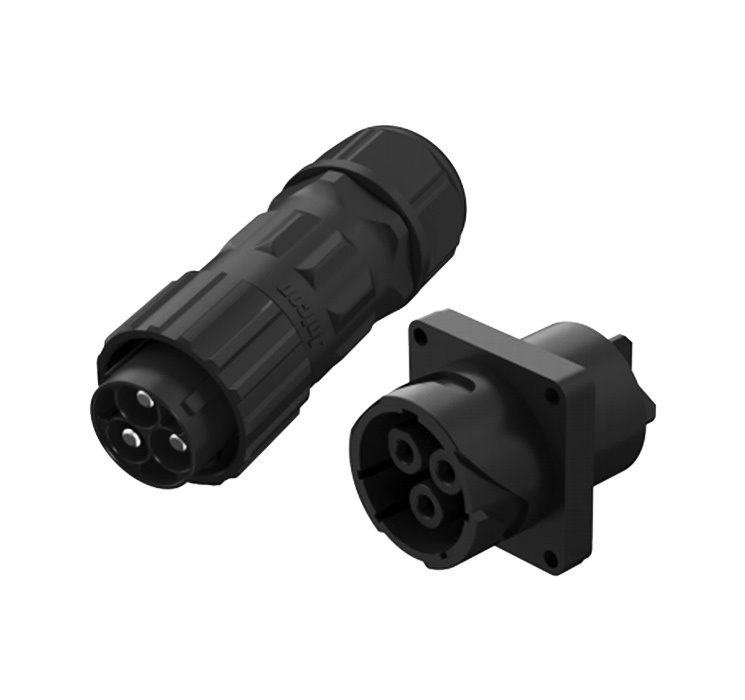
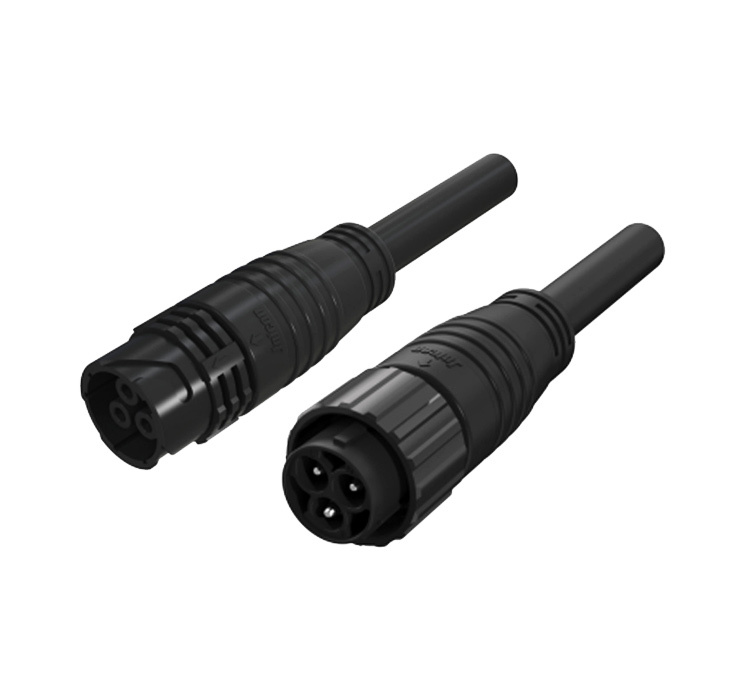
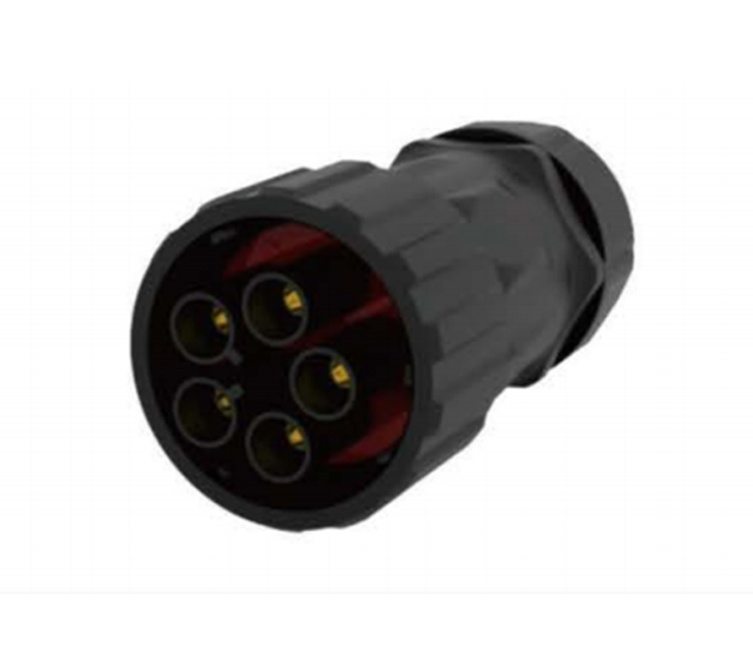
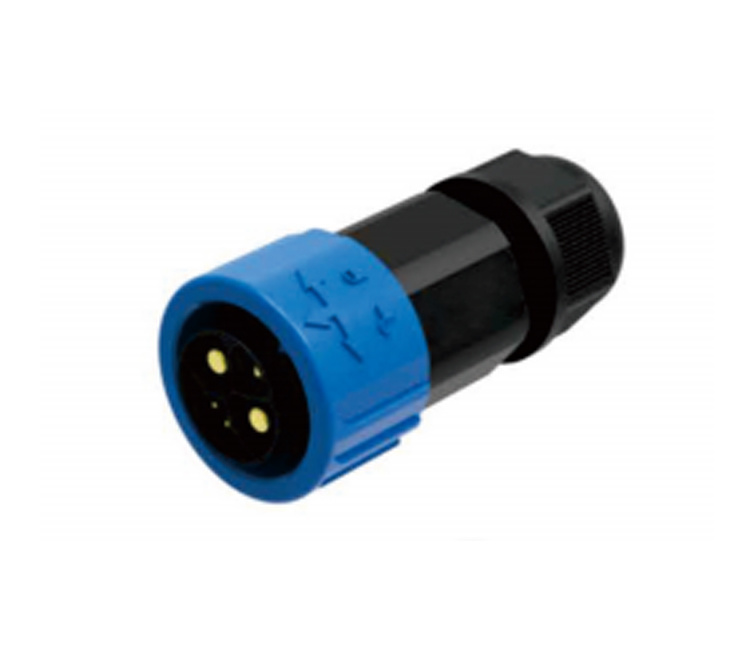
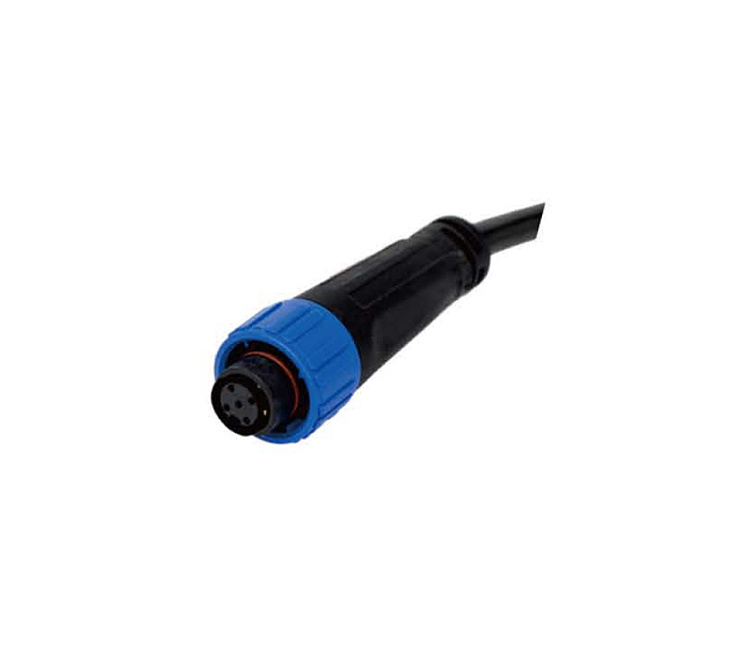
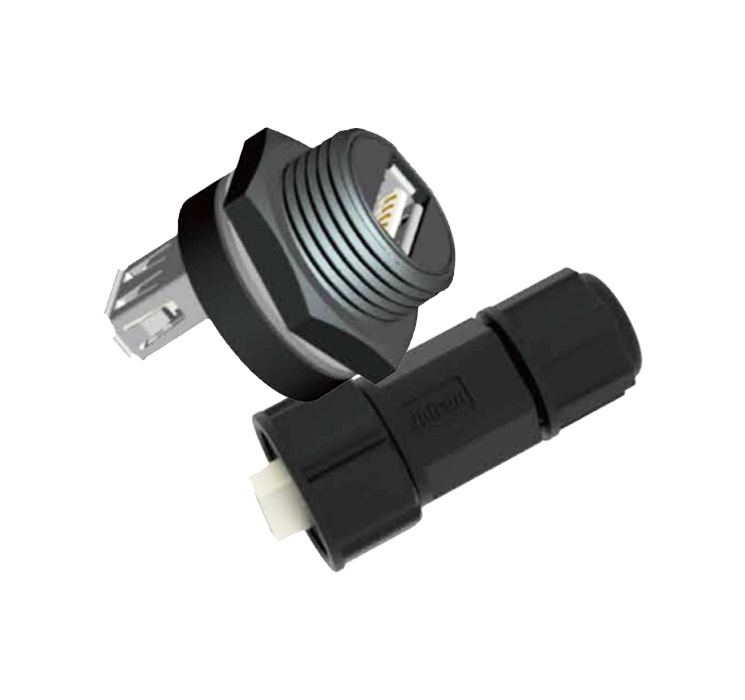
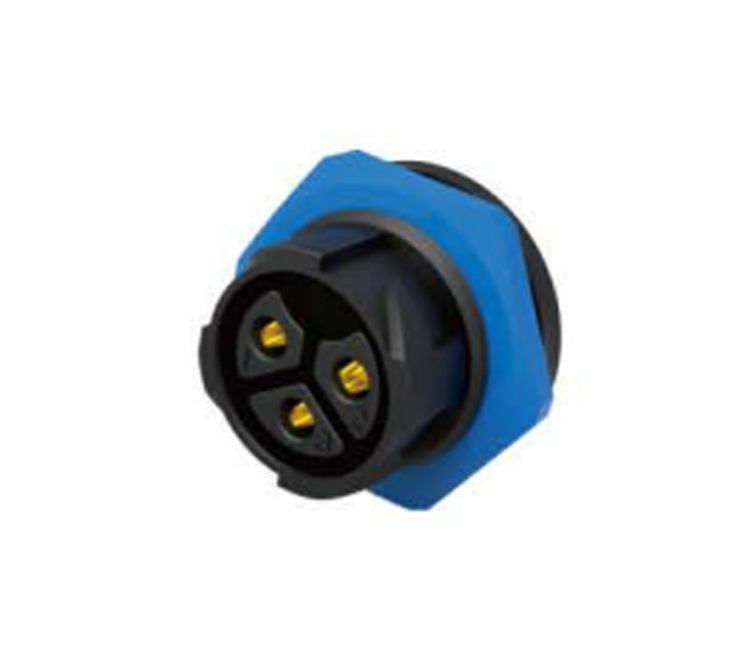
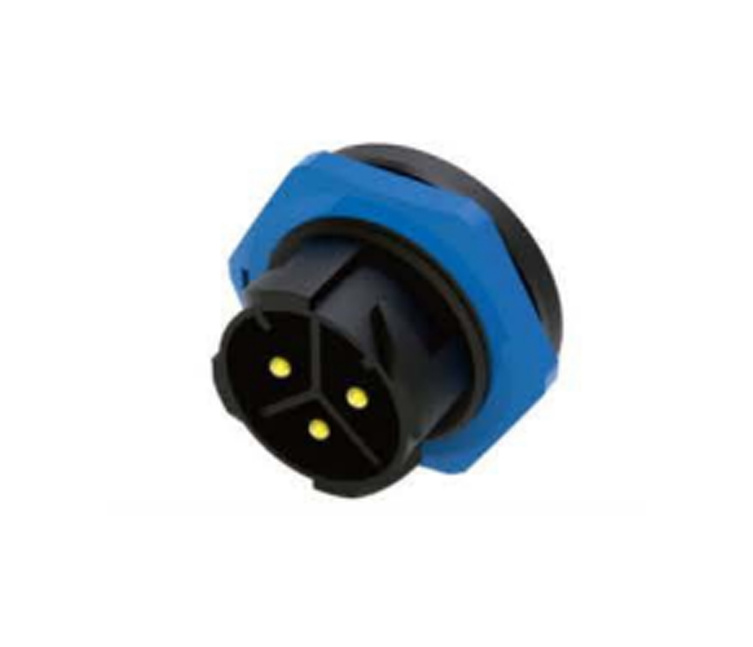
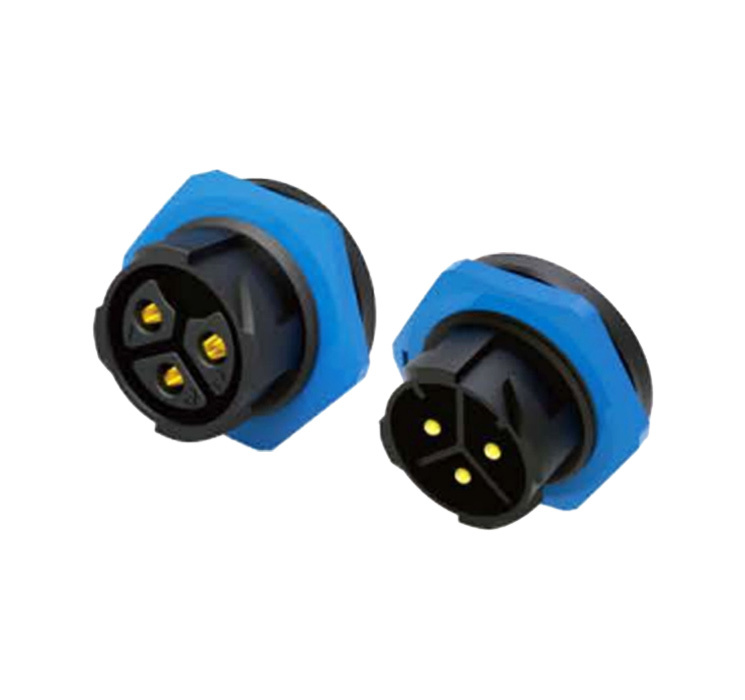
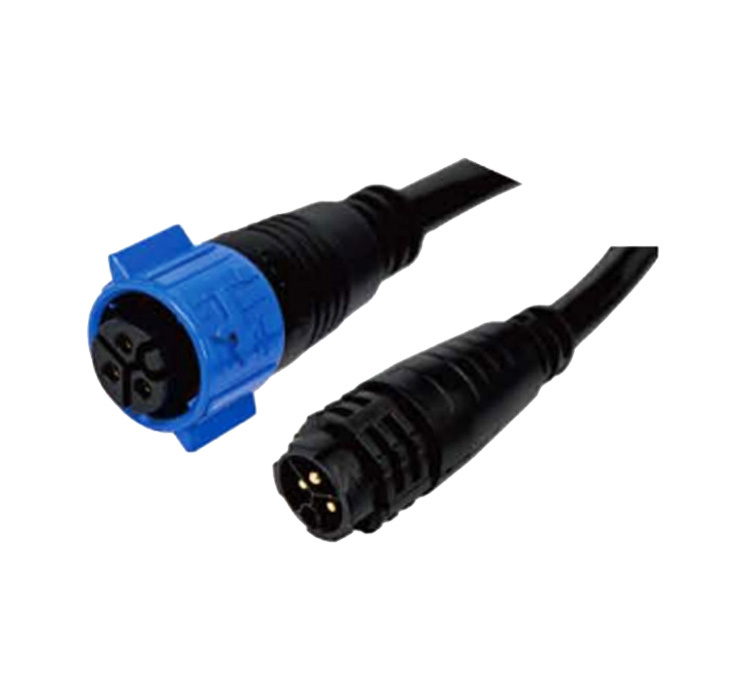
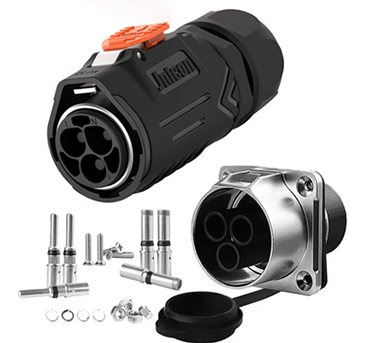
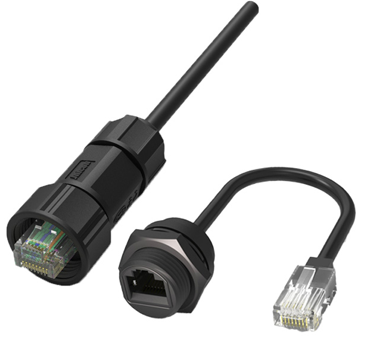
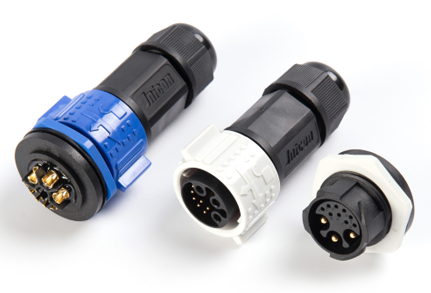
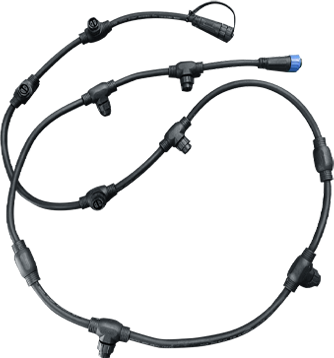
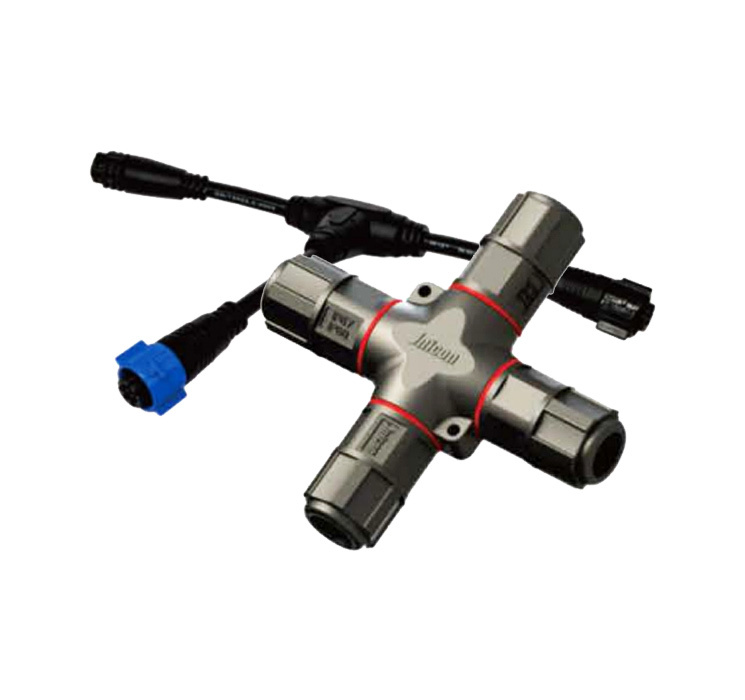
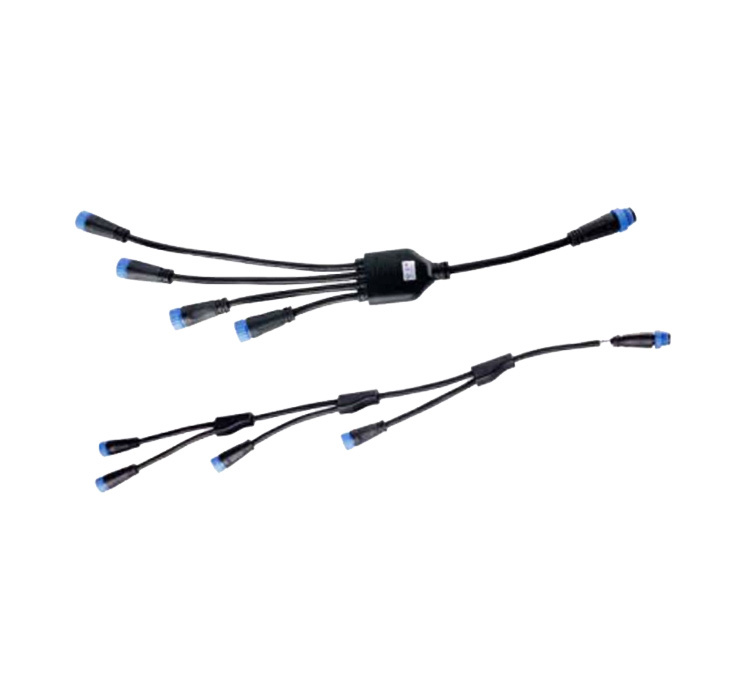
Water-resistant electrical connectors are specialized connectors that are engineered to prevent water, moisture, or other contaminants from entering the electrical contacts. These connectors are typically used in environments where exposure to water or high humidity is a risk, such as outdoor equipment, underwater devices, or automotive and marine systems. The connectors are designed with seals or gaskets that provide a barrier against water while maintaining electrical conductivity.
These connectors are made from a variety of materials, including high-quality plastics, metals, and rubber gaskets, to ensure both strength and resistance to corrosion. Their designs often include locking mechanisms or secure fittings to prevent accidental disconnections, as well as insulation to prevent electrical shorts when exposed to moisture.
Why Are Water-Resistant Connectors Important?
Water-resistant connectors are critical in ensuring the safe and efficient operation of electrical systems in environments where moisture is unavoidable. Without these connectors, electrical systems would be vulnerable to short circuits, corrosion, and even complete failure when exposed to water or high humidity. This can lead to costly downtime, safety hazards, and equipment failure, which can be detrimental in sectors where reliability is crucial.
Protection Against Moisture: Water-resistant connectors provide an essential layer of protection for sensitive electrical systems that are exposed to moisture or harsh weather conditions. This is particularly important in industries like automotive, marine, and telecommunications, where water ingress can cause malfunctions and costly repairs.
Prevention of Corrosion: One of the major risks associated with exposure to water is corrosion. Corrosion can damage both the connector and the cables or components it connects to. Water-resistant connectors are designed to resist rust and corrosion, extending the lifespan of electrical components and reducing maintenance costs.
Enhanced Durability: In many industrial applications, electrical connectors are exposed to extreme conditions, including temperature fluctuations, UV radiation, and physical wear. Water-resistant connectors are built to withstand these conditions, ensuring that the electrical systems continue to function effectively even in the most demanding environments.
Applications of Water-Resistant Electrical Connectors
Water-resistant connectors are used in a variety of industries, each with its own specific requirements and challenges. Some of the key applications include:
Automotive Industry: In modern vehicles, electrical connectors are found throughout the system, from the engine to the dashboard. Water-resistant connectors ensure that critical systems like sensors, lighting, and power steering remain operational, even when exposed to rain, snow, or road salt. These connectors are especially important in electric and hybrid vehicles, which rely heavily on advanced electrical systems.
Marine and Offshore Applications: Water-resistant connectors are essential in marine and offshore industries, where equipment is constantly exposed to seawater and harsh weather conditions. From shipboard electronics to underwater sensors and communication systems, these connectors ensure that electrical systems continue to function reliably, even in submerged environments.
Telecommunications and Networking: In telecommunications, where outdoor installations and weatherproof systems are critical, water-resistant connectors are used to maintain the integrity of data transmission. These connectors help to prevent signal loss or system failure due to moisture exposure in outdoor networking equipment, satellite dishes, and cellular towers.
Industrial Automation: Many automated systems in manufacturing facilities are exposed to humid or wet conditions. Water-resistant connectors help ensure that control panels, robotic systems, and conveyor belts continue to operate smoothly without the risk of water-related failures.
Consumer Electronics: For devices such as outdoor speakers, smart home systems, and wearable technology, water-resistant connectors are used to ensure reliable operation in challenging environments. They are crucial in devices exposed to rain or sweat, ensuring long-term durability.
Innovations and Future Trends in Water-Resistant Connectors
As industries continue to push for more robust and efficient electrical systems, innovations in water-resistant connectors are becoming more advanced. Some key trends include:
Enhanced Seal Technology: The development of advanced sealing materials and technologies has significantly improved the water resistance of connectors. Modern seals are not only more effective at keeping moisture out but also more durable, even in extreme temperatures or prolonged exposure to water.
Smaller and More Compact Designs: As electronics become more compact, there is a growing demand for smaller, more efficient connectors. Manufacturers are focusing on creating water-resistant connectors that take up less space while maintaining high performance, which is crucial for portable devices and miniaturized electronic systems.
Smart Connectors: As IoT (Internet of Things) devices become more prevalent, smart connectors are being developed that incorporate sensors to detect environmental conditions, such as moisture or temperature. These connectors can send alerts to maintenance teams when water ingress is detected, improving system reliability and reducing downtime.
Sustainability and Eco-friendly Materials: With a growing emphasis on sustainability, manufacturers are looking for ways to make water-resistant connectors from recyclable or biodegradable materials. This move towards eco-friendly materials helps reduce the environmental impact of electronic waste.
News
2026-10-03
Understanding Waterproof Cables: Essential Insights for Electrical Professionals
Waterproof cables are vital components in the electric and electronic industries, especially when it comes to ensuring safe and reliable connections in challenging environments. These cables are designed to resist moisture and prevent water ingress, which can lead to electrical failure and safety hazards. Understanding the intricacies of waterproof cables is essential for electrical professionals
2026-09-30
Discover the Advantages of Using 2 Pin Waterproof Connectors in Harsh Environments
Discover the Advantages of Using 2 Pin Waterproof Connectors in Harsh Environments Table of Contents 1. Introduction to 2 Pin Waterproof Connectors 2. Importance of Waterproof Connectors 3. Design Features of 2 Pin Waterproof Connectors 4. Applications in Various Industries 5. Benefits of Using 2 Pin Waterproof Connectors 6. Installation Guidelines for 2 Pin Waterproof Connectors 7.
2026-09-27
Understanding Industrial Power Connectors: Key Insights for Professionals
Industrial power connectors play a crucial role in the safety and efficiency of electrical systems across various sectors, including manufacturing, energy, and transportation. These connectors are designed to facilitate the transmission of electrical power in rugged environments, ensuring reliable and stable connections. Understanding the types, applications, and selection criteria for industrial

B8-9, Fubilun industrial park, Chaoyang rd,Yanchuan community, Songgang, Shenzhen, China


