


Understanding Waterproof Cables: Essential Insights for Electrical Professionals
Release Time:
2026-10-03
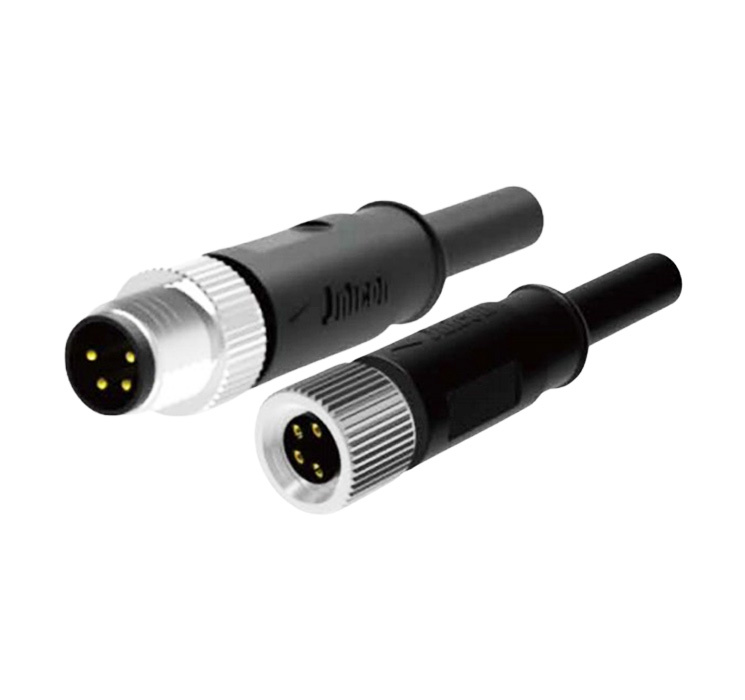
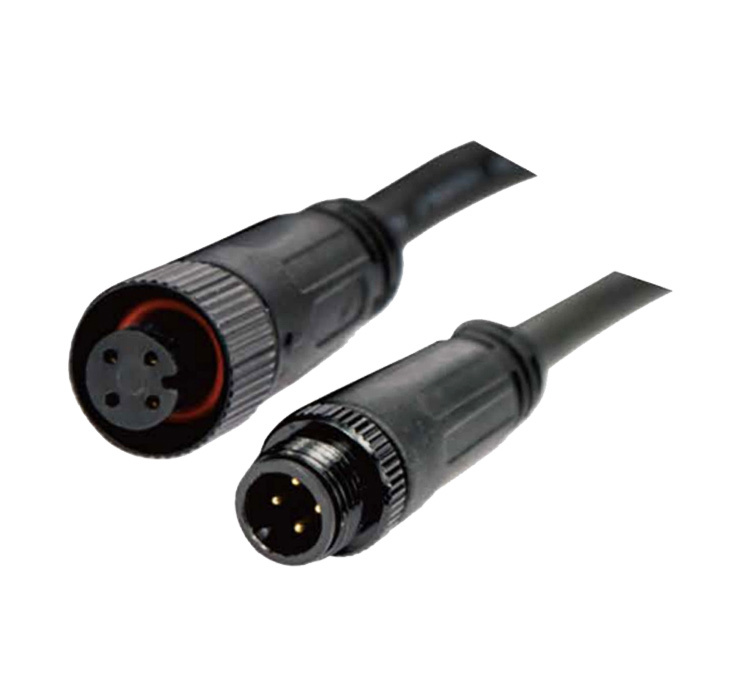
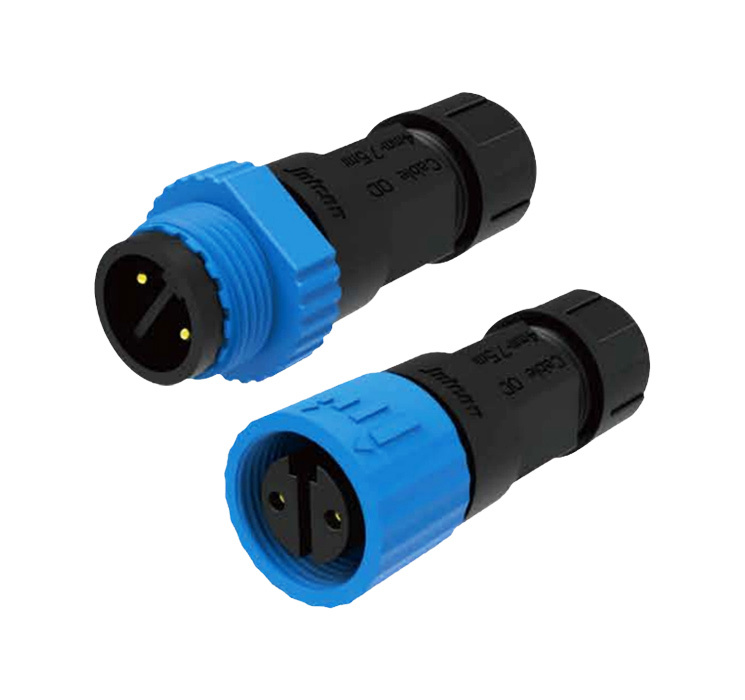
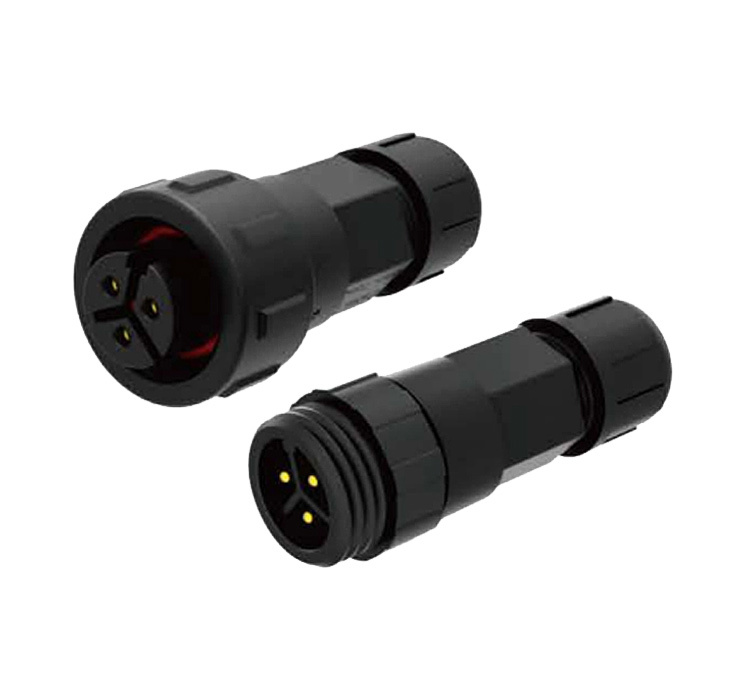
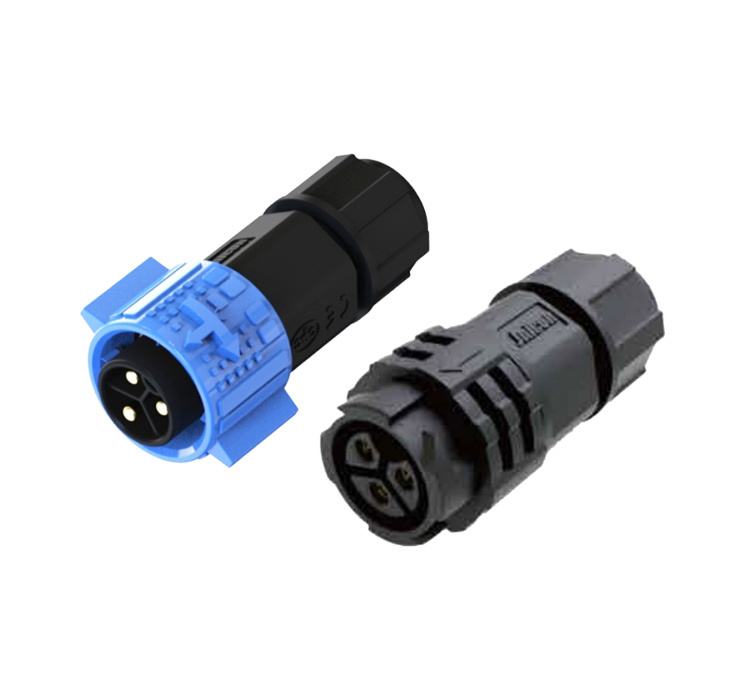
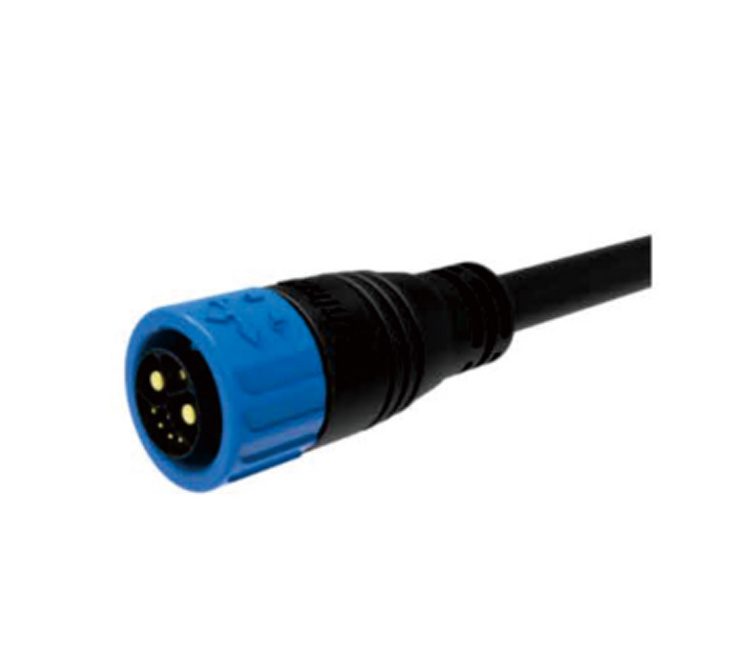
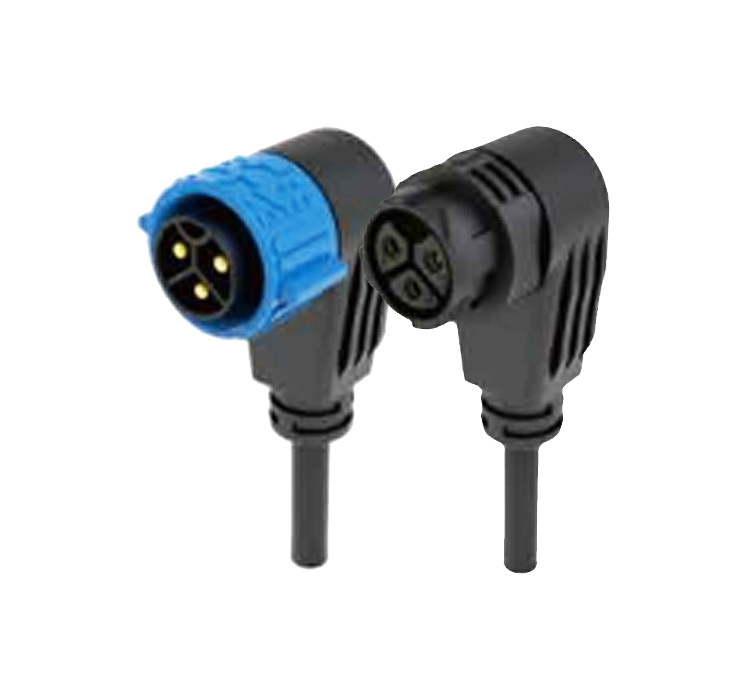
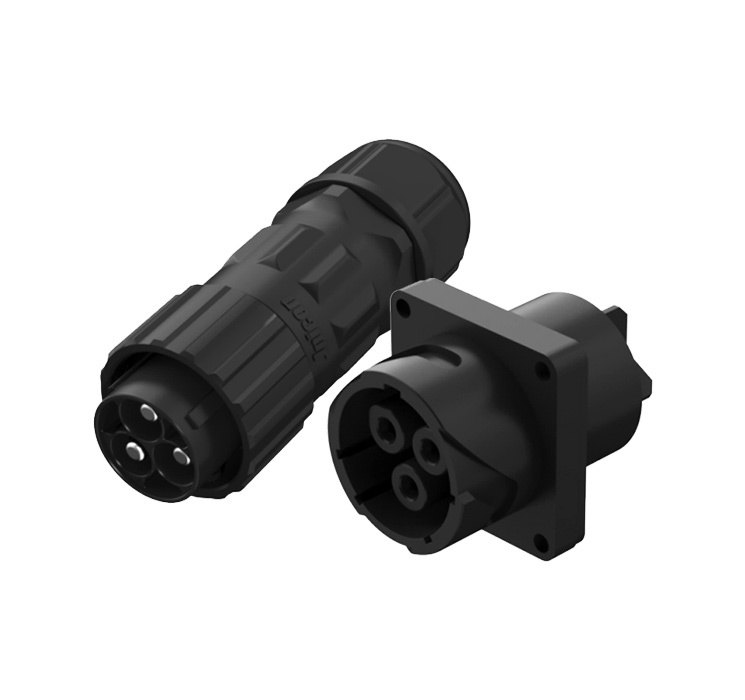
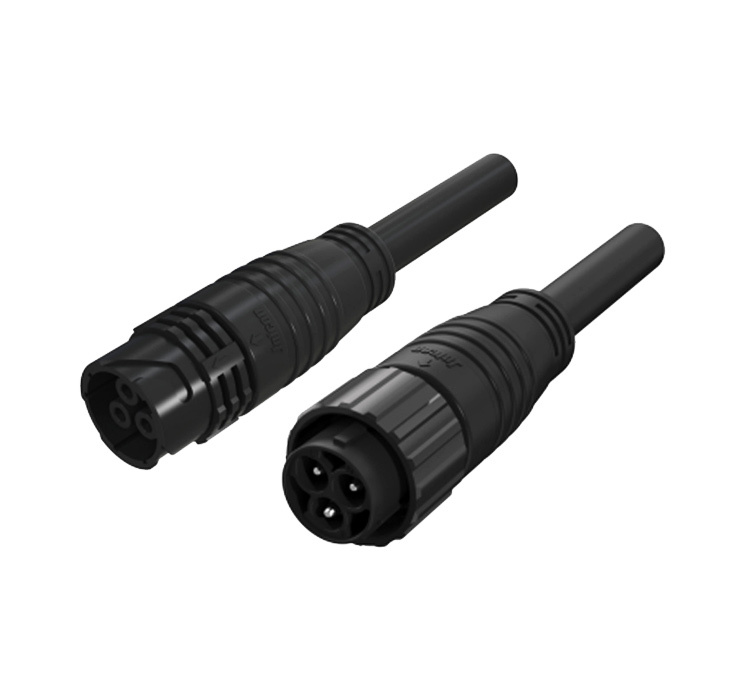
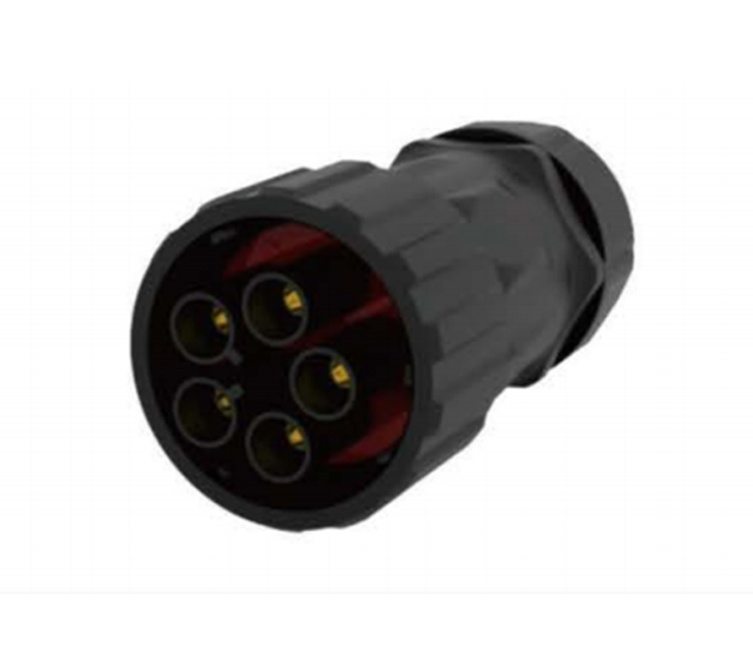
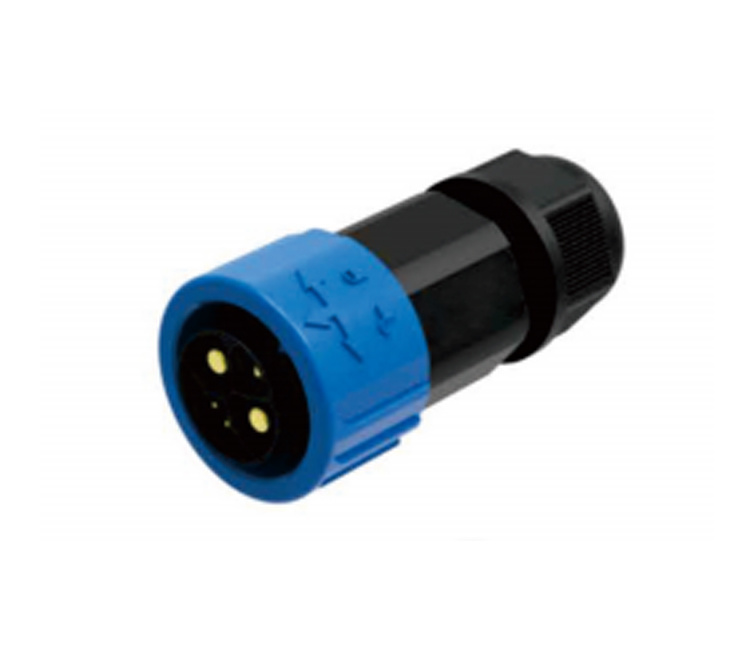
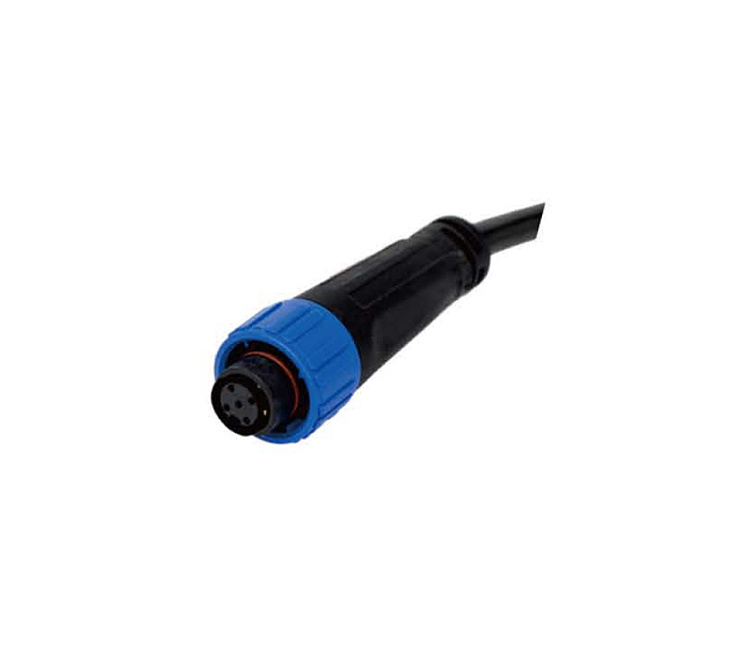
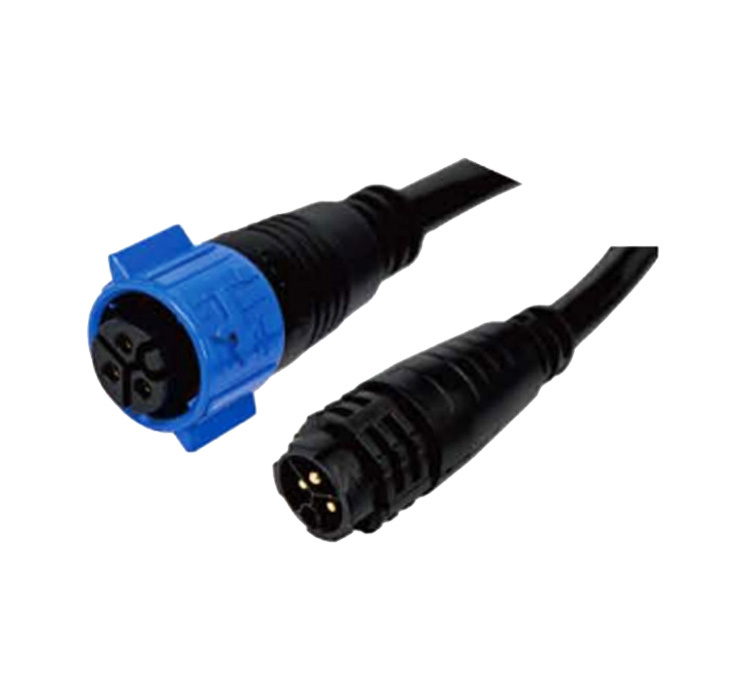
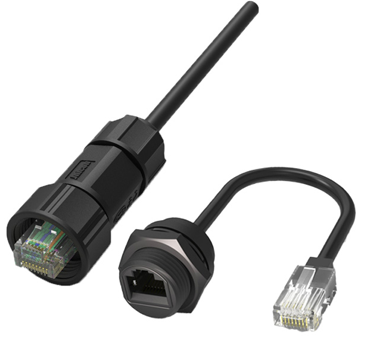
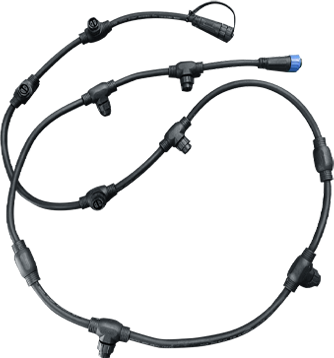
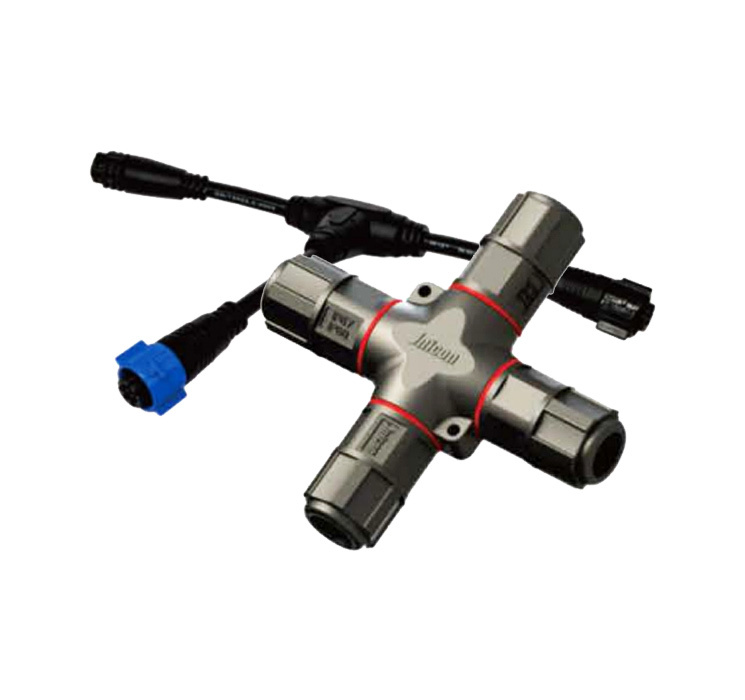
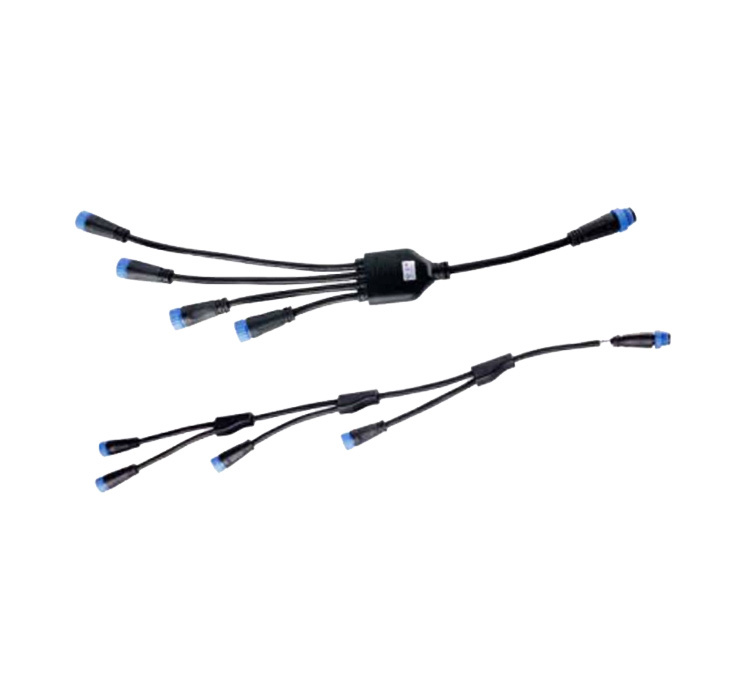
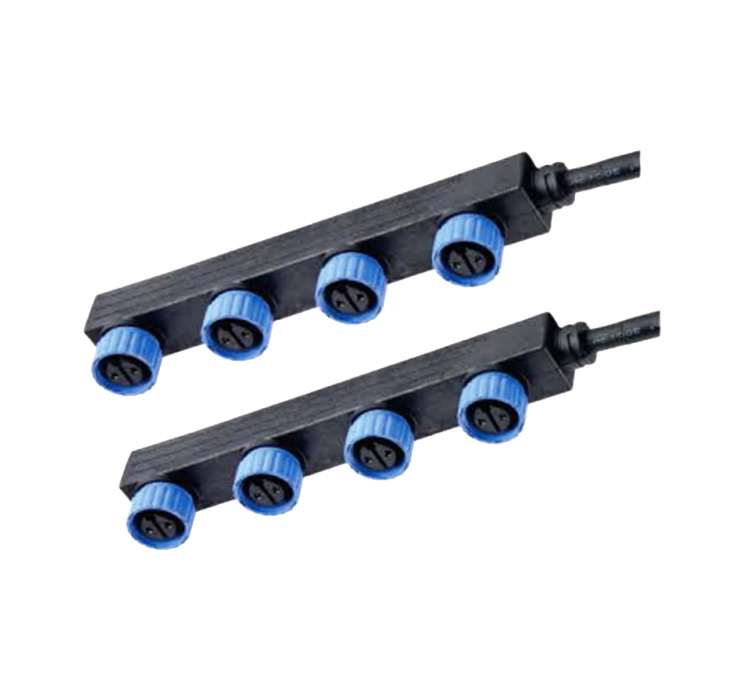
When selecting waterproof cables, it is crucial to consider several factors. One of the primary features to look for is the ingress protection (IP) rating, which indicates the degree of protection against solid objects and liquids. For instance, an IP67 rating signifies that the cable can withstand immersion in water up to a certain depth for a specified time, making it suitable for outdoor and marine applications.
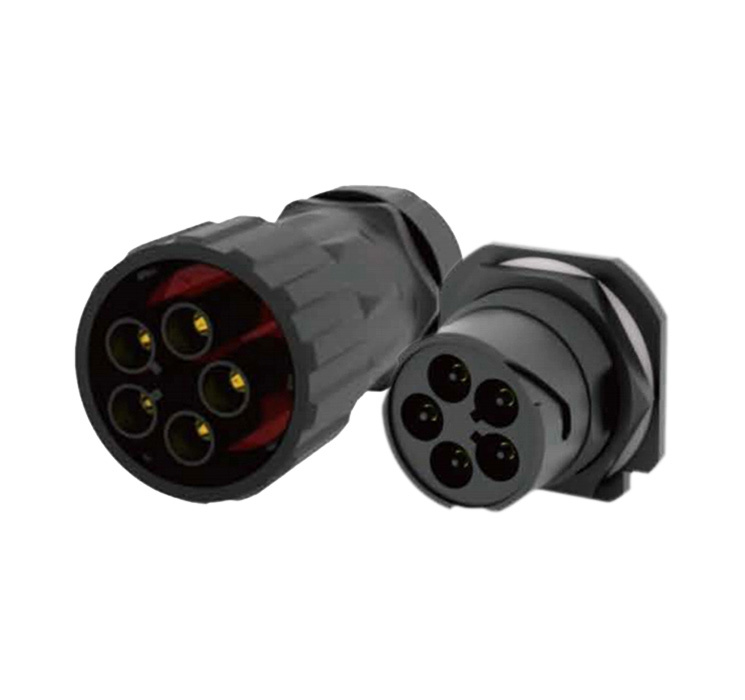
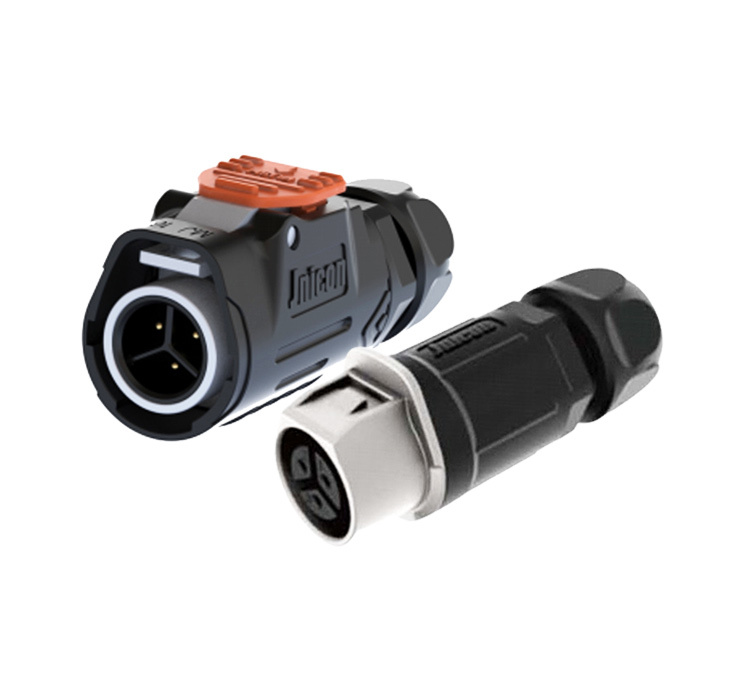
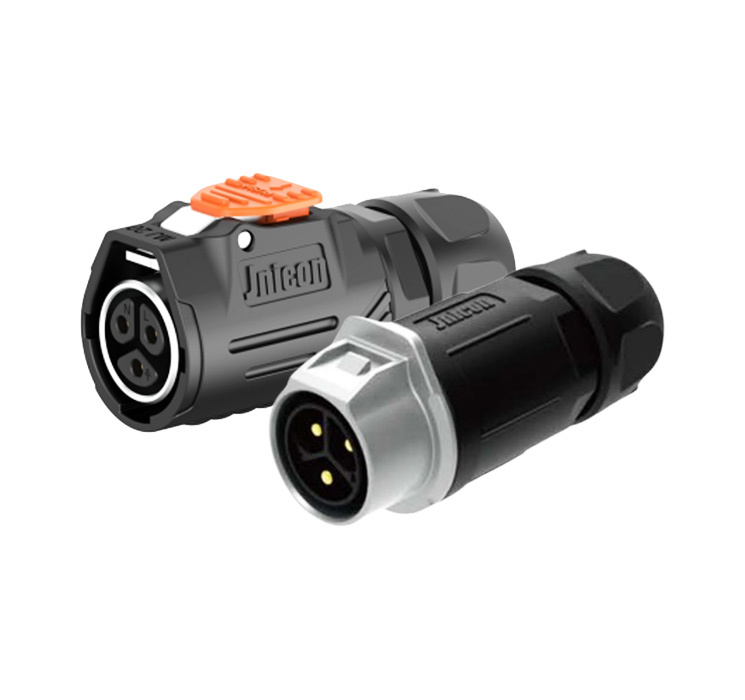
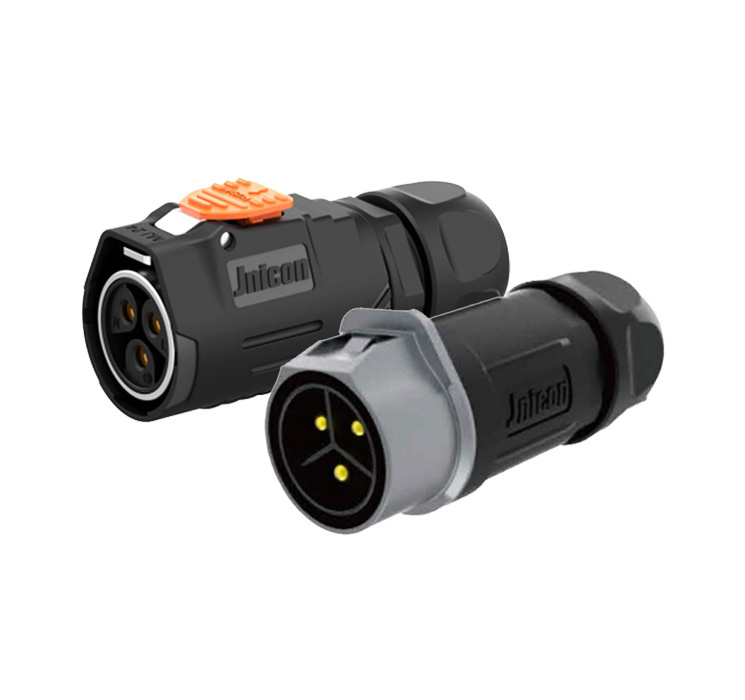
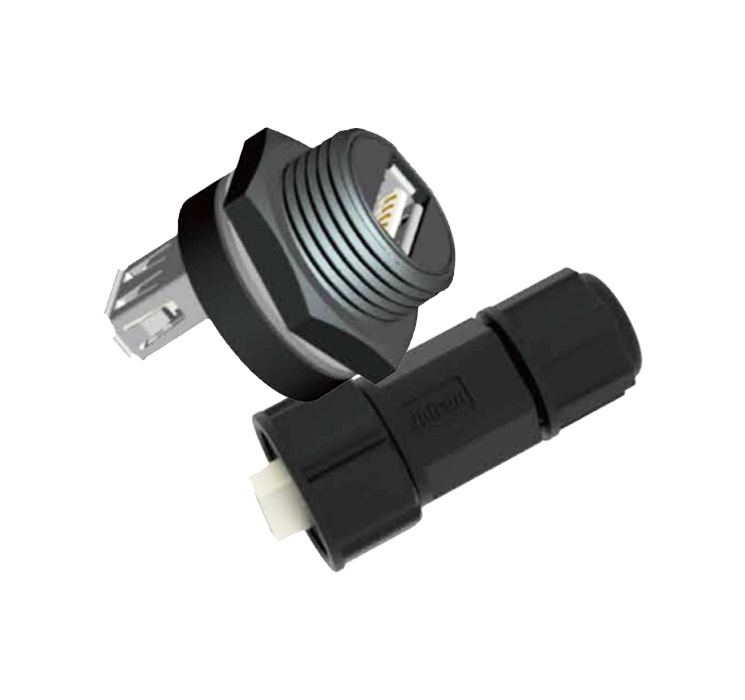
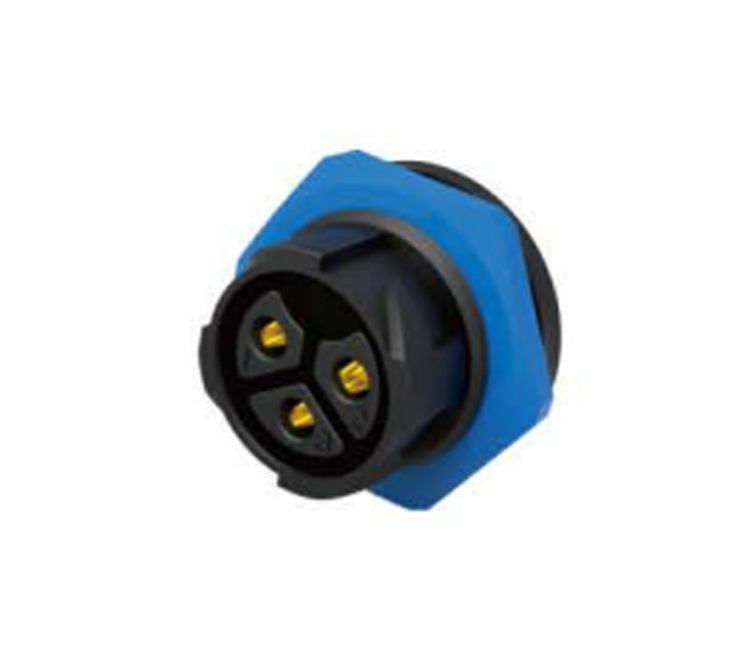
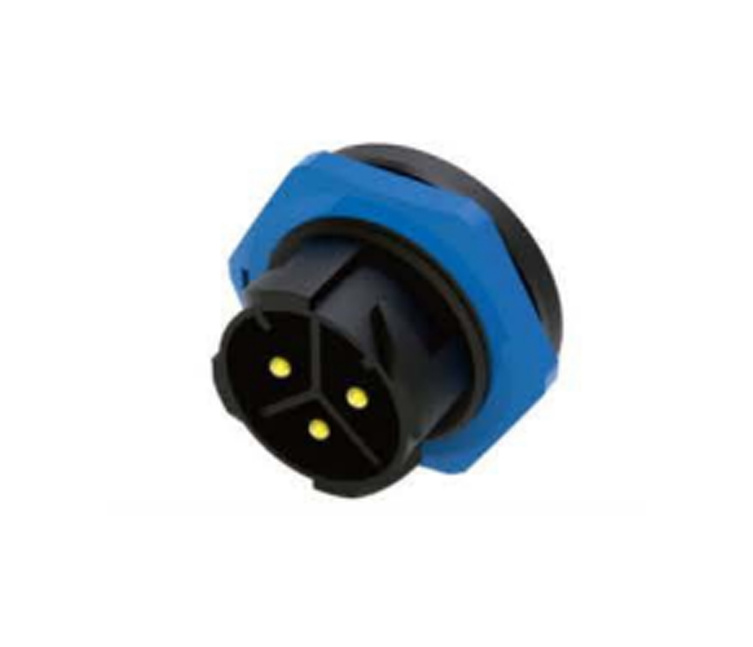
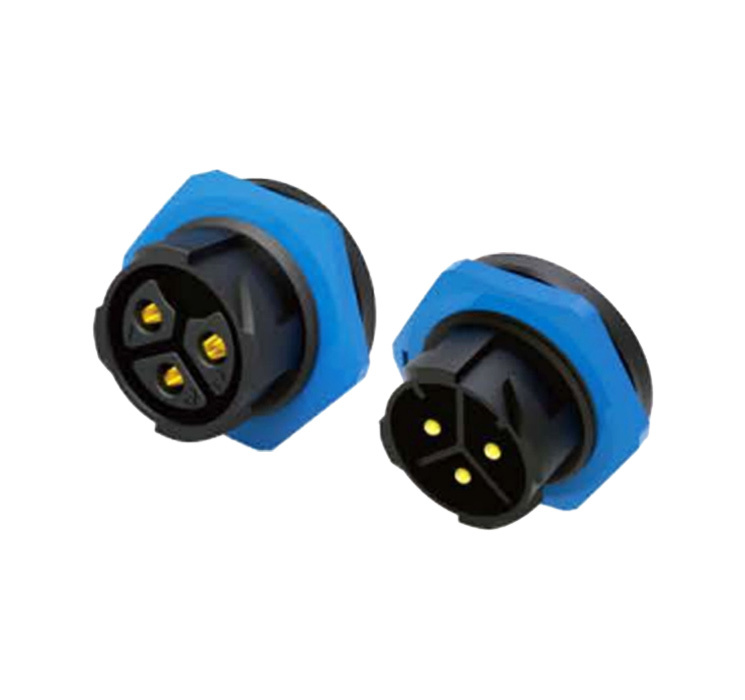
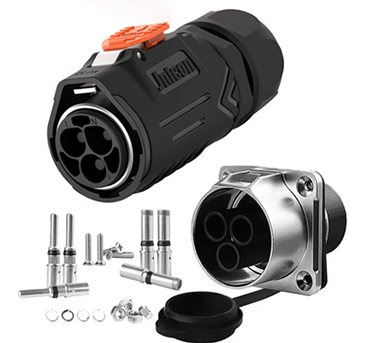
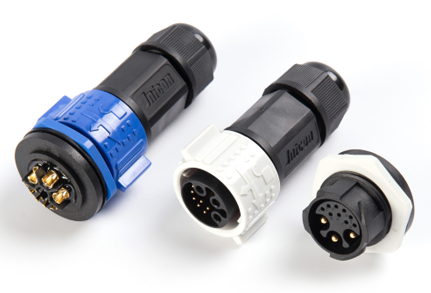
Material selection also plays a significant role in the performance of waterproof cables. Typically, these cables are constructed with robust insulation materials, such as PVC or rubber, which not only provide resistance to water but also protect against other environmental factors like UV radiation and extreme temperatures. Additionally, the use of corrosion-resistant connectors and housings can further enhance the longevity and reliability of the connections.
Installation practices are equally important in ensuring the effectiveness of waterproof cables. Proper sealing techniques, such as using heat-shrink tubing or silicone sealants, can help prevent water ingress at connection points. It's also essential to ensure that any cable entry points are adequately secured and that the surrounding environment is conducive to the performance of the waterproof cable.
Another consideration is the application of the waterproof cables. Different industries, such as automotive, marine, and industrial, may have specific requirements and standards that must be met. Understanding the unique demands of each application can help electrical professionals choose the right type of waterproof cable to meet their clients' needs effectively.
In summary, waterproof cables are an indispensable element in the electrical and electronic fields, providing necessary protection against moisture and environmental factors. By understanding the specifications, materials, installation techniques, and application requirements, electrical professionals can make informed decisions that enhance the safety and reliability of their connections. As water-related failures can lead to downtime and costly repairs, investing time in selecting and implementing the right waterproof cables will ultimately pay off in the long run.
Previous
Previous
News
2026-10-03
Understanding Waterproof Cables: Essential Insights for Electrical Professionals
Waterproof cables are vital components in the electric and electronic industries, especially when it comes to ensuring safe and reliable connections in challenging environments. These cables are designed to resist moisture and prevent water ingress, which can lead to electrical failure and safety hazards. Understanding the intricacies of waterproof cables is essential for electrical professionals
2026-09-30
Discover the Advantages of Using 2 Pin Waterproof Connectors in Harsh Environments
Discover the Advantages of Using 2 Pin Waterproof Connectors in Harsh Environments Table of Contents 1. Introduction to 2 Pin Waterproof Connectors 2. Importance of Waterproof Connectors 3. Design Features of 2 Pin Waterproof Connectors 4. Applications in Various Industries 5. Benefits of Using 2 Pin Waterproof Connectors 6. Installation Guidelines for 2 Pin Waterproof Connectors 7.
2026-09-27
Understanding Industrial Power Connectors: Key Insights for Professionals
Industrial power connectors play a crucial role in the safety and efficiency of electrical systems across various sectors, including manufacturing, energy, and transportation. These connectors are designed to facilitate the transmission of electrical power in rugged environments, ensuring reliable and stable connections. Understanding the types, applications, and selection criteria for industrial

B8-9, Fubilun industrial park, Chaoyang rd,Yanchuan community, Songgang, Shenzhen, China


