


Exploring the Lifecycle of Waterproof Marine Electrical Connectors: A Comprehensive Guide
Release Time:
2026-10-06
Exploring the Lifecycle of Waterproof Marine Electrical Connectors
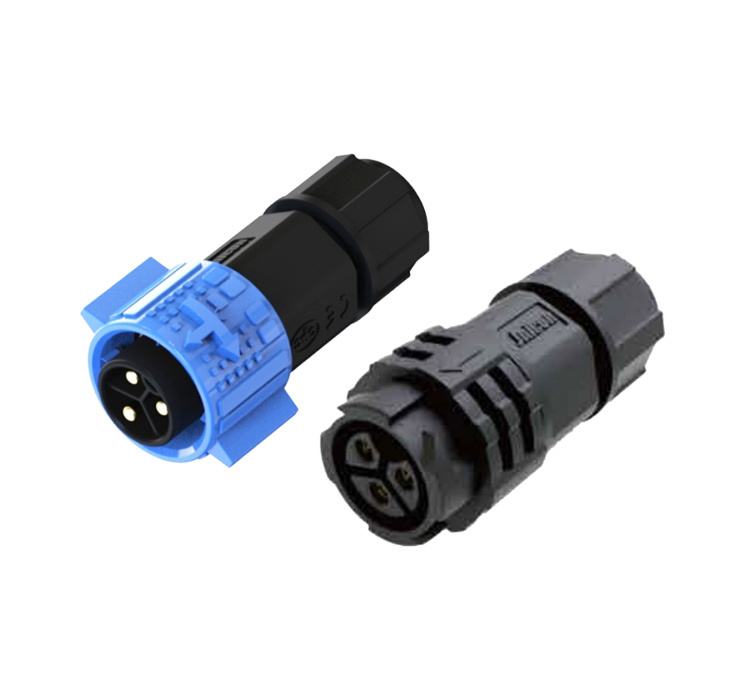
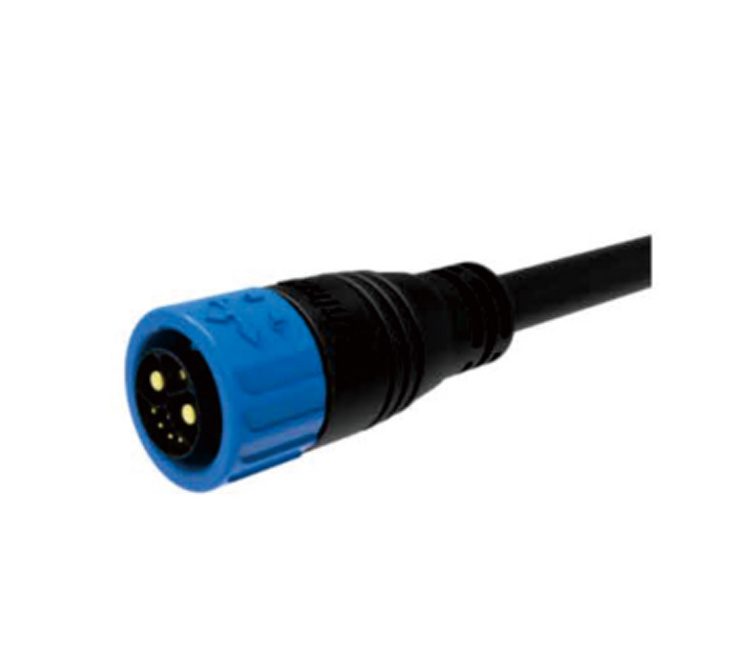
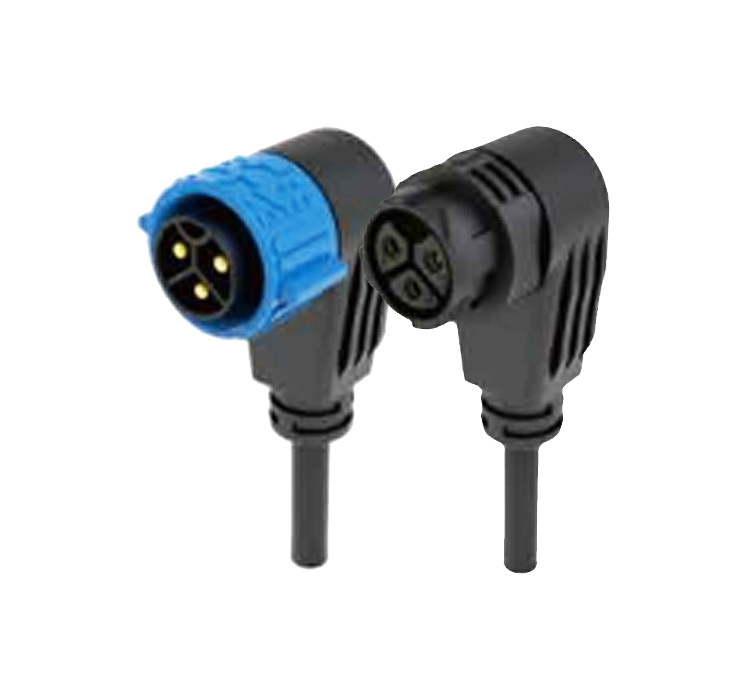
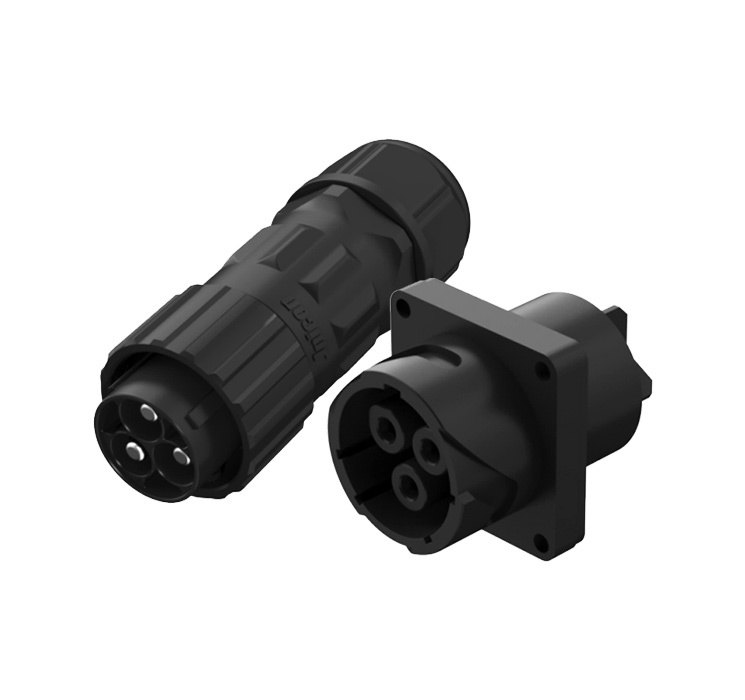
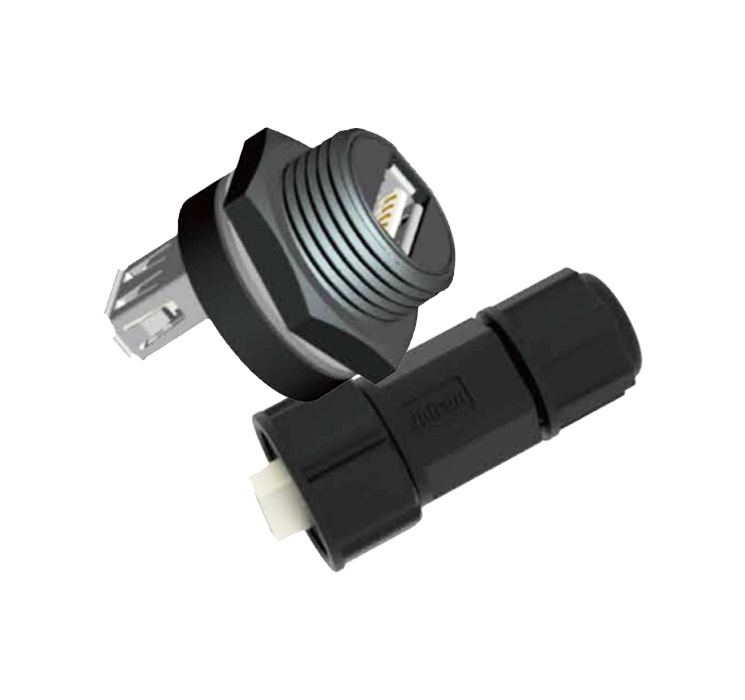
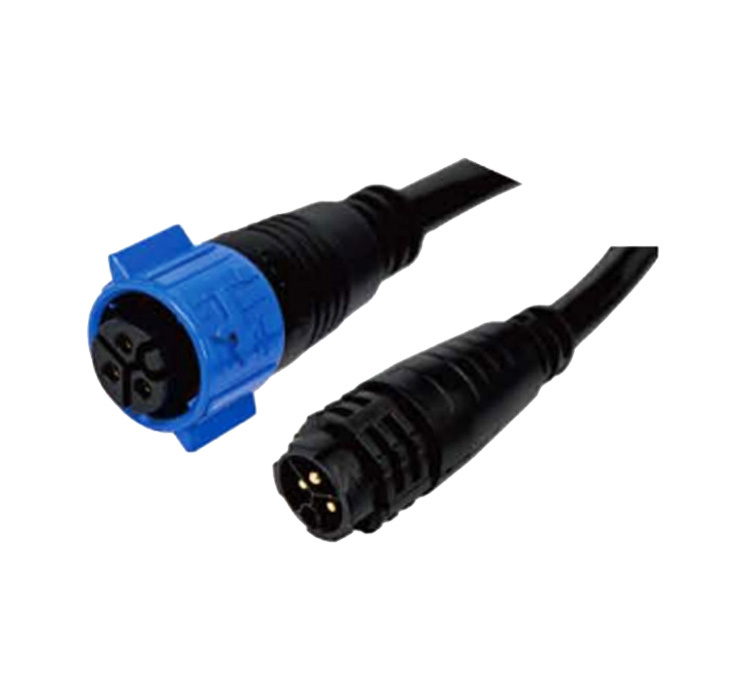
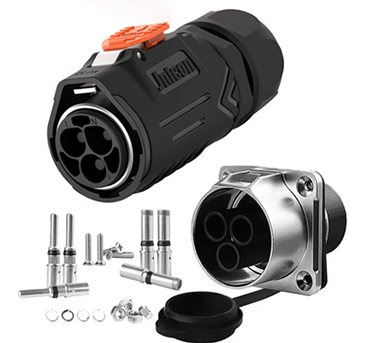
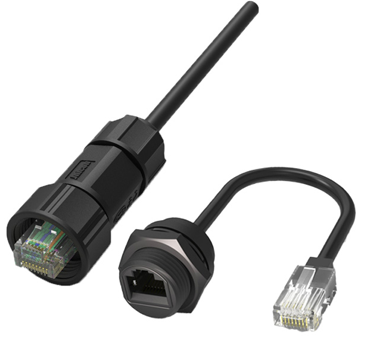
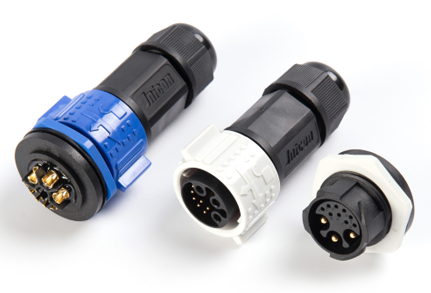
In the expansive world of marine transportation, reliable electrical connections are crucial for the optimal functioning of vessels and marine equipment. Waterproof marine electrical connectors play a pivotal role in this aspect, ensuring that electrical systems remain operational even in the most challenging environments. This article explores the complete lifecycle of waterproof marine electrical connectors, shedding light on their significance, materials, installation, maintenance, and advancements in technology.
Table of Contents
- 1. Introduction to Waterproof Marine Electrical Connectors
- 2. Importance of Waterproof Marine Electrical Connectors
- 3. Materials Used in Waterproof Marine Electrical Connectors
- 4. Manufacturing Process of Waterproof Marine Electrical Connectors
- 5. Installation Practices for Marine Electrical Connectors
- 6. Maintenance and Care for Marine Electrical Connectors
- 7. Advancements in Waterproof Marine Electrical Connector Technology
- 8. Future Trends in Marine Electrical Connectors
- 9. Frequently Asked Questions (FAQs)
- 10. Conclusion
1. Introduction to Waterproof Marine Electrical Connectors
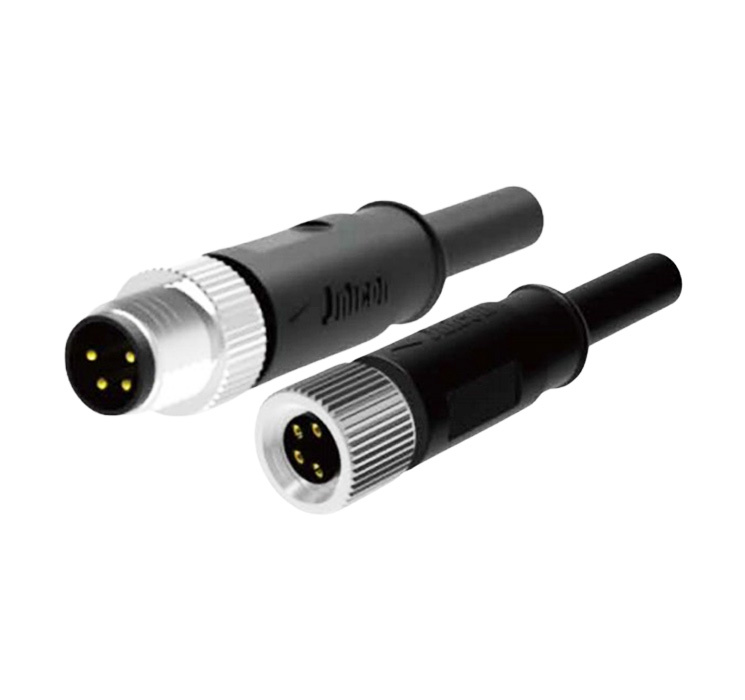
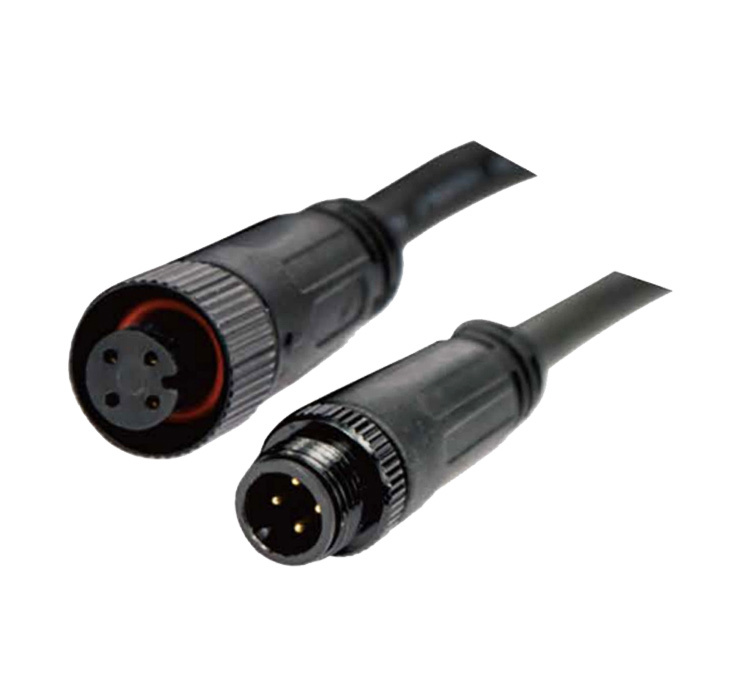
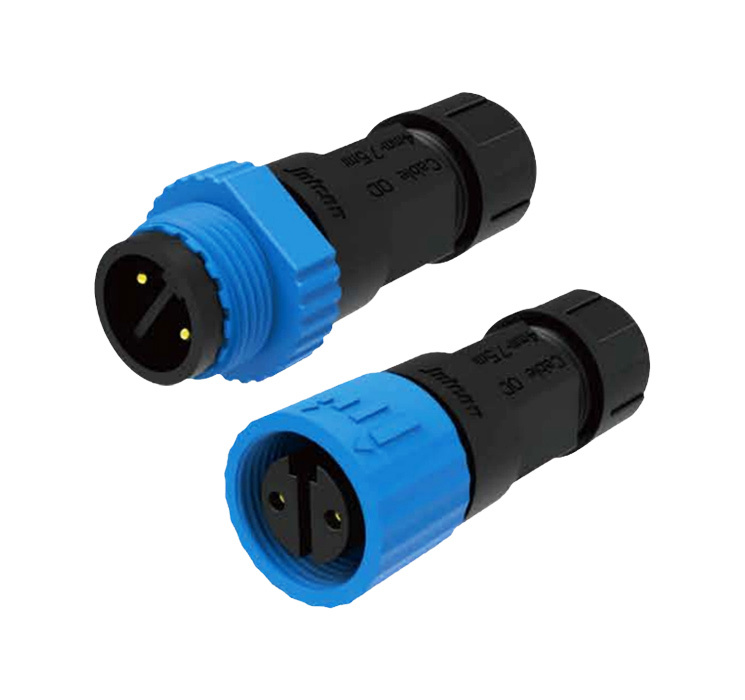
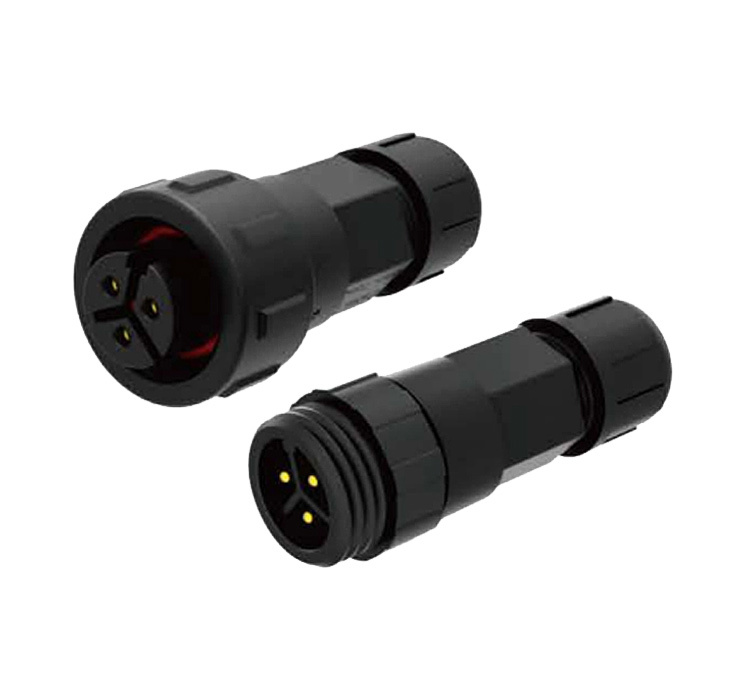
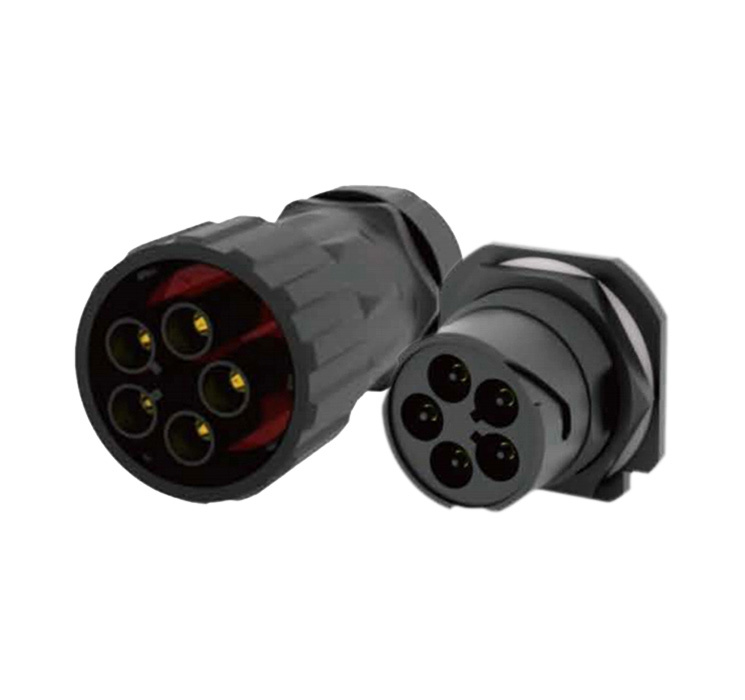
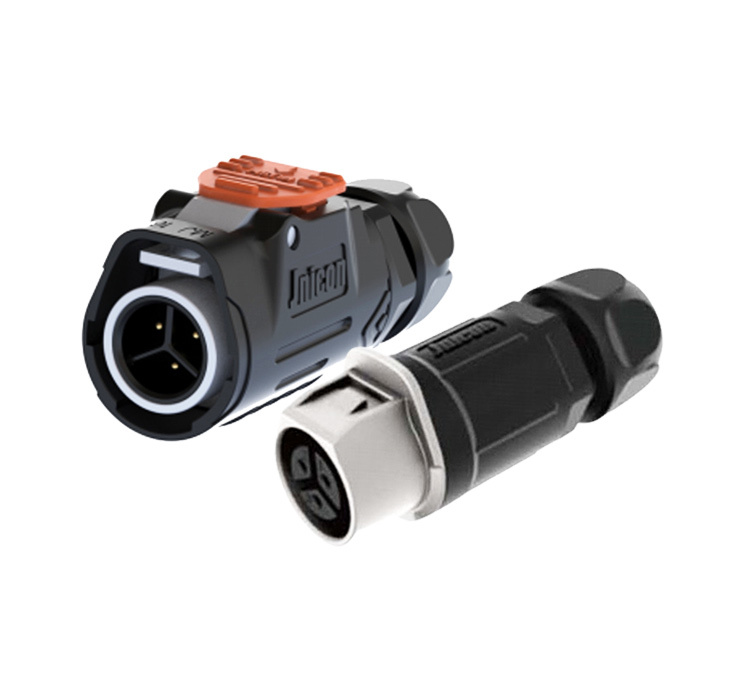
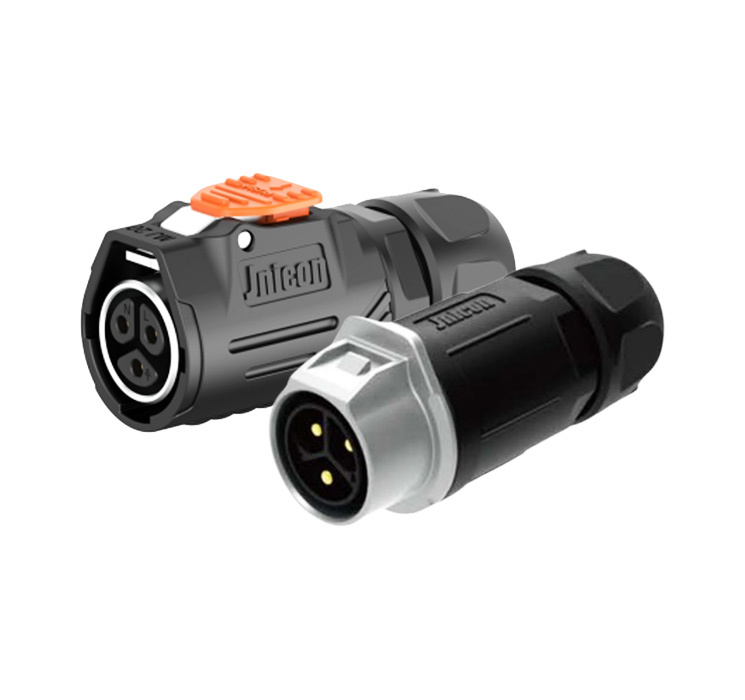
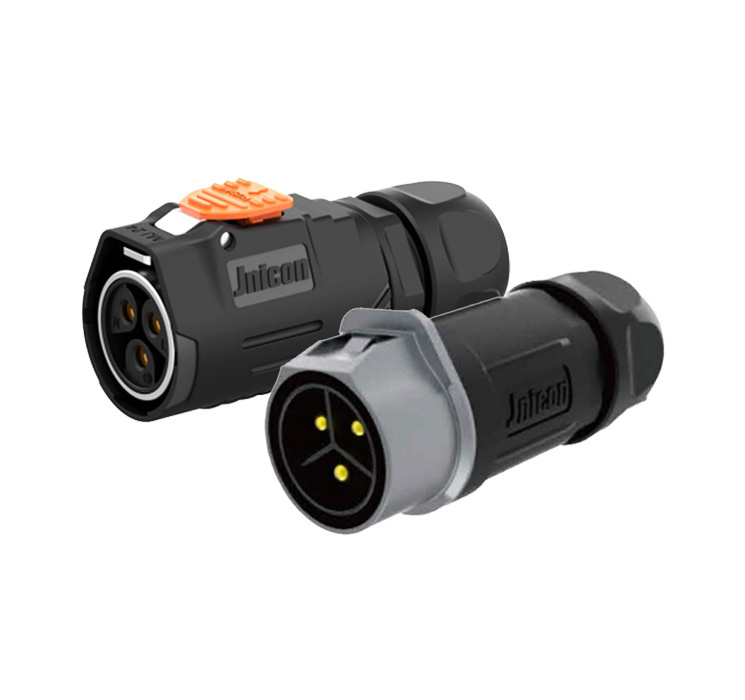
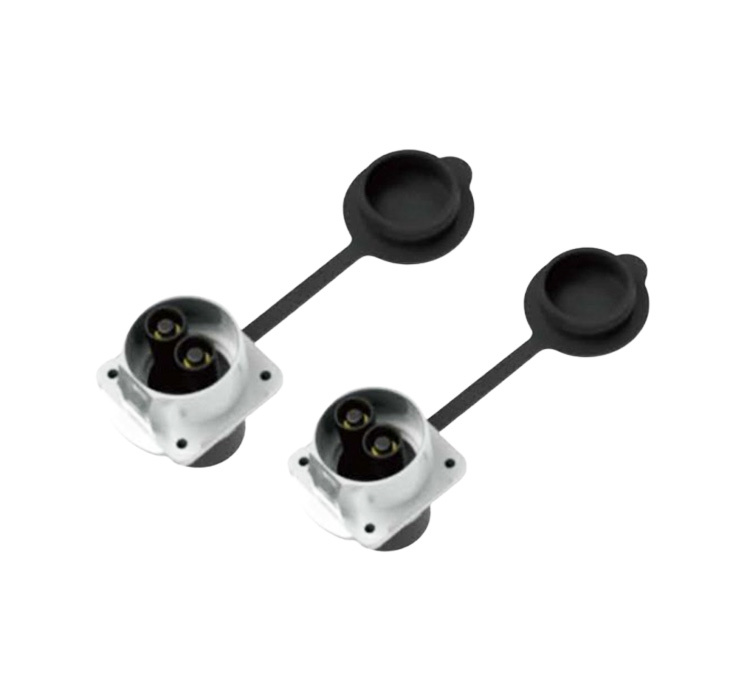
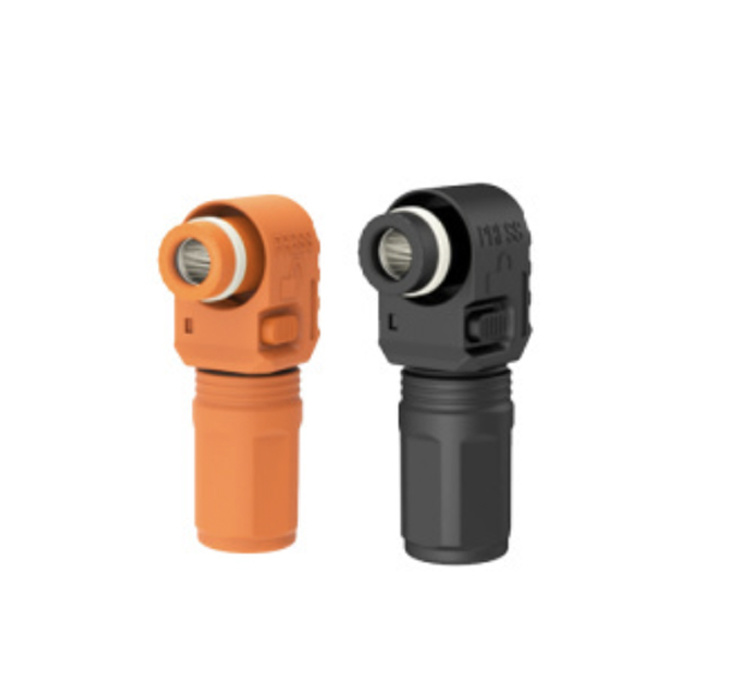
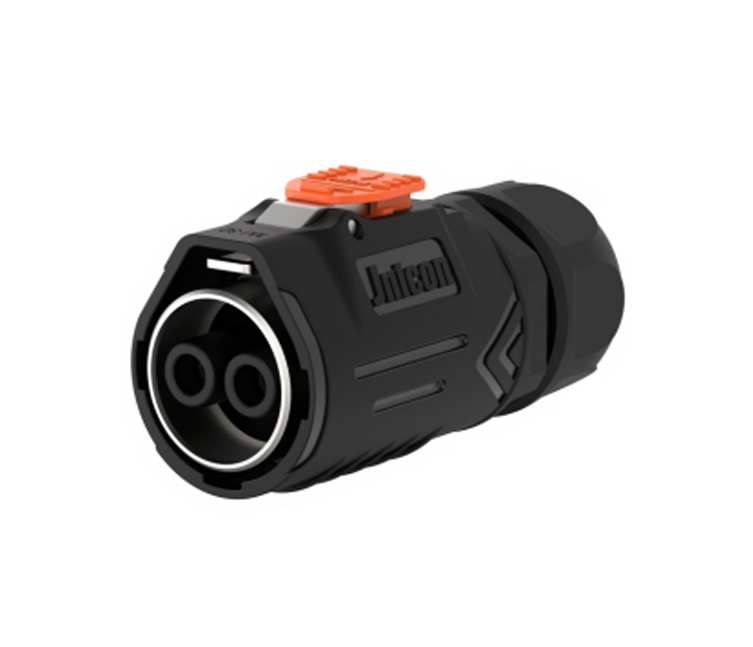
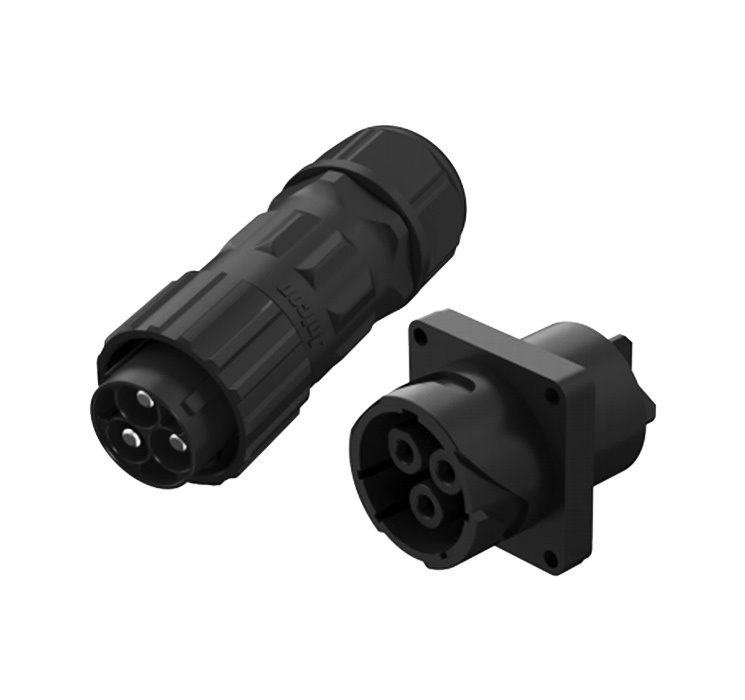
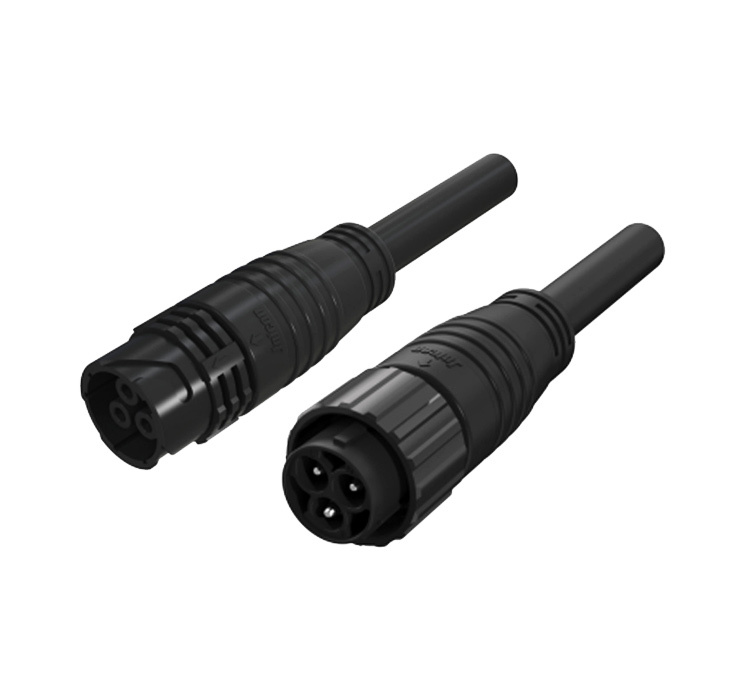
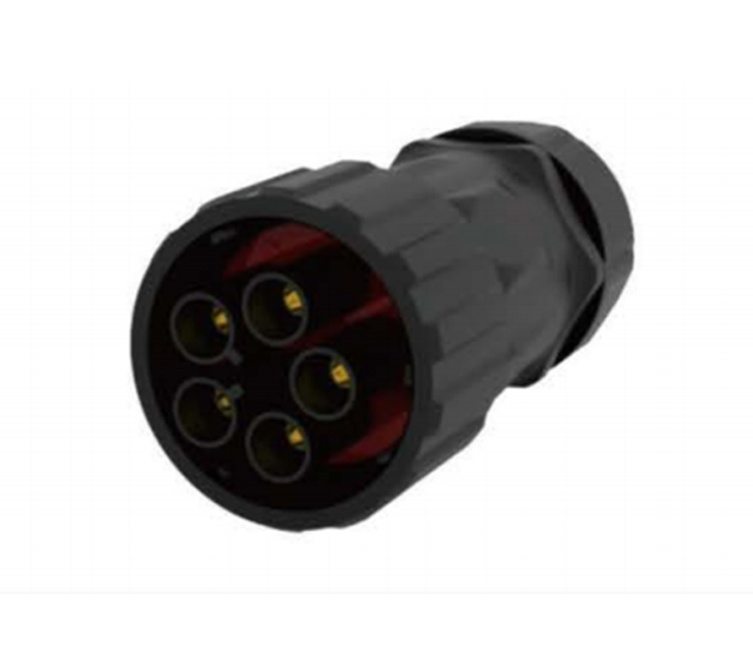
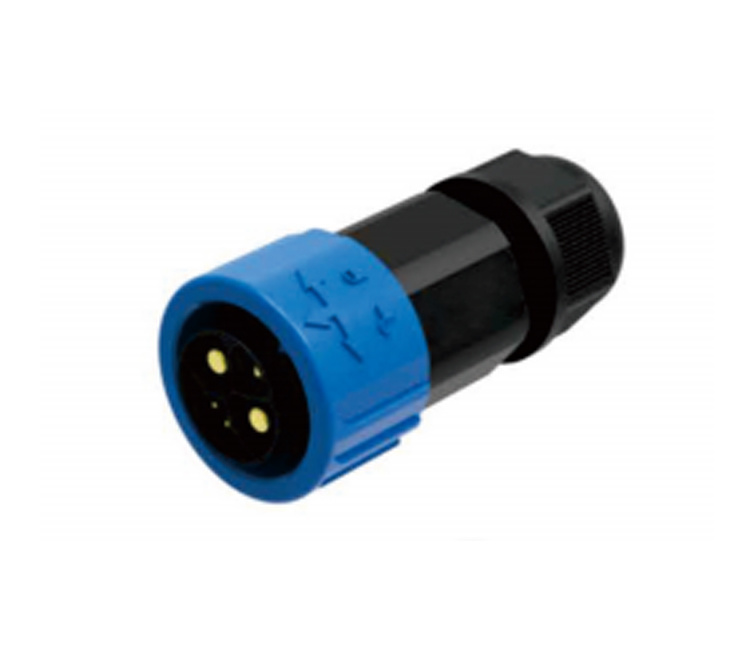
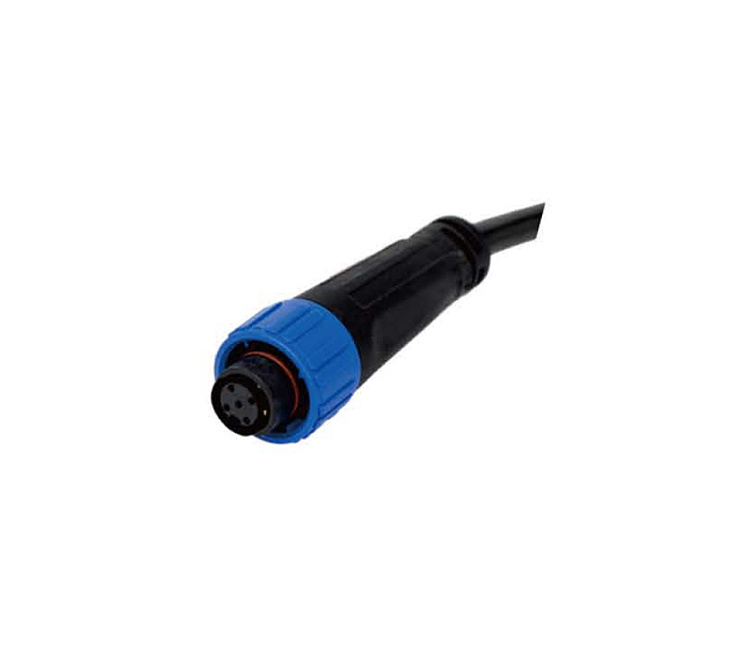
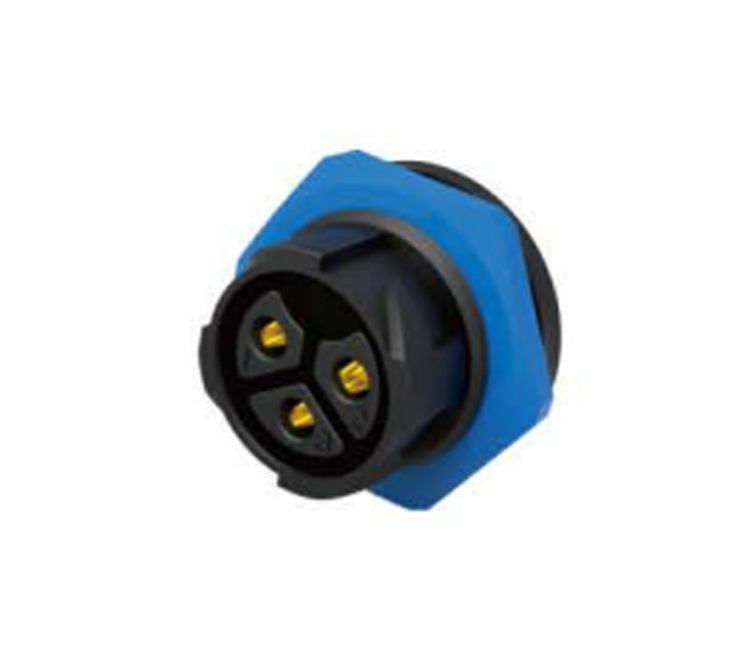
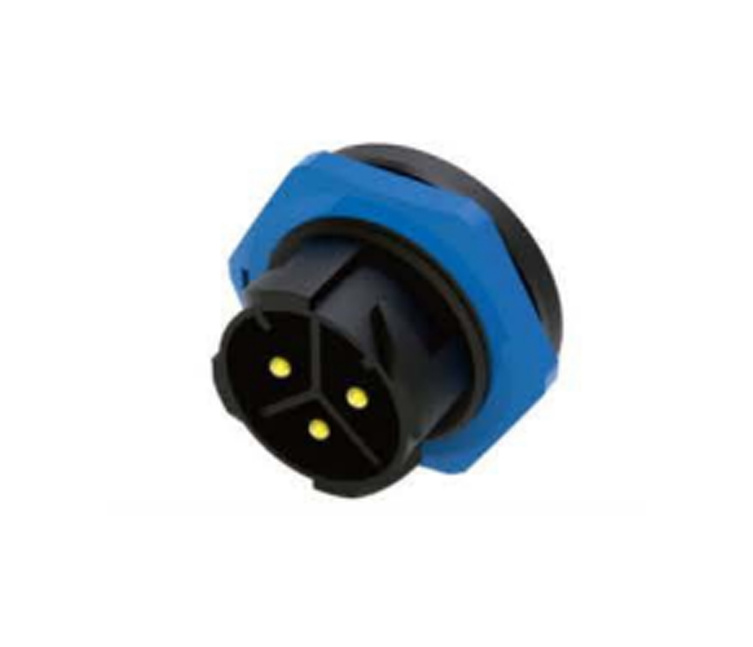
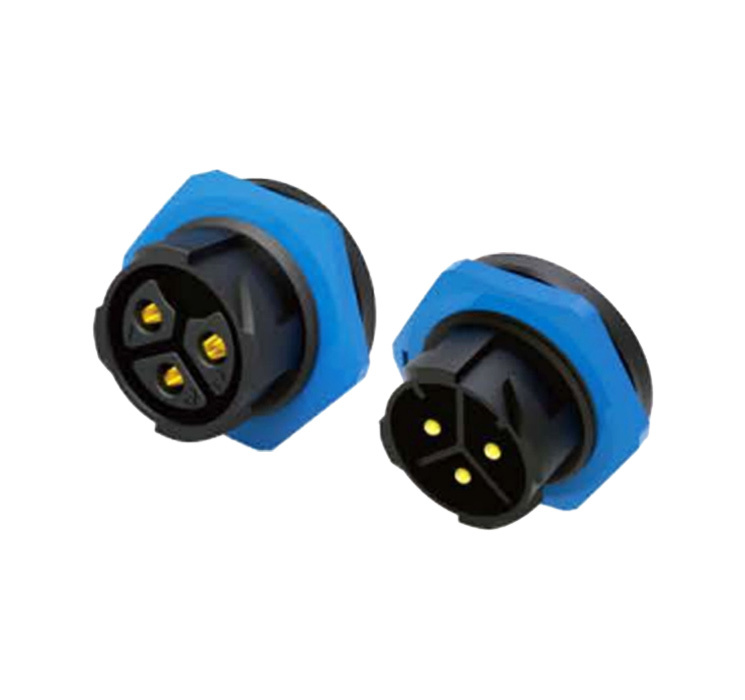
Waterproof marine electrical connectors are specialized components designed to facilitate electrical connections in marine environments. These connectors are engineered to withstand exposure to water, salt, and other corrosive elements commonly found in maritime settings. Their primary function is to ensure uninterrupted power supply and signal transmission, crucial for navigation systems, communication devices, and onboard electrical equipment.
2. Importance of Waterproof Marine Electrical Connectors
The significance of waterproof marine electrical connectors cannot be overstated. These connectors safeguard the integrity of electrical systems aboard vessels, preventing failures that could lead to accidents or costly downtime. Key reasons for their importance include:
- Safety: Reliable electrical connections reduce the risk of electrical fires and equipment failure.
- Durability: Designed to resist harsh marine conditions, these connectors ensure longevity and performance.
- Efficiency: Proper connections enhance the overall efficiency of electrical systems, ensuring seamless operations.
- Compliance: Many regulatory bodies mandate the use of waterproof connectors for safety standards.
3. Materials Used in Waterproof Marine Electrical Connectors
The materials selected for waterproof marine electrical connectors are critical to their performance and durability. Common materials include:
3.1. Housing Materials
Connector housings are typically made from robust materials such as:
- Polyamide (Nylon): Known for its high resistance to impact, chemicals, and temperature fluctuations.
- Polycarbonate: Offers excellent clarity and high impact resistance, often used for transparent connector covers.
- Metal Alloys: Such as aluminum or stainless steel, provide enhanced durability and structural integrity.
3.2. Contact Materials
The conductivity and corrosion resistance of electrical contacts are essential for performance and longevity. Common materials include:
- Gold-Plated Contacts: Excellent conductivity and resistance to corrosion.
- Silver-Plated Contacts: High conductivity, but require protective coatings to resist corrosion.
- Copper Contacts: Cost-effective and widely used, requiring appropriate plating for marine applications.
4. Manufacturing Process of Waterproof Marine Electrical Connectors
The manufacturing of waterproof marine electrical connectors involves several key steps:
4.1. Design and Engineering
Initial design focuses on ensuring that connectors meet the specific requirements of marine applications, including resistance to water ingress and corrosion.
4.2. Material Selection
Choosing the right materials is crucial. Manufacturers select materials based on strength, corrosion resistance, and electrical conductivity.
4.3. Molding and Machining
Components are molded or machined to precise specifications. For plastic parts, injection molding is commonly used, while metal parts may be machined for exactness.
4.4. Assembly and Quality Control
Once components are produced, they are assembled. Rigorous quality control measures are implemented to ensure that connectors meet performance standards.
5. Installation Practices for Marine Electrical Connectors
Proper installation of waterproof marine electrical connectors is vital for ensuring their longevity and functionality. Key practices include:
5.1. Surface Preparation
Before installation, surfaces should be cleaned to remove dirt, salt, and corrosion, ensuring a proper seal and connection.
5.2. Sealing Techniques
Utilizing appropriate sealing techniques, such as O-rings or silicone sealants, can enhance water resistance.
5.3. Torque Specifications
Adhering to manufacturer torque specifications is essential to prevent over-tightening, which can damage connectors.
6. Maintenance and Care for Marine Electrical Connectors
Regular maintenance is crucial to prolong the life of waterproof marine electrical connectors:
6.1. Inspection
Routine inspections should be conducted to check for signs of wear, corrosion, or damage.
6.2. Cleaning
Clean connectors regularly using appropriate cleaning agents to prevent buildup of salt and debris.
6.3. Replacing Worn Components
Replace any damaged or worn connectors promptly to avoid electrical failures.
7. Advancements in Waterproof Marine Electrical Connector Technology
The marine industry continually seeks innovations to improve the performance and reliability of electrical connectors. Recent advancements include:
7.1. Smart Connectors
Integrating smart technology into connectors allows for real-time monitoring of electrical systems, enhancing safety and efficiency.
7.2. Eco-Friendly Materials
With growing environmental concerns, manufacturers are exploring biodegradable and recyclable materials for connector production.
7.3. Enhanced Corrosion Resistance
New coatings and treatments are being developed to further enhance the corrosion resistance of marine connectors.
8. Future Trends in Marine Electrical Connectors
The future of waterproof marine electrical connectors is poised for exciting developments:
8.1. Increased Automation
As automation in marine operations grows, connectors will need to support advanced electrical systems, requiring more robust designs.
8.2. Wireless Power Transfer
Research into wireless power technology may lead to alternative connection methods that reduce wear and enhance reliability.
8.3. Customization
Demand for customized solutions tailored to specific marine applications is expected to rise, prompting manufacturers to innovate.
9. Frequently Asked Questions (FAQs)
What are waterproof marine electrical connectors?
Waterproof marine electrical connectors are specialized components designed to create reliable electrical connections in marine environments, resisting water and corrosion.
Why are waterproof connectors essential in marine applications?
These connectors ensure safety, efficiency, and durability, preventing electrical failures that could lead to serious accidents or downtime.
What materials are commonly used in waterproof connectors?
Common materials include polyamide, polycarbonate, and metal alloys for housings, and gold or silver plating for electrical contacts.
How can I maintain waterproof marine electrical connectors?
Regular inspections, cleaning, and timely replacement of worn components are key to maintaining these connectors.
What advancements are currently being seen in marine electrical connectors?
Recent advancements include smart technology integration, eco-friendly materials, and enhanced corrosion resistance coatings.
10. Conclusion
Waterproof marine electrical connectors are indispensable components that enhance the safety, efficiency, and reliability of marine operations. Understanding their lifecycle—from materials selection and manufacturing to installation, maintenance, and future trends—empowers marine professionals to make informed decisions. As technology progresses, staying abreast of advancements will ensure that vessels are equipped with the best solutions for the challenges of the maritime environment. Adopting best practices in installation and maintenance will further extend the lifespan of these connectors, ultimately contributing to safer and more efficient marine transport.
Previous
News
2026-10-06
Exploring the Lifecycle of Waterproof Marine Electrical Connectors: A Comprehensive Guide
Exploring the Lifecycle of Waterproof Marine Electrical Connectors In the expansive world of marine transportation, reliable electrical connections are crucial for the optimal functioning of vessels and marine equipment. Waterproof marine electrical connectors play a pivotal role in this aspect, ensuring that electrical systems remain operational even in the most challenging environments. This art
2026-10-03
Understanding Waterproof Cables: Essential Insights for Electrical Professionals
Waterproof cables are vital components in the electric and electronic industries, especially when it comes to ensuring safe and reliable connections in challenging environments. These cables are designed to resist moisture and prevent water ingress, which can lead to electrical failure and safety hazards. Understanding the intricacies of waterproof cables is essential for electrical professionals
2026-09-30
Discover the Advantages of Using 2 Pin Waterproof Connectors in Harsh Environments
Discover the Advantages of Using 2 Pin Waterproof Connectors in Harsh Environments Table of Contents 1. Introduction to 2 Pin Waterproof Connectors 2. Importance of Waterproof Connectors 3. Design Features of 2 Pin Waterproof Connectors 4. Applications in Various Industries 5. Benefits of Using 2 Pin Waterproof Connectors 6. Installation Guidelines for 2 Pin Waterproof Connectors 7.

B8-9, Fubilun industrial park, Chaoyang rd,Yanchuan community, Songgang, Shenzhen, China


