
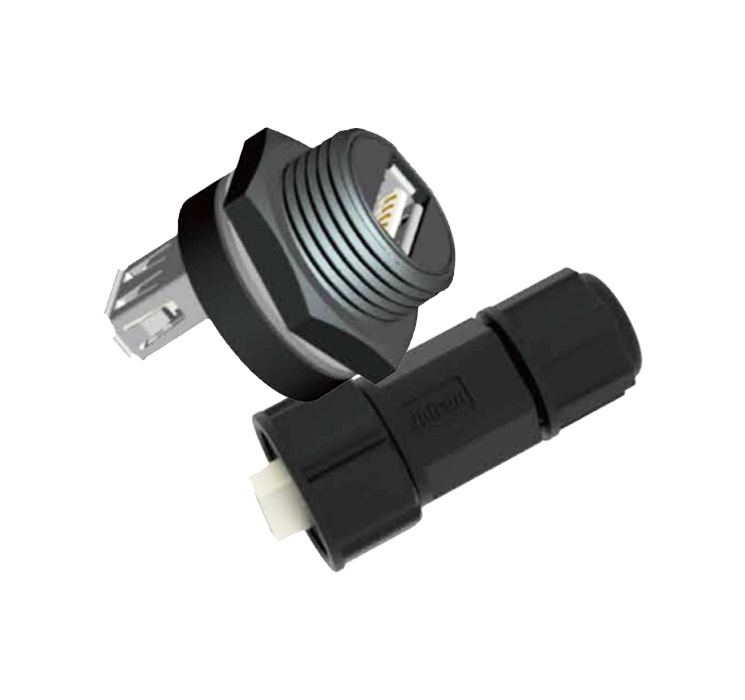
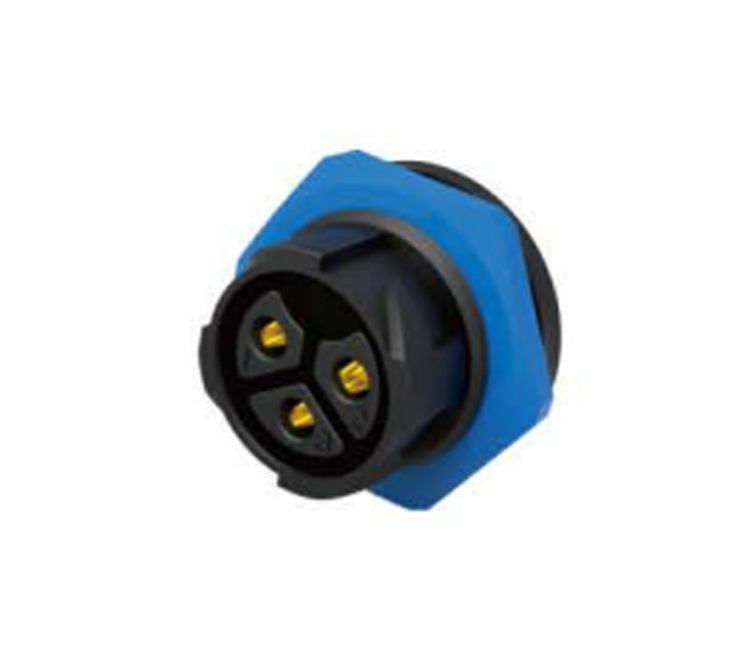
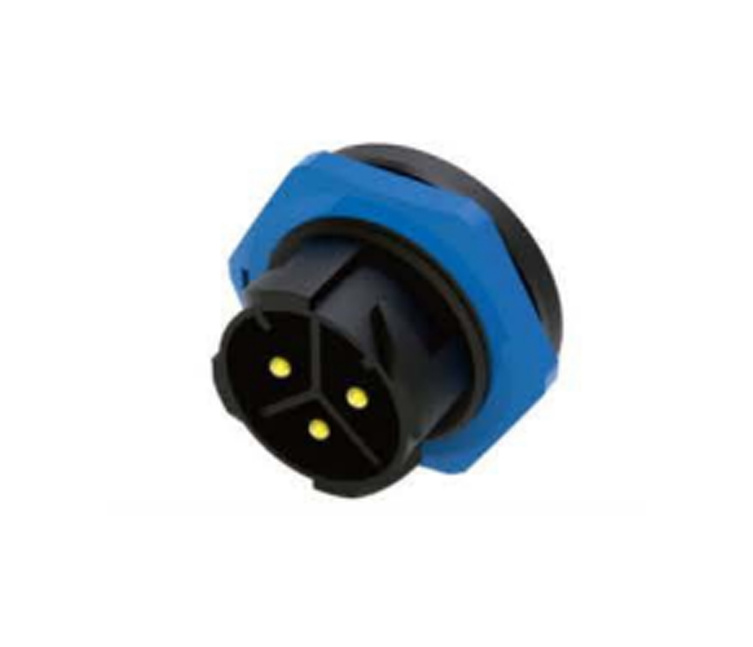
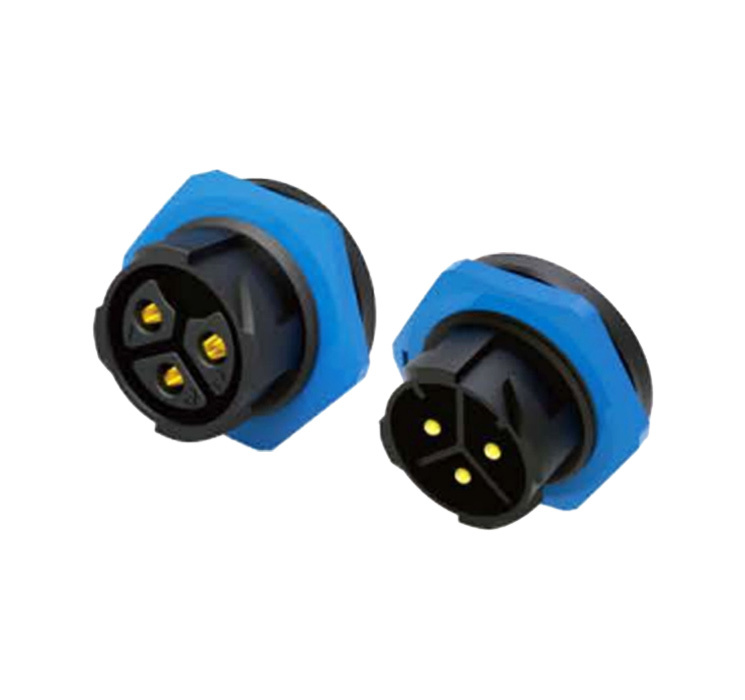


Why Waterproof Marine Electrical Connectors are Essential for Safe Navigation
Release Time:
2025-12-08
Why Waterproof Marine Electrical Connectors are Essential for Safe Navigation
Table of Contents
1. Understanding Marine Electrical Connectors
2. The Importance of Waterproof Connectors in Marine Applications
3. Types of Waterproof Marine Electrical Connectors
3.1. Connector Classifications
3.2. Common Materials Used
4. Key Features of High-Quality Waterproof Connectors
5. Benefits of Using Waterproof Marine Electrical Connectors
5.1. Enhanced Durability
5.2. Improved Safety and Reliability
6. How to Choose the Right Waterproof Marine Electrical Connector
6.1. Consider the Environment
6.2. Evaluate Current and Voltage Ratings
7. Best Practices for Installing and Maintaining Connectors
8. Frequently Asked Questions (FAQs)
9. Conclusion
1. Understanding Marine Electrical Connectors
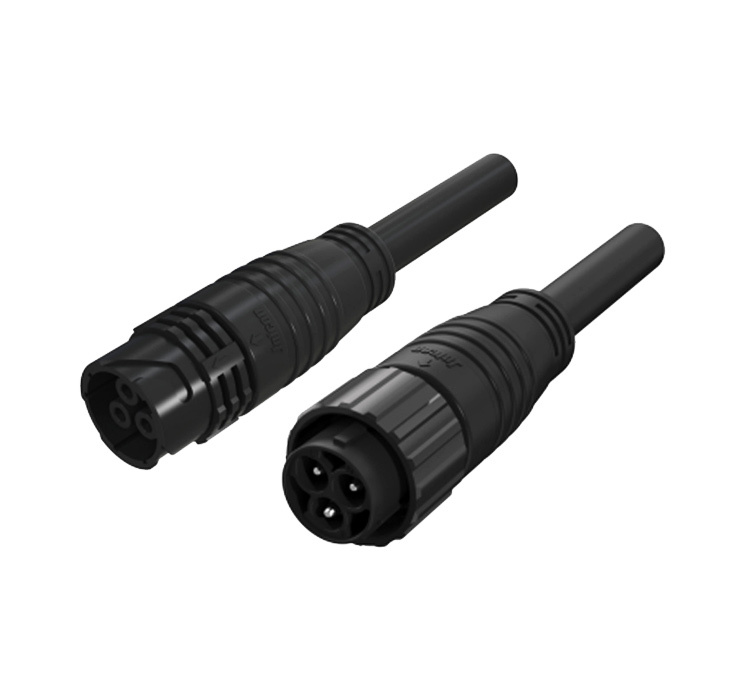
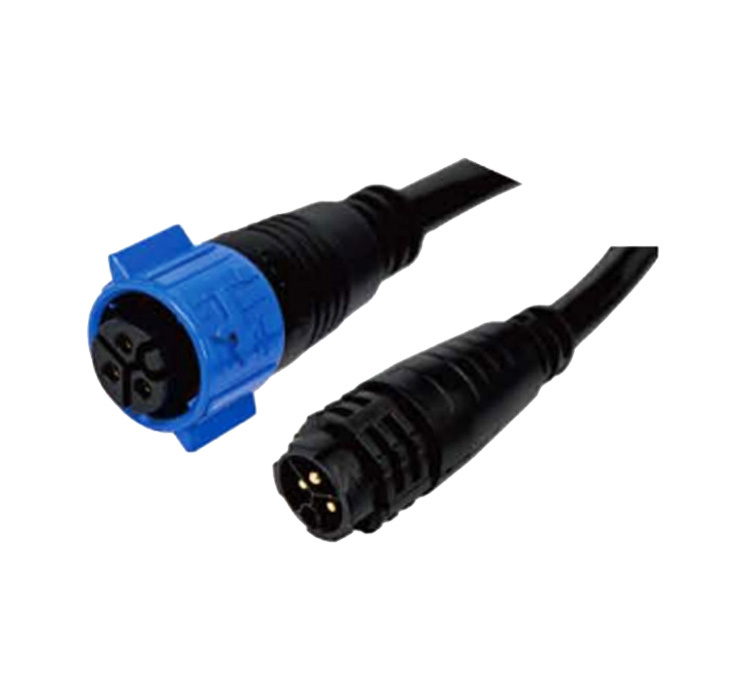
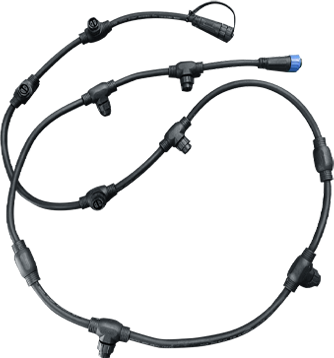
Marine electrical connectors serve as the vital link between various electrical components in maritime vessels. These connectors can be found in numerous applications, including navigation systems, communication devices, and power supply lines. Their primary function is to ensure a stable and reliable connection, allowing for the seamless transfer of electrical signals.
2. The Importance of Waterproof Connectors in Marine Applications
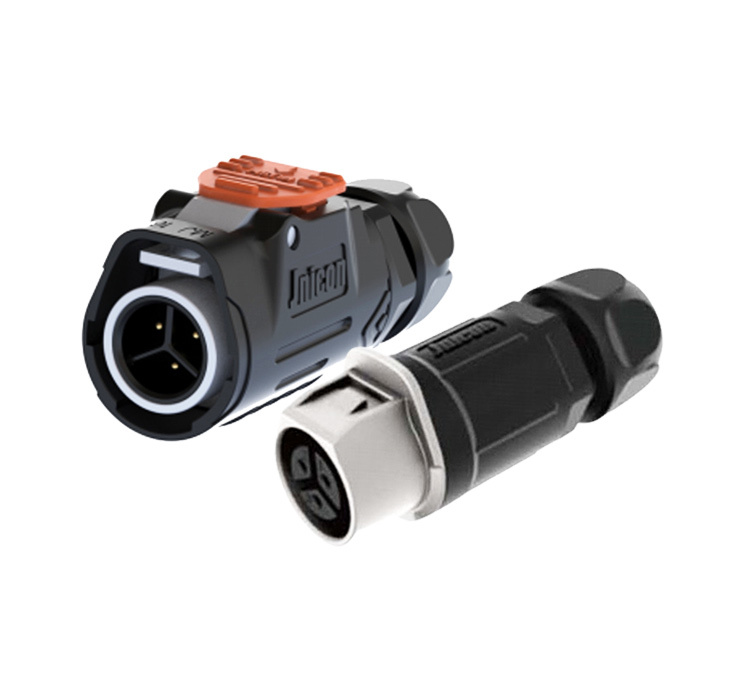
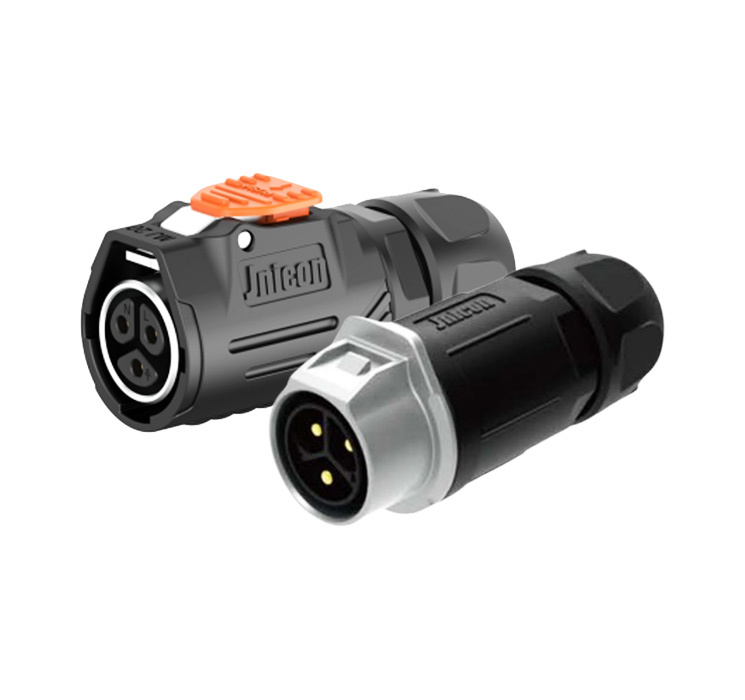
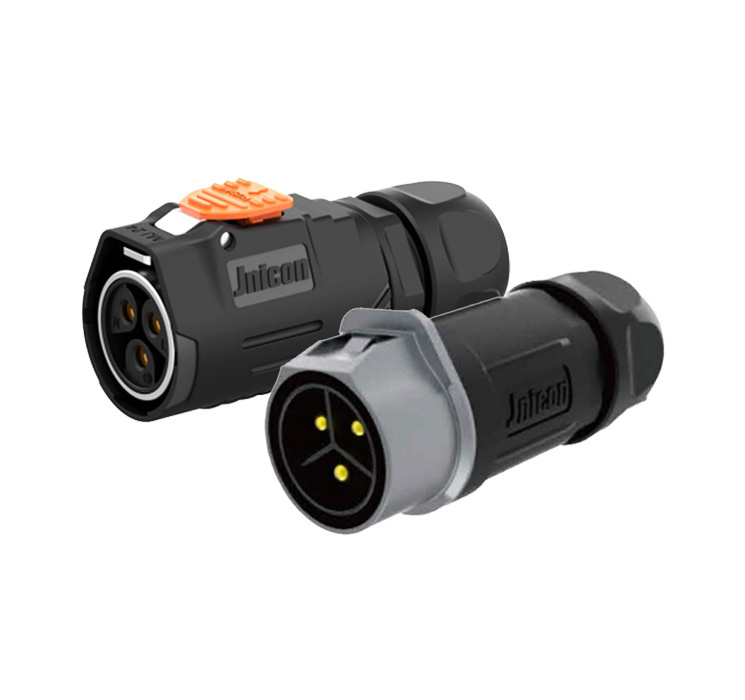
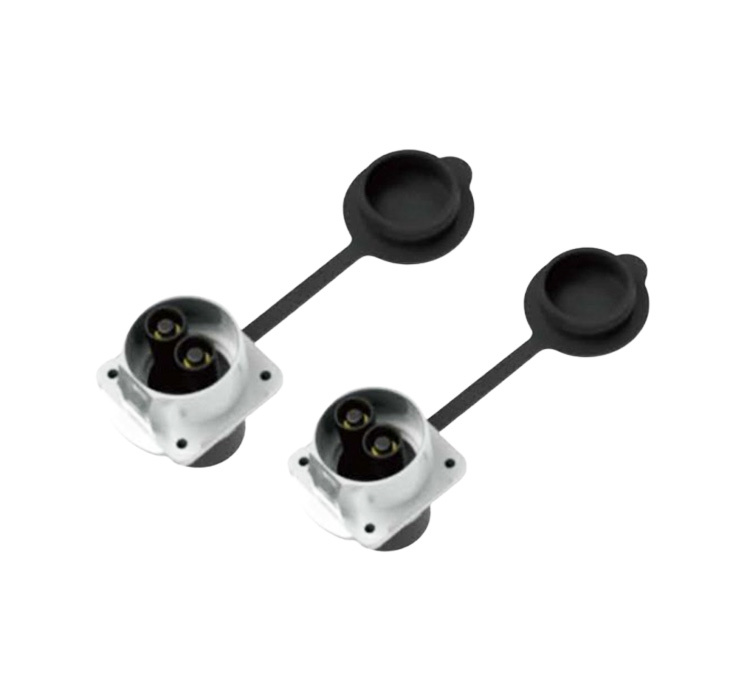
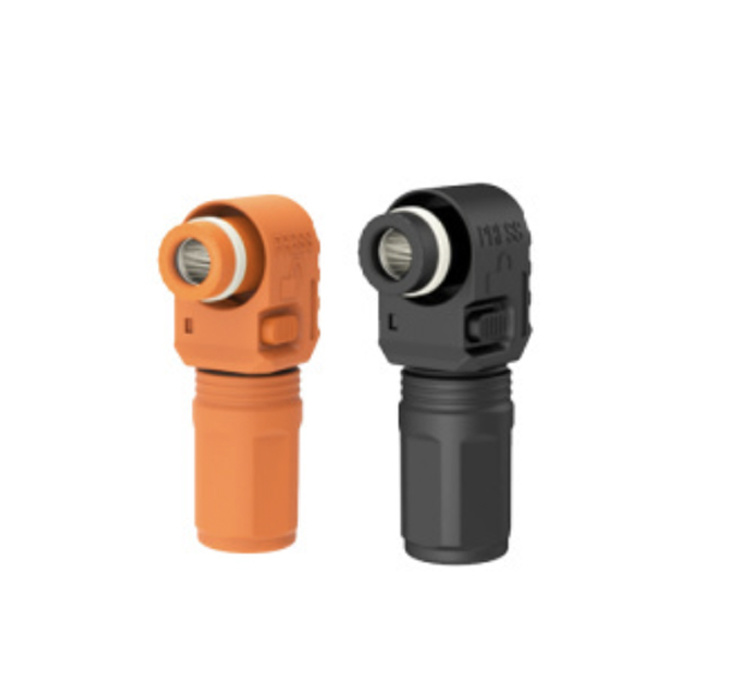
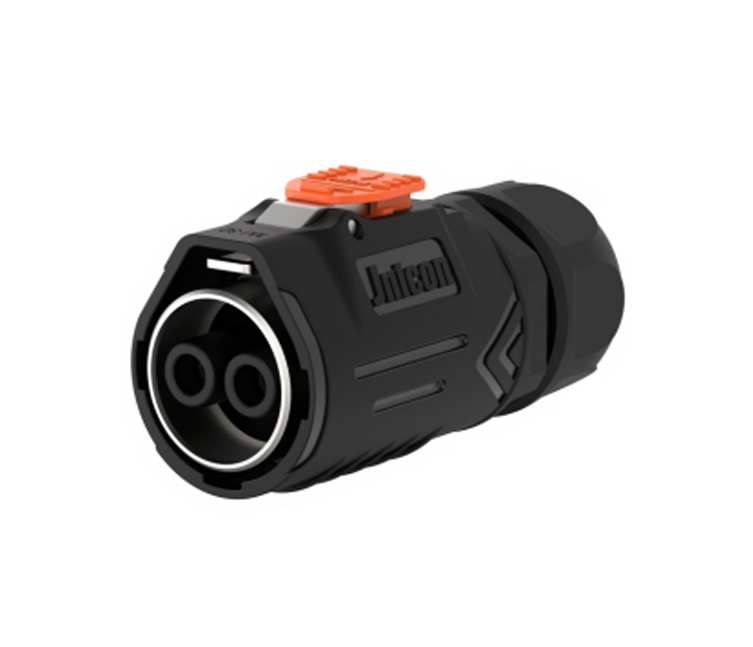
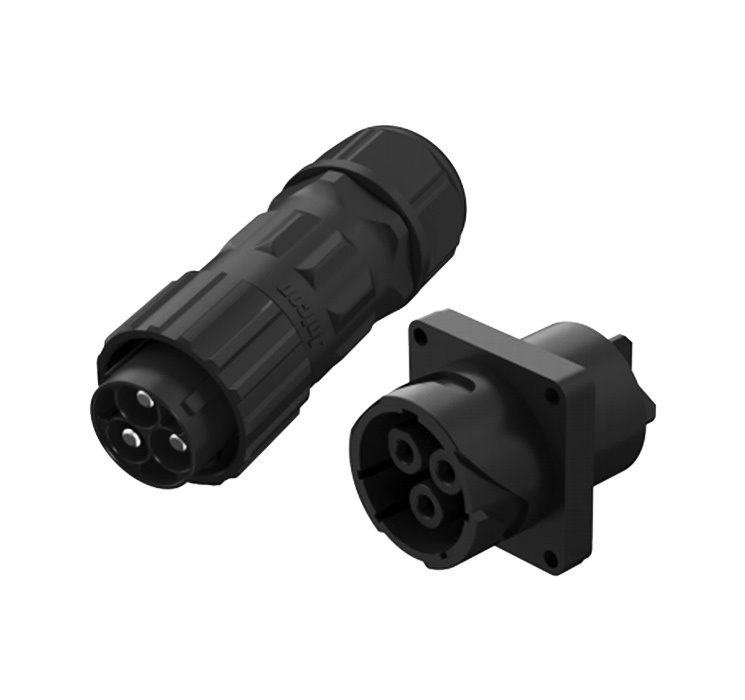
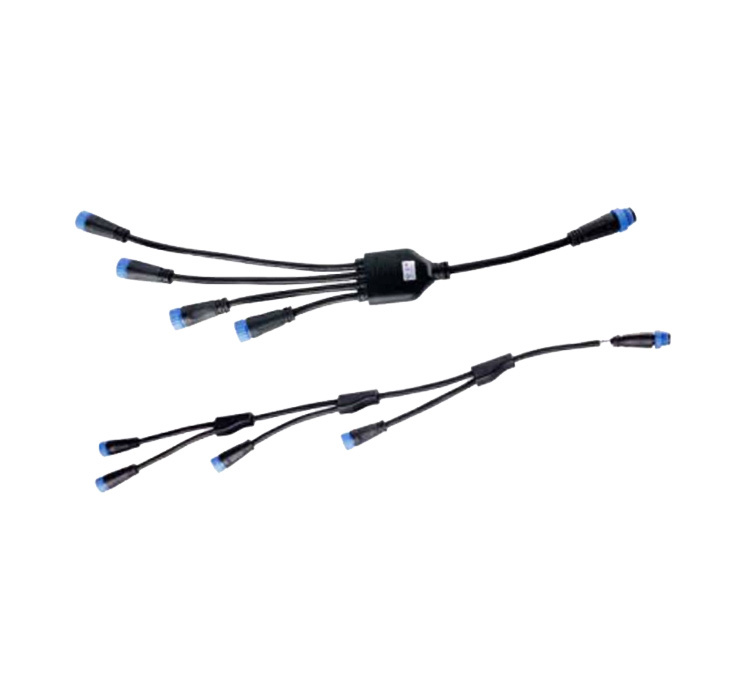
In marine environments, the exposure to water, humidity, and marine elements can compromise electrical connections. This makes waterproof marine electrical connectors essential for safe navigation. They protect against corrosion, short circuits, and system failures, ensuring that vessels operate safely and efficiently under various conditions.
3. Types of Waterproof Marine Electrical Connectors
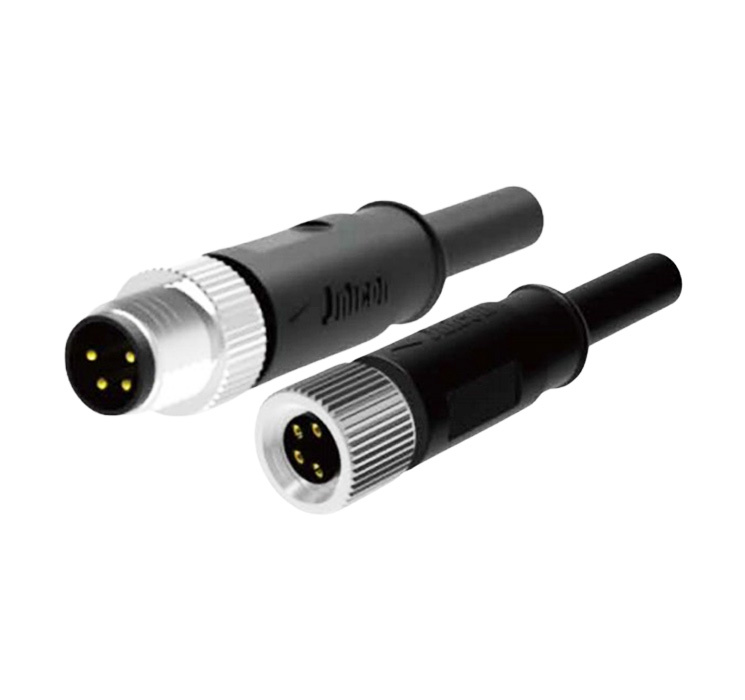
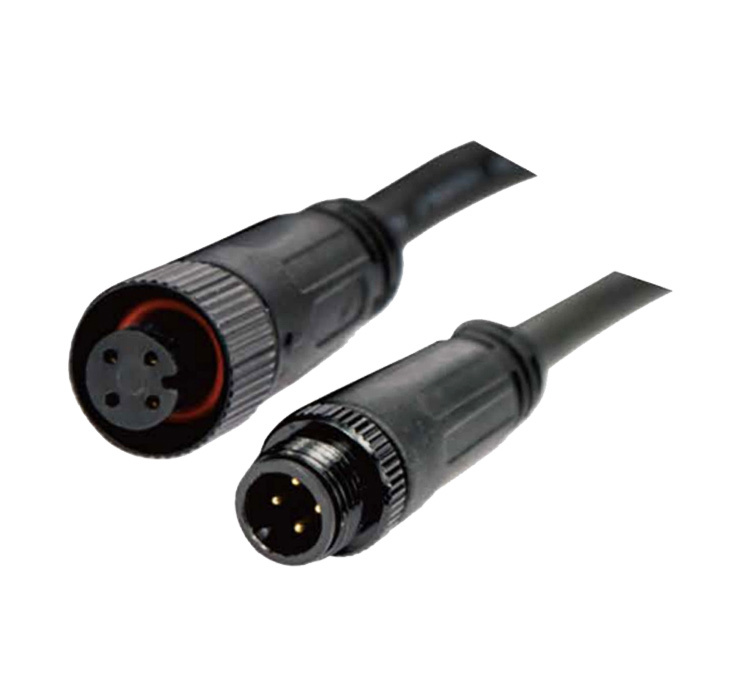
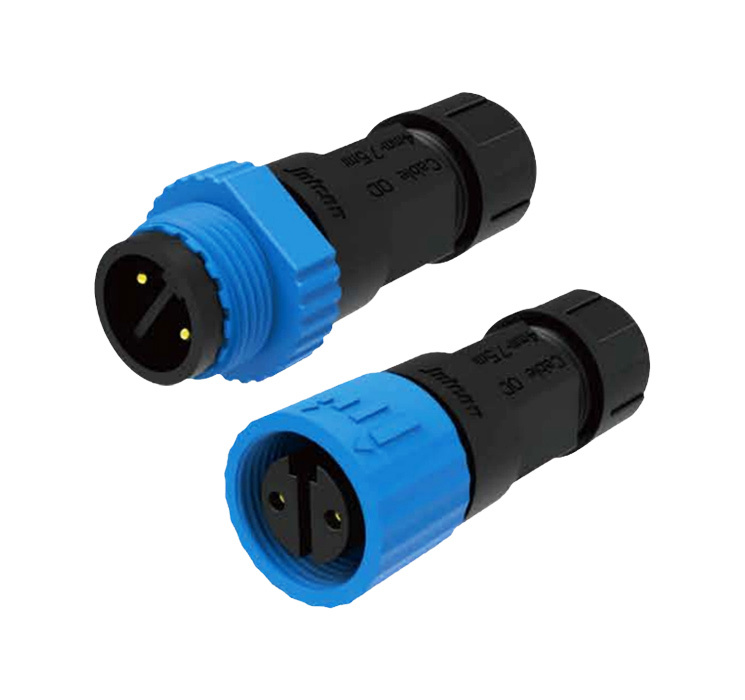
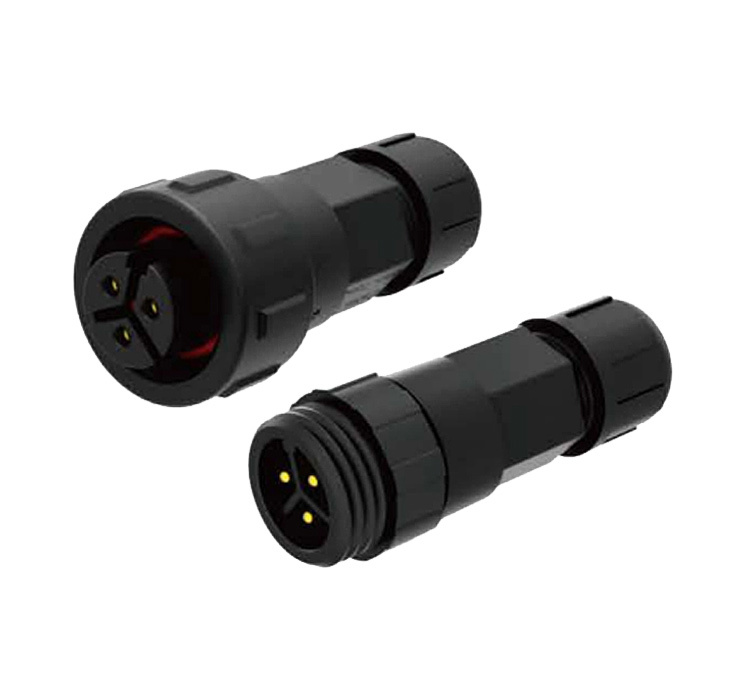
When choosing waterproof marine electrical connectors, it is crucial to understand the different types available in the market.
3.1. Connector Classifications
Connectors can be classified into several categories, including:
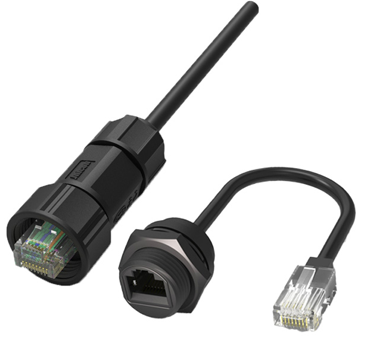
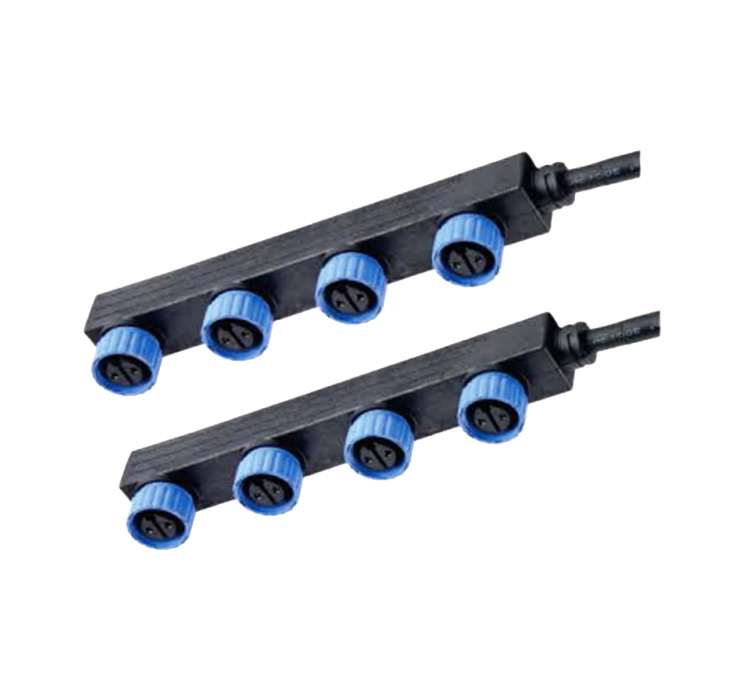
- **Plug and Socket Connectors**: Commonly used for temporary connections.
- **Terminal Blocks**: Allow multiple connections and are often used in control panels.
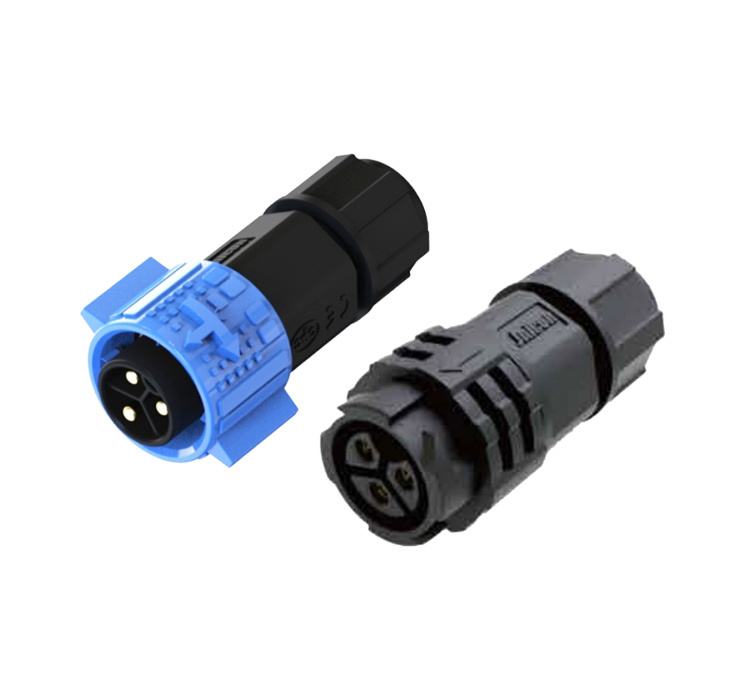
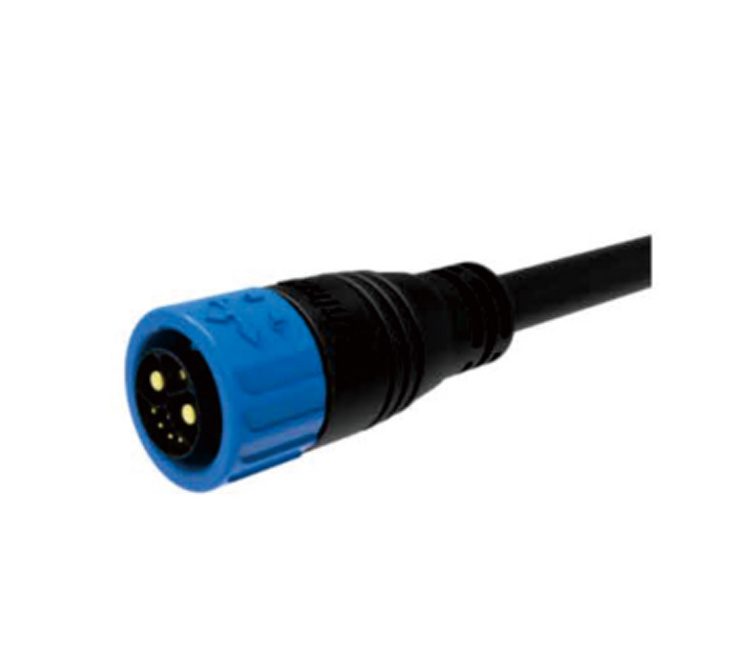
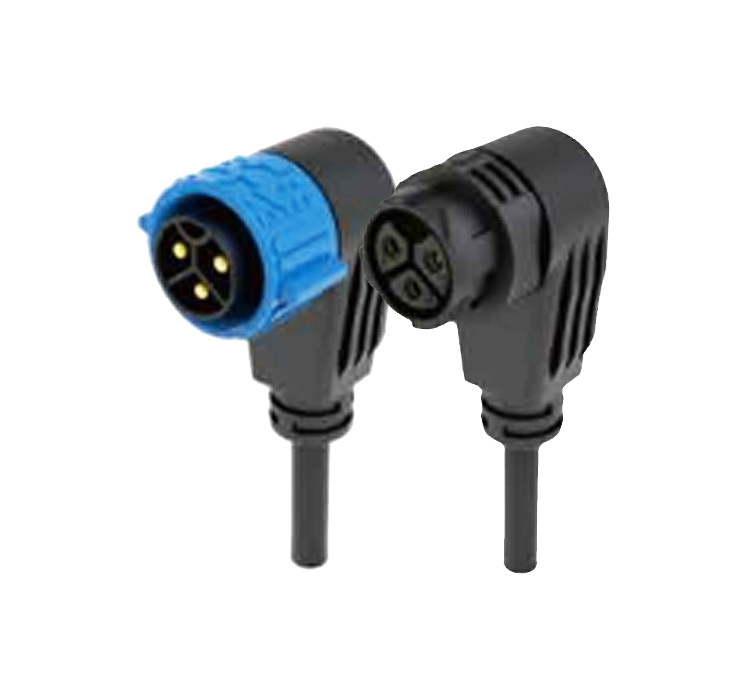
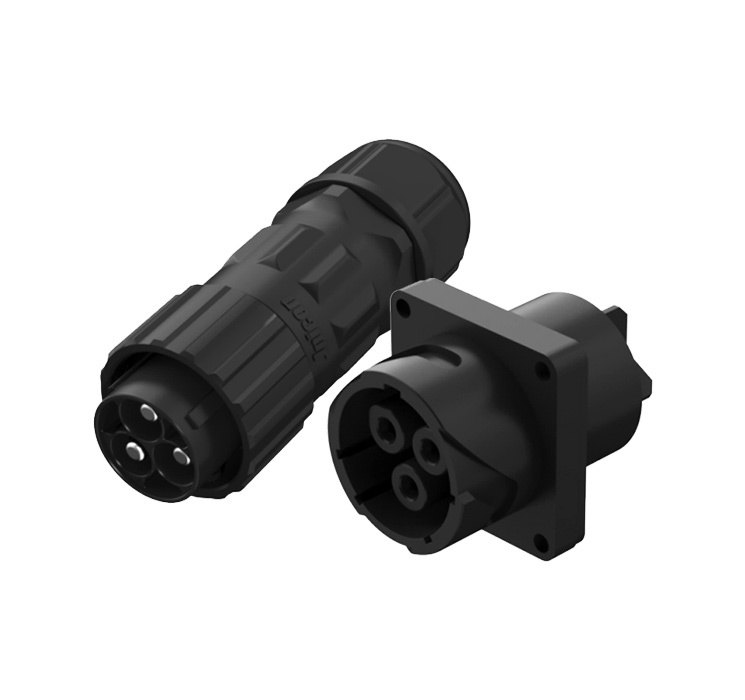
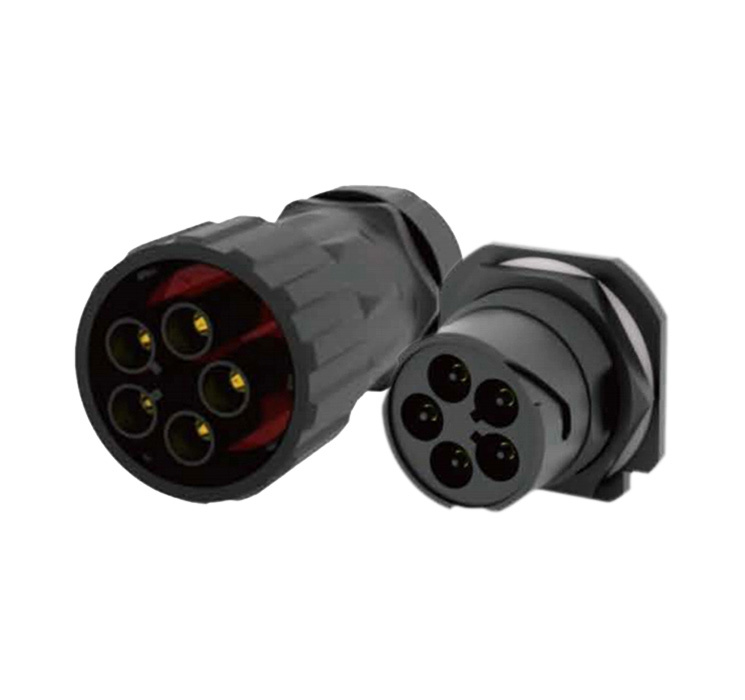
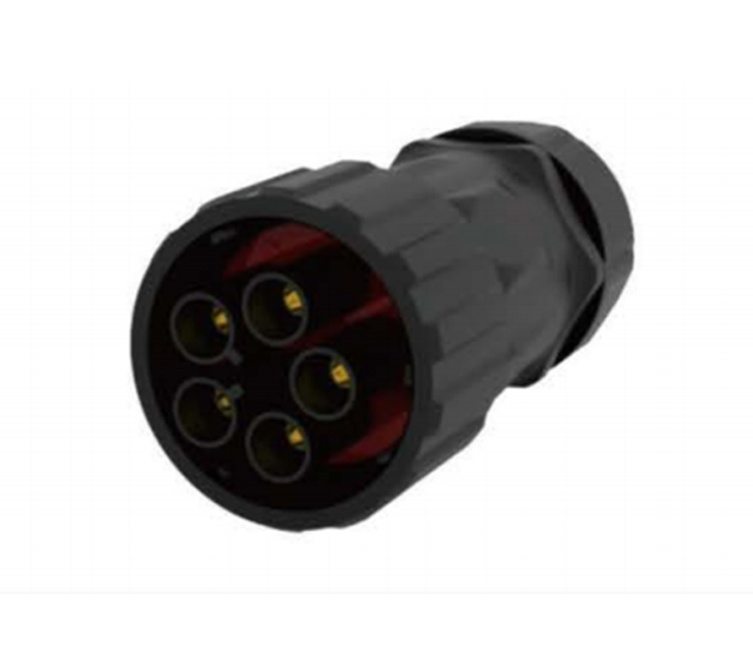
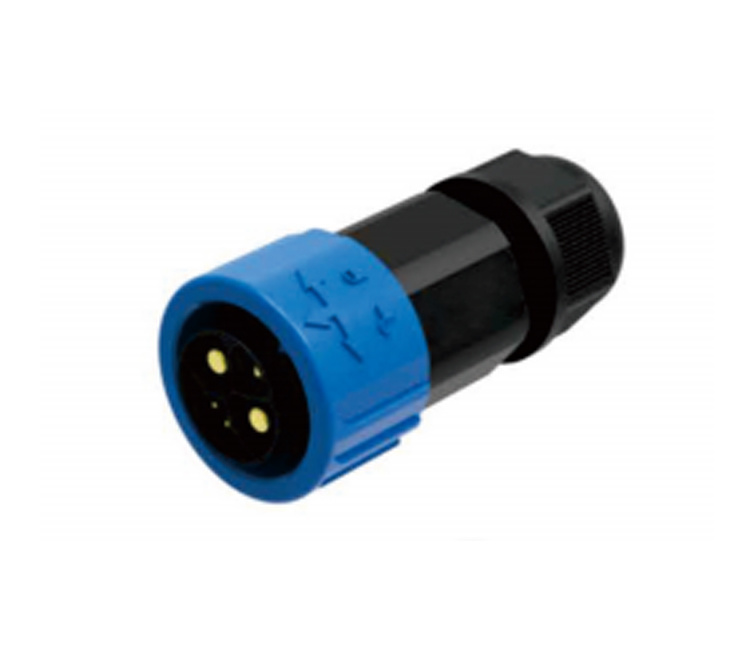
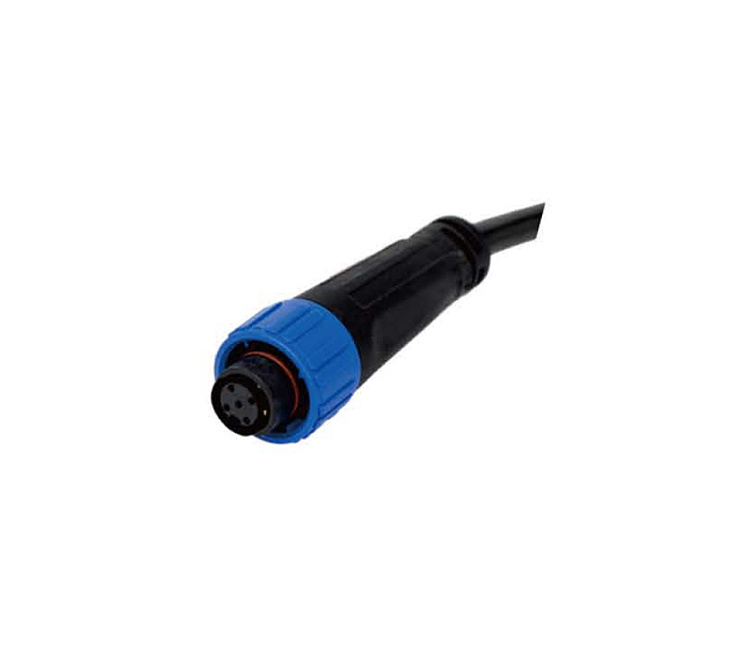
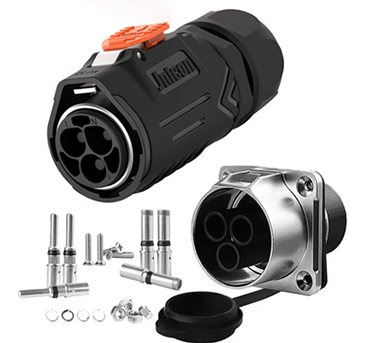
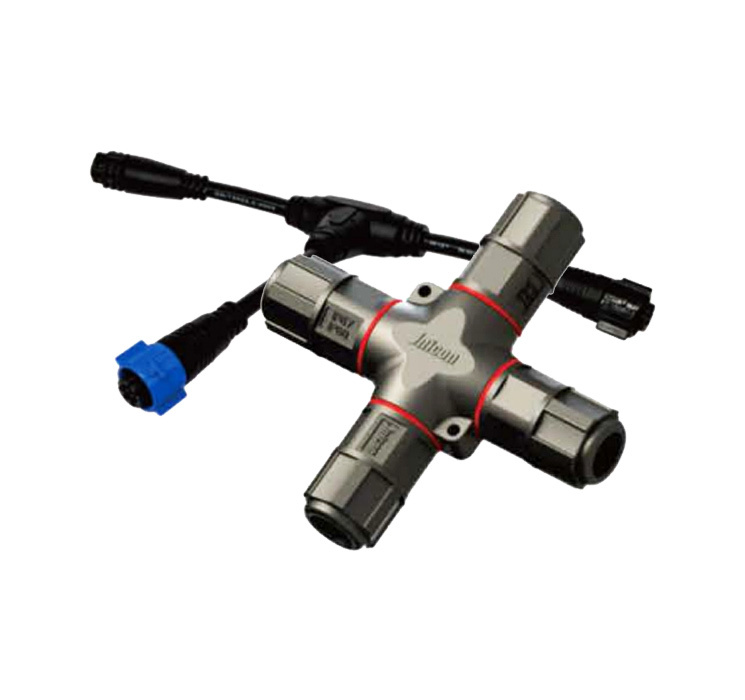
- **Circular Connectors**: Ideal for harsh environments due to their robust design.
3.2. Common Materials Used
Waterproof connectors are typically made from materials that resist corrosion, such as:
- **Stainless Steel**: Known for its strength and resistance to rust.
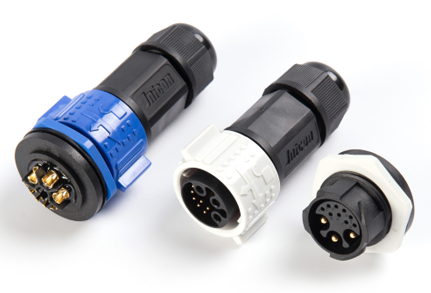
- **Plastic**: Lightweight and resistant to moisture, often used in less demanding applications.
- **Bronze**: Offers excellent conductivity and durability.
4. Key Features of High-Quality Waterproof Connectors
High-quality waterproof marine electrical connectors come equipped with several features to ensure their effectiveness:
- **IP Rating**: Look for connectors with an Ingress Protection rating of at least IP67, which indicates they are dust-tight and can withstand immersion in water.
- **Corrosion Resistance**: Coatings and materials that provide resistance to saltwater and other corrosive elements are essential.
- **Easy Installation**: User-friendly designs that allow for quick connections and disconnections can save time during maintenance.
5. Benefits of Using Waterproof Marine Electrical Connectors
Using waterproof marine electrical connectors offers multiple benefits that are crucial for maintaining safety and operational efficiency.
5.1. Enhanced Durability
These connectors are designed to withstand extreme conditions, including harsh weather, vibrations, and exposure to saltwater. This durability translates into a longer lifespan and reduced replacement costs.
5.2. Improved Safety and Reliability
Waterproof connectors minimize the risk of electrical failures, which can lead to dangerous situations at sea. By ensuring reliable connections, these connectors play a vital role in navigation systems, communication devices, and critical safety equipment.
6. How to Choose the Right Waterproof Marine Electrical Connector
Selecting the appropriate connector for your marine application involves several considerations.
6.1. Consider the Environment
Evaluate where the connector will be used. Different environments may require different levels of protection. For example, connectors used in engine compartments must withstand higher temperatures and more exposure to oil and fuel.
6.2. Evaluate Current and Voltage Ratings
Before making a purchase, ensure that the connector can handle the required current and voltage levels for your specific application. This is critical to avoid overheating and potential failures.
7. Best Practices for Installing and Maintaining Connectors
Proper installation and maintenance of waterproof marine electrical connectors can significantly extend their lifespan and reliability.
- **Regular Inspections**: Periodically check connectors for signs of wear, corrosion, or damage. Early detection can prevent future failures.
- **Proper Sealing**: Ensure that connectors are sealed correctly to prevent water ingress.
- **Use of Dielectric Grease**: Applying dielectric grease can protect the connectors from moisture and corrosion.
8. Frequently Asked Questions (FAQs)
What is the difference between waterproof and water-resistant connectors?
Waterproof connectors are designed to prevent water from entering in any circumstances, while water-resistant connectors can withstand some moisture but are not fully sealed.
How do I know if a connector is suitable for marine use?
Look for connectors that have high IP ratings, corrosion-resistant materials, and are specifically labeled for marine applications.
Can I use regular electrical connectors in marine environments?
Regular connectors may not withstand the harsh conditions faced in marine environments. It is recommended to always use connectors specifically designed for marine use.
How often should I inspect my marine electrical connectors?
Regular inspections should be conducted at least once a year, or more frequently if the vessel is used in harsh conditions.
What maintenance is required for waterproof marine electrical connectors?
Maintaining these connectors involves regular inspections, proper sealing, and using dielectric grease to protect against corrosion.
9. Conclusion
Waterproof marine electrical connectors are essential for safe navigation in maritime operations. By providing durability, reliability, and enhanced safety, these connectors are a critical component in ensuring that vessels function efficiently in challenging environments. When selecting and maintaining these connectors, it is vital to consider the specific needs of your application to ensure optimal performance and safety at sea. By adhering to best practices and making informed choices, marine operators can significantly reduce the risks associated with electrical failures, facilitating a safer navigation experience.
News
2026-10-03
Understanding Waterproof Cables: Essential Insights for Electrical Professionals
Waterproof cables are vital components in the electric and electronic industries, especially when it comes to ensuring safe and reliable connections in challenging environments. These cables are designed to resist moisture and prevent water ingress, which can lead to electrical failure and safety hazards. Understanding the intricacies of waterproof cables is essential for electrical professionals
2026-09-30
Discover the Advantages of Using 2 Pin Waterproof Connectors in Harsh Environments
Discover the Advantages of Using 2 Pin Waterproof Connectors in Harsh Environments Table of Contents 1. Introduction to 2 Pin Waterproof Connectors 2. Importance of Waterproof Connectors 3. Design Features of 2 Pin Waterproof Connectors 4. Applications in Various Industries 5. Benefits of Using 2 Pin Waterproof Connectors 6. Installation Guidelines for 2 Pin Waterproof Connectors 7.
2026-09-27
Understanding Industrial Power Connectors: Key Insights for Professionals
Industrial power connectors play a crucial role in the safety and efficiency of electrical systems across various sectors, including manufacturing, energy, and transportation. These connectors are designed to facilitate the transmission of electrical power in rugged environments, ensuring reliable and stable connections. Understanding the types, applications, and selection criteria for industrial

B8-9, Fubilun industrial park, Chaoyang rd,Yanchuan community, Songgang, Shenzhen, China


