
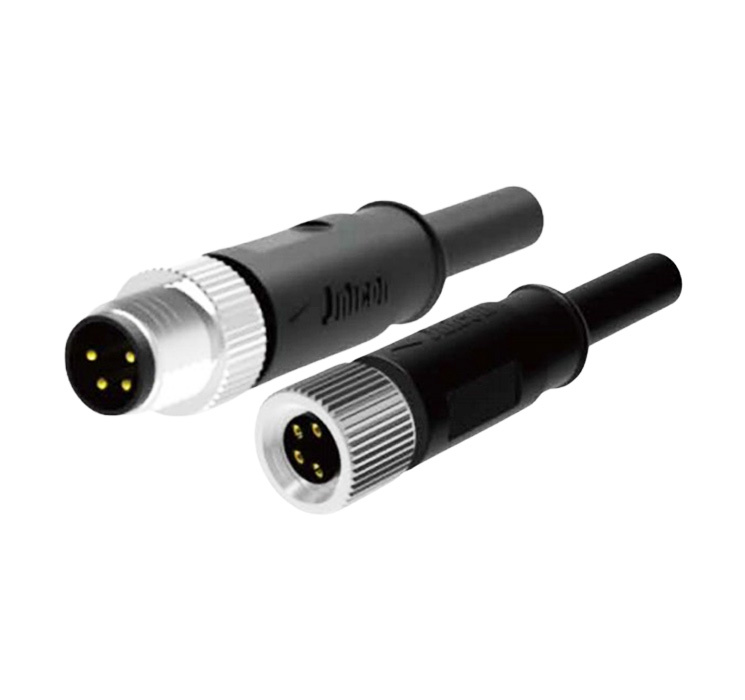
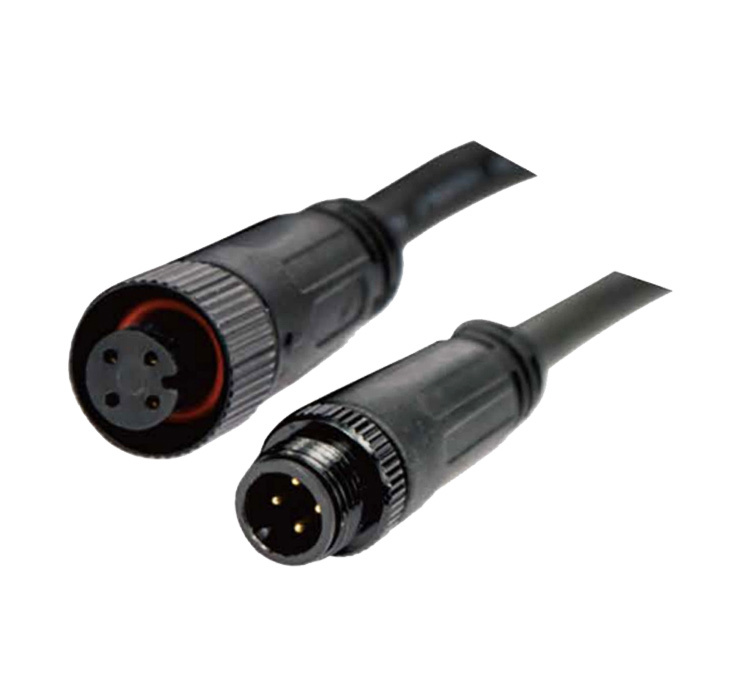
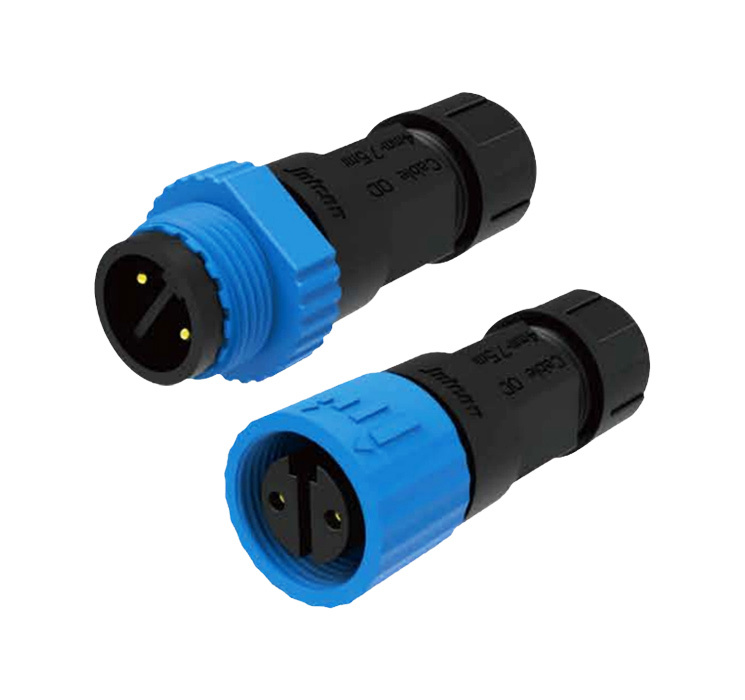
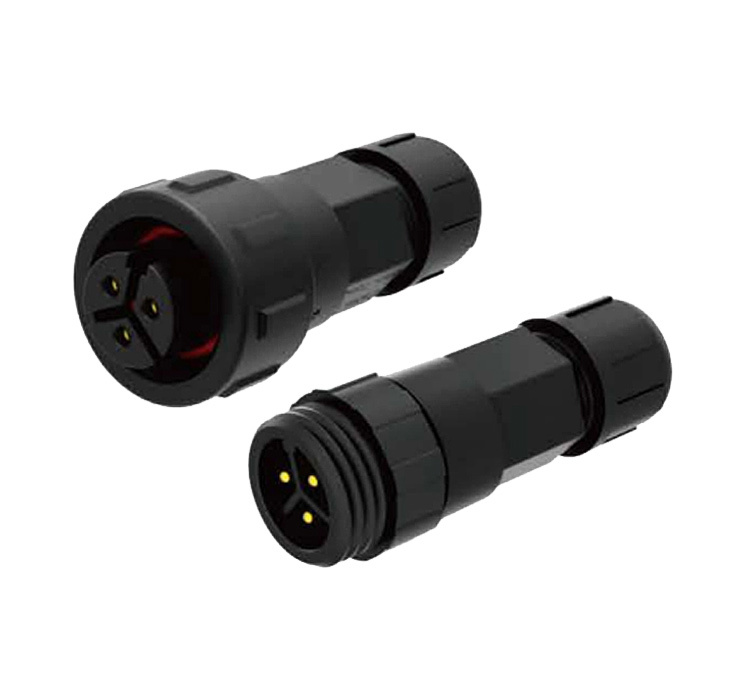
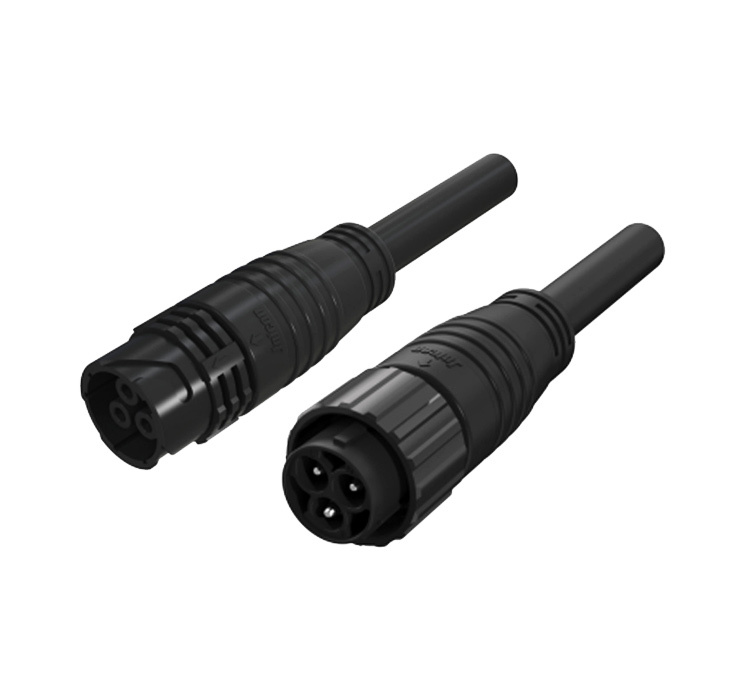
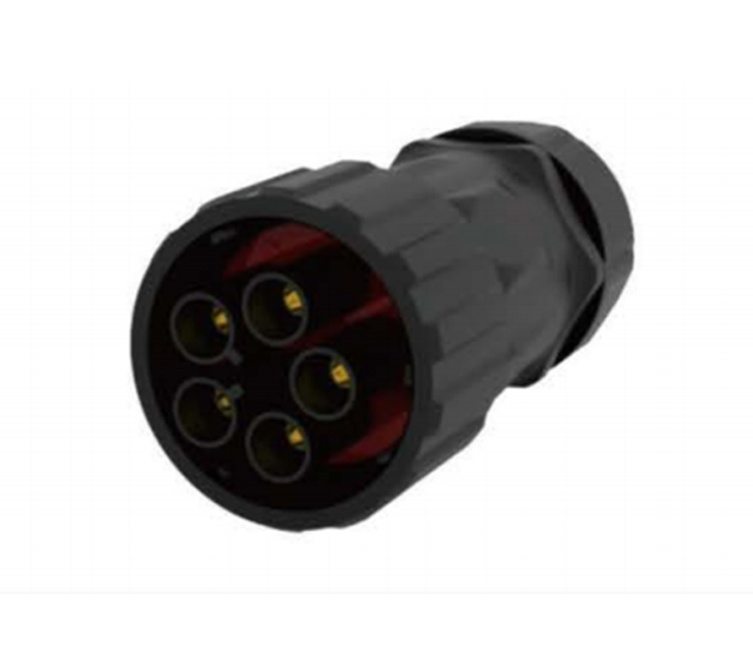
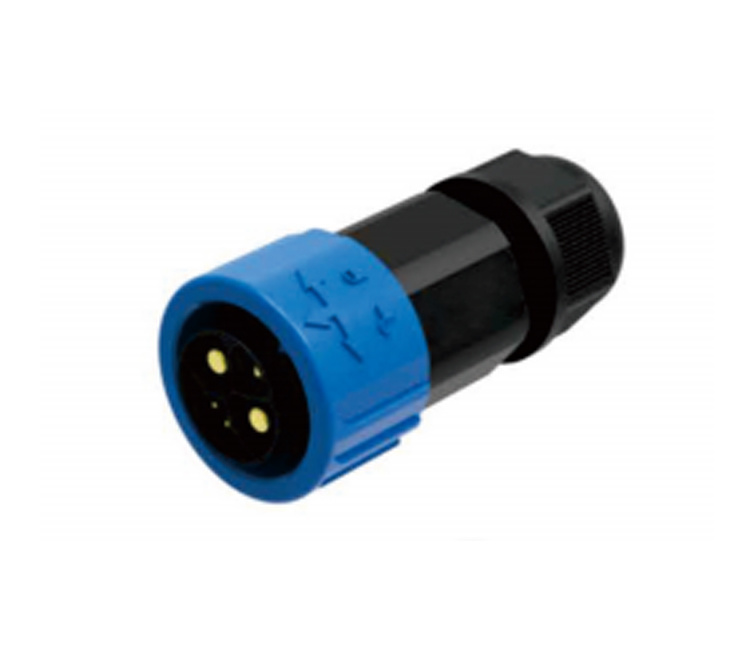
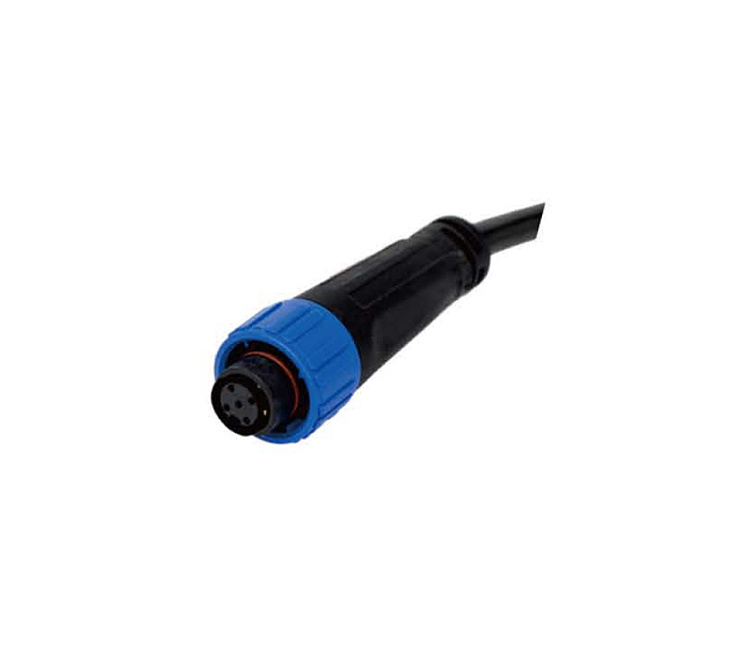
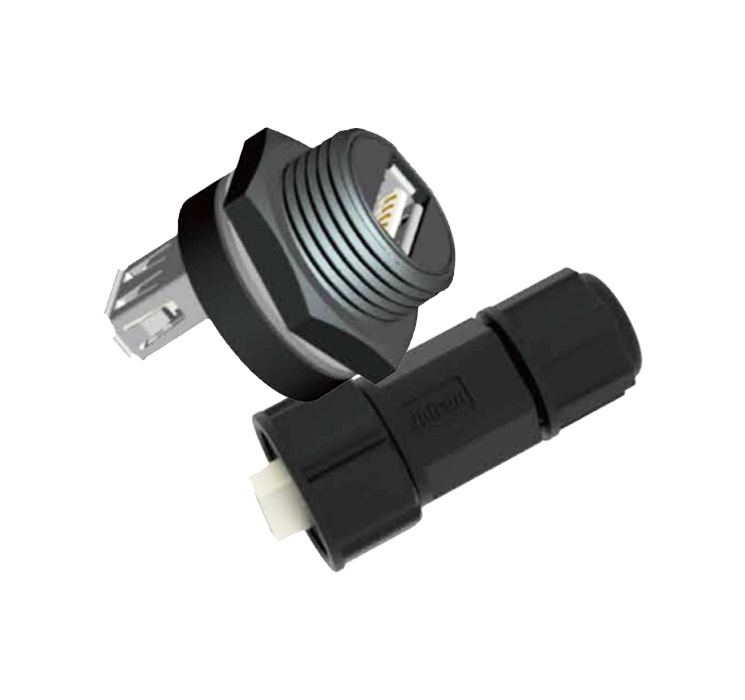
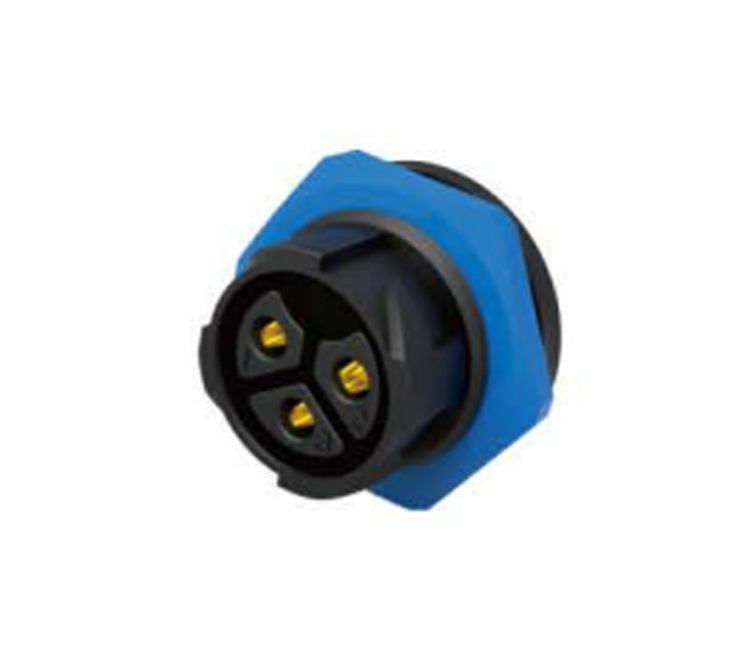
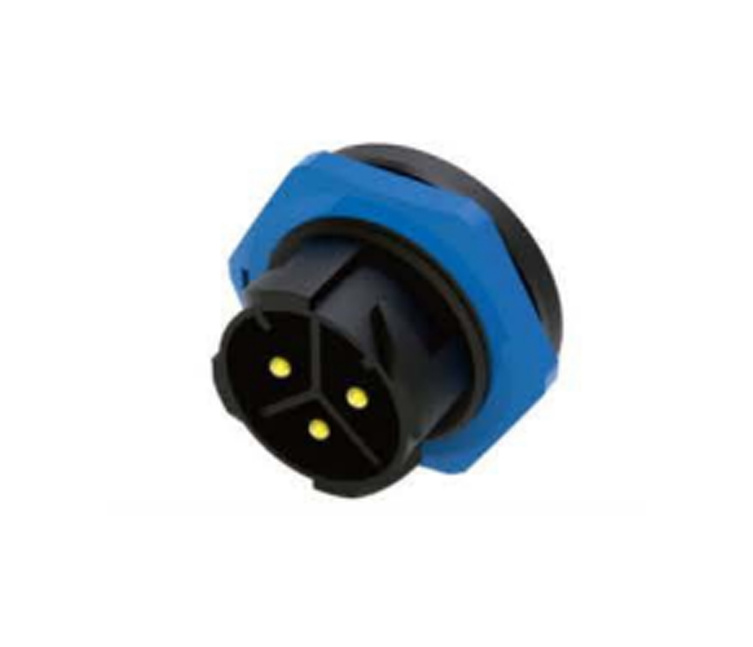
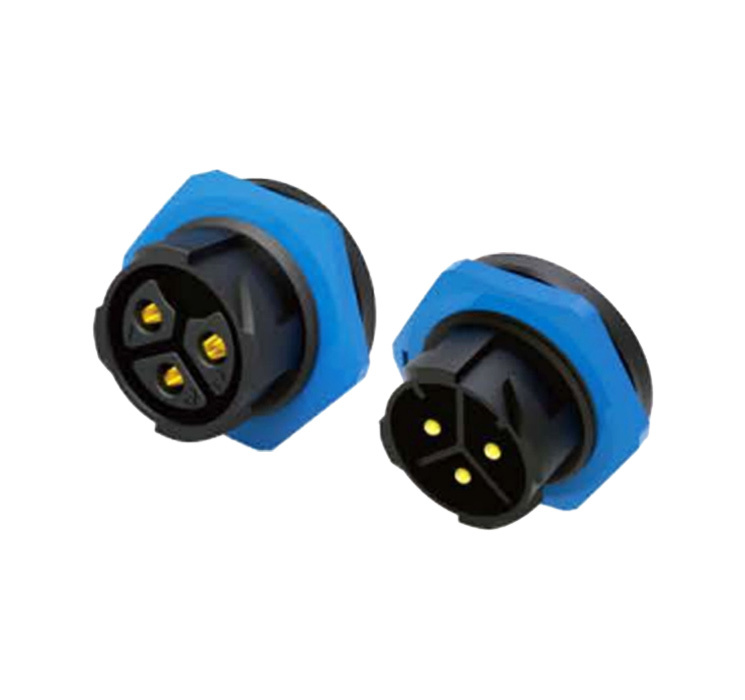


Waterproof Cables - Ensuring Reliable Performance in Harsh Environments
Release Time:
2025-12-08
In an era where industries and consumer electronics are becoming increasingly reliant on technology, the need for reliable, durable components is more important than ever. Among these components, waterproof cables stand out as essential elements for ensuring stable power and signal transmission, particularly in harsh environments where exposure to moisture, dust, and extreme temperatures is inevitable. From construction sites and marine vessels to automotive systems and outdoor infrastructure, waterproof cables have proven to be indispensable across a wide range of industries.
What are Waterproof Cables?
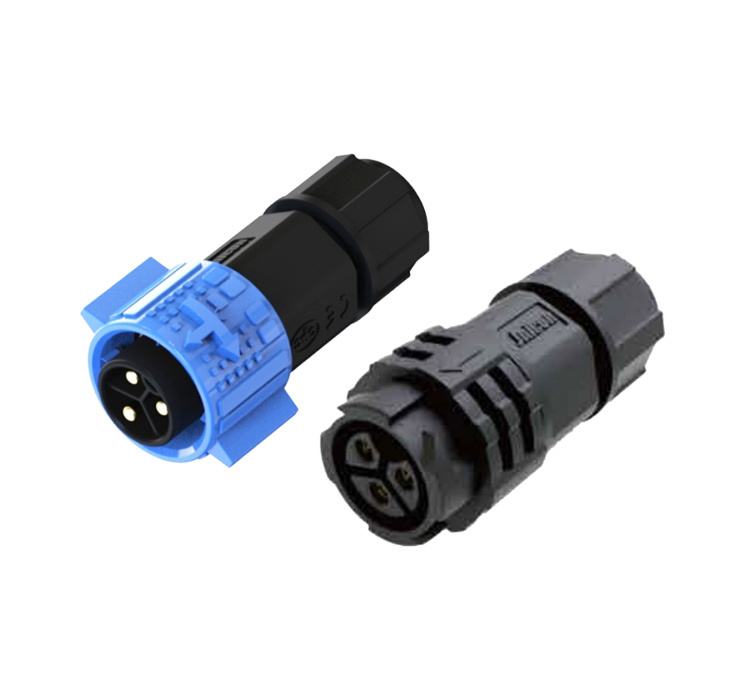
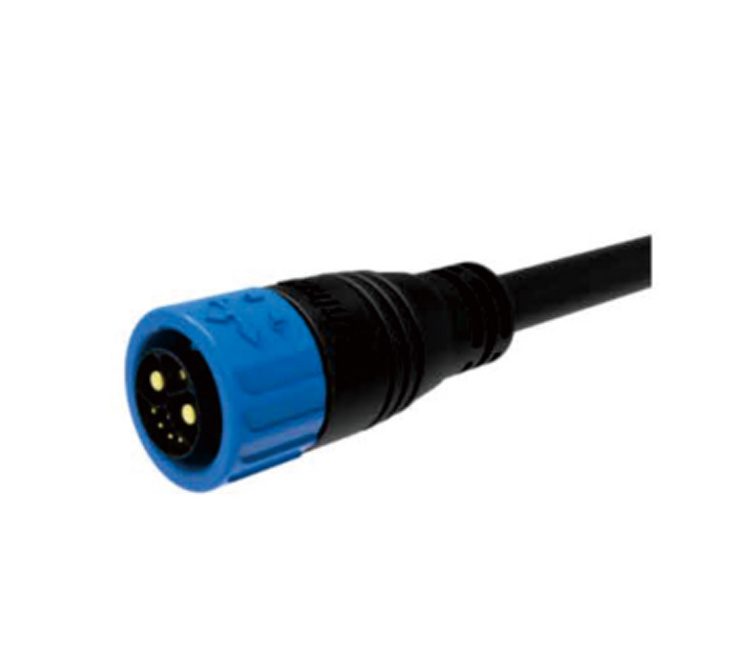
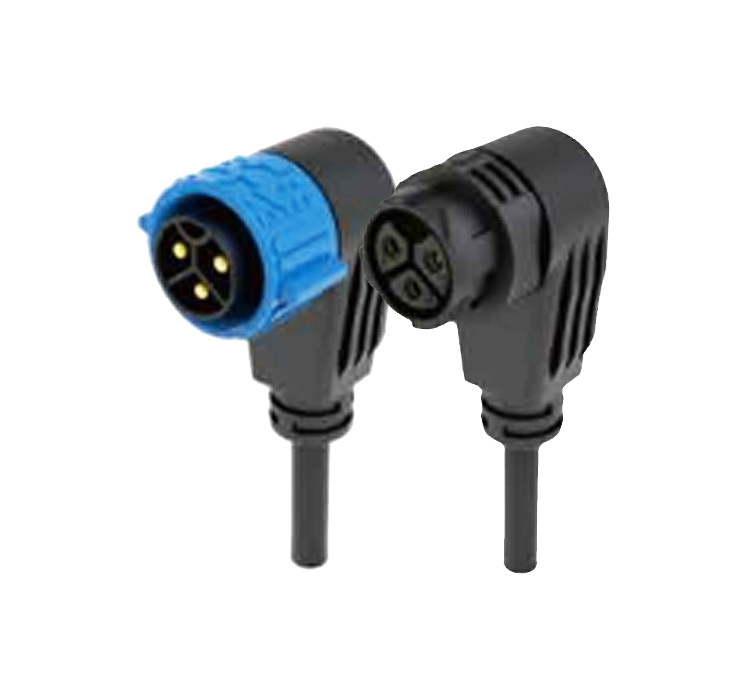
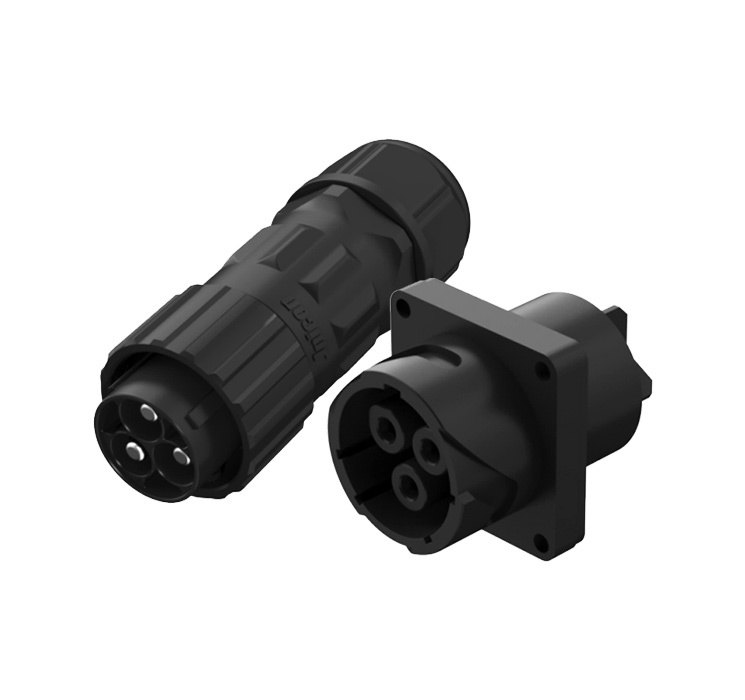
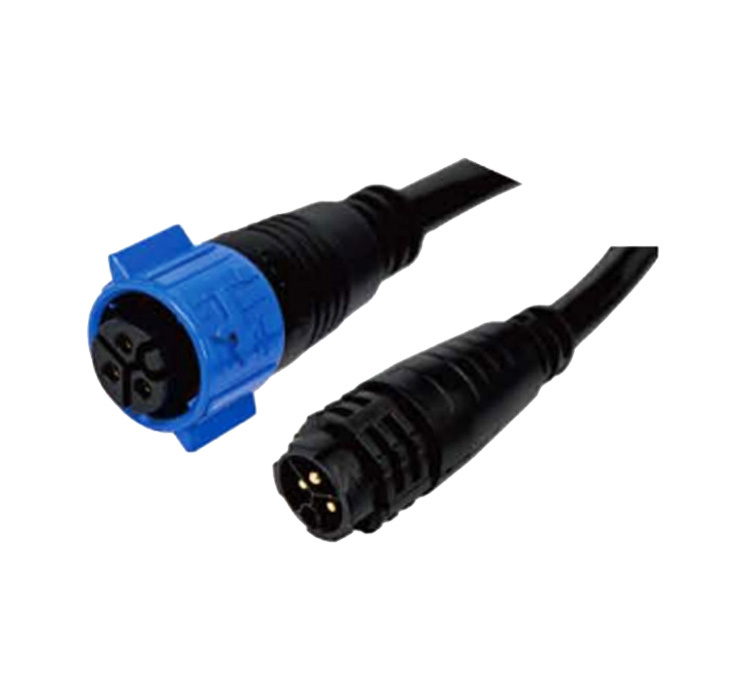
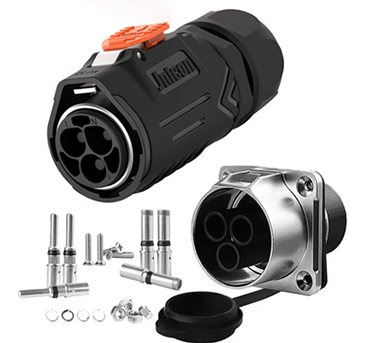
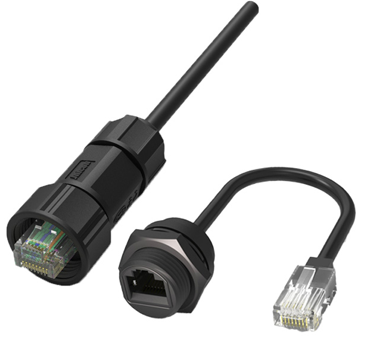
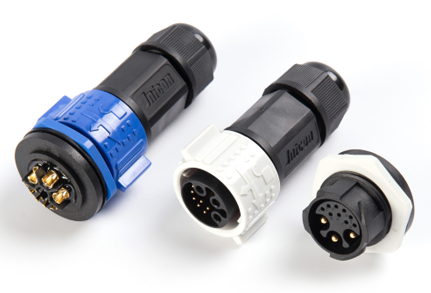
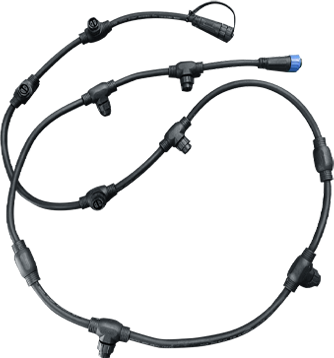
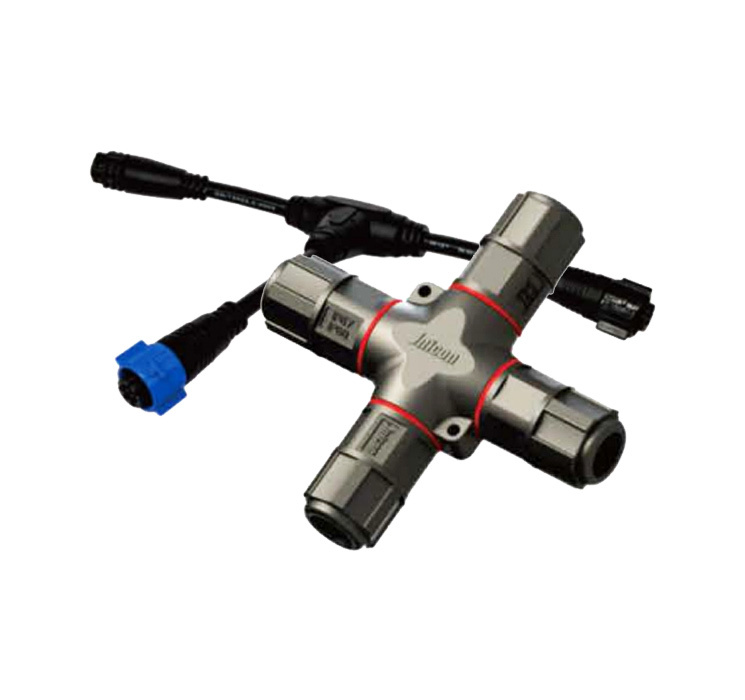
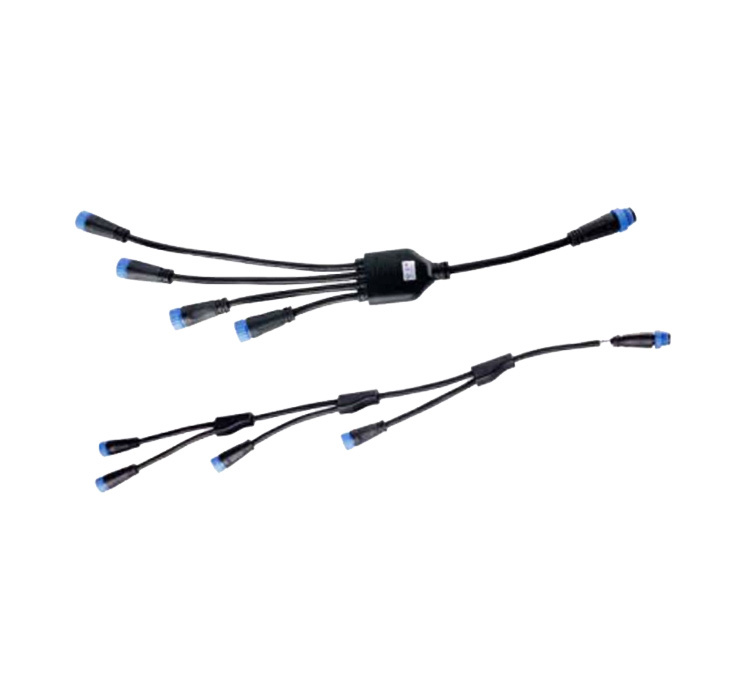
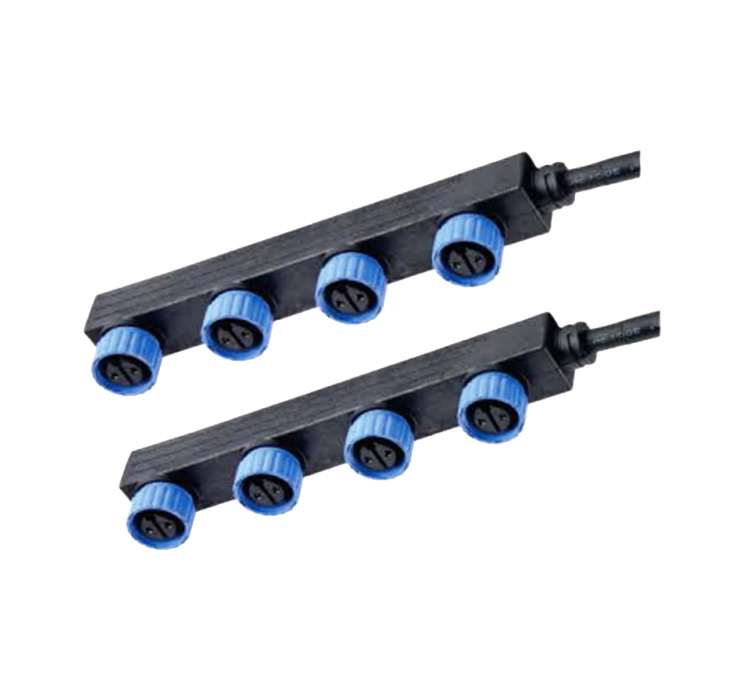
Waterproof cables are specially designed cables with an outer layer of protective material that resists water ingress, ensuring that the electrical components inside the cable remain safe and functional. These cables are built to withstand harsh environmental conditions, including submersion in water, exposure to heavy rain, or contact with moisture-laden environments. Waterproof cables are commonly used in applications such as marine electronics, outdoor lighting systems, automotive wiring, and heavy-duty industrial machinery.
The outer sheath of waterproof cables is typically made from materials such as rubber, PVC, or thermoplastic elastomers (TPE), which provide flexibility, durability, and resistance to water penetration. Additionally, the cables often feature additional layers of insulation and protective coatings to enhance their resistance to environmental factors such as UV radiation, extreme temperatures, and abrasion.
Key Applications of Waterproof Cables
Waterproof cables are used in a wide variety of applications where water exposure is common. Below are some of the key industries and scenarios in which these cables play a vital role:
1. Marine Industry
In the marine industry, where electronics and electrical systems are exposed to the harsh marine environment, waterproof cables are a necessity. Whether used for boat wiring, navigation systems, or underwater equipment, these cables ensure that electrical systems continue to function reliably even in wet, salty conditions. Waterproof cables help prevent short circuits, corrosion, and other failures, ensuring the safety and effectiveness of marine equipment.
2. Automotive and Transportation
In the automotive and transportation sectors, waterproof cables are used for various applications, including vehicle lighting systems, battery wiring, and engine components. These cables are designed to resist moisture from rain, snow, and road salt, ensuring that electrical systems in vehicles remain intact and operational even in harsh weather conditions. Additionally, waterproof cables are also used in electric vehicles (EVs) and hybrid vehicles, where they help maintain the integrity of the battery and charging systems in all weather.
3. Outdoor and Garden Equipment
Outdoor electrical equipment, such as garden lights, irrigation systems, and power tools, often faces exposure to rain, humidity, and other moisture. Waterproof cables are crucial for ensuring that these systems continue to function reliably, even when exposed to the elements. These cables are specifically designed to prevent moisture from seeping into the wiring, ensuring long-lasting performance and reducing the risk of electrical failures.
4. Industrial Machinery and Construction
In industrial machinery and construction settings, waterproof cables are commonly used in equipment that operates in wet or dusty environments. For example, waterproof cables are used in pumps, cranes, conveyors, and other heavy machinery to ensure stable power and control signals, regardless of the working conditions. These cables are essential for maintaining safety and operational efficiency in construction and industrial sites, where moisture and water exposure are common.
5. Renewable Energy Systems
As renewable energy technologies such as solar and wind power systems become more widespread, waterproof cables are being increasingly used to connect solar panels, wind turbines, and batteries. These systems are often deployed outdoors, where they are exposed to various weather conditions. Waterproof cables ensure that these energy systems continue to function efficiently and safely, even in challenging environments.
Advantages of Waterproof Cables
Waterproof cables offer several key advantages that make them a preferred choice in industries requiring high reliability and durability. Some of the most notable benefits include:
Enhanced Durability: Waterproof cables are designed to withstand harsh environmental conditions, including rain, snow, and exposure to chemicals or corrosive substances. This durability helps extend the lifespan of the cables and ensures reliable performance in the long term.
Increased Safety: By preventing moisture from entering the cable and causing electrical shorts, waterproof cables significantly reduce the risk of electrical hazards, fires, or equipment failure. This makes them essential for applications in industries where safety is a top priority.
Improved Performance: Waterproof cables help maintain stable electrical signals and power transmission, even in challenging environments. This ensures that equipment operates efficiently, reducing downtime and minimizing the risk of malfunctions.
Versatility: Waterproof cables are available in a wide range of materials, sizes, and configurations, making them suitable for various applications, from small household devices to large industrial machinery.
Cost-Effectiveness: Although waterproof cables may initially cost more than traditional cables, they offer long-term cost savings by reducing maintenance, repair, and replacement costs associated with moisture-related failures.
Technological Advancements in Waterproof Cables
As the demand for reliable and high-performance cables increases, manufacturers continue to innovate and improve the design and materials used in waterproof cables. Some of the latest technological advancements include:
Improved Insulation Materials: Advances in insulation technology have led to the development of more efficient and durable waterproof coatings, enhancing the protection of cables from moisture, chemicals, and extreme temperatures.
Smart Features: Some waterproof cables are now equipped with smart technology that allows for real-time monitoring of their condition. Sensors can detect moisture levels, temperature fluctuations, and potential faults, allowing for predictive maintenance and reducing the likelihood of system failures.
Eco-Friendly Options: With the growing focus on sustainability, many manufacturers are now producing waterproof cables using recyclable materials and environmentally friendly manufacturing processes, helping to reduce the environmental impact of electrical systems.
Conclusion
Waterproof cables are critical components in many industries where electrical systems need to function reliably in wet or harsh conditions. Whether used in the marine industry, automotive systems, industrial machinery, or renewable energy applications, these cables provide essential protection against moisture and environmental factors. As technological advancements continue to improve their performance and durability, waterproof cables will remain a key component in ensuring the reliable operation of equipment and systems across a wide range of industries.
News
2026-10-03
Understanding Waterproof Cables: Essential Insights for Electrical Professionals
Waterproof cables are vital components in the electric and electronic industries, especially when it comes to ensuring safe and reliable connections in challenging environments. These cables are designed to resist moisture and prevent water ingress, which can lead to electrical failure and safety hazards. Understanding the intricacies of waterproof cables is essential for electrical professionals
2026-09-30
Discover the Advantages of Using 2 Pin Waterproof Connectors in Harsh Environments
Discover the Advantages of Using 2 Pin Waterproof Connectors in Harsh Environments Table of Contents 1. Introduction to 2 Pin Waterproof Connectors 2. Importance of Waterproof Connectors 3. Design Features of 2 Pin Waterproof Connectors 4. Applications in Various Industries 5. Benefits of Using 2 Pin Waterproof Connectors 6. Installation Guidelines for 2 Pin Waterproof Connectors 7.
2026-09-27
Understanding Industrial Power Connectors: Key Insights for Professionals
Industrial power connectors play a crucial role in the safety and efficiency of electrical systems across various sectors, including manufacturing, energy, and transportation. These connectors are designed to facilitate the transmission of electrical power in rugged environments, ensuring reliable and stable connections. Understanding the types, applications, and selection criteria for industrial

B8-9, Fubilun industrial park, Chaoyang rd,Yanchuan community, Songgang, Shenzhen, China


